
A hair mask is one of those steps that's easy to skip, but makes a genuinely noticeable difference when you don't.
Softness, shine, and hair that's easier to manage day to day, here's what it actually does, how often to use one, and how to get the most out of the different types on offer.
What is a hair mask, and what does it actually do?
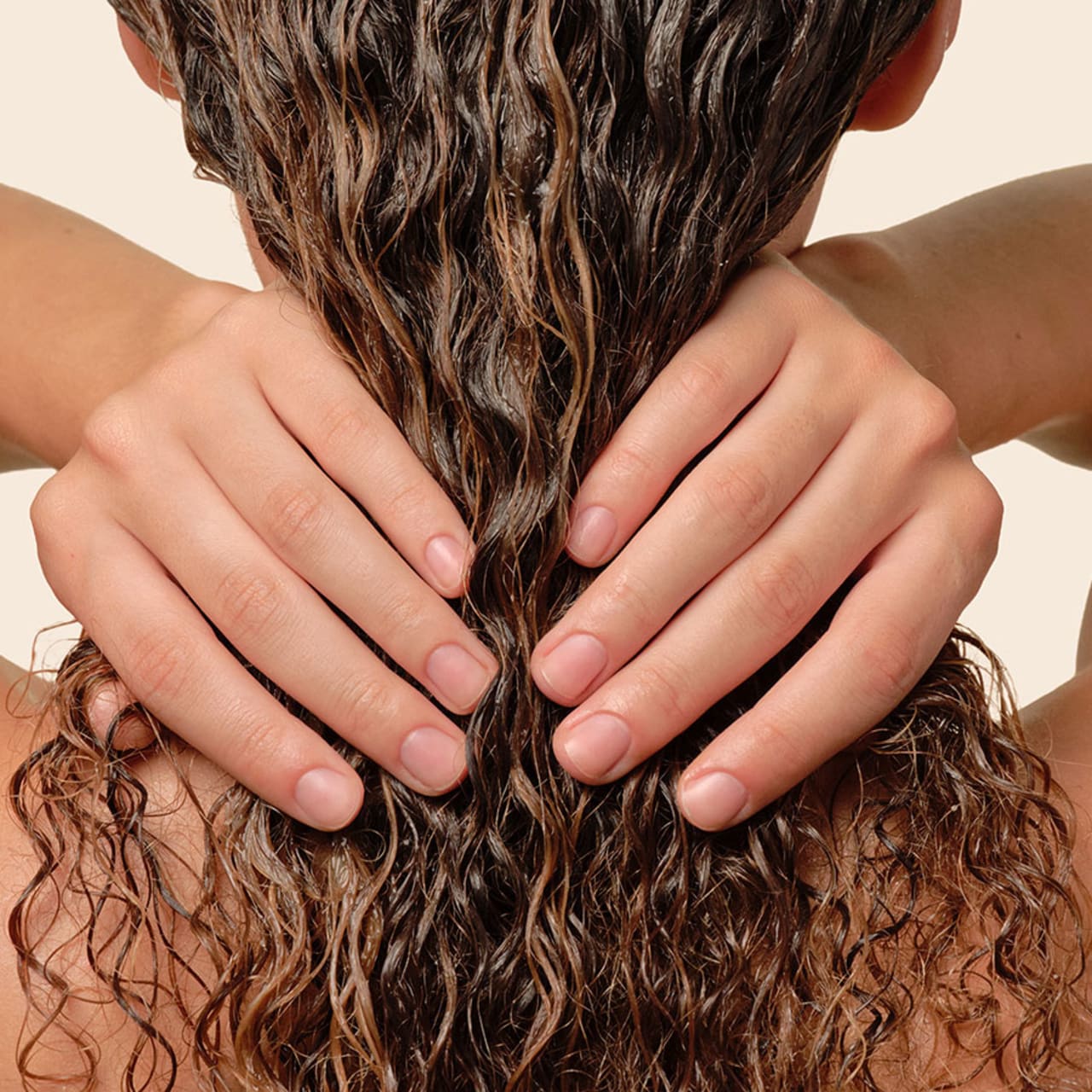
A hair mask is a concentrated treatment applied after shampooing, designed to repair and intensely moisturise hair in a way a regular conditioner simply can't match.
Left on for anywhere from a few minutes to overnight, depending on the formula, it works deeper into the hair fibre, helping restore softness, manageability and shine, particularly on hair that's dry, damaged or just generally tired-looking.
How often should you actually use a hair mask?
Once a week: A sensible starting point for most hair types, enough to keep on top of things without overdoing it.
Twice a week: Very dry, damaged, or curly hair can often handle twice a week, while fine or normal hair usually does better with a lighter touch, once a week or even once a fortnight, to avoid weighing it down.
Not sure What's right for yours specifically? Our hair routine assessment can help pin down the exact frequency and products that suit your hair.
The different types of hair mask
Ready-made masks
These typically offer deep, intense hydration and repair in a single step, ideal for hair that needs an all-round boost rather than one specific fix.
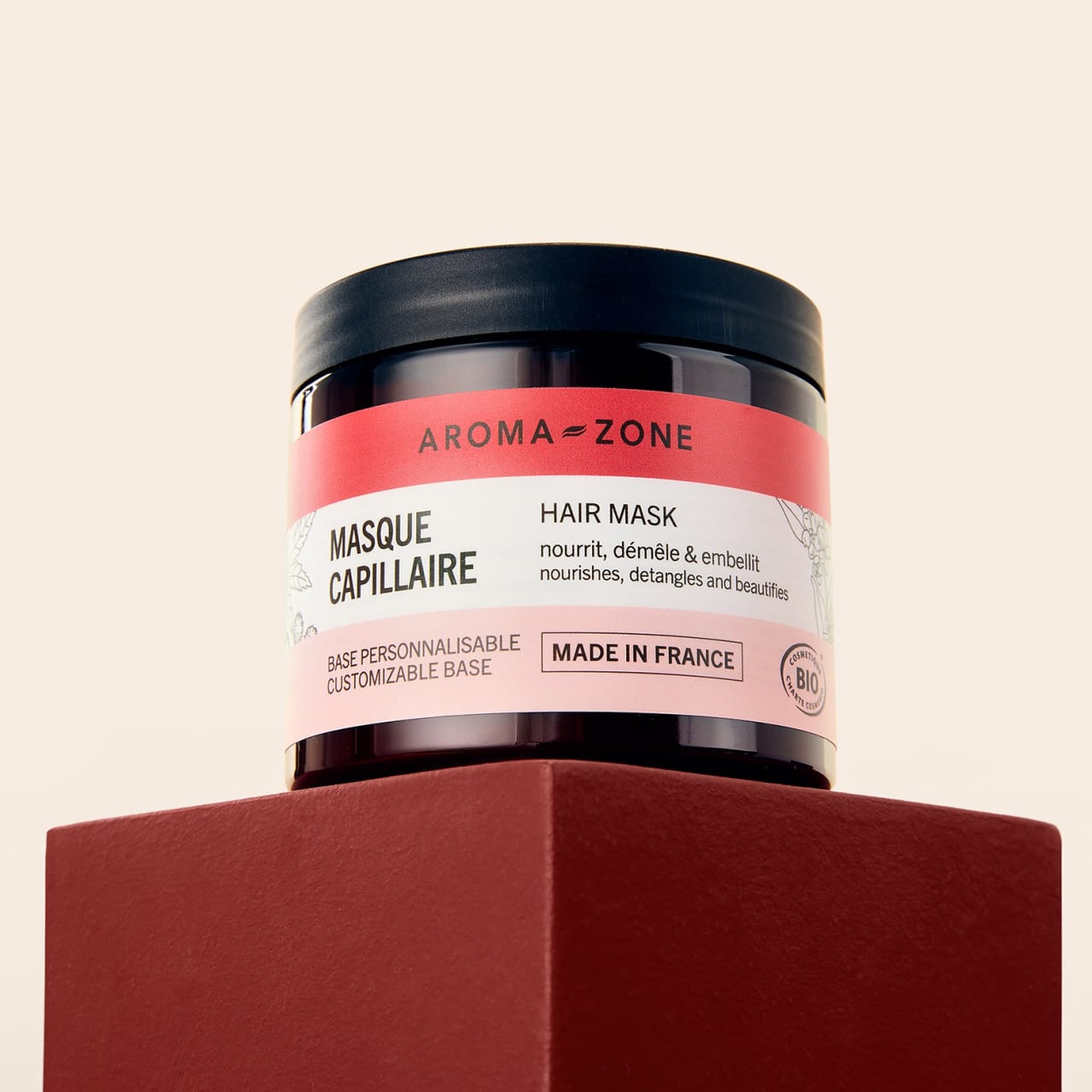
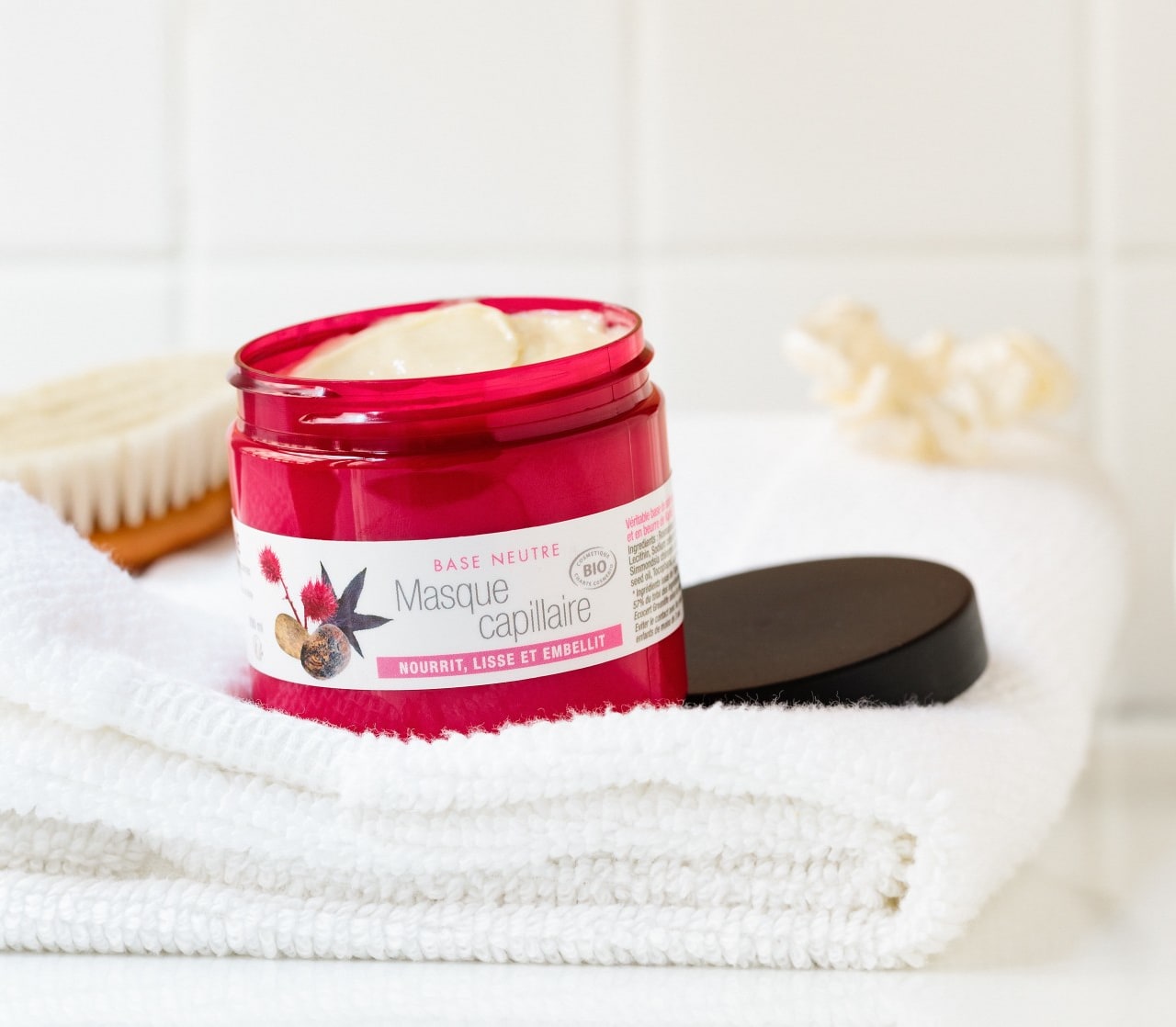
Ready-made masks, like our Neutral Hair Mask, work well applied straight after shampooing, to clean, towel-dried hair.
How to use:
Focus on the lengths and ends rather than the roots.
Leave on for the time stated on the product, generally 5 to 20 minutes
Rinse thoroughly with lukewarm water afterwards.
Pro tip:
Wrap hair in a warm towel, or sit under a hood dryer if you have one, the heat helps open the hair cuticle slightly, so the mask's ingredients absorb properly rather than just sitting on the surface. The Neutral Hair Mask is a solid everyday option that can be personalised with powders or essential oils if you want to target something more specific.
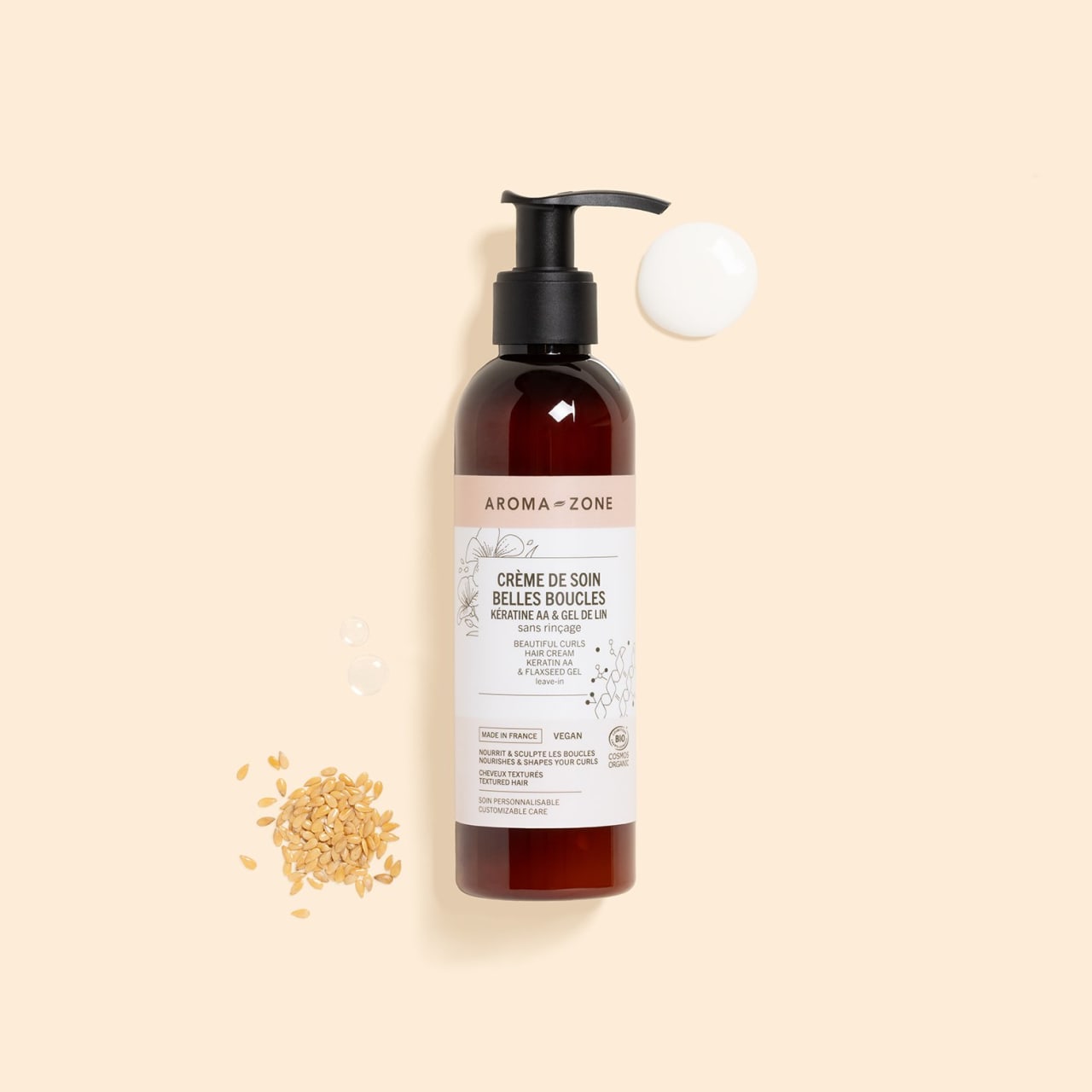
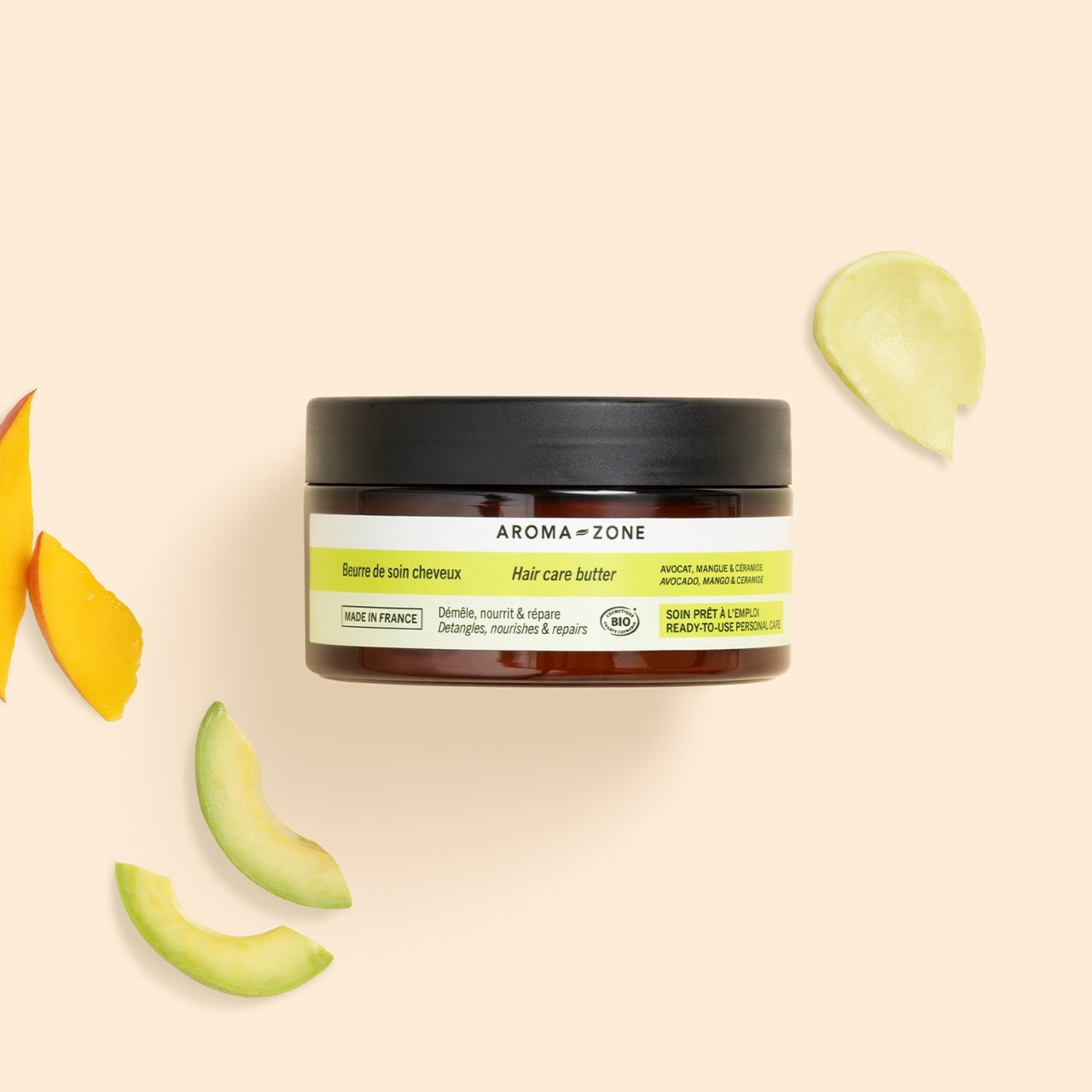
Fancy something a bit richer? Our Hair Care Butter works well as a leave-in conditioner, a good pick if your hair leans towards drier or leaves you wanting a bit more slip after rinsing.
Powders for tailored hair care
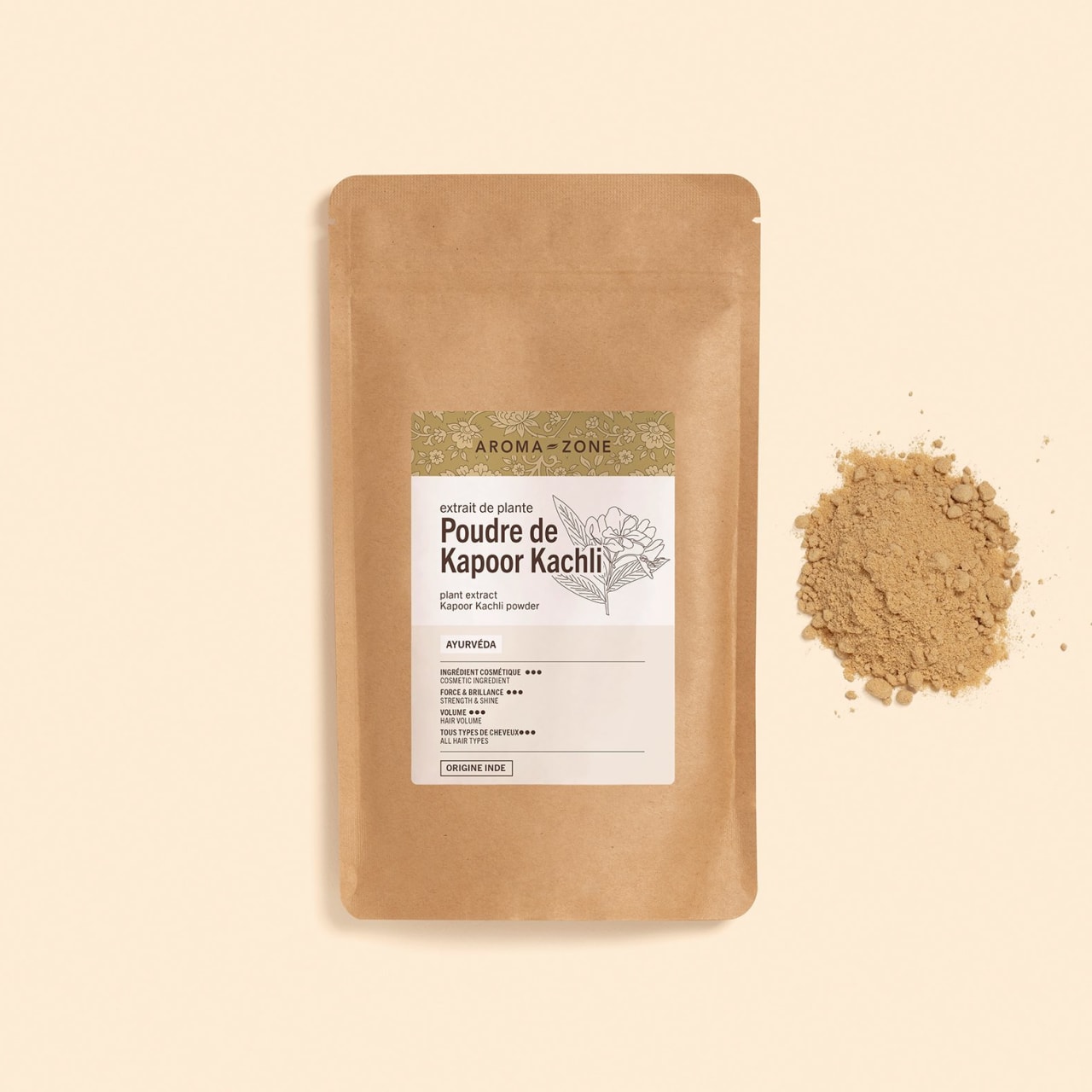
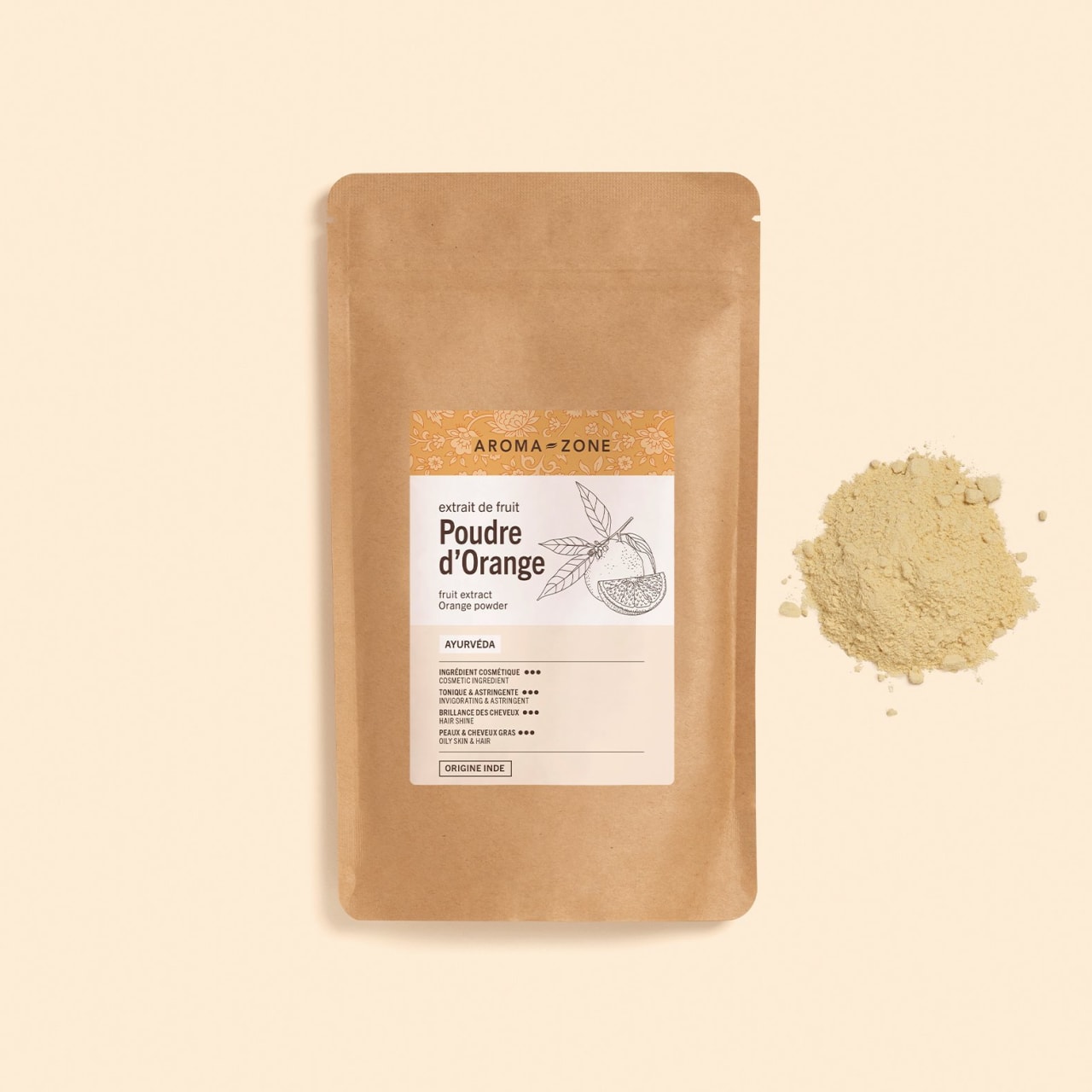
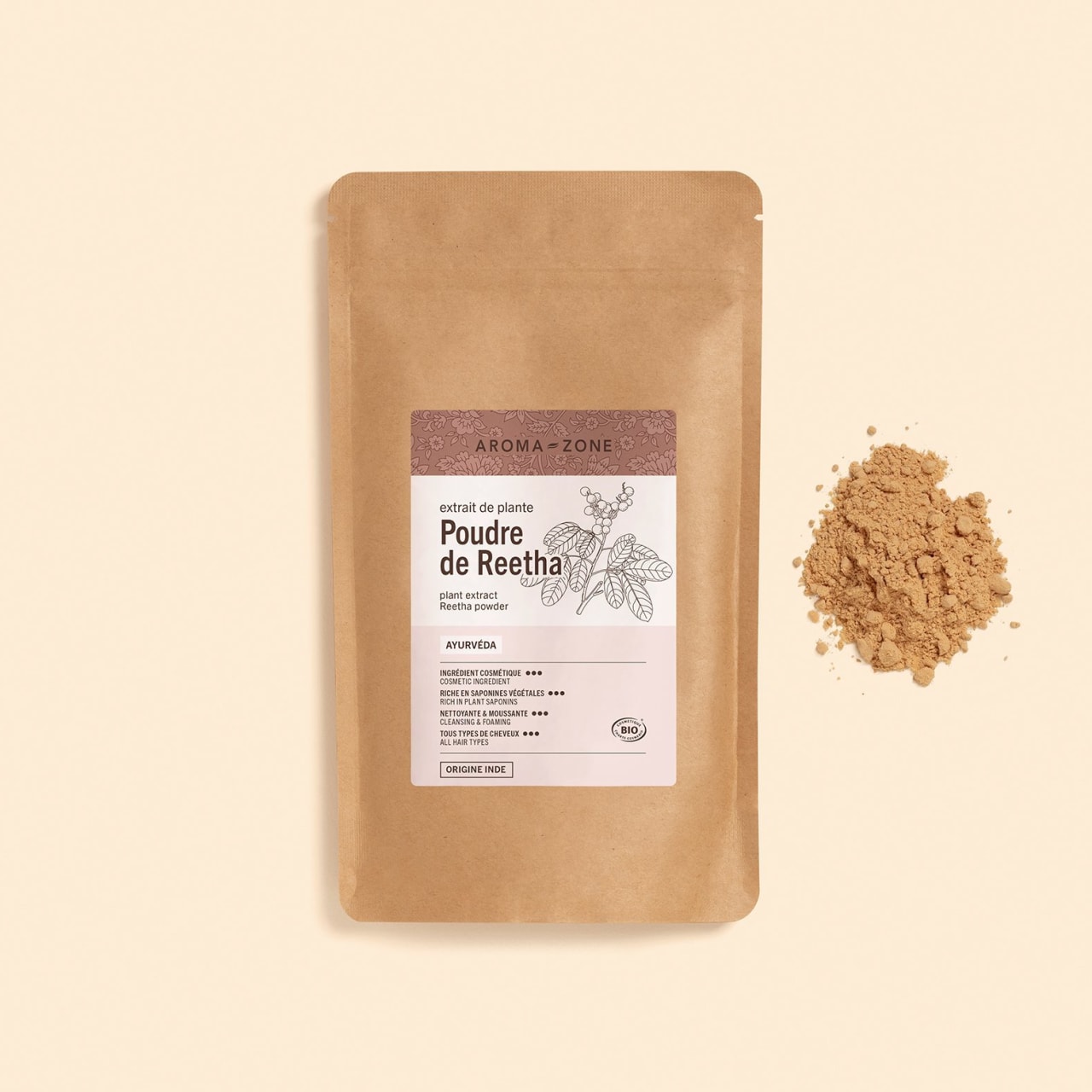
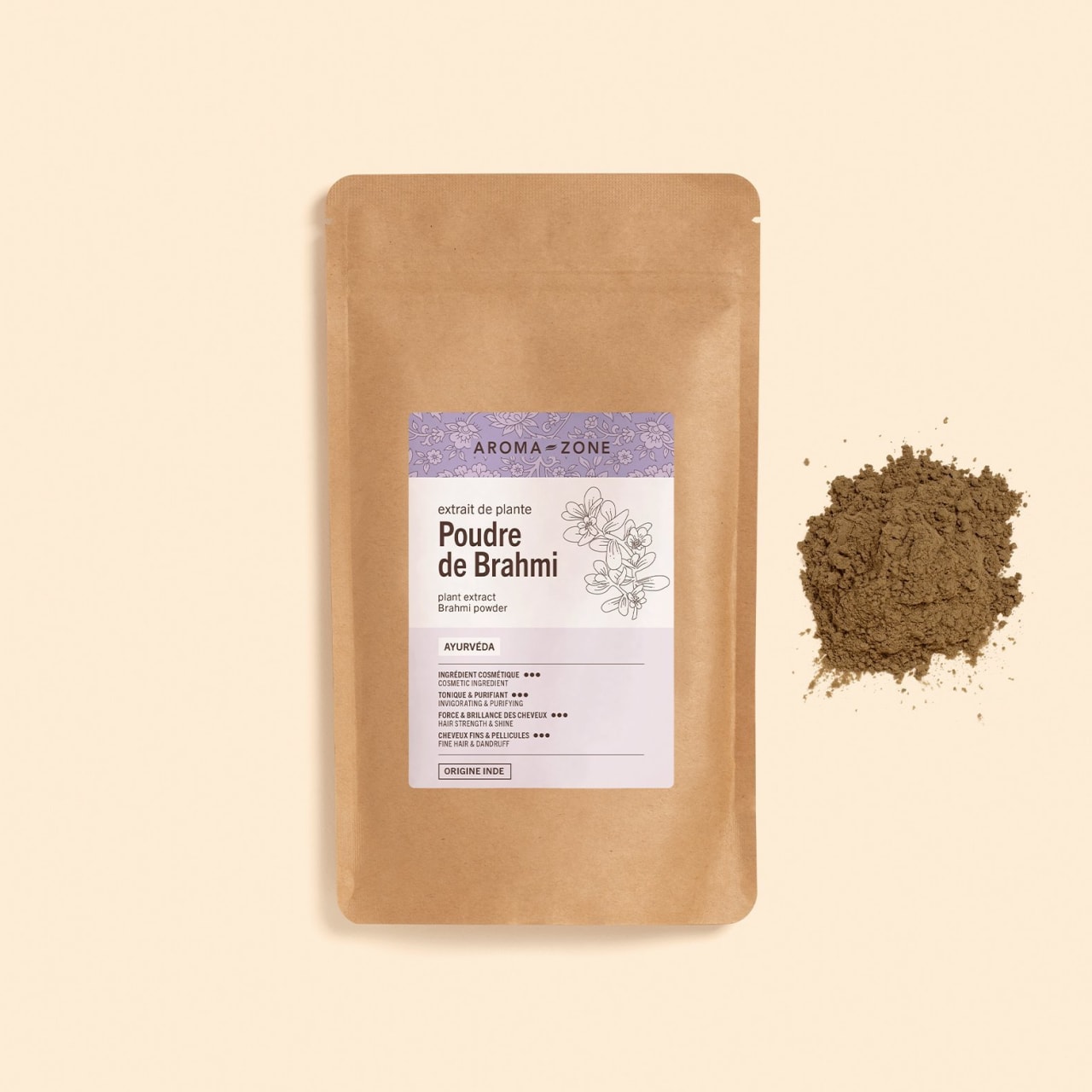
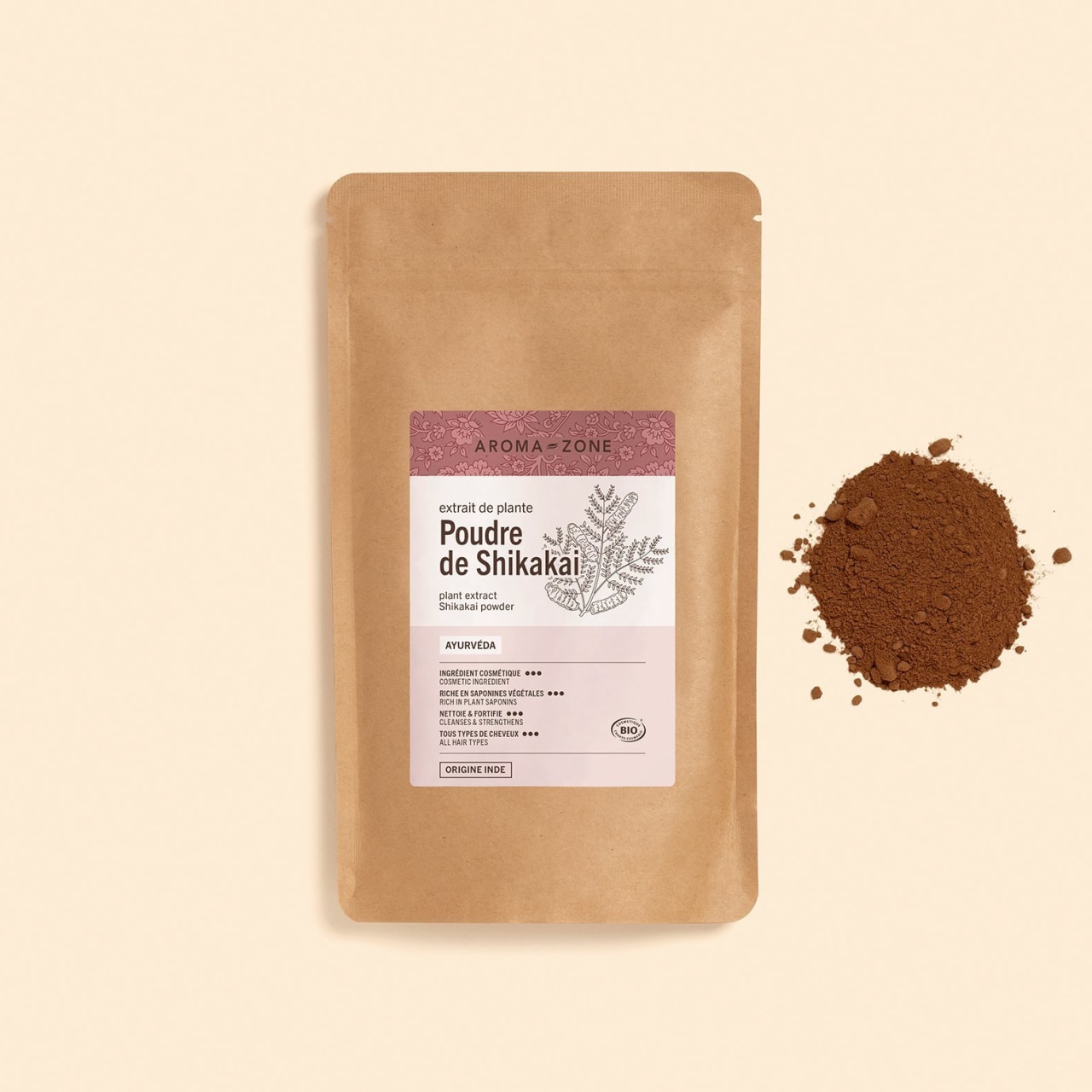
Powders let you build a mask around one particular hair concern (shine, scalp comfort, growth) rather than relying on a generic formula.
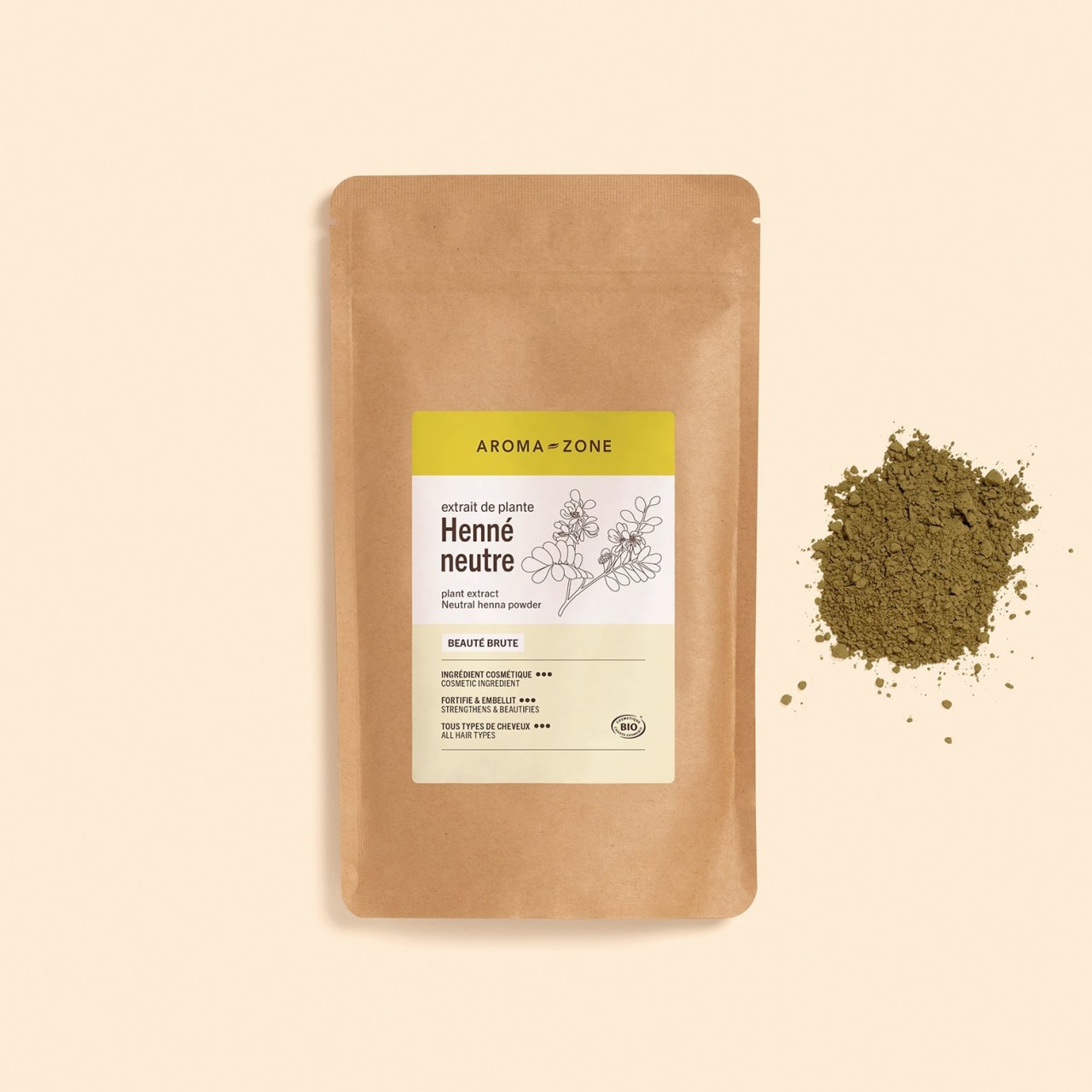
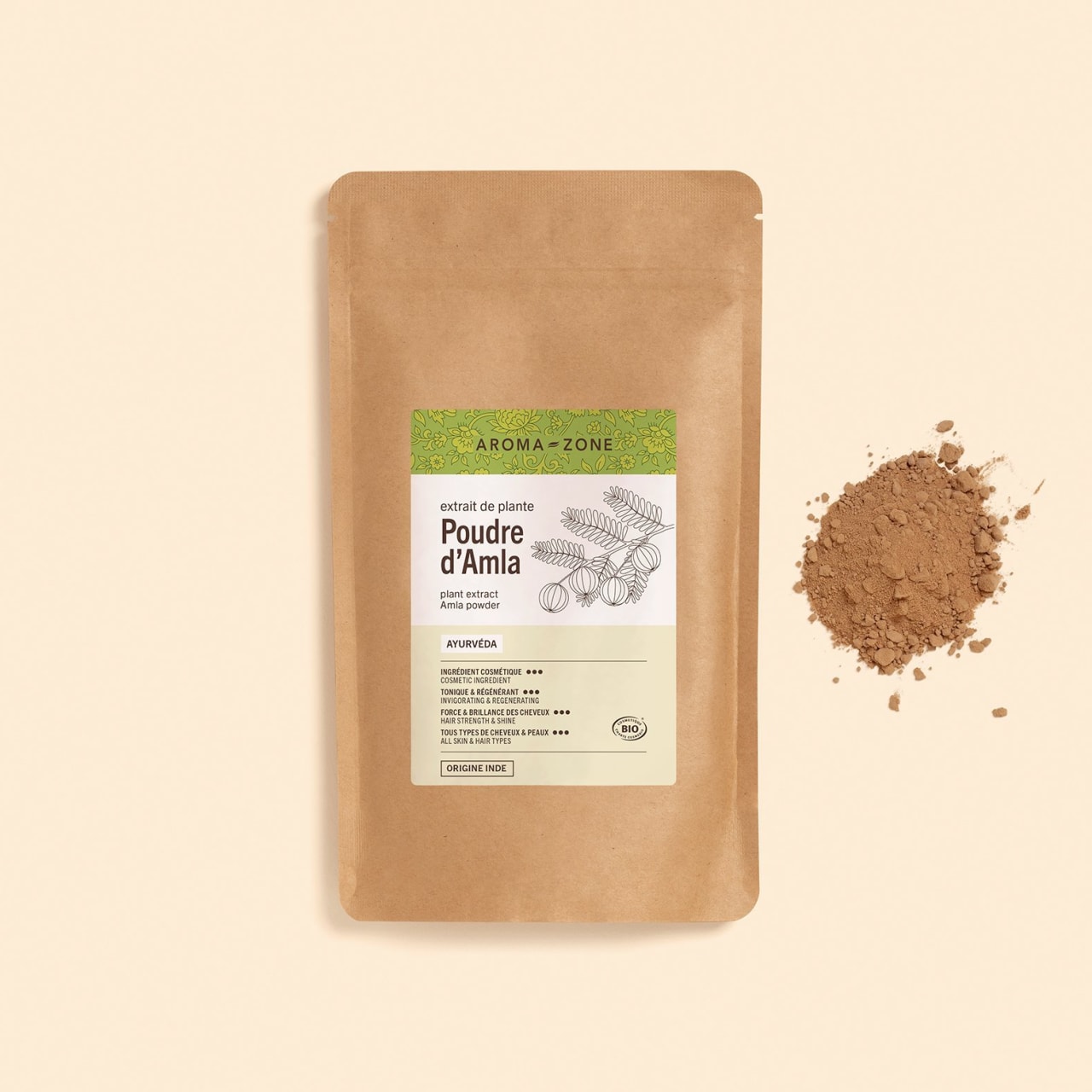
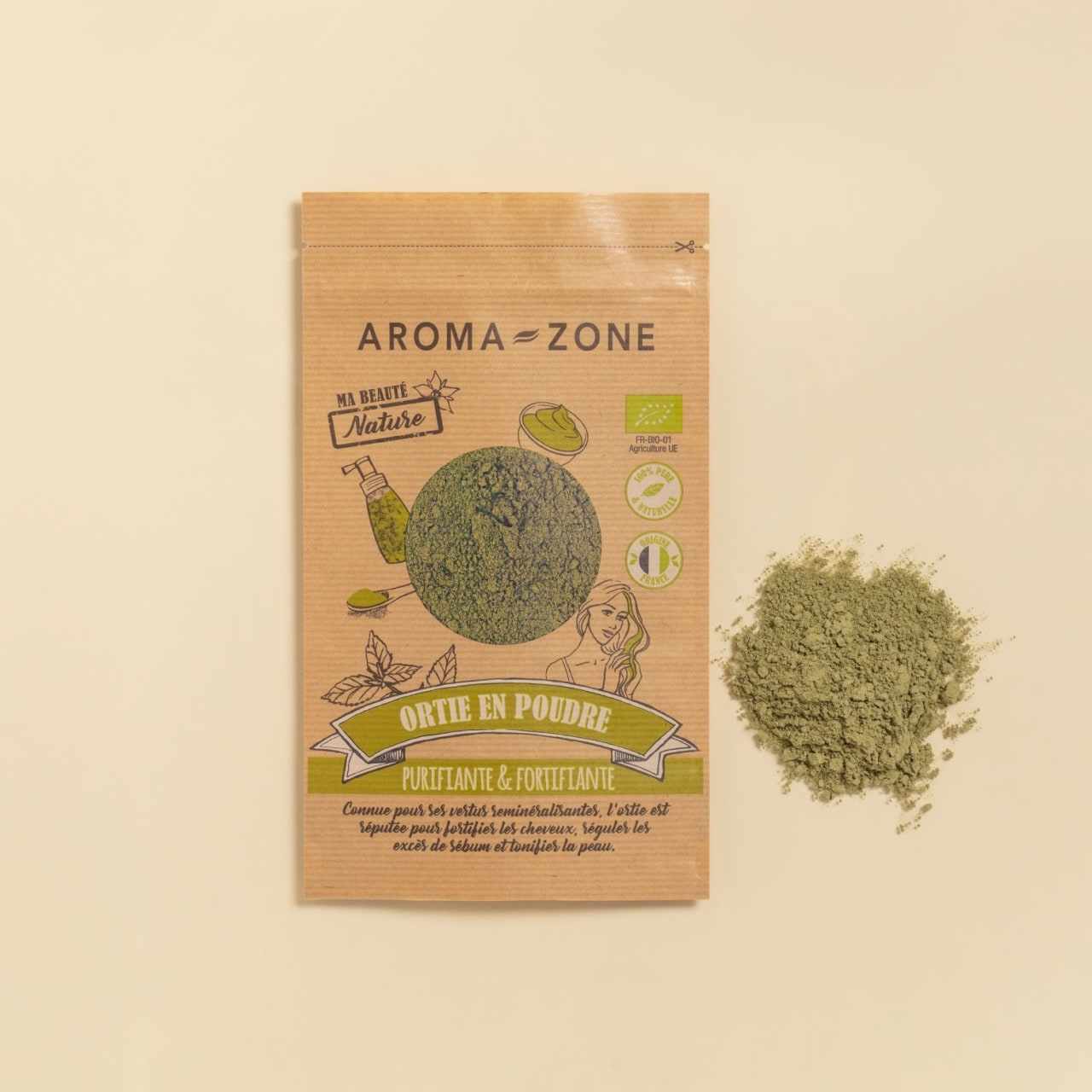
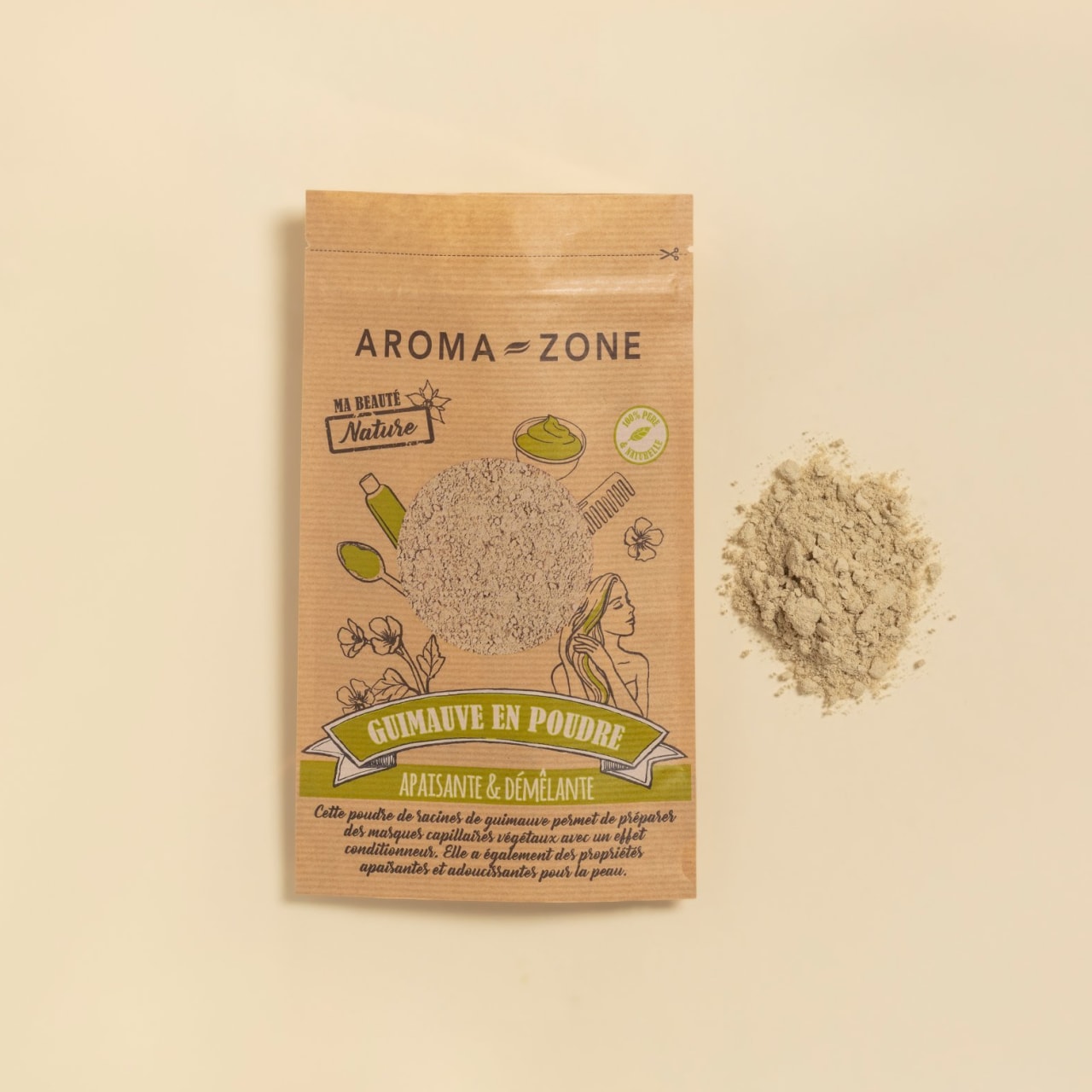
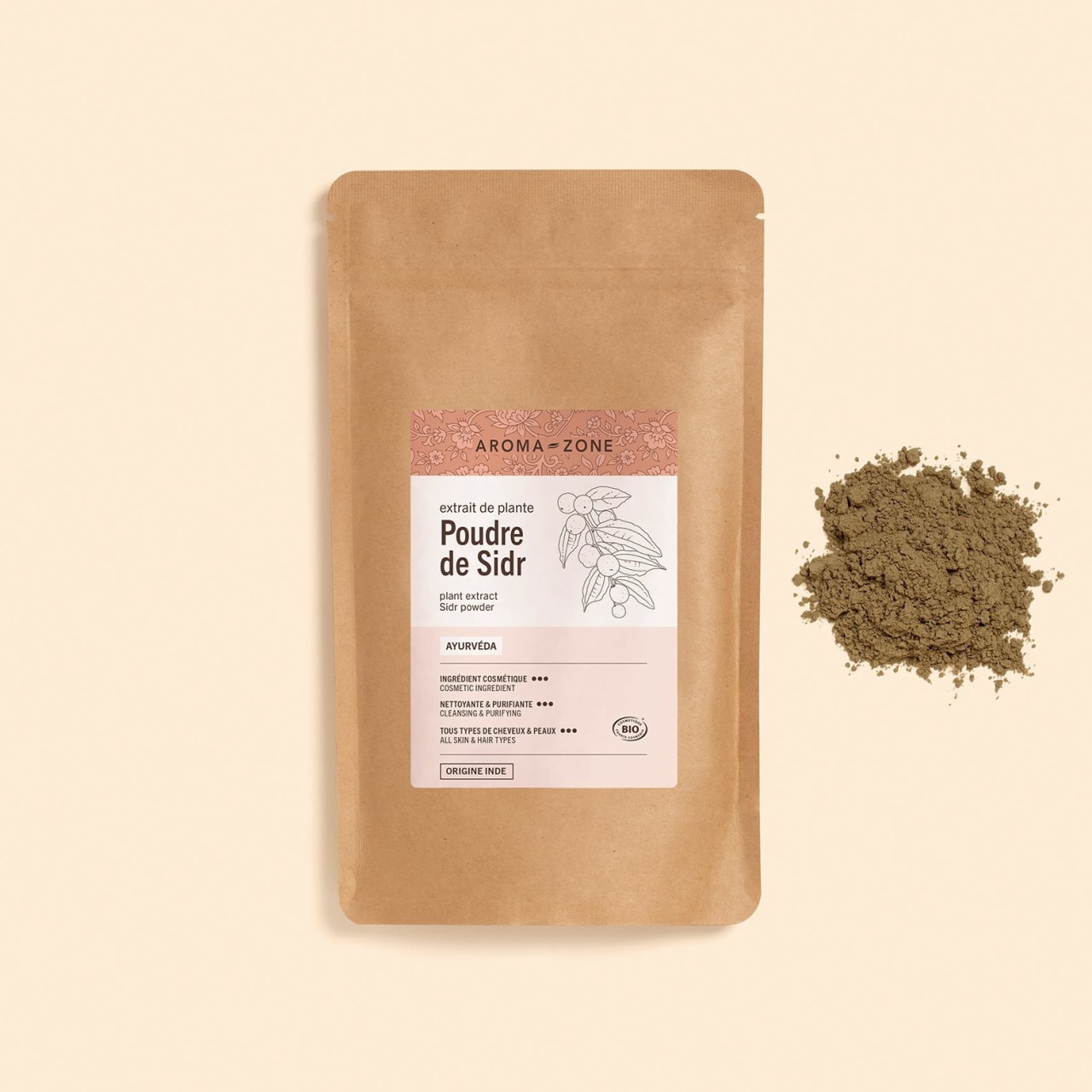
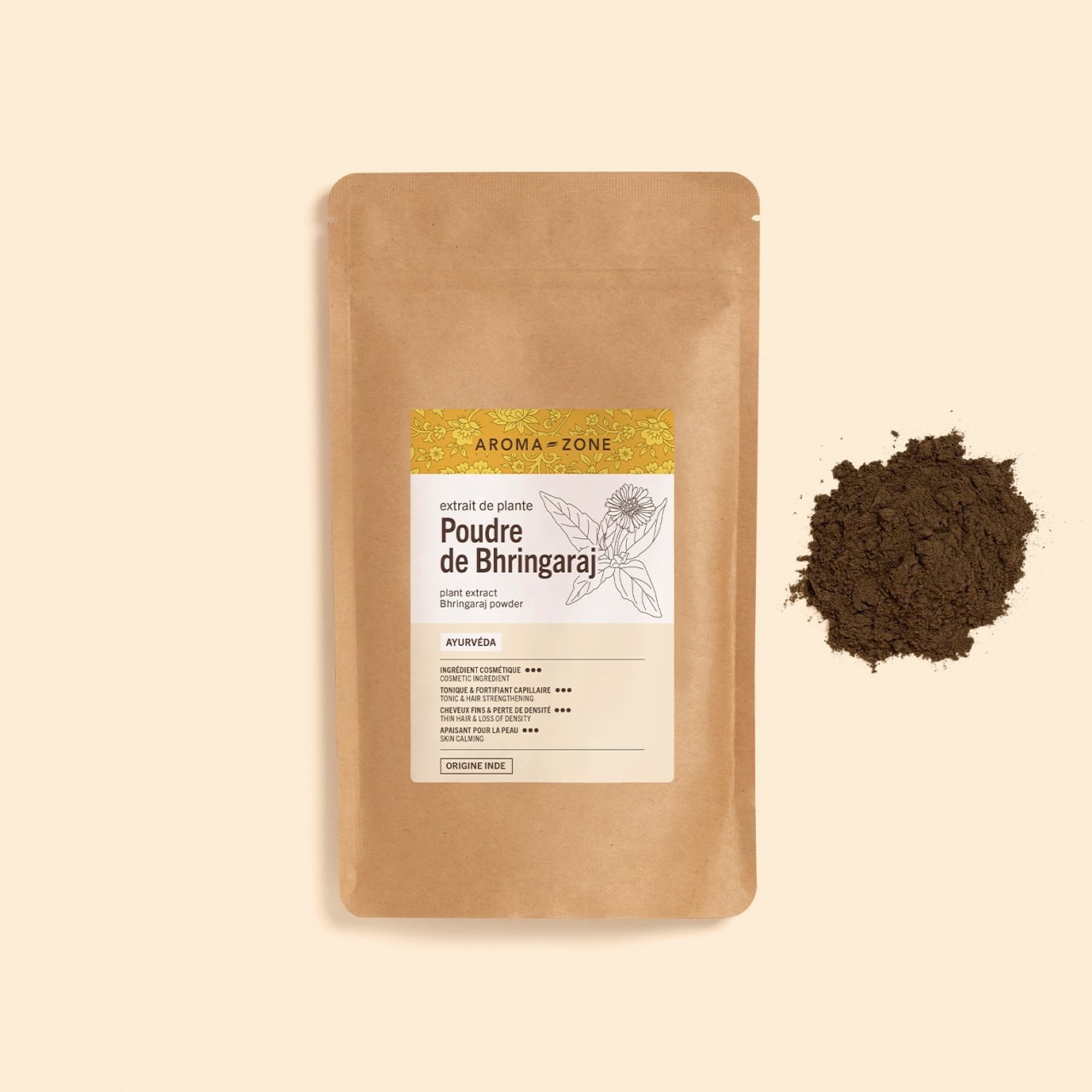
Marshmallow, amla and nettle powders are mixed into a base, often a neutral mask or even natural yoghurt, to create a targeted homemade treatment, then applied and rinsed out the same way as a ready-made mask.
Here's what they're traditionally used for:
Amla: shine
Nettle: scalp comfort
Marshmallow: softness and detangling
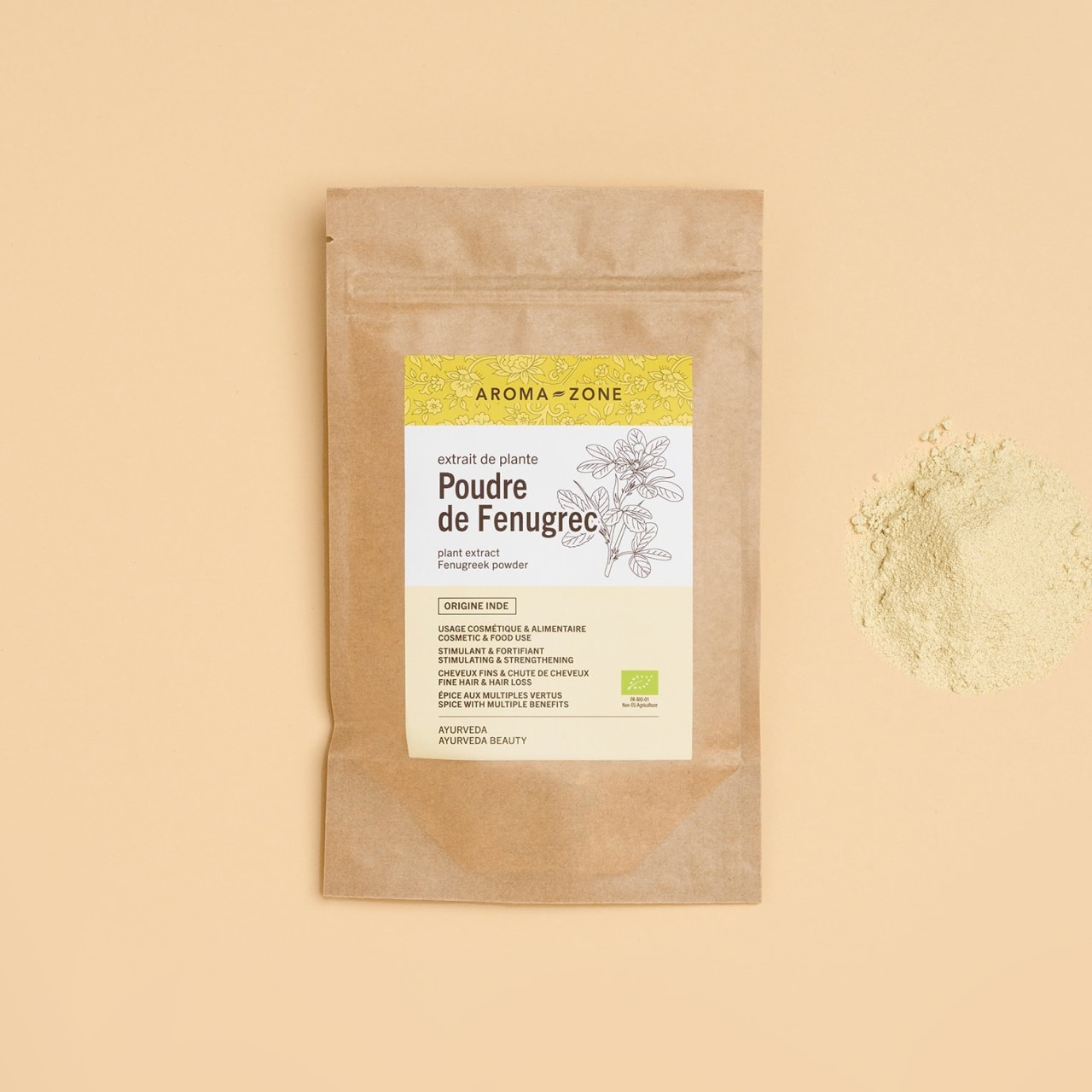
Fenugreek: hair strengthening
Bhringraj: hair growth
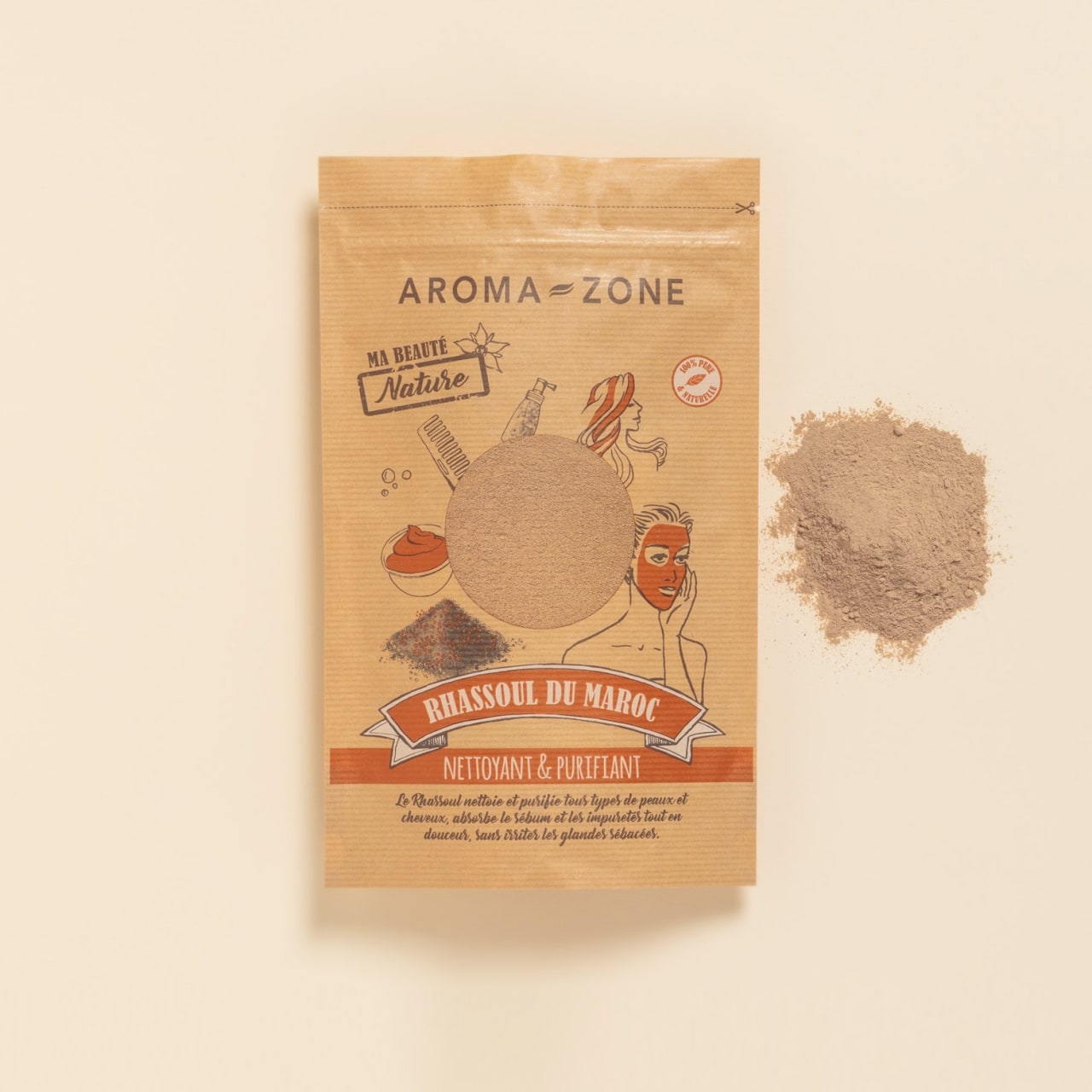
Shikakai: gentle cleansing
Reetha: natural, gentle cleansing
Jujube: softness and shine
Our hair growth booster mask recipe is a good place to start if you want a proper DIY formula rather than guessing quantities yourself.
We've also put together 10 DIY recipes for homemade hair masks if you fancy more options.
Essential oils for hair mask
Like powders, a few drops of essential oil can turn a neutral base into something more targeted, properly diluted, of course, rather than added neat.
A drop or two mixed into a neutral base before application is a simple way to try this, rather than committing to a whole new product.
Essential oils are powerful, so a little genuinely goes a long way, and it's worth treating them with a bit of respect rather than reaching for a heavy hand.
Vinegar rinse for shine and scalp comfort
Rather than nourishment, a vinegar rinse won't moisturise hair the way a mask does, but it smooths the cuticle and helps rebalance the scalp's pH after the alkaline effect of most shampoos.
How to use:
Used right at the very end, after shampoo, mask or conditioner, as a final rinse rather than a wash-in step.
Dilute in water and pour over the hair.
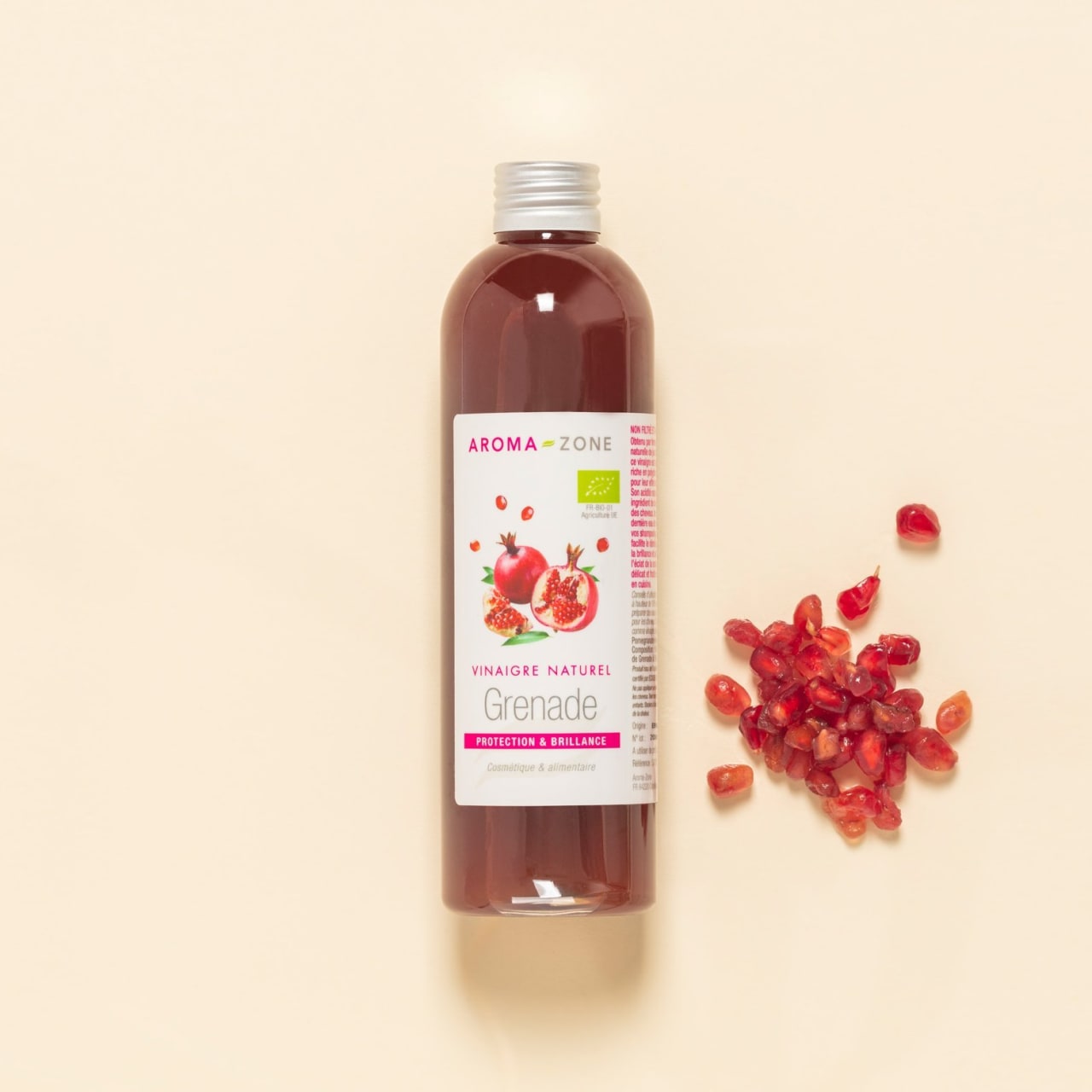
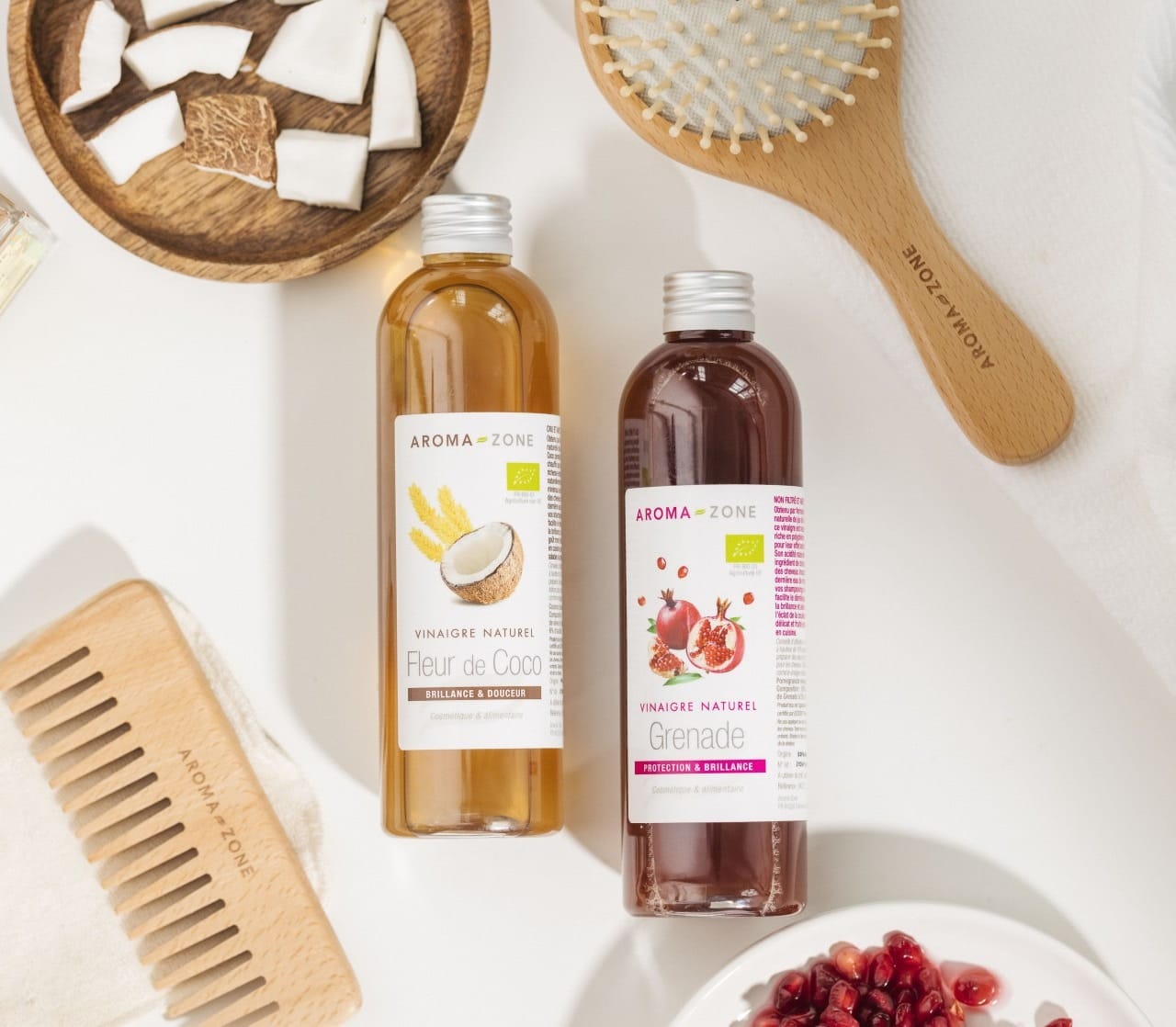
Our Organic Pomegranate Vinegar is formulated for exactly this.
Pro tip:
Leave it on for a minute before your final water rinse, rinsing it off immediately doesn't give it time to actually work.
Carrier oils (oil baths) for nourishment
These are best for deep, long-lasting nourishment, since the oil sits on the hair for hours rather than minutes, it tends to penetrate further than a rinse-out mask can.
A carrier oil worked through the lengths and left on for hours, or even overnight, before shampooing out.
How to choose your oil?
Castor oil has a long-standing reputation for strengthening.
Coconut oil is known for penetrating the hair fibre.
Argan oil is a popular pick for dry, damaged hair specifically.
These are part of our separate hair oils range rather than this collection, our guide on hair care with carrier oils goes into more detail.
When's the best time to apply a hair mask?
Before showering
Before your shower, oddly enough, is a genuinely good option, particularly for a rinse-out mask applied to dry or damp hair before you even step in, this gives it a bit of extra time to work before washing out.
After shampooing
If you'd rather keep it simple, applying to damp hair straight after shampooing, then leaving it on while you finish the rest of your shower routine, works just as well for most standard masks.
Overnight
For overnight or leave-in treatments, like an oil-based mask left on for hours, bedtime is the obvious choice, just be sure to protect your pillow (an old towel or a shower cap does the job) and tie hair up loosely to avoid it ending up everywhere.
There's no single "right" time, really, it comes down to the type of mask and how long it needs to sit. A quick 5-10 minute mask fits easily into a normal shower, while anything meant to be left on for longer works better worked into a routine you won't disrupt, like before bed or on a lazy Sunday morning...
A few precautions worth taking seriously
Match the product to your hair type: heavier oils like castor can weigh down fine hair, while lighter ones like jojoba tend to suit most hair types.
Patch test anything new: a small amount on the skin, left for 24-48 hours, before applying a new product all over.
Less is more: overloading hair with oil or a rich mask makes it harder to rinse out and can leave hair looking greasy rather than nourished.


