
Hair mass refers to all the hair on the scalp. It factors in both hair density, i.e. the number of hairs per square centimetre, and the thickness of each hair fibre. The greater the mass, the greater the volume of the hair. Conversely, low density or fine hair will give the appearance of a less dense hair mass, even if the scalp is entirely covered in hair.
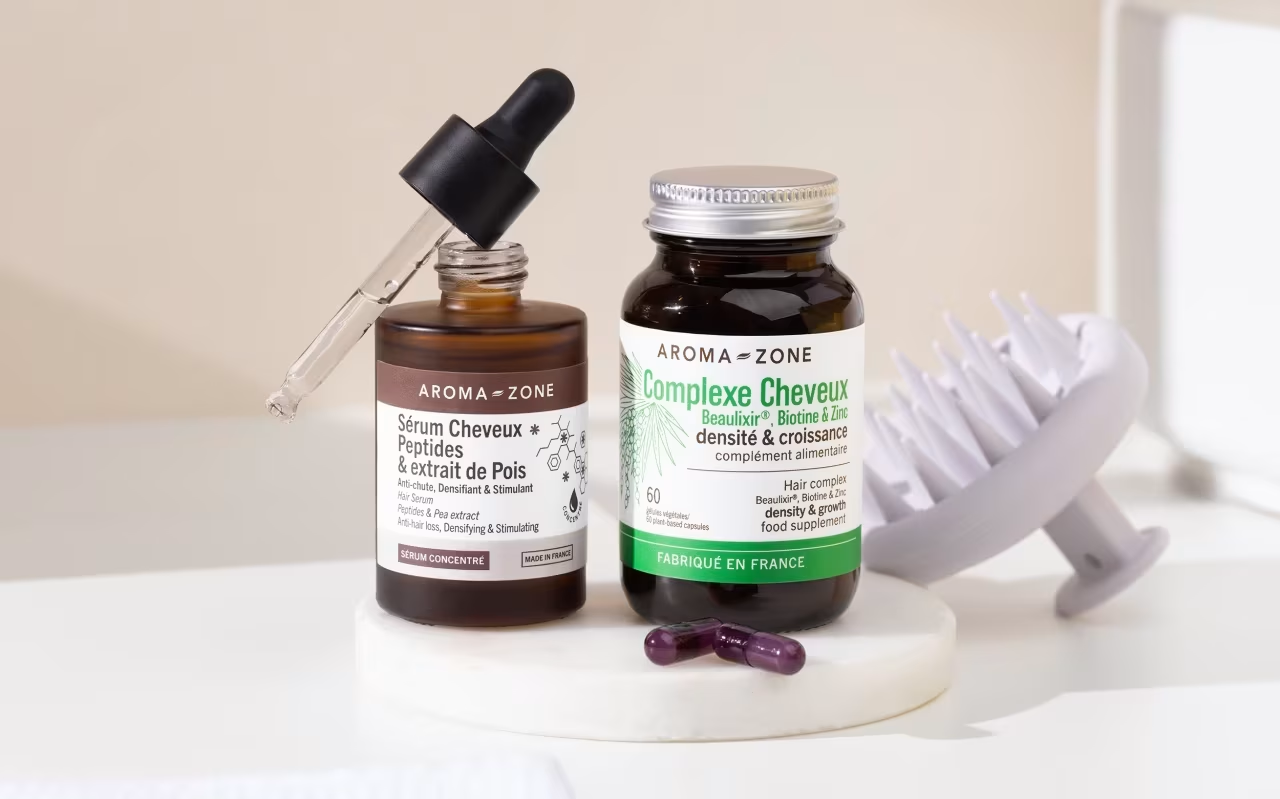
Thick, voluminous hair: all our advice
By The Aroma-Zone editorial team
Published on: Monday, August 01, 2022, Updated on: Wednesday, September 30, 2026
Is your hair thinning and lacking in volume and thickness? A lack of volume can have several disadvantages. Fine hair is generally more fragile, making it harder to maintain. Certain hairstyles can also have difficulty staying in fine hair. Combat this phenomenon by adopting simple, effective solutions to thicken hair naturally and boost its volume.
Contents
Related products
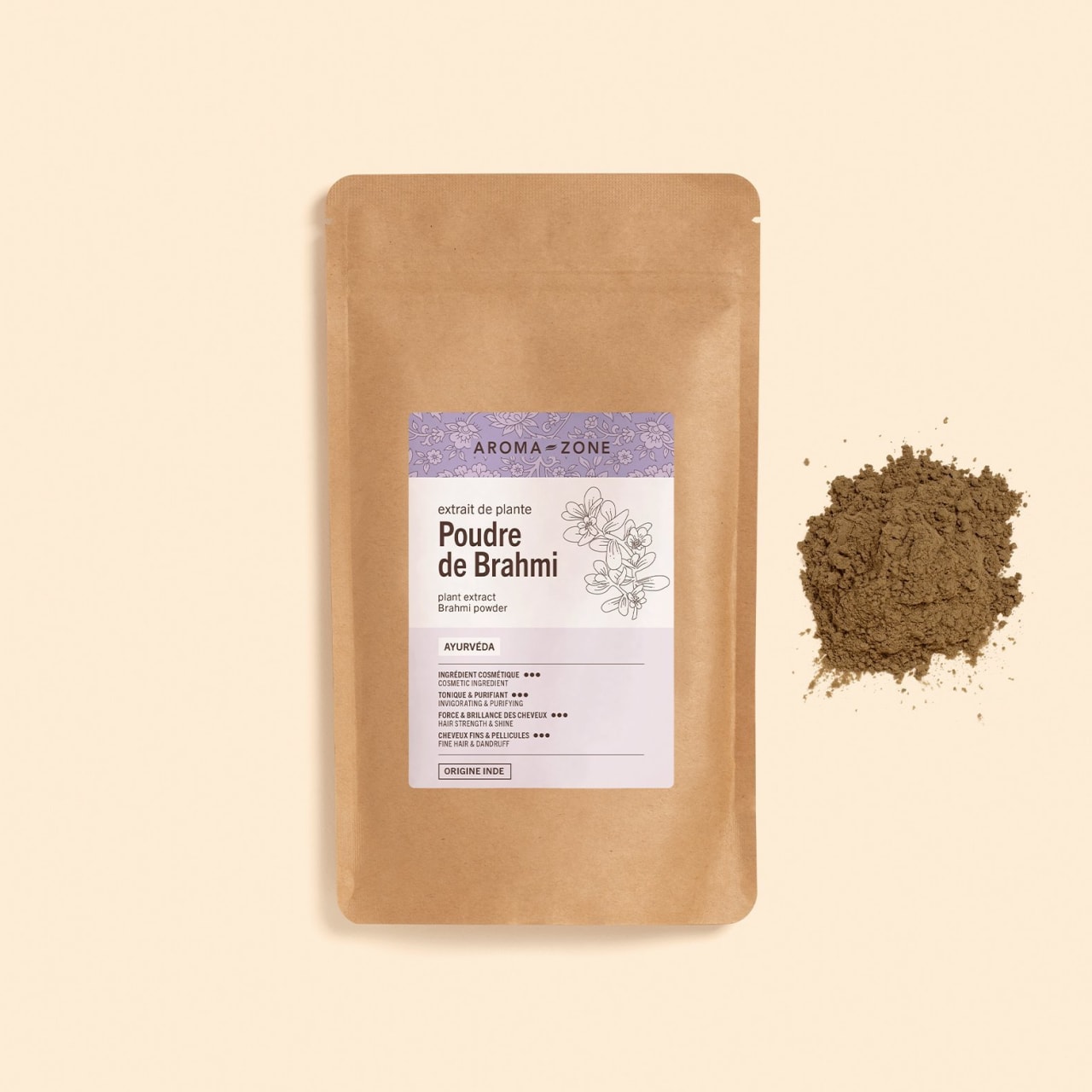
Brahmi Powder
Anti-ageing
Soothing
£5.00
250 g
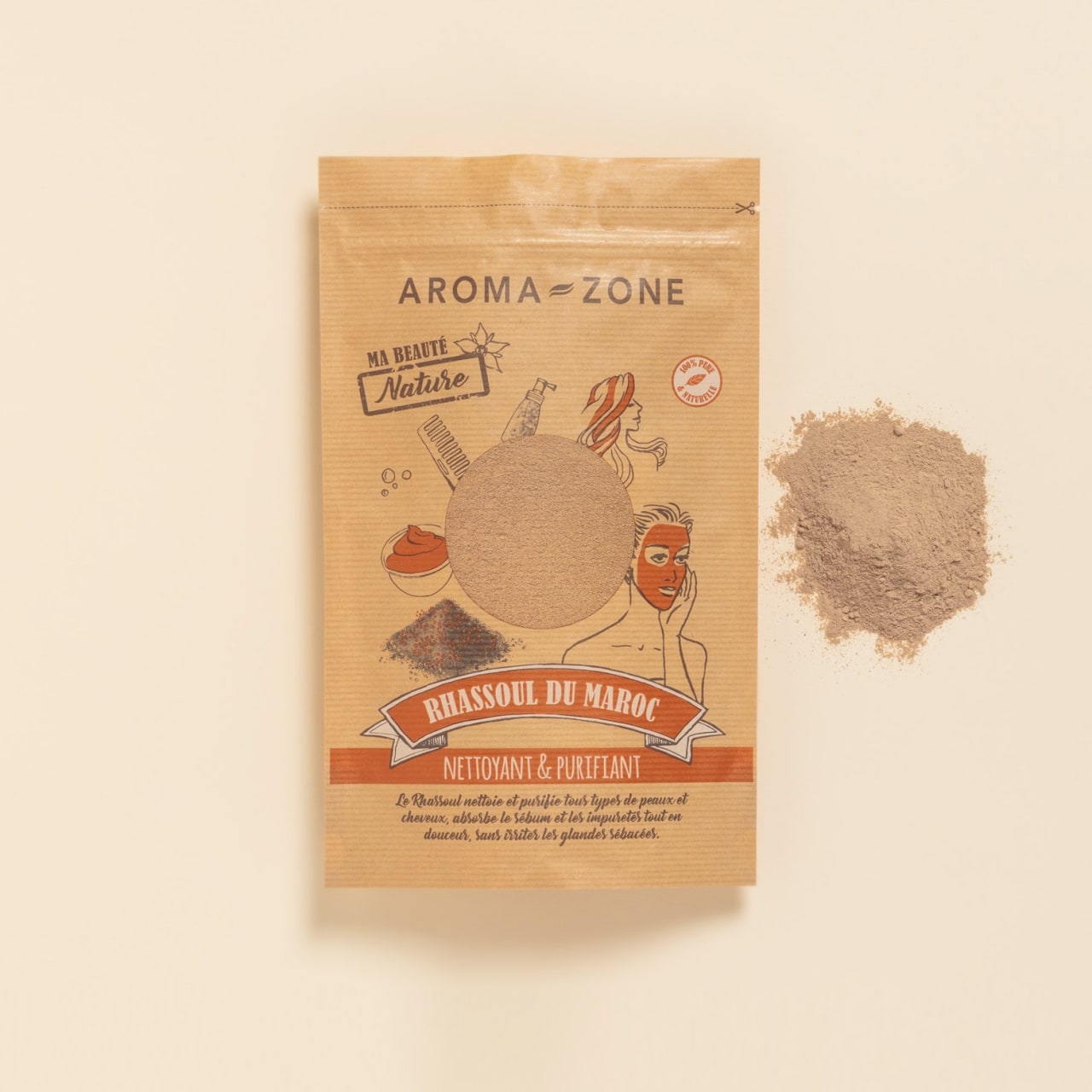
Moroccan Rhassoul (Ghassoul)
Cleansing
Purifying
£6.50
500 g
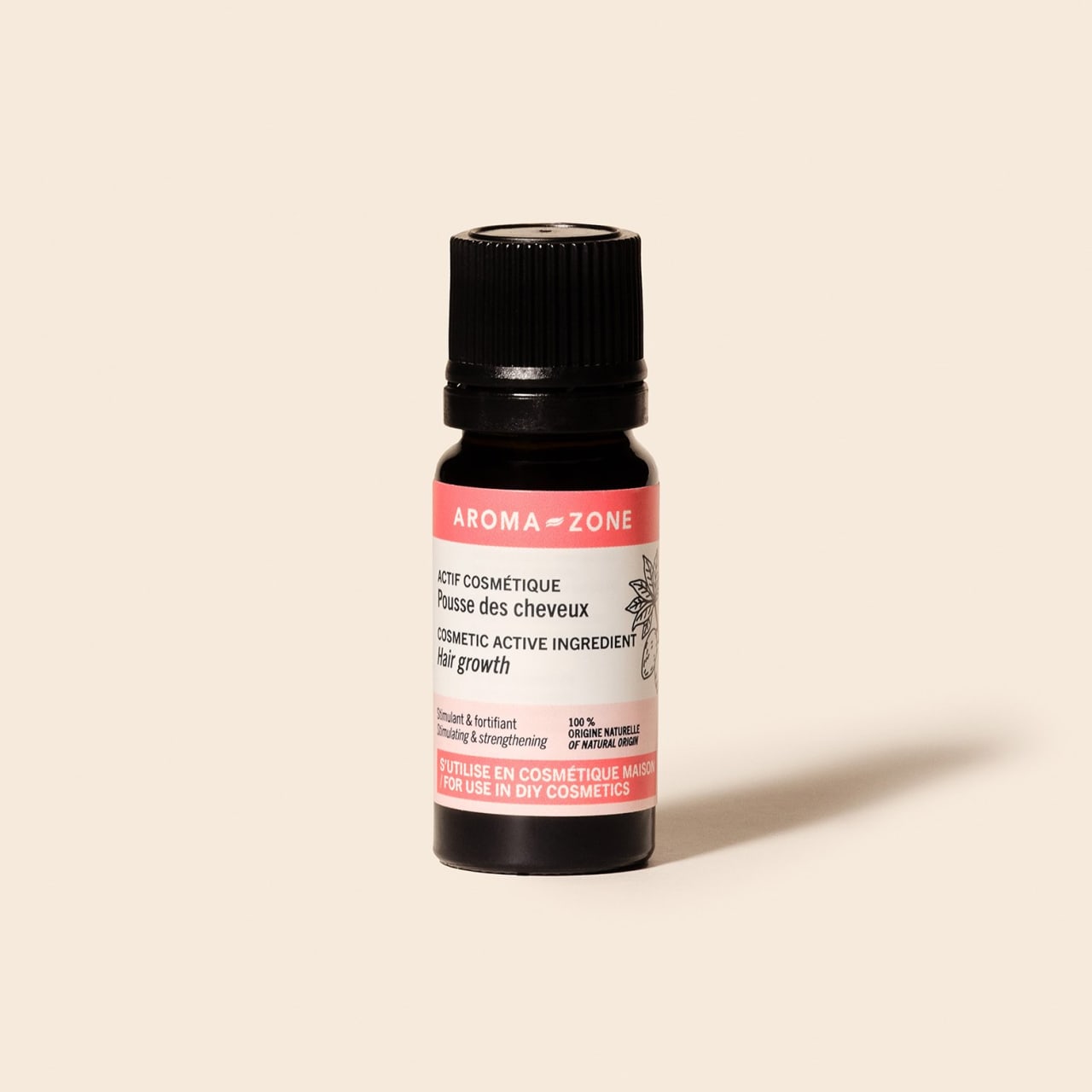
Hair Growth Active Ingredient
Hair strengthening
£6.00
10 ml
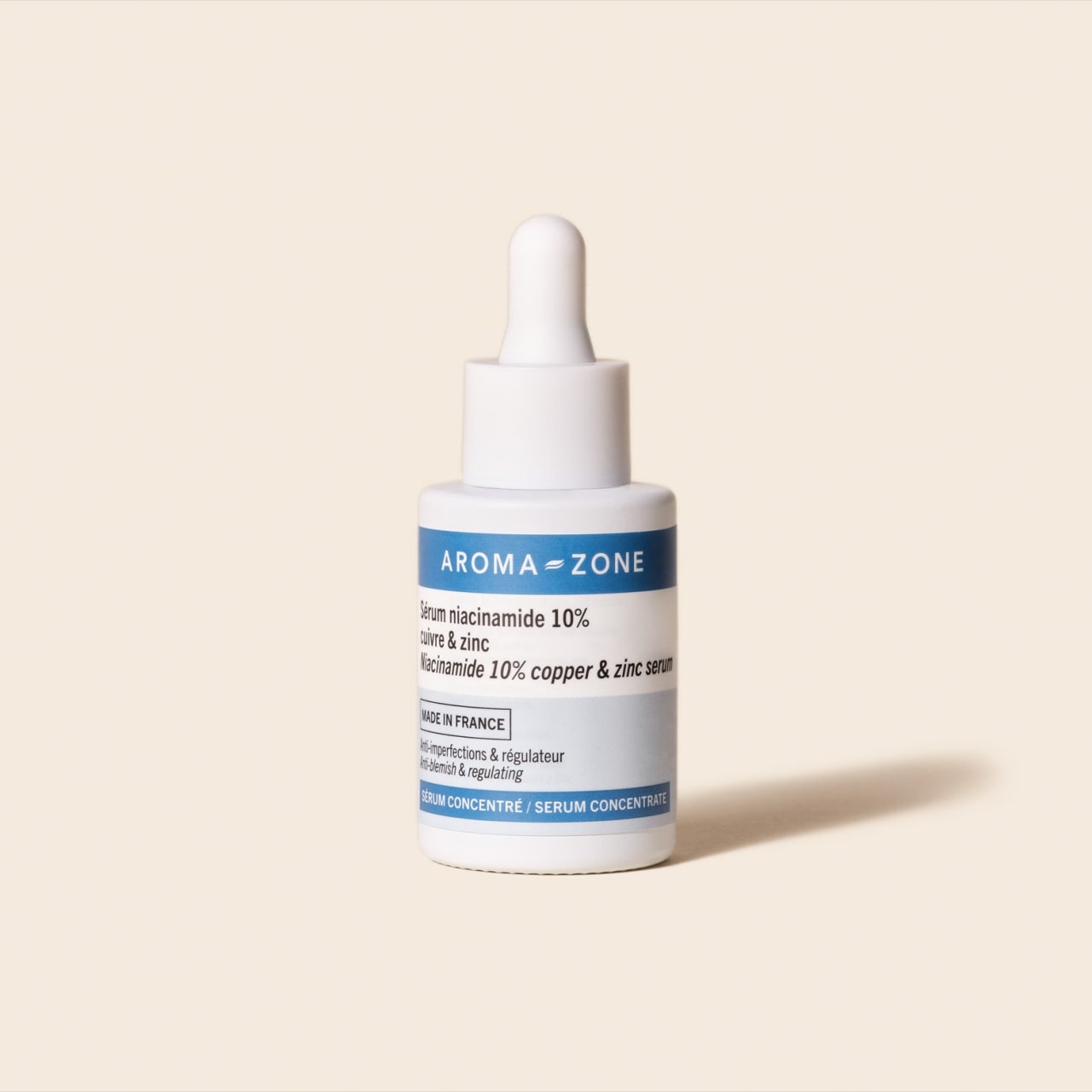
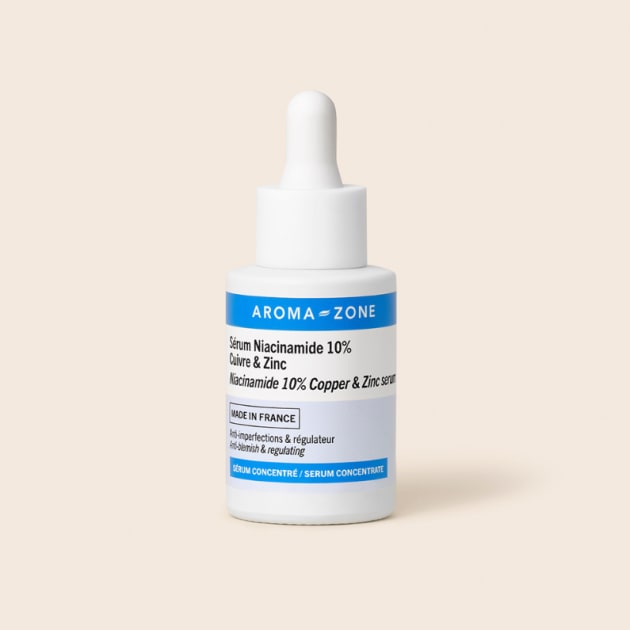
Niacinamide 10%, Copper & Zinc Serum
Anti-blemishes
Sebum-regulating
£8.00
30 ml
4 options
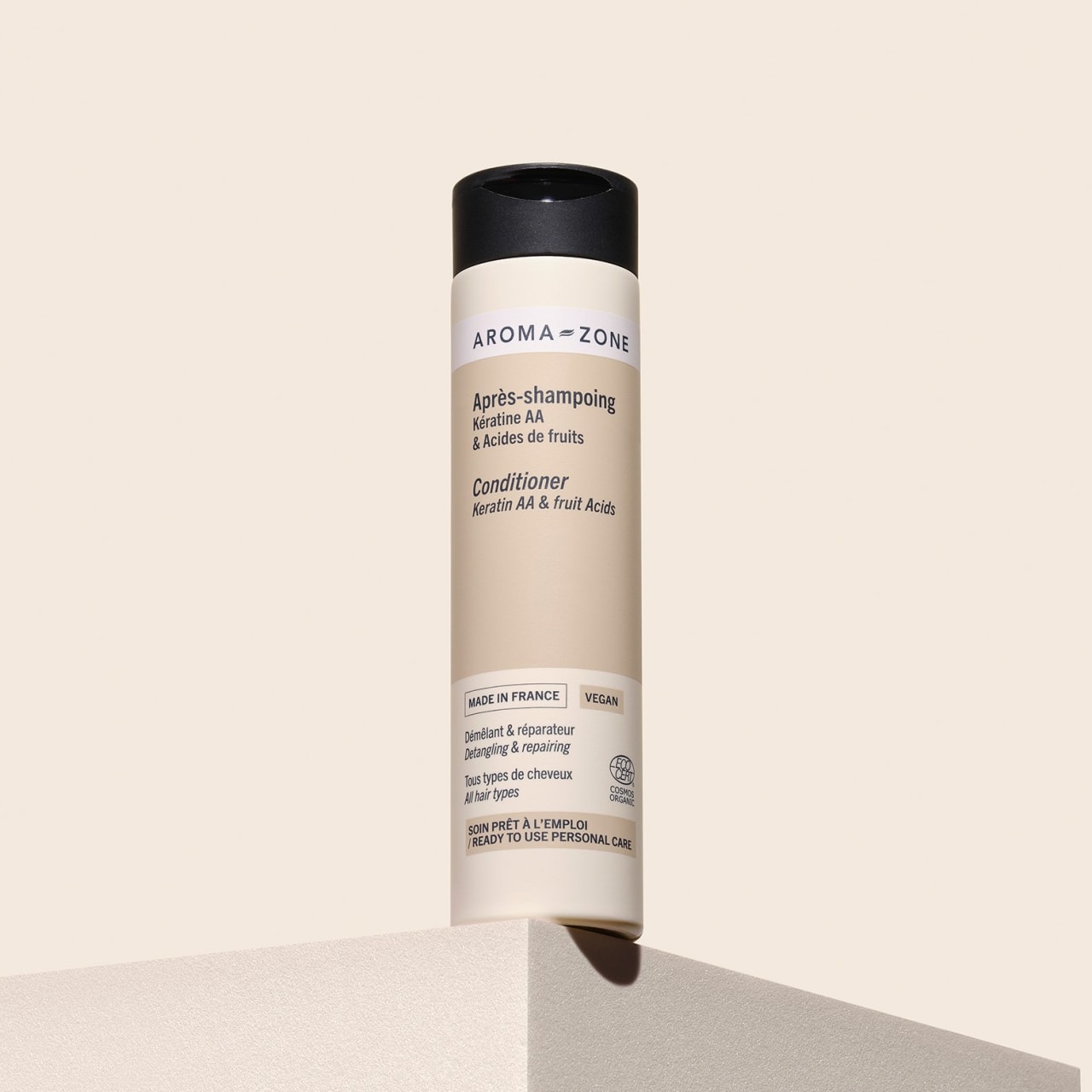
Keratin AA & Fruit Acids Detangling and Repairing Conditioner
Repairing
Detangling
£9.00
200 ml
What is hair mass?
Why is your hair fine?
Fine hair can be the result of a variety of factors, both genetic and environmental. Here are some common reasons why your hair may appear thin.
Internal factors
Genetics: hair texture is often inherited from family genes. If your parents have fine hair, there's a good chance you'll have a similar texture.
Age: with age, the production of keratin (the protein that makes up hair) can decrease, which can influence hair texture.
Hormonal changes: such as those occurring during pregnancy, the menopause or hormonal imbalances can affect hair texture.
What are the solutions are there for thickening hair?
The importance of diet for hair
A balanced diet plays a crucial role in hair health. A poor diet can have a very harmful effect on the quality of your hair, and a lack of essential nutrients can affect its health. Certain essential nutrients promote hair thickness and vitality. Here are a few nutrients to focus on:
Protein: hair is made up mainly of protein, so a protein-rich diet promotes hair growth and thickness.
Vitamins: Vitamins A, E, C and D are essential for maintaining healthy hair follicles and encouraging hair growth.
Minerals: iron, zinc, and copper are minerals that contribute to healthy hair. They help prevent hair loss and promote hair thickness.
Omega-3: omega-3 fatty acids, found in oily fish and nuts, nourish hair follicles and improve hair texture.
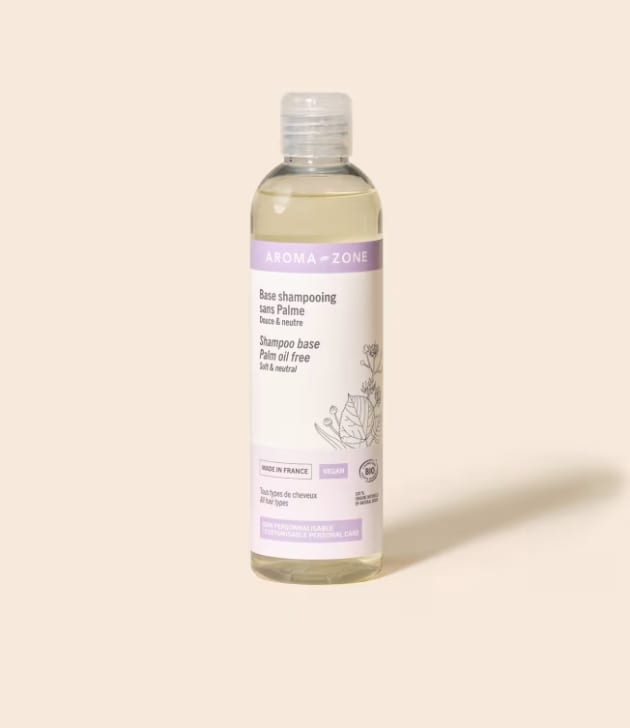
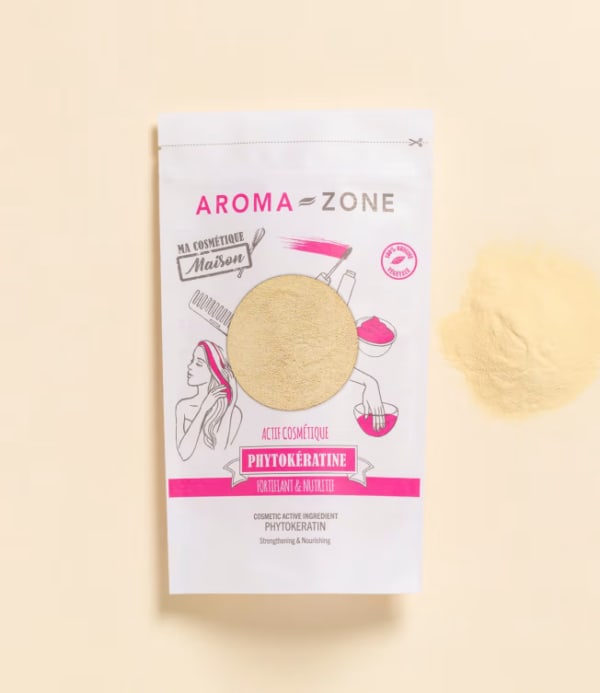
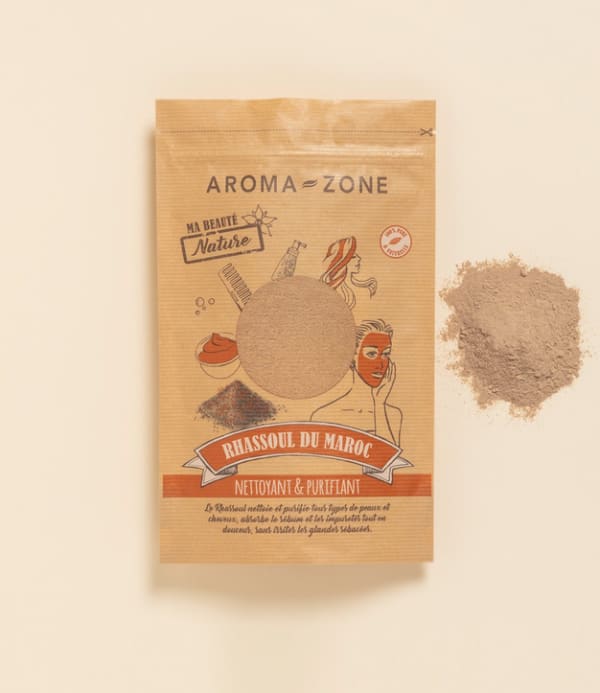
Step 1 – Cleanse the hair
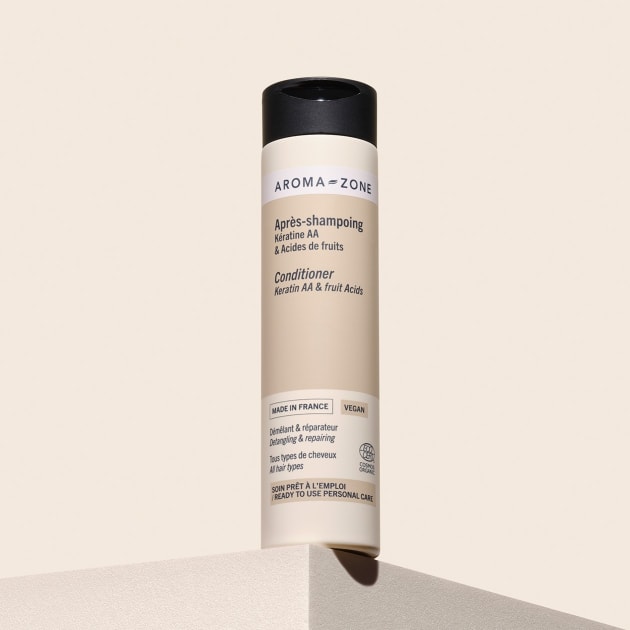
Step 2 – Detangling
Step 3 – Target
Step 4 – Restructure
What routine should I adopt for fine hair?
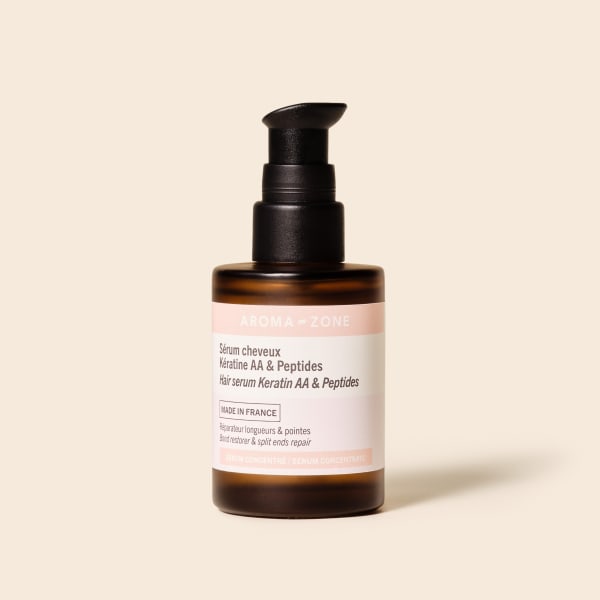
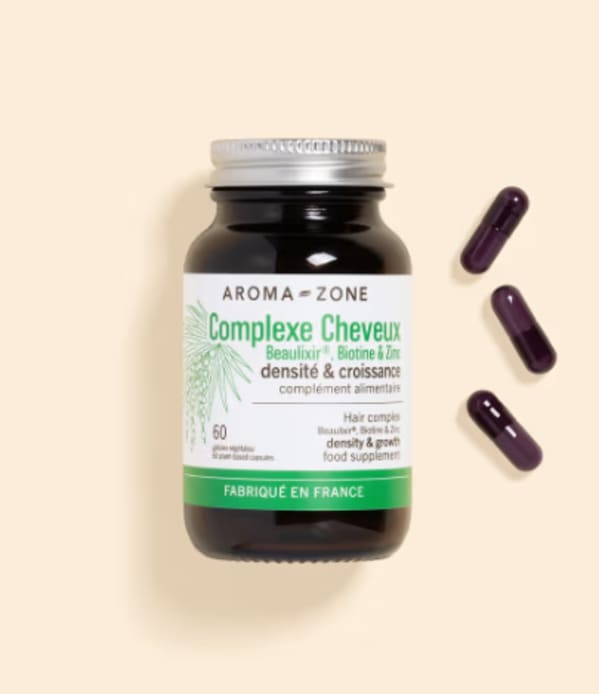
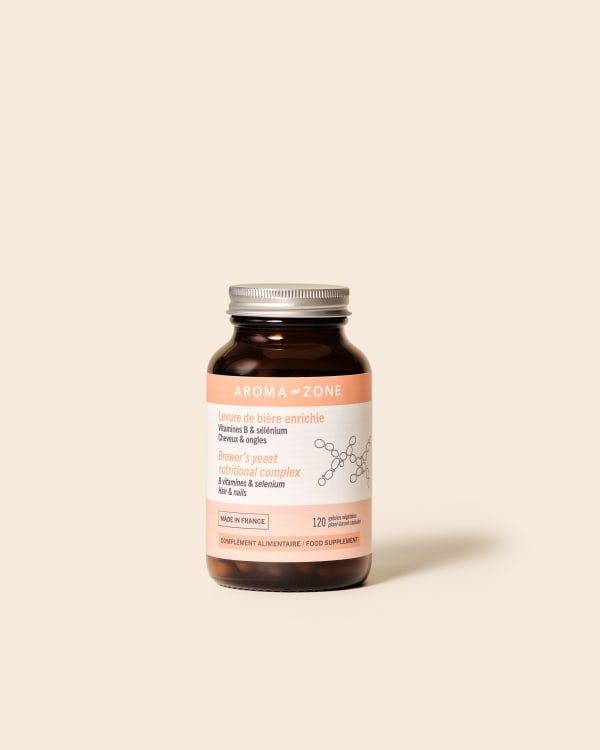
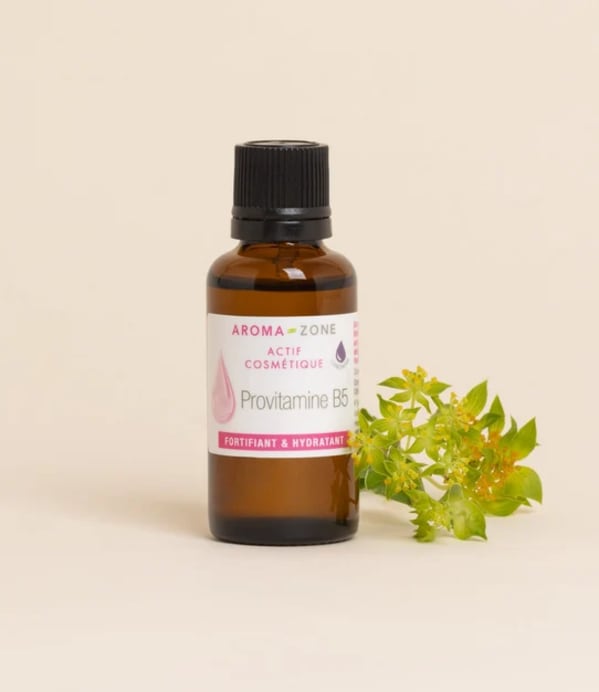
Precautions to take: mistakes to avoid for maintaining hair thickness
Excessive use of hair products: avoid excessive use of styling products containing harsh chemicals such as gels, hairsprays or styling foams. These products can weaken hair and make it thinner over time. Instead, opt for natural, lightweight products.
Excessive heat: limit the use of heated appliances such as straighteners, curling irons or hair dryers at high temperatures. Excessive heat can damage hair structure, making it more fragile and thinner. Air-dry whenever possible and use heat protectors when using heated tools.
Aggressive hairstyles: avoid tight hairstyles such as tight ponytails or braids, as they can pull on the hair and make it fragile. Instead, opt for soft, relaxed styles that preserve hair thickness and reduce the risk of breakage.
Expert advice
Fine hair is sensitive and tends to break easily. Avoid styling your hair every day with a brush. Instead, style your hair by running your fingers through the strands or using a wide-toothed comb. To make styling easier, apply a densifying paste or volumising powder to give texture and body to flat, limp hair. You can also use styling foams, applied sparingly, to lift roots, style fine hair and add volume to your hair.
Bibliography
Anatomy and Physiology of Hair. May 2017. DOI: 10.5772/67269.
Panahi, Y., Taghizadeh, M., Tahmasbpour Marzony, E., & Sahebkar, A.
"Rosemary oil vs minoxidil 2% for the treatment of androgenetic alopecia: a randomized comparative trial." PMID: 25842469.
Frequently Asked Questions
Associated tips
Hair and scalp care tips
Hair care tips
Hair and scalp care tips

Aromatherapy advice


