
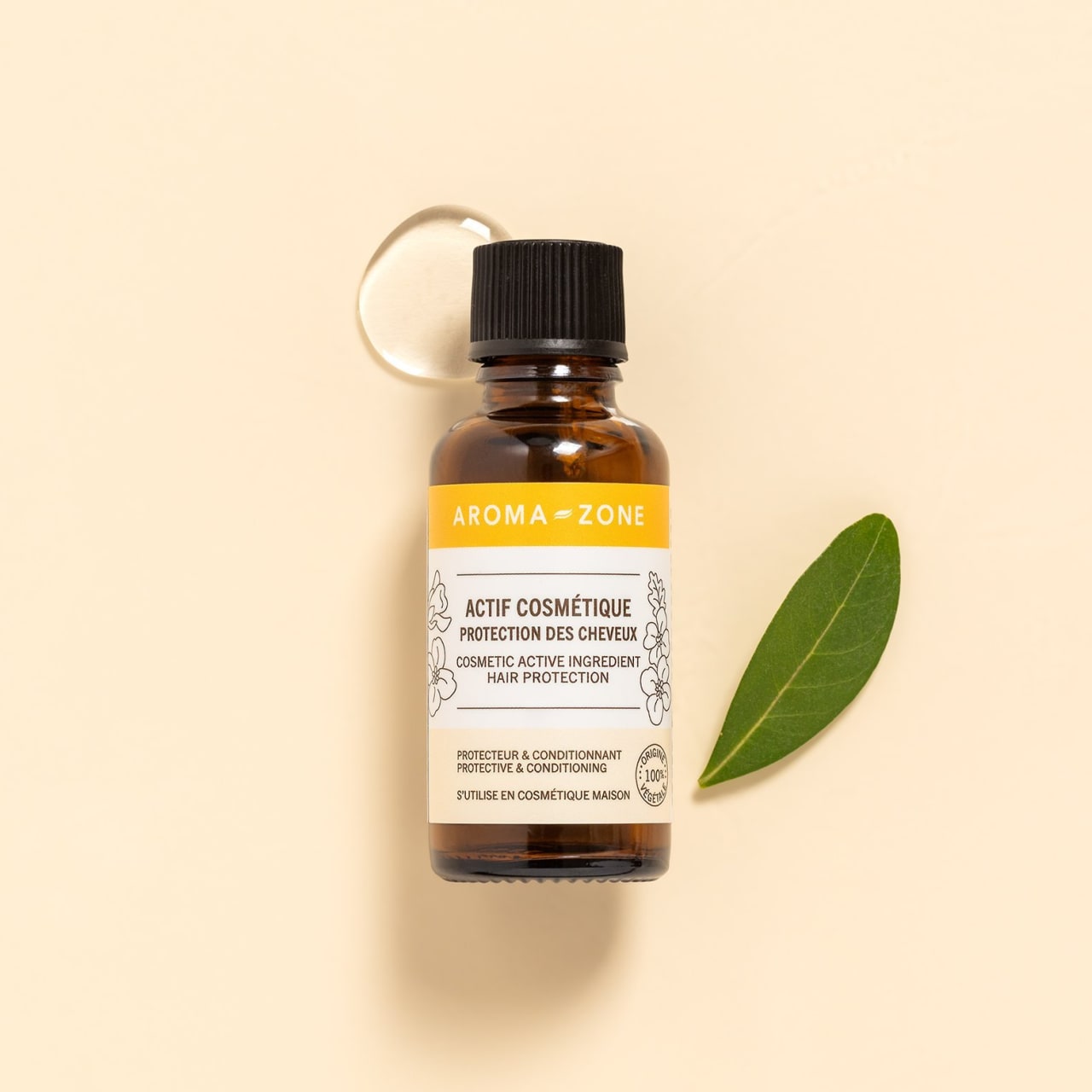
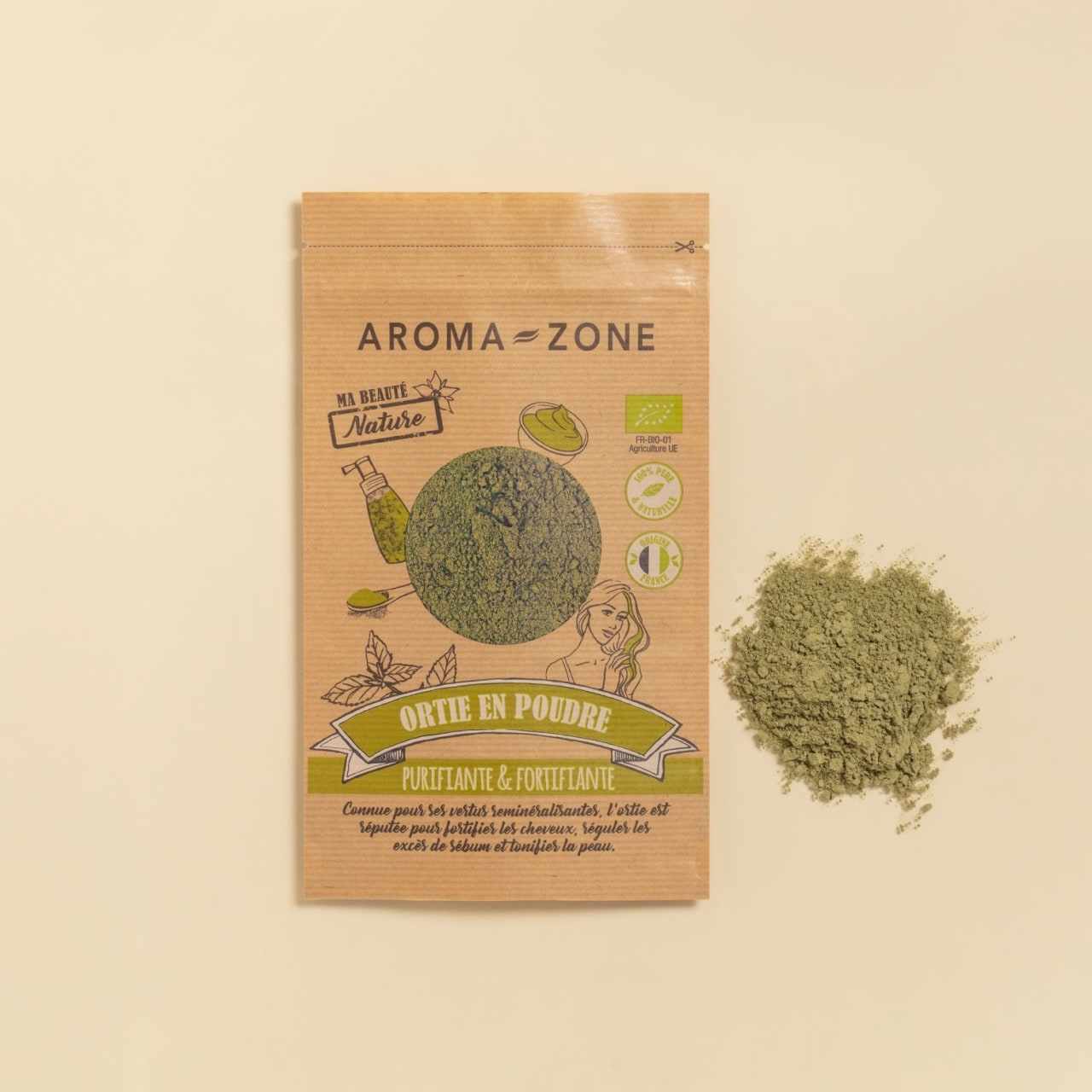
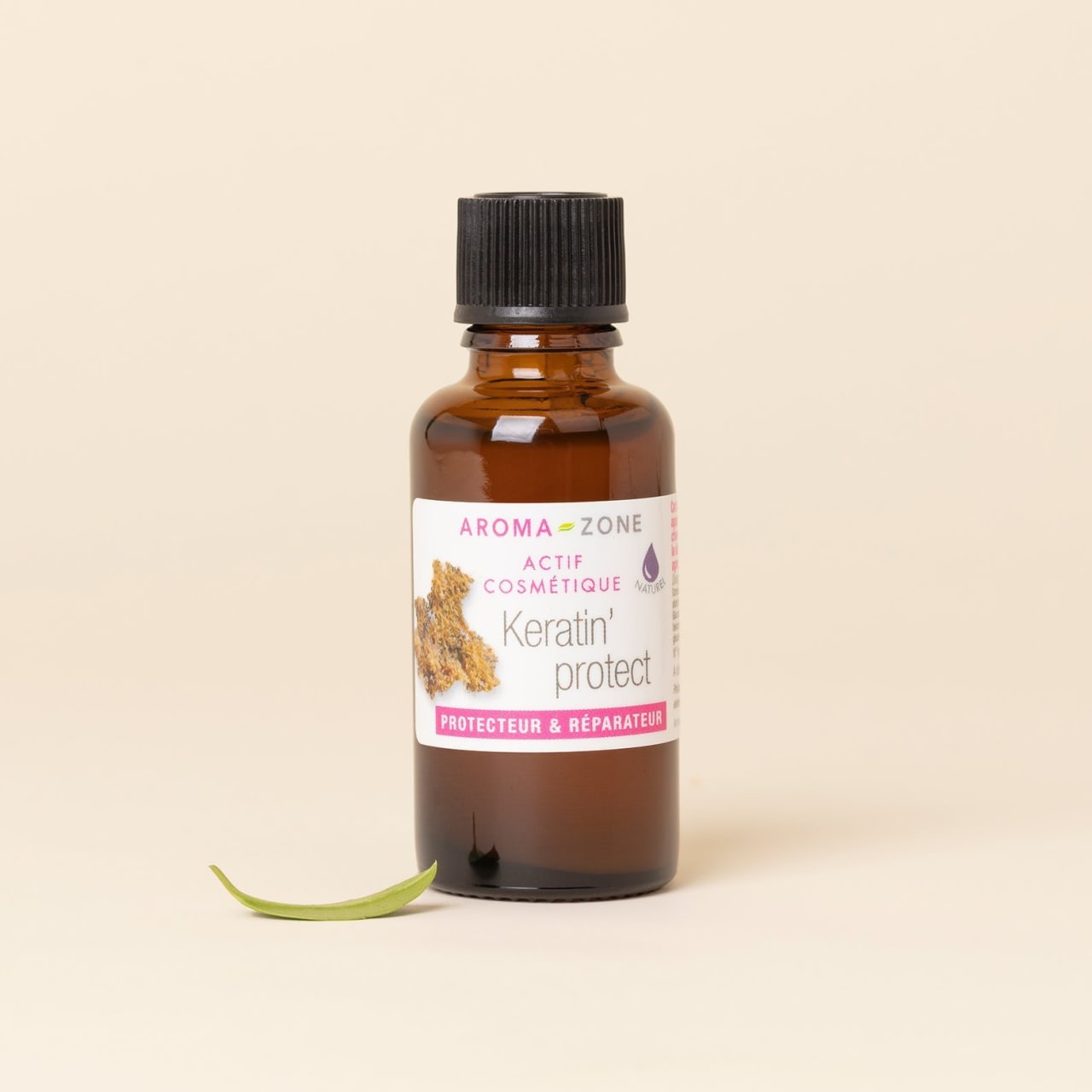

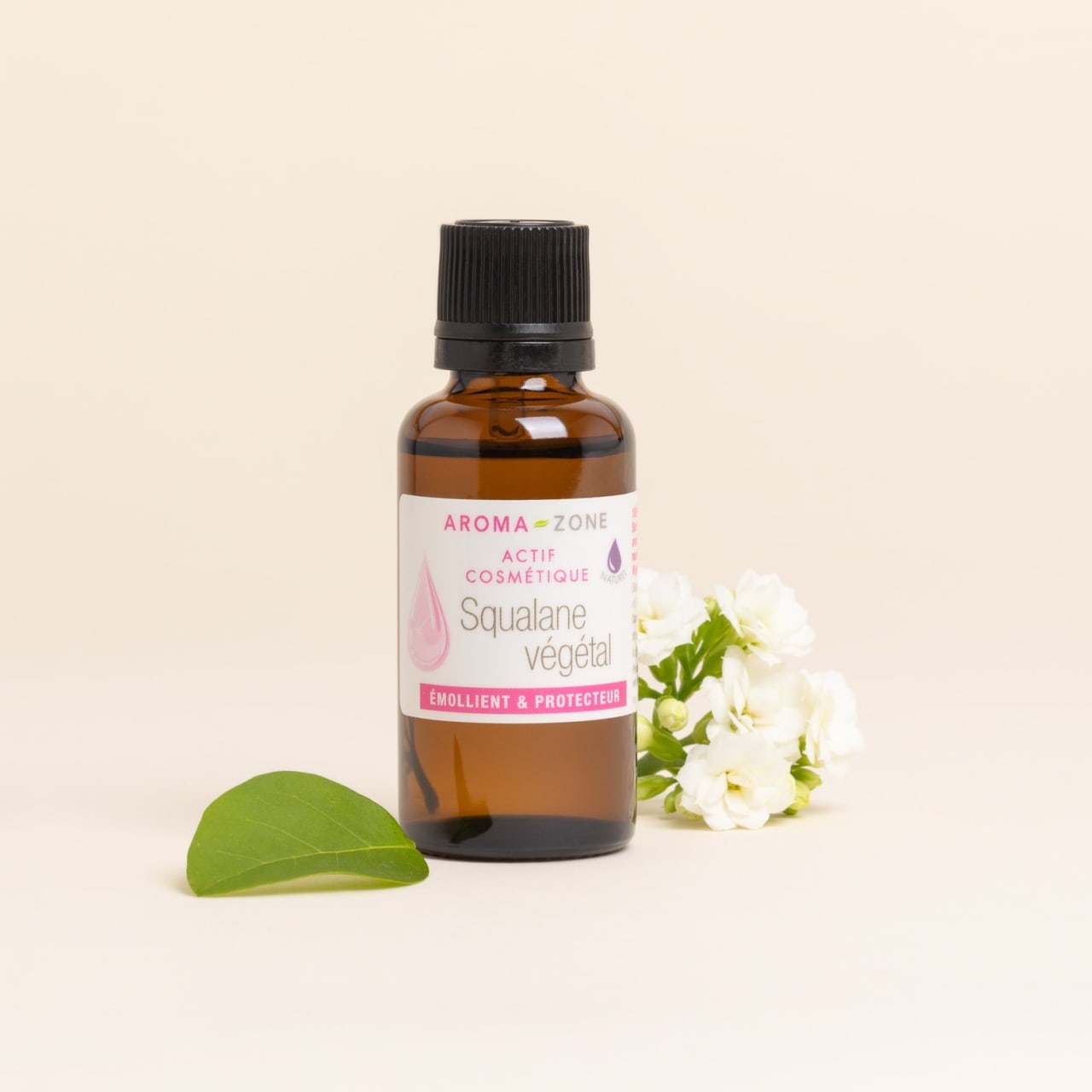
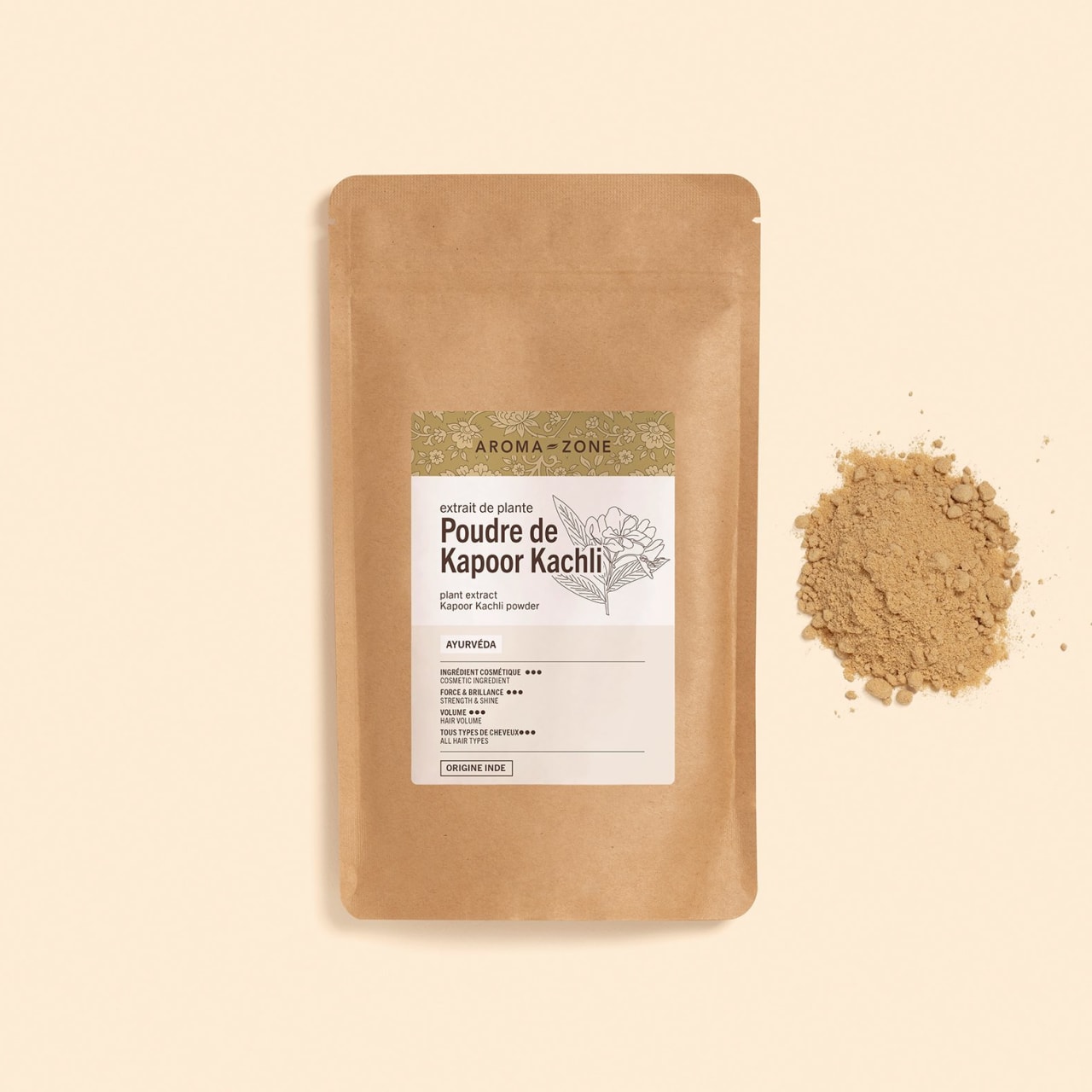
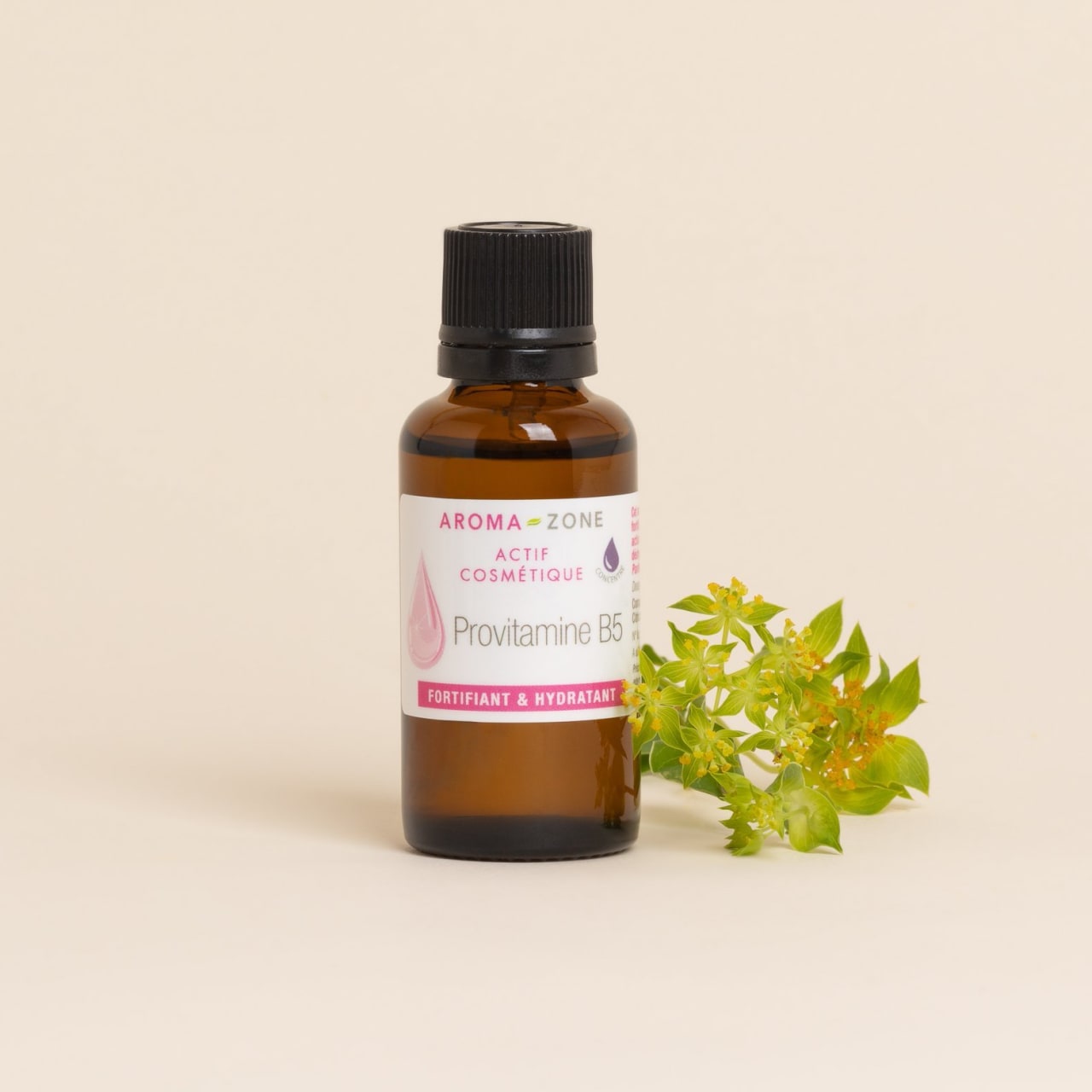
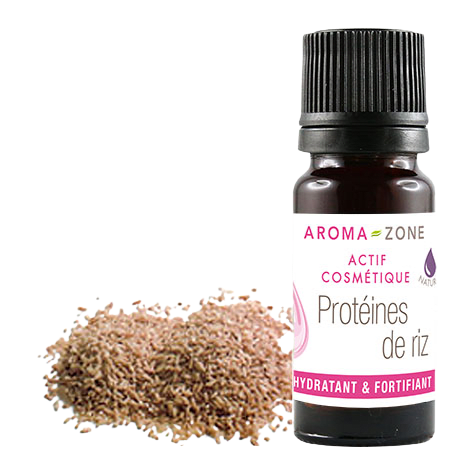
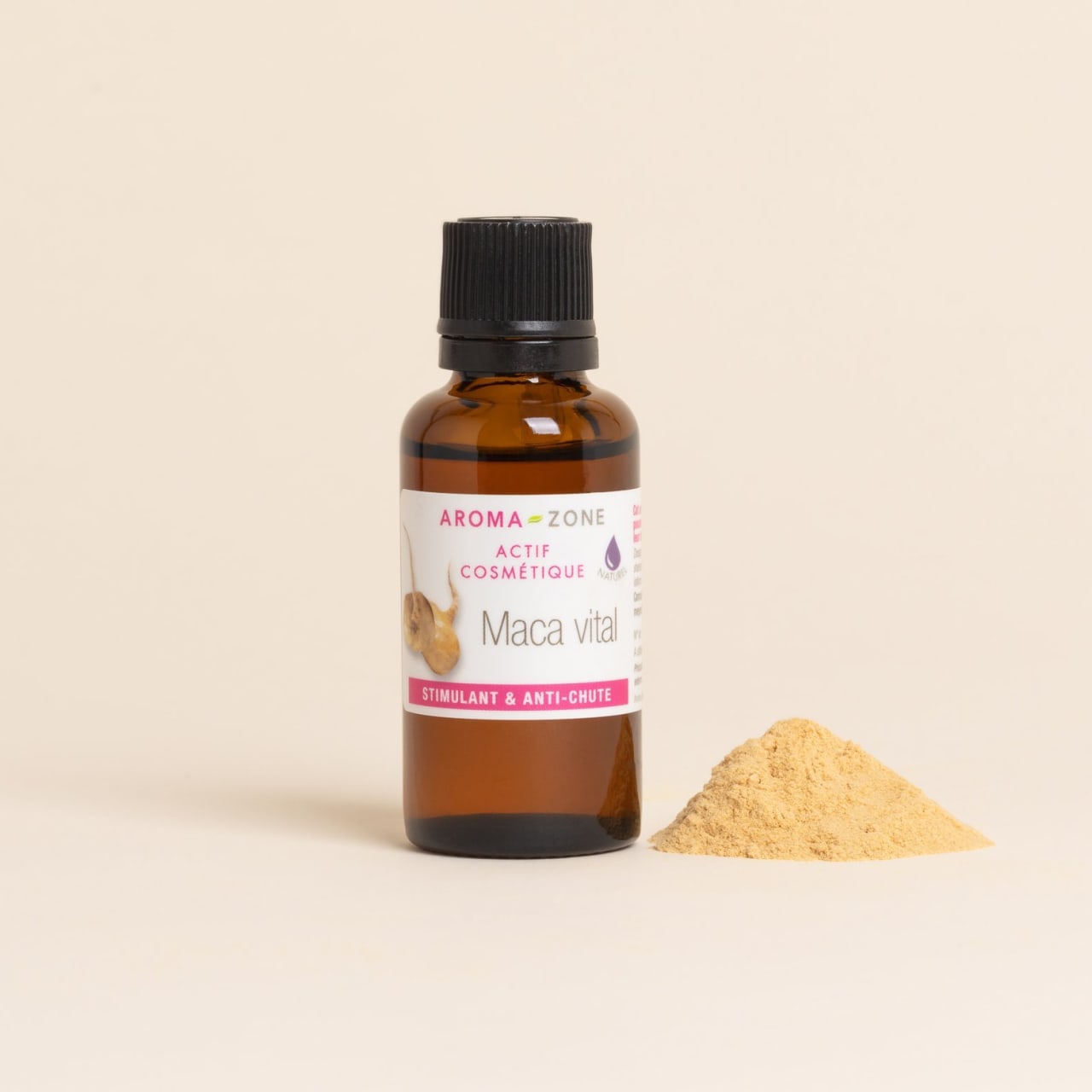
Sometimes the best product isn't one you buy ready-made, it's one you build yourself. This is the ingredient shelf for exactly that: concentrated actives, plant powders and a genuinely versatile base, all designed to be mixed into a personalised formula rather than used straight out of the bottle.
Matching ingredients to your hair concern
Whatever you're dealing with, there's usually an ingredient (or a combination of hair ingredients) traditionally reached for.
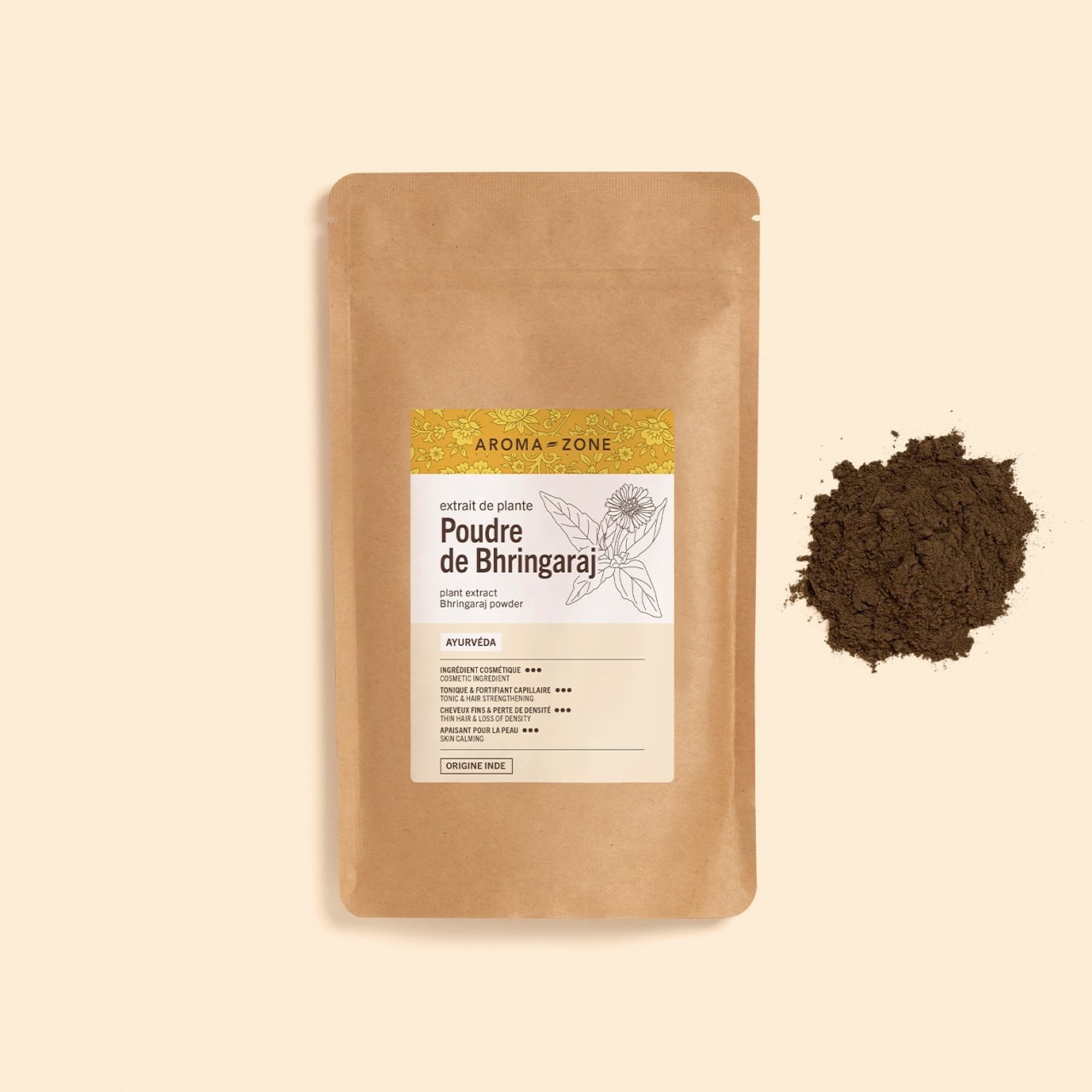
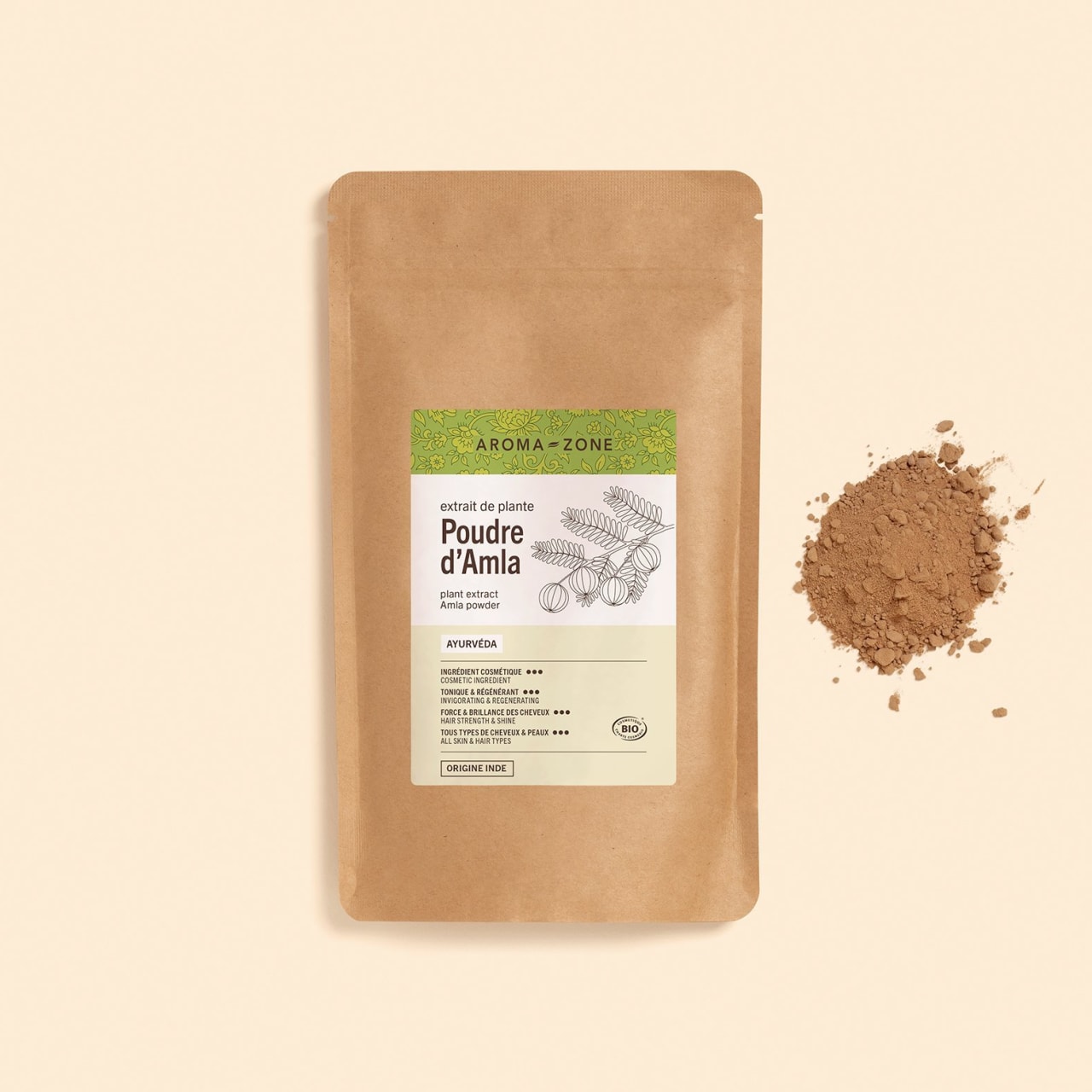
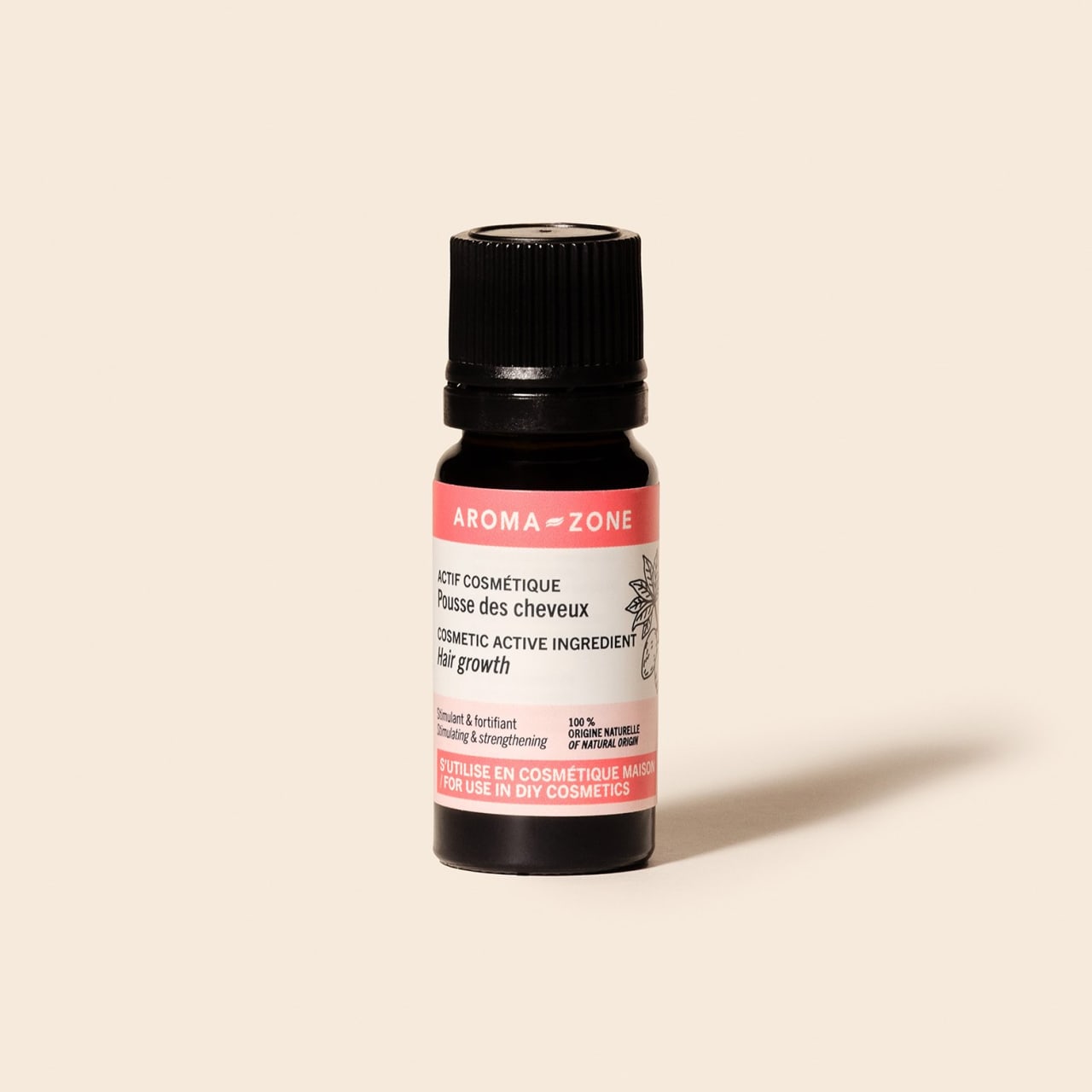
Hair loss or thinning: actives like maca or plant-based collagen, alongside strengthening powders such as amla or bhringraj, are commonly used to help support the scalp and existing hair.
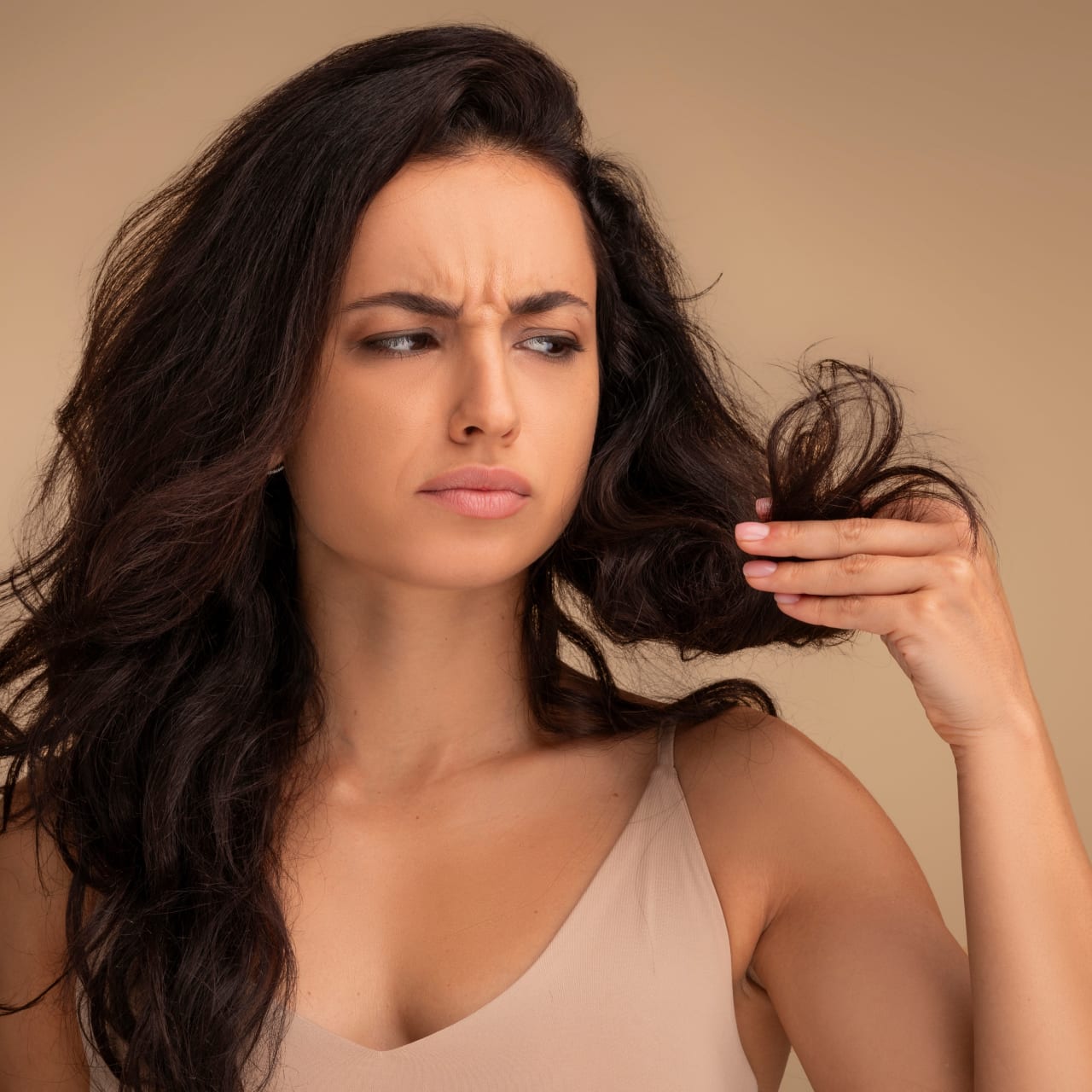
Dryness and dullness: rich, nourishing bases like aloe vera or shea, combined with moisture-retaining actives such as hyaluronic acid, help restore shine to hair that's lost its shine.
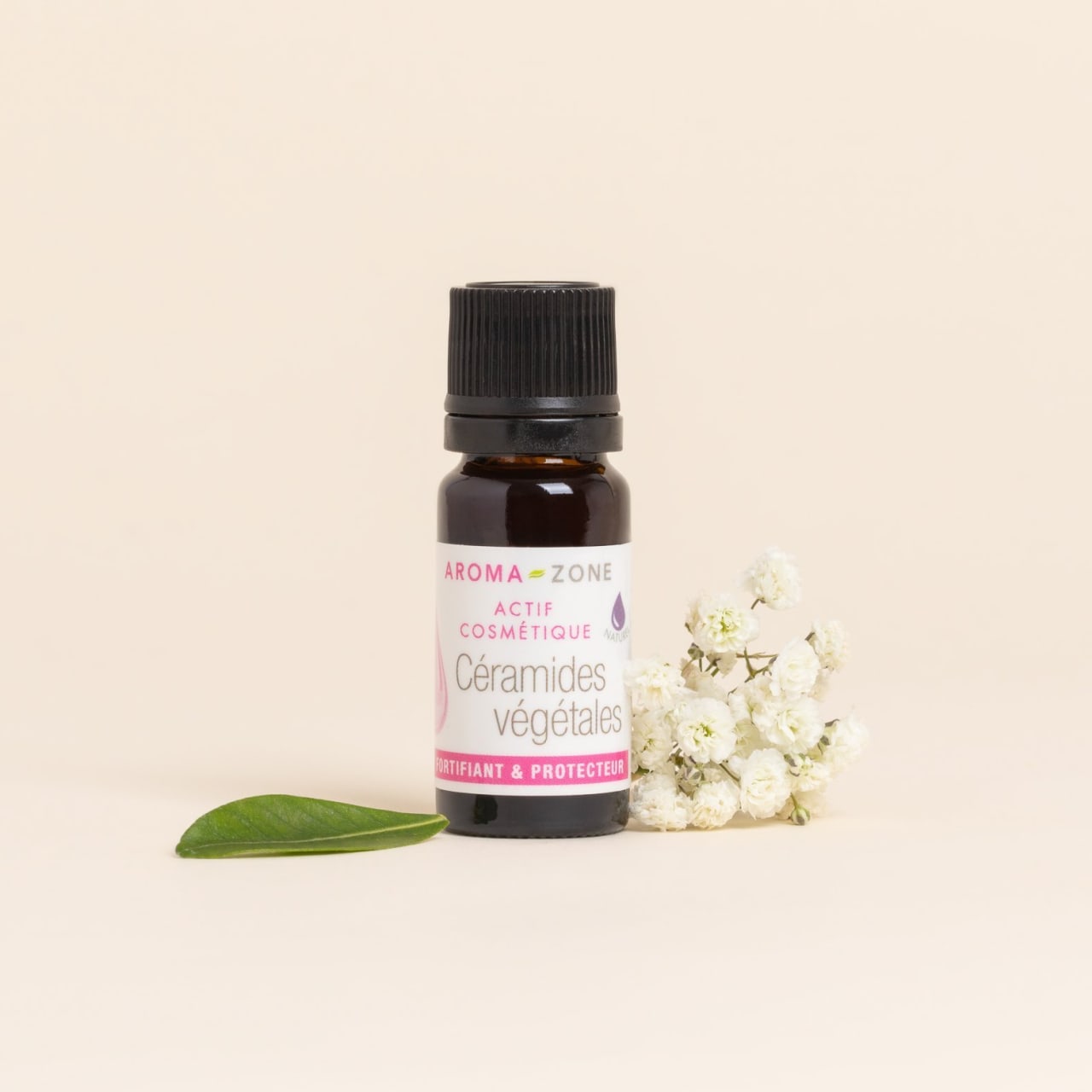
Weak, breakage-prone hair: keratin-based actives and protein-rich ingredients (like rice or wheat protein) are widely used to help reinforce the hair fibre from within.
Oily scalp: purifying powders such as nettle or clay-based ingredients help absorb excess sebum without over-stripping the scalp.
Lack of volume or definition: plumping actives, or ingredients like flaxseed and hyaluronic acid, are often used to add body and hold to fine or limp hair.
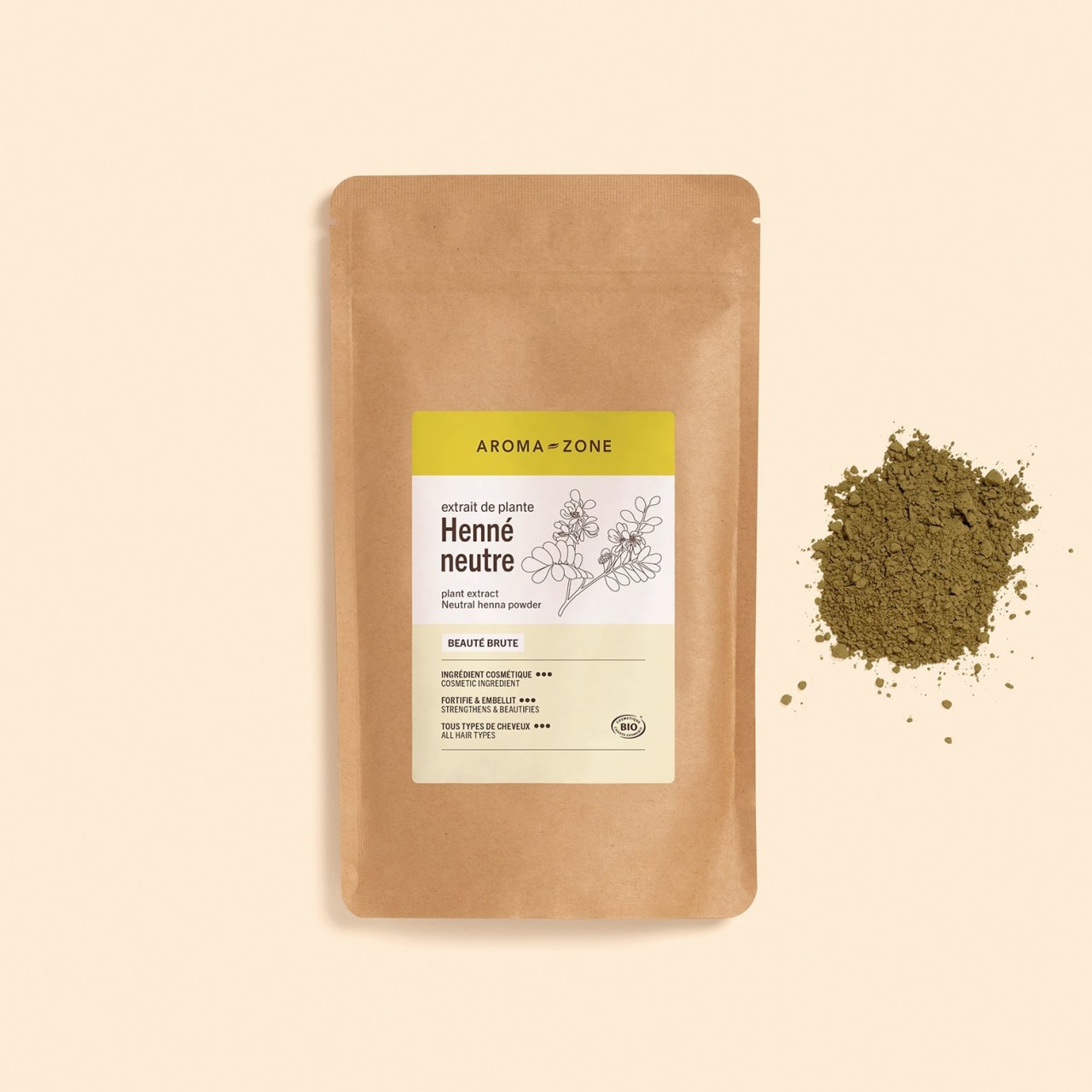
Grey or dull colour: natural dyes like henna or indigo, and antioxidant-rich powders like amla, are traditionally used to help maintain vibrancy.
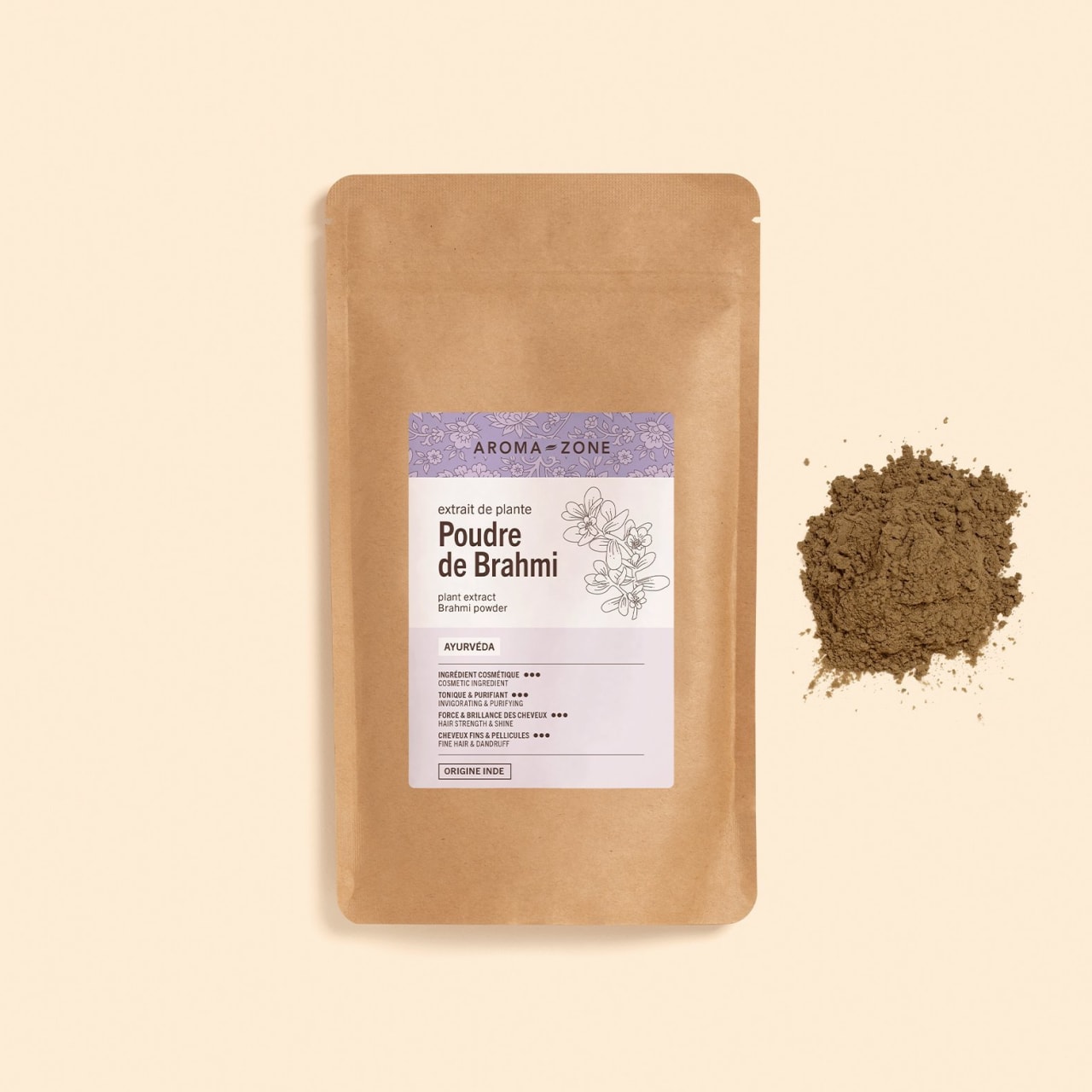
Sensitive or irritated scalp: soothing ingredients such as brahmi or oat are commonly reached for to help calm discomfort.
Be aware, this isn't an exhaustive list, it's really just a starting point for understanding what's traditionally used for what, before deciding which specific products actually fit your routine.
Not sure where to start? Our hair assessment takes only a couple of minutes and points you towards the ingredients and combinations that actually suit your hair, rather than leaving you to guess.
What can you mix hair ingredients into?
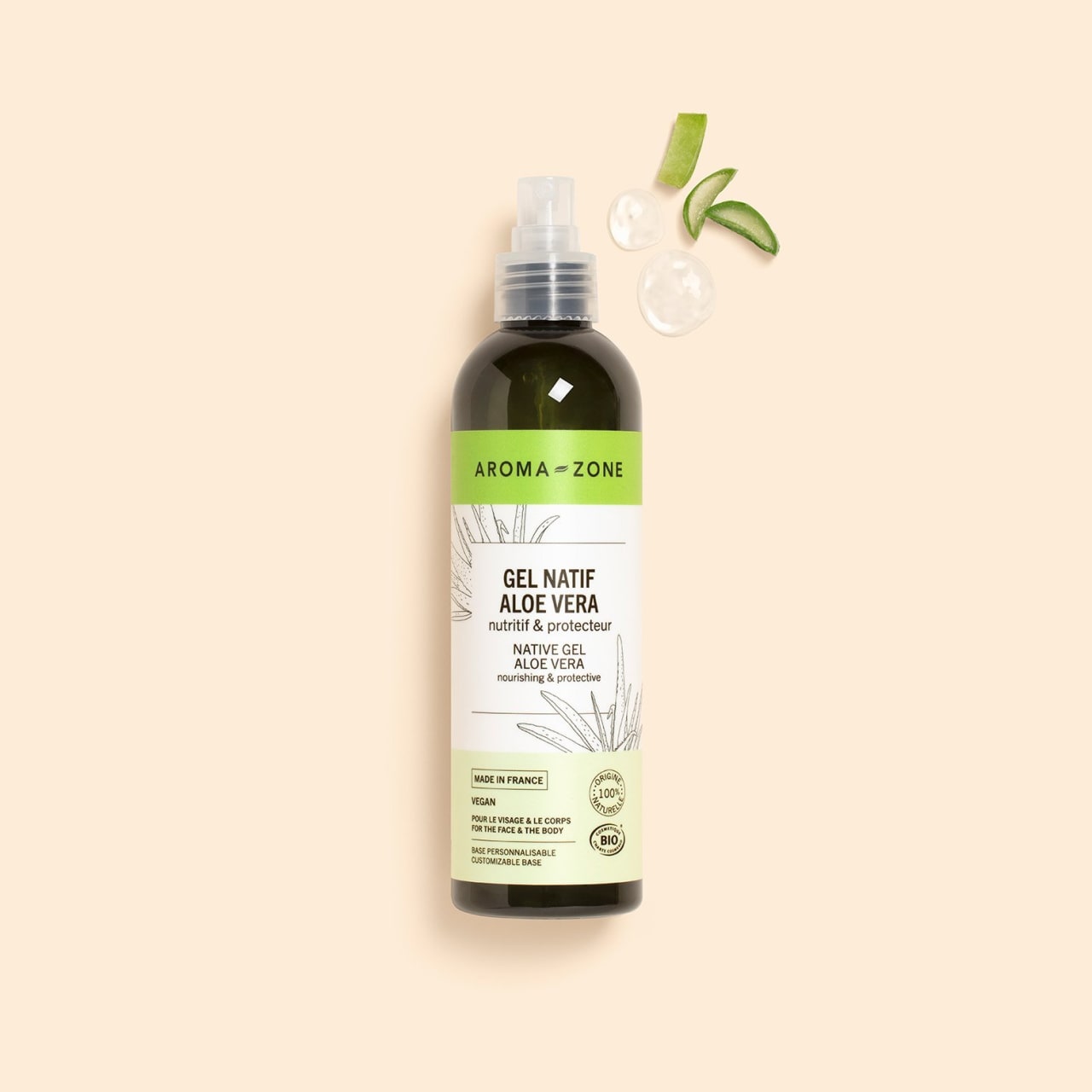
Aroma-Zone's Aloe Vera Gel is a great base, but it's genuinely not the only option, and you don't need to buy a dedicated base to get started.
Organic Native Aloe Vera Gel: lightweight and versatile, a good all-round base for actives or powders alike.
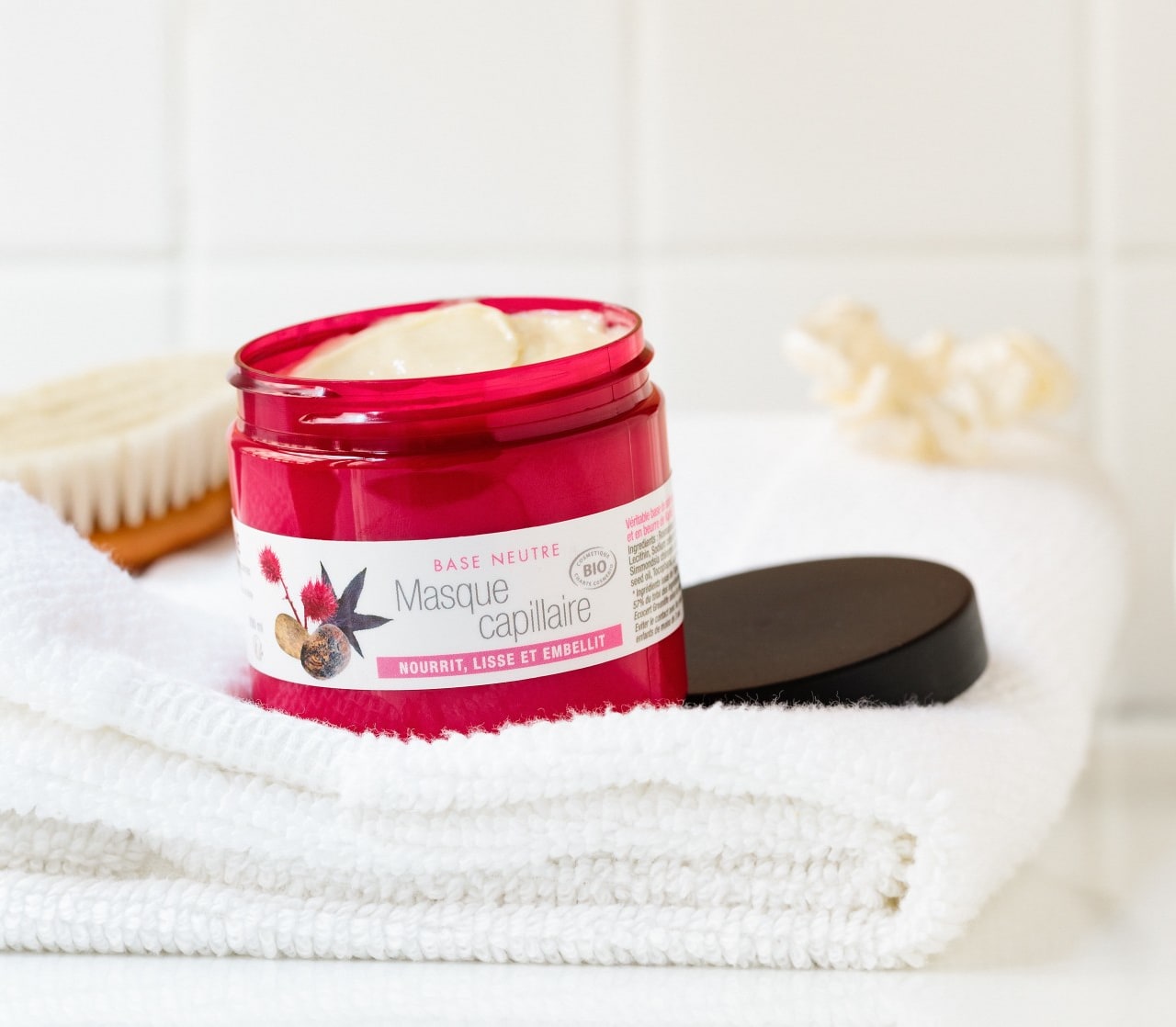
A neutral shampoo or conditioner base: if you'd rather personalise something you already use every wash, a few drops of an active mixed straight into your regular shampoo or conditioner works just as well as building a separate treatment.
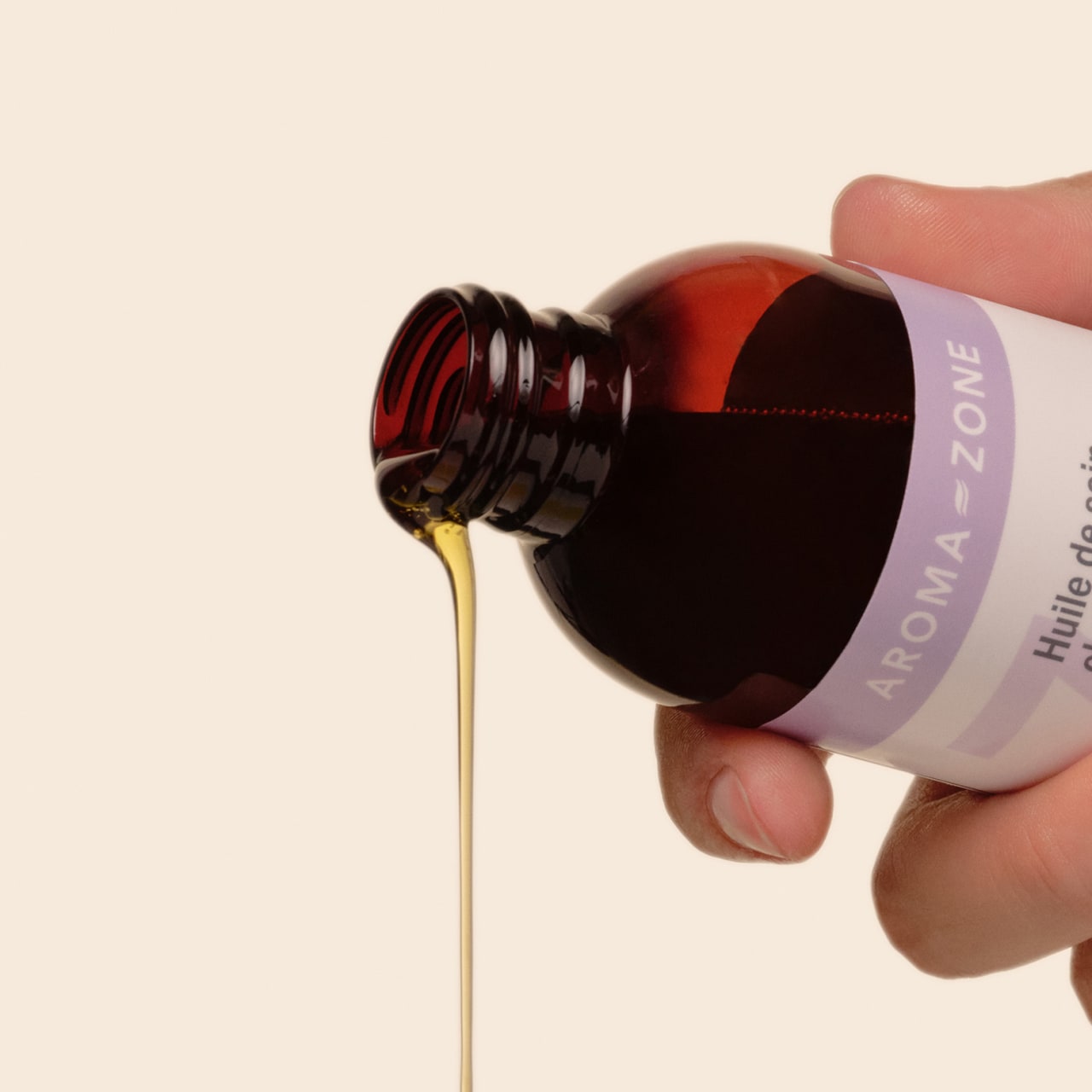
A carrier oil: richer than a gel, useful if you're mixing in an active meant for deep nourishment rather than a lightweight, leave-in finish.
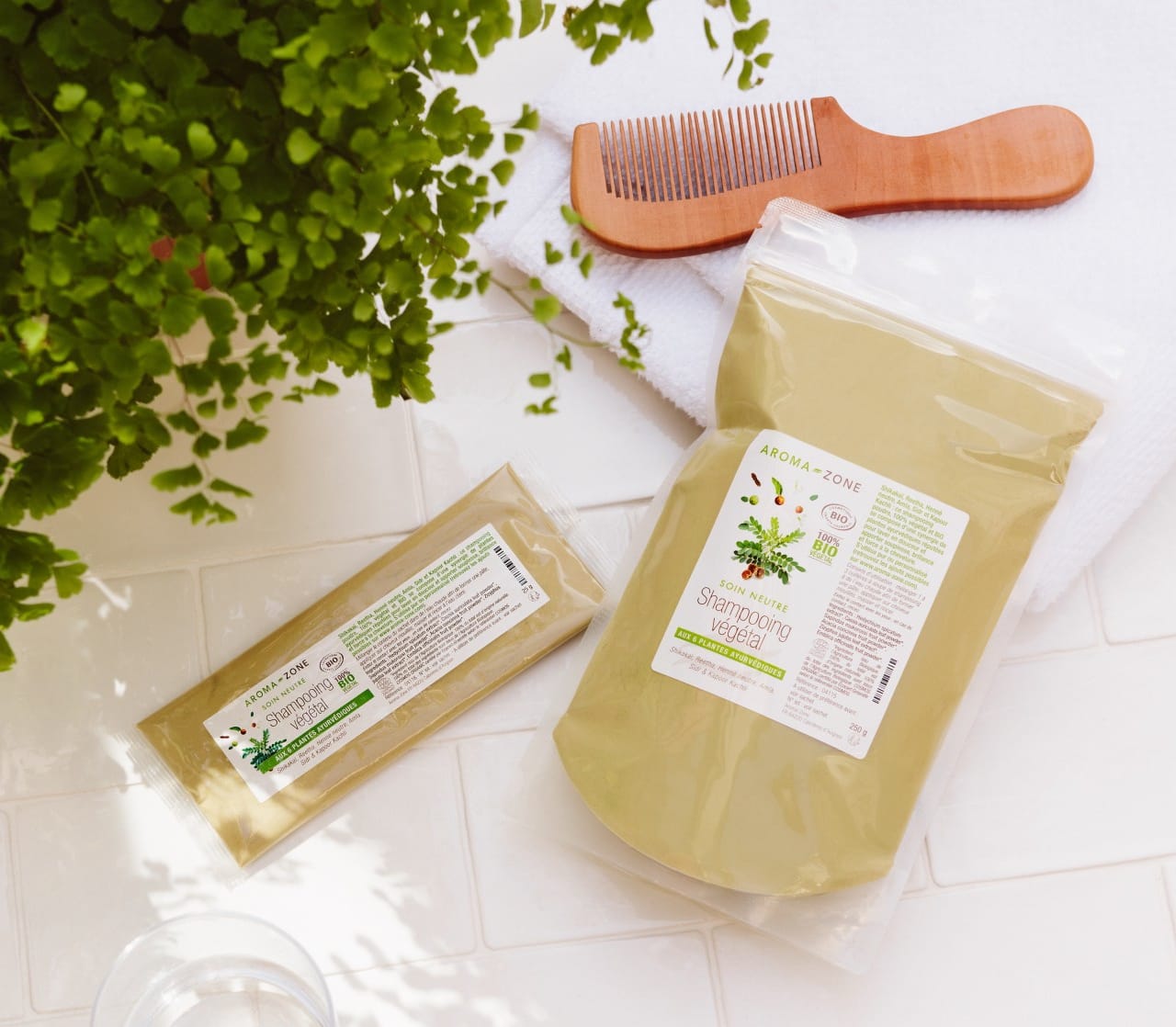
Water or a hydrosol: the simplest liquid for mixing powders into a paste, particularly for hennas and Ayurvedic powders that don't need anything richer.
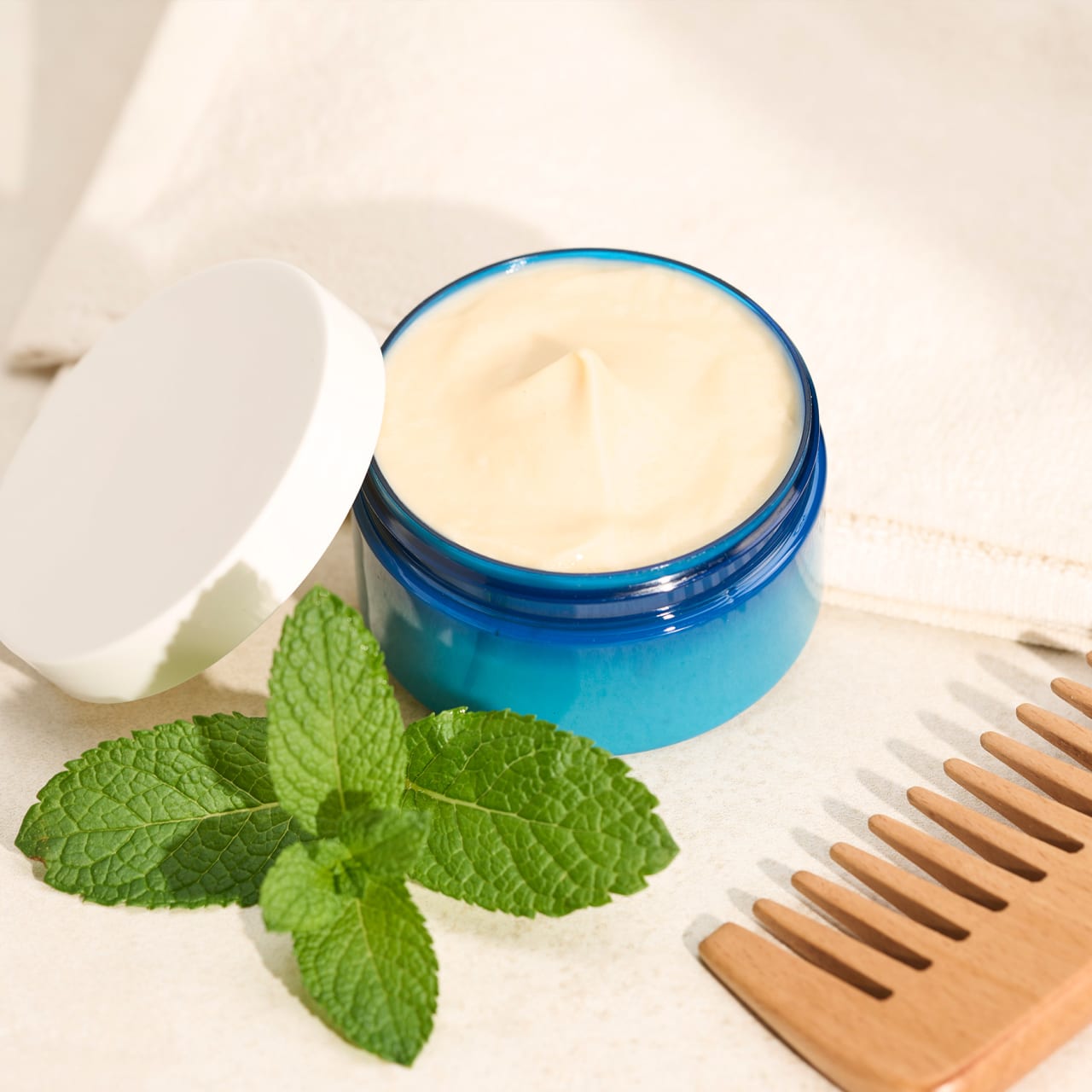
A ready-made mask: stirring a powder or an active into a mask you already own is often the easiest entry point, no need to build a formula from nothing.
A simple way to start with DIY hair care
There's no single formula, that's rather the point... But a common approach is:
a base,
one active chosen for your main concern (hair loss, volume, protection),
and, if you want a deeper treatment, a powder mask once a week alongside it.
Check out Aroma-Zone's recipe: hair growth booster mask, a genuine example of this kind of combination in practice.
Want to go further? If you're ready to start experimenting, 10 DIY recipes for homemade hair masks is a solid place to pick up some proper formulas rather than guessing quantities yourself!
Aroma-Zone's magic powders to care for my hair go deeper into the Ayurvedic side of things, if that's the direction you fancy taking your routine.


