Anti-yellowing instant shampoo for white, blonde and grey hair
Can grey hair be repigmented naturally?
Grey hair has its own charm, but its appearance often raises questions. Canities is the natural process linked to the gradual decline in melanin production and is the underlying cause. One question nevertheless remains: can a hair that has turned grey naturally regain its original colour? Here is what you need to know to better understand and put into perspective this natural process.

Why does hair turn gray?
The role of melanin in hair pigmentation
Melanin, the pigment responsible for hair and skin color, exists in two forms: eumelanin, which produces shades of brown to black, and pheomelanin, responsible for shades of red to blond. Produced by melanocytes in the hair follicle, this melanin is then incorporated into the hair fiber as it grows.
Each hair thus appears as a unique mixture of pigments. Over time, however, melanocyte activity slows down and melanin production gradually decreases. This natural process explains the loss of color and the gradual appearance of gray hair.
What factors influence the loss of pigmentation?
Two types of factors can be involved: internal factors, mainly related to age, and external factors, related to lifestyle and the environment. According to some recent studies, these external factors could even cause temporary hair discoloration.
However, aging remains the main driver of pigment loss. Over time, melanocytes decrease in number and effectiveness: they produce less melanin, which gradually makes the hair lighter.
Other factors can accelerate this phenomenon. Oxidative stress, linked in particular to sun exposure, pollution, or repeated use of harsh hair products, can weaken the defense mechanisms of hair cells. The often-cited link between stress and the appearance of gray hair is therefore no coincidence: when natural defenses weaken, pigmentation can decline more rapidly.
For more information, you can also consult our article What causes gray hair?
Can gray hair regain its natural color?
Not all gray hair is the same. When hair turns gray with age, it is because its melanocytes have gradually stopped producing melanin. Once this supply is depleted, the hair cannot spontaneously return to black, blonde, or red: only external coloring can change its appearance.
However, hair that has turned white due to stress seems to follow a different mechanism. A recent study has shown that, under certain conditions, this stress-related depigmentation may be partially reversible. In this specific case, the loss of color is not due to the disappearance of melanocytes, but to a temporary disruption, often hormonal or related to oxidative stress, which temporarily pauses melanin production.
The researchers analyzed strands of hair, from root to tip, and observed that the depigmented areas corresponded to periods of high stress. When stress decreases, the hair gradually regains its color, sometimes creating a very clear visual effect: the tips are still colored, the middle section is gray, and the roots are pigmented again.
Repigmentation is therefore only possible in one specific case: when the whitening is linked to a specific and reversible stress. For hair that has turned white with age, it is not natural, as melanin production has simply come to an end.
How can hair be repigmented naturally?
To date, there is no natural method for restoring black hair that has turned white with age. When melanocytes stop producing melanin, the follicle does not restart this mechanism. However, it is possible to slow down depigmentation, support scalp health, and opt for natural solutions such as plant-based hair dye to restore a harmonious shade.
In rare cases where graying is linked to temporary stress, some studies show that partial repigmentation can occur when balance is restored. However, this remains specific to these reversible situations.
To help hair that is losing pigmentation, a few simple steps can help: massages to activate microcirculation, scrubs to oxygenate the roots, and antioxidant treatments to limit oxidative stress. These actions do not recolor gray hair, but they help slow down the process and support the vitality of the scalp.
When color fades or hair turns white, plant-based hair dyes remain the gentlest solution for naturally recoloring the hair fiber while strengthening its hold and shine.
Our selection for naturally recoloring and supporting hair vitality
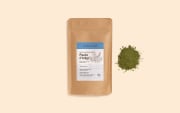
Bhringaraj powder: An iconic plant in Ayurveda, Bhringaraj is traditionally used to strengthen hair and help slow down the appearance of premature gray hair. It supports hair density, tones the roots, and is particularly suitable for black hair care. Used as a mask, it brings strength and vitality while promoting stronger hair fibers.

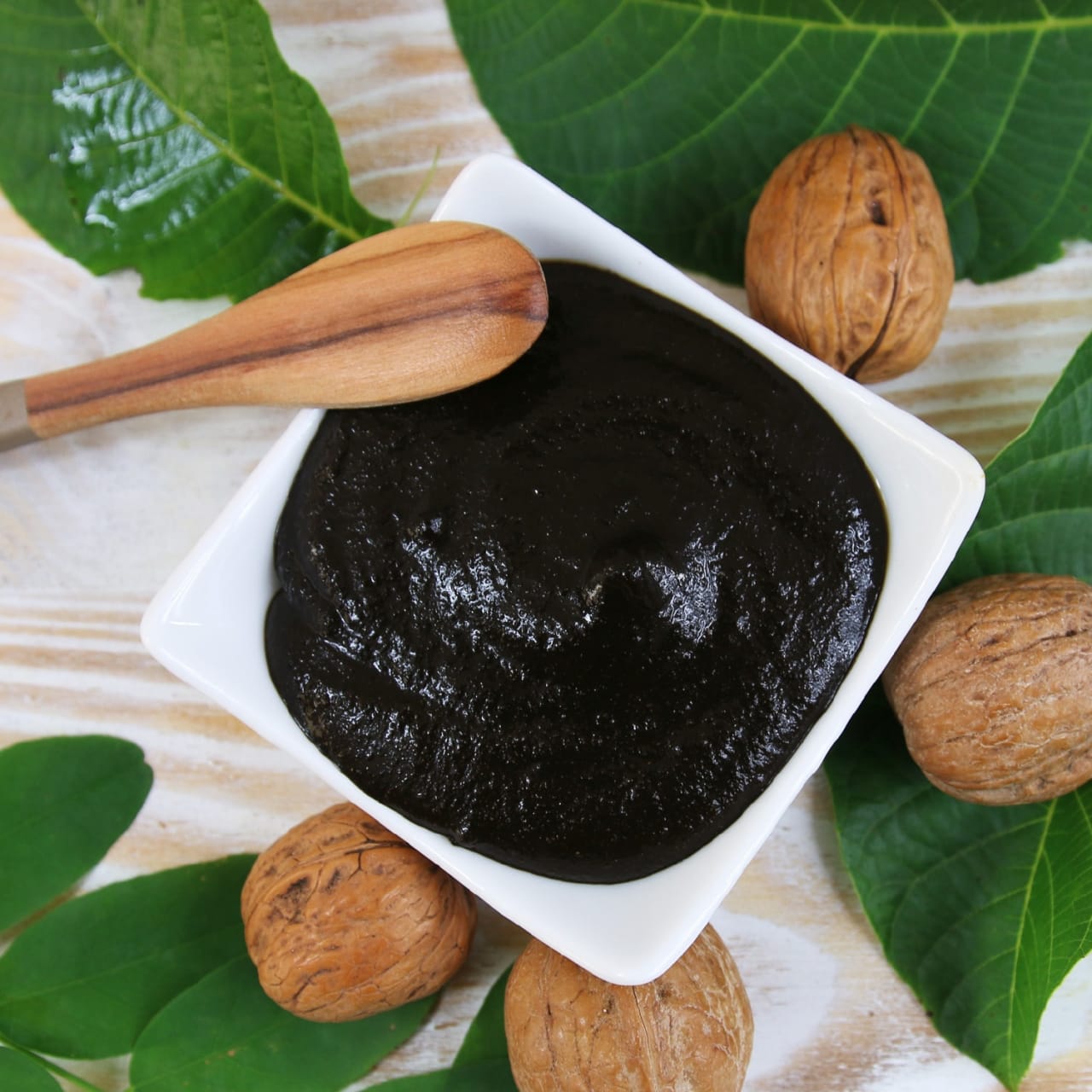
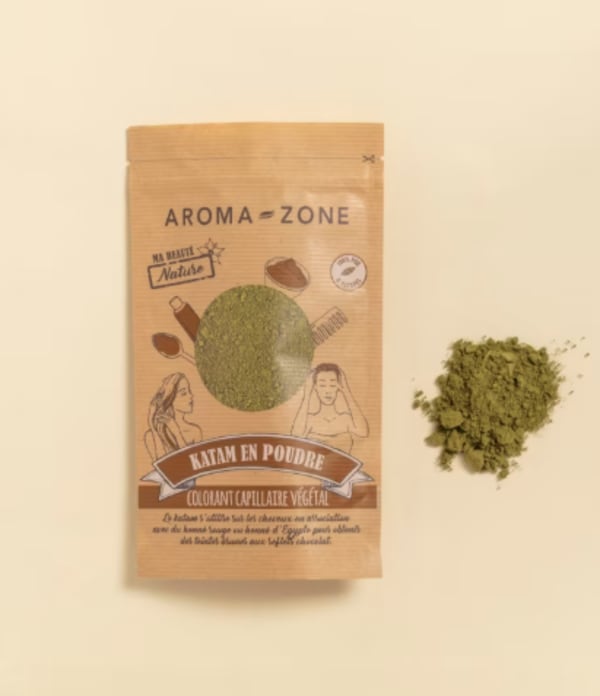
Katam – Plant-based hair dye: This dye powder is ideal for darkening plant-based hair dyes and achieving natural chocolate brown shades. When mixed with henna rich in Lawsonia inermis, it reduces coppery highlights, intensifies brown tones, and effectively covers gray hair after a first application of henna. It leaves hair soft, supple, and shiny.

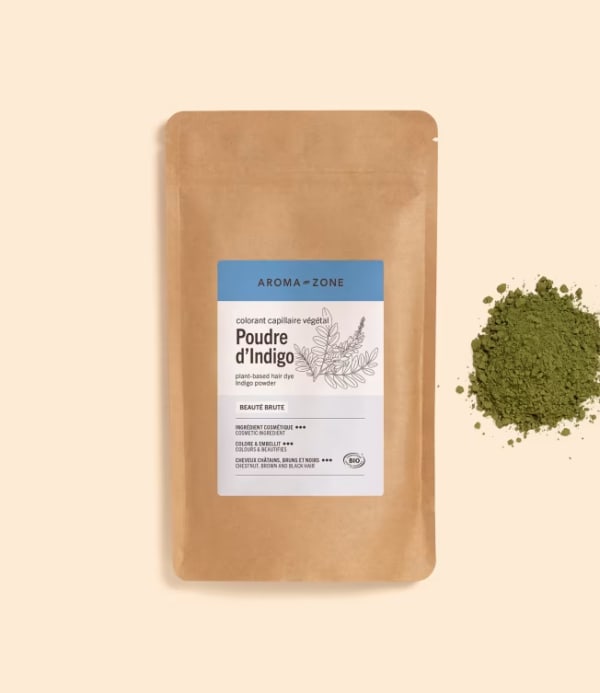
Organic Indigo – Plant-based hair dye: Obtained from the leaves of Indigofera tinctoria, this Indigo gives brown to black hair beautiful midnight blue highlights and naturally darkens the hair fiber. Used alone or in combination with henna (Lawsonia inermis) or other dye powders such as Amla, it effectively covers gray hair while adding softness, suppleness, and shine.

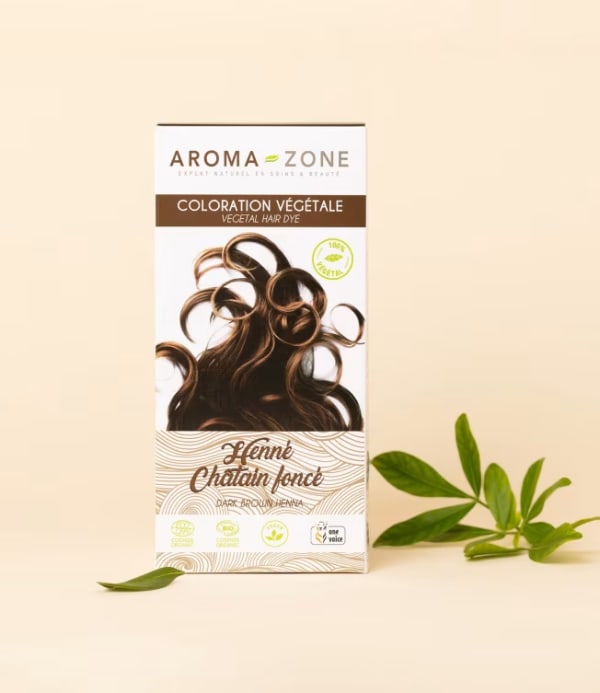
Organic Dark Brown Henna: This 100% plant-based coloring treatment combines henna from Rajasthan, indigo, hibiscus, and other dye plants to provide a warm, luminous dark brown color. It covers gray hair in a single application, while coating and strengthening the hair fiber. Its organic formula is gentle on the scalp and guarantees deep color and even results.

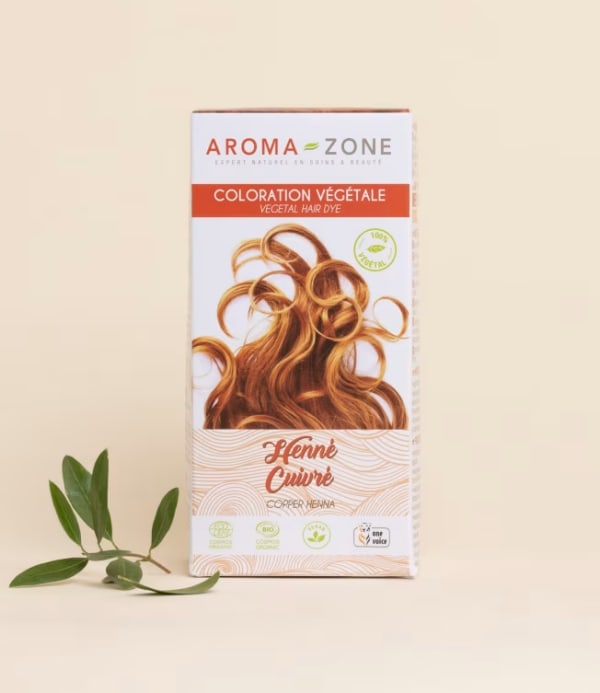
Organic Copper Henna: This 100% plant-based coloring treatment combines henna from Rajasthan, manjishta, and nine dye plants to provide intense, luminous copper highlights. It covers gray hair in a single application and adds a warm shade, from blonde to brown, while bringing mahogany tones to brown hair. A true conditioning treatment, it protects, strengthens, and restores vitality and shine to the hair fiber.
Organic Ebony Black Henna: This 100% plant-based coloring treatment combines indigo, Rajasthan henna, and eight dye plants to provide a deep, luminous black. Ideal for darkening blonde to dark brown hair or achieving a tone-on-tone effect on brown hair, it also effectively covers gray hair in a single application. It coats, strengthens, and protects the hair fiber, adding volume, softness, and shine while respecting the scalp.
What are some tips for preserving your hair's natural pigmentation?
Even though the appearance of gray hair is part of the hair's life cycle, it is still possible to slow down the process by taking care of the health of the scalp and protecting the hair fiber.
1. Make room for antioxidants: Oxidative stress weakens melanocytes. A diet rich in B vitamins, copper, iron, carotenoids, and polyphenols helps reduce the impact of this phenomenon. In terms of skincare, antioxidant plants, certain vegetable oils, and Ayurvedic powders support the hair fiber and promote natural pigmentation.
2. Protect the hair fiber from external aggressions: sun, pollution, excessive heat... all factors that can accelerate depigmentation. Covering your hair during prolonged exposure, using suitable UV protection, or limiting overly harsh treatments helps preserve the color and vitality of your hair.
3. Maintain the vitality of the scalp: A well-stimulated scalp promotes bulb activity. Massages activate microcirculation and occasional exfoliation helps eliminate residues that suffocate the roots. It is also best to avoid tight hairstyles or overly vigorous brushing to preserve its balance.
4. Consider the impact of stress: Chronic stress can affect pigmentation. Taking breaks, practicing cardiac coherence, exercising regularly, and ensuring quality sleep helps limit its impact and preserve your natural color for longer.
Our recipes for caring for gray hair

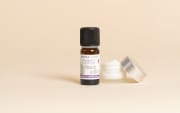
Anti-yellowing instant shampoo for white, blonde and grey hair

Anti-yellowing instant shampoo for white, blonde and grey hair

Anti-yellowing instant shampoo for white, blonde and grey hair

Anti-yellowing shampoo bar for blonde, white and grey hair

Anti-yellowing shampoo bar for blonde, white and grey hair

Anti-yellowing shampoo bar for blonde, white and grey hair
Precautions for use
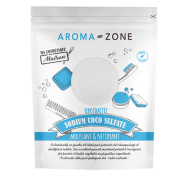
Some recipes and plant-based hair dyes contain powders that can stain or cause irritation when handled. Wear gloves, work in a well-ventilated area, and avoid inhalation, especially when using powdered surfactants.
Also, be sure to follow the recommended doses and application times. If discomfort or irritation occurs, discontinue use. Finally, if you have a scalp problem or are undergoing medical treatment, seek professional advice before changing your routine.
Expert advice
Hair pigmentation depends as much on melanocyte activity as on scalp health. A regular routine focused on protection (from the sun and pollution), microcirculation, and antioxidants remains the best way to slow down depigmentation. Gray hair, which is often drier and more prone to yellow tones, benefits from gentle care and plant-based hair color, which respects the hair fiber while enhancing its natural shine.
Learn more

How long does it take for hair to turn gray?

How long does it take for hair to turn gray?
The transition to gray hair is gradual and unique to each individual. It depends mainly on genetics: the age at which your parents or grandparents went gray is a good indicator. Natural hair color also plays a role: on dark hair, the contrast makes the first gray hairs more visible.
Sun exposure, stress levels, and lifestyle can also accelerate the process. A balanced diet rich in essential nutrients, on the other hand, supports hair vitality and pigment follicle function.

Can the appearance of gray hair be prevented?

Can the appearance of gray hair be prevented?
It is not possible to completely prevent gray hair from appearing, but certain factors influence its early onset. Protection from UV rays, reducing oxidative stress (through a diet rich in antioxidants), and a well-cared-for scalp help to slow down the process. These habits do not prevent canities, but they do help to preserve natural pigmentation for longer.

Does gray hair grow faster or differently?

Does gray hair grow faster or differently?
The transition to gray hair does not affect the speed of growth, but the hair fiber can become drier or more porous. This change is due to the gradual decrease in sebum production in the follicle. Gray hair therefore appears thicker and more unruly, which is why nourishing, coating, or antioxidant treatments are beneficial for maintaining softness and shine.
Spotlight on our well-being editor, Laura Almeras

Laura is a health, beauty and lifestyle writer. Passionate about travel and gastronomy, she shares her nutritional advice on how to combine pleasure and well-being. Through her articles, she aims to provide you with meaningful information and practical advice to nourish your body and mind.
Bibliography
1
Rosenberg A. M., Rausser S., Ren J., Mosharov E. V., Sturm G., Ogden R. T., Patel P., Soni R. K., Lacefield C., Tobin D. J., Paus R., Picard M.
(2021), Quantitative mapping of human hair greying and reversal in relation to life stress, eLife https://doi.org/10.7554/eLife.67437
2
Zhang, B., Ma, S., Rachmin, I., He, M., Baral, P., Choi, S., Gonçalves, W. A., Shwartz, Y., Fast, E. M., Su, Y., Zon, L. I., Regev, A., Buenrostro, J. D., Cunha, T. M., Chiu, I. M., Fisher, D. E., & Hsu, Y.-C.
(2020), Hyperactivation of sympathetic nerves drives depletion of melanocyte stem cells, Naturehttps://www.nature.com/articles/s41586-020-1935-3
3
Paus, R., Sevilla, A., & Grichnik, J. M.
(2024), Human hair graying revisited: Principles, misconceptions, and key research frontiers, Journal of Investigative Dermatology DOI: 10.1016/j.jid.2023.09.276