Katam - Natural Hair Dye
Hair dye
£4.50
1 article = 100 g
Price per kg = £45.00
free delivery up to £40 in United Kingdom
100% secure payment CB, Visa, Mastercard, Paypal, Apple Pay, Google Pay
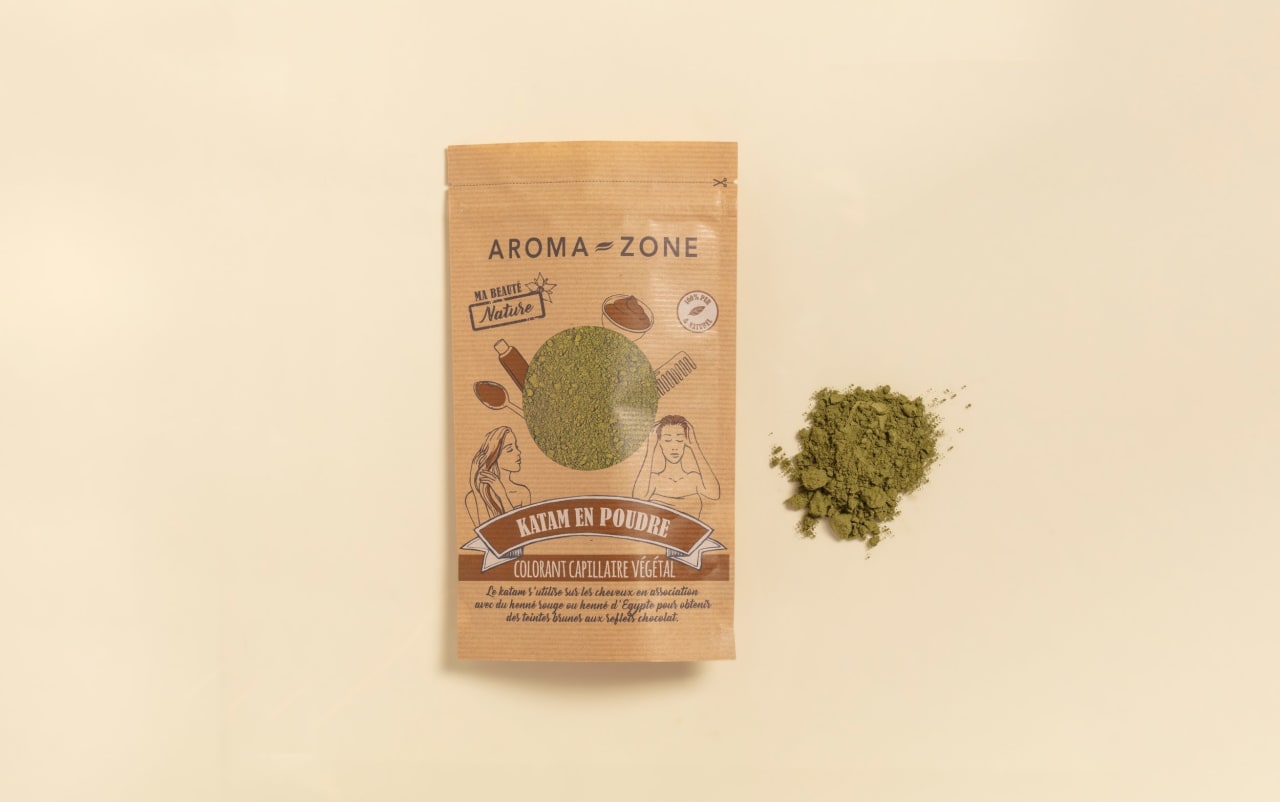


Katam - Natural Hair Dye
100 g

100% Pure And Natural
Properties
As a hair dye ingredient, katam vegetable hair dye is recognised for its properties:
Reinforces natural hair dyes
Can be used in combination with henna containing Lawsonia inermis (Egyptian, Rajasthani and Yemeni henna) to neutralise orange pigments and give a chocolate-brown colour.
Good colouring power on white and grey hair (after an initial application of Lawsonia inermis henna), darkening it without yellowing it
Makes hair soft, supple and shiny
Produces beautiful chocolate browns
Indications
Light chestnut, Dark chestnut, Red, Brown
The different forms that can be used :
As a macerate (macerate for 24 hours in water at 4°C in the fridge) or as an infusion (10 minutes in water at 70°C), then filter through a coffee filter. This macerate can be used in rinsing lotions, shampoos or hair care products.
In powder form: in hair colouring pastes, in hair mascaras, in dry shampoos, in bar shampoos.
Preliminary advice
Do a trial application on hair collected from your hairbrush, wait 24 hours to assess the final result.
Wear gloves
Avoid using metal utensils to make your paste
Protect your clothes (especially your shoulders) with an old T-shirt, for example
Apply a thick layer: the thicker the paste, the richer and deeper the colour.
After applying the paste, wrap your hair in cling film which will keep your head warmer and feeling more pleasant. The paste should remain moist throughout the application.
The longer you leave the paste on, the more intense the result.
Do not apply katam on its own to grey or white hair (or you may end up with bluish highlights): katam should be applied after an initial application of henna containing Lawsonia inermis (Egyptian, Yemeni and Rajasthani henna) or mixed with one of these henna products.
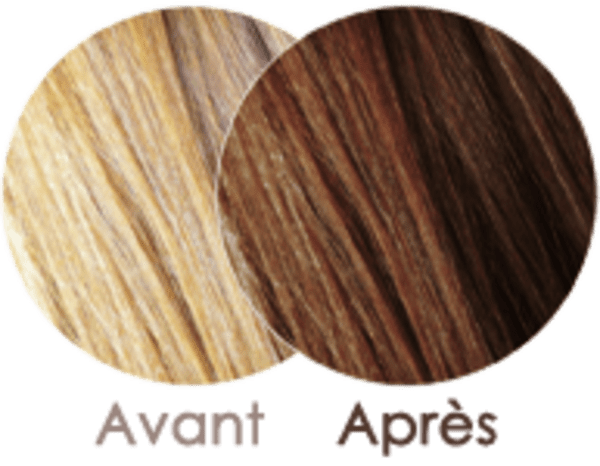
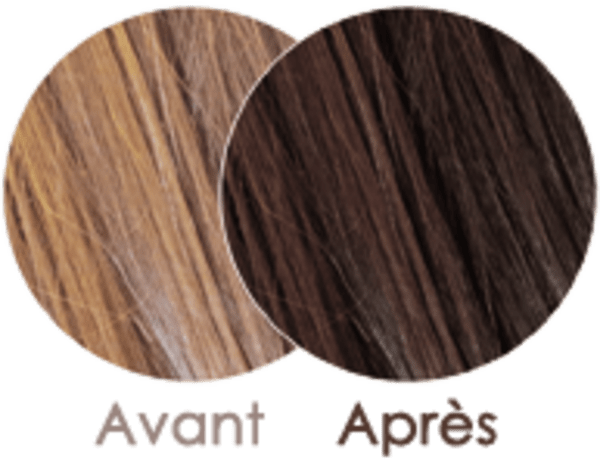
On blond hair
Amber honey

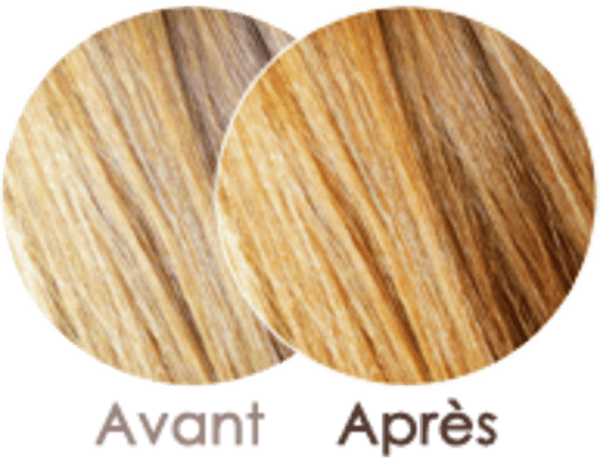
Before and after
50% Katam
50% Red Henna
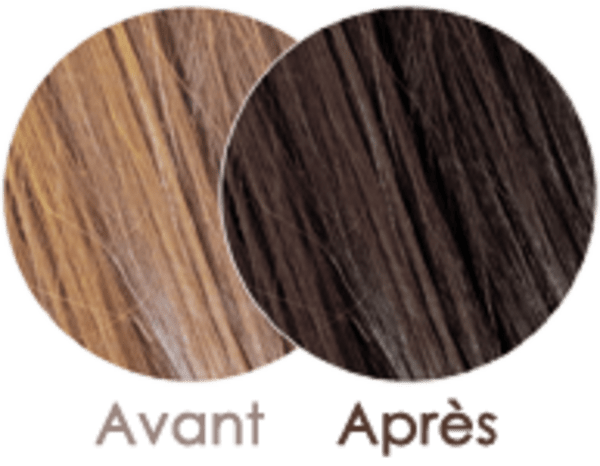
Dark chestnut

Before and after
100% Egyptian Henna
Then 100% Katam
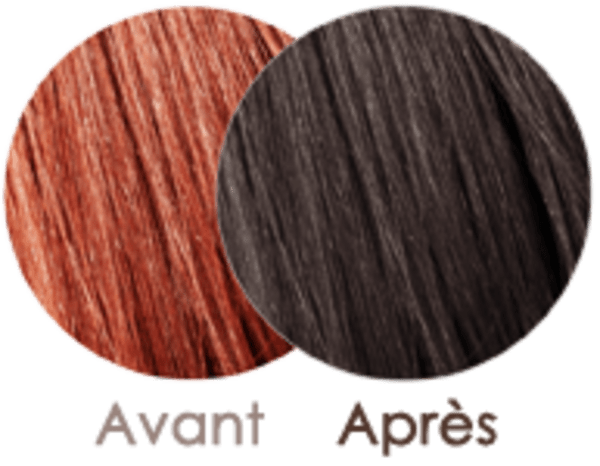
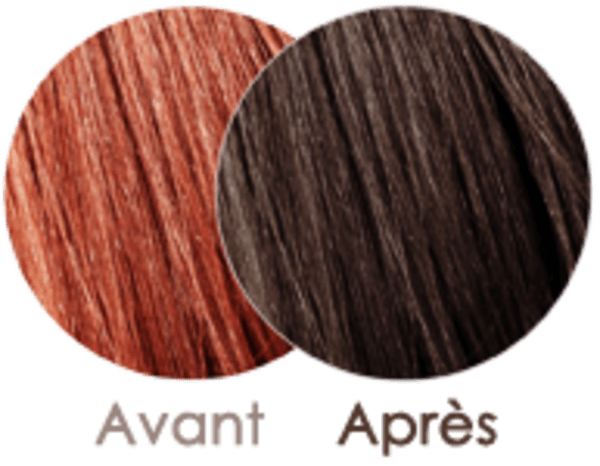
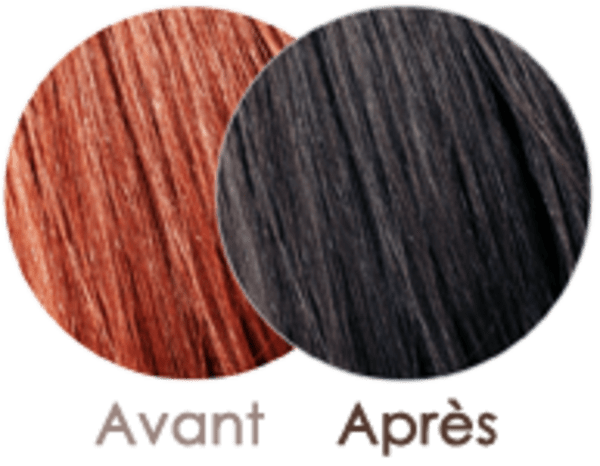
On ginger hair
Ebony black

Before and after
100% Rajasthani Henna
Then 100% Katam
Deep brown

Before and after
100% Egyptian Henna
Then 100% Katam
Bluish black

Before and after
70% Katam
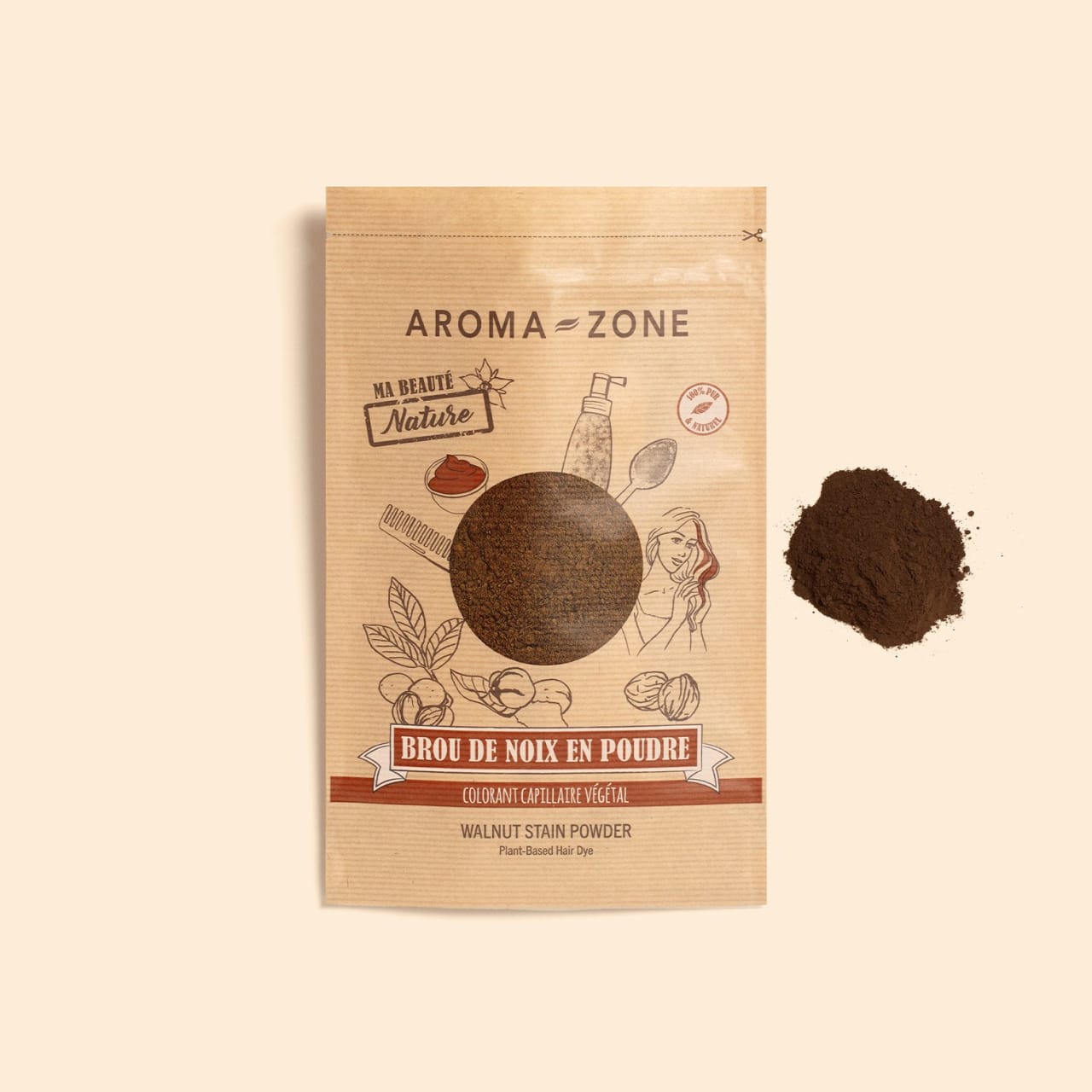
30% Walnut
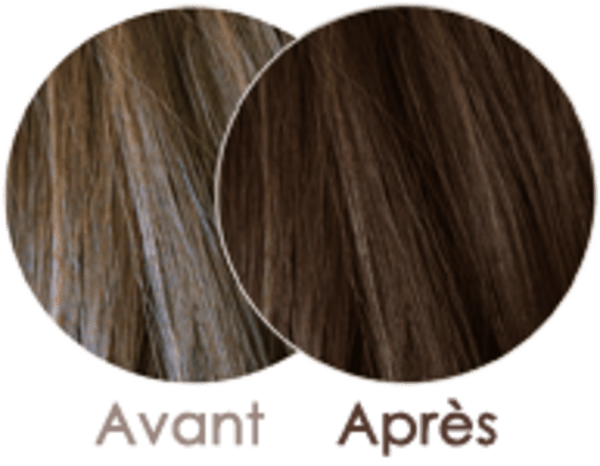
On light brown hair
Deep brown

Before and after
100% Egyptian Henna
Then 100% Katam
Natural very dark chestnut

Before and after
70% Katam
30% Walnut
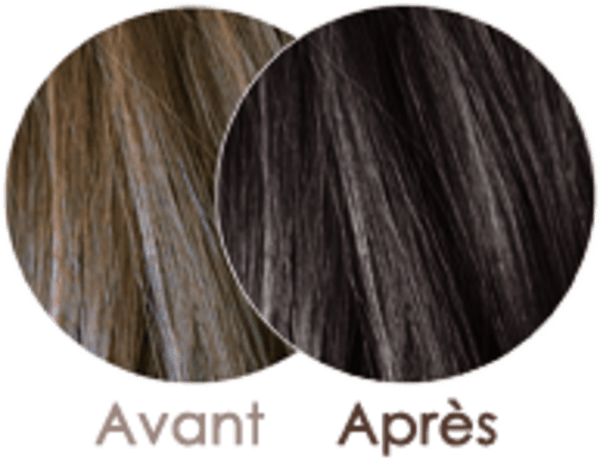
On dark brown hair
Deep brown

Before and after
100% Rajasthani Henna
Then 100% Katam
Ebony black

Before and after
100% Egyptian Henna
Then 100% Katam
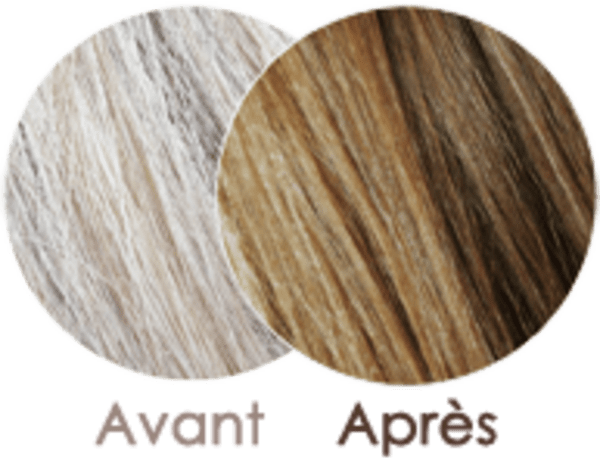
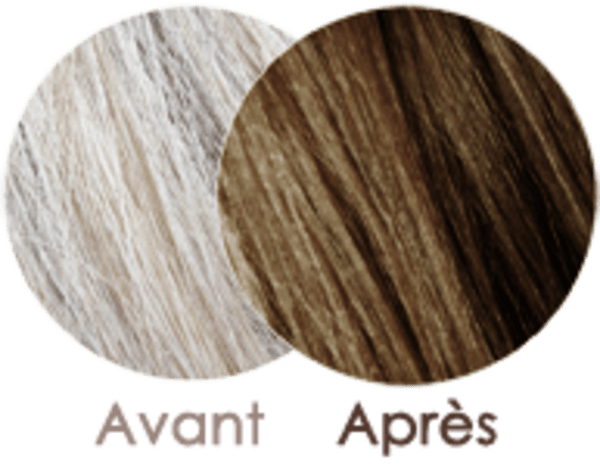
On white hair
Natural dark chestnut

Before and after
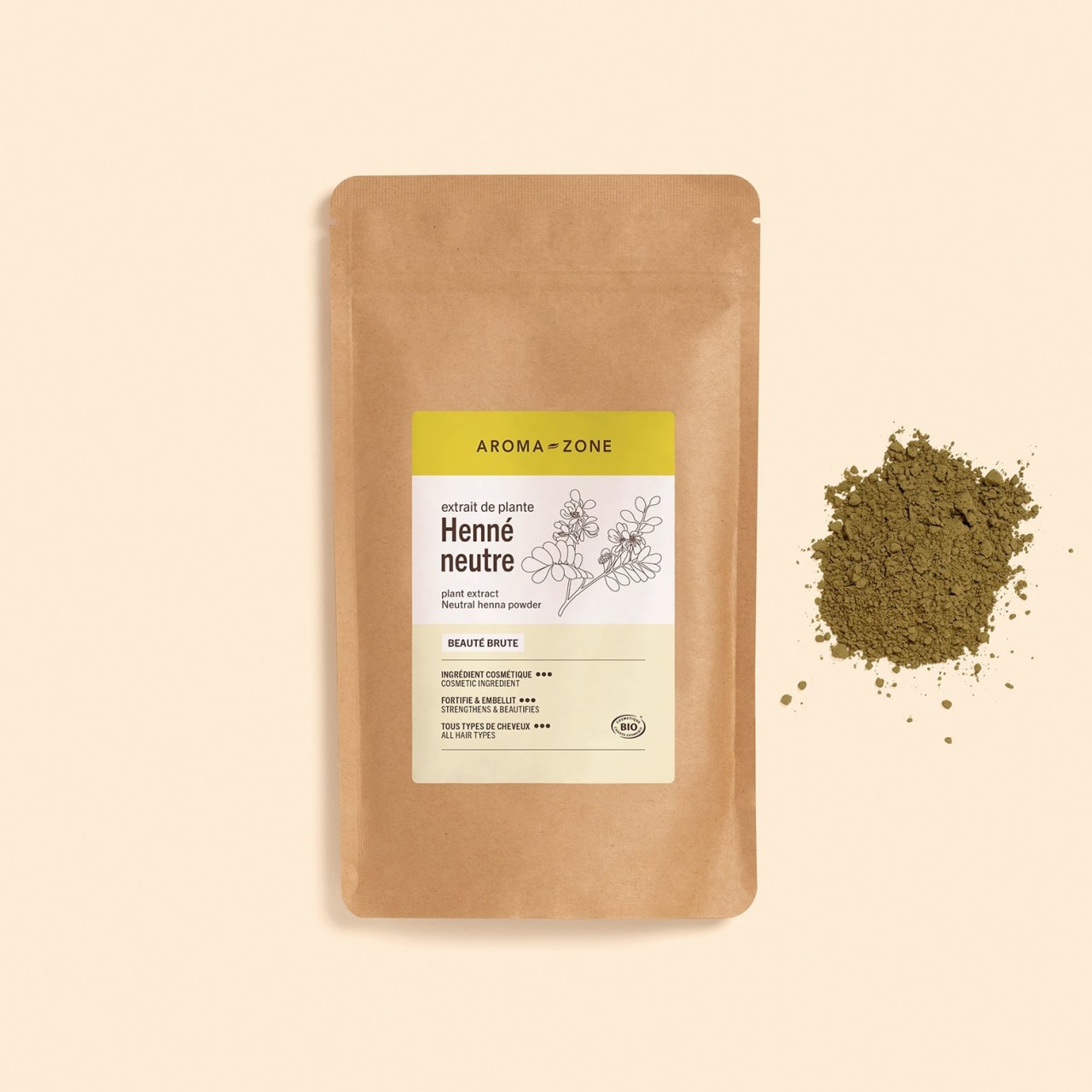
100% neutral henna
Then 100% Katam
Natural chestnut

Before and after
100% Egyptian Henna
Then 100% Katam
Insoluble in water
For use dispersed in hot water
oil-insoluble
Use in homemade cosmetics
Hair masks, shampoos
How do you prepare your hair dye paste?
How much paste for what length of hair?

Roots
50 g or 1/4 of a 250 g pack

Short hair
100 g or 1/3 of a 250 g pack

Medium-length hair
150 g or 1/2 250 g pack

Long hair
250 g or 1 whole 250 g pack
Making the colouring paste

Step 1
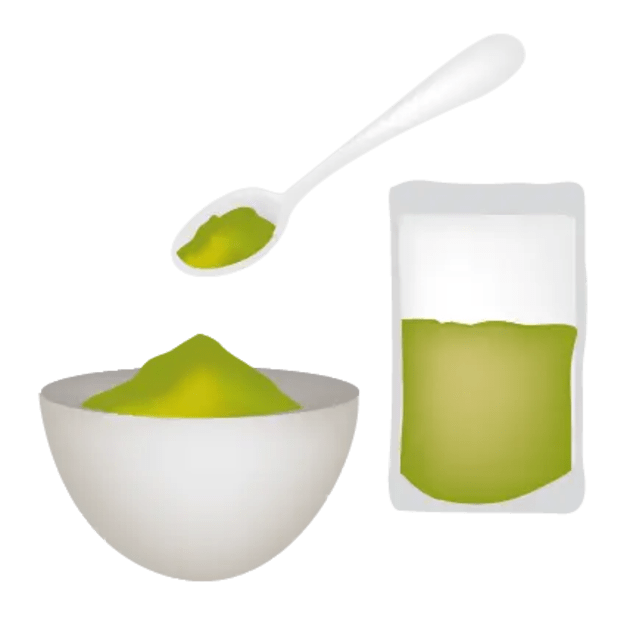
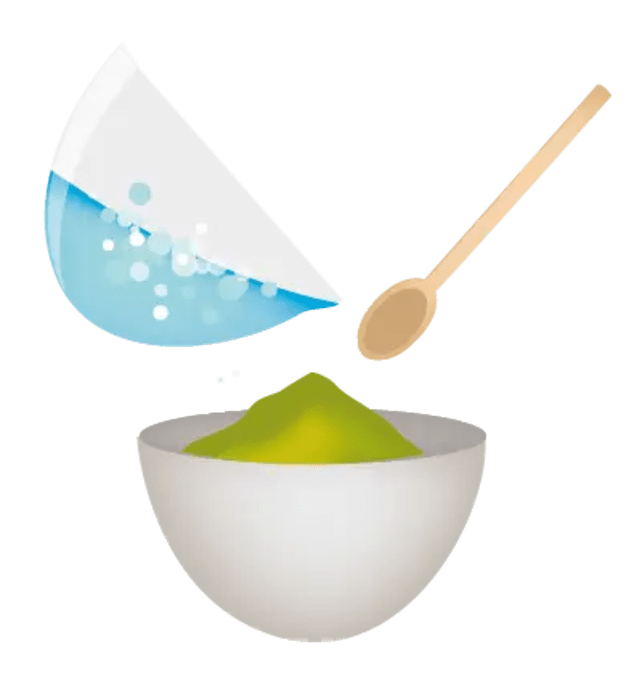
Depending on the length of your hair, pour the required amount of powder into a bowl.

Step 2
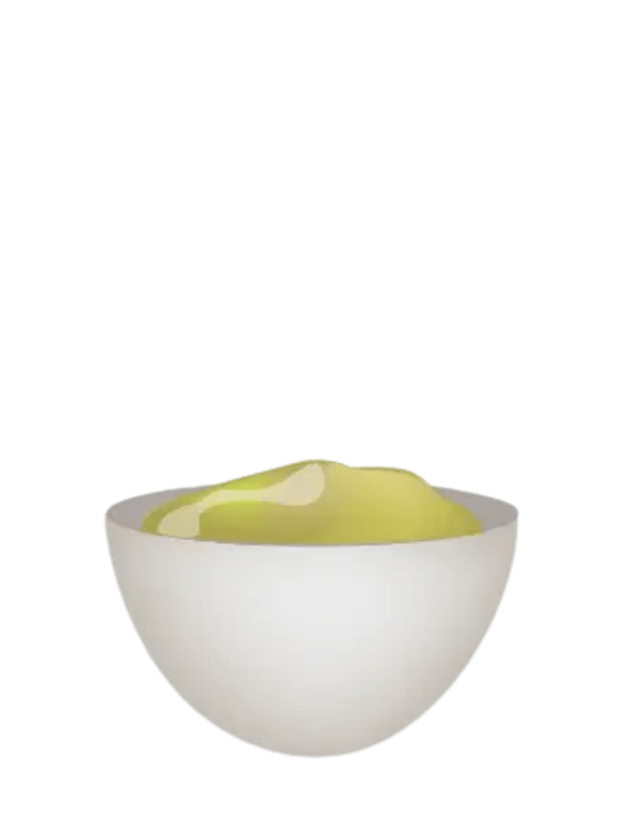
Gradually pour warm tap water over the powder, mixing until you obtain a consistent, homogenous paste.

Step 3
Apply the paste to your hair immediately, following the instructions below.
How do I apply my colour paste?
Application of colour paste

Step 1
Comb through clean, dry hair and divide into 2 sections. Use a piping bag, bottle, brush or your fingers while wearing.

Step 2
Start at the back of the head, applying the henna to strands and working it through to the scalp.

Step 3
Continue with the top of the head, applying in thick layers to strands of hair.

Step 4
Massage into the head to ensure all the hair is covered, and pull into a bun.

Step 5
Clean the area around your face and ears, then wrap your hair in stretch film. Leave on for 1 to 3 hours, depending on the intensity you want, then rinse thoroughly.
Recommended synergies
Always use Katam in synergy:
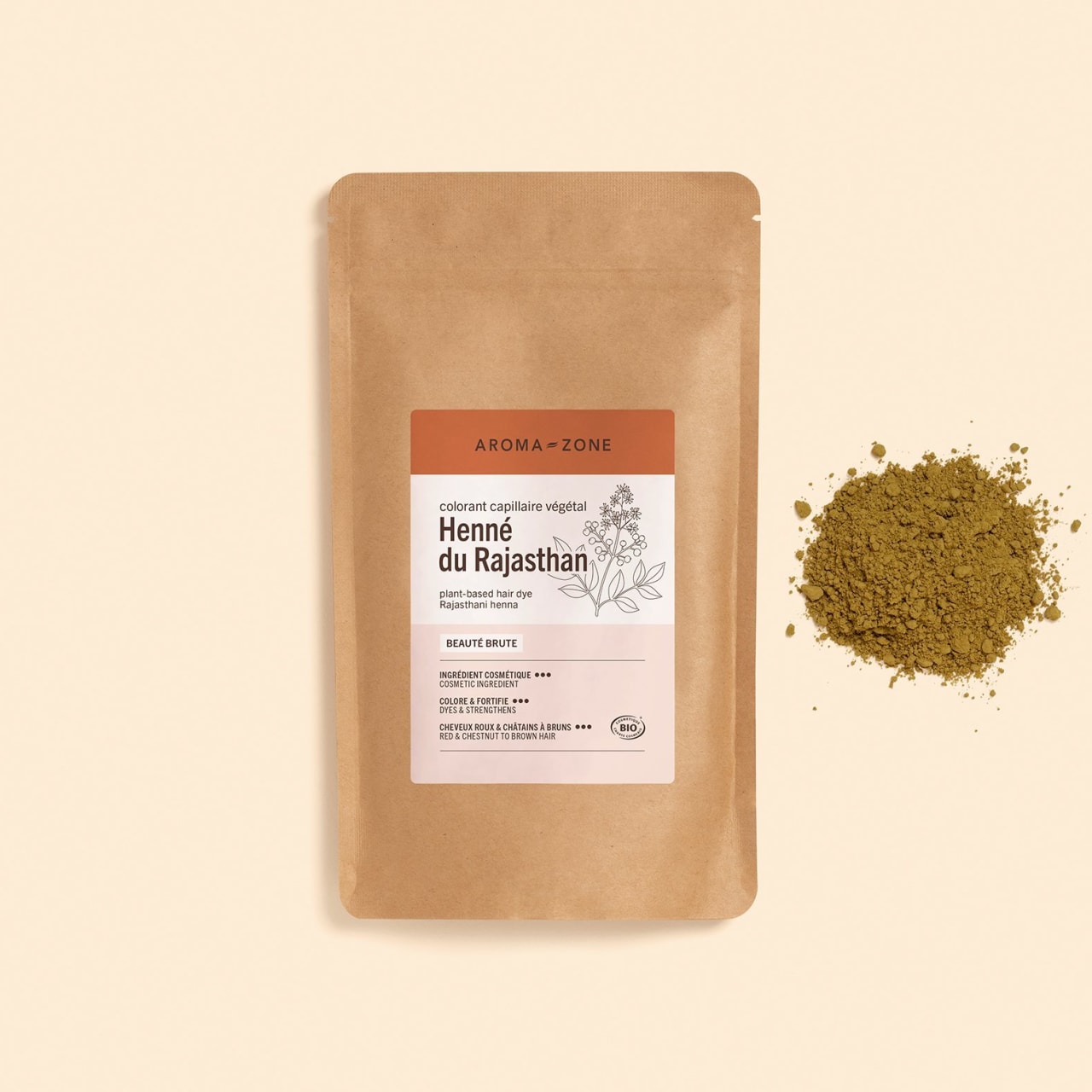
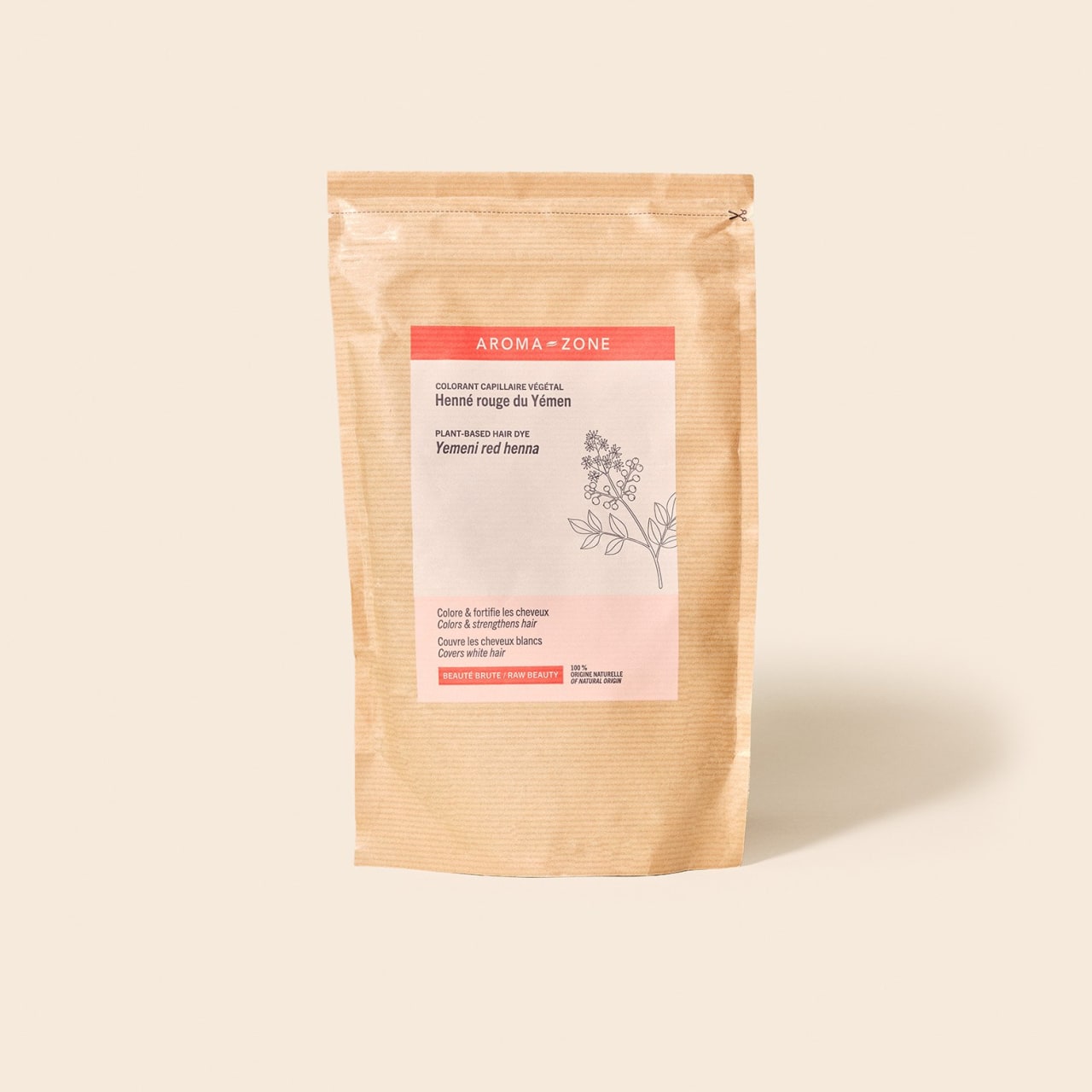
After using Rajasthani henna, Egyptian henna or neutral henna.
In combination with Walnut Husk.
For " care- colouring ", we recommend adding plant-based powders that do not dye.
Quality
100% pure and natural
Pure plants
Production process
The leaves are soaked in water, then dried and ground to a fine powder.
Part of the plant used
The leaves of the Yemeni box tree
Function
Ingredient for plant-based hair dye
Country of origin
Yemen
INCI name
Buxus dioïca leaf powder
Particle size
The fineness and regularity of this powder will make it easier to make the paste and will ensure it adheres well to your hair, making it easy to apply and optimising the results of your hair dye.
What's more, this powder is 100% natural and 100% plant-based, and is guaranteed pure and additive-free. So you can use it without any risk before or after a chemical hair dye.
Presentation
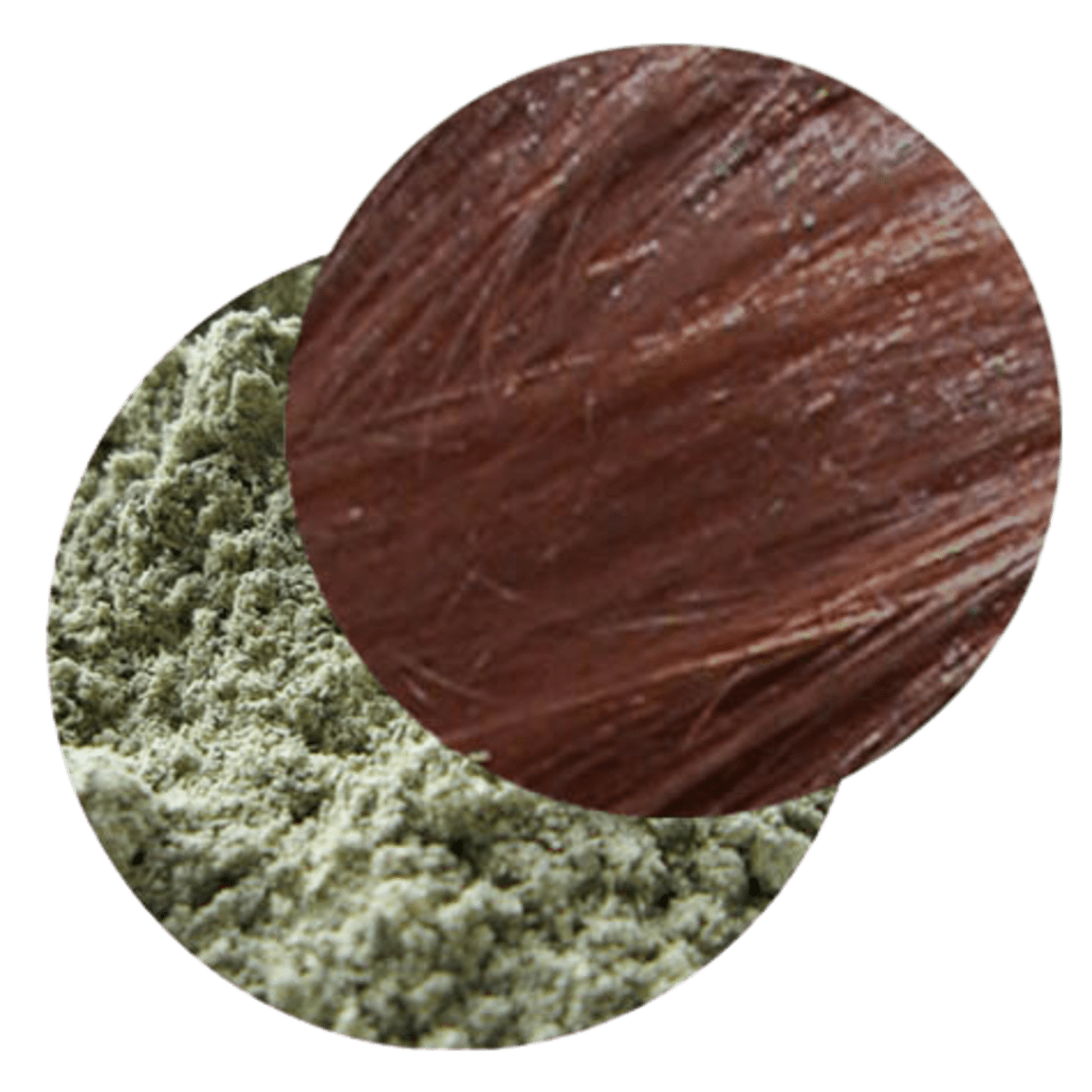
Very fine, green powder with a scent of dried grass, packaged in a zipped bag.
Find out more
Katam is extracted from the leaves of the Yemeni box tree, Buxus dioïca. This tree is renowned for How do you colour your hair naturally? particularly as an excellent complement to henna. It is commonly used in the Middle East to cover white and grey hair, in combination with henna from Egypt, Yemen or Rajasthan. Katam leaves, like indigo leaves but to a lesser extent, contain precursors of bluish pigments, which will show up on the hair as they oxidise in the air.
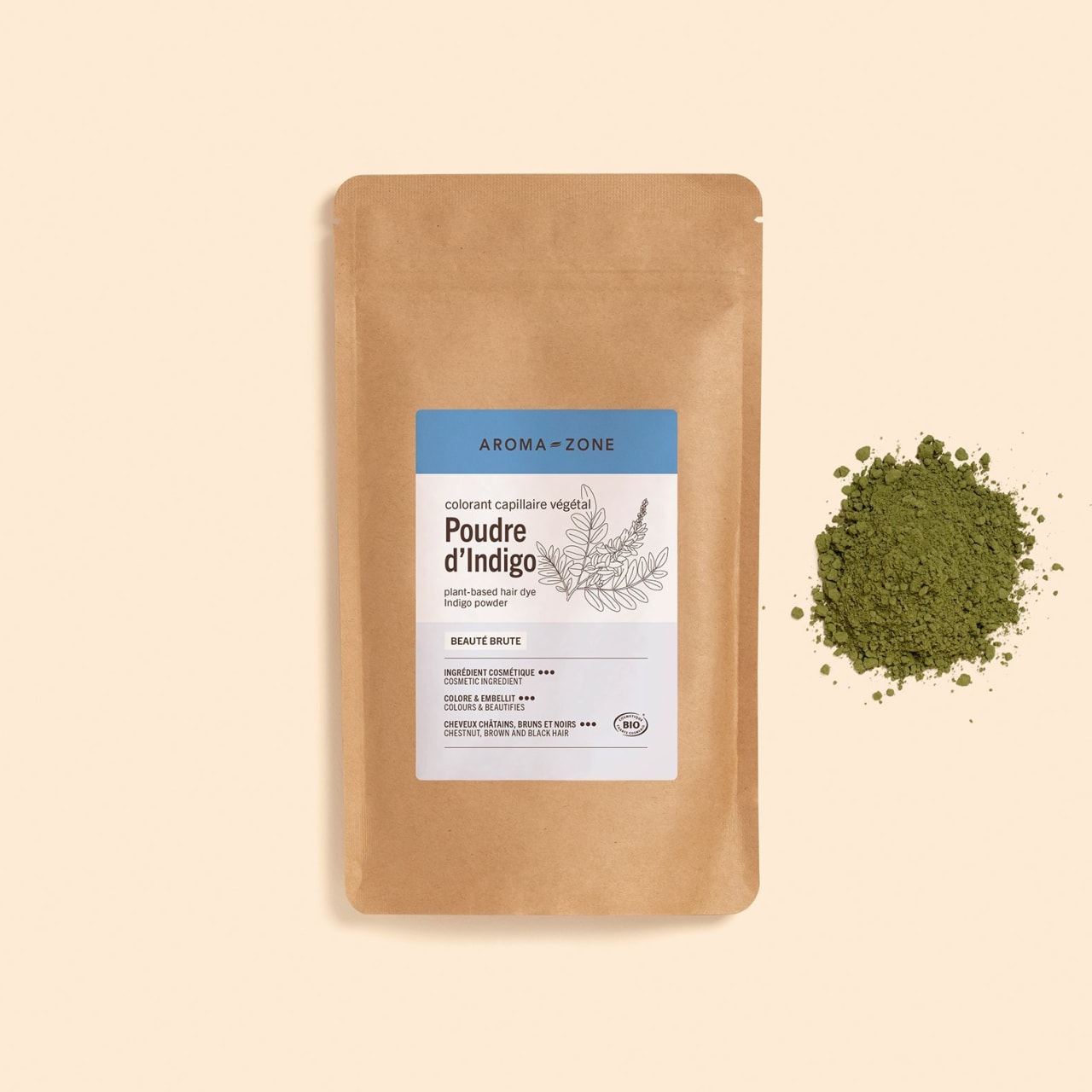
These bluish pigments neutralise the orange pigments in Lawsonia inermis henna and darken the tint to give a chocolate-brown colour. Katam is less darkening than indigo, which is black.
Katam powder is always used in combination with other colouring powders or henna to :
Better fix the colour to the hair fibre, thus limiting bleeding
Intensify colour
Prolong colourhold over time and shampoos
Add shine and elasticity to your hair.
Storage
Store away from air, moisture and light. Close the container tightly after each use.
Precautions
Powdery product, do not use near a source of ventilation.
Staining product, protect clothing when using.
Avoid contact with eyes; if contact occurs, rinse thoroughly with clean water.
Keep out of reach of children.
This powder is highly active. We recommend that you always carry out a test in the crease of the elbow 24 hours before application.
We advise against chemical bleaching after colouring with natural katam . This is because the melanin (the hair's natural pigment) is oxidised by the product, which lightens the hair's basic shade, but the pigments deposited by the plant on the hair can remain and stand out, which can lead to blue-green highlights. We advise you to wait at least 6 weeks after dying your hair with katam to allow it to fade before any chemical bleaching.
Environmental qualities and characteristics product sheet
Reference
0225801 - Katam 100 g
Main packaging material
Paper bag
Recyclability
Most packaging can be recycled
Frequently Asked Questions
Mixed with neutral henna for white hair, after using Egyptian henna. Left on for 2 hours, the white hair took on a reddish-brown hue. AZ: can you remove all reviews that don't add anything, like "haven't tried it but I trust AZ". Thank you.
Perfect coverage of white hair after a few uses
Usual product, covers white hair in addition to henna to neutralize the orange color.
Excellent. I mix it with the Yemen red henna to get a beautiful auburn, not carrot-top red.
Excellent products, I recommend buying them.
Associated products

£4.00
250 g

£5.00
250 g

£5.00
250 g

£5.50
250 g

£6.50
250 g

£6.50
250 g