Egyptian Henna - Natural Hair Dye

  • 100% pure and natural
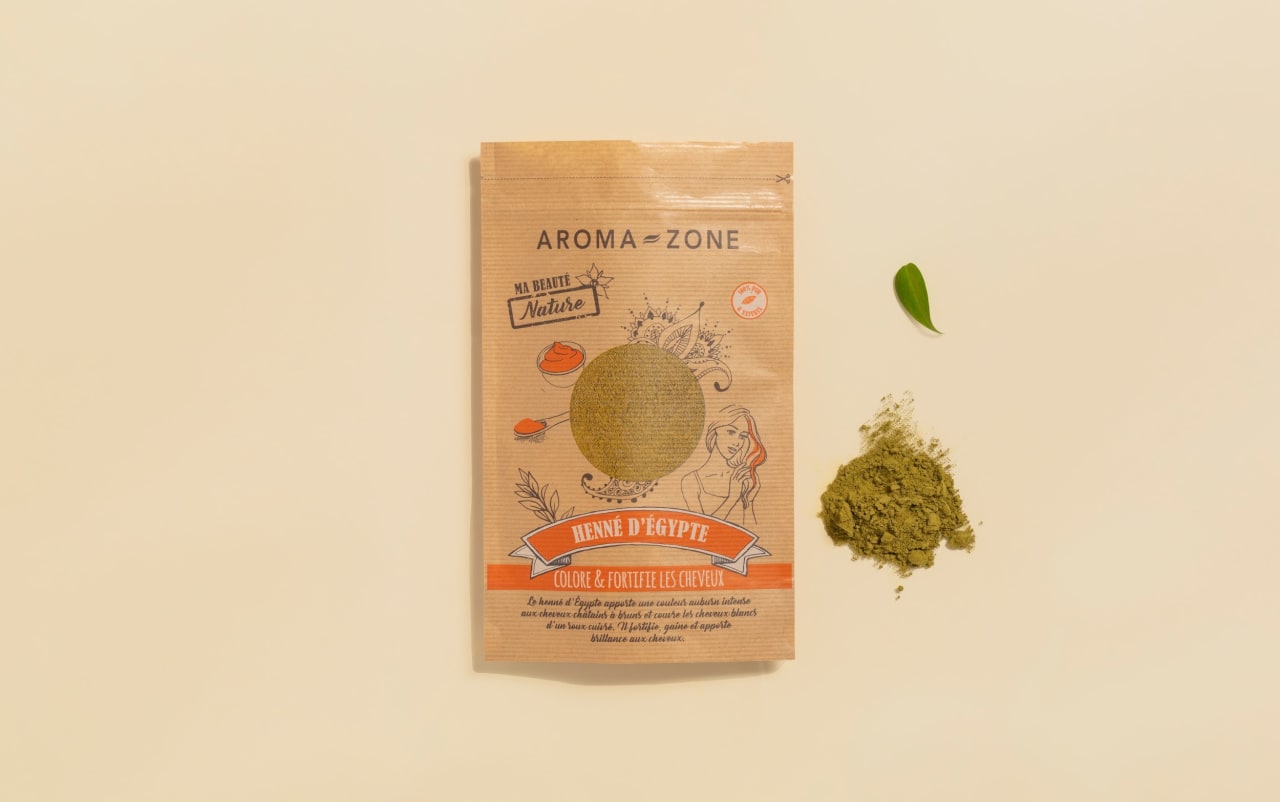
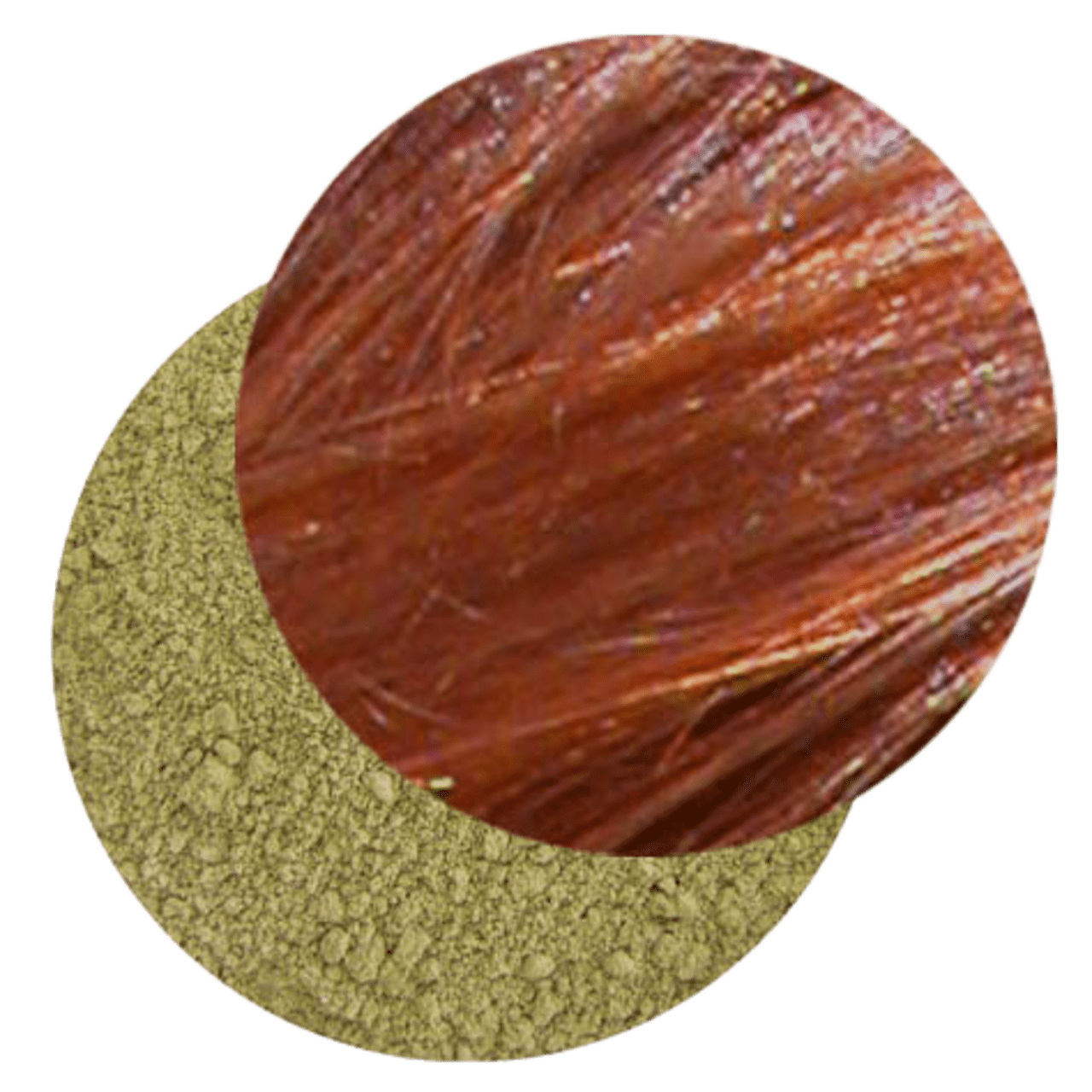
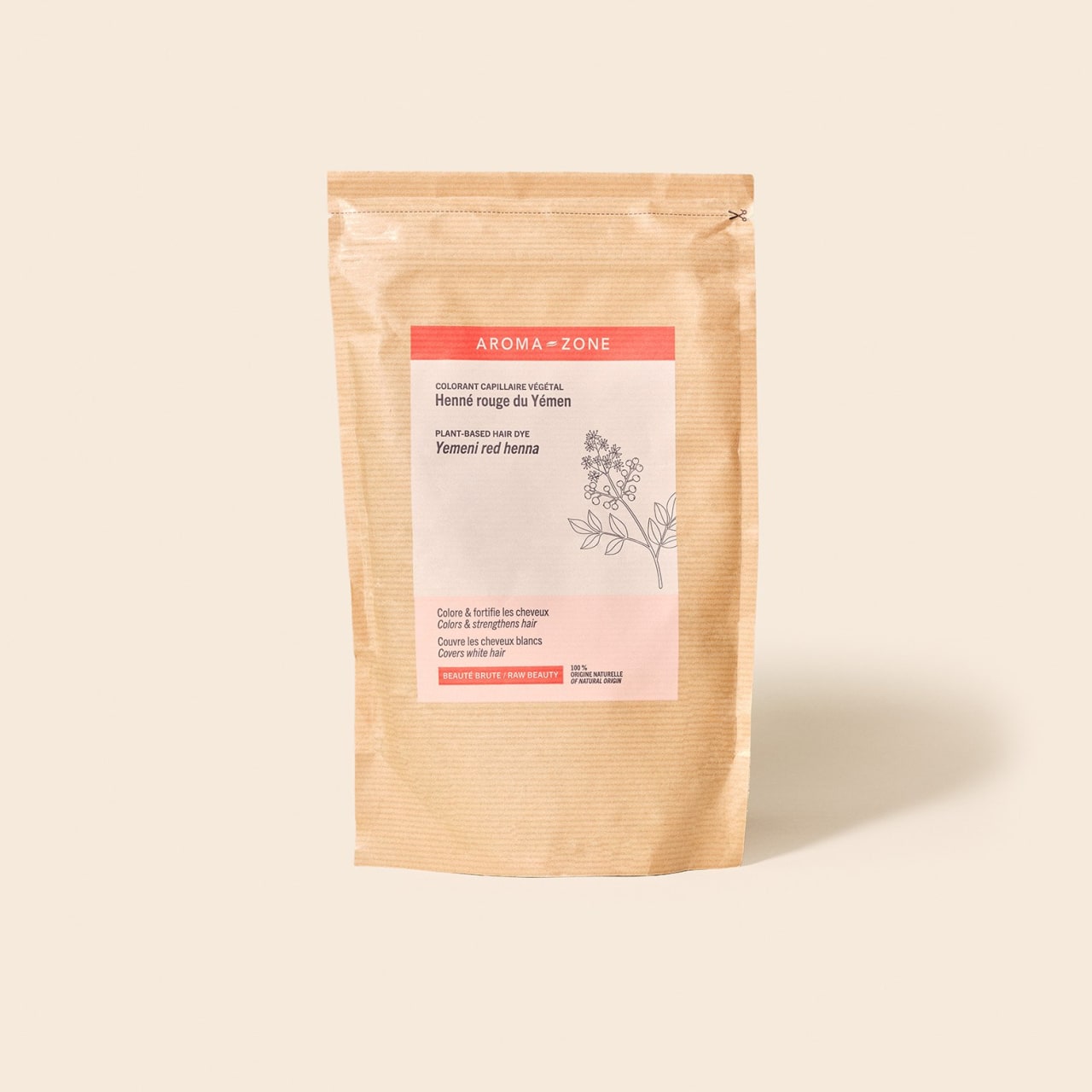
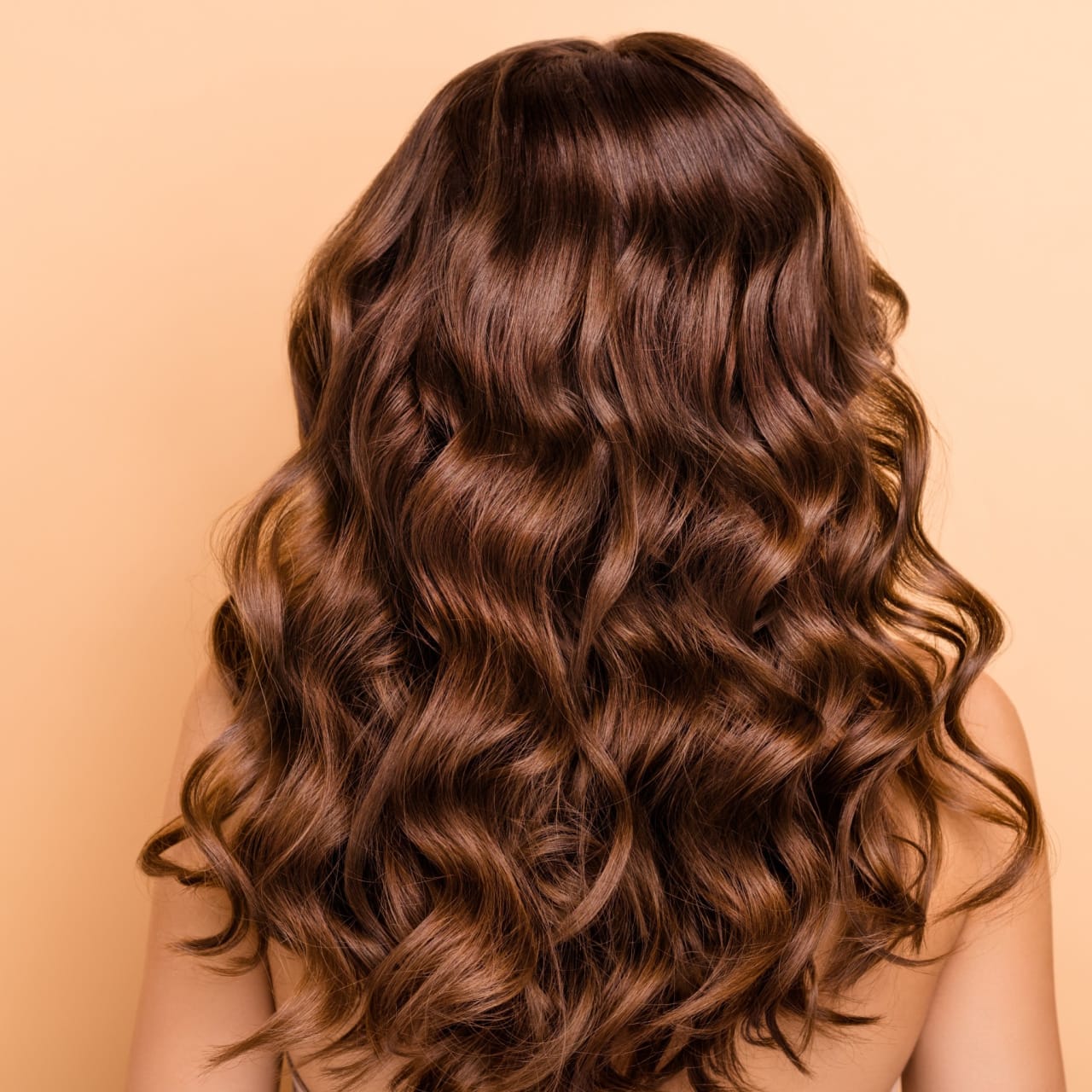
Traditionally used in the Maghreb region for its natural dyeing properties, this high-quality henna has been selected for its fine texture and 100% pure, natural composition. It is ideal for making hair masks that deliver an intense copper to auburn colour, while enhancing shine and strengthening the hair.
£3.50

1 item = 250 g

Price per kg = £14

Features

Properties and uses

In practice

Storage and precautions

Find out more

Colours obtained

Features

Our commitments

Quality

100% pure and natural plants.

Production process

The henna plants are soaked in water, then dried and ground to a fine powder.

Part of the plant used

Natural henna leaves

Function

Ingredient for plant-based hair dye

Country of origin

Egypt

INCI name

Lawsonia inermis

Particle size

The fine granularity of this powder makes it easy to make and apply the paste, ensuring that the henna adheres well to the hair for easy application and optimised results.

Additionally, this blend consists entirely of plant powders and is guaranteed to be free from additives, allowing you to use it safely before or after a chemical dye.

Presentation

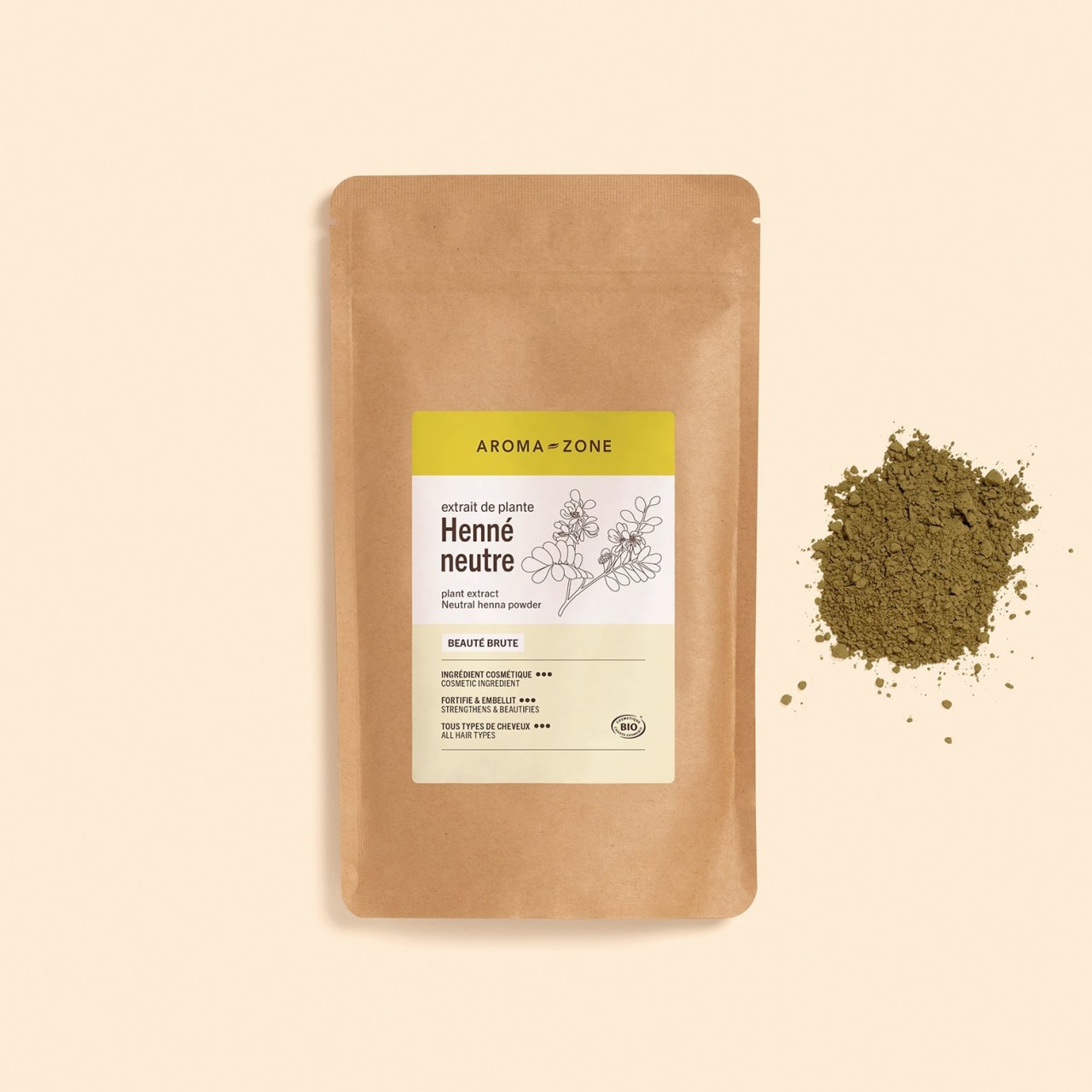
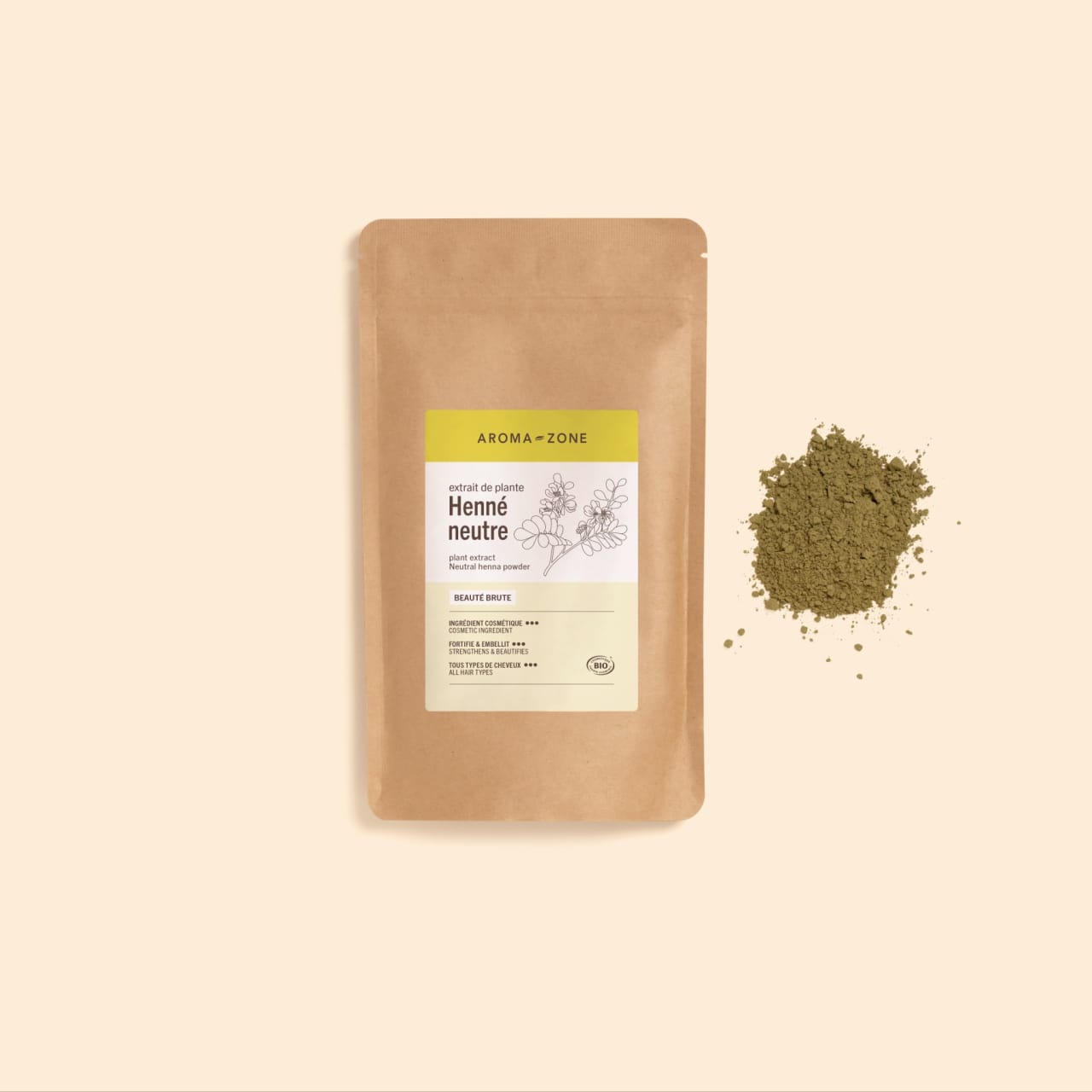
Very fine powder in a very light khaki green in colour with the scent of dried grass, packaged in a zippered bag.

Main active ingredients

Lawsone (orange-red pigment).

Properties and uses

Applications: Hair dye

Difficulty level: Normal

Cosmetic recipe creation: Yes

Hair dye

Properties

As a hair dye ingredient, Egyptian Henna vegetable hair dye is renowned for its properties:

  • Natural hair dye

  • Provides intense copper highlights

  • Can be used in combination with other dyeing powders to achieve different shades

  • Makes hair shiny

  • Coats the hair and cleanses the scalp

Indications

  • Blond, light brown, dark brown, red

  • Dyes white hair
Uses

Different usable forms:

  • As a macerate (allow to macerate for 24 hours in water at 4°C in the refrigerator) or as an infusion (10 minutes in water at 70°C), then filter through a coffee filter. This macerate can be used in rinsing lotions, shampoos or hair treatments.

  • In powder form: Suitable for use in hair dye pastes, hair mascaras, in dry shampoos and bar shampoos.

In practice

General characteristics

Insoluble in water

For use dispersed in hot water

oil-insoluble

Use in homemade cosmetics

Hair masks, shampoos

How do you prepare your hair dye paste?

How much paste for what length of hair?

Roots

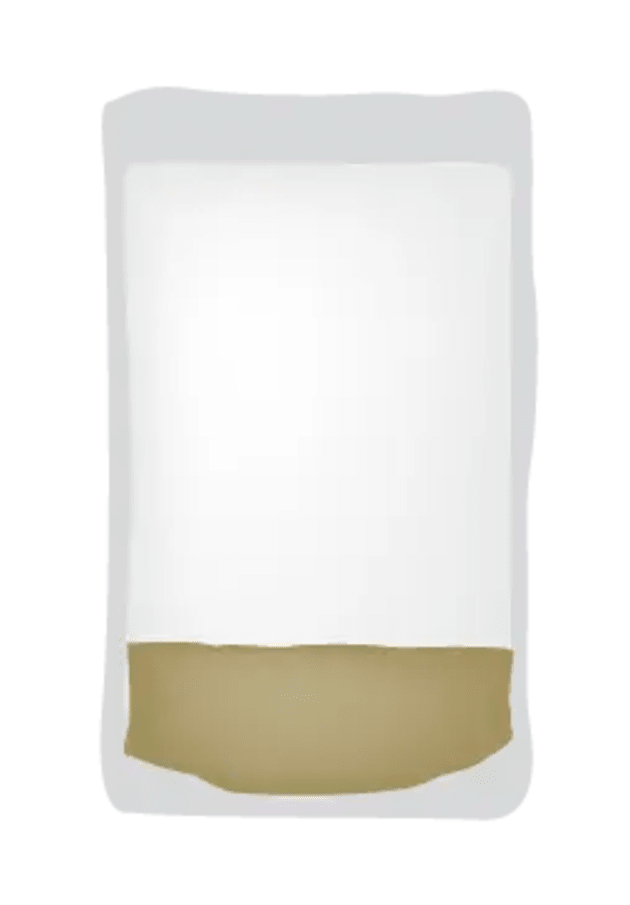
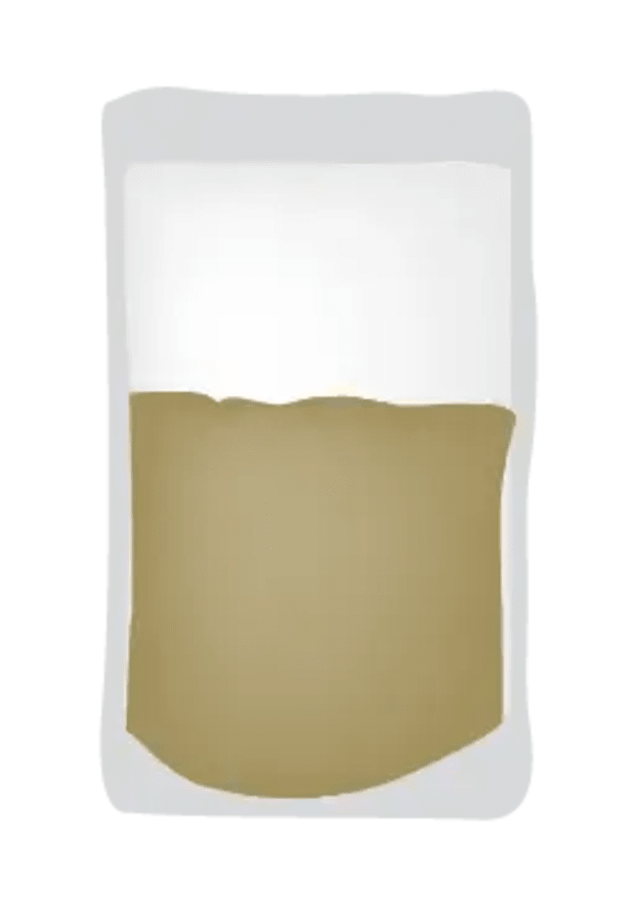
50 g or 1/4 of a 250 g pack

Short hair

100 g or 1/3 of a 250 g pack

Mid-length hair

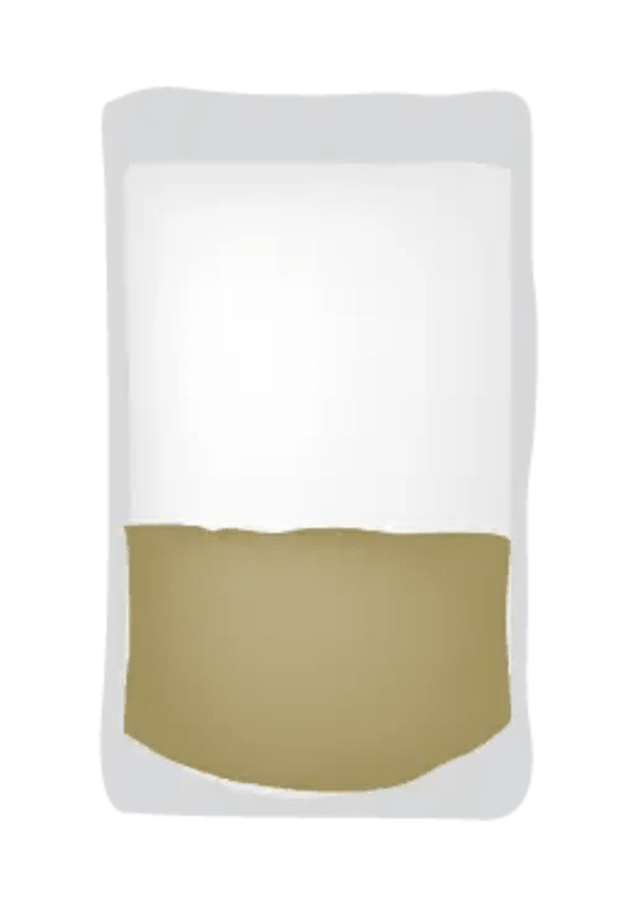
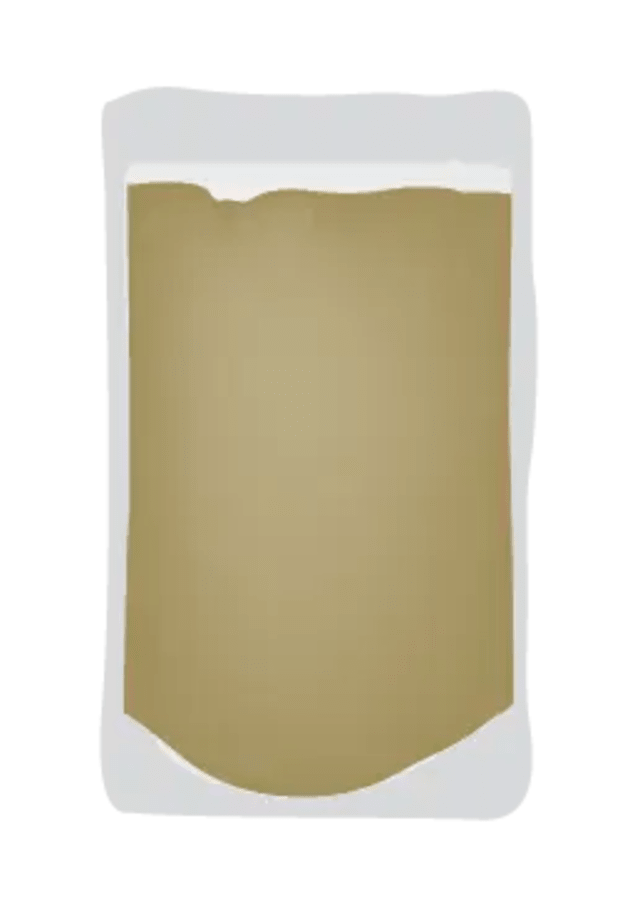
150 g or 1/2 250 g pack

Long hair

250 g or 1 whole 250 g pack

Making the colouring paste

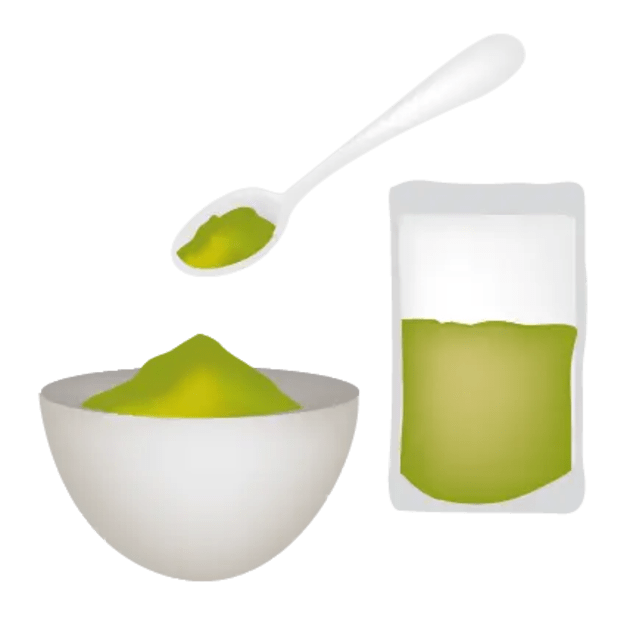
Step 1

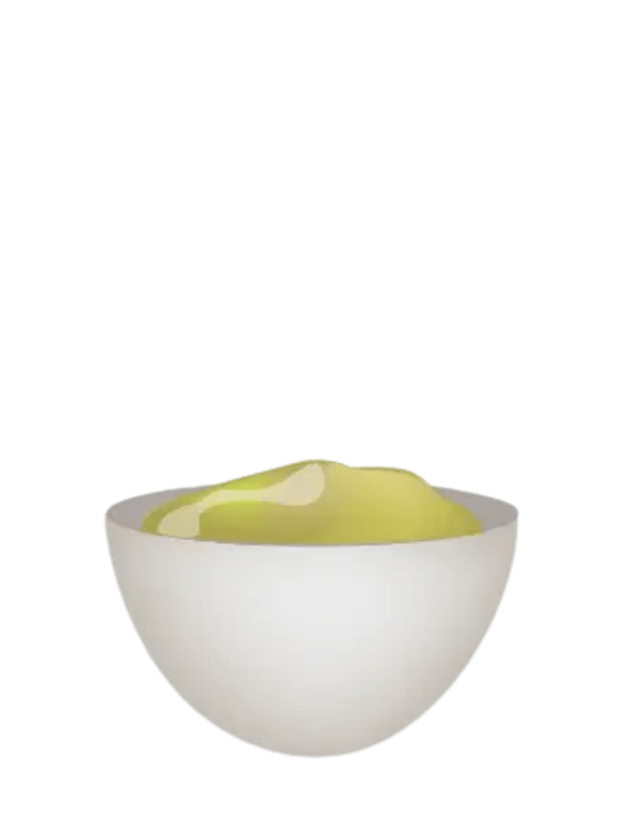
Depending on the length of your hair, pour the required amount of powder into a bowl.

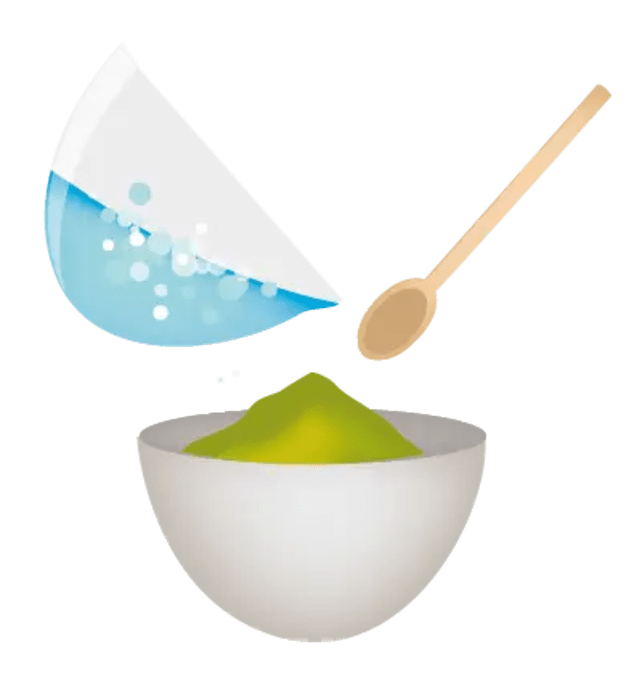
Step 2

Gradually pour warm tap water over the powder, mixing until you obtain a consistent, homogenous paste.

Step 3

Apply the paste to your hair immediately, following the instructions below

How do I apply my colour paste?

Preparation advice

  • Do a trial on hair from your hairbrush, wait 24 hours to assess the final result.

  • Wear gloves

  • Avoid using metal utensils to make your paste

  • Protect your clothes (especially the shoulders) with an old T-shirt, for example

  • Apply a thick layer: the thicker the paste, the richer and deeper the colour.

  • After applying the paste, wrap your hair in cling film to keep it warm and comfortable. The paste should remain moist throughout the application.

  • The longer you leave the paste on, the more intense the result.

Application of colour paste

Step 1

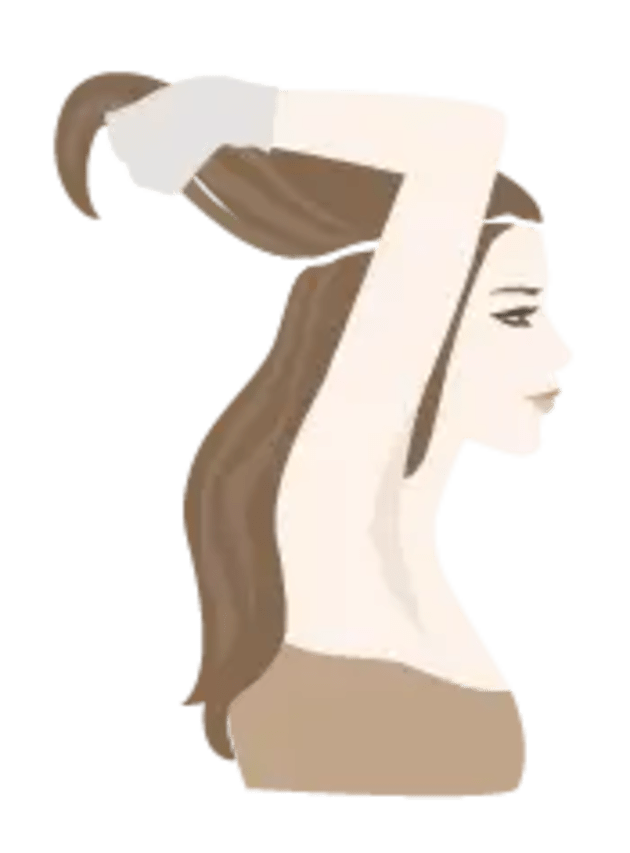
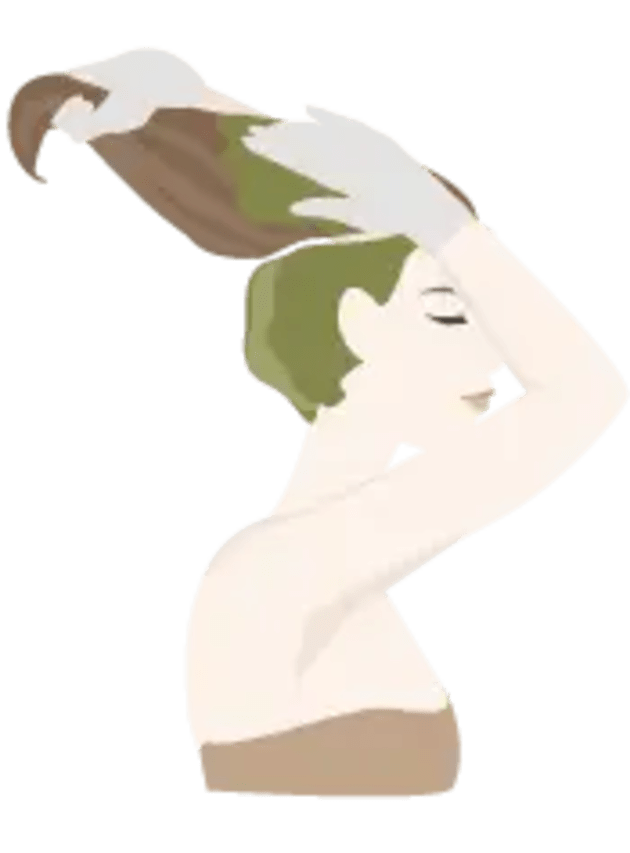
Comb through clean, dry hair and divide into 2 sections. You can use a piping bag, bottle, brush or your (gloved) fingers.

Step 2

Start at the back of the head, applying the henna in strands and working it through to the scalp.

Step 3

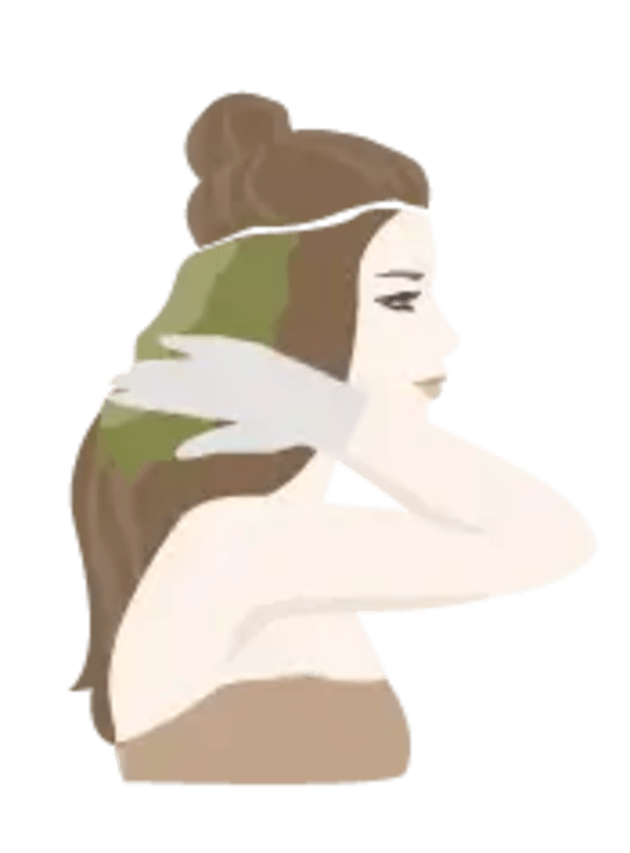
Continue with the top of the head, applying in thick layers, working in strands.

Step 4

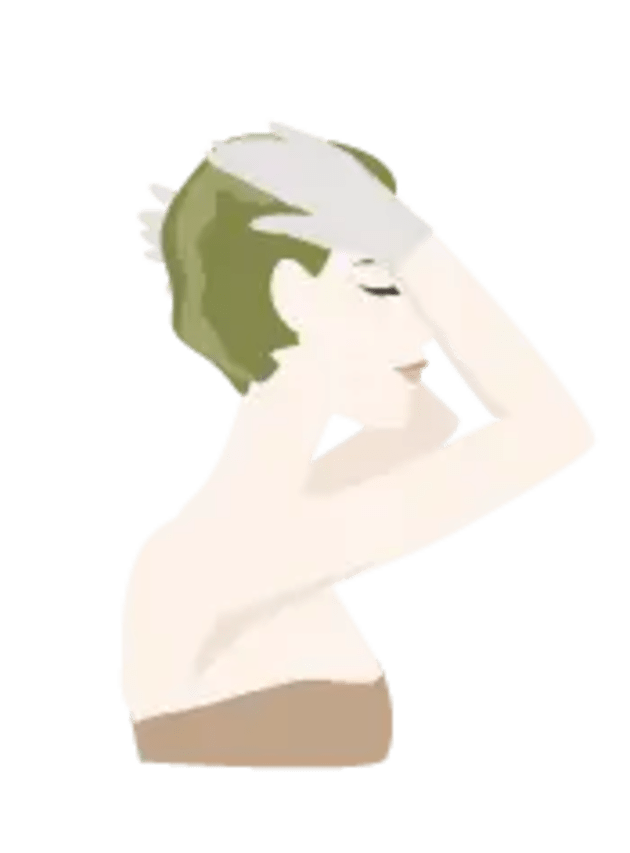
Massage to ensure all the hair is well covered and pull it into a bun.

Step 5

Clean the area around your face and ears, then wrap your hair in stretch film. Leave on for 1 to 3 hours, depending on the intensity you want, then rinse thoroughly.

Storage and precautions

Storage

Store away from air, moisture and light. Close the container tightly after each use.

Precautions

Powdered product, avoid using near a ventilation source.

  • Staining product, protect clothing during use.

  • Avoid contact with eyes; in case of contact, rinse thoroughly with clean water.

  • Keep out of reach of children.

  • This powder is highly active. We recommend that you always conduct a patch test in the crease of the elbow 24 hours prior to application.

Find out more

Natural henna, Lawsonia inermis, is a shrub that has been used to dye hair, skin and fabrics for thousands of years.

Lawsone is the active dyeing agent in natural henna; it binds directly with the keratin in the hair. This results in hair colours that are intense and rich in copper highlights.

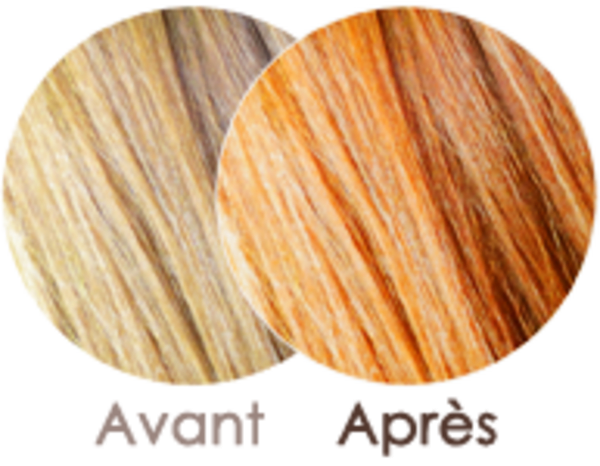
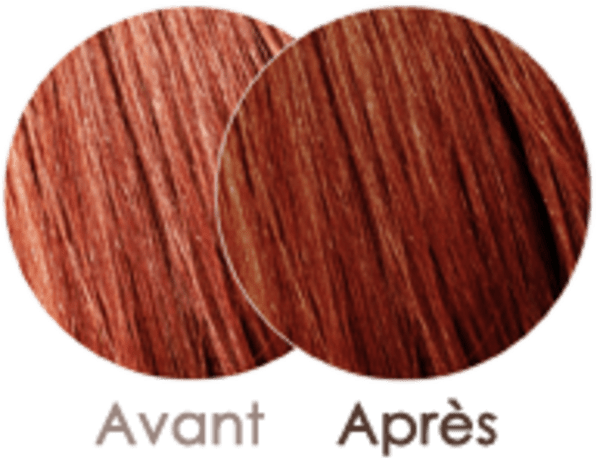
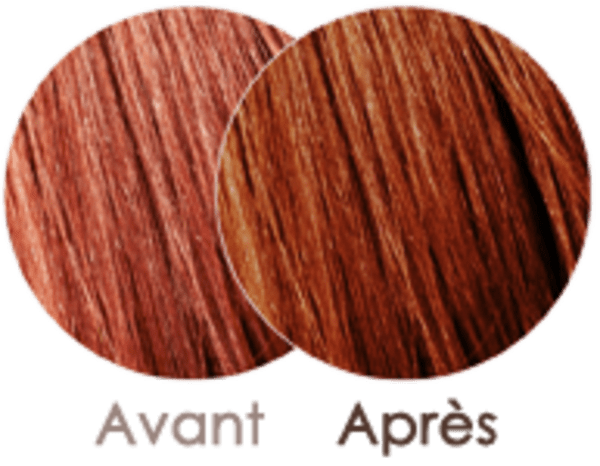
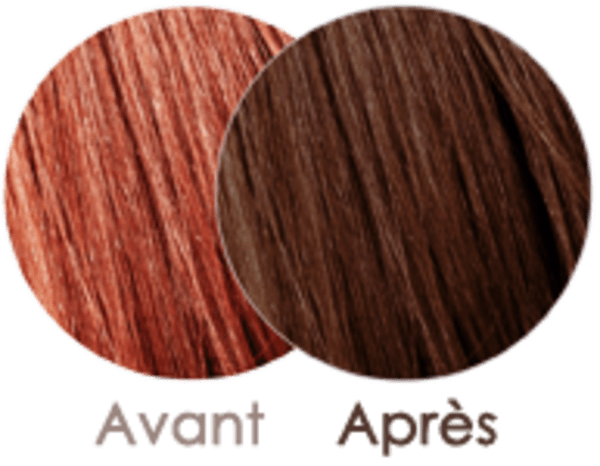
You can achieve shades ranging from coppery red to chestnut brown, depending on your initial hair colour and combinations with other dyeing plants. Natural henna also adds shine and durability to your hair.

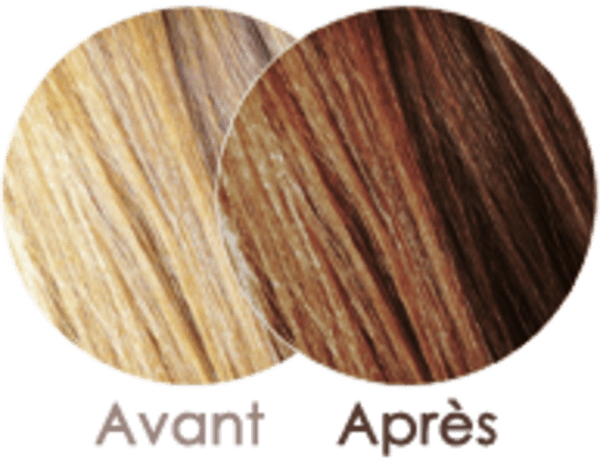
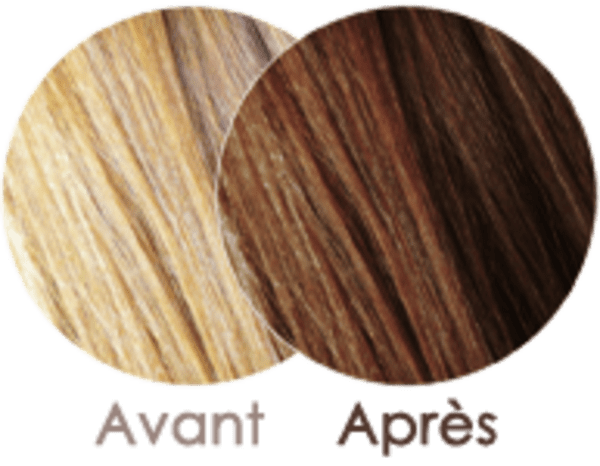
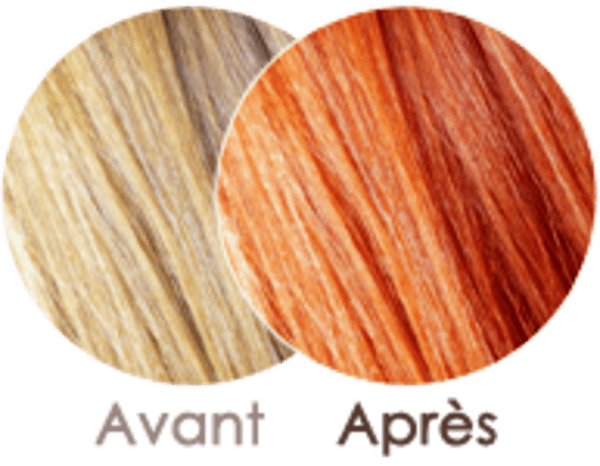
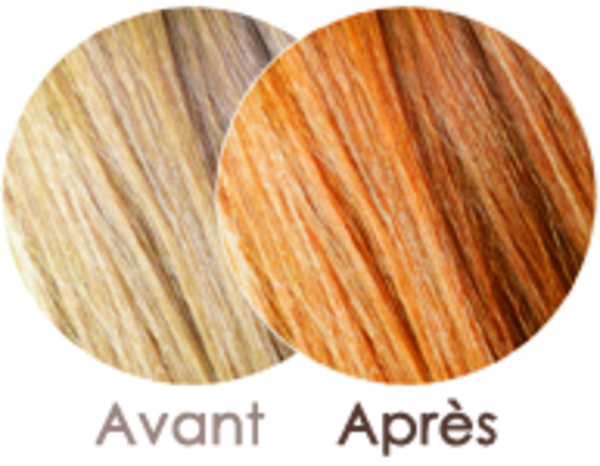
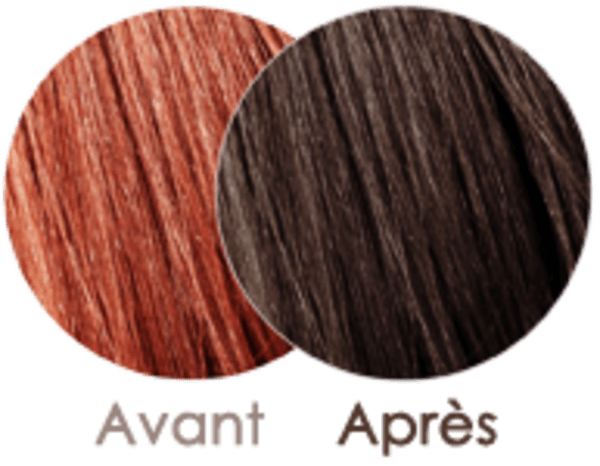
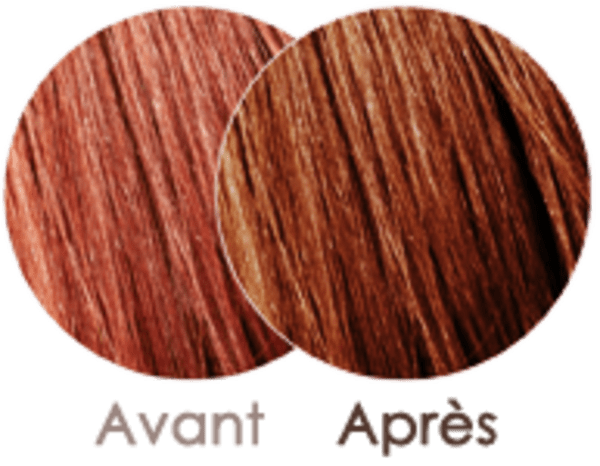
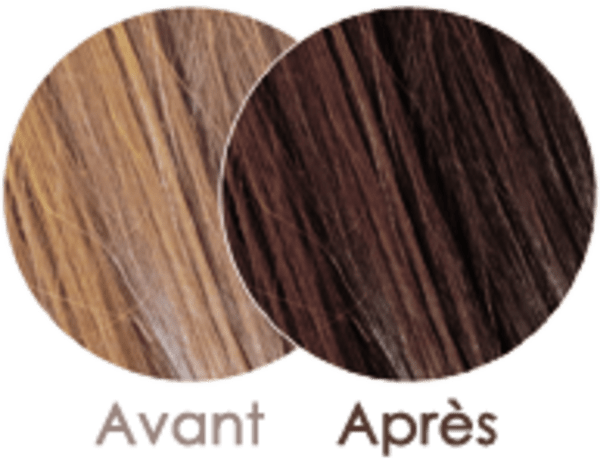
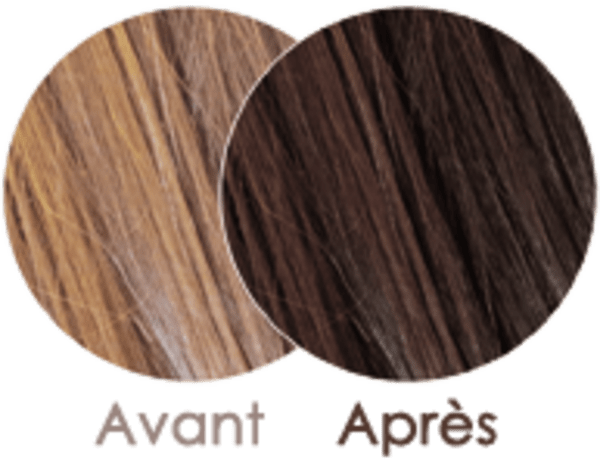
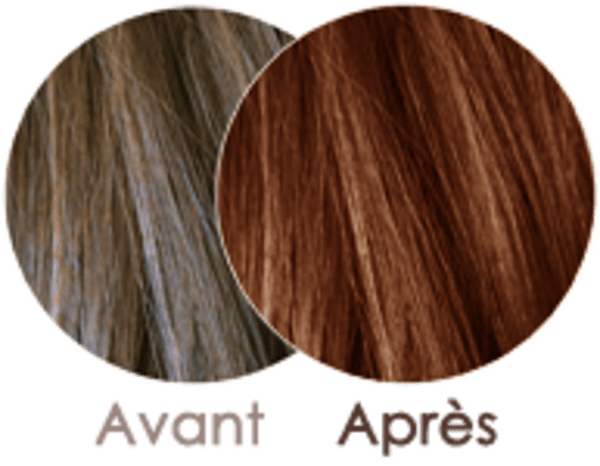
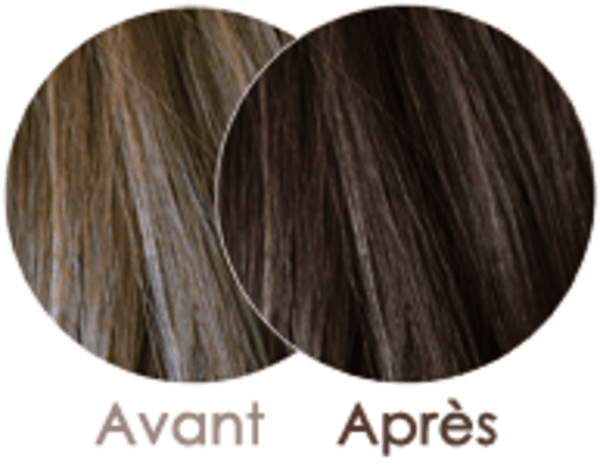
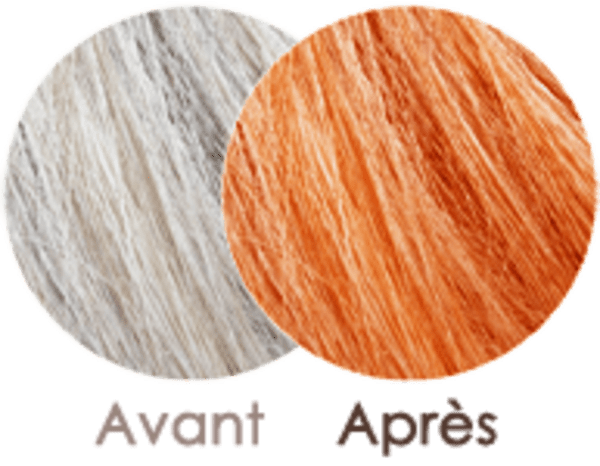
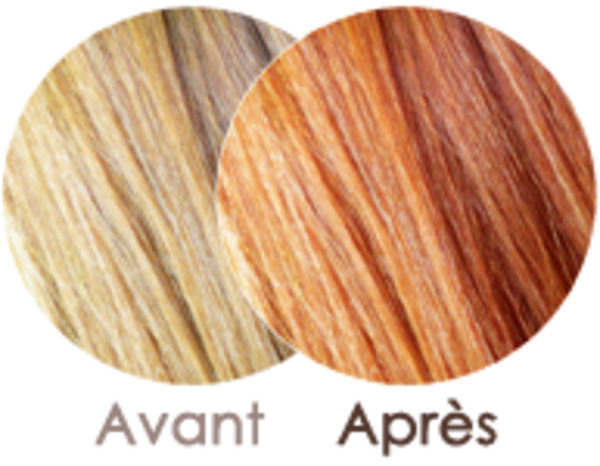
Colours obtained

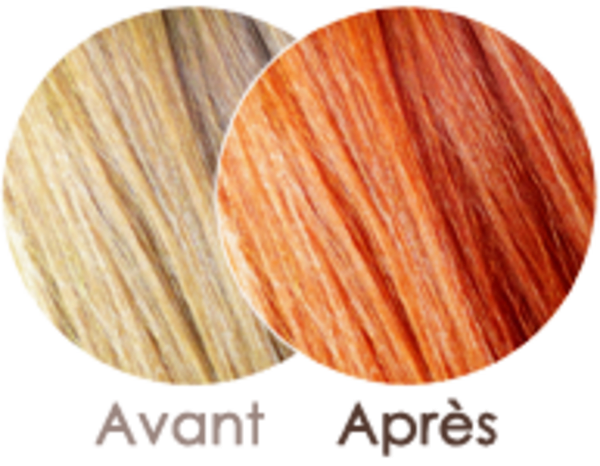
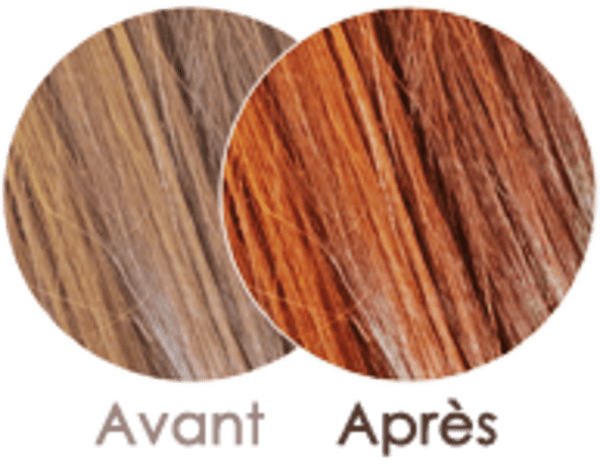
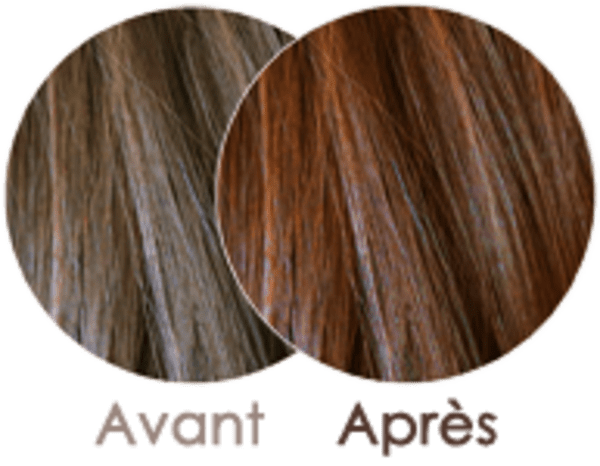
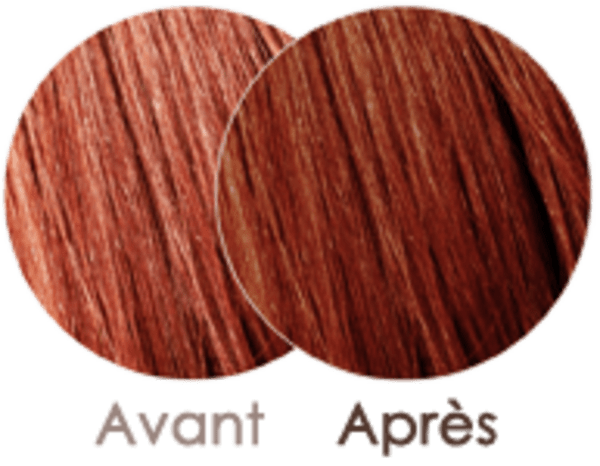
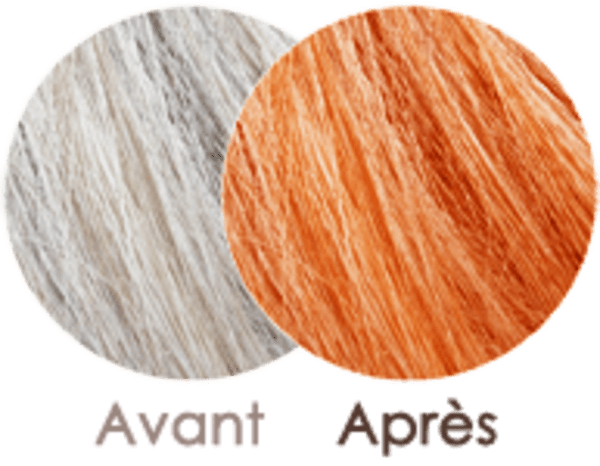
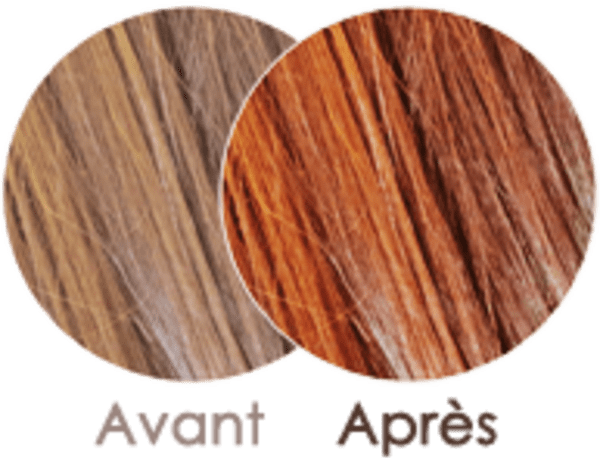
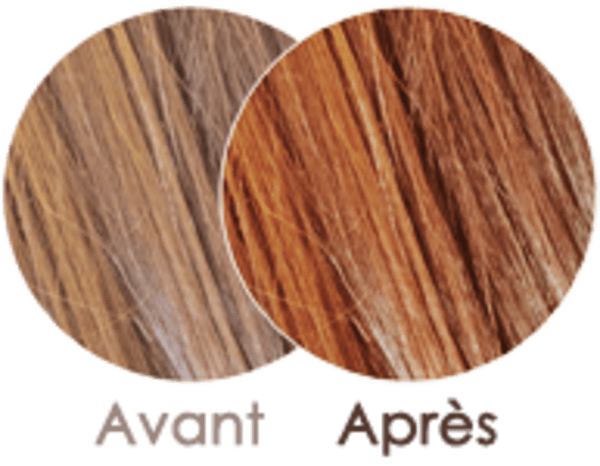
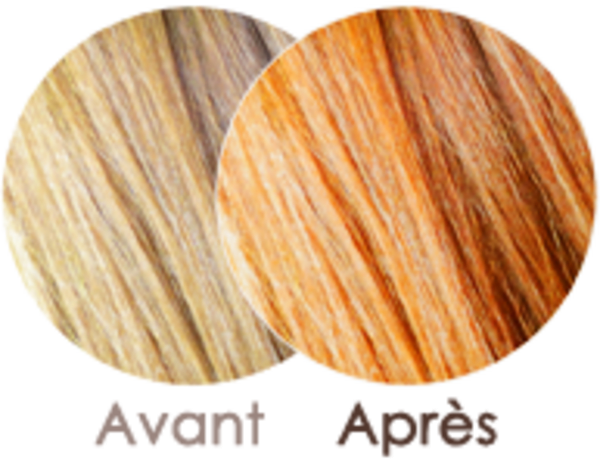
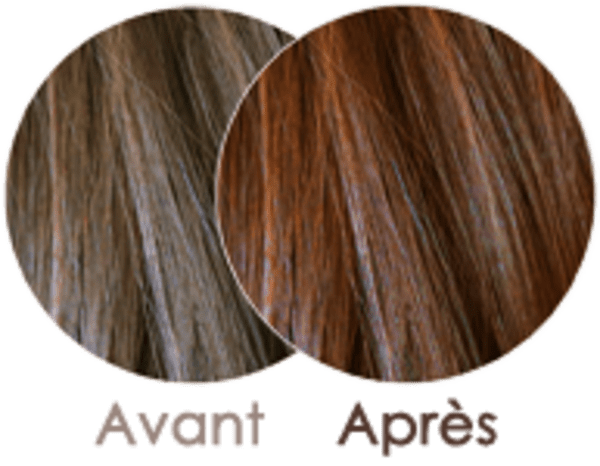
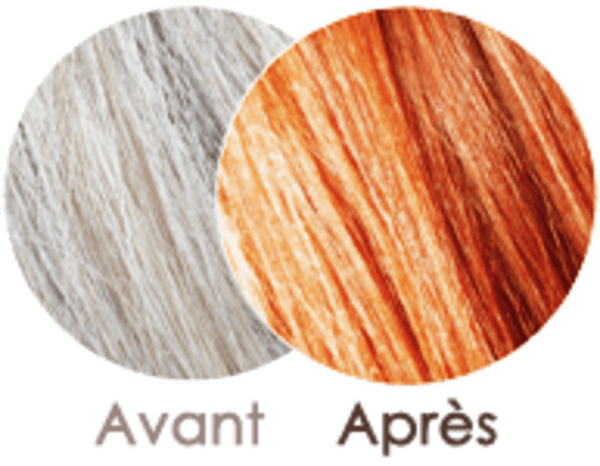
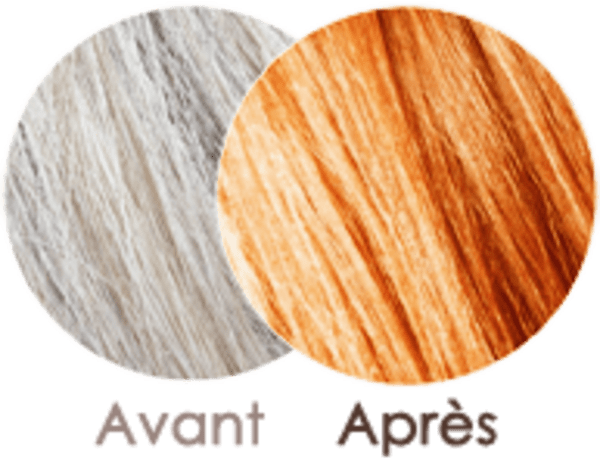
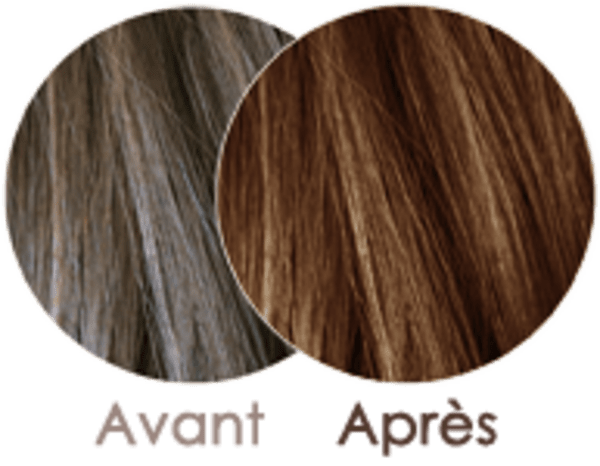
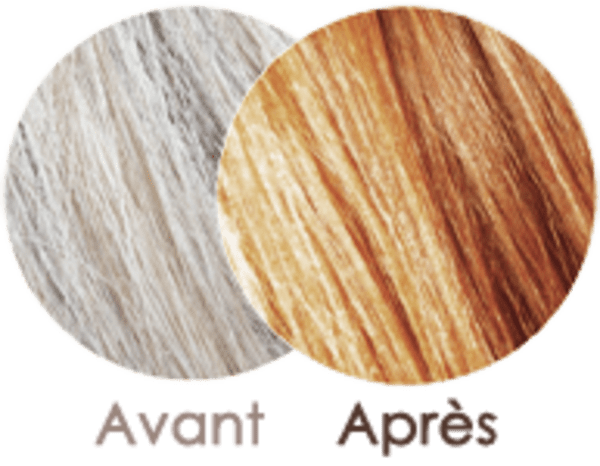
What results can you expect from applying 100% Egyptian Henna to your hair?

Warning: Using henna on bleached hair results in more intense colours!

Recommended synergies

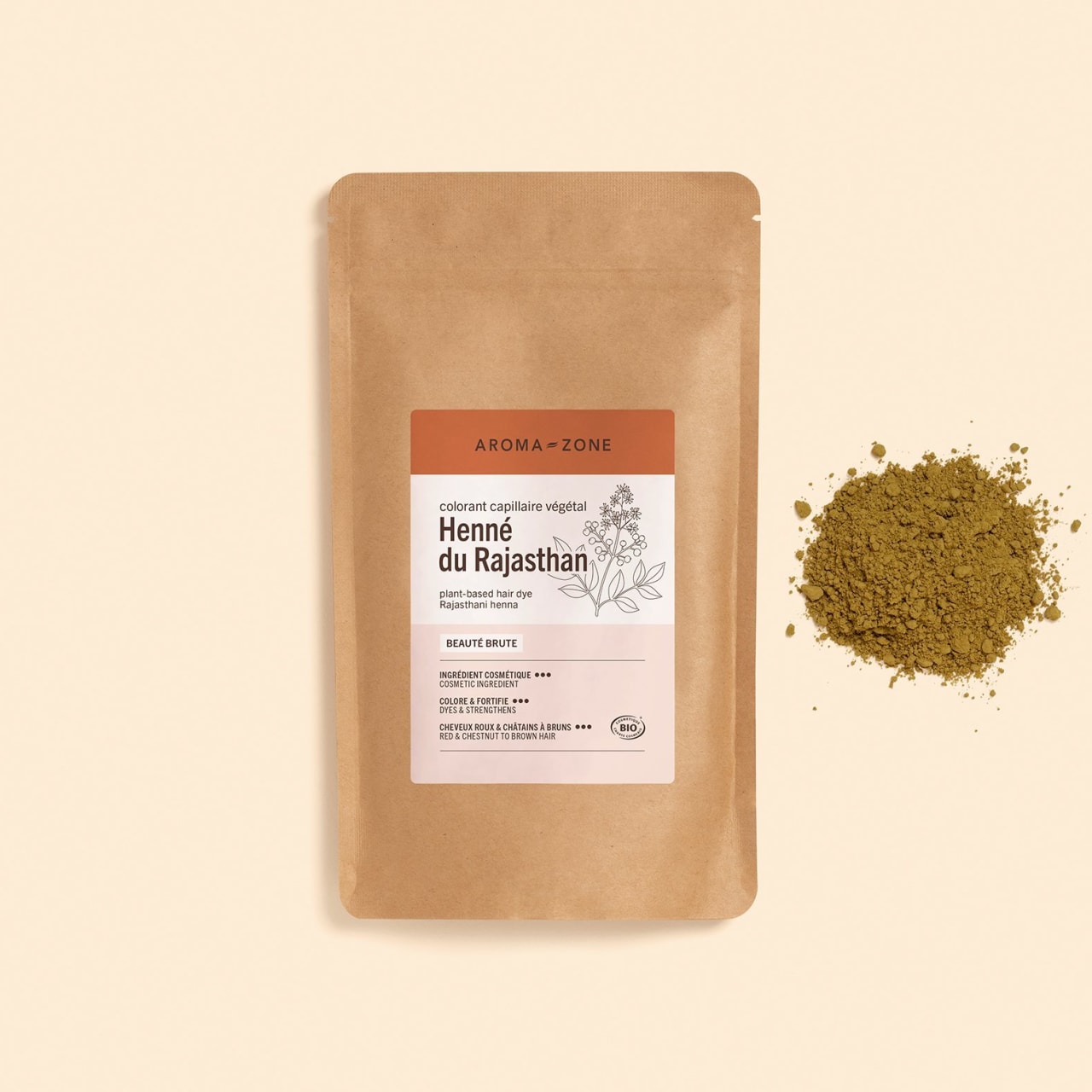
To broaden the range of possible colours, we recommend using Egyptian Henna in synergy with:

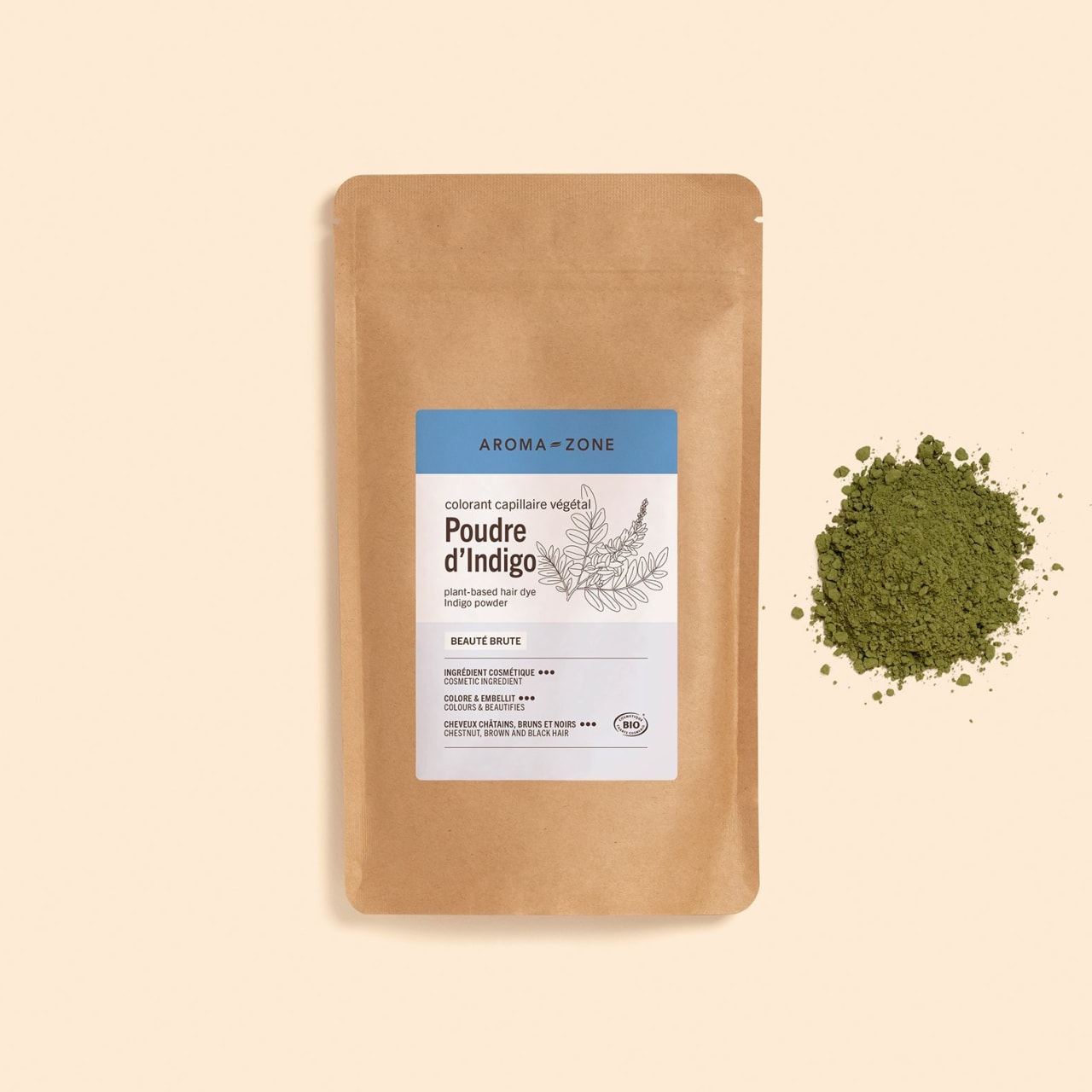
  • Indigo

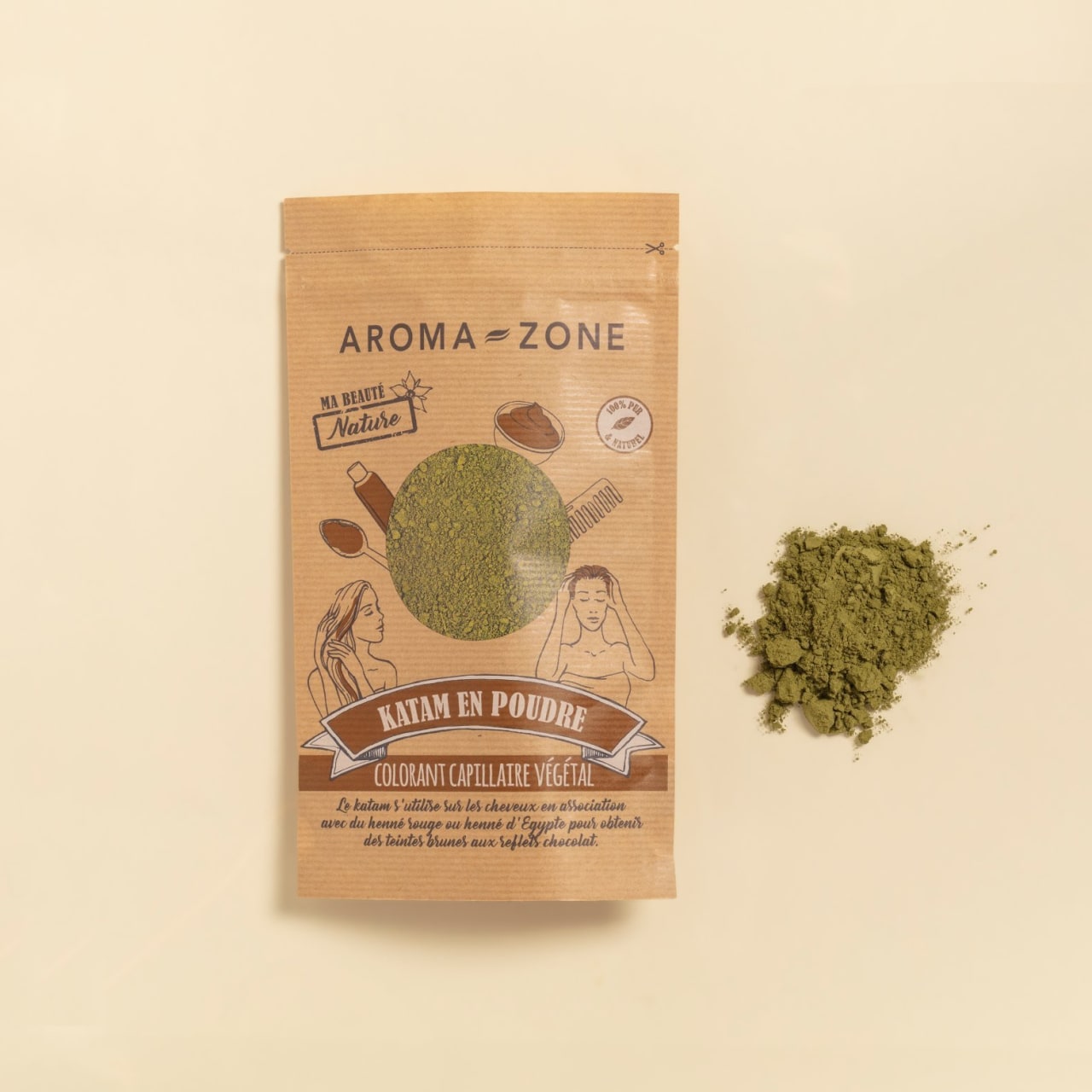
  • Katam

  • Rhapontic

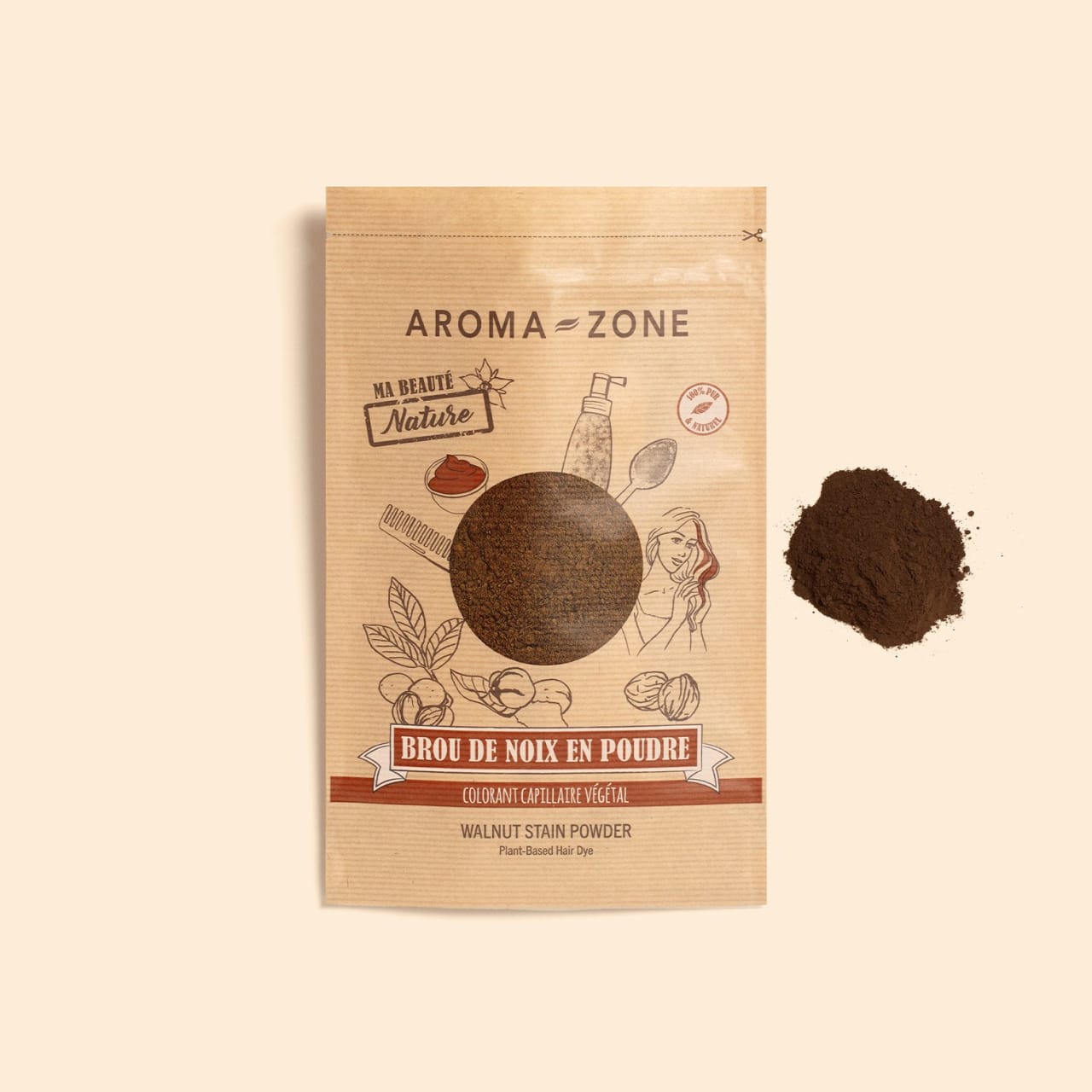
  • Walnut Husk

For a 'dye treatment', we suggest adding non-dyeing plant powders selected according to your hair's needs (see the 'Plant-based dyes' section).

On blonde hair

On ginger hair

On light brown hair

On dark brown hair

On white hair
Responsible Person

  • EU responsible person: Aroma-Zone FR-84220 Cabrières d’Avignon

  • UK responsible person: Obelis UK Ltd, Sandford Gate, Oxford, OX4 6LB, UK

Equivalents

Essential Oils

1 ml = approximately 35 drops (with our Aroma-Zone dropper caps)
Carrier oils

1 pump (Aroma-Zone aluminium pump) = approx. 0.15 ml

Mass / Volume conversion (for a liquid)

Mass (g) = Density x Volume (ml) at 20°C

Further information

1 full teaspoon = between 3 and 4.5 ml

1 full tablespoon = between 7.5 and 10 ml


However, these spoon ratios depend on a number of factors (e.g. viscosity of the liquid, temperature, depth and size of the spoon, rheological behaviour of the liquid), and we strongly advise you to use precise measuring equipment, such as graduated test tubes, graduated pipettes, and precision scales.