
Plant-based dye is a 100% natural hair colour obtained from plant powders (often henna, blended with other ayurvedic powderscolourants) without any chemicals. As well as colouring the hair, plant-based dyes sheath the hair, volumise, protect, shine, reduce hair loss and even restore balance to oily scalps. In short, plant-based dyes are a genuine hair care treatment, and you can use them as often as you like!
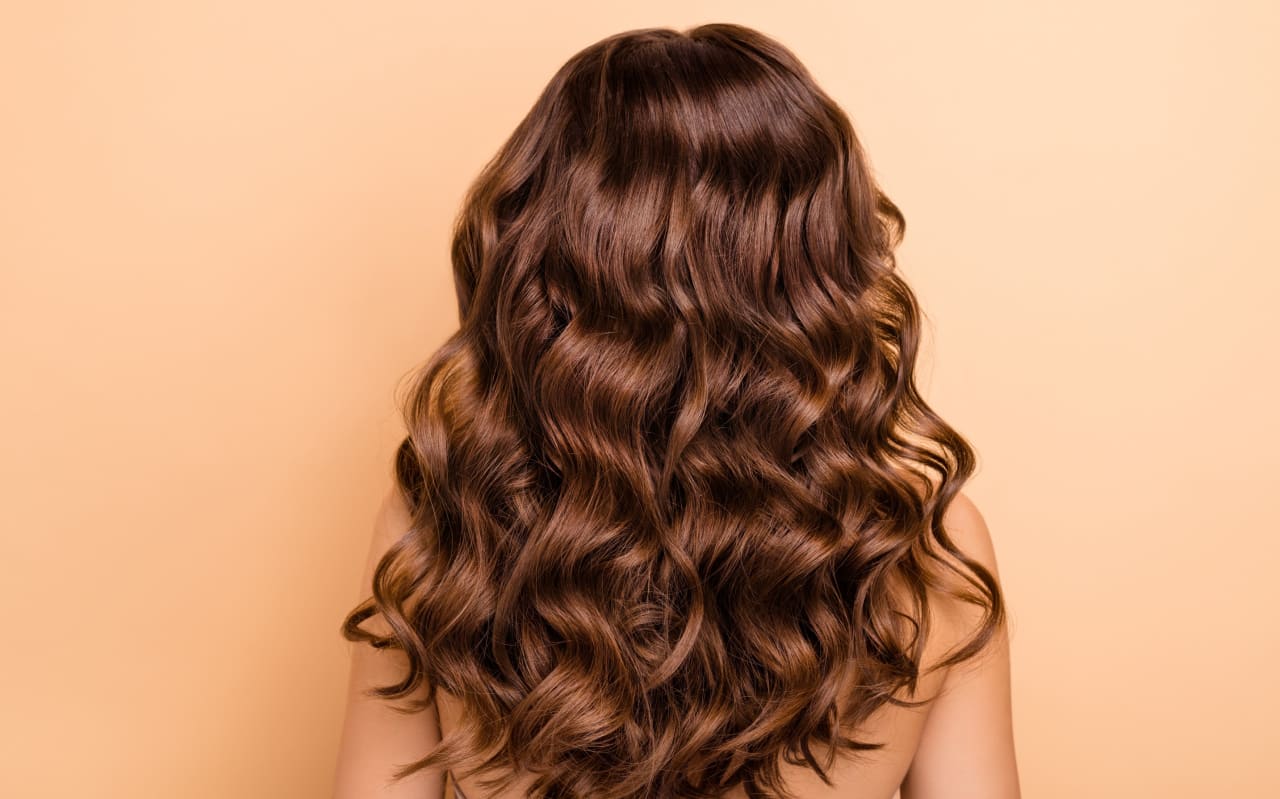
Natural colour for textured hair
By Marine Toualy & Clemence Vanié
Published on: Friday, December 30, 2022, Updated on: Wednesday, September 30, 2026
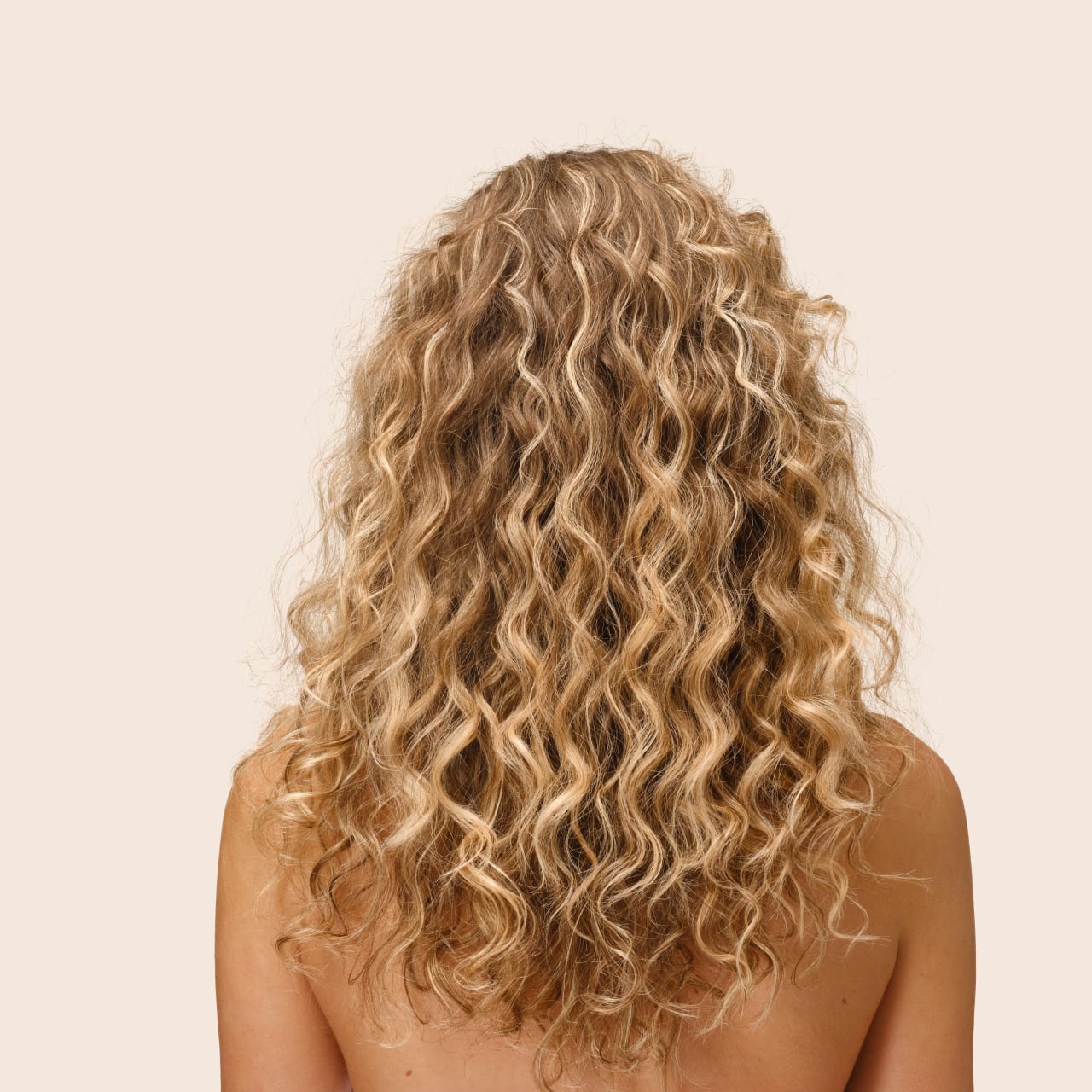
Do you have wavy, curly, frizzy or textured hair and want to colour your hair naturally without damaging it? Whether you want to make it shinier, more lustrous or cover up your grey hair, natural plant-based hair colours are perfect for the job!
Contents
Related products
£11.00
200 g
£11.00
200 g
£11.00
200 g
£11.00
200 g
£11.00
200 g
£11.00
200 g
What are plant-based dyes?
Why use plant-based dyes?
Natural hair colour has a number of advantages over traditional chemical hair colours: natural, plant-based hair colours are kind to the hair and are less aggressive to the hair fibre than chemical hair colours. What's more, with this type of dye, the risk of allergies is reduced because they contain fewer sensitising and irritating ingredients. However, it is advisable to carry out a sensitivity test before use to ensure that your scalp tolerates them.
The benefits of natural dyes
Strengthens the hair fibre: some plant-based dyes, such as those with a henna base, act like a hair care treatment and strengthen the hair structure rather than damaging it, leaving hair stronger and less prone to breakage.
Natural shine: unlike chemical dyes, which can leave hair dull, plant-based dyes give hair natural shine by smoothing the hair cuticles.
Reduced irritation: better tolerated than chemical dyes. Natural dyes reduce the risk of irritation, itching or allergies.
See our natural henna colours
Natural and organic dyes that colour hair and cover white hair in a single application.
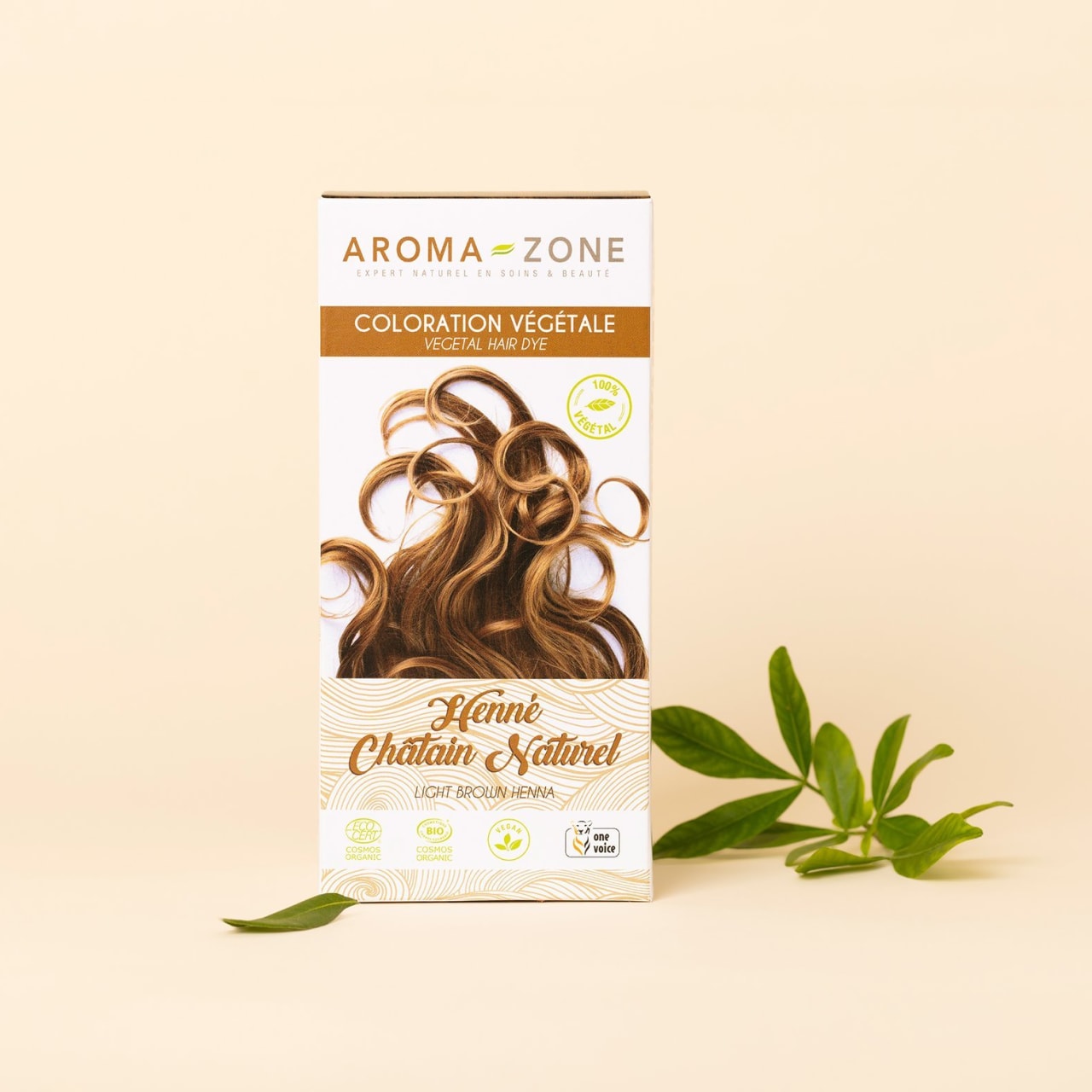
Natural Chestnut Henna: This natural colouring tints hair a luminous chestnut, blond to light chestnut, perfect for obtaining a tone-on-tone result or to enhance the natural colour of medium chestnut hair. It covers white hair and creates natural highlights in just one application.
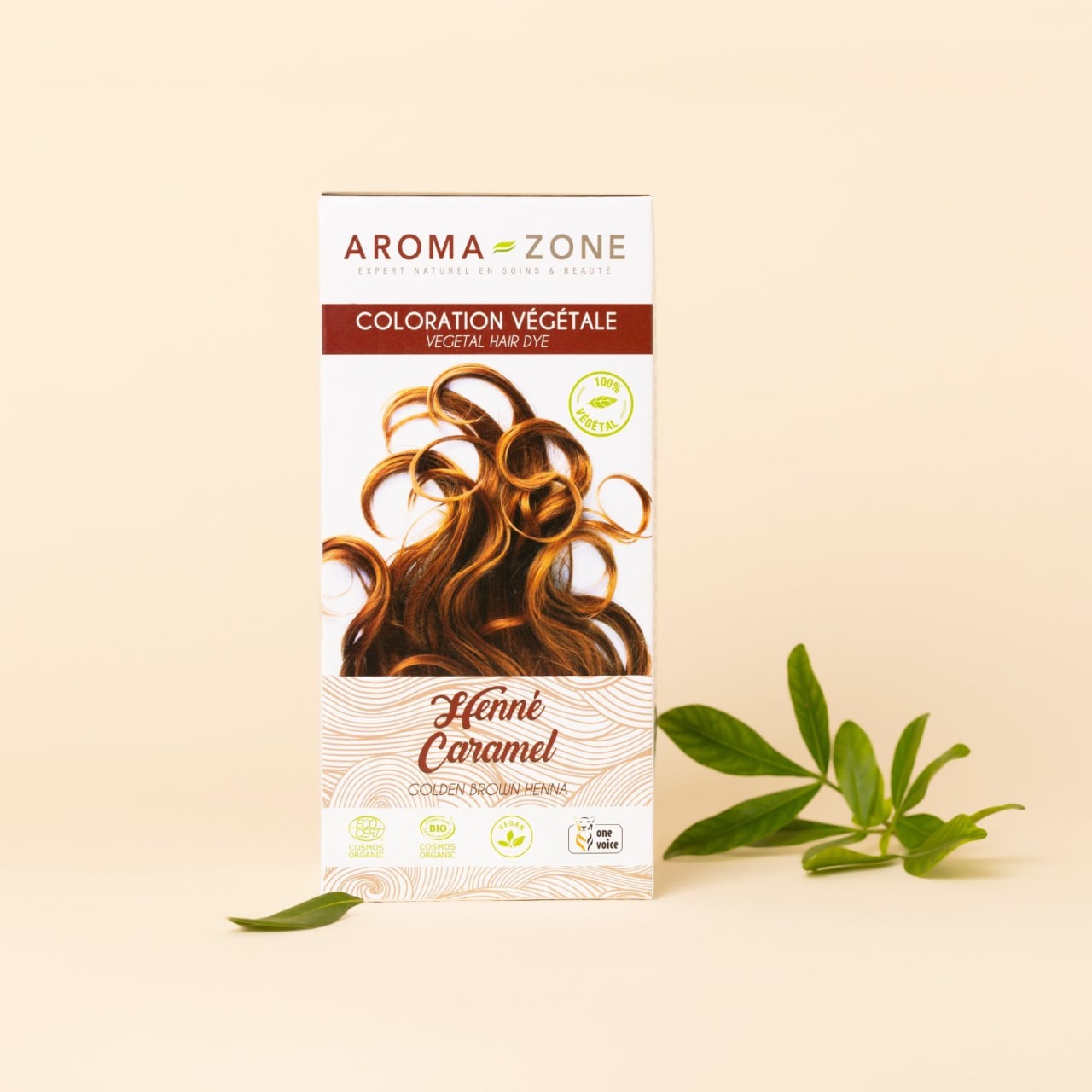
Caramel Henna: A blend of 8 plants, including Rajasthani henna and turmeric, this natural, organic colour-care product gives blonde to light brown hair a warm tint.
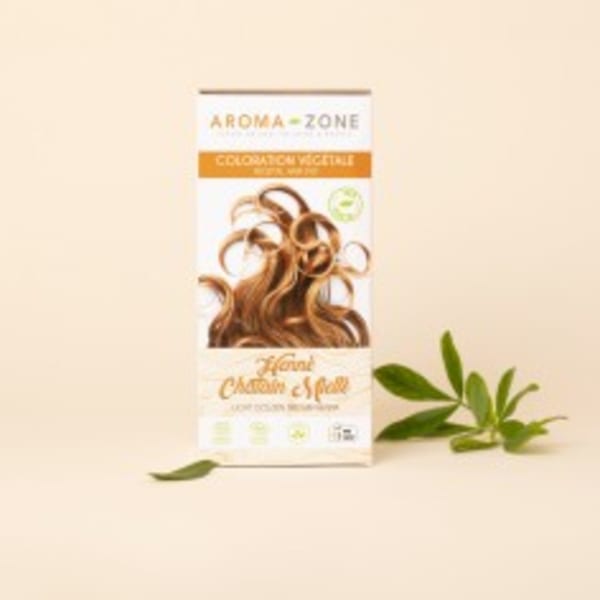
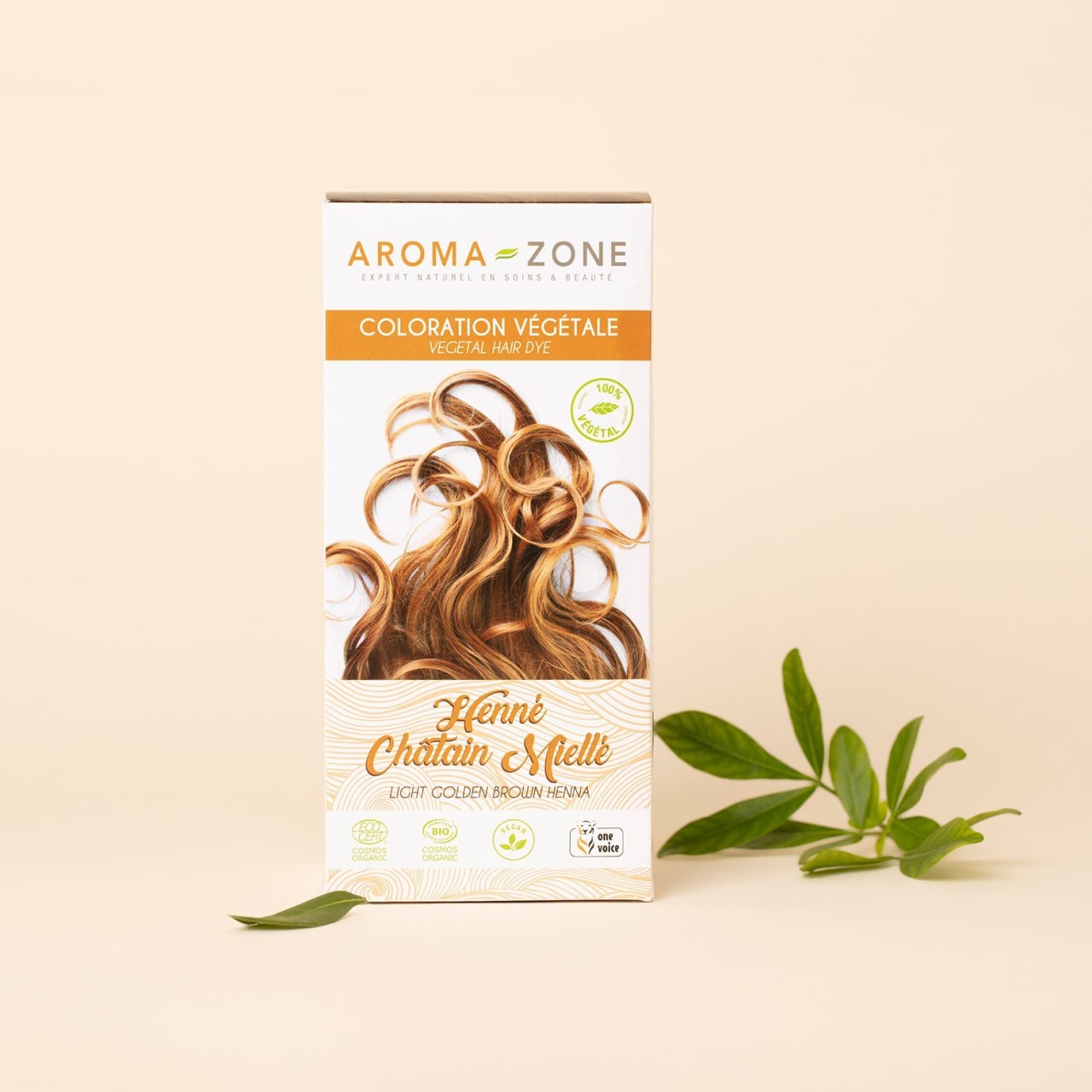
Honey Chestnut Henna: By combining turmeric, chamomile and Rajasthan henna this henna gives your hair warm, luminous highlights. It is particularly suitable for blonde and light brown hair and covers white hair in a single application.
Discover our Honey Chestnut Henna organic plant-based dye
.
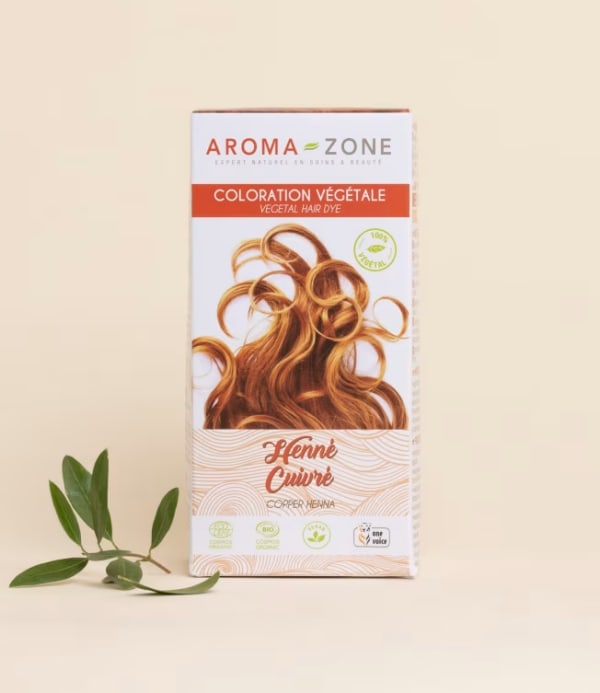
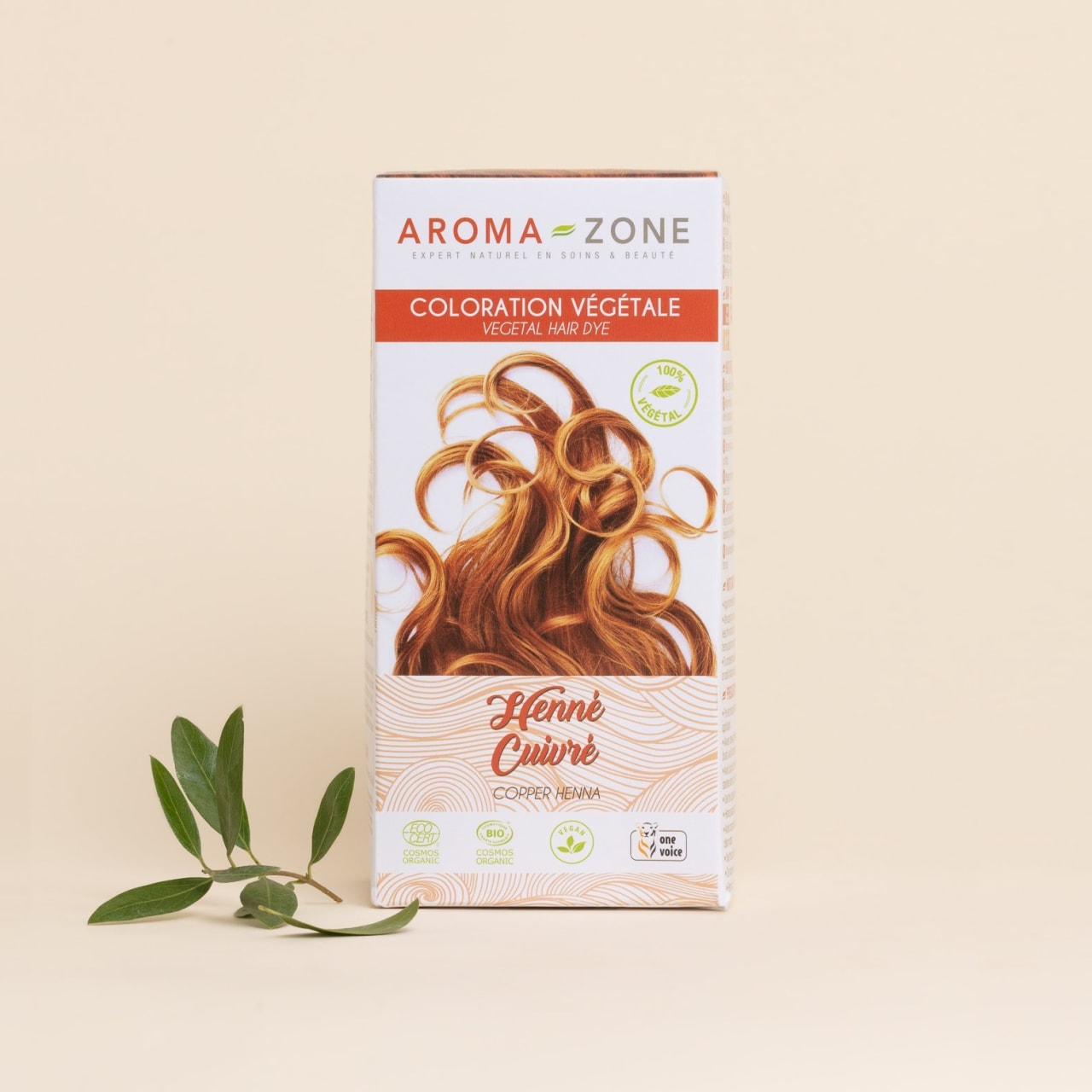
Copper Henna: Rajasthan henna and Manjishta are used to achieve copper highlights. This treatment is also ideal for covering white hair in a single application.
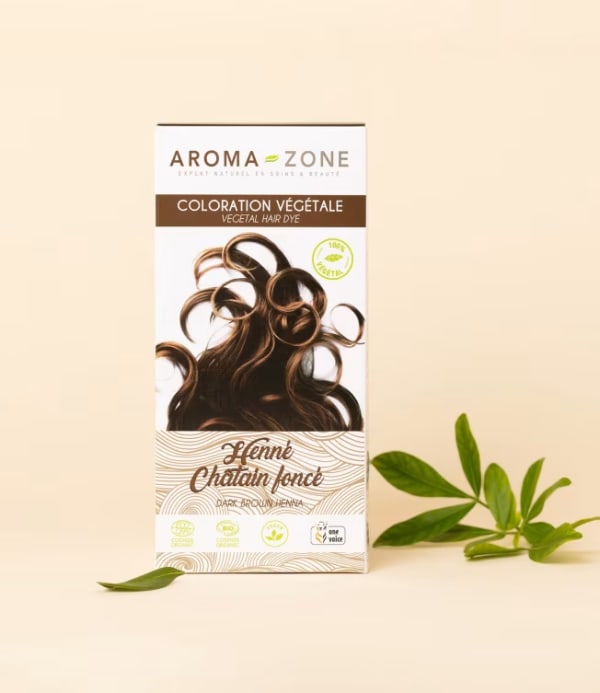
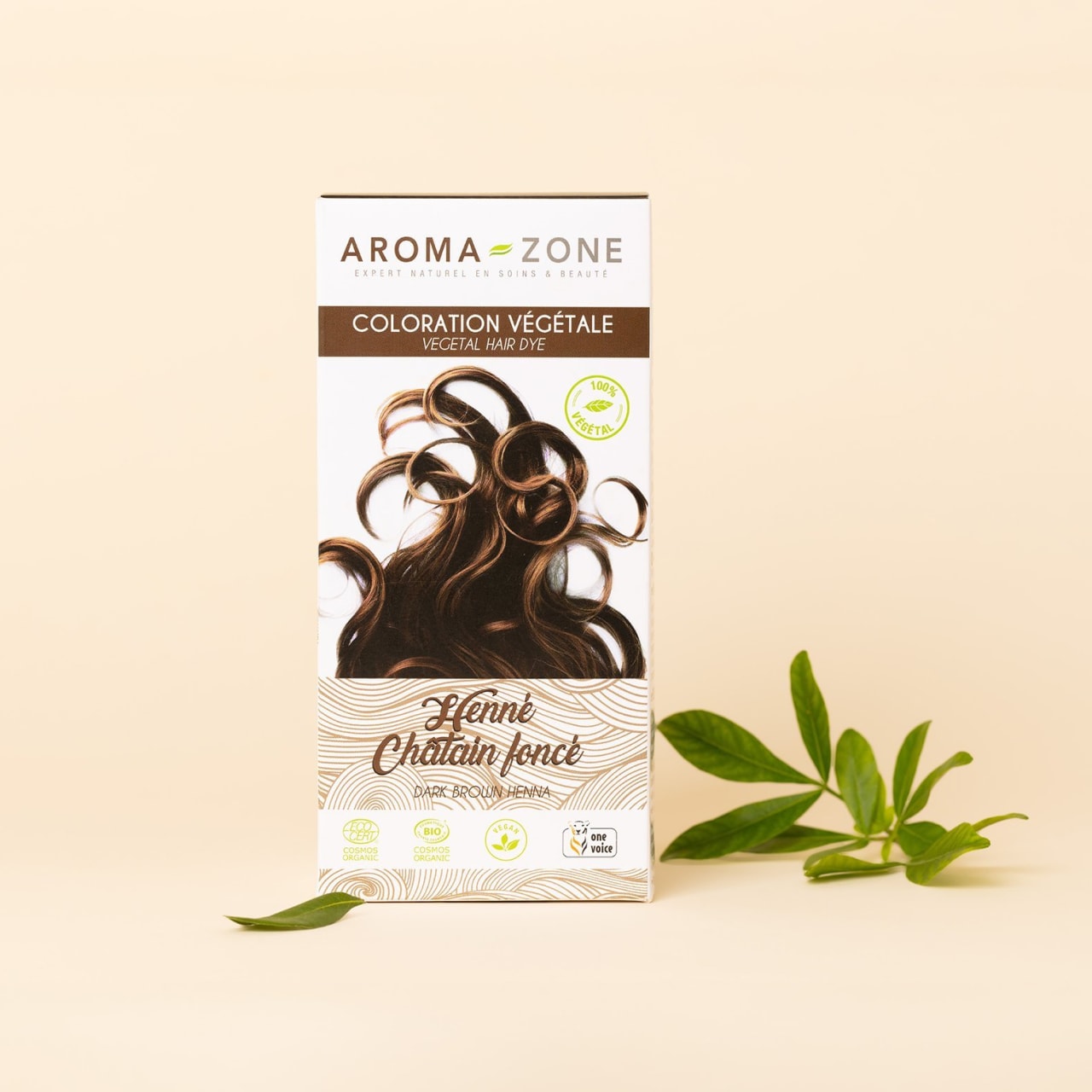
Dark Chestnut Henna: This natural colouring tint colours hair from blonde to brown with a warm, deep hue, creating a tone-on-tone effect on chestnut hair, and colours and shades white hair by giving it natural highlights in just one application.
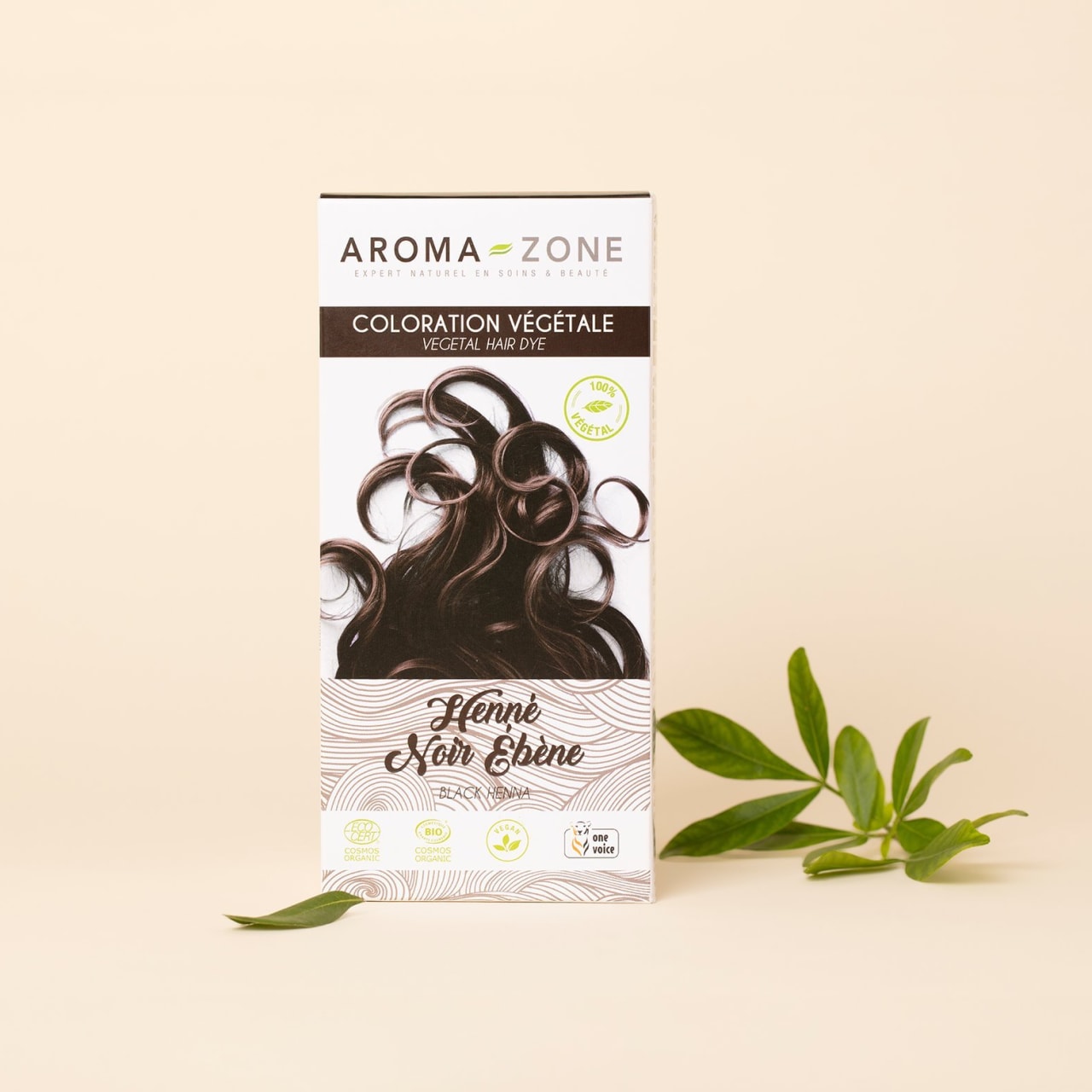
Ebony Black Henna: This natural dye enriched with Black Henna tints blonde to dark brown hair and covers white hair in a single application. Ebony Black Henna protects, strengthens and coats the hair, keeping it supple and shiny.
Contraindications
Although plant-based dyes have many benefits, there are a few things to bear in mind. Firstly, the results can be unpredictable on hair that has been chemically treated. If your hair has been bleached or chemically treated, the pigments may cling to the hair fibre in a different way creating colours that are different to those expected.
Similarly, if you want to colour your hair dramatically, plant-based dyes will not be suitable as natural dyes do not contain denaturing agents such as hydrogen peroxide.
Expert advice: how do I get rid of my hair colour?
If you don't like the colour, you can apply a clay-based mask to make it fade more quickly. Green clay is known for its clarifying properties. Add water or hydrosol and mix to form a smooth, creamy paste. Apply the mixture immediately to the hair in a thick layer. Leave on until the mask begins to dry (you are advised not to leave the mixture to dry completely). Then rinse thoroughly with clean water to remove the mask.
Spotlight on Marine and Clémence, our experts and founders of Chap Chap

Marine Toualy and Clémence Vanié, founders of the Chap Chap application , have been going natural for several years and are both big fans of natural products and their benefits.
Thanks to natural products, they have been able to rediscover the true nature of their hair and learn how to make it look good simply and effectively.
They believe that looking after your hair should be a pleasure and not a chore, so they want to use the Chap Chap application to share their expertise by offering people natural solutions that are accessible to everyone.
Bibliography
'The Divinity of Plants - An Ayurvedic Guide to Herbal Medicine' by Dr. David Frawley and Dr. Vasant Lad
Sravani T, Padmaa M Paarakh, "Hedychium spicatum Buch.Ham. – An Overview", Pharmacologyonline 2: 633-642 (2011)
Frequently Asked Questions
Associated tips
Hair and scalp care tips
Hair care tips


