How do I colour my hair with henna?

Advice from the experts at Aroma-Zone and lots of recipes for natural, homemade hair dye using henna and plant-based dye powders to colour your hair naturally, effectively and economically!

By The Aroma-Zone editorial team

Reading time: 0 min.

History and origin of henna

Henna has a history of use dating back 9,000 years and has been used throughout many civilisations. Combined or not with plant and mineral substances, it can be used to obtain a vast palette of colours in hair and skin. Hair colouring began with the Egyptians and Romans.

Other plant powders such as turmeric, madder or walnut stain, because of the presence of colouring molecules in their composition (curcumin, alizarin, juglone), were used at the time as dyes for wood, clothes or hair. Buddhist monks used turmeric to dye their garments orange-yellow, and madder was used on the orders of Louis Philippe until the 19th century to colour the uniforms of the French Army.

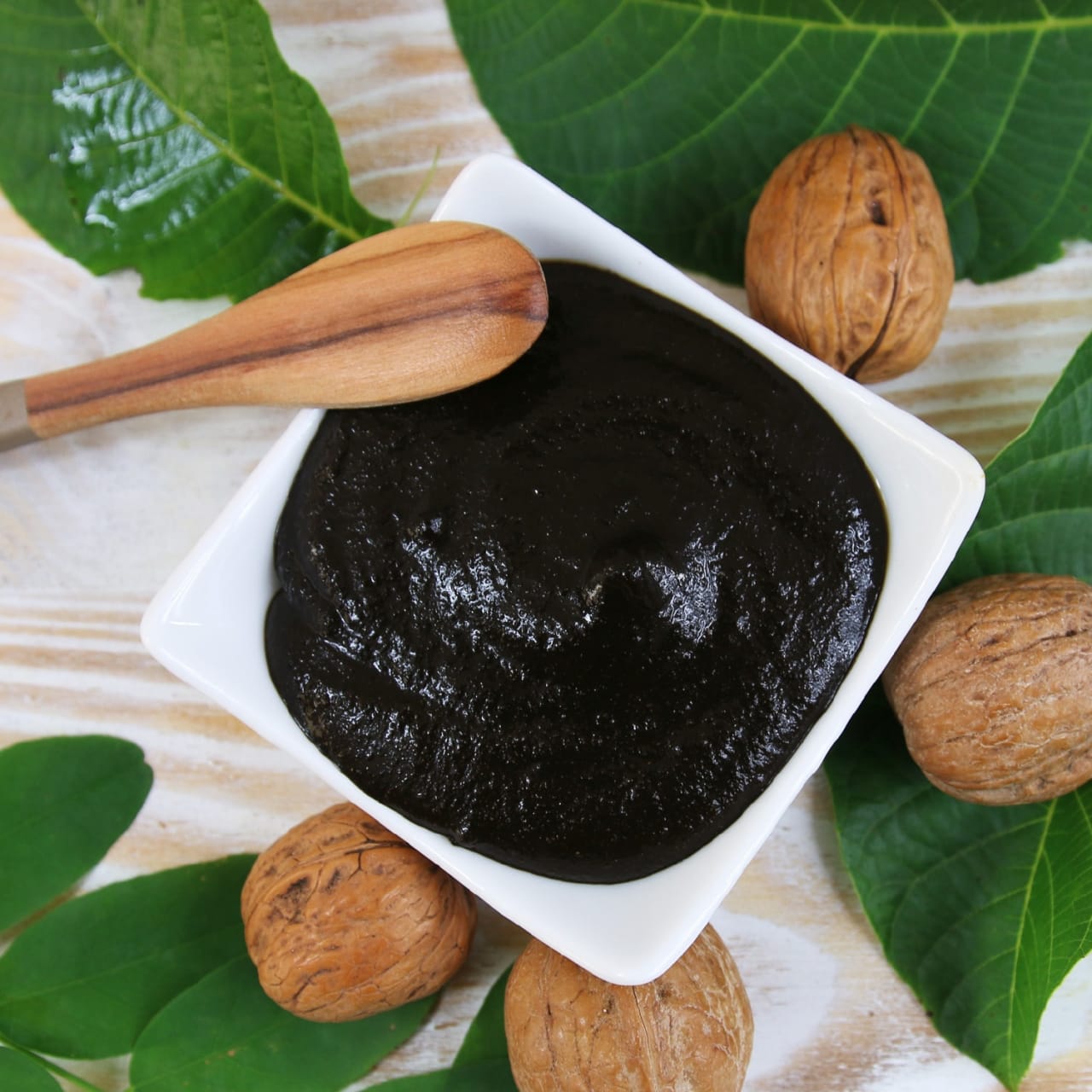
Walnut stain was and still is used as a paint to stain wood, and was also used as an ointment to treat the scalp and colour the hair.

In Roman times, henna was mixed with herbs for red dye or with saffron flowers for blond hair, which was very fashionable at the time, producing the famous Venetian blonde.

In India, henna is part of the ayurvedic tradition and is passed down from mother to daughter. It is used to cleanse the hair and give it volume, as well as protecting the scalp. Asian women still use henna for its colouring properties, but also for its sebum-regulating action. The result is shiny, supple, silky hair with beautiful red highlights.

Among the Egyptians, 4000 years before Christ, henna mixed with blood produced a reddish-orange colour that was the most widespread in use. Ramses II dyed his hair in this way to hide his grey hair, and indigo was already used to obtain a black colour.
Neutral henna or natural henna: which henna should you choose?

What is "natural henna"?

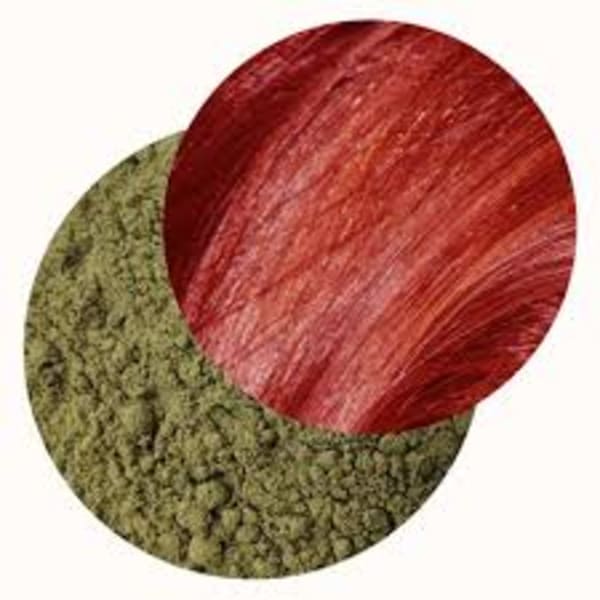
This plant originated in India and Arabia and grows in arid regions from the Sahara to the western Pacific. The plant's leaves contain a natural red-orange lawsone pigment, which is more abundant when the plant is grown at temperatures between 35° and 45°.

To obtain natural henna powder, the plant's leaves are soaked in water, then dried and ground to a fine powder. Its botanical name is Lawsonia inermis (this name refers to lawsone, the red colour pigment).

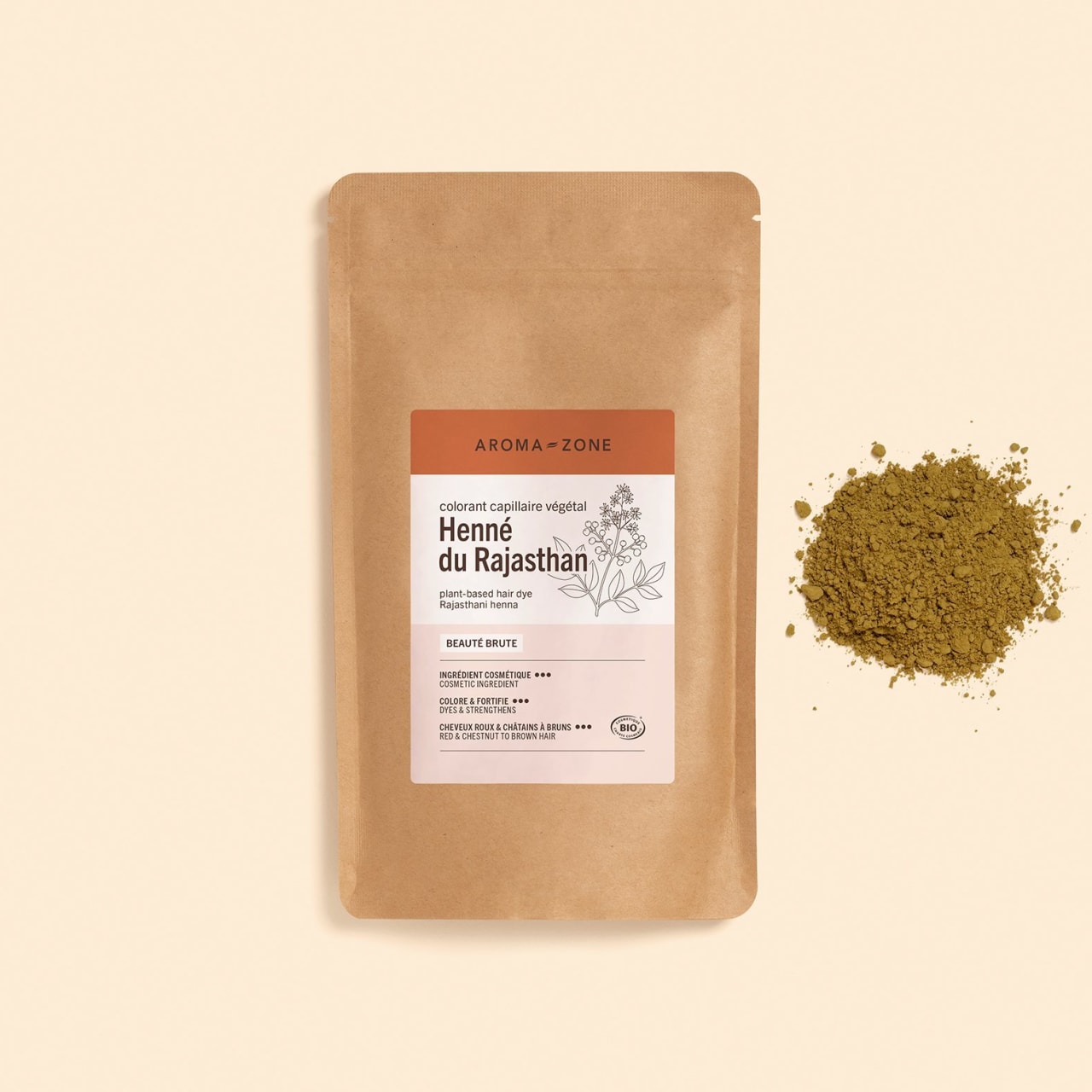
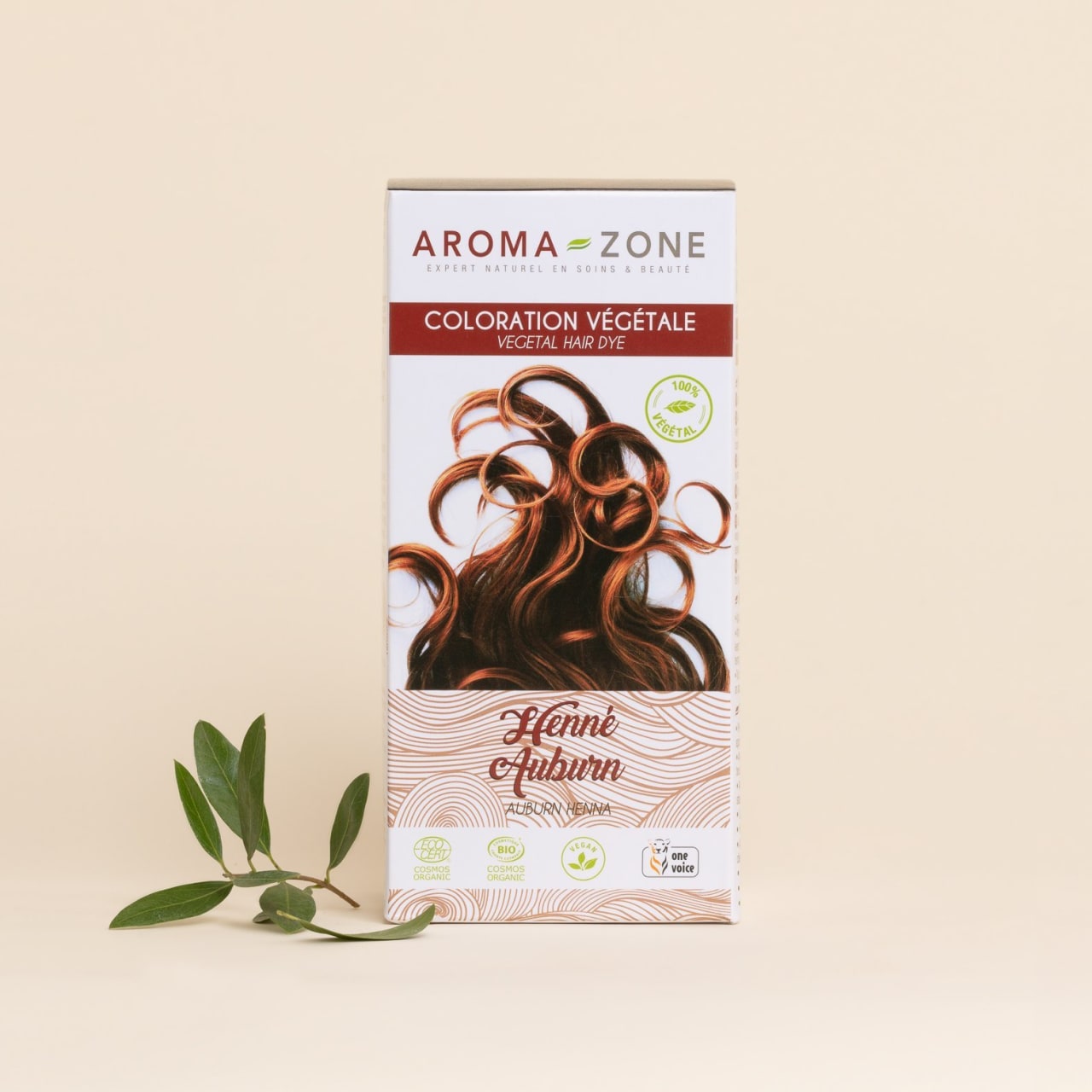
Our range includes 3 henna products of different origins, known as "natural henna": Egyptian henna, Rajasthani henna and Yemeni red henna. These henna products will give your hair a colour ranging from copper to auburn (see the paragraph on the difference between henna products).


What is "neutral henna"?

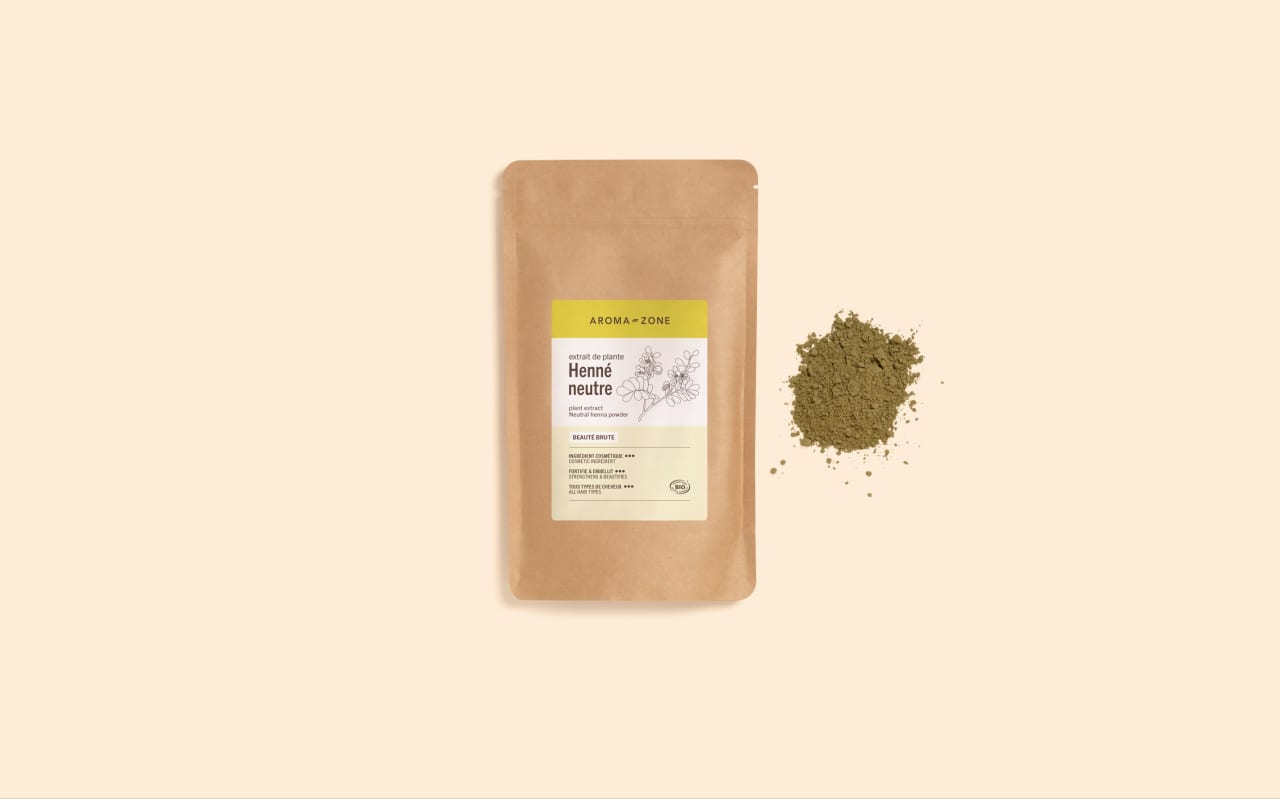
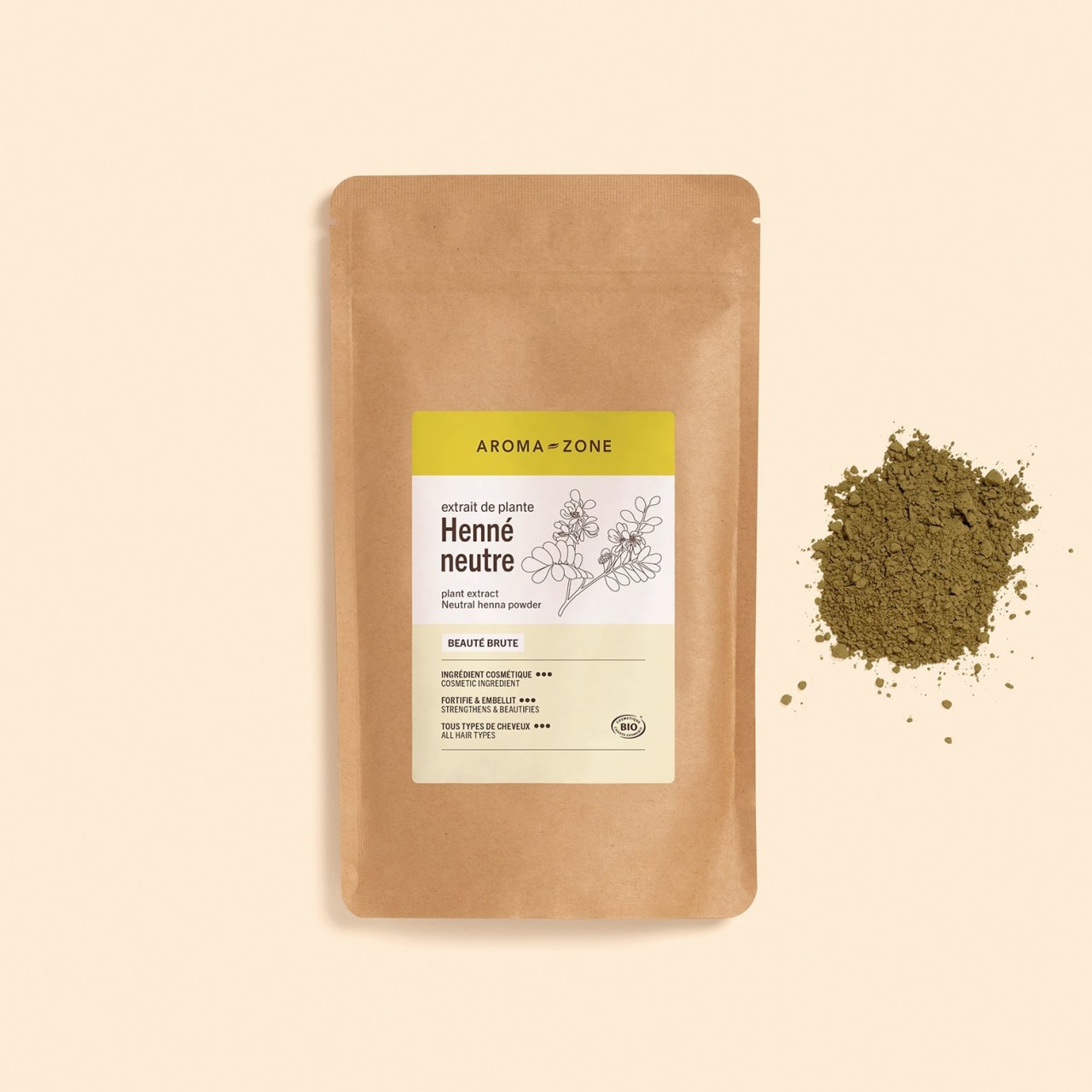
Neutral henna comes from a small plant that grows in semi-arid subtropical regions, in sub-equatorial Africa and on the Arabian Peninsula as far as India. To obtain neutral henna powder, the plant leaves are soaked in water, then dried and ground to a fine powder.

Its botanical name is Cassia obovata. This henna contains no colouring pigment; it will strengthen the hair and make it shiny.

How do I colour my hair naturally with henna?

The hair fibre is made up of proteins, mainly keratin, whose structure can be modified according to pH. With an alkaline pH, the scales open up. Conversely, the compounds in acidic blends bind to the hair fibre to smooth it, coat it and make it shiny. They are said to close the scales.

For colouring to work well and to last, you need to start by opening the hair scales with a basic solution.

Once the hair scales are open, a larger surface area of the hair fibre is in contact with the colouring powder, which can then set more evenly and penetrate deep into the hair.

The hair should then be rinsed with an acid lotion to close the hair scales and lock in the colour, protecting it and making it last longer. The acid solution will also coat, smooth and make your hair shiny. The diagrams below show the difference between colouring your hair:

  • Without adding a base or acid: the dye remains on the surface of the hair scales.

  • With the addition of a base and then an acid: the colourant penetrates the core of the hair for longer-lasting colour.

What are basic compounds and acidic compounds?

Basic compounds

  • Sodium bicarbonate is a basic compound; it will 'basify', i.e. increase the pH of the blends (pH >7) and thus 'open up' the hair scales.

  • Indigotine, the indigo pigment, develops in a basic environment, as does katam. So to encourage the development of this pigment, it's best to base your colouring paste. To do this, add bicarbonate of soda to your dye paste to obtain a pH of around 8 - 9.


Acidic compounds

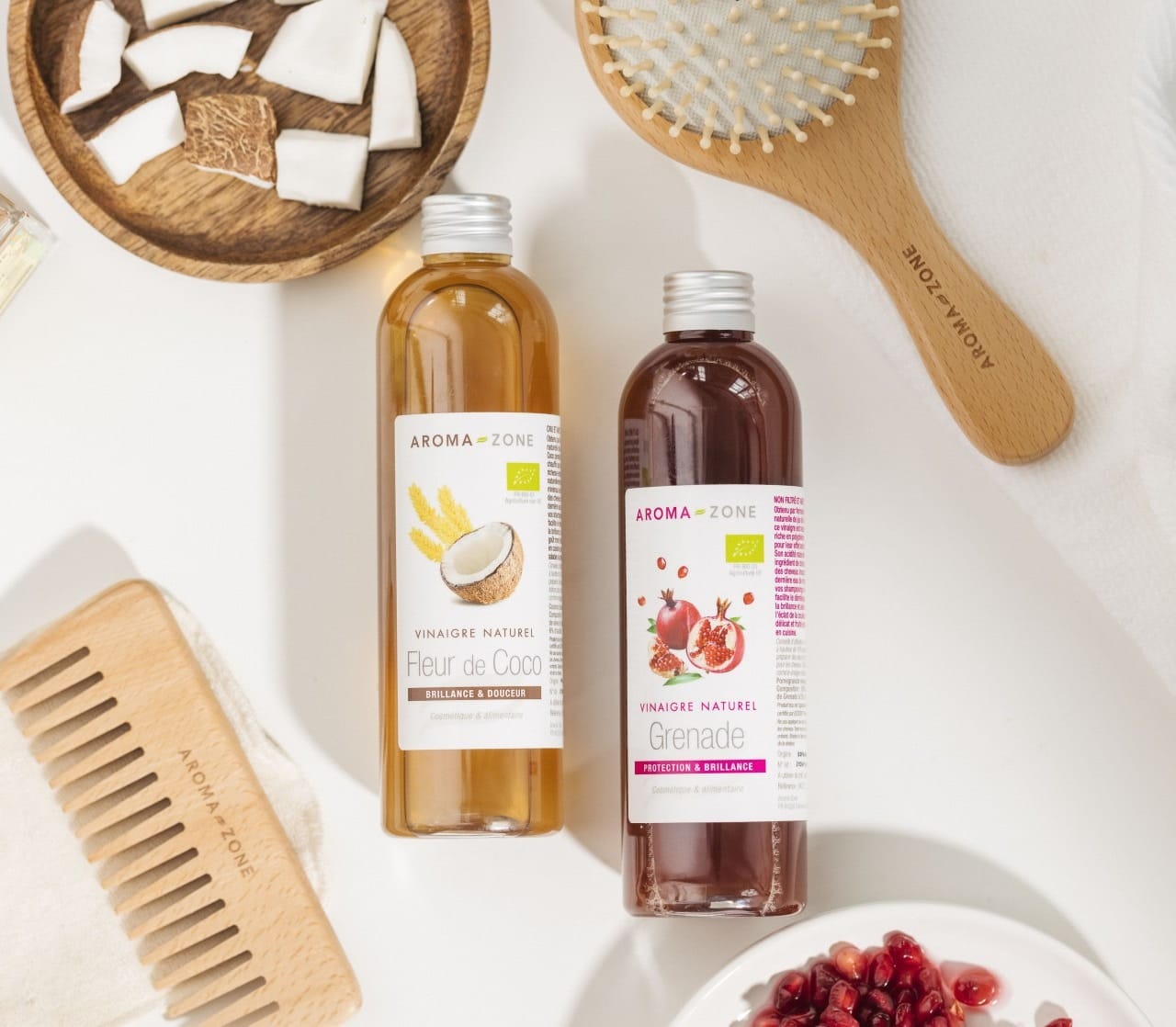
  • Lemon juice, orange juice and vinegar are acidic compounds; they will therefore 'acidify', i.e. lower the pH of the blends (pH <7) and thus 'close the hair scales'.

  • Lawsone, the pigment in natural henna, is released in an acidic environment. So to encourage the development of this pigment, it's best to acidify your colouring paste. To do this, replace some of the water in your paste with lemon juice. You'll obtain a colouring paste with a pH of around 4. The paste should be made the day before application, so that it can rest for 12 hours to allow the pigment to be released.

How do I colour my hair with henna?

For colouring with natural henna

To do this, use: Rajasthani henna, Egyptian henna, and Yemeni red henna containing lawsone.

  1. Apply a basic lotion (water 97 g + bicarbonate of soda 3 g): the pH will be around 8 - 9. Leave this lotion on for 30 minutes.

  2. Then apply and leave on the natural henna paste containing lemon juice.

  3. Rinse with an acid solution (pH 3 - 4), using cider vinegar, lemon juice, verbena hydrosol or lime blossom hydrosol, for example.


For colouring with katam or indigo

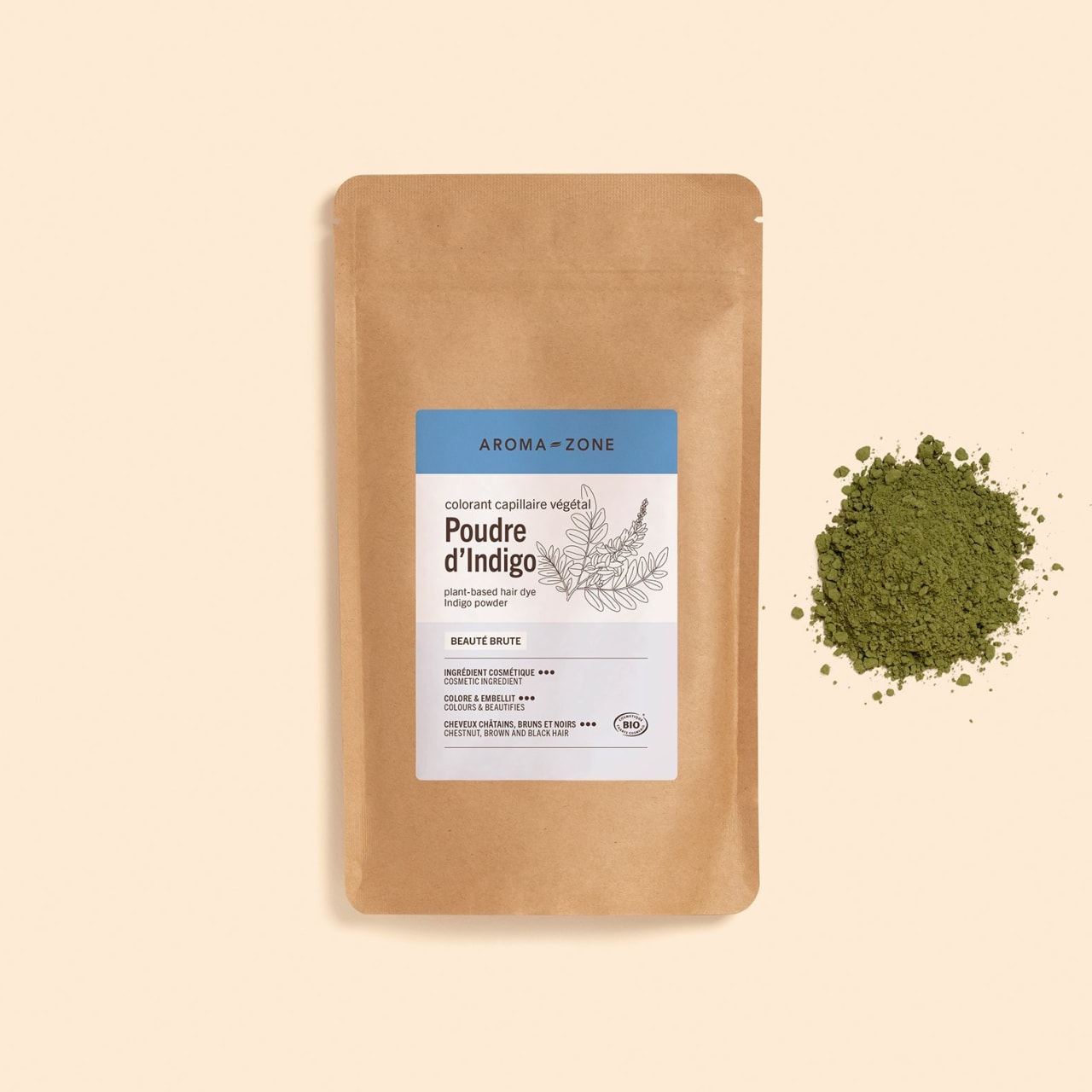
  1. Make your colouring paste by adding bicarbonate of soda; the pH should be around 8 - 9.

  2. Then apply the colouring paste.

  3. Rinse with an acid solution (pH 3 - 4), using cider vinegar, lemon juice, verbena hydrosol or lime blossom hydrosol, for example.

Find out more about some of our hennas

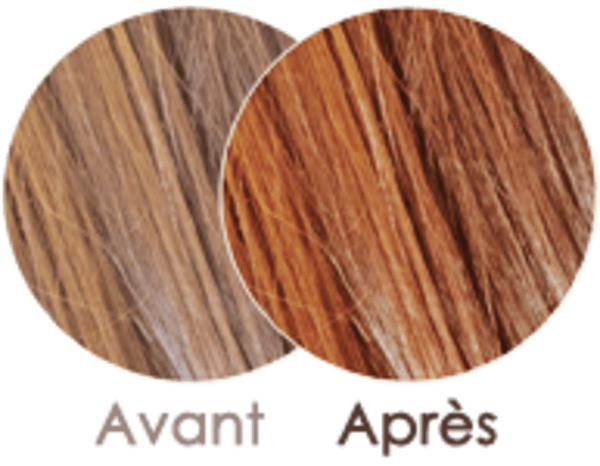
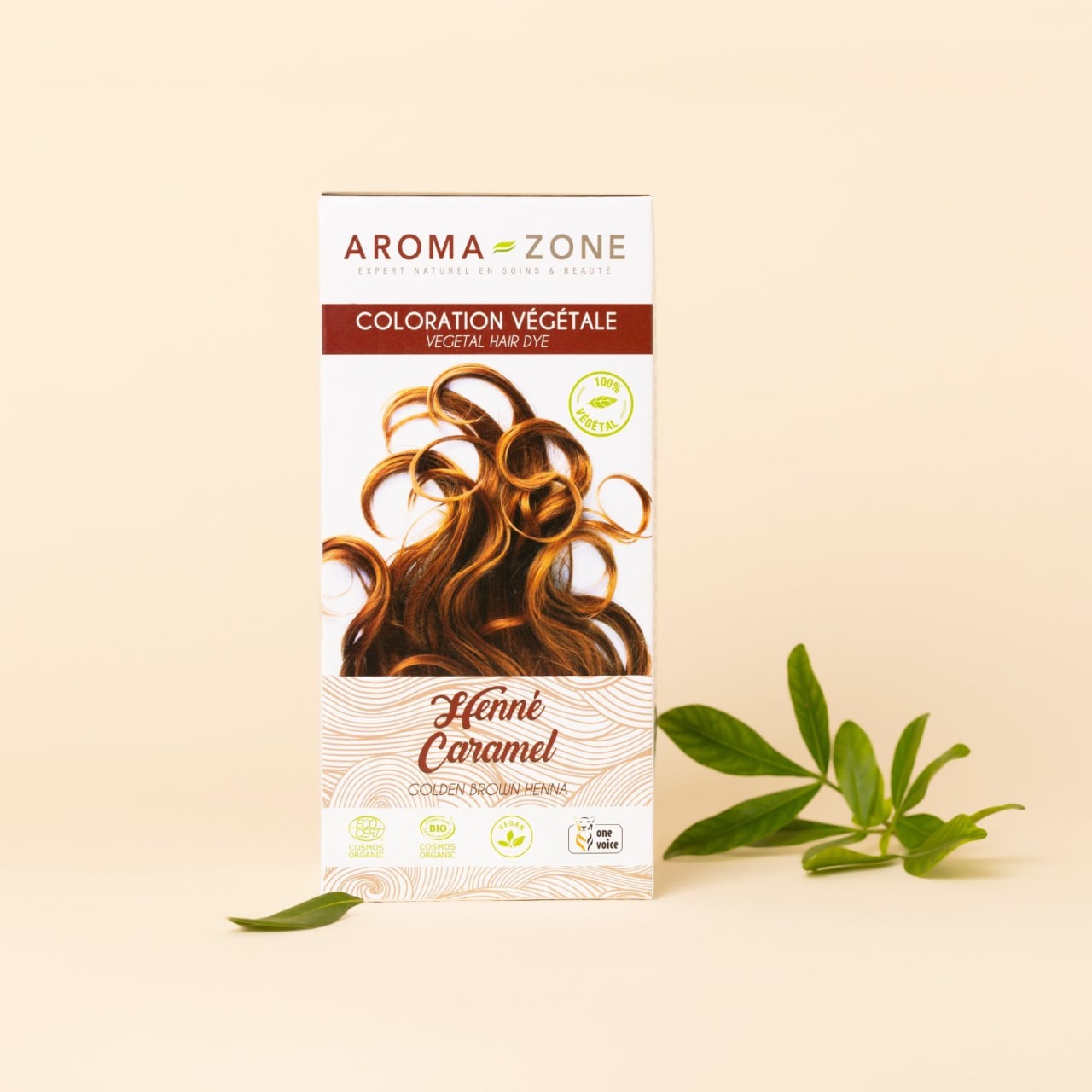
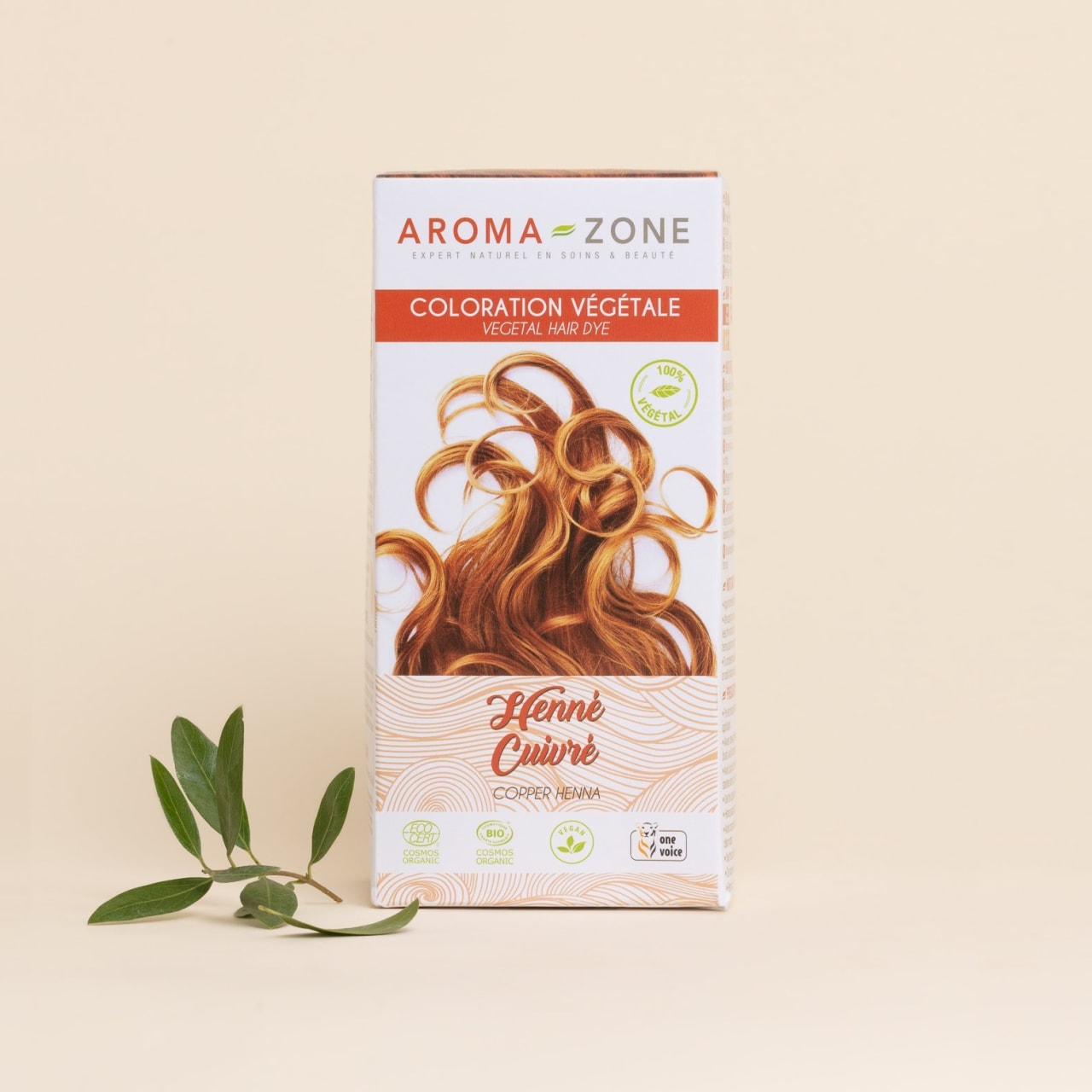
Organic copper henna - plant-based dye

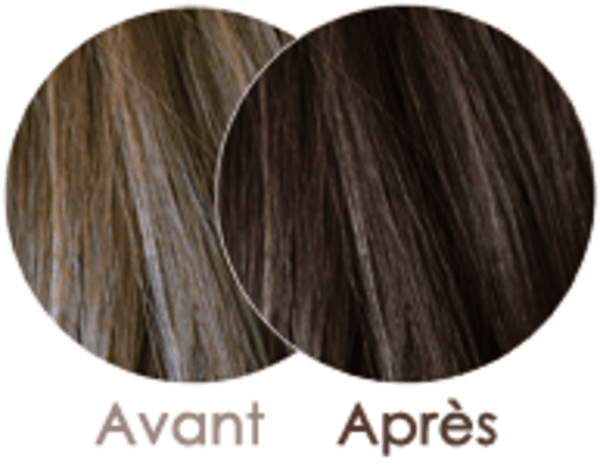
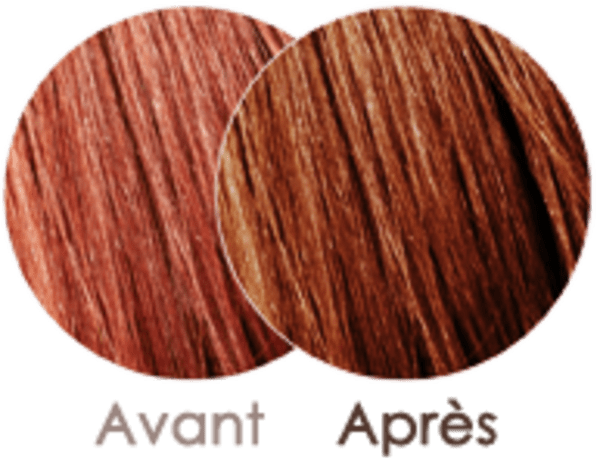
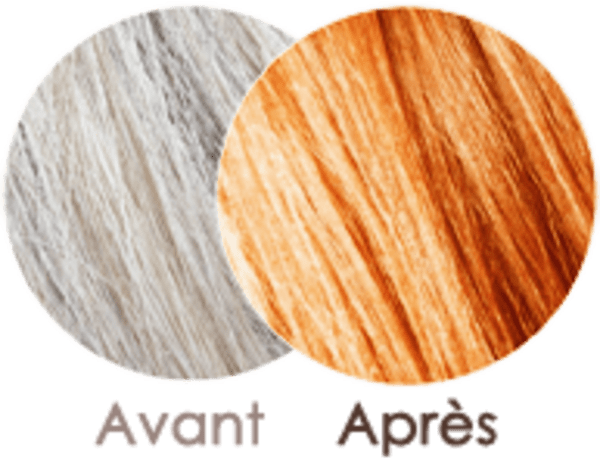
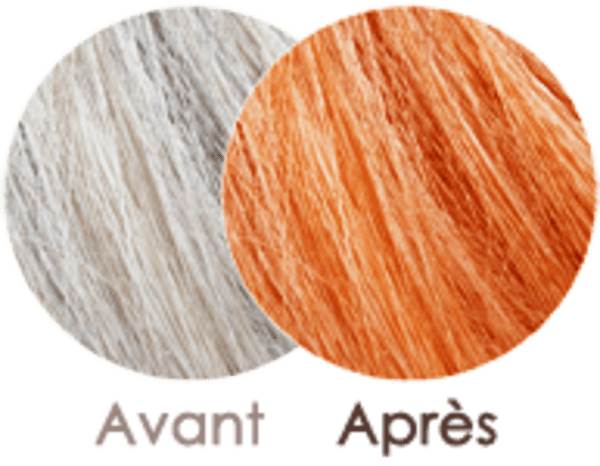
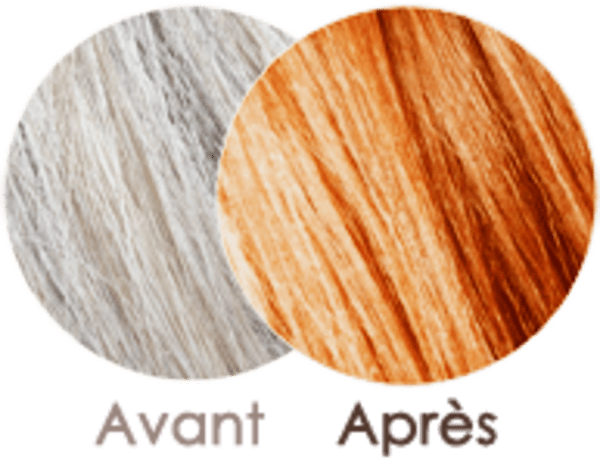
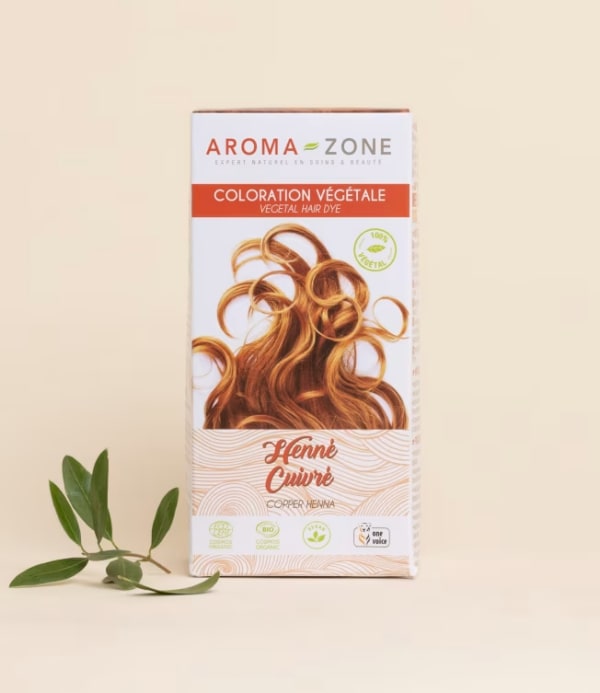
A 100% natural, organic, full-coverage colouring treatment that enhances, coats, strengthens and protects the hair. The combination of nine plants, including Rajasthani henna and manjishta, produces intense, deep and bright shimmering copper highlights. This henna is also ideal for covering grey hair in a single application!

Discover organic copper henna - plant-based dye

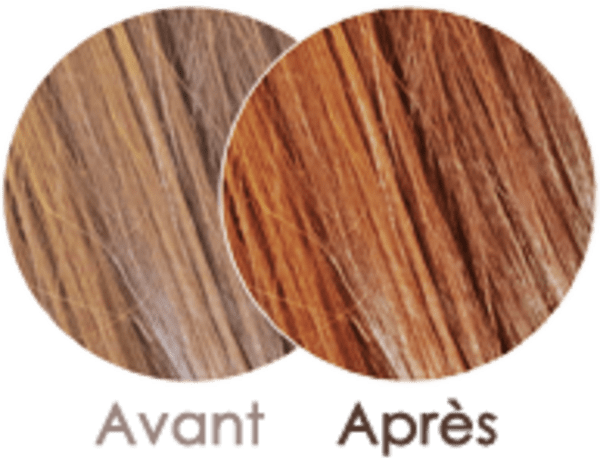
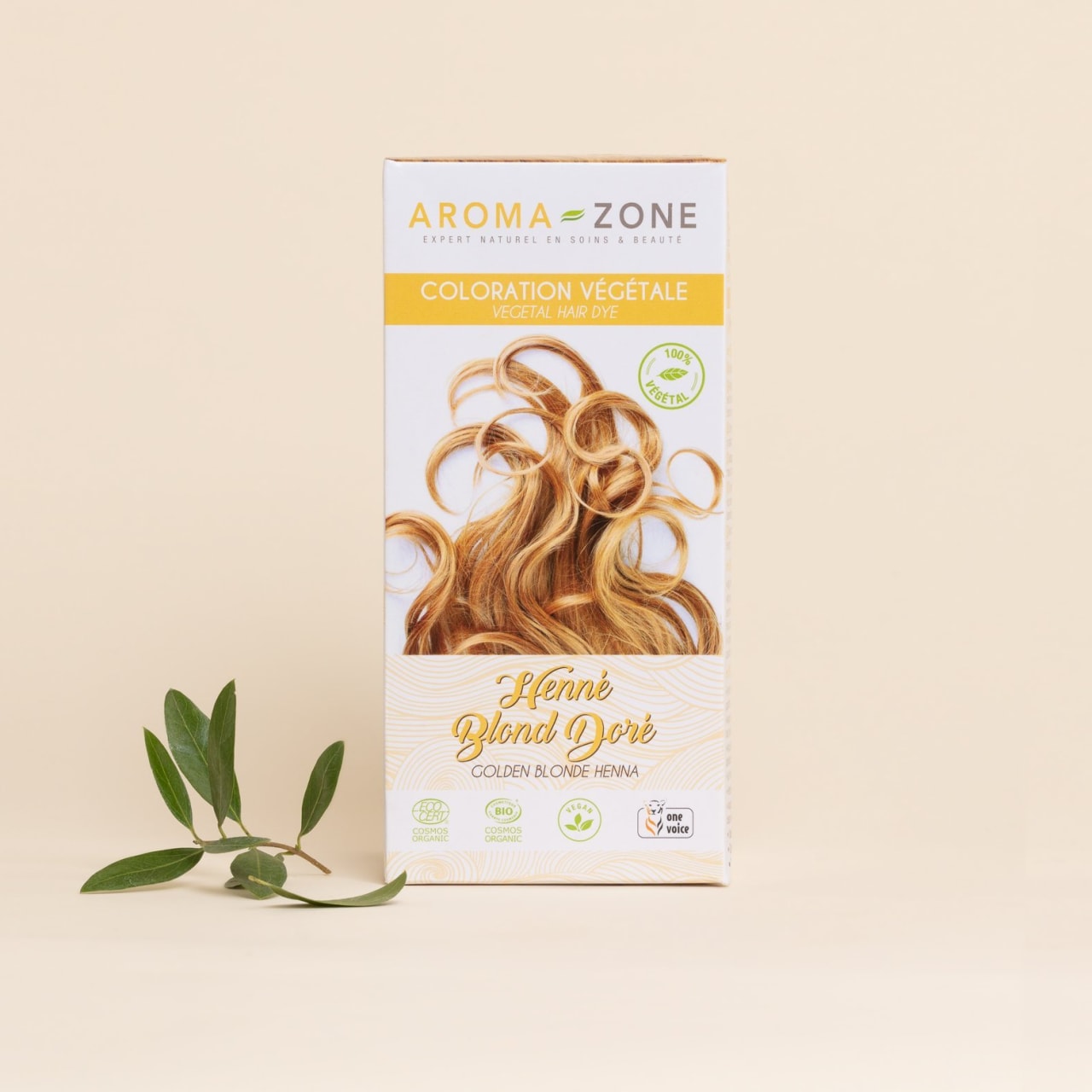
Organic golden blonde henna - plant-based dye

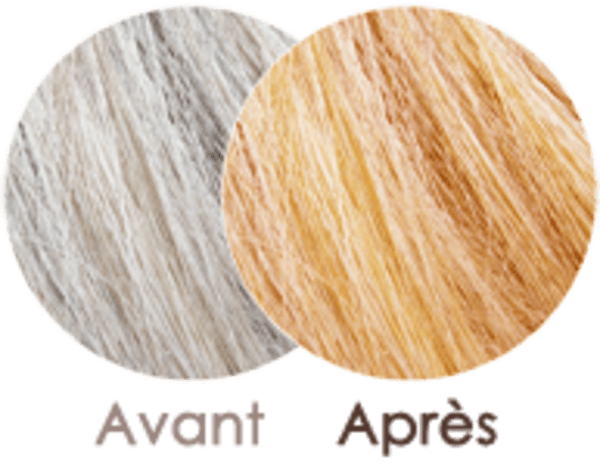
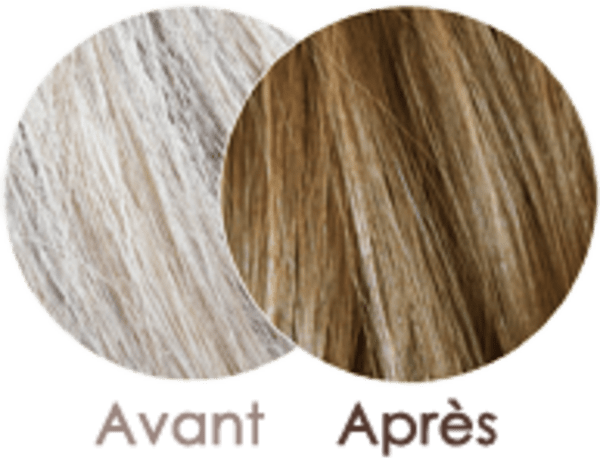
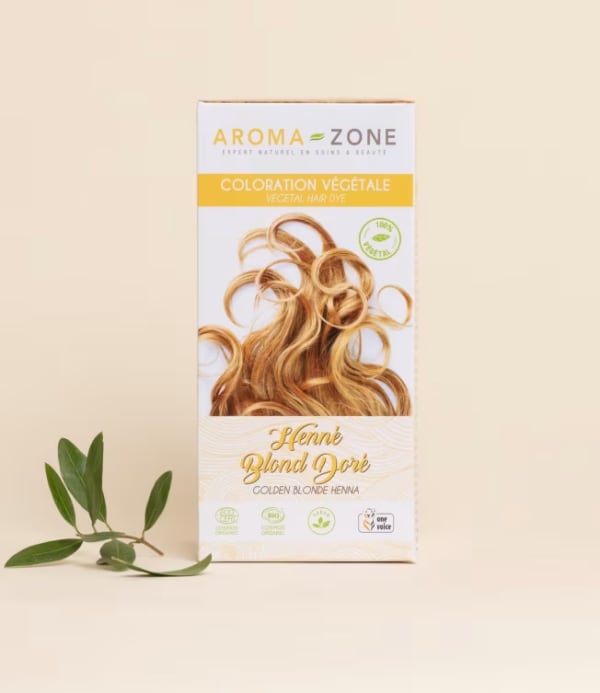
A complete 100% plant-based, organic colouring treatment that coats and strengthens hair while soothing the scalp. A combination of 8 plants, including chamomile, turmeric and neutral henna, it makes light hair bright and shiny. It also gives grey hair a pretty honey-blonde colour!

Discover organic golden blonde henna - plant-based dye

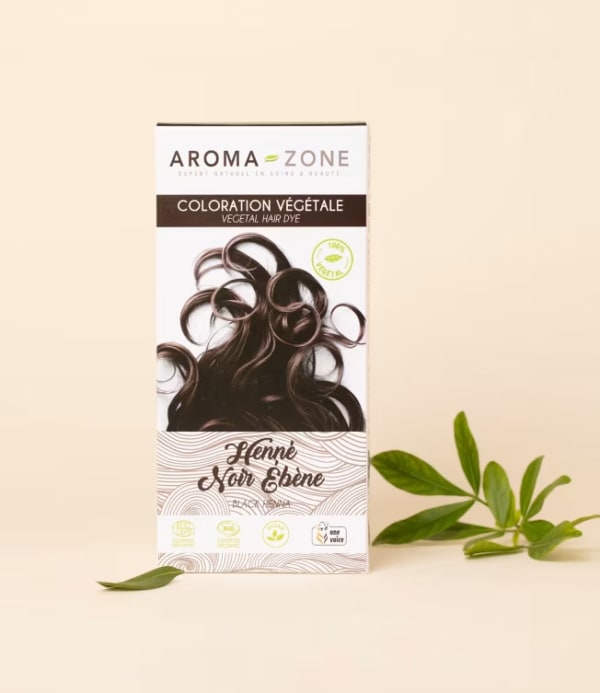
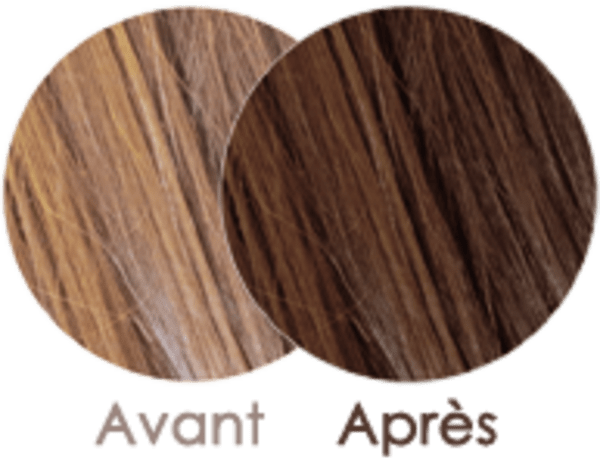
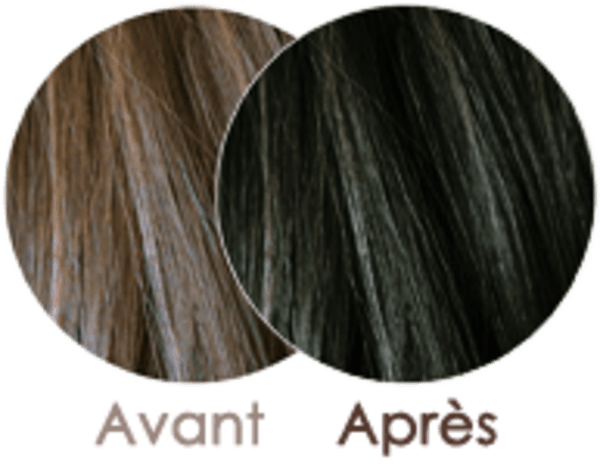
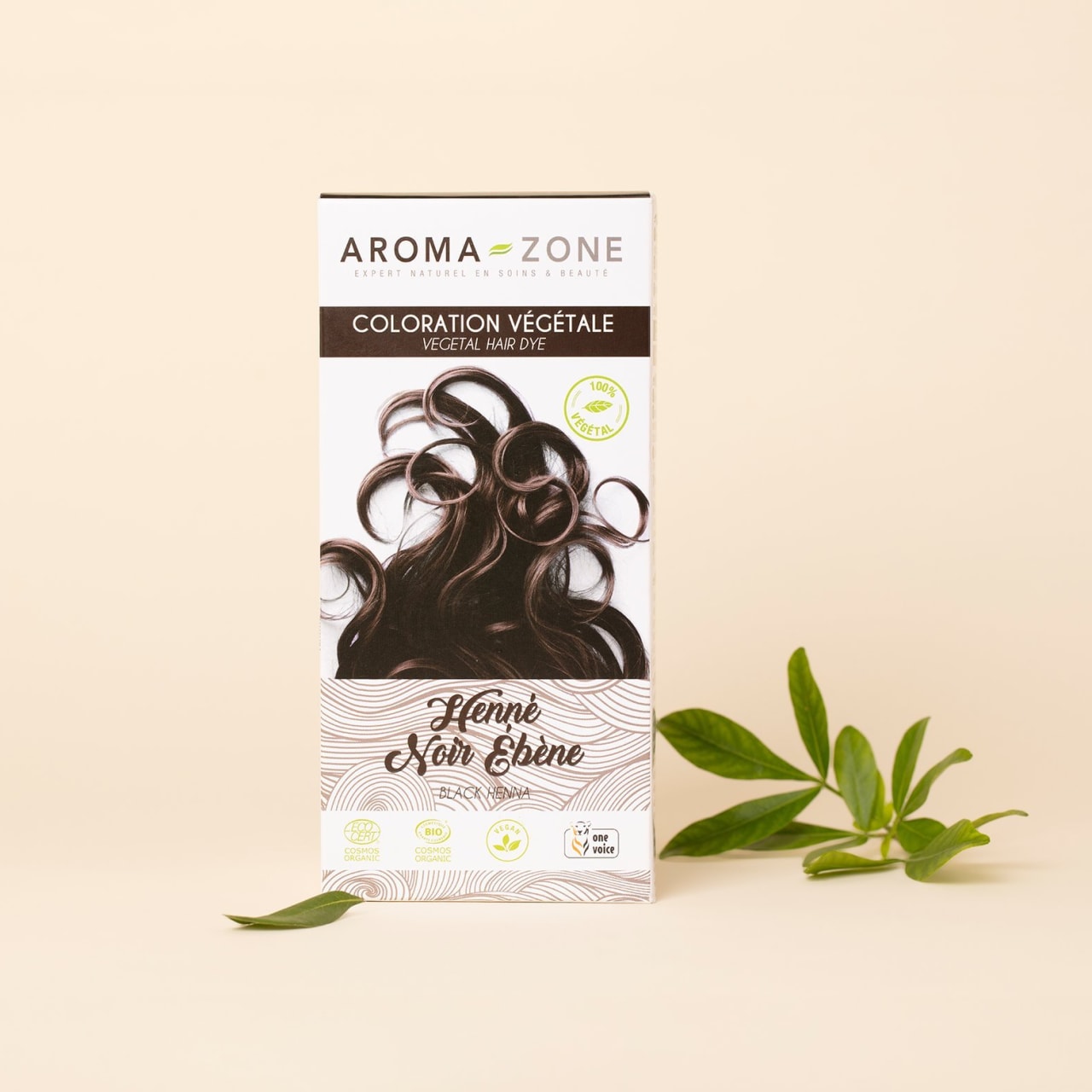
Organic ebony black henna - plant-based dye

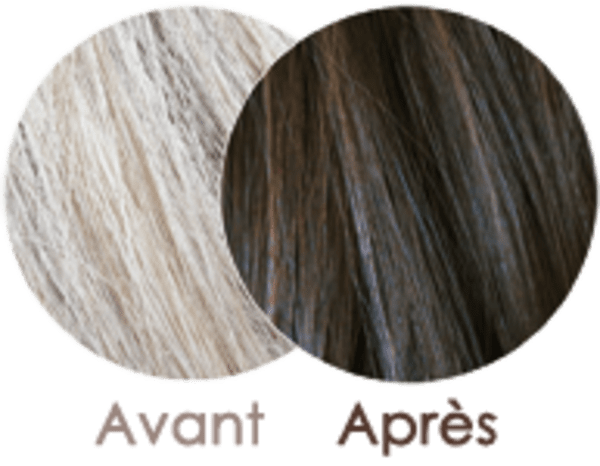
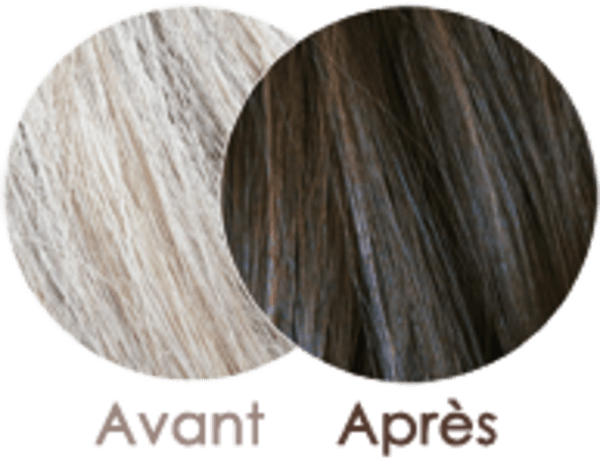
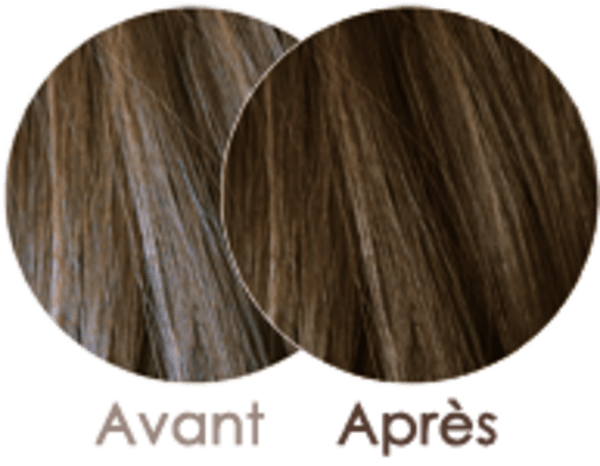
indigo warmed by Rajasthani henna produces a 100% natural, organic colouring treatment that gives hair an intense, deep ebony colour with great coverage. A combination of eight plants with colouring and fortifying properties, this plant-based colour gives all hair a sublime, natural, glossy black colour. It's ideal for darkening blonde to dark brown hair, for creating a tone-on-tone effect on brown hair or for covering grey hair in a single application! A real hair care treatment, ebony black henna hair dye colour makes your hair soft, shiny and gives it plenty of volume.
Discover organic ebony black henna - plant-based dye

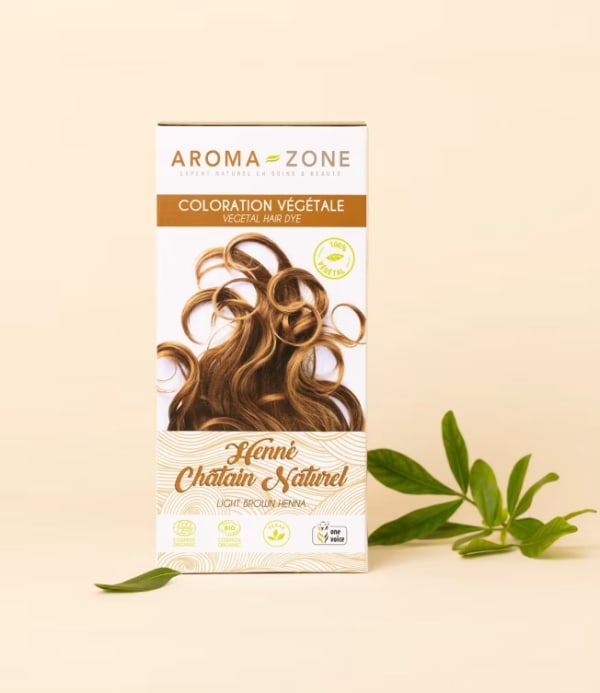
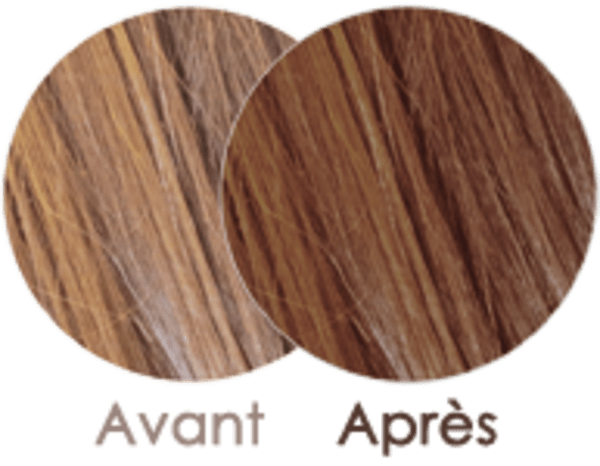
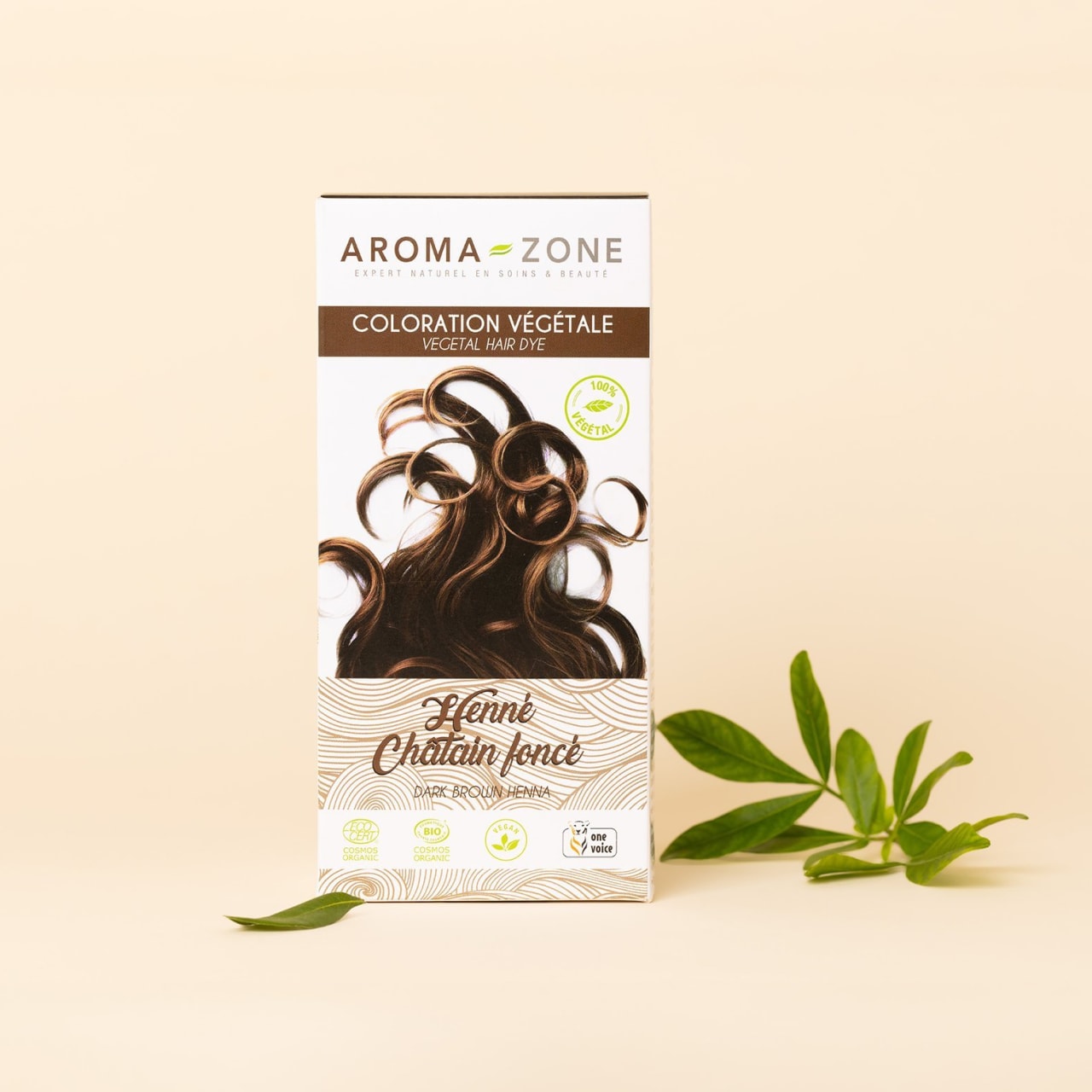
Henna Natural Chestnut - Organic plant-based dye

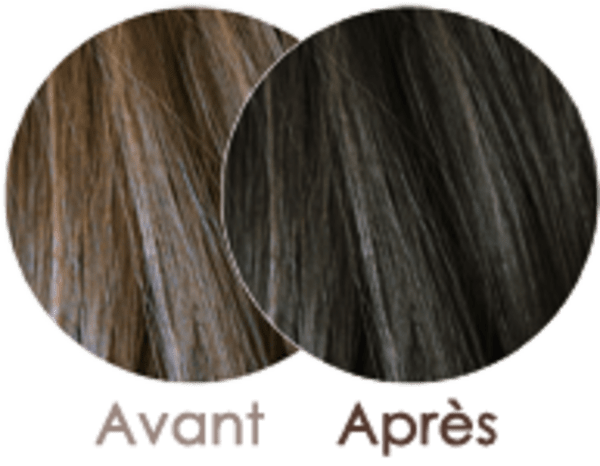
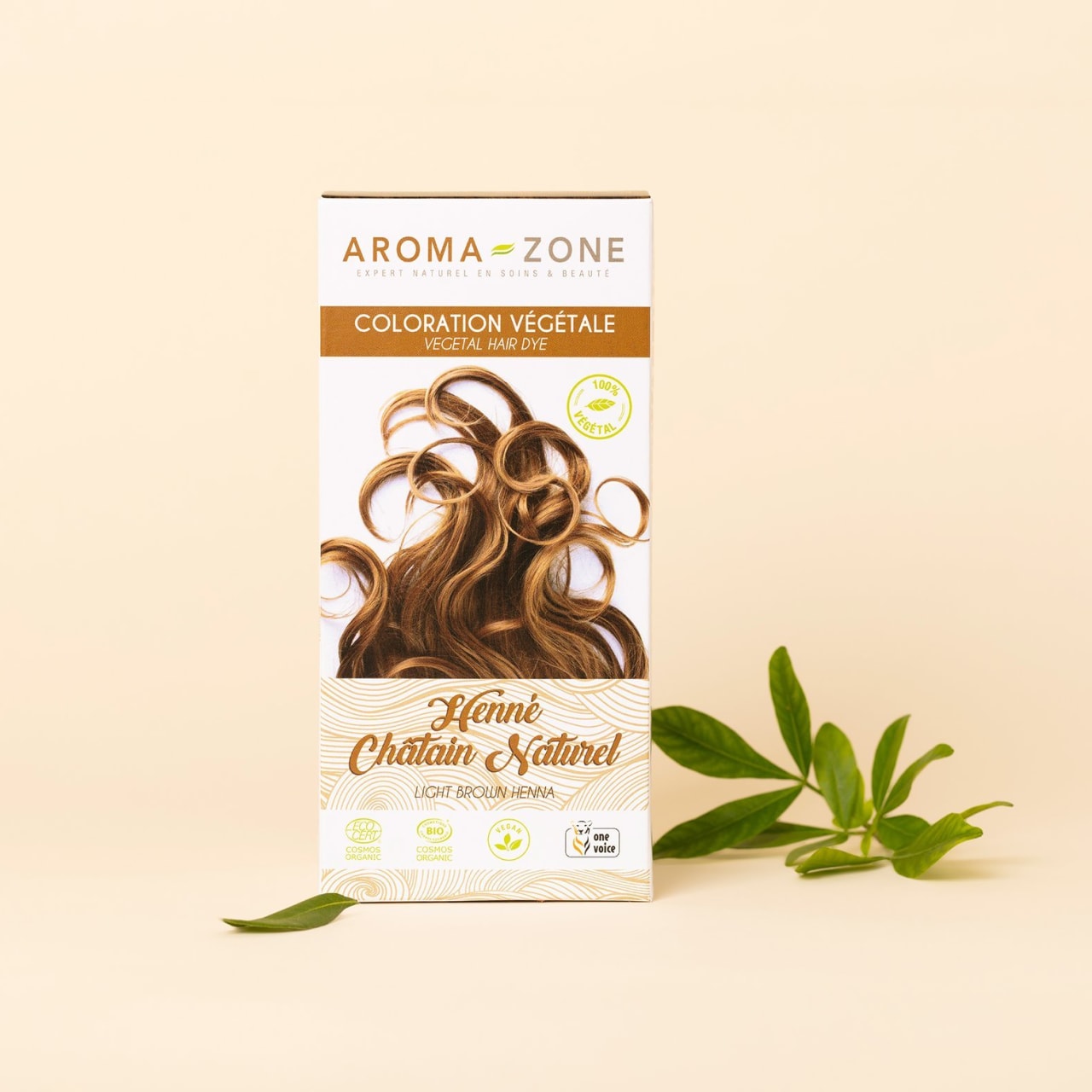
A genuine 100% plant-based, organic treatment with a natural, radiant, full-coverage tint. A combination of eight plants with colouring and beneficial properties, it coats, smoothes and strengthens the hair. The combination of indigo and Rajasthani Henna, sprinkled with Turmeric, produces a warm, radiant, natural colour with exceptional coverage. It colours grey hair in a single application. For bright chestnut and silky hair!

Discover Organic Natural Chestnut Henna - plant-based dye

Which natural henna colouring recipe should I choose?

Natural hair dye recipes for blonde hair

Here are our experts' tips and recipes for creating your own homemade plant-based hair dye for blonde hair with henna. From Venetian blonde to light chestnut, honey blonde and copper, plant powders and henna can be used to create a beautiful palette of natural, long-lasting colours.

Natural hair dye recipes for light brown hair

Copper, gold, Venetian chestnut, mahogany or red: follow our experts' advice to create a natural, subtle shade using home-grown plant dyes, which give long-lasting results with henna and plant powders.

Natural hair dye recipes for dark chestnut to brown hair

Our experts reveal their recipes and tips for making your own homemade plant-based hair dye. From coppery dark chestnut to warm brown, from bluish black to liquorice with red highlights, discover the intensity and depth of dark tones for a natural, subtle result thanks to plant powders and henna.

Natural hair dye recipes for red hair

Intense and bright, choose from a palette of shades ranging from ash red to bluish black with our experts' recipes and tips for creating your own homemade plant-based dye for red hair using plant powders and henna for a long-lasting, full-coverage result.

Natural hair dye recipes for grey hair

Colour grey hair naturally and lastingly with homemade plant-based dyes that produce subtle, deep shades such as honeyed chestnut, blonde with coppery highlights, bright red or natural brown.

Worth noting

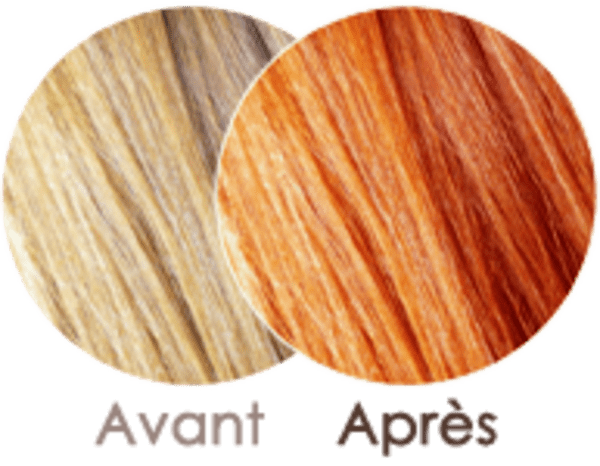
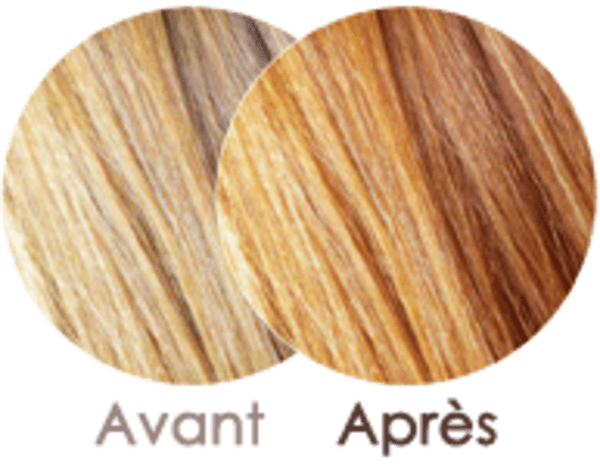
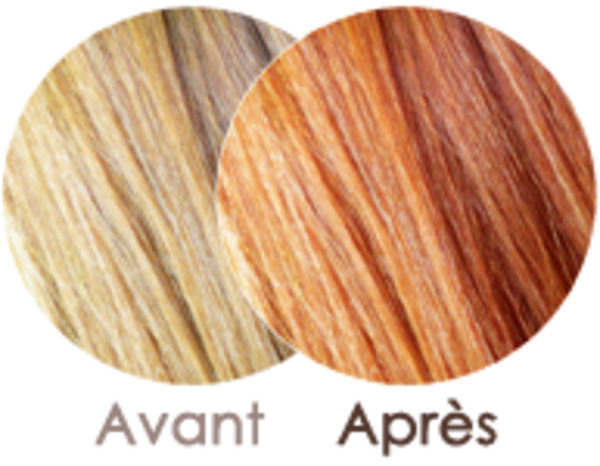
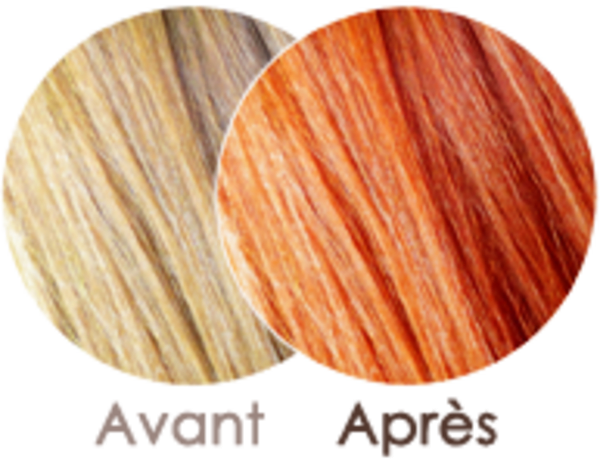
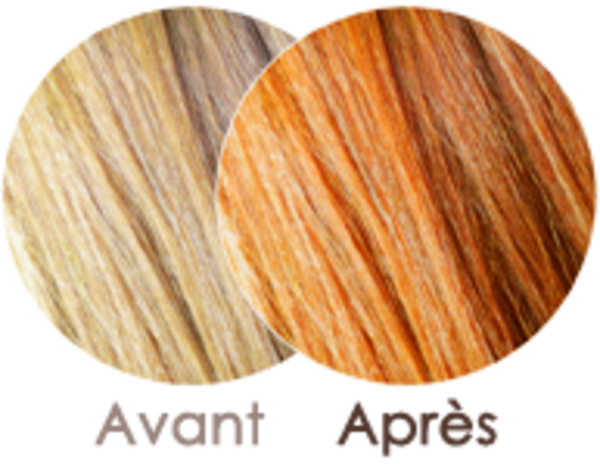
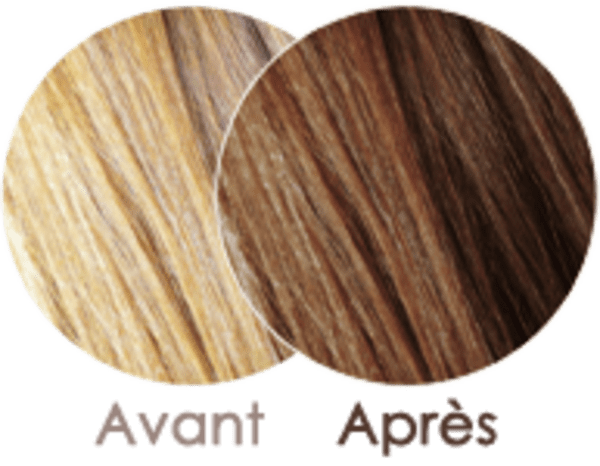
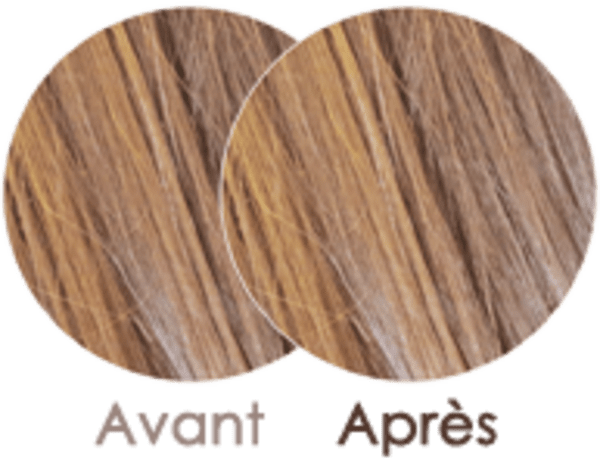
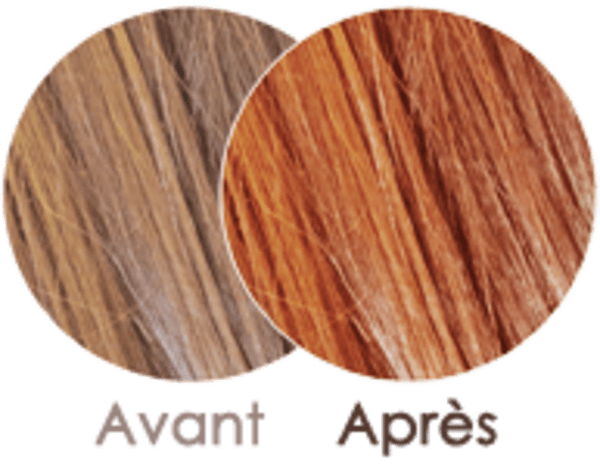
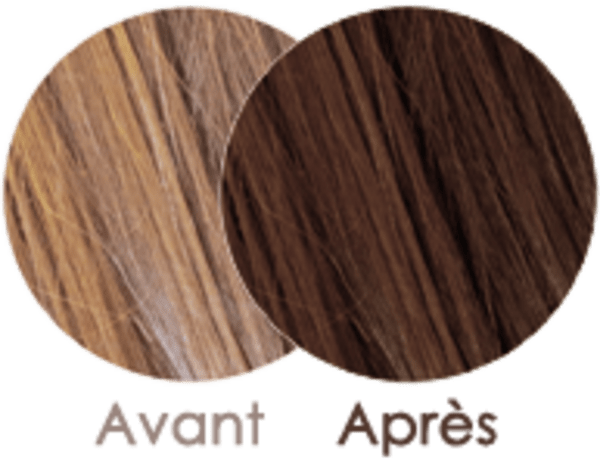
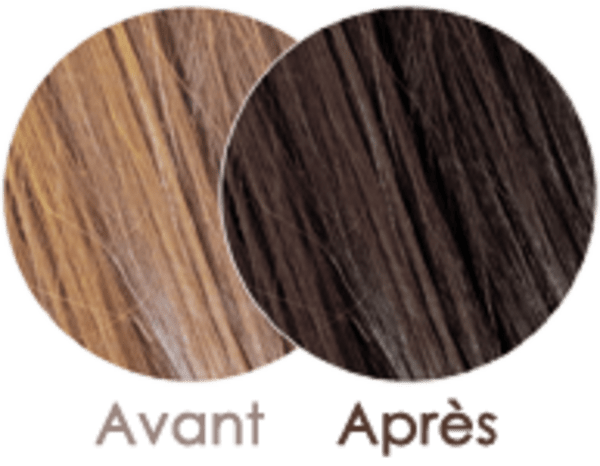
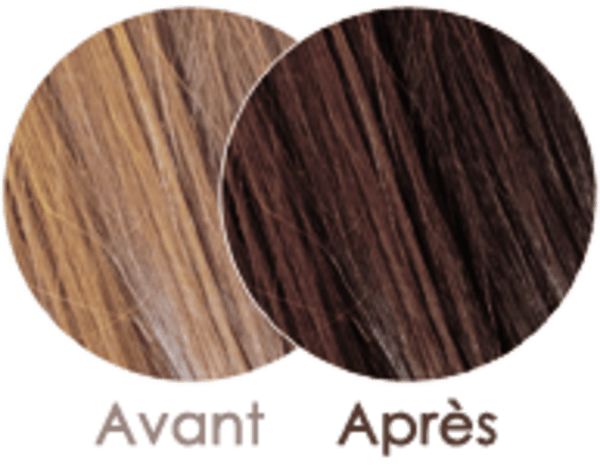
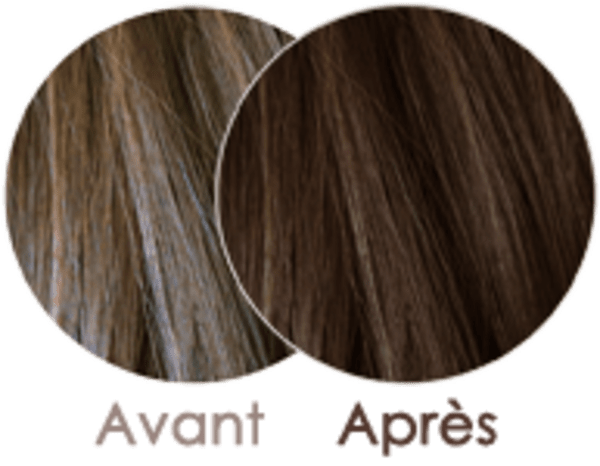
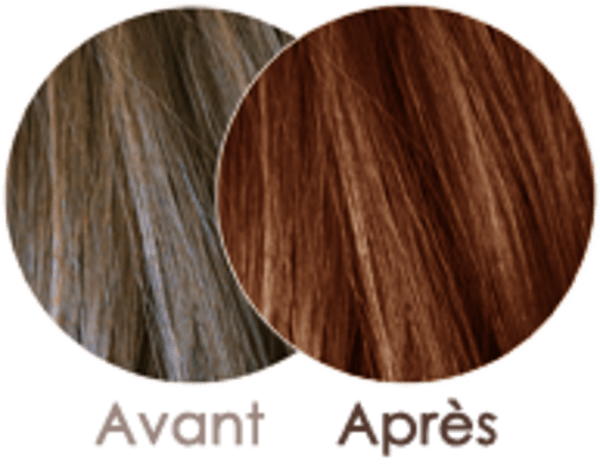
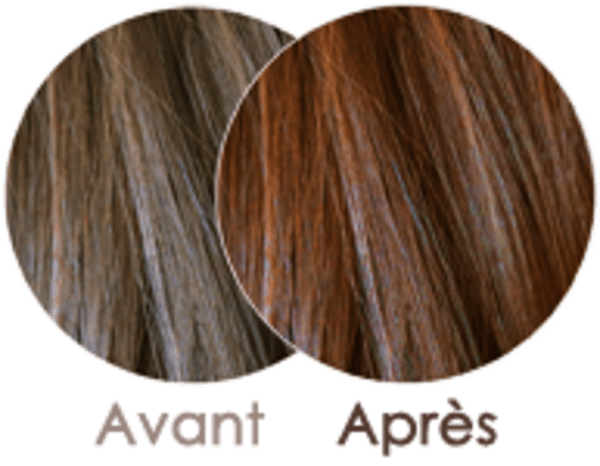
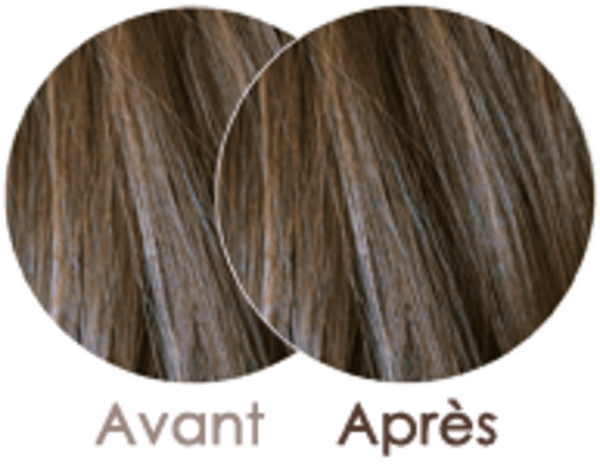
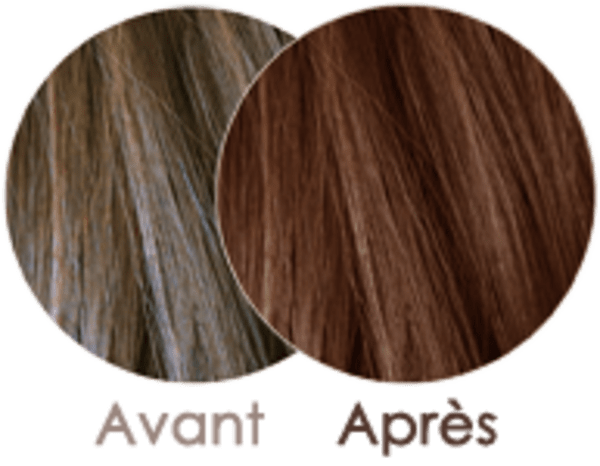
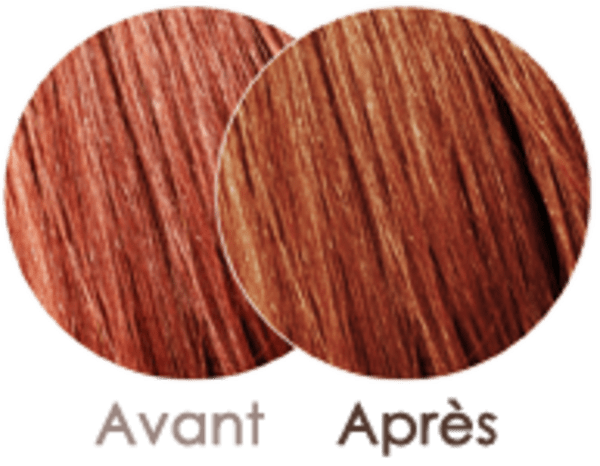
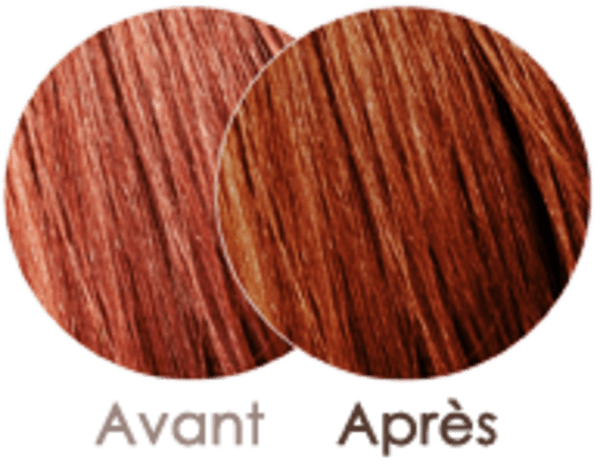
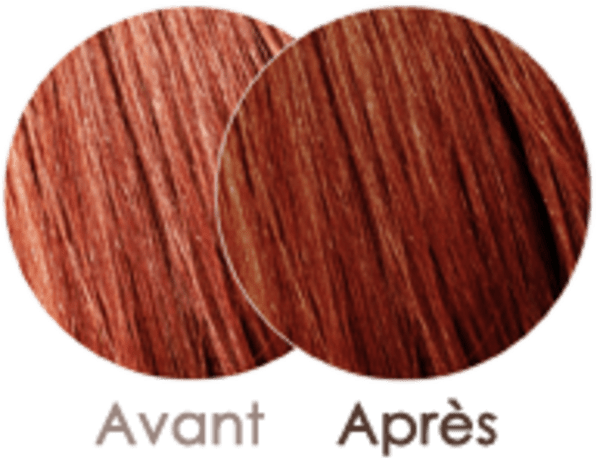
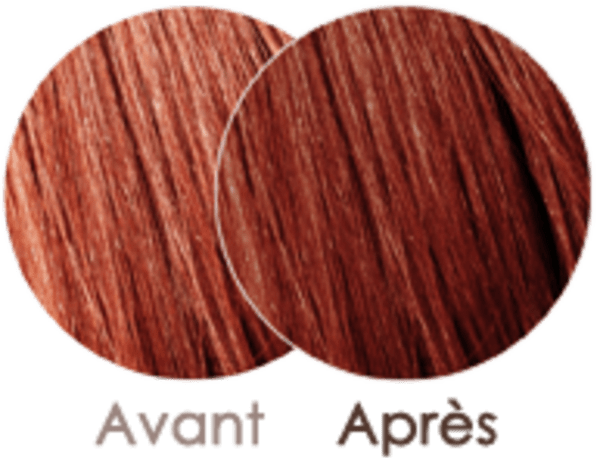
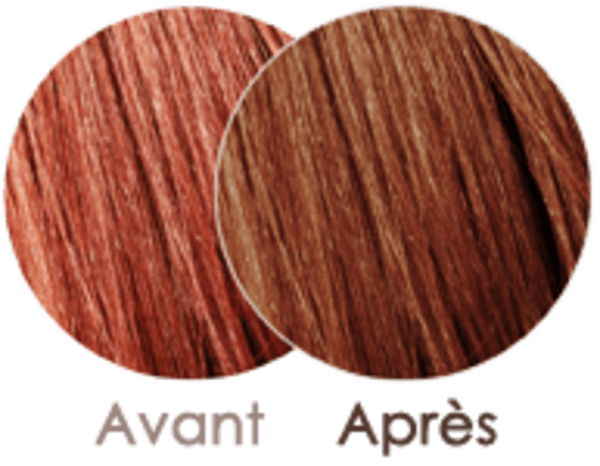
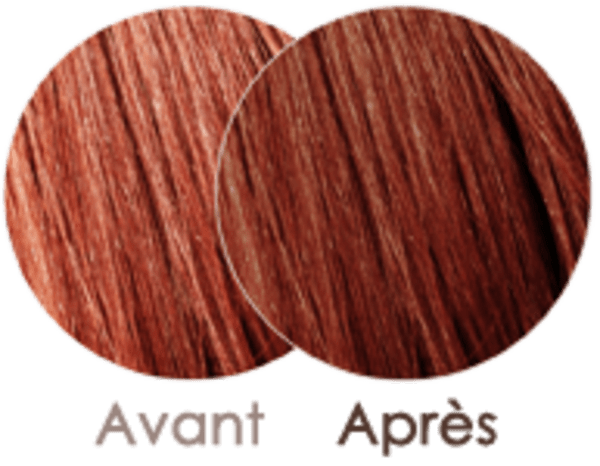
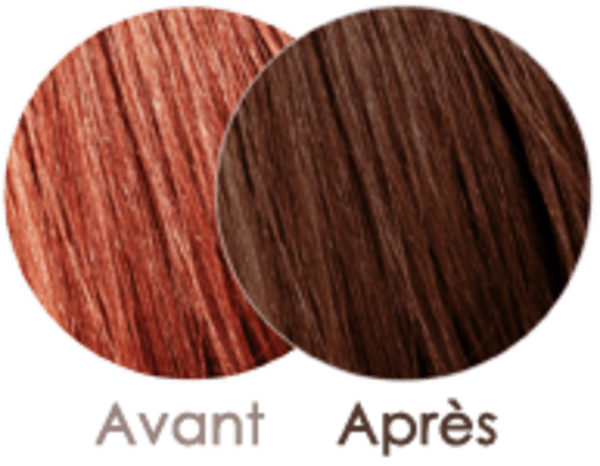
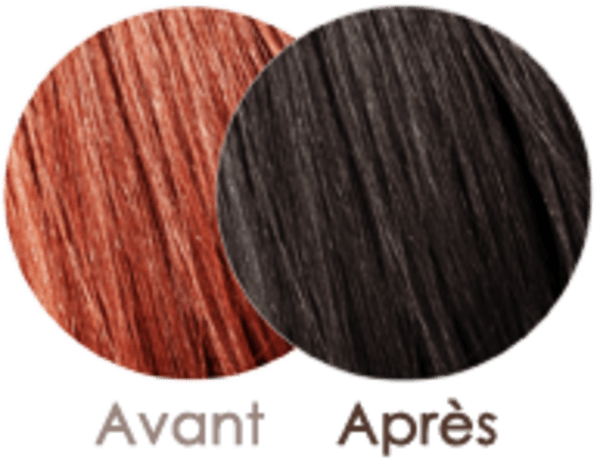
All the tests were carried out on real hair collected from 5 hairdressers (whom we'd like to thank) around our Research and Production site. For reasons of clarity and legibility, we have represented the colour variations in the form of a colour chart, taking care to ensure that the results are faithful to our tests.

Find out more

How can I combine non-tinting powders with my hair routine?

The quality of Aroma-Zone colouring powders

  • Guaranteed free from phenylenediamine (PPD), metallic salt, peroxide and ammonia

  • The powders are fine-grained (micronised) for easy application and optimised colouring

  • Sourced directly from producers, guaranteeing you the best quality at the best price and a guarantee of no additives

  • Different origins (India, Yemen, Egypt)

  • Rigorous selection of our dye powders!

  • All our dye powders have been selected by our laboratories following a study of over 12 months of colouring tests carried out on strands of natural hair of different shades.

Understanding the difference between the 3 copper henna colours

Preconceived ideas about henna

I can't use henna if I've had my hair coloured chemically.


FALSE - Henna colouring is perfectly compatible with chemical colouring on one condition: choose a henna that does not contain metallic salts. In fact, the metallic components generally added to recomposed henna will have disastrous effects with the activators contained in chemical colourings. You should therefore choose a henna that is 100% pure and additive-free, like the henna from Aroma-Zone!

Henna causes allergies


FALSE - Provided you choose 100% pure, additive-free quality henna to ensure that it contains no para-phenylenediamine (PPD).


This chemical component is the cause of many skin allergies. The henna products we have selected do not contain para-phenylenediamine (or PPD).

Henna does not hold or cover grey hair


FALSE - Certain hennas on their own or in a mixture cover grey hair perfectly and the colour lasts at least 5 shampoos. We've tested it for you!


The result is very good coverage with a wide range of colours based on grey hair. Later in this article, we'll show you the different shades you can get with grey hair.

Henna contains metallic salts (lead)


TRUE - In order to increase the intensity of the colouring, some brands add toxic metal salts, particularly lead, to their henna powder.


FALSE - By choosing a high-quality henna certified 100% pure and additive-free like our Aroma-Zone henna, you are guaranteed to be choosing a henna free from metallic salts, peroxide and ammonia.

Neutral henna colours hair


FALSE - Provided you choose a neutral henna made from Cassia obovata leaves, like our Aroma-Zone neutral henna, it won't colour your hair.


It is ideal for strengthening and coating your hair and making it shiny.

You can't lighten hair with henna


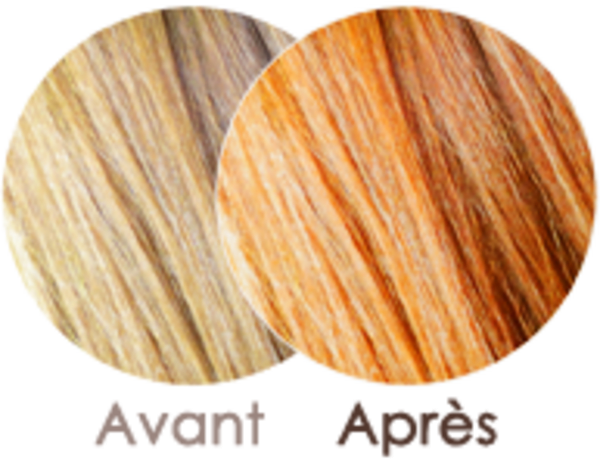
FALSE - It is possible to obtain shades that are lighter than your initial colour. This particularly applies to honey chestnut henna or cinnamon powder combined with honey. Cinnamon and honey contain a natural peroxidase. This enzyme belongs to the oxidase family and is an oxidising agent. As a result, your hair will be naturally lightened, especially at the ends, for a "back from holiday" effect that's guaranteed! This mixture works particularly well on blond to chestnut hair.