How can I repair badly damaged hair?

Split, damaged, brittle hair... Discover simple, effective solutions to prevent split ends and repair damaged hair, thanks to Shea and Coconut oils and butters, rice, silk and wheat proteins and powerful restructuring active ingredients. Oil baths for dry, damaged hair, repairing masks, restructuring creams... in this beauty fact sheet you'll find simple, natural recipes for reducing the appearance of split ends and caring for dry and damaged hair.

By The Aroma-Zone editorial team

Reading time: 0 min.

How can you determine the degree of damage to your hair?

Assessing the degree of damage to your hair requires careful observation of several aspects.

  1. Start by examining the ends: obvious split ends can indicate significant damage.

  2. Brittle, broken hair can also impede normal hair growth. Despite growth at the roots, hair can break along the way, giving the unpleasant impression of slow growth or even no growth at all.

  3. In addition, the texture can tell you a lot about the health of your hair. Rough, dry (straw-like) hair with frizz can indicate dehydration, while a soft, supple texture suggests healthier hair.

  4. Also look for shine: dull hair can indicate a lack of vitality.

  5. Damaged and broken hair can have different lengths throughout the head, which can alter the aesthetic appearance of the haircut.

  6. Finally, the ease with which your hair detangles or styles can be an indicator of its general condition.

By taking these different signals into account, you can make a more accurate diagnosis of your hair's condition.
The importance of daily care to prevent damaged hair

Damaged hair is caused by a number of factors: straightener and curler use, unsuitable haircare products, chlorine, salt, sun, colouring and bleaching, and lack of haircare products. The hydrolipidic film is attacked and can no longer play its role as a barrier: hair that is already weakened is even more vulnerable and exposed to external aggressions. At the same time, the hair follicles and keratin chains break down, exposing the inside of the hair and allowing any water to evaporate. The hair dries out and becomes damaged. This barrier must be restored to prevent breakage.

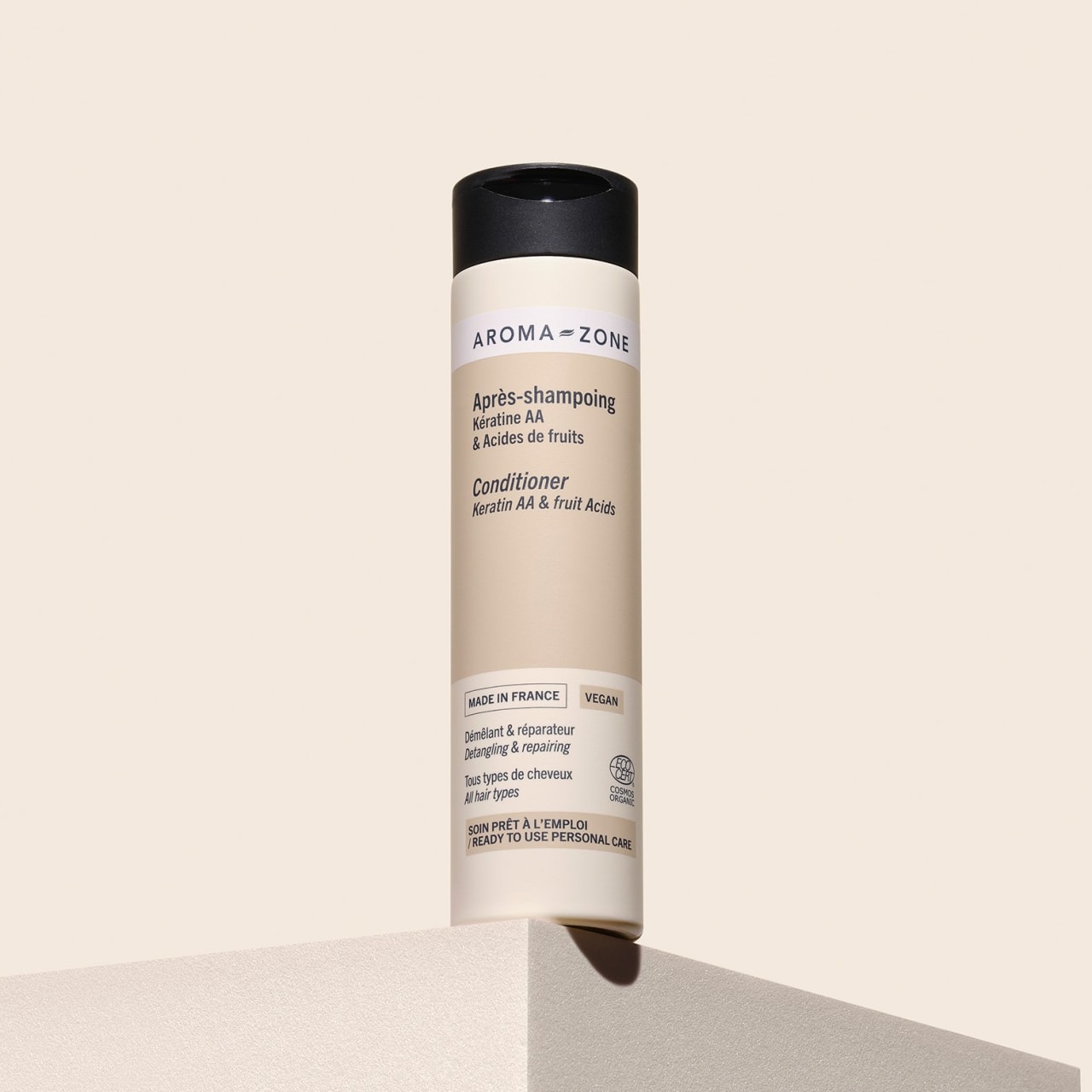
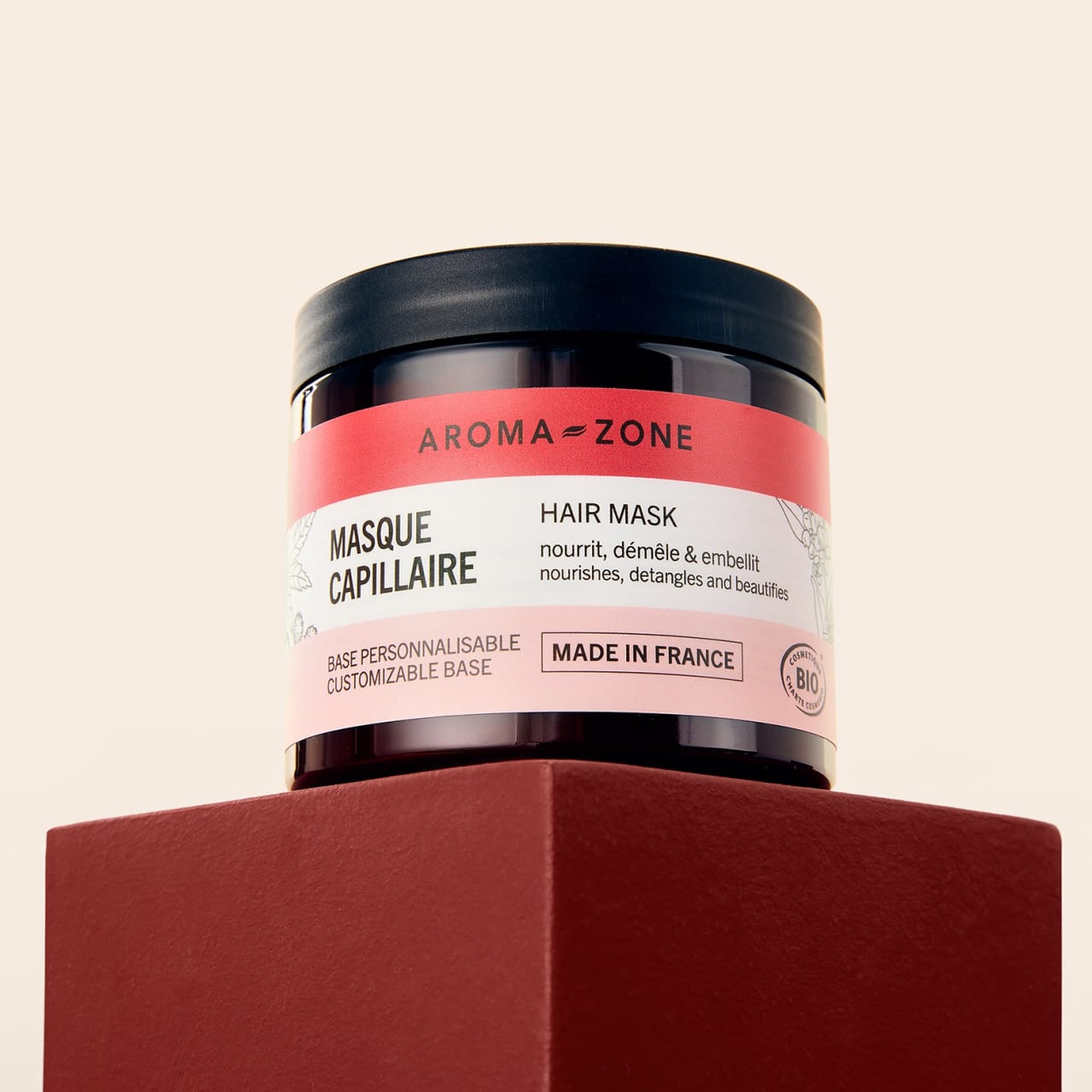
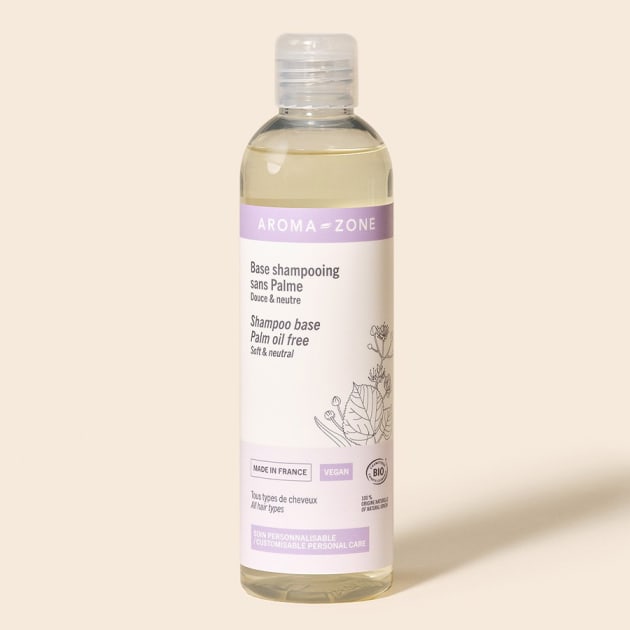
Daily care plays a fundamental role in maintaining healthy hair. A routine tailored to your hair type is essential. Opt for gentle, moisturising and nourishing products, avoiding harsh sulphates which can cause damage. The choice of shampoo and conditioner is crucial to maintaining your hair's moisture balance. Include nourishing hair masks in your weekly routine to deeply restore your hair's vitality. Finally, don't forget the importance of gentle brushing to prevent breakage.

Top active ingredients and natural extracts to protect hair from split ends and breakage

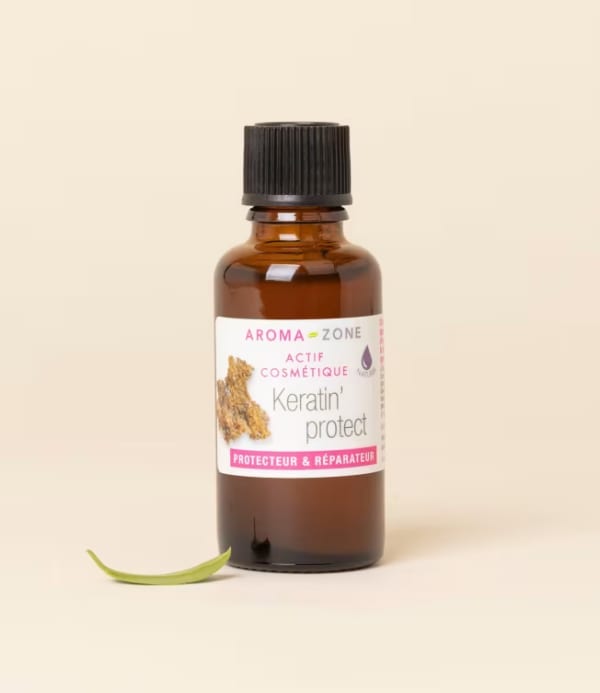
Active ingredient - Keratin'protect

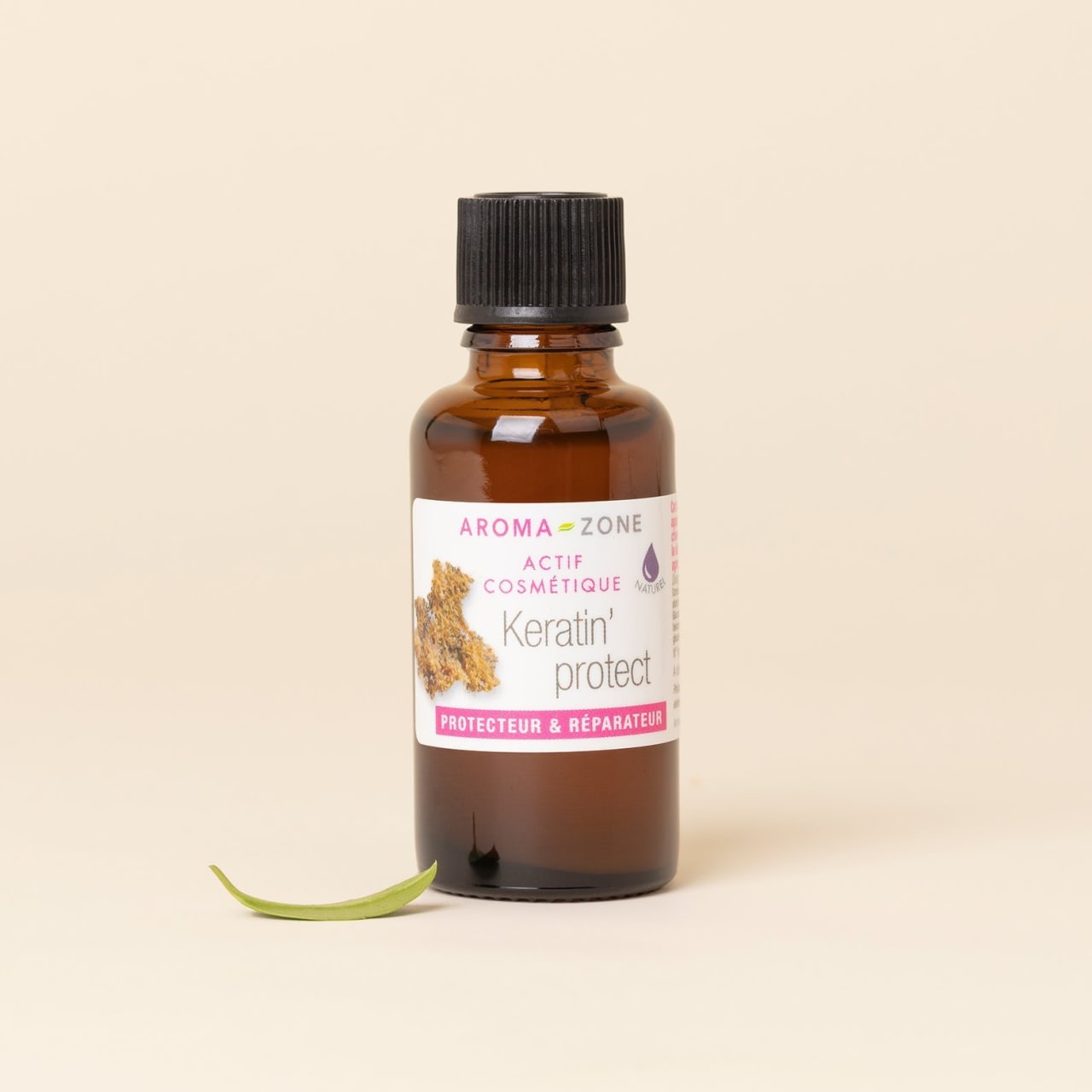
A heat-protectant, Keratin'protect is the ideal ingredient for protecting hair from the heat of straightening irons and hairdryers. Restructuring, it improves the structure of the proteins contained in the hair's cortex and restores shine to split and damaged hair.

Discover Active ingredient - Keratin'protect

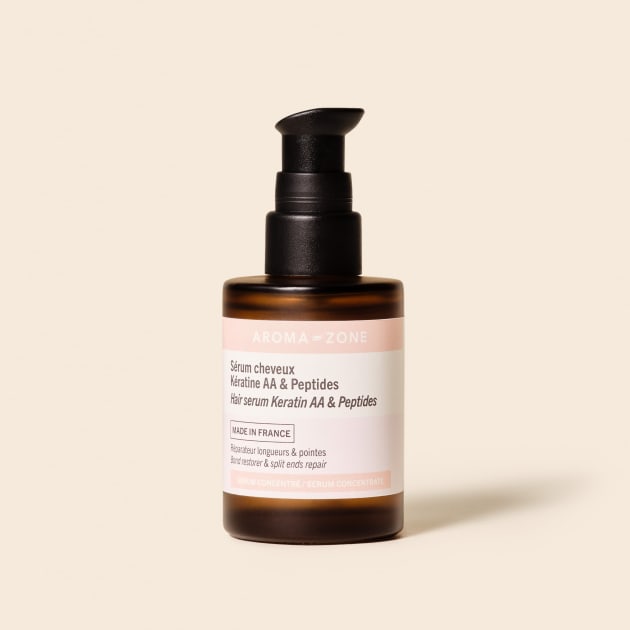
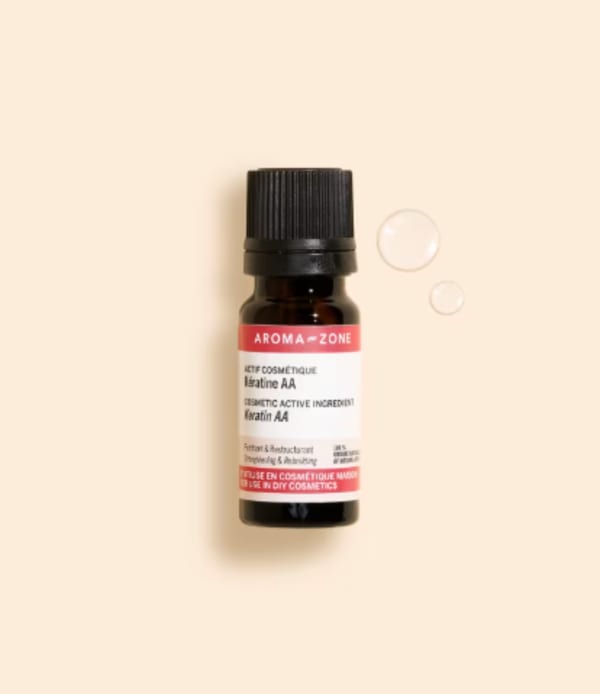
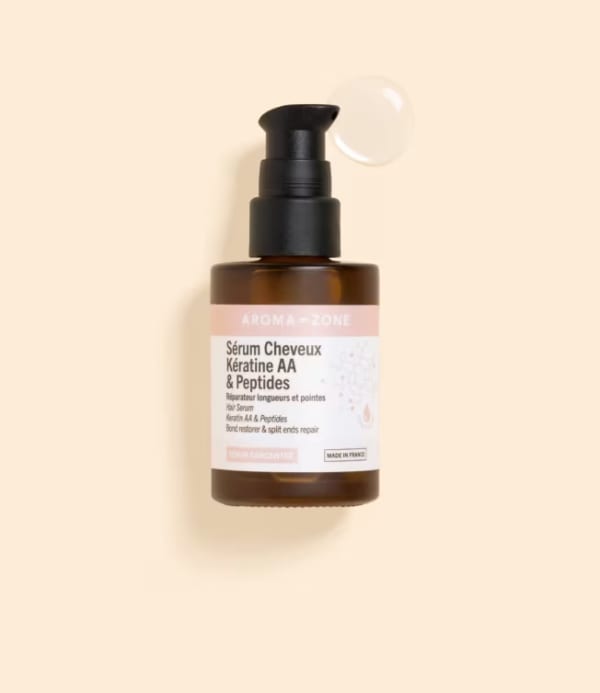
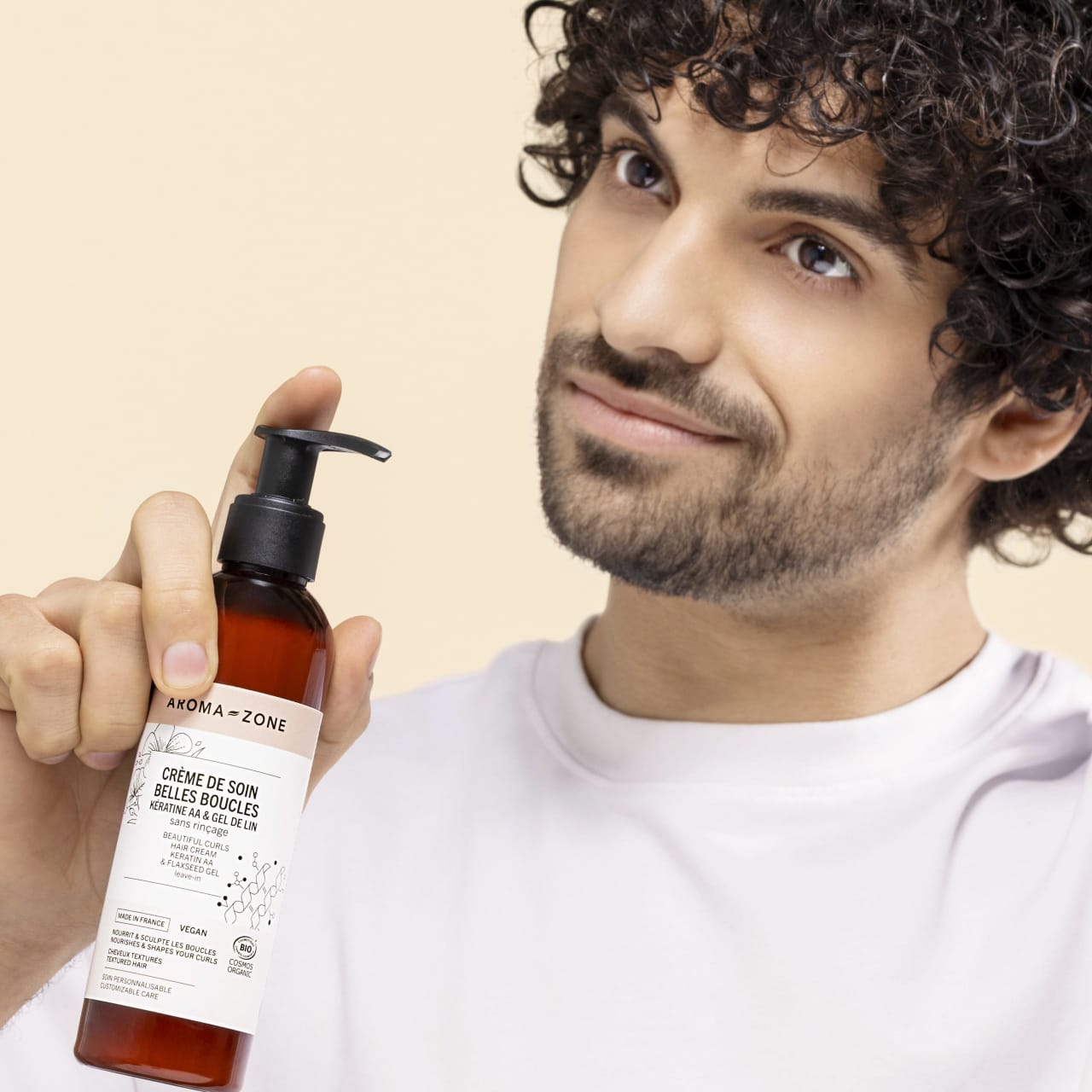
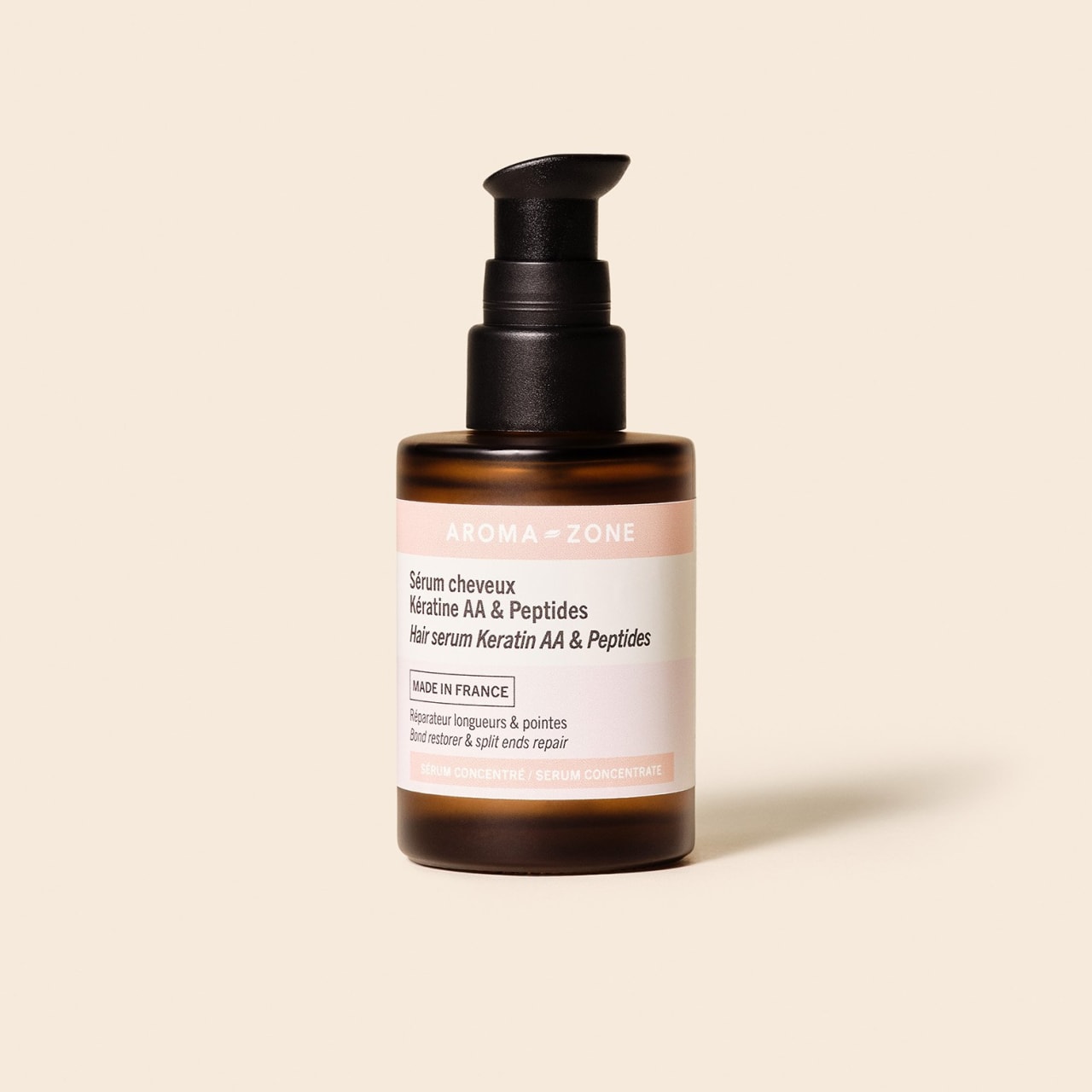
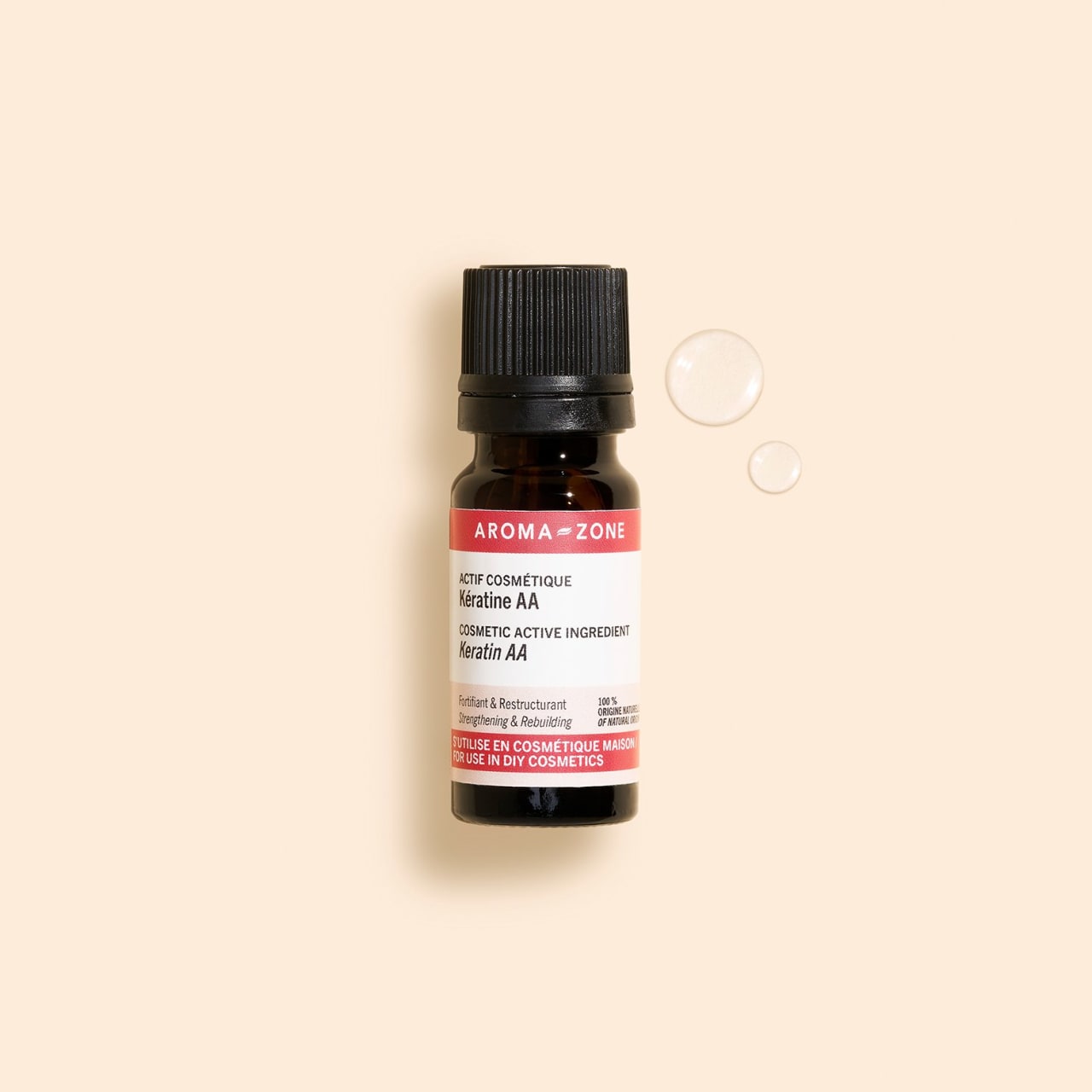
Keratin AA cosmetic active ingredient Ideal for damaged hair, the Keratin AA active helps restructure and strengthen the hair fibre, boosts hydration, and enhances hair shine.100% natural origin and vegan, it is composed of amino acids derived from biofermentation that replicate the amino acid profile of natural keratin. This proven-effective active ingredient can be used as an ingredient in your DIY hair care formulations.

Discover the Keratin AA cosmetic active ingredient

Common mistakes to avoid when repairing damaged hair

Repairing damaged hair requires a delicate approach and there are certain common mistakes to avoid:

  • Excessive use of aggressive chemical products such as bleaches or straightening treatments can lead to further damage. Reduce the use of these techniques for a while and, if possible, postpone your next appointment for colouring, straightening, etc. This will allow the hair to benefit as much as possible from the treatments and absorb them properly.

  • Favour gentler plant-based colours that respect the health of your hair and scalp.

  • Also avoid styles that are too tight, which can exert excessive pressure on the hair, causing breakage.

  • Frequent use of heated appliances, such as straightening irons or hairdryers, can dry out hair, making it more susceptible to damage. Instead, opt for gentle, natural styling methods, hair-friendly styling products or use a heat-protective spray before drying.

  • Prefer cold drying, or even air drying.

  • Protect your hair before, during and after exposure to the sun or swimming during the summer to avoid porosity (sprays, oils, masks).

  • In addition, maintain a balanced diet rich in essential nutrients to promote the health of your hair from the inside out.

By avoiding these common mistakes, you'll maximise your chances of successfully repairing damaged hair.

Find out more