
Split ends are damaged hair that splits at the ends. Split ends are a sign of weakened hair, lacking moisture or nutrition. Split ends are sometimes referred to as "rat tails" or "straw effect" because the hair is visibly damaged, giving the impression that it is in need of maintenance.
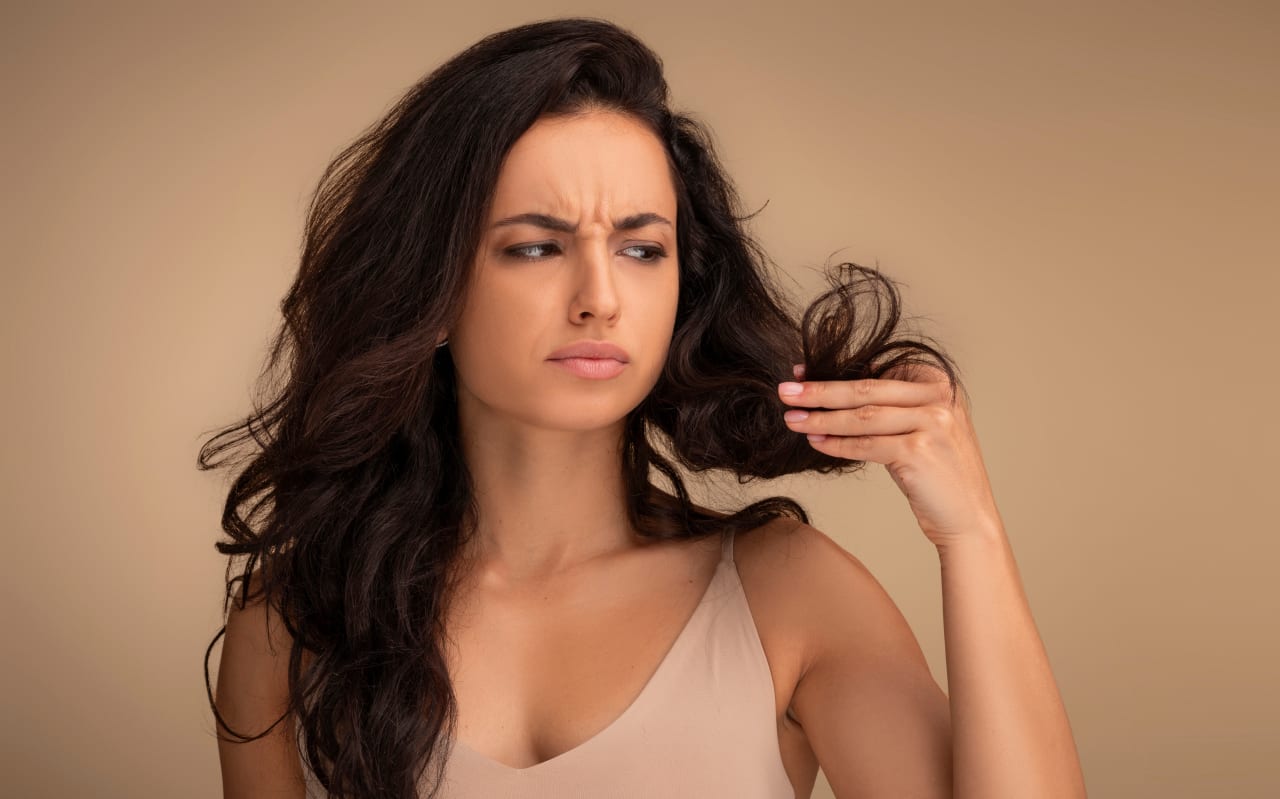
Our natural solutions to combat split ends
By The Aroma-Zone editorial team
Published on: Tuesday, September 26, 2023, Updated on: Wednesday, September 30, 2026
Our hair, a mirror of our health and a reflection of our personality, is exposed to external aggression on a daily basis. What's more, our haircare routines can also damage our hair. The result? Damaged ends, breakage and separation, giving way to the dreaded split ends. But rest assured, nature has a wealth of solutions for gently restoring strength and shine to your hair. In this article you won't find any magical, chemical 'anti-split end' products, but instead you'll discover our natural, effective tips for saying goodbye to split ends and getting your hair back to shining and healthy.
Contents
Related products
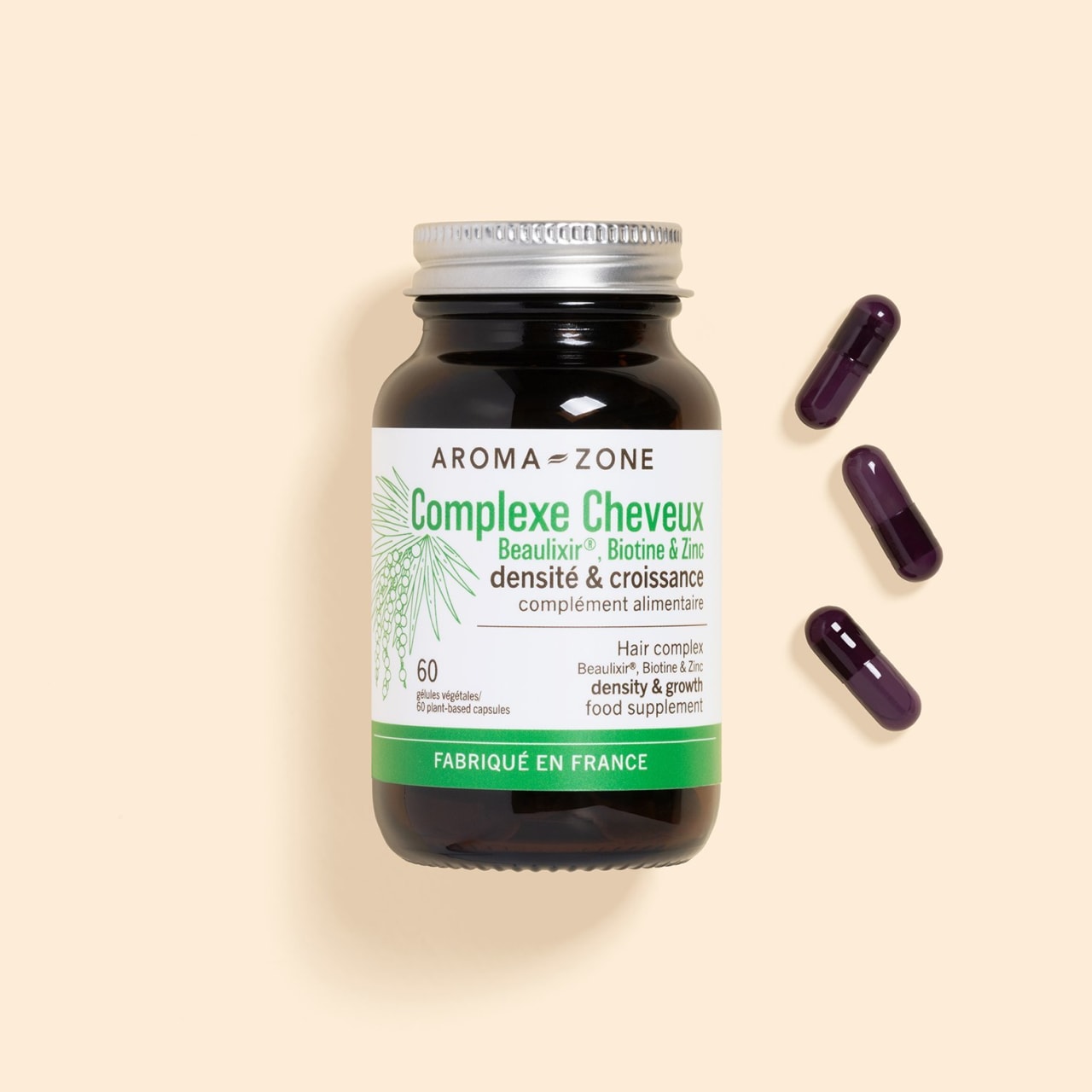
Hair Complex - 60 Capsules
Anti-hair loss
£18.00
33.5 g
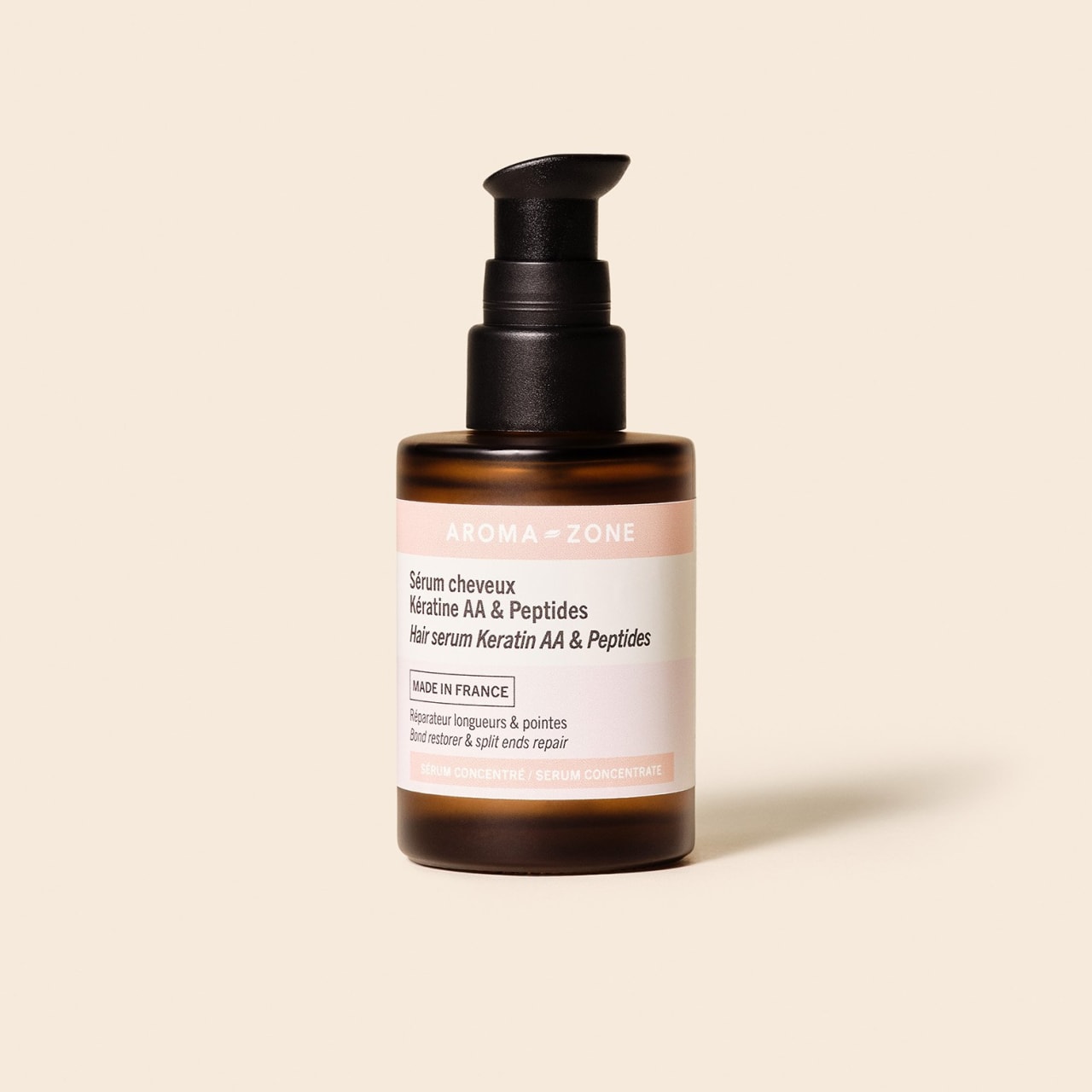
Keratin AA, Peptides & Hyaluronic Acid Hair Serum
Hair strengthening
£12.50
50 ml
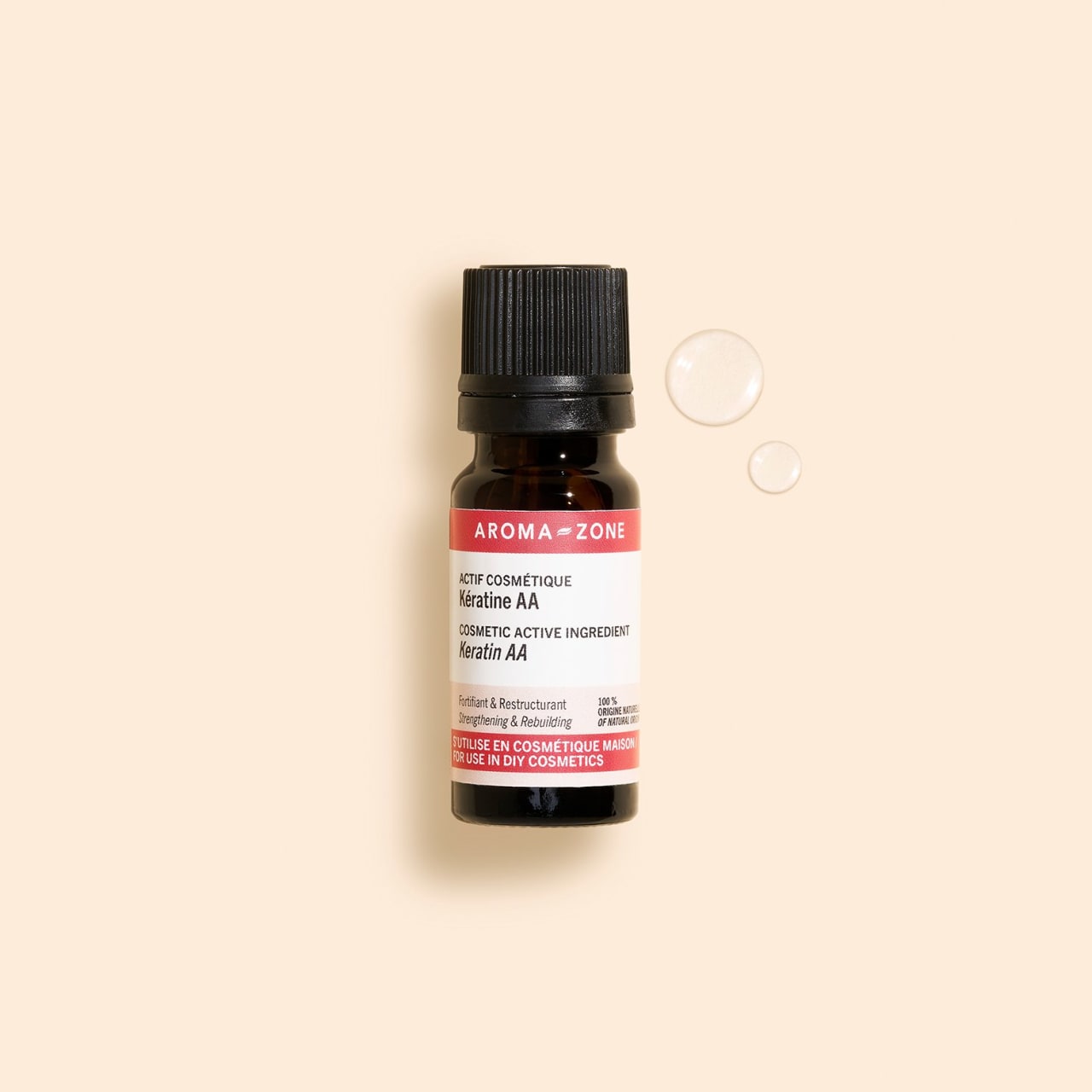
Keratin AA Active Ingredient
Moisturising
Hair strengthening
£5.00
10 ml
£20.00
1 article
Hair Protection Active Ingredient
Hair strengthening
Protective
£4.00
30 ml
Keratin AA & Fruit Acids Detangling and Repairing Conditioner
Repairing
Detangling
£9.00
200 ml
Neutral Hair Mask
Nourishing
Hair conditioner
£12.50
500 ml
What are split ends?
What causes split ends? Why do I have split ends?
Split ends are the result of a number of factors which, over the long term, cause serious damage to the hair. There are external factors, such as pollution, the use of heating appliances or the sun, and internal factors such as deficiencies or dehydration.
External factors
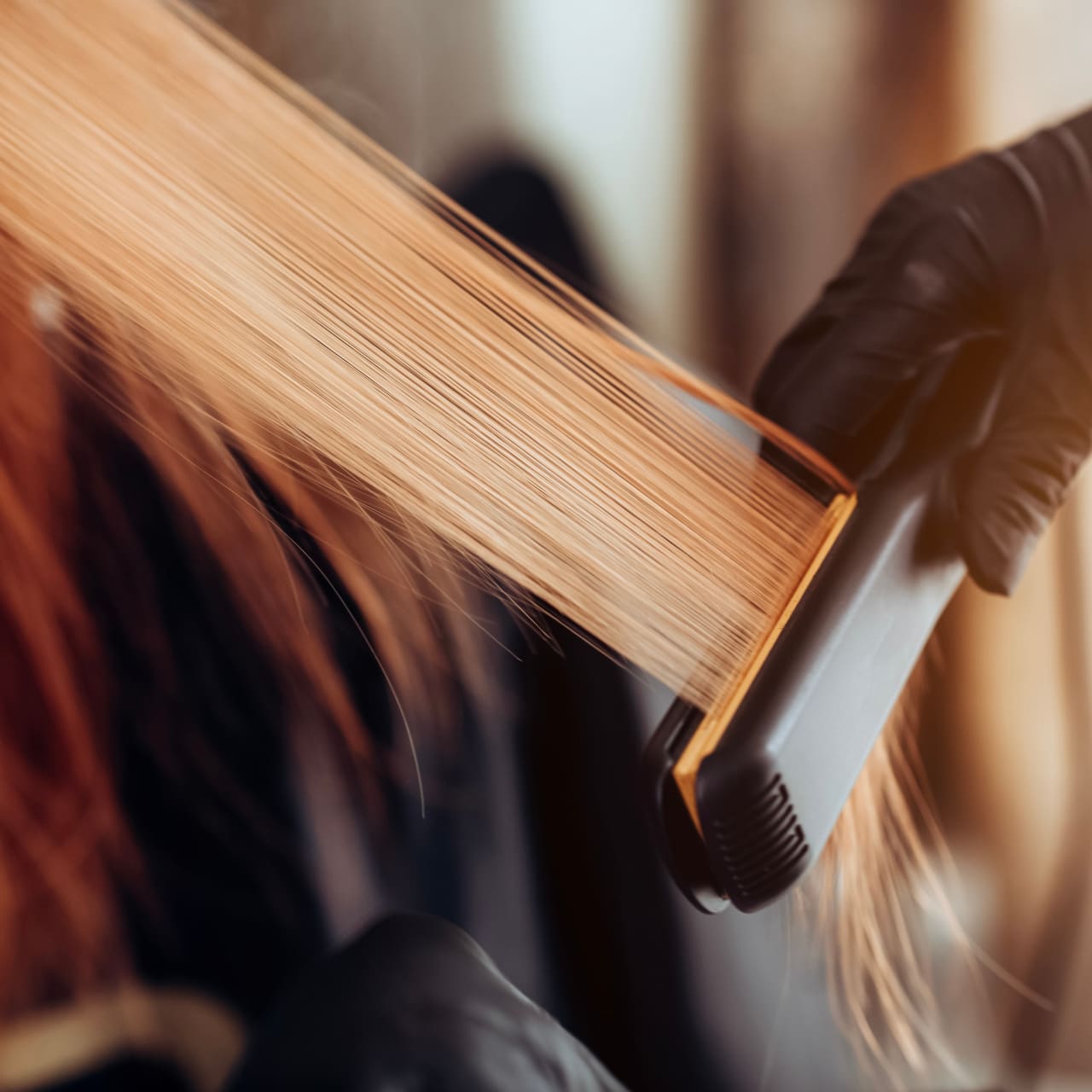
Excessive use of heated appliances. Frequent use of a hairdryer, straightening iron, curling iron or other heated tools can alter the protein structure of the hair, making it more susceptible to breakage and split ends. If you find it difficult to do without heated appliances for your daily hair styling, we recommend using a Thermo-protective spray before blow-drying your hair.
Chemical dyes, colouring, bleaching and other chemical treatments can weaken the hair fibre, making it more porous and brittle. This increased porosity makes it easier for split ends to emerge. So why not try henna-based plant-based hair dye? This natural alternative is ideal for minimising the impact of colour on your hair.
Prolonged or daily exposure to the sun. Like the skin, hair is sensitive to UV rays. Prolonged exposure without protection can damage the hair, drying it out and causing split ends. That's why, in the event of prolonged exposure to the sun, we strongly advise you to use a protective oil to limit the harmful effects of the sun's rays on your hair.
There are many other external factors, such as pollution, sea water, chlorine or rubbing your hair (on your pillow, on your clothes, etc.), which can also lead to dry, brittle hair and, of course, split ends.
Internal factors
Nutritional deficiencies not only have an impact on your health, but also on the health of your hair. In fact, hair generally reflects the general health of the body. An unbalanced diet, lacking in essential vitamins and minerals (such as iron, zinc, vitamin E and omega-3 fatty acids), can affect the quality and strength of your hair.
Insufficient water intake (or even dehydration) affects the whole body, including the hair. Dehydrated hair becomes dry, brittle and more prone to split ends. For optimum hydration, it's advisable to drink 1.5 to 2 litres of water a day.
General state of health: Certain illnesses or hormonal imbalances can affect hair health. This is particularly true of PCOS and other hormonal pathologies. Similarly, stress, taking certain medications or certain heavy medical treatments can weaken hair and lead to the appearance of split ends and brittle ends.
In short, split ends are often the result of a combination of factors. It's essential to protect your hair from external aggressions while looking after your inner well-being to maintain healthy hair.
What's the difference between split ends and dry ends?
Split ends and dry ends are two distinct hair problems, although they can often co-exist and stem from similar causes. Here are the main differences between these two hair concerns:
Split ends
Hair is made up of several layers. On the outside, the cuticle is made up of keratin cells in the form of overlapping scales that protect the inner layers from external aggressors such as chemicals and UV rays. This layer maintains the hair's shine by reflecting light. Beneath the cuticle is the cortex, which makes up most of the hair fibre. Composed mainly of keratin, the cortex contains natural pigments that make it responsible for hair colour.
Split ends are caused by progressive wear and tear of the hair: the cuticle deteriorates and the cortex is exposed. It becomes brittle and eventually splits into several sections, creating split ends. To avoid split ends, it is essential to minimise the use of heated tools, chemical treatments, aggressive brushing and other mechanical aggressions.
Dry ends
Dry ends can be caused by factors similar to split ends, but particularly by a lack of moisture, excessive use of hair products containing alcohol, exposure to the sun, wind or salt water, or washing too often with aggressive shampoos. Dry ends are also caused by damage to the cuticle. When damaged, the cuticle becomes rough and hair can appear dry and dull.
To avoid damaging your hair too much when you wash it, we advise you to try and space out your shampoos as much as possible (every 3 days if possible) in order to re-establish your hair's normal cycle and return to a balanced sebum secretion.
What do split ends look like?
Split ends are a visible separation of the strands. The tip of the hair splits into two or more distinct parts, often towards the end of the strand. The hair also looks dry, rough and porous. Loss of shine is another common symptom. Hair affected by split ends tends to lose its natural shine, leaving it dull. Split ends suffer frequent breakage, making them more fragile. Finally, split ends can make it more difficult to detangle the hair, leading to tangles and frizz.
Traditional split ends: The hair fibre divides into two equal parts at the tip.
Feathered split ends: Several fan-shaped divisions appear.
Tree split ends: The hair separates into several sections.
Fishbone split ends: Several segments of the wick tear apart, creating an appearance resembling a fishbone.
"Y" split ends: The tip of the hair splits into two equal branches, forming a "Y".
Knotted split ends: A small knot forms on the hair strand, often present in very curly or curly hair.
Tapered split ends: Looks like a fine, translucent hair tip, resembling the flame of a candle.
What steps should be taken?
For split ends: the most direct solution is often to cut off the damaged ends. Once split ends have appeared, it is difficult to completely 'repair' the hair, although certain products can improve its appearance. Hyaluronic acid-based treatments in particular can rehydrate the ends to improve their appearance.
As a general rule, we advise you to 'refresh' your ends by cutting them every 2/3 months to prevent split ends from spreading further up your lengths. When cutting your hair, we recommend that you use appropriate scissors that are specifically designed for cutting hair. Don't try to cut your hair with ordinary scissors, as they're not suitable and could cause more damage than anything else. Of course, you can also choose to go straight to a professional hairdresser.
For dry ends: moisturising is key. Moisturising hair masks, oils, milks and serums can help restore lost moisture, leaving hair supple and shiny.
It's important to note that both conditions can be a sign of unhealthy or abused hair. The right haircare routine, which minimises damage and maximises moisture and nutrition, can help prevent both split ends and dry ends.
What natural solutions are there for split ends?
Plant oils
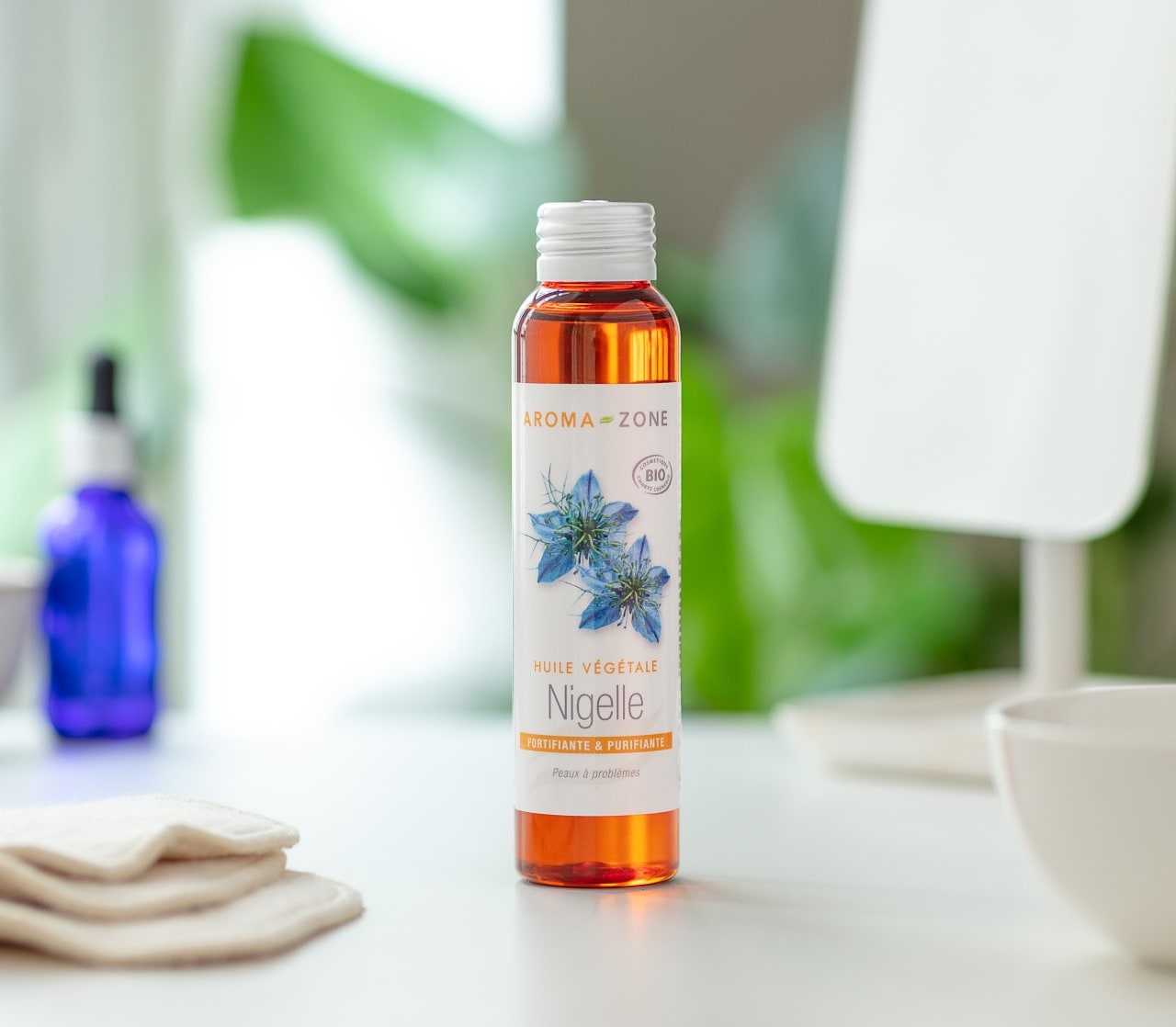
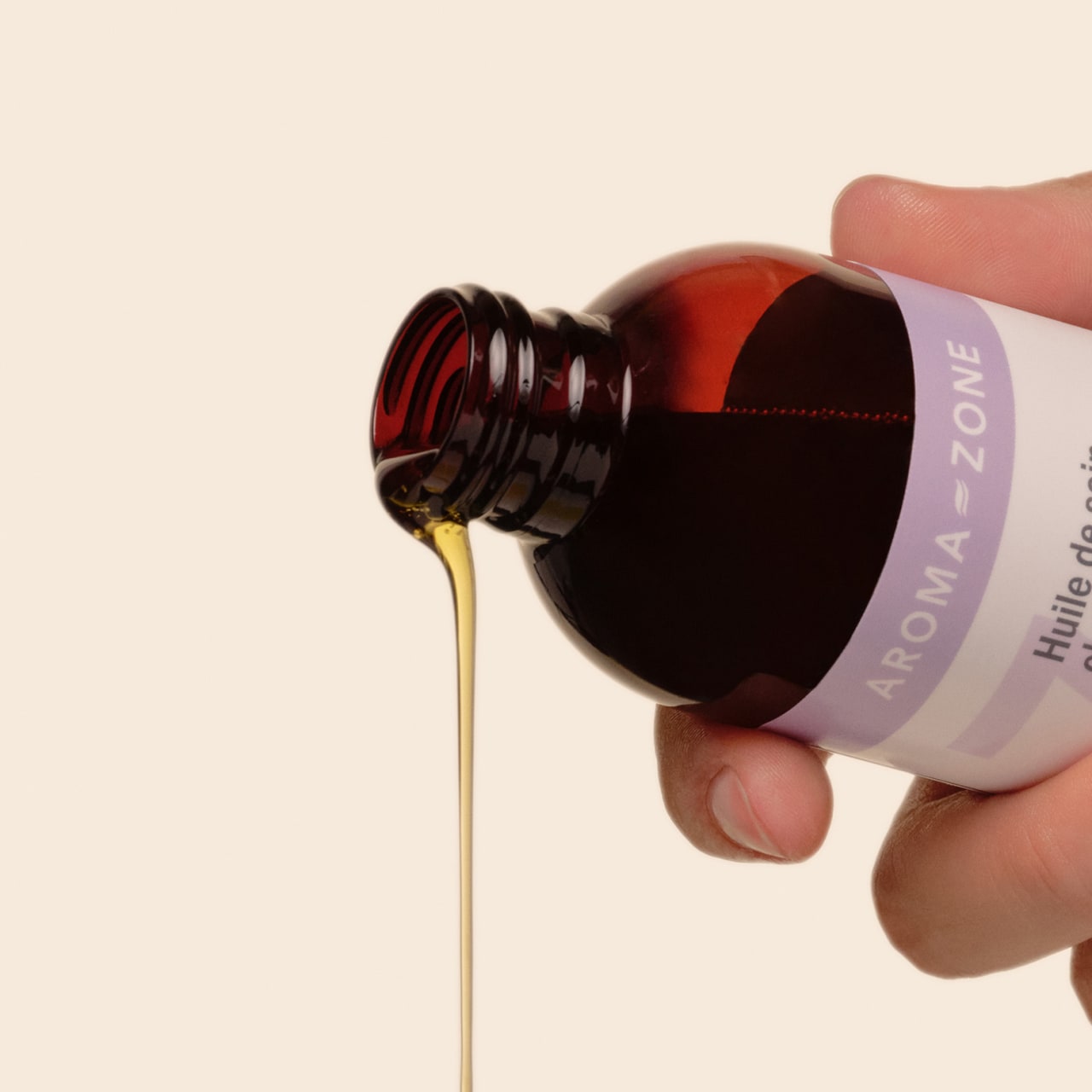
Use oils with nourishing properties to apply before washing in an oil bath for maximum hydration. You can also opt for our combination of haircare oils for a complete treatment.
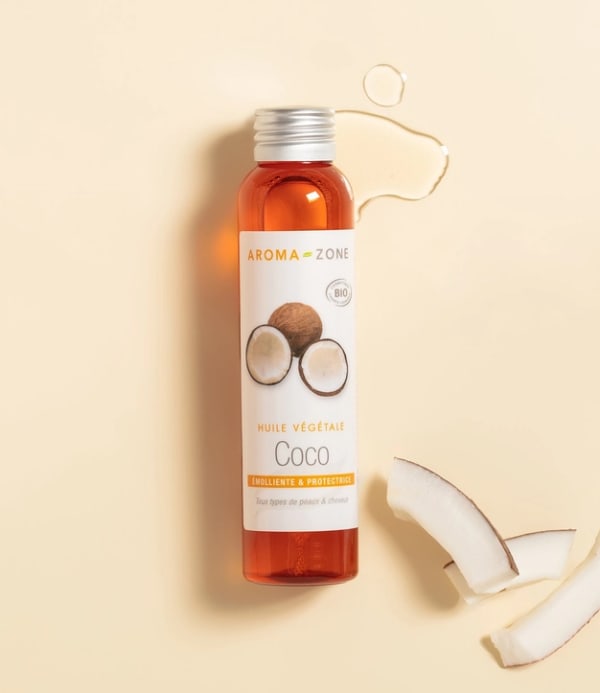
Coconut oil
Appreciated for its protective, softening and nourishing properties. It gives shine and strength to hair.
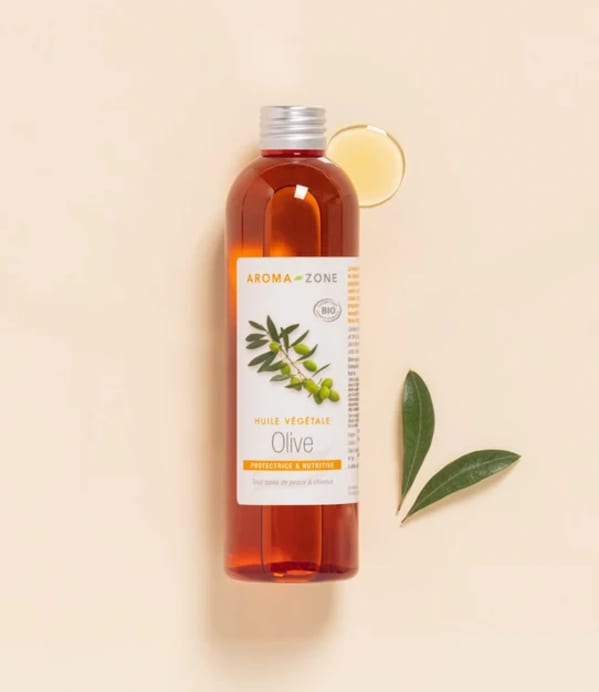
Olive oil
ORGANIC Olive oil is renowned for its nourishing properties, adding shine to hair while strengthening damaged and weakened ends.
Repair treatments
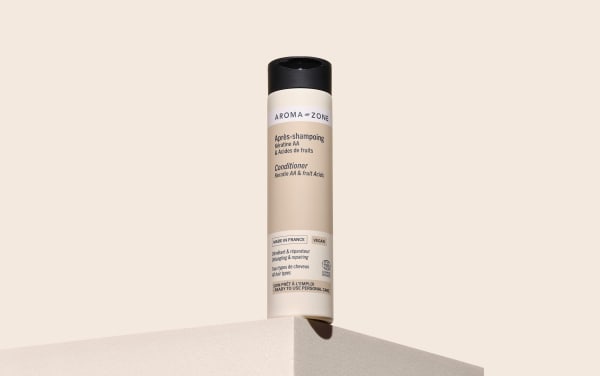
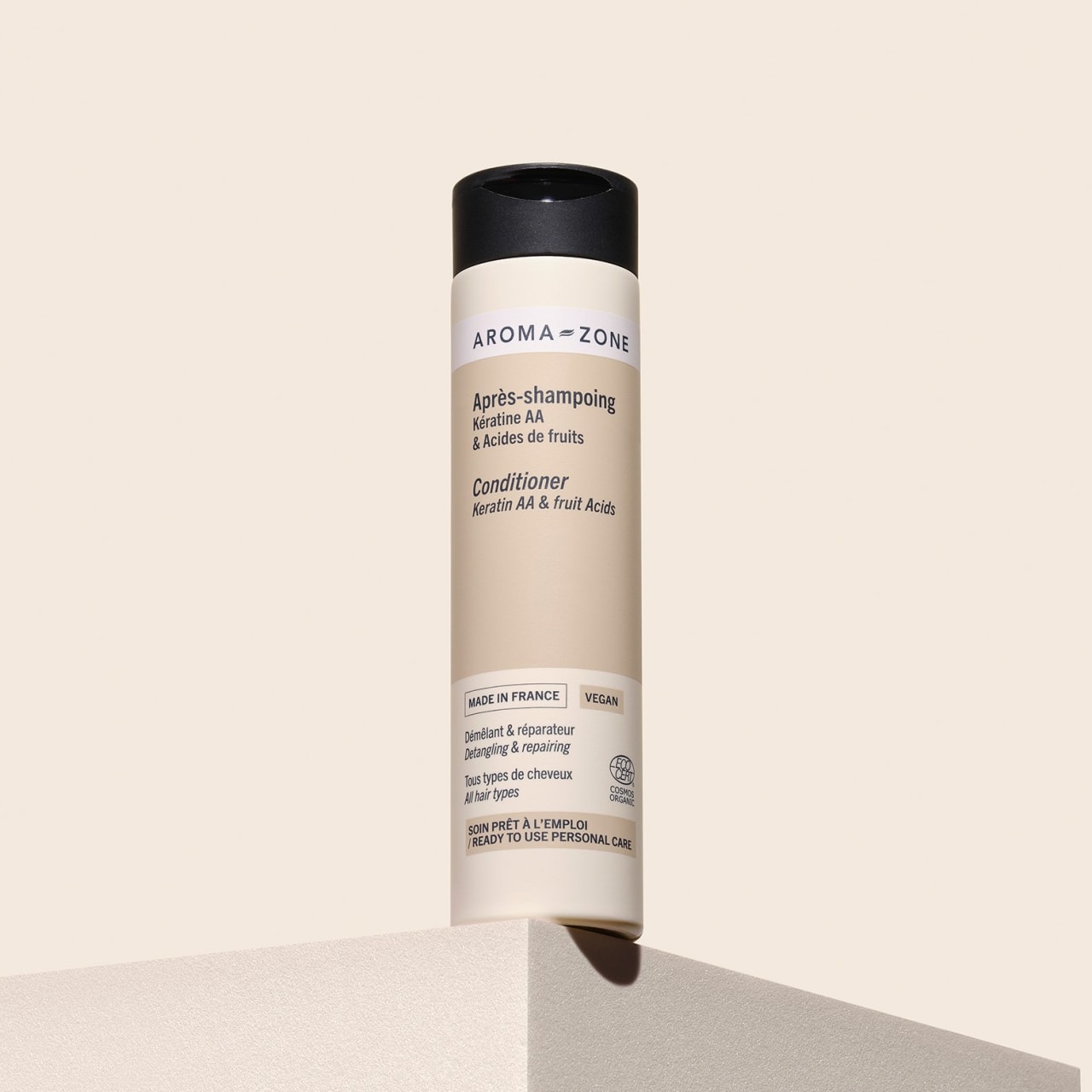
Detangling and Repairing Conditioner
Designed for damaged hair, this certified organic detangling conditioner repairs, strengthens and reduces breakage by 94 per cent from the very first use. Free from sulphates and silicones, its innovative complex of keratin and fruit acids works both inside and outside the hair fibre to leave your hair visibly stronger and more beautiful.
Food supplements
In addition to a balanced diet, you can choose to use food supplements rich in nutrients, amino acids and vitamins that are essential for healthy hair.
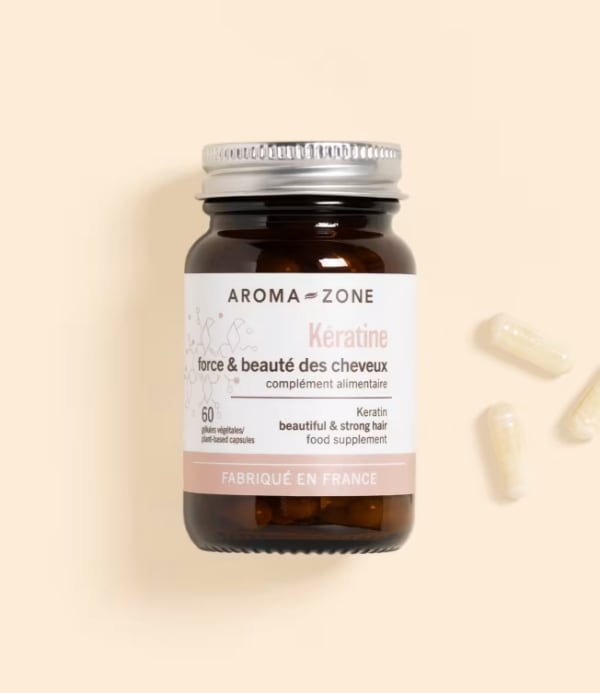
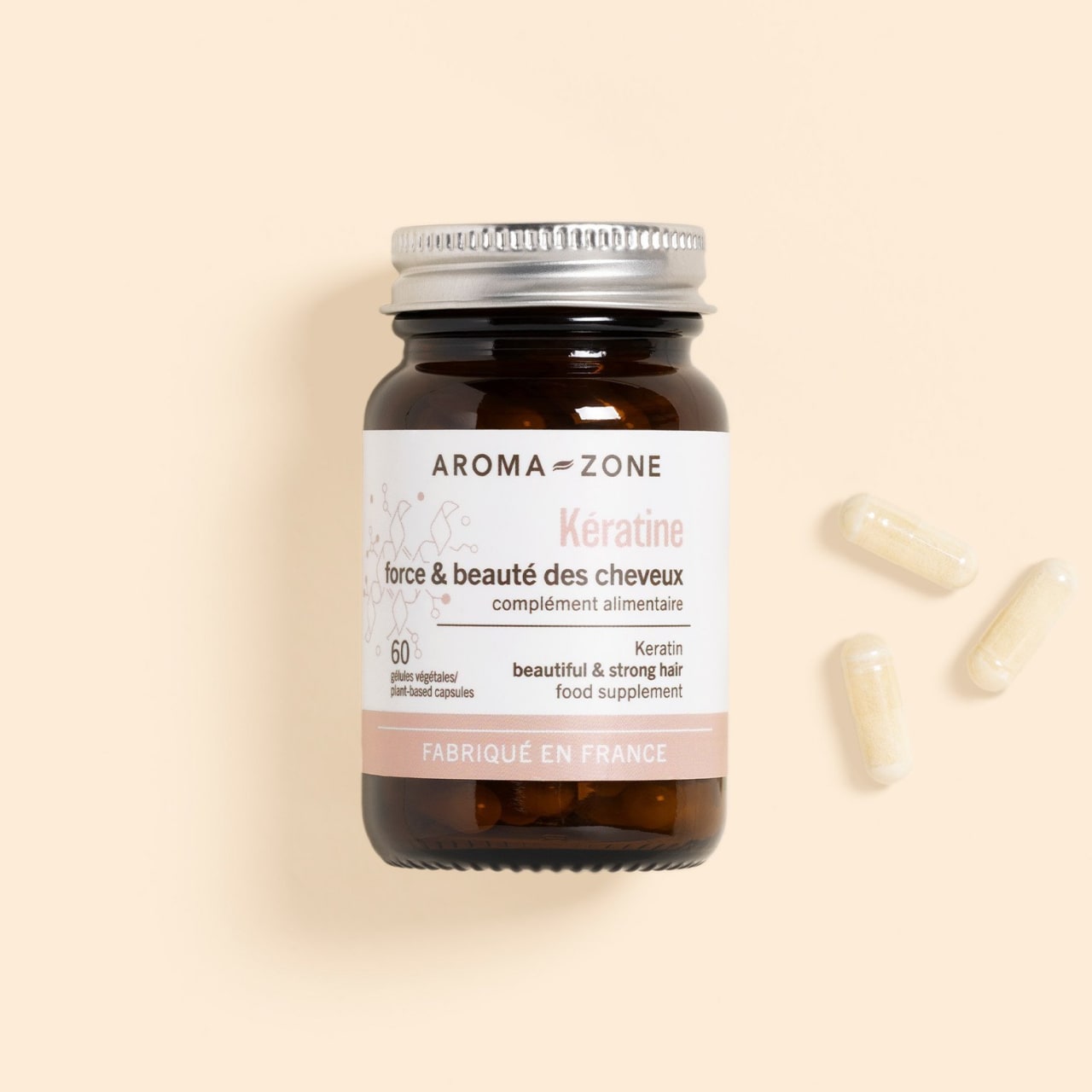
Keratin - Food supplement
These capsules contain HNS® Cynatine, a patented grade of hydrolysed keratin.
It has been clinically proven to improve hair resistance, strength and shine, as well as hair quality and reduce daily hair loss associated with styling.
Protective care
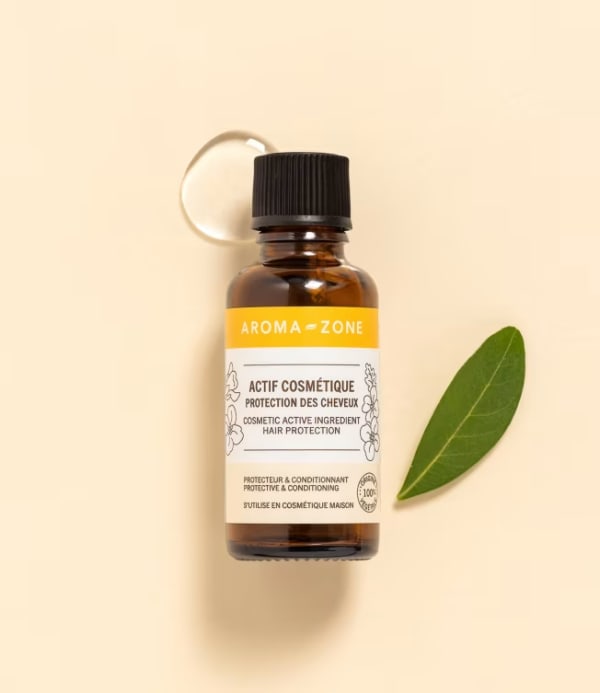
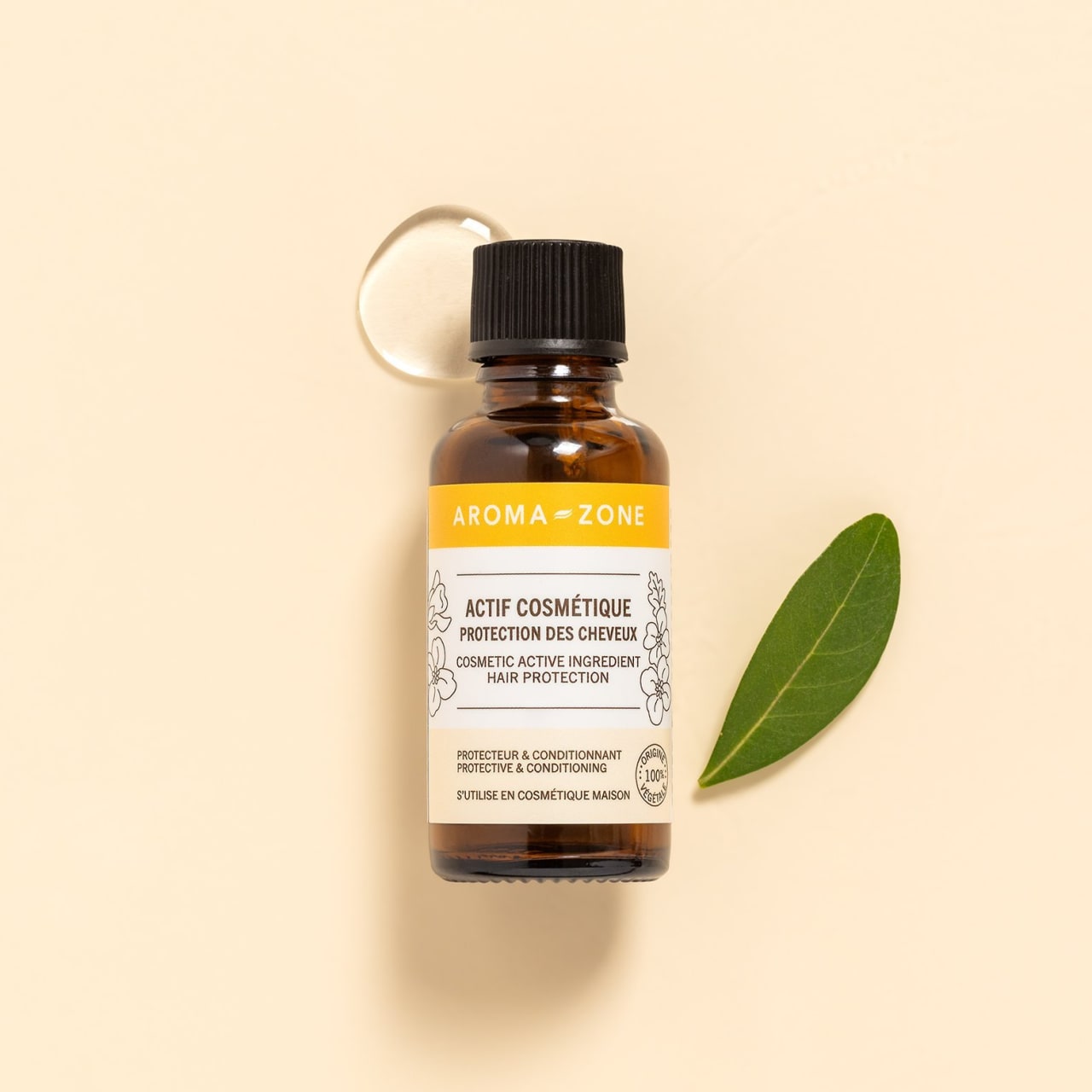
Active ingredient - Hair Protection
This 100% natural oily hair active ingredient is easy to incorporate into hair oils, oil baths or protective hair masks.
It effectively protects your hair from external aggressions such as the sun, sea water and heat. Rich in conditioning phytosterols, it coats the hair fibre and restores softness and shine to damaged hair.
What hair routine should I follow to prevent split ends?
To preserve your lengths, you need to adopt the right hair routine to prevent split ends, strengthen hair and maintain moisture.
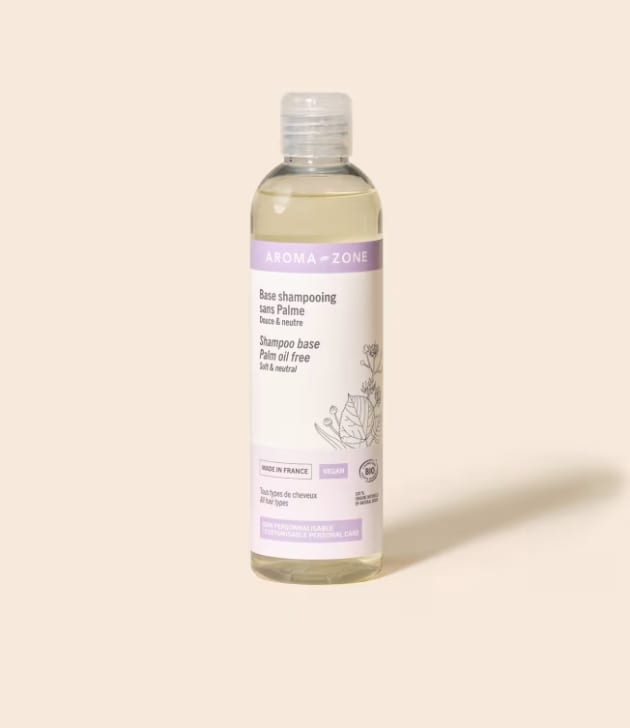
Step 1 – Cleanse the hair
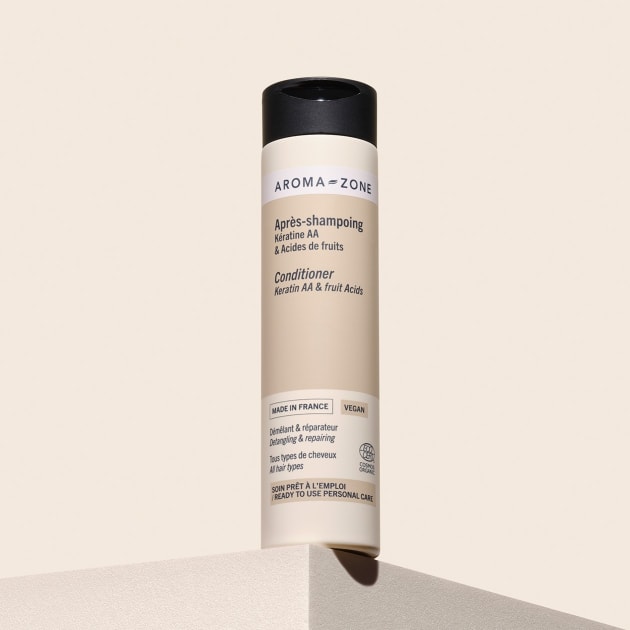
Step 2 – Detangle & Repair Hair Lengths
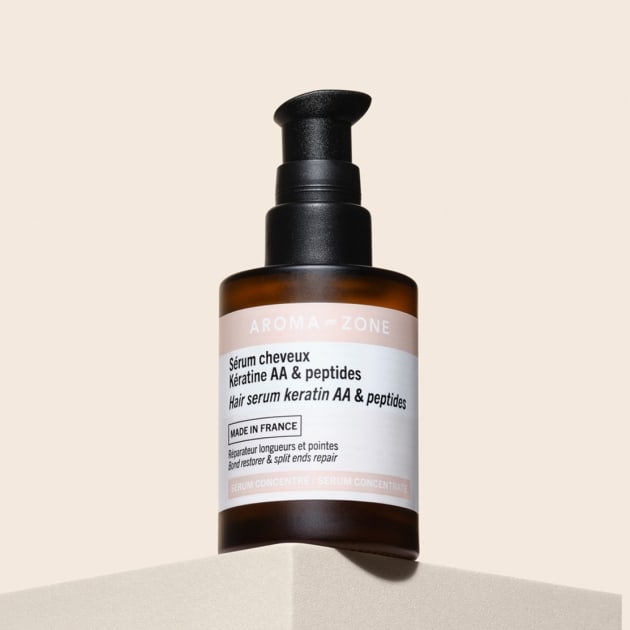
Step 3 – Repair & Strengthen the Hair Fibre
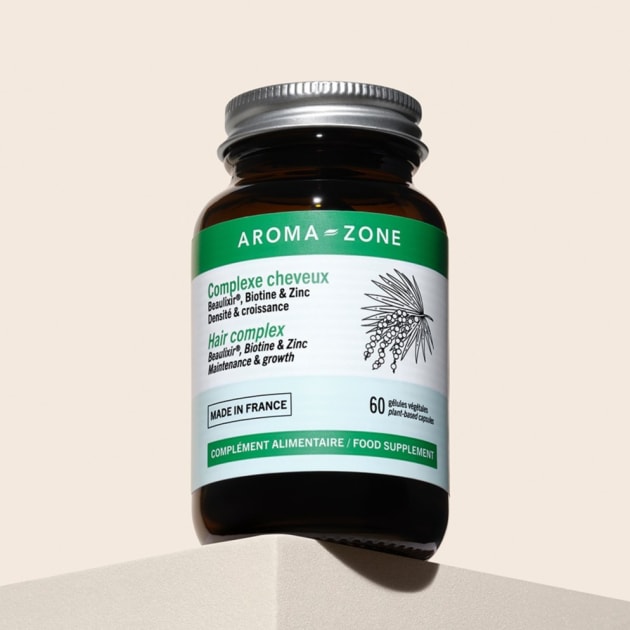
Step 4 – Nourish Hair from Within
Precautions for this food supplement: Not a substitute for a varied and balanced diet and a healthy lifestyle. Do not exceed the recommended daily dose. For adults only. Keep out of reach of children. Not recommended for women who are pregnant or breastfeeding, or who have a personal or family history of breast cancer. Should be used in addition to a regular intake of fruit and vegetables to maintain carotenoid levels. Seek advice from your doctor or pharmacist. Take at a different time from any medication (at least 60 minutes apart). Do not take if you are currently on anticoagulant treatment. Avoid consuming more than 3 grams of added plant sterols/stanols per day. Patients undergoing cholesterol-lowering treatment should only take this product under medical supervision.
To find out more, check out our complete anti-breakage routine.
How can split ends be prevented?
Limit the use of heating appliances: The use of heating appliances, although practical, is often a major cause of hair damage. If you can't avoid using them, we recommend applying a heat protector to your hair beforehand. However, there are plenty of natural heat-free alternatives for styling your hair, such as braiding for creating waves.
Limit chemical treatments: balayage, colouring or bleaching can be particularly aggressive. As far as possible, we advise you to space out these treatments and opt for natural products.
Gentle brushing techniques: Brushing may seem like an everyday task, but it's a time when hair is vulnerable, especially if it's wet. We recommend using a soft bristle brush or wide-tooth comb and brushing your hair carefully to avoid breakage. Be sure to brush your hair before washing. This initial dry detangling helps to limit the use of a brush on wet hair, when it is most vulnerable and most prone to breakage. To detangle your hair gently, we recommend that you start at the ends using small downward strokes and work your way up towards the roots as you detangle.
Protect hair from external aggressors: The environment can also play a role in the health of your hair, with external aggressors being one of the most common causes of split ends. If you spend a lot of time outdoors, the sun, wind and other elements can damage your hair. We recommend protecting your hair with a hat or scarf or using a protective spray to minimise these risks.
Bibliography
L'Oréal Research & Innovation.
"Hair Surface Properties and Split Ends: Insights into Hair Fiber Damage." Journal of Cosmetic Science, vol. 66, no. 3, 2015, pp. 173-185.
Gummer, C. L., and C. L. Gummer.
"Mechanisms of Hair Damage and How to Prevent It." International Journal of Trichology, vol. 10, no. 5, 2018, pp. 190-199.
Frequently Asked Questions
Associated tips
Hair care tips

Hair care tips

Hair care tips
Hair care tips


