
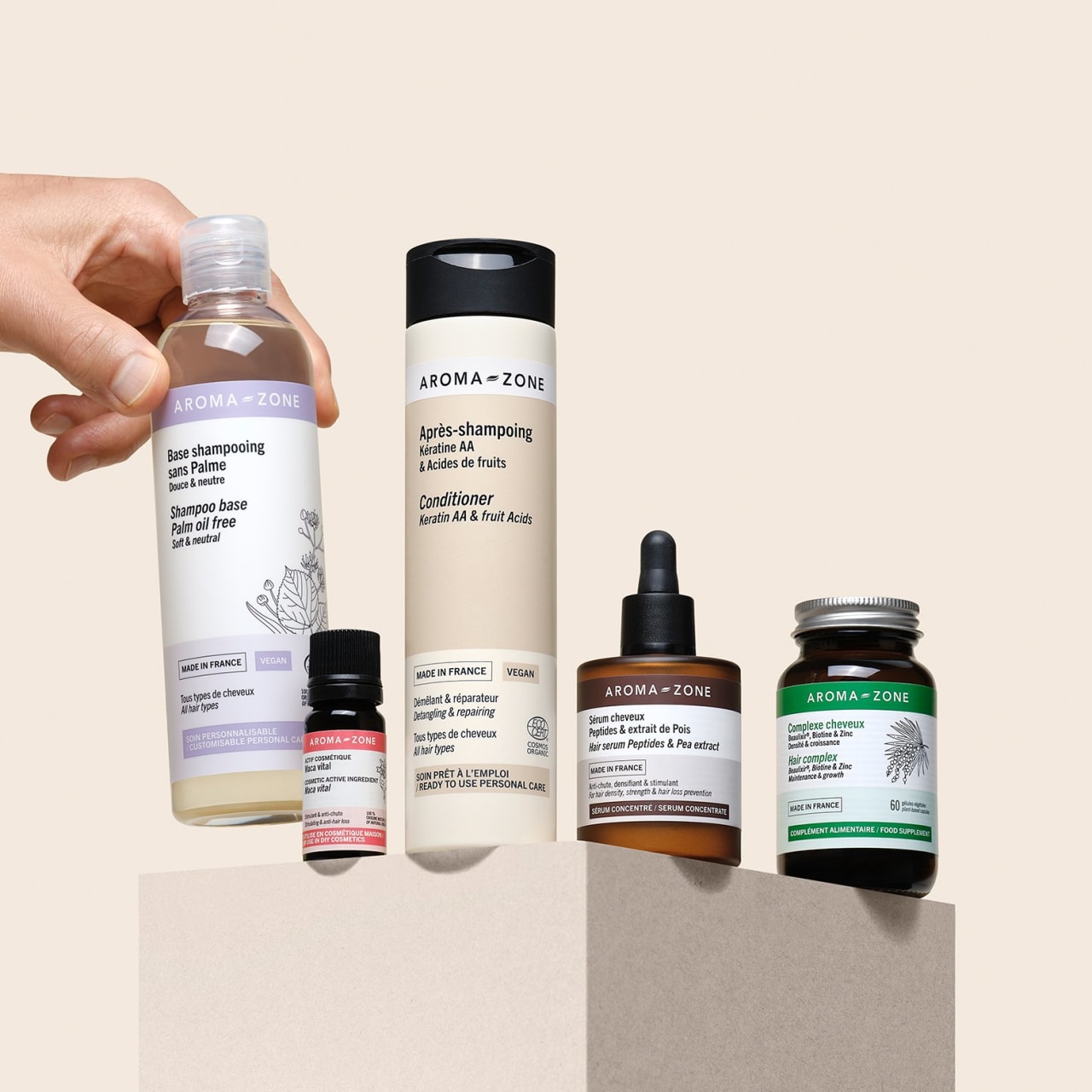
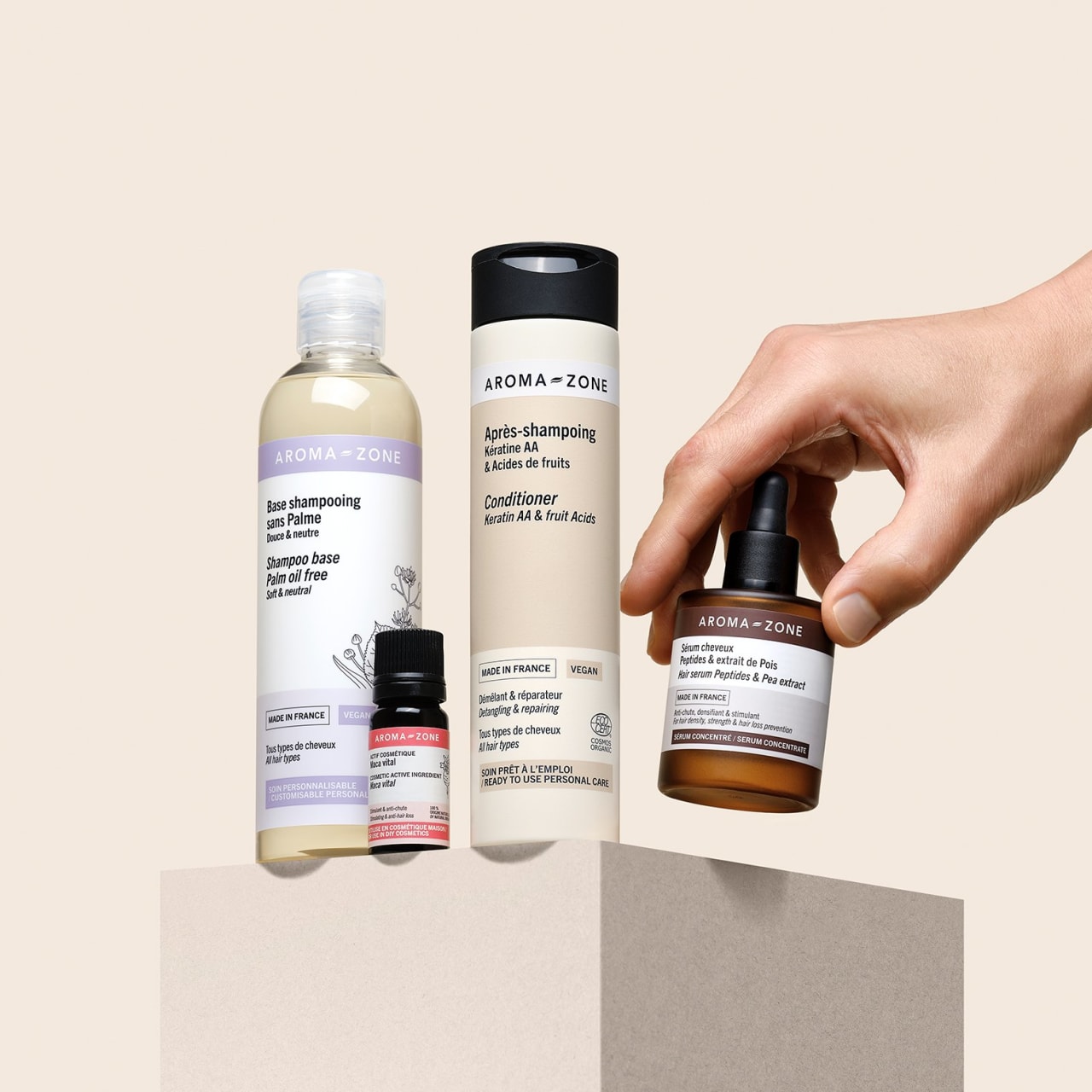

If your hairbrush suddenly feels fuller than usual around September or October (or again in spring), you're not imagining it, and you're not alone.
Seasonal hair loss is genuinely common, well understood, and, in the vast majority of cases, temporary.
Hair shedding: Why does it happen?
First things first, there's nothing unusual going on. It's essential to know that hair grows in cycles:
a long growth phase (2-3 years),
a short resting phase,
then a shedding phase where hair falls out to make way for new growth.
As the seasons shift, particularly heading into autumn, changes in daylight affect hormone levels (melatonin especially), which can nudge more hairs into that shedding phase at once.
Seasonal hair loss and lack of vitamin D
This is worth flagging for anyone in northern countries, from around late October to early March, the sun simply isn't strong enough here for the body to make vitamin D from sunlight at all, whatever the weather looks like outside.
In the UK, the NHS stated that around one in five people are thought to run low on vitamin D by the end of winter.
Since it plays a role in the hair growth cycle, this seasonal dip can add to the shedding effect, alongside a summer's worth of sun, chlorine and salt exposure that tends to leave hair a little more fragile by the time autumn properly sets in.
How much is considered "normal seasonal hair loss"?
On an average day, losing 25-60 hairs is entirely normal. During a seasonal shed, that can temporarily rise to around 100 hairs a day, and this phase typically lasts around six to eight weeks before settling back down on its own.
Check Aroma-Zone's complete article: How much hair is lost each day?
A gentle ritual worth adding to your routine
Scalp massage has long been part of aromatherapy wellness rituals during periods of seasonal shedding.
A few essential oils have a particularly long-standing reputation in this space, always properly diluted in a carrier oil before use:
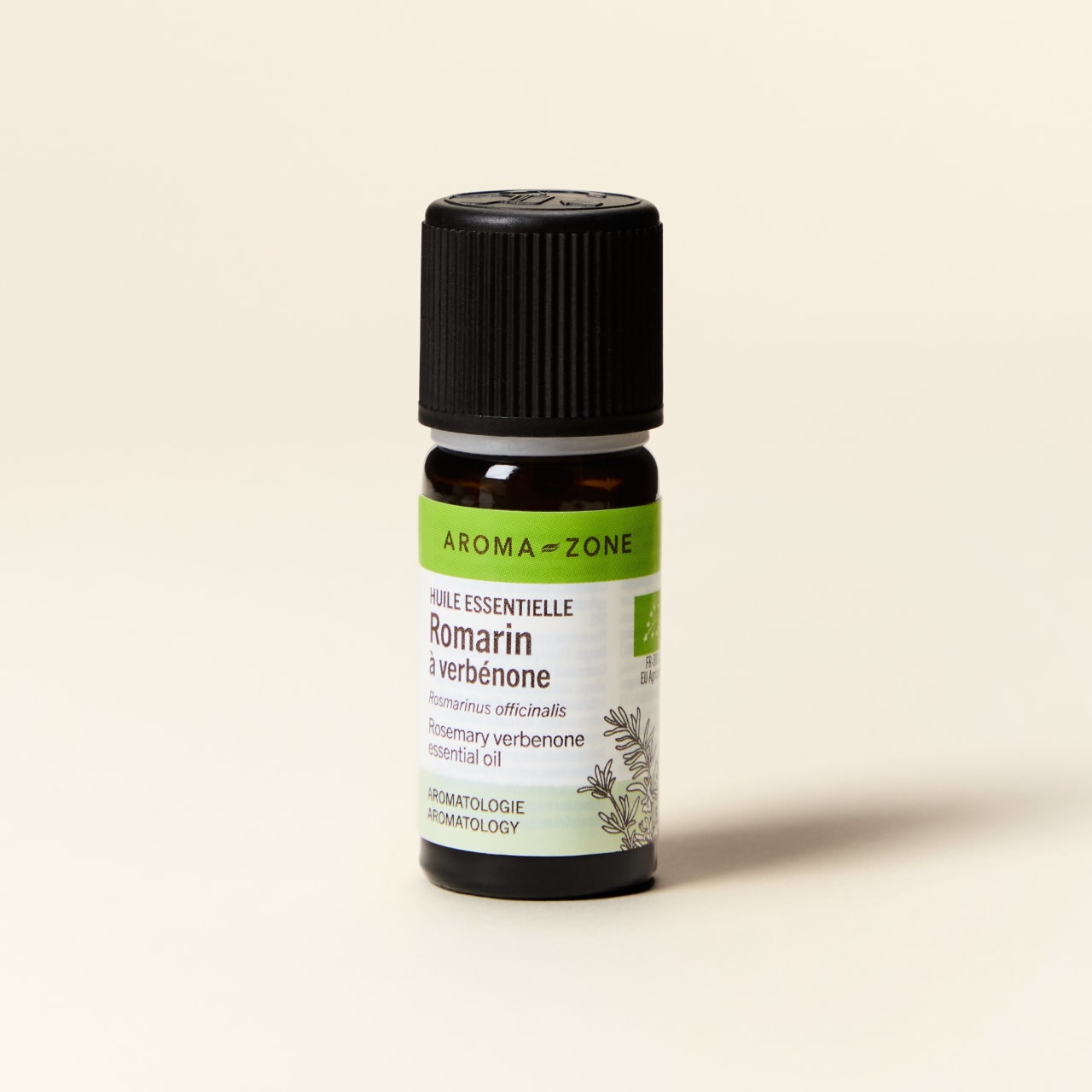
Rosemary Verbenone: traditionally used in hair care for its fortifying, revitalising reputation.
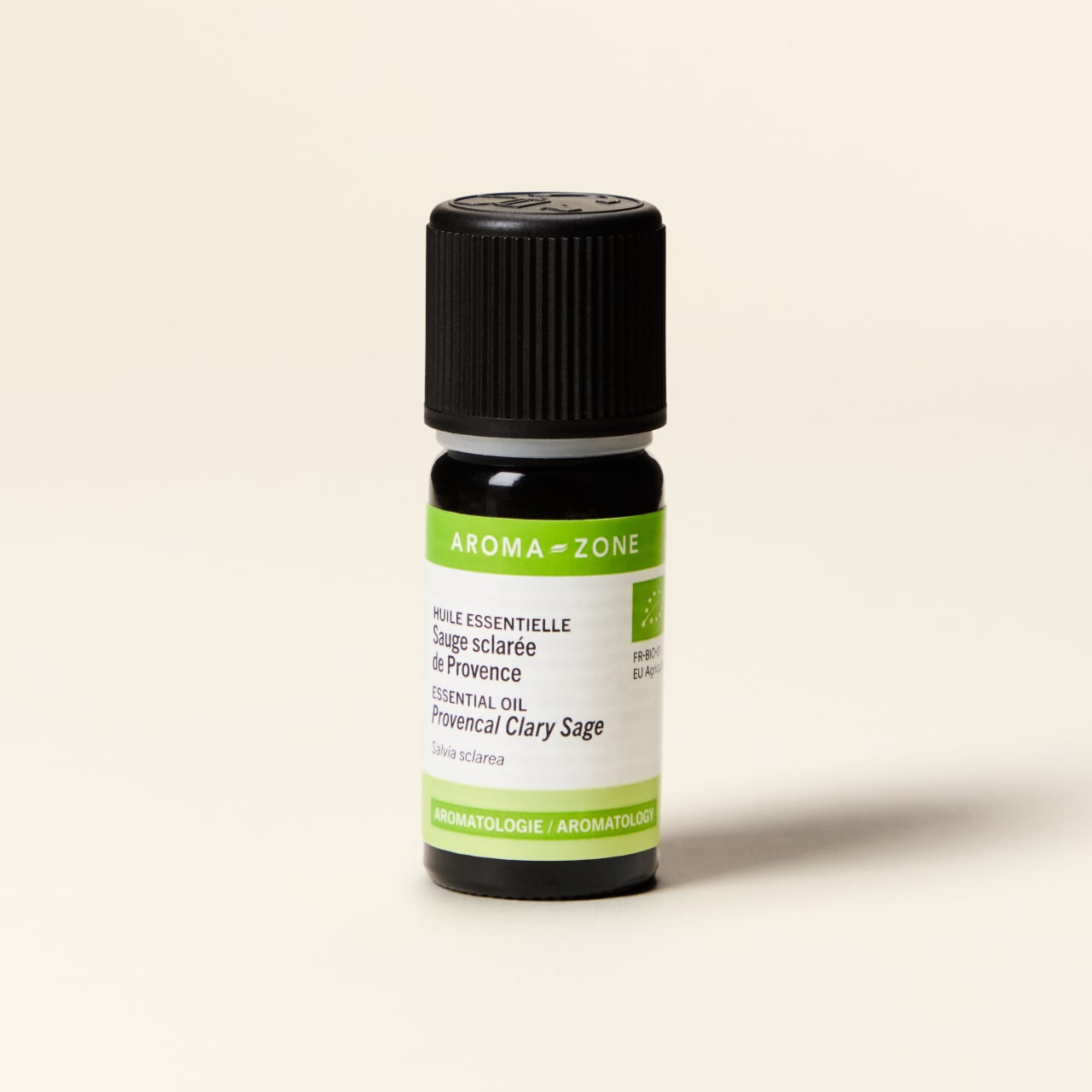
Clary Sage: known for its balancing reputation during periods of hormonal change.
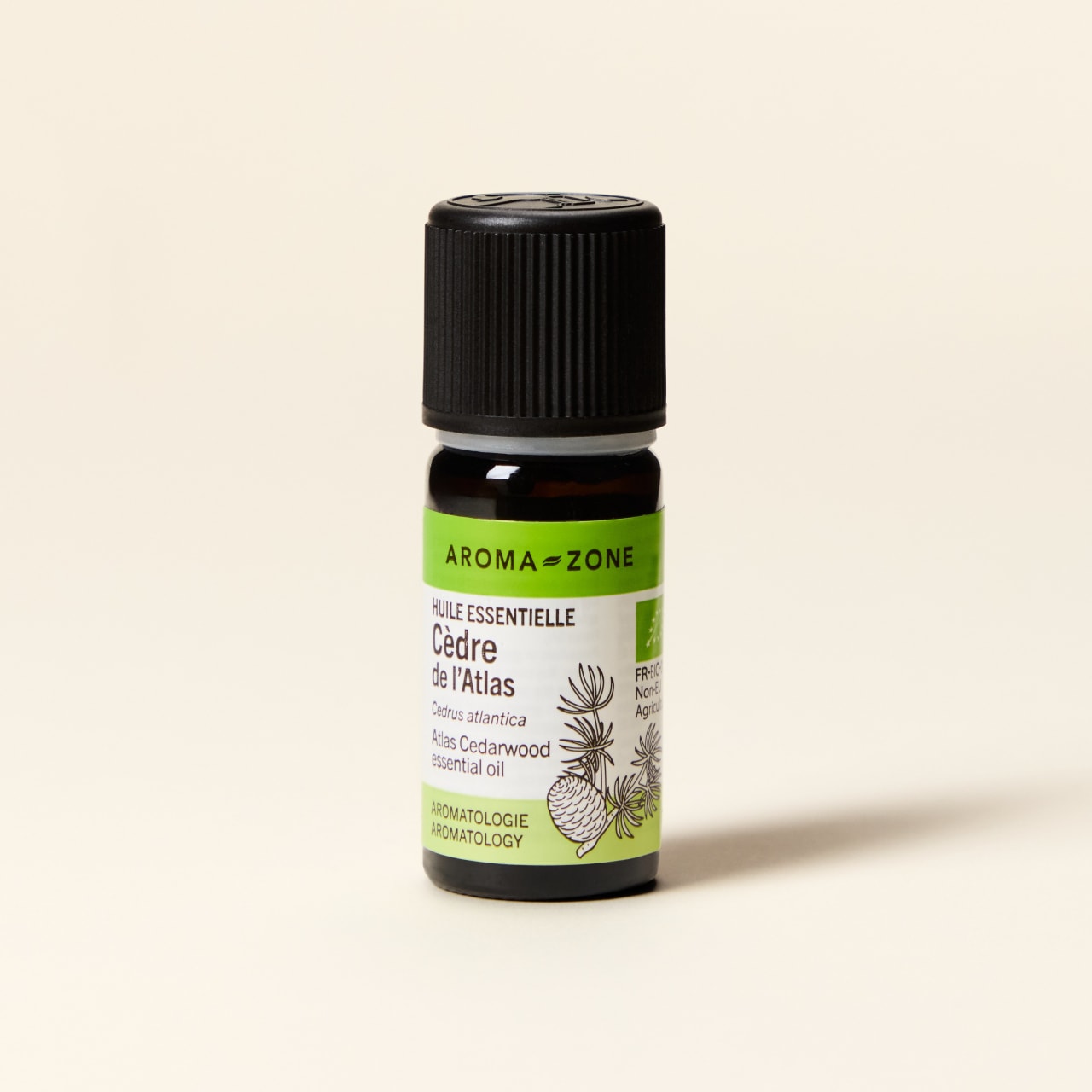
Atlas Cedarwood: traditionally associated with scalp massage rituals in aromatherapy.
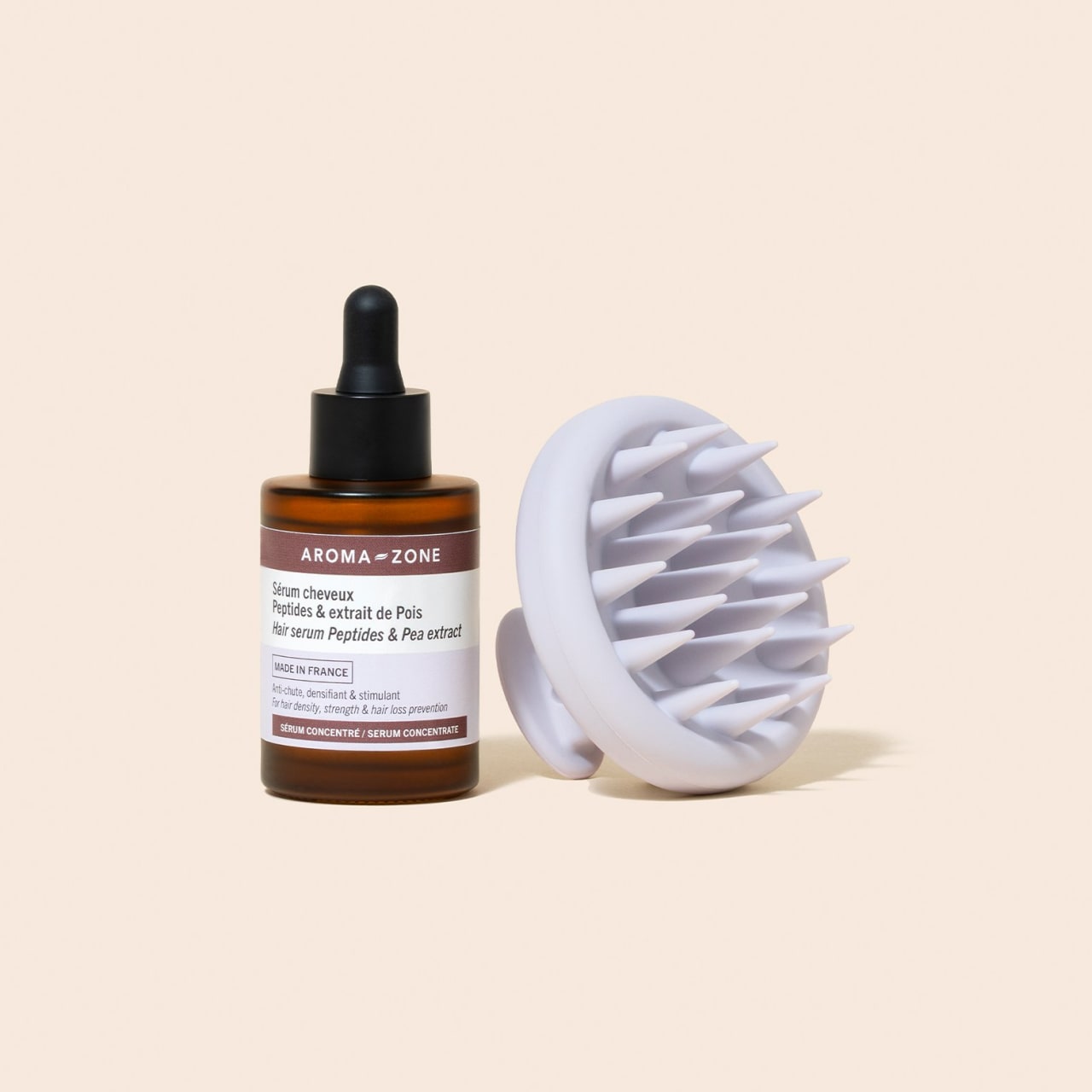
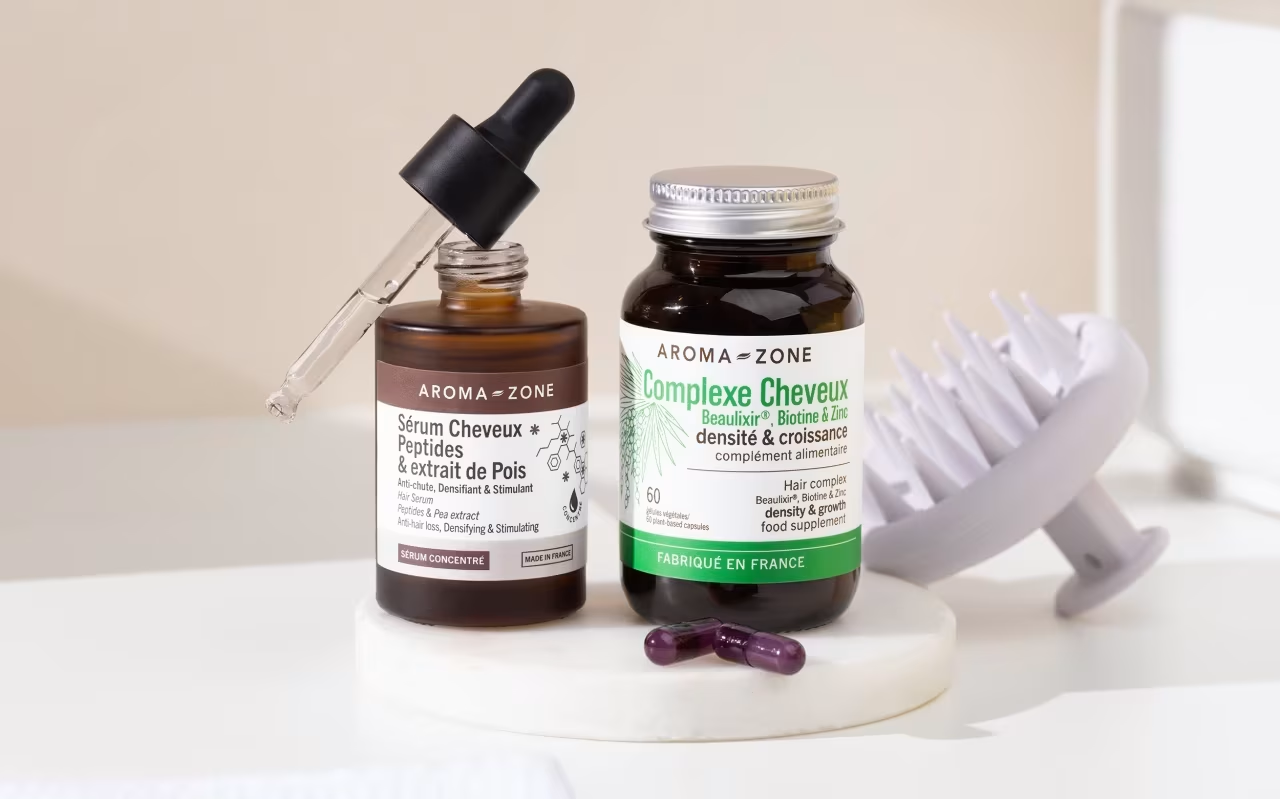
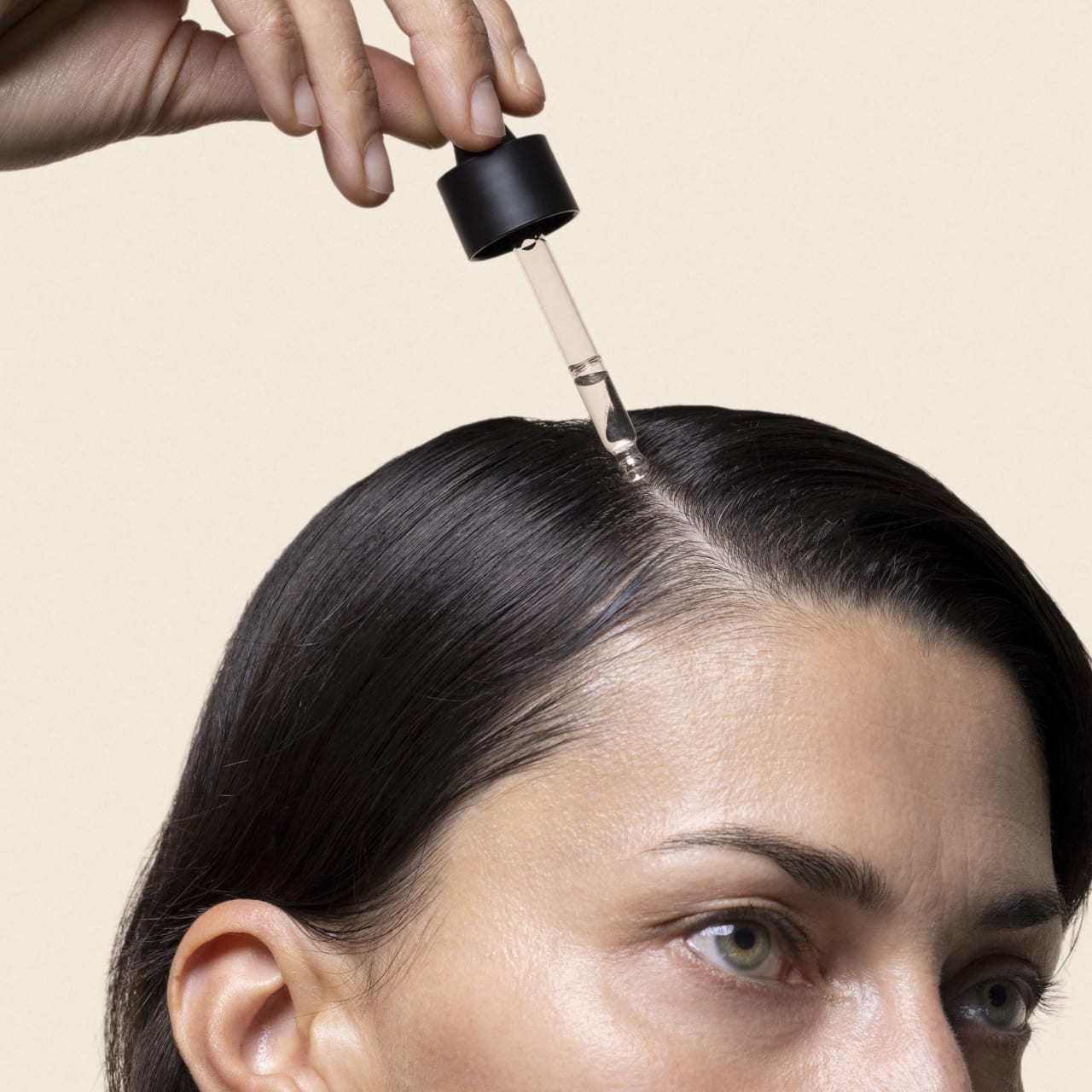
A few minutes worked gently into the scalp with Aroma-Zone's scalp massaging brush, as part of your usual hair routine, is really all it takes.
Our guide on seasonal hair loss covers the full ritual and safe dilution ratios in more depth. As with any essential oil, always patch test first, never apply neat to the skin, and check with a pharmacist or doctor if you're pregnant, breastfeeding, or have a health condition.
When it's worth seeing someone
Seasonal hair loss should settle on its own within a couple of months.
If it feels heavier than that, doesn't ease off, or comes with other signs, bald patches, general thinning beyond the usual, unusual fragility, it's genuinely worth speaking to a GP or dermatologist rather than waiting it out, since that points towards something other than a simple seasonal shed.
Not sure where to start with your own routine?
Our hair routine assessment takes only two minutes and will help you understand your hair better.


