






How much hair is lost each day? What you need to know
Hair is a precious asset, defining part of our identity, and we spend an enormous amount of time looking after it every day. But while haircare is a pleasure for some, it can be a source of anxiety and stress for others. If you've ever experienced hair loss, you'll know what we're talking about. Hair loss or 'alopecia' is a pathology for women and an inevitability for some men... but how do you know if hair loss is normal and when to worry? We tell you all about hair loss in everyday life: its causes and treatments.

Understanding the hair growth cycle
Explanation of the anagen, catagen and telogen cycle
The scalp is home to an impressive density of hair follicles, totalling between 100,000 and 150,000 units, each generating one to two hairs. Each follicle goes through a growth cycle of 3 to 7 years, during which the hair actively grows. Once this phase is over, the follicle shrinks, causing the hair to fall out and starting a new growth cycle that will give rise to a new head of hair. This cycle is made up of 3 distinct phases: firstly, the anagen phase is the active period of growth, followed by the catagen phase, a transitional phase, and finally the telogen phase, the resting phase where hair loss occurs naturally.
Anagen phase: Active period of growth: The first phase of the cycle, the anagen, represents the active period of hair growth. During this stage, hair root cells multiply rapidly and hair continues to grow longer. This phase can last from two to six years, and the length of time depends largely on genetic factors.
Catagen phase: Transition phase: The catagen phase occurs after the anagen phase and marks the beginning of the transition. This is a relatively short period during which hair growth slows and the hair follicles retract. This phase generally lasts a few weeks.
Telogen phase: Resting phase and hair loss: The last stage of the cycle, the telogen phase, is the resting phase. Hair that reaches this stage is inactive and no longer grows. After a resting period of around two to three months, telogen hair naturally falls out to allow new hair to take its place in the anagen phase. It is normal to lose between 50 and 100 hairs a day during this phase.
Putting hair loss in context as a natural process
Daily hair loss is often misinterpreted as a major problem, when in fact it is a completely natural process. Hair loss, mainly observed during the telogen phase, is a normal response to the ongoing regeneration of the scalp. It is essential to recognise that losing a few hairs each day is an integral part of the growth cycle and should not generally be a cause for concern.
It is important to understand this cycle in order to properly assess hair health and distinguish between normal hair loss and underlying problems that may require attention.

Common causes of daily hair loss
Genetic factors and family history
Role of genes in predisposition to baldness: Genetics play a crucial role in hair health, and predisposition to baldness can be inherited from previous generations. If family members have suffered early hair loss, there is a greater likelihood that this characteristic will be passed on. Genes influence the sensitivity of hair follicles to the hormones responsible for baldness, such as androgens, and can determine when hair loss begins.
Hormonal imbalances
Impact of hormones on hair growth: Hormones play a crucial role in regulating the hair growth cycle. Hormonal variations can disrupt this cycle and lead to excessive hair loss. For example, male sex hormones, known as androgens, can influence hair growth. An excess of these hormones can cause hair follicles to miniaturise and ultimately lead to hair loss.
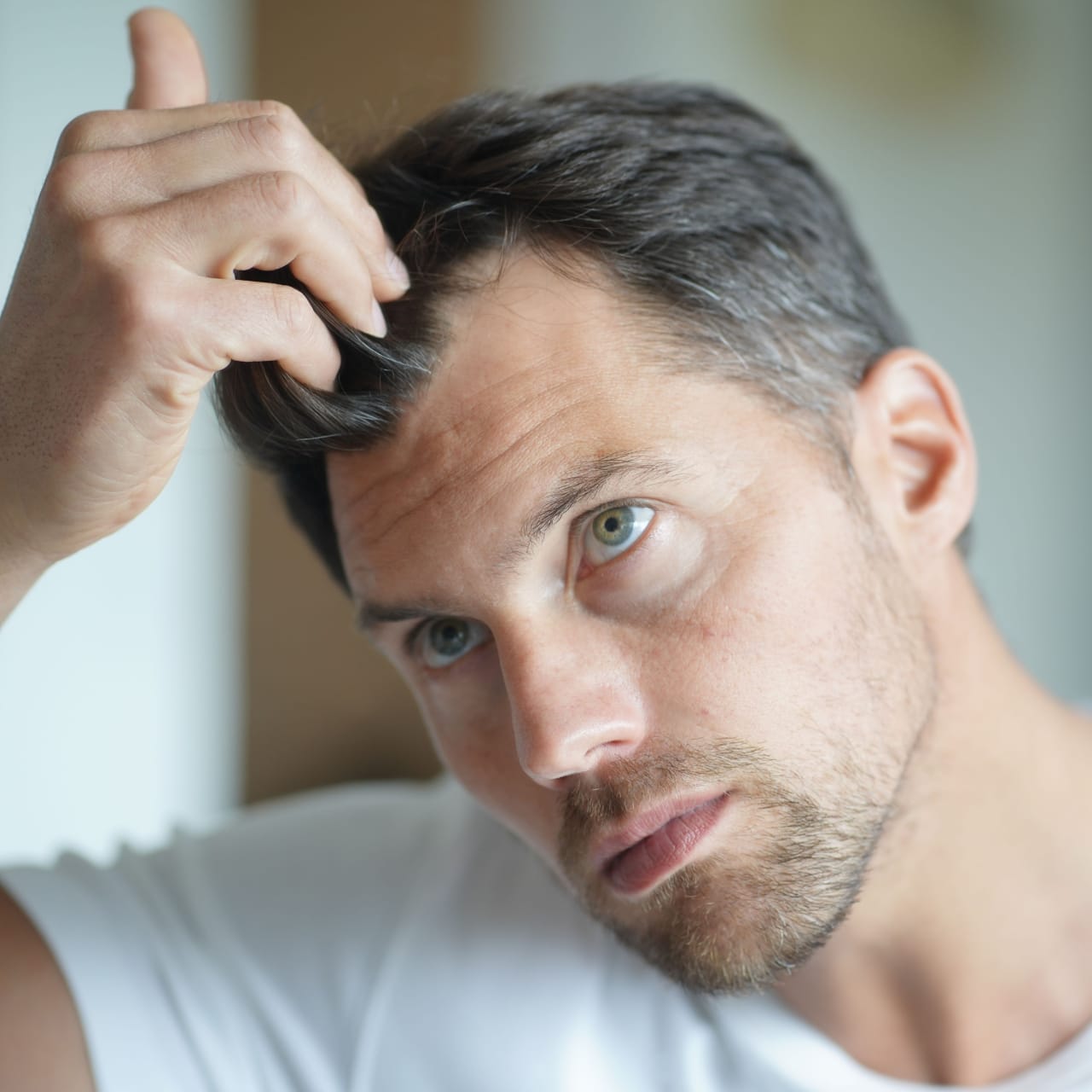
Conditions such as androgenetic alopecia: Androgenetic alopecia, also known as hereditary baldness, is a condition linked to high levels of androgens. It affects both men and women and is characterised by progressive hair loss. In men, it generally develops on the front and upper areas of the scalp, and in women it results in a different thinning of the hair.
Physical and emotional stress
Effects of stress on the scalp and hair follicles: Both physical and emotional stress can contribute significantly to hair loss. When the body is subjected to prolonged stress, this can trigger an excessive release of certain chemicals in the body. This disrupts the hormonal balance and thus affects the hair growth cycle. Stress can also affect behavioural compulsions, leading to habits such as scratching the scalp, which can damage hair follicles and lead to hair loss.
Is it normal to lose hair every day?
Yes, it's perfectly normal to lose some hair during washing. When you wash your hair, you may notice more hair falling out, but this shouldn't be a cause for concern. In fact, washing hair removes hair that is already loose or in the telogen phase, making it easier for new hair to appear in the anagen phase.
However, if hair loss during washing becomes excessive, with large clumps or signs of thinning hair, you should consult a hair professional to assess the situation. An expert can determine whether hair loss is beyond normal limits and recommend appropriate measures to keep your hair healthy. To limit hair loss, it's also essential to choose hair products that are adapted to your hair type and to avoid brushing your hair too aggressively, especially when it's wet, to minimise breakage and hair loss.
Is it normal to lose your hair when washing it?
Yes, it's perfectly normal to lose some hair during washing. When you wash your hair, you may notice more hair falling out, but this shouldn't be a cause for concern. In fact, washing hair removes hair that is already loose or in the telogen phase, making it easier for new hair to appear in the anagen phase.
However, if hair loss during washing becomes excessive, with large clumps or signs of thinning hair, you should consult a hair professional to assess the situation. An expert can determine whether hair loss is beyond normal limits and recommend appropriate measures to keep your hair healthy. To limit hair loss, it's also essential to choose hair products that are adapted to your hair type and to avoid brushing your hair too aggressively, especially when it's wet, to minimise breakage and hair loss.
When should you worry about hair loss?
As explained above, the natural hair growth cycle involves a resting phase, known as telogen, during which some hair naturally falls out to make way for new hair. It is perfectly normal to lose between 50 and 100 hairs a day during this phase. Most of the time, this loss is spread evenly over the scalp and should not be immediately noticeable.
However, it is important to be aware of certain signs that could indicate an underlying problem. While losing a few hundred hairs a day is considered normal, excessive hair loss can be a cause for concern. Signs of abnormal hair loss include the loss of more than 100 hairs a day or hair loss concentrated in a specific area of the scalp, such as around the face, on the top of the head or at the back.
When should you seek medical attention for hair loss?
If the hair loss is localised to a specific area/place on the skull and leaves a well-defined patch on the skull.
If you have a smooth hair ptach on your head, this is known as "alopecia", which is abnormal and may be a sign of a more serious condition.
If the hairless areas are irregular to the touch or reveal red patches and pimples. These hairless areas are accompanied by unpleasant itching or even burning sensations.
If you notice that your hair loss is occurring at the same time as you are taking a new medicine. This may be a sign of side effects or simply that you are not tolerating the treatment.
When is hair loss heavy but nothing to worry about because it's linked to everyday activities?
If you've just gone through the menopause: and the hairline recedes with a "headband" effect, this is a common effect of the menopause. However, don't hesitate to consult a dermatologist, who will provide you with the care you need to prevent this irreversible hair loss.
If you regularly wear very tight hairstyles, such as buns or African braids, hair loss may be due to excessive styling. Repeated styling or pulling your hair three ways can expose it to trauma that leads to hair loss. To remedy this, let your hair breathe and avoid styling it too often.
If you have experienced difficult life events (death, illness, stress, etc.) and you notice that these events chronologically correspond to hair loss, stop looking for the person responsible. Stress is one of the main 'normal' factors in hair loss. Don't hesitate to seek help and support if you feel unwell or are experiencing psychological distress.
What can be done about hair loss?
Choosing the right haircare products
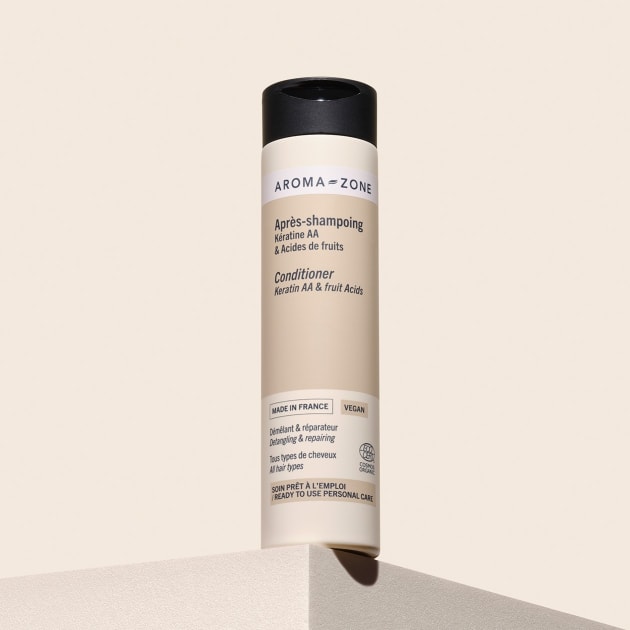
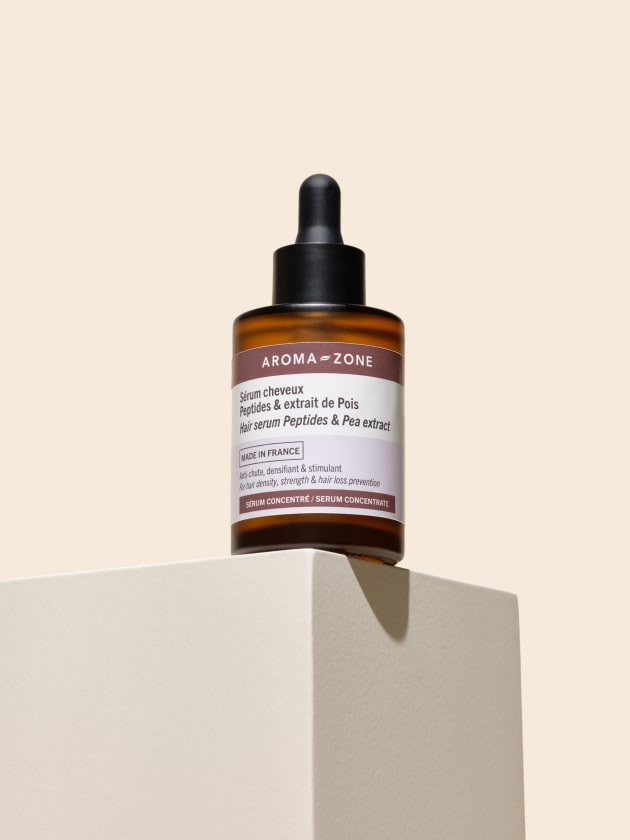
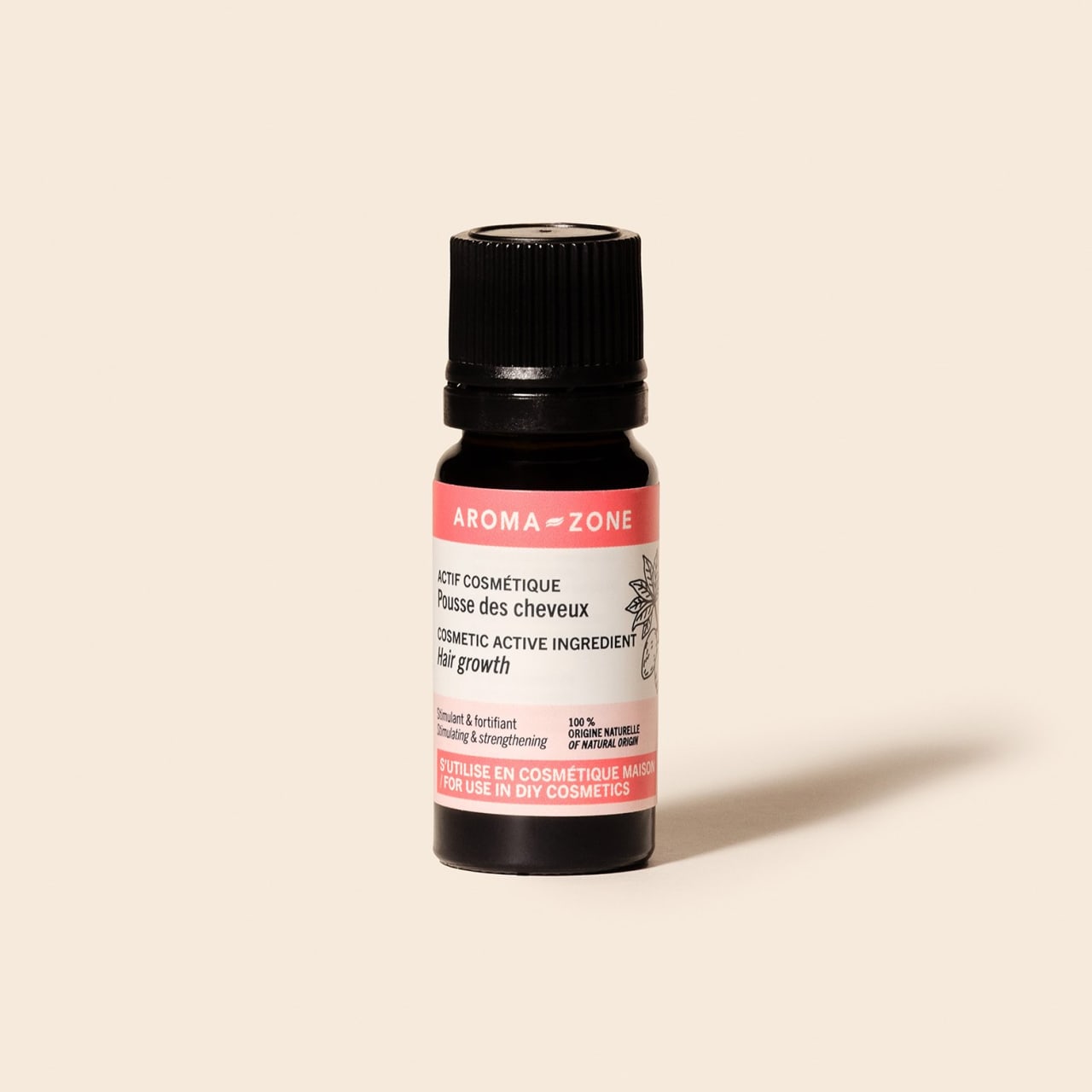
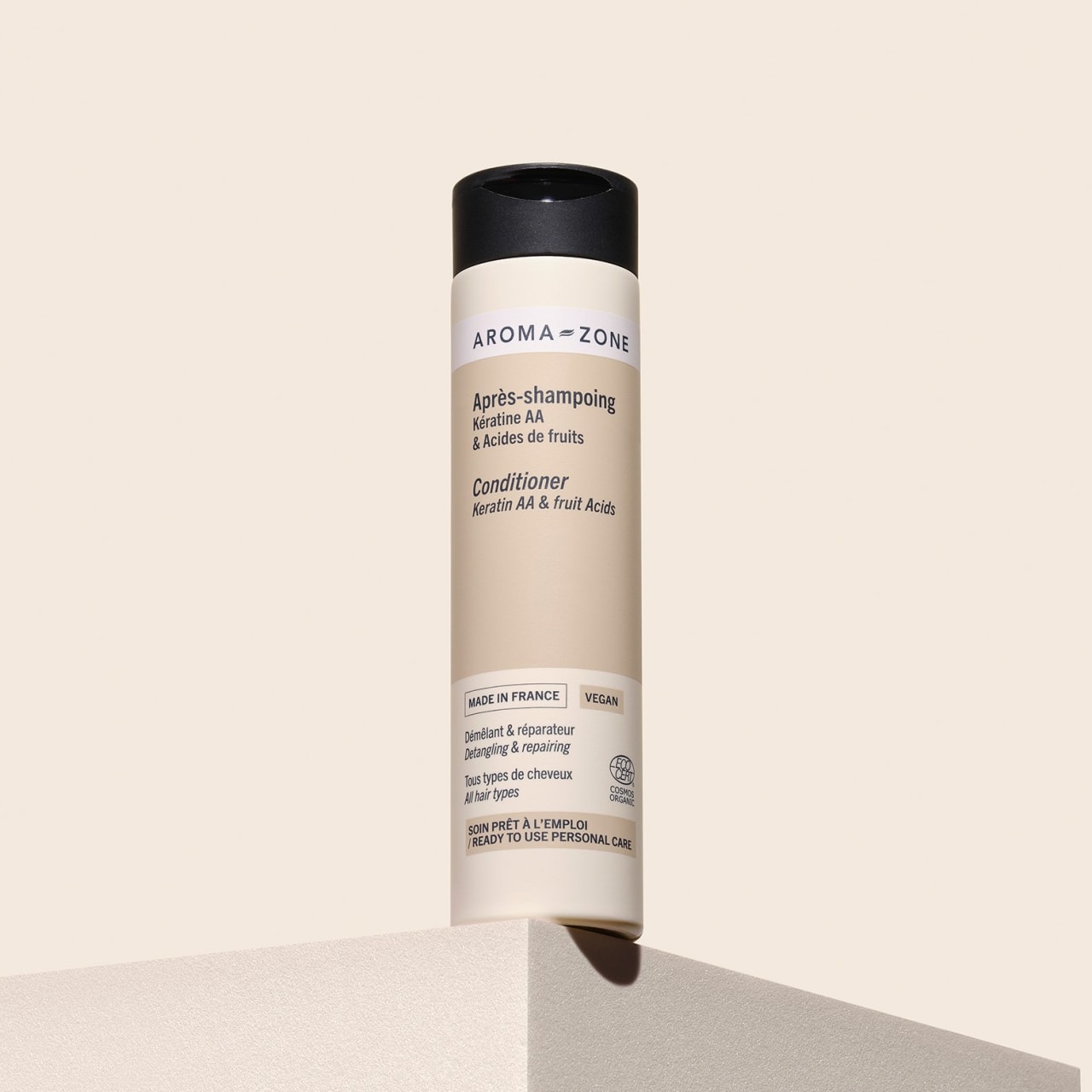
Choose gentle haircare products: When you're prone to hair loss, it's important to choose haircare products that are suited to your hair type. Opt for gentle shampoos and conditioners, preferably formulated to promote hair growth and strengthen hair follicles. Avoid products containing harsh ingredients such as sulphates, which can dry out the scalp.
Go for gentle styling techniques: opt for gentle styling techniques to reduce tension on the hair. On the other hand, avoid tight hairstyles that can pull on the hair follicles, leading to breakage and even hair loss. Instead, opt for loose styles and use soft accessories to avoid damaging fragile hair.
Eating a balanced diet
Focus on essential nutrients for healthy hair: Maintaining a balanced diet is essential for healthy hair. Make sure you include foods rich in essential nutrients such as protein, vitamins A and E, and minerals like iron and zinc. Other foods and plants such as amla can help prevent hair loss and restore adequate keratin production.
Consult a professional
The importance of consulting a hairdresser, scalp expert or dermatologist: An experienced hairdresser will be able to give you personalised advice on the haircare products best suited to your situation. A scalp expert will be able to assess the health of your scalp and suggest personalised solutions based on nutritional supplements or medicinal treatments.
Treatment options available: A dermatologist will be able to understand the underlying causes of hair loss and recommend suitable treatment options. These may include medication, topical treatments, dermatological procedures or recommendations for specialist treatments.
Spotlight on our well-being editor, Laura Almeras

Laura is a health, beauty and lifestyle writer. Passionate about travel and gastronomy, she shares her nutritional advice on how to combine pleasure and well-being. Through her articles, she aims to provide you with meaningful information and practical advice to nourish your body and mind.