

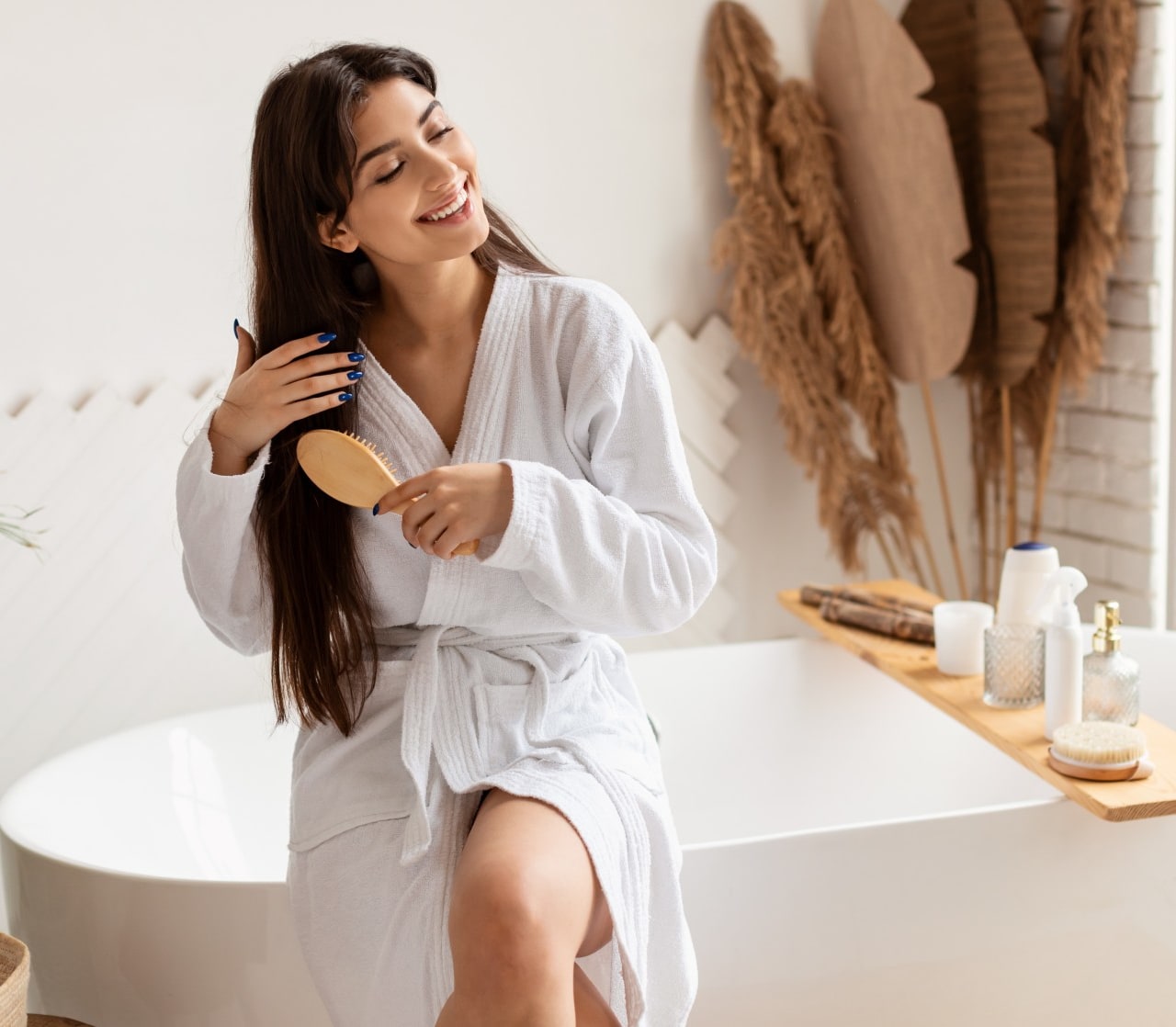
Looking for a natural way to give your hair a bit of extra love and shine? Essential oils have been used for generations to nourish, strengthen and add life back into tired-looking hair, and a few drops go a genuinely long way.
Here's how to make the most of them, whatever your hair's dealing with.
What are essential oils for hair, exactly?
Essential oils are concentrated plant extracts, usually obtained by steam distillation or cold pressing.In natural haircare, they punch well above their weight: a tiny amount can help nourish the scalp, support stronger-feeling strands, and bring a bit of natural shine back to dull lengths.
Which essential oil for which concern?
Oily hair, needs a reset
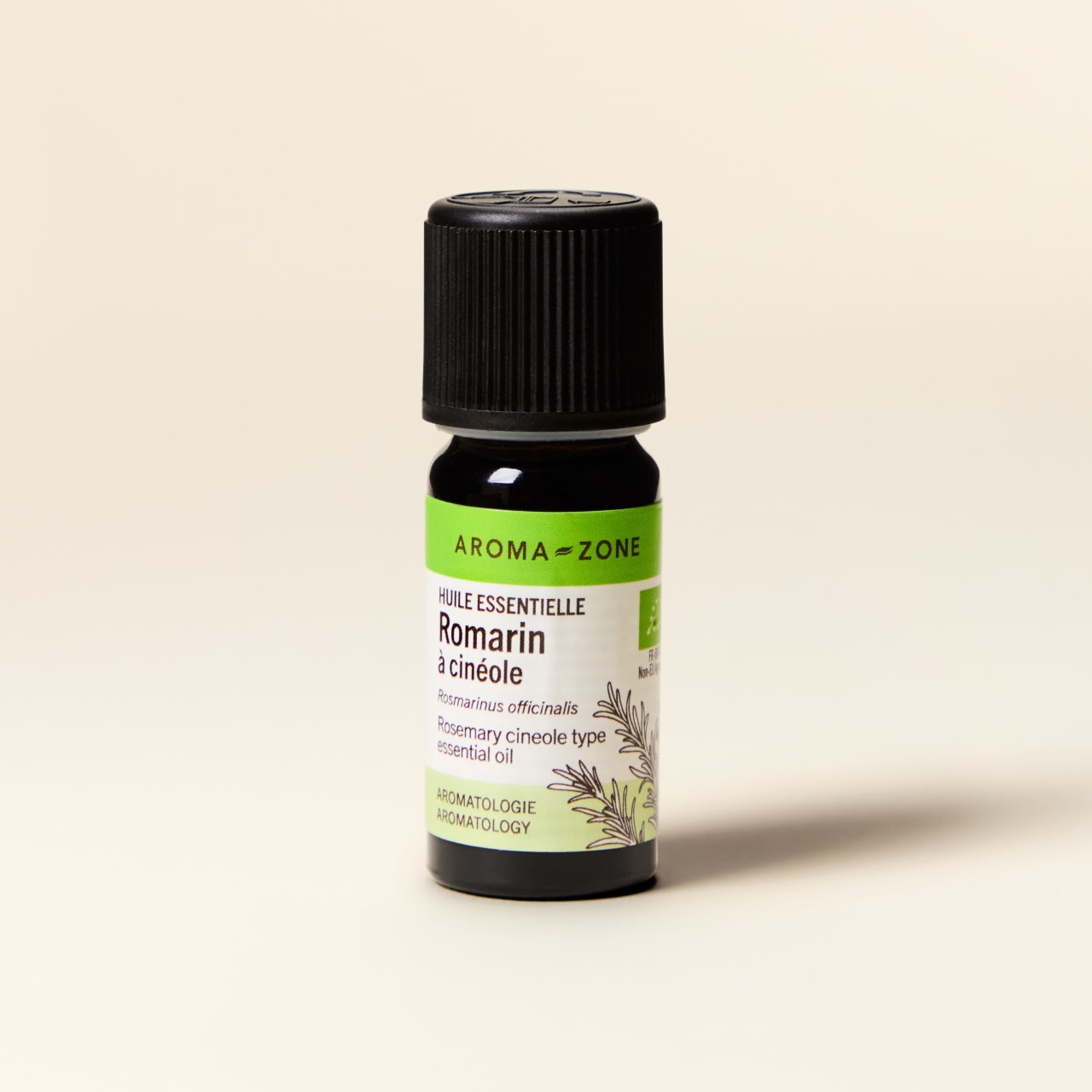
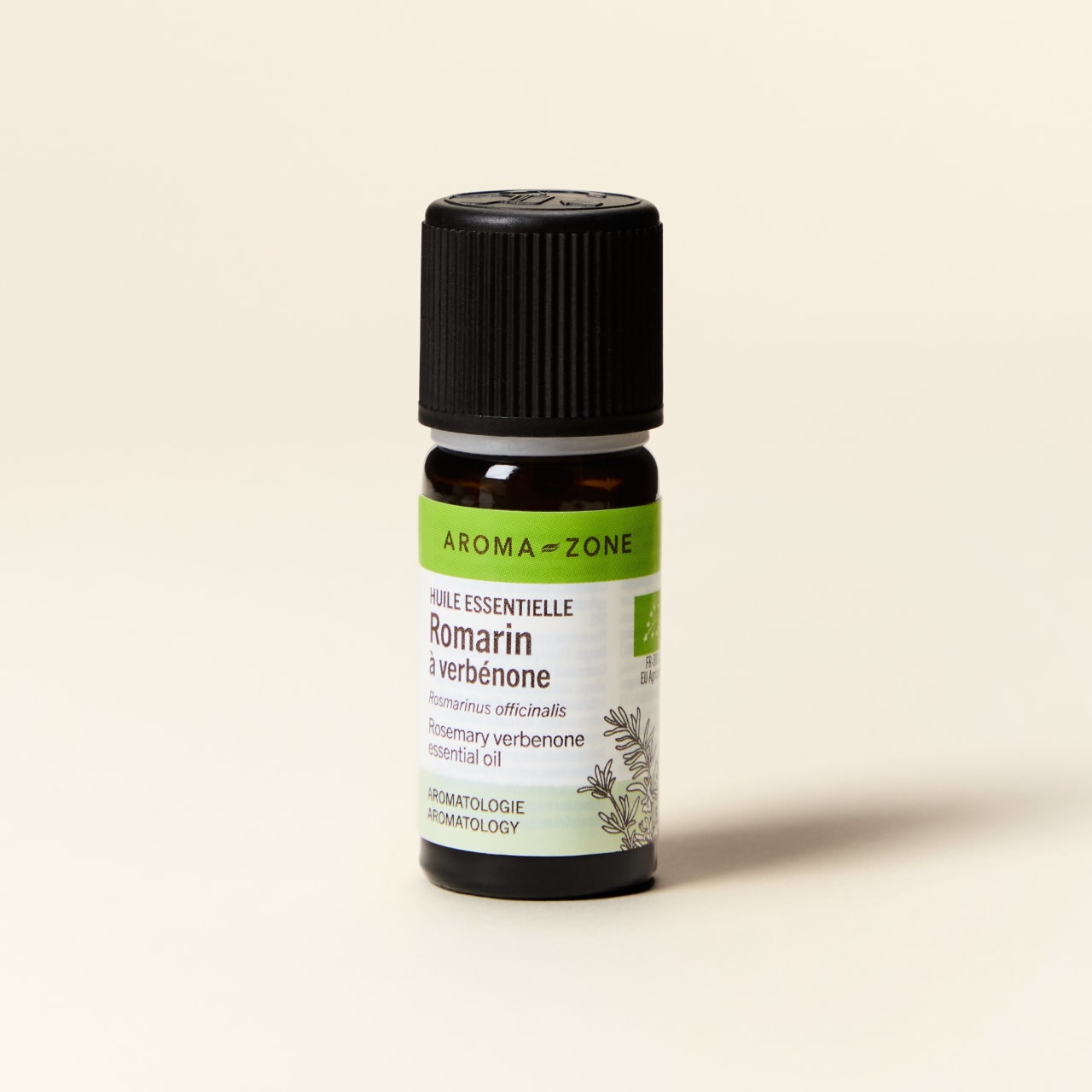
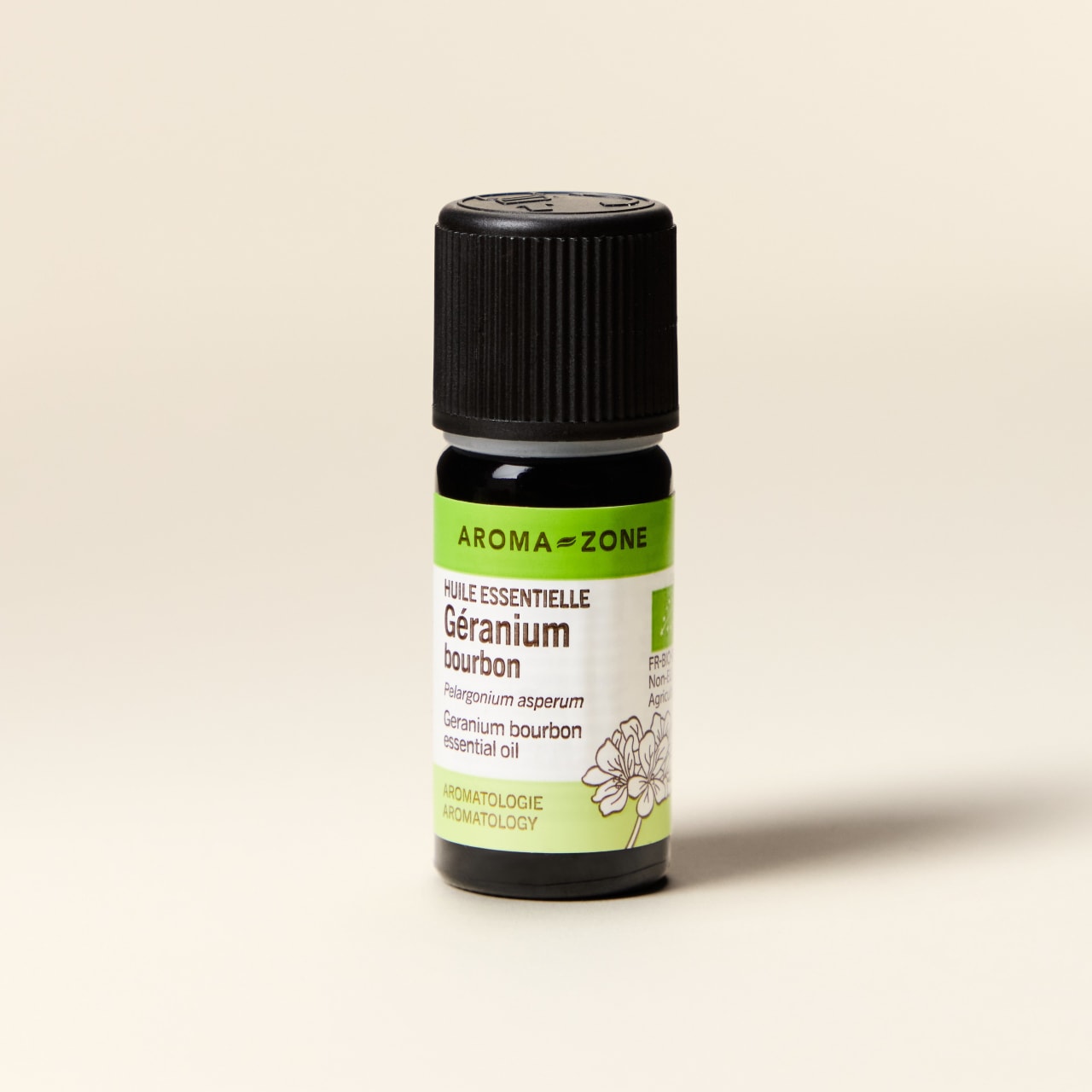
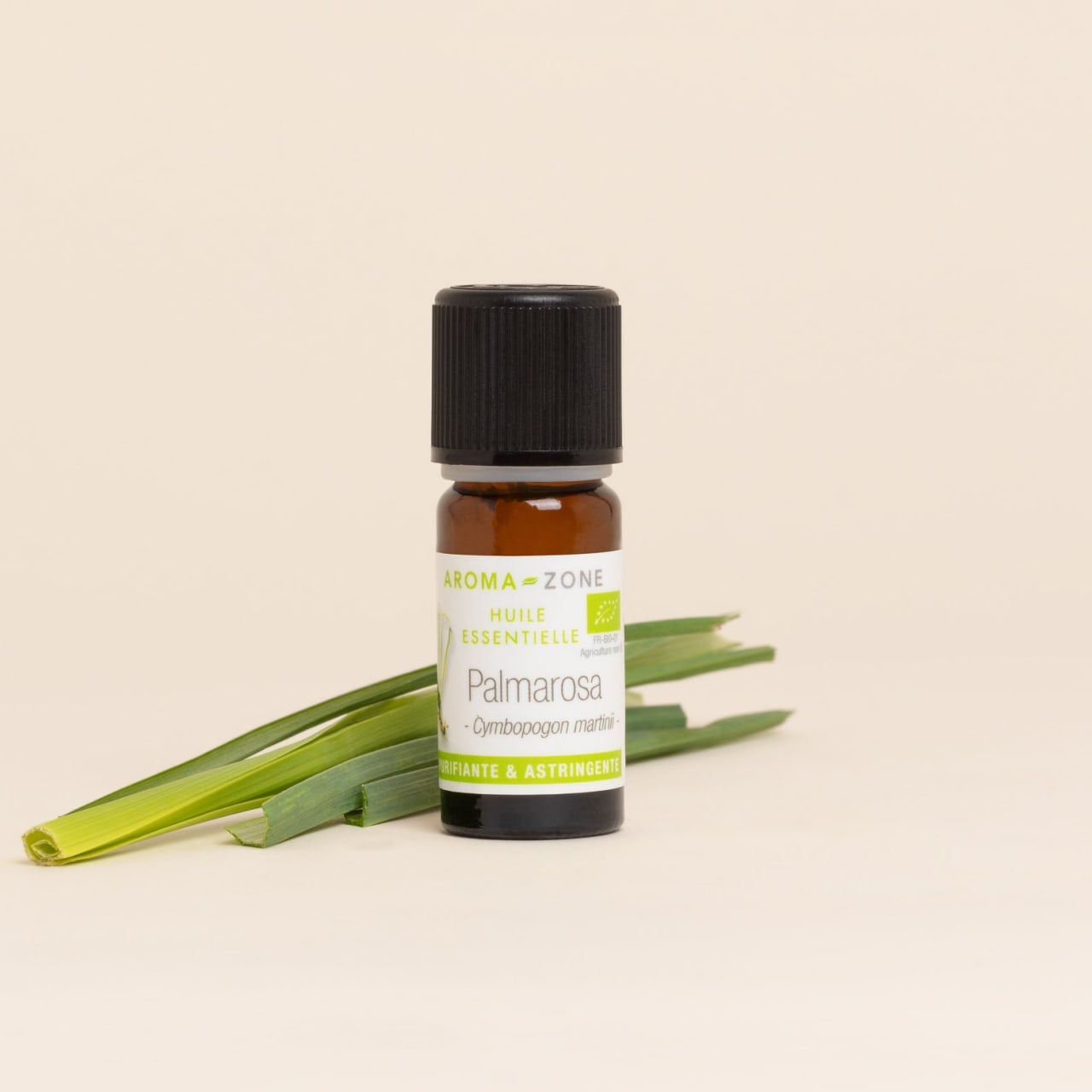
Roots feeling greasy by day two? If you're washing more often than you'd like just to keep on top of it, essential oils might help take some of the pressure off. Rosemary Verbenone, Rosemary Cineole and Palmarosa are good ones to reach for here. Palmarosa and Bourbon Geranium are traditionally known for their purifying properties, helping the scalp feel fresher between washes. A few drops added to your regular shampoo is often enough to feel the difference.
Dry or dull, in need of a little life
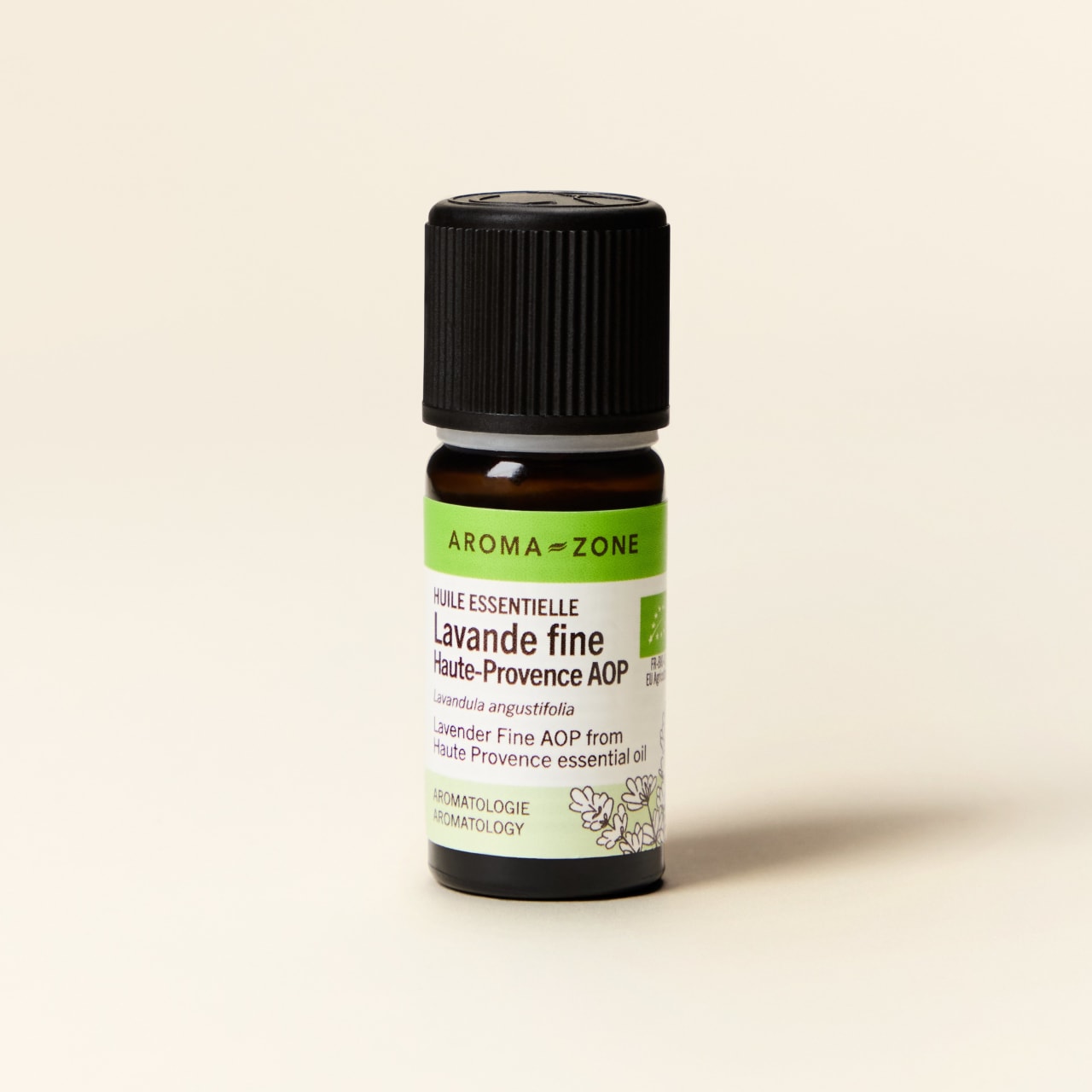
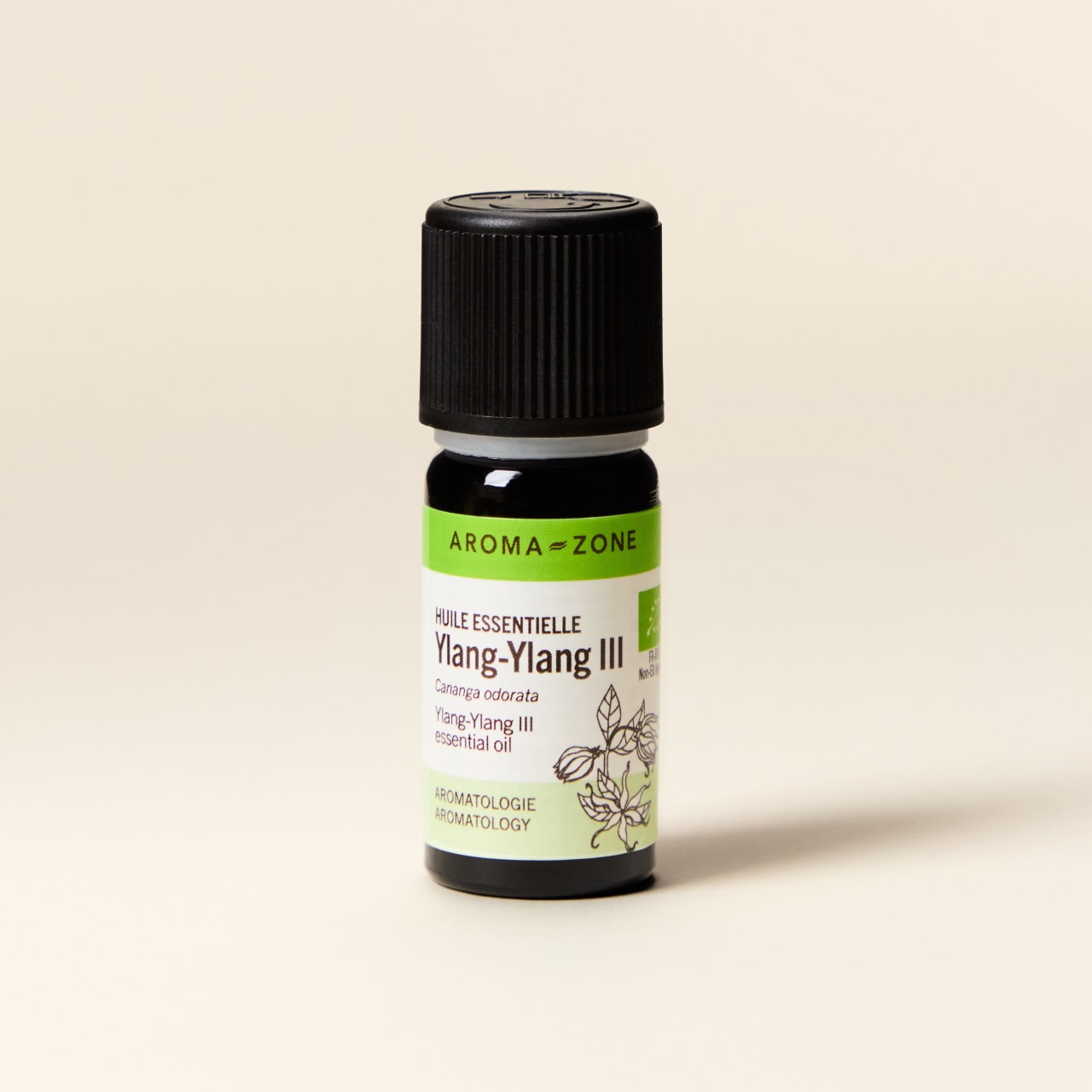
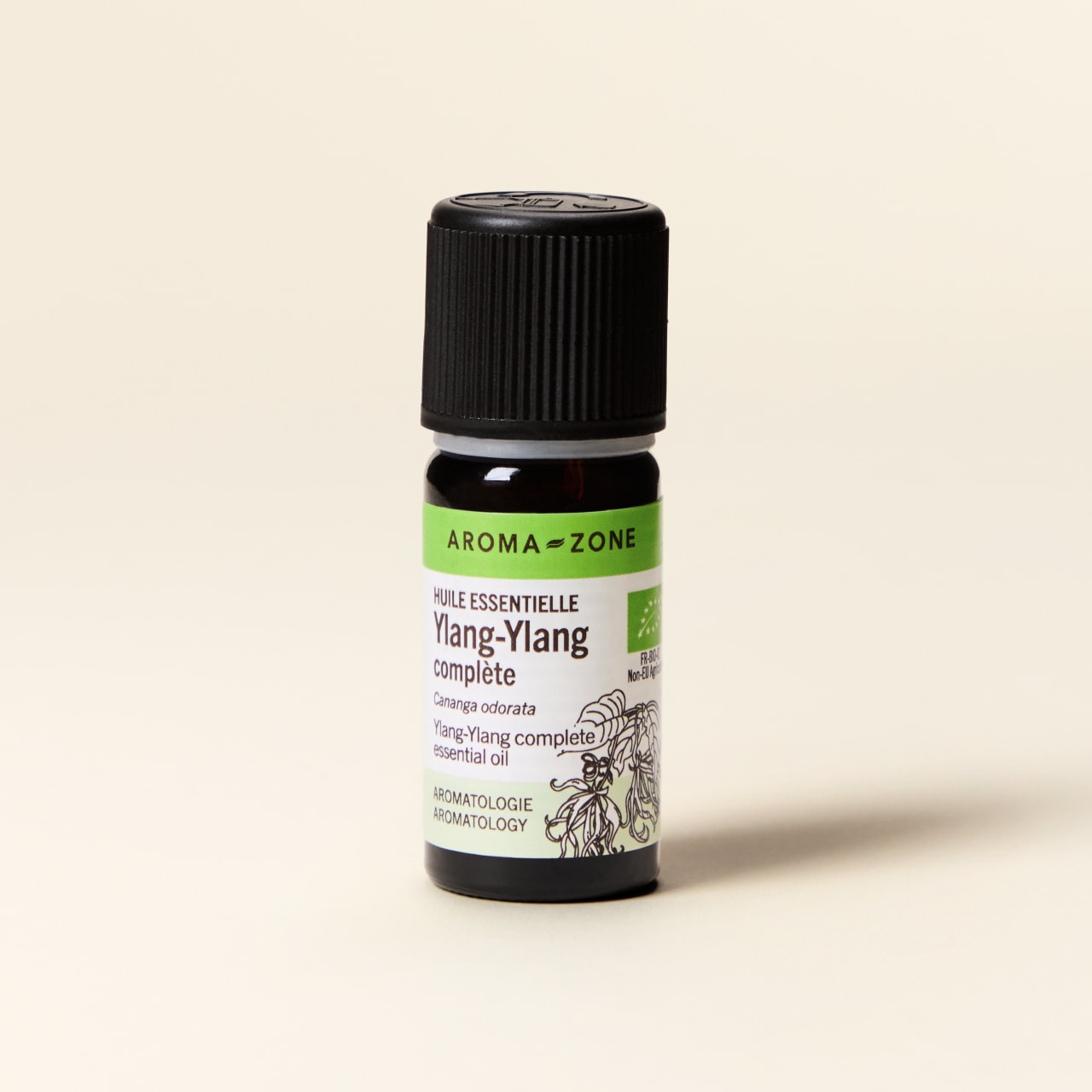
Hair lost its bounce? If your lengths feel more straw than silk lately, it might be time to bring in a bit of reinforcement. Ylang-Ylang is the classic go-to for hair that's lost its bounce, traditionally used in hair care for its nourishing, revitalising reputation. Fine Lavender pairs well alongside it if your scalp also needs calming.
Coloured or chemically treated hair
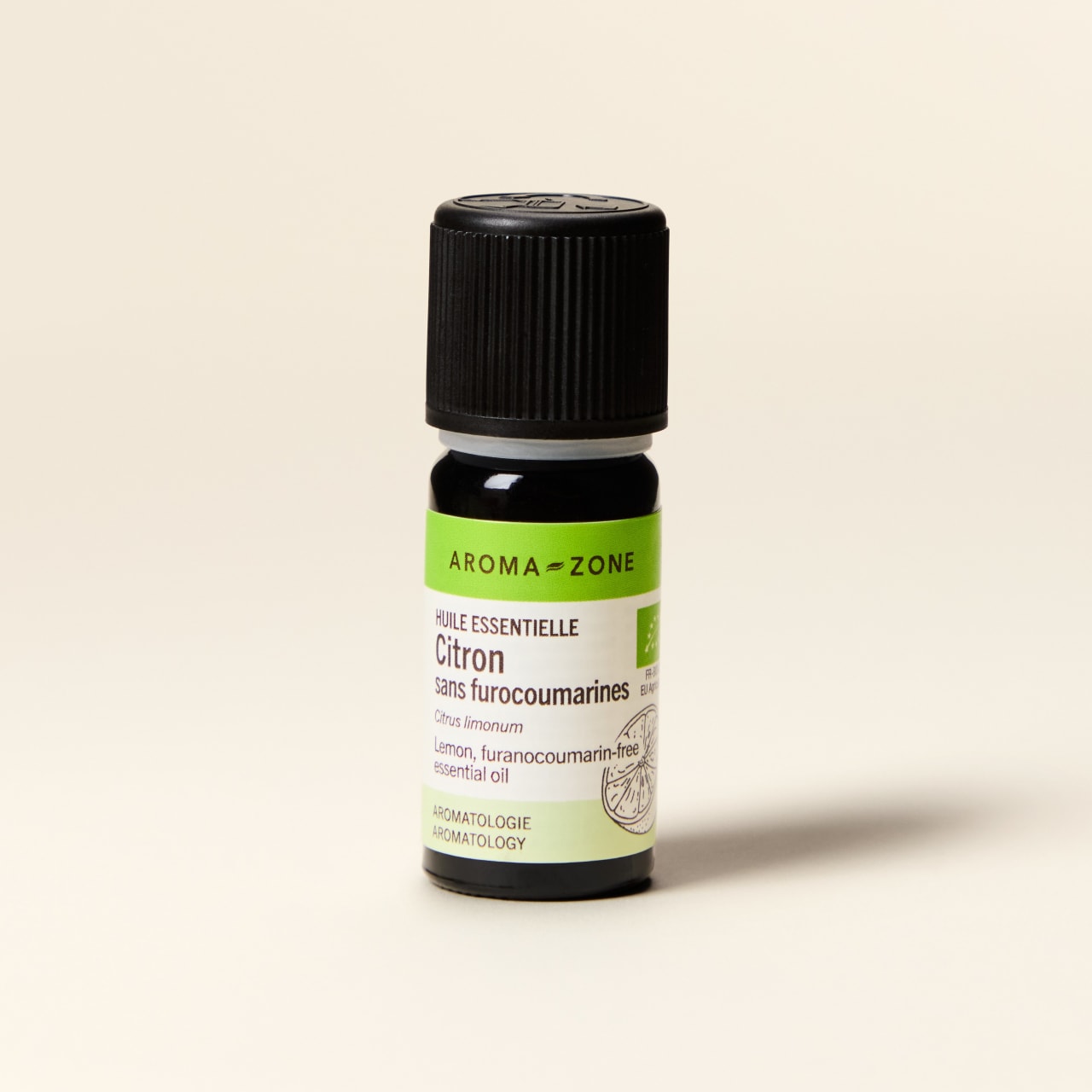
Colour looking a bit flat since your last appointment? Chemical treatments can leave hair looking tired even when it's otherwise in decent condition. Sicilian Lemon is traditionally included in hair care rituals, a couple of drops in a hair mask is a simple way to try it. As with any citrus oil, avoid sun exposure after applying to skin.
Hair loss or thinning
This one's worth a bit more care. If shedding feels sudden, excessive or runs in the family, it's worth having a proper conversation with a GP or trichologist rather than relying on oils alone. That said, scalp massage is a traditional aromatherapy ritual many people turn to as part of a hair care routine. Our dedicated guide below goes into more detail on the essential oils traditionally used for this. We've also put together a dedicated guide on hair loss and essential oils if you want to go deeper.
Itchy, sensitive scalp
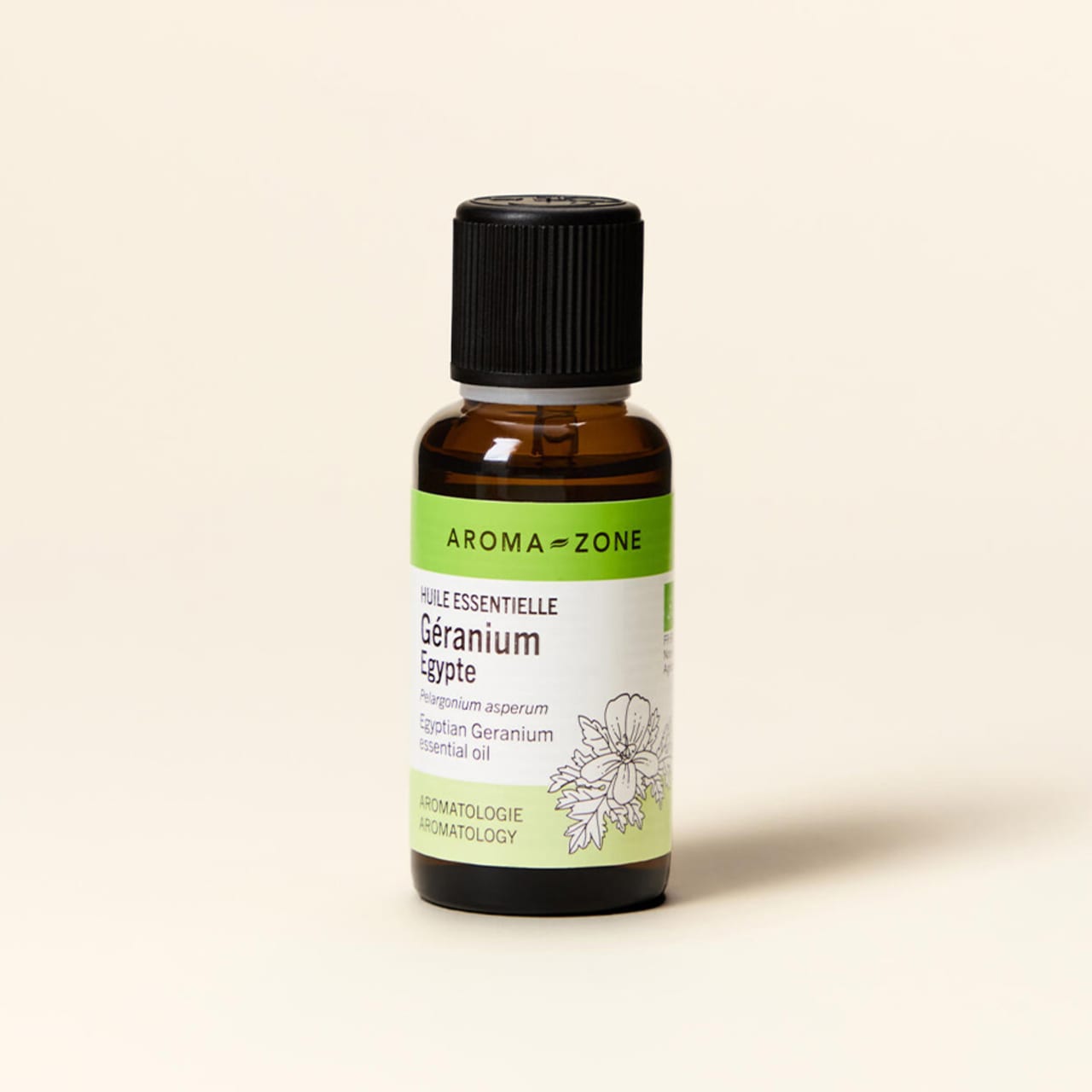
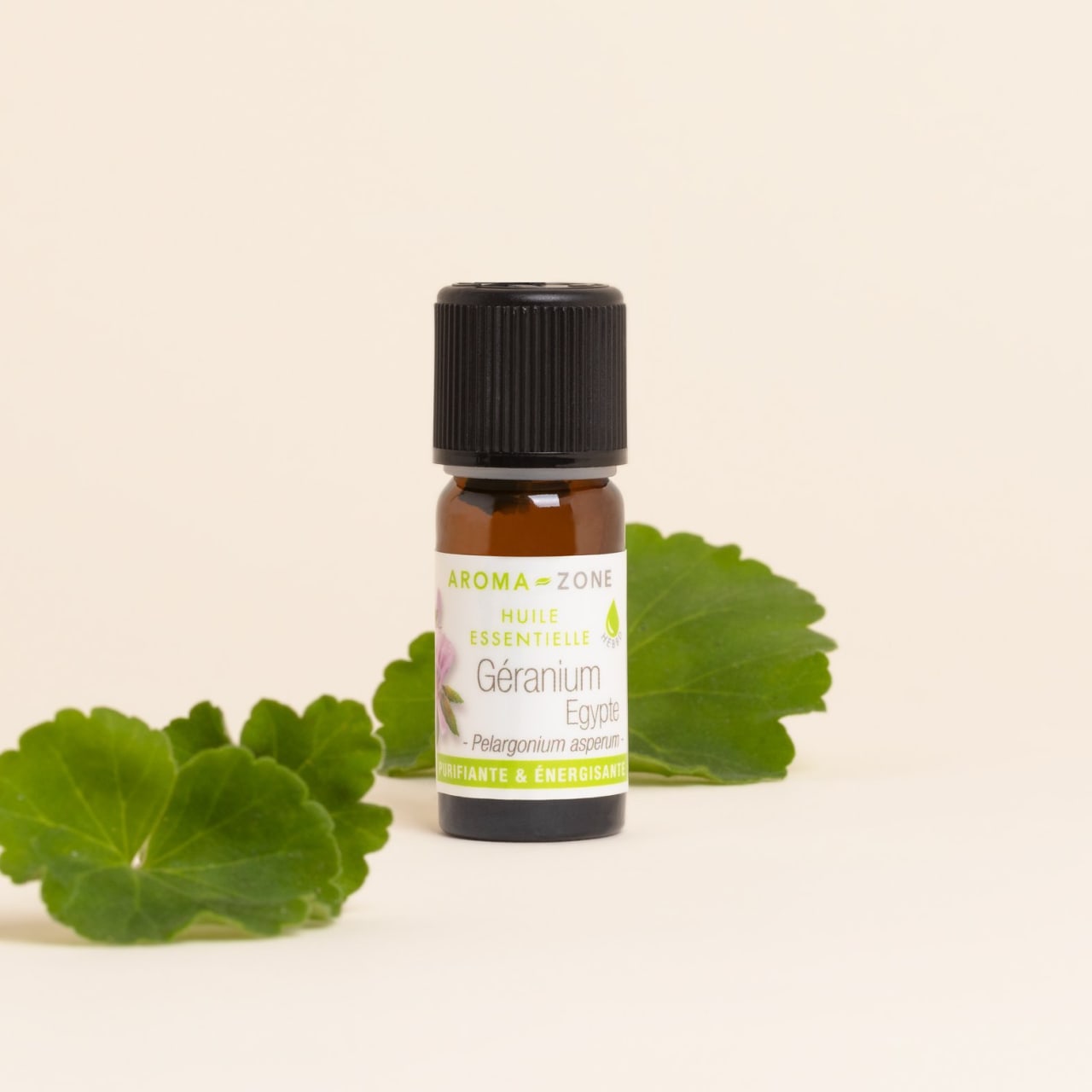
An uncomfortable scalp usually calls for something gentle rather than intense. Fine Lavender and Egyptian Geranium, both known for their soothing reputation, are worth starting with, always well diluted.
How to actually use essential oils for hair?
A few simple ways to work essential oils into your routine:
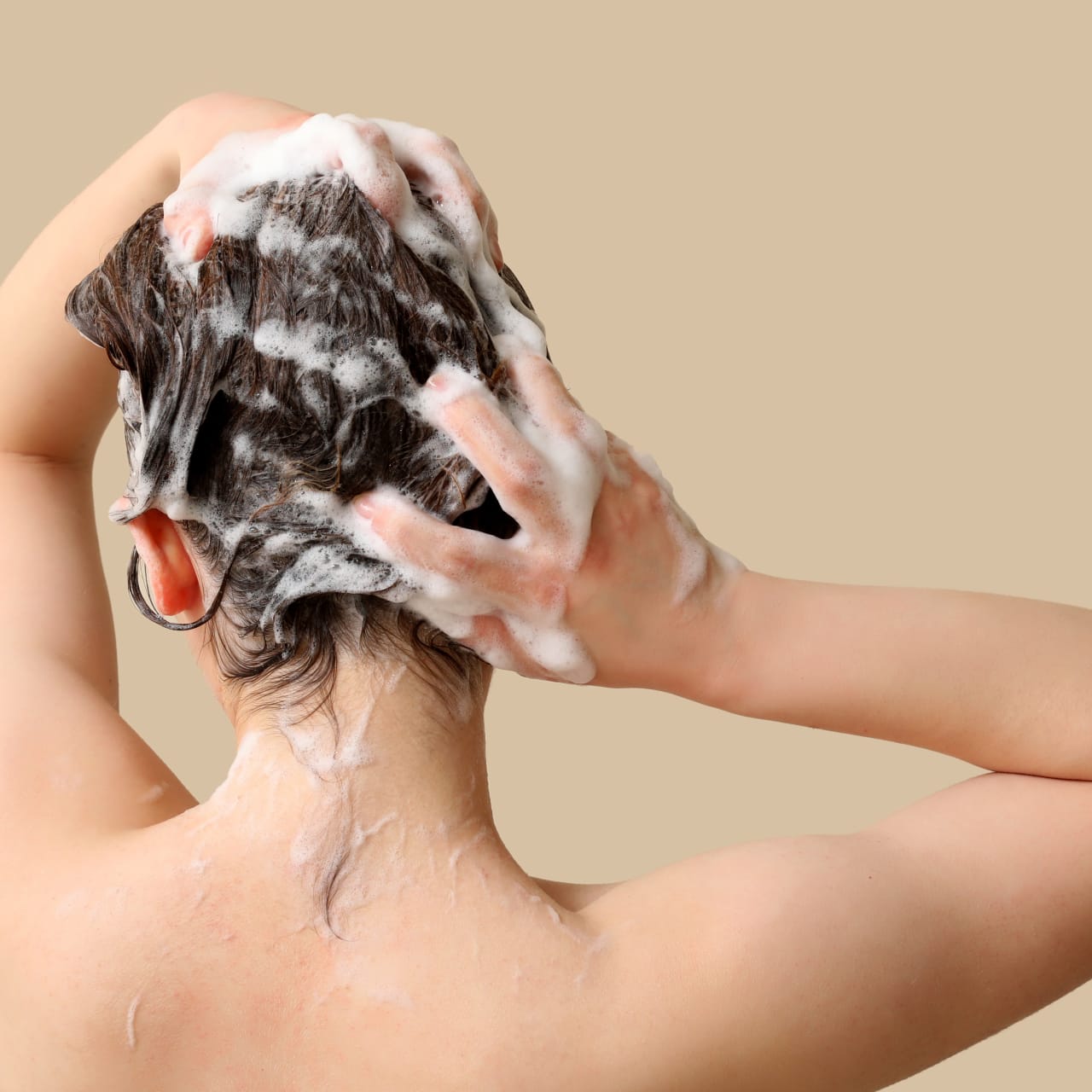
Add a couple of drops to your regular shampoo or conditioner
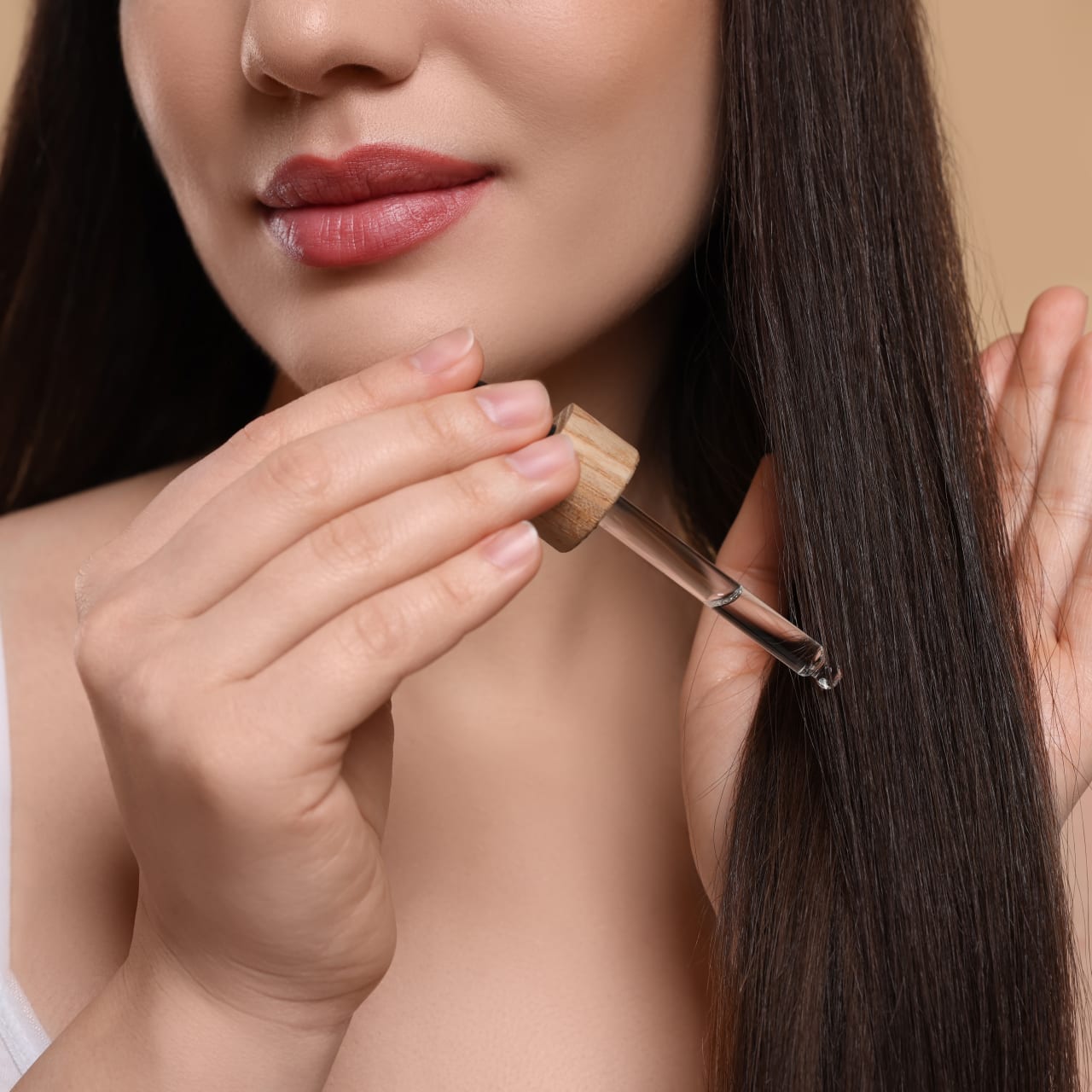
Mix into a carrier oil (think castor, argan or coconut) for a proper pre-wash oil treatment
Blend into a homemade hair mask for a weekly treat
Whatever the method, dilution really matters; essential oils are potent.
A few safety basics when using essential oils
As mentioned, essential oils are powerful, so they deserve a bit of respect. Always dilute before applying to the scalp, never use them neat, and if you're pregnant, breastfeeding, or have a health condition, check with a pharmacist or doctor first.
How to store my essential oils?
Keep your oils in their coloured glass bottles, away from light and heat, and make sure the cap's properly closed after each use, this keeps them at their best for longer.
Why include aromatherapy in your hair care routine?
Because each essential oil brings something different to the table, naturally. Depending on the oil, you're looking at properties that can be purifying, soothing, stimulating or clarifying, all from a single, concentrated plant extract rather than a lab-formulated blend. That's really the appeal of aromatherapy: there's genuinely a natural option for most hair concerns, rather than reaching for a single "do it all" formula packed with synthetic actives. It's less about adding another step for the sake of it, and more about giving your hair (and scalp) exactly what it needs, straight from nature.
Frequently asked questions about essential oils for hair
Can I mix different essential oils?
Yes, generally speaking. Many aromatherapy blends combine two or three oils to target more than one concern at once, purifying and stimulating, for instance, as long as the total dilution stays within safe limits.If you're new to blending, it's worth starting with just one oil at a time so you can see how your scalp responds before combining several.
How do I do a patch test before using an essential oil?
Dilute a drop of the oil as you normally would, apply a small amount to the inside of your elbow, and leave it for 24 to 48 hours. If there's no redness, itching or irritation, it's generally considered fine to use on the scalp. If you notice any reaction, rinse off and avoid that oil going forward.
How often can I use essential oils on my hair?
This varies depending on the oil and your scalp's sensitivity, but as a general rule, one or two treatments a week is a sensible starting point for most people, rather than daily use. If your scalp feels fine, you can always adjust from there, but it's worth easing in gently rather than overdoing it early on.


