Dry scalp: Grandma's remedies

While there are hundreds of different solutions for dry hair, dry scalp problems receive far less attention in the cosmetics industry. This condition leads to irritation, redness and even dandruff and itching. All of which can be particularly restrictive on a daily basis. So how do you take care of a dry scalp? In this article, we share all our natural solutions and traditional tips to remedy the condition.

Reading time: 0 min.

What is a dry scalp?

A healthy scalp is hydrated and nourished by sebum, an oily substance naturally produced by the sebaceous glands located just under the skin of the skull. Normally, this substance lubricates the skin of the scalp and protects it from external aggression. Sebum can also make hair naturally greasy when it accumulates.

A scalp is considered dry when it lacks moisture, nutrition and sebum. When sebum production is unbalanced or insufficient, the scalp can become dry and prone to a sensation of dryness and tightness.

Why does the scalp become dry?

Internal factors

Hormonal changes: As we age, the sebaceous glands in the scalp tend to produce less sebum. In addition, hormonal changes, such as those associated with the menopause, can also affect sebum production and lead to a drier scalp.

Stress: Chronic stress can have an impact on skin and scalp health and influence sebum production.

Lifestyle and external factors

Sulphates and chemicals: Some shampoos contain sulphates and other harsh chemicals that can strip the scalp of its natural oils, leaving skin dry and irritated.

Dehydration: Insufficient hydration, whether due to a lack of water or excessive exposure to dry environments, can also contribute to dry scalp.

Changes in temperature: Changes of season can exacerbate dry hair, as variations in temperature and humidity affect the balance of the scalp and hair. This is particularly true in autumn and winter, when the air becomes drier.

Dry scalp: what are the associated symptoms?

Symptoms of a dry scalp include the following:

  • Irritation: redness, tingling and sometimes burning sensations.

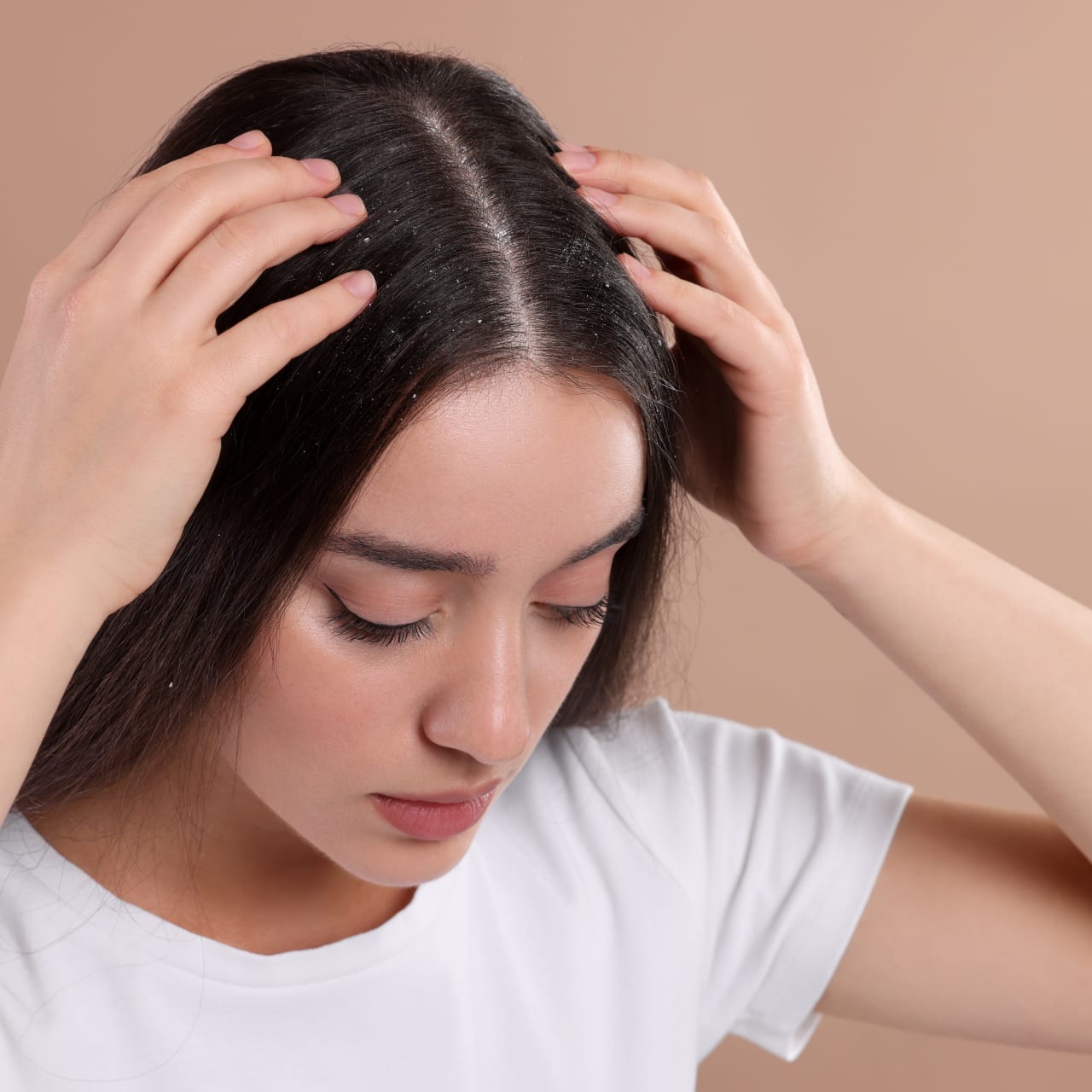
  • Dry dandruff : small white or yellowish flakes caused by excessive desquamation due to dry scalp.

  • Dry, dull hair: dryness affects the hair, making it porous, brittle and less resistant.

  • Weakening of hair structure and growth cycle: a dry scalp can affect the overall health of the hair by weakening its structure and growth cycle.

Dry scalp and dandruff: what's the link?

When the scalp lacks moisture and sebum, it becomes more easily irritated and prone to itching, which encourages the appearance of dead skin. What's more, this lack of moisture disrupts cell regeneration. Instead of regenerating gradually, large areas of the scalp can peel off in layers, leading to the appearance of a multitude of skins (dandruff) that don't have time to eliminate normally and remain trapped, visible in the scalp. This is known as dry dandruff, and can be seen in the form of small white or yellowish particles.

How can I soothe a dry scalp?

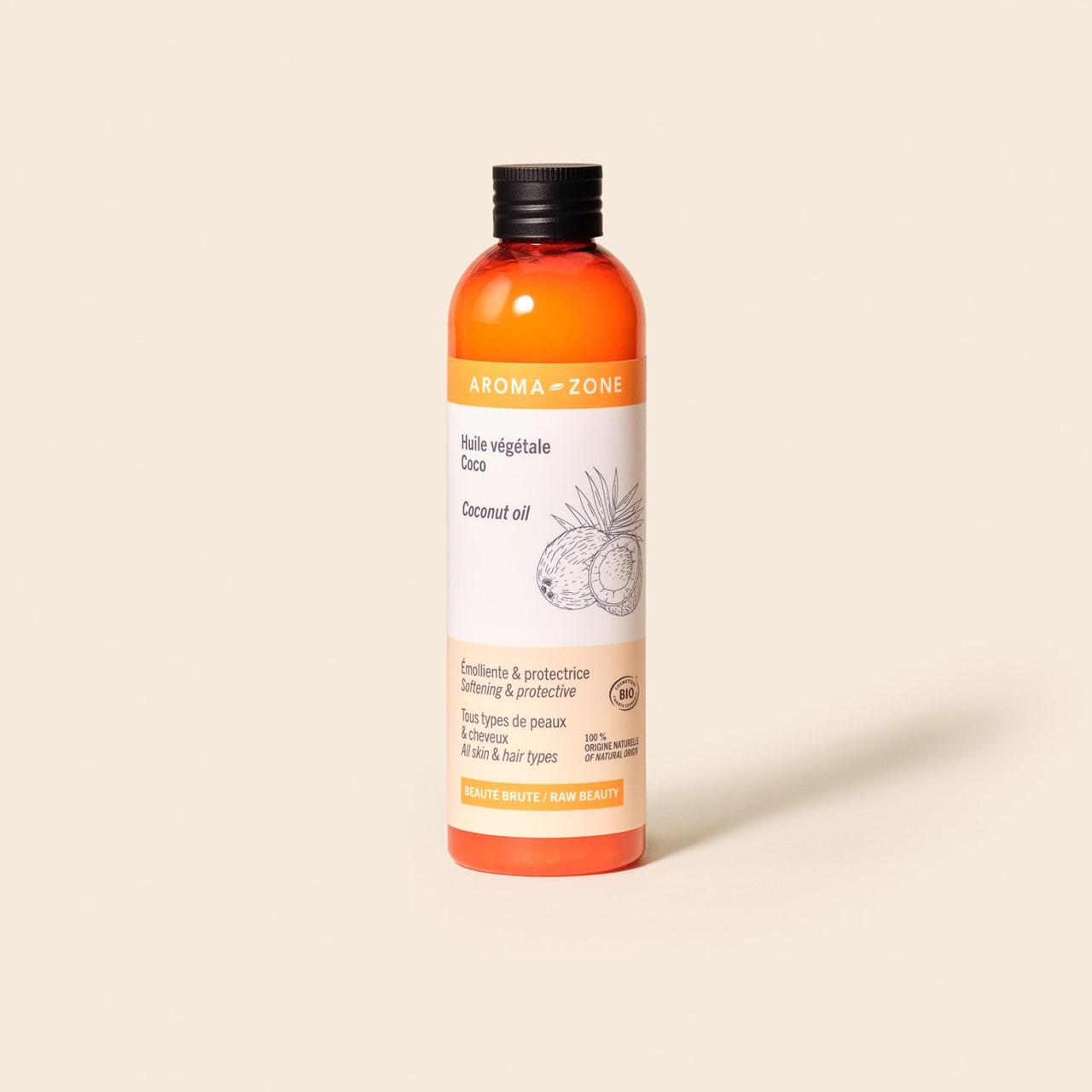
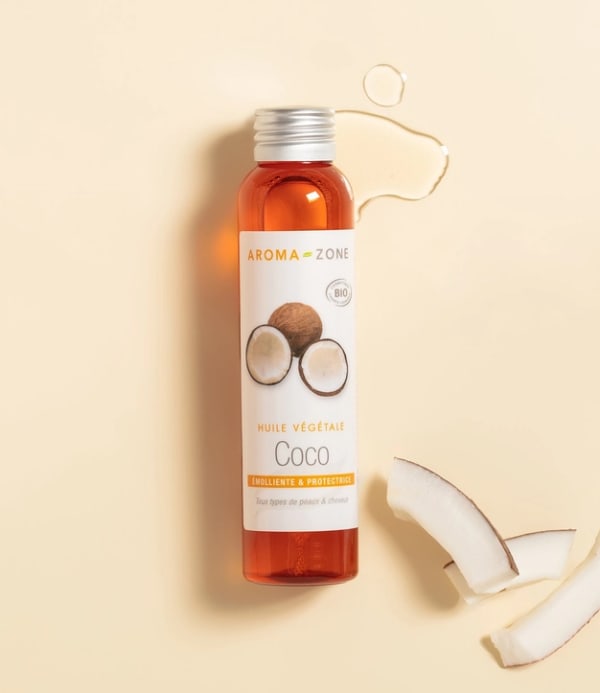
Coconut oil: Coconut oil is a natural moisturiser rich in essential fatty acids, particularly lauric acid, which penetrates deep into the skin to nourish and moisturise. Highly nourishing, Coconut oil considerably reduces skin dehydration. It soothes irritated and overheated skin and nourishes and smoothes the hair fibre, leaving hair shiny and strong.

Discover ORGANIC Coconut oil

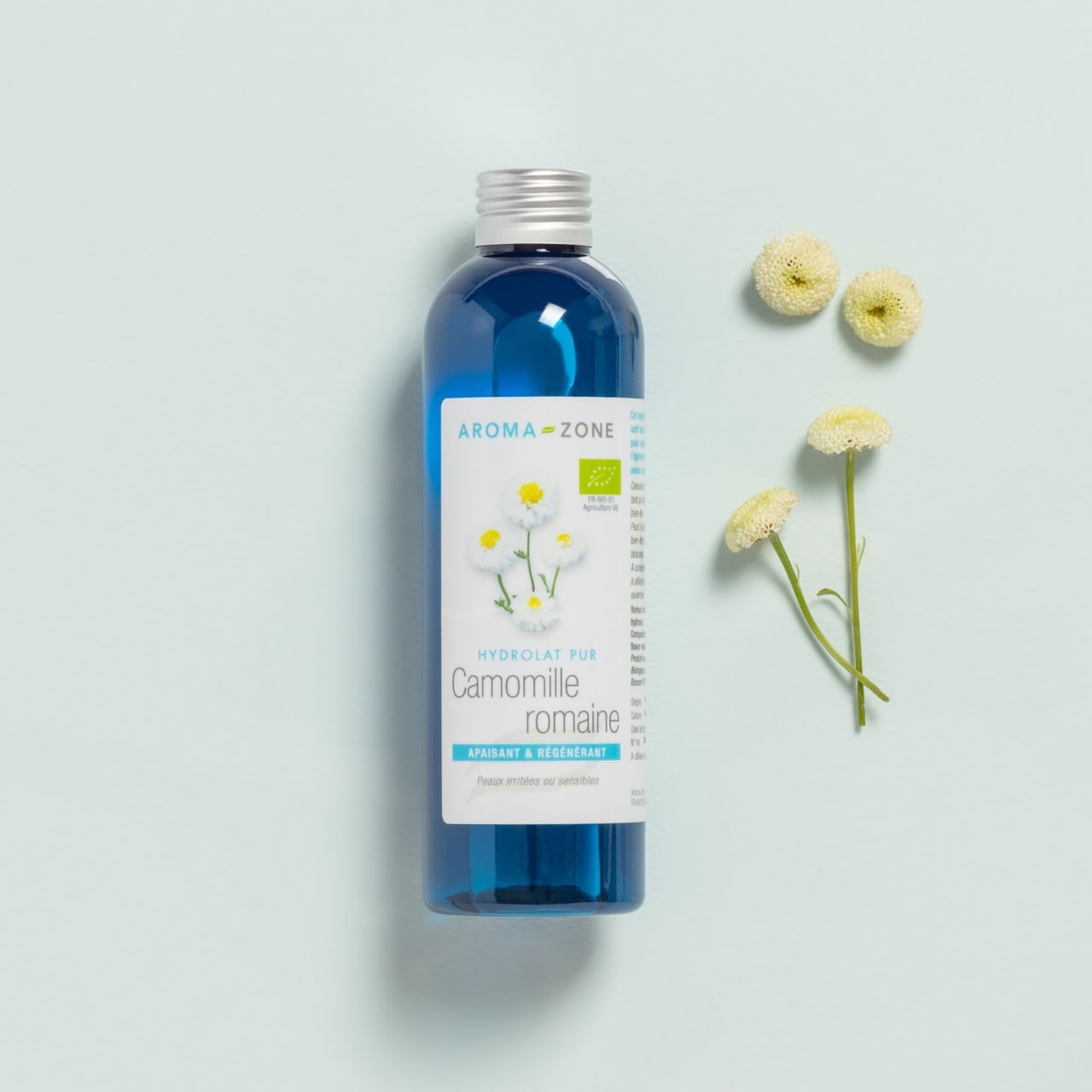
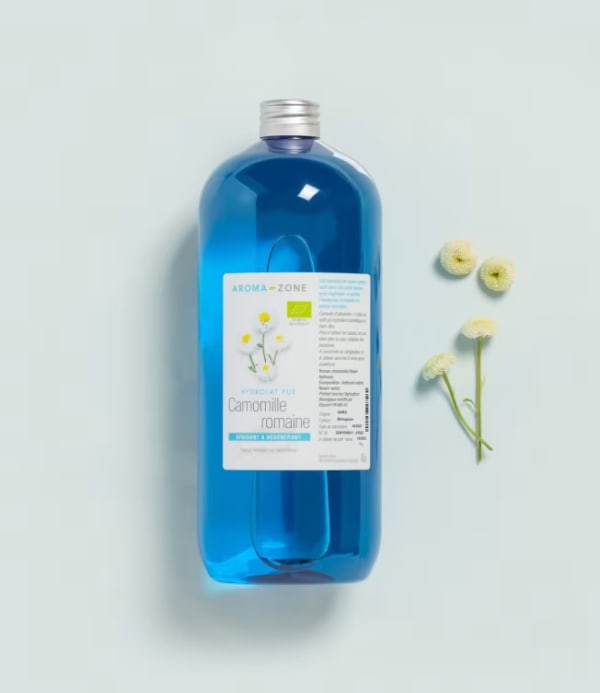
Roman Chamomile hydrosol: Roman Chamomile hydrosol is renowned for its soothing, calming and anti-inflammatory properties that help soothe scalp irritations. To use, spray Chamomile hydrosol directly onto your scalp after shampooing, making sure to cover all irritated areas. Then leave to air dry - you don't need to rinse.

Discover Roman Camomile hydrosol

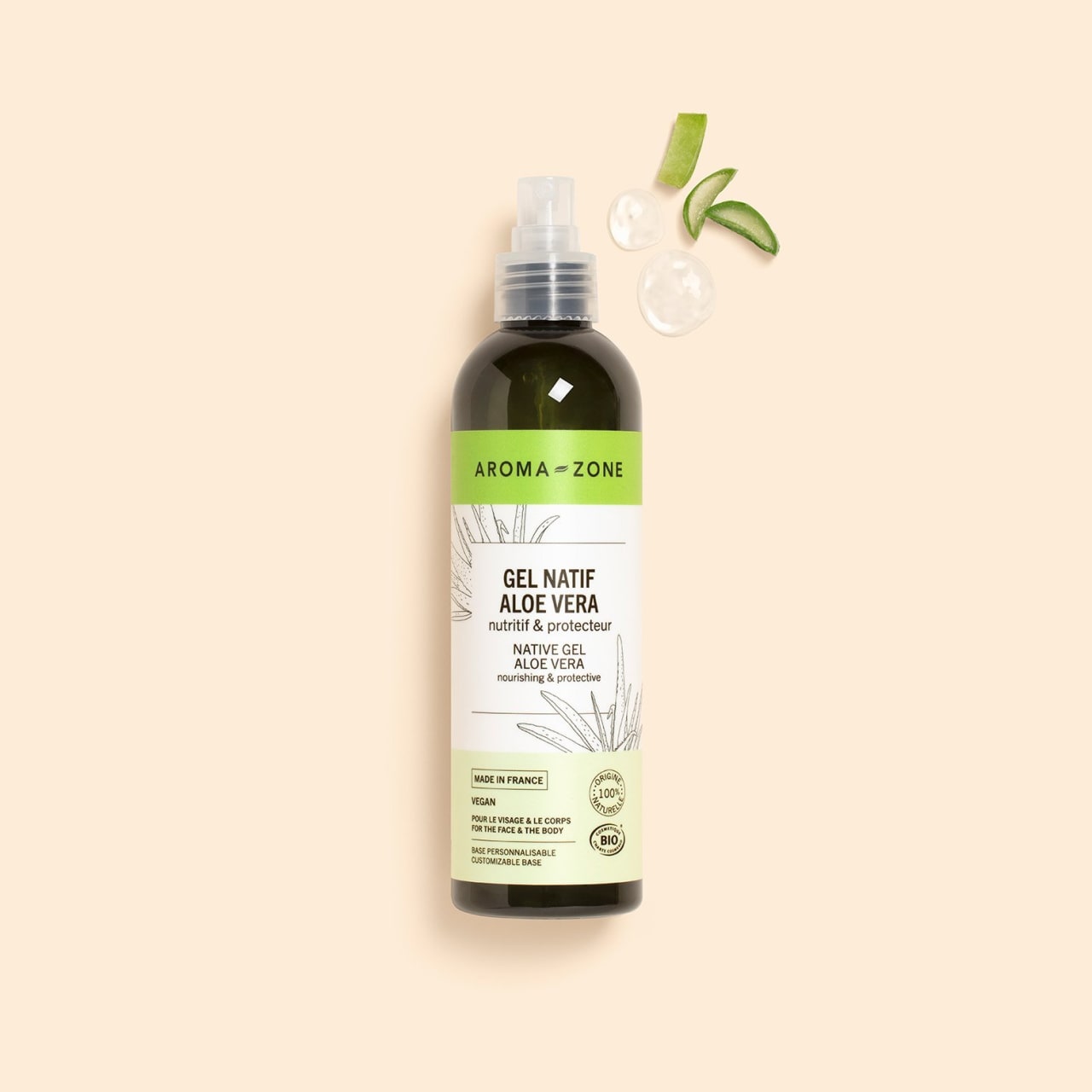
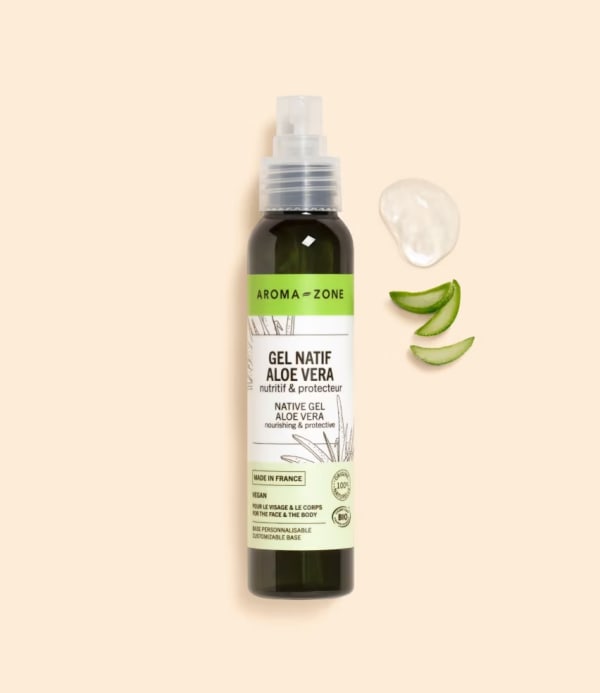
Aloe vera gel: Aloe vera gel has moisturising, healing and soothing properties that can greatly help relieve itching and reduce inflammation.

Discover Aloe vera gel

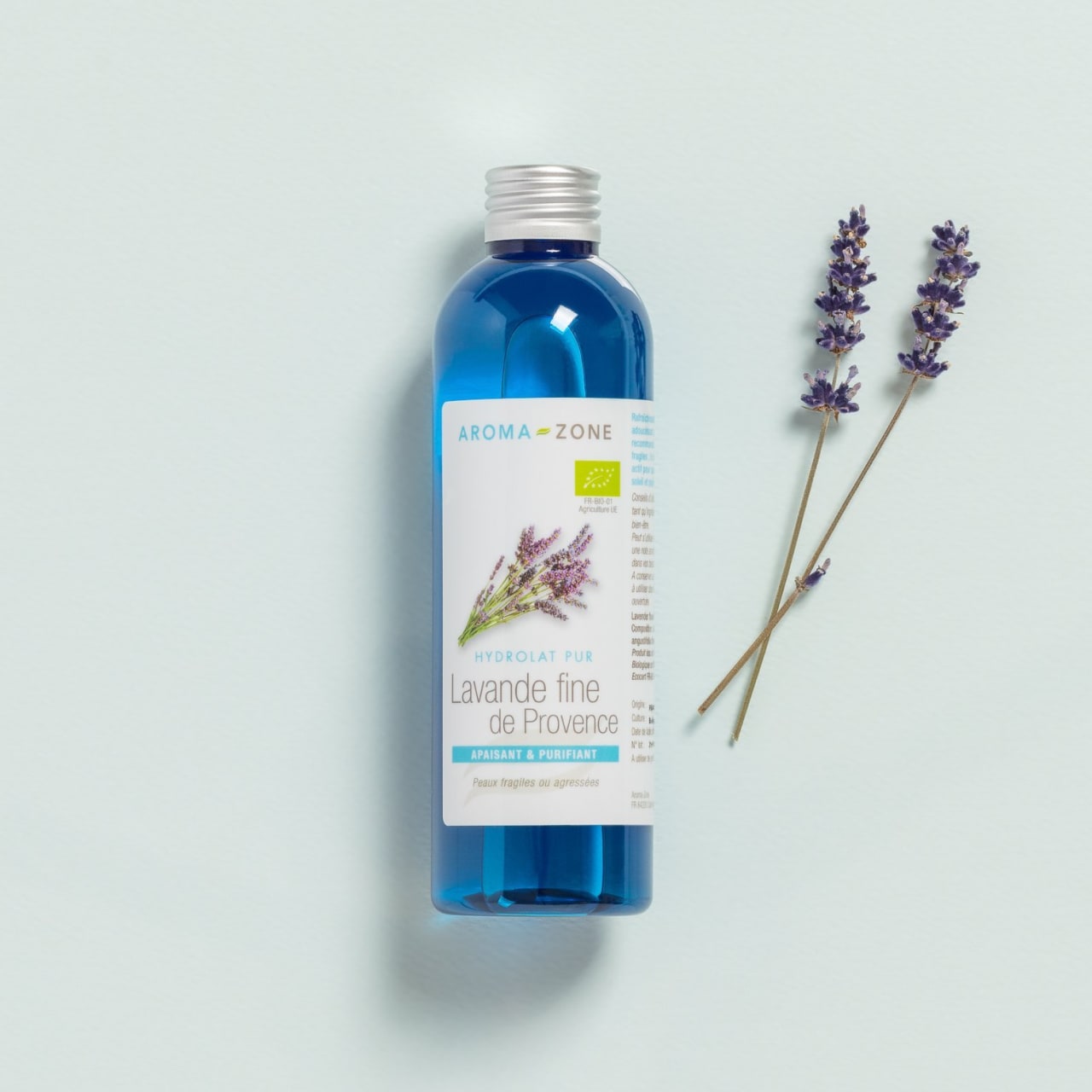
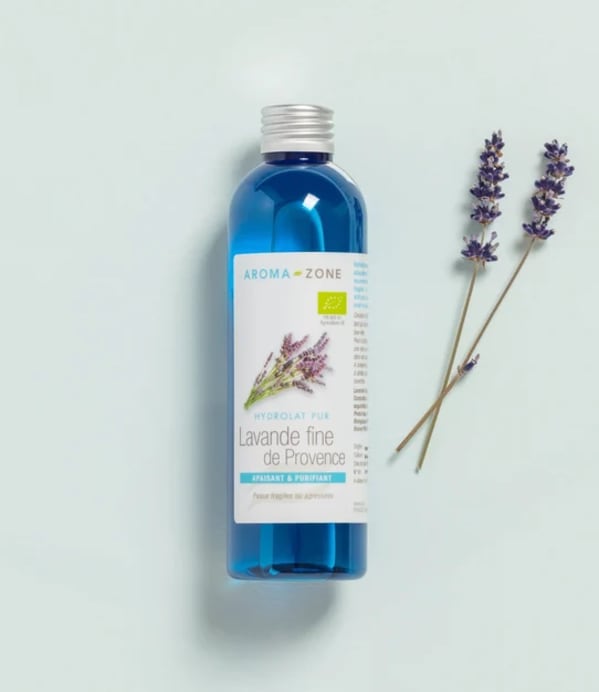
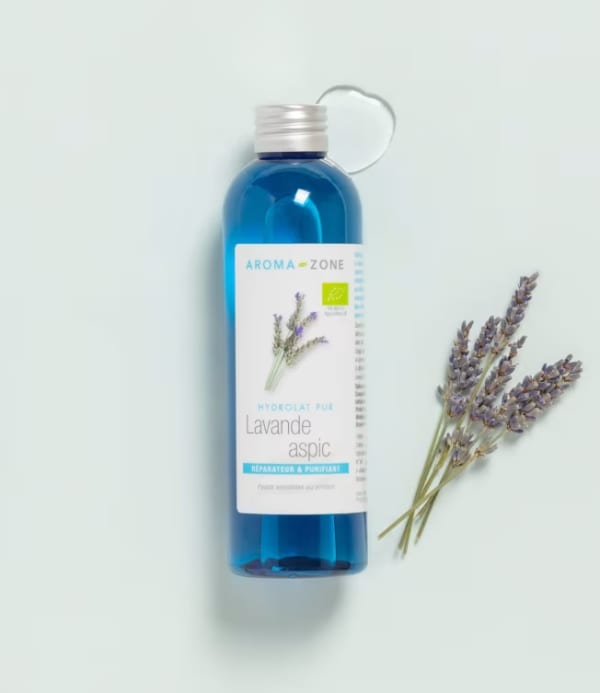
Lavender hydrosol: Lavender hydrosol has soothing, anti-inflammatory and antiseptic properties that can help calm itching and reduce the irritation of a dry scalp. To use, spray Lavender hydrosol generously onto your scalp after shampooing, making sure to cover the entire irritated area. You don't need to rinse it off.

Discover Lavender hydrosol

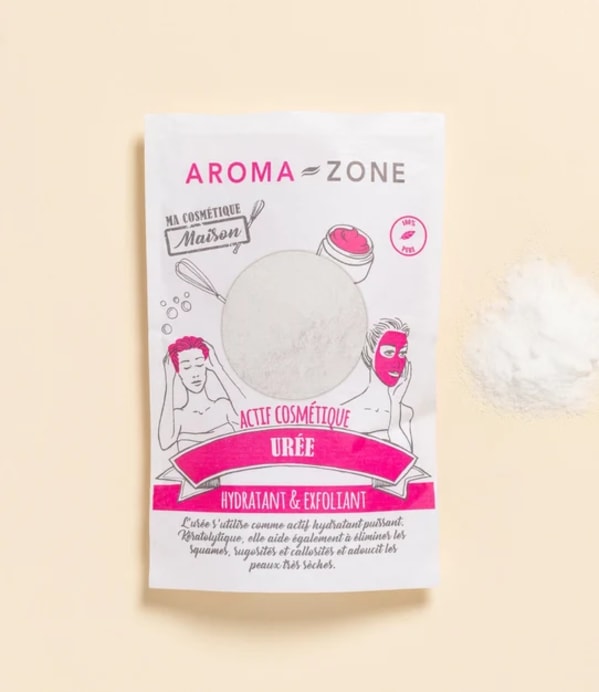
Urea active ingredient

Urea is an active ingredient renowned for its intense moisturising properties and keratolytic effect. It helps to eliminate flaky skin and restore suppleness and softness to very dry skin, including the scalp. As well as its moisturising action, Urea acts as a gentle exfoliant, helping to eliminate dandruff. Ideal for sensitive skin. You can add it to your haircare products, such as shampoos or masks, for intense hydration and effective relief for dry scalp.

Discover the active ingredient Urea

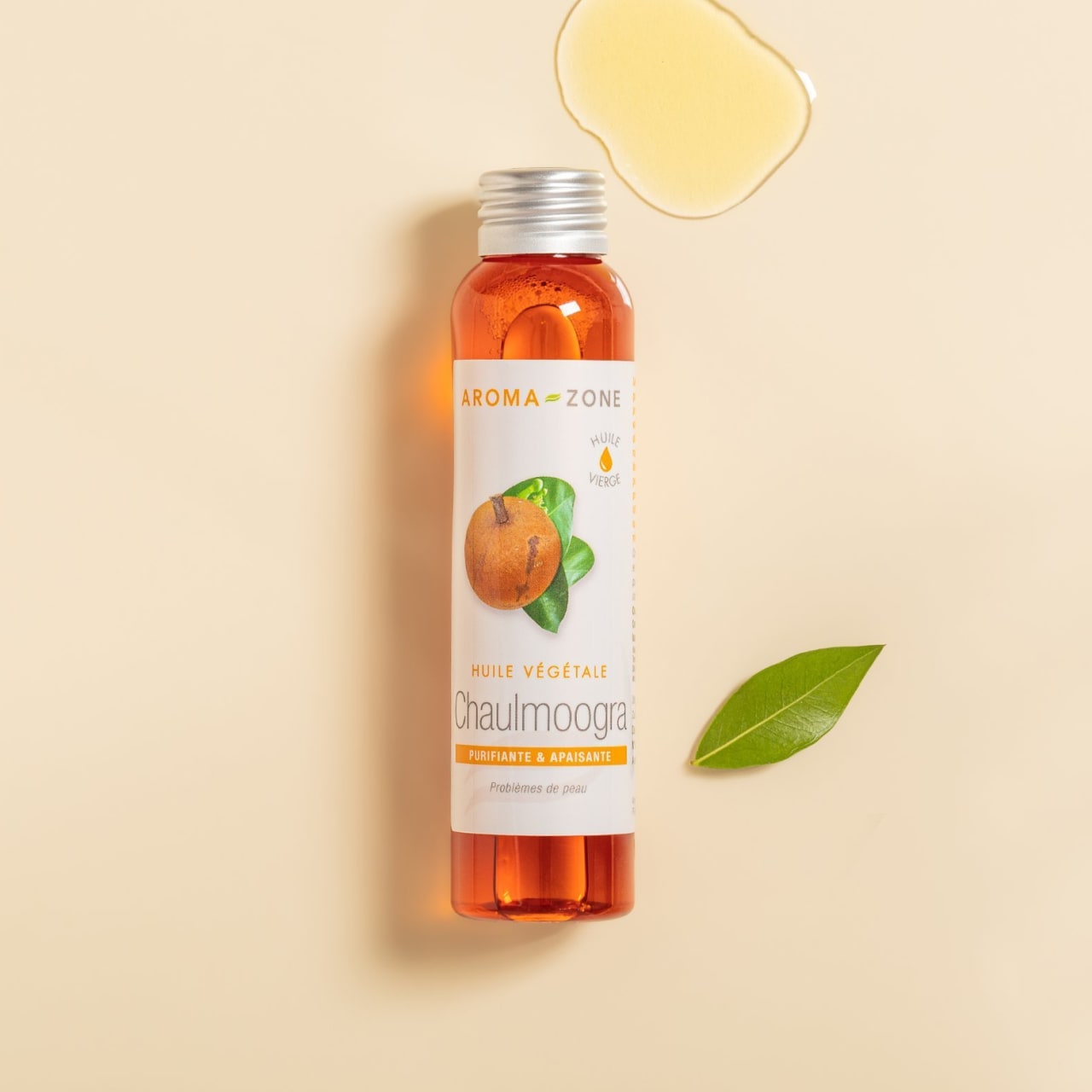
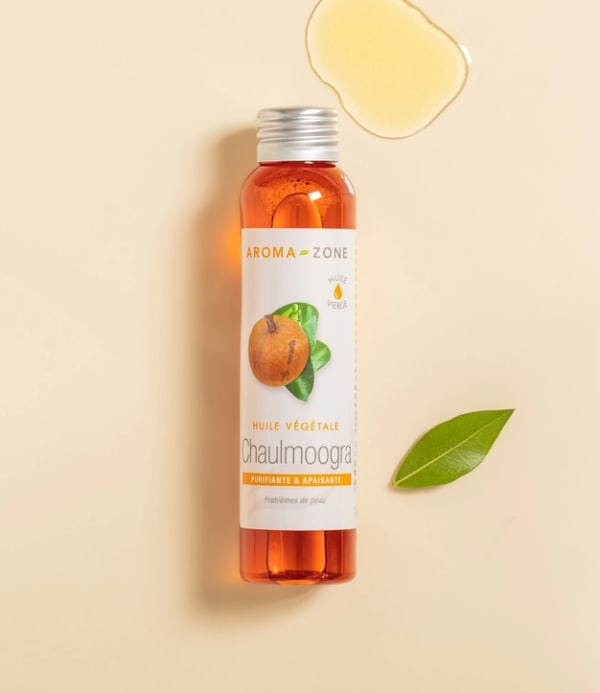
Chaulmoogra oil: The antifungal, antibacterial and anti-inflammatory properties of Chaulmoogra oil help to reduce the inflammation associated with dry dandruff. It also helps soothe irritated scalps.

Discover Chaulmoogra oil

What routine should I adopt for dry scalp?

Coconut oil bath

To use, make sure your oil is at room temperature so you can handle it. Apply it evenly to your scalp, massaging gently to encourage absorption. Leave on for at least 30 minutes, then rinse thoroughly and shampoo gently as usual.

Discover ORGANIC Coconut Oil

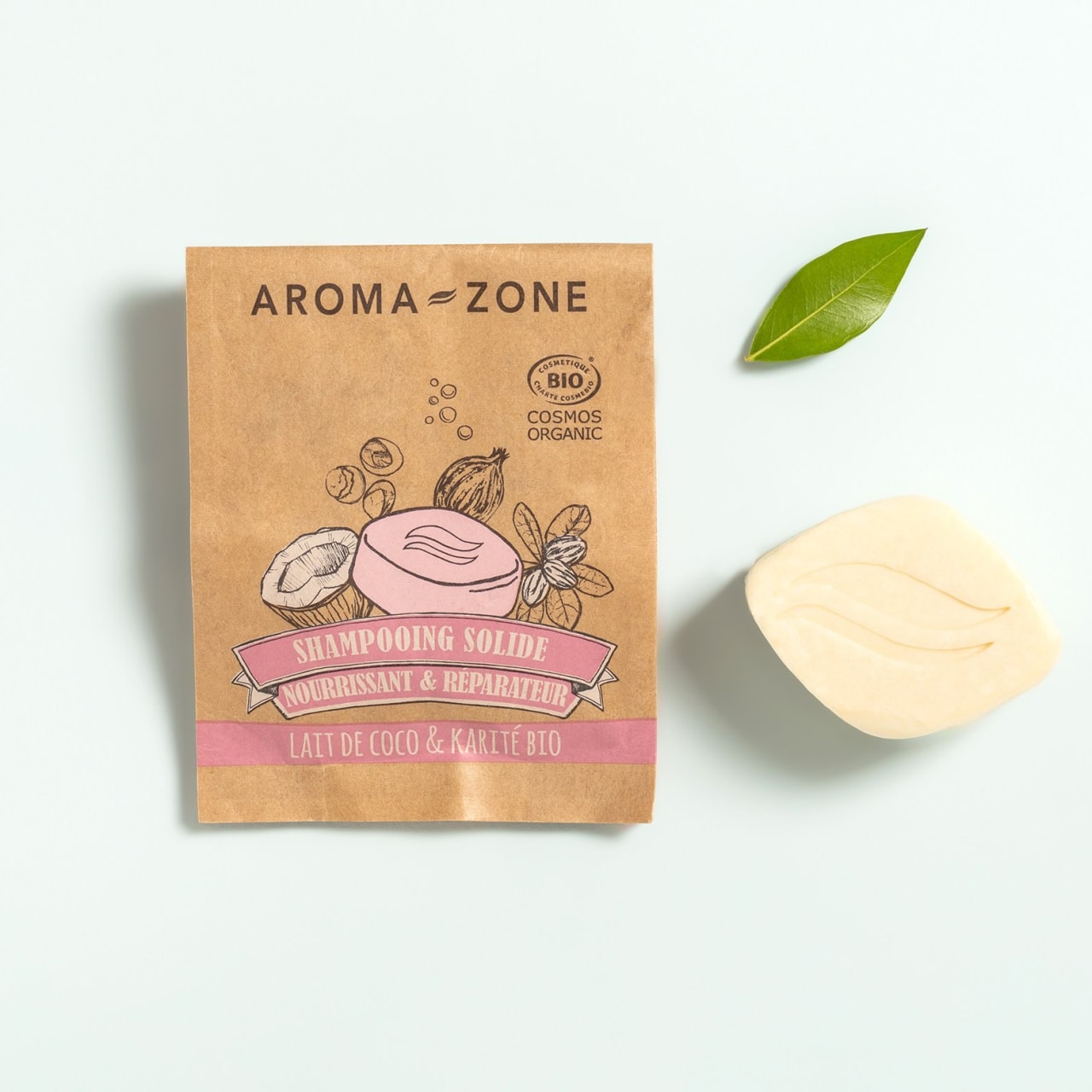
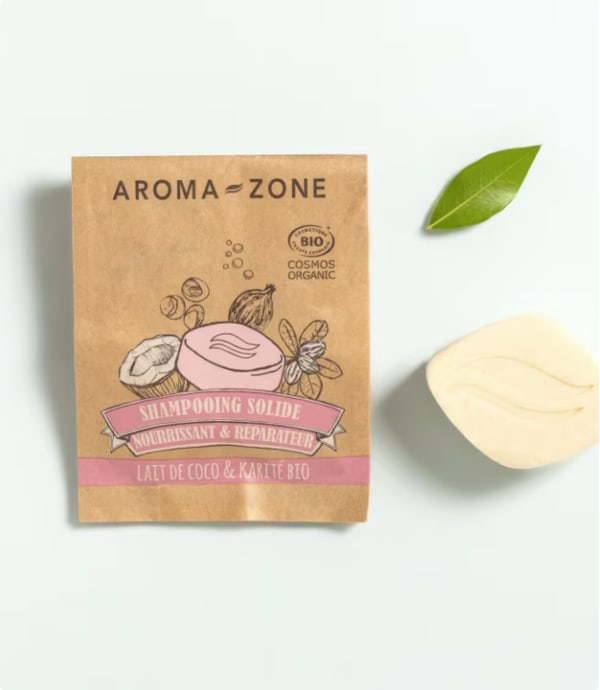
Nourishing & Repairing Shampoo bar

This ORGANIC shampoo bar with ORGANIC Avocado and Coconut oils, ORGANIC Shea butter and ORGANIC active coconut milk, meets the needs of dry, damaged hair. Its patented, sulphate-free, certified ORGANIC formula nourishes, repairs and coats hair from root to tip without weighing it down.

Nourishing & Repairing Shampoo bar

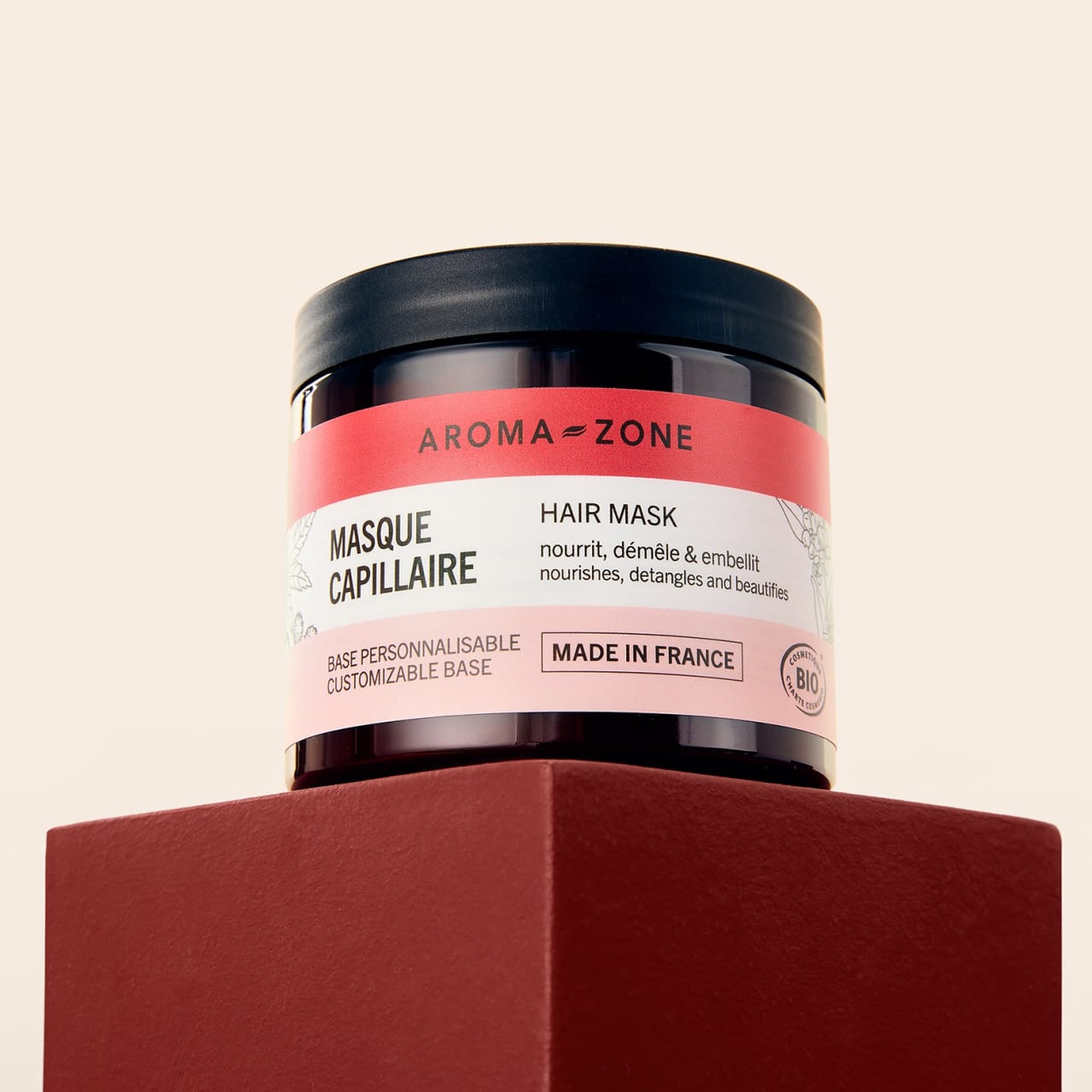
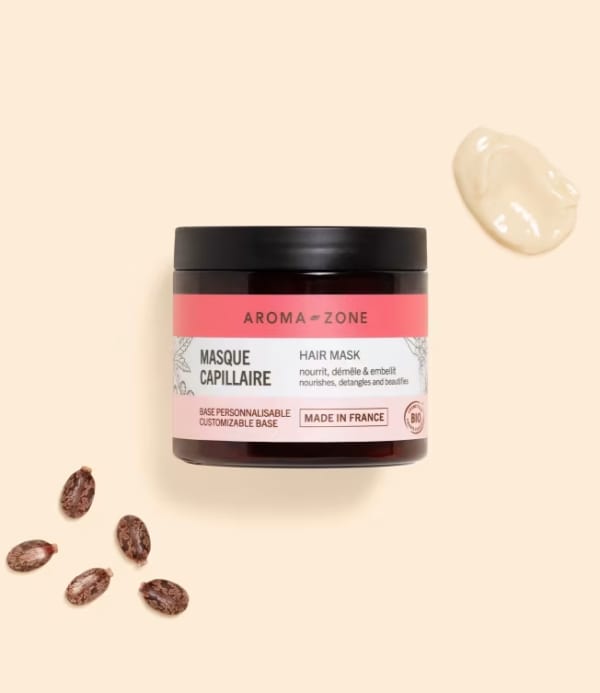
Hair Mask Base

This neutral hair mask base, rich in Jojoba, Ricin and Shea butter plant oils, protects, smoothes and nourishes your hair. Its supple, light texture means it can be used as a hair mask or conditioner, to make detangling easier and add shine, suppleness and softness to your hair.

Hair Mask Base

Lavender hydrosol

Spray Lavender hydrosol generously onto your scalp after shampooing. There's no need to rinse. Lavender hydrosol has soothing, anti-inflammatory and antiseptic properties that can help reduce itching and the irritation of a dry scalp.

Tips for caring for a dry scalp

Grandmother's remedies

Fenugreek seed infusion baths

Fenugreek seed baths are a natural remedy used to treat a variety of hair problems. Thanks to its anti-inflammatory properties, fenugreek seeds can soothe scalp irritations and reduce inflammation, which is particularly useful for dry, sensitive scalps. Infuse 2-3 tablespoons of fenugreek seeds in a litre of hot water. Once the infusion is ready, allow it to cool slightly before use to avoid burning the scalp. Pour the warm fenugreek infusion onto the scalp and massage gently to soak the roots. Leave for 10-15 minutes, then rinse with clean water.


Mask with egg yolks

Mix one or two egg yolks with a tablespoon of plant oil (Olive, Castor, Argan) and apply the mixture immediately to the scalp and long hair. Leave for 30 minutes before shampooing as usual and rinsing. This mask nourishes the hair and revitalises the lengths without weighing down the hair fibre.


Yoghurt and honey masks

Honey is a natural humectant that attracts moisture and helps retain water in the skin and hair. To prepare a moisturising honey mask, mix powdered honey or ORGANIC honey with a little plain yoghurt until you have a smooth consistency. Apply this mixture to your scalp and hair, concentrating on dry areas, and leave on for 20-30 minutes before rinsing thoroughly with warm water. This mask will help moisturise and soften your scalp, while leaving your hair soft and silky.

Best practice for dry hair

A dry, sensitive scalp can be aggravated by poor daily habits. To prevent this problem from getting worse or lasting longer, here are some tips to follow:

  1. Don't scratch: When you're suffering from bouts of itching, we advise you to try not to scratch. This can worsen the dryness, cause skin lesions and increase the risk of developing dry dandruff.

  2. Ventilate your head: Make sure the air circulates around your scalp by avoiding tight hairstyles or hats that could impede ventilation. Leaving your hair loose or opting for airy styles can help reduce perspiration and therefore maintain an environment conducive to scalp health. If you wear protective headgear or wigs, remember to remove them when you're at home to let your scalp breathe.

  3. Brushing your hair: Brushing your hair with a soft bristle brush can help to distribute scalp oil along the length of your hair. This helps to moisturise the lengths and ends, while stimulating blood circulation to the scalp. Brush your hair gently and regularly, starting at the ends and gradually working your way up to the roots.

  4. Eat well and drink enough: A balanced diet and sufficient hydration are essential for maintaining a healthy scalp. Make sure you eat enough fruit, vegetables and protein to nourish your scalp from the inside out. What's more, staying hydrated by drinking plenty of water throughout the day can help prevent dry scalp and maintain its moisture balance.

Our home recipes for caring for a dry scalp

If you're a fan of home recipes and want to look after your scalp naturally, here are some of our moisturising and soothing recipes:

Soothing lotion for irritated scalps

Preparation

1

Transfer the ingredients to a bottle. Close the bottle and shake.


Note: the pH of this preparation is approximately 5.0-6.0.

Caution: In the event of contact with eyes, rinse thoroughly with clean water.

Store your bottle away from light and heat.

* Storage: if stored properly and manufactured under optimum hygiene conditions, your product will keep for at least 3 months.


To find out more, consult

Instantly soothe your scalp with this soothing lotion for irritated scalps. It's made with Lime tree Hydrosol, renowned for its soothing and softening properties, and Provitamin B5, which deeply moisturises and nourishes the scalp.

Clay & Tulsi Anti-Dandruff Shampoo

Hair care

Treat your hair to an aromatic bath with this plant-based shampoo enriched with cleansing and purifying ORGANIC Tulsi and Neem powders and green clay with cleansing properties. This shampoo is a natural essential for combating dandruff and restoring a healthy scalp. Apply this shampoo to wet hair on the scalp and lengths, massage into the scalp, leave on for 3 to 5 minutes and rinse with clean water.

Preparation

1

Mix the powders and essential oil in a bowl.

2

Gradually add the mineral water, mixing until you obtain a smooth, homogenous paste.

NB: The amount of water needed to make a good paste may vary depending on the powder, so adjust if necessary.


NB: The amount of water required to make a good paste may vary depending on the powder used. Adjust if necessary.

* Storage: This preparation cannot be stored, so use immediately.

Precautions to take

Carry out a skin sensitivity test first to avoid allergic reactions. Choose gentle products suited to your skin type. Moisturise your scalp moderately to avoid clogging the hair follicles. If the problem persists, consult a health professional for advice.

Expert advice

Avoid frequent use of heated appliances such as hairdryers, straightening irons or curling irons. Excessive heat can further dry out your scalp and aggravate dryness problems. Instead, opt for air-drying whenever possible, or use lower heat settings on your heated appliances. In addition, consider investing in a hair dryer diffuser, which distributes heat more gently and reduces potential heat damage. By limiting exposure to heat, you'll help maintain your scalp's natural moisture.

Find out more

How often should you wash dry hair?

For dry hair, we recommend washing twice a week or less. Excessive washing can worsen dryness by removing the natural lipids that protect the hair.

Does hot or cold water affect dry hair?

Hot water can open cuticles and dry hair out, while lukewarm or cold water helps to close cuticles and retain moisture. It's a good idea to finish the rinse with cool water to keep hair hydrated and reduce frizz.

Spotlight on our well-being editor, Laura Almeras

Laura is a health, beauty and lifestyle writer. Passionate about travel and gastronomy, she shares her nutritional advice on how to combine pleasure and well-being. Through her articles, she aims to provide you with meaningful information and practical advice to nourish your body and mind.

Bibliography

1

A study of damaged hair. Journal of the Society of Cosmetic Chemists, vol. 27, January 1976.