
A crust on the scalp forms as part of the skin's natural healing process after injury. It can be dry, greasy, or yellowish, and may or may not be accompanied by itching. Some crusts develop as a result of irritation, an allergic reaction, or certain hair treatments. They can also be caused by excessive scratching linked to stress. When crusts appear on a baby's scalp, this is referred to as cradle cap.
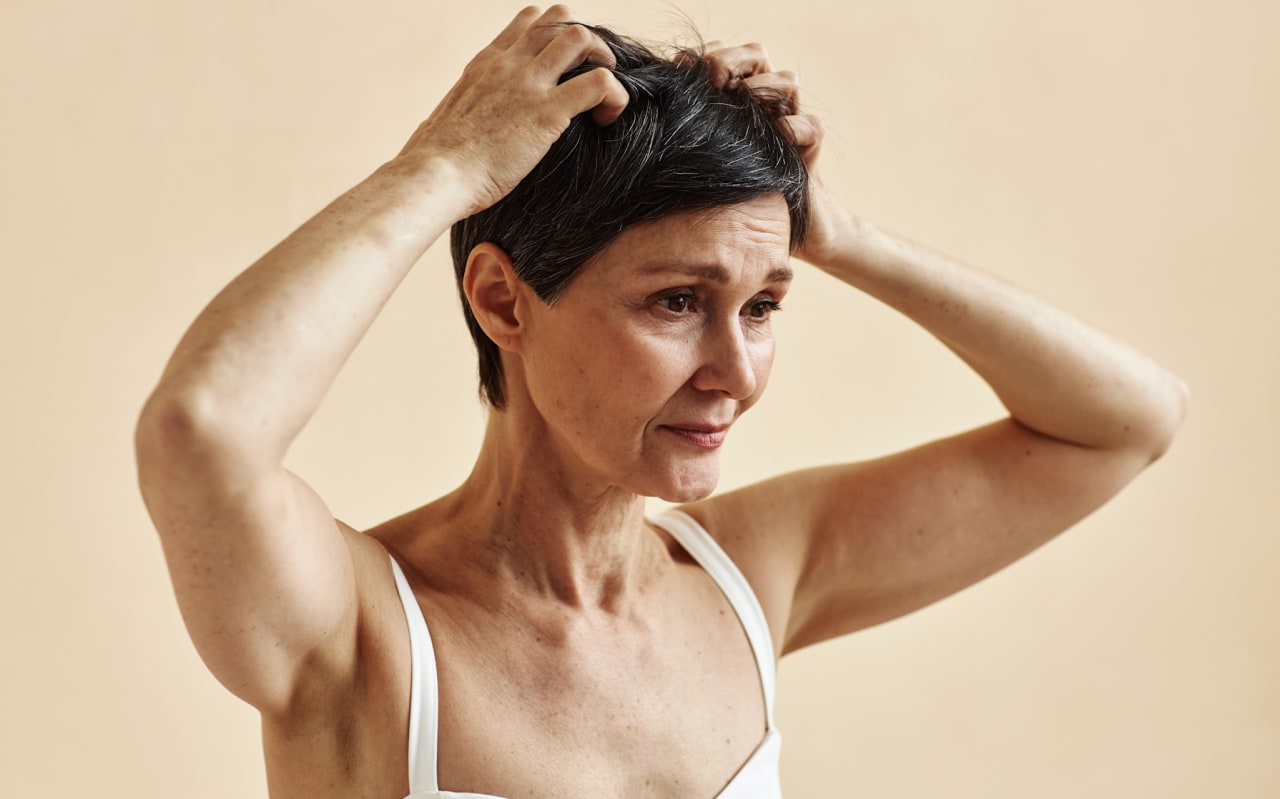
Scalp Crusts: Causes and Symptoms
Published on: Thursday, April 10, 2025, Updated on: Wednesday, October 28, 2026
Scalp crusts are usually harmless, but they can quickly become uncomfortable, or even painful. Whether it's an itchy crust on the scalp, one that appears after bleaching, or cradle cap, it's important to understand what's causing it in order to treat it effectively. Discover the causes, symptoms, best practices, and our natural solutions for caring for an irritated scalp and clearing up crusts.
Contents
Related products
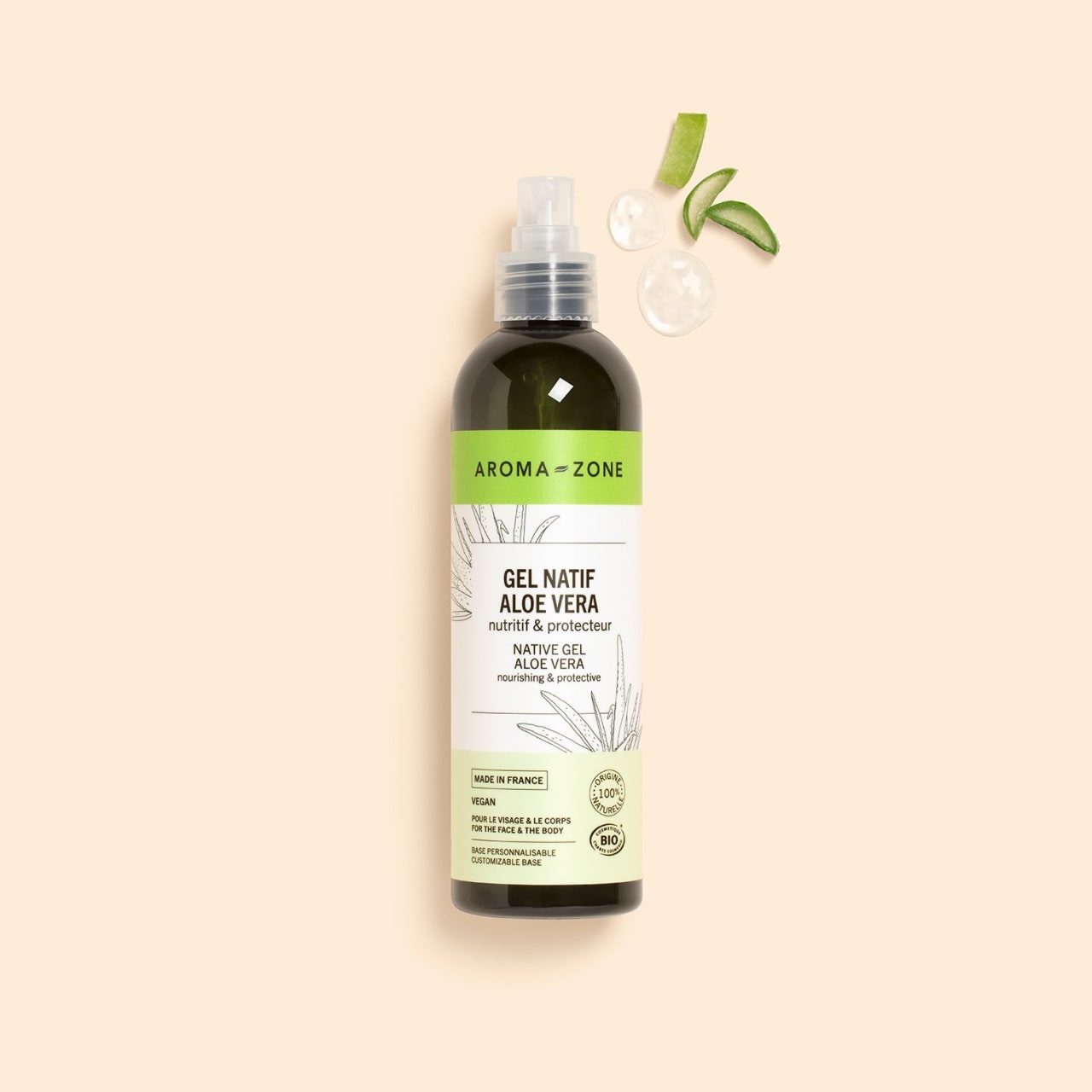
Organic Native Aloe Vera Gel
Protective
Nourishing
£10.00
250 ml
3 options
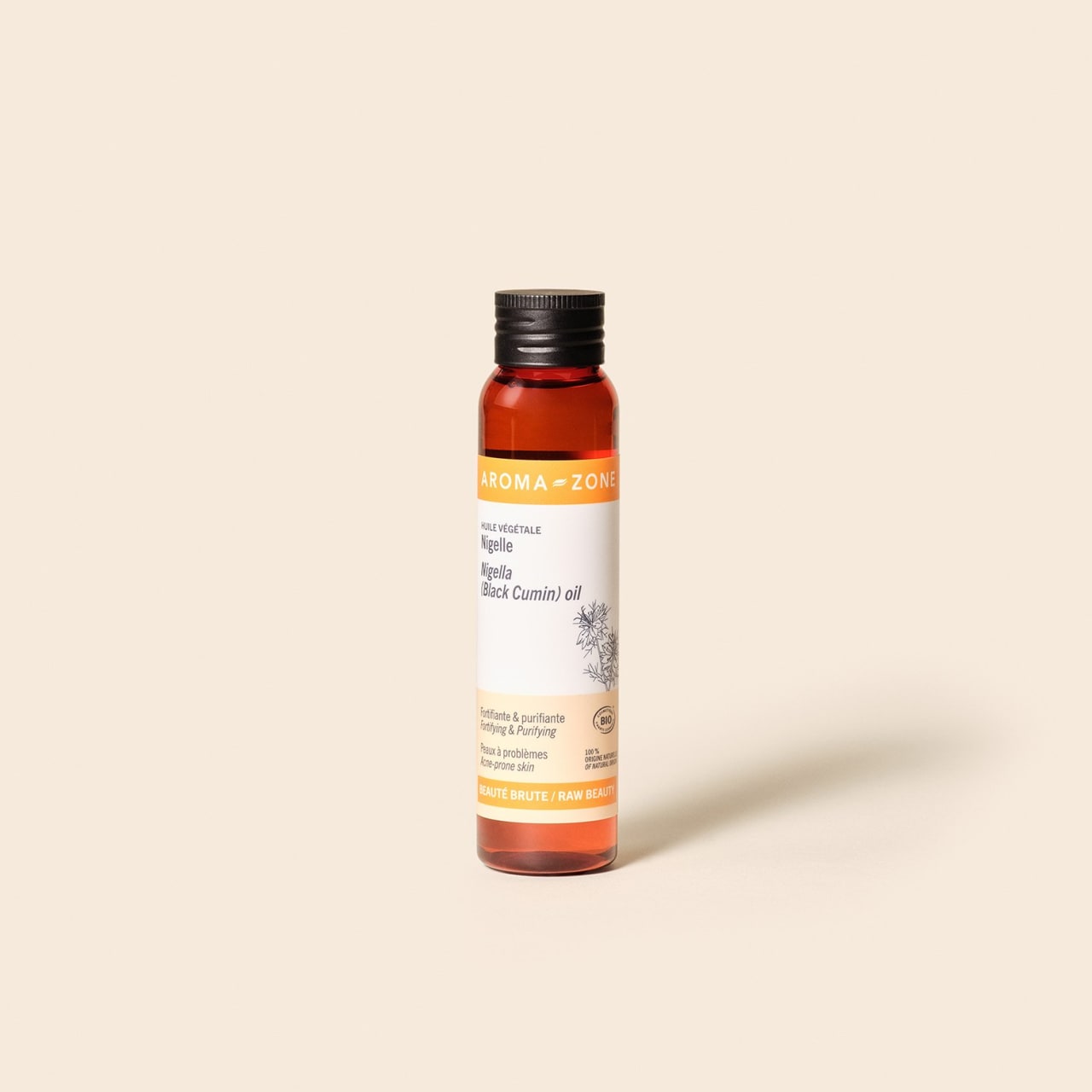
Organic Nigella (Black Cumin) Oil
Purifying
£5.60
£8.00
100 ml
Hair Growth Active Ingredient
Hair strengthening
£4.20
£6.00
10 ml
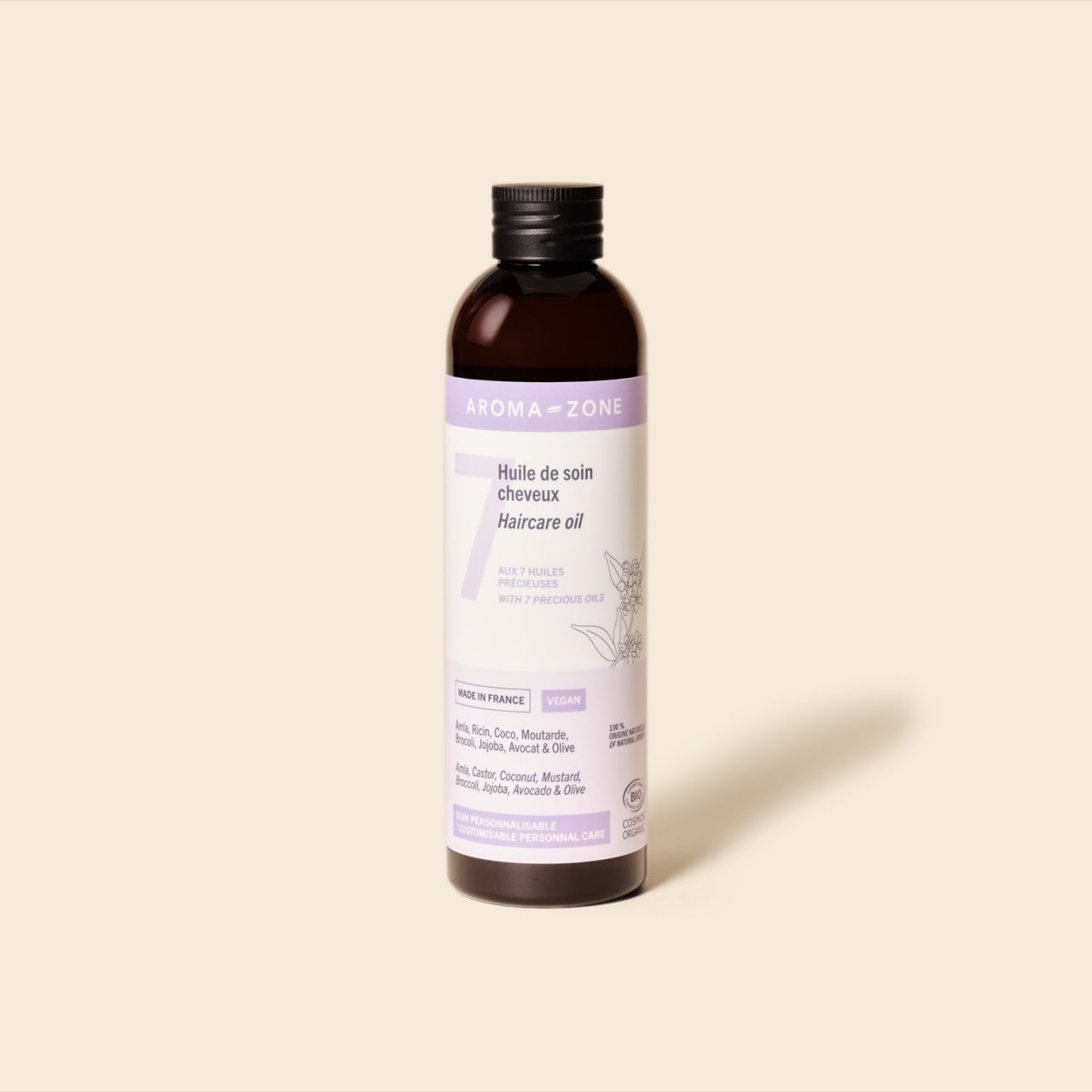
Haircare Oil With 7 Precious Oils
Repairing
Hair strengthening
£11.00
250 ml
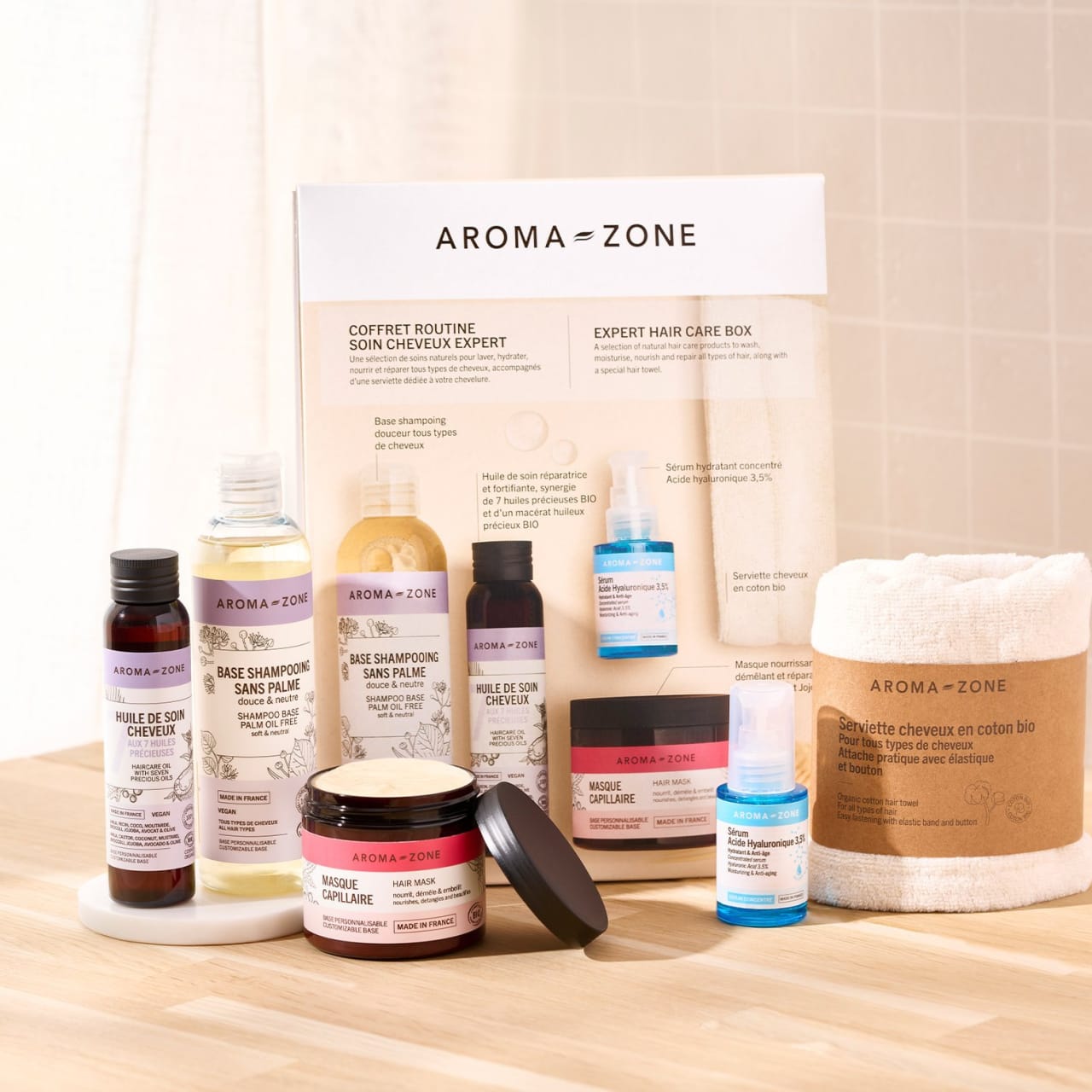
My Expert Hair Care Routine
Hair strengthening
£36.00
1 article
What Is a Scalp Crust?
Good to know
It's best not to pick at these crusts, as doing so risks worsening the skin's condition or leaving scars on the scalp.
What Are the Causes?
These dermatological issues cause persistent inflammatory reactions on the skin. Scalp psoriasis causes accelerated cell turnover, leading to the accumulation of dead cells. These cells then form thick, whitish plaques, often topped with scabs. Scalp eczema, on the other hand, results from an allergic or atopic reaction and is accompanied by redness, dry skin, and severe itching. Repeated scratching can lead to the formation of bloody crusts on the scalp. These conditions are chronic and require medical monitoring.
Irritation caused by harsh hair care products
Hair coloring, bleaching, shampoos that are overly perfumed, or those containing harsh chemicals (such as sulfates) can cause severe scalp irritation. In some cases, this manifests as a burning sensation, intense dryness, or the appearance of scabs. The appearance of scabs on the scalp after bleaching may indicate a mild chemical burn or a contact allergic reaction. It is essential to perform patch tests before applying any hair product to your scalp and to opt for gentle, natural hair care products.
A fungal or bacterial infection of the scalp
The scalp can be the site of infections caused by fungi (such as dermatophytes responsible for ringworm) or bacteria (such as staphylococcus). These infections often lead to local inflammation, redness, intense itching, and the formation of scabs that may be pus-filled. Impetigo, particularly in children, causes yellowish, sticky scabs, while infectious folliculitis leads to small, painful red bumps that can develop into thick scabs.
Poor hygiene or excess sebum
A buildup of sebum, dust, styling product residue, or insufficient scalp cleansing can create an environment conducive to the growth of bacteria and yeast. This promotes the formation of scabs on the scalp, particularly in "confined" areas, such as behind the ears or on the nape of the neck. Conversely, washing too frequently with harsh products can also disrupt the scalp’s microbiome. It is therefore important to adopt a balanced hygiene routine and a washing frequency suited to your hair type.
Dermatillomania
This is an obsessive-compulsive disorder (OCD) that causes some people to compulsively pick, scratch, or pull at their skin. On the scalp, this can result in lesions, persistent scabs, and sometimes open sores or scarred areas. These actions are often unconscious and linked to stress or chronic anxiety. Dermatillomania may require joint psychological and dermatological care.
Cradle cap in babies
Very common in the first few months of life, cradle cap is caused by an overproduction of sebum and the buildup of dead skin cells. They form thick, whitish or yellowish patches on your baby’s scalp. These crusts are generally not painful. They appear mainly on the top of the head and may be accompanied by mild flaking around the eyebrows. Although they may look alarming, they are harmless and usually disappear on their own with gentle, regular care.
What are the symptoms associated with these crusts?
Intense itching: This often indicates underlying irritation or inflammation of the scalp, which is common in cases of dermatitis, eczema, or psoriasis. This symptom is often the first to appear and can lead to compulsive scratching, which will worsen the condition of the skin.
Localised redness: This is typical of allergic reactions or contact dermatitis. It often appears around areas that have been scratched or after using harsh hair care products, particularly hair dyes or shampoos containing allergens.
Visible flaking: This manifests as thick dandruff or flakes falling from the scalp. This phenomenon is common in cases of seborrheic dermatitis or psoriasis and can be mistaken for regular dandruff, although this type of dandruff is thicker.
Thick or yellowish crusts: These appear particularly in babies as cradle cap, but also in adults with seborrheic dermatitis. These crusts are often greasy, adhere to the scalp, and may give off a slight odour if they become infected.
The presence of blood: This symptom may appear after intense scratching or in the event of a bacterial superinfection. Try not to pick at the crusts to avoid worsening the condition, causing pain, and leading to scarring.
Localised hair loss: Hair loss around the scabbed areas is possible, especially if the skin has been damaged for a long time or in the event of an infection. This temporary hair loss can become permanent if the follicles are irreversibly damaged.
Our natural solutions for scalp crusts
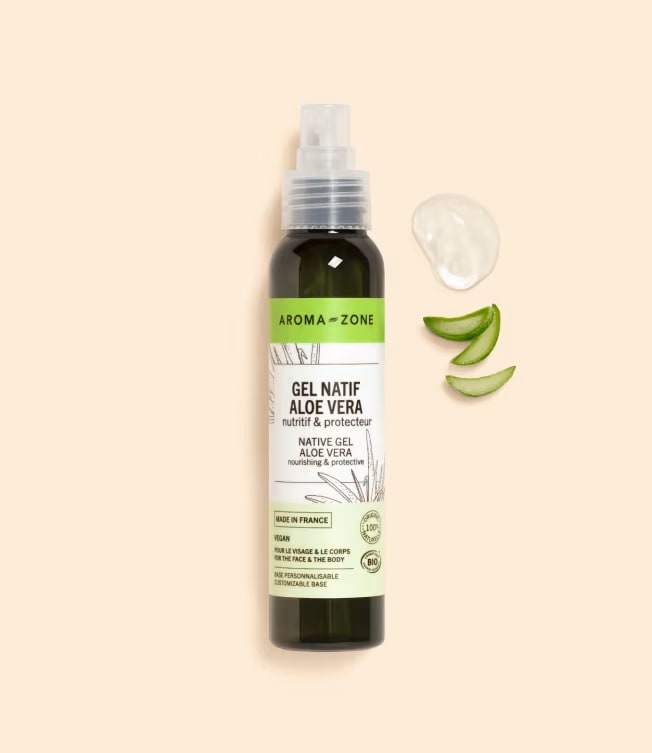
Organic Aloe Vera Gel
Moisturising, soothing, and restorative for the scalp, it calms irritation and regenerates the skin. Apply undiluted or mixed with an oil to a clean, dry scalp. Store in the refrigerator.
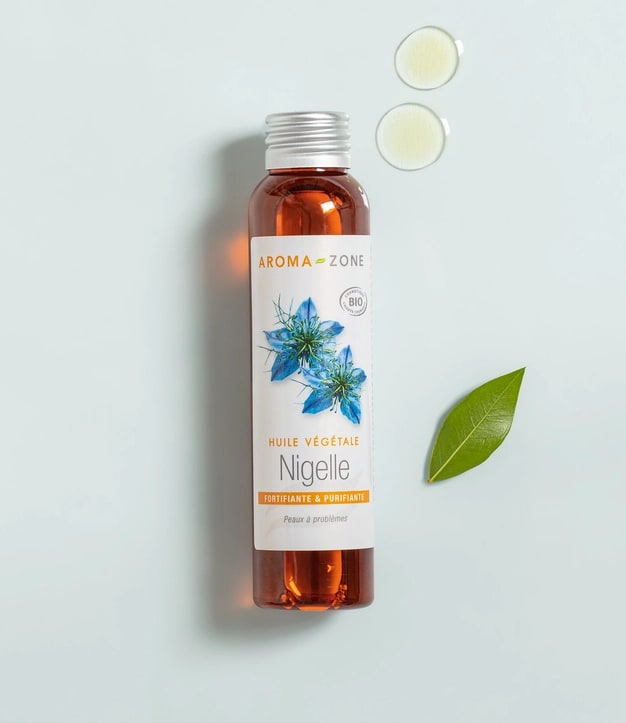
Organic Black Cumin Seed Oil
Soothing, restorative, and skin-purifying, it works wonders in caring for irritated skin and soothing itching. Use as an oil treatment once a week, leaving it on for 30 minutes under a warm towel.
The routine to adopt to prevent these issues
Use gentle products: Opt for shampoos that are sulfate-free, silicone-free, and free of irritating fragrances
Limit harsh treatments: Hair colouring, bleaching, and excessive heat (straighteners, curling irons, and hair dryers) weaken the scalp
Moisturise your scalp regularly: With plant-based oils or suitable gels
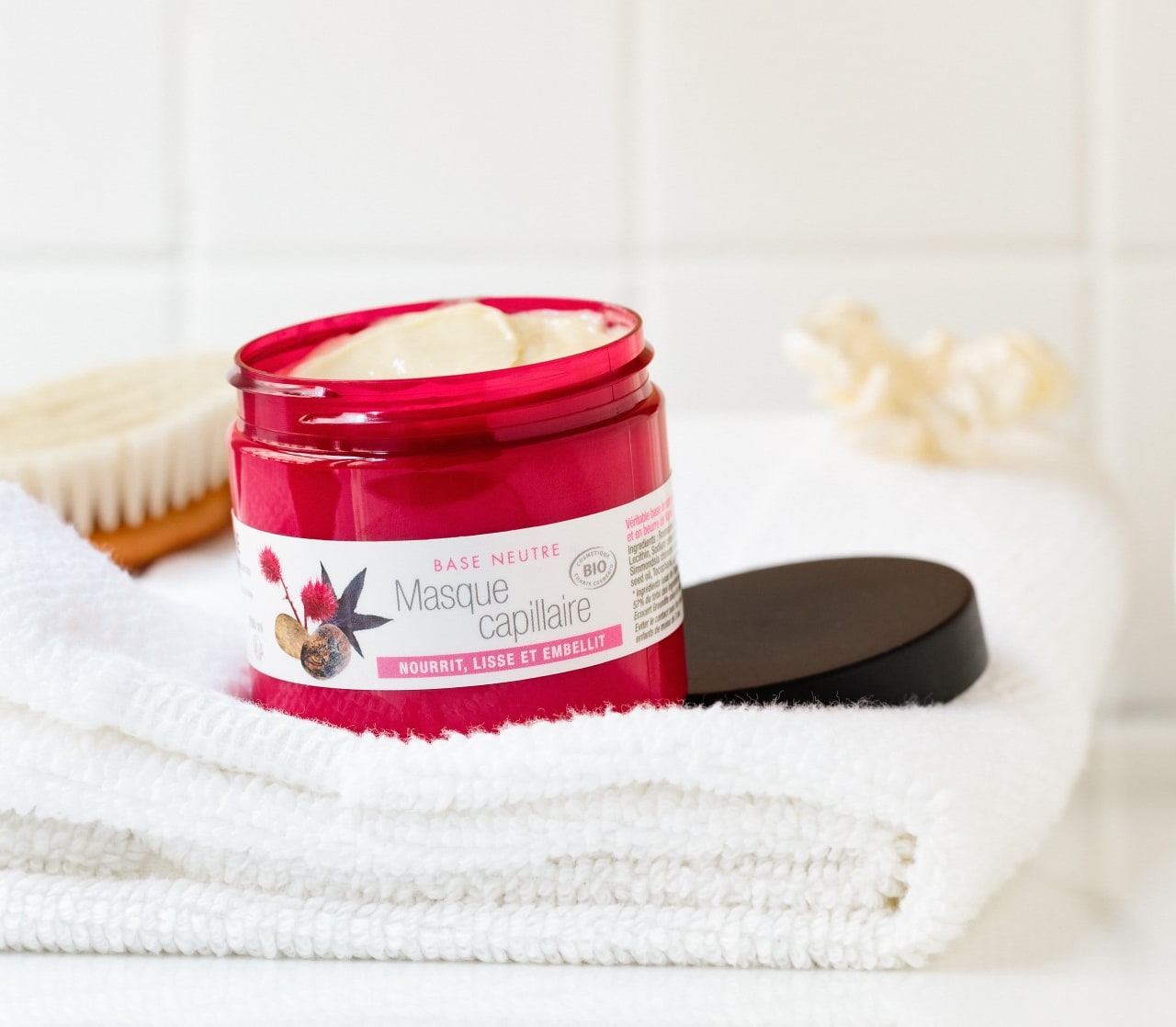
Perform regular treatments using natural hair masks
Avoid scratching your head: This worsens the lesions and can cause scabs on the head
Massage your scalp to stimulate microcirculation
Precautions for use
Before using a natural product, especially on a sensitive or damaged scalp, it is recommended to perform a patch test on the inside of your elbow. If in doubt, consult a healthcare professional.
Expert Advice
Crusts on the scalp can indicate a simple imbalance or a more complex condition. It’s essential not to ignore persistent symptoms. A tailored, natural routine can help, but only a medical diagnosis can confirm the cause.
Spotlight on Our Beauty Writer: Alice Blanchard

Formerly a manager at an organic shop, Alice spent several years helping her customers choose healthy products that respect both their health and the natural world. Having suffered from endometriosis since her teenage years, she chose to prioritise natural solutions to ease her symptoms and improve her day-to-day well-being. Drawing on her knowledge of naturopathy, she has always explored the benefits of plants and nutrition. Passionate about ecology and deeply connected to nature, Alice makes her own cosmetics and household products to reduce her impact on the planet and all its inhabitants.

Frequently Asked Questions
Associated tip
Hair care tips


