Knowing your hair’s porosity to choose the right treatment

Knowing your hair’s porosity to choose the right treatment


By Suzie Desmet

Published on: Wednesday, September 27, 2023, Updated on: Friday, October 30, 2026

Choosing the right hair care product doesn’t depend solely on hair texture or thickness. The way the hair fibre absorbs water and reacts to treatments plays an equally crucial role. This absorption capacity, often referred to as porosity, influences shine, how well hairstyles hold, and how the hair responds to masks or oil treatments.

A treatment that works effectively on one person’s hair may therefore prove unsuitable for another. Understanding hair porosity helps avoid over-nourishment, the feeling of weighed-down hair or, conversely, lengths that seem to lack suppleness. In this article, we explain what hair porosity really means, what its characteristics are, and how to adapt your routine and hair care products accordingly.

Contents

Related products

What is hair porosity?

Porosity refers to your hair’s ability to absorb and retain moisture and hair care products.

This porosity depends on how the cuticles—those tiny scales that protect your hair—are positioned. When they’re tightly packed and lying flat against the surface, they repel water. Their porosity is low. When they’re spread apart or lifted, water and products can penetrate more easily, but they can also evaporate more easily. Their porosity is high. Think of porosity like the tiles on the roof of a house. If the tiles are slightly raised, it floods as soon as it rains. If they’re laid flat, nothing gets in, nothing gets out.

Why is hair porous?

Hair porosity is not a defect in itself. It reflects the structural condition of the hair fibre, and more specifically that of its outer layer: the cuticle. Depending on its structure, integrity, and the stresses it undergoes, the fibre absorbs water and hair care products to a greater or lesser extent.

Research by Robbins and Feughelman shows that hair permeability depends both on the hair’s intrinsic structure and on the changes it undergoes over time. Porosity is therefore influenced by both internal and external factors.

Intrinsic factors: the natural structure of the hair fibre

Hair morphology varies from person to person. Differences in cross-section, curvature, and sebum distribution have been observed depending on hair type.

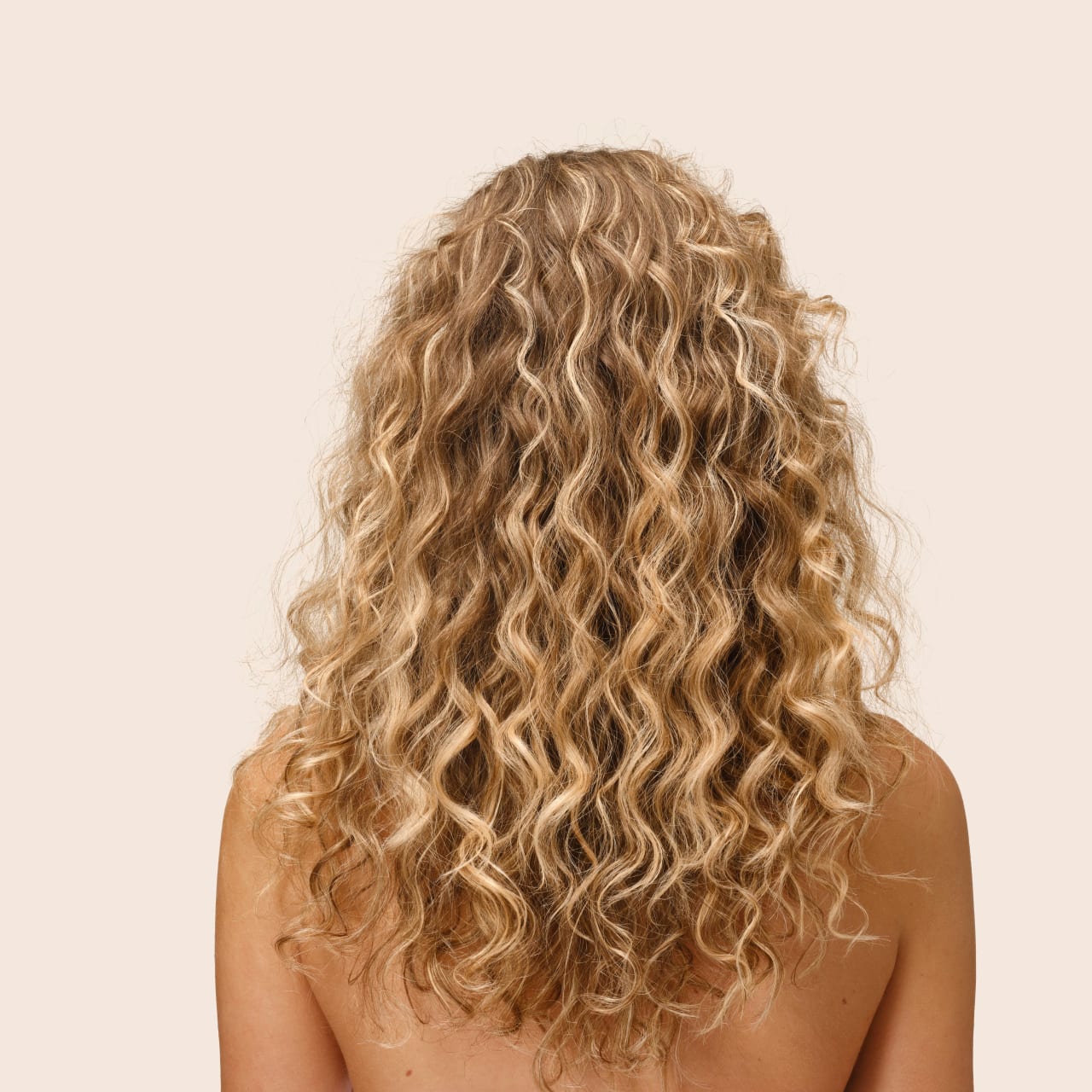
Very curly or kinky hair has a more elliptical cross-section and a curved fibre. This configuration creates areas of mechanical stress along the hair shaft, which can lead to increased fragility of the cuticle. Conversely, straighter hair often has a more uniform surface, with a more even distribution of protective sebum.

The density and arrangement of the cuticle scales are also genetically determined. These characteristics influence the hair’s initial ability to limit water-induced swelling.

Chemical factors: changes in keratin

Chemical processes such as bleaching, oxidative colouring, perms, or straightening treatments alter the internal structure of keratin. These treatments can cause damage to the cuticle and protein loss within the cortex.

When the outer protective layer is weakened, the hair shaft becomes more permeable. Water penetrates more easily but also evaporates more quickly, which can exacerbate the feeling of dryness and loss of cohesion.

Mechanical and thermal factors: repeated stress

Excessive heat (straightening irons, repeated blow-drying), repeated friction, or aggressive brushing can gradually damage the cuticle surface.

As a result, there is an increase in the "friction coefficient" when the cuticle is damaged. A rougher surface promotes tangling and alters how the hair fiber reacts to ambient humidity.

Environmental factors: UV rays and humidity

Prolonged exposure to ultraviolet radiation can lead to the gradual breakdown of hair proteins. Similarly, repeated shifts between humidity and dryness cause cycles of swelling and contraction in the hair fibre.

These repeated mechanical phenomena can exacerbate damage to the cuticle and alter porosity over time.

What are the characteristics of porous hair?

Hair described as “porous” generally has a less compact or partially damaged cuticle. This surface alteration affects its ability to absorb water, its reaction to ambient humidity, and how it responds to hair care products.

Research in hair science shows that damage to the cuticle increases the fibre’s permeability, alters its friction coefficient, and affects its ability to retain moisture. In practical terms, this results in several observable characteristics:

  • Water absorption: Rapid absorption of water during washing

  • Drying: Sometimes uneven due to faster moisture loss

  • Sensitivity: Increased sensitivity to changes in ambient humidity

  • Hair surface: A less smooth surface that can lead to increased friction and tangling

  • Hair shine: Reduced when the cuticle surface is uneven

  • Response to treatments: significant, with rapid but sometimes short-lived penetration of conditioning agents.

These characteristics do not necessarily indicate “damaged” hair, but rather a specific surface condition and cuticle structure.

Here is a comparison of porous and non-porous hair:

Characteristics

Porous hair

Non-porous hair

Condition of the cuticle

Less compact or partially damaged cuticle scales

More regular and compact scales

Water absorption

Rapid penetration

More gradual penetration

Water retention

Faster loss of absorbed water

More stable moisture retention

Reaction to moisture

Increased sensitivity to swelling

More moderate reaction

Surface and friction

Higher coefficient of friction

Smoother surface, reduced friction

Brilliance

Greater light diffusion, sometimes reduced brightness

More uniform light reflection

This table illustrates a difference in structural state, not a qualitative hierarchy. Each type of porosity can be balanced provided that the care regimen is adapted to the nature of the fibre.

How can you determine your hair’s porosity?

Hair porosity cannot be measured using a home test. Studies in hair science show that the fibre’s permeability depends on the condition of the cuticle, the level of protein damage, and the mechanical stress it has undergone over time.

In practice, observing how hair behaves in response to water, hair care products, and ambient humidity helps identify a general trend. We typically distinguish three levels of porosity: low, medium, and high.

Low-porosity hair

Low-porosity hair has a relatively compact and uniform cuticle. The scales are well-aligned, which limits the rapid penetration of water and cosmetic ingredients. This structure promotes a smoother surface, which improves light reflection and contributes to an even shine.

Water absorption occurs gradually, and moisture retention is generally more stable. However, this low permeability can make the hair shaft more susceptible to the buildup of overly rich products, which tend to remain on the surface. Lighter textures are often better tolerated.

Medium-porosity hair

Medium porosity represents a balance between permeability and protection. The cuticle maintains satisfactory cohesion while allowing moderate penetration of conditioning agents. Water penetrates without excess, and moisture loss remains limited.

This type of hair fibre generally responds well to standard hair care products and remains stable in the face of changing weather conditions. The surface remains relatively smooth, which reduces friction and promotes a visually uniform appearance.

High-porosity hair

Highly porous hair has a less compact or partially damaged cuticle. Robbins’ research shows that surface damage increases permeability and the coefficient of friction. Water penetrates the fibre more quickly, but it can also evaporate faster.

This condition makes the hair shaft more sensitive to changes in ambient humidity. Repeated cycles of swelling and contraction can exacerbate this reactivity. Since the surface is less uniform, light diffusion is altered, which can affect the hair’s appearance.

High porosity may be linked to the hair’s intrinsic nature, particularly in the case of very curly fibres, or result from repeated mechanical and chemical damage.

What natural solutions are there for porous hair?

It is possible to improve hair porosity using natural solutions.

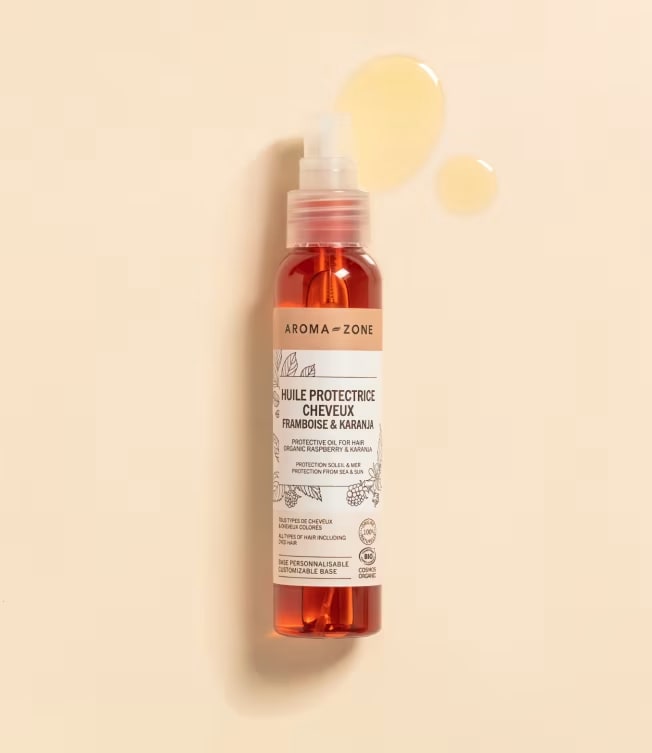
Organic Karanja & Raspberry Protective Hair Oil

Formulated with karanja and Abyssinian extracts, known for their proven protective properties, this 100% natural oil shields hair from the drying effects of the sun and seawater. Thanks to its blend of organic raspberry and karanja plant oils, rich in antioxidants, it enhances and preserves the hair's natural beauty.

Also ideal for coloured hair, its lightweight formula preserves the shine and intensity of the colour, leaving hair soft, shiny, and silky.

Discover our Organic Karanja & Raspberry Protective Hair Oil
Hair_Serum_Keratin_AA_&_Peptides

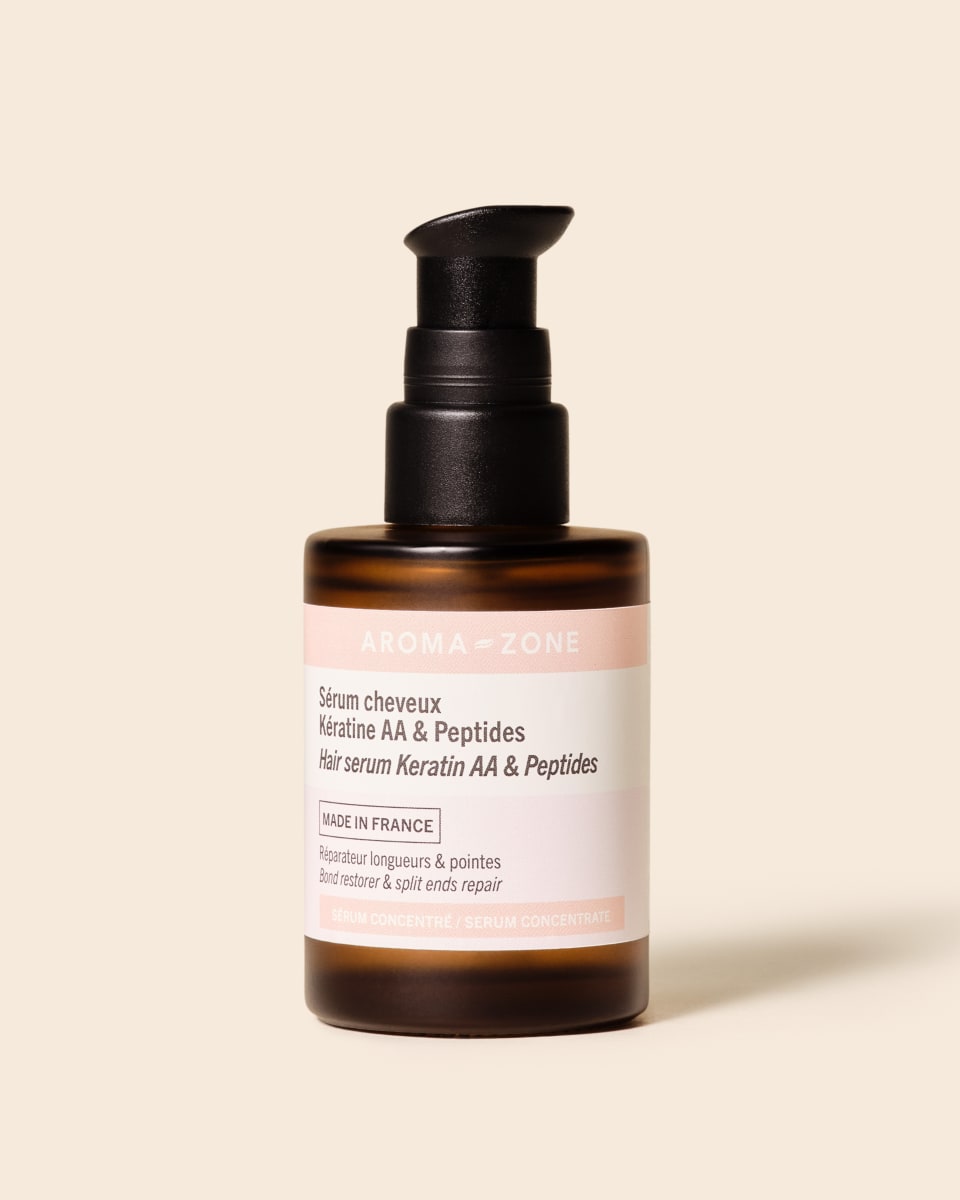
Keratin AA & Peptides Hair Serum

Formulated for all hair types, this serum strengthens the hair fibre thanks to a complex of amino acids and biomimetic keratin peptides. With +80% repair after just one application, your mid-lengths and ends are repaired, and your hair is stronger and shinier.

Discover our Keratin AA & Peptides Hair Serum

What are the consequences of porous hair?

High porosity makes the hair fibre more reactive to changes in ambient humidity. When the air is humid, water penetrates more easily into the cortex through a less compact cuticle. Scientific literature on keratin fibres shows that water acts as a plasticiser: it temporarily alters the hair's mechanical properties and causes swelling.

This swelling is not always uniform along the fibre. Successive cycles of water absorption and loss can thus accentuate certain volume irregularities and reduce the definition of curls, giving the impression of a less uniform texture.

Additionally, a less uniform cuticle surface increases the coefficient of friction between the fibres. Higher friction promotes rubbing, tangling, and can disrupt the uniform reflection of light. The hair may then appear less shiny.

These symptoms do not necessarily indicate a profound alteration of the hair fibre. They primarily reflect a surface condition that is more permeable and more sensitive to environmental conditions. Adapting your hair care routine and products can help limit these effects without attempting to alter the hair's intrinsic structure.

What steps should you take to minimise the frizzy appearance of highly porous hair?

When the hair fibre is more permeable, the goal is not to alter its internal structure but to stabilise its behaviour in response to water and climatic variations. Certain simple adjustments can temporarily improve the surface condition and limit excessive reactions to humidity.

Limit thermal and mechanical damage: Limit thermal and mechanical damage: Excessive heat and repeated friction increase damage to the cuticle and the friction coefficient. Reducing the use of heated styling tools and opting for gentle drying helps limit this gradual damage.

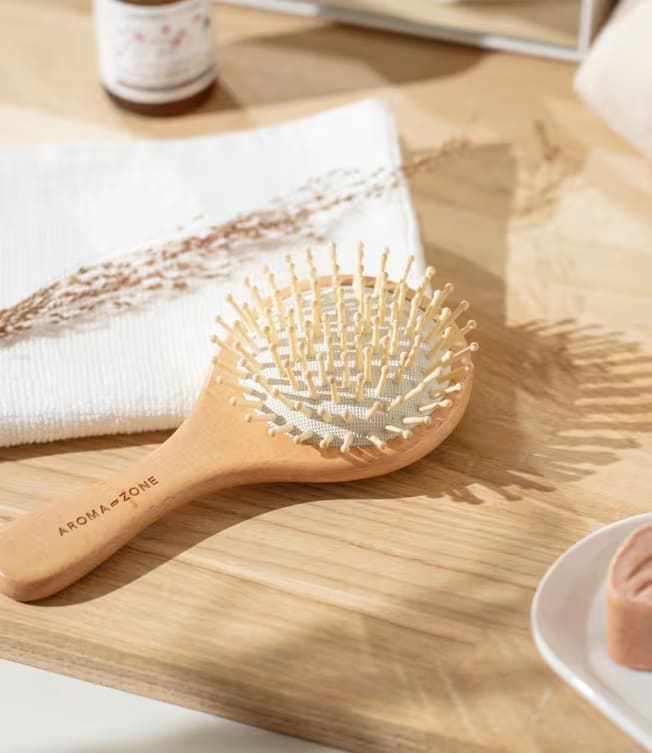
Reduce friction: Avoid aggressive brushing and use appropriate accessories. Our Beechwood Hairbrush is suitable for the whole family and all hair types; it allows for gentle detangling, a light scalp massage to stimulate microcirculation, and the natural distribution of sebum along the hair shaft for protection.

Beechwood hairbrush

Beechwood Hairbrush

An alternative to plastic brushes, this beechwood hairbrush—sourced from sustainably and responsibly managed forests—is lightweight and practical thanks to its medium size. Suitable for the whole family and all hair types, it gently detangles hair, provides a light scalp massage to stimulate microcirculation, and naturally distributes sebum along the hair shaft for protection.

Discover our beechwood hairbrush.

Prioritise treatments with a film-forming effect: Occasionally incorporate plant-based film-forming agents into a homemade preparation to limit excessively rapid water exchange. Certain plant-based oils and conditioning agents can form a film on the surface. This film helps reduce excessive water loss and smooth the hair shaft. Incorporating a plant-based oil into a pre-shampoo treatment or a homemade formula can thus help improve the hair’s apparent cohesion.

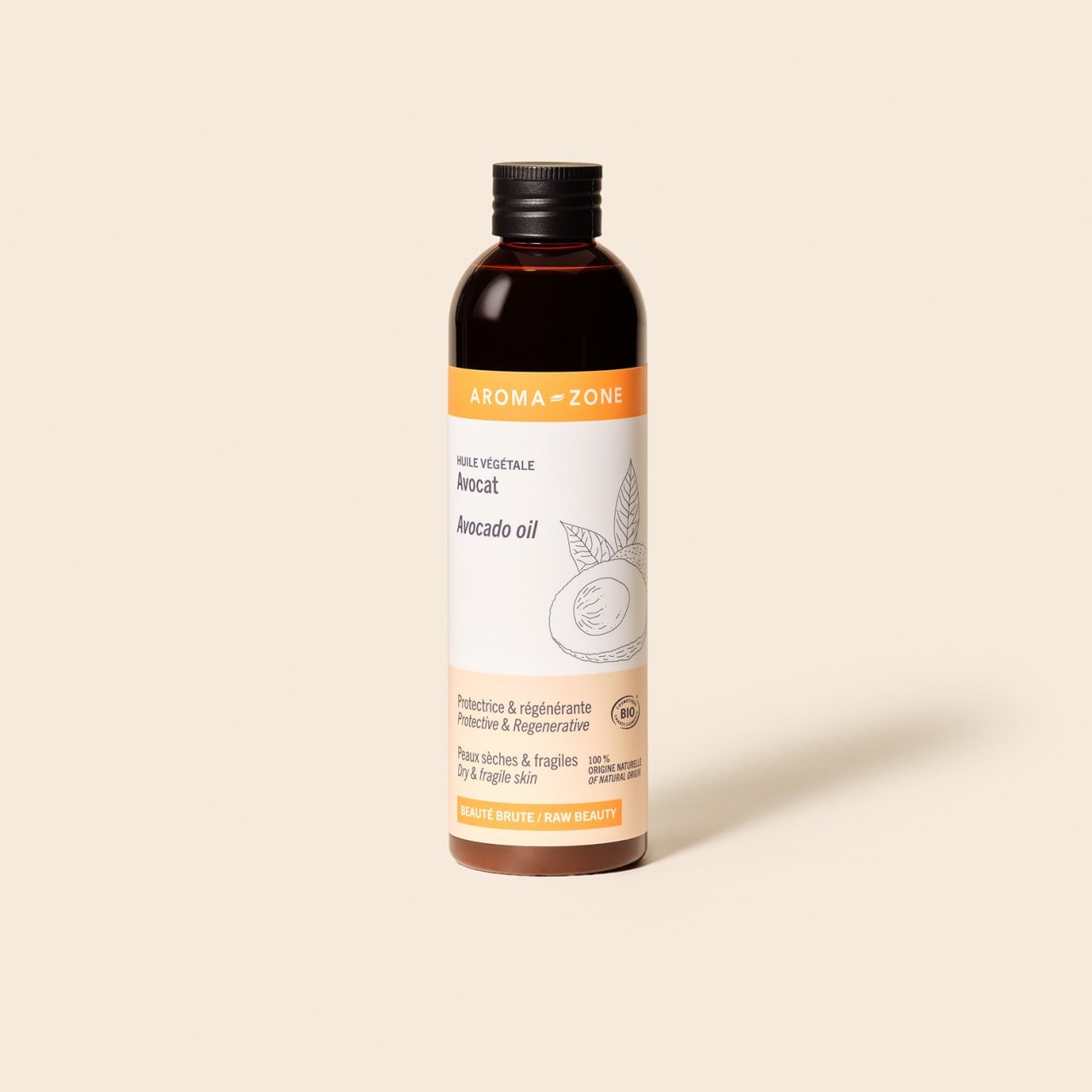
Organic Avocado Oil

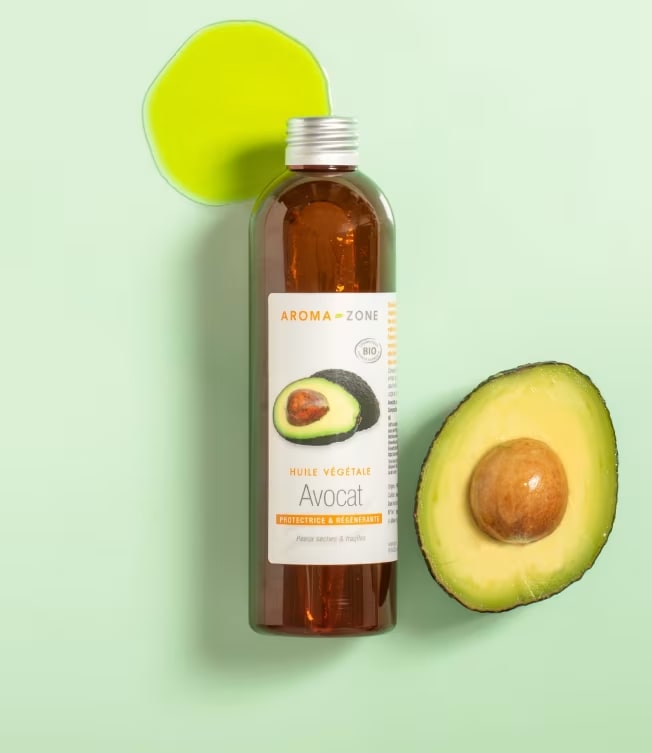
Extracted from avocado pulp, this oil is an excellent anti-ageing, nourishing, protective, and restructuring ingredient. It works wonders in formulations for dry or mature skin, as well as in hair care products. You can incorporate this oil into your homemade preparations.

Discover our Avocado Vegetable Oil
Organic Broccoli Oil

Organic Broccoli Oil

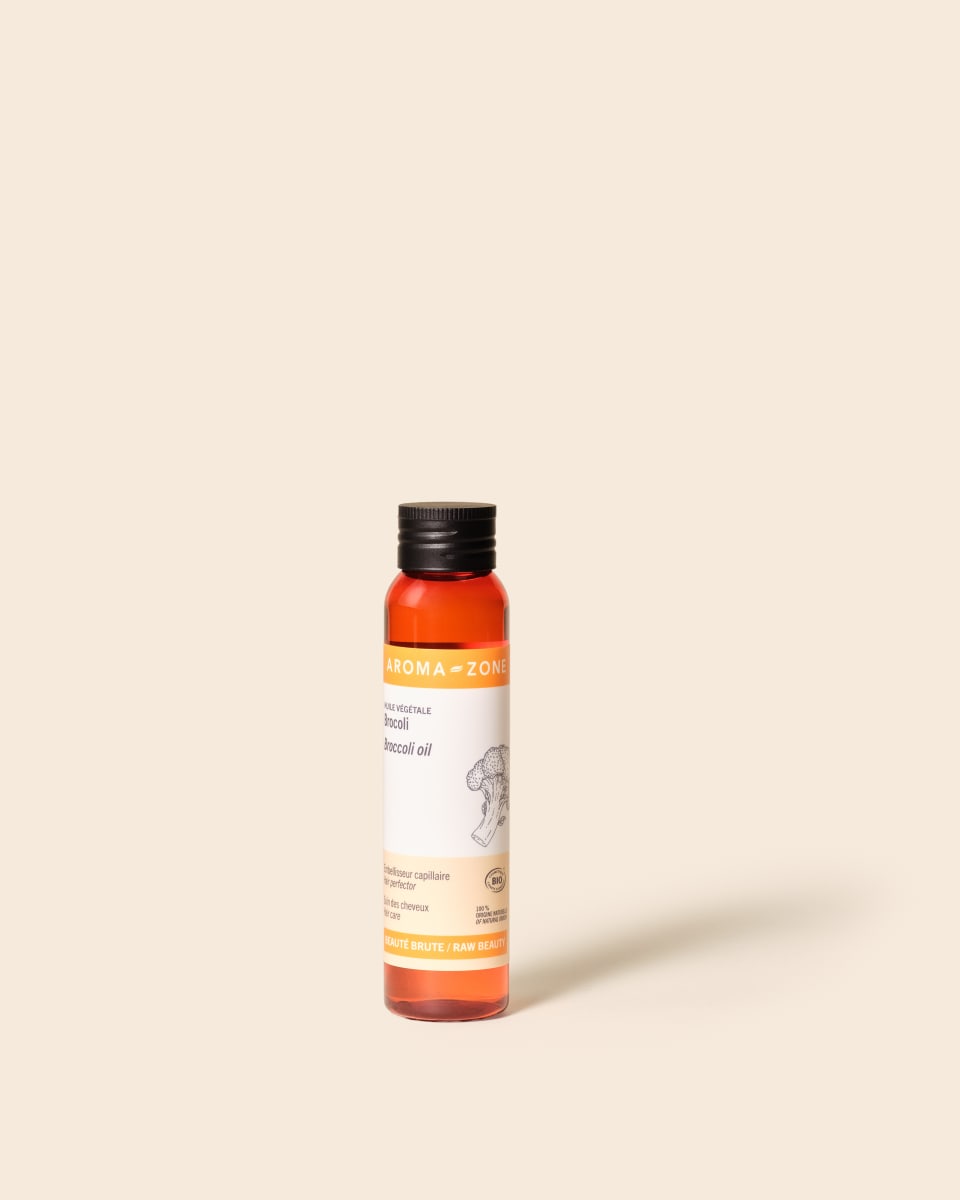
Ideal for creating your own hair care products, its coating action—similar to silicones—gives hair softness and shine without weighing it down or suffocating it. Its smoothing effect helps control small curls and frizz, and it’s fabulous for formulating serums for damaged ends. You can incorporate this oil into your homemade preparations.

Discover our Broccoli Vegetable Oil

Discover how to harness the benefits of a pre-shampoo oil treatment.

Use hydrolysed proteins in moderation: Plant-based hydrolyzed proteins can temporarily bind to the surface of the hair fibre and improve its mechanical strength. When used in moderation in a hair mask, they help strengthen the hair’s appearance without altering its internal structure. They can be incorporated, for example, into a hair mask base to temporarily improve the hair fiber’s apparent cohesion.

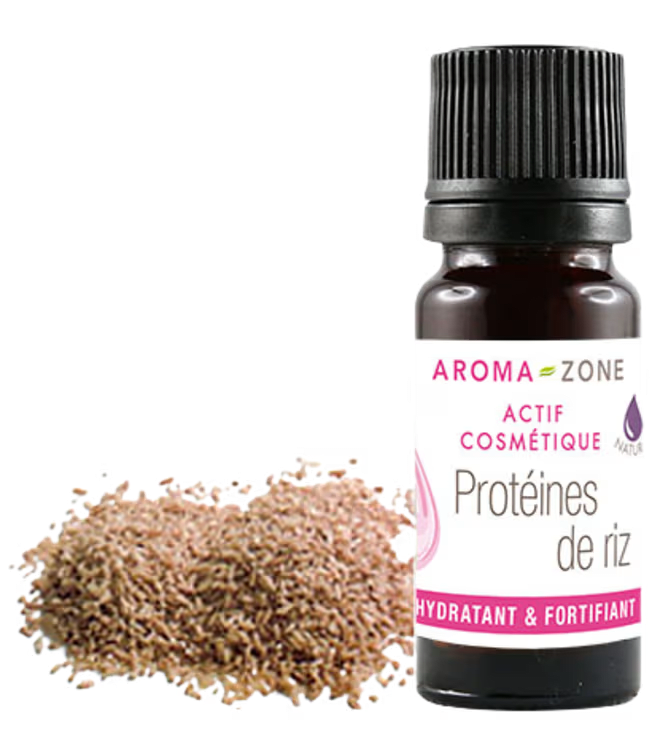
Active ingredient: Hydrolysed rice proteins

Active Ingredient: Hydrolyzed Rice Proteins

Rice proteins are a particularly valuable active ingredient in hair care formulations, where they play a strengthening and volumising role. They can also be used in your homemade skincare products for a moisturising and softening effect* on the upper layers of the epidermis. You can incorporate this active ingredient into your homemade preparations.

Discover our Hydrolyzed Rice Proteins
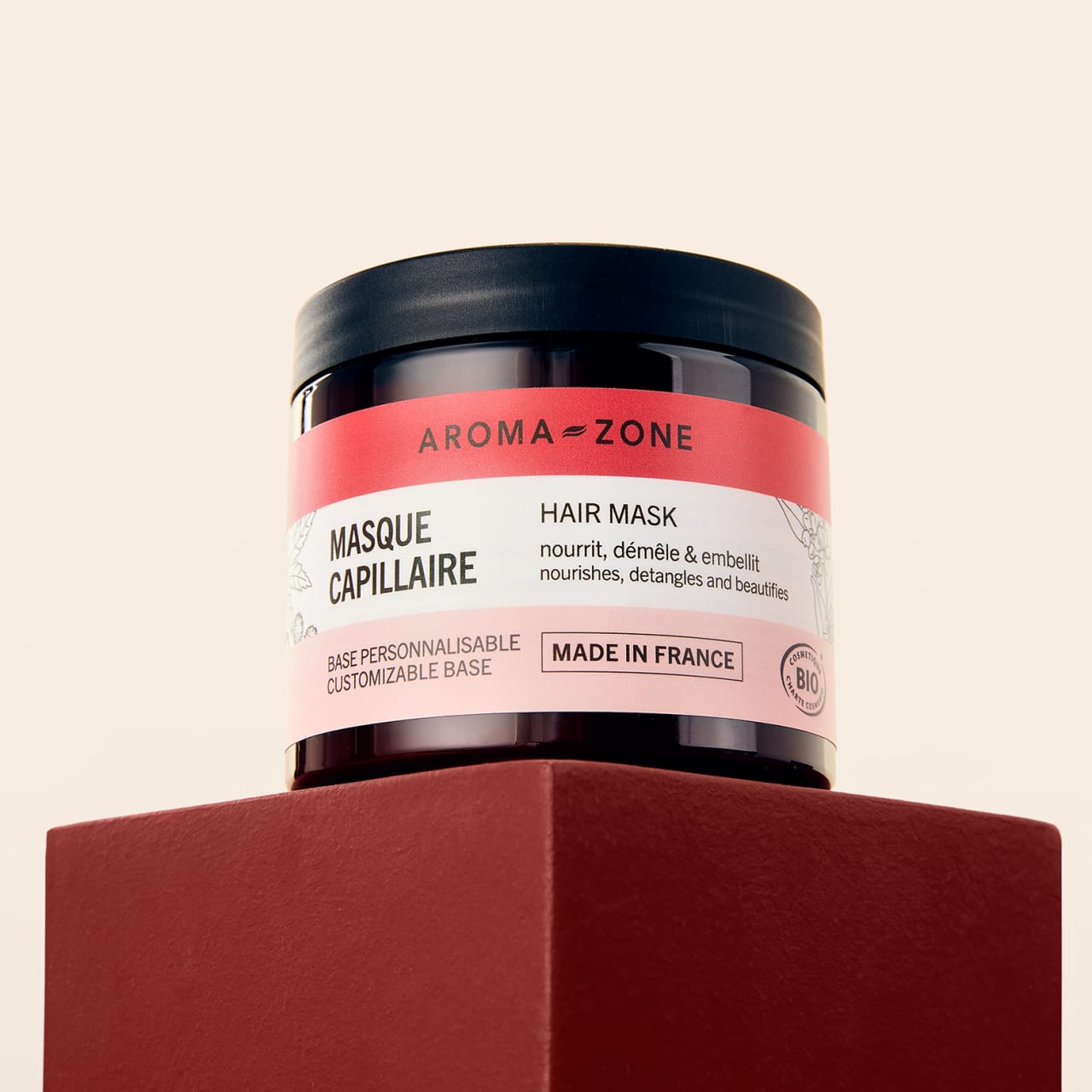
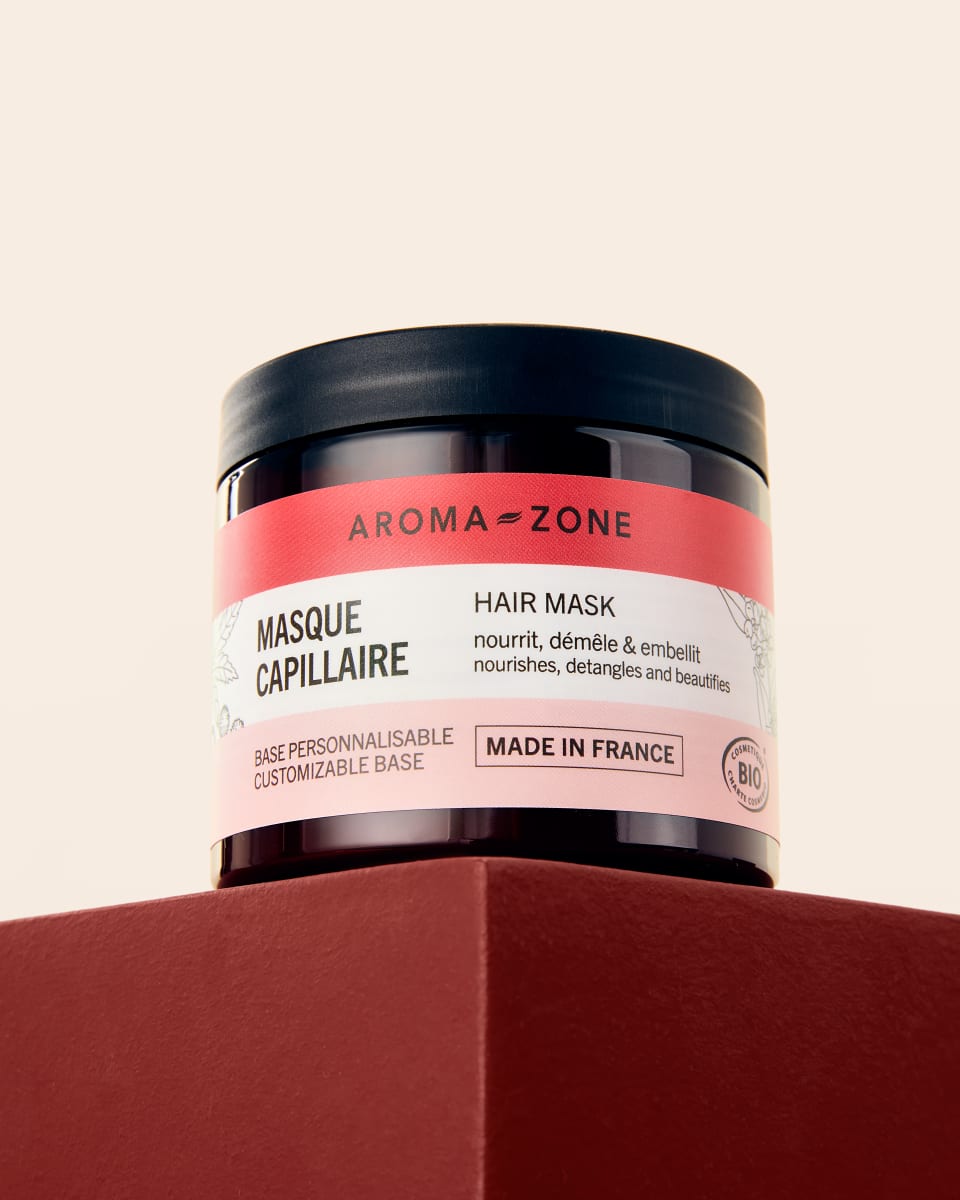
Hair_mask

Hair Mask

A true nourishing balm, this neutral, certified organic hair mask base, rich in jojoba, castor, and shea butter oils, protects, smooths, and nourishes your hair. Its soft, lightweight texture allows you to use it as a hair mask or conditioner to make detangling easier and bring shine, suppleness, and softness to your hair.

Discover our Neutral Hair Mask Base.

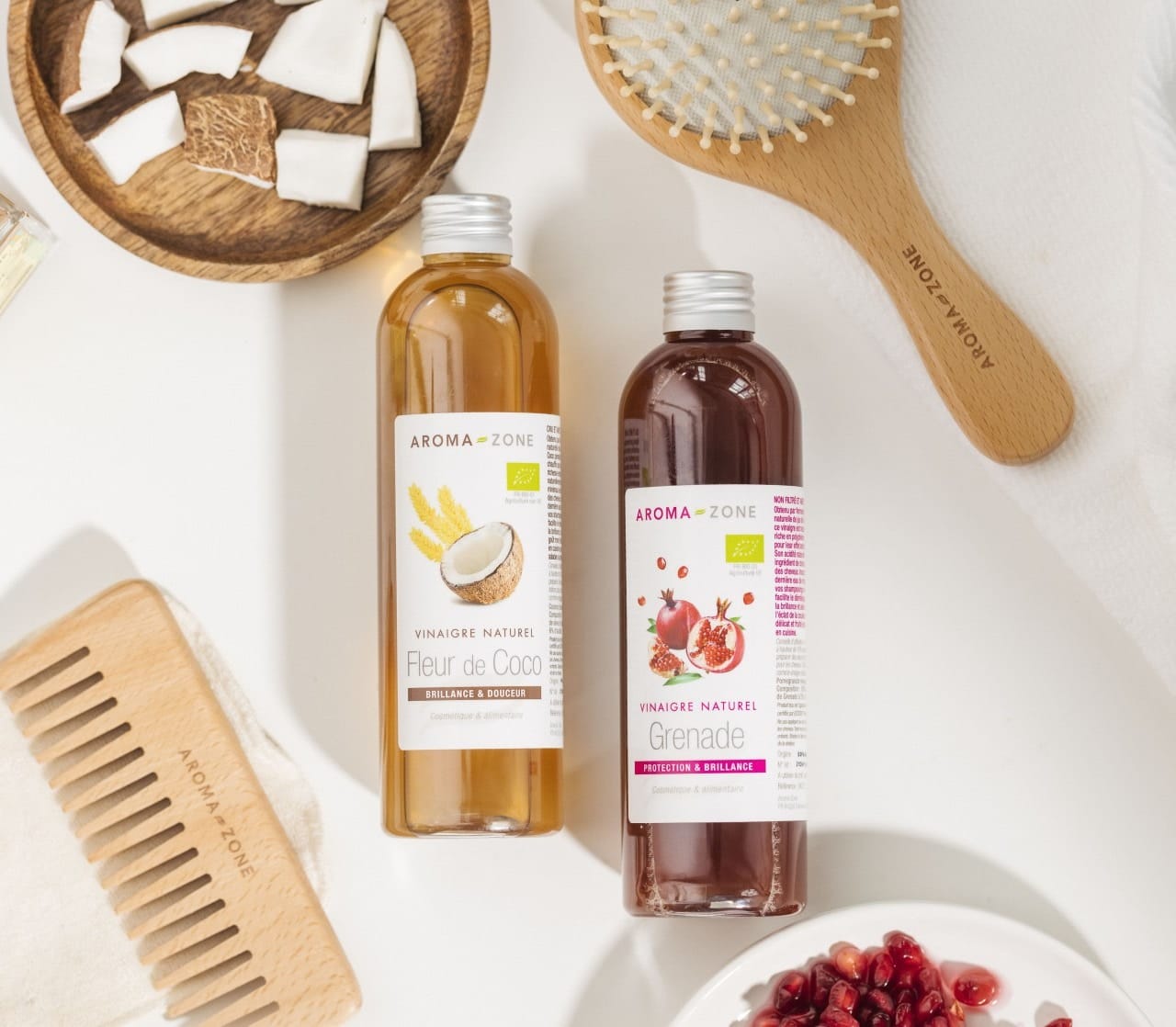
Maintain a slightly acidic pH at the end of washing: A slightly acidic environment limits excessive swelling of the hair fibre. A slightly acidified rinse water can promote a more even surface texture, without claiming to permanently alter the hair's structure.

What should you do if your hair has low porosity?

Low porosity corresponds to a relatively compact cuticle. The hair shaft absorbs water more gradually and generally retains moisture well. The goal is therefore to avoid overloading the hair while promoting measured penetration of the products.

  1. Opt for lightweight textures: Products that are too rich can sit on the surface and weigh down the hair shaft. It’s best to choose fluid formulations or light humectants incorporated into homemade treatments.

  2. Apply to slightly warm hair: Gentle heat, such as that from a warm towel applied during a hair mask, can facilitate the diffusion of active ingredients without damaging the hair shaft. The goal is not to permanently open the cuticle, but to temporarily optimise absorption.

  3. Rinse thoroughly: A thorough rinse prevents residue buildup on the surface. Slightly acidified water at the end of the wash can help maintain a smooth surface.

  4. Space out nourishing treatments: Moderate frequency is often sufficient. Observing the fibre’s behavior remains the best indicator for adjusting the intensity of treatments.

How can you improve hair porosity?

Porosity can be influenced by the nature of the hair, but also by repeated mechanical, thermal, or chemical damage. It is not possible to permanently alter the internal structure of the hair fibre, but certain practices can help improve its balance.

  1. Limit repeated damage: Reducing the use of heat styling tools, spacing out chemical treatments, and gently detangling your hair help preserve the integrity of the cuticle.

  2. Incorporate treatments suited to the hair’s surface condition: Occasionally adding hydrolysed proteins to a hair care product can temporarily improve the fibre’s apparent cohesion. Similarly, using plant-based film-forming agents can limit excessive water loss.

  3. Maintain a slightly acidic environment after washing: A moderately acidic pH limits excessive water-induced swelling of the hair fibre and promotes a more stable surface condition.

  4. Adopt a preventive approach: Prevention remains key. Adjusting the frequency of care, protecting hair during prolonged exposure to the sun or saltwater, and prioritising formulations that are gentle on the hair fibre help maintain a lasting balance.

Precautions for use

When using ingredients for homemade hair care, it is essential to strictly follow the dosages indicated in the technical data sheets. An excessive concentration of hydrolysed proteins can stiffen the hair shaft, while overuse of nourishing agents can lead to buildup on the surface. Treatments should be applied to healthy hair, and the scalp should not show any prior signs of irritation. If you've recently had a hair treatment or if your hair is particularly fragile, it's recommended to take a gradual approach and monitor how your hair responds.

Expert Tip

Porosity is not a flaw to be corrected but a characteristic to be understood. Before piling on treatments, observe how your hair reacts to water, humidity, and the products you apply. A measured, consistent, and regular adjustment will always be more beneficial than an accumulation of treatments. Hair balance relies more on the consistency of your routine than on the intensity of your treatments.

Focus on our Naturopathic editor, Suzie Desmet

Suzie Desmet is a naturopath (ISUPNAT, FENA certified) specialising in natural hair health.

A sufferer of androgenetic alopecia herself, she helps women deal with the different types of hair loss (androgenetic, effluvium, post-partum) with a natural approach that addresses the root of the problem, not the symptoms.

Bibliography

  1. Dias, M. F. R. G. (2015). Hair cosmetics: an overview. International Journal of Trichology, 7(1), 2–15.

    https://pubmed.ncbi.nlm.nih.gov/25878443/

  2. Feughelman, M. (1997). Mechanical properties and structure of alpha-keratin fibers: wool, human hair, and related fibers. Journal of Materials Science, 32, 475–487.

    https://www.semanticscholar.org/paper/Mechanical-properties-and-structure-of-fibres-%3A-and-Feughelman/32b464af04488665bceb55a86fcd146fb278b15d

  3. Franbourg, A., Hallegot, P., Baltenneck, F., Toutain, C., & Leroy, F. (2003). Current research on ethnic hair. Journal of the American Academy of Dermatology, 48(6 Suppl), S115–S119.

    https://pubmed.ncbi.nlm.nih.gov/12789163/

  4. Khumalo, N. P., Doe, P. T., Dawber, R. P., & Ferguson, D. J. (2000). What is normal black African hair? A light and scanning electron microscopic study. Journal of the American Academy of Dermatology, 43(5 Pt 1), 814–820.

    https://pubmed.ncbi.nlm.nih.gov/11050586/

  5. Robbins, C. R. (2012). Chemical and Physical Behavior of Human Hair (5th ed.). Springer.

    https://link.springer.com/book/10.1007/978-3-642-25611-0

Frequently Asked Questions

Frequently Asked Questions