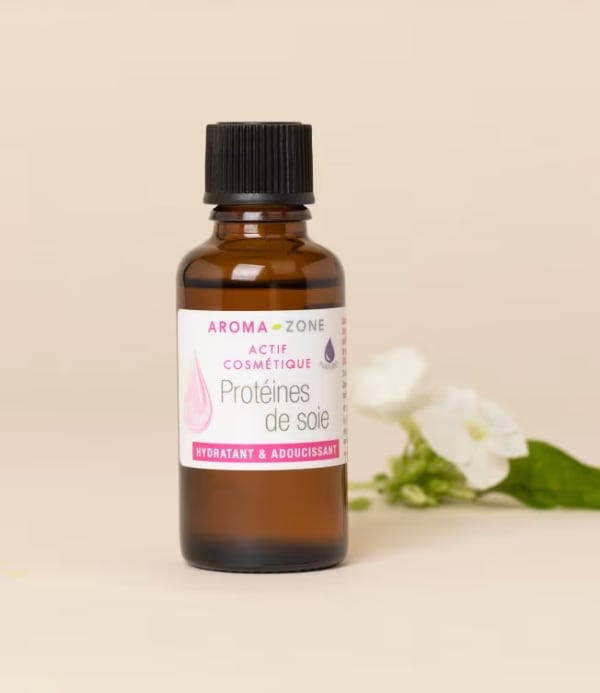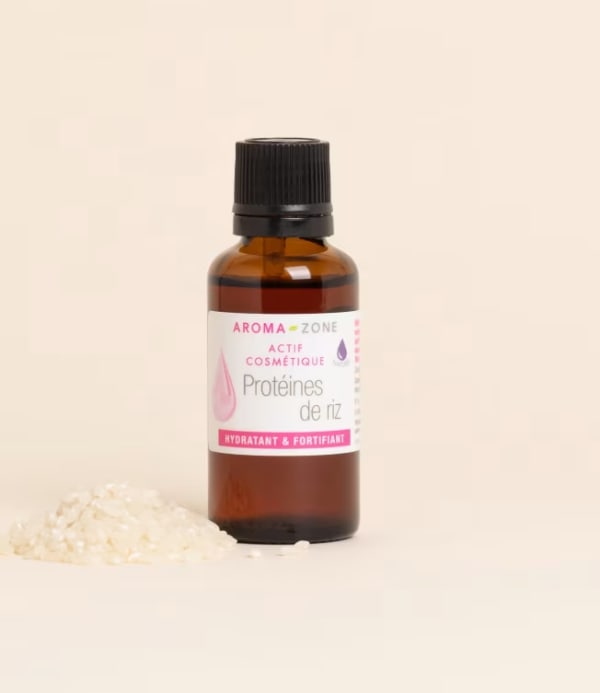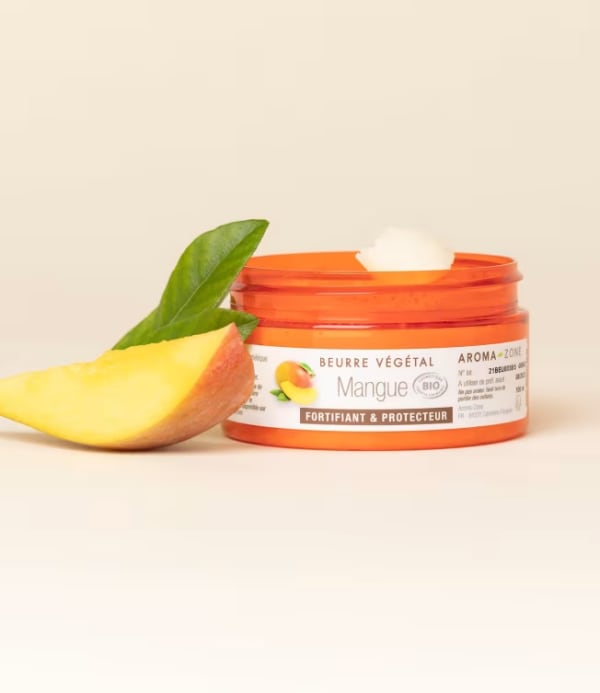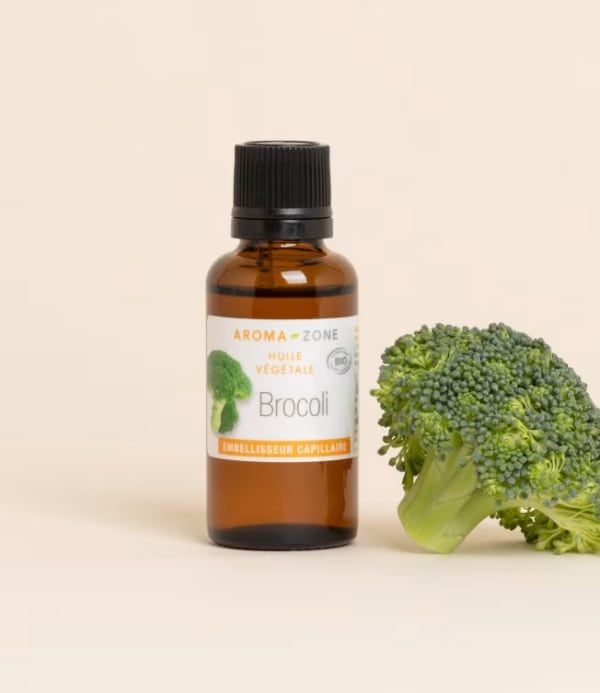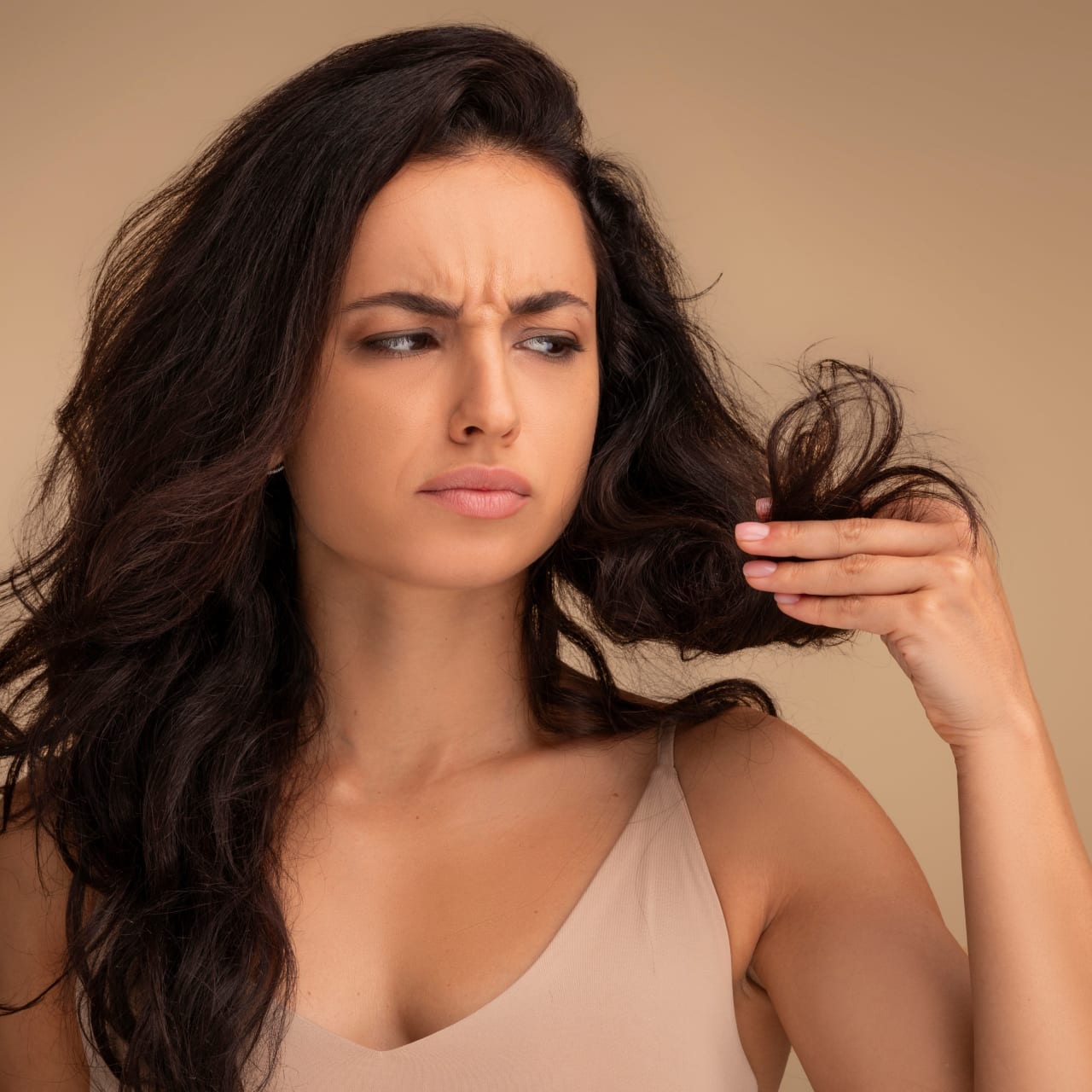
If you have long hair, you will know the feeling of dreading dry ends and their consequences: the infamous split ends. The longer your hair is, the more likely it is that the sebum produced by your scalp will struggle to reach the ends. The ends are therefore the last part of the hair to receive this natural nourishment, if indeed those precious little drops of oil manage to reach them at all. And hair that isn’t sufficiently moisturised is hair that eventually dries out. Textured hair (whether curly, wavy, or kinky) can be particularly impacted. In this case, it is the helical shape of the hair that is to blame. Structurally speaking, the cuticle scales tend to stand on end with every twist of the curl, leaving the cortex directly exposed to external damage. In other words: the tighter your curl, the more points of twist it has, and the drier it will naturally be. Texture also affects sebum flow, as the sebum struggles to follow the hair’s curves and properly coat the cuticle right down to the tip.
Read also: our natural solutions for dry, curly hair.
Good to know: these hair types are the most prone to dryness at the ends, but this isn't just a problem for those with texture! In fact, every hair type tends to have drier ends… and that’s perfectly normal. We explain why below.