Chlorine is a chemical commonly used to disinfect swimming pool water. It helps eliminate bacteria and other pathogens, ensuring the water is clean and safe for swimming. However, because it reacts with the hair’s natural proteins and oils, chlorine can be very damaging to your hair.
How can you treat chlorine-damaged hair?
By Agathe Aoun
Published on: Monday, June 17, 2024, Updated on: Friday, October 02, 2026
Summer means swimming, sunshine and the beach...all the little things that we look forward to during long, cold winters. The aftermath can be an unpleasant reality check, however, if you don’t protect your skin and hair from the damaging effects of chlorine and the sun. So, how can you protect your hair from chlorine so you can enjoy the pool this summer? We’re sharing all our natural solutions for healthier, more beautiful hair.
Contents
Related products
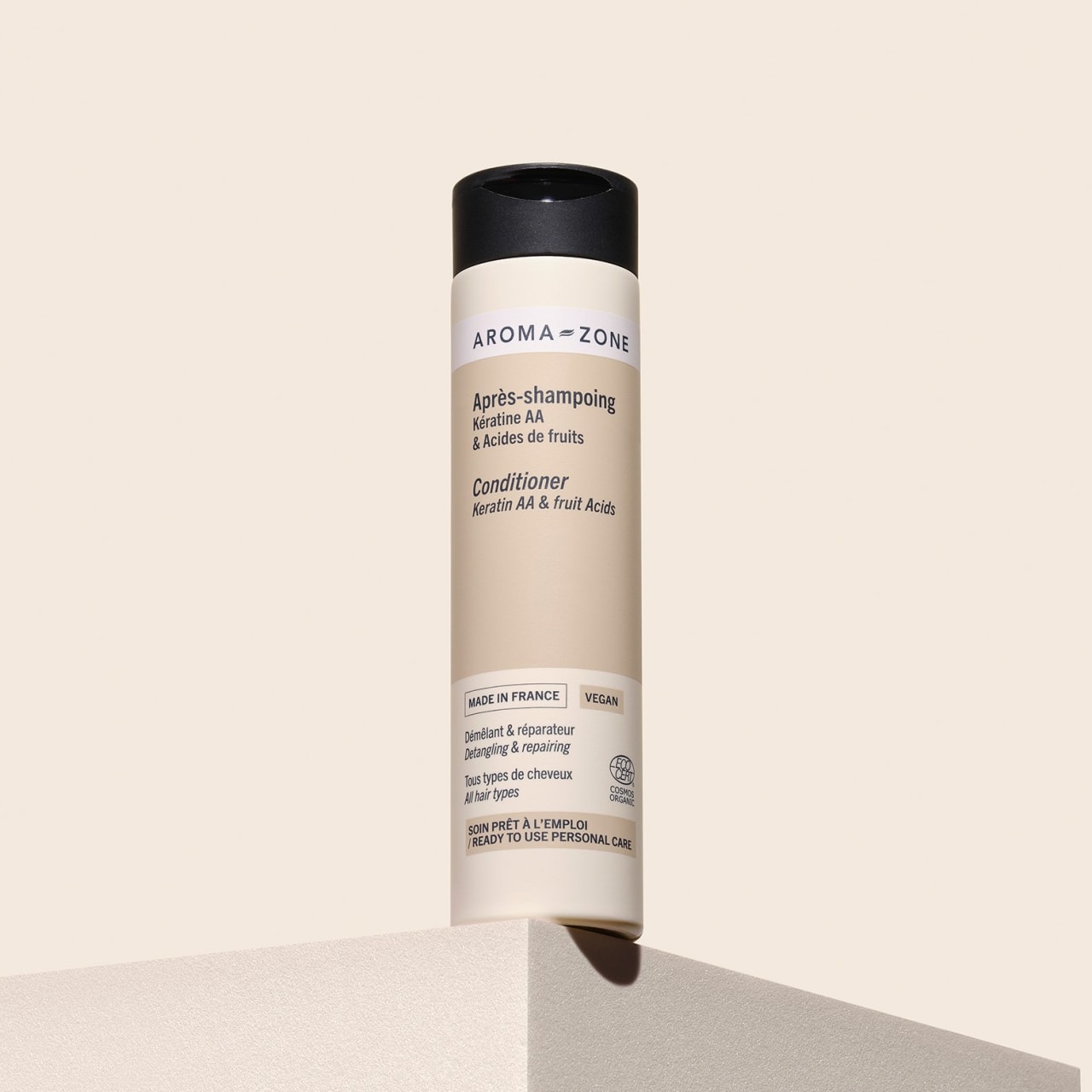
Keratin AA & Fruit Acids Detangling and Repairing Conditioner
Repairing
Detangling
£9.00
200 ml
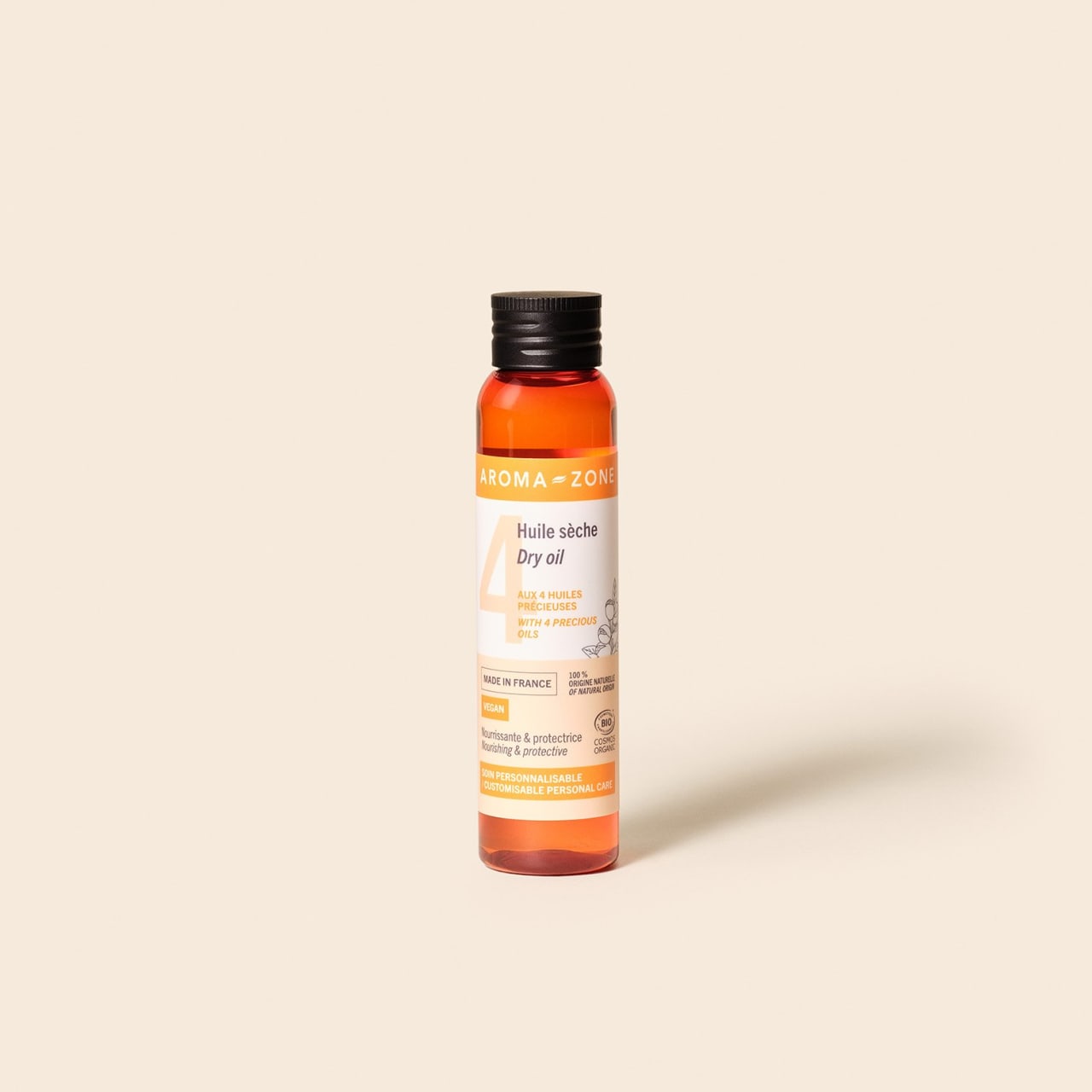
Dry Oil With Precious Oils
Protective
Nourishing
£7.00
100 ml
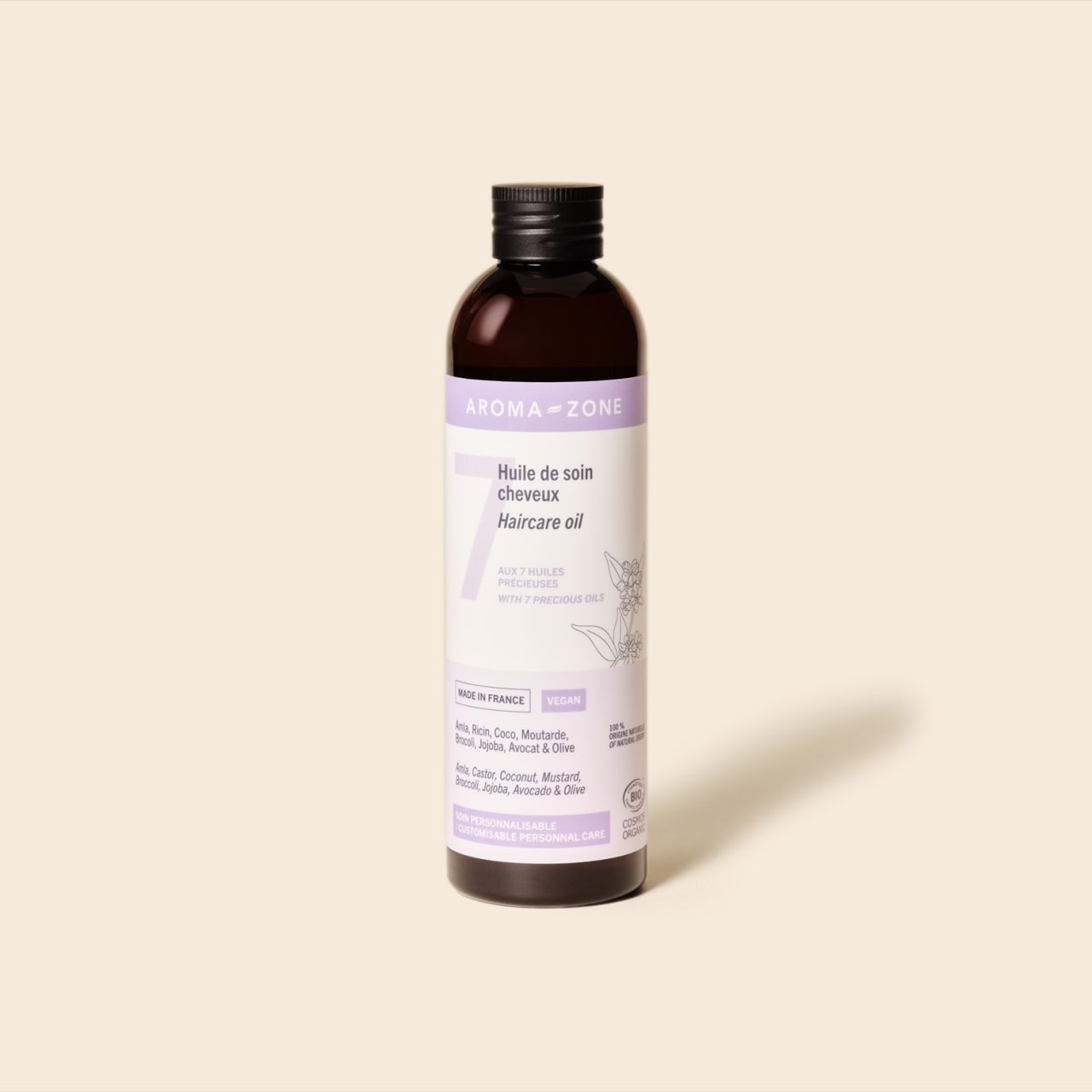
Haircare Oil With 7 Precious Oils
Repairing
Hair strengthening
£11.00
250 ml
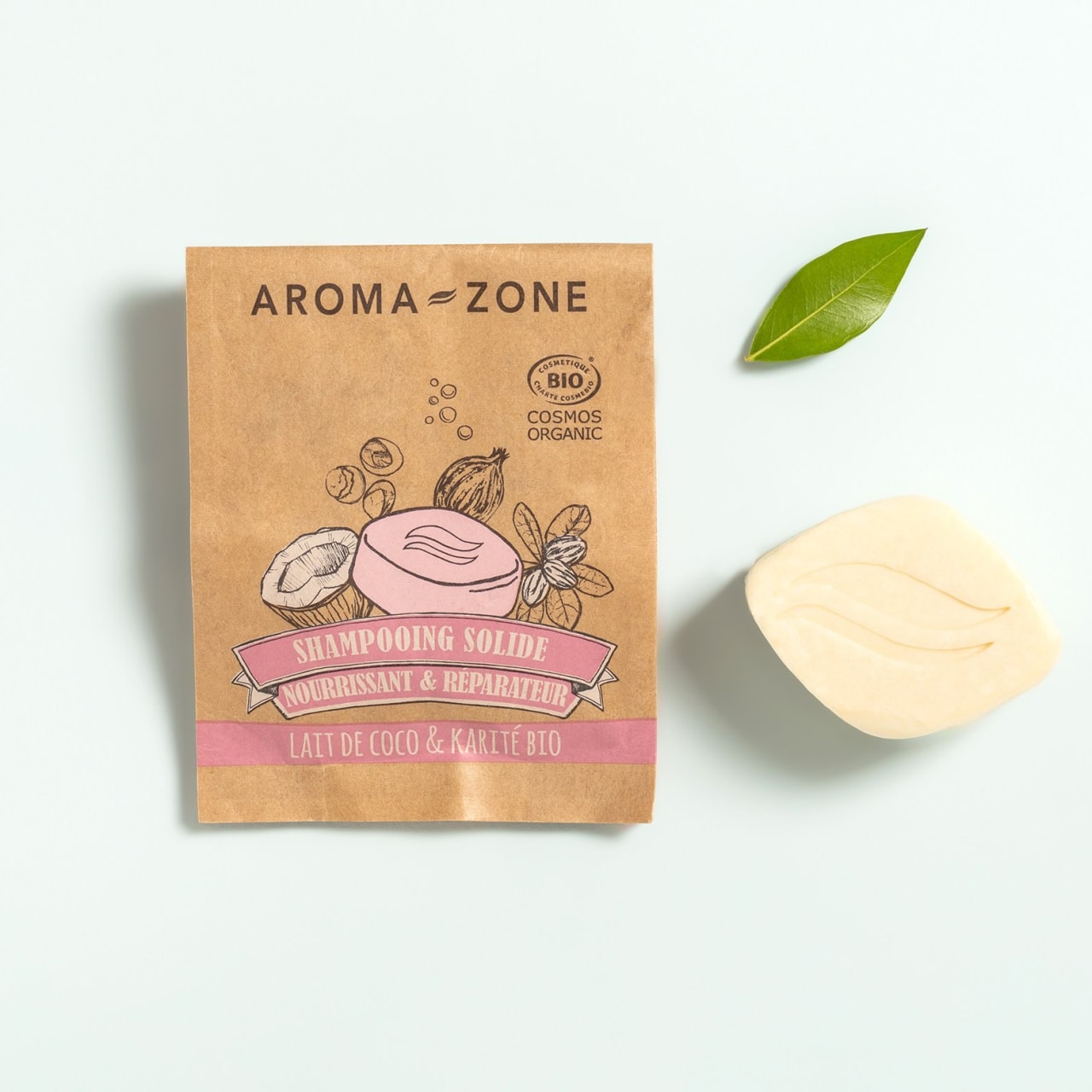
£7.00
60 g
What is chlorine?
What effect does chlorine have on your hair?
Although chlorine plays an important role in keeping swimming pools safe and clean, it can have negative effects on your hair, especially with repeated exposure. Here are the main effects of chlorine on your hair:
Dehydration of the hair shaft: Chlorine strips away the natural oils (sebum) present on the scalp and in the hair. These oils play a crucial role in keeping the hair hydrated and protected. Without them, the hair becomes dry, brittle and more prone to split ends.
Damage to the cuticle: The cuticle is the outer layer that protects the hair, but when exposed to chlorine, the cuticle scales lift, leaving the hair ‘exposed’. This damage makes the hair more porous; it can no longer retain moisture properly and is therefore more vulnerable to external damage.
Colour fading and change in texture: Chlorine can react with the hair’s pigments, which can cause the hair to fade. Blonde or coloured hair is particularly prone to turning green due to the reaction between chlorine and metals present in the water (such as copper, for example). Furthermore, your hair’s texture can become rougher and duller as a result of repeated exposure to chlorine.
Weakening of the hair structure: Chlorine can weaken the bonds within hair proteins, particularly keratin, which is the main structural protein in hair. As a result of repeated exposure to chlorine, hair becomes more brittle and more prone to breakage.
What are the benefits of chlorine protection?
Helps retain moisture: The hair’s natural oils help maintain its moisture levels. Protecting your hair from chlorine prevents these oils from being stripped away, keeping your hair soft and supple
Helps prevent damage and breakage: Chlorine weakens the hair, making it brittle. Using protective products such as oils or balms before swimming creates a barrier that reduces damage and prevents split ends and breakage
Preserves hair colour: Coloured or bleached hair can fade or turn green when exposed to chlorine. Protecting your hair prevents these chemical reactions and ensures a vibrant, even colour
Improves texture and shine: Chlorine makes hair dull and rough. Adequate protection preserves its smooth texture and natural shine, making it easier to style. Chlorine won’t be able to lift the hair’s cuticle and scales, so there’s no risk of ending up with porous, coarse hair
Reduces scalp irritation: Over time, chlorine can irritate the scalp. This can cause itching or even lead to the formation of dandruff. Protecting your hair and rinsing it after every swim reduces the risk of irritation.
A note from the trichologist
'Chlorine, as an oxidising disinfectant, doesn’t just affect the visible surface of the hair. It acts deep within the scalp microbiome and the intra-keratinic ionic bonds, which are essential for the cohesion of the hair fibres. In particular, the scalp microbiota, comprising beneficial microorganisms such as Cutibacterium acnes or certain strains of Staphylococcus epidermidis, suffers a reduction in diversity following repeated exposure to chlorine (1). This dysbiosis disrupts sebum regulation, leading to itching, skin sensitivity and the development of inflammatory dandruff.
At the intracellular level, chlorine also disrupts the ionic bonds in keratin by acting on the positive charges of the lysine residues (NH₃⁺) and the negative charges of the glutamic acid residues (COO⁻). The resulting ionic imbalance compromises the electrostatic integrity of the hair fibre, reducing its cohesion and mechanical strength, even though the disulphide bonds remain intact (2). This leads to a loss of elasticity and increased porosity.
Finally, exposure to the sun exacerbates these effects. Heat (> 40 °C) accelerates the diffusion of metal ions (particularly copper) present in water, increasing oxidative processes within the hair shaft (3). This leads to increased roughness, breakage and loss of shine.
My advice as a trichologist: Use a hydrosol spray to protect the scalp’s microbiome!
Before swimming in a pool, it is essential to protect not only the hair fibre but also the delicate ecosystem of the scalp. Using a spray formulated with lemon balm hydrosol, rosemary verbenone hydrosol and lavender hydrosol is a natural and effective way to maintain the balance of the skin’s microbiome.
Lemon balm hydrosol, with its soothing and slightly acidifying action, helps to maintain the scalp’s physiological pH at around 5, a crucial threshold for the maintenance of beneficial bacteria such as Cutibacterium acnes and Staphylococcus epidermidis. In addition, verbenone-rich rosemary hydrosol acts as a gentle sebum regulator, limiting excessive sebum production without disrupting beneficial bacterial communities. It helps to create a stable environment that is not conducive to the proliferation of opportunistic pathogens.
Finally, lavender hydrosol complements this synergy thanks to its gentle antiseptic properties, which help to soothe any chlorine-related irritation. Together, these three hydrosols form a protective barrier to be sprayed on before exposure to chlorine, in order to maintain scalp health and prevent imbalances.
Carry out a skin tolerance test 48 hours before any application.'
Dr Dalila Belmokhtar @dalilapharmacien, Doctor of Pharmacy & Trichologist
How can you remove chlorine from your hair?
Removing chlorine from your hair is crucial to prevent damage and keep it healthy. Here are the essential steps and some practical tips for effectively removing chlorine.
Rinse your hair: as soon as you leave the swimming pool, use lukewarm water to open the cuticle and allow for more effective rinsing of the chlorine.
Use a shampoo: after using the swimming pool, using a gentle shampoo or a clarifying shampoo. Opt for a clarifying or anti-chlorine shampoo, which are designed to remove chemicals and mineral deposits. A very gentle shampoo or one with antioxidant properties will also be effective.
Use a moisturising conditioner: after shampooing, apply a moisturising conditioner to rehydrate and soften your hair.
How can you care for your hair naturally after a swim?
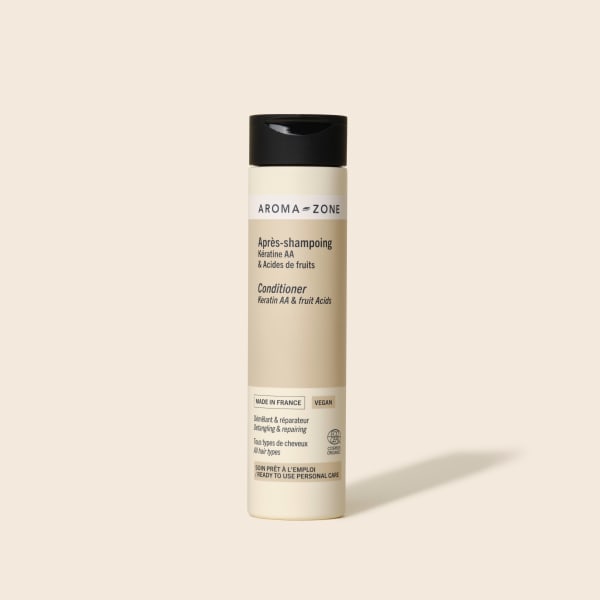
Keratin AA & Fruit Acids Detangling and Repairing Conditioner
Designed for damaged hair, this certified organic detangling conditioner repairs, strengthens and reduces breakage by 94% from the very first use. Free from sulphates and silicones, its innovative Keratin and Fruit Acids complex works both inside and outside the hair fibre for visibly stronger and more beautiful hair.
Discover the AA Keratin & Fruit Acids Detangling and Repairing Conditioner
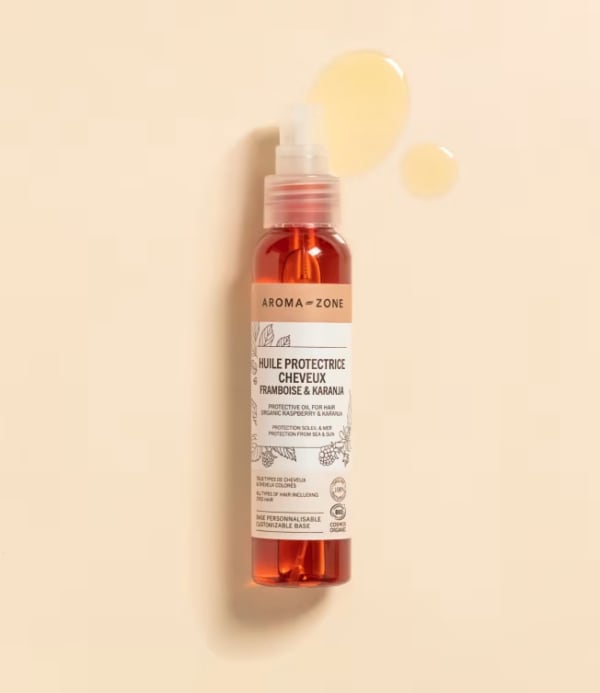
Organic Karanja & Raspberry Protective Hair Oil
Infused with Karanja and Abyssinian extracts, which have proven protective properties, this 100% natural oil protects your hair from the drying effects of the sun and sea water. Thanks to its combination of organic raspberry and Karanja plant oils, with their antioxidant properties, it enhances and preserves the beauty of your hair. Also ideal for coloured hair, its lightweight formula preserves the vibrancy and intensity of the colour, leaving hair soft, shiny and silky.
Discover the Organic Karanja & Raspberry Protective Hair Oil
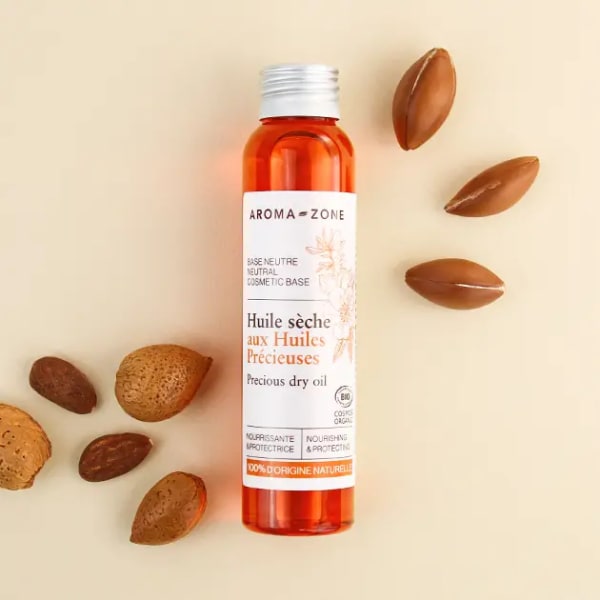
Dry oil with precious organic oils
Enriched with precious organic oils of argan, rosehip, jojoba and sweet almond, this dry oil has a light, quickly-absorbing texture that nourishes, softens and protects the skin and hair without leaving a greasy or sticky film. 100 per cent natural, certified organic and allergen-free, it is suitable for all skin types. Whether used as a nourishing dry body oil, a glittery dry oil, a protective dry hair oil or a facial care oil, it can be used on its own or enhanced with fragrances, essential oils, pearlescent pigments and glitter to create your own 100% personalised dry oil.
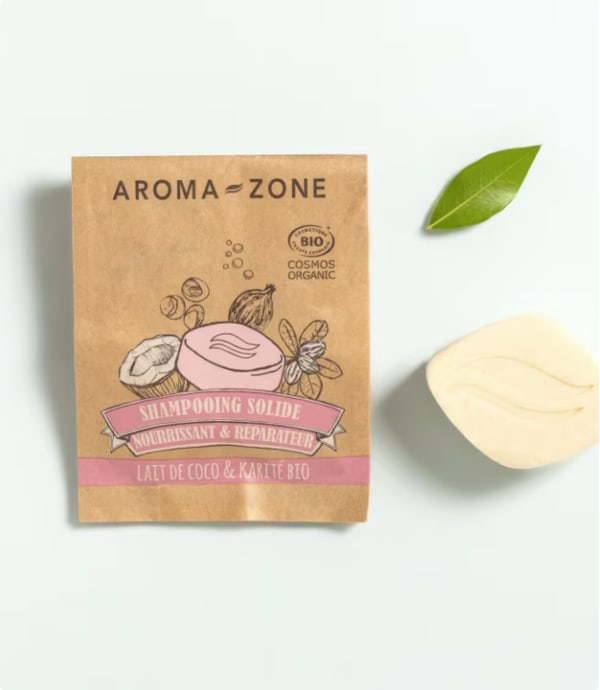
Nourishing & Repairing Solid Shampoo
100% natural, vegan and made in France, this organic solid shampoo, enriched with organic avocado and coconut oils, organic shea butter and organic coconut milk, is designed to meet the needs of dry and damaged hair. Its patented, certified organic, sulphate-free formula nourishes, repairs and coats the hair from root to tip without weighing it down. Packed with gentle cleansing agents and active ingredients, it leaves hair feeling soft and silky. An economical organic solid shampoo offering the equivalent of two bottles of liquid shampoo!
Discover the Nourishing & Repairing Solid Shampoo
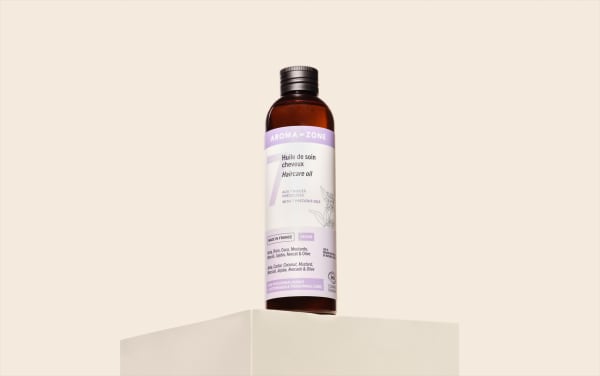
Hair Care Oil
A blend of eight organic plant oils renowned for their wonderful benefits for the hair, this organic hair care oil can be used as an oil treatment, massaged into the hair, or applied as a leave-in treatment to the ends. This exceptional plant-based treatment, combining castor, coconut, amla, avocado, olive, broccoli, jojoba and mustard oils, strengthens, nourishes, repairs, adds shine and naturally tames the hair with ease.
Expert advice
To help your hair recover from chlorine damage, try a vinegar rinse (one tablespoon of coconut vinegar or pomegranate vinegar in one litre of water) after every shampoo. This simple step neutralises chlorine residues and restores shine and softness to your hair.

Dr Agathe AOUN - COUSSIEU is a dermatologist in Martinique, where she practises general, surgical and cosmetic dermatology. With a keen interest in skin wellbeing, she also provides advice and treatments that are as natural as possible and tailored to sensitive or specific skin types. She has also set up an Instagram account where you can find her favourite products, explanations of skin conditions and skincare advice (@dragatheaoun).
Bibliography
https://www.allodocteurs.fr/bien-etre-psycho-beaute-soins-du-corps-cheveux-cheveux-comment-les-proteger-du-chlore-3796.html
Pool Guidehttps://www.guide-piscine.fr › ... › Hair Care
https://www.nageurs.com/forum-sante/74885_Creme-barriere-chlore.html