Moisturising concentrate for lengths and ends
"I started using this serum to moisturise my ends. My hair is beautiful, fuller and more supple". (Nat)
Hyaluronic acid isn't just for the skin! The benefits of hyaluronic acid for the hair are still little publicised, yet they are impressive. Naturally present in the human body, this molecule helps to hydrate and add shine to the hair fibre. It is ideal, for example, if you have split ends or unruly curls. Whether used as a shampoo, hair mask or serum, hyaluronic acid has a place in every hair type's routine. Want to try it out? Here are some simple haircare recipes you can make at home. It's good for your locks, and your wallet too!
By The Aroma-Zone editorial team

What is hyaluronic acid?
Hyaluronic acid is a substance that occurs naturally in the human body, particularly in the skin, eyes, and joints. It is a glycosaminoglycan, a molecule with strong hygroscopic properties. This means that it has the ability to retain and attract water, which helps to maintain tissue hydration and elasticity.
Hyaluronic acid is mainly used in hair care to help prevent dehydration and protect the hair from environmental stressors. It also improves the hair’s appearance, making it more supple and resilient.
A word from our formulation expert
"Hyaluronic acid forms a protective film around the hair fiber. This protective film makes the hair more supple. It also helps smooth the hair cuticle to make it shinier, reduce frizz, and prevent breakage. Finally, it maintains the hair's moisture by limiting water loss from the hair fiber.
Applied to the scalp, it helps to moisturise it.
It is a highly effective active ingredient for dry scalps and brittle hair."
Orianne Valentin, formulation expert
It is a "biocompatible" active ingredient, as it is naturally present in our tissues. It is known for its ability to retain water in the tissues.
It is able to interact with the keratin present in the upper layers of the epidermis (the stratum corneum). This is why hyaluronic acid is very popular in skin care, particularly in anti-aging formulas.
As hair is mainly composed of keratin, hyaluronic acid is thought to interact with the cuticle and cortex¹. Beyond its coating effect, this potential ability to penetrate the hair fibre may help improve texture and natural strength. However, in the absence of more in-depth studies, its surface action remains the most clearly established. Its film-forming properties are therefore responsible for most of its anti-dehydration and beautifying effects.
It moisturises the scalp. Thanks to its ability to retain up to 1,000 times its weight in water, hyaluronic acid provides intense hydration to the upper layers of the epidermis. If you have a dry, irritated or itchy scalp, it can help soothe your scalp with its moisturising action, reducing discomfort.
It protects the hair. It forms an imperceptible shield that slows down the natural evaporation of water, thereby limiting hair dehydration.
It enhances the lengths. Known for its coating effect, it helps smooth the cuticle scales, improving the hair's softness and natural shine.
It strengthens the hair. It limits damage caused by external aggressions, with a complementary action on the effects of oxidative stress².
It promotes healthy growth. It is able to stimulate follicular cell activity and, in doing so, help maintain long, thick hair.
Good news: products containing hyaluronic acid are suitable for most hair types. But they are particularly effective as a treatment for brittle hair prone to split ends and dryness. Here are our favorite ways to use it on your hair.
Hyaluronic acid and dry hair. The winning combination for preventing dehydration! Over time, your hair should become softer and shinier.
Hyaluronic acid and curly hair. Use a hyaluronic acid serum to sculpt your curls, tame frizz, and structure your hairstyle.
Hyaluronic acid and frizzy hair. Try a hyaluronic acid-based recipe to strengthen your hair, limit breakage, and prevent hair loss.

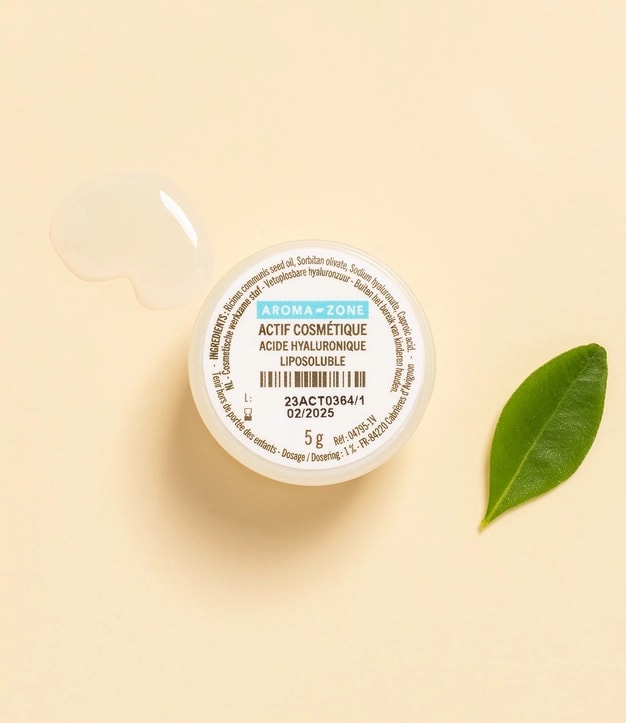
Cosmetic active ingredient Fat-soluble hyaluronic acid
Want to make your own hyaluronic acid-based hair care products? Here is the ideal active ingredient to add to your recipes for hair masks, hair serums, or finishing oils. It is known for its benefits on hair growth, strength, and beauty, leaving hair smooth and silky to the touch. Recommended dosage in your preparations: 1%.
Keep out of reach of children. Do not swallow. Follow the recommended dosage.
Discover our cosmetic active ingredient Fat-soluble hyaluronic acid

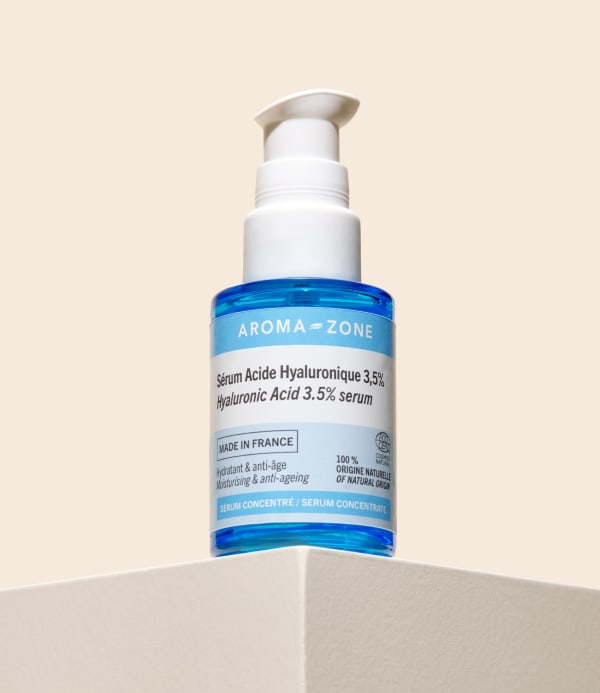
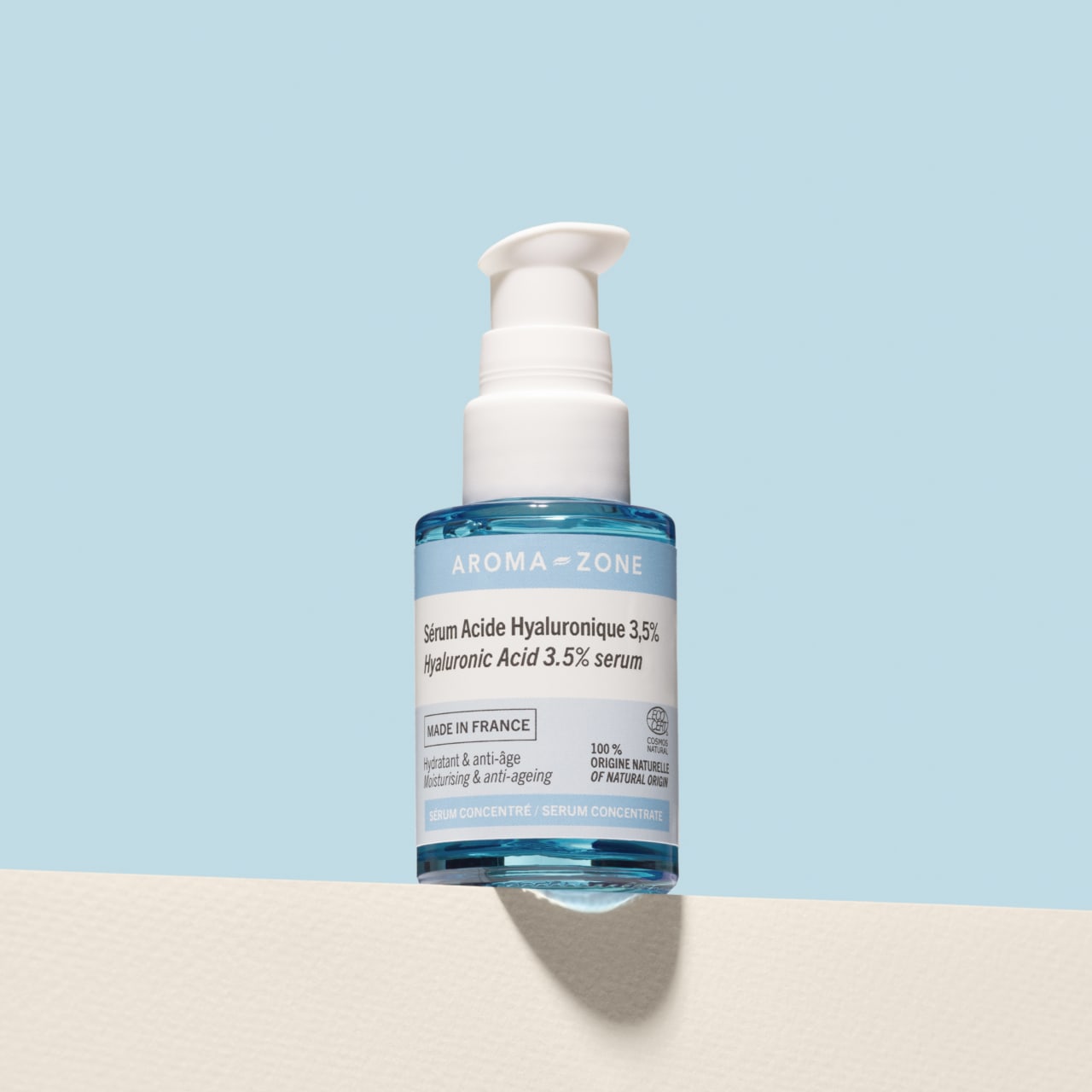
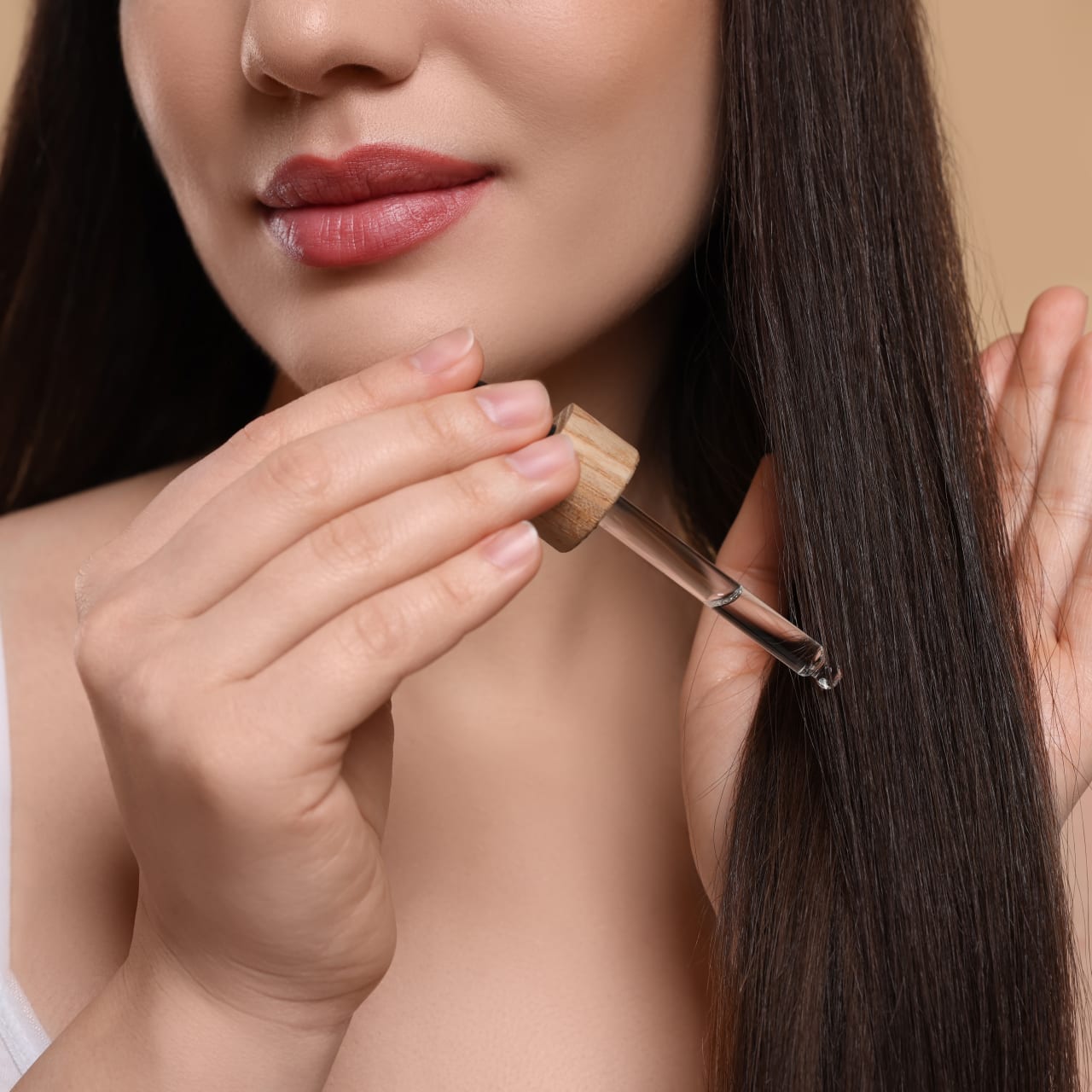
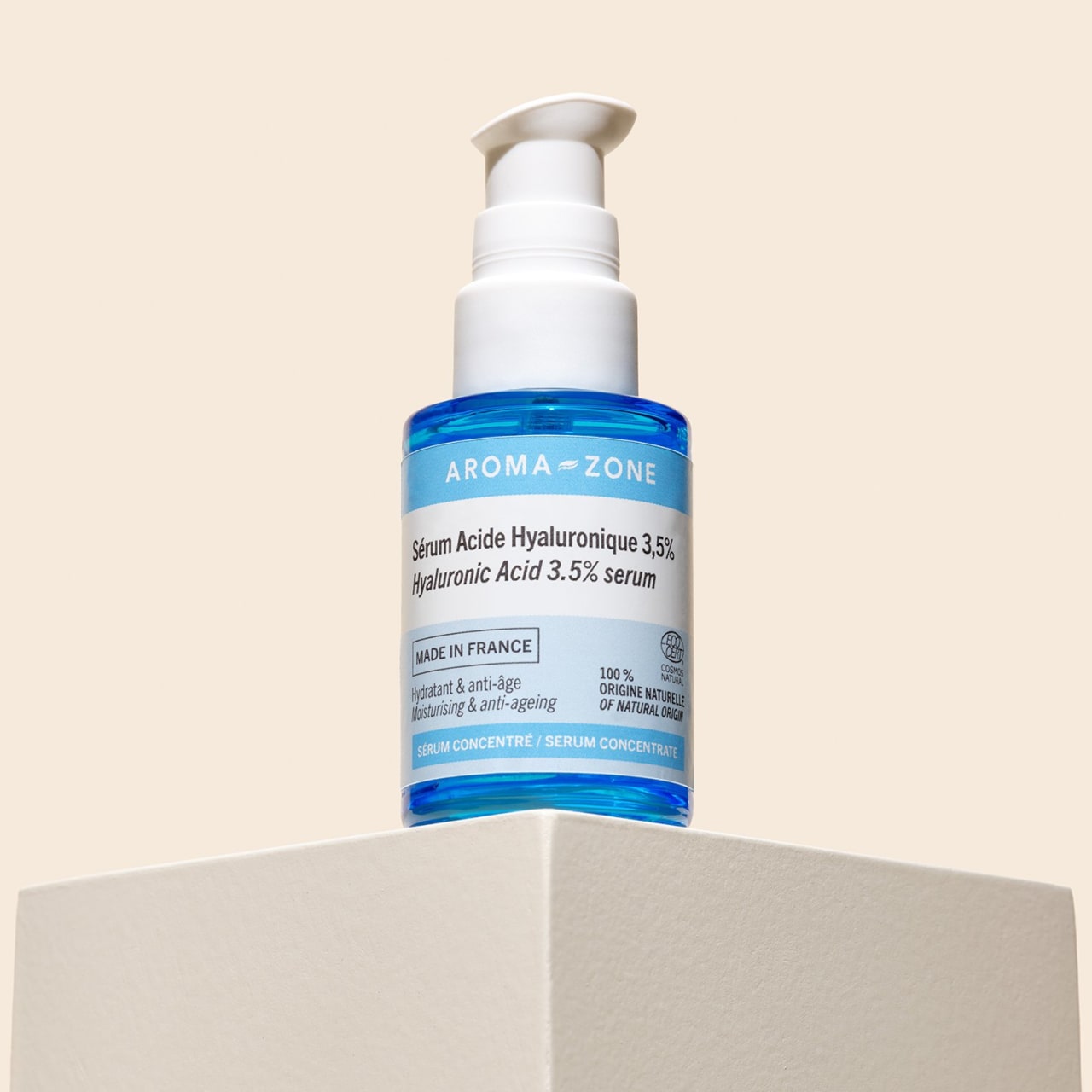
1. As a hair serum. 100% natural, our concentrated hyaluronic acid serum 3.5% is currently one of the most concentrated on the market. Suitable for all hair types, it coats, protects and moisturises hair with a fresh light texture. It is particularly recommended for damaged hair, which it helps to soften and restructure.

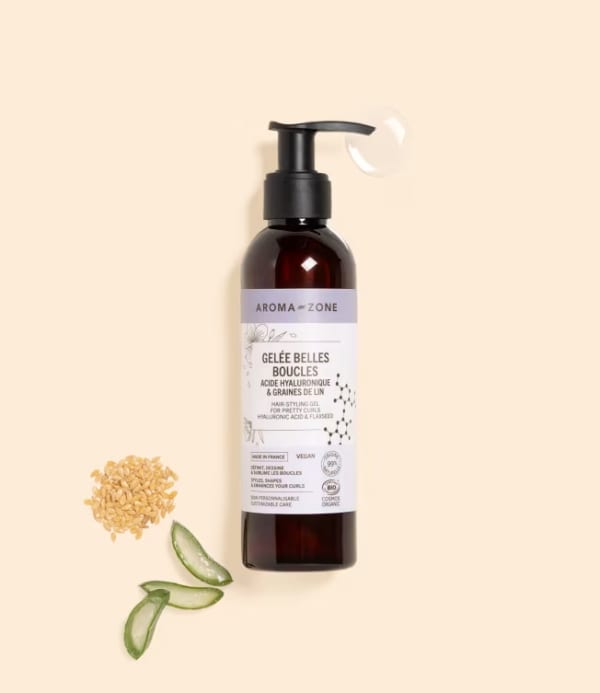
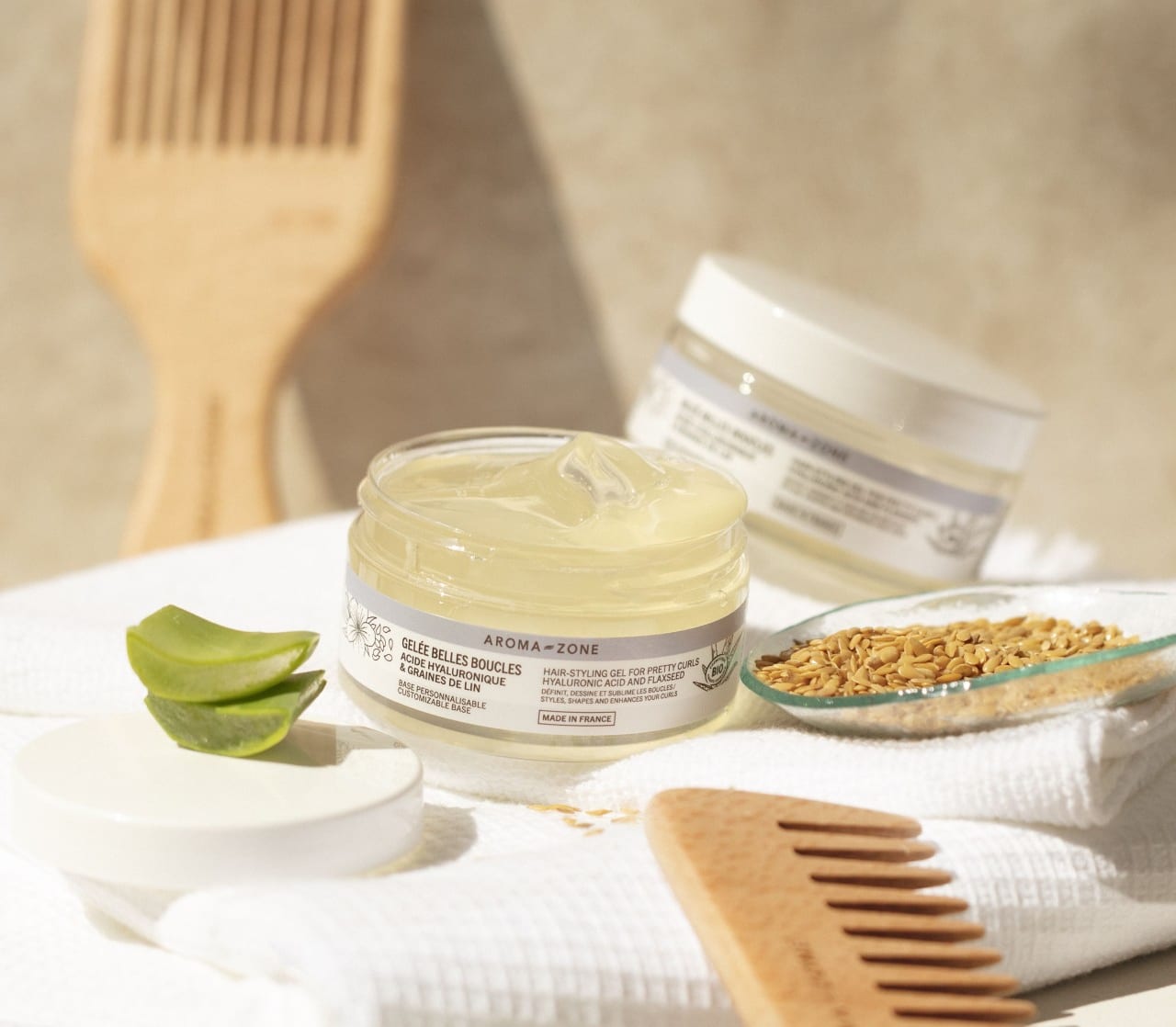
2. In styling gel. A daily staple for textured hair, our Beautiful Curls Gel Hyaluronic Acid & Flaxseed shapes, defines and fixes the natural movement of curls. Its non-greasy, non-sticky texture adds shine to the hair. It can also be used to tame frizz and flyaways around the face.
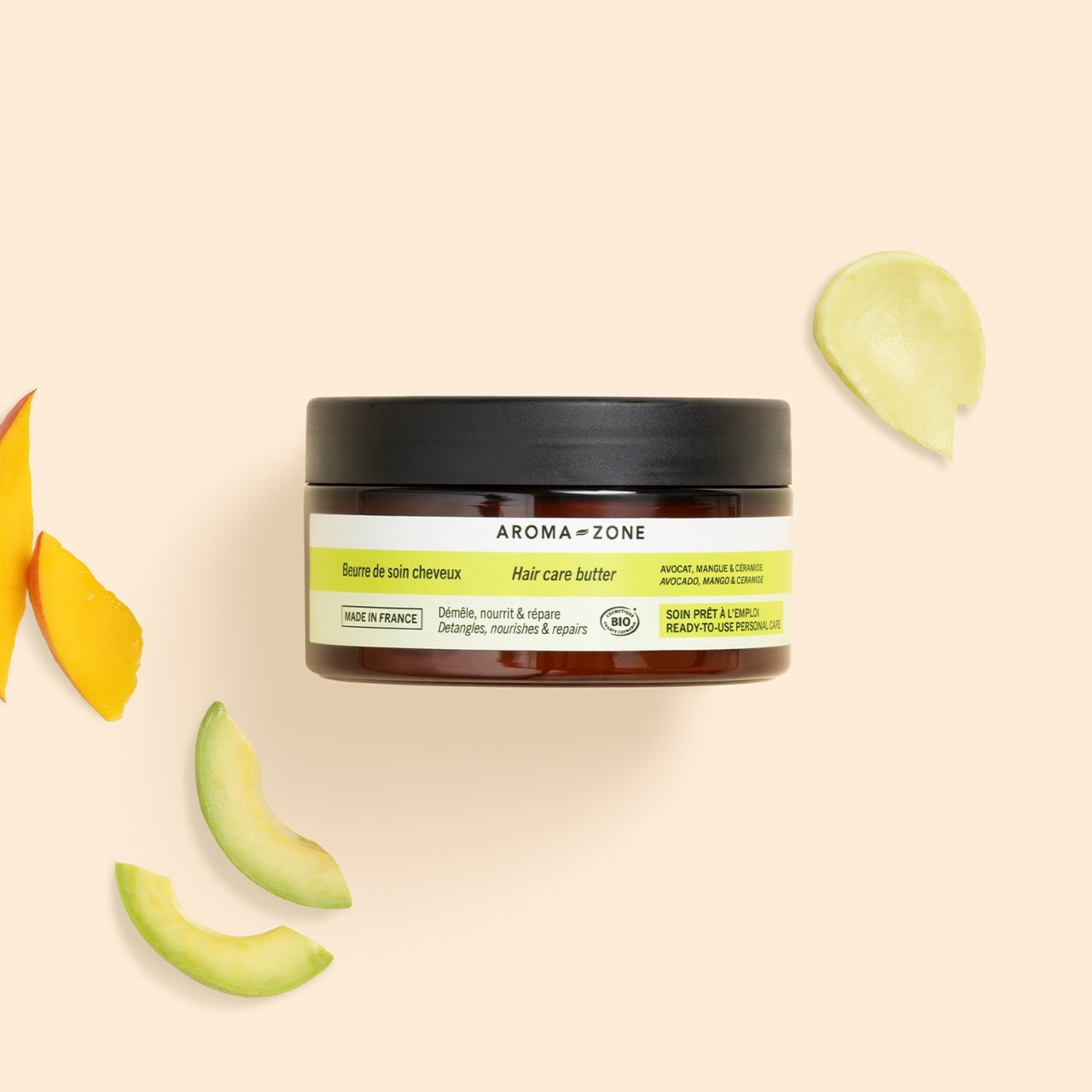
3. Leave-in treatment. Our Ceramide NG & Hyaluronic Acid Hair Care Butter is designed for dry to very dry hair. Intensely nourishing and reparative, it improves the appearance of split ends while helping to prevent breakage. Its 2-in-1 formula can be rinsed out or left in, and is suitable for children from the age of three.

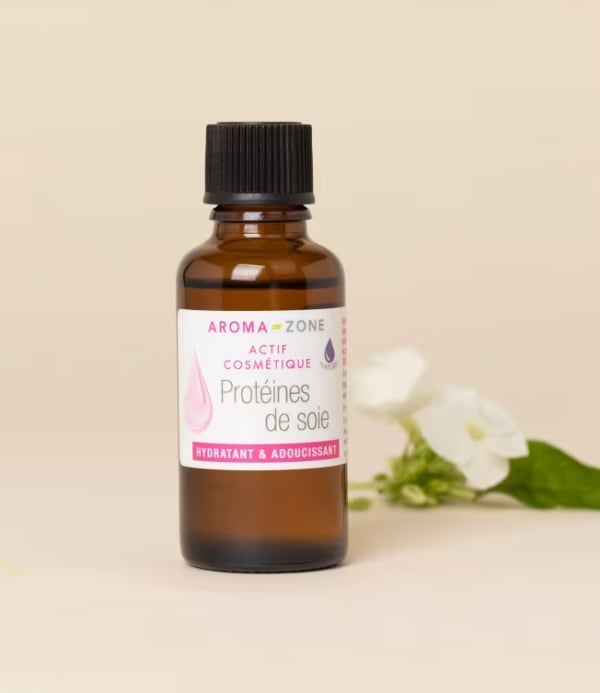
4. In synergy with an active ingredient : Silk Proteins boost the benefits of hyaluronic acid: they leave hair soft and shiny and help maintain its natural moisture levels. An ideal express treatment for fine, dull, dry, and dehydrated hair with split ends.
Good to know: you can also take care of dry or dehydrated hair with a hyaluronic acid shampoo, conditioner, hair mask, or serum to apply at the roots.
Have you thought about making your own hyaluronic acid hair treatment? It's really easy. All you need are a few ingredients, clean utensils and our recipe cards, and you're ready to go! Our formulas have been developed and tested for you by our experts. They will enable you to make natural, fun hair cosmetics at a lower cost. Find out more about our hyaluronic acid-based recipes for hair and our customers' opinions below.
Moisturising root-to-tip hair concentrate
Moisturising concentrate for lengths and ends
"I started using this serum to moisturise my ends. My hair is beautiful, fuller and more supple". (Nat)
'Low-poo' cream shampoo for youthful hair
Low-poo cream shampoo for youthful hair
"After using this shampoo, my hair is soft and shiny. I'd recommend it. For the record, I have rather fine, straight hair." (Julie)
Gentle hydrating hair serum
"I have tired, limp hair […]. Thanks to this recipe and a quick styling routine […], I can keep my hair looking pretty and full of volume for 3 to 4 days." (Guylène)
Leave-in styling lotion for him
"I've been looking for a product to combat the curse of frizz on the top of my head and this product is just what I was looking for. Quick and easy to make, very practical to use, it's great." (Bhinomura)
There are no specific contraindications for using hyaluronic acid on the hair. You can even include it in your routine during pregnancy, unless your doctor advises otherwise. Allergies to this ingredient are rare, but as with all cosmetic products, there is no such thing as zero risk. If you plan to apply a hyaluronic acid treatment to your scalp, it is therefore best to perform a sensitivity test beforehand.
Hyaluronic acid may have many benefits for hair, but it is not a cure-all. If you have specific hair problems, it is recommended that you consult a hairdresser or a dermatologist who specialises in hair care. They will be able to provide you with personalised advice tailored to your situation.
Which acid promotes hair growth?
Hyaluronic acid can be beneficial for promoting hair growth when applied topically. Internally, folic acid (vitamin B9) plays an important role in hair growth. Two sulfur-containing amino acids, cysteine and methionine, are also involved in the keratin production process.
How long should you leave a hyaluronic acid moisturizing mask on?
The application time varies greatly from one mask to another. Some only need to be left on for 5 minutes, while others need to remain in contact with the hair for longer (even overnight). So there is no universal answer. The wisest thing to do is to follow the instructions for use of the product you have chosen.
1
Cloé Boira et al., Hyaluronic acid: elucidating its penetration into, and effect on hair fibers using confocal Raman spectroscopy and biometric techniques, January 2024.
2
Tanvi S. Zile et al., "Hyaluronic acid used in cosmetics and cosmeceuticals: a review" in IJCRT, volume 11, issue 8, August 2023, pp. 74-86.