Daily use of glycolic acid depends on several factors, including your skin’s sensitivity and the product’s concentration. For some skin types, daily application at a low concentration may be tolerated and even beneficial by promoting natural exfoliation. However, avoid using it daily if you have extremely sensitive skin. Also, keep in mind that glycolic acid can cause photosensitivity: it is recommended to avoid sun exposure after application and to use it primarily in the evening.
Glycolic Acid: Origins, Benefits, Properties, and Uses
Glycolic acid is known for its many skin benefits. It acts as a powerful exfoliant, helps reduce the signs of aging, and smooths skin texture. Highly effective for cell renewal, it is particularly beneficial for skin marked by blemishes or scars. Discover the origins and benefits of this star ingredient with countless virtues.

What is glycolic acid?
Glycolic acid (INCI: GLYCOLIC ACID) is a type of alpha-hydroxy acid (AHA), most commonly derived from sugarcane, grape, or beet extracts. Thanks to its low molecular weight, it can penetrate the different layers of the skin for optimal effectiveness.
Focus on AHAs (Alpha Hydroxy Acids)
AHAs (A:data-entry-id="1e26sJsSlN9mMjjQRcsgMp" href=""⟫AHA), also known as fruit acids, are natural organic acids that are very popular in natural cosmetics. Among these AHAs, there are several types of acids:
Glycolic acid (GLYCOLIC ACID)
Lactic acid (LACTIC ACID)
Malic acid (MALIC ACID)
Citric acid (CITRIC ACID)
Tartaric acid (TARTRIC ACID)
These AHAs are used to perform a gentle chemical peel on the skin: unlike mechanical exfoliation, the active ingredients penetrate deeply into the skin without the need for scrubbing and therefore without damaging the skin.
What are its benefits for the skin?
Glycolic acid is a versatile active ingredient: anti-aging, anti-blemish, exfoliating... It is ideal for skin concerns such as acne, wrinkles, hyperpigmentation, and a dull complexion. As the gentlest of the AHAs, it is suitable for all skin types, even sensitive skin.
Keratolytic action: Glycolic acid is a keratolytic active ingredient. Thanks to its chemical action, it acts as a peel and promotes the removal of dead cells from the skin’s surface by breaking down the intercellular matrix. It is known for refining skin texture and helping to restore a radiant complexion. This keratolytic function, which stems from its molecular structure, gives it many other properties. Since it penetrates easily and deeply into the skin, it activates cell renewal. Under its action, cells are rejuvenated and restore the skin’s firmness. It also helps reduce acne scars.
Brightening action: Glycolic acid is an excellent treatment for hyperpigmentation, as it helps regulate melanin production. Its brightening properties reduce dark spots caused by aging or prolonged sun exposure.
How to use glycolic acid on the face?
Glycolic acid is an exfoliating active ingredient that should be introduced gradually into your skincare routine. It can be used in all forms and at any age. Start by applying it once a week, then gradually increase the frequency to two or three times a week depending on your skin’s tolerance and needs.
Given its properties, it is primarily used as an active ingredient in peels and gentle exfoliants. Its keratolytic action promotes cell renewal, smooths skin texture, and restores radiance to the complexion.
But it is also an ingredient in facial care products (lotions, serums, creams, etc.), specially formulated to address your specific skin type and/or concerns.

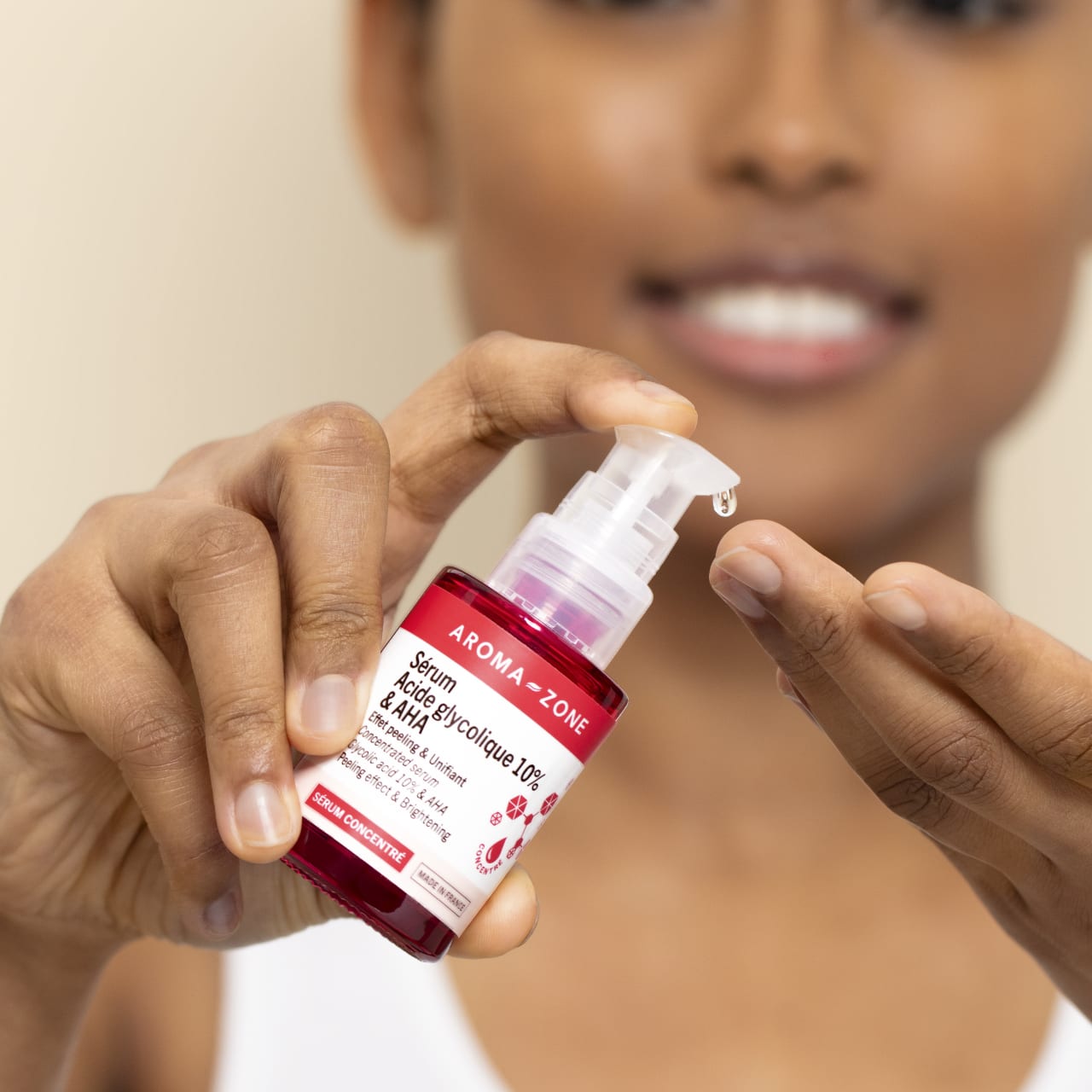
Spotlight on Glycolic Acid Serum
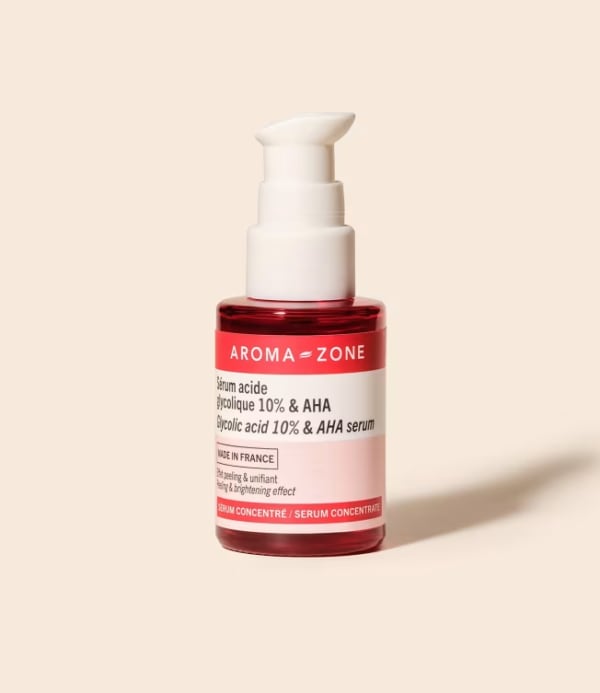
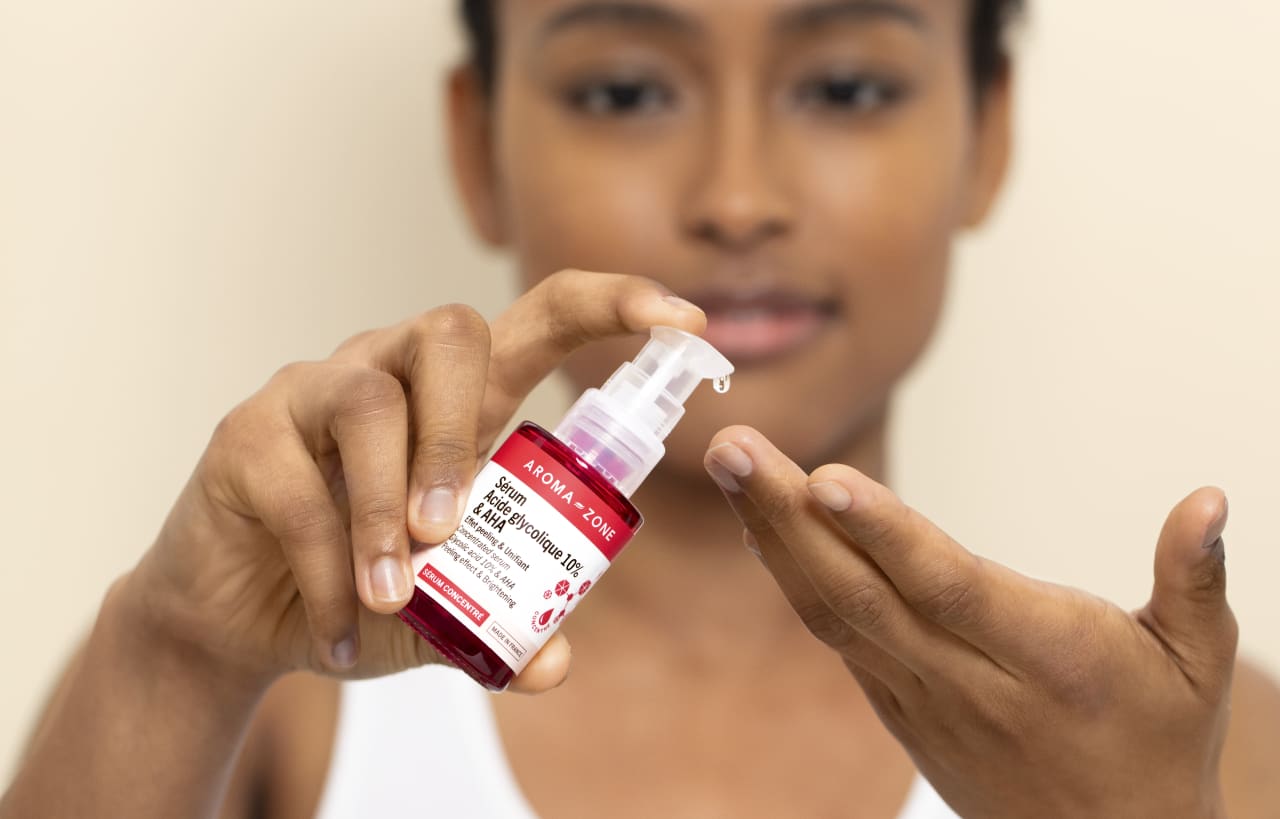
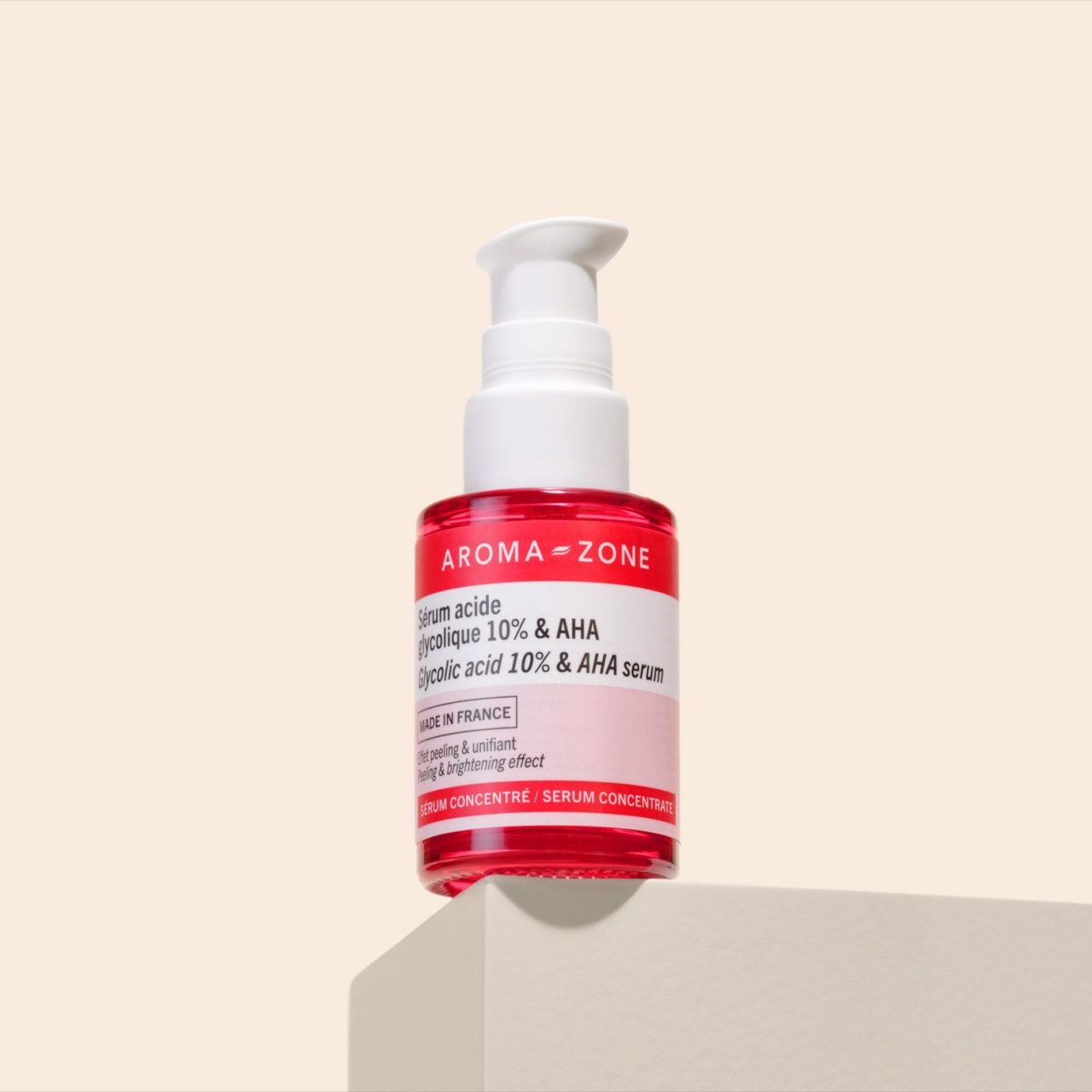
Serums generally contain a higher concentration of glycolic acid and are therefore more effective at treating specific skin concerns such as acne scars or hyperpigmentation. Apply the serum after cleansing and toning your skin, then let it absorb before applying your moisturizer.
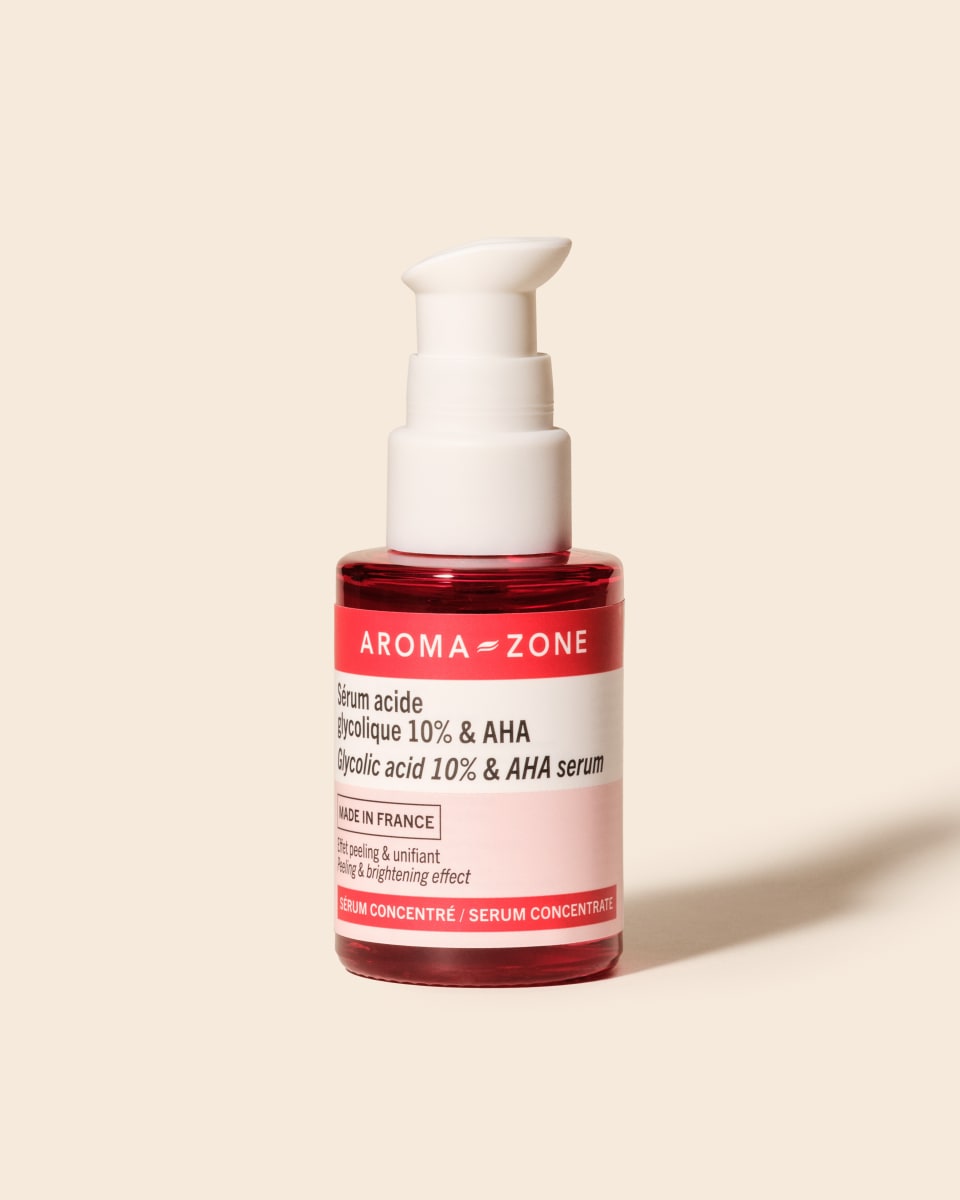
Discover all the benefits of our 10% Glycolic Acid & AHA Serum!
What skincare routine should you follow with glycolic acid?

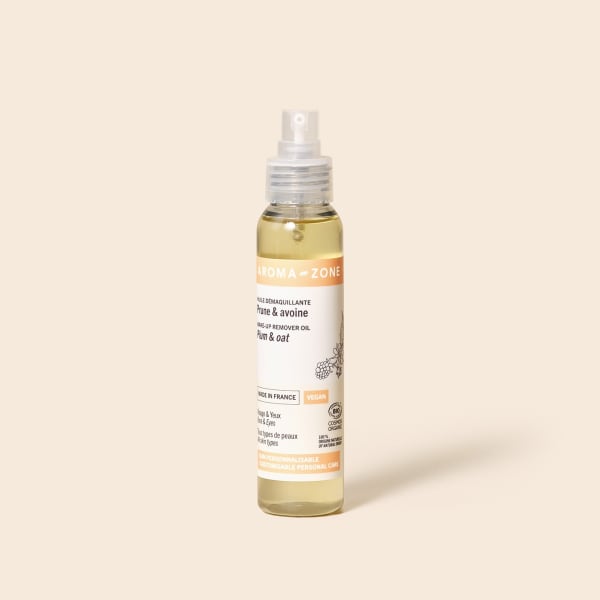
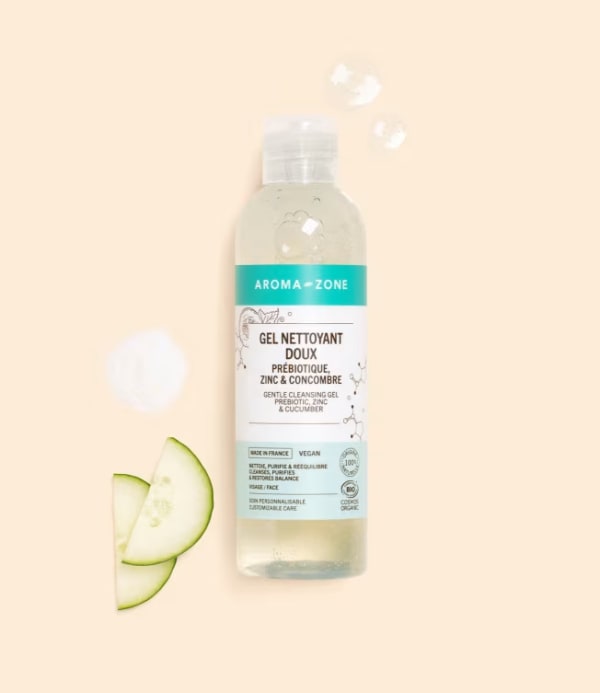
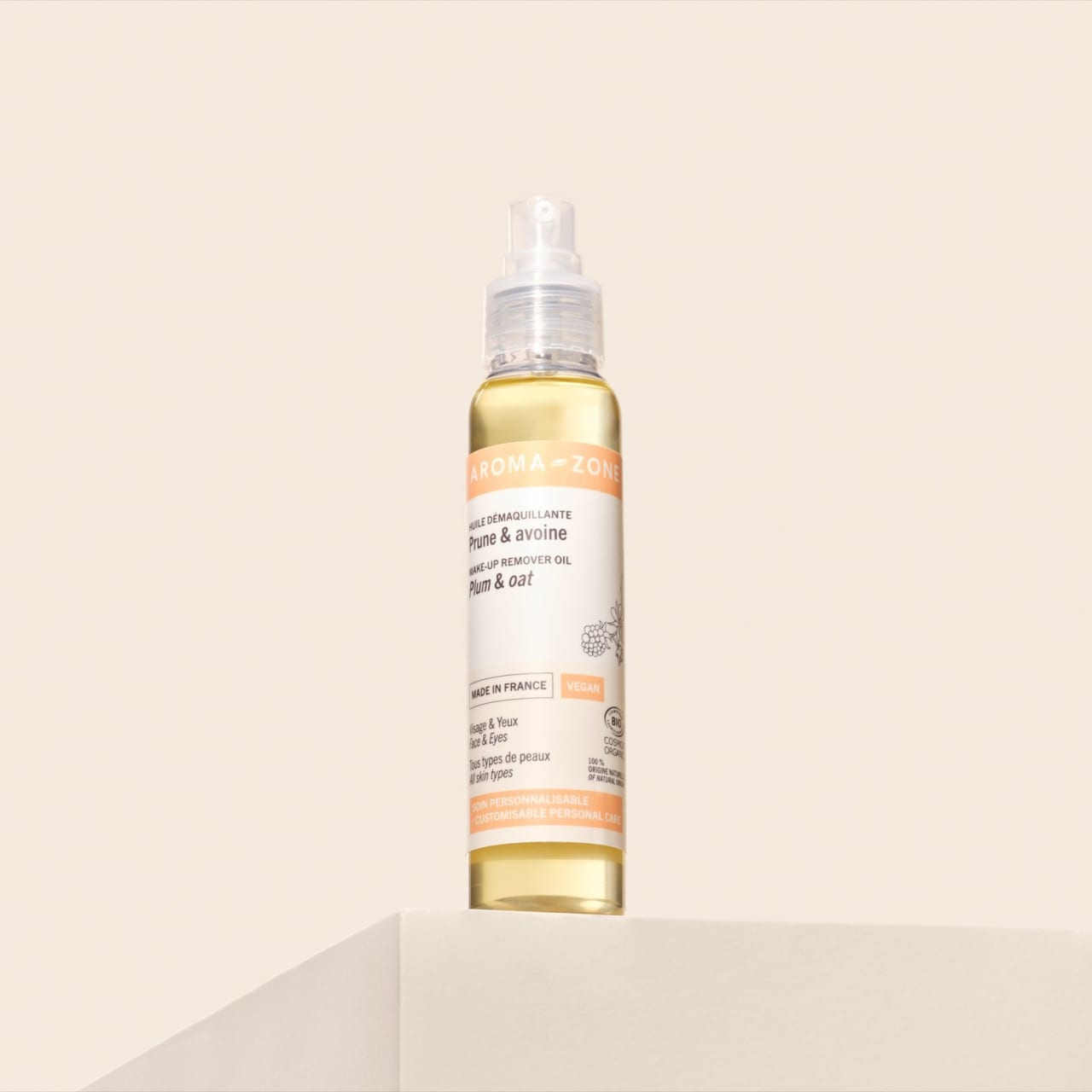
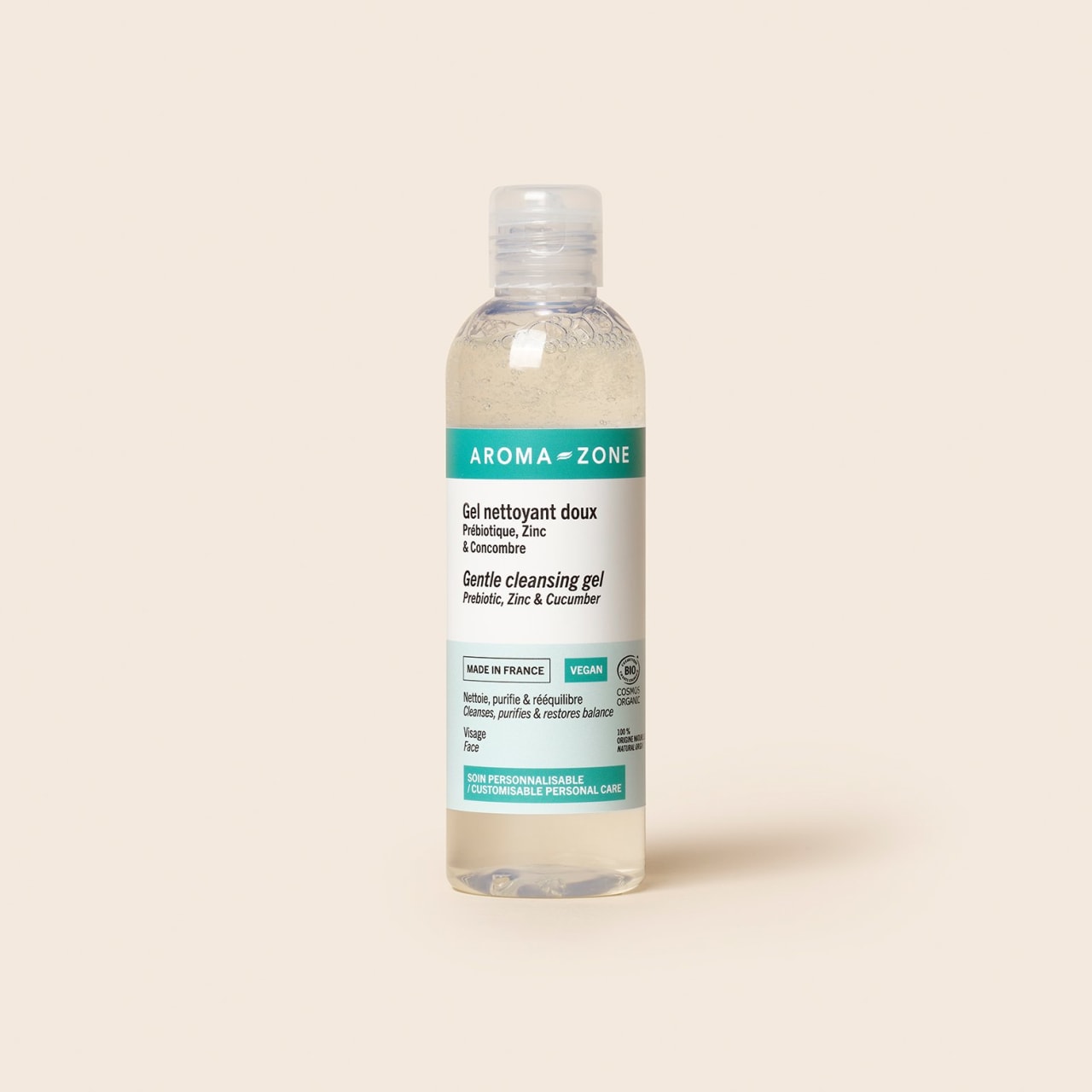
1. Cleanse your skin: Before applying a glycolic acid-based product, it’s important to thoroughly cleanse your skin to enhance the effectiveness of the treatments that follow. For optimal cleansing, start by removing your makeup (in the evening), then use a gentle cleanser suited to your skin type to eliminate all traces of impurities.
Discover our handmade Douceur d'Amande soap—plant-based & SAF

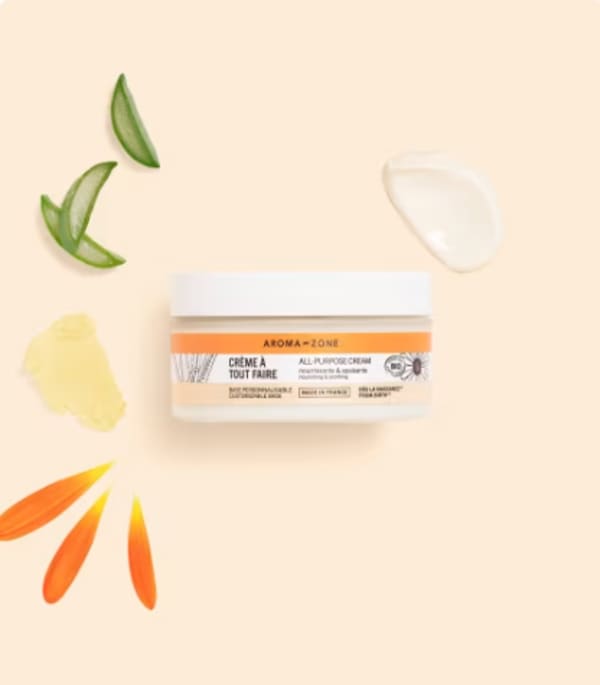
2. Apply your skincare product: Next, apply your glycolic acid-based skincare product: lotion, serum, cream... The choice is yours! For a serum, apply 3 to 4 drops to your face (or a small amount if you opt for a cream) and massage gently. For a lotion, soak a cotton pad and wipe it over your entire face, avoiding the eye area.

3. Use sunscreen: Finally, don’t forget to apply sunscreen in the morning, as glycolic acid can make the skin more sensitive to UV rays.
What are the side effects of glycolic acid (precautions for use)?
Glycolic acid has an acidic pH: it weakens the epidermis, making it more sensitive to external aggressors (sunlight, pollution, exfoliation). It is therefore not recommended for very sensitive skin and should be used in moderation to prevent redness and irritation. Its photosensitizing effect can cause skin reactions in some people following UV exposure.
If used in a cream or serum, apply it in the evening. If you use it in the morning, combine it with sunscreen.
Expert Tip
It is important to note that high-concentration glycolic acid can be irritating. It is therefore essential to always perform a patch test before using a product containing this active ingredient for the first time.
Learn more

Can glycolic acid be used every day?

Can glycolic acid be used every day?

Salicylic acid or glycolic acid?

Salicylic acid or glycolic acid?
When choosing between salicylic acid and glycolic acid, several factors come into play, including your skin type and your skincare needs.
Salicylic acid, a beta-hydroxy acid (BHA), is known for its ability to penetrate pores and remove buildup of sebum and dead skin cells. It is therefore particularly effective on oily and blemish-prone skin.
Glycolic acid, on the other hand, promotes cell turnover through gentle exfoliation. It is recommended for skin seeking a radiant, rejuvenated complexion.
Note that using these two acids together can cause a skin reaction; therefore, they should be used separately.
Spotlight on our specialist editor, Charlie MOREL

Charlie holds a Master’s degree in cosmetic formulation. Passionate about cosmetology but also a lover of words, she decided in 2020 to become a web editor specializing in cosmetics and beauty. It was her desire for a career change that inspired her to go freelance, as she wanted to be able to work from anywhere in the world.
Bibliography
1
https://dermomedicalcenter.com/blog/acide-glycolique/