Azelaic acid: the versatile "good skin" active ingredient we should all be using

Do you have skin that's prone to shine, blackheads, redness and dark spots? If so, azelaic acid could make all the difference! This all-round active ingredient is still relatively unknown in cosmetics. Yet, when applied topically its benefits have already been backed up by a number of scientific studies. Its exfoliating properties are ideal for preventing clogged pores, reducing pigmentation irregularities and giving you a radiant complexion. The only condition you need to know about? Use it with care and apply the right combinations in your routine. Here's everything you need to know about this incredible acid before taking the plunge!

By The Aroma-Zone editorial team

Reading time: 0 min.

What is azelaic acid?

Definition

Azelaic acid is a dicarboxylic acid. From a chemical point of view, this means that it belongs to the same family as malic acid or succinic acid. The latter substance (which is far more known) is a fruit acid (AHA) extracted from apples. It also has keratolytic effects that target uneven skin tones and fade the appearance of the signs of ageing.


Origin: natural or synthetic?

An azelaic acid cream or serum may contain either of the following forms:

  • Natural azelaic acid. It is naturally present in cereals, such as rye and barley. It is generally produced by fermenting their seeds. Incidentally, this acid is also produced by a yeast that lives on your skin: Malessezia furfur.

  • Synthetic azelaic acid. This is the same ingredient, but made in a laboratory. It is synthesised from oleic acid (present in hazelnuts and olive oil). This is generally done to optimise its stability in formulas.

How does azelaic acid work on the skin?

Medical use

Since the 1970s, the benefits of azelaic acid on the skin have led it to being used as a medicinal substance. It is mainly found in topical anti-acne creams.

In fact, research shows that it has a proven antimicrobial activity, particularly against Propionibacterium acnes (the bacteria most often implicated in inflammatory acne). Scientists have also shown that it inhibits the spread of keratinocytes when the stratum corneum thickens. This phenomenon plays a key role in the formation of comedones (blackheads, whiteheads, blemishes). It is also very common in oily skin.

What you need to know

Good to know: azelaic acid-based acne medication is only available on prescription. Concentrations of around 15-20% are reserved for medical use. Your doctor alone will decide whether this type of treatment is best suited to your situation.

Cosmetic use

In cosmetics, azelaic acid is obviously present in lower concentrations than in the medical sector. Nonetheless, it has beneficial properties for blemish-prone skin.

You can incorporate it into your skincare routine in the form of an azelaic acid cream or serum. These products are generally used for combating excess sebum and preventing blemishes, including blackheads on the nose. They gently exfoliate the skin, support cell renewal and even out skin tone.

What you need to know

Helpful to know: in cosmetics, this acid is most often found in dosages of between 3 and 10%. It can also be combined with other complementary active ingredients that target hyperpigmentation, redness or excessive sebum production. Don't forget to adapt the dosage to your skin's sensitivity!

What are the benefits of topical application of azelaic acid?

For skin imperfections: azelaic acid acts as a gentle exfoliating, purifying and sebo-regulating agent. It prevents clogged pores (the source of blemishes), refines skin texture and helps restore a matte complexion. Like AHAs and BHAs, it does not need to be rinsed off after application. If you have oily skin, you could try an azelaic acid cream.

For rosacea and couperose: some studies have proven the effectiveness of azelaic acid on rosacea and couperose. The tests were carried out using medicinal dosages. Therefore, the results cannot be extended to the cosmetics sector, which uses lower doses. Nevertheless, the soothing benefits of this ingredient may indeed help to reduce the appearance of skin redness.

For dark spots and hyperpigmentation: this ingredient was first studied for its beneficial ability to inhibit tyrosinase. Tyrosinase is an enzyme that is key to melanin synthesis, the pigment responsible for hyperpigmentation. Used regularly, it can help you gradually regain a more even complexion if you have age spots or pimple scars.

For skin ageing and the signs of ageing: although it is a powerful antioxidant, this acid has no recognised anti-wrinkle effects. However, by fighting free radicals, it can help even out the complexion of mature skin. Combined with its ability to inhibit tyrosinase, this property makes it ideal for melasma. Similarly, its keratolytic properties can revitalise dull complexions by dissolving dead skin cells.


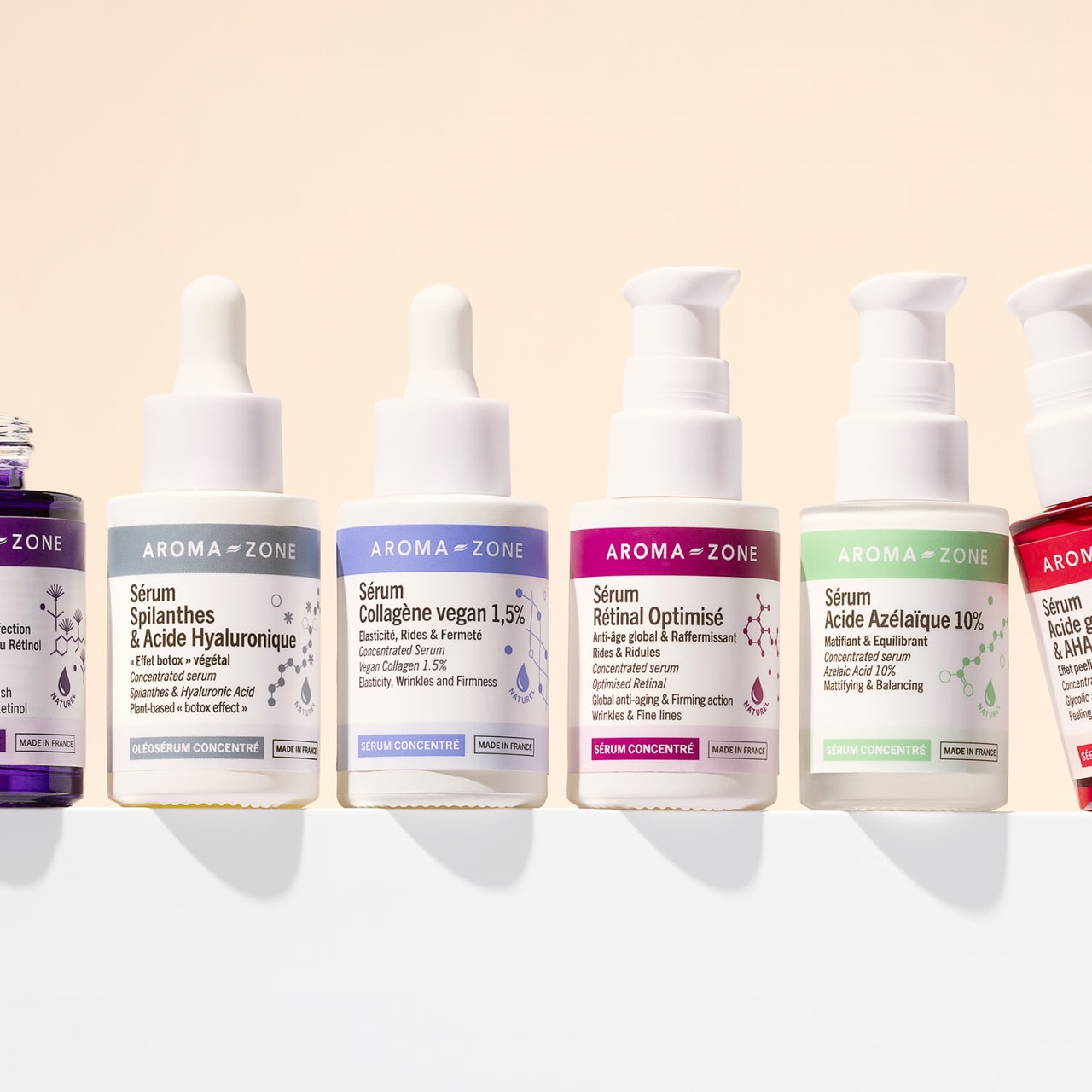
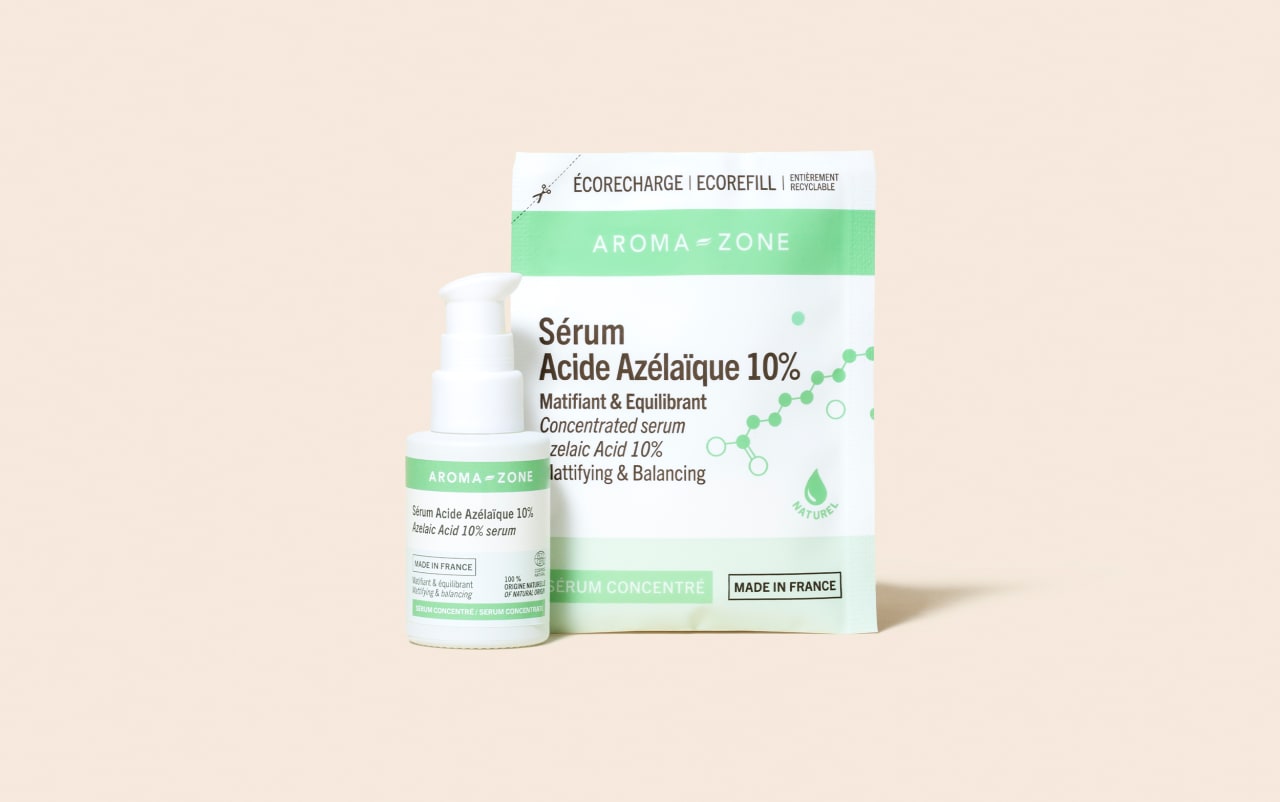
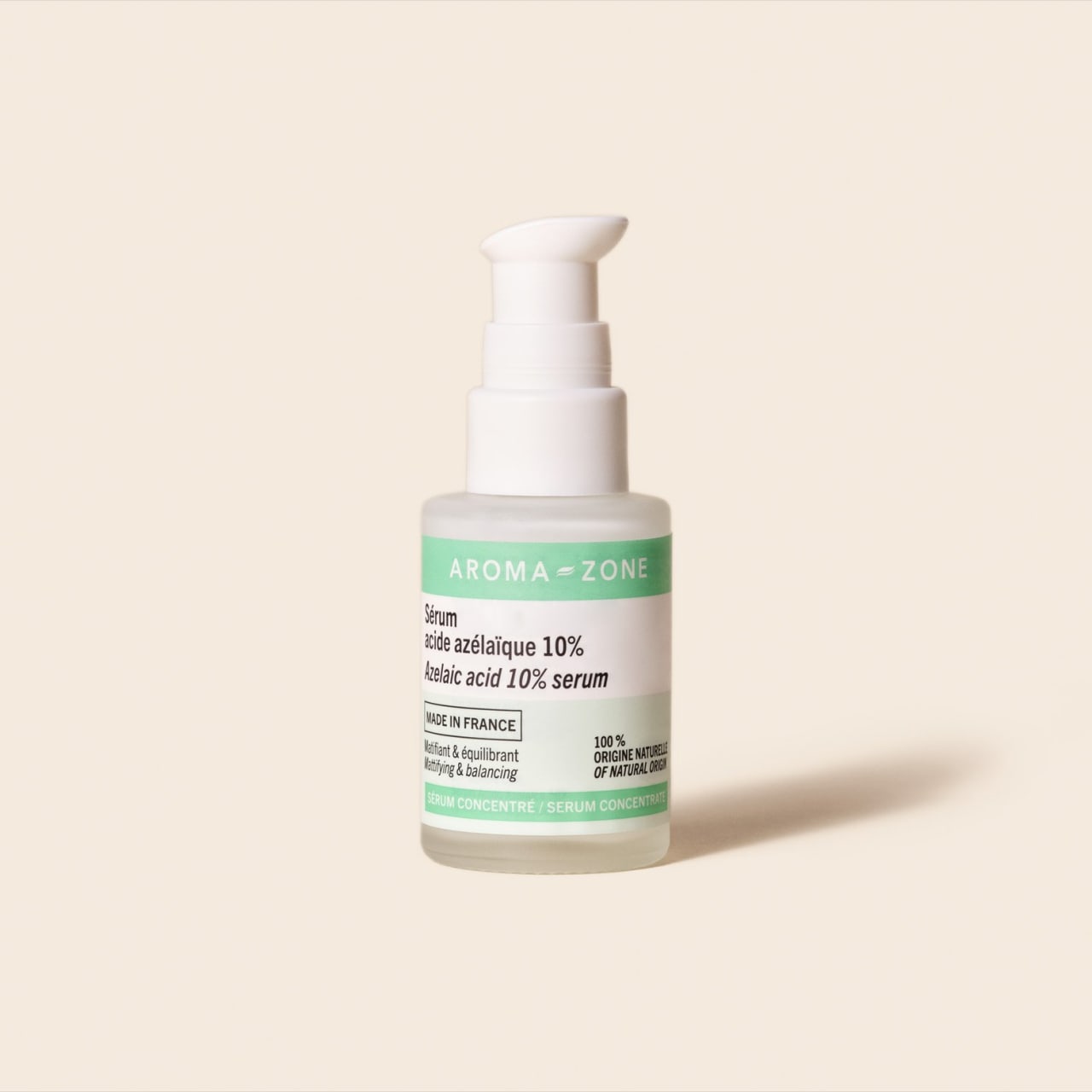
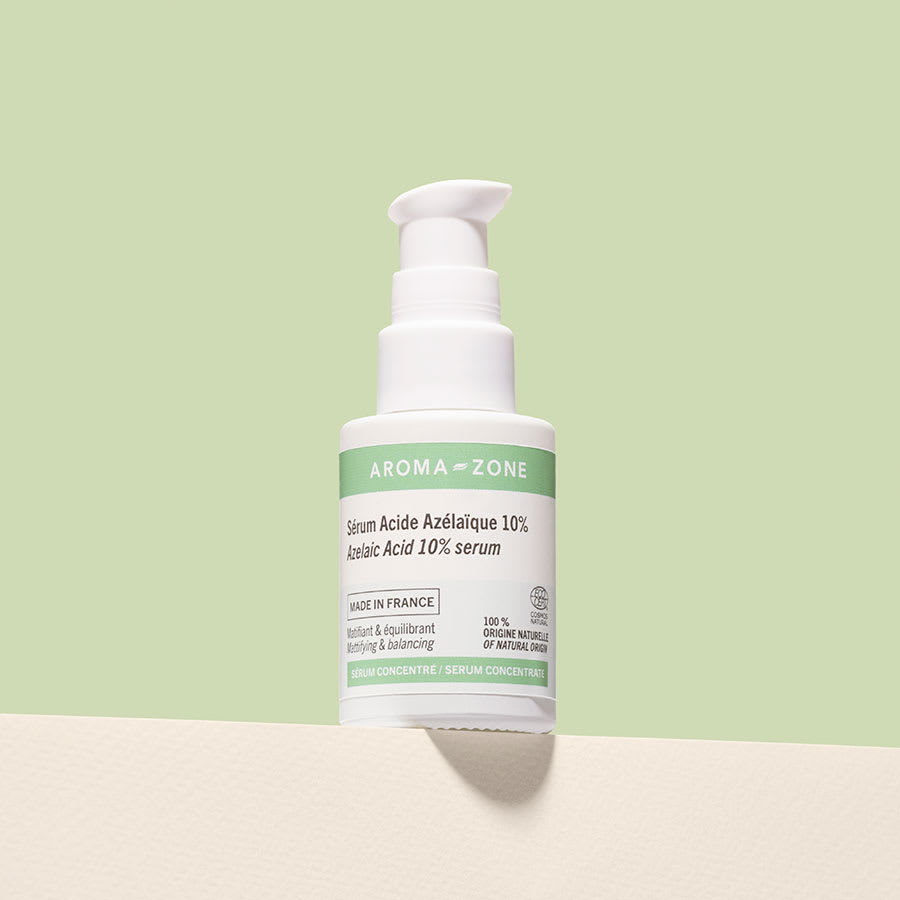
A closer look at our 10% Azelaic Acid Serum Concentrate

How can I use dicarboxylic acid to look after my skin?

Evening or morning: when to apply it?

Unlike retinol or AHAs, this acid has the advantage of not being photosensitising. This means that it is not expected to create any reactions (redness, discomfort, etc.) if your skin has sun exposure after application. Therefore, you can apply it in the morning or evening, depending on your preference. If you're targeting the signs of ageing, it's best to apply it at bedtime. This way, your azelaic acid skincare product will ideally support the natural regeneration of your epidermis.


How long do you use it for?

Like all active ingredients, you may have to wait a while to see the effects of azelaic acid. We recommend that you make an initial assessment after about a month of incorporating it into your skincare routine. This is the average time (28 days) it takes for your skin cells to renew themselves. Mature skin generally has to wait a little longer to see convincing results. This phenomenon is caused by the physiological slowdown in the rate of skin regeneration. So it's completely normal!


Which combinations should be favoured or avoided?

  • Azelaic acid and vitamin C: No.

  • Azelaic acid and retinol: No.

  • Azelaic acid and salicylic acid: No. We do not recommend combining these two ingredients in your routine, especially if you have sensitive skin. This precaution also applies to the other active ingredients in the BHA family.

Safety precautions

  • As this serum is highly concentrated, it is best to use it in combination with mild skincare products (cleansers, moisturisers, etc.).

  • To allow your skin to gently adapt, introduce the serum gradually into your skincare routine, starting with an application every 2-3 days or even twice a week.

  • Avoid the area around the eyes.

  • If irritation occurs, space out the applications. If the discomfort persists, discontinue use immediately.

Find out more

Can I use an azelaic acid cream during pregnancy?

The Journal of Dermatology suggests that it is possible for pregnant women to use azelaic acid topically. However, we recommend that you seek advice from your GP before using it during pregnancy or while breastfeeding.

What makes it different from nicotinamide?

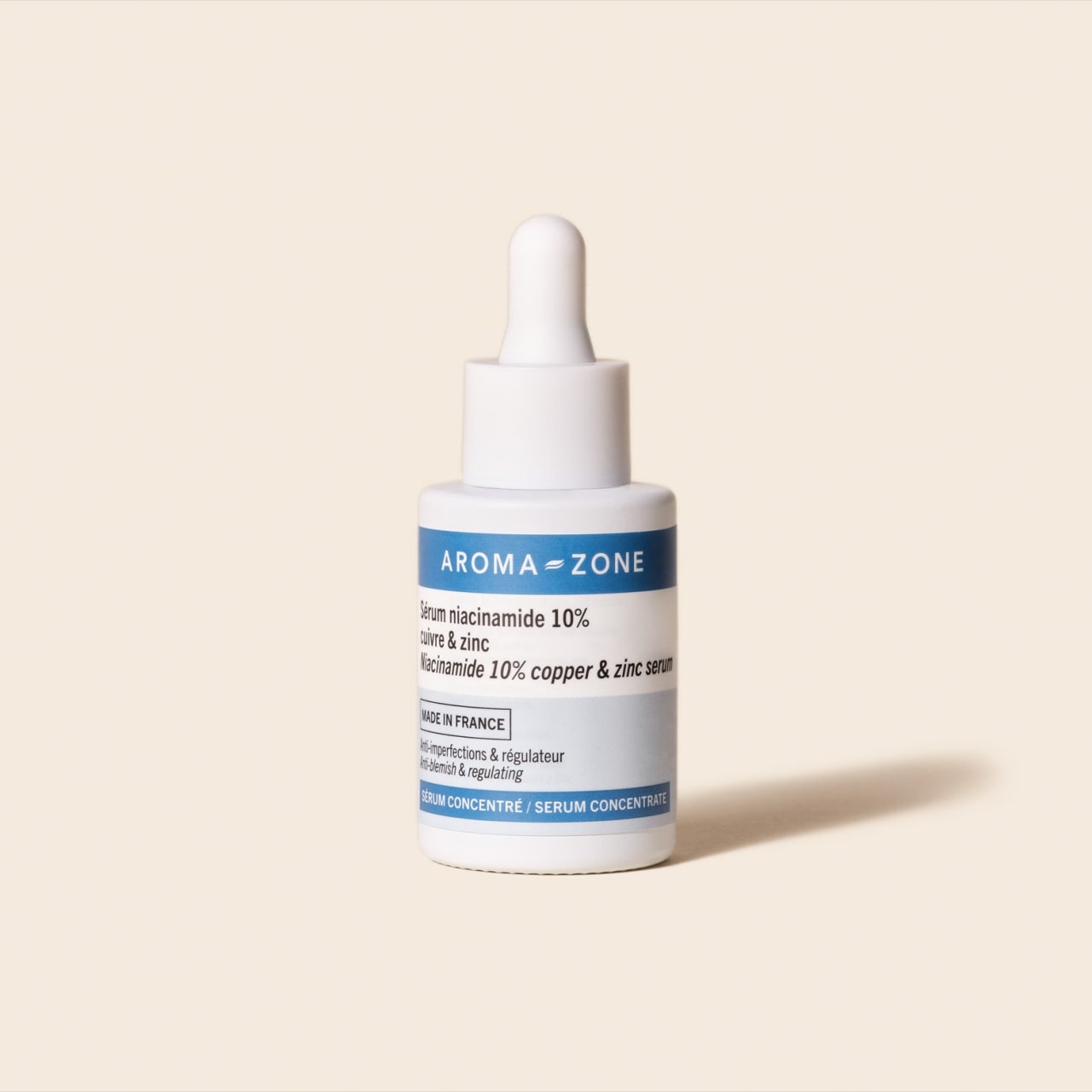
Nicotinamide (vitamin B3) and azelaic acid are two different molecules. But they have one thing in common: they're both highly versatile agents! They have similar properties, making them particularly suitable for combination skin, oily skin and skin with blemishes (even sensitive skin). You can even combine them in your routine to support your skin's natural defences.

Is this active ingredient dangerous for my skin?

All cosmetic products marketed in Europe comply with quality standards and strict toxicology and skin tolerance controls before being authorised for sale on the market. This includes skincare products enriched with azelaic acid. However, don't forget that your skin is different from your best friend's or your favourite blogger's skin. Introduce powerful active ingredients gradually into your daily routine and keep a close eye on how your skin reacts. This will allow you to adapt their concentration or frequency of use if necessary.

Expert advice

The expert's advice: always do a sensitivity test in the crease of your elbow before introducing a new active ingredient into your routine. Apply the same precautionary principle when you want to combine two active ingredients. All skin types react differently. Turn to a dermatologist or healthcare professional if you have the slightest doubt.

Spotlight on our specialist editor, Hélène Betoux

Hélène Betoux is a French beauty journalist specialising in web media. Every day she writes tips, advice and guides to help consumers choose the right beauty products. With a strong interest in natural, organic and clean cosmetics, she analyses and shares trends and innovations in the sector.