Distinguishing Between Sebaceous Filaments and Blackheads

Distinguishing Between Sebaceous Filaments and Blackheads


By Laura Almeras

Published on: Friday, December 29, 2023, Updated on: Friday, October 30, 2026

Often mistakenly confused, sebaceous filaments and blackheads are two very distinct things. While they may look alike, their causes, treatments, and compositions are quite different. We’re breaking down these benign but unsightly skin conditions that prevent you from having flawless skin. You’ll become an expert on blackheads and sebaceous filaments—no more mixing them up. 

Contents

Related products

Understanding sebaceous filaments

Definition of sebaceous filaments

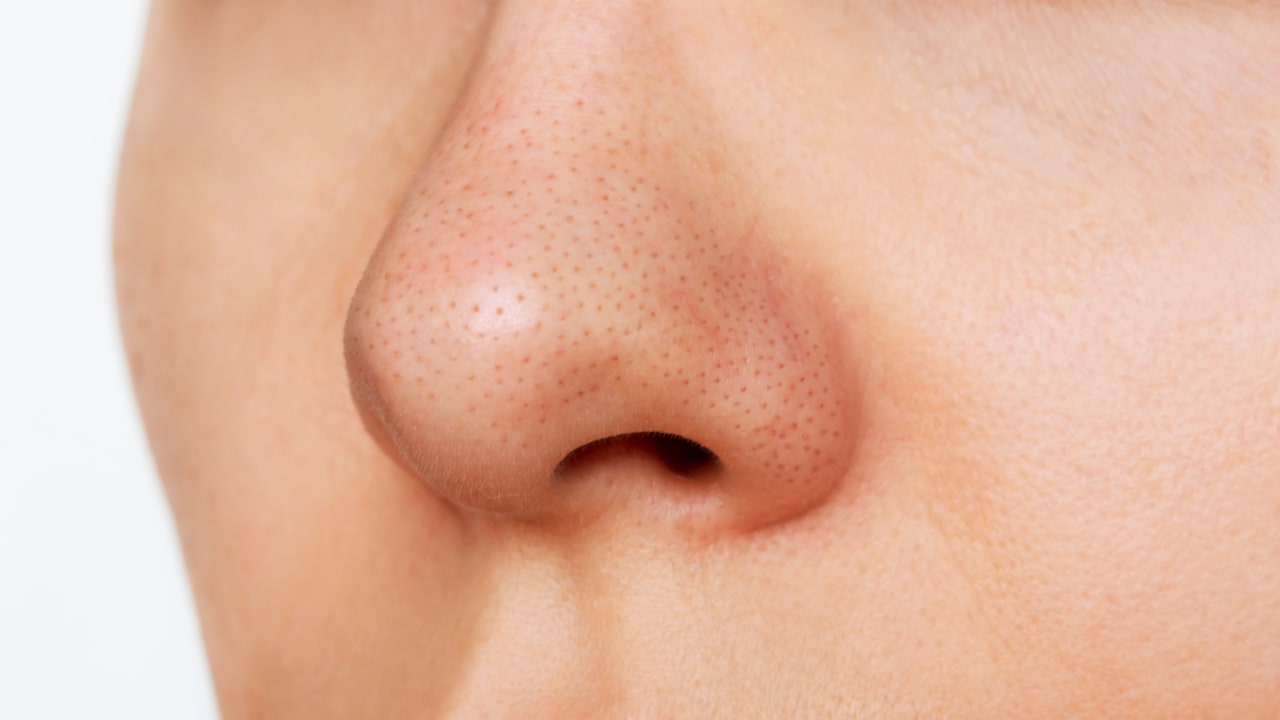
Sebaceous filaments are microscopic structures found in the skin’s hair follicles. They consist of a mixture of dead epithelial cells, sebum (the well-known oily substance produced by the sebaceous glands), and sometimes fine dust particles. These filaments are particularly visible on the nose, chin, and forehead and create a rough texture when touched.

Description of their composition and origin

Sebaceous filaments are primarily composed of sebum, an oily substance secreted by the sebaceous glands to lubricate the skin and hair. These filaments result from a natural buildup of sebum, dead skin cells, and various debris throughout the day. Dead epithelial cells mix with sebum to form a soft substance that fills the hair follicles. Sebaceous filaments originate from the sebaceous glands, which are distributed throughout the skin. These glands produce sebum, which travels up through the follicles to reach the skin's surface. When sebum comes into contact with air, it oxidises, and this process is responsible for the yellowish or translucent colour of sebaceous filaments.

The natural role of sebaceous filaments in the skin

Although unsightly, sebaceous filaments play a crucial role in maintaining the skin's moisture balance. The sebum they carry helps moisturise the skin by forming a protective barrier against excessive water loss. This natural lipid barrier helps maintain the skin's suppleness and protect it from external aggressors such as pollution and bacteria.

It is therefore important to emphasise that sebaceous filaments are not harmful, but rather a normal manifestation of the skin's physiological function. They help keep the skin healthy by regulating sebum production and promoting adequate hydration.
Understanding Blackheads

Explanation of blackheads

Blackheads, also known as "open comedones," are skin lesions resulting from the blockage of hair follicles by a mixture of sebum, dead skin cells, and external dirt. These comedones are called "open" because the blockage is on the skin's surface, allowing air to come into contact with the sebum. It is this oxidation of the sebum when exposed to air that gives blackheads their characteristic black colour, as their name suggests.

Underlying causes of blackheads

Several factors contribute to the formation of blackheads, but the main cause is excessive sebum production. When sebum accumulates in excess, it can mix with dead skin cells on the skin’s surface to create a plug in the hair follicle. Blackheads are often linked to hormonal surges, which explains why they are common during adolescence, a time marked by significant hormonal fluctuations.

Poor skin hygiene can also contribute to the formation of blackheads. For example, using cosmetics that clog pores, failing to follow a regular cleansing routine, and frequent contact with dirty surfaces can promote the appearance and accumulation of blackheads.

Common misconceptions about blackheads

There are several common misconceptions about blackheads. First of all, blackheads are not caused by dirt, but rather result from a combination of many internal factors (sebum production, hormones) and external factors (skin hygiene, cosmetics, pollution). To treat them effectively, it is therefore essential to understand their causes and address them appropriately based on their origin. You don’t treat teenage blackheads the same way you would treat blackheads caused by pollution or poor hygiene.

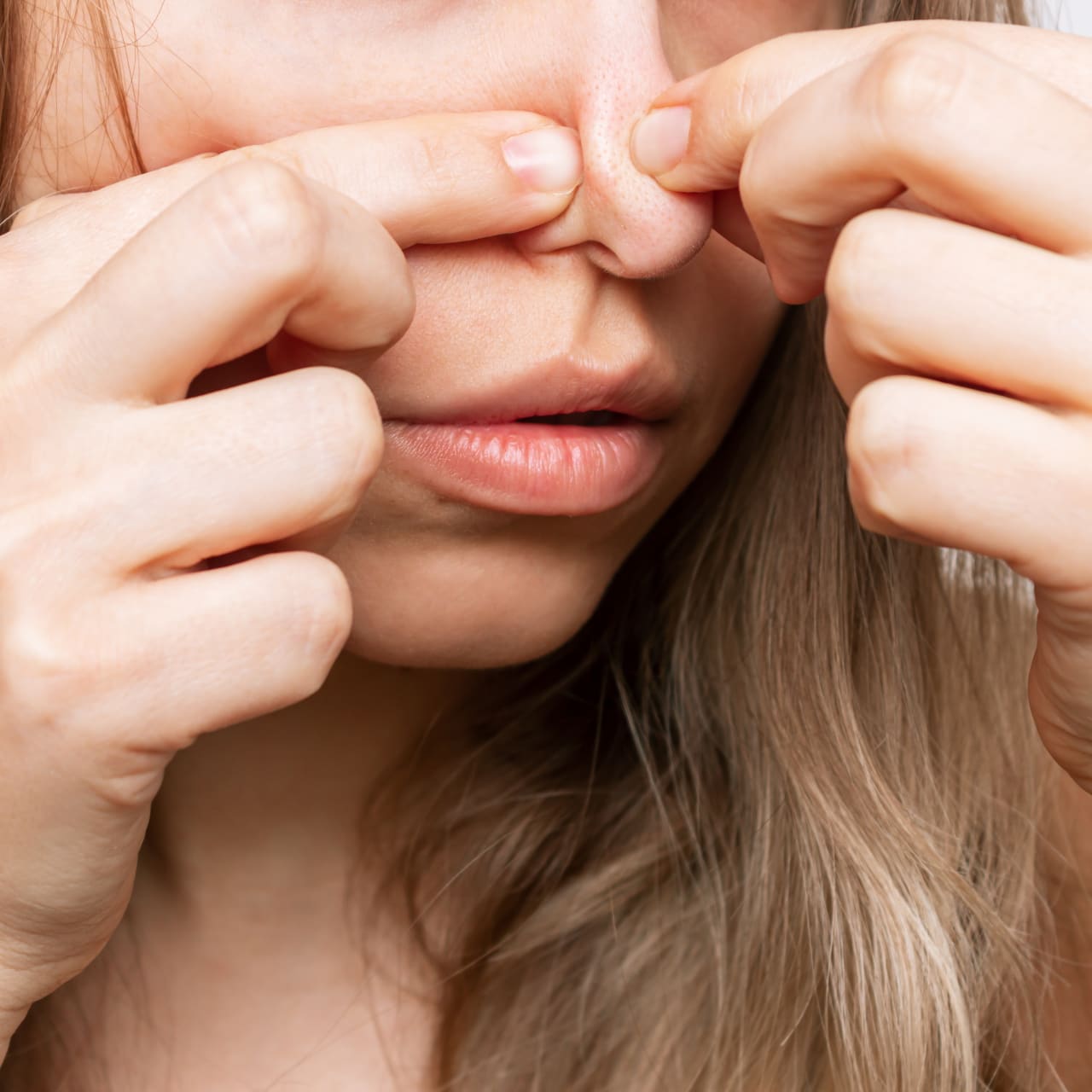
Contrary to popular belief, extracting blackheads at home can lead to skin damage and infections. The idea that squeezing blackheads is a safe way to remove them is a misconception. Rather than picking at them at home without taking the necessary precautions, consult a skin care professional who is skilled in extraction methods and can help you avoid complications and scarring.

Blackhead or sebaceous filament? What’s the difference?

Why distinguish between sebaceous filaments and blackheads?

If you’re on the quest for perfect skin, it’s essential to know the difference between sebaceous filaments and blackheads. People often mistakenly mistake the sebaceous filaments on the nose for blackheads, when in fact they’re simply the result of a natural process and rarely lead to the appearance of pimples.

Their physical appearance is different

  • Colour: Sebaceous filaments are generally yellowish to translucent in colour due to the natural colour of sebum. In contrast, blackheads have a characteristic black colour resulting from the oxidation of sebum upon contact with air.

  • Size: In terms of size, sebaceous filaments are often finer and less visible than blackheads. Blackheads, on the other hand, are more prominent in size and can be easily spotted on the skin’s surface due to their black, round appearance.

Their chemical composition differs

  • Composition of sebaceous filaments: Sebaceous filaments are mainly composed of sebum, dead skin cells, and sometimes environmental particles. Sebum is the predominant component, acting as a natural lubricant for the skin.

  • Composition of blackheads: Blackheads are formed by the accumulation of sebum, dead skin cells, and bacteria. This combination creates a plug in the hair follicle. The presence of bacteria contributes to the oxidation of sebum, giving blackheads their characteristic black colour.

The main difference between the two is therefore that sebaceous filaments are the result of the skin’s natural function, whereas blackheads result from excessive and often undesirable pore blockage.

A Word from the Dermatologist

"To reduce sebaceous filaments and blackheads, the use of certain acids can be beneficial:

  • Salicylic acid (beta-hydroxy acid) has keratolytic and sebum-regulating properties, which are particularly effective on oily, blemish-prone skin by reducing excess sebum and follicular hyperkeratosis.

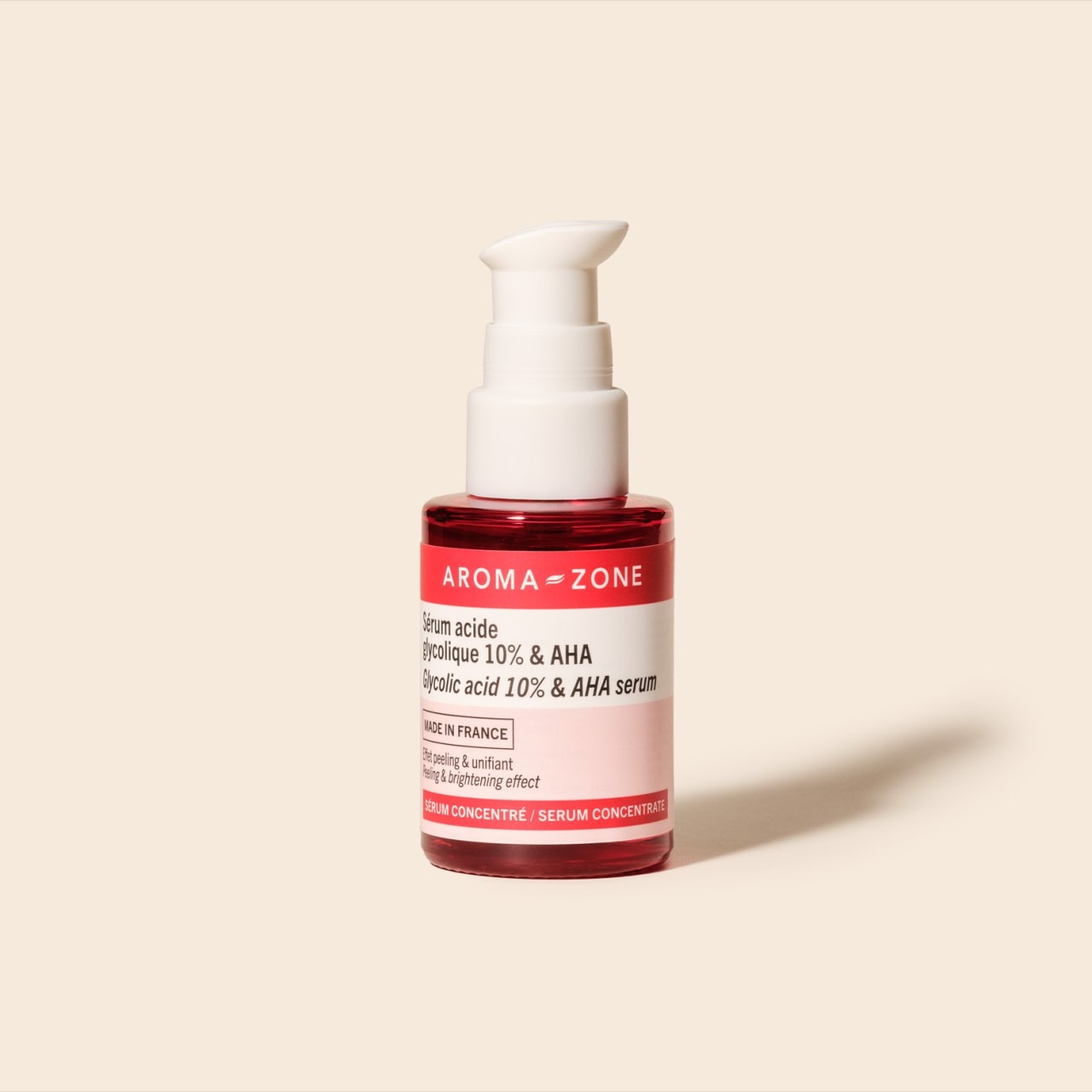
  • Glycolic acid (alpha-hydroxy acid), one of the best-known and most widely used "fruit" acids, has a keratolytic effect that smooths the skin, while also improving skin firmness and collagen production, making it an effective anti-ageing agent.

Note: The ideal approach here would be to combine these two acids for optimal results, without layering the two active ingredients, but rather incorporating them into your routine on alternate days.”

Dr. Agathe Aoun - Dermatologist and Venereologist

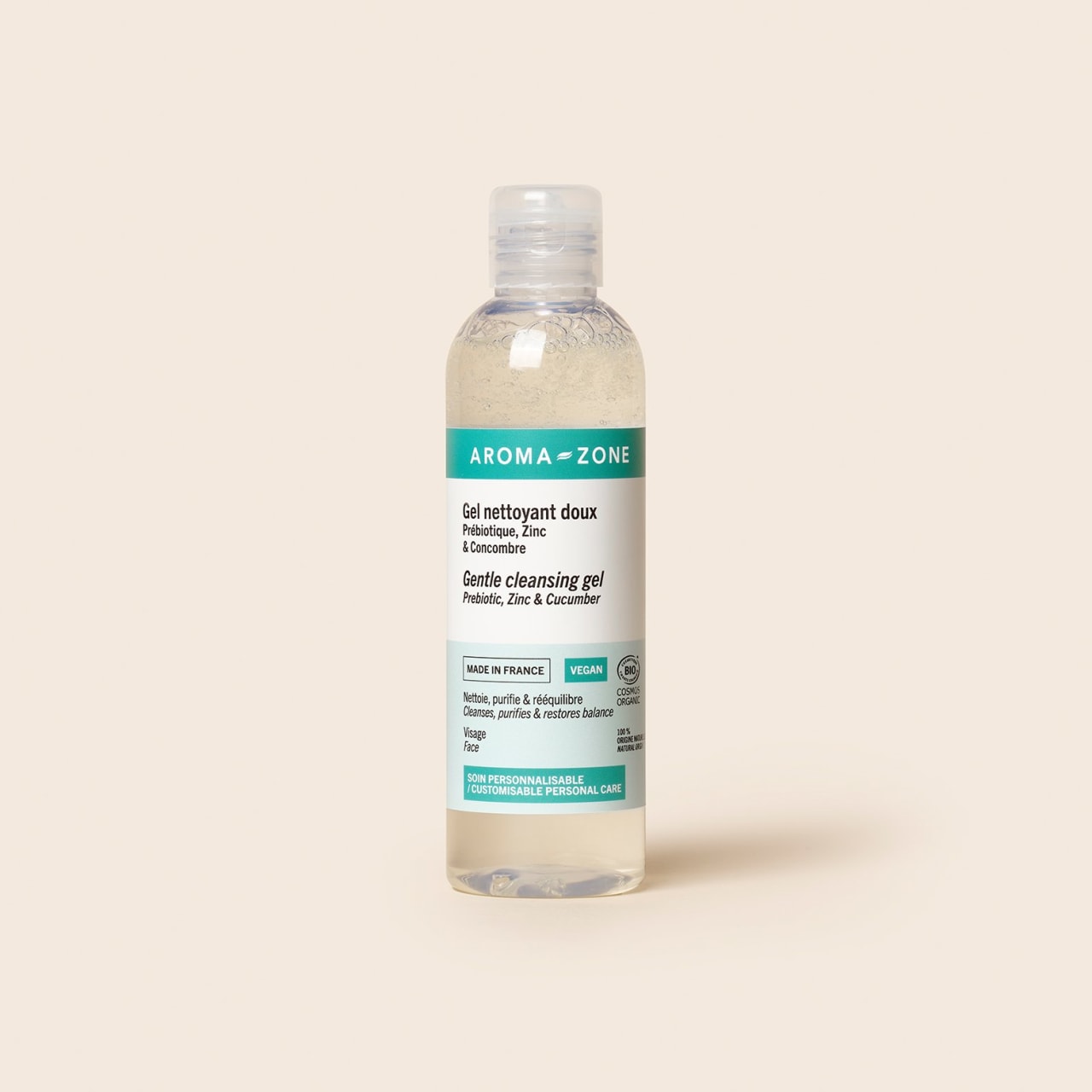
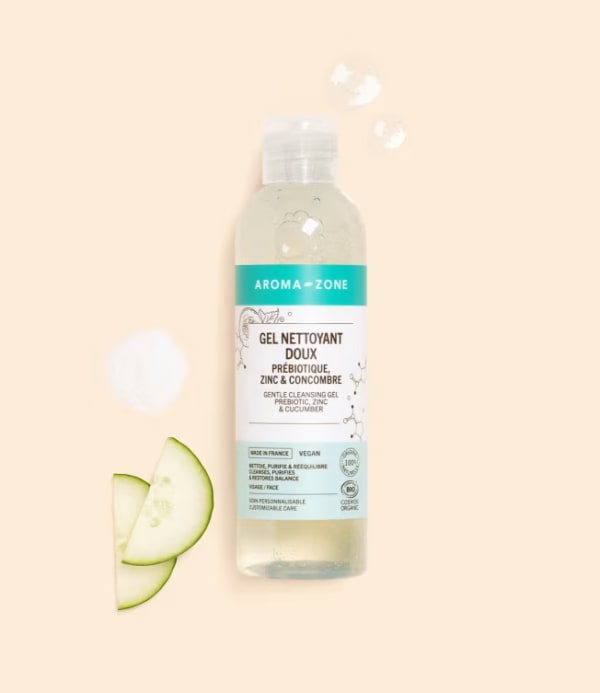
Gentle Prebiotic, Zinc & Cucumber Cleansing Gel
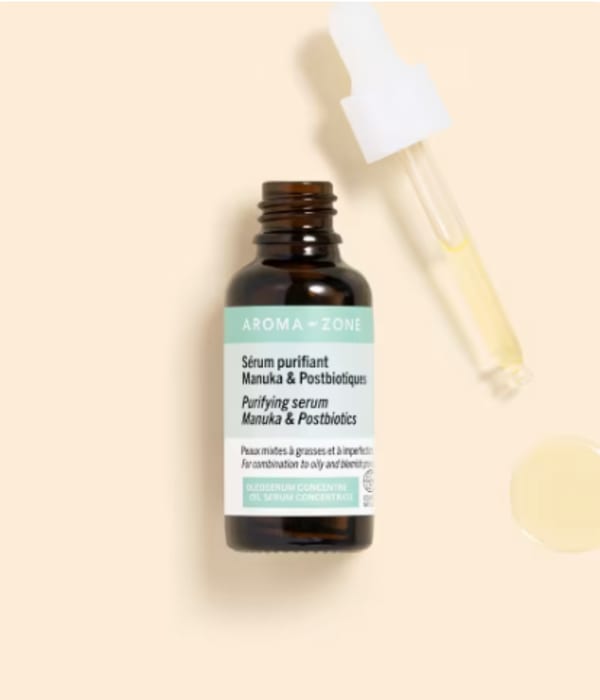
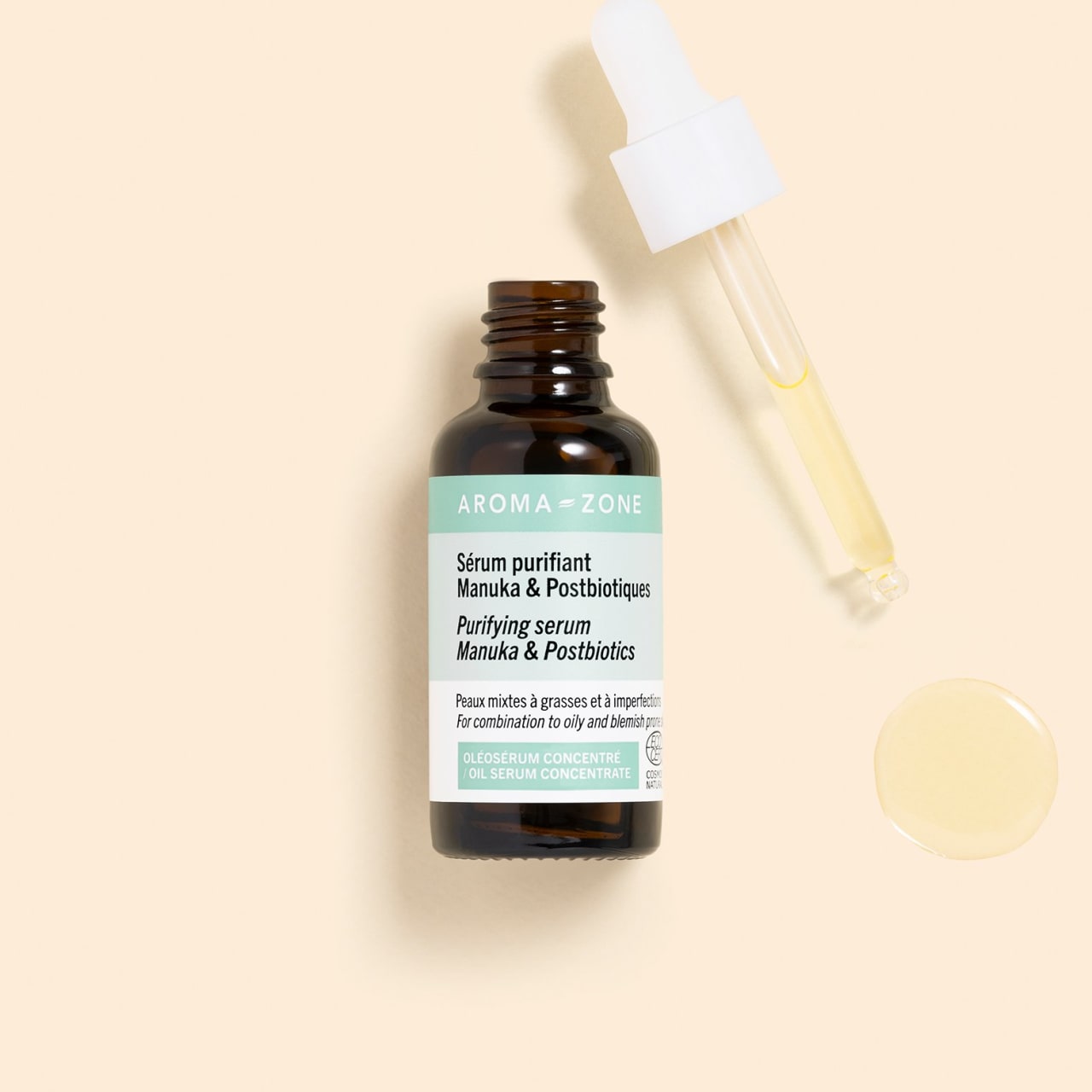
Ol%C3%83 os%C3%83 rum Purifiant et %C3%83 quilibrant Manuka Postbiotiques
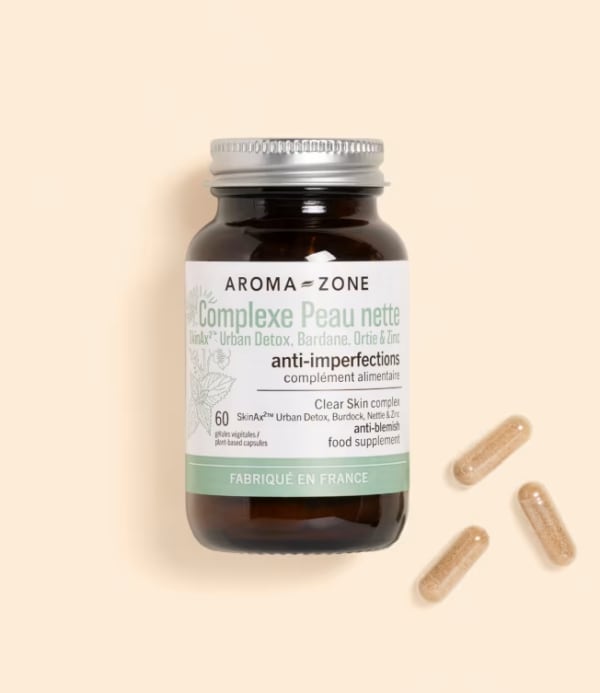
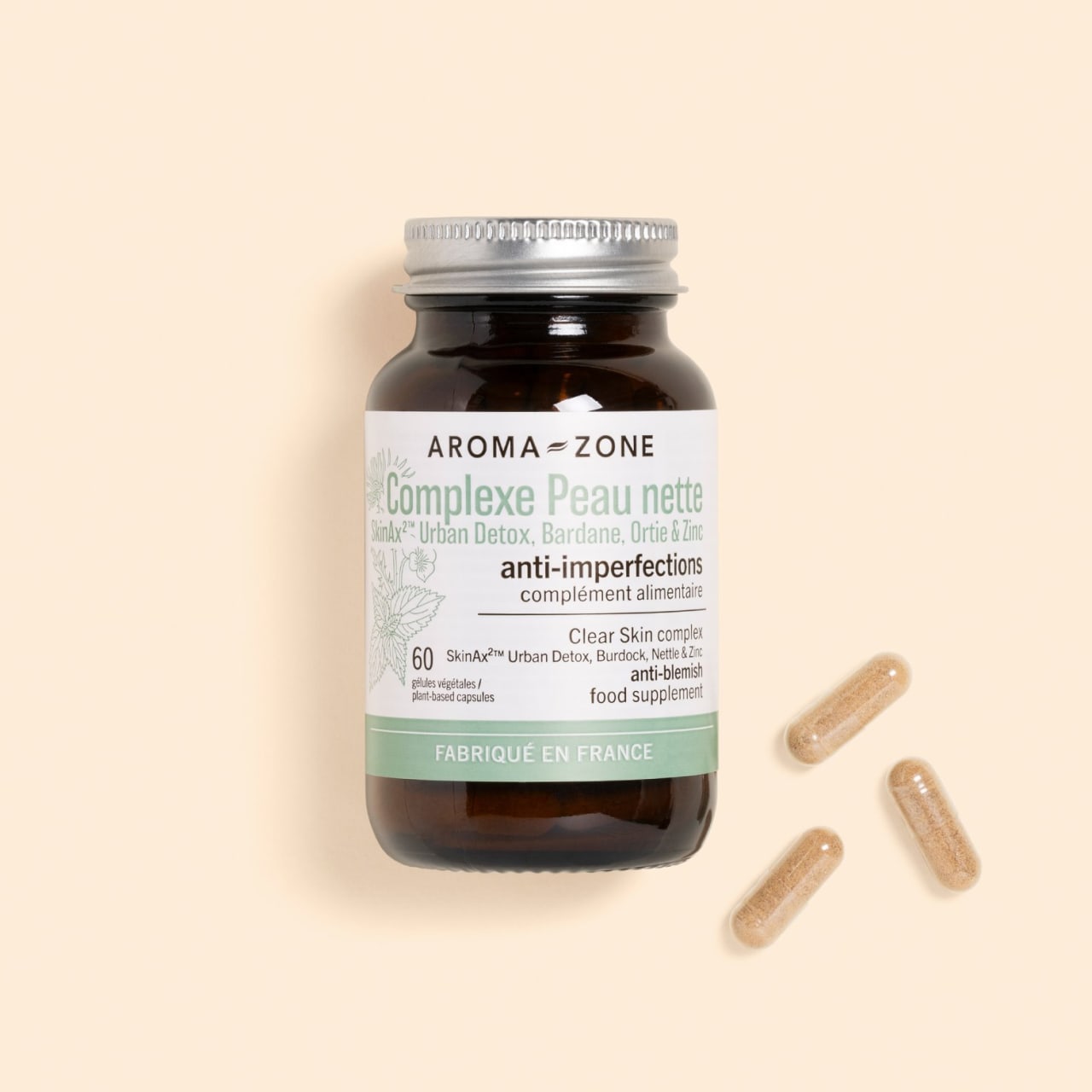
Clear Skin Complex – 60 capsules – Dietary supplement

How can you get rid of them and prevent them from appearing?

How can you naturally remove sebaceous filaments from your nose?

  1. Gentle, regular cleansing: Use a gentle cleanser suited to your skin type to remove excess sebum and impurities from the skin’s surface. Avoid cleansers that are too abrasive, as they could irritate the skin and cause even more sebum production. In fact, when the skin feels attacked, it defends itself by producing more sebum; therefore, a product that is too harsh will have the opposite effect of what is intended.

  2. Moderate exfoliation: Exfoliation helps remove dead skin cells, but it should be done in moderation, keeping in mind that the skin renews itself every 21 to 28 days. Choose a gentle exfoliant and use it once or twice a week to avoid irritation. Glycolic acid, remains a gentle and highly effective exfoliant, particularly thanks to its peeling effect.

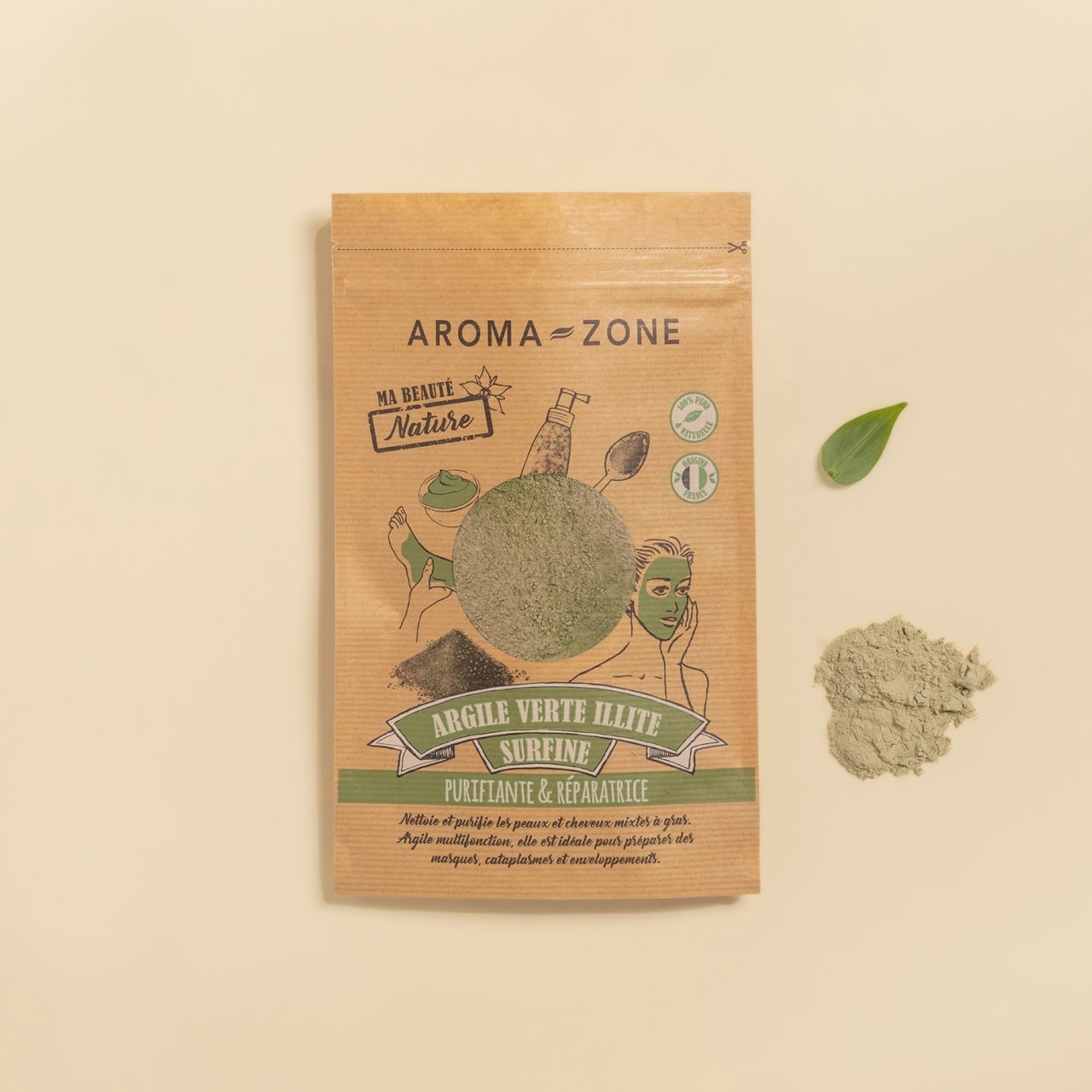
  3. Clay masks: Clay masks can help absorb excess sebum and purify pores. Apply a clay mask suited to your skin type once a week.

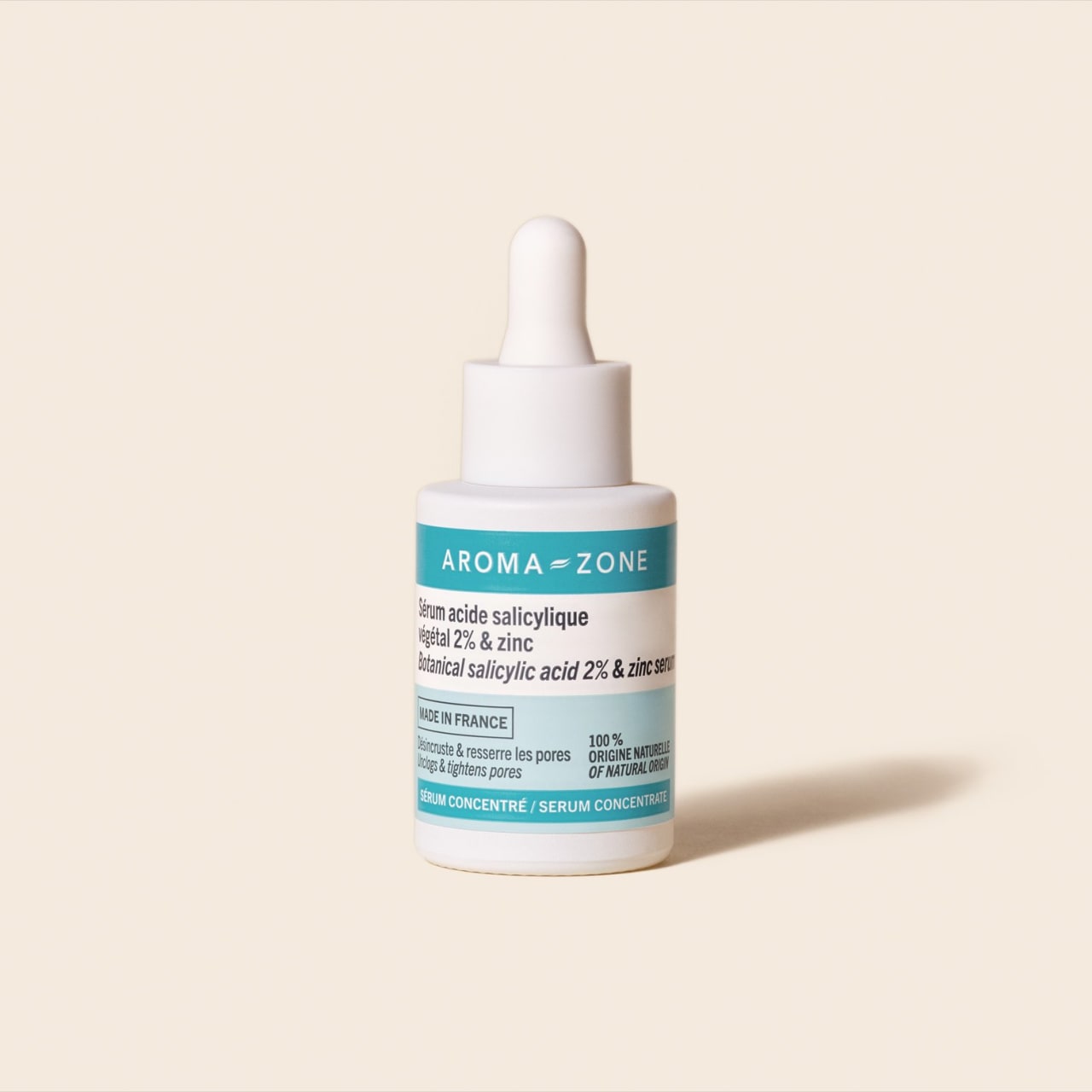
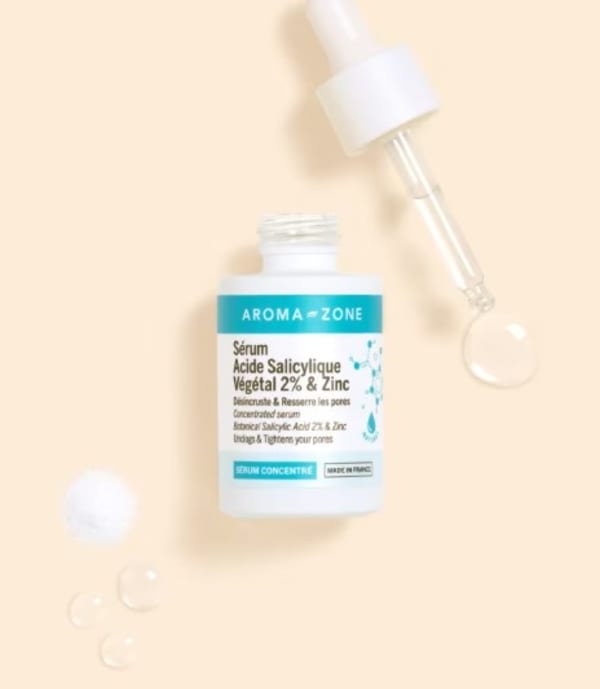
  4. A suitable serum: Salicylic Acid, Purifying and keratolytic, this complex of plant-based salicylic acid, mushroom extract, and zinc regulates excess sebum, unclogs pores, and prevents the appearance of blackheads. 

  5. Proper hydration: Adequate hydration is essential, even for oily skin. Using a non-comedogenic moisturiser helps maintain the skin’s moisture balance and thus limits sebum production, as the skin is already sufficiently hydrated.

  6. Protect your skin from the sun: Excessive sun exposure can stimulate sebum production. Remember to use a sunscreen suited to your skin type every day to protect your skin from UV rays. You can apply it right after your moisturiser and before your makeup.

How can you prevent blackheads?

  1. Avoid comedogenic products: Use non-comedogenic skincare and makeup products to avoid clogging your pores.

  2. Balanced diet: A balanced diet rich in fruits, vegetables, and water can help maintain healthier skin.

  3. Proper hydration from the inside : Water helps maintain a healthy skin balance.

Professional treatment recommended for persistent blackheads

If, despite these preventive measures, blackheads persist, it’s best to consult a skin care professional, typically a dermatologist. The most recommended professional treatments for blackheads and visible pores:

  1. Professional extraction: A dermatologist can use professional extraction methods to safely and hygienically remove blackheads.

  2. Topical treatments: Topical treatments, such as retinoids, may be prescribed to help regulate sebum production and prevent clogged pores.

  3. Laser treatments: In some cases, laser treatments can help reduce the appearance of blackheads and improve skin texture.

  4. Chemical peels: Chemical peels deeply exfoliate the skin and accelerate cell regeneration to reduce the appearance of pores and prevent them from becoming clogged.

Learn more

Why do some blackheads smell bad?

The odor sometimes associated with blackheads is due to the presence of bacteria that feed on the sebum clogging the pores. This microbial interaction can produce foul-smelling compounds.

Read also the articles:

Blackheads on the nose: how to get rid of them?

Blackheads on the face: a guide to natural solutions

Spotlight on our wellness editor, Laura Almeras

The_Luuxx_Photographer_-_Pro_Shoot_Laura-15.jpg

Laura is a health, beauty, and lifestyle writer. Passionate about travel and gastronomy, she shares all her nutrition tips for combining pleasure and well-being. Through her articles, she is committed to providing you with meaningful information and practical advice to nourish your body and mind.

Bibliography

  1. Sharad J. Glycolic acid peel therapy - a current review. Clin Cosmet Investig Dermatol. 2013 Nov 11;6:281-8. doi: 10.2147/CCID.S34029. PMID: 24399880; PMCID: PMC3875240.