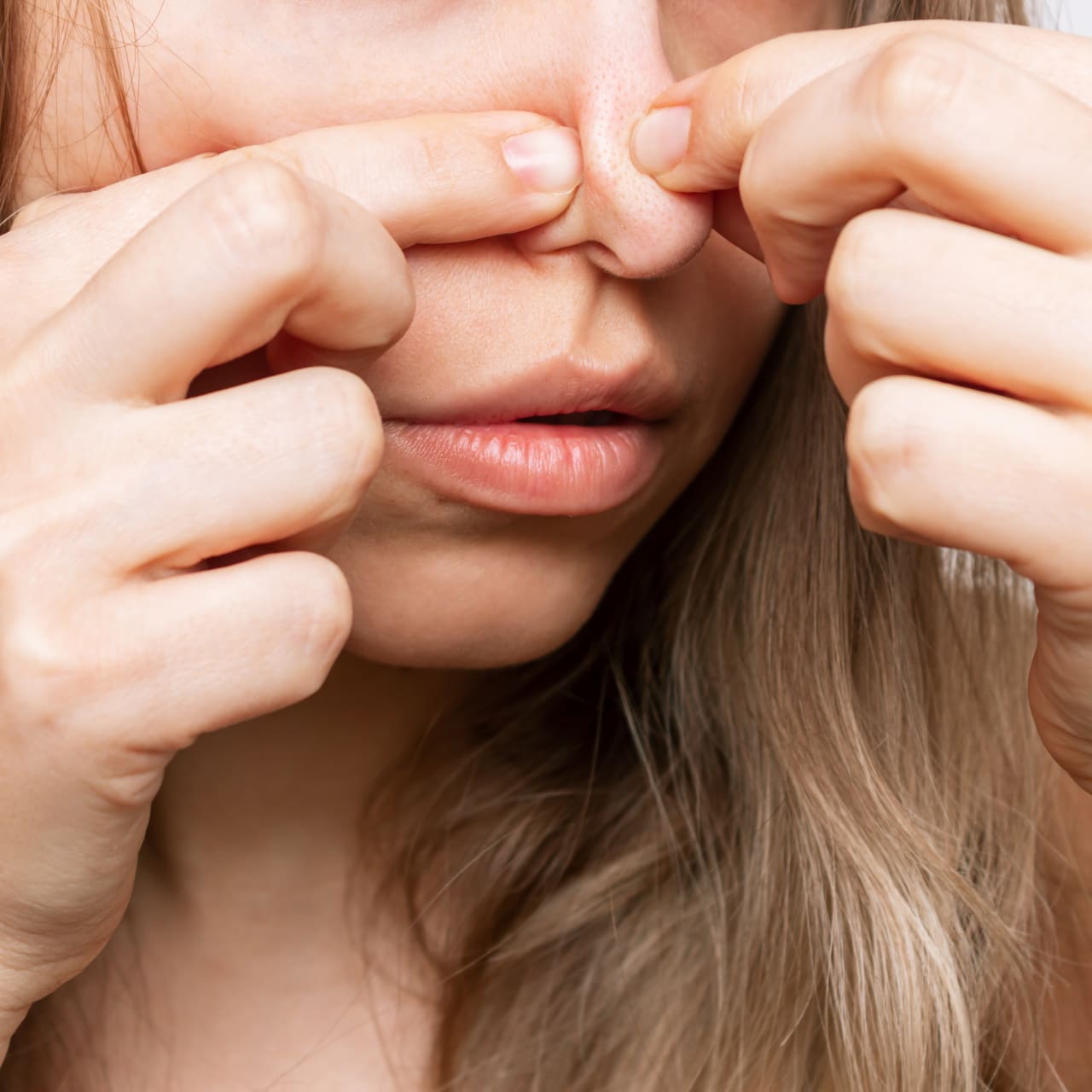


The skin naturally produces sebum, a lipid film that helps to keep it comfortable and protected. When it builds up with dead skin cells or impurities, it can block the pores and form a comedone. On contact with the air, this sebum plug oxidises: this is what gives the blackhead its dark colour, visible on the surface of the skin.
Inside the ear, these small blackheads can appear on the outer ear, in the outer crease or around the entrance to the ear canal. This area, which can sometimes be more difficult to clean, can trap sebum, residue from hair care products, dust or even traces left by wearing earphones. Blackheads in the ear can therefore affect both teenagers and adults.
As the ear is a delicate and sensitive area, it is best to avoid piercing or squeezing out a blackhead yourself, as this risks irritating the skin or causing local discomfort. Ideally, you should follow gentle hygiene practices suitable for this area and seek professional advice in the event of pain, persistent redness or a spot located inside the ear canal.