How can you remove pimples on your forehead naturally?

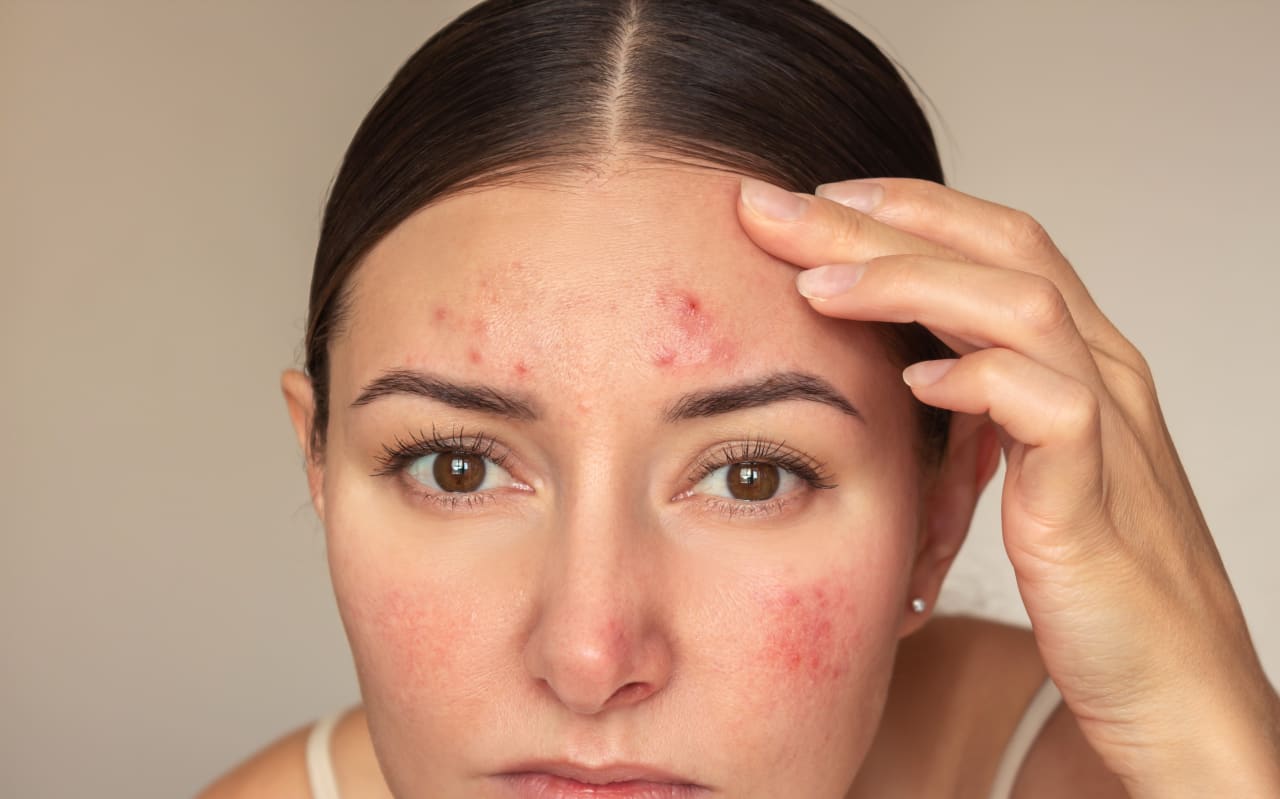
They sometimes appear during periods of stress or hormonal changes. Blackheads or comedones, spots frequently develop on the forehead and temples. What do spots on the forehead mean? Why do they appear in this area and how can you get rid of forehead spots naturally? We answer all these questions with targeted skincare routines, lifestyle advice and a focus on the best ingredients to help you regain clear, healthy skin on your forehead.

Reading time: 0 min.

What causes pimples on the forehead?

Acne and hormonal imbalances

Hormonal changes that occur during adolescence, menstruation or pregnancy can stimulate excess sebum production and encourage the appearance of skin imperfections (blackheads, open comedones or microcysts beneath the skin). You may notice acne spots on your forehead and temples, as well as excess oil, which is common in the area between the eyebrows.

In some cases, taking hormonal contraception may also trigger blemishes. Do not hesitate to speak to your healthcare professional, who can help you review your contraception and find the most suitable option for you.

Stress

By placing the body in a constant state of alert, stress can disrupt hormonal balance. In particular, the adrenal glands may produce excess cortisol, which contributes to hormonal imbalance and inflammation. This imbalance and inflammation can trigger stress-related spots on the face or body, especially on the forehead. Sebum production may also increase, which can worsen existing acne.

Hygiene & lifestyle habits

When you hold your mobile phone against your temples, your skin comes into contact with thousands of bacteria that can trigger spots. That’s why it’s important to disinfect your phone regularly. At work, many of us touch our faces without thinking, scratch our foreheads or simply rest our hands on them while concentrating — often with hands that aren’t always clean. This habit can encourage bacterial growth and lead to the appearance of blemishes. Other habits, such as wearing a tight-fitting cap or cycling helmet every day without washing it regularly, can also promote the formation of blackheads and comedones. Finally, very thick fringes may contribute to the appearance of spots on the forehead by stimulating the sebaceous glands and preventing the skin from breathing properly.

Unsuitable cosmetic products

Using irritating cosmetics, poor-quality products, occlusive make-up (particularly those containing mineral oils) or expired make-up can encourage spots to appear on the forehead.

You may also notice breakouts along the sides of the nose, on the cheeks, the chin or on any area where unsuitable skincare or make-up products have been applied.

Air pollution

If you live in a highly polluted urban environment, poor air quality may be one of the causes of pimples on your forehead. Air pollution with fine particles alters the skin barrier and weakens it. Pollution causes inflammatory acne by altering squalene, a lipid found in the skin's sebum. The result? Sebum accumulates on the surface of the epidermis, pores dilate, and blackheads and closed comedones form.
How can you recognise different types of pimples?

Blackheads on the forehead

Blackheads are easily recognised by their dark or black tips, which are clearly visible on the surface of the skin. They are open comedones caused by a build-up of dead skin cells within a pore, blocking the normal flow of sebum.

Sebum then pushes through the plug of dead cells obstructing the pore, and the comedone becomes visible at the surface. The lipids it contains gradually oxidise on contact with the air, causing it to darken — this is what creates a blackhead.

Blackheads frequently appear on the forehead, particularly between the eyebrows.

Whiteheads, red pimples on the forehead

If you notice raised spots beneath the skin, these are closed comedones. They may present with a white tip (whiteheads) or appear red and inflamed (inflammatory acne, microcysts or cysts).

If your spots are red, painful, located beneath the skin and leave marks or scars, do not hesitate to consult a dermatologist to find a suitable treatment that can provide relief.

For more information, please read the article Pimples on the face: our natural solutions.

Pimples: special cases that require medical consultation

If you notice a spot that appears pearly or reddish-orange, looks different from typical acne and persists, grows slowly or does not heal, it is essential to consult your dermatologist for an assessment to rule out carcinoma.

Likewise, if the presence of spots on your face is causing psychological distress, do not hesitate to seek support and consult a dermatologist, who can guide you towards appropriate and effective solutions.

Pimples on the forehead: what does face mapping say?

What do pimples on the forehead mean? According to the principle of face mapping, inspired by traditional Chinese medicine, each area of the face is connected to an organ in the body and can help us understand the root causes of our imperfections. This method has not been scientifically proven, but it can help us analyze and prevent the appearance of blemishes. When we ask ourselves, "Why do I have pimples on my face?", this method can provide some clues.

According to face mapping, pimples on the forehead could indicate minor problems with the digestive system, such as poor digestion. Face mapping also suggests that the appearance of blemishes, blackheads, and excess sebum on the forehead could reflect sleep disorders, high stress levels, or an overworked liver (particularly in the case of excessive alcohol consumption).

Our natural and effective products

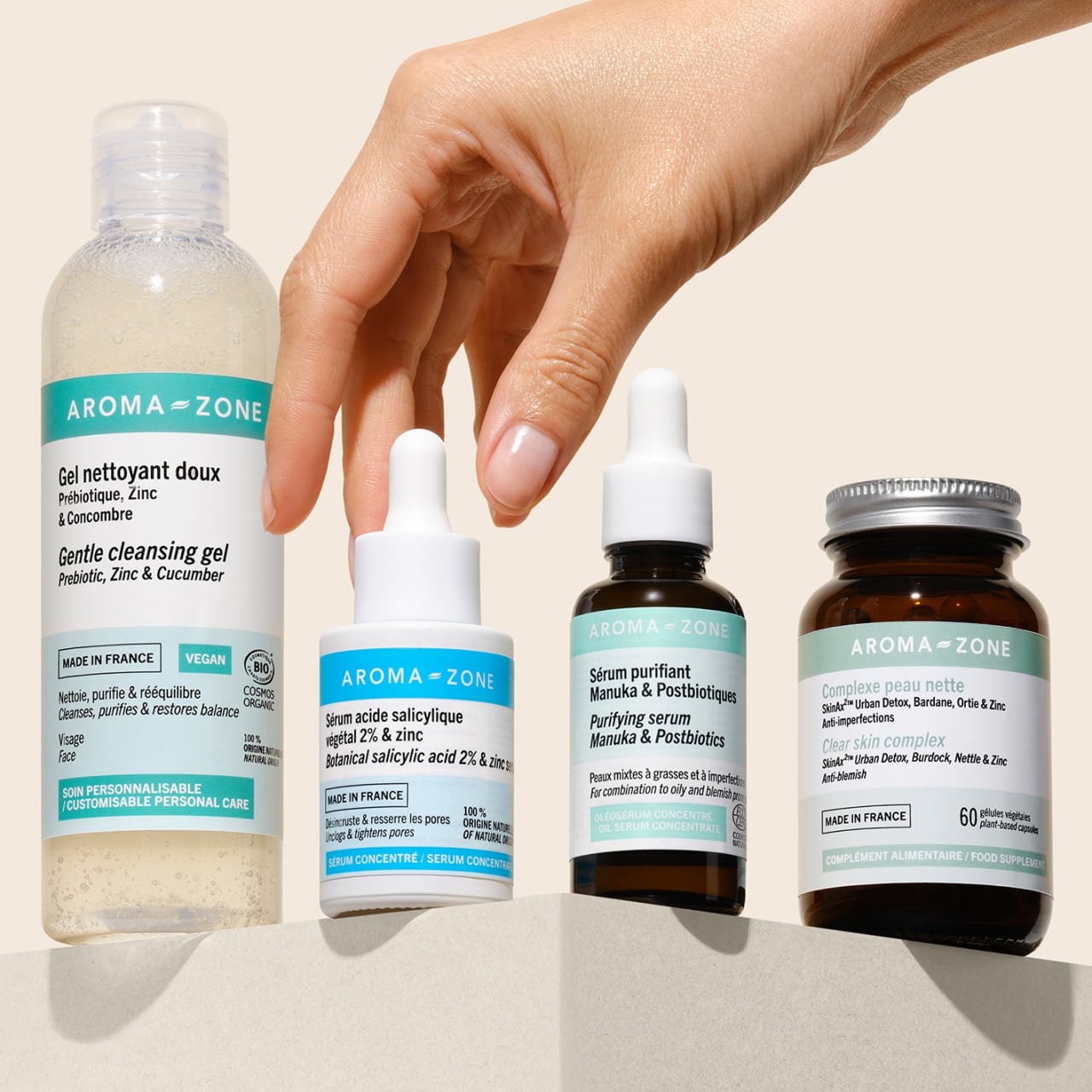
To care for your skin daily with simple, targeted steps, feel free to try our natural, comprehensive routine—easy to adopt and tailored to the needs of skin prone to imbalances:

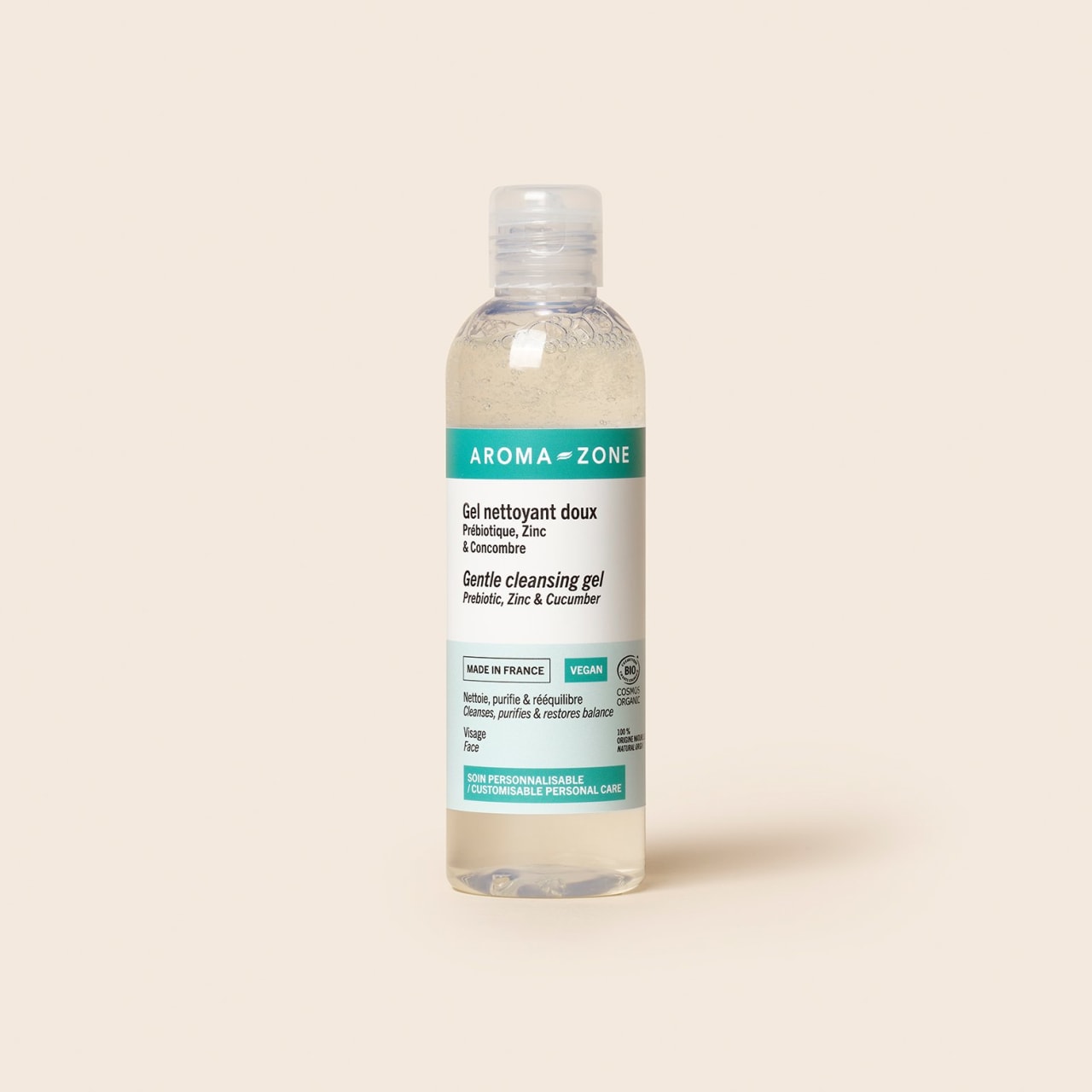
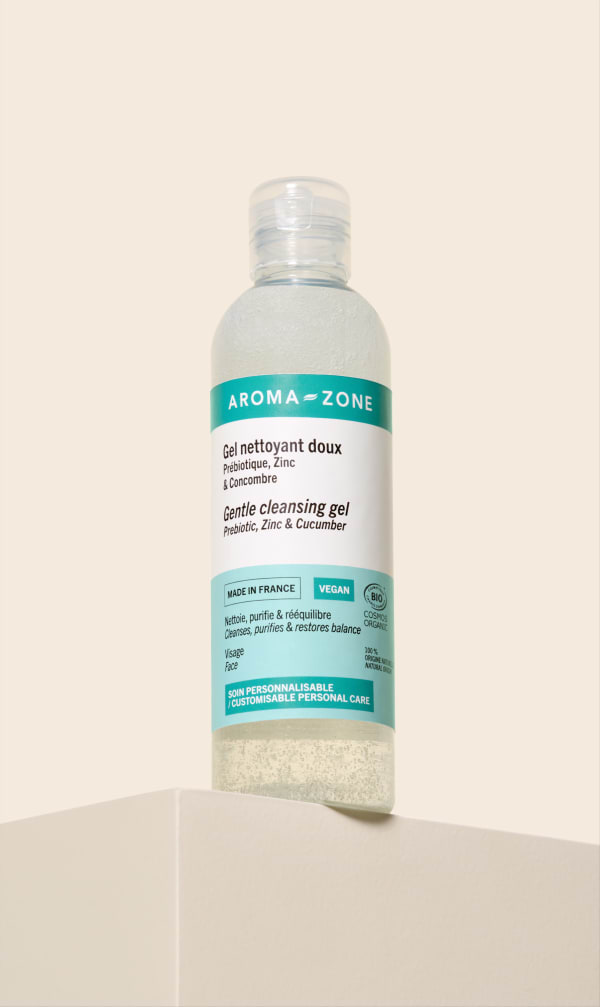
1. Gentle cleansing: Start by cleansing your face morning and evening with our Gentle Prebiotic, Zinc & Cucumber Cleansing Gel, which will help purify your skin while respecting its natural balance. Avoid contact with the eyes. Avoid contact with the eyes. In case of contact with the eyes, rinse thoroughly with clean water.


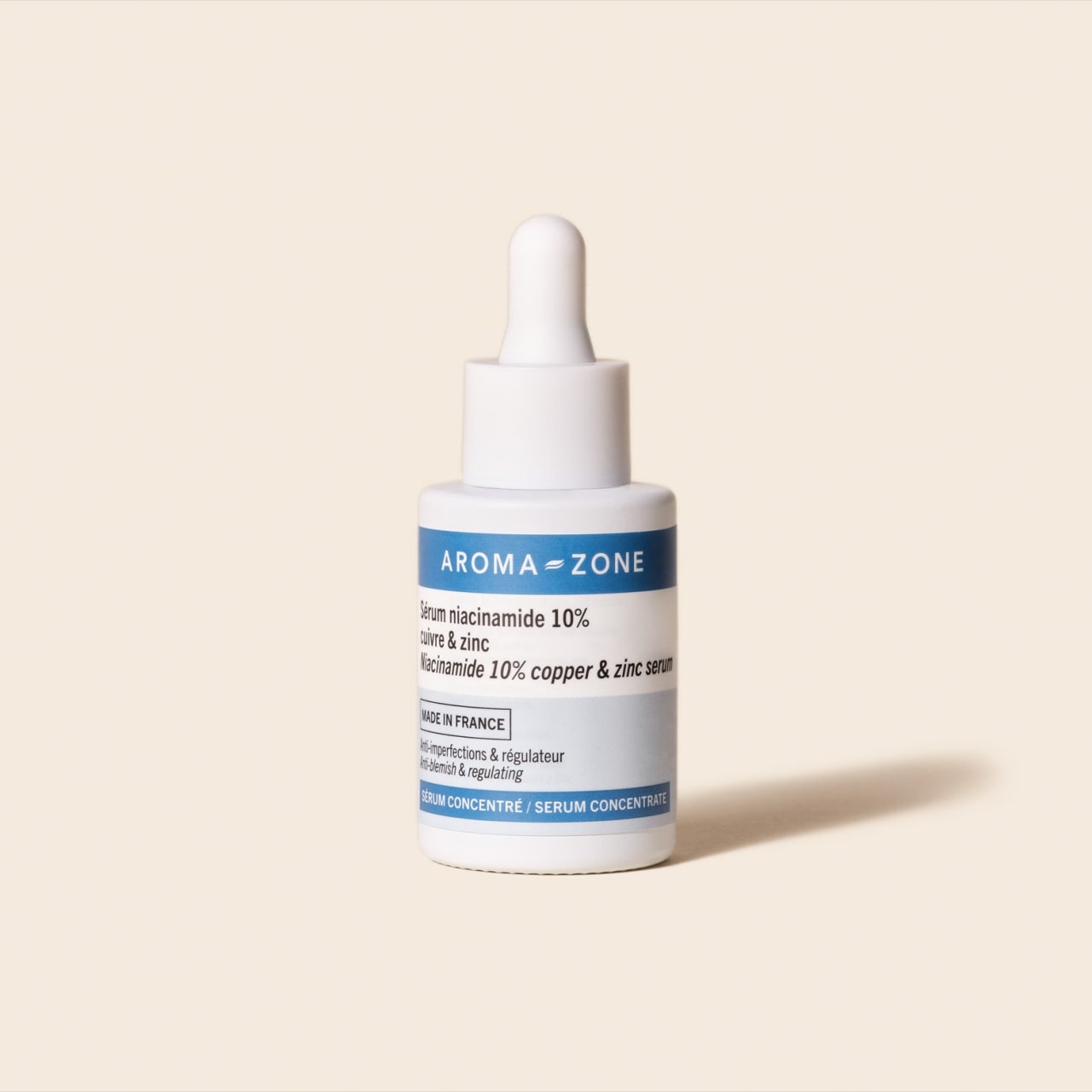
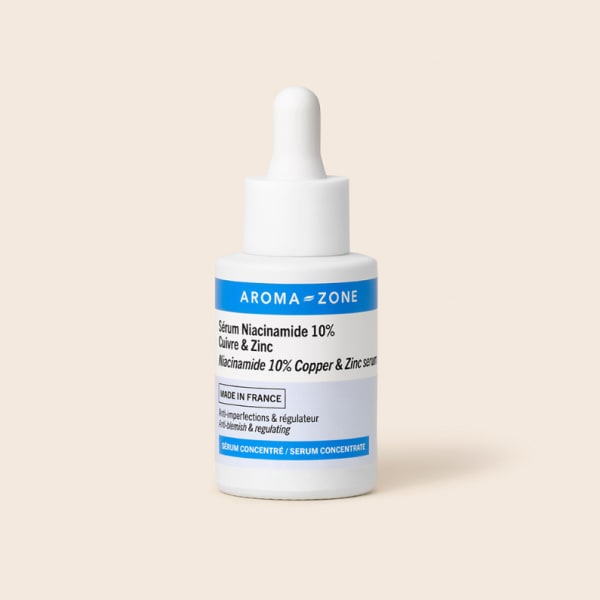
2. Target imbalances: Then apply a few drops of Concentrated Serum Niacinamide 10%, Copper & Zinc.  Lightweight and easy to incorporate into your routine, it helps to even out the complexion and improve the overall appearance of the skin. If irritation occurs, discontinue use. Keep out of reach of children. Suitable for combination to oily, non-sensitive skin prone to acne. Not suitable for skin prone to erythrocouperosis redness.

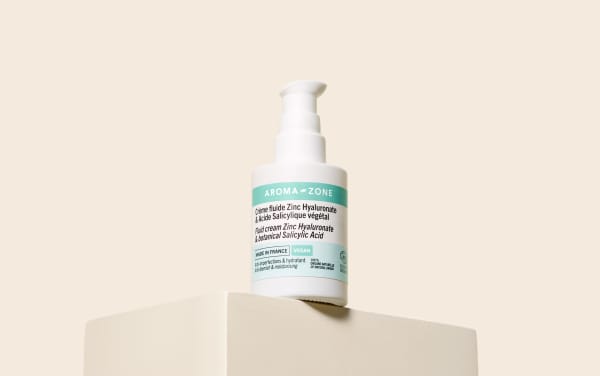
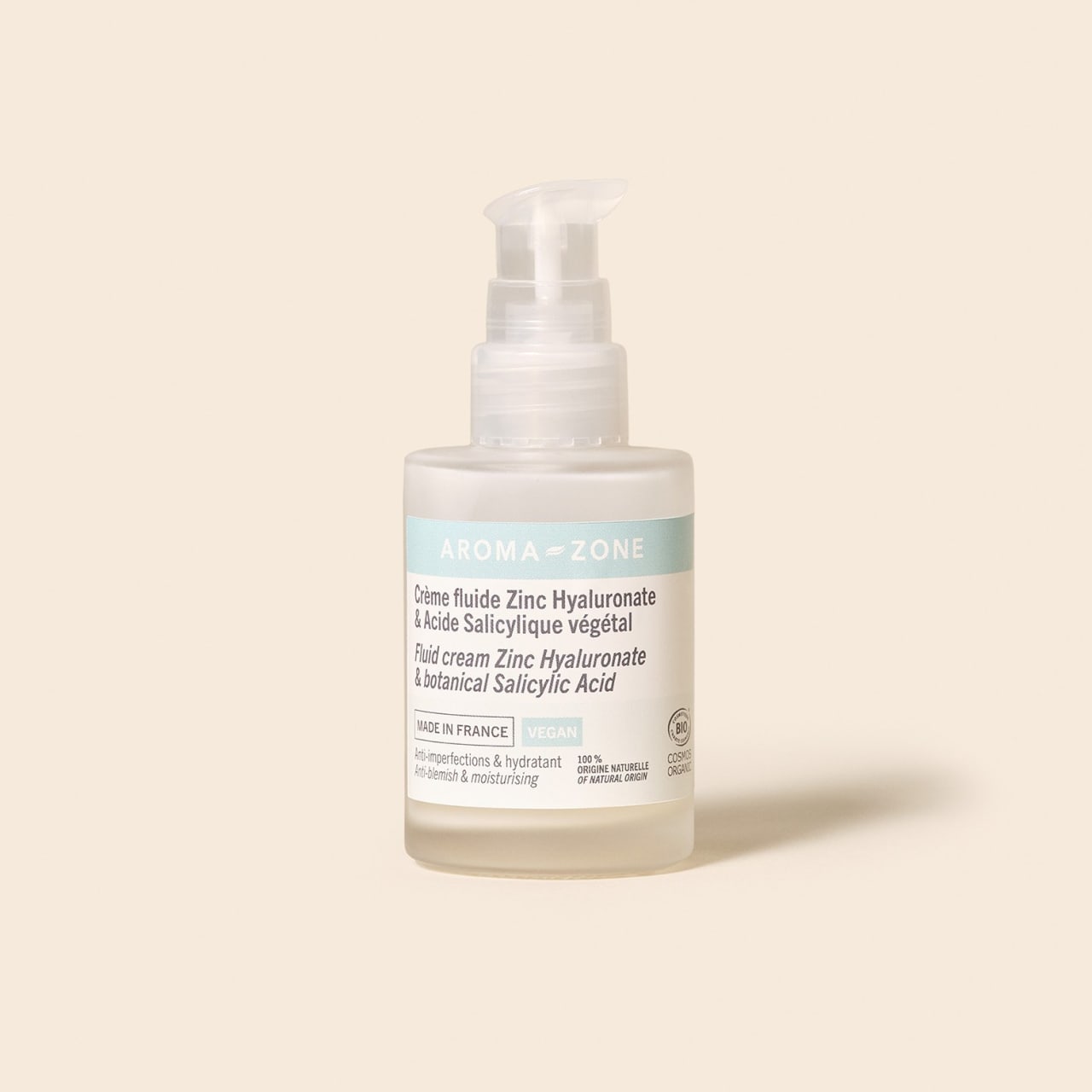
3. Moisturize without weighing down the skin : Continue with Zinc Hyaluronate & Plant-Based Salicylic Acid Fluid Cream, a fluid, non-greasy skincare product that moisturizes while leaving a feeling of freshness. Ideal for combination to oily skin. Avoid the eye area; in case of contact with the eyes, rinse immediately with clean water.

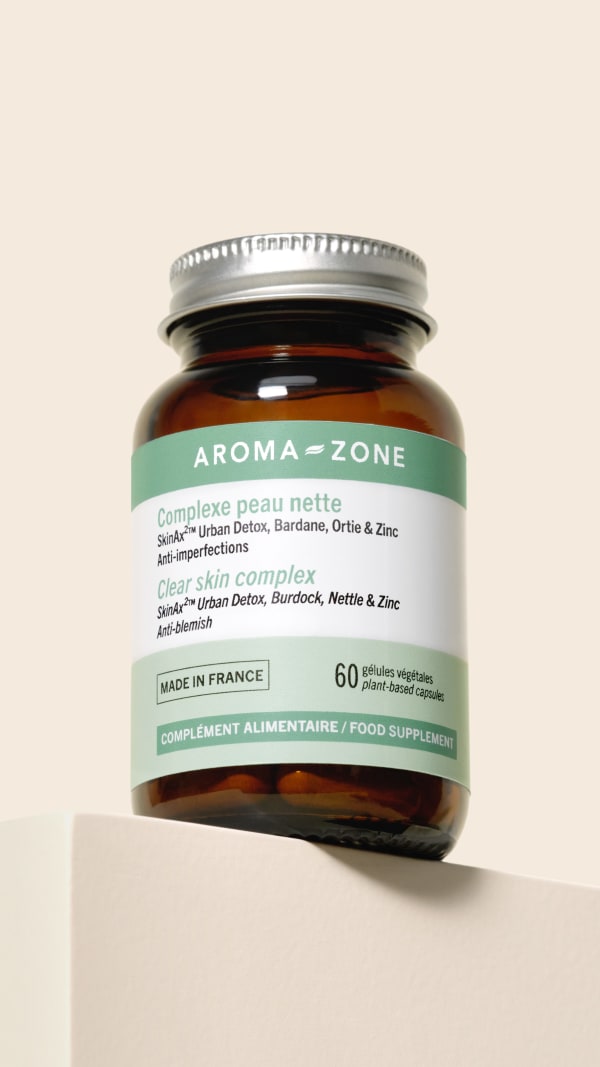
4. Act from within : The Complexe Peau Nette dietary supplement combines plant extracts, from burdock to zinc, to support the skin from within. A natural solution to support daily skin balance. Take 2 capsules per day with a glass of water. Not a substitute for a varied and balanced diet and a healthy lifestyle. Do not exceed the recommended daily dose. For adults only. Not recommended for pregnant or breastfeeding women, or in cases of heart failure or edematous renal failure. Not recommended in cases of allergy to salicylic derivatives or known cross-allergy, particularly to plants of the Asteraceae family. Keep out of reach of children.

How can you prevent pimples on your face? Our natural tips

Healthy anti-pimple diet

The skin is one of the body’s emunctory organs, helping to eliminate toxins. To prevent a build-up of toxins, limit your intake of highly processed foods, fast food, excessive alcohol and refined sugars as much as possible. Also try to limit stimulants such as tea and coffee in favor of herbal teas and infusions.

Choose healthy, seasonal foods that are as local and organic as possible. Create colourful plates with a focus on vegetables and incorporate whole grains, legumes (lentils, chickpeas, red beans, etc.), and aromatic herbs into your everyday recipes.

Daily hydration

As we repeat in (almost) every one of our articles, hydration is one of the keys to beautiful skin and feeling good every day! Chronic dehydration can cause headaches, fatigue, joint pain, and more. Drink at least 1.5L to 2.5L of water per day (pure water and herbal tea or green tea).

Natural anti-blemish skincare routine

The first thing to do to limit the factors that cause acne on the forehead is to opt for gentle daily cleansing, avoiding harsh chemical cleansers. Opt for a 100% natural skincare routine, consisting of gentle products with simple, effective formulas that are suited to your skin type. Also remember to always remove your make-up in the evening with a non-comedogenic product such as Micellar Water with Organic Cucumber & Hyaluronic Acid and don't squeeze your pimples!

High sun protection

When exposed to the sun, always apply a high SPF sunscreen to your skin, such as an SPF 50 sunscreen that protects against UVA and UVB rays.

Precautions for use

Our Anti-Blemish Essential Oil Roll-On should not be used by pregnant or breastfeeding women or children under 7 years of age. 

Our Tea Tree Essential Oil is not recommended during pregnancy and breastfeeding, or for children under 6 years of age. 

Never touch your pimples yourself: popping them could increase inflammation of your skin, encourage bacterial penetration, and cause scars that are difficult to treat.

Expert advice

Acne can be managed with appropriate skincare or medication, sometimes taken orally, but it also requires a more holistic approach: a healthy lifestyle that includes restful sleep, good stress management, a balanced diet, and adequate hydration is essential for restoring your skin's radiance.

Learn more

Can the choice of hair products have an influence on pimples on the forehead?

Yes, it's important to consider your choice of hair care products if you have pimples on your forehead, especially if they are mainly located along the hairline. Comedogenic products and/or those containing ingredients that promote the migration of hair care products to the forehead may be responsible for your blemishes.

What is face mapping?

Face mapping is a method originating in China that involves analysing different areas of the face to help identify the potential causes of certain skin concerns such as acne, spots and wrinkles. It is based on the principle that each area of the face is connected to a specific organ or system within the body.

There are seven main zones, each associated with a particular function: the forehead is linked to digestion; the area between the eyebrows to the liver; the temples to the kidneys; the cheekbones to the respiratory system; the bridge of the nose to the cardiovascular system; the jawline to the hormonal system; and the chin to the stomach.

Spotlight on our Naturopathic editor, Lucie Granjon

Passionate about plants and their properties, she started her career as a perfumer before moving to the world of natural beauty and aromatherapy over 10 years ago. Lucie supports ethical and committed brands with strategy development, product formulation and expert advice for their customers. She has worked with the Aroma-Zone team on several books, including "Le grand guide de l'Aromathérapie et des cosmétiques naturels" ("The Complete Guide to Aromatherapy and Natural Cosmetics"). She also has years of training in aromatherapy, herbalism and essential oil distillation, and supports the work of French plant growers.

Bibliography

1

2

3