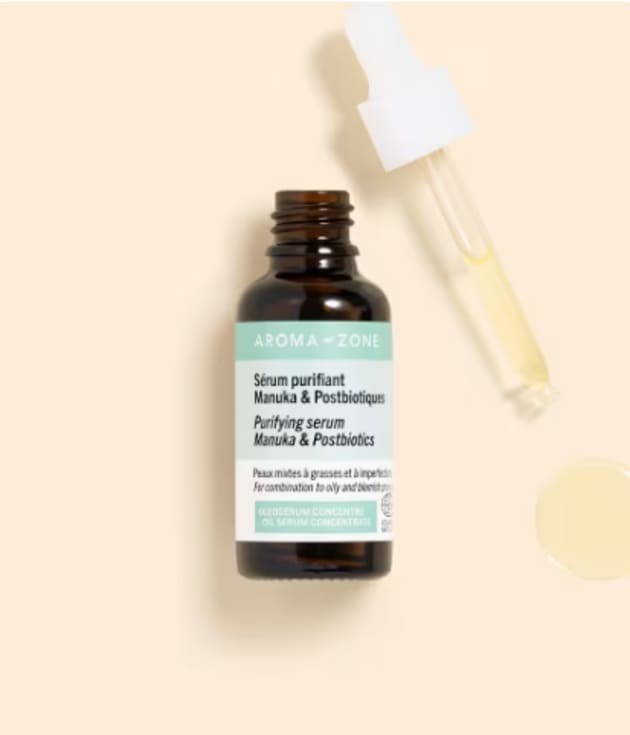
Which Serum Should You Choose for Blackheads?

Which Serum Should You Choose for Blackheads?


By Charlie Morel

Published on: Thursday, April 25, 2024, Updated on: Wednesday, October 28, 2026

Blackheads are among the most common skin imperfections and often the most stubborn. Whether on the nose, forehead, or chin, they affect the skin’s appearance, make the complexion look uneven and can become a long-term problem if the pores remain blocked. Fortunately, certain serums can help to remove them, refine the skin’s texture and prevent them from returning. The causes of blackheads, key active ingredients to look out for, and steps to take: here’s a round-up.

Contents

Related products

In brief

  • Anti-blackhead serums help to reduce the appearance of blackheads, refine skin texture and prevent new skin imperfections

  • For best results, it is recommended to choose a serum containing gentle exfoliating ingredients such as fruit acids, purifying active ingredients such as zinc, and to apply the product to clean skin as part of a suitable skincare routine

  • The article states that these serums should be introduced gradually to avoid irritation and that it is important to monitor your skin’s tolerance, particularly if you have sensitive skin or are using them in combination with other skincare products

What Is a Blackhead Serum?

What Is a Blackhead?

Blackheads mainly appear in people with oily or combination skin, but that’s not all! Also known as an open comedone, a blackhead forms when a sebaceous gland, attached to a hair follicle in the skin, produces an excessive amount of sebum. This excess sebum rises to the surface of the epidermis, through a dilated pore, and mixes with dead skin cells and other impurities on the skin. On contact with the air, this mixture oxidises and turns black.

Human sebum is natural and forms part of the skin’s hydrolipidic film. It helps to protect the epidermis against dehydration and external aggressions. However, sebum production can sometimes become unbalanced due to one or more factors, such as pollution, smoking, hormonal imbalance, and the use of unsuitable skincare products. In some cases, sebum production increases significantly, and the skin becomes oilier and thicker. The pores become blocked and blemishes appear (spots, blackheads, etc.).

Blackheads are often numerous on the nose, as this part of the face has a large number of sebaceous glands. The more glands there are, the greater the amount of sebum produced, and therefore the more likely blackheads are to form.

What Is a Serum?

A serum is a skincare product concentrated in active ingredients and is characterised by its ability to target specific skin needs. It has a light texture, often liquid or gel-like, which allows it to penetrate the epidermis quickly. A serum helps to intensely moisturise, combat the signs of ageing, and restore radiance to the complexion. As part of a skincare routine, a serum is applied immediately after cleansing and before moisturiser. It thus prepares the skin to receive other skincare products and optimises their effects.

What Is the T-Zone?

The T-zone refers to the central part of the face, namely the forehead, nose, and chin. It gets its name from the shape it forms. This area has a higher concentration of sebaceous glands than the rest of the face, which explains why it is more prone to shine, excess sebum, and the appearance of blackheads. In combination to oily skin types, this area often appears oilier than the cheeks or temples, which is why it is important to choose suitable skincare products to help rebalance the complexion without irritating the skin.
How Can You Tell the Difference Between Enlarged Pores and Blackheads?

Enlarged pores and blackheads are often associated, but they are not the same thing. Enlarged pores refer to pores that are more visible, while blackheads form when a pore becomes blocked with sebum, dead skin cells, and impurities. Distinguishing between the two can help you understand your skin’s needs and choose more suitable skincare products.

  1. Enlarged Pores: Pores are natural openings on the skin’s surface through which sebum and sweat are released. When the sebaceous glands are very active, particularly in the T-zone, these pores may appear larger and more visible. Their appearance can also become more pronounced with age, a loss of skin elasticity or the build-up of keratin around their opening. An enlarged pore is therefore still a visible pore, but it is not necessarily blocked

  2. Blackheads: Blackheads, also known as open comedones, appear when a pore becomes blocked with a mixture of sebum, dead skin cells, and impurities. When exposed to the air, this plug oxidises and takes on a characteristic black colour. They mainly form on the oiliest areas of the face, particularly the nose, forehead, and chin. Unlike enlarged pores, blackheads therefore represent a visible blockage of the pore

What Causes Blackheads?

Blackheads appear when the pores become blocked by excess sebum, dead skin cells, and impurities. Several factors can contribute to this and make the skin more prone to open comedones.

Excessive Sebum Production

When the sebaceous glands produce too much sebum, it accumulates more easily on the skin’s surface and within the pores. This excess sebum leads to blocked follicles, particularly in areas with the highest concentration of sebaceous glands, such as the nose, forehead, or chin.

A Build-Up of Dead Skin Cells

When skin renewal is less effective, dead skin cells build up more easily on the surface of the epidermis. When mixed with sebum, they can block the pores and encourage the formation of blackheads. The skin’s texture then appears less refined and blemishes become more visible.

Pollution and External Impurities

Pollution, fine particles, and impurities that build up throughout the day can also contribute to clogged pores. When these mix with sebum and dead skin cells, they encourage the formation of blackheads, particularly if the skin isn’t cleansed properly.

Hormonal Imbalances

Hormonal fluctuations can stimulate the activity of the sebaceous glands and lead to increased sebum production. This is often the case during adolescence, at certain times of the menstrual cycle, or during periods of significant hormonal changes. The skin then becomes oilier and the pores become blocked more easily.

Inappropriate Skincare Products

Using skincare products that are too rich, comedogenic, or unsuitable for your skin type can encourage the appearance of blackheads. Conversely, cleansing that is too harsh can disrupt the skin’s natural balance and cause it to produce more sebum. In both cases, pores can become blocked more easily.

Smoking

Smoking can also affect skin quality and contribute to the appearance of blemishes. It contributes to a dull complexion, disrupts the skin’s balance, and can exacerbate clogged pores, particularly when combined with other factors such as pollution or excess sebum.

How Can You Tell if You Have Blackhead-Prone Skin?

Certain signs can help you recognise skin prone to blackheads:

  1. Visible Shine: The skin tends to look shiny, particularly in the T-zone, due to increased sebum production

  2. Small Dark Spots: Small blackheads appear mainly on the forehead, nose, and chin, where the pores are often under greater strain

  3. Uneven Skin Texture: The skin may feel less smooth to the touch, with a slightly rougher texture due to the build-up of sebum and dead skin cells

  4. More Visible Pores: Pores appear larger, especially where blackheads are most common

  5. Lack of Radiance: When pores are clogged, the complexion may appear duller, less even, and visibly less radiant

A Word From the Dermatologist

"The dermatologist’s advice: if you have blackheads, it means you have skin that is prone to oiliness or acne. The active ingredients most likely to reduce them are:

  • Hydroxy Acids: AHAs and BHAs, primarily salicylic acid and glycolic acid

  • Retinol and retinal, or even retinoic acid

  • Finally, better tolerated but with a milder effect: azelaic acid, niacinamide, and bakuchiol

A useful tip: don’t hesitate to combine several active ingredients to create a synergistic effect. For example, alternate every other evening between a salicylic acid serum and a retinol serum. This way, you improve skin tolerance whilst combining the beneficial effects."

Dr Agathe Aoun – Dermatologist and Venereologist

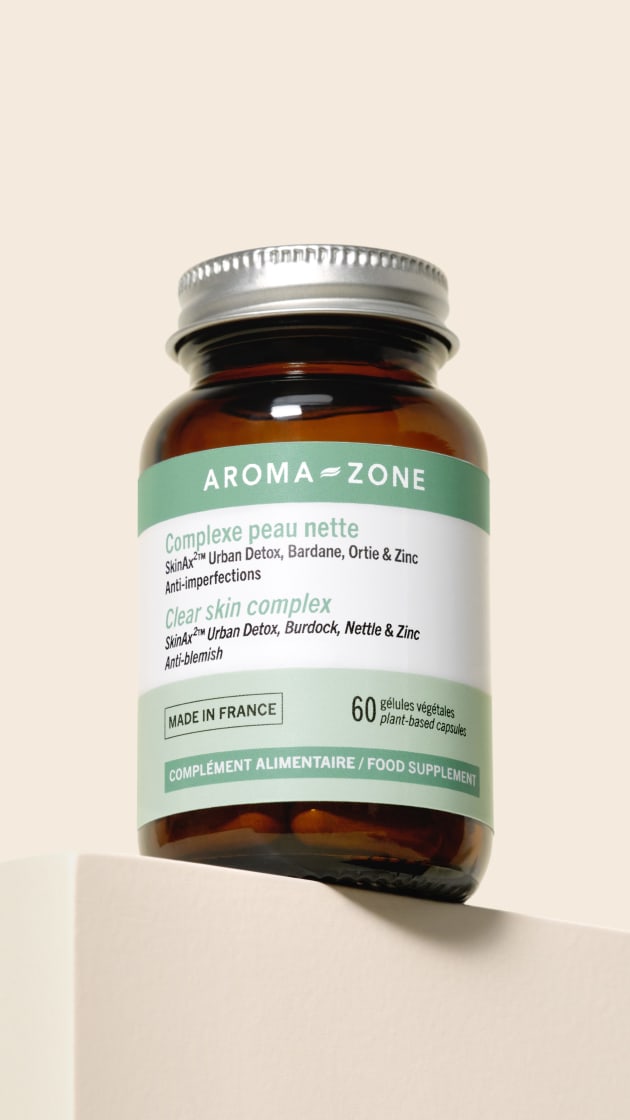
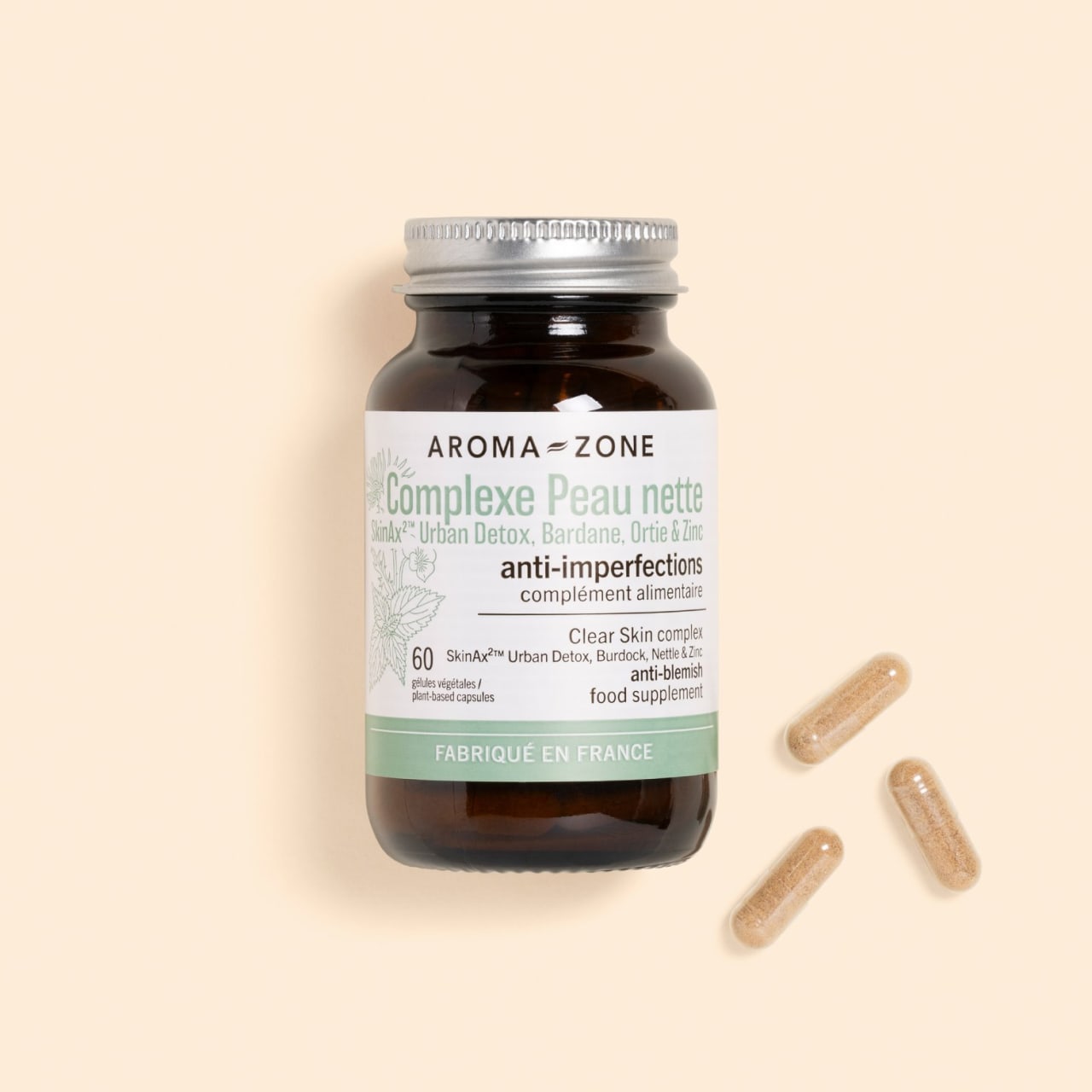
Directions for use and precautions for the food supplement: The Clear Skin Complex combines plant extracts, from burdock to zinc, and is a natural solution to support the skin’s balance on a daily basis. Take 2 capsules a day, to be swallowed with a glass of water. Not a substitute for a varied and balanced diet and a healthy lifestyle. Do not exceed the recommended daily dose. For adults only. Not recommended for pregnant or breastfeeding women, or in cases of oedematous heart or kidney failure. Not recommended for those with an allergy to salicylate derivatives or a known cross-allergy, particularly to plants of the Asteraceae family. Keep out of reach of children.

To find out more, discover our blackhead-fighting routine.

Which Anti-Blemish Skincare Products Should You Choose to Combat Blackheads?

Blackheads form when pores become blocked by excess sebum, dead skin cells, and impurities. To help minimise them, certain active ingredients are particularly effective, as they can help unclog pores, refine skin texture, control shine, and prevent new blemishes from appearing.

Keratolytic Active Ingredients to Unclog Pores

Keratolytic active ingredients help remove dead skin cells that have built up on the skin’s surface and reduce pore blockage. They are particularly effective when blackheads appear on the oily areas of the face, such as the nose, forehead, or chin.

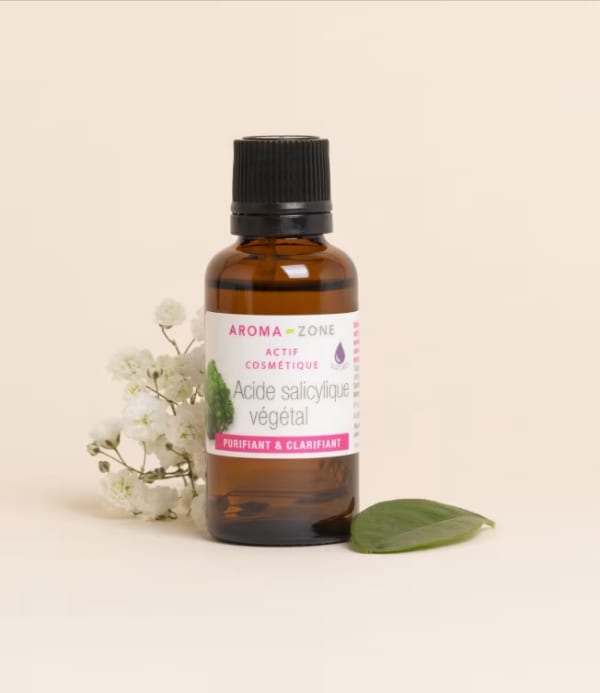
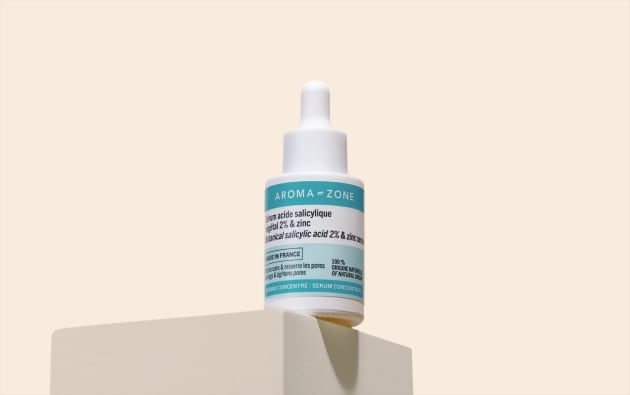
Active ingredient: Plant-based salicylic acid

Active Ingredient: Plant-Based Salicylic Acid

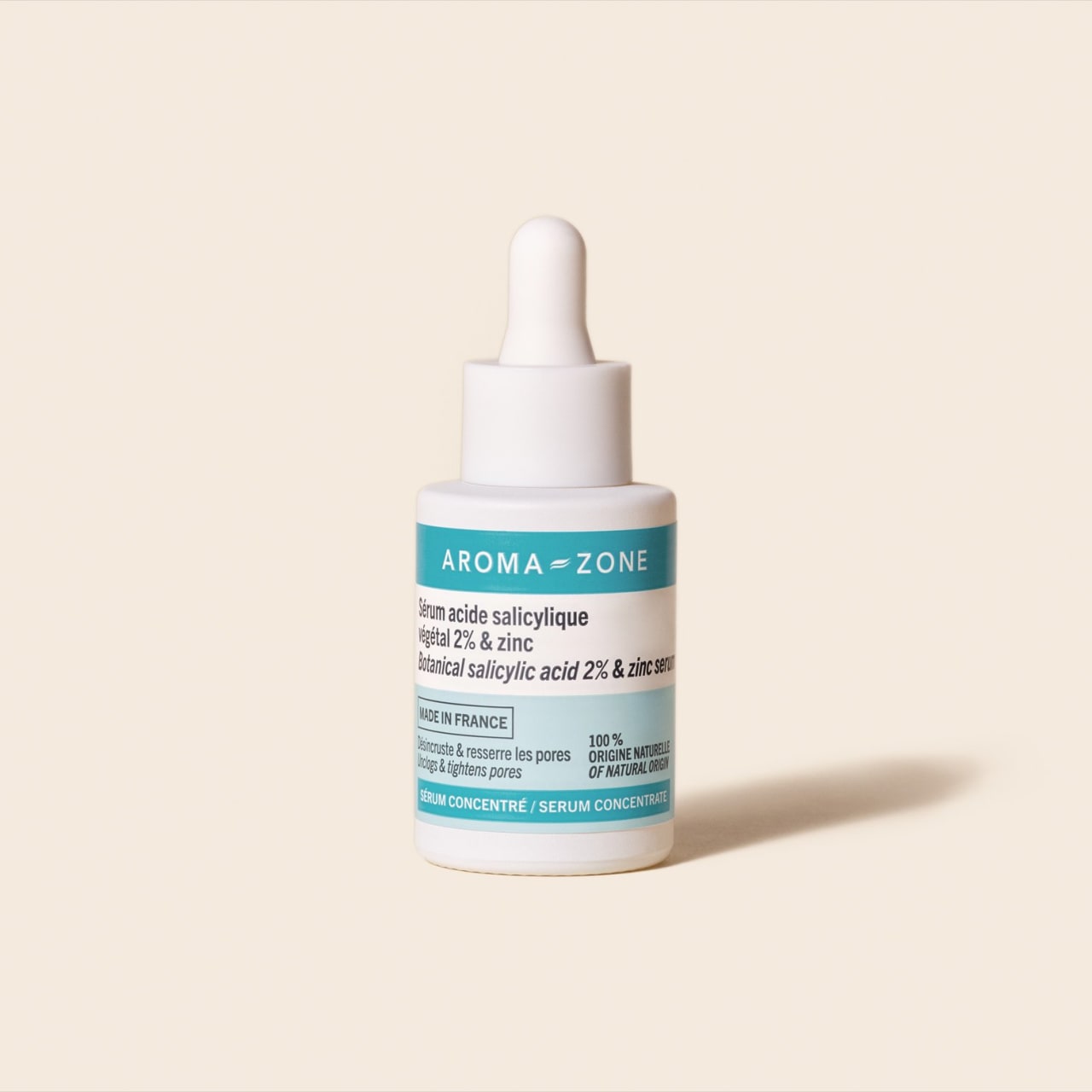
Known for its keratolytic action, salicylic acid helps to remove dead skin cells that have built up on the skin’s surface and to unclog pores. Its good affinity with sebum makes it particularly beneficial for skin prone to blackheads, especially in the T-zone. This active ingredient can be used in your homemade cosmetic preparations, provided you follow the recommended dosages.

Discover the plant-based salicylic acid active ingredient

Targeted Sebum-Regulating and Complexion-Evening Skincare Products

When blackheads are accompanied by excess sebum, visible pores, or an uneven skin texture, certain active ingredients can help to rebalance the skin and improve the appearance of the complexion.

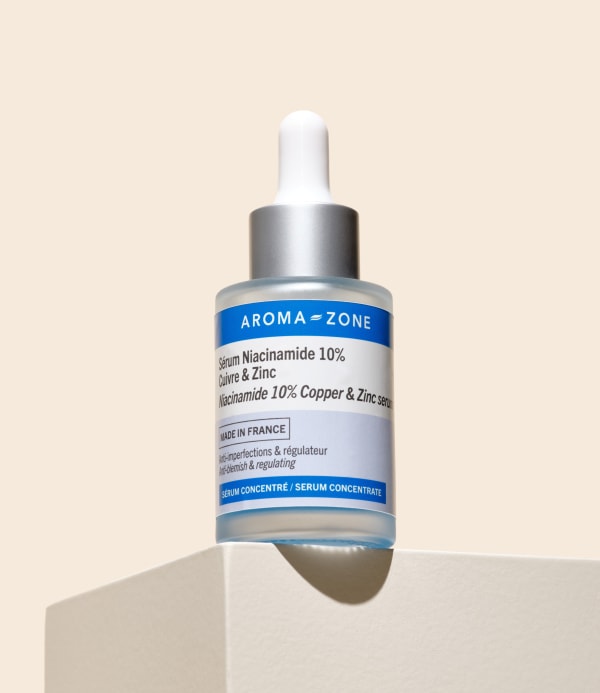
az 22072025 az packshot serum nia 1325 3

10% Niacinamide, Copper & Zinc Concentrated Serum

Highly concentrated in niacinamide, zinc, and copper, this serum helps to tighten pores, regulate excess sebum, and prevent the appearance of blemishes. Enriched with moisturising hyaluronic acid, it also helps to refine skin texture and minimise the appearance of dark spots. Its gentle, non-greasy gel texture absorbs quickly without leaving a greasy film. It is particularly suitable for combination to oily skin that is prone to blemishes or lacks evenness.

Discover the 10% Niacinamide, Copper & Zinc Concentrated Serum

Gentle, Targeted Exfoliating Treatments to Refine Skin Texture

When pores tend to become easily blocked, gentle exfoliation can help smooth the skin’s surface and limit the build-up of dead skin cells. AHAs are particularly beneficial in this case, as they promote skin renewal and help refine the skin’s texture, while leaving the complexion clearer and more even.

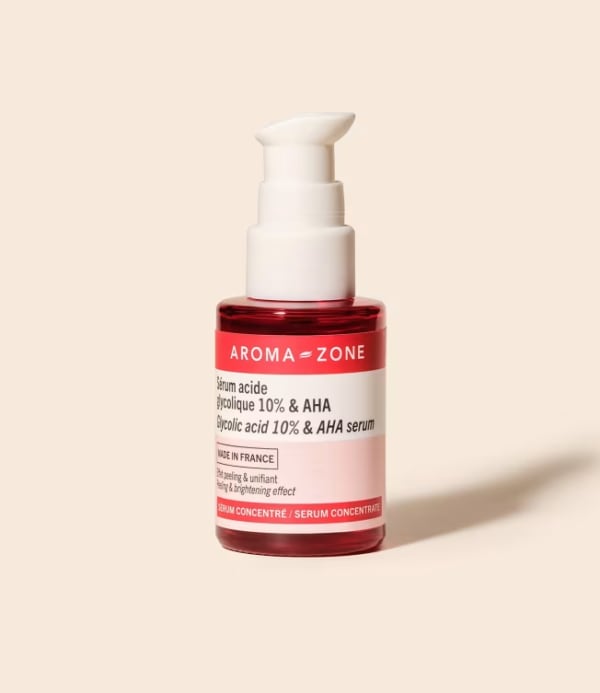
10% Glycolic Acid & AHA Concentrated Serum

10% Glycolic Acid & AHA Concentrated Serum

Highly concentrated in glycolic acid and AHAs derived from fruit acids, this exfoliating serum helps remove dead skin cells, refine skin texture, and stimulate skin renewal. It helps to tighten pores, combat blackheads, and smooth out imperfections, whilst leaving the complexion clearer, smoother, and more radiant. Enriched with hyaluronic acid, it has a non-greasy gel texture that hydrates and plumps the skin without leaving a greasy film. It is particularly suitable for skin prone to blemishes, visible pores, or an uneven skin texture.

Discover the 10% Glycolic Acid & AHA Concentrated Serum

Versatile Skincare for Blemish-Prone Skin

Certain active ingredients are particularly beneficial when the skin is affected by blackheads, visible blemishes, and an uneven complexion.

10%-azelaic-acid-serum-mc

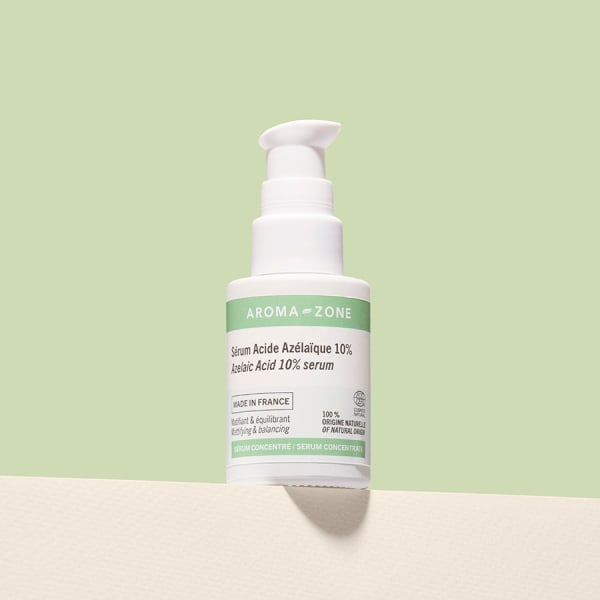
10% Azelaic Acid Concentrated Serum

Azelaic acid is often used when the skin has blocked pores, blemishes, and an uneven skin texture. It helps to unclog pores and reduce excess sebum, while improving the overall appearance of the complexion. It can therefore be beneficial for skin prone to blackheads.

Discover the 10% Azelainic Acid Concentrated Serum

Precautions for Use

Skincare products used on skin prone to blackheads must be suited to your skin type and sensitivity. Exfoliating or purifying active ingredients should be introduced gradually to avoid irritating the skin or further disrupting sebum production. In cases of highly reactive skin, significant skin lesions, or skin conditions, it is best to seek advice from a dermatologist before incorporating new skincare products into your routine.

Expert Advice

Although the temptation is great, it’s best to avoid picking at blackheads – and certainly not to squeeze them! Doing so can cause inflammation, leave marks, and weaken the skin. It’s better to opt for targeted skincare products, formulated with purifying and keratolytic active ingredients, to help gently unclog the pores.

Spotlight on Our Specialist Writer: Charlie Morel

charlie.jpg

Charlie holds a Master’s degree in cosmetic formulation. Passionate about cosmetology and a lover of words, she decided in 2020 to become a web editor specialising in cosmetics and beauty. Her desire for a career change inspired her to go freelance, giving her the freedom to work from anywhere in the world.

Bibliography

  1. B., Gohara, M. A., Harper, J. C., Hebert, A. A., Hsiao, J. L., Huang, W. W., Keri, J. E., Leyden, J. J., Lim, H. W., Martin, A. R., Silverberg, N. B., Stein Gold, L. F., Taylor, S. C., Wang, A. S., & Zaenglein, A. L. (2024)

    Guidelines of care for the management of acne vulgaris, Journal of the American Academy of Dermatology. DOI: 10.1016/j.jaad.2023.12.017

  2. Dong, J., & Hao, F. (2016), Enlarged facial pores: An update on treatments, Cutis.

    https://pubmed.ncbi.nlm.nih.gov/27529707/

  3. Liu, H., Yu, H., Xia, J., Liu, Y., Veroniki, A. A., Purgato, M., Xiong, L., Shen, M., Ye, Z., Zhang, Y., Wang, H., & Li, X. (2020)

    Topical azelaic acid, salicylic acid, nicotinamide, sulphur, zinc and alpha-hydroxy acid for acne vulgaris, Cochrane Database of Systematic Reviews. DOI: 10.1002/14651858.CD011368.pub2

  4. Pagnoni, A., Chen, T., Dong, H., & Wu, I.-T. (2004)

    Clinical evaluation of salicylic acid scrub, toner and mask in reducing blackheads, Journal of the American Academy of Dermatology. DOI: 10.1016/j.jaad.2003.10.102

  5. Vasam, M., Korutla, S., & Bohara, R. A. (2023)

    Acne vulgaris: A review of the pathophysiology, treatment, and recent nanotechnology-based advances, Biochemistry and Biophysics Reports. DOI: 10.1016/j.bbrep.2023.101578

Frequently Asked Questions

Frequently Asked Questions