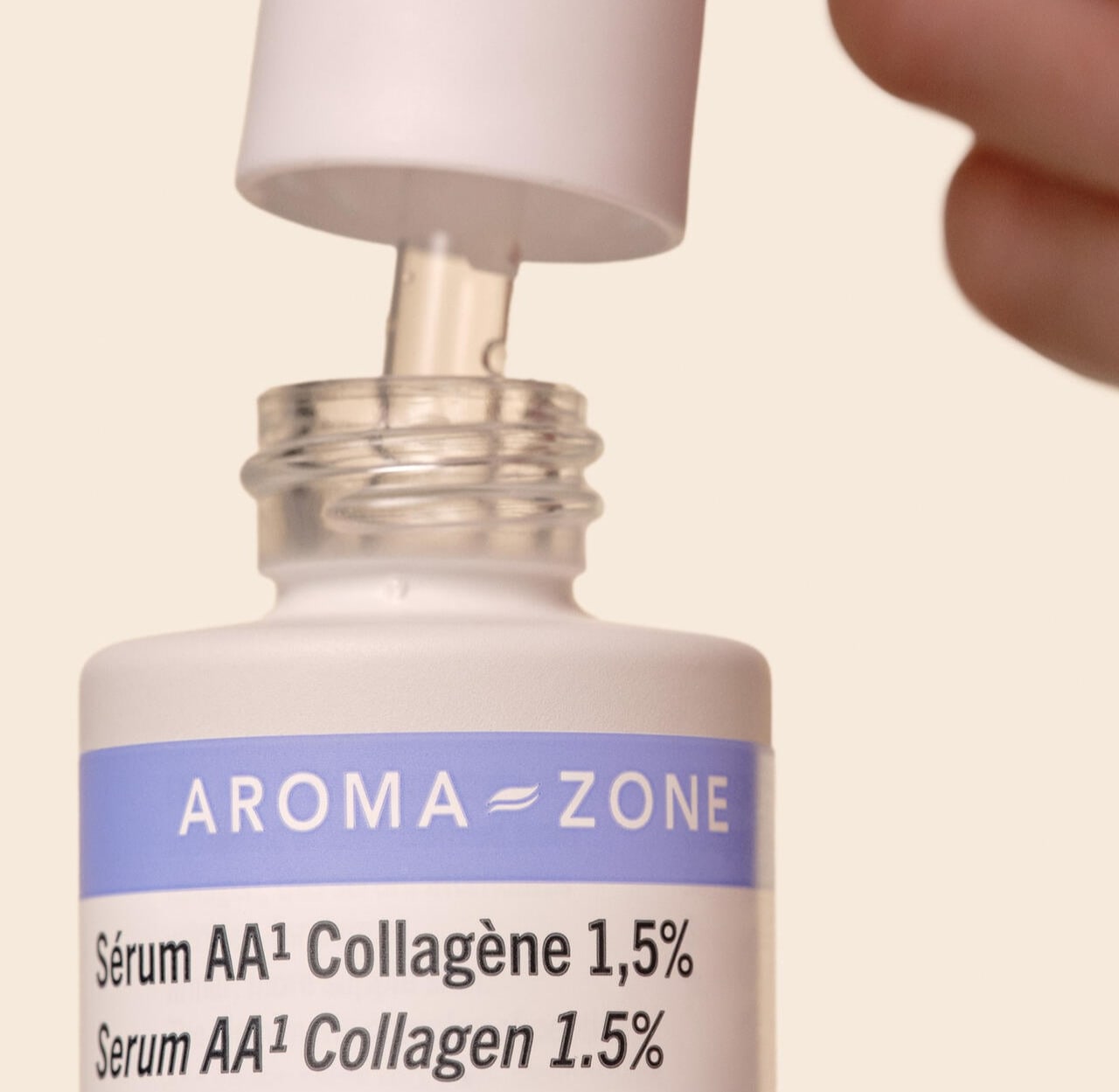
Sebum-regulating serum for oily skin
What are the benefits of Bakuchiol for my skin?
Anti-wrinkle, anti-oxidant, anti-blemish, anti-dark spot… Often compared to retinol, bakuchiol boasts similar benefits for the skin, but with the added bonus of being gentler. Generally better tolerated, this 100% natural, plant-based and vegan active ingredient is the new skincare favourite. Its 360-degree spectrum makes it a versatile ingredient, suitable for most of our skincare issues from 18 to 70+. From oily skin to delicate and mature skin, it provides a targeted cosmetic response with no irritating or photosensitising effects. But is it right for you? How do you use it? Which active ingredients should you use with it? Find all the answers here!

The origin of bakuchiol: an ingredient from a surprising plant
Where does this natural, vegan cosmetic ingredient come from?
Bakuchiol is an active plant ingredient, generally extracted from the seeds of a herbaceous plant, Psoralea corylifolia (or Cullen corylifolium). This species thrives in the Himalayas, particularly in India and Sri Lanka. It can be recognised by its green, veined leaves, covered in fine down. In spring, it develops pretty clusters of purple flowers.
This astonishing endemic legume is one of the mainstays of traditional Indian pharmacopoeia and Chinese medicine. It owes most of its properties to one compound: the famous bakuchiol! This active plant ingredient is isolated and used in our serums and cosmetic creams. Its rather strange name comes from the plant's Sanskrit name: bakuchi.
Did you know?
Bakuchiol is present in other plants, particularly trees such as the David elm. Today, it is mainly made from Psoralea corylifolia seeds.

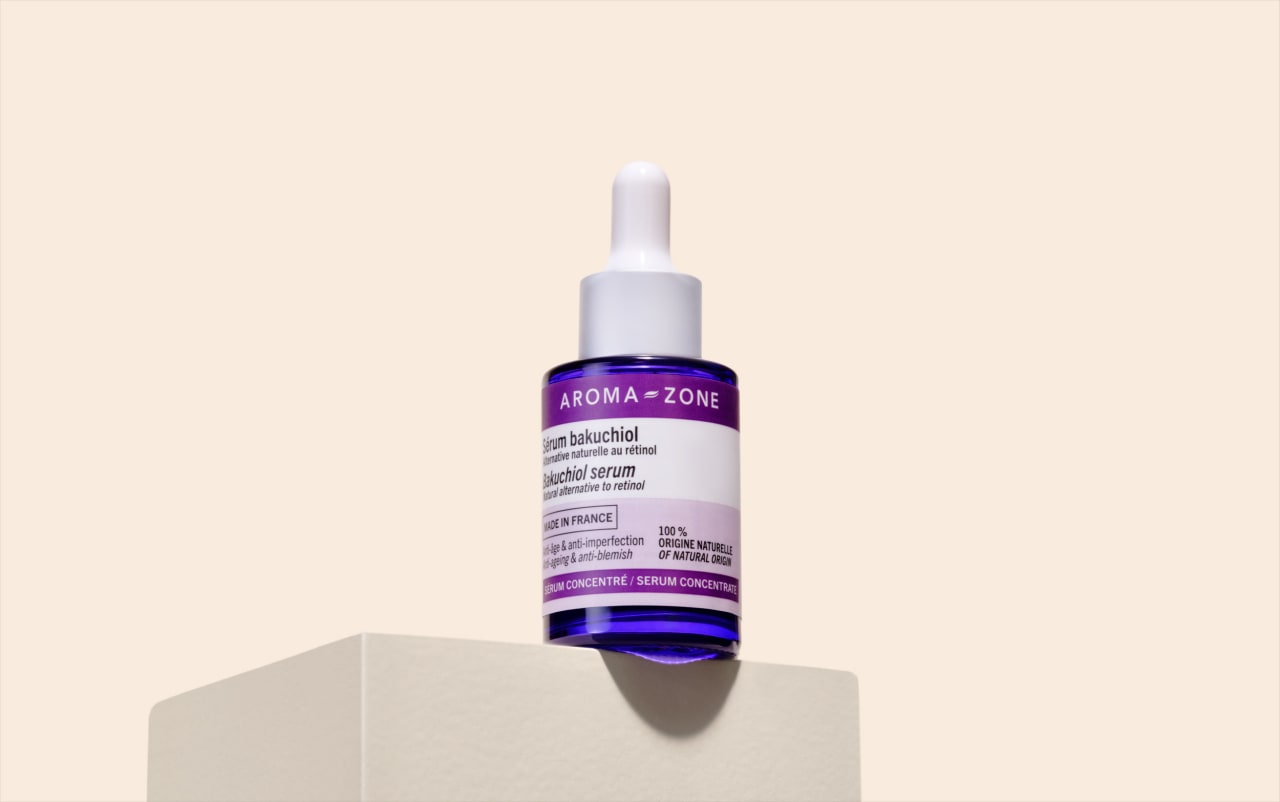
Focus on our Bakuchiol serum concentrate for the face
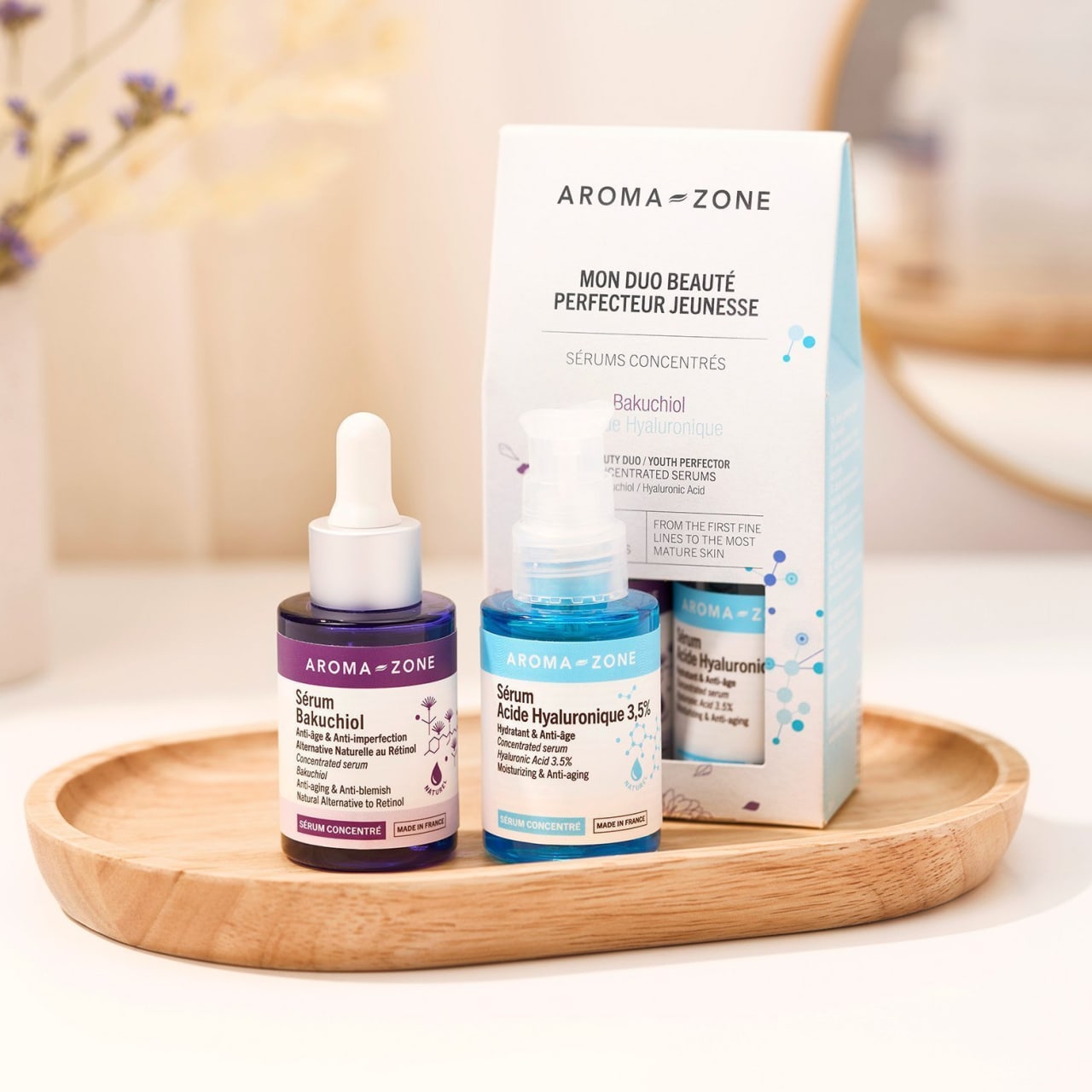
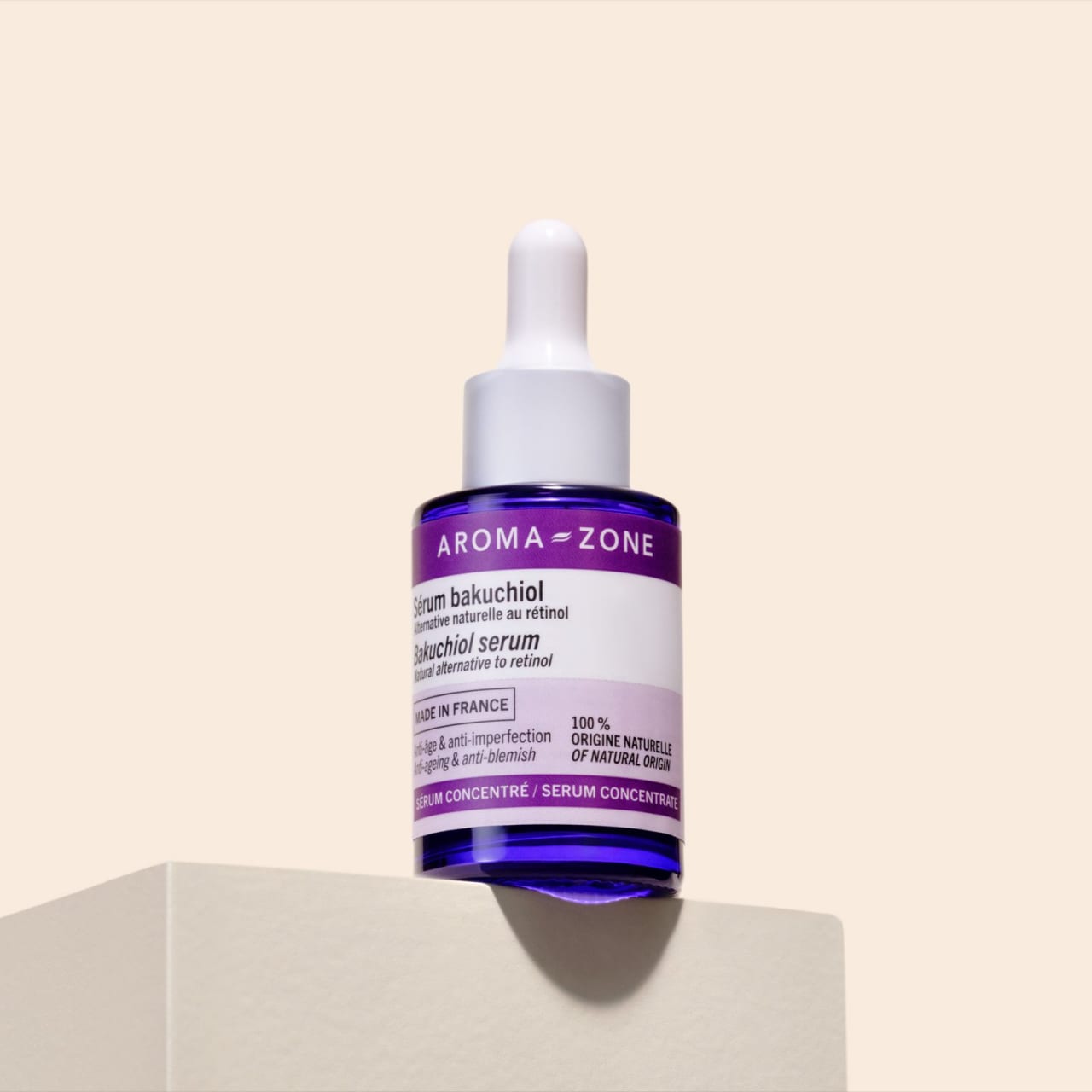
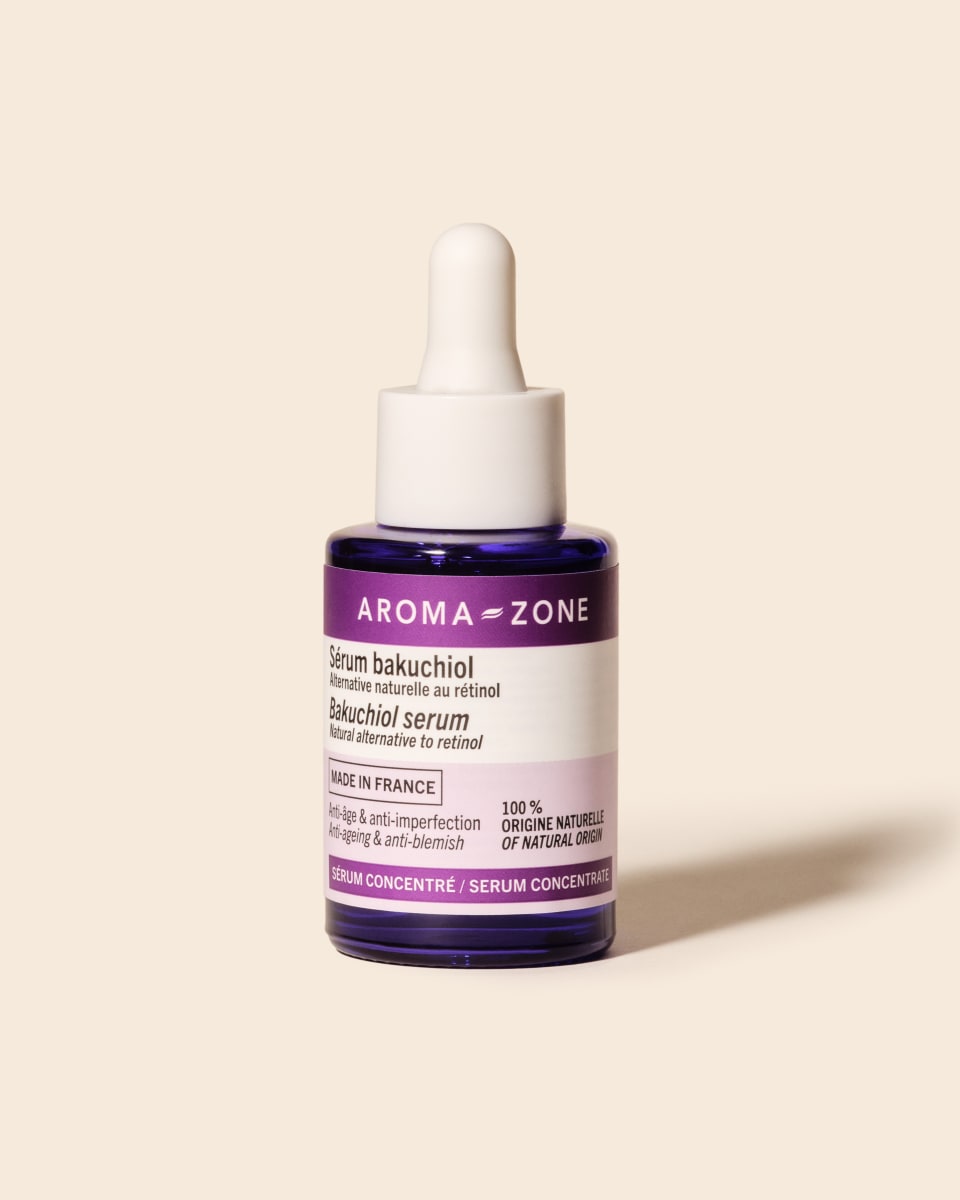
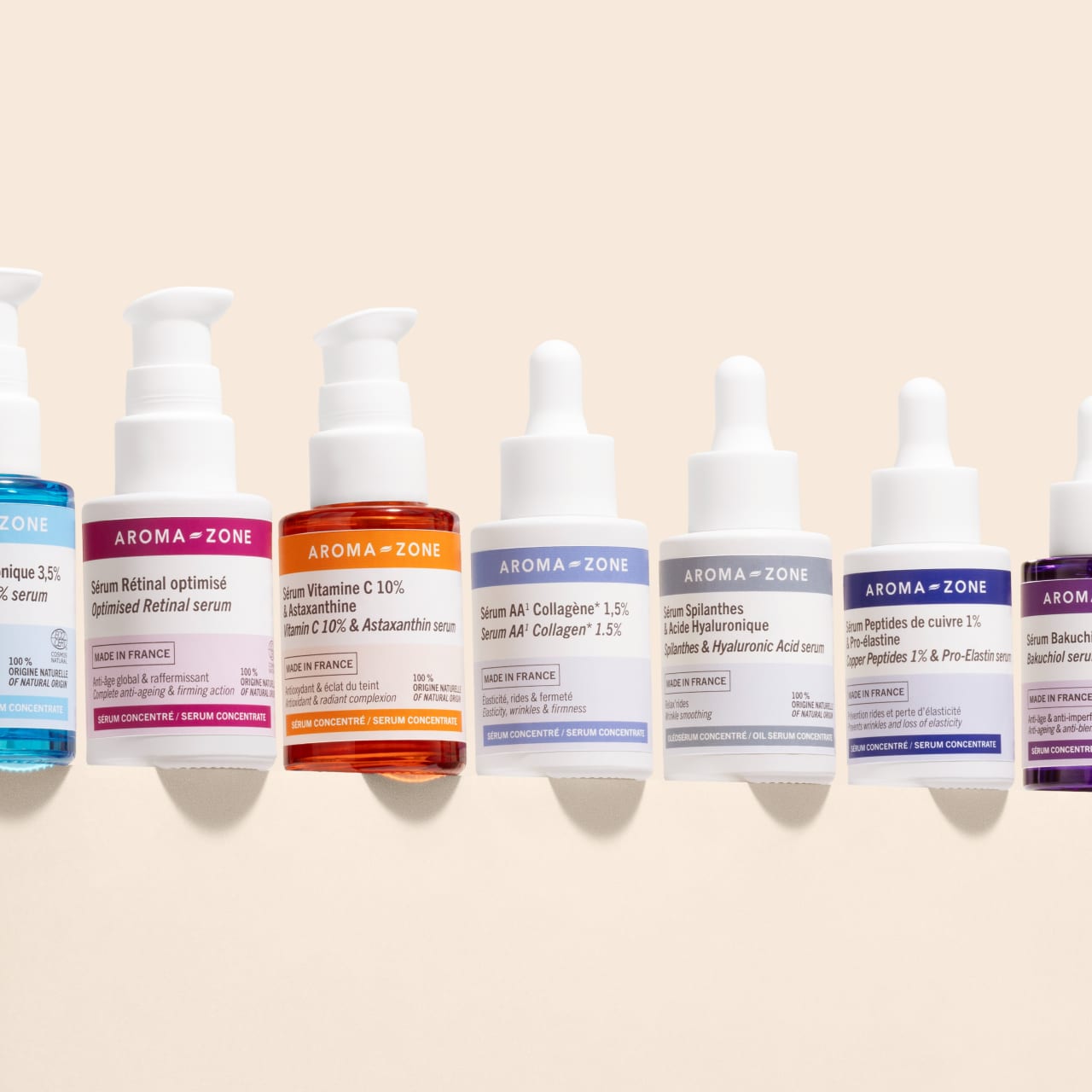
Our serum concentrate takes the form of a "Bakuchiol oil". It contains 1% Bakuchiol (the optimum concentration at which its effectiveness has been proven) on a base of Olive Squalane, with a very fine, non-comedogenic texture. It has the advantage of quickly penetrating the skin without leaving a greasy film. Suitable for all skin types, this serum combines powerful anti-ageing and anti-blemish properties. You can use it pure or with additional active ingredients.
Carry out a test application in the crease of the elbow 48 hours before the first application. This serum is not suitable for the most sensitive skin and/or skin with an atopic tendency. In the event of irritation, discontinue use. Keep out of reach of children.
Why use bakuchiol: its effects on the skin
For brown spots
Age spots are, as their name suggests, characteristic of skin ageing. They can also be a sign of skin that has been repeatedly damaged by UV rays. As you know, sun exposure and skin ageing are (very) closely linked.
Bakuchiol has been shown to reduce both the intensity of hyperpigmentation and the extent of dark spots. This property is partly attributable to its effect on melanogenesis (melanin synthesis, the source of your skin colour, but also your dark spots). In fact, it seems to be able to interfere with 2 of its levers: tyrosinase (an enzyme that 'activates' the production of melanin) and a hormone involved in stimulating melanocytes (cells specialised in synthesising the melanin pigment).
For acne
Bakuchiol is one of the few agents (other than retinoids) with proven efficacy on acne-prone skin. Itis thought to actively target P. acnes, one of the main bacteria causing acne. Several studies have shown that it is capable of reducing acne lesions and any associated inflammation. According to one study, the results are even more convincing when it is combined with salicylic acid. In cosmetics, it can prevent the appearance of new blackheads by limiting sebum lipid oxidation.
Remember: acne is, by definition, a skin condition. Therefore, it cannot be 'treated' with cosmetics, which are only there to preserve or improve the overall appearance of your skin. If you have papules or pustules, seek medical advice.
For wrinkles and fine lines
Scientific research has confirmed that bakuchiol is an effective anti-ageing ingredient. However, its mechanisms of action have not been studied to the same extent as retinol, which for many remains THE benchmark for reducing the appearance of wrinkles. It appears to have a retinol-like profile that enables it to stimulate the production of type I and IV collagen. It is also thought to act on type III collagen synthesis in mature skin. This effects both the length and depth of wrinkles, which appear less visible after 12 weeks (based on 2 applications a day).
Products enriched with bakuchiol are also powerful preventive allies. This active ingredient acts like a shield against free radicals, which are responsible for premature skin ageing. How does it do this? By activating a transcription factor, which plays a key role in cells resistance to oxidative stress, and limiting cellular lipid peroxidation.
For the eye contour area
If you're wondering whether you can apply bakuchiol to the eye contour area, the answer is YES. (However, check the recommendations for use of your cosmetic products: some formulas, whether enriched with bakuchiol or not, may not be suitable for this delicate area).
Given its benefits for wrinkles, this 100% natural active ingredient can, of course, be useful for smoothing out crow's feet. But it doesn't stop there, as its anti-pigmentation properties could also benefit dark circles. Bakuchiol could be particularly useful for lightening dark circles (linked to an accumulation of melanin).

What are the benefits of Bakuchiol for the skin?
Traditional medicines of long ago generally used Bakuchiol to relieve inflammatory skin diseases. It was therefore favoured in cases of acne and psoriasis, among others. In cosmetics, it is now recognised for the following properties.
Antioxidant. This means that it helps the skin to fight against the damaging effects of free radicals, which cause oxidative stress (one of the main factors in premature skin ageing).
Soothing. Its anti-inflammatory profile is likely to give it serious benefits in improving and preventing minor skin discomforts.
Purifying. It is effective in preventing excess sebum and the formation of skin imperfections (blackheads and other pimples), particularly on acne-prone skin.
Anti-ageing. It reduces the appearance of wrinkles, fades the intensity of hyperpigmentation marks, improves skin firmness and the appearance of sun-damaged skin.
Bakuchiol or retinol: what are the differences?
Similar properties on the signs of ageing
Bakuchiol is often presented as a natural alternative to retinol (vitamin A). And there's some truth in this!
Despite their fundamentally different chemical structures, these two molecules have comparable properties when it comes to preventing the signs of ageing. Both appear to be capable of activating extracellular matrix protein (collagen, elastin, etc.) production. By reinforcing the skin's support tissues, they help to reduce the appearance of fine lines and wrinkles.
Their results are also similar when it comes to hyperpigmentation. Retinol and bakuchiol both affect both pigmentation intensity, as well as the extent of the hyperpigmented areas. They are two ingredients of choice for smoothing uneven skin tones.
How do I use a bakuchiol serum?
When and how should it be applied?
Unless otherwise stated on the instructions for use (in a blend with retinol, for example), bakuchiol-enriched products can be applied in the morning or evening. So, the choice is yours: once in the morning OR once in the evening OR twice a day (morning and evening). If you are combining bakuchiol with other cosmetic active ingredients, adapt it to your main beauty concerns. (We recommend combinations below!).
Cleanse or remove make-up from your face as usual. Rinse and gently dry your skin with a clean towel.
Take a few drops of your bakuchiol serum or oil. Using your fingertips, pat the treatment into the skin, until it is completely absorbed. Use all over your face (not forgetting the eye area) and neck.
Then, apply your usual moisturiser (day cream or night cream).
Combinations that are good for the skin

Bakuchiol and hyaluronic acid: against dehydration
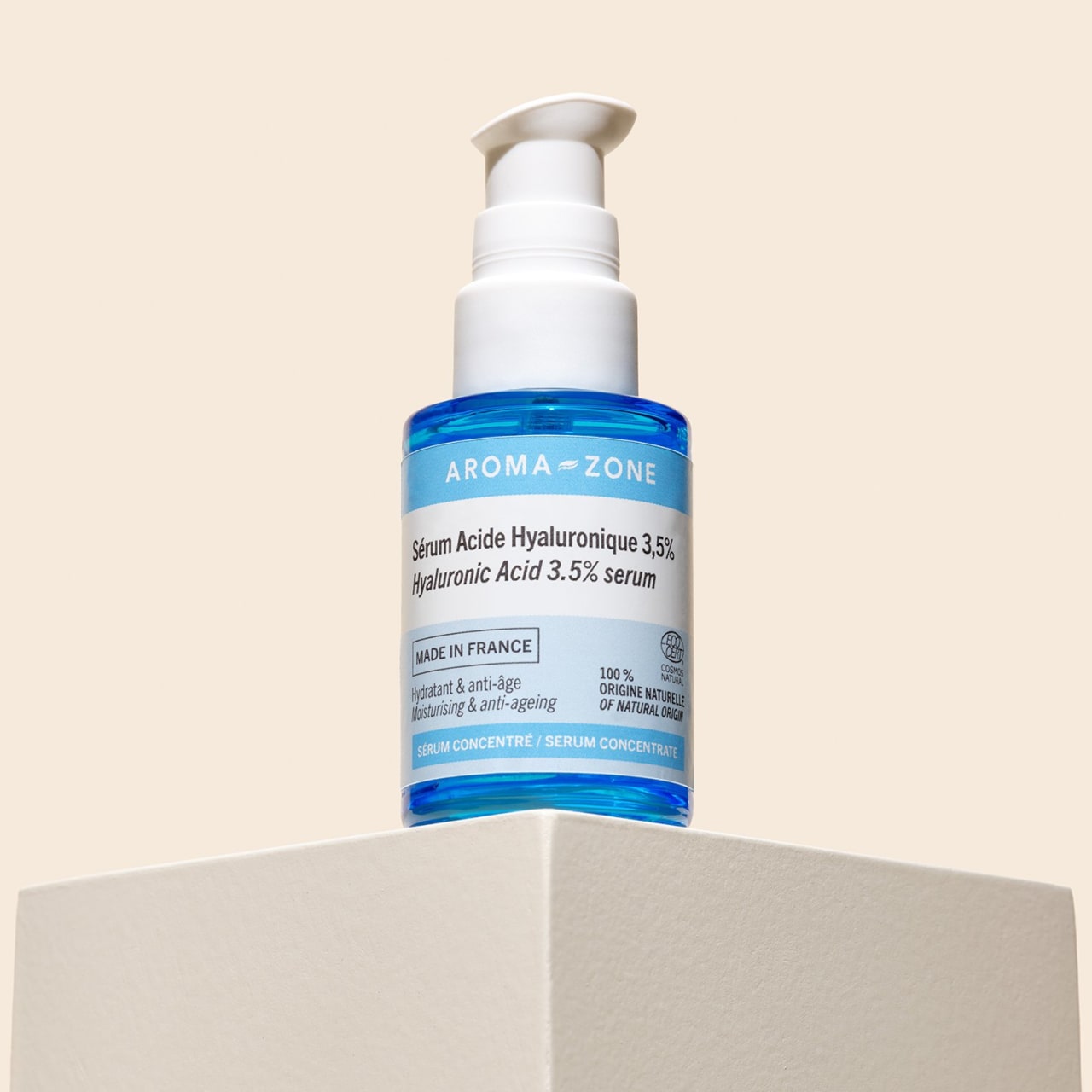
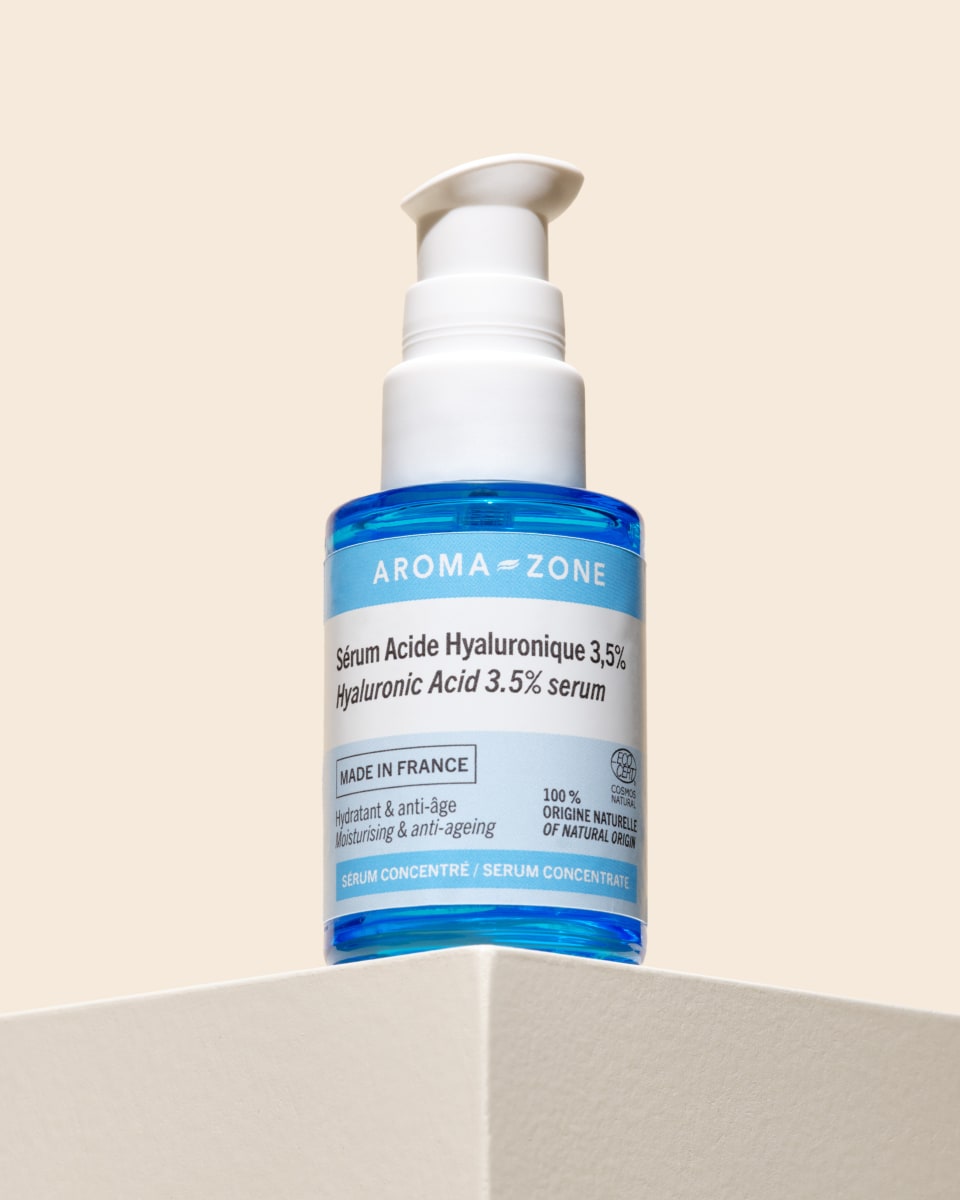
Hyaluronic acid is another star ingredient in anti-ageing skincare. Its main benefit lies in its ability to plump up the appearance of wrinkled skin. It is an excellent humectant: by attracting water to the upper layers of the epidermis, it visually 'fills in' the depth of wrinkles. Its use can therefore be complementary to that of a Bakuchiol oil to combat all the signs of skin ageing, whether you're 30 or 60.
Tip: apply your Hyaluronic acid serum first, wait a few moments and then layer your Bakuchiol treatment.

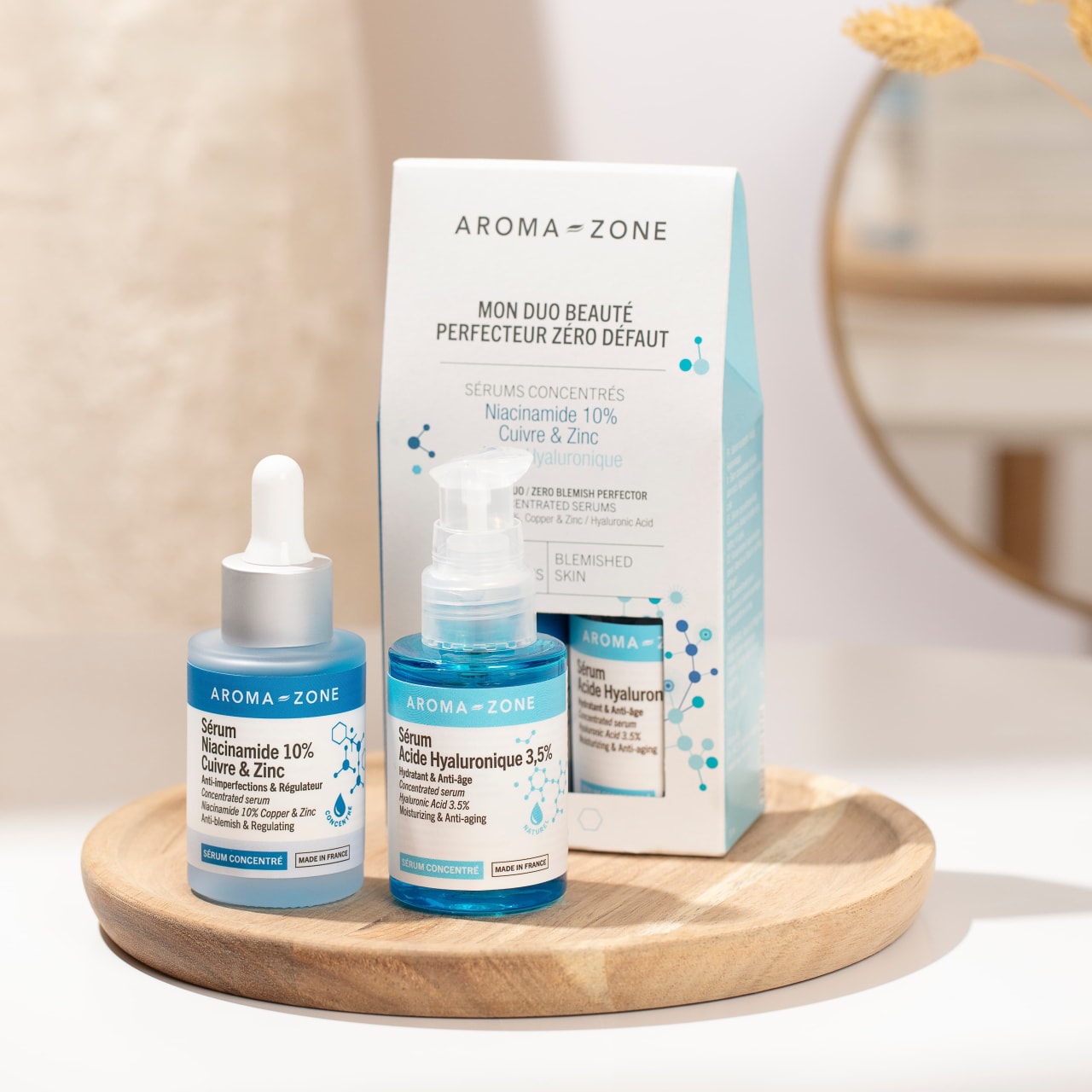
Bakuchiol and Niacinamide: against skin blemishes
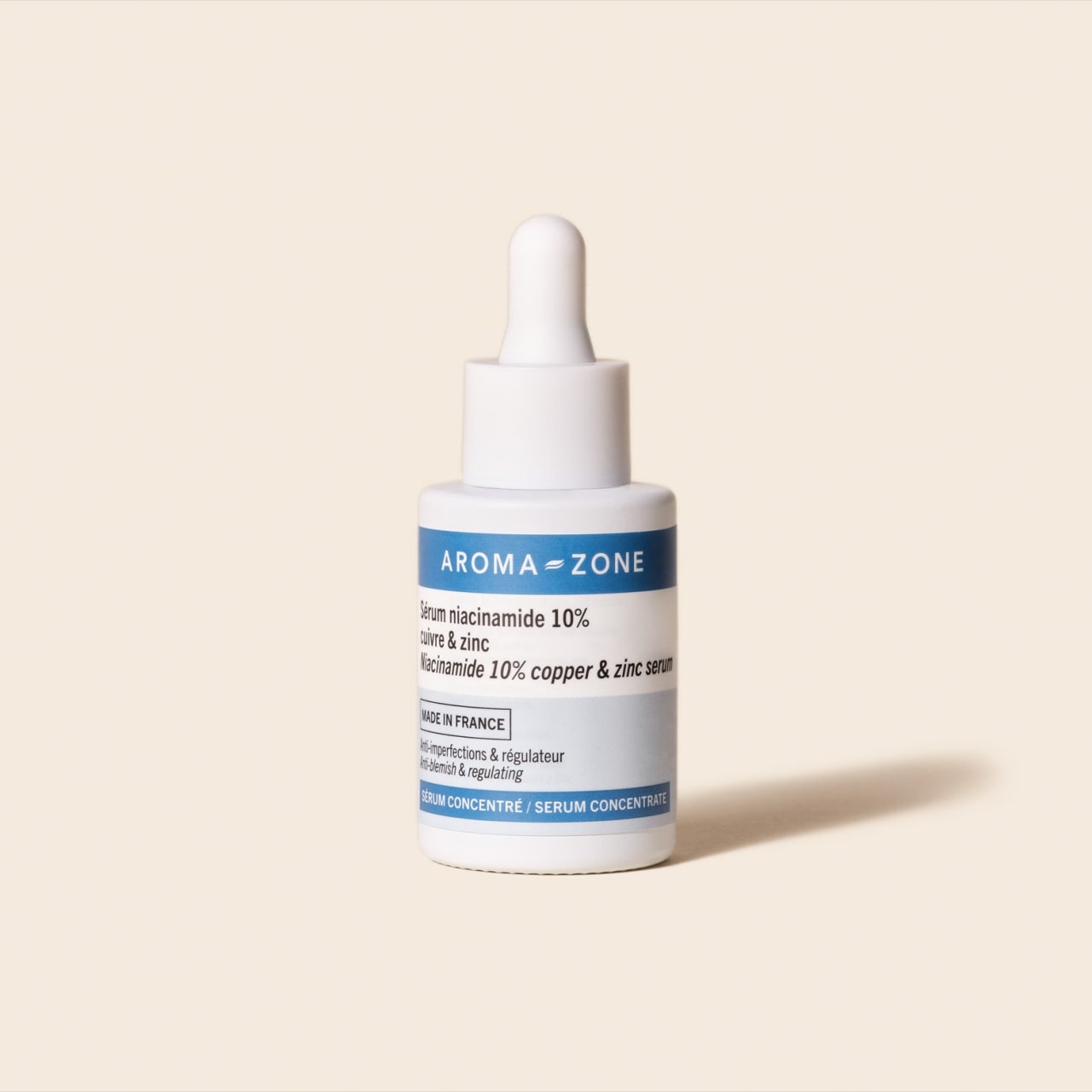
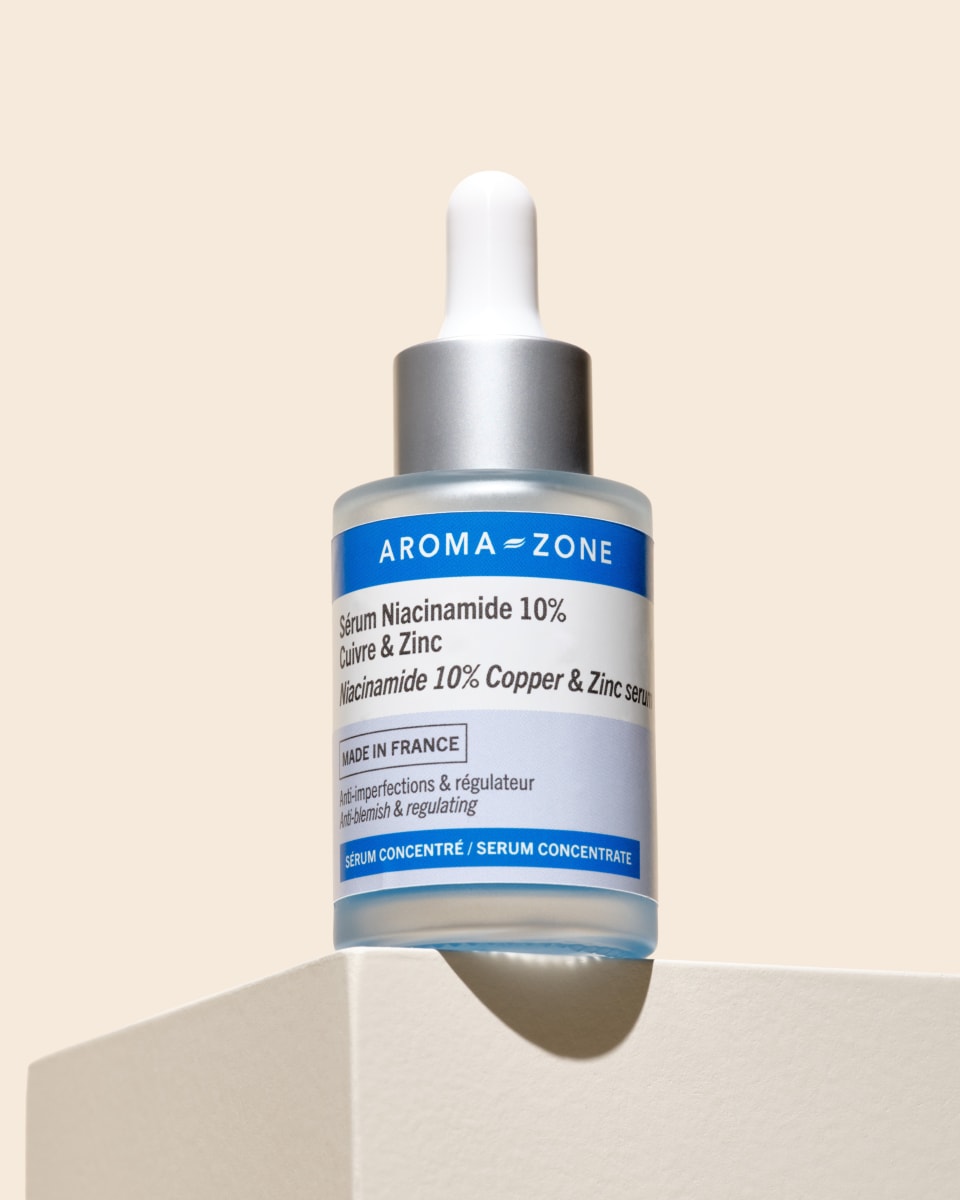
Nicotinamide (vitamin B3) is a cosmetic active ingredient that is particularly popular with combination to oily skin, including that prone to imperfections. It combats shine linked to excess sebum and, at the same time, the formation of blackheads and pimples. It is also reputed to even out uneven skin tones that are prone to pigmentation spots and redness. It can therefore make a good duo with Bakuchiol, particularly as part of a 'flawless skin' routine.
Tip: as our Bakuchiol serum and our Nicotinamide serum are highly concentrated, we advise against using them one on top of the other. Instead, you can apply one in the morning (e.g. Nicotinamide) and the other in the evening (e.g. Bakuchiol).
Discover our 10% Niacinamide, Copper & Zinc serum concentrate

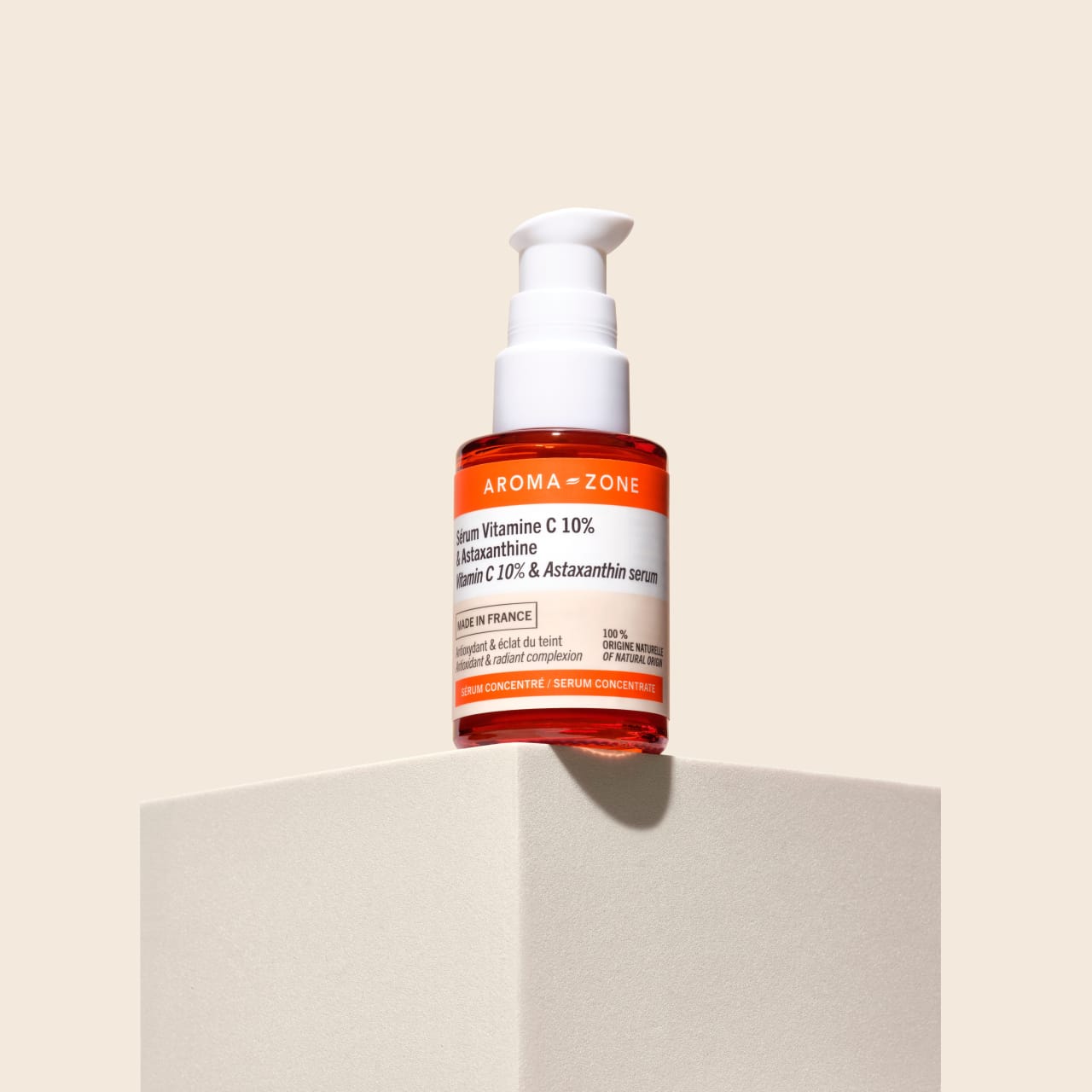
Bakuchiol and Vitamin C: against oxidative stress
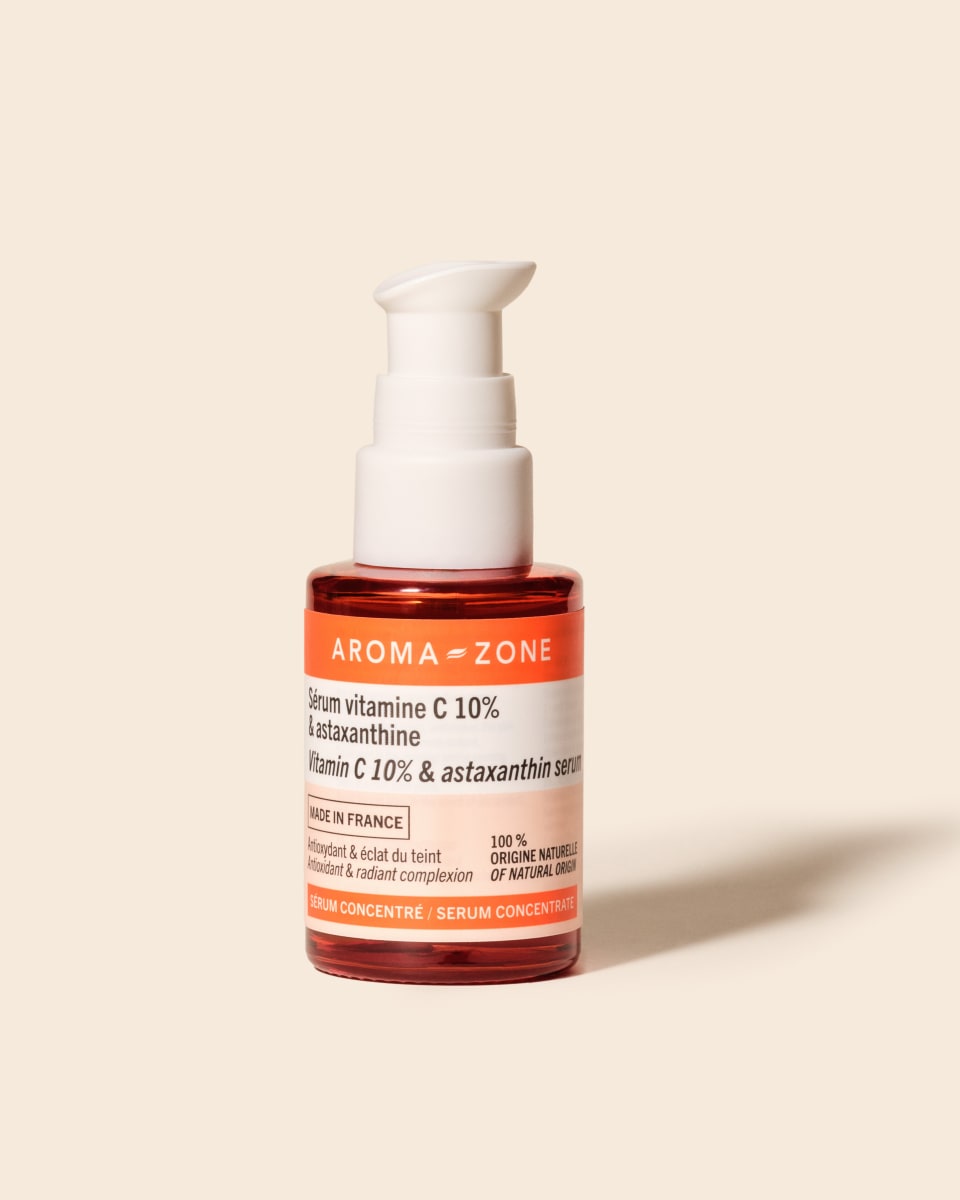
Among the benefits of Bakuchiol is its strong antioxidant power. It shares this characteristic with Vitamin C, the preventive active ingredient par excellence. As well as fighting photo-ageing, Vitamin C is known to stimulate collagen production and cell renewal. Ideal for dull complexions, it brings radiance and evenness. By combining Vitamin C and Bakuchiol, you can take action against the signs of premature skin ageing.
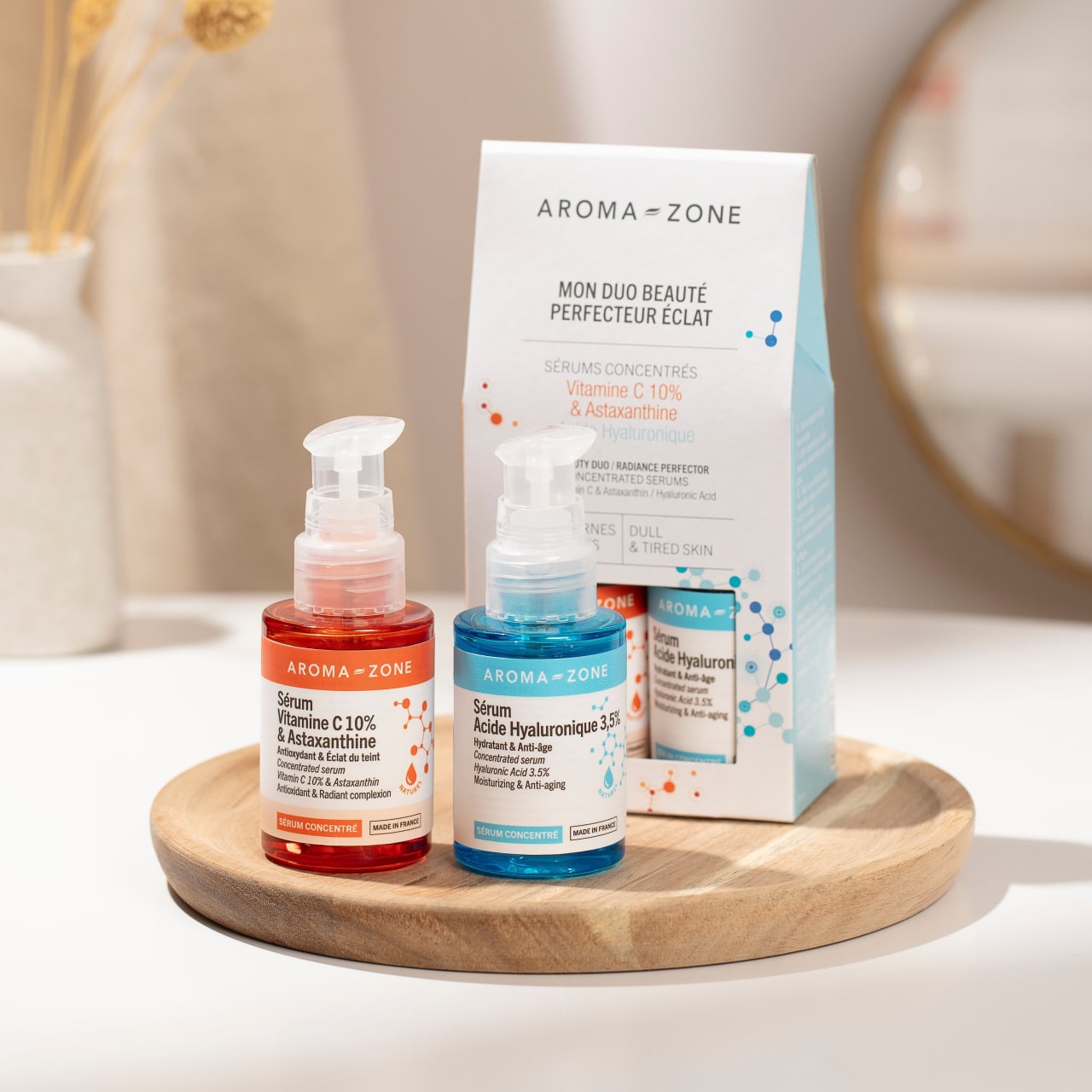
Tip: apply your skincare products from lightest to richest: first our Vitamin C serum, then our Bakuchiol skincare product.
Examples of recipes to personalise our bakuchiol serum

Sebum-regulating serum for oily skin

Sebum-regulating serum for oily skin

Sebum-regulating serum for oily skin

Anti-redness face serum with bakuchiol

Anti-redness face serum with bakuchiol

Anti-redness face serum with bakuchiol
Bakuchiol anti-redness facial serum recipe

Anti-ageing face serum with bakuchiol

Anti-ageing face serum with bakuchiol

Anti-ageing face serum with bakuchiol
Anti-ageing face serum with Bakuchiol

Purifying blemish-combating elixir

Purifying blemish-combating elixir

Purifying blemish-combating elixir
Precautions for use and contraindications of bakuchiol
Is bakuchiol irritating?
This is its main difference from retinol. It's also what makes it so popular, at a time when more and more of us claim to have sensitive skin.
Studies prove that bakuchiol is better tolerated by the skin. The people who took part in the tests experienced fewer side effects than with retinol (tingling, flaking). As a result, it is now being promoted as having similar, but gentler, benefits.
Another positive point is that it has no known major contraindications. Unlike retinoids, bakuchiol has no photosensitising effect. So, you can use it in the morning, as well as in the evening, without having to apply a sunscreen.
Can I use it on my sensitive skin?
Despite its soothing properties and greater tolerance than retinoids, bakuchiol is not necessarily a panacea. It may not be suitable for the most delicate skin.
Our advice
Do you think you have sensitive skin? We recommend that you carry out a sensitivity test in the crease of the elbow at least 48 hours before using a bakuchiol serum or cream. Stop applying it if you feel any irritation.
In all cases, remember that cosmetics are designed for use on healthy skin. This means that cosmetic products containing bakuchiol cannot be used on atopic skin. If you suffer from atopic skin, use the solutions recommended by your dermatologist.
Can it be used in pregnancy?
While it is strongly recommended to avoid using retinol during pregnancy, this is not the case for its plant counterpart, bakuchiol. In theory, there is every reason to believe that it can be used freely while pregnant.
That said, every pregnancy is different and we all have our own unique needs. So, it's best to take a cautious approach. We recommend that you check with a doctor that your beauty routine will not harm your baby.
Spotlight on our specialist editor, Hélène Betoux

Hélène Betoux is a French beauty journalist specialising in web media. Every day she writes tips, advice and guides to help consumers choose the right beauty products. With a strong interest in natural, organic and clean cosmetics, she analyses and shares trends and innovations in the sector.