Which serum should I choose for my skin type?

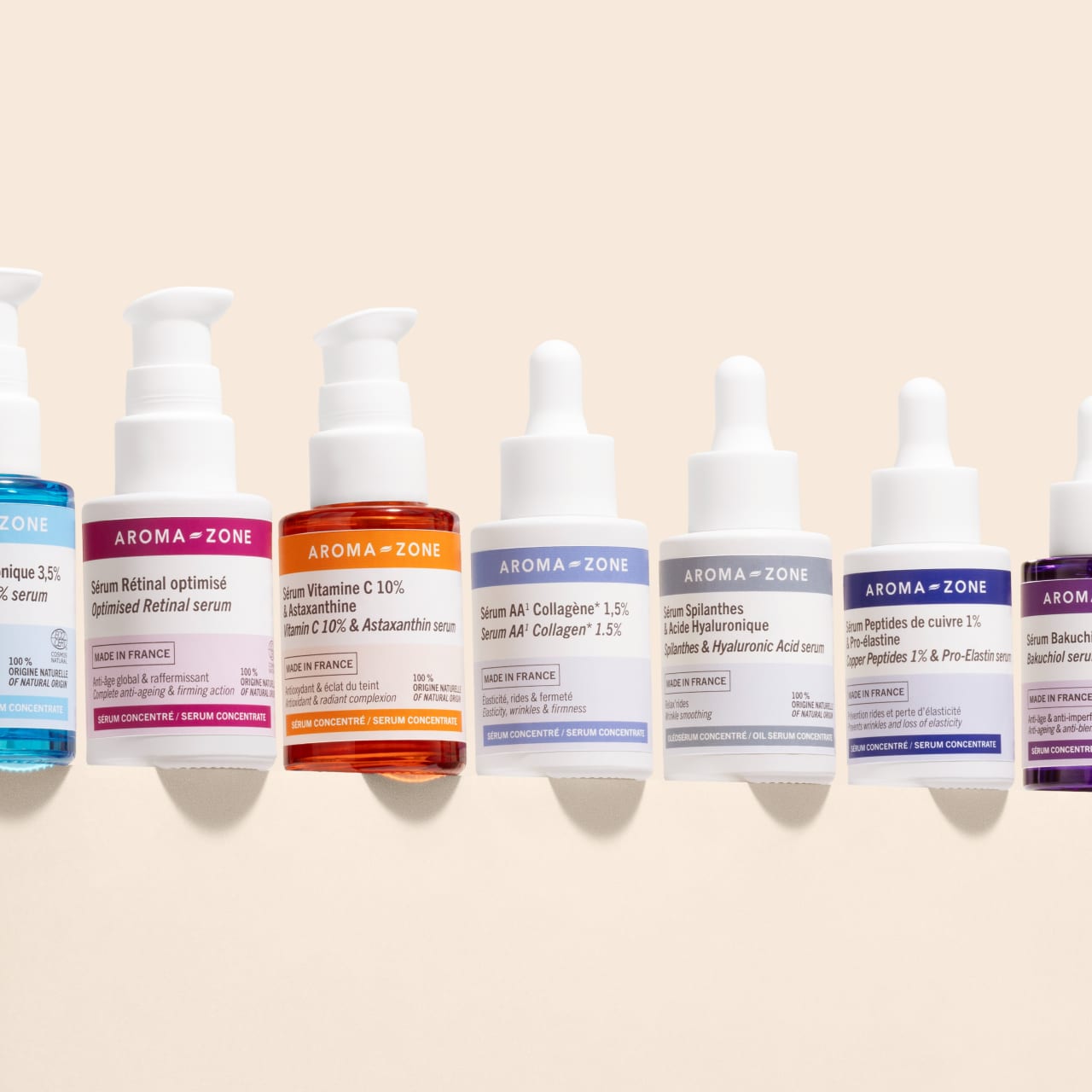
Serums are highly concentrated products, generally targeting a specific problem (dry or oily skin, wrinkles, acne, etc.). The advantage is they have a light, fluid texture that can penetrate deeper into the skin. You can further enhance a serum's effects by applying a moisturising or treatment cream on top of it.

But how do you choose from all of the serums on offer, or work out what they are for? In this article, we'll look at the different skin types and why it's important to know how to recognise them, so you can choose the serum that's best for each skin type.

Reading time: 0 min.

What are the different skin types?

Different skin types

Broadly speaking, there are four types of skin:

  • Normal skin, also known as "eudermic" skin

  • Oily skin

  • Dry skin

  • Combination skin

Normal skin is skin that is in good health. It is neither too oily nor too dry and has no daily discomfort or cosmetic problems. It has a soft, velvety texture (famously known as "baby soft skin") and no blemishes (pigmented or textural).

Oily skin is characterised by excessive sebum production, known as hyperseborrhoea, which gives it an "oily", shiny appearance. It is often characterised by enlarged pores, blackheads or acne, which make it worse. It is generally thicker, but can also be sensitive. For people with darker skin tones, oily skin is prone to post-inflammatory pigmentation spots (following acne).

Dry skin, on the other hand, is visibly dehydrated, dull and even flaky (where the skin peels). This is because it produces less sebum, which leads to water loss. Therefore, its barrier function often deteriorates (which can lead to eczema). Dry skin is often more sensitive. It can be uncomfortable (in particularly, it can be itchy) and even painful if the dryness cracks the skin. For people with darker skin tones, dry skin can alter the radiance of the complexion, leading to a greyish, uneven complexion.

Combination skin combines areas of normal or dry skin with areas of oily skin (especially on the T-zone of the face: forehead, nose, chin and inner cheeks). It is more complex to treat because it is more sensitive due to its combined nature.

It is interesting to note that our skin type is genetically predefined (and often our parents have the same skin, so we can also inherit their skin conditions, such as acne or eczema). However, lifestyle and where we live can have an effect on our skin. Similarly, as we age, our skin tends to become drier.

Habits, such as smoking, eating ultra-processed foods on a daily basis, pollution, stress, sun exposure without UV protection, and certain medications (including hormonal contraception) can all have a harmful effect on our skin type.

The place where we live, in particular the hygrometry (humidity level), can also affect our skin type. For example, normal skin can become drier in a drier climate. If we have hard water instead of soft water, this can also affect our skin type.

The same applies to cosmetics or dermo-cosmetic products. If they are not suited to our skin type, or are comedogenic, they can make our skin more oily. Or, on the contrary, they can make it irritated and sensitive. That's why it's so important to know your skin type, and to use the right products for it!

How do you find out your skin type? Try our skin diagnosis quiz

It's quick and easy to work out your skin type with our online skin diagnosis quiz. You can find out which skincare routine corresponds to your skin type by taking our online quiz here.

When you complete the skin diagnosis quiz, you'll receive personalised recommendations based on your skin type, your current issues and your product options (creams, serums, oils, etc.).
Why is it important to know your skin type?

Just as you would eat the right food to keep your body in optimum health and based on any intolerances, allergies or diagnosed medical conditions, the same rule applies to your skin. Everyone is different, and depending on your skin type, dermo-cosmetic products should be based on your skin diagnosis to optimise any results you've already achieved. Or, on the contrary, correct any imperfections and relieve discomfort.

Applying a serum is particularly important when it comes to optimising your skincare routine, as it acts in an effective and targeted way.

Below are the different skin types and face serums that are likely to be most beneficial for each type.

Which serum should I choose for my combination skin?

Combination skin benefits from serums that moisturise without being harsh on the skin and have a regulating effects:

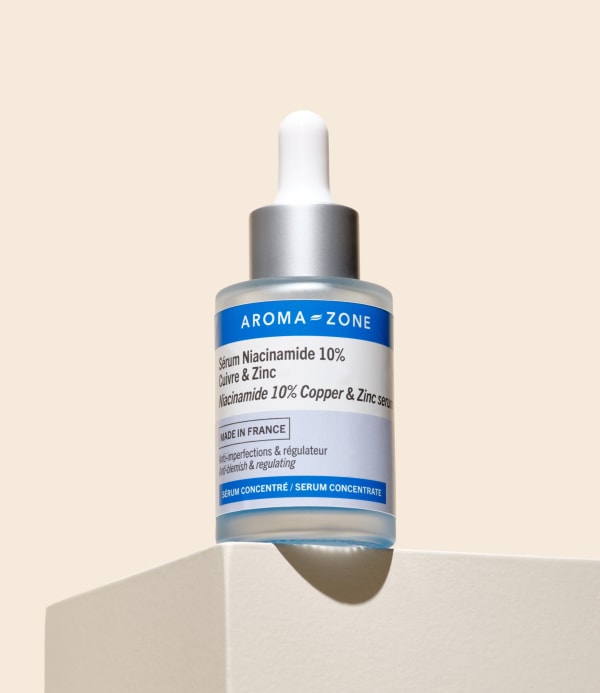
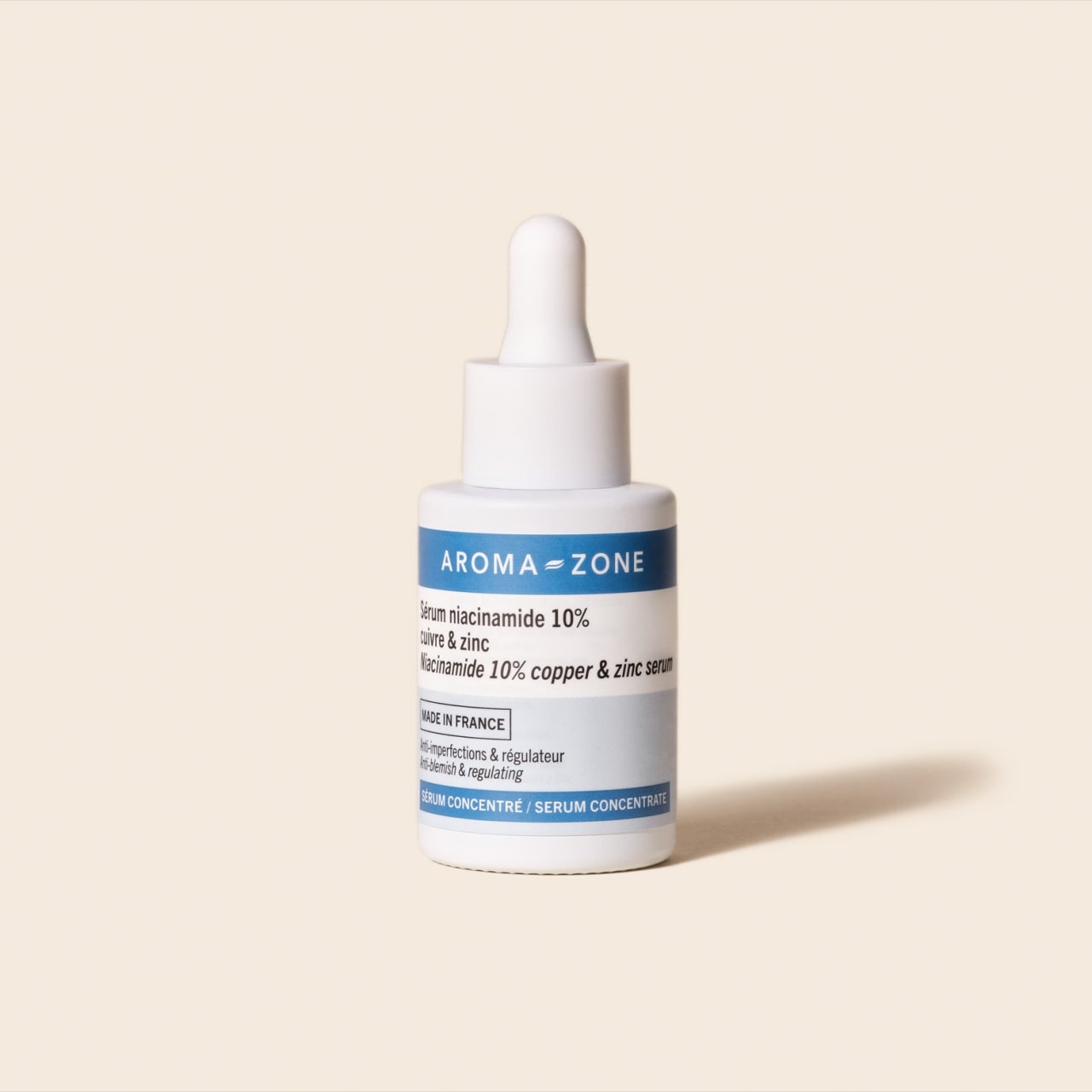
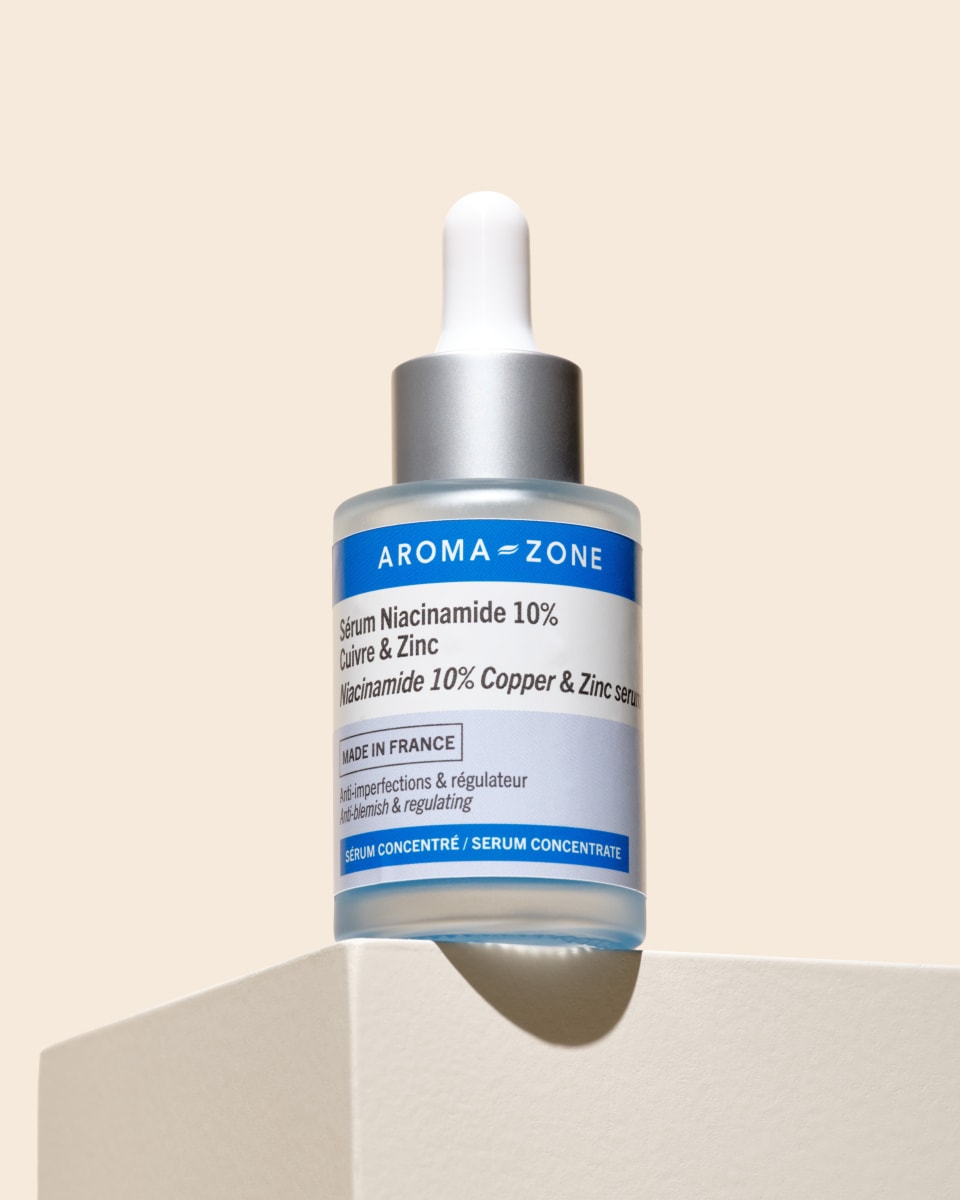
  • Nicotinamide serum: with its dual anti-oxidant and regulating effects, which are linked to the combination of nicotinamide, copper and zinc, it balances out sebum production and purifies blemishes, while reducing areas prone to redness. Apply once or twice a day, possibly in combination with hyaluronic acid serum for extra moisturisation.

Which serum is right for my dry or dehydrated skin?

Dry skin needs to be deeply moisturised. The skin barrier also needs to be repaired and missing lipids replenished. For example using carrier oils.

We would suggest:

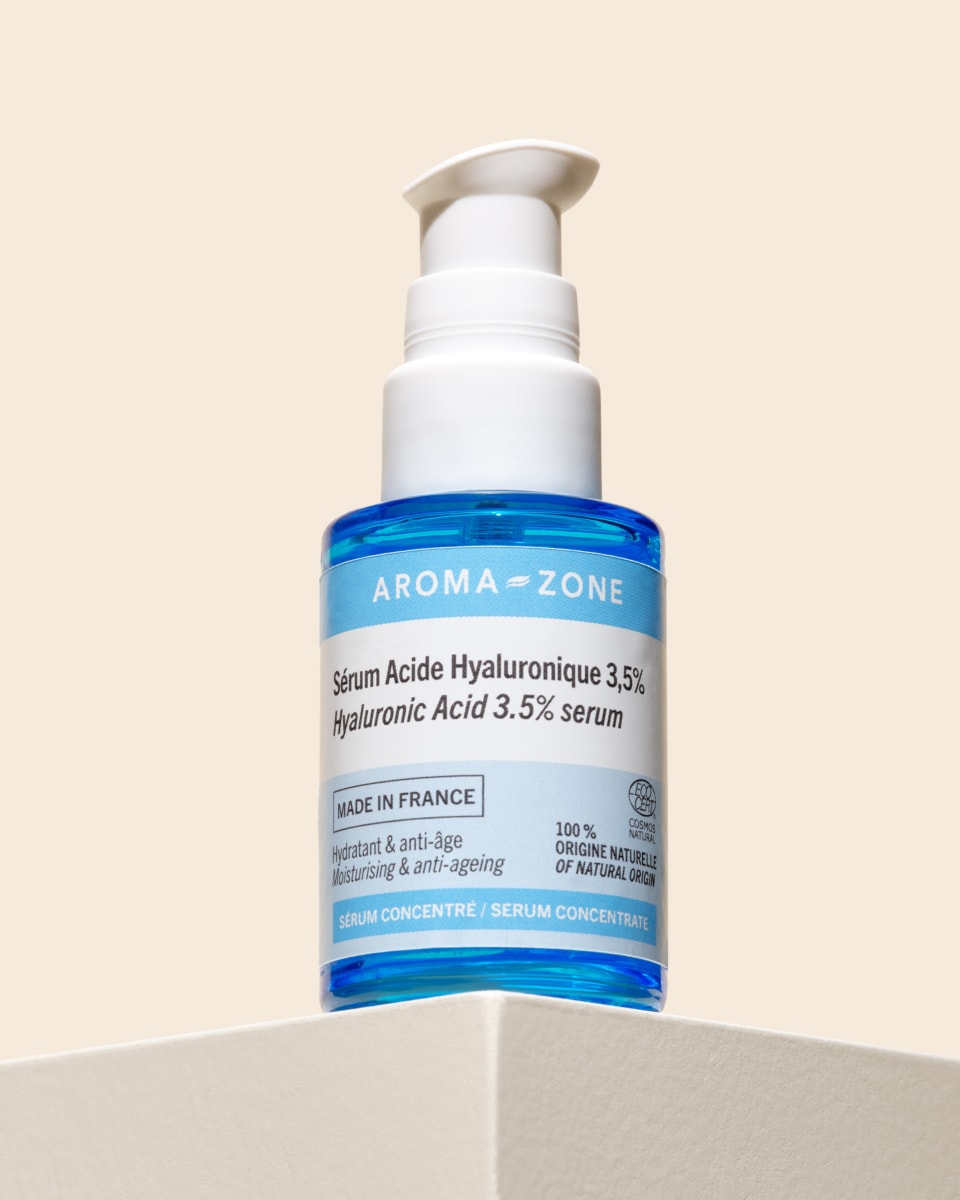
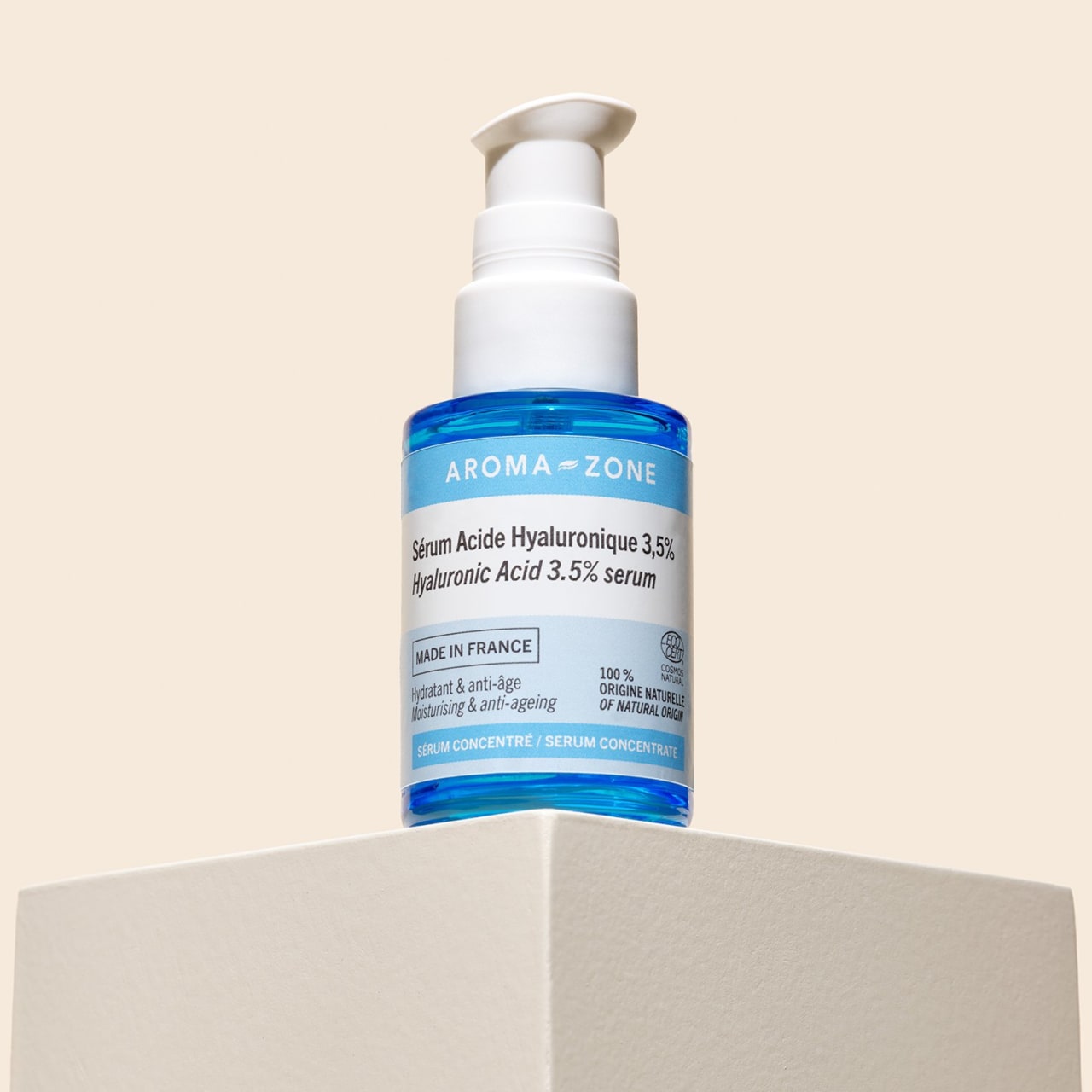
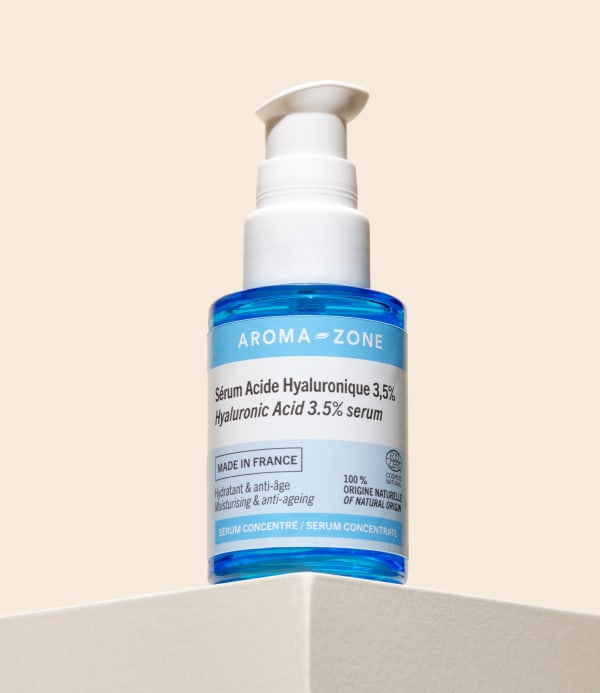
  • Hyaluronic Acid Serum Concentrate. Boost skin hydration. It can be applied morning and night as a first layer.

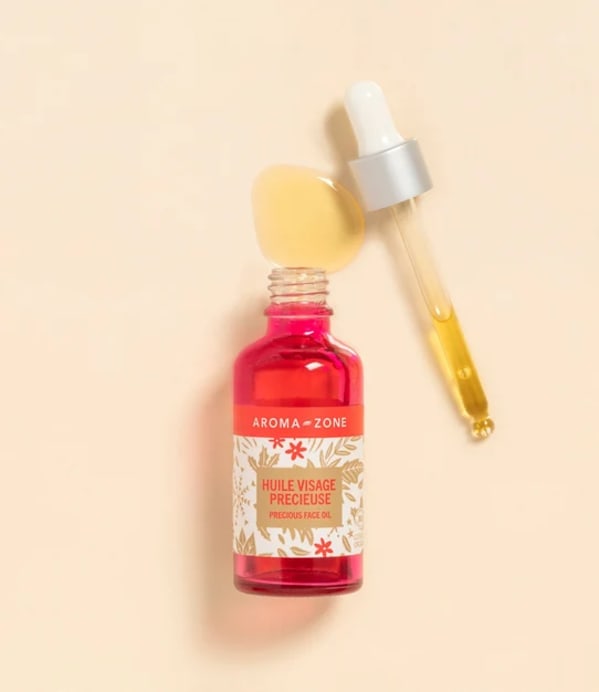
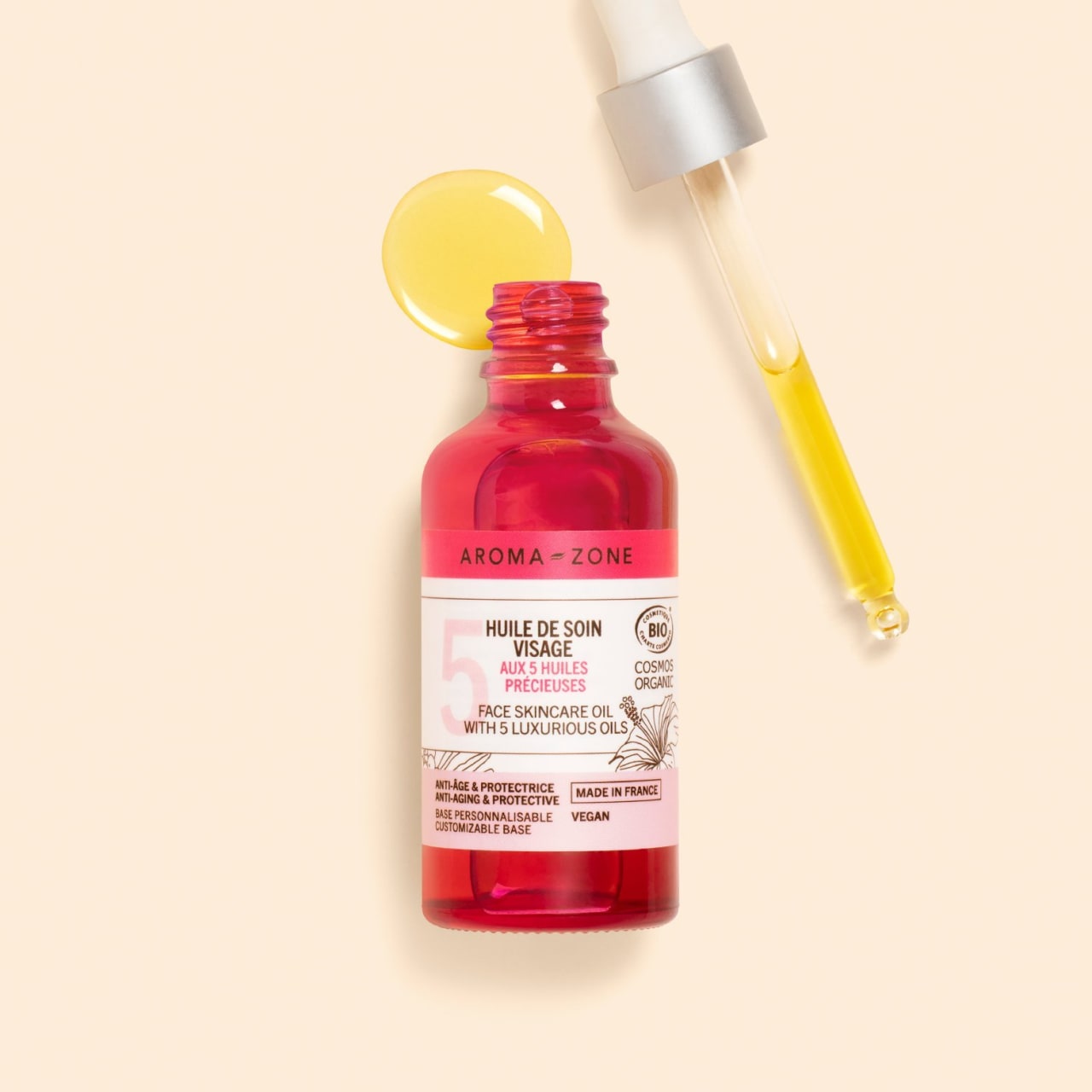
  • Our Precious Face Oil. With 5 carrier oils, it has nourishing, protective and antioxidant properties. Ideal for dry skin, it can be applied after the hyaluronic acid serum in morning and/or evening.

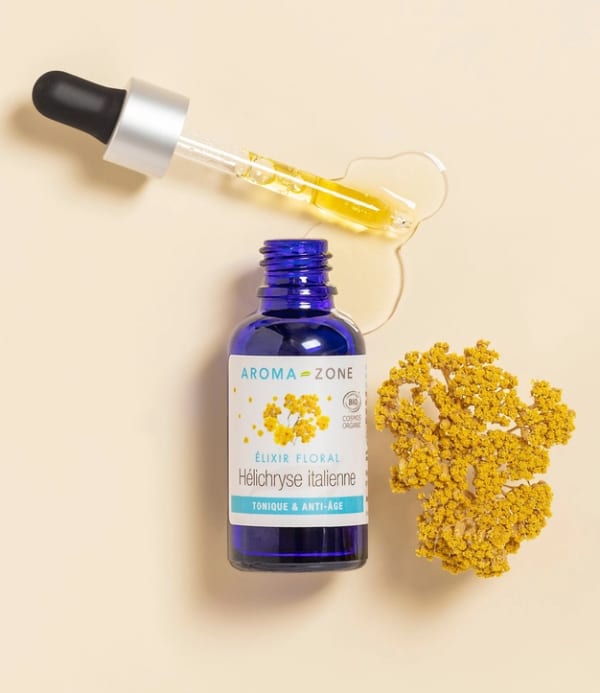
  • Helichrysum Italicum Flower Essence. With anti-ageing and toning properties, it is ideal for giving the skin a real boost. Rich in organic safflower oil, it has restructuring and antioxidant properties. It can be used as a pure serum: apply a few drops morning and/or evening. It can also be used as a more intense moisturising elixir: apply 10 or so drops in the evening.

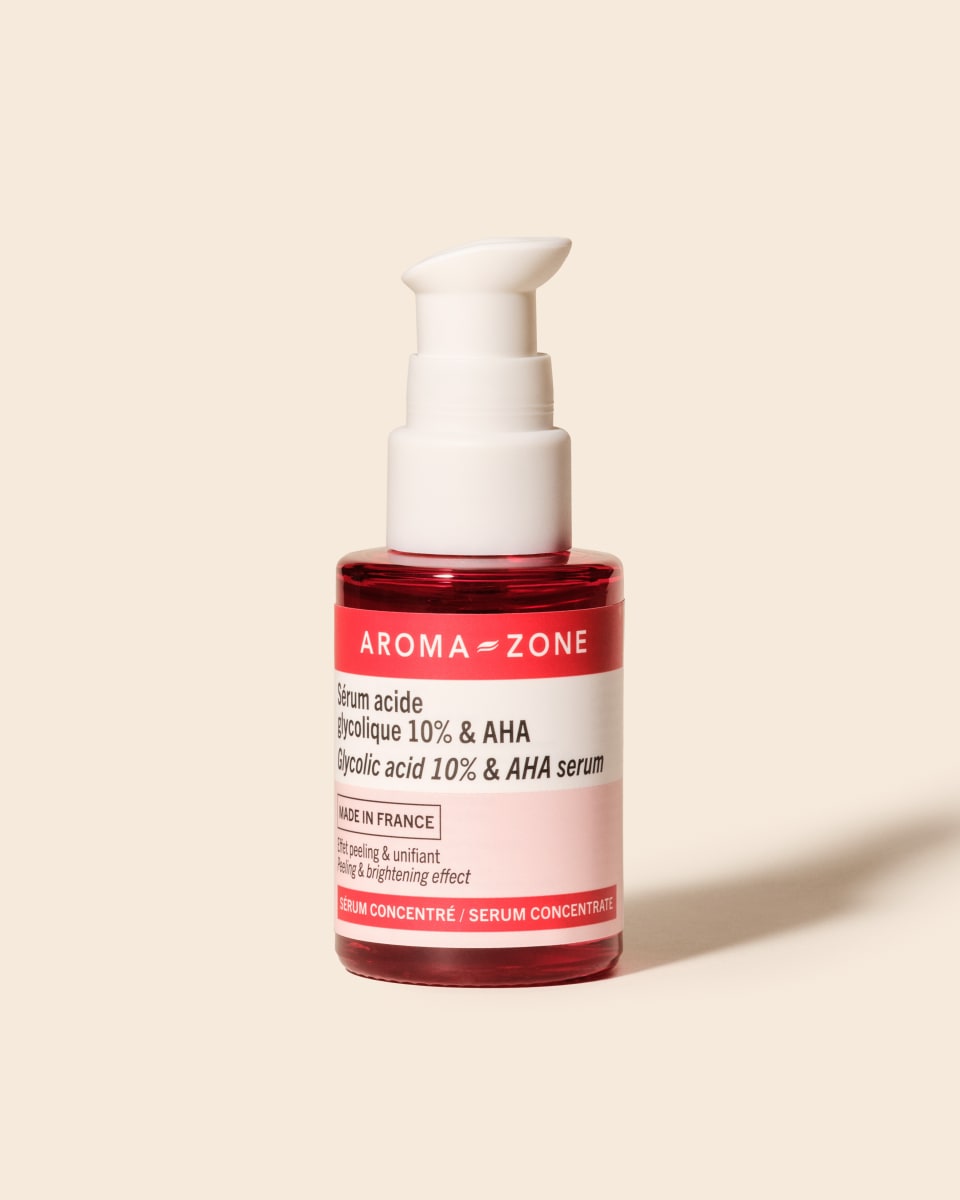
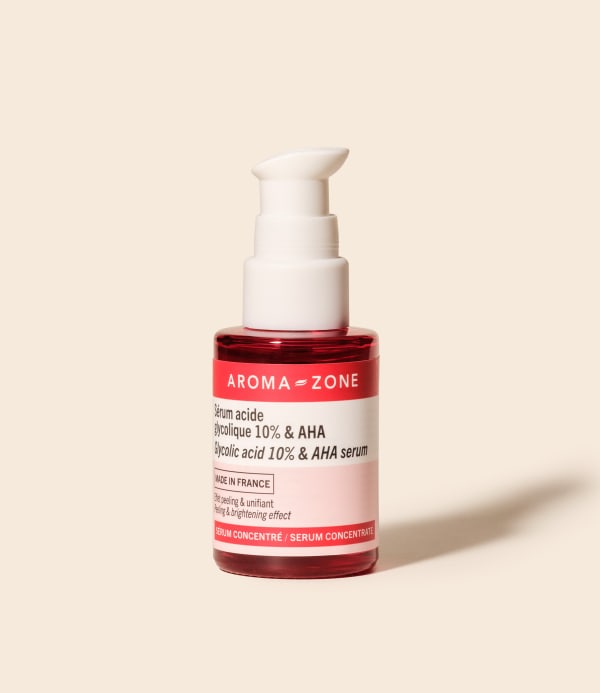
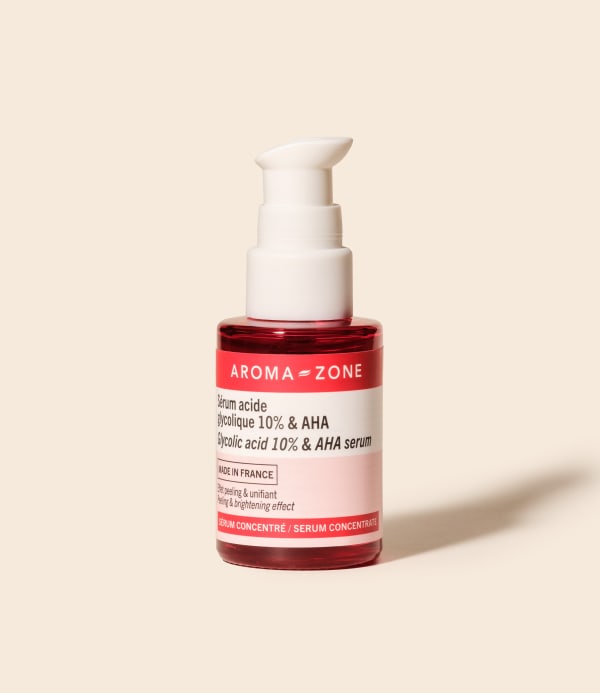
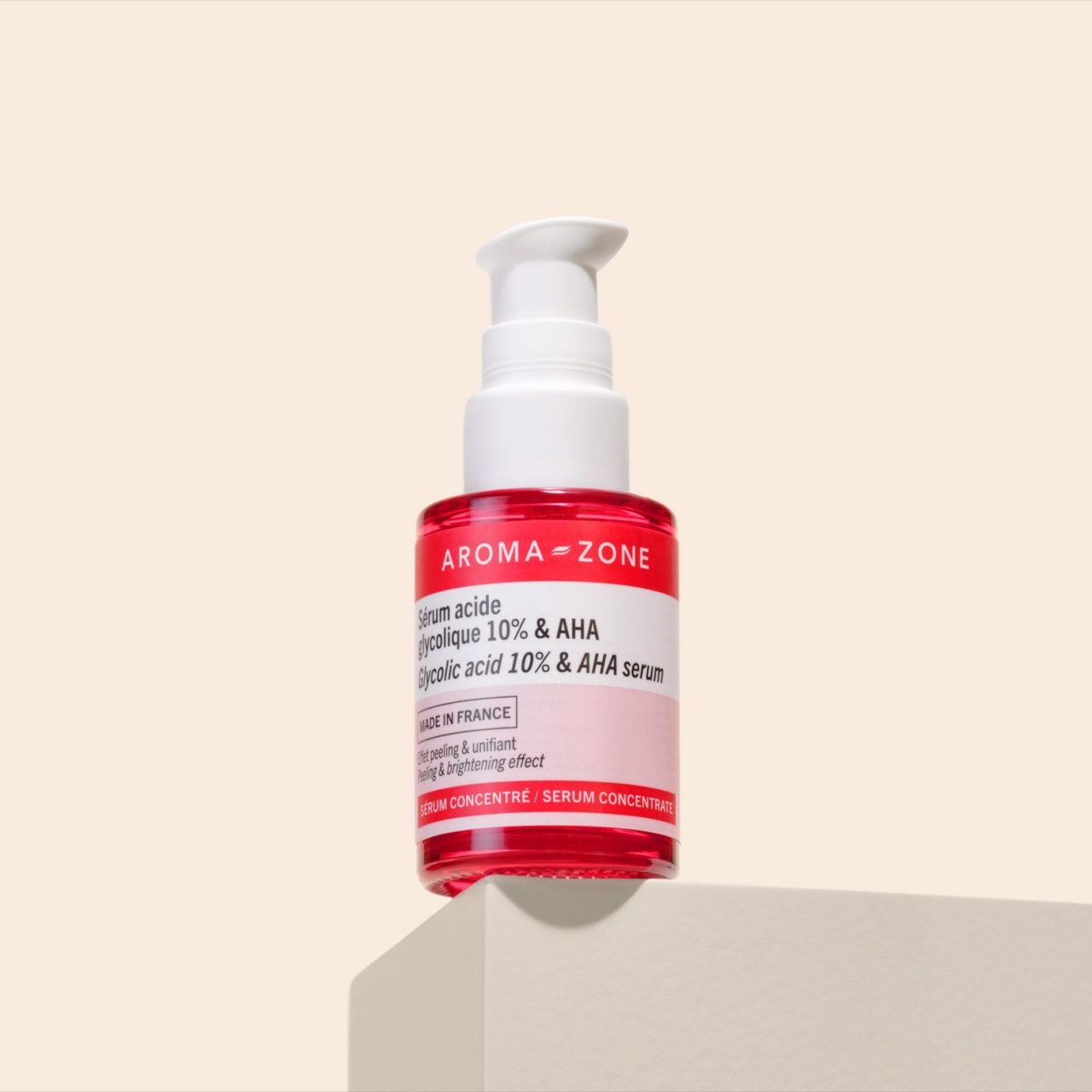
  • 10% Glycolic Acid And AHA Serum Concentrate Face Serum. With its exfoliating effects, it removes dead cells from the skin's surface. Therefore, is best suited to rough, flaky skin. This is a powerful serum, so it should be used with care and spaced out over the day, at least at the start. Preferably, apply it every third day in the evening to begin with. Then, gradually increase the frequency, depending on your skin's tolerance. Also, use daily sun protection and avoid sun exposure for up to a week after the last application.

  • A precious face oil with 5 carrier oils with nourishing, protective and antioxidant properties, ideal for dry skin, which can be applied after the hyaluronic acid serum, morning and/or evening.

  • Helichrysum italicum flower essence, with anti-ageing and toning properties, ideal for giving the skin a real boost. Rich in organic safflower oil with restructuring and antioxidant properties. This elixir can be used as a pure serum, a few drops morning and/or evening, or as a genuinely moisturising elixir (ten or so drops) in the evening.

Concentrated serum 10% Glycolic acid & AHA

Which serum should I choose for my normal skin?

Normal skin, even if it has no apparent problems, still needs daily moisturising, as it tends to dry out with age.

After gently cleansing the skin, apply the following as a primary layer:

  • Hyaluronic Acid Serum Concentrate. Boost skin hydration. It can be applied twice a day, morning and/or evening. Rapidly absorbed by the skin, this serum is very runny and is light on the skin, even in hot weather.

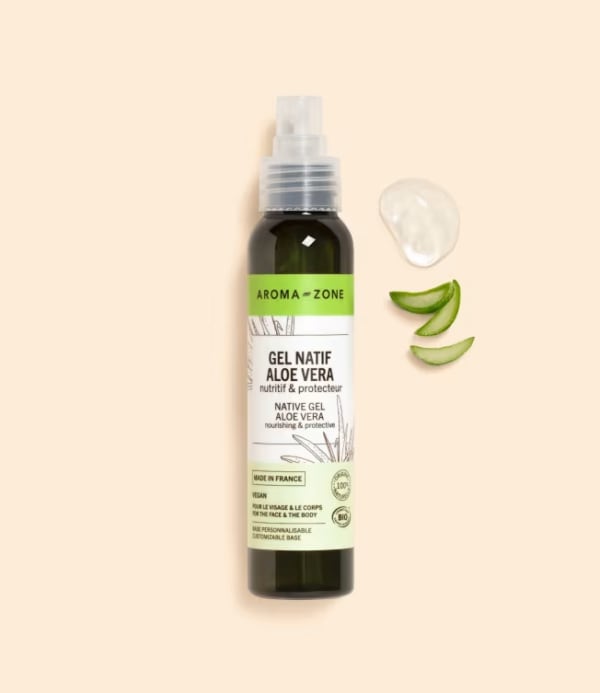
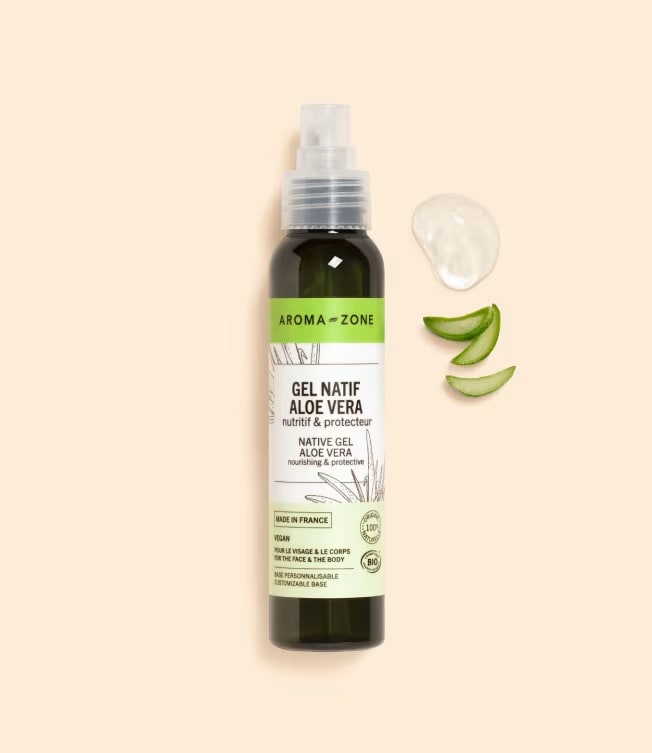
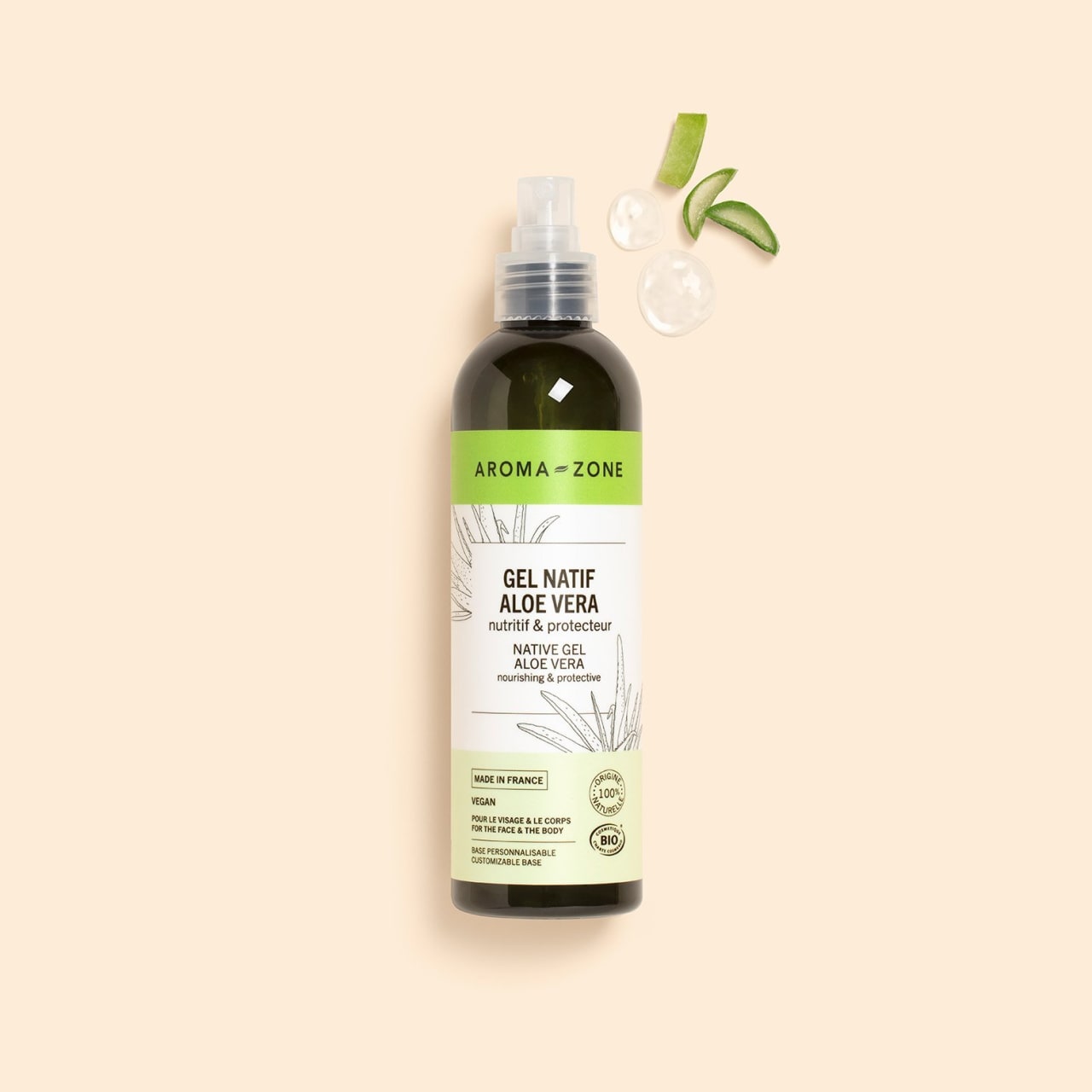
  • Organic Aloe Vera Gel. Add on top of the serum for a gentle, natural moisturiser.

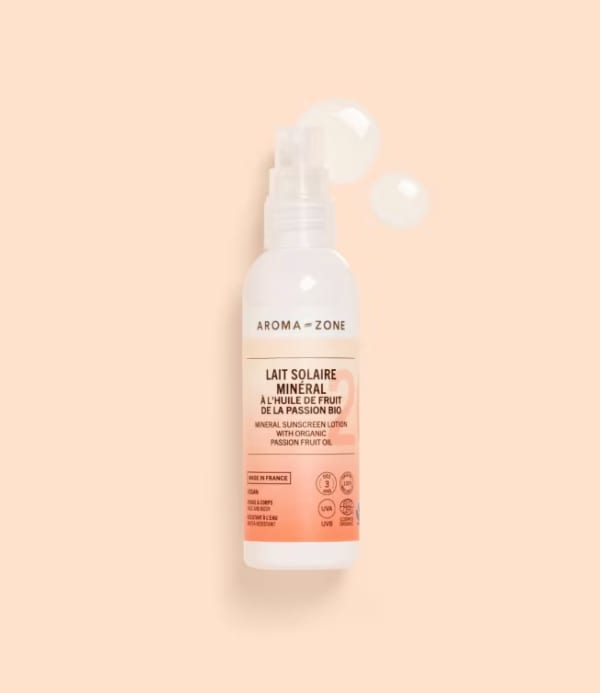
  • Last but not least, and especially if you're exposed to the sun regularly during the day (long journeys, working near a sunny window, working outdoors, etc.), you need sun protection with a minimum of SPF30.

Which serum should I choose for my oily skin?

Oily skin produces excess sebum and has a shiny appearance. So, serums with a very light texture are particularly suitable for this skin type, as they are quickly absorbed.

It's important to remember that oily skin still needs to be moisturised. It should not be stripped of moisture by aggressive washing or using excessively abrasive products. Similarly, too many masks or scrubs can be harmful and cause hyperseborrhea.

We would suggest:

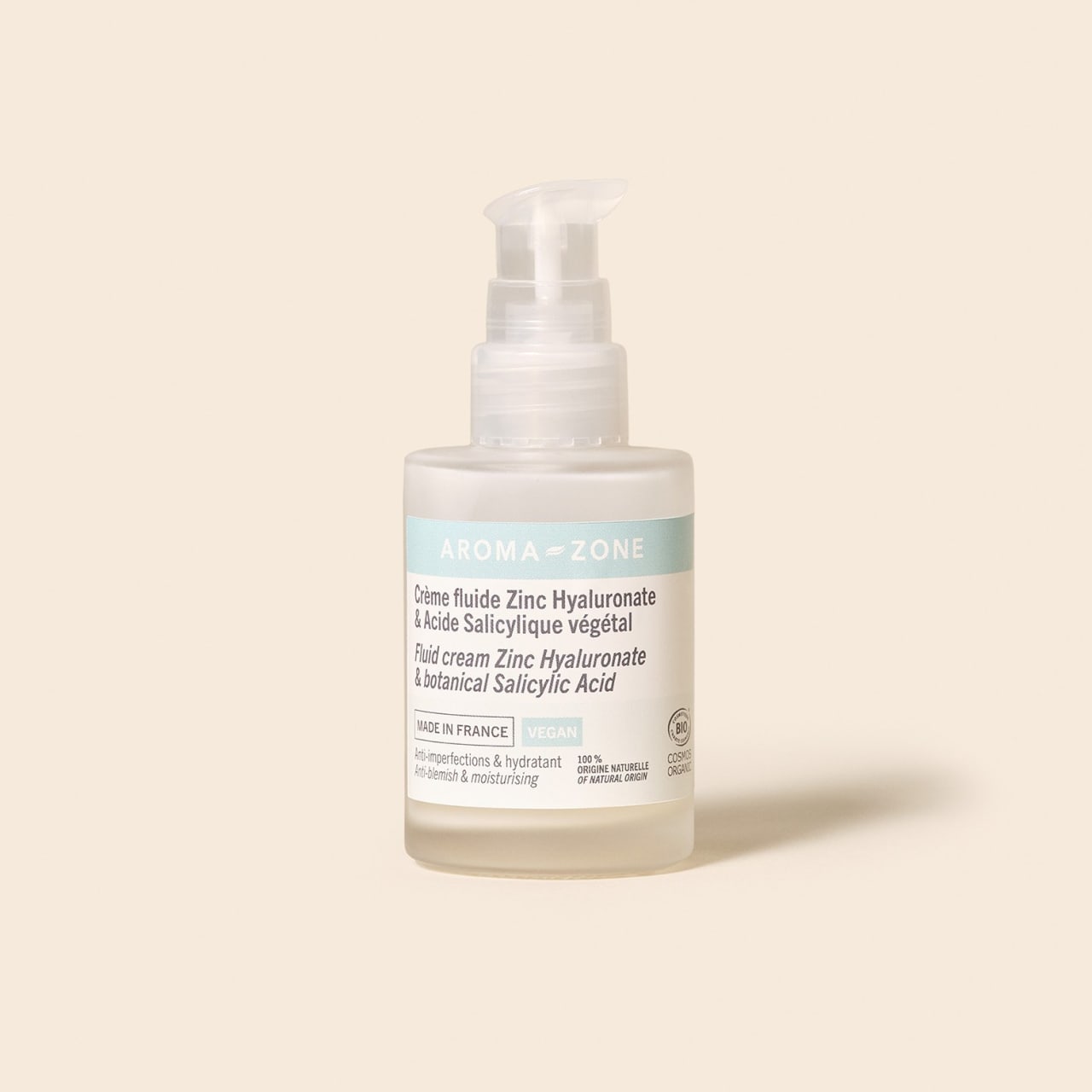
  • Niacinamide Serum. Highly concentrated in niacinamide and combined with zinc and copper, this serum tightens pores. As a result, it stops blackheads forming. It regulates sebum secretion, while providing comfort, hydration and an anti-inflammatory effects (perfect for combination skin prone to pimples). What's more, thanks to the niacinamide, it can reduce the appearance of spots on darker skin tones that scar easily after acne.

  • Serum with 10% Glycolic Acid & AHA. It tightens the skin's pores, fights blackheads and has an interesting micro-peeling effect to improve the quality and texture of the skin.

  • Hyaluronic Acid Serum. This serum can be used for oily skin, especially in conjunction with more irritating products. For example, if acne is being treated at the same time, to preserve skin hydration.

  • A moisturising serum may be sufficient. But, if necessary, a moisturising cream can be used in the evening. Applying a sun cream in the morning on top of the serum is also beneficial, if you have regular skin exposure.

Which serum is right for my blemished or acne-prone skin?

Blemish-prone or acne-prone skin is combination or oily skin with an addition of an acne-type condition: blackheads, micro-cysts, dilated and visible pores or spots that are more or less purulent. For darker skin tones, there is also the problem of post-inflammatory pigmentation, which can lead to secondary blemishes.

How can you improve your skin texture and regain a clear complexion? First of all, by adapting your routine, lifestyle and products. And, after three or four months, if there is still no improvement, then we recommended a consultation with a dermatologist.

  • Glycolic Acid 10% & AHA Serum. This serum reduces superficial acne scars and smooths irregularities, thanks to its exfoliating effects.

  • Niacinamide Serum. It is combined with zinc and copper, which have antibacterial properties that deeply purify the skin, prevent the appearance of spots and blemishes and encourage healing, while reducing redness.

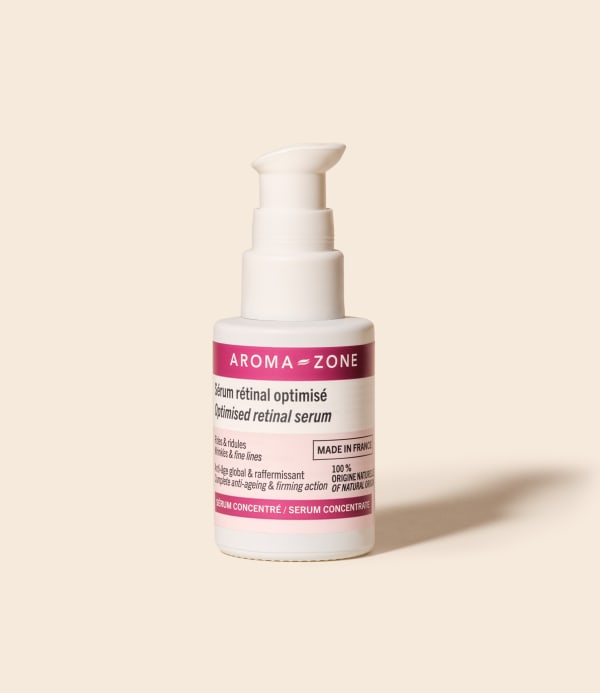
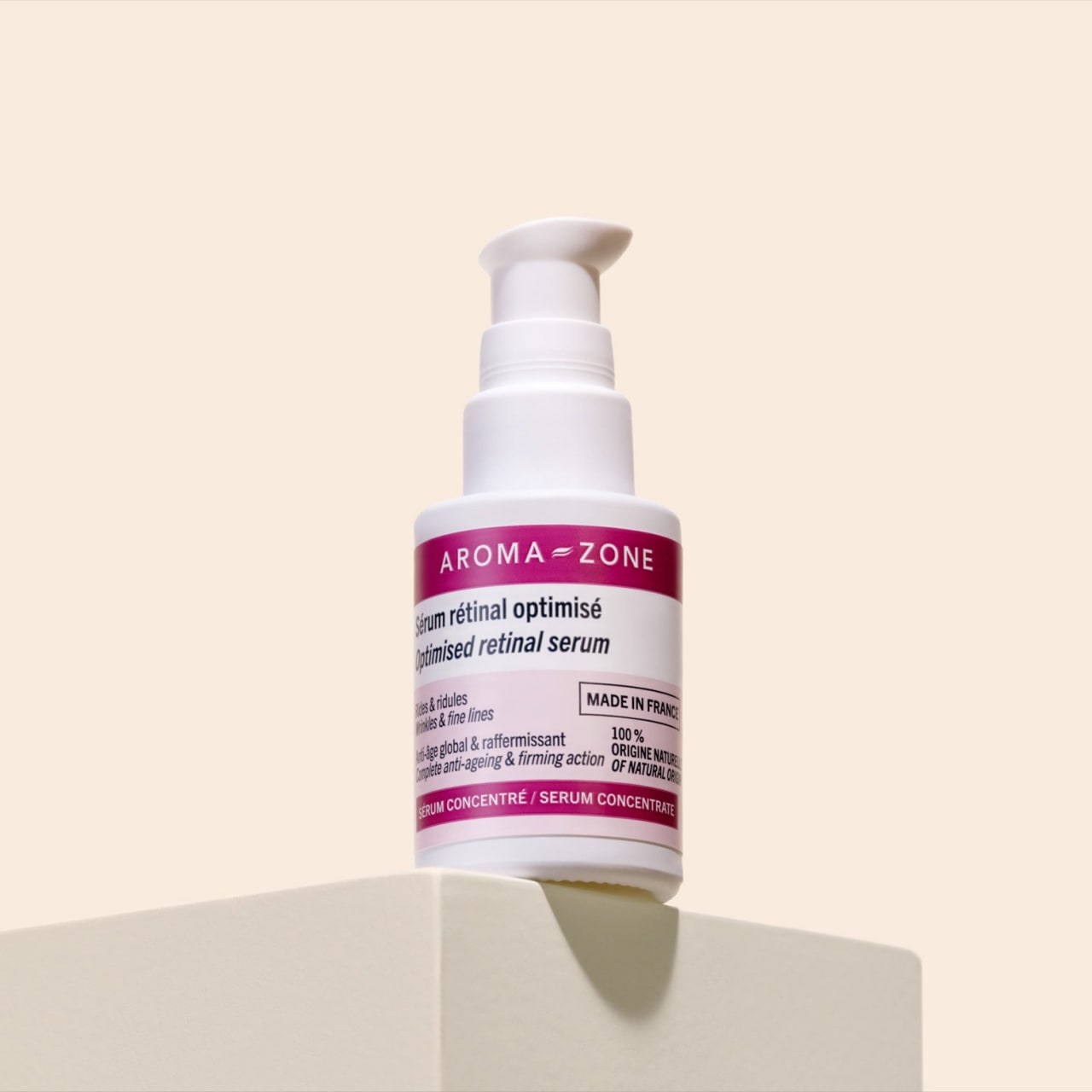
  • Rétinal Concentrated Serum. This serum purifies the skin, thanks to its antibacterial properties (particularly against the bacteria Propionibacterium acnes, one of the factors responsible for inflammation and acne spots), reduces imperfections (acne, spots, blackheads, etc.) and tightens pores. It is useful for adult acne, as it treats blemishes, reduces sports and has anti-ageing properties.

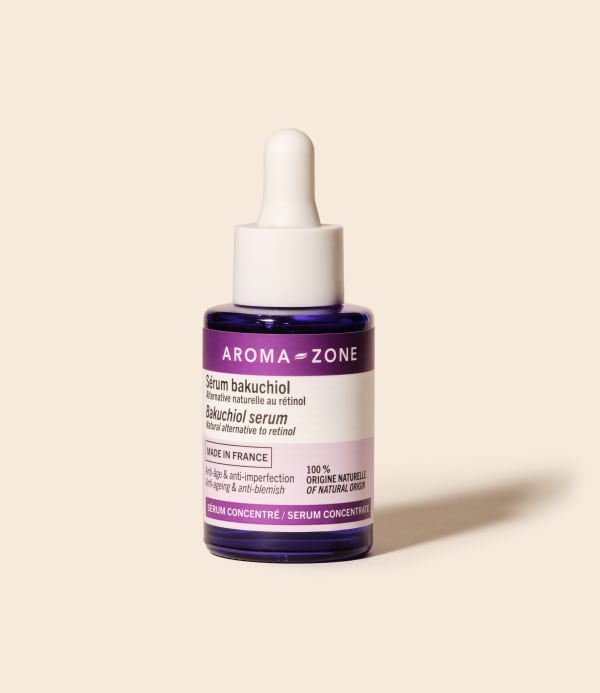
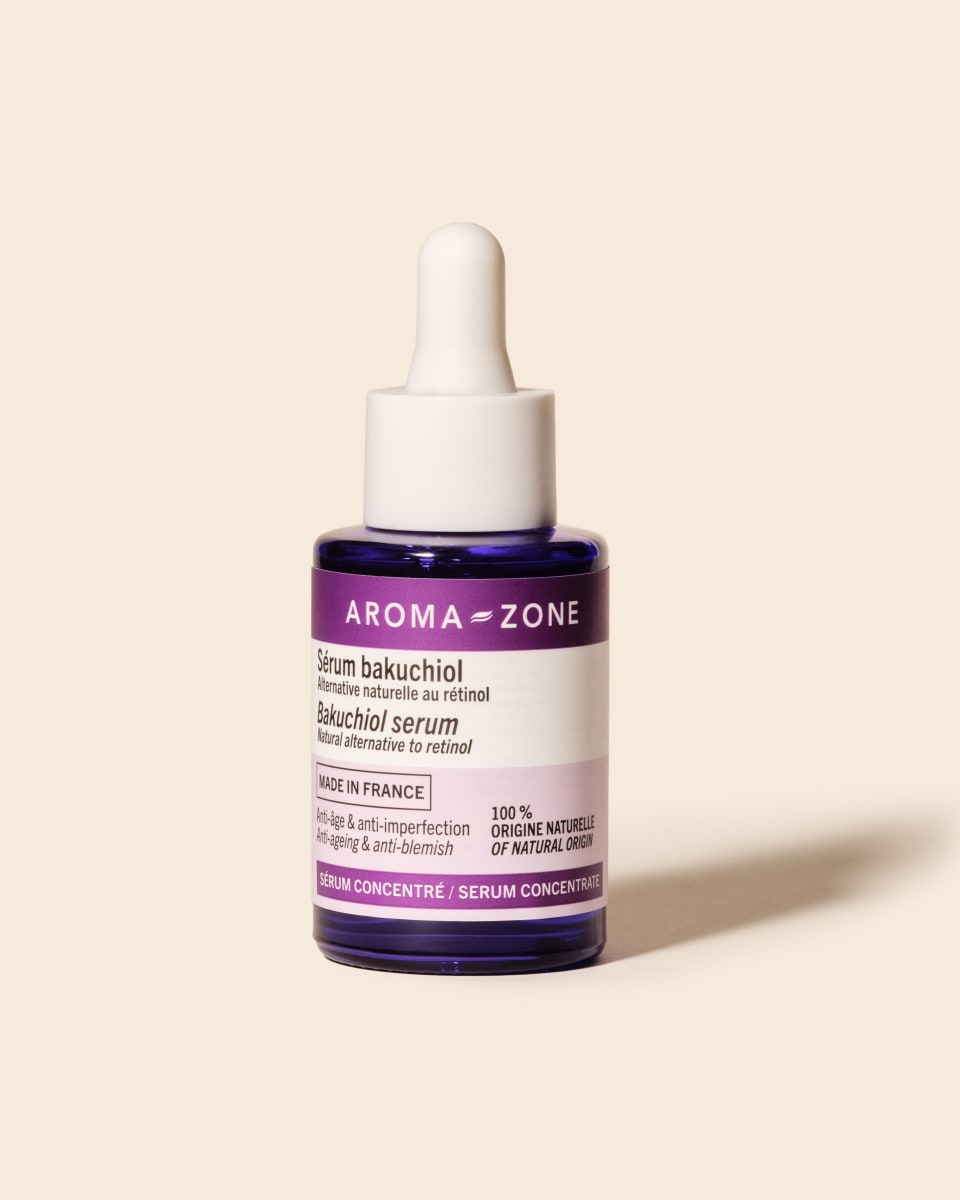
  • Bakuchiol Concentrated Face Serum. Reduce inflammation and secondary pigmentation spots with this serum. Bakuchiol slows down the hyperkeratinisation of oily skin and reduces the oxidation of lipids in sebum, therefore, combating blackheads.

  • Of course, Hyaluronic Acid Concentrate Serum can also be used, particularly to accompany acne treatments (which are often irritating and drying), to provide comfort and hydration.

Which serum should I choose for my sensitive skin?

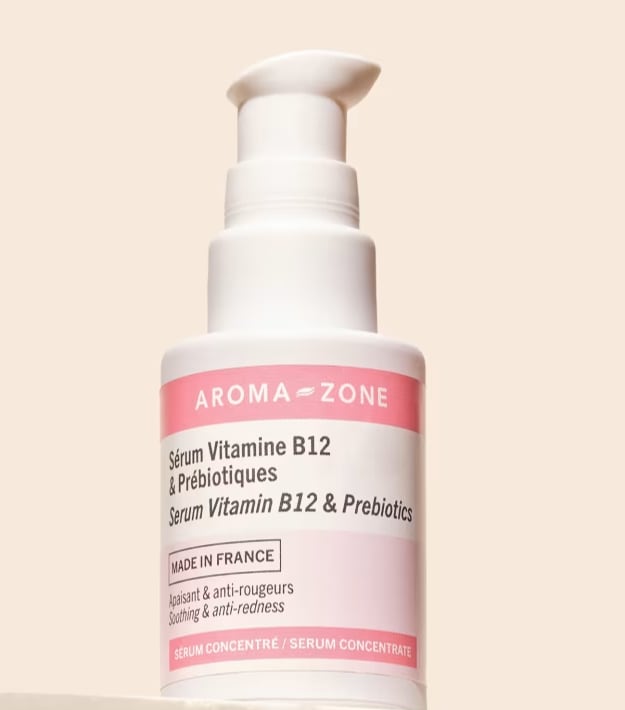
Sensitive skin is generally dry or combination skin. It has little or no tolerance for products or cleansing routines if they are not suitable for sensitive skin. You need to be extremely gentle, both when cleansing and when applying products. Sensitive skin has a risk of becoming red, itchy or even painful.

As a general rule, wash the skin no more than once a day, using soap-free products or floral water (avoid sponges or flannels, as well as scrubs).

Apply:

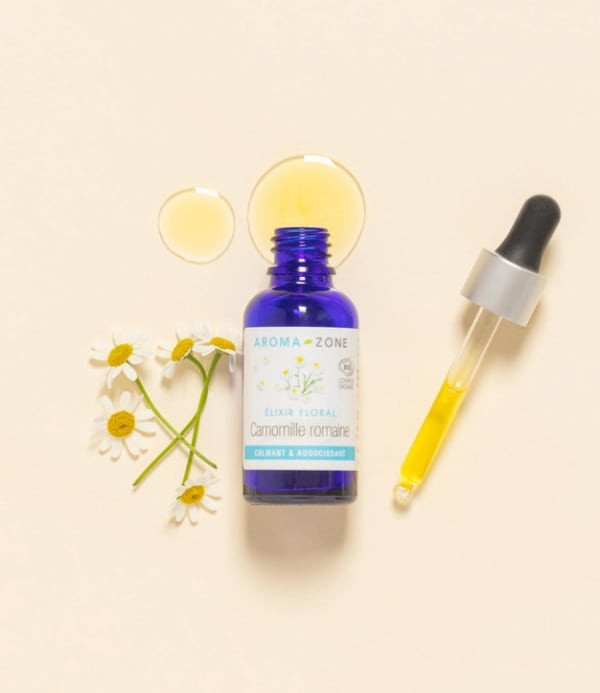
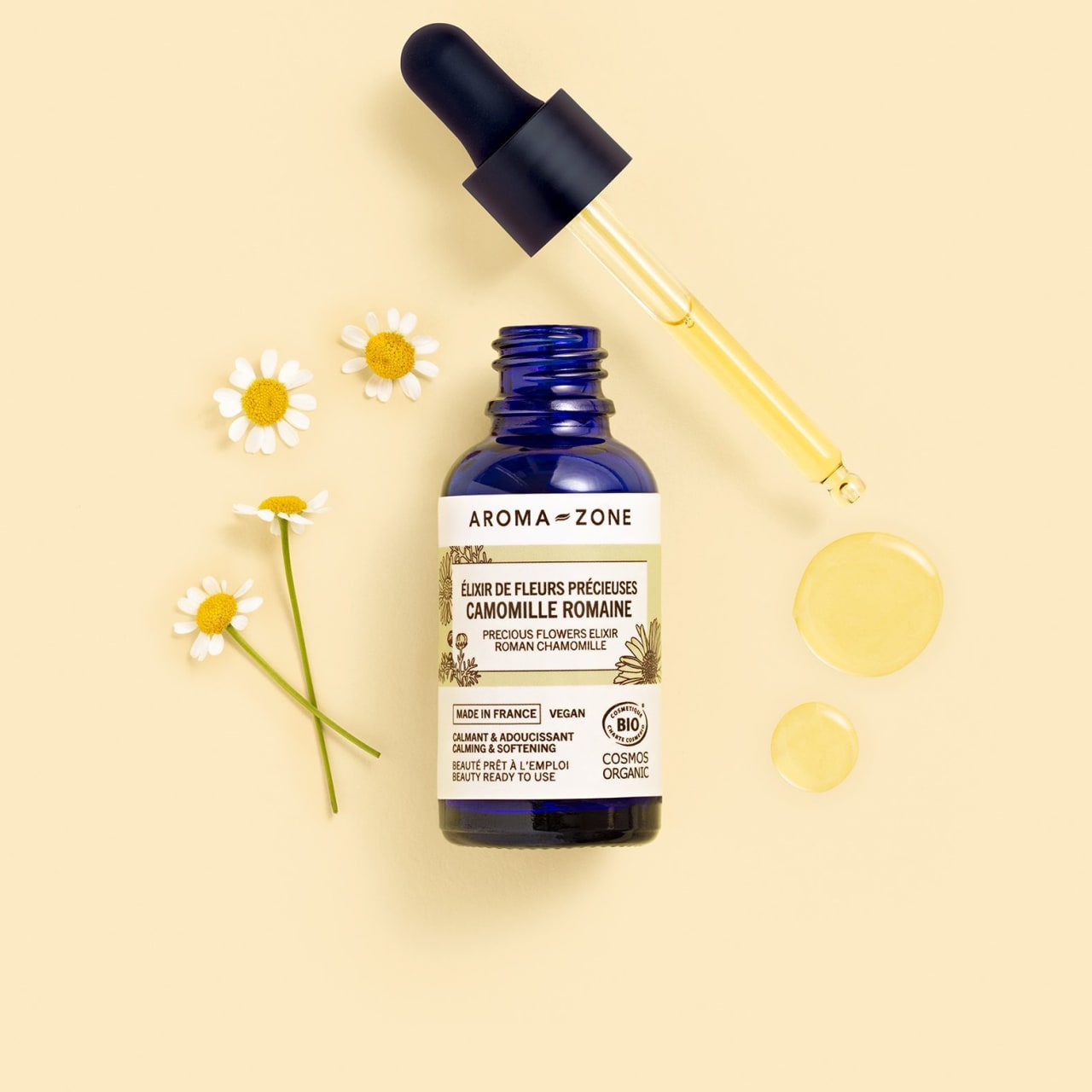
  • Organic Roman Chamomile Floral Elixir. Infused with Roman chamomile flowers, it has calming and softening properties that are ideal for sensitive and reactive skin.

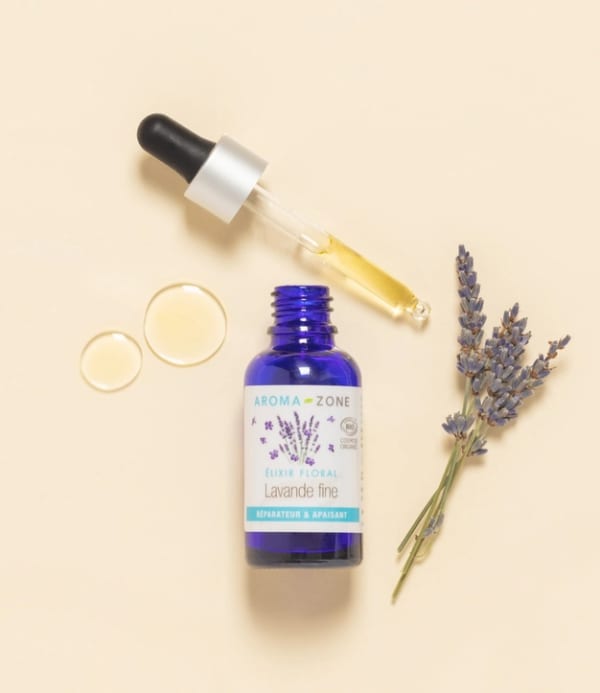
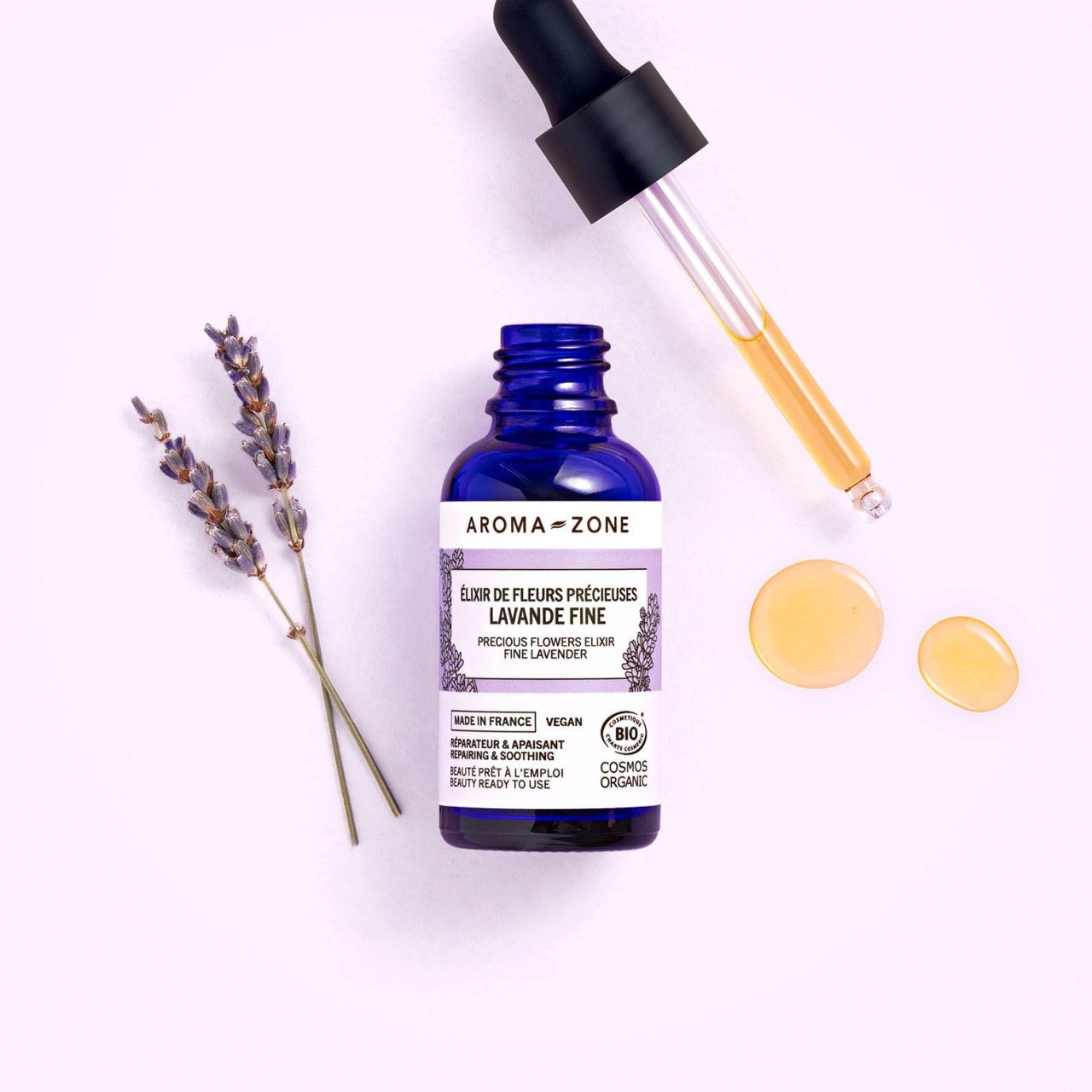
  • Organic Lavender Fine Floral Elixir. Infused with lavender flowers, it has restorative and soothing properties.

  • These two elixirs can be used as a serum as a base layer (2-3 drops morning and/or evening) or as a "moisturising poultice" in the evening, using around 10 drops.

  • Organic Aloe Vera Gel. Rich in vitamins and trace elements, aloe vera has soothing, regenerative properties. It has a cooling sensation and provides rapid relief for skin prone to itching and redness.

  • And, of course, our Hyaluronic Acid Concentrate Facial Serum is a real hydration booster that's perfectly tolerated by sensitive skin.

Which serum for my mature skin?

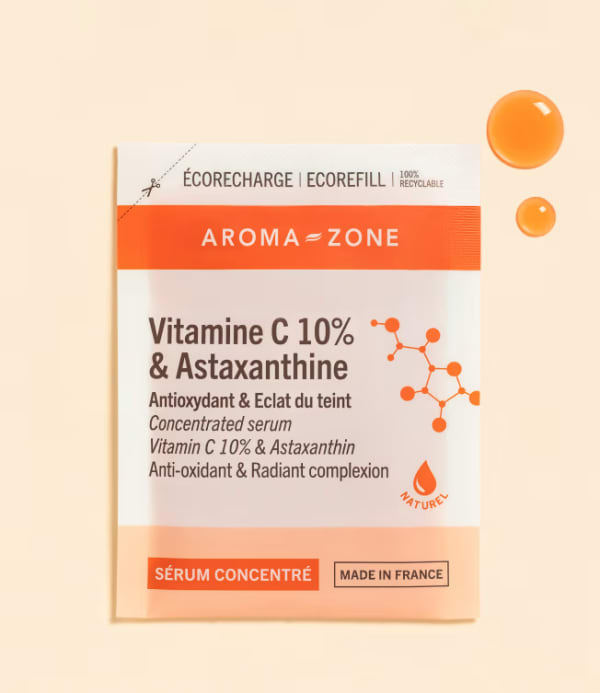
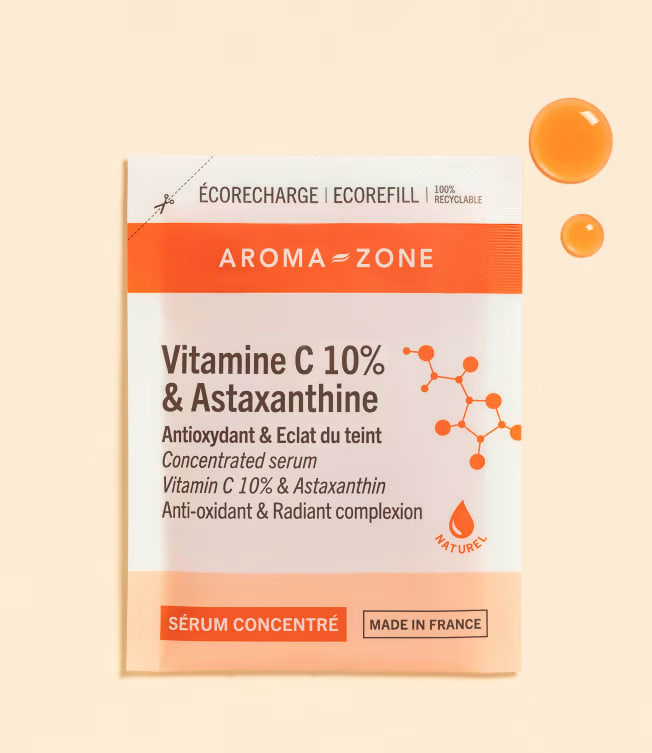
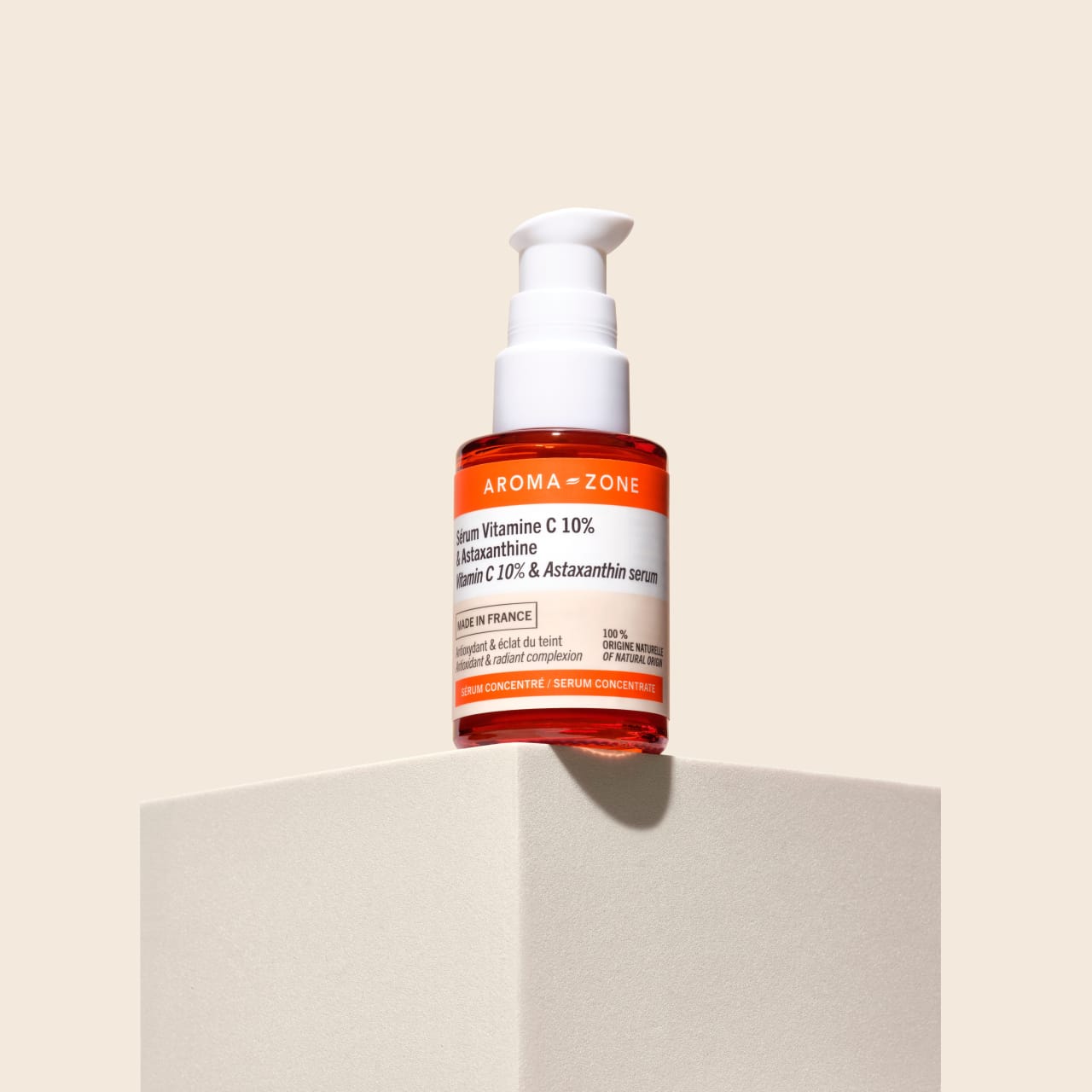
  • 10% Vitamin C And Astaxanthin Serum Concentrate. Highly concentrated, this face serum has 10% vitamin C. It stimulates collagen synthesis, combats the signs of sun-related ageing, evens skin tone and reduces dark spots.

  • Retinal Concentrated Serum. With naturally-derived retinal, it reduces the appearance of fine lines and wrinkles, stimulates cell differentiation and renewal, and protects and stimulates the collagen and elastin fibres that give skin its structure and firmness. It also has powerful antioxidant effects, combating oxidative stress linked to UV rays, tobacco and pollution. It is enriched with mastic tree extract that protects the retinoic acid naturally present in the skin from deteriorating.

  • Concentrated Bakuchiol Facial Serum. A plant-based alternative to retinol, it has antioxidant and regenerative properties. It boosts collagen synthesis, helping to maintain the skin's firmness and elasticity. It also has a protective effect on the compounds that make up the skin's structure (collagen, elastin).

  • 10% Glycolic Acid & AHA Serum. Its exfoliating effects eliminates dead cells on the skin's surface, boosting cellular renewal. It also helps to reduce wrinkles and blemishes and smooth uneven skin tones.

  • Hyaluronic Acid Serum Concentrate. This serum is made up of hyaluronic acids of different molecular weights (from 5 kDa to 1800 kDa) to improve elasticity, fill in wrinkles and moisturise the skin. Its powerful plumping effects help to reduce the appearance of fine lines and wrinkles.

Which serum for my atopic skin?

Atopic skin is skin with atopic eczema (which is genetic), where the cutaneous barrier is altered and cannot retain water. As a result, it is dry, uncomfortable, itchy and can suffer from eczema flare-ups. It is often sensitive and requires products with little fragrance that are suitable for sensitive skin.

It should be moisturised every day, morning and night, in the same way as dry skin (see this section). Aloe Vera Gel is also a good option: natural and well-tolerated, it soothes and calms skin prone to irritation, while promoting healing.

Which serum is right for my dull or uneven skin (brown spots, pigmentation spots)?

Dull or uneven skin can be dry, combination or oily. Therefore, there are several solutions:

We also advise checking that there are no deficiencies or drastic diets, which can aggravate a dull complexion. An oral omega-3 supplement may be beneficial.

It is also highly advisable to stop smoking.

Focus on our dermatologist editor: Dr Aoun

Dr Agathe Aoun-Coussieu is a dermatologist in Martinique, where she practises general, surgical and cosmetic dermatology. Sensitive to the skin's well-being, she also offers advice and the most natural skin care products adapted to sensitive or special skin types.

She has also set up an Instagram account where you can find her favourite products, explanations of skin pathologies and skin advice (@dragatheaoun).