
An oil serum is a serum formulated from an oil phase: a blend of plant oils, sometimes essential oils, and sometimes lipophilic active ingredients (which dissolve in fatty substances), designed to deliver targeted benefits to the skin. Unlike a cream or balm, oil serums do not contain water, which allows them to seal in moisture, deeply nourish the skin, and strengthen its lipid barrier. Today, some formulas are specially developed for oily or acne-prone skin, with light oils and anti-inflammatory, purifying, or soothing active ingredients.
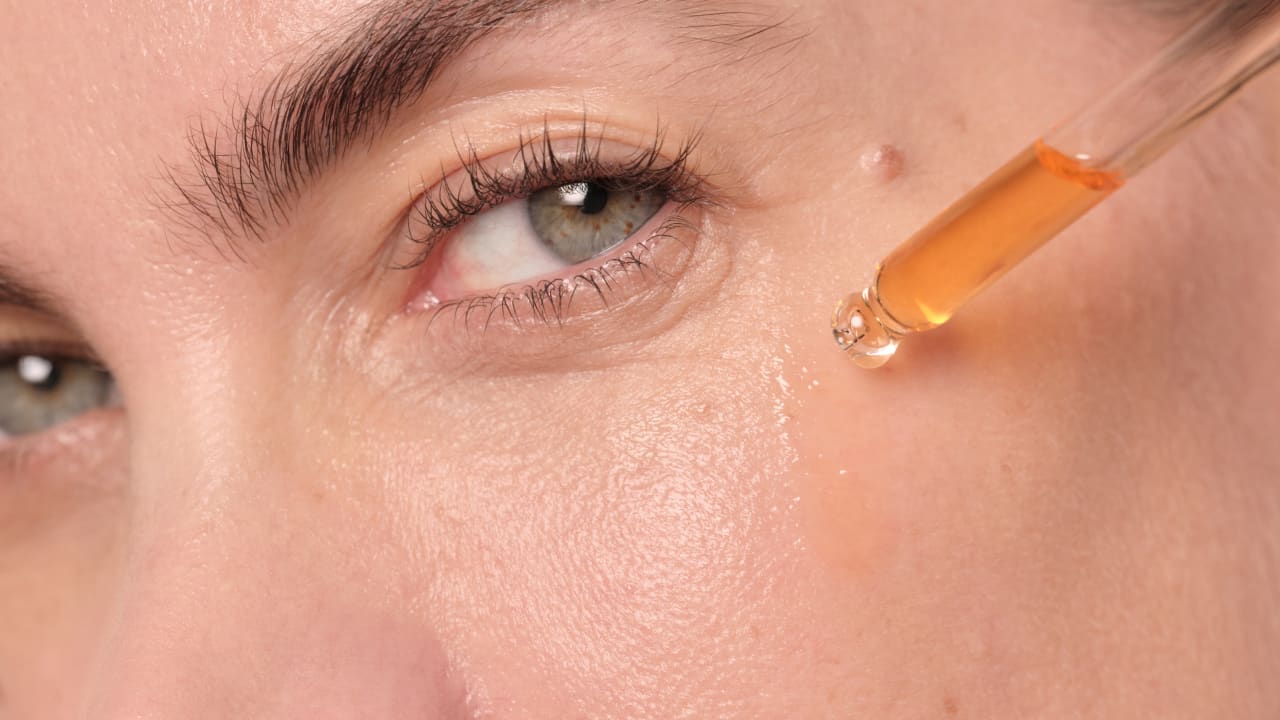
Discover oil serums, surprising alternatives to water-based serums.
By Emilie Ondet
Published on: Friday, May 30, 2025, Updated on: Wednesday, September 30, 2026
When you have blemish-prone skin, applying oil to your face may seem counterintuitive. You may be afraid of suffocating your skin, increasing shine, or promoting the appearance of new pimples. However, when properly formulated, an oil serum—a serum composed of light, non-comedogenic plant oils—can actually help nourish, soothe, and support skin balance. How does it work, and how does it differ from traditional water-based serums? Let's take a closer look.
Contents
Related products
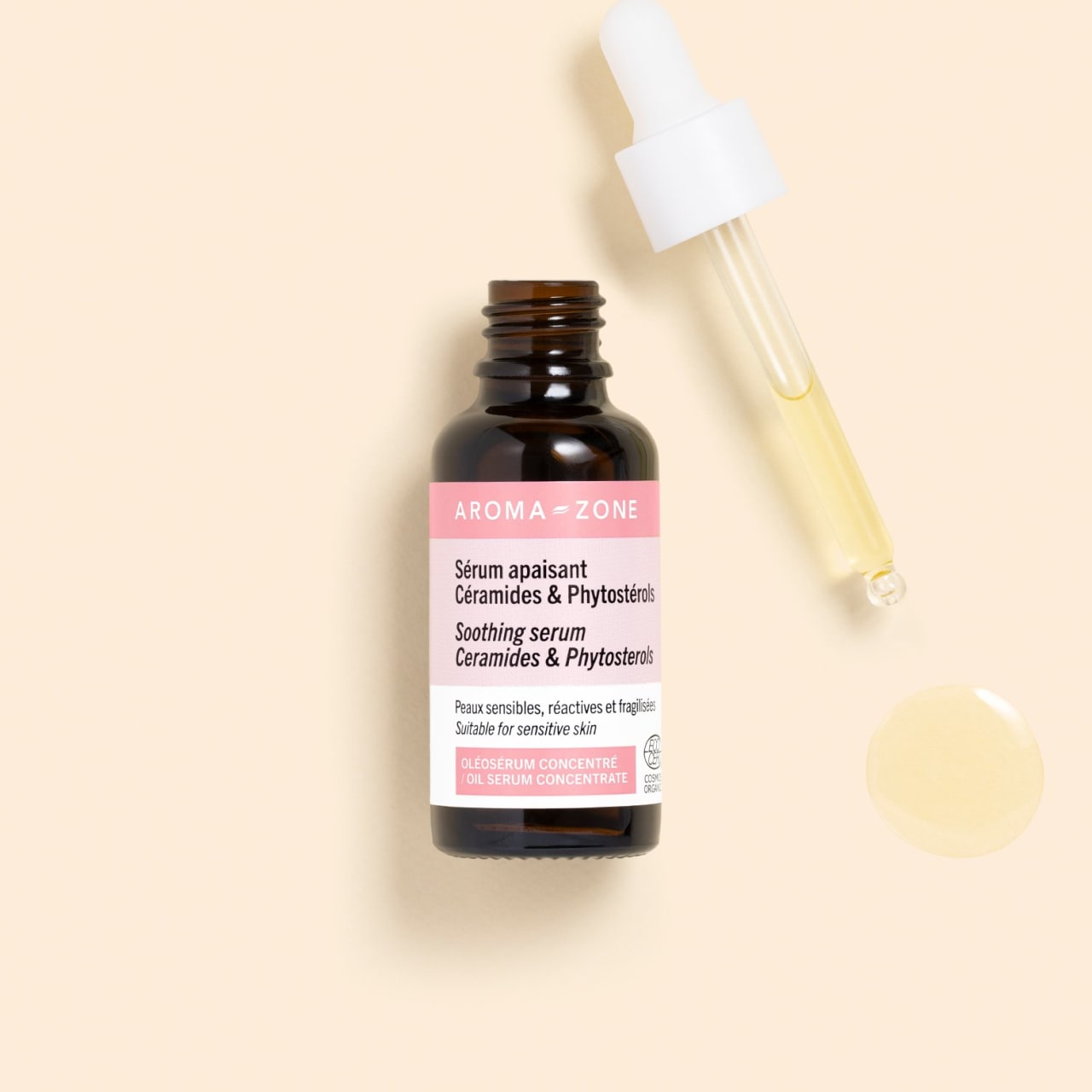
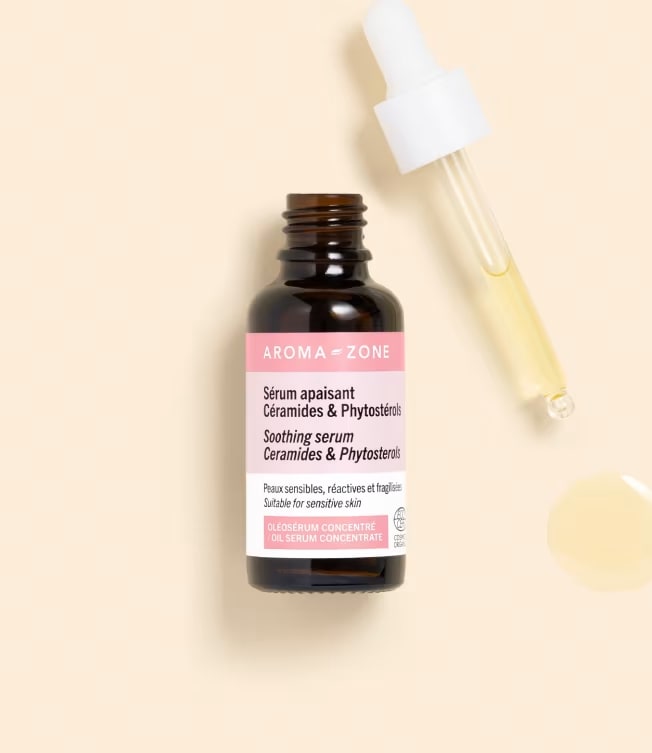
Ceramides & Phytosterols Serum
Soothing
Protective
£9.00
30 ml
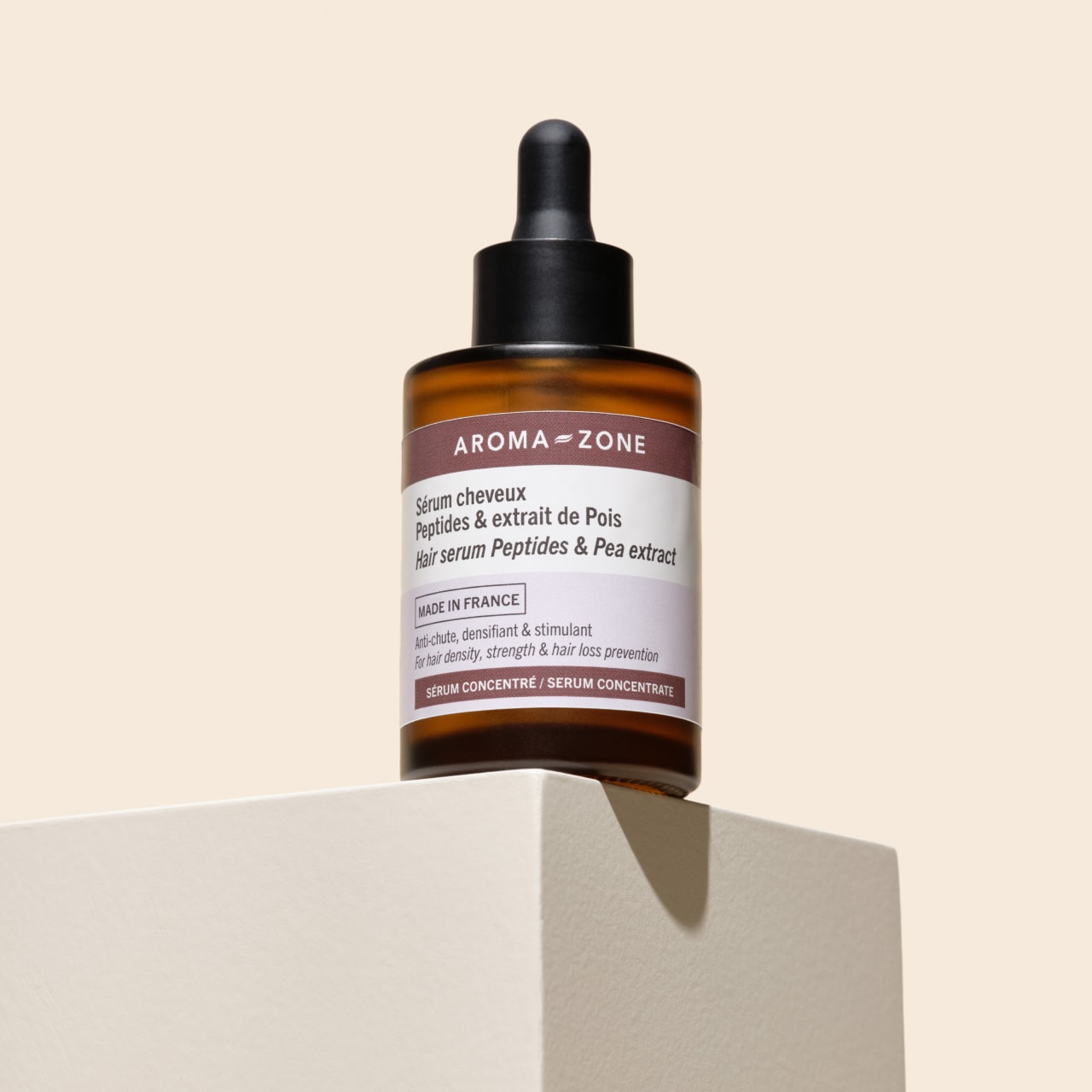
Strengthening & Densifying Hair Serum
Anti-hair loss
£12.50
50 ml
3 options
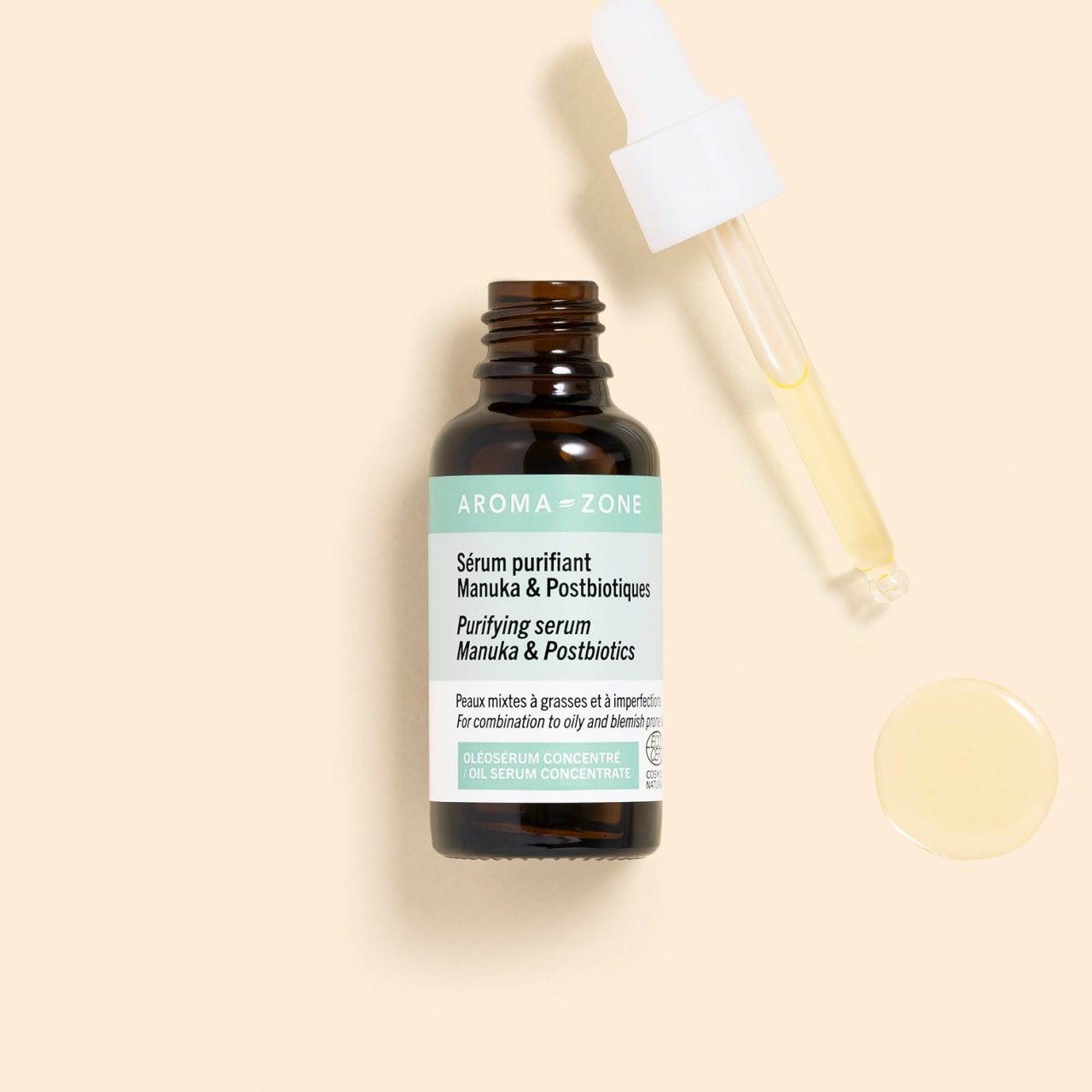
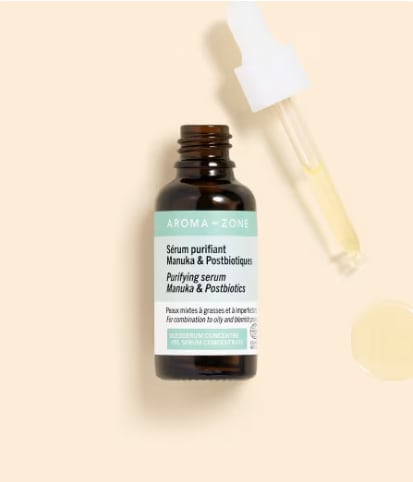
Postbiotics & Manuka Serum
Anti-blemishes
Sebum-regulating
£9.00
30 ml
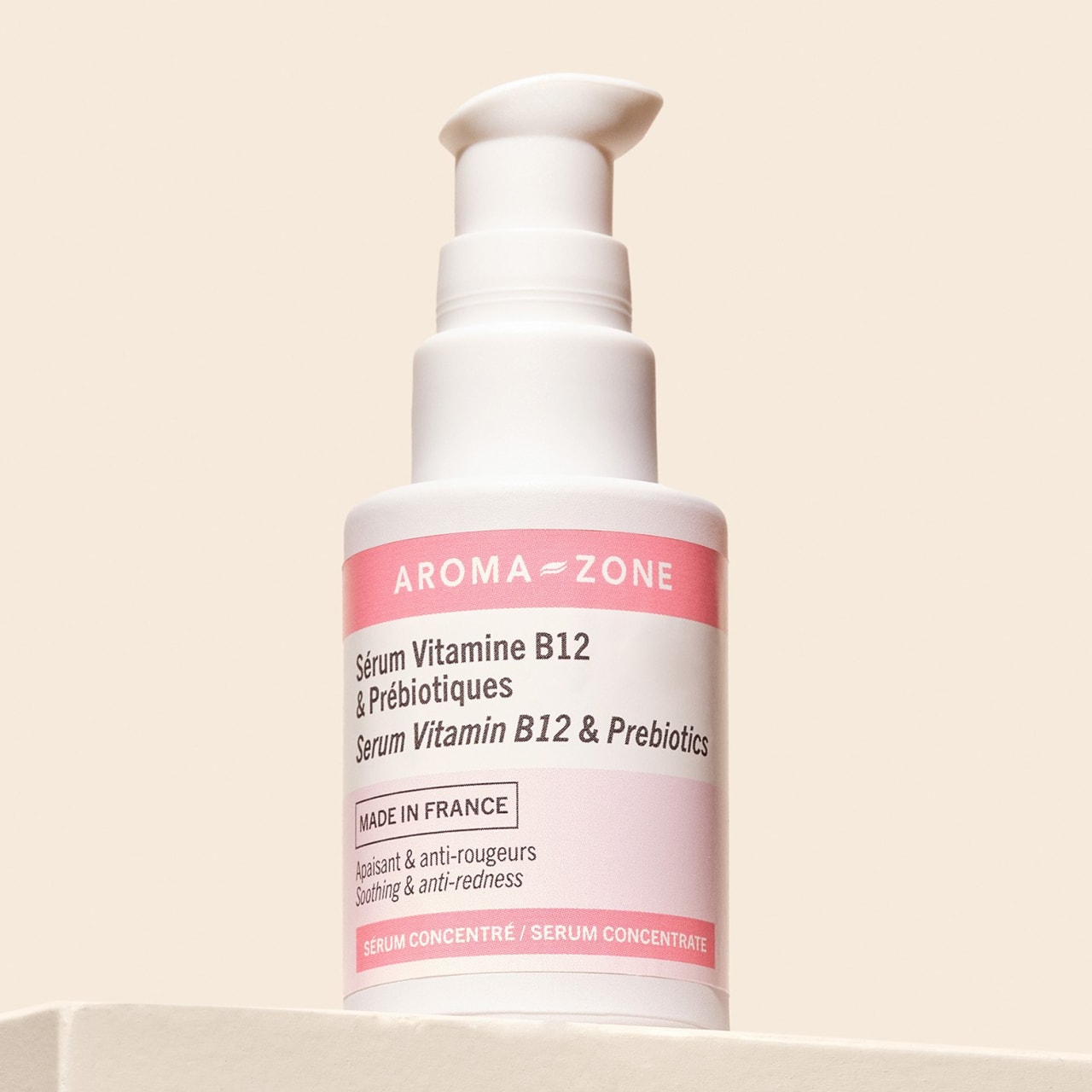
Vitamin B12 & Prebiotics Serum
Soothing
Repairing
£6.30
£9.00
30 ml
2 options
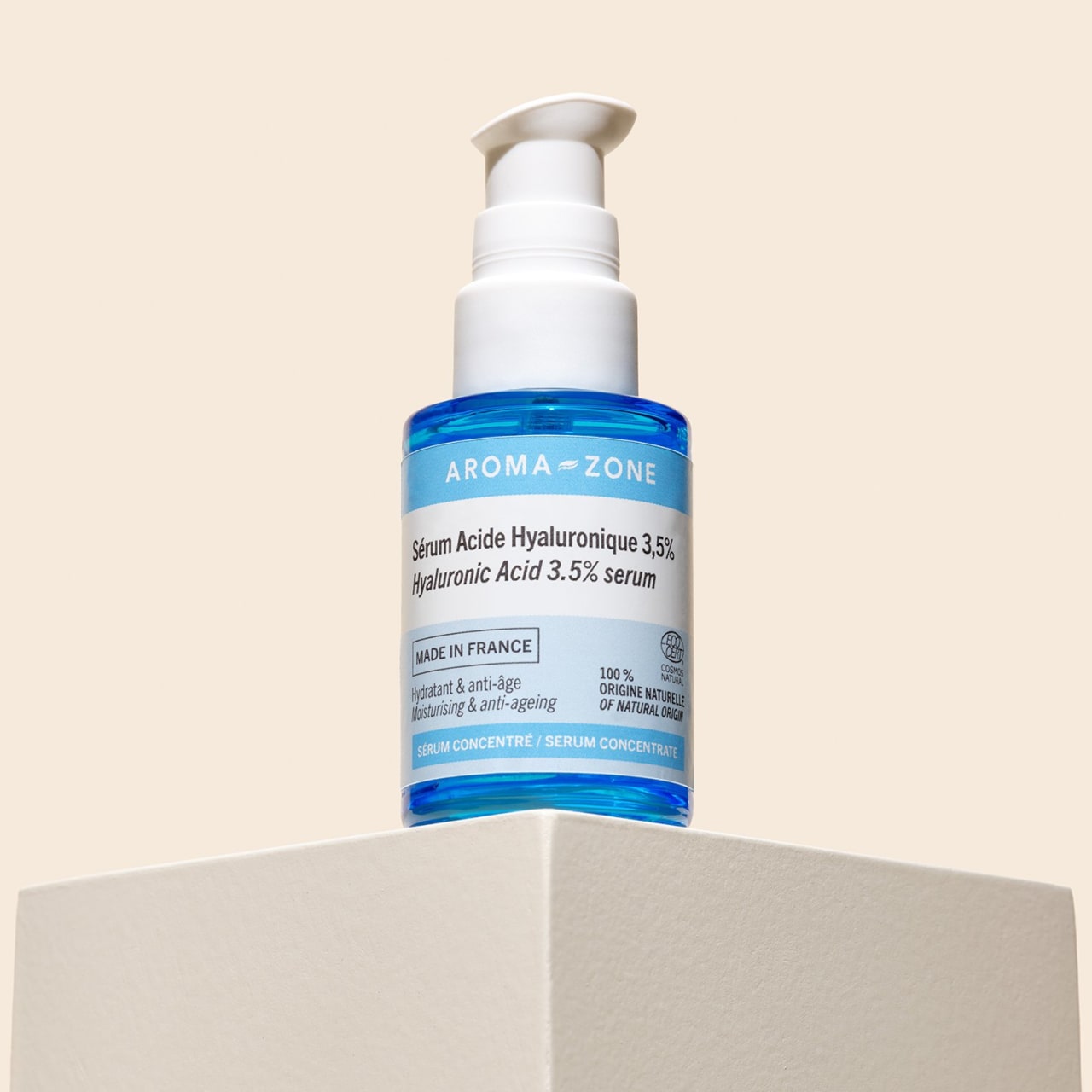
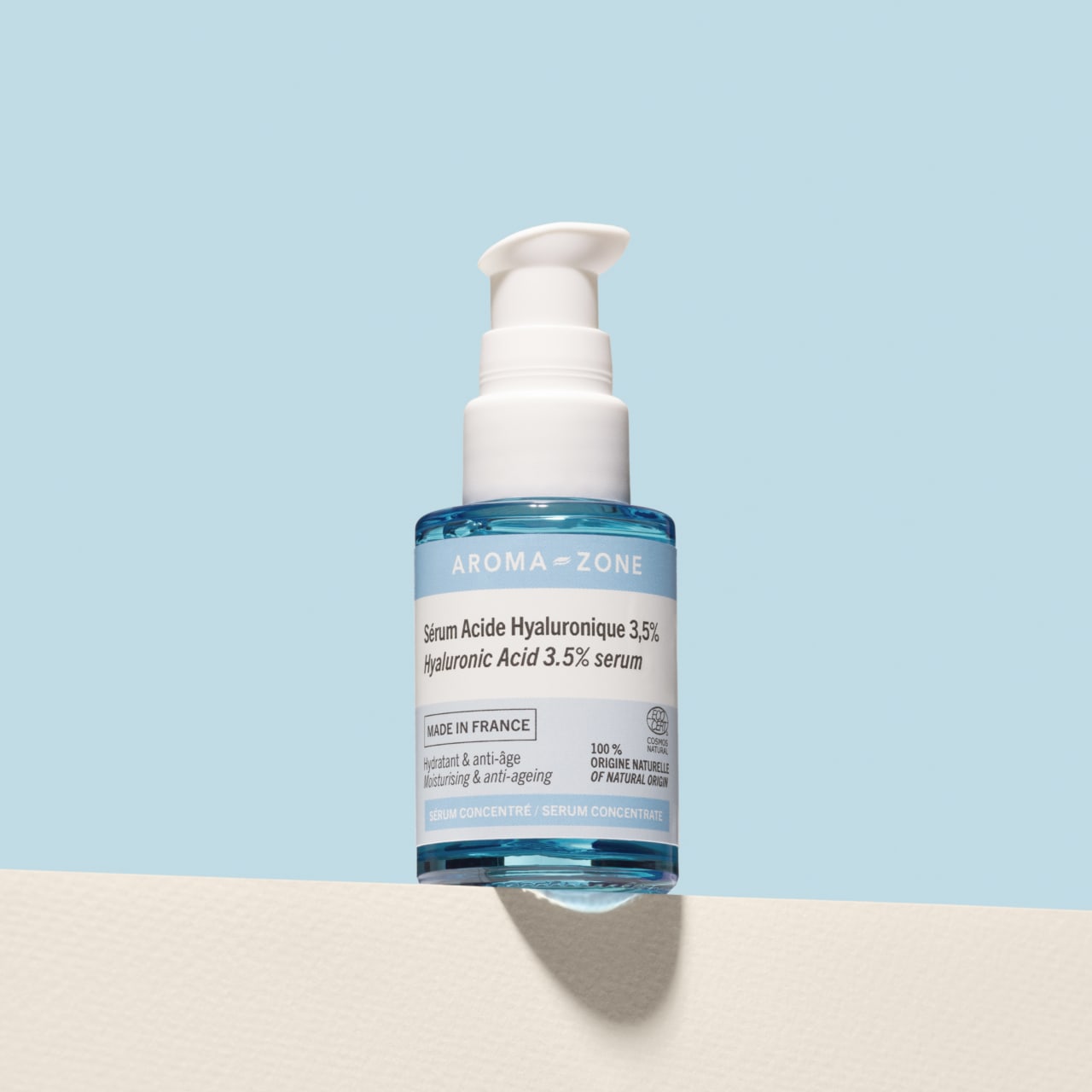
Hyaluronic Acid 3.5% Serum
Moisturising
Plumping
£6.50
30 ml
3 options
What is an oil serum?
What are the differences between a water-based serum and an oil-based serum?
A serum is a concentrated active ingredient treatment designed to penetrate the skin quickly and address a specific need: lack of hydration, discomfort, uneven complexion, or signs of aging. Its texture is generally lighter than a cream, allowing it to deliver active ingredients in a targeted manner, complementing daily skincare routines.
The main difference between a water-based serum and an oil-based serum lies in their formulation base and the nature of the active ingredients they contain.
Oil-based serums, also known as oil serums
Oil serums are formulated from plant oils, sometimes enriched with fat-soluble active ingredients. Rich in essential fatty acids, vitamins, and antioxidants, they help nourish the skin, support the skin barrier, and preserve its balance.
They are often associated with dry or mature skin, as their texture provides suppleness and comfort. However, contrary to popular belief, not all oils are occlusive. Some light vegetable oils, such as jojoba, hazelnut, nigella, and grape seed, are known to be non-comedogenic and well tolerated by combination to oily skin. Their fine texture nourishes without clogging pores and helps maintain skin balance.
Conversely, richer oils, such as avocado, coconut, or wheat germ, are more occlusive and generally less suitable for blemish-prone skin.
Oil serums offer a more enveloping texture and are often appreciated in the evening, when the skin enters its natural regeneration phase.
Water-based serums
Water-based serums are mainly composed of water and water-soluble active ingredients, such as hyaluronic acid, certain vitamins, exfoliating acids, or plant extracts. They have a fluid or slightly gel-like texture, are often refreshing, and are quickly absorbed. They are particularly appreciated for their moisturizing effect and light feel, making them popular with combination, oily, or blemish-prone skin types. They hydrate the skin and target specific needs, such as hydration, radiance, or skin renewal.
Why use an oil-based serum?
An oil-based serum acts differently from a water-based serum because it provides the skin with lipids, oil-soluble active ingredients, and a protective effect on the surface. Depending on its composition, it can nourish, strengthen the skin barrier, soothe, or even help the skin retain moisture better.
To nourish the skin and limit dehydration
Plant oils provide essential fatty acids that contribute to the structure of the hydrolipidic film. This natural film protects the skin and limits water loss. An oil-based serum thus helps to maintain the skin's suppleness and reduce feelings of discomfort or tightness.
To strengthen the skin barrier
Certain plant oils naturally contain protective compounds such as phytosterols and antioxidants. They help to support the skin barrier and protect the skin from external aggressions. This action is particularly beneficial when the skin is fragile or sensitive.
To deliver fat-soluble active ingredients
Oil-based serums allow for the incorporation of lipid-soluble active ingredients that are not found in water-based formulas. These compounds have a natural affinity with the skin barrier, which promotes their diffusion into the skin.
For dry, sensitive skin... but not only
Oil-based serums are often recommended for dry or uncomfortable skin, as they provide nourishment and protection.
But certain light, non-comedogenic plant oils, such as jojoba, hazelnut, and grape seed, are also suitable for combination to oily skin. They nourish without clogging pores and help maintain skin balance.
Simplifying your skincare routine
An oil-based serum can be used alone as an overall treatment, after a water-based serum to help retain moisture, or in addition to a cream, depending on the skin's needs.
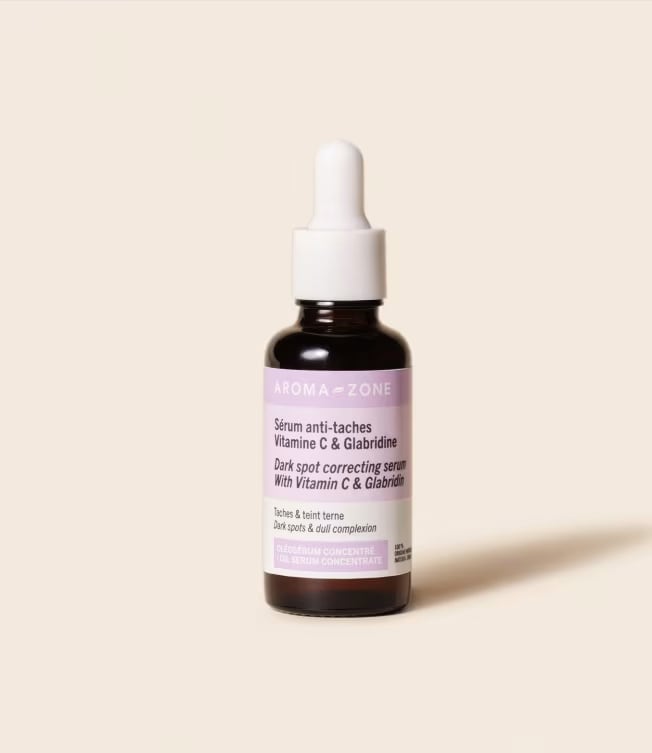
Which oil-based serum should you choose for your skin type?
The choice of an oil-based serum depends above all on the skin's needs: to soothe, nourish, purify, brighten, or strengthen the skin barrier. Depending on the plant oils and active ingredients in the formula, the effects may vary.
Here are a few guidelines for choosing an oil-based serum suited to your skin type:
Skin type or main need
Recommended oil-based serum
How to use an oil serum effectively on a daily basis?
Depending on your needs, an oil serum can be incorporated into your routine in different ways. It can be applied after a water-based serum to seal in moisture and enhance the effectiveness of previous treatments. It can also be used on its own, especially in the evening, as a comprehensive moisturizing and rebalancing treatment. Finally, for those who like to personalize their routine, it can be mixed directly with a water-based serum to create a customized texture. The most innovative formulas even incorporate postbiotics, derived from the skin microbiome, which provide additional support by rebalancing the skin's flora and strengthening its natural defenses.
Precautions for use
Oil-based serums are generally well tolerated, but it is recommended to test the product on the crook of your elbow before using it for the first time. Choose a formula that is suitable for your skin type, as some oils are richer than others. Apply only a few drops so as not to overload the skin and discontinue use if you experience any discomfort. Finally, store your serum away from light and heat to preserve the quality of the oils.
Expert advice
An oil-based serum does not necessarily replace a water-based serum: the two work in a complementary way. The former provides lipids and helps strengthen the skin barrier, while the latter mainly provides water and water-soluble active ingredients. The key is to choose a formula that is suited to your skin's actual needs and to observe its reaction over the course of several applications. In cosmetics, consistency and simplicity are often the best allies for skin balance.
Article Written by Emilie Ondet, Biochemistry Engineer

Emilie is a biochemistry and natural active ingredients engineer. Emilie is also a naturopath, nutrition adviser and writer specialising in health, nutrition and wellbeing. She has worked for over 10 years in the pharmaceutical industry and in scientific communication, which gives her a comprehensive understanding of health and enables her to discuss the subject with authority and clarity. Science is her foundation; words are her tools. She advocates a more preventative, more reasoned, more scientific and, of course, more natural approach to health!
Bibliography
Lin, T.-K., Zhong, L., & Santiago, J. L. (2018), Anti-inflammatory and skin barrier repair effects of topical application of some plant oils, International Journal of Molecular Sciences
doi: 10.3390/ijms19010070
McMullen, R. L. (2024), The benefits and challenges of treating skin with natural oils, International Journal of Cosmetic Science
DOI: 10.1111/ics.12960
Mank, V., & Polonska, T. (2016), Use of natural oils as bioactive ingredients of cosmetic products, Ukrainian Food Journal
DOI:10.24263/2304-974X-2016-5-2-7
Frequently Asked Questions
Associated tips
Face care tips

Face care tips
Face care tips
Article of the day
Article of the day


