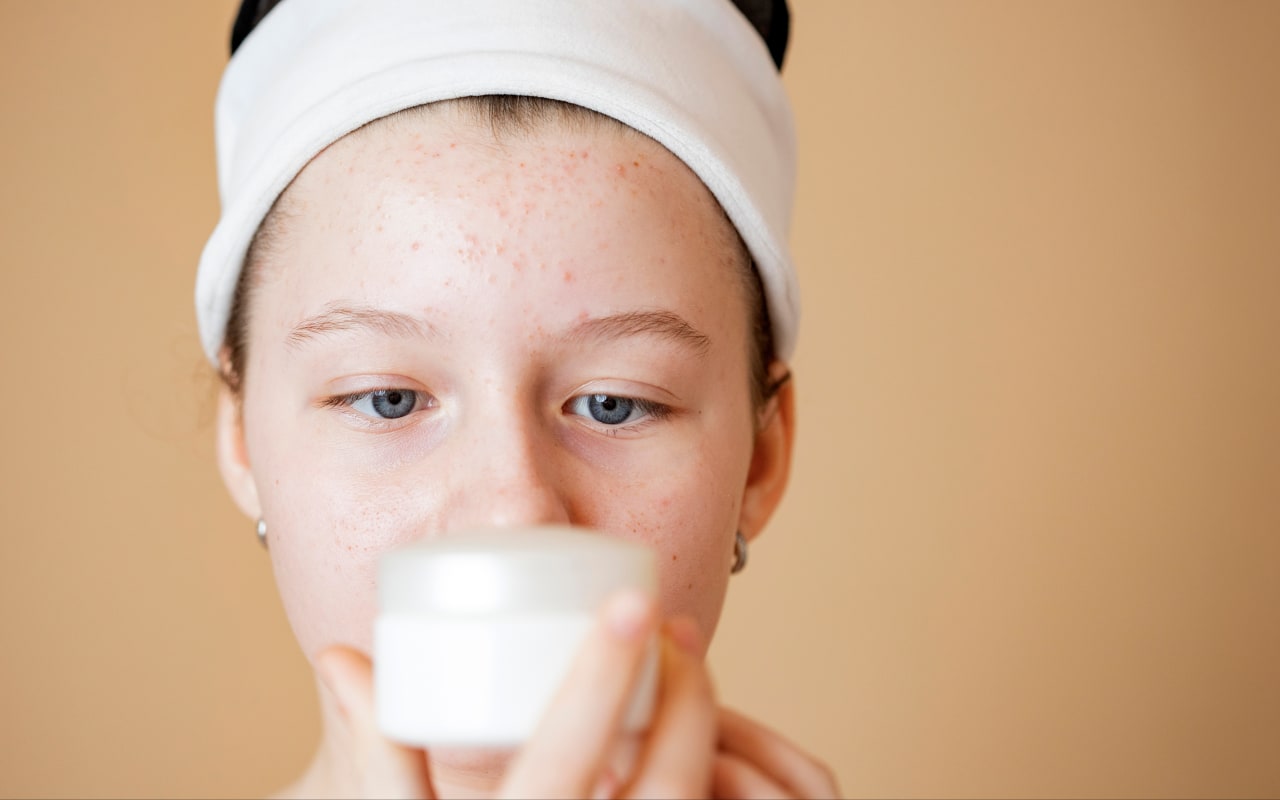
We’ll help you make sense of the range of active ingredients available, based on the specific issues your problem skin may be facing.
Excess sebum
This might apply to you if… Your skin shows persistent shine, particularly in the T-zone, enlarged pores and a tendency towards inflammatory or comedonal blemishes. Excess sebum can also promote the proliferation of certain bacteria associated with problem skin (1, 3).
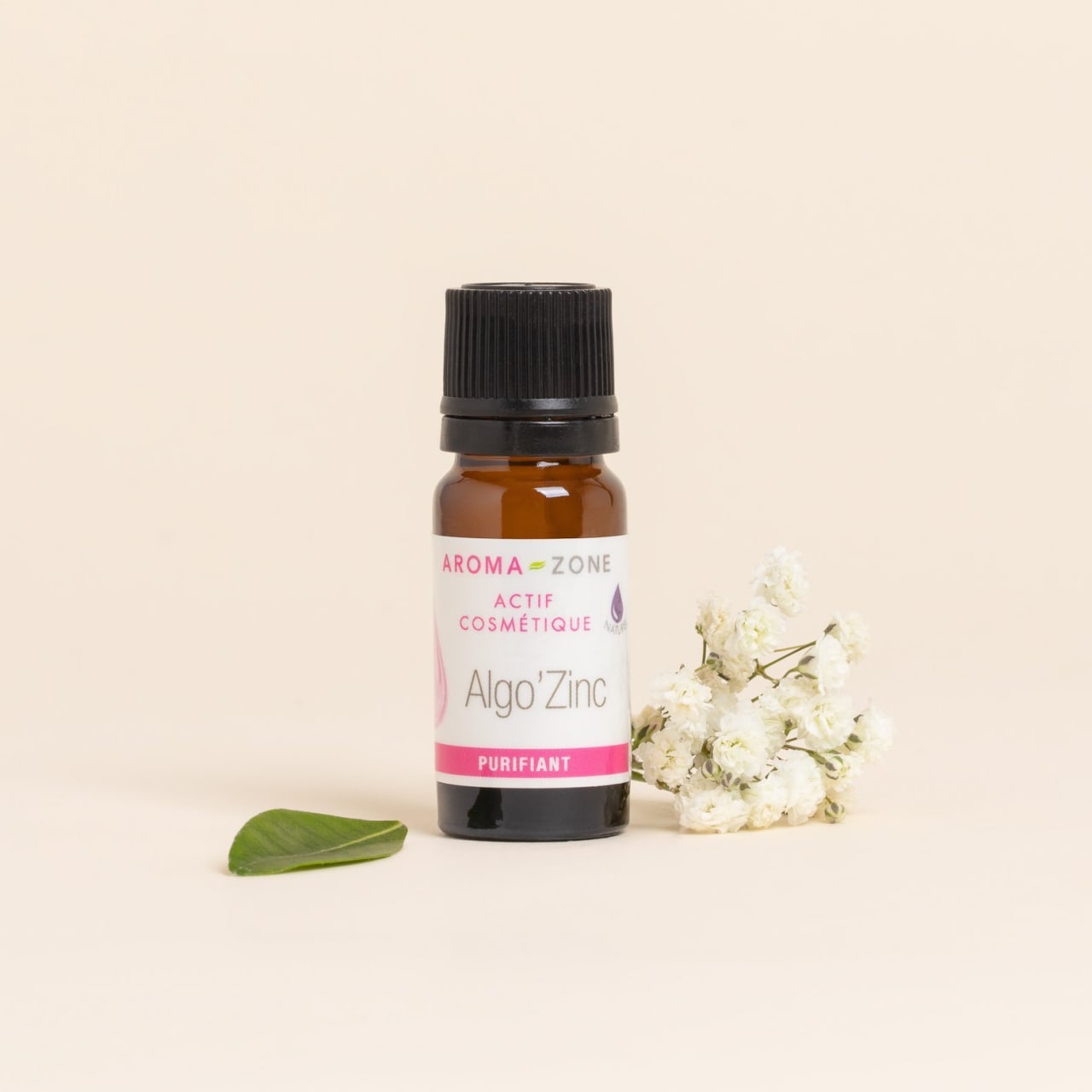
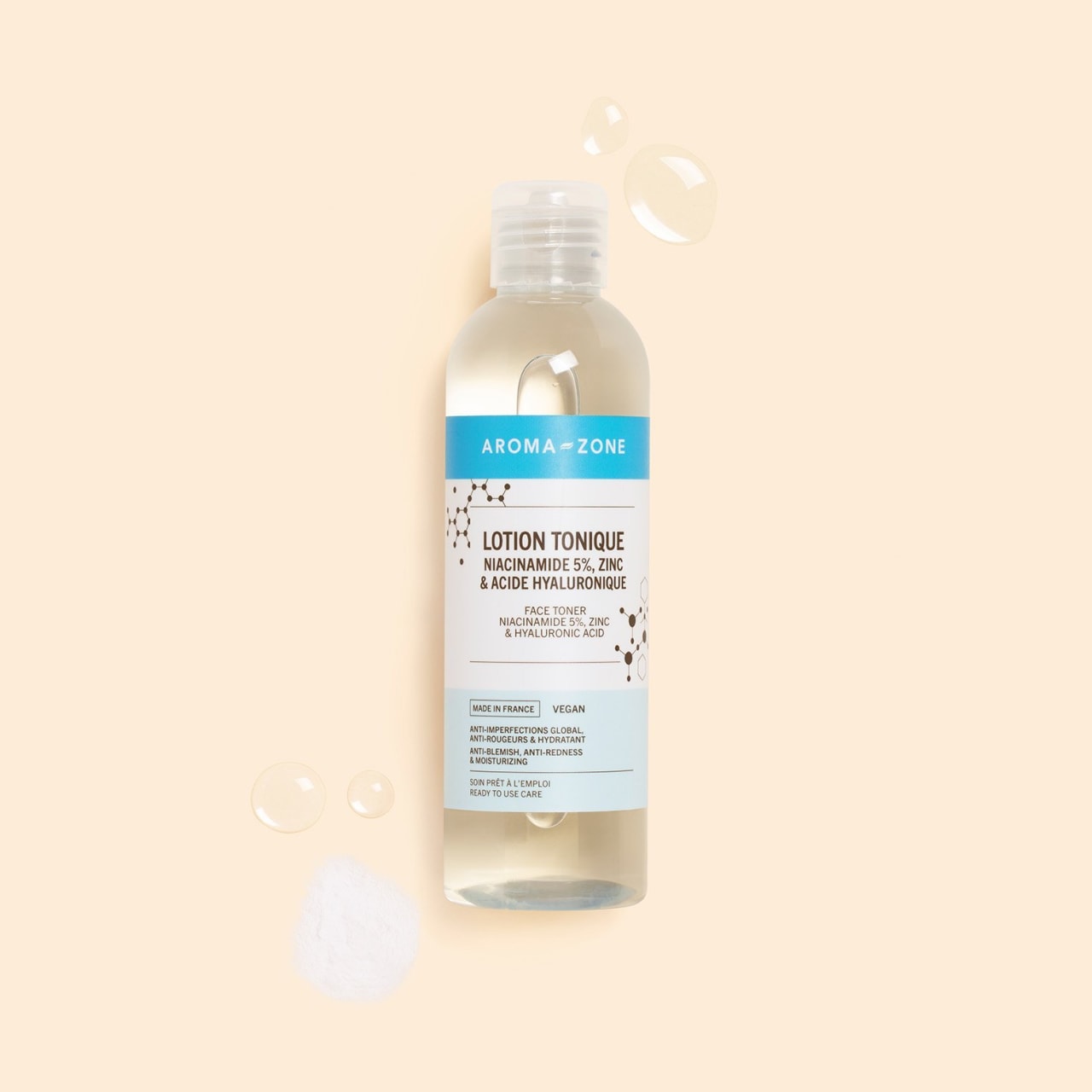
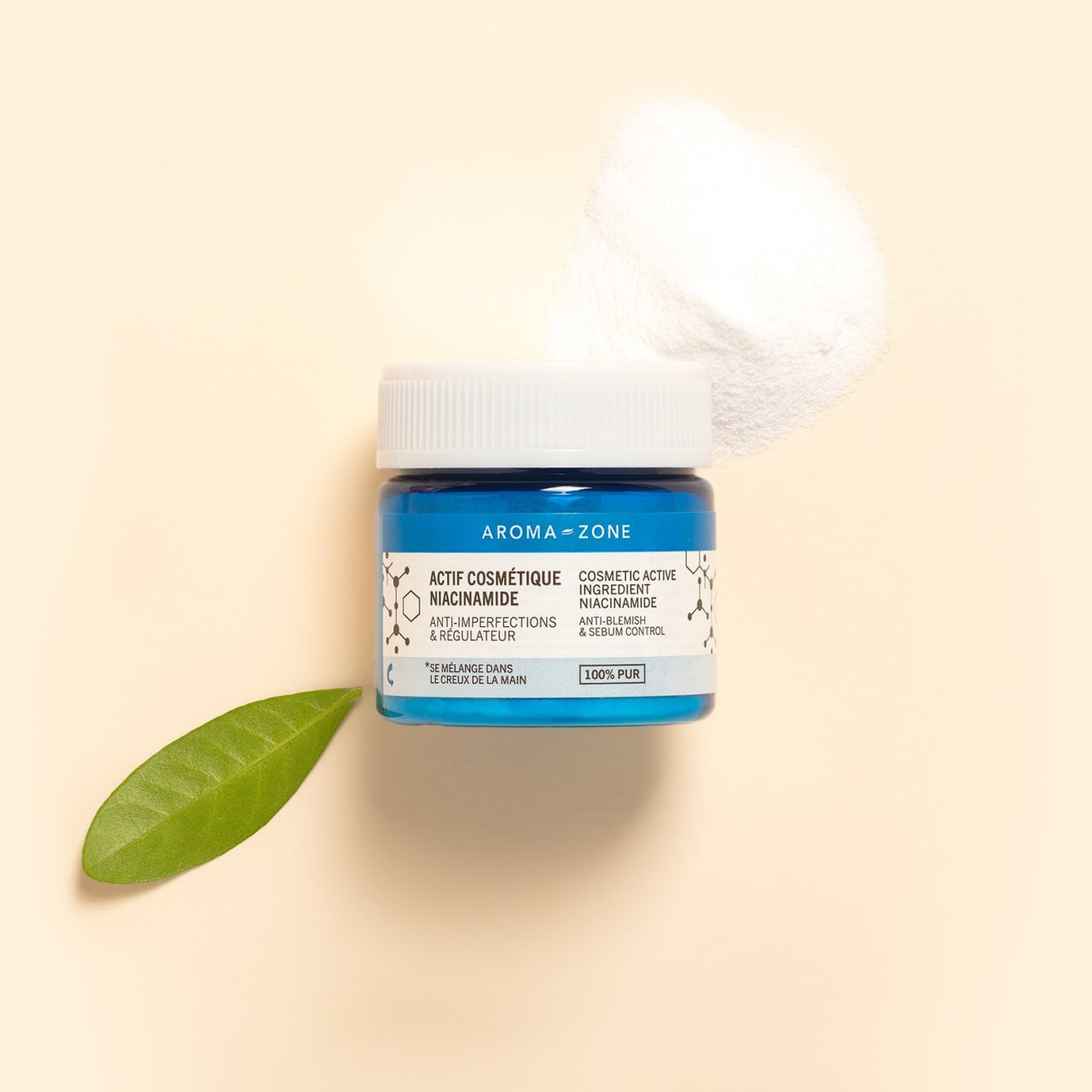
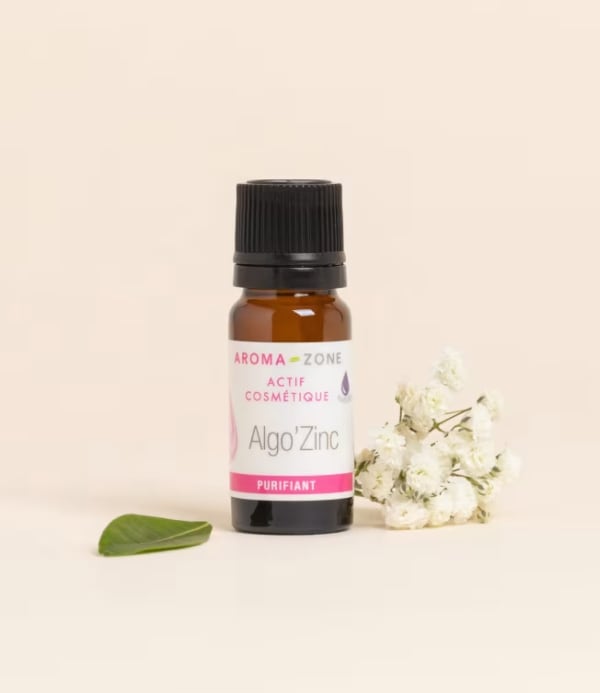
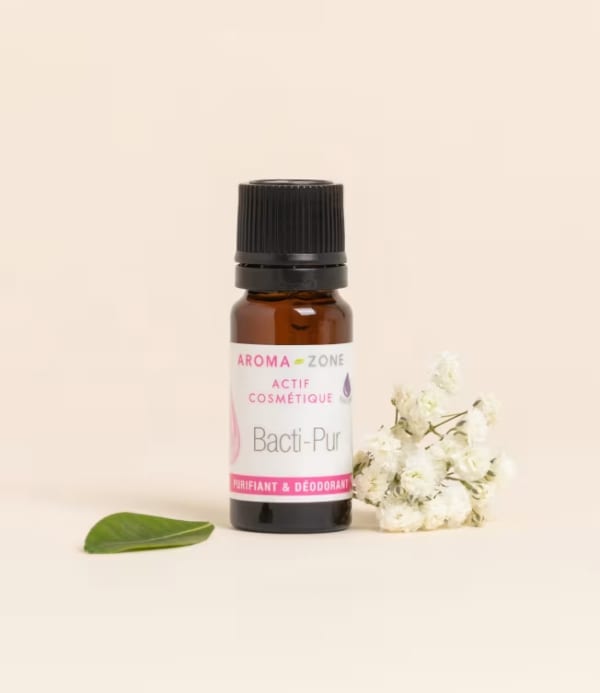
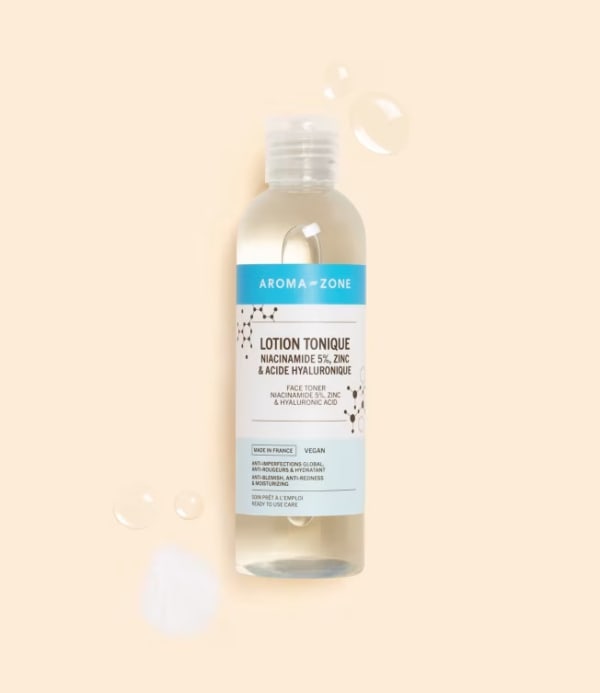
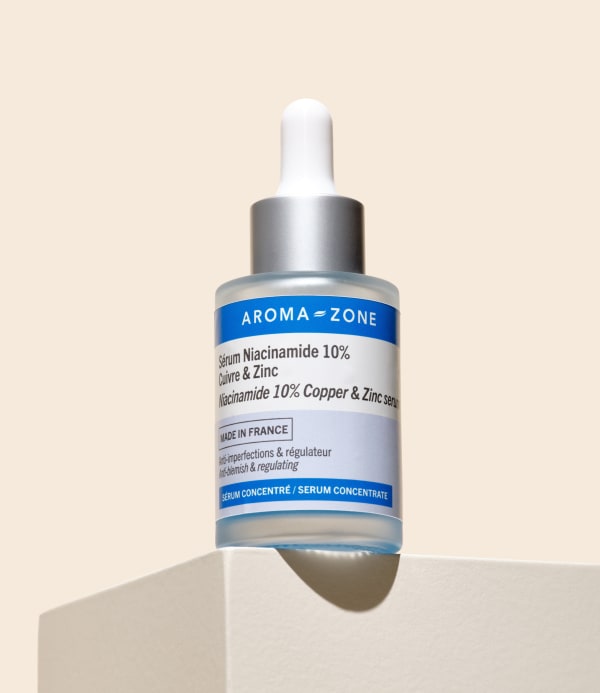
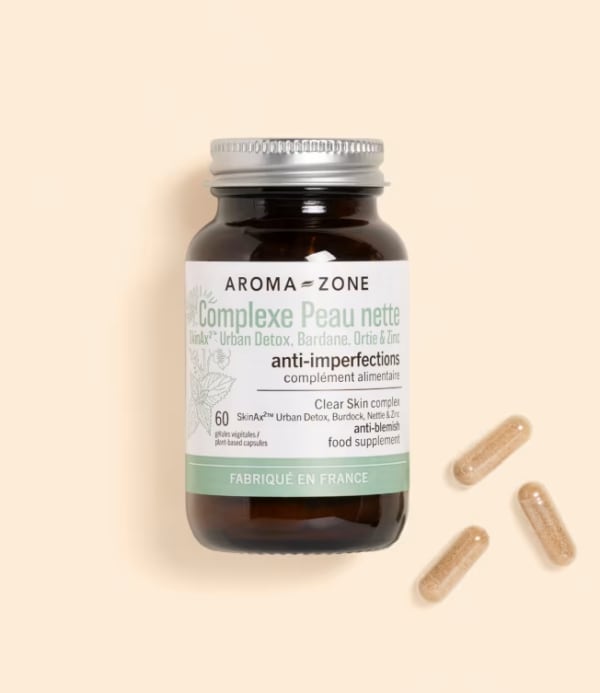
Active ingredients to look for: sebum-regulating and purifying active ingredients should be prioritised, whilst taking care not to dry out the skin excessively. Niacinamide and zinc help to regulate sebum production whilst supporting the skin’s barrier function. Certain purifying plant-based active ingredients, such as burdock, stinging nettle or tea tree, can complement this action in a targeted and controlled manner (1, 2).
Imbalance in the skin microbiome
This may apply to you if… Blemishes persist despite a suitable skincare routine, the skin reacts easily or experiences recurrent inflammatory flare-ups. These signs may indicate dysbiosis of the skin microbiome, now recognised as a key factor in problem skin (2, 3).
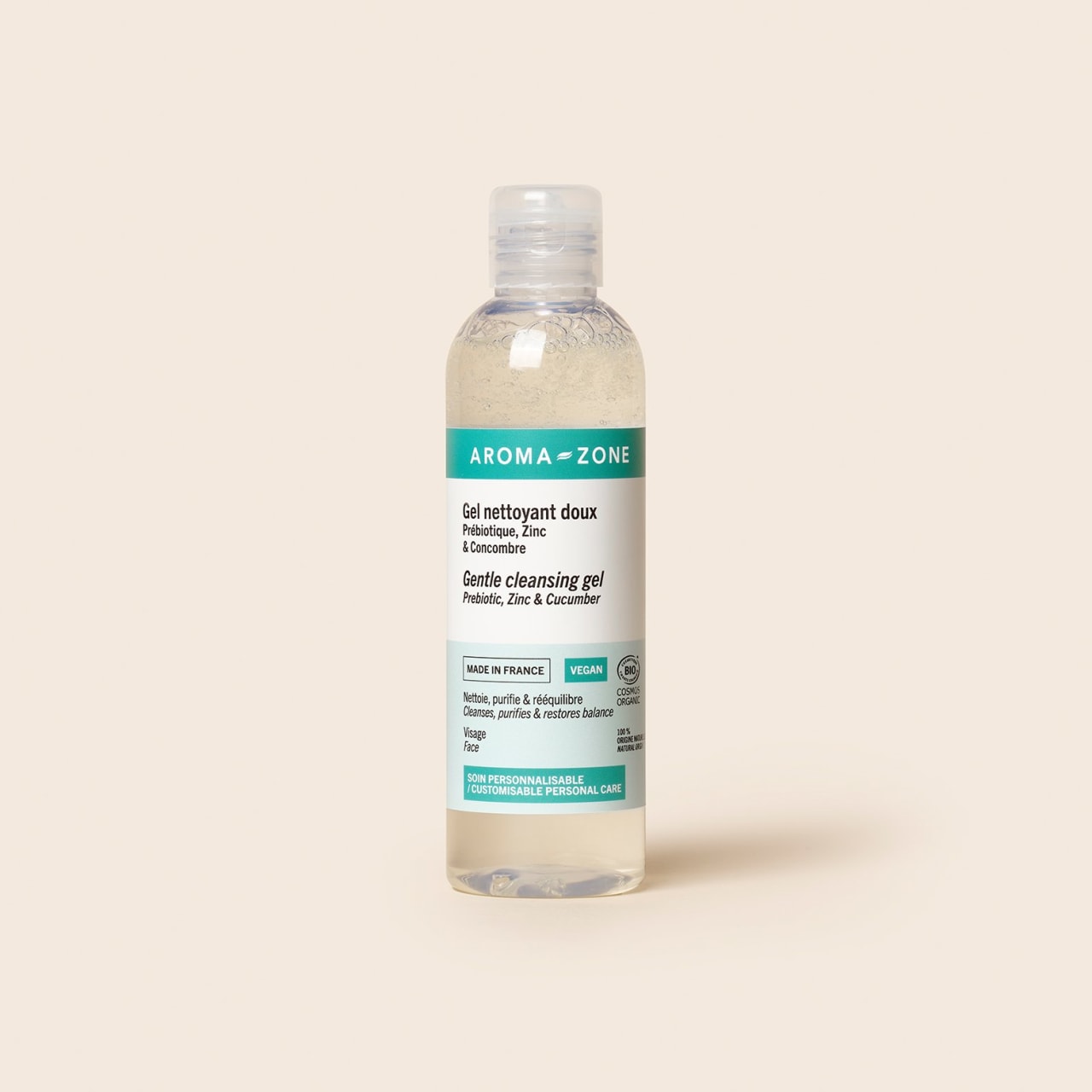
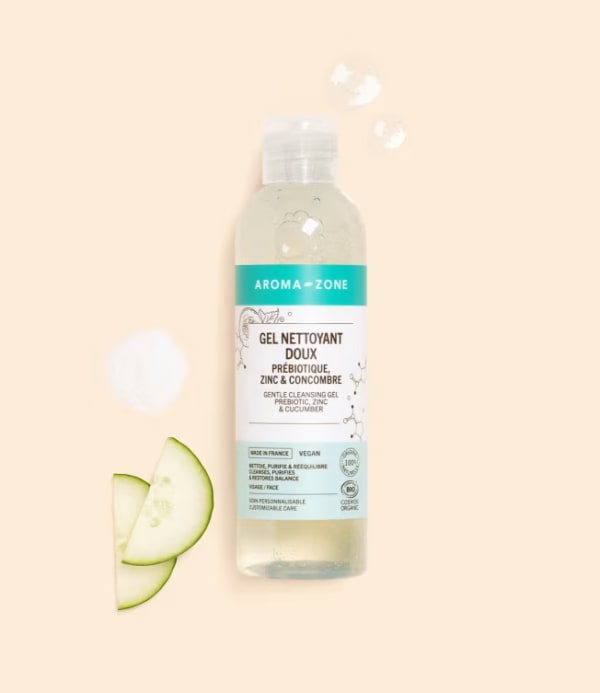
Active ingredients to look out for: Prebiotics play a central role here, by supporting the balance of the skin’s flora. Soothing active ingredients that respect the skin barrier also help to limit the inflammatory reactions associated with microbial imbalance (2, 7).
Persistent inflammation
This may apply to you if… Blemishes are red, painful, and sometimes accompanied by a sensation of heat or discomfort. Chronic inflammation plays a major role in the development and persistence of problem skin (1, 3).
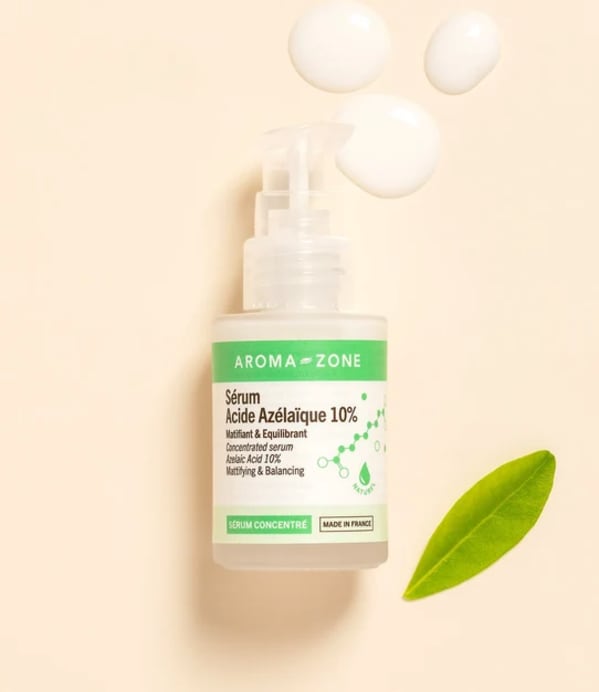
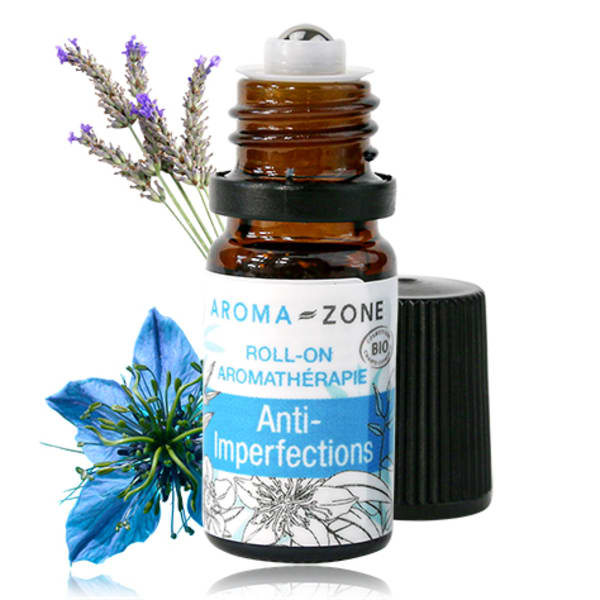
Active ingredients to look for: Active ingredients with documented anti-inflammatory properties, such as azelaic acid or niacinamide, help to modulate the inflammatory response whilst remaining suitable for regular use. Certain plant-based active ingredients with soothing properties, such as aloe vera or black cumin oil, can complement this approach by supporting skin comfort and tolerance to the formulations (1, 4, 5).
Hyperkeratinisation
This may apply to you if… Your skin has blackheads and an uneven texture. Hyperkeratinisation refers to a build-up of dead skin cells around the follicle, which contributes to blocked pores (1, 3).
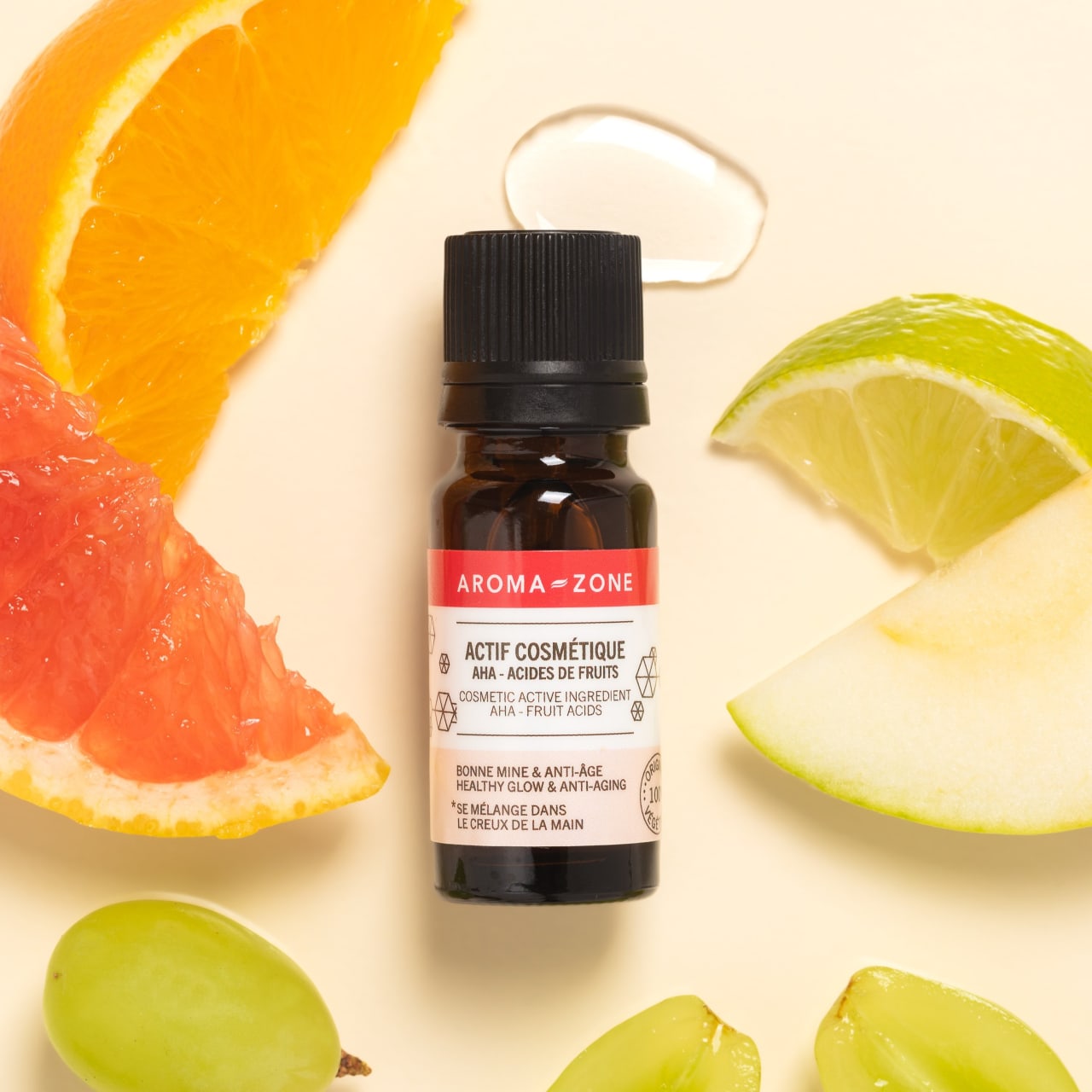
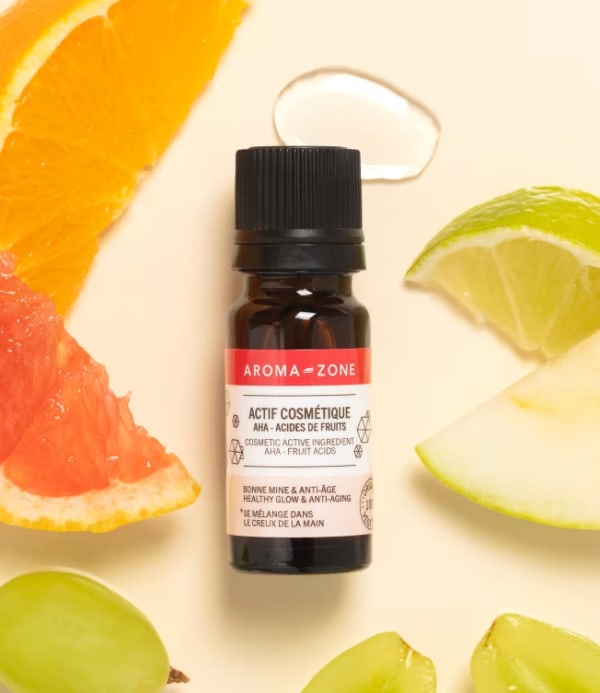
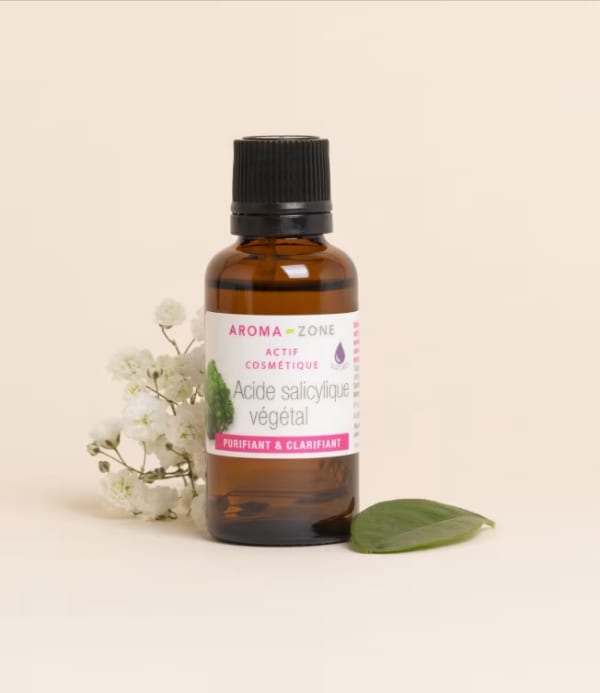
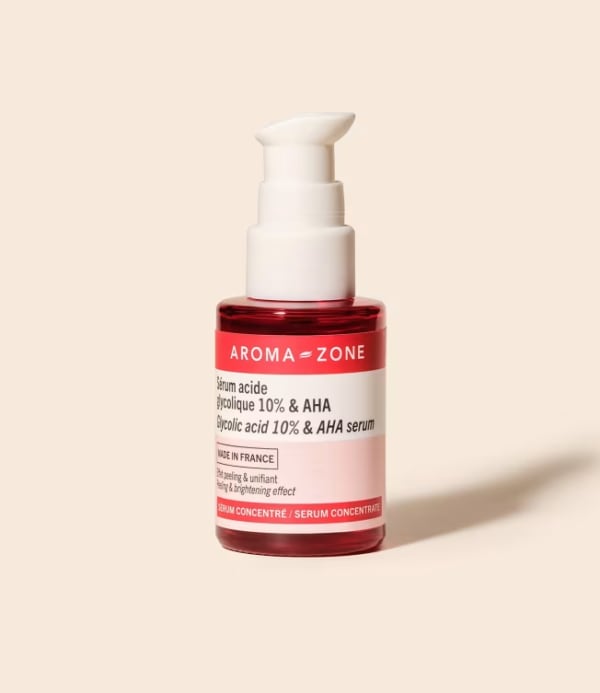
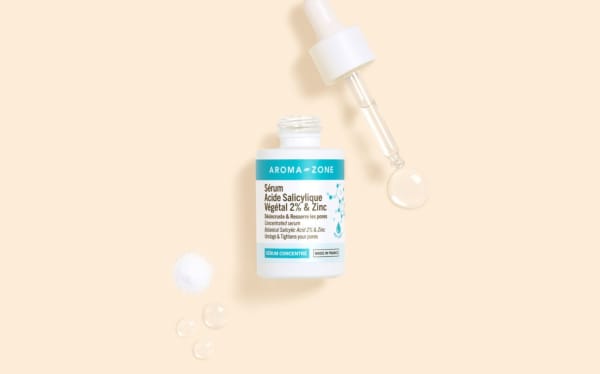
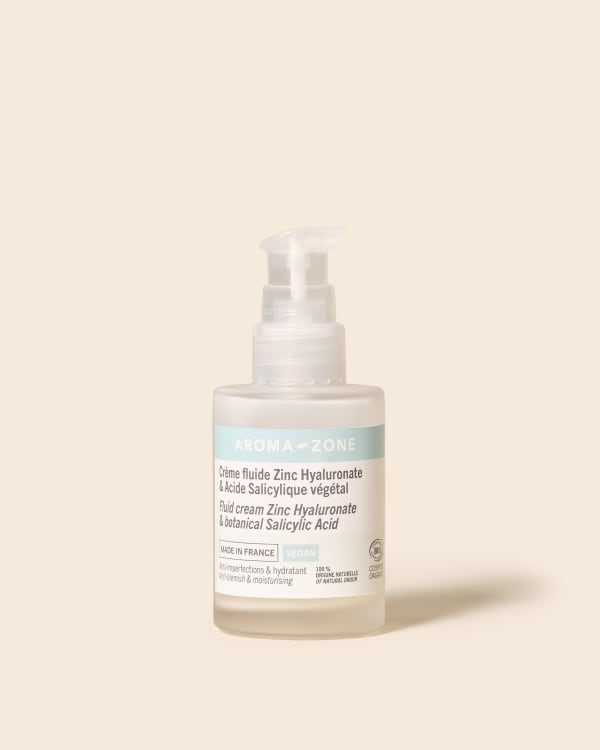
Active ingredients to look for: Keratoregulatory and exfoliating active ingredients, such as salicylic acid or fruit acids, promote cell renewal and unclog pores. They should be introduced gradually to ensure the skin remains tolerant (1, 6).
Impaired barrier function
This may apply to you if… Your skin feels tight, shows diffuse redness or reacts easily to skincare products. A compromised skin barrier allows irritants to penetrate and perpetuates inflammation (7).
Active ingredients to look for: ingredients that support the skin barrier, such as niacinamide, aloe vera or prebiotics, which help to restore the skin’s integrity. This step is essential for improving the overall tolerance of the skincare routine and minimising paradoxical reactions (2, 7).