How to use tea tree to eliminate pimples - Aroma-Zone

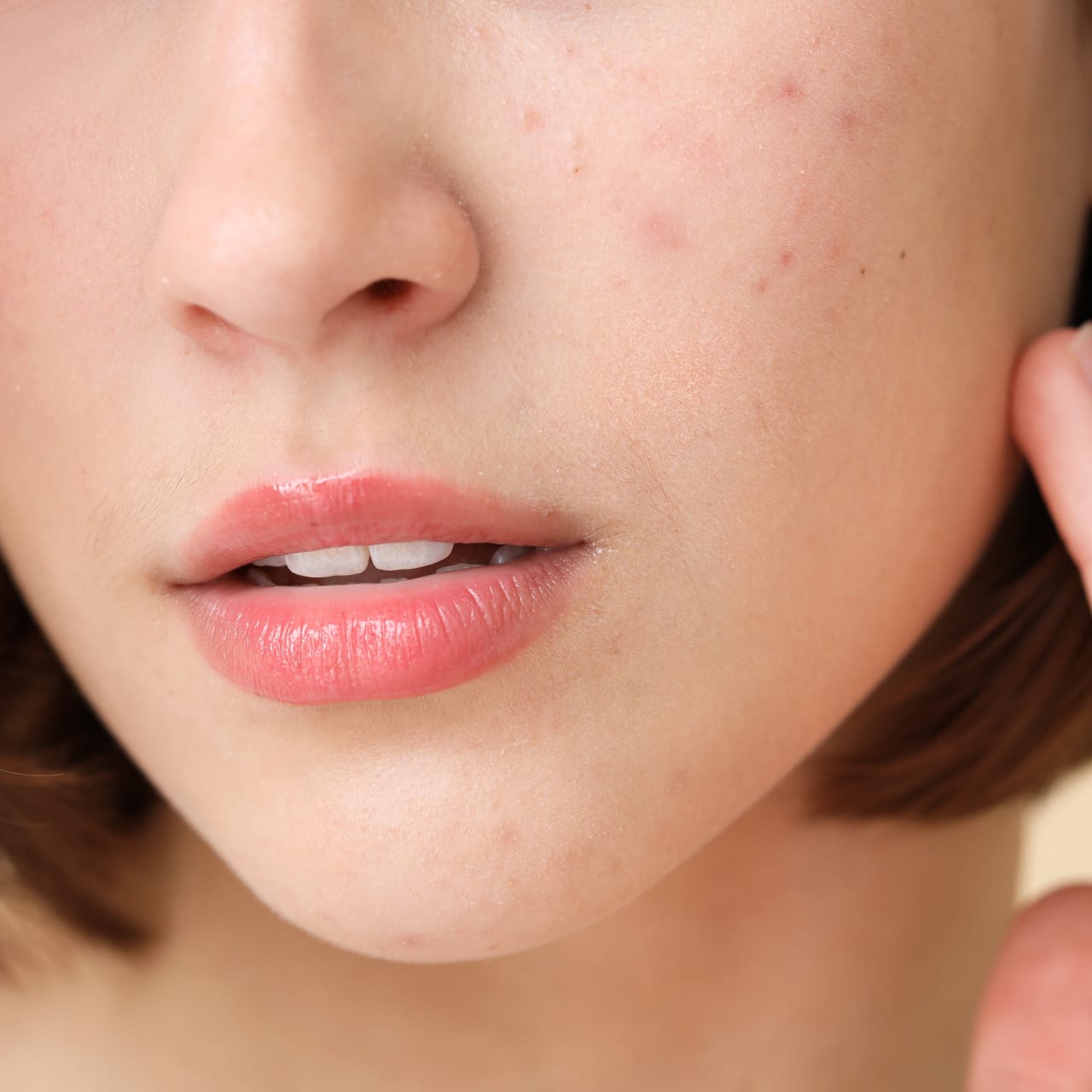
Tea tree is recognized as an essential ally in the fight against skin imperfections. Thanks to its antibacterial and anti-inflammatory properties, it effectively targets pimples by reducing redness and limiting the proliferation of acne-causing bacteria. Easy to incorporate into a beauty routine, tea tree offers a natural solution for blemishes. But like any powerful active ingredient, it requires proper use. In this article, discover how to enjoy the benefits of tea tree while adopting best practices for healthy, balanced skin.

Reading time: +4 min.

In short:

  • Tea tree essential oil is known for its natural effectiveness against pimples thanks to its antibacterial and anti-inflammatory properties, which reduce redness and blemishes while limiting the proliferation of acne-causing bacteria.

  • Its use is based on a specific protocol: localized application using a cotton swab or dilution in a neutral base, with treatment timing to be adapted according to skin sensitivity and tips for optimizing its effects to be discovered in the article.

  • The article details the risks of irritation for sensitive skin, as well as precautions to take when using tea tree essential oil during pregnancy or on children, to ensure safe and appropriate use.

What is tea tree?

Tea tree is a plant native to Australia, scientifically known as Melaleuca alternifolia. This shrub belongs to the Myrtaceae family and is known for its leaves, which are rich in essential oils with ancient medicinal properties.

Tea tree owes its name to the navigator James Cook, who had a refreshing tea made from the leaves of the tree when he arrived in Australia with his crew. The natives also used these leaves to make poultices that they applied to wounds to treat infections.

Today, tea tree is a key ingredient in aromatherapy and cosmetics, thanks to its antibacterial, antifungal, and anti-inflammatory properties. It is particularly suitable for skin prone to blemishes, especially acne. It is remarkably effective on different types of blemishes: blackheads, microcysts, papules, pustules, etc. It also regulates sebum production and tightens enlarged pores.

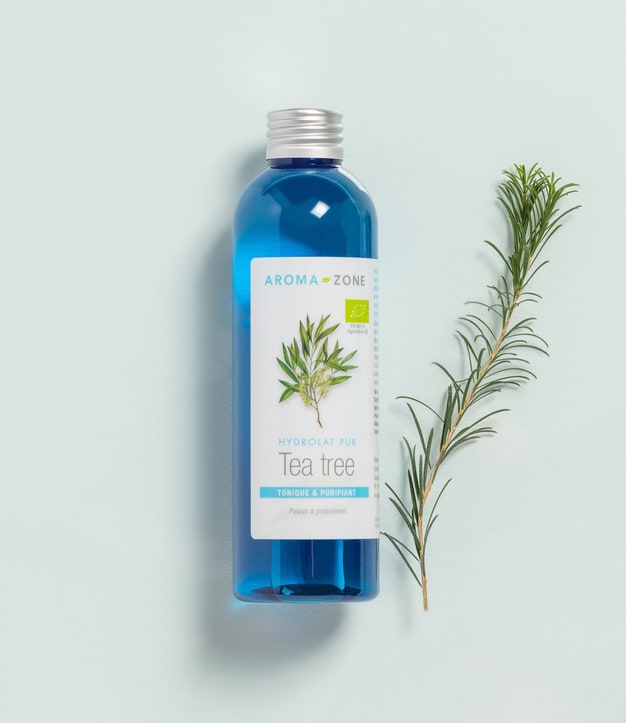
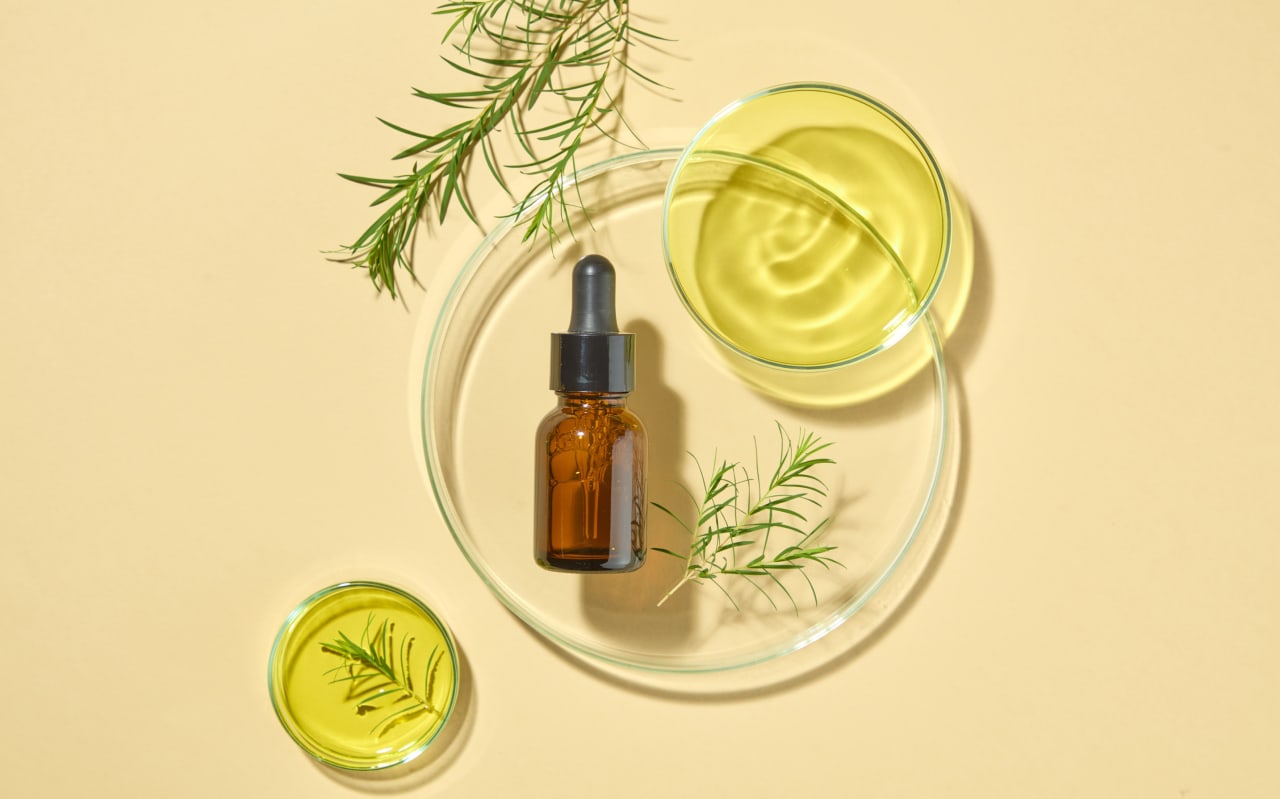
Tea tree is found in the form of essential oil and hydrosol. Both are obtained by steam distillation of the plant's leaves. The composition of the essential oil, rich in terpinene-4-ol and molecules from the monoterpene family, , makes it a natural active ingredient capable of purifying the skin and promoting its regeneration without damaging it. Tea tree hydrosol also has purifying properties and is recognized as a skin tonic that revitalizes dull skin.

What are the benefits of tea tree oil for pimples?

Using tea tree promotes clear, balanced skin. Its purifying action is accompanied by a soothing effect that limits the discomfort associated with acne breakouts.

  • Powerful antibacterial properties: Tea Tree helps reduce the proliferation of acne-causing bacteria, particularly Propionibacterium acnes.

  • Anti-inflammatory action: it soothes redness and swelling associated with pimples, promoting rapid reduction of inflammation.

  • Purifying effect: thanks to its ability to regulate excess sebum, Tea Tree prevents pores from becoming clogged and limits the appearance of new pimples. By deeply purifying the skin, Tea Tree helps maintain healthier skin and prevent recurrence.

  • Supports healing: this active ingredient promotes skin regeneration, helping to reduce the appearance of scars left by pimples.

What are the best practices for using tea tree oil?

Here are some best practices for using tea tree oil effectively and safely on the skin:

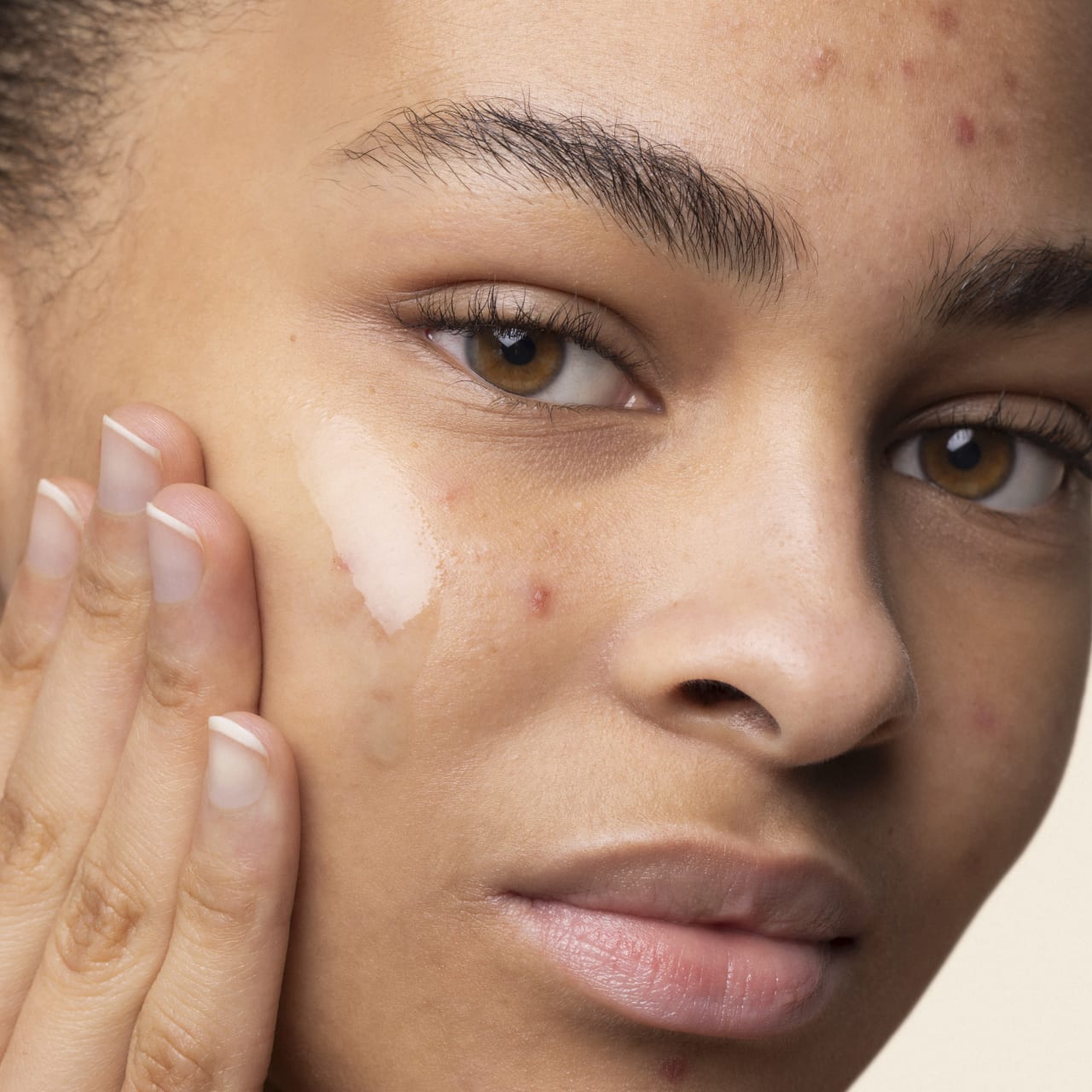
  • Local application: Use a cotton swab dipped in a drop of diluted tea tree oil to treat pimples directly, without spreading to healthy areas.

  • Perform a skin test: Before using for the first time, apply a small amount diluted in the crook of your elbow and wait 48 hours to check for any allergic reactions.

Caution: All applications must be at the correct dosage; seek advice from a professional. 

What are the natural solutions with tea tree?

Using Tea Tree Essential Oil

An essential in aromatherapy, tea tree essential oil is known for its many properties:

  • Antibacterial: fights the bacteria responsible for skin infections.

  • Antifungal: fights fungal infections.

  • Antiseptic: promotes rapid healing.

  • Anti-inflammatory: soothes redness and inflammation.

  • Immunostimulant: strengthens natural defenses.


How to use tea tree essential oil on your face?

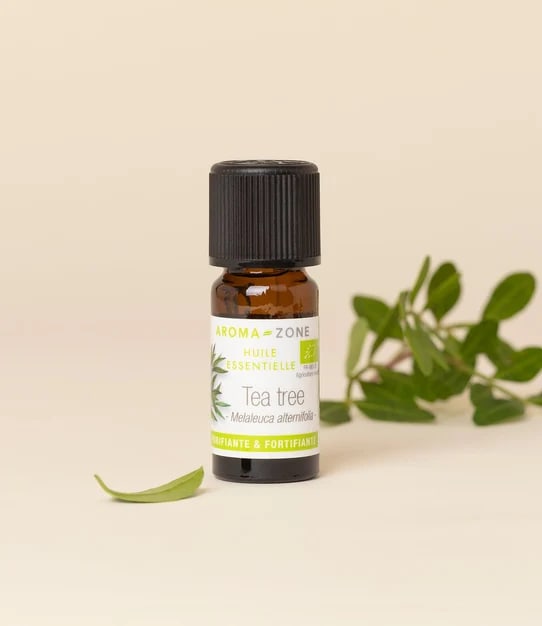
It can be used undiluted on the skin, applied directly to a pimple with a cotton swab, or diluted in a vegetable oil or moisturizer for application to larger areas. Tea tree essential oil can also be used in a diffuser to purify the air and boost immunity, or as a mouthwash to combat mouth ulcers or oral infections.

Like all essential oils, this essential oil is highly concentrated in active molecules. It is therefore important to follow the recommended dosages:

  • Pure, on the skin: 1 to 2 drops maximum on an imperfection

  • Diluted: 1 drop of essential oil in approximately 10 drops of vegetable oil

  • Diffusion: 5 to 10 drops in a diffuser for 15 to 20 minutes


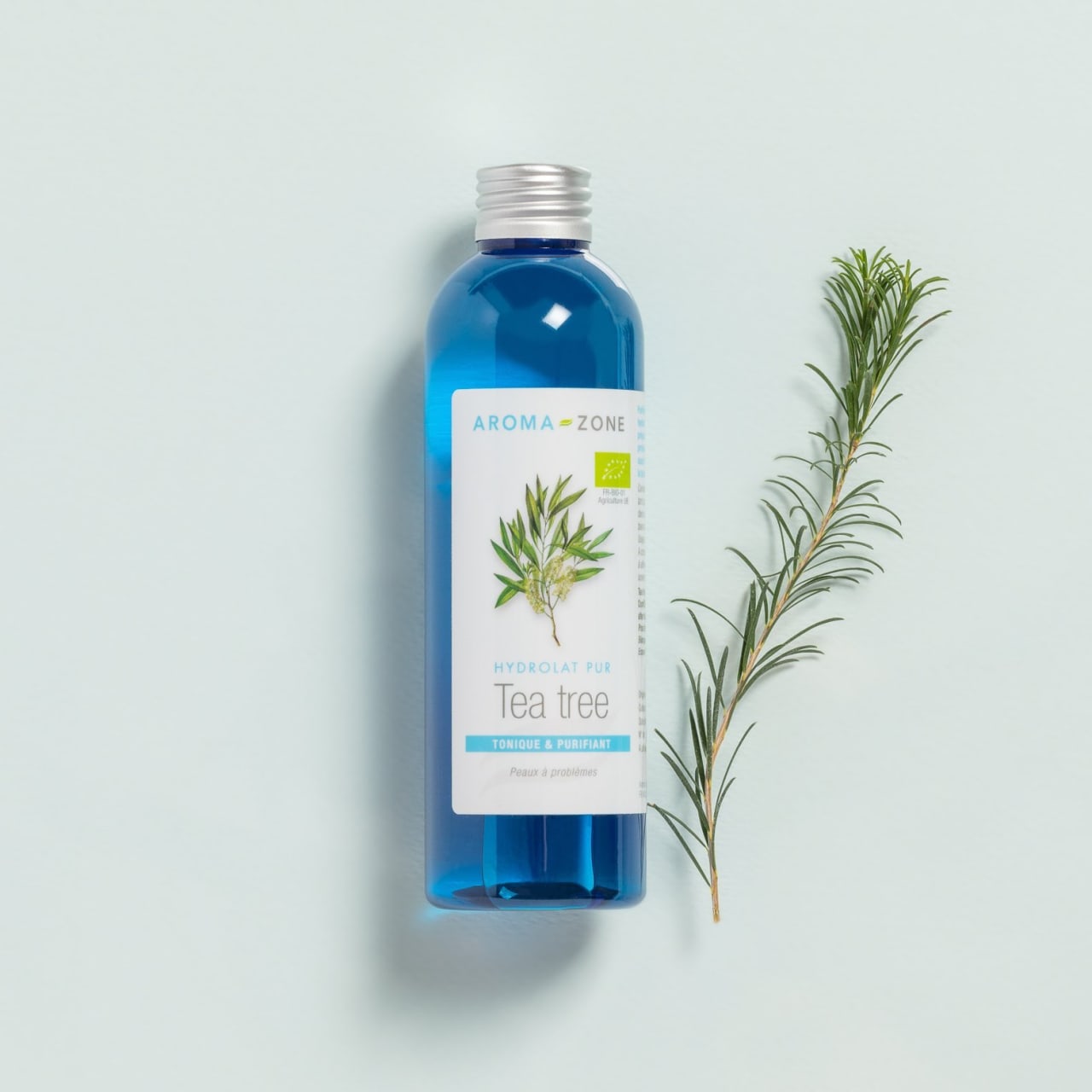
Using Tea Tree Hydrosol

Tea tree hydrosol is a gentle and effective solution suitable for a variety of skin and hair needs. It is particularly recommended for its purifying, soothing, astringent, and refreshing properties.

  • It is mainly used as a toning lotion: sprayed directly onto the entire face to regulate sebum and calm irritation, or onto the scalp to purify and refresh it. The hydrosol can also be applied to the skin using a cotton pad or compress.

  • As a mouthwash: it helps to disinfect and soothe oral inflammation.

  • Tea Tree hydrosol does not need to be diluted: you can use it as is. It is an alternative to essential oil, perfect for daily care of sensitive skin and problematic scalps.


Can Tea Tree Oil relieve mosquito bites?

Thanks to its broad-spectrum antibacterial action, tea tree oil is an effective solution for preventing the risk of secondary infection associated with scratching. It also has anti-inflammatory properties that help reduce redness and swelling around the bite.

Product selection

Organic Tea Tree Hydrosol

Tea Tree Essential Oil (Organic Tea Tree)

Our natural and effective products

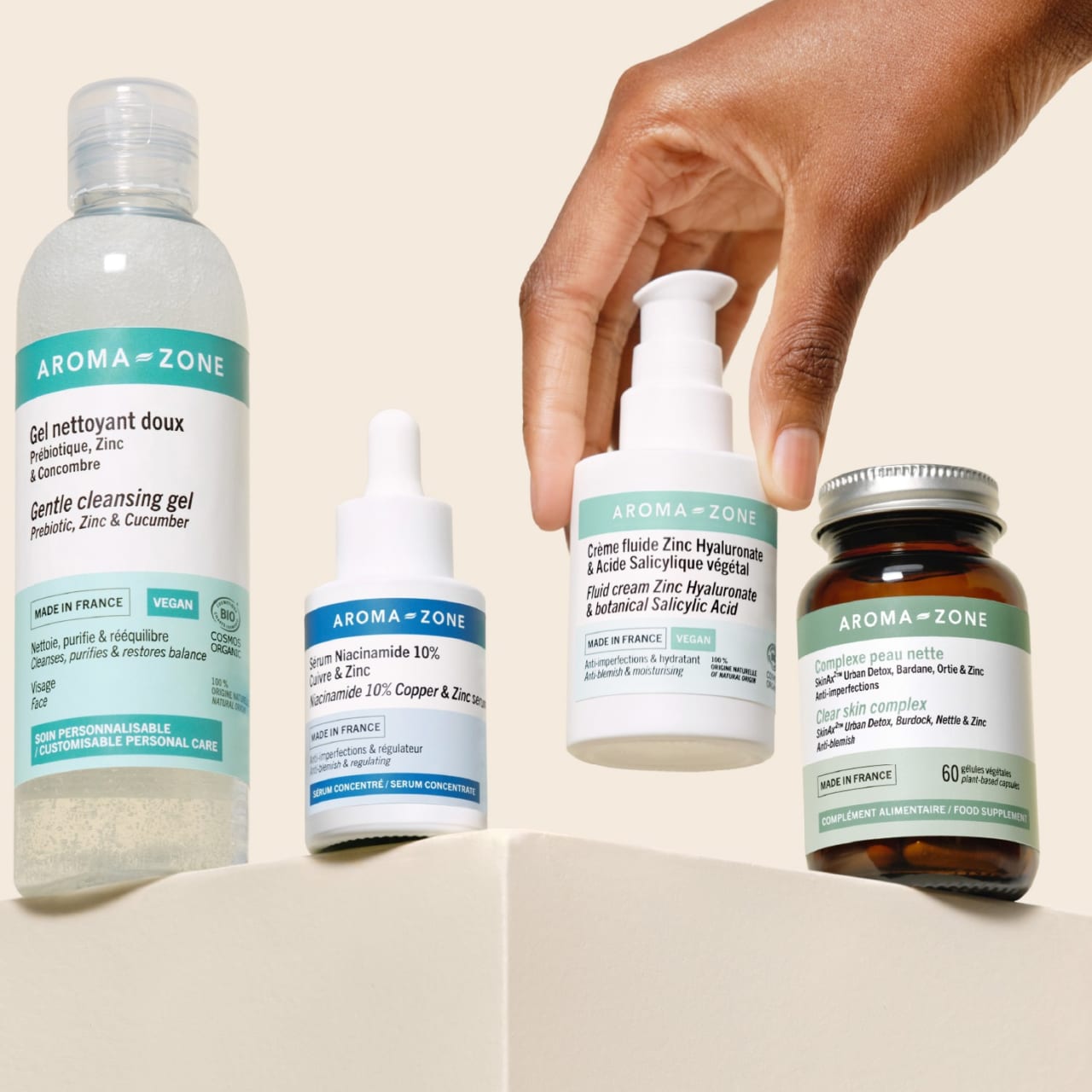
To care for your skin daily with simple, targeted steps, feel free to try our natural, comprehensive routine—easy to adopt and tailored to the needs of skin prone to imbalances:

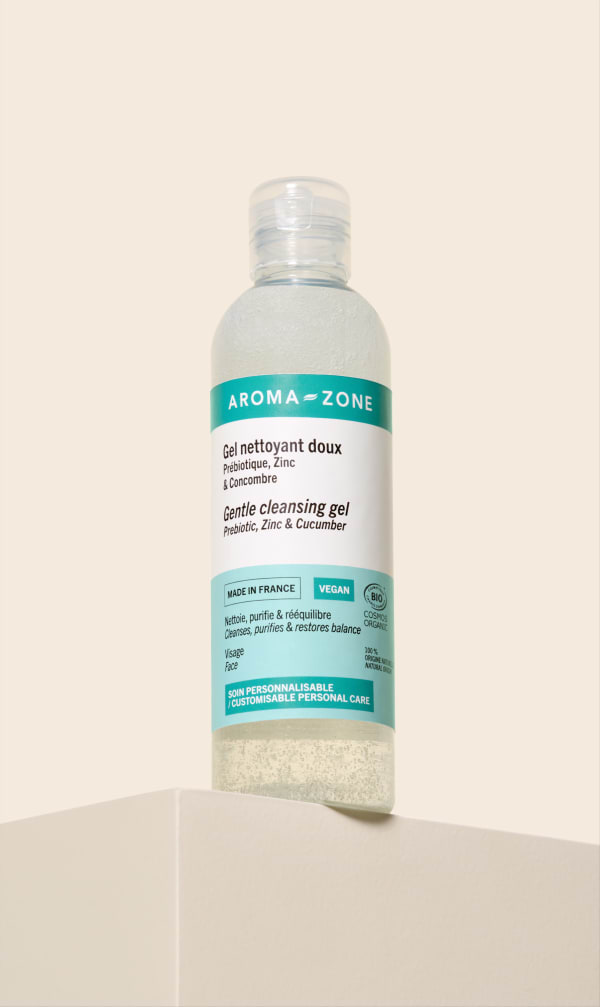
1. Gentle cleansing: Start by cleansing your face morning and evening with our Gentle Prebiotic, Zinc & Cucumber Cleansing Gel, which will help purify your skin while respecting its natural balance. Avoid contact with the eyes. Avoid contact with the eyes. In case of contact with the eyes, rinse thoroughly with clean water.


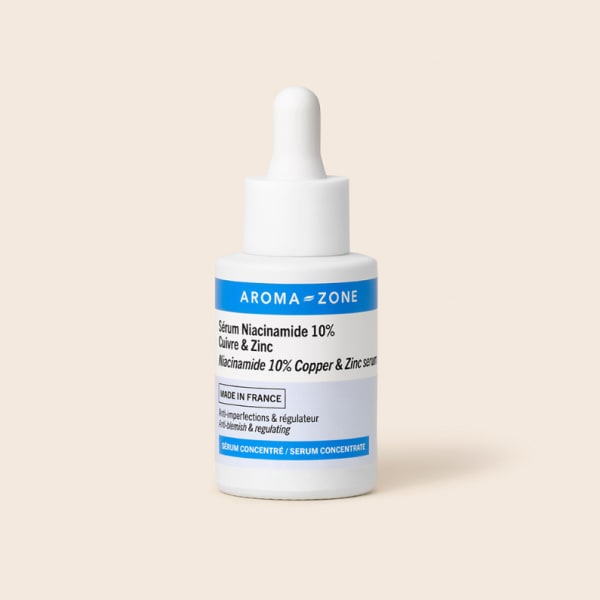
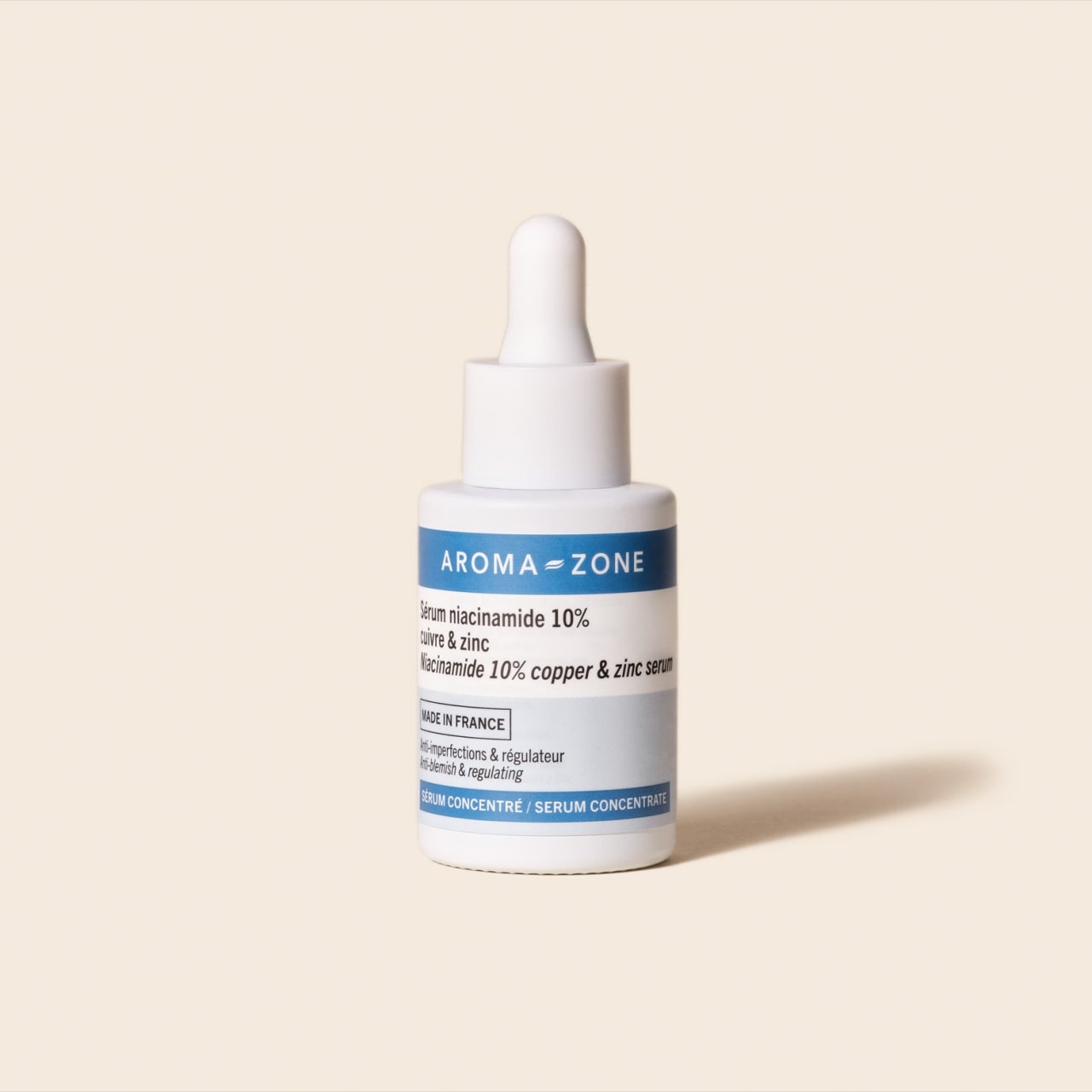
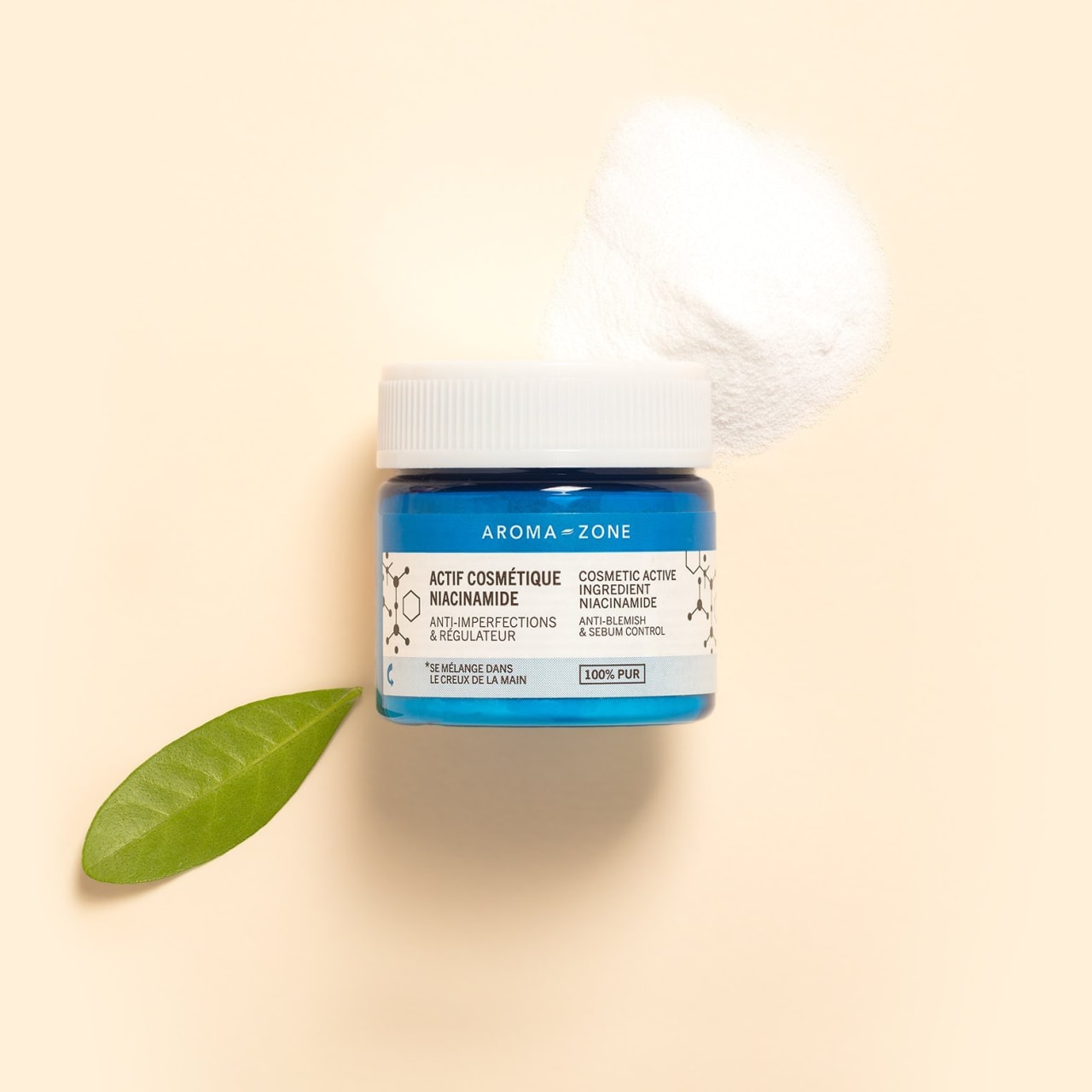
2. Target imbalances: Then apply a few drops of Concentrated Serum Niacinamide 10%, Copper & Zinc.  Lightweight and easy to incorporate into your routine, it helps to even out the complexion and improve the overall appearance of the skin. If irritation occurs, discontinue use. Keep out of reach of children. Suitable for combination to oily, non-sensitive skin prone to acne. Not suitable for skin prone to erythrocouperosis redness.

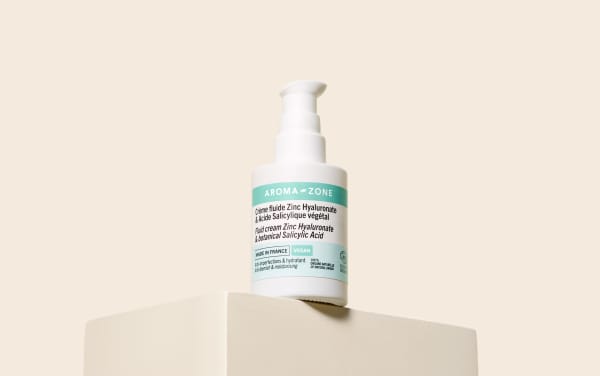
3. Moisturize without weighing down the skin : Continue with Zinc Hyaluronate & Plant-Based Salicylic Acid Fluid Cream, a fluid, non-greasy skincare product that moisturizes while leaving a feeling of freshness. Ideal for combination to oily skin. Avoid the eye area; in case of contact with the eyes, rinse immediately with clean water.

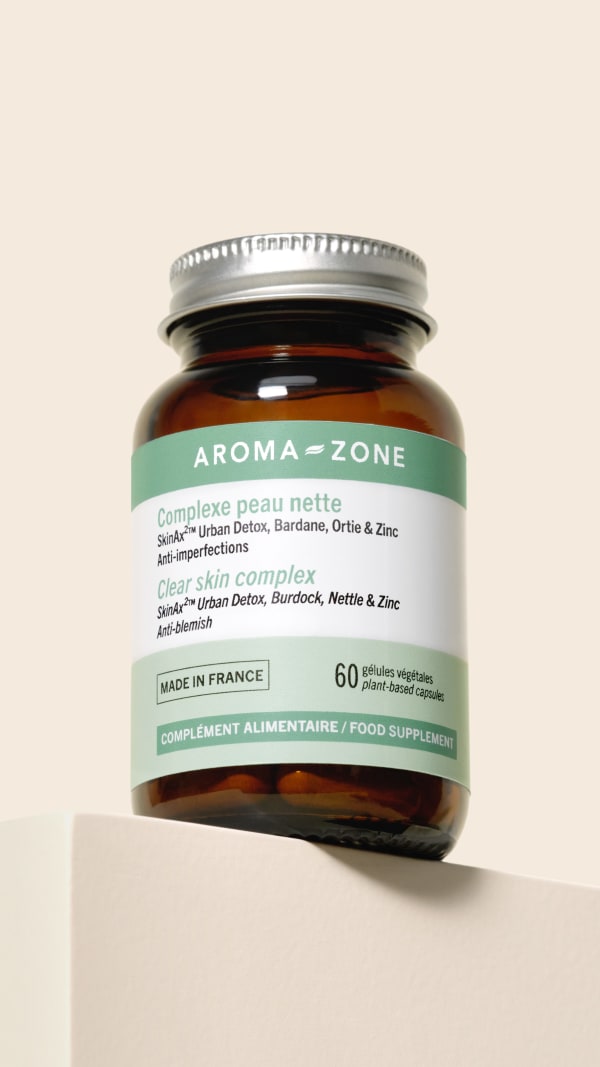
4. Act from within : The Complexe Peau Nette dietary supplement combines plant extracts, from burdock to zinc, to support the skin from within. A natural solution to support daily skin balance. Take 2 capsules per day with a glass of water. Not a substitute for a varied and balanced diet and a healthy lifestyle. Do not exceed the recommended daily dose. For adults only. Not recommended for pregnant or breastfeeding women, or in cases of heart failure or edematous renal failure. Not recommended in cases of allergy to salicylic derivatives or known cross-allergy, particularly to plants of the Asteraceae family. Keep out of reach of children.

Precautions for use

Tea tree essential oil is a must-have for skin care, hair care, and everyday emergencies, thanks to its natural effectiveness. However, as with any essential oil, it is necessary to be aware of the precautions for use:

  • Always perform a skin test before first use.

  • Do not use on pregnant or breastfeeding women or children under 3 years of age.

  • Do not apply near the eyes, mucous membranes, or in excessive amounts.

  • Do not use on irritated and/or very sensitive skin.

  • Follow the recommended dosages.

Learn more

How to use Tea Tree on a cold sore or herpes?

At the first signs of a cold sore, apply a few drops of tea tree essential oil diluted in a little vegetable oil directly to the affected area using a cotton swab. Repeat every 2 hours until symptoms improve.

A practical tip: keep a bottle of Tea Tree in your purse so you can act quickly at the first sign of symptoms.

Which essential oil should you put on an infected pimple?

Tea tree essential oil is the most suitable natural solution for treating infected pimples thanks to its high concentration of terpinene-4-ol, which has powerful antiseptic properties. 

Palmarosa and lavender essential oils can complement the action of tea tree oil in synergy. Their combined action accelerates healing while soothing the inflamed area.

Spotlight on our specialist editor, Charlie MOREL

Charlie holds a Master’s degree in cosmetic formulation. Passionate about cosmetology but also a lover of words, she decided in 2020 to become a web editor specializing in cosmetics and beauty. It was her desire for a career change that inspired her to go freelance, as she wanted to be able to work from anywhere in the world.

Bibliography

1

Melaleuca alternifolia (Tea Tree) Oil: a Review of Antimicrobial and Other Medicinal Properties.

2

Tea Tree Oil - Uses, Side Effects, and More.

3

Efficacy and safety of Melaleuca alternifolia (tea tree) oil for human health—A systematic review of randomized controlled trials.