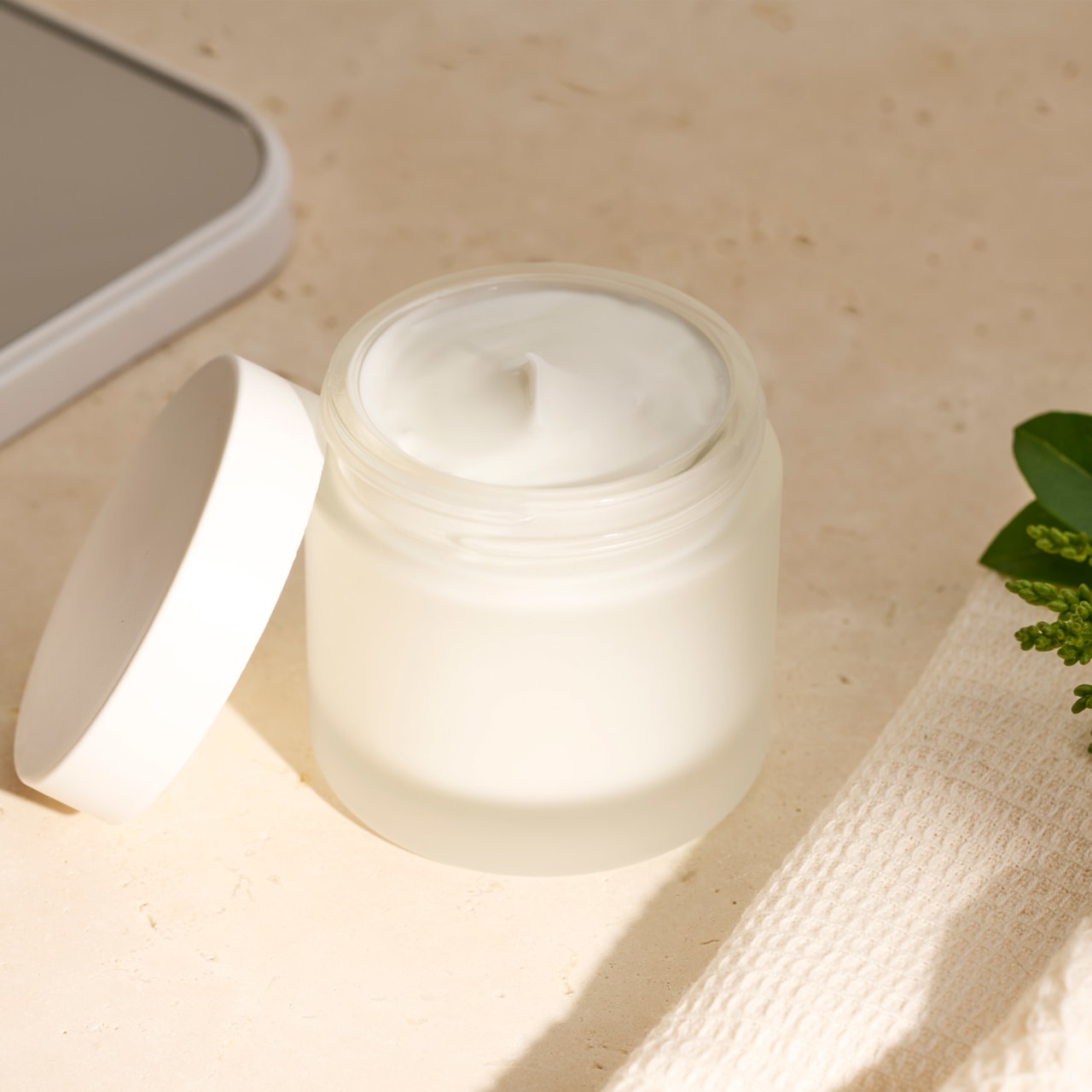
Aloe vera, whose botanical name is Aloe barbadensis Miller, is a succulent plant belonging to the Asphodelaceae family. A succulent plant is one capable of storing water in its tissues, enabling it to survive in dry environments. The part used in cosmetics is the clear gel found at the centre of the leaf. This gel consists mainly of water. It also contains polysaccharides – that is, complex chains of sugars – as well as minerals and certain vitamins. Aloe Vera is used topically for its moisturising properties and to improve the comfort of the skin. It is used topically, either as a pure gel or incorporated into cosmetic formulations.
Aloe vera and acne: what are the benefits?
By Gipsy Dauge
Published on: Friday, April 26, 2024, Updated on: Friday, October 30, 2026
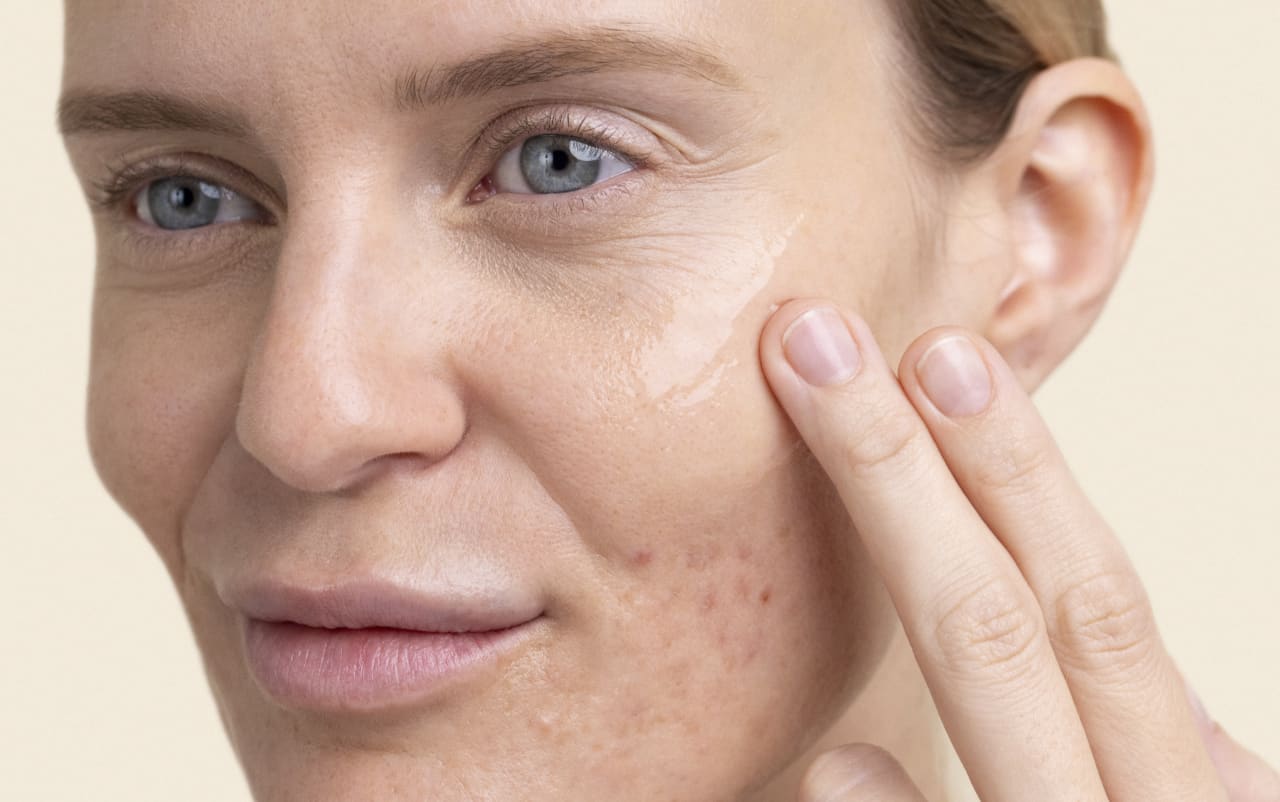
Facial acne is a common skin condition that can persist beyond adolescence. It manifests as visible blemishes, which may be inflammatory, and which can vary in severity from person to person. In addition to standard dermatological treatments, certain complementary approaches are attracting growing interest. Aloe vera, a plant used topically in many skincare products, is often mentioned in this context. What are its actual benefits?
Contents
Related products
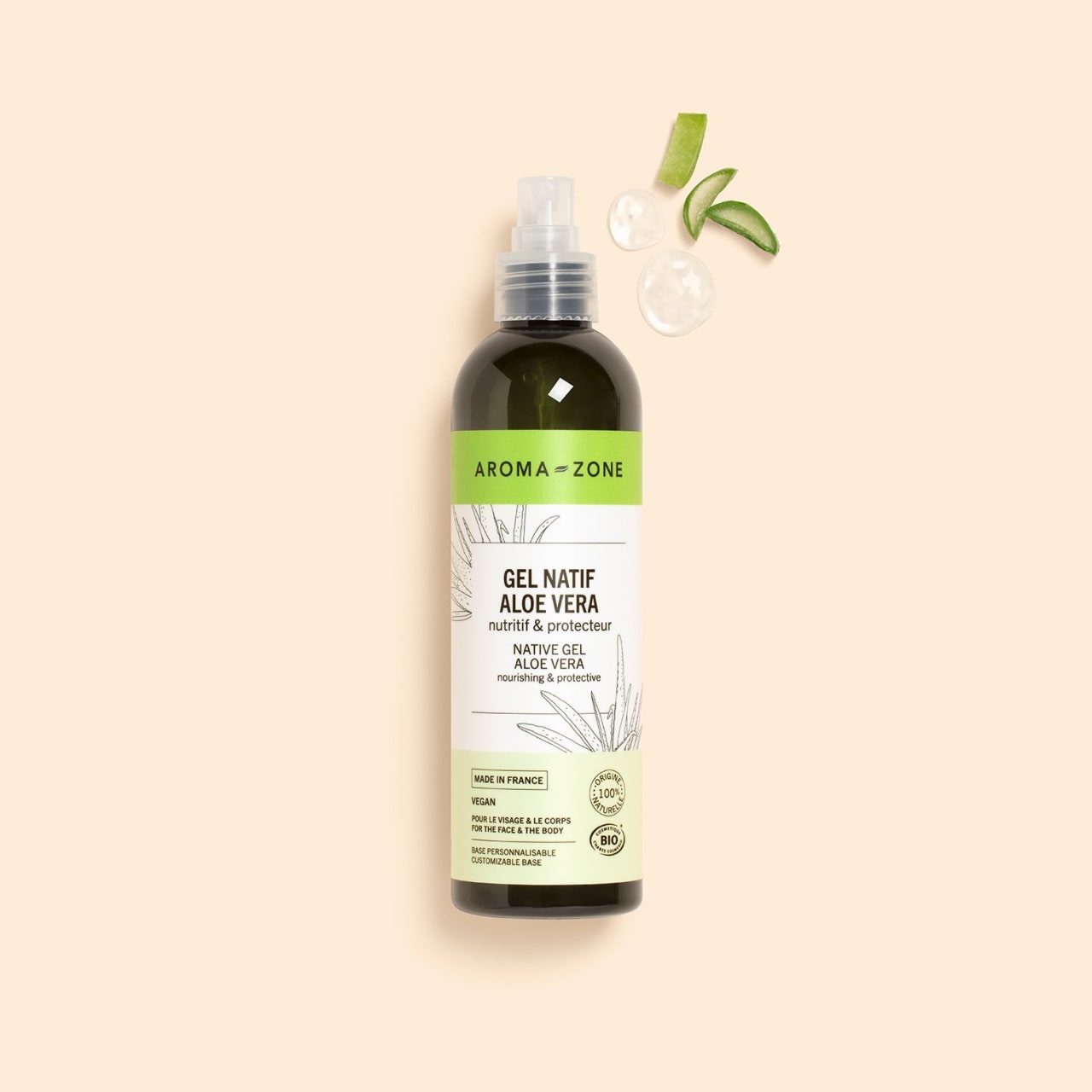
Organic Native Aloe Vera Gel
Protective
Nourishing
£10.00
250 ml
3 options
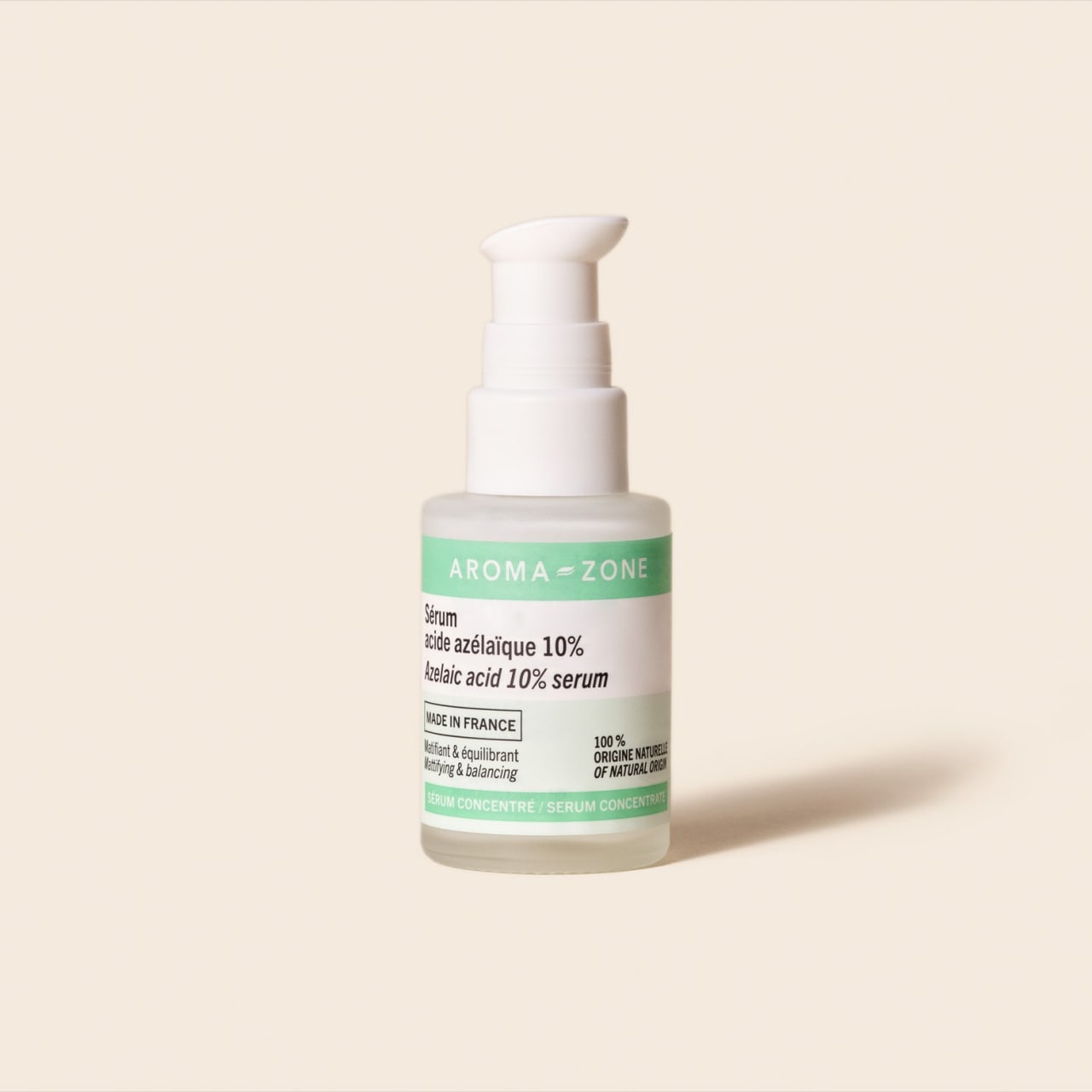
Azelaic Acid 10% Serum
Sebum-regulating
Anti-blemishes
£8.00
30 ml
2 options
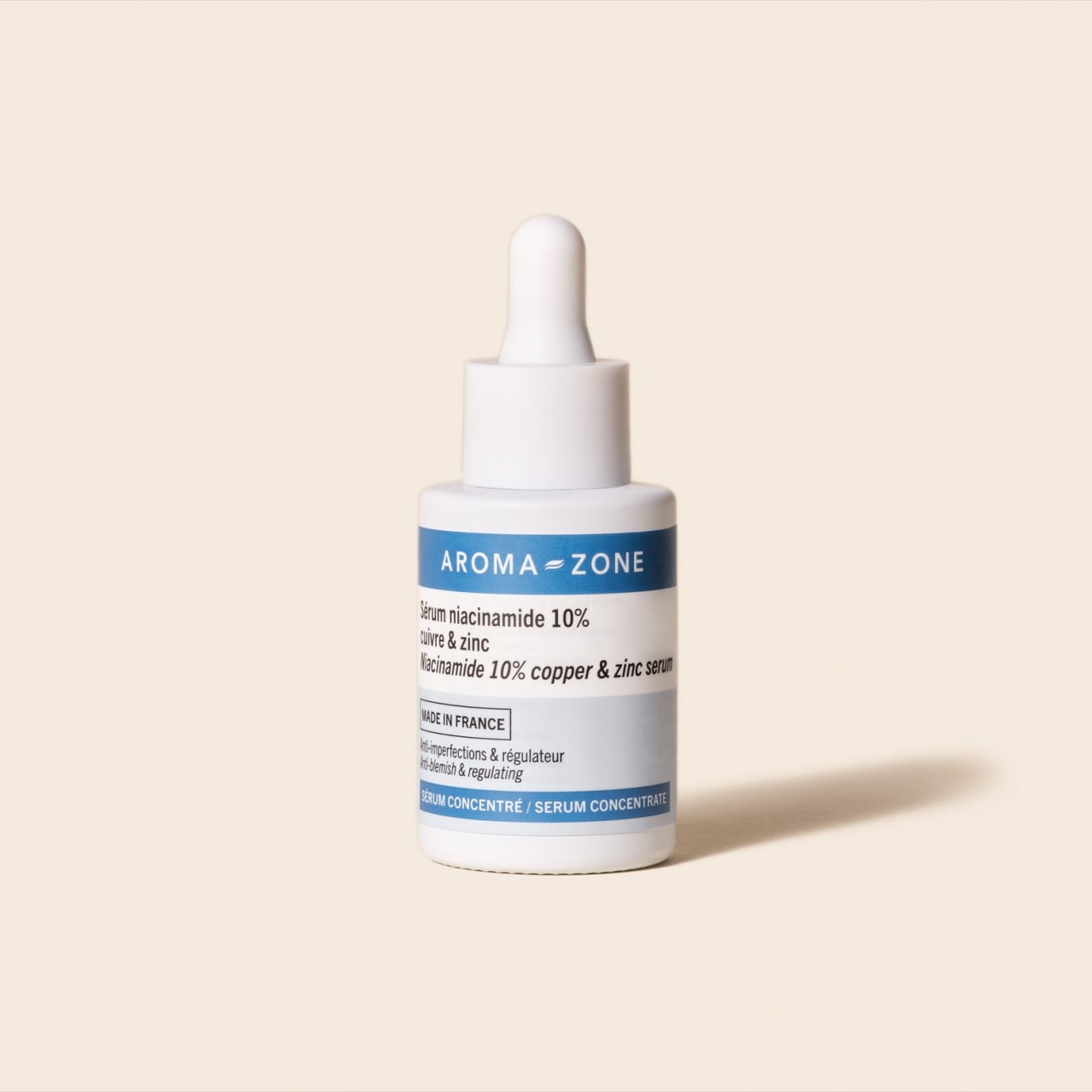
Niacinamide 10%, Copper & Zinc Serum
Anti-blemishes
Sebum-regulating
£8.00
30 ml
4 options
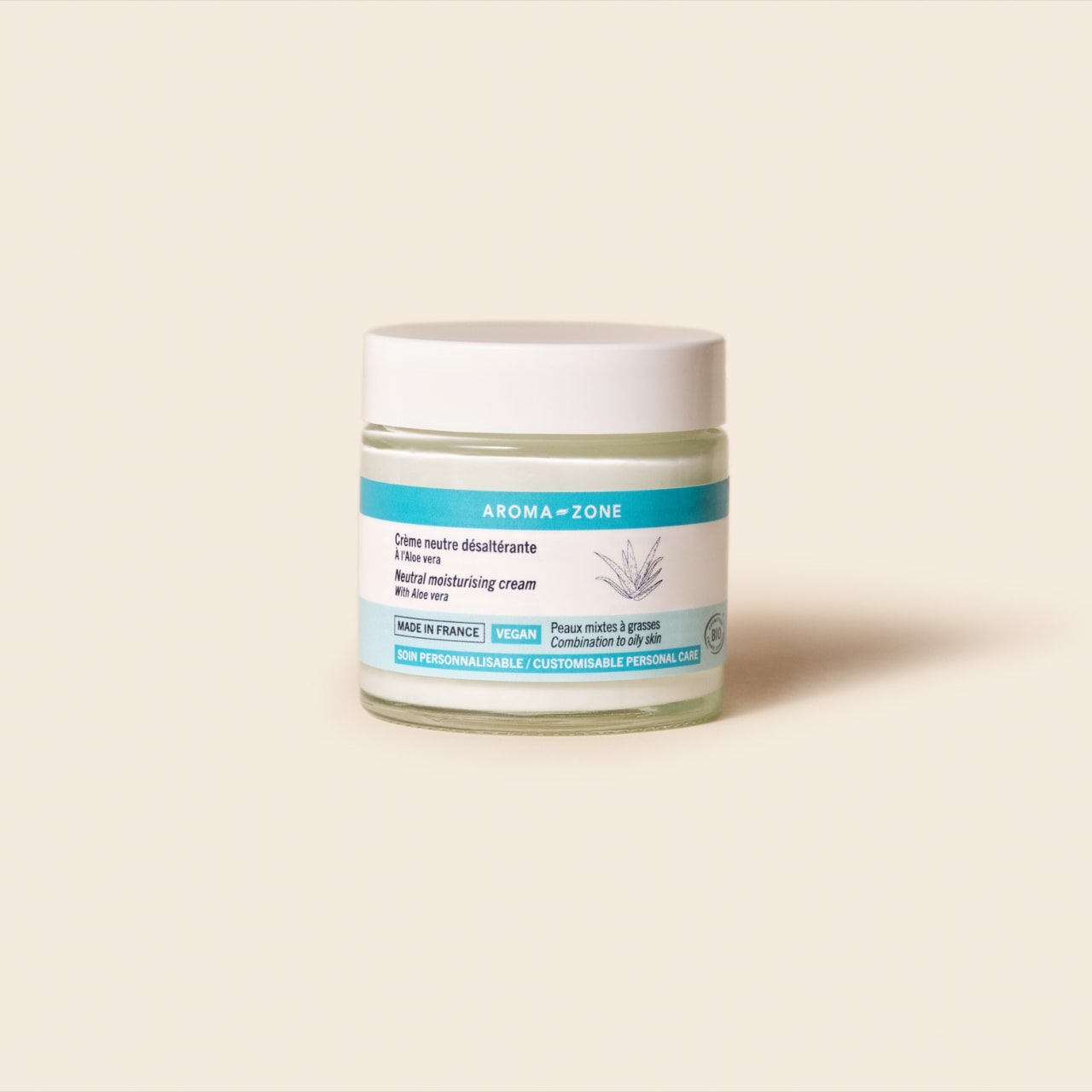
Neutral Moisturising Cream
Moisturising
Purifying
£6.00
50 ml
2 options
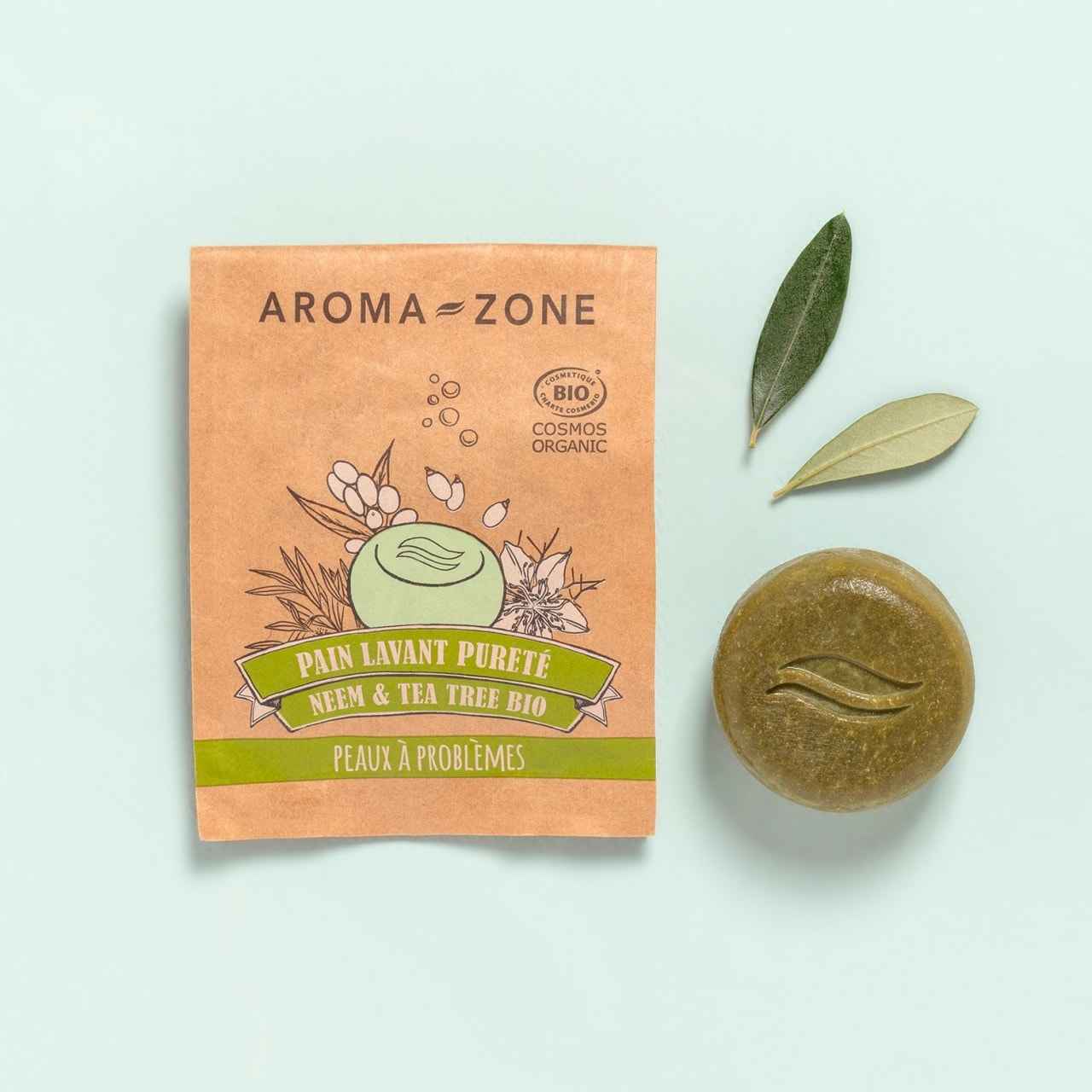
Purity Soap-Free Cleansing Bar
Anti-blemishes
Purifying
£5.50
50 g
In brief
Aloe vera has soothing, moisturising and healing properties that can help to calm the inflammation associated with acne and promote the repair of blemish-prone skin.
Applying it as a pure gel or incorporating it into homemade skincare products helps to moisturise the skin without weighing it down, whilst helping to reduce redness and speed up the healing of spots.
The article points out that aloe vera is not a miracle cure for severe acne; it is still advisable to consult a healthcare professional in the event of side effects or a worsening of symptoms.
What is Aloe vera?
Everything you need to know about facial acne
acne vulgaris is a chronic skin condition that mainly affects the face, but can also affect the back and chest. It results from a dysfunction of the pilosebaceous follicle, a structure consisting of a hair and a sebaceous gland. The sebaceous gland produces sebum, a lipid substance designed to protect the skin. When sebum production increases, dead cells accumulate in the follicular canal and Cutibacterium acnes proliferates, a blockage of the pore may form. This blockage leads to the appearance of comedones, which may be open (blackheads) or closed (whiteheads). In some cases, an inflammatory reaction develops, leading to the formation of papules, pustules or nodules. Management depends on the number of lesions, their type and their clinical impact.
Why use Aloe Vera for acne and spots? Everything you need to know about its benefits
A measured reduction in the number of lesions in certain combinations
Clinical trials analysed in a systematic review assessed the use of Aloe Vera gel as a complement to standard dermatological treatment, notably tretinoin. Tretinoin is a topical retinoid, i.e. a vitamin A derivative applied to the skin to regulate skin cell renewal and reduce pore blockage. In some studies focusing on mild to moderate forms of acne, the combination of an Aloe Vera gel with tretinoin has been linked to a statistically significant reduction in the total number of lesions, including comedones and inflammatory lesions. These results relate to use as a complement to drug treatment, and not to Aloe Vera used on its own.
An improvement in certain severity parameters in 10 per cent formulations
Other studies have investigated combination preparations containing 10 per cent Aloe Vera for the treatment of acne. These formulations combined several active ingredients and were associated with an improvement in clinical parameters assessed by the investigators. Papular lesions – that is, red raised areas without visible pus – were fewer in number. Certain measures of acne severity, which take into account the number and type of lesions present on the face, were also reduced in the groups receiving these combination preparations.
A topical action as part of a complementary approach
The available data suggest that Aloe Vera is best used as an adjunct or complementary treatment, i.e. a product used alongside a primary treatment. However, an overall analysis of the trials highlights a lack of consistency in protocols, follow-up periods and evaluation criteria. Thus, whilst some results suggest a beneficial effect in specific contexts, it is not possible to consider Aloe vera as a standard treatment for acne. Its use forms part of a complementary approach, alongside dermatological management tailored to the severity of the lesions.
What are the benefits of aloe vera gel for the skin?
It is perfectly fine to apply aloe vera to the face. Indeed, aloe vera is a valuable ingredient for the face, offering a host of benefits for the skin. However, we recommend checking with your dermatologist to ensure that your condition allows you to benefit from the properties of aloe vera. Below, we outline some of the plant’s benefits for the skin:
Skin hydration: maintains the water content of the stratum corneum thanks to its high water content and film-forming polysaccharides
Improved skin suppleness: supports elasticity through improved surface hydration
Support for the skin’s barrier function: helps maintain theintegrity of the skin’s surface and reduces transepidermal water loss
Contributes to protection against oxidative stress: contains vitamins such as C and E, which play a role in physiological antioxidant mechanisms
Contribution to cellular metabolism: supply of B-group vitamins, notably B2 and B6, which are involved in enzymatic reactions and cellular energy production
Improved skin comfort: reported to have a local soothing effect in cases of a burning sensation or following sun exposure; not specifically indicated for the treatment of acne.
Our natural solutions for clearer skin
To look after your skin on a daily basis, here are a few suggestions for natural solutions:
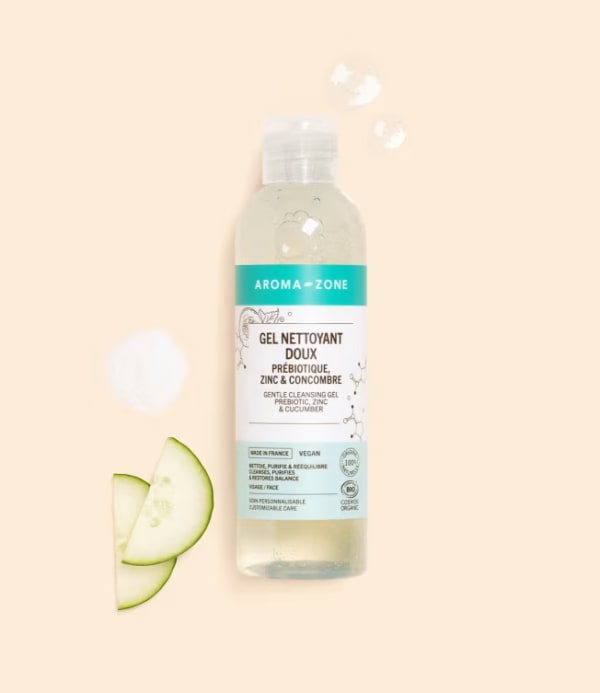
Gently cleanse: our Gentle Prebiotic, Zinc & Cucumber Cleansing Gel will help you purify your skin whilst respecting its natural balance.
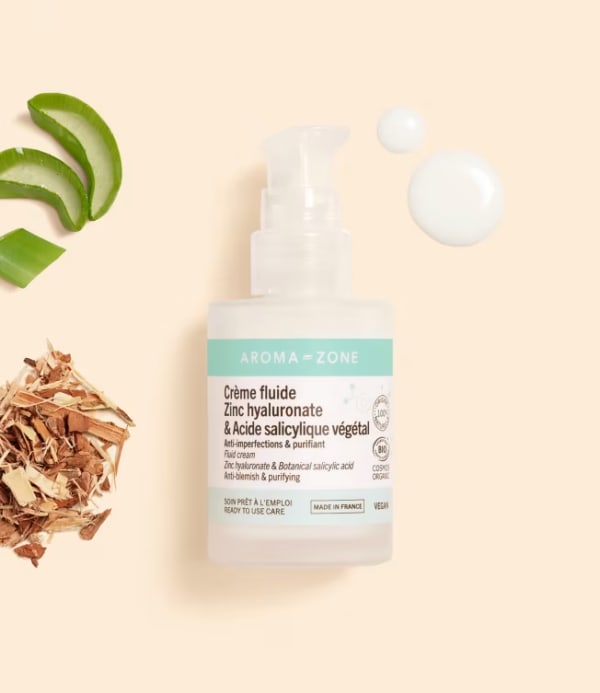
Moisturise without leaving a greasy residue : the Zinc Hyaluronate & Plant-Based Salicylic Acid Fluid Cream is a skincare product with a light, non-greasy texture that moisturises whilst leaving the skin feeling refreshed. Ideal for combination to oily skin.
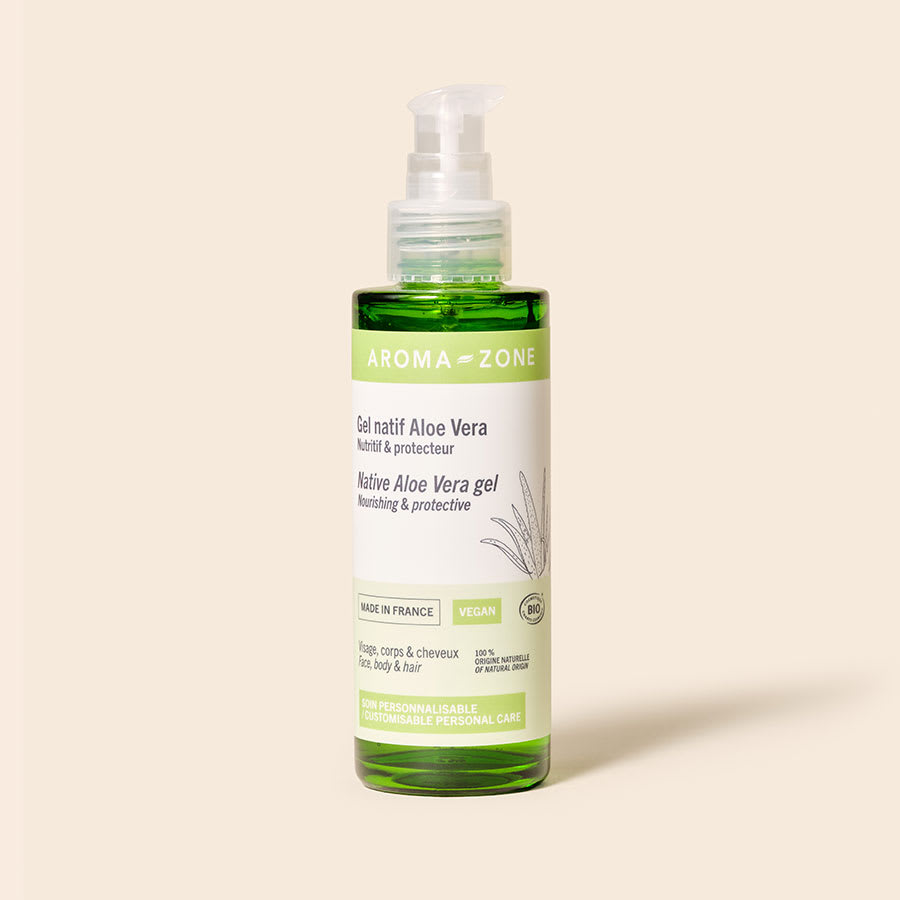
Focus on Organic Aloe Vera Gel
This aloe vera gel is made from fresh, unprocessed juice, with a guaranteed aloeverose content of at least 1,200 mg/L, extracted from the heart of the aloe vera plant through the simple addition of a natural gelling agent (xanthan gum), a natural preservative, and arginine (a naturally derived pH adjuster) to create a formula suitable for cosmetic use. This gel is cold-processed to preserve its high content of mucilage, vitamins and nutrients. Aloe vera juice is known for its many beneficial properties for the skin… A true treasure of nature and a must-have for all skin types!
Is aloe vera recommended for other skin types?
Aloe vera is suitable for all skin types.
It is particularly recommended for dry skin. Aloe vera gel provides deep hydration to the skin thanks to its amino acids and polysaccharides, restoring its softness and suppleness. In addition to its moisturising action, it also soothes irritation and itching, acting as a protective shield. The healing properties of Aloe Vera gel, rich in vitamins and natural sugars, are well established, particularly in helping to treat minor first-degree burns.
Furthermore, Aloe Vera is suitable for oily skin. Aloe Vera gel has astringent properties that tighten the skin’s pores, thereby reducing the appearance of oily skin and regulating sebum production. It also helps to restore the skin’s natural pH balance, which is crucial for maintaining a healthy skin barrier – something that is particularly important for oily skin. Non-comedogenic, it does not block pores, making it an ideal choice for acne-prone skin. Its cleansing properties help to purify the skin, reducing the risk of infections and impurities. Finally, its light formula provides hydration without adding oil, making it suitable for oily skin.
To find out more about the universal clear-skin routine, visit our dedicated page.
Aloe vera and acne: precautions
Aloe vera intended for topical use should be applied to clean skin, avoiding open or weeping lesions. In the event of persistent redness, a burning sensation or a visible worsening of acne lesions, use should be discontinued and medical advice sought. The available clinical data mainly concern formulations used in combination with established dermatological treatments. Aloe vera gel is not a substitute for prescribed treatment for moderate to severe forms of acne. Where a topical retinoid or other local treatment is already being used, the introduction of a product containing aloe vera should be discussed with a healthcare professional in order to minimise the risk of irritation or cumulative local effects.
Expert advice
For best results, use Aloe Vera regularly as an integral part of your skincare routine. You can apply it once or twice a day, preferably in the morning and in the evening. Applying Aloe Vera gel to delicate skin may cause a ‘tightening’ sensation, which subsides after a few minutes. For a more comprehensive treatment, you can also mix a few drops of vegetable oil into a small amount of aloe vera gel before applying it: for oily and/or blemish-prone skin, black cumin, jojoba or hazelnut oils are excellent choices.
Spotlight on Our Writer: Gipsy Dauge

Gipsy graduated from ESJ Paris and spent 10 years working in general and women’s magazines before specialising in health and wellbeing. Now a certified Yin Yoga teacher, she combines her passion for writing with her love of yoga. Through her articles, she aims to share simple, practical habits that support wellbeing and encourage a more mindful approach to everyday life.
Bibliography
Jones VA, Patel PM, et al.
Complementary and alternative medicine for the treatment of acne, atopic dermatitis, and psoriasis: A systematic review and meta-analysis. JAAD Int. 2020;1:xx-xx. PMCID: PMC8362305. Available at: https://pmc.ncbi.nlm.nih.gov/articles/PMC8362305/
VIDAL. Which plants can help relieve oily skin and acne? 2022.
Available at: https://www.vidal.fr/maladies/peau-cheveux-ongles/acne/phytotherapie-plantes.html
MSD Manuals Professional. Acne vulgaris. 2024.
Available at: https://www.msdmanuals.com/fr/professional/troubles-dermatologiques/acn%C3%A9-et-pathologies-apparent%C3%A9es/acn%C3%A9-vulgaire