
Aloe vera is a plant that grows in tropical and subtropical regions around the world. It has been valued for centuries for its medicinal and cosmetic uses. Its fleshy leaves contain a clear, viscous gel rich in nutrients such as vitamins, minerals, amino acids and polysaccharides. This gel is used to soothe burns, sunburn, skin irritations, insect bites, cuts and grazes. It is also a popular ingredient in many skincare products, such as moisturisers, after-sun lotions, shower gels and shampoos, due to its moisturising and skin-soothing properties.
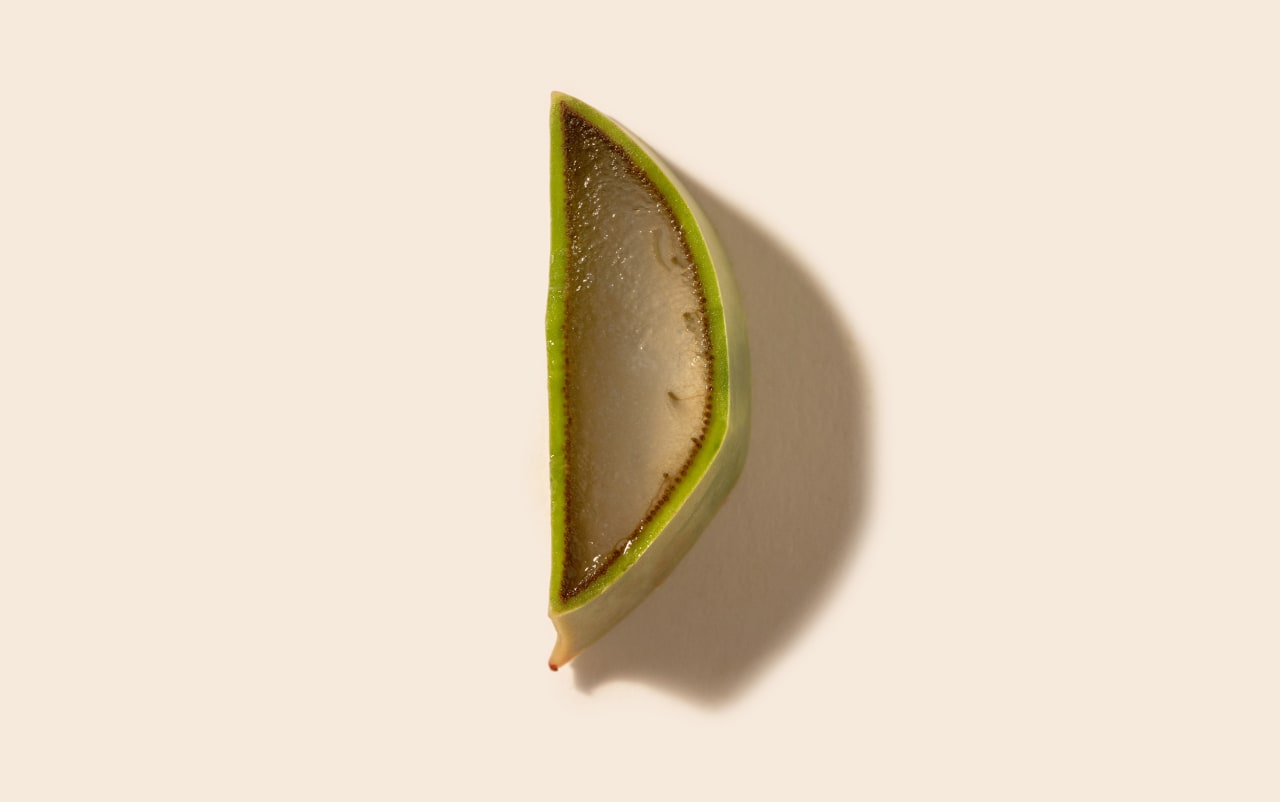
Aloe vera as a wound-healing agent: What are the effects?
Published on: Friday, May 03, 2024, Updated on: Wednesday, September 30, 2026
Aloe vera, a succulent plant prized for millennia for its many skin benefits, has become a staple in the field of skin healing. The plant, which is native to North Africa, is valued for its clear, refreshing gel, rich in nutrients beneficial to the skin. Its effectiveness as a natural wound-healing agent is supported by numerous scientific studies, and its use is widespread throughout the world. But how does Aloe vera work as a wound-healing agent? We explain it all in this article.
Contents
Related products
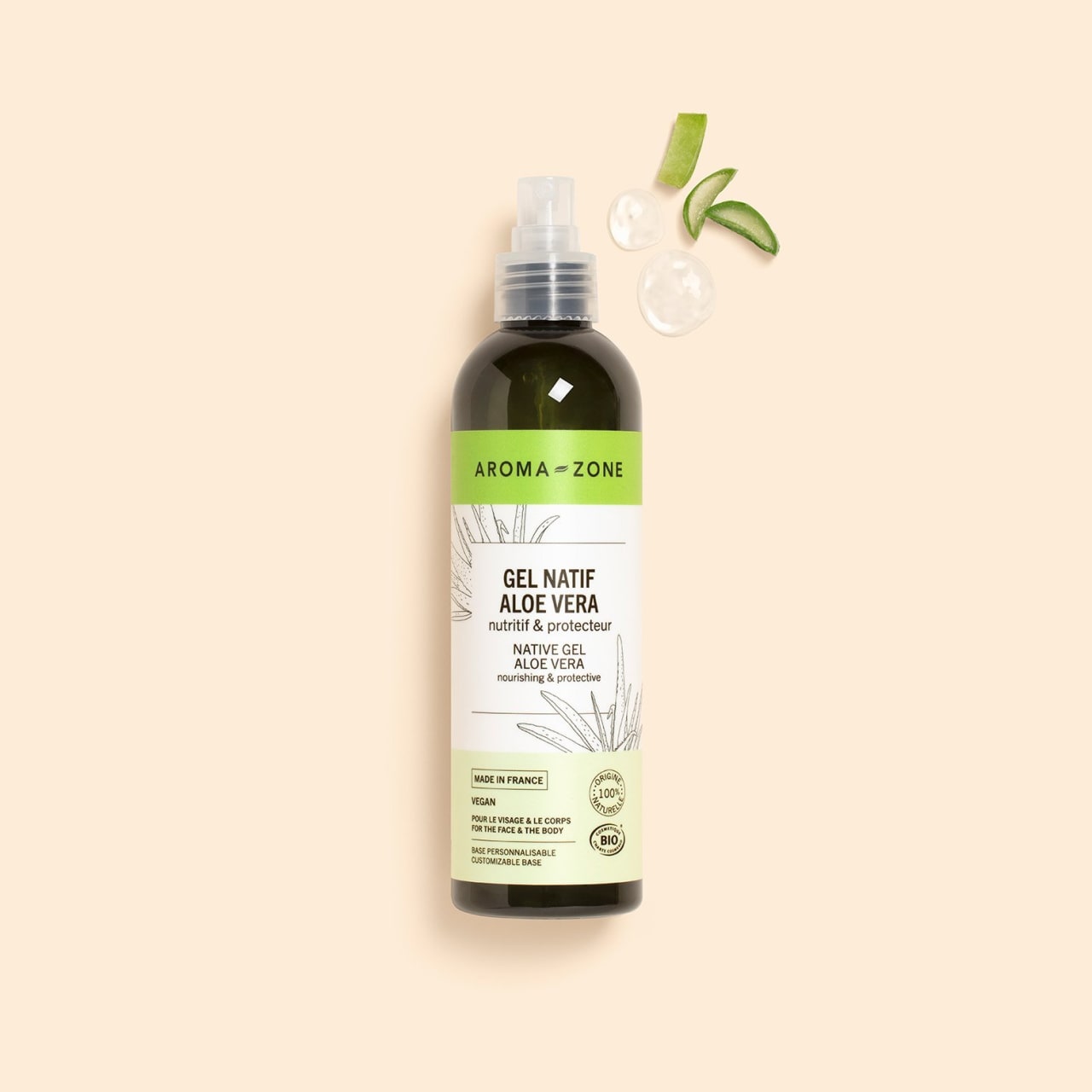
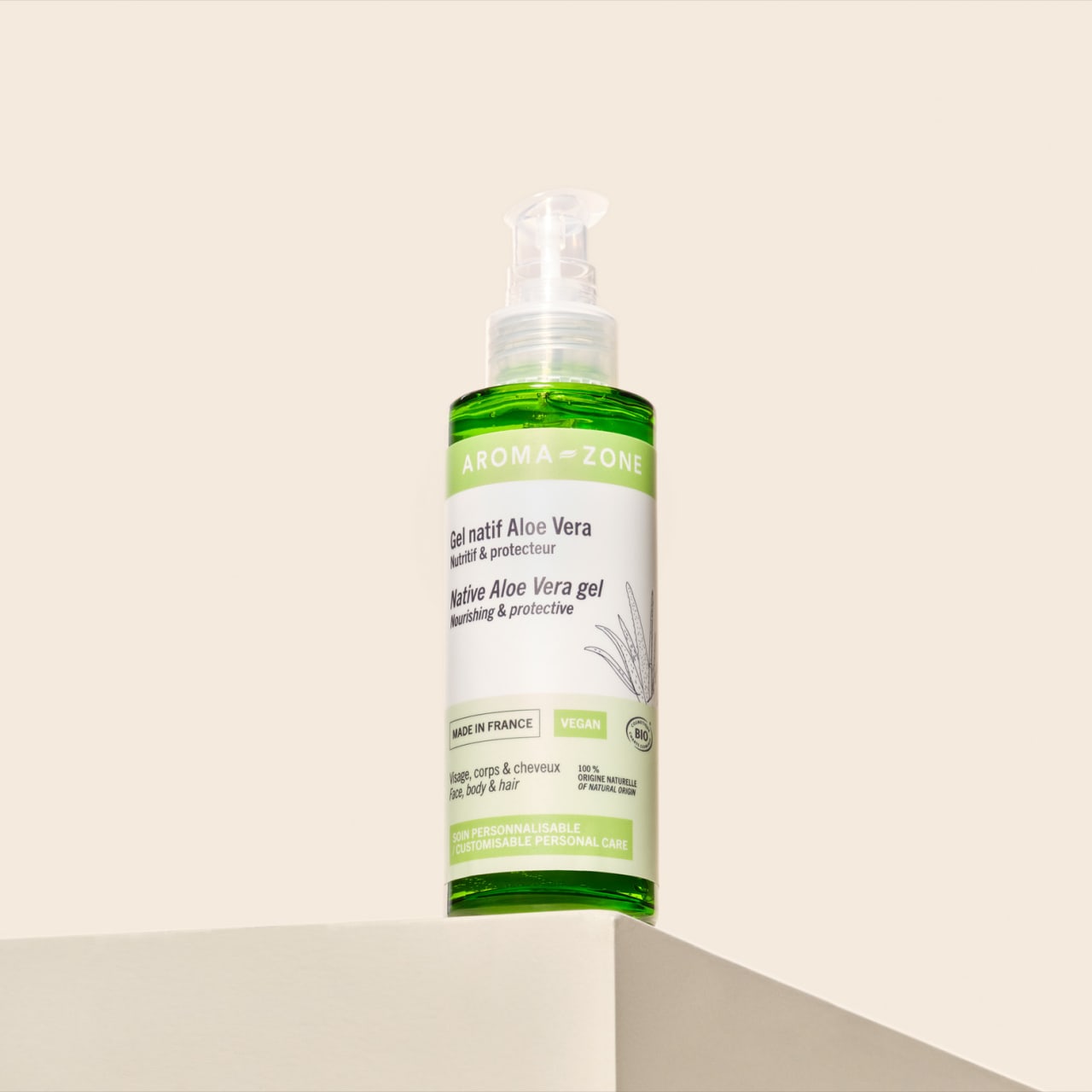
Organic Native Aloe Vera Gel
Protective
Nourishing
£10.00
250 ml
3 options
£8.50
100 ml
What is Aloe vera?
Why use aloe vera in skincare?
Aloe vera has been used in skincare since time immemorial. This is down to its many benefits and unique properties. Here are a few reasons why aloe vera is such a beloved ingredient in skincare products:
Hydration: Aloe vera is a highly effective natural moisturiser. Its clear, refreshing gel contains a high water content, which helps to deeply hydrate and nourish the skin. When applied to the skin, aloe vera helps restore the skin’s natural moisture balance, leaving it soft, supple and hydrated.
Soothing: Aloe vera has soothing and anti-inflammatory properties that help to calm skin irritation, redness, itching and burns. Applying aloe vera gel to the skin can instantly relieve discomfort and irritation, leaving the skin calm and soothed.
Healing: Aloe vera is renowned for its healing and regenerative properties, which promote the healing of wounds, grazes, burns and scars. Applying aloe vera gel to a wound or scar can encourage the formation of new tissue and reduce healing time.
Anti-ageing: Aloe vera is rich in antioxidants, such as vitamins A, C and E, which help combat the free radicals responsible for premature skin ageing. By regularly using skincare products containing aloe vera, you can reduce the appearance of wrinkles, fine lines and age spots, whilst preserving the skin’s youthfulness and vitality.
What are the benefits of aloe vera for scars?
Aloe vera is highly effective at boosting skin healing, thanks to its regenerative, moisturising, soothing and anti-inflammatory properties. Here’s how aloe vera can help improve the appearance of your scars:
Aloe vera contains polysaccharides that promote skin cell regeneration. Applying aloe vera gel to a scar can stimulate the production of new tissue and help replace damaged cells with healthy ones, which can gradually reduce the appearance of the scar.
Aloe vera is a highly effective natural moisturiser. Applying aloe vera gel to a scar can deeply moisturise the skin, which may soften the texture of the scar and reduce its rough appearance. Adequate moisturisation can also help prevent the formation of dry, scabby scars.
Scars can sometimes be accompanied by discomfort, irritation or itching. Aloe vera has soothing and anti-inflammatory properties that can alleviate these symptoms and improve the comfort of scarred skin. Applying aloe vera gel to a scar can help to calm inflammation, reduce redness and relieve itching.
Aloe vera contains anti-inflammatory compounds that help to reduce the inflammation associated with scars. Applying aloe vera gel to a scar can minimise swelling and irritation, which may contribute to faster healing and a reduction in the appearance of the scar.
The antibacterial properties of aloe vera help to prevent skin infections and protect the healing skin from harmful bacteria and germs. Applying aloe vera gel to a scar helps to maintain a clean, sterile environment, which promotes healing without complications.
Focus on Organic Aloe Vera Pure Gel
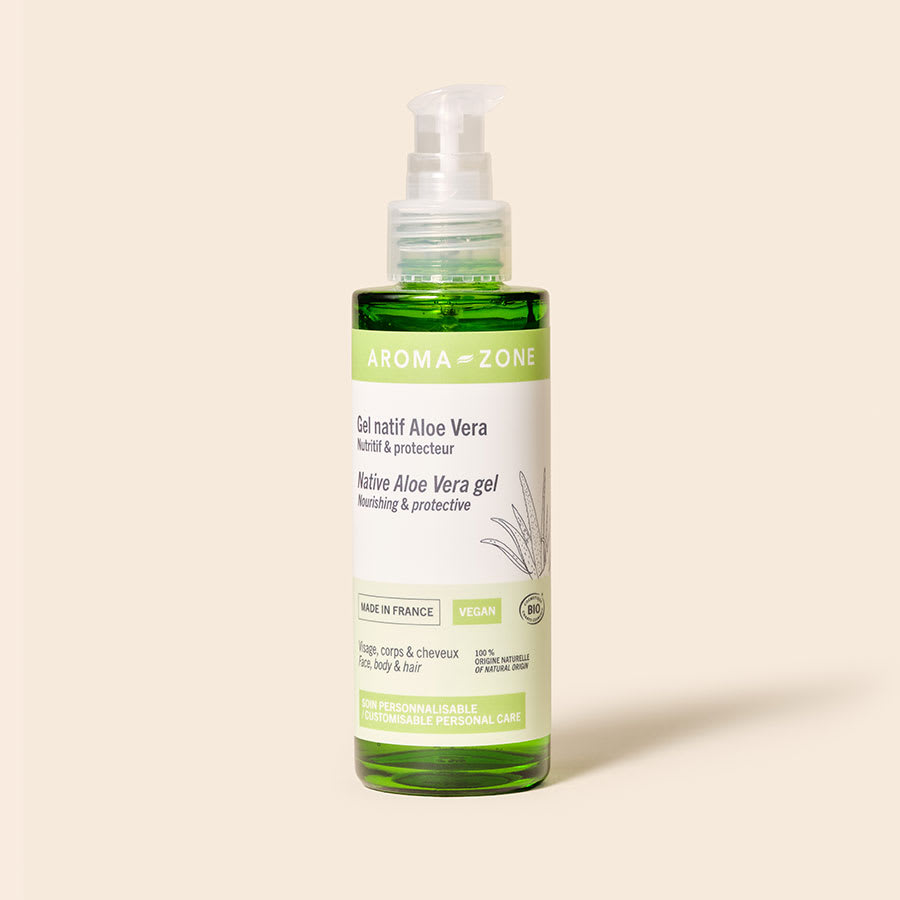
This Aloe vera gel is made from fresh, unprocessed juice, with a guaranteed aloeverose content of at least 1,200 mg/L, extracted from the heart of the Aloe vera plant by simply adding a natural gelling agent (xanthan gum), a natural preservative, and arginine (a naturally derived pH adjuster) to create a formula suitable for cosmetic use. This gel is cold-processed to preserve its high content of mucilage, vitamins and nutrients. Aloe vera juice is known for its many beneficial properties for the skin… A true treasure of nature and a must-have for all skin types!
How can you use aloe vera to aid healing?
Here is a very simple, step-by-step guide to incorporating aloe vera into your routine to help heal your wounds or scars:
Pure aloe vera gel: The simplest method is to use pure aloe vera gel. Make sure you use a high-quality aloe vera gel free from harmful additives. Apply a thin layer of gel to the affected area two to three times a day.
Aloe vera gel with other ingredients: You can also mix aloe vera gel with other ingredients that aid healing, such as honey, coconut oil or olive oil. These mixtures can offer additional properties to promote healing.
Poultices: For more serious wounds or burns, you can create a poultice by applying a thick layer of aloe vera gel to the affected area, then covering it with sterile gauze. Change the poultice twice a day.
Internal use: As well as topical application, drinking aloe vera juice can also aid healing from within. However, ensure you consume high-quality aloe vera juice and check with your doctor to ensure it is suitable for you.
Our natural solutions for wound healing
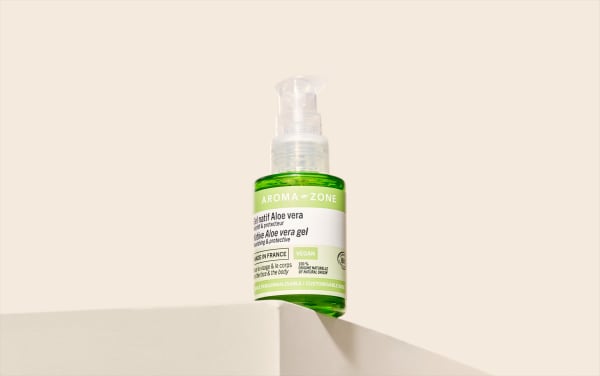
Organic Pure Aloe Vera Gel
This Aloe vera gel is made from fresh, unprocessed juice, with a guaranteed aloeverose content of at least 1,200 mg/L, extracted from the heart of the Aloe vera plant by simply adding a natural gelling agent (xanthan gum), a natural preservative, and arginine (a naturally derived pH adjuster) to create a formula suitable for cosmetic use.
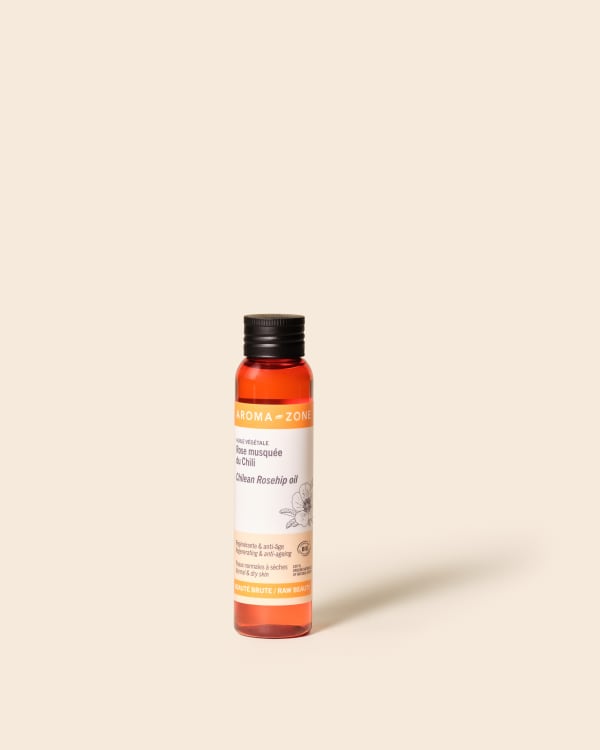
Organic Chilean Rosehip Oil
Rich in carotenoids, this oil is known for its exceptional anti-ageing properties. It is the ideal active ingredient for nourishing dry and sensitive skin, combating wrinkles and treating skin affected by stretch marks and scars. It is particularly renowned for improving the appearance of skin marked by the passage of time or sun exposure.
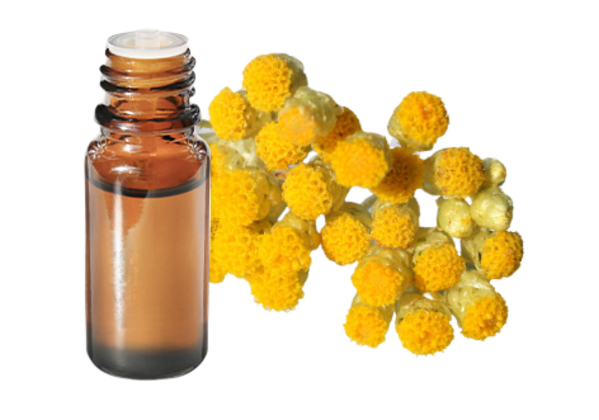
Organic Italian Helichrysum (Immortelle) essential oil from Corsica
Known for its benefits in treating bruises and bumps, Italian Helichrysum (or Immortelle) essential oil is traditionally used to treat minor injuries. It also helps to even out skin prone to redness and reduce rosacea. With its astringent properties, it can be used in firming and soothing facial and body treatments.
Discover the Organic Italian Helichrysum (Immortelle) Essential Oil from Corsica
Aroma Zone’s wound-healing recipes
Precautions
Aloe vera gel is natural, but some people may find it irritating! Before applying it directly to your skin, make sure you don’t have a reaction by testing it on another part of your body, such as the inside of your arm.
Expert advice
Keep your aloe vera gel in the fridge; this will enhance its freshness and provide a lovely cooling sensation when you apply it.
Spotlight on Our Writer: Coralie Técher

Coralie has spent seven years working as a journalist specialising in women’s issues. With a particular passion for beauty and well-being, she is committed to exploring natural self-care approaches. She keeps up to date with current research and trends and enjoys sharing relevant, reliable information with her readers.
Bibliography
https://www.theplacetobeauty.com/faire-disparaitre-cicatrices-aloe-vera/
https://aloderma.com/fr/blogs/news/using-aloe-vera-on-scars
https://www.aloe-vera-pour-tous.com/post/gel-aloe-vera-cicatrice-remedes-naturels-pour-cicatriser-attenuer-hydrater-effacer
https://www.santemagazine.fr/beaute-forme/anti-age/comment-gommer-une-cicatrice-ancienne-173438
Frequently Asked Questions
Associated tips
Face care tips
Muscle and joint comfort tips


