The benefits of Aloe Vera for my face

Many of us have heard of Aloe Vera. However, many of us are still unaware that it has interesting benefits for our face.

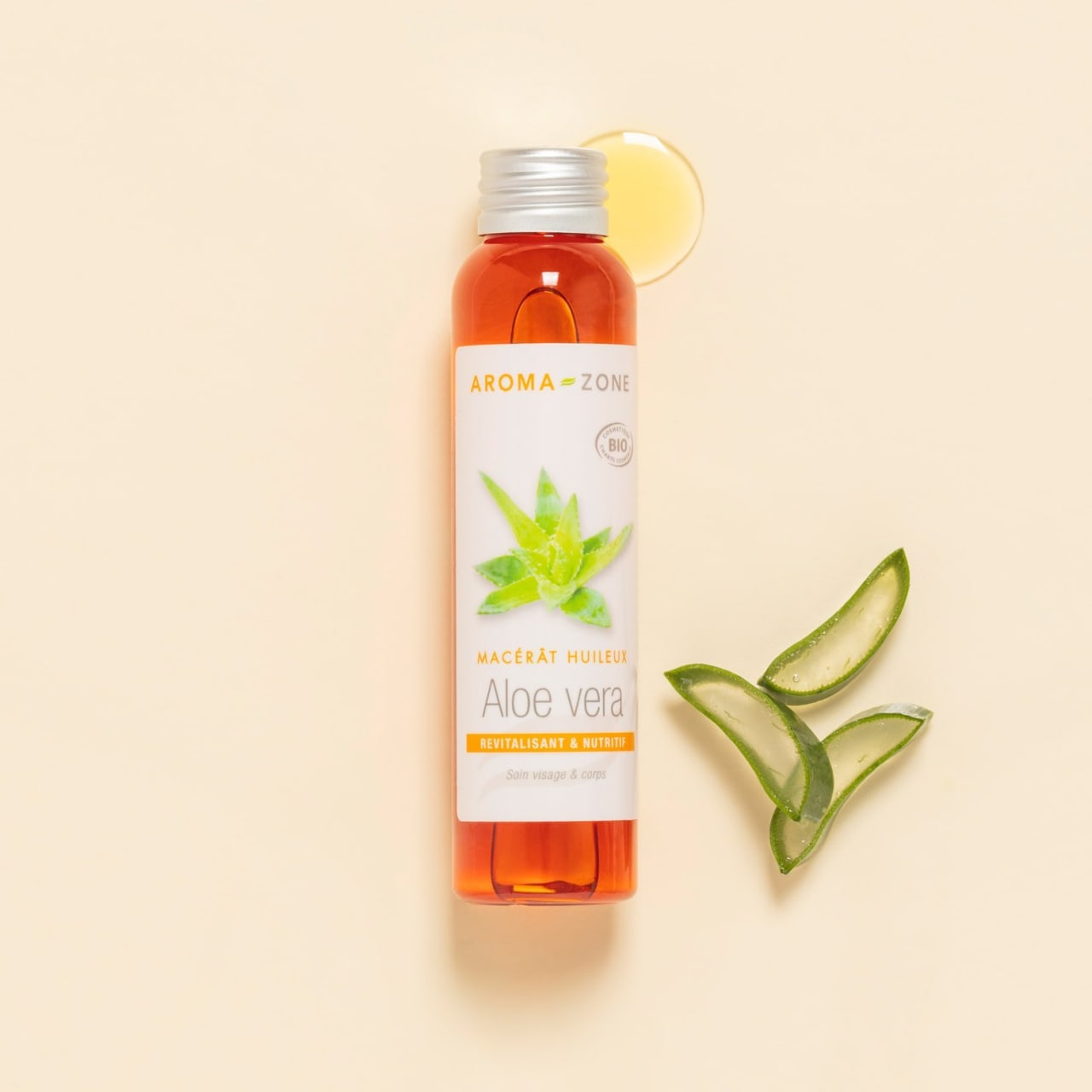
Did you know, for example, that Aloe Vera gel can help reduce the appearance of blemishes? Or that an Aloe Vera cream makes an excellent anti-wrinkle treatment? You'll find this cosmetic ingredient in several forms in our nature booklet: gel, powder and oily macerate.

Take a moment to discover our experts' tips and recommendations for using Aloe Vera on your face. From masks to moisturisers, you'll see that you have everything to gain by using it in your home cosmetics.

Reading time: 0 min.

What is Aloe Vera?

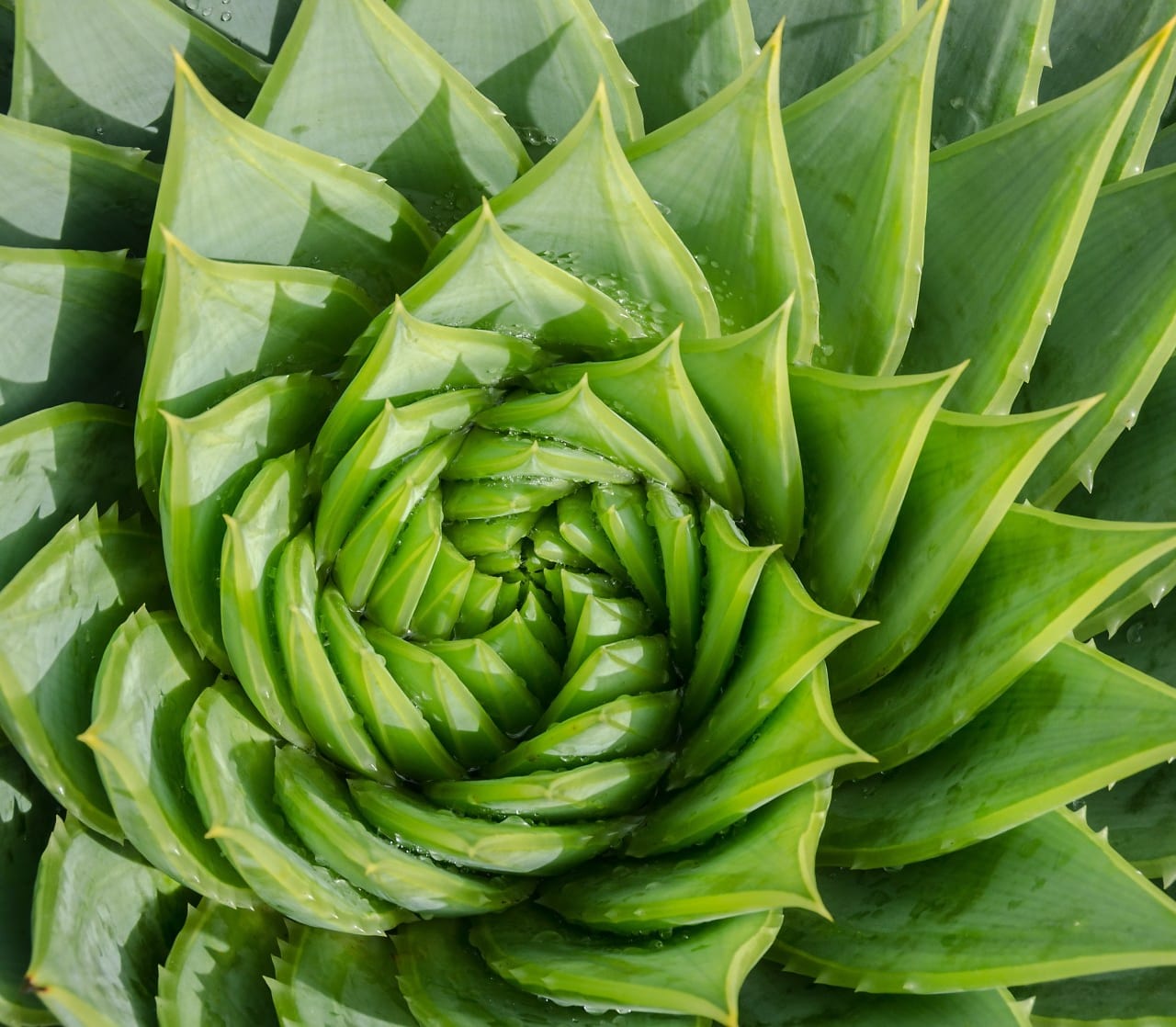
Aloe Vera is one of 300 varieties in the Aloe family. It can be recognised by its long, smooth, elongated, narrow, pale green evergreen leaves. The tip of the leaf is pointed, while the sides are serrated and covered with tender spines. The leaves contain an abundant gelatin-like pulp that is 98% water. It is this pulp that is the source of Aloe Vera gel. Aloe Vera grows in arid and desert regions. It is mainly found in Mexico, the country of origin of our native ORGANIC Aloe Vera gel. Sometimes used as an ornamental plant, this plant also has many cosmetic and medicinal properties.

Its special features in cosmetics

Its richness lies in its composition, giving it fantastic skincare properties.

Researchers estimate that Aloe vera contains around 75 active constituents.

Aloe vera is renowned for its rich composition, notably in water (around 98%), polysaccharides, vitamins (A, C, E, B1, B2, B3, B6) and minerals (zinc, magnesium, calcium). Modern research into its cosmetic benefits began in the 1980s. Since then, numerous studies have demonstrated its moisturising and humectant properties. Its plumping effect comes from its polysaccharides, which retain moisture on the skin's surface, helping to restore suppleness and improve skin hydration, creating a plumper, firmer skin effect. A 2006 study showed that cosmetic formulations containing Aloe vera extract improved skin hydration (Dal'Belo et al., 2006).

Aloe vera also has healing and anti-inflammatory properties. The work of Davis et al (1987) highlighted the effectiveness of Aloe vera in accelerating the healing process.
What are the benefits of aloe vera for skin?

  • Soothing: Naturally rich in restorative and soothing substances, such as bradykinase and lectin, it relieves feelings of irritation and itching.

  • Moisturising: At around 98% water, Aloe vera provides immediate hydration to the skin. This high water content helps restore skin moisture. Its polysaccharides, such as glucomannan, are natural humectants. They attract water to the upper layers of the epidermis and retain it, contributing to hydration and limiting transepidermal water loss. This allows the skin to retain moisture more effectively.

  • Anti-ageing: It contains glycoproteins and amino acids involved in the synthesis of collagen and hyaluronic acid. This boosts cell renewal. What's more, thanks to its moisturising effect and ability to retain water, Aloe vera has a tightening effect that helps to reduce the appearance of fine lines and signs of ageing.

  • Anti-bacterial: The presence of saponins, aloetin and aloesin in its composition partially inhibits bacterial growth. Our experts therefore recommend using it to prevent the appearance of pimples and redness associated with the proliferation of bacteria.

What skin types can Aloe Vera be used on?

Aloe vera is a versatile ingredient that is suitable for most skin types:

Dry skin: Aloe vera helps retain moisture, which can relieve tightness.

Oily skin: Aloe vera is a humectant, so it moisturises without adding oil, making it an excellent choice for skin with an oily tendency.

Skin with imperfections: Aloe vera helps calm inflammation and redness while moisturising the skin.

Mature skin: Aloe vera can reduce the appearance of fine lines and wrinkles.

Our natural Aloe Vera solutions

As a body lotion

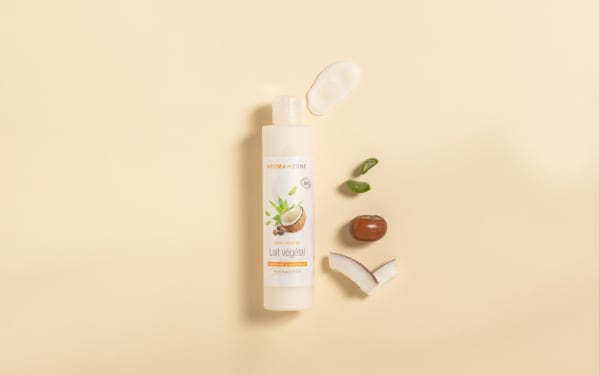
100% natural origin and certified ORGANIC, this plant-based body lotion, bursting with Aloe Vera juice and enriched with Coconut oil and Shea and Cocoa butter, can be used pure or with other active ingredients as a face and body treatment for all skin types. Its fluid texture is easily absorbed by the skin, leaving it soft, supple and nourished, with no greasy film.

Discover our Neutral Plant Milk

In oily macerate

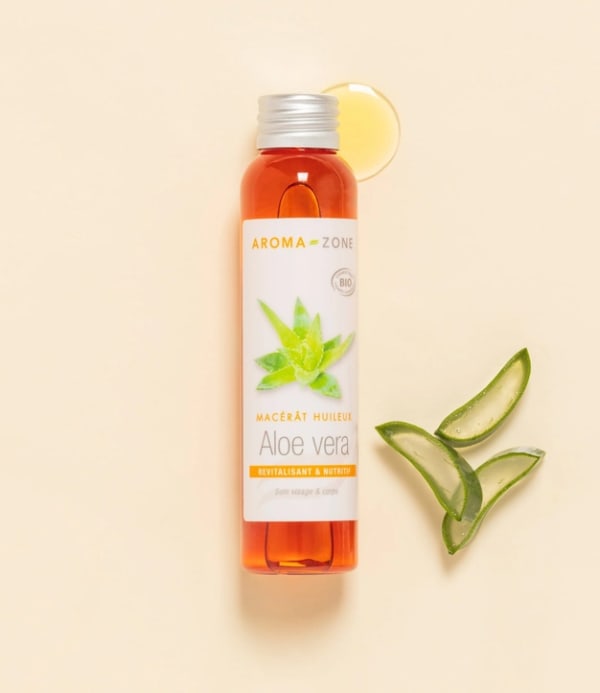
Oily macerates restore elasticity to your skin. The skin is more supple and the complexion brighter.

Discover our ORGANIC Aloe Vera oil (oily macerate)

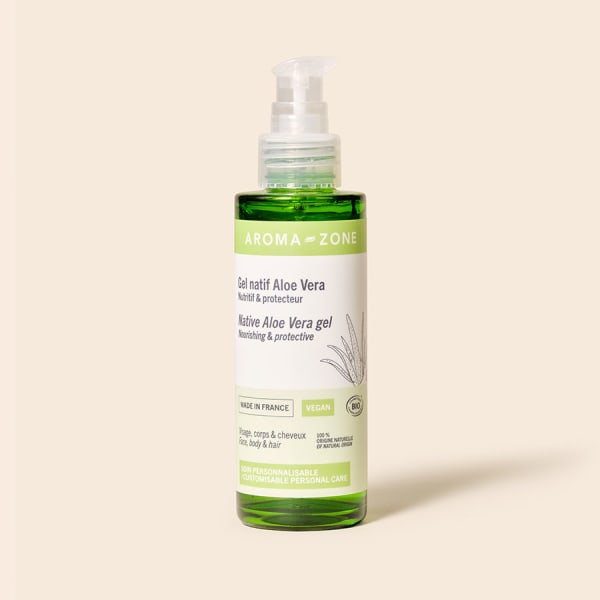
In native gel

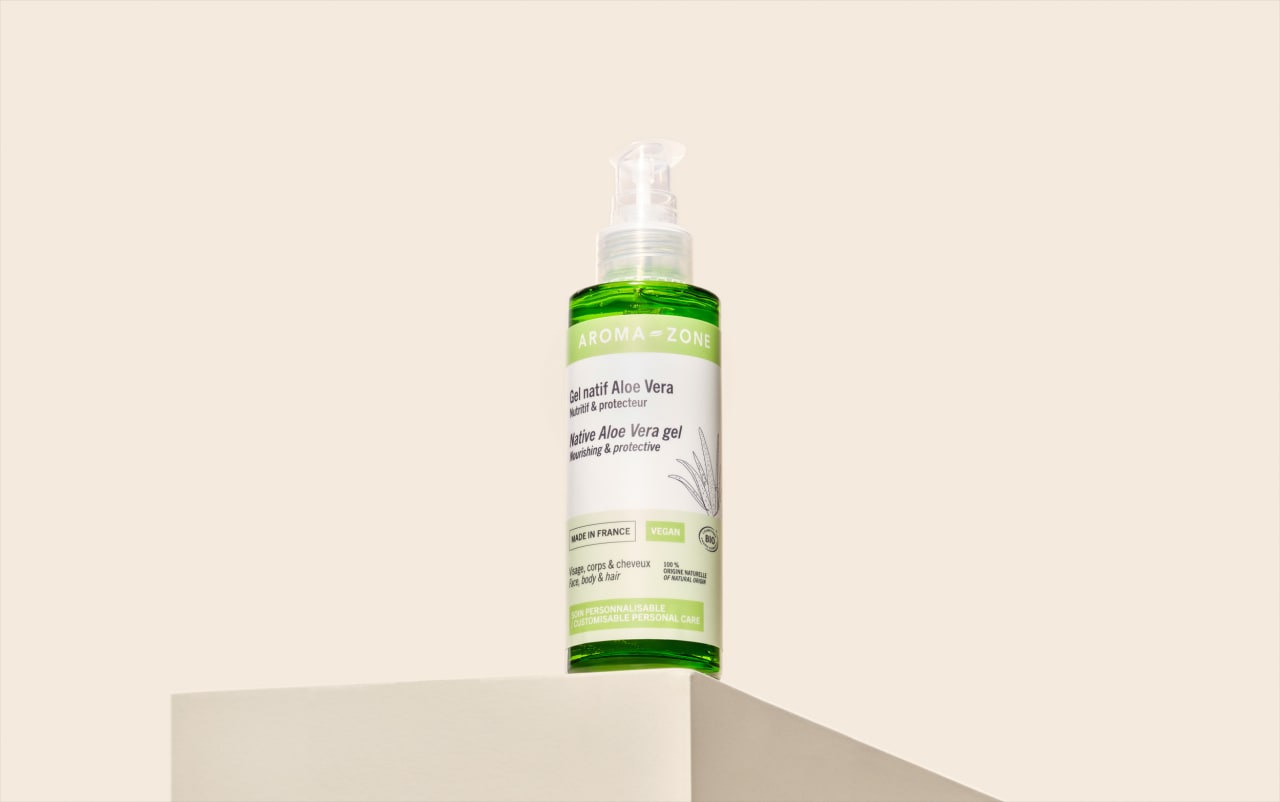
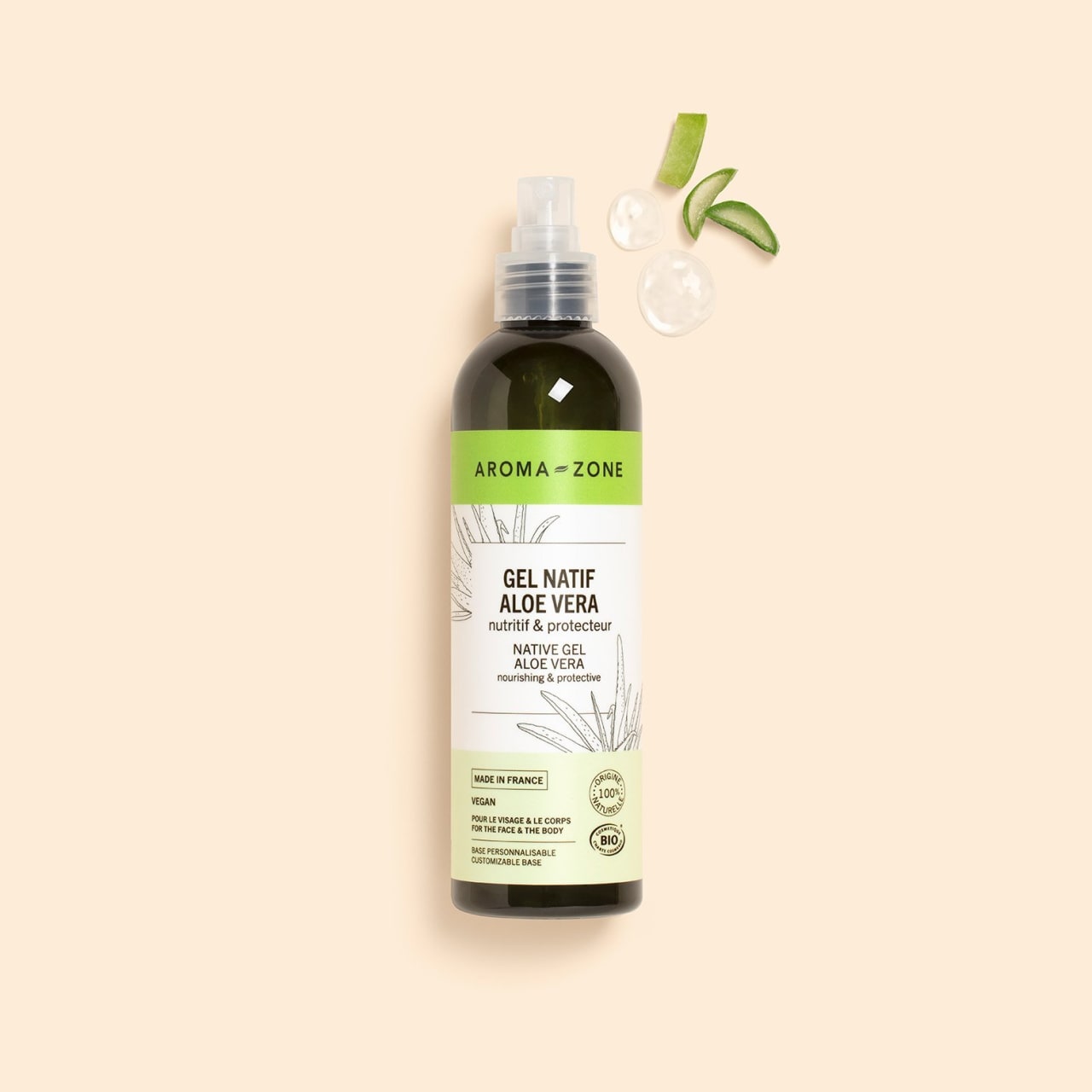
This Aloe vera gel is prepared from fresh native juice, with a guaranteed aloeverose content of at least 1200 mg/L so that you can enjoy all the benefits of aloe vera.

Discover our ORGANIC Aloe Vera oil (oily macerate)

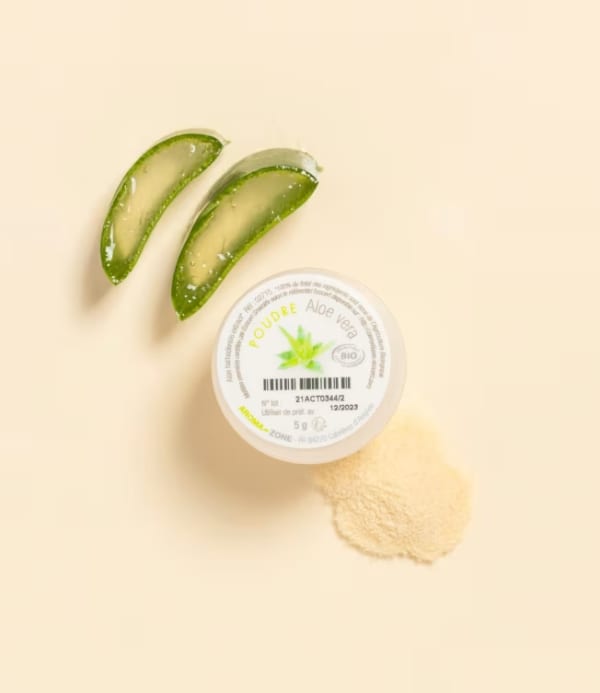
As a cosmetic active ingredient

This powder is obtained by freeze-drying Aloe vera juice. It can be rehydrated very easily in water to reconstitute Aloe vera juice, which can be used in the aqueous phase in your home cosmetics or as a drink.

Discover our ORGANIC Aloe Vera Powder Active Ingredient

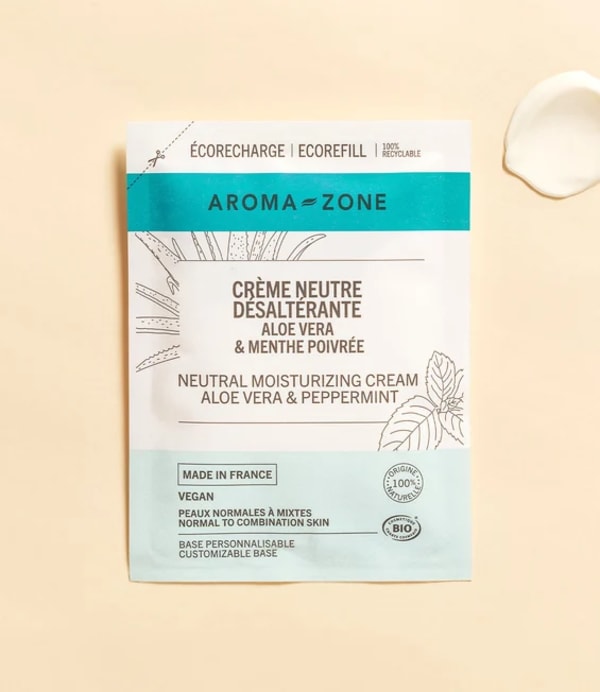
Face and body cream

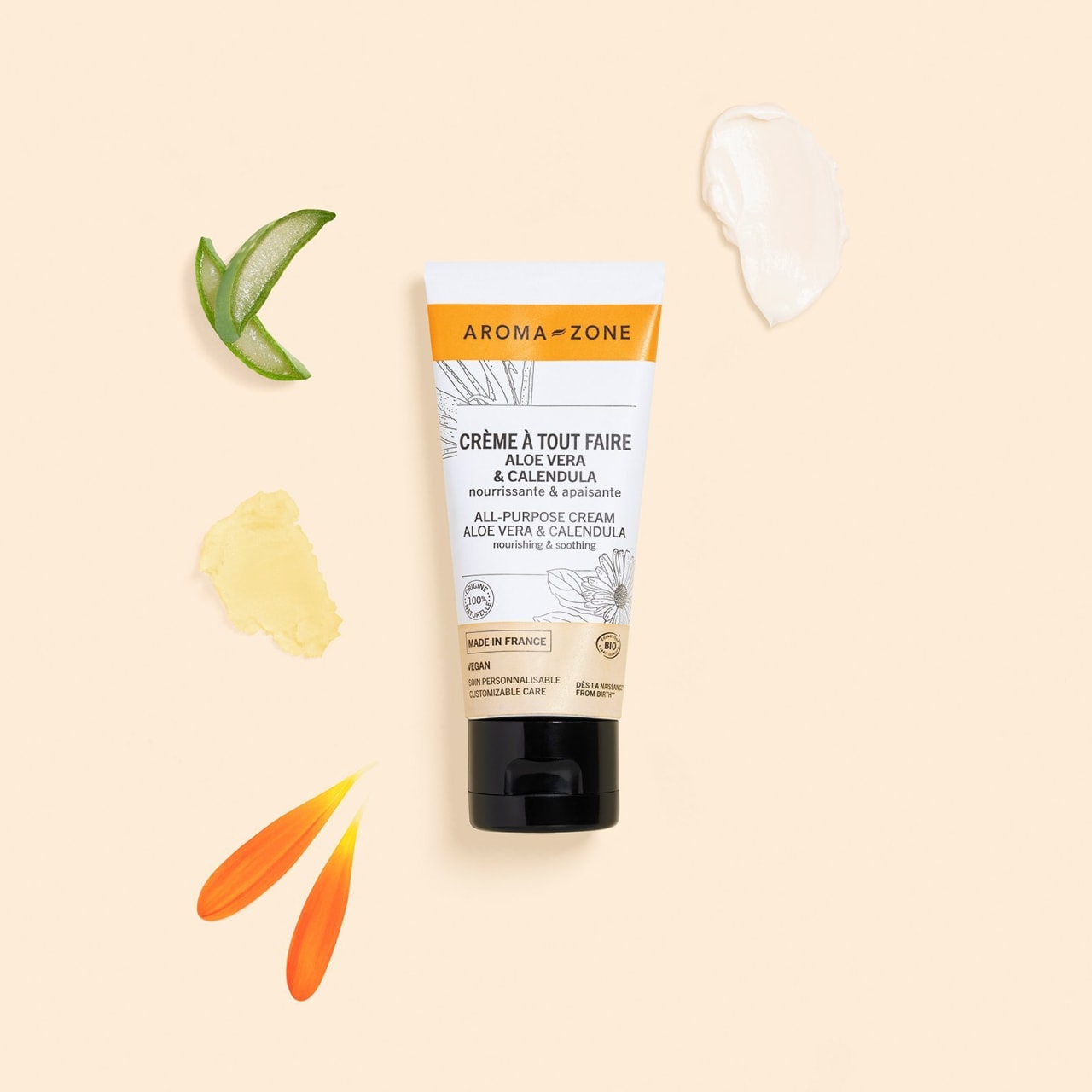
This certified ORGANIC, 100% natural face and body cream, enriched with Aloe vera, provides the skin with intense, long-lasting hydration for up to 8 hours after application. It can be used pure or personalised with other active ingredients.

Discover our ThirstQuench face and body cream

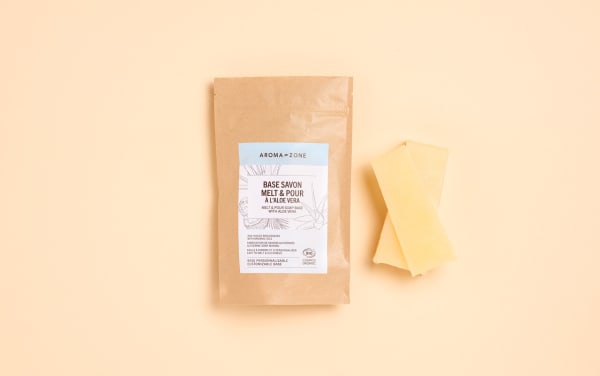
In soap

Enriched with ORGANIC Aloe vera, this soap base is ideal for making your own personalised soaps quickly and easily.

Discover the Aloe vera soap base

How do I use Aloe Vera?

Aloe vera is a versatile ingredient, suitable for many types of skincare.

For the skin

Burns and irritations: In the event of burns or irritations, the Aloe vera gel form is the most suitable. Pure Aloe vera gel, when applied directly to the skin, provides intense hydration while soothing discomfort associated with aggressions such as light burns, sunburn or irritation.

For sensitive skin. Aloe vera, incorporated into lotions, provides gentle hydration while refreshing the skin. It also helps to calm redness and irritation, providing lasting relief for fragile, reactive skin.

Dry, dehydrated skin: For dehydrated skin, Aloe vera-based masks are an ideal solution. Applied in a thick layer, these masks provide deep hydration. Aloe vera helps to strengthen the skin's barrier, helping it to retain moisture more effectively. Used regularly, they help restore the skin's moisture balance, leaving it softer and more supple.

Aloe vera can be incorporated into serums to be applied before moisturising cream. Its humectant effect boosts the effect of the moisturiser applied afterwards.

Against spots and scars: Aloe vera oily macerate is particularly beneficial against scars, as it encourages skin regeneration while providing deep hydration. Used regularly, it helps reduce marks and blemishes and improves the overall appearance of the skin.

In soaps and shampoos

Commonly used in shampoos and soaps for its moisturising properties. It is an excellent active ingredient for gently cleansing the skin while retaining moisture. Its soothing properties also help to soothe even the most sensitive scalps. Aloe vera is also commonly used in soaps and shampoos. Its moisturising and restorative properties make it an excellent choice for gently cleansing the skin without drying it out. In shampoos, it helps to moisturise and soothe the scalp while strengthening the hair.

For digestive well-being

Consumed as fresh juice or reconstituted from Aloe vera powder, it improves digestive comfort and helps to cleanse the digestive system through its detoxifying properties.

Can Aloe Vera be combined?

Aloe vera is generally well tolerated and can be combined with almost any ingredient. Here are our most common combinations to maximise its benefits:

Aloe vera and vitamin E: for sensitive, dehydrated skin

Vitamin E is a powerful antioxidant that helps protect the skin from damage caused by free radicals, which are often responsible for skin ageing. Vitamin E also has moisturising properties. It also plays a crucial role in hydration. Combining it with Aloe vera maximises its moisturising effects while benefiting from its antioxidant properties.

Aloe vera and Salicylic Acid: for oily skin with blemishes

Salicylic acid is a beta-hydroxy acid (BHA) used to combat acne and oily skin with blemishes thanks to its keratolytic and sebo-regulating properties. Combined with Aloe vera, it helps to reduce the redness and irritation associated with skin eruptions.

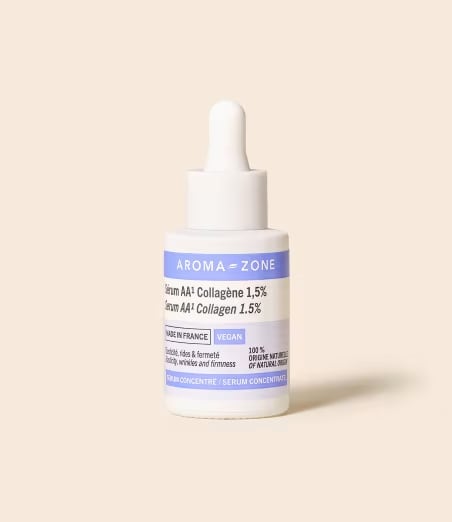
Aloe vera and collagen: for dry, mature skin

Recipes to reproduce using Aloe Vera

Ultra-moisturising and plumping Aloe Vera face mask

Ingredients without scales

Preparation

1

Put all the ingredients in a bowl and mix.

2

Leave the mixture to stand for around 15 minutes, then mix again to obtain a homogeneous gel with no lumps.

3

Transfer the mixture to a jar.

Note: the pH of this blend is approximately 5.0-6.0.

Store your bottle in the fridge.

* Storage: if stored properly and manufactured under optimum hygiene conditions, your product will keep for at least 3 months in the fridge.

Youth Serum with Aloe vera

Ingredients without scales

1

Transfer the Aloe Vera gel to a bowl.

2

Add the rest of the ingredients, mixing well between each addition.

3

Transfer the product to your bottle using the pipette if necessary.

Our precautions for use

Despite its many benefits for the skin, Aloe vera must be used with care. Before applying it for the first time, it's important to test the gel on a small area to check that it doesn't cause allergies or irritation.

In addition, if you suffer from certain skin conditions such as eczema or psoriasis, it's advisable to consult a dermatologist before adding a new product to your routine.

Finally, it is advisable to avoid applying it around the eyes.

Find out more

Can I use Aloe Vera every day?

Yes, you can use Aloe Vera on your face every day. For oily skin, Aloe Vera gel can even replace day and/or night care. Take the time to observe your skin's reactions. If you feel it needs more nourishment, don't hesitate to add a cream.

How do I use pure Aloe Vera?

Cut the leaf in half lengthways, extract the gel and place in a blender. When the texture is more malleable, fill small ice cubes with it and place them in the freezer. It will be ready to use. You can also take a whole leaf, cut it into small pieces and place it in the freezer so that you can use it several times.

How should I store Aloe Vera?

Store your Aloe vera gel in a cool place away from direct sunlight and heat. You can also store Aloe vera gel in the refrigerator. This provides an immediate sensation of freshness when applied, which is particularly effective after exposure to the sun. What's more, storing the gel in a cool place extends its shelf life by limiting the proliferation of bacteria.

DIY recipe: Aloe Vera & Green Tea Face Lift Serum

Focus on our specialist editor, Hélène Betoux

Hélène Betoux is a French beauty journalist specialising in web media. Every day she writes tips, advice and guides to help consumers choose the right products. With a strong interest in natural, organic and clean cosmetics, she always has an eye on trends and innovations in the sector, which she likes to analyse and share.

Bibliography

1

Therapeutic and Medicinal Uses of Aloe Vera: A Review. Pharmacology & Pharmacy

Sahu, P. K., Giri, D. D., Singh, R., Pandey, P., Gupta, S., Shrivastava, A. K., & Kumar, A.

2

Dal'Belo, S. E., Gaspar, L. R., & Maia Campos, P. M. B. G. (2006).

3

"The Healing Effect of Aloe vera in Burns: A Study." Journal of Burn Care & Rehabilitation*, 8(3), 193-196.

Davis, L. H., et al (1987).

4

Heggers, J. P., et al (1993).