
Acne is a common inflammatory skin condition. It mainly appears in the form of pimples (papules, pustules), comedones (blackheads, whiteheads), and sometimes cysts or nodules. Hair follicles play a central role in the development of acne. When they become clogged due to an excess of sebum (the natural oil produced by the sebaceous glands) and the accumulation of dead cells, this creates an environment conducive to the proliferation of bacteria, particularly Propionibacterium acnes, the main bacterium responsible for acne. As these microorganisms multiply, they trigger an inflammatory reaction that leads to inflammation and the appearance of skin lesions. Acne mainly affects the face, neck, back, chest and shoulders.
All our effective natural anti-acne active ingredients
Published on: Friday, August 30, 2024, Updated on: Monday, October 05, 2026
Acne affects many people of all ages and can sometimes be a source of discomfort in everyday life. While some skincare products can be harsh on the skin, it is possible to adopt gentle and respectful practices to care for your face. Natural cosmetic active ingredients help maintain the skin's balance by purifying, soothing and regenerating the complexion, while limiting the appearance of blemishes. In this article, we present our favourite natural active ingredients to help care for acne-prone skin and promote a more harmonious and comfortable result every day.
Contents
Related products
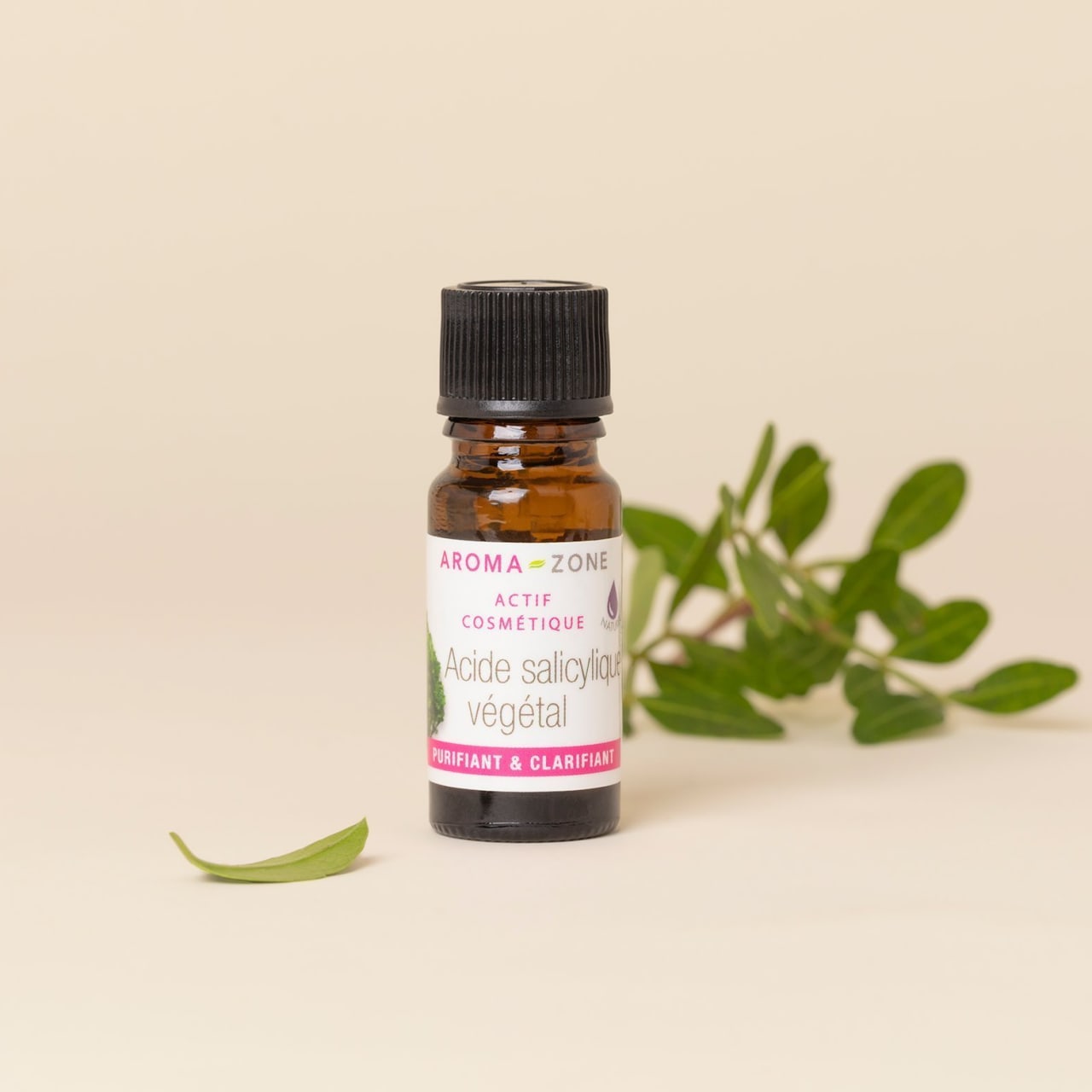
Plant-Derived Salicylic Acid
Purifying
Anti-ageing
£2.80
£4.00
10 ml
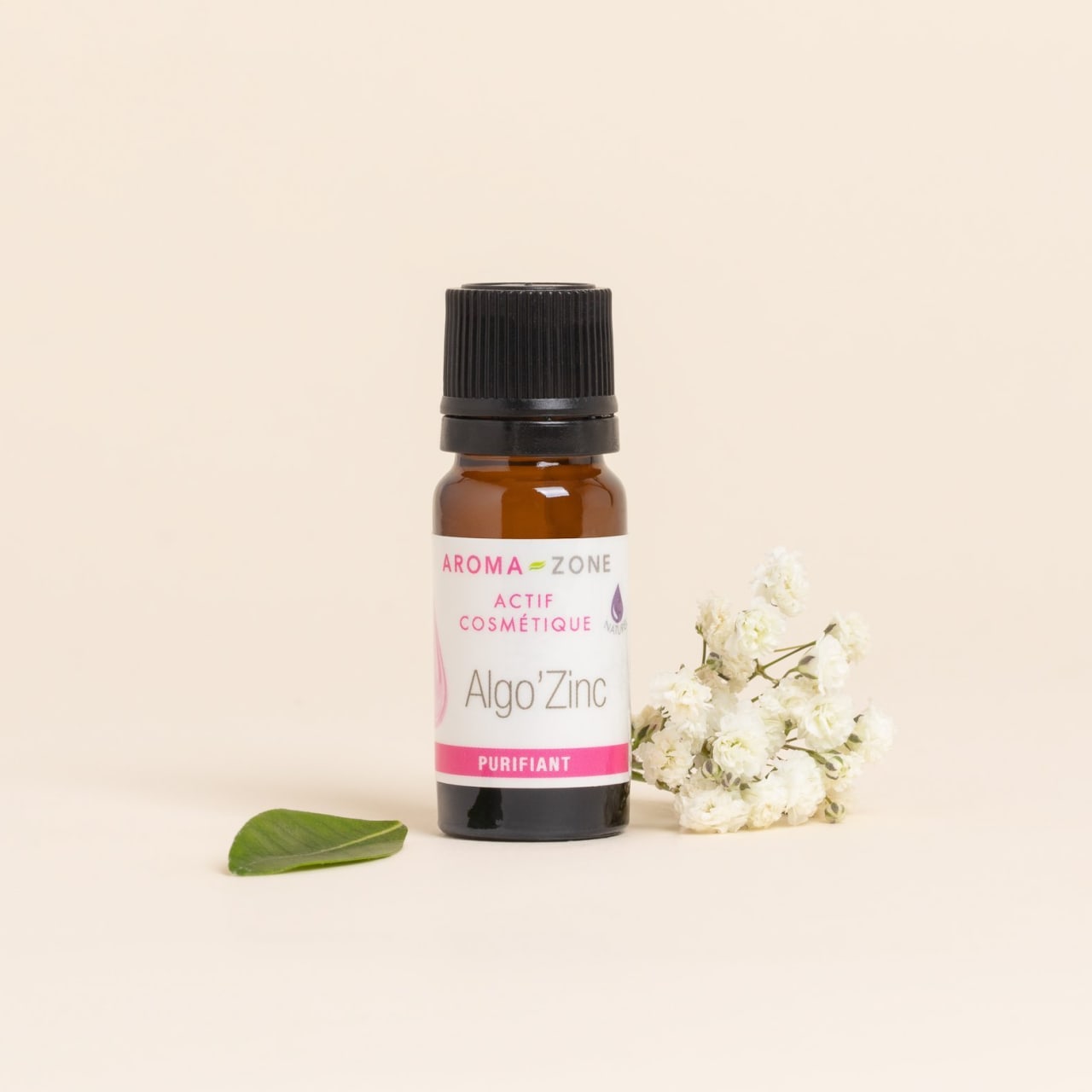
Algo'Zinc Active Ingredient
Purifying
Sebum-regulating
£4.50
10 ml
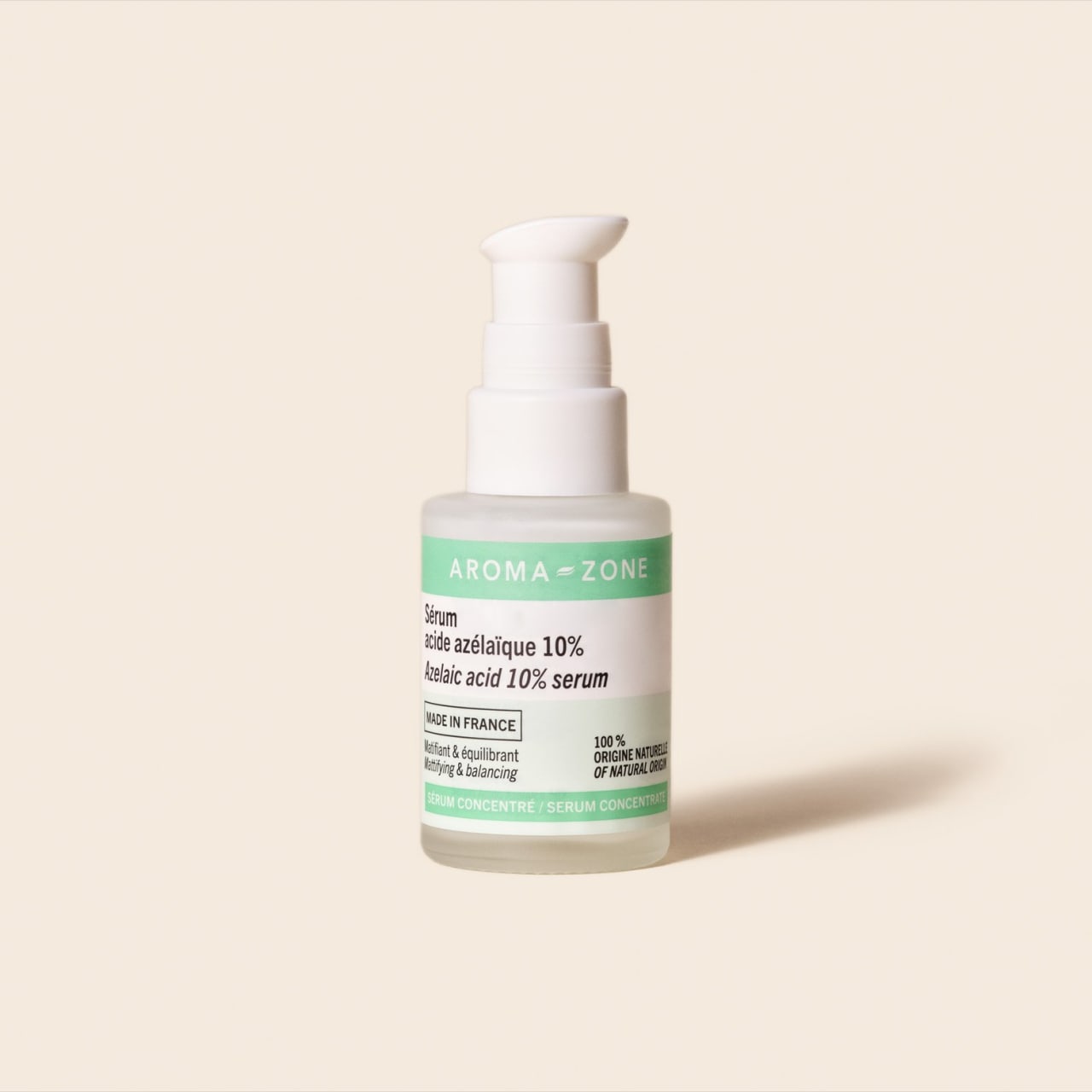
Azelaic Acid 10% Serum
Sebum-regulating
Anti-blemishes
£8.00
30 ml
2 options
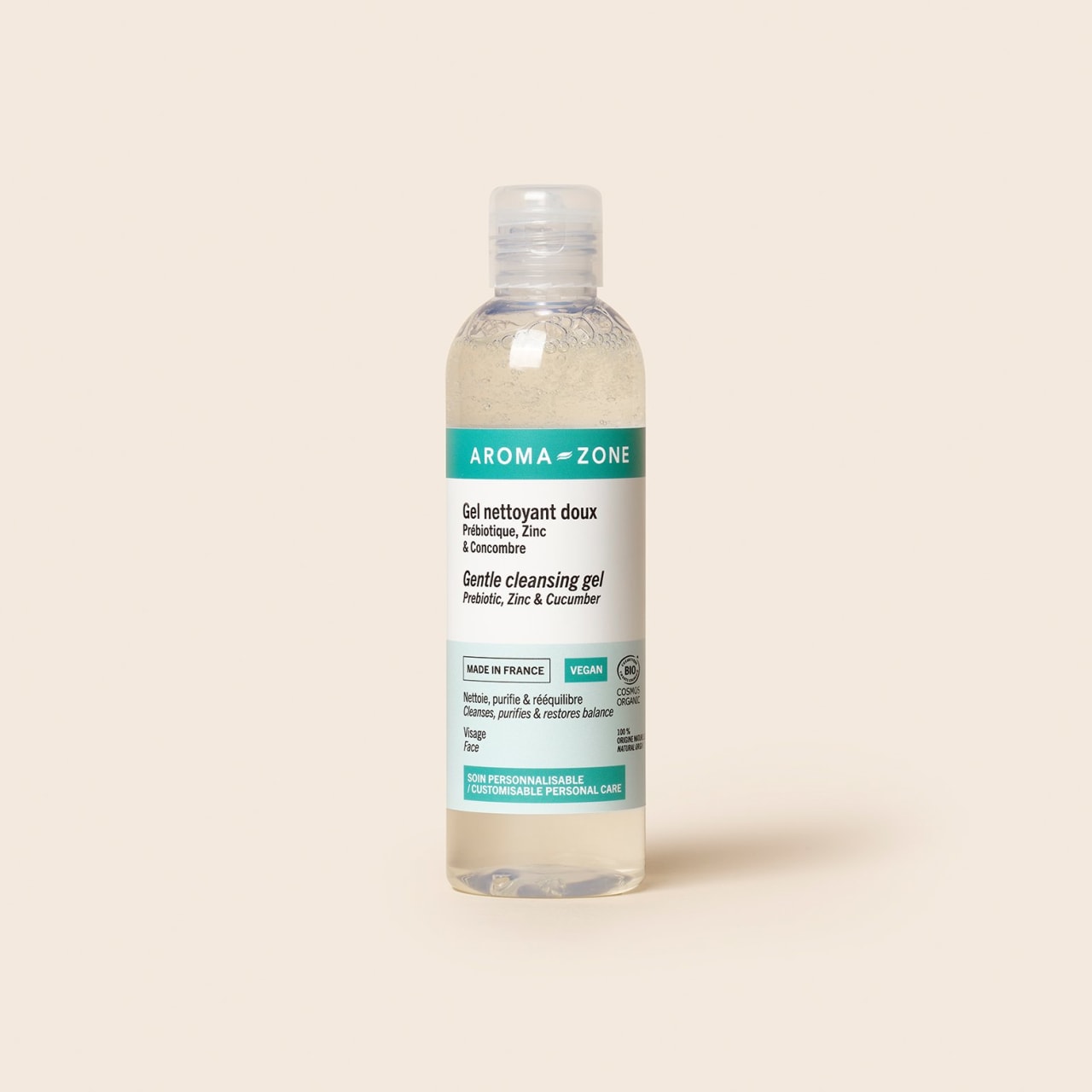
£7.50
200 ml
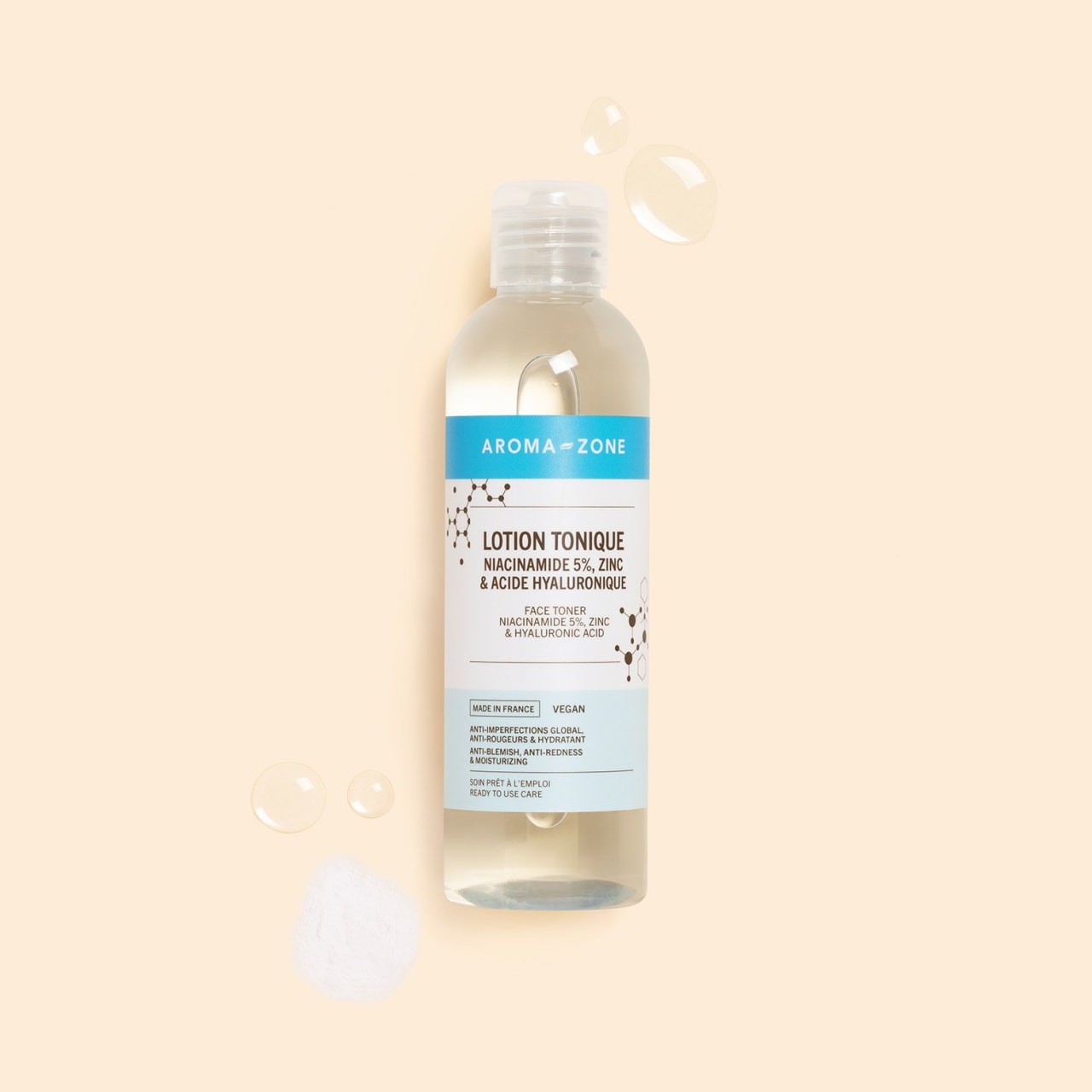
Niacinamide 5%, Zinc & Hyaluronic Acid Toner
Soothing
Anti-blemishes
£7.50
200 ml
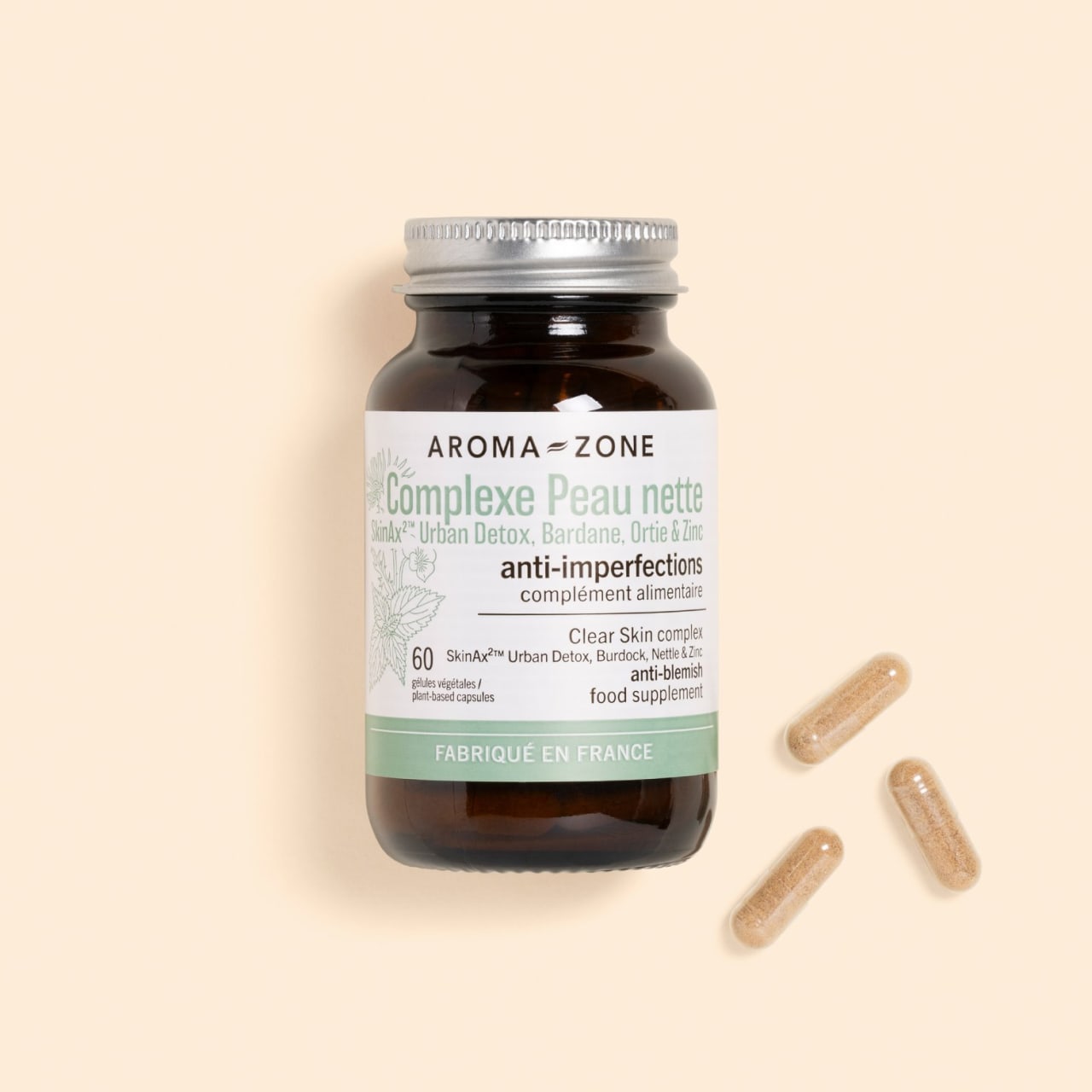
Clear Skin Complex - 60 Capsules
Anti-blemishes
Purifying
£17.00
article
What is acne?
Note: Acne ranges from mild to severe, with potential repercussions on self-esteem and quality of life. Acne treatment may involve topical care, oral medication and lifestyle changes.
What causes acne?
Acne is a multifactorial skin condition, meaning it can result from several interacting factors. Although it is often associated with adolescence due to hormonal fluctuations, it can also affect adults. Poor lifestyle choices and certain external aggressors, such as pollution, can aggravate symptoms. Below, we detail the main factors that can contribute to the onset of acne:
Excess sebum
The sebaceous glands in the skin produce sebum, a natural oil that lubricates and protects the skin. When these glands produce too much sebum, it can clog pores, creating an environment conducive to the appearance of pimples.
Accumulation of dead cells
The skin is constantly renewing itself, but when this process is disrupted, dead cells can accumulate on the skin's surface. These cells clog pores, which, combined with excess sebum, can lead to the formation of comedones (blackheads and whiteheads).
Hormonal fluctuations
Hormonal changes, particularly an increase in androgen hormones, can stimulate the sebaceous glands to produce more sebum. This is why acne is common during adolescence, the menstrual cycle, pregnancy, or in cases of hormonal disorders such as polycystic ovary syndrome (PCOS).
Stress
Stress does not directly cause acne, but it can aggravate symptoms. It stimulates the production of hormones, such as cortisol, causing hormonal imbalances that increase sebum production and inflammation.
Unsuitable diet
Although the links between diet and acne are still debated, some studies suggest that foods with a high glycemic index, dairy products and foods high in fat can aggravate acne in some people.
Comedogenic cosmetic products
The use of certain cosmetic products that contain comedogenic ingredients (i.e., ingredients that clog pores) can contribute to the appearance of acne. Adopting a suitable skincare routine and using non-comedogenic products can help limit these effects.
How can you recognise acne?
Recognising acne involves observing several symptoms that appear mainly on the face, back, chest and shoulders. Find out below how to identify the main signs of acne:
Blackheads (open comedones): small black or dark bumps on the surface of the skin. The black colour is due to the oxidation of sebum in the open air, not dirt. They are mainly located on the nose, forehead, and chin (T-zone).
Whiteheads (closed comedones): small white or flesh-coloured bumps that form when the hair follicle is blocked by sebum and dead skin cells. Unlike blackheads, they are not exposed to the air. They are often found on the face, back and chest.
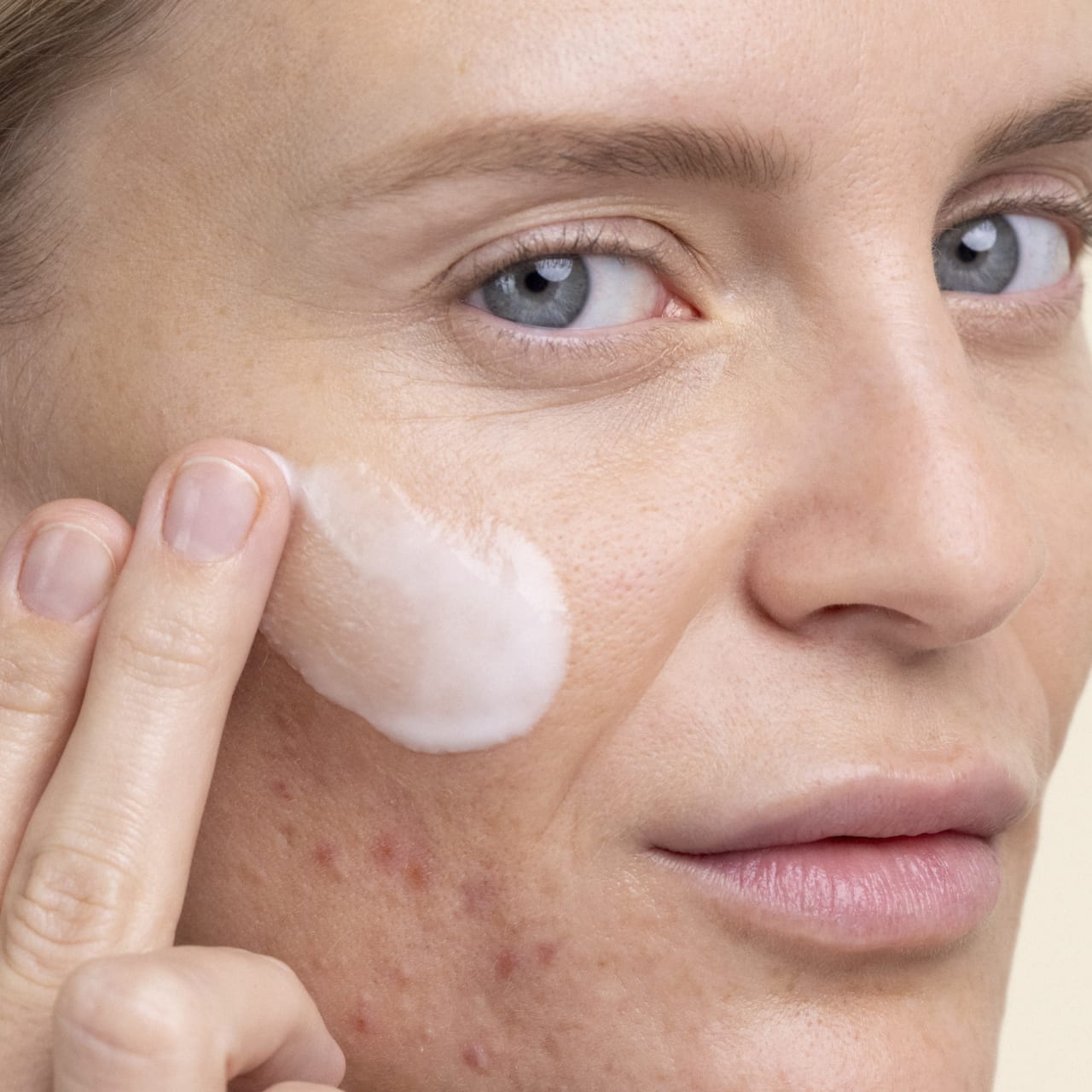
Papules: small red, inflamed bumps with no visible white head. They are often sensitive to touch and are found on the face, shoulders, neck, back and chest.
Pustules: red spots with a white or yellowish head in the center, filled with pus. These are the "classic spots" of acne. They appear in the same areas as papules, often in combination with them
Oily skin: Oily skin is shiny, especially in the T-zone (forehead, nose, chin) where there are a large number of sebaceous glands. Oily skin is a skin type caused by excessive sebum production. The pores may appear enlarged.
Redness and irritation: Red and inflamed areas on your face, especially around acne lesions, are also signs of acne-prone skin.
Presence of skin lesions
Blackheads (open comedones): small black or dark bumps on the surface of the skin. The black colour is due to the oxidation of sebum in the open air, not dirt. They are mainly located on the nose, forehead, and chin (T-zone).
Whiteheads (closed comedones): small white or flesh-coloured bumps that form when the hair follicle is blocked by sebum and dead skin cells. Unlike blackheads, they are not exposed to the air. They are often found on the face, back and décolleté.
Papules: small red, inflamed bumps with no visible white head. They are often sensitive to touch and are found on the face, shoulders, neck, back and chest.
Pustules: red pimples with a white or yellowish head in the center, filled with pus. These are the "classic pimples" of acne. They appear in the same areas as papules, often in combination with them.
Oily skin
Oily skin is shiny, especially in the T-zone (forehead, nose, chin) where there are a large number of sebaceous glands. Oily skin is a skin type caused by excessive sebum production. The pores may appear enlarged.
Redness and irritation
Red and inflamed areas of your face, especially around acne lesions, are also signs of acne-prone skin.
What is a natural active ingredient?
Natural active ingredients used in skin care products offer a multitude of benefits. These ingredients, extracted from plants, minerals, or other natural sources, are often preferred for their gentle effectiveness and their respect for the integrity of the skin and the environment. Some natural active ingredients have antibacterial and anti-inflammatory properties, which can help limit acne-related blemishes and soothe irritation.
What are the best natural active ingredients for acne?
All skin types can be prone to acne at some point. Choosing natural active ingredients suited to your skin type is essential for limiting imperfections and supporting skin balance. Certain active ingredients have properties that help soothe, purify, and improve the appearance of the skin, while respecting its sensitivity and specific needs. Discover our anti-acne essentials for all skin types:
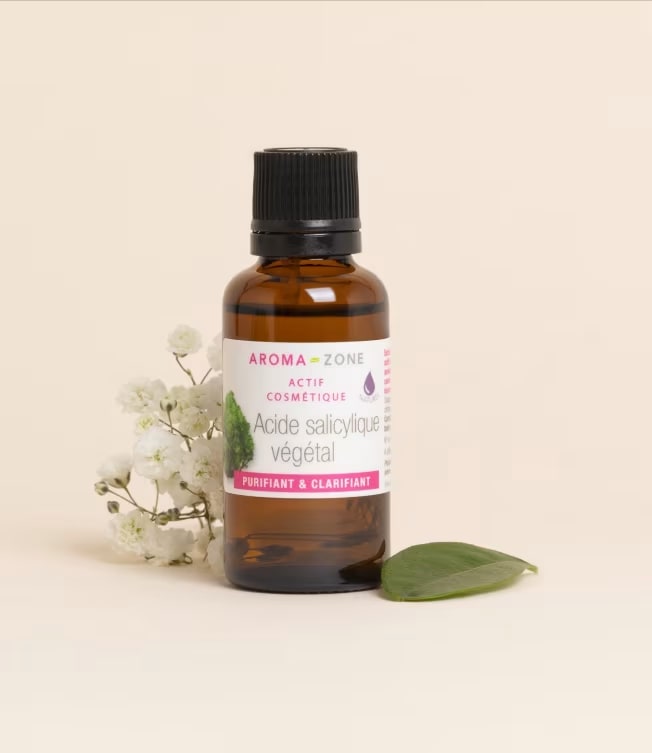
Plant-based salicylic acid
A powerful active ingredient for oily, dull, or acne-prone skin, salicylic acid stimulates skin renewal, smooths imperfections, and fights blackheads thanks to its keratolytic and purifying properties.
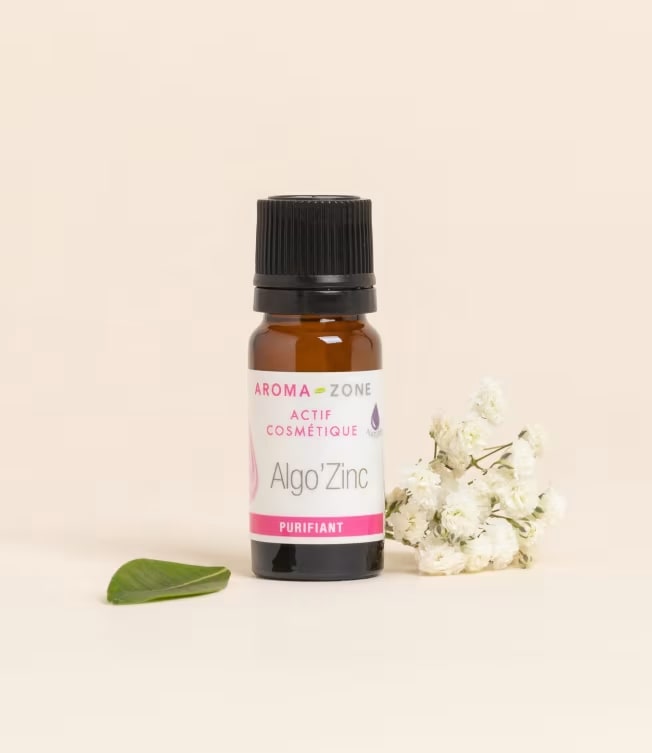
Algo'Zinc active ingredient
Ideal for treating oily, blemish-prone skin, this active ingredient based on zinc complexed with laminaria algae extract has purifying, sebum-regulating, and soothing properties.
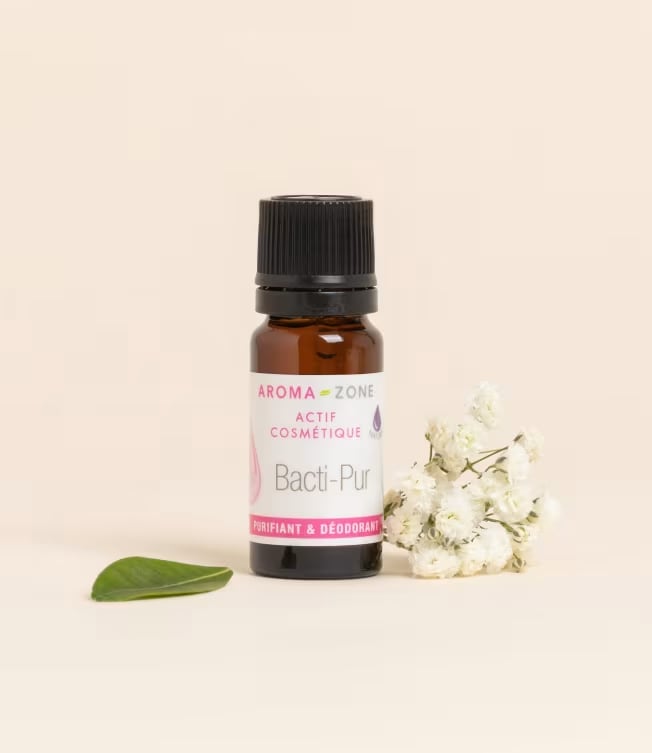
Bacti-Pur Active Ingredient
This active ingredient is used on combination to oily and problem skin. Produced by fermentation, it has purifying and sebum-regulating properties. It thus limits excessive sebum production, which is often linked to the appearance of acne breakouts.
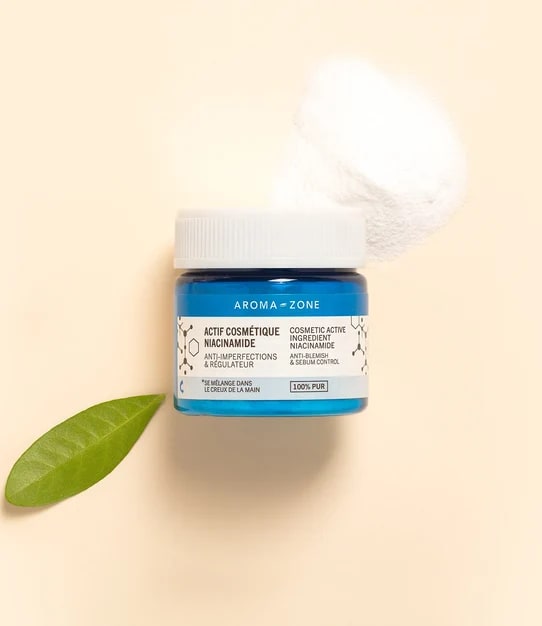
Active ingredient: Niacinamide
Niacinamide, also known as vitamin B3, is recognised for its anti-blemish benefits and its ability to improve the skin barrier. It is ideal for sensitive, acne-prone skin.
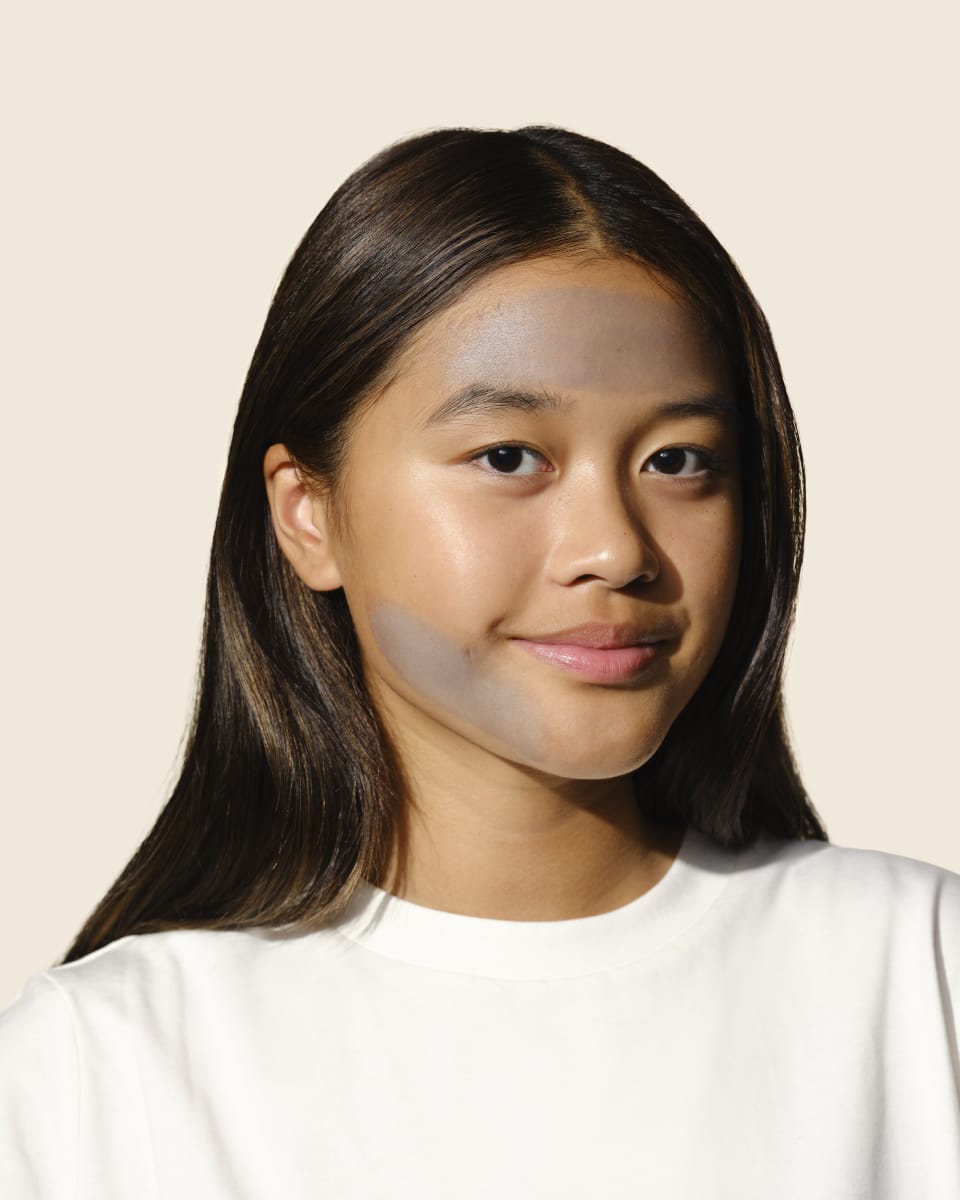
Active ingredient: Activated vegetable charcoal
Thanks to its purifying and detoxifying properties, charcoal is used as an active ingredient to remove impurities and pollutants from the skin's surface. It is suitable for all skin types when the complexion is dull.
How to use natural active ingredients to combat acne?
Applying natural active ingredients to treat acne requires a few simple and appropriate steps to reap the full benefits. When chosen and used correctly, these active ingredients can help purify the skin, maintain its balance, and limit the appearance of blemishes. Below are the key steps for incorporating them effectively:
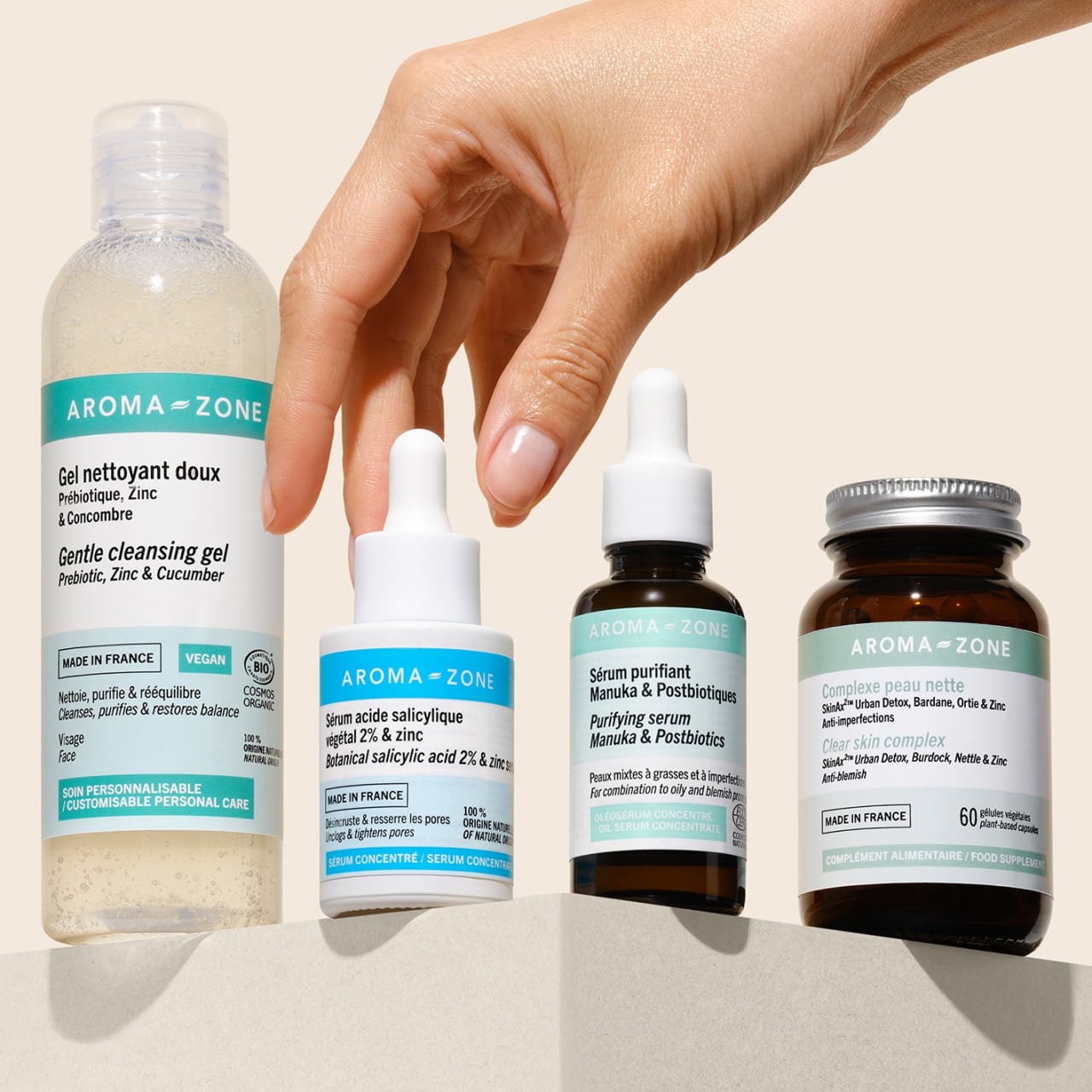
Gently cleanse: start with Organic Cucumber & Hyaluronic Acid Micellar Water. Apply it to a washable cotton pad and gently wipe your face, eyes, and lips to remove makeup, sebum, and impurities. Gentle movements are enough, no need to rub. Use it morning and evening to keep your skin clean and ready for the next steps in your skincare routine.
Rebalance with a concentrated lotion: then apply Niacinamide 5%, Zinc & Hyaluronic Acid Toner to clean skin, using a cotton pad or directly with your hands. Pat gently to promote optimal absorption of the active ingredients. Water-based textures should always be applied before serums or thicker creams. If you make your own skincare products, niacinamide and zinc can be incorporated into water-based formulas (lotions, gels, serums) and added cold at the end of preparation, following the recommended dosages.
Moisturise and target imperfections: follow with Organic Purifying & Hydrating Fluid. Apply a small amount to the face and neck, then massage in with smoothing movements, focusing on areas prone to imperfections. Its light texture moisturises without leaving a greasy residue, while helping to mattify the skin. Introduce exfoliating active ingredients gradually and avoid using too many in a single application to keep your skin comfortable.
Protect the skin: In the morning, finish with Mineral Sunscreen Lotion SPF 20 on all exposed areas. Apply a sufficient amount before exposure and reapply as needed. Sun protection is particularly important when using a product containing salicylic acid or other exfoliating active ingredients, in order to limit marks and maintain the skin's balance.
What natural skincare routine can help you achieve clearer skin?
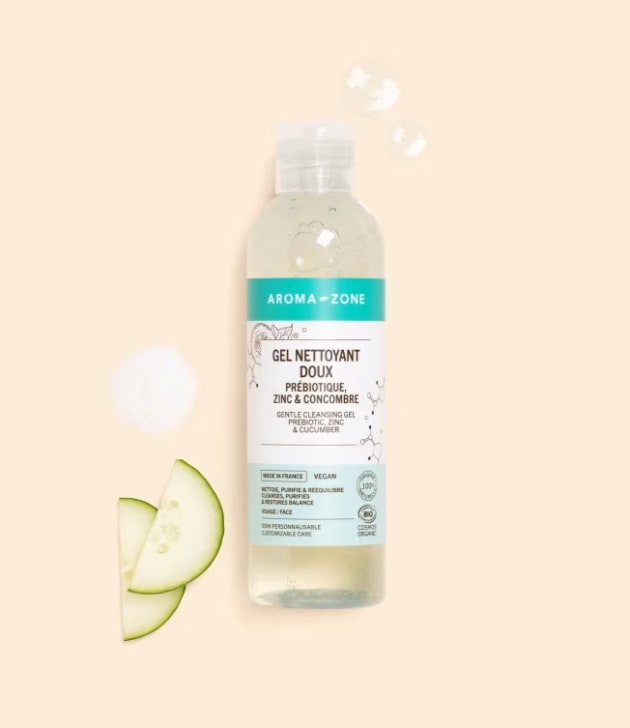
Step 1: Cleanse gently
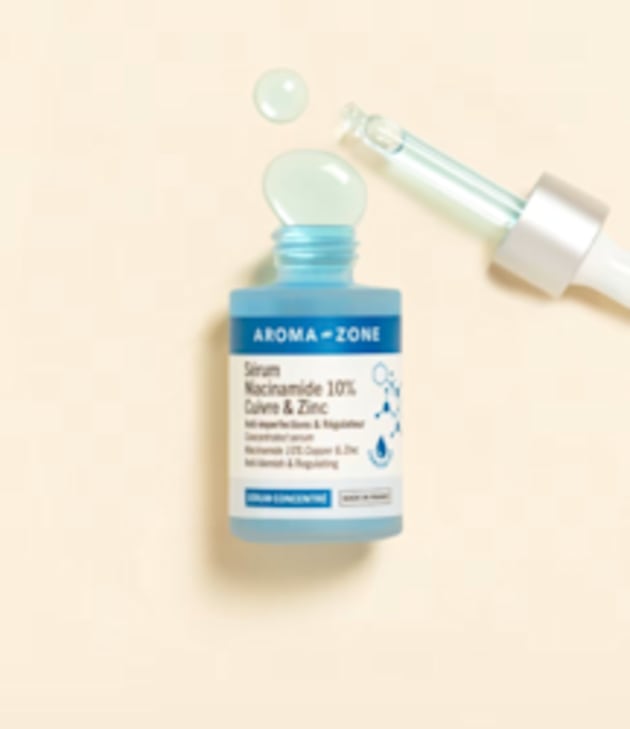
Step 2: Targeting imbalances
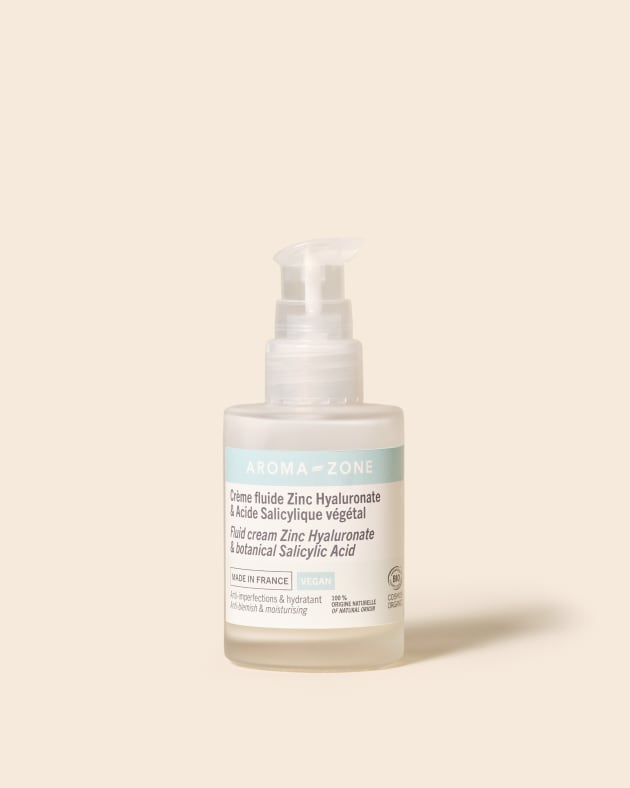
Step 3: Moisturise without weighing the skin down
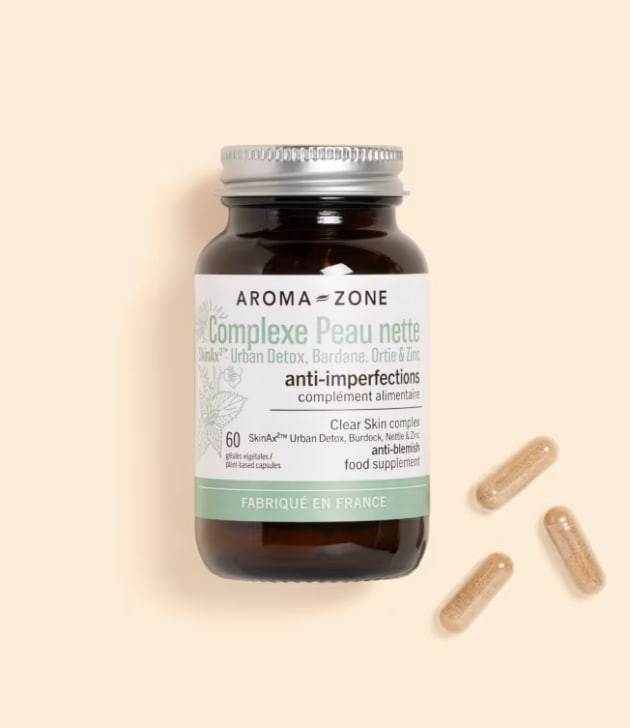
Step 4: Take action from the inside
Use and precautions for the dietary supplement: The Clear Skin Complex combines plant extracts, from burdock to zinc, and is a natural solution to support skin balance on a daily basis. Take 2 capsules a day, to be swallowed with a glass of water. Not a substitute for a varied and balanced diet and a healthy lifestyle. Do not exceed the recommended daily dose. For adults only. Not recommended for pregnant or breastfeeding women, or in cases of oedematous heart or kidney failure. Not recommended in cases of allergy to salicylate derivatives or known cross-allergies, particularly to plants of the Asteraceae family. Keep out of reach of children.
To find out more, discover our anti-blemish routine.
How can you prevent acne?
Adopting good daily habits can help limit the appearance of acne and maintain more balanced skin. Below, we share a few simple tips to incorporate into your daily routine:
Cleanse your skin: morning and evening, with a gentle product suited to your skin type, to remove excess sebum and impurities.
Apply a non-comedogenic sunscreen: even on cloudy days, to protect your skin while preventing clogged pores.
Moisturise your skin: choose a light texture if you have combination or oily skin to maintain its balance and promote the healing of blemishes.
Eat a balanced diet: focus on fruits, vegetables and foods rich in omega-3, while limiting foods with a high glycemic index, dairy products and processed foods.
Drink enough water: about 1.5 litres per day to help regulate sebum and support overall skin health.
Avoid touching or popping pimples: this limits irritation, infection and the risk of scarring.
Limit the use of comedogenic products: makeup, creams or oils that are too rich can clog pores and promote the appearance of pimples.
Choose soft, breathable fabrics: cotton clothing and pillowcases help reduce friction and moisture, which can irritate the skin.
Precautions
Some natural active ingredients may cause unwanted skin reactions. Always test the product on the inside of your elbow, for example, to check for any allergies. Please note: some active ingredients need to be diluted before performing an allergy test. Be sure to refer to the recommendations on the product information sheet. Be careful about sun exposure after applying certain active ingredients that may be photosensitising. Use sunscreen daily to avoid any discomfort.
Expert advice
Your skin's microbiome deserves as much attention as your beauty routine. An imbalance in skin bacteria can promote blemishes and make skin more sensitive. To support its natural balance, choose gentle skincare products that are suited to your skin type and enriched with prebiotic or soothing active ingredients, while limiting the use of harsh cleansers. Soothed and balanced skin is better able to regain its radiance.
Spotlight on Our Specialist Writer: Charlie Morel

Charlie holds a Master’s degree in cosmetic formulation. Passionate about cosmetology but also a great lover of words, she decided in 2020 to become a web editor specialising in cosmetics and beauty. It was her desire for a career change that gave her the idea of going freelance, as she wanted to be able to work from anywhere in the world.
Bibliography
Dermato Drey. (2022). Making peace with your skin: pimples, acne, scars... all the right solutions. Larousse Publishing.
Hamel, V. (2023). My anti-acne guide: my recipes for naturally healthy skin. Ellebore Publishing.
Bowe, W. P., & Logan, A. C. (2010). Acne vulgaris, probiotics and the gut-brain-skin axis — back to the future? Gut Pathogens.
https://pubmed.ncbi.nlm.nih.gv/21281494/
Burris, J., Rietkerk, W., & Woolf, K. (2013). Acne: the role of medical nutrition therapy. Journal of the Academy of Nutrition and Dietetics.
https://pubmed.ncbi.nlm.nih.gov/23438493/
Health Insurance – Ameli. (2025, October 24). Definition, symptoms, and progression of acne.
https://www.ameli.fr/assure/sante/themes/acne/definition-symptomes-evolution
Yee, B. E., Richards, P., Sui, J. Y., & Fleming Marsch, A. (2020). Serum zinc levels and efficacy of zinc treatment in acne vulgaris: A systematic review and meta-analysis. Dermatologic Therapy.
https://pubmed.ncbi.nlm.nih.gov/32860489/
Cochrane Skin Group. (2020). Topical azelaic acid, salicylic acid, nicotinamide, sulfur, zinc, and fruit acid (alpha-hydroxy acid) for acne (Cochrane Review). Cochrane Database of Systematic Reviews.
https://www.cochranelibrary.com/cdsr/doi/10.1002/14651858.CD011368.pub2/full
Frequently Asked Questions
Associated recipe
Associated tips
Face care tips
Skin care tips


