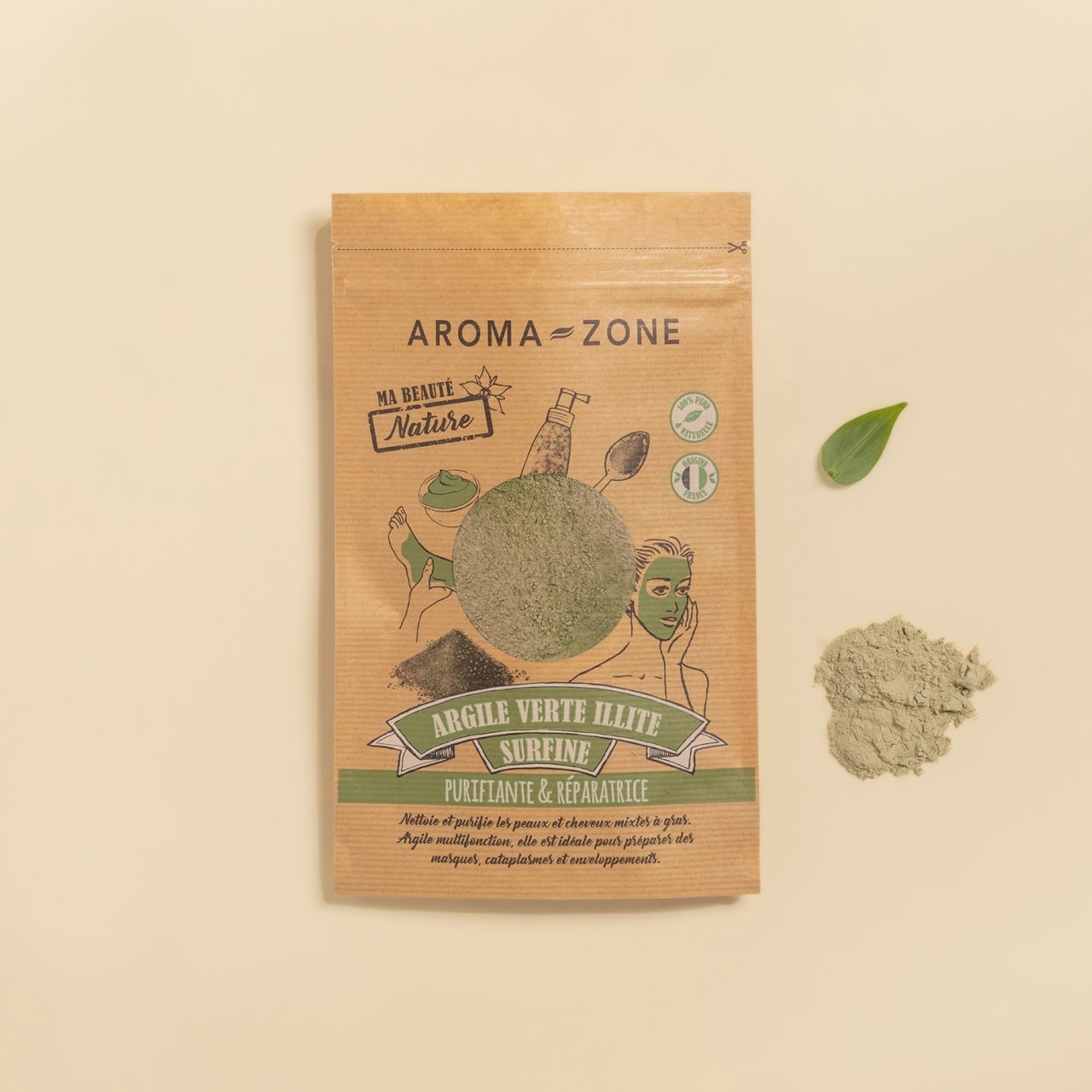
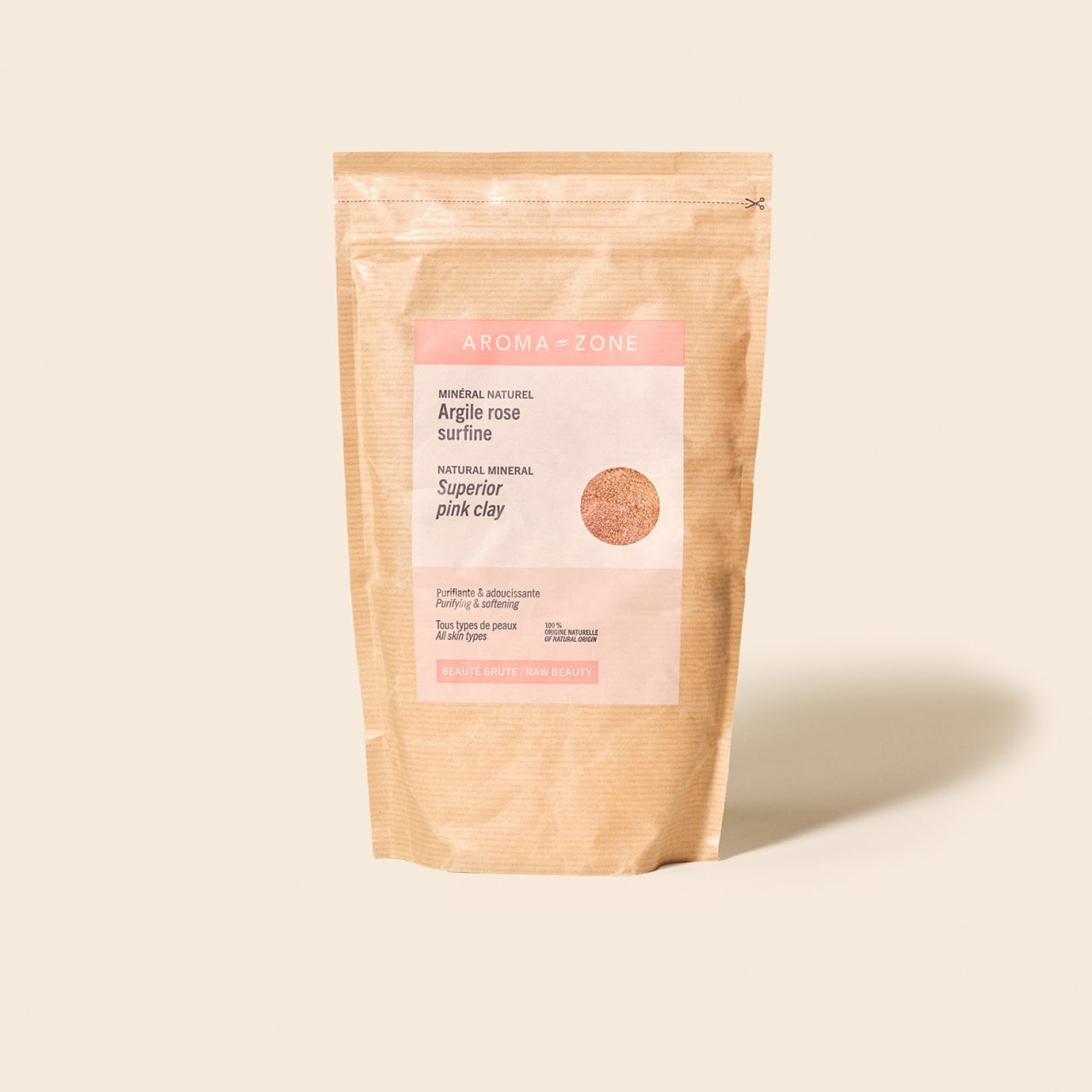
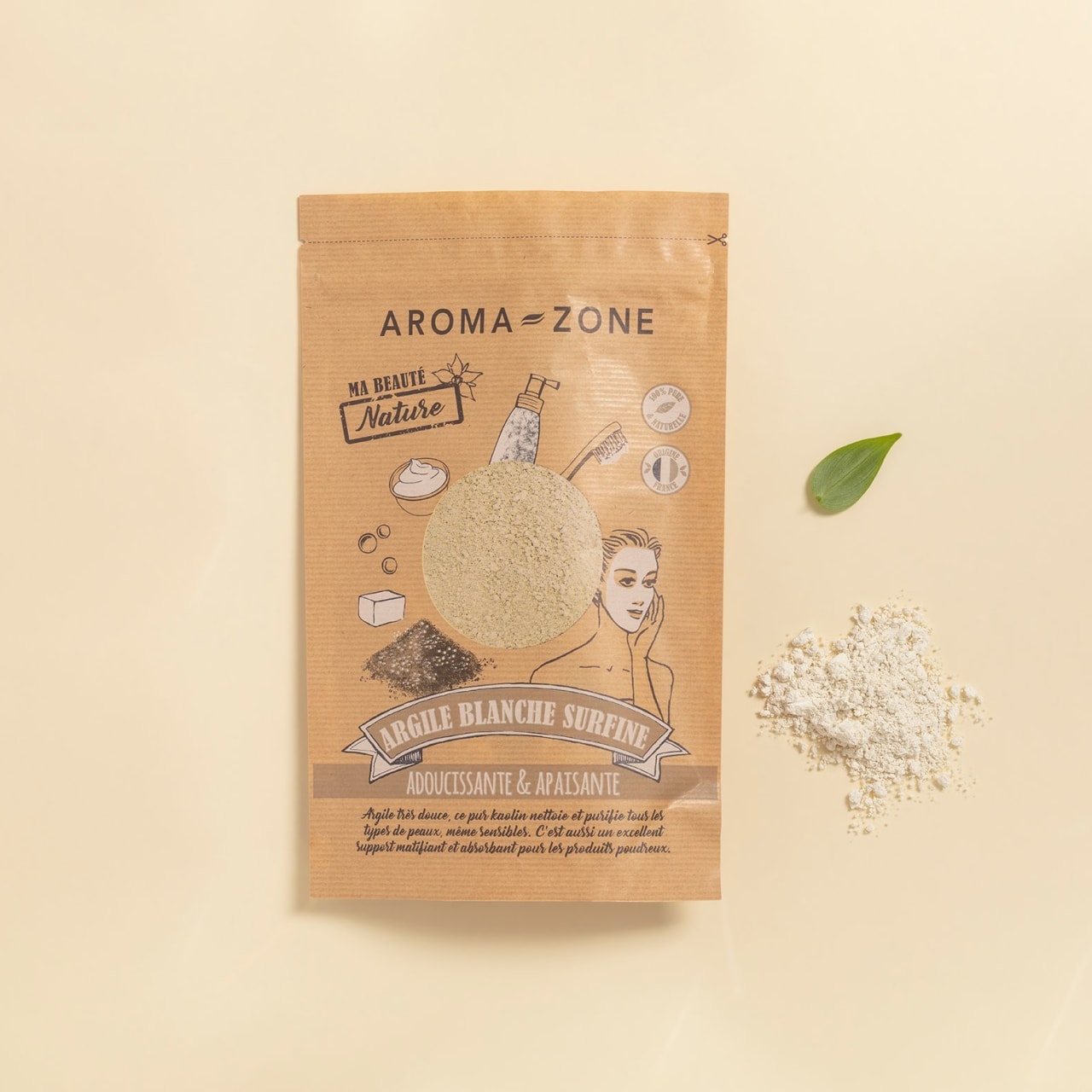
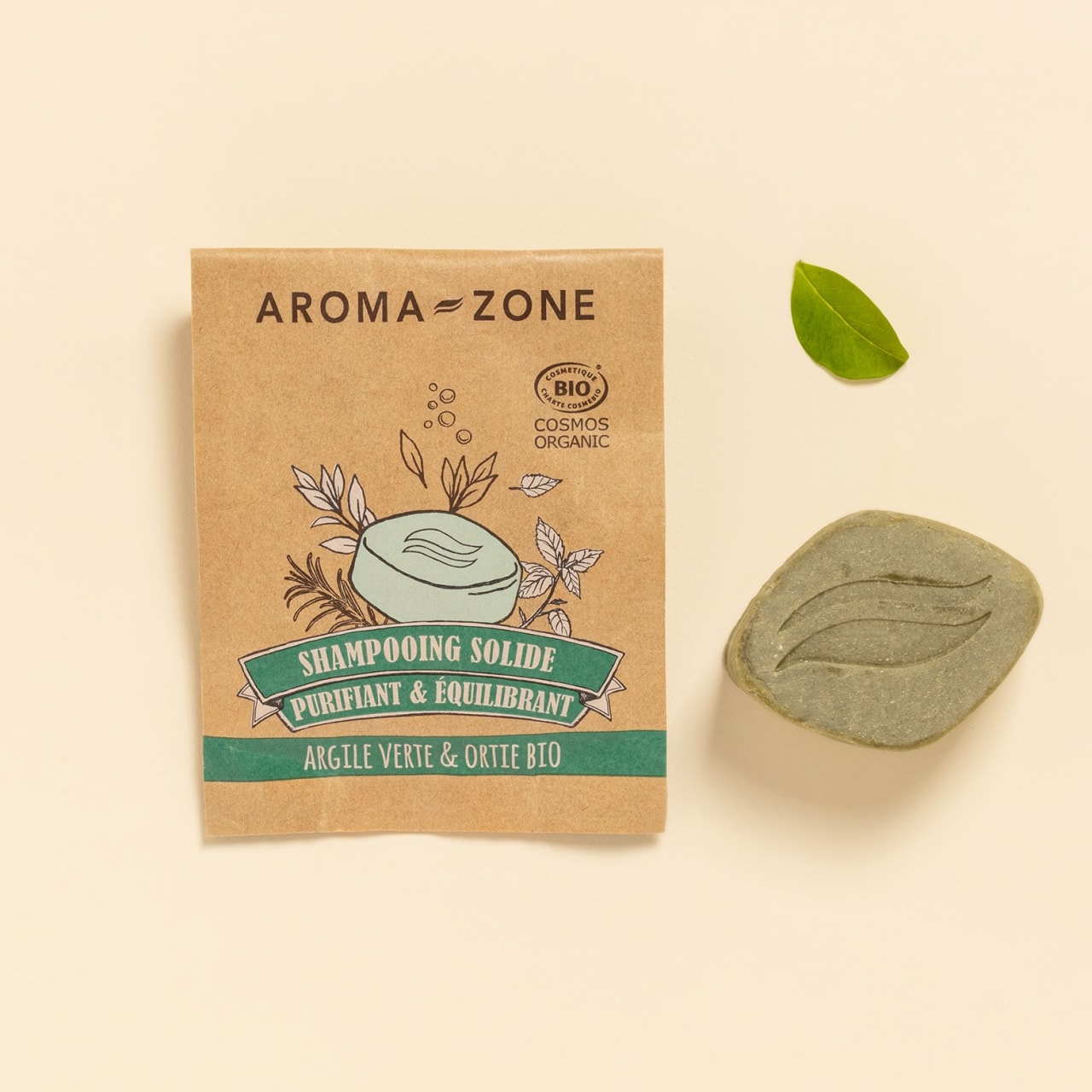
The Benefits of Clay Masks for Clean, Healthy Skin (and How to Use Them)

The Benefits of Clay Masks for Clean, Healthy Skin (and How to Use Them)


By Hélène Durand

Published on: Friday, February 16, 2024, Updated on: Friday, October 16, 2026

Are you looking for clean, healthy skin? Discover the surprising benefits of a clay face mask, a natural beauty secret that will leave your skin smooth, clear and in great condition! Ready? Then let’s get started!

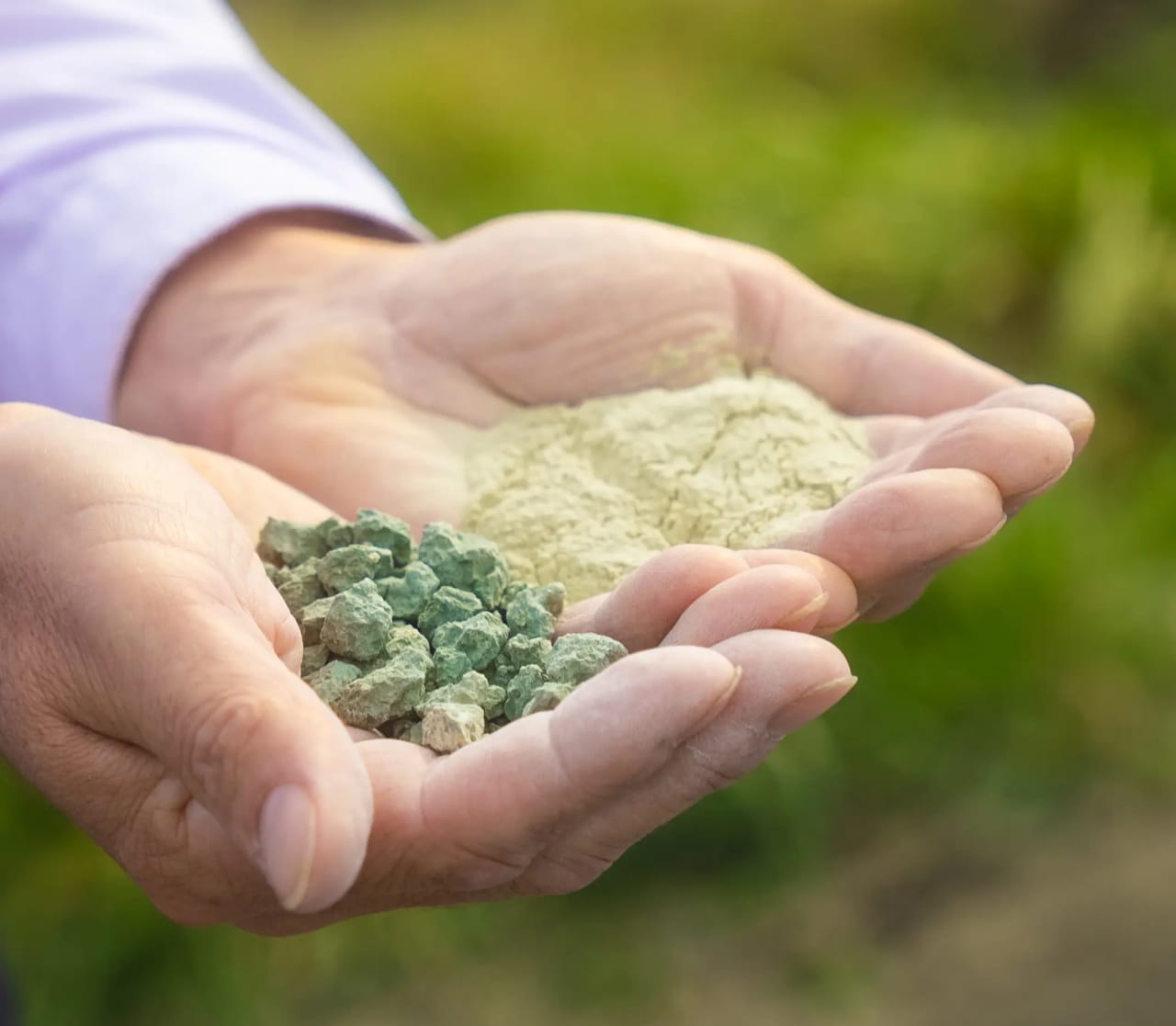
Used for centuries, clay remains a key ingredient today for deeply cleansing the skin, absorbing excess sebum and helping to unclog pores. Particularly suitable for combination to oily skin, it helps restore a clear, purified complexion. Why use a clay face mask and how can you make the most of its benefits? Let’s take a closer look.

Contents

Related products

In brief

  • A clay mask purifies the skin by absorbing sebum and impurities, reduces skin blemishes and has soothing and purifying properties

  • A three-step routine: Prepare your skin with a gentle cleanser, apply the clay mask or our green clay stick in an even layer, focusing on areas with blemishes, then tone and moisturise your skin once the mask has been rinsed off

  • Tips for use: Leave on for 5 to 10 minutes (5 minutes for the stick) without letting the clay crack. Use the mask no more than 1 or 2 times a week, and always moisturise your skin after using the mask.

The 6 Incredible Benefits of Clay Masks for Your Skin

To Absorb Excess Sebum

A key ingredient for purifying and cleansing the skin, clay captures excess sebum on the skin’s surface thanks to its absorbent properties (1). This action makes clay particularly suitable for combination to oily skin.

To Help Reduce Blemishes

A study followed nearly 200 participants who applied a mask containing clay combined with jojoba oil, two to three times a week for six weeks. The results showed an average 54 per cent reduction in the total number of skin lesions (2). These effects apply to both inflammatory lesions (spots) and non-inflammatory lesions (blackheads).

To Purify the Skin

Clay’s high absorbency enables it to draw out impurities. As it dries, the clay contracts and hardens, a process which further enhances this action of capturing and purifying the skin’s surface (3).
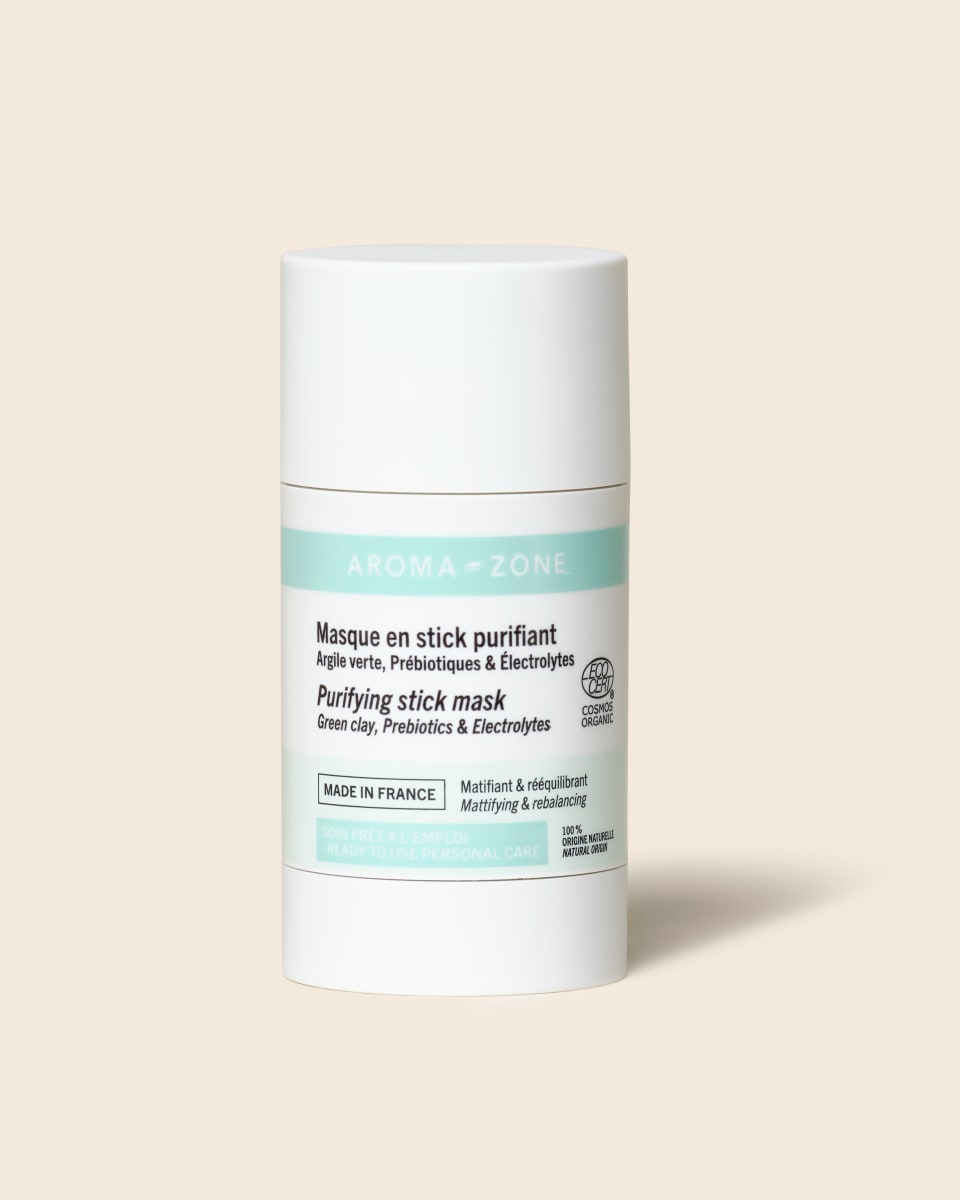

Spotlight on the Aroma-Zone Green Clay Mask Stick

Aroma-zone Purifying Stick 0091

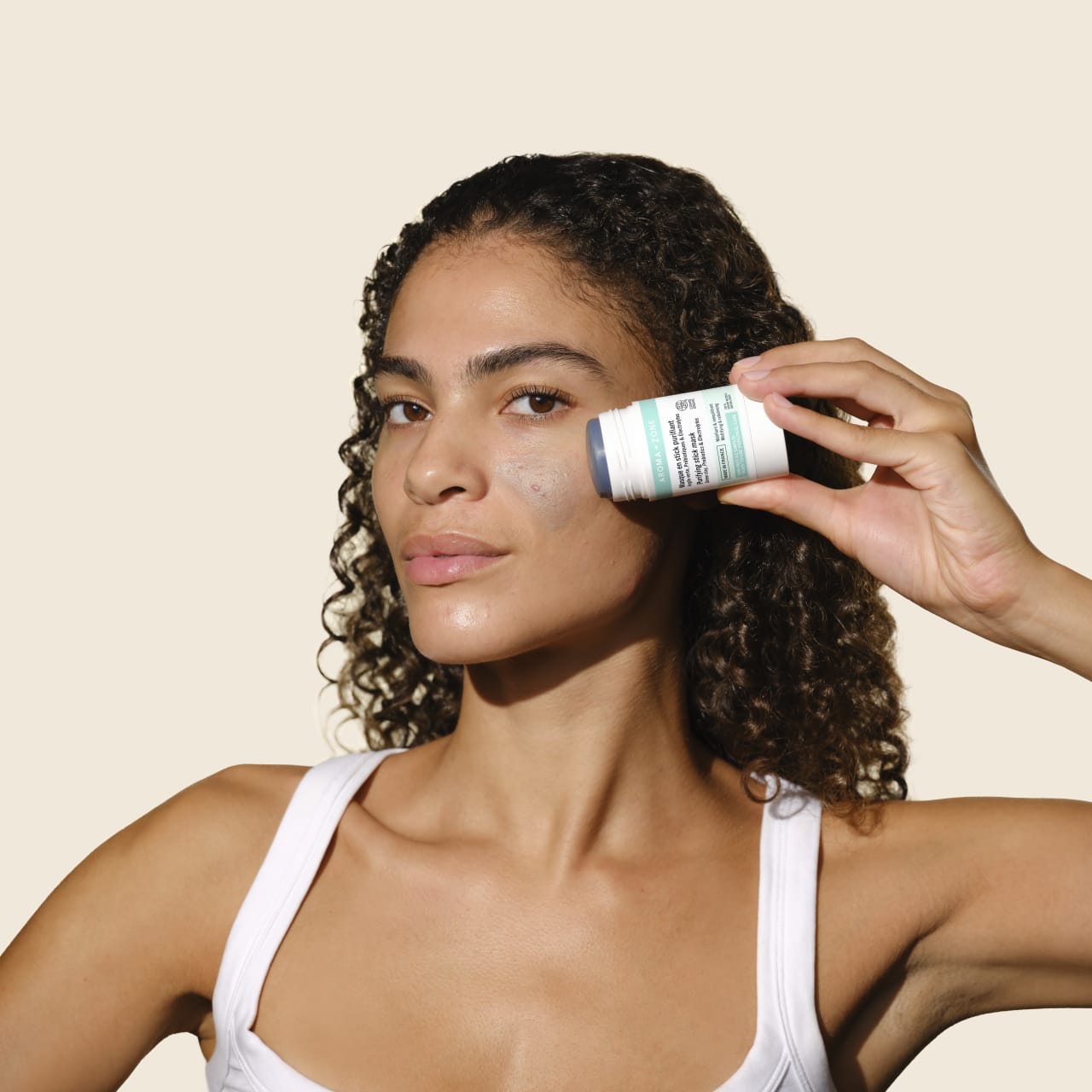
Aroma-Zone’s green clay mask in stick form contains purifying green clay to instantly mattify the skin, plus a blend of prebiotics and electrolytes to rebalance it and leave it looking healthier. After 28 days of use, skin appears purified, soothed, mattified, and supple. It looks softer and clearer, without any drying effect or feeling of discomfort. This stick is also suitable for sensitive skin, as well as for pregnant and breastfeeding women.

Discover the green clay face mask in stick form

How to Use Our Green Clay Mask Stick

Preparing Your Skin

  1. Cleanse your skin: Use a gentle cleanser to cleanse and remove make-up from your skin, preparing it for the clay face mask.

  2. Gently pat dry: Pat your face dry with a clean towel without rubbing, so as not to irritate the skin.

While Wearing the Mask

  1. Apply the stick: Glide the stick over clean, dry skin, avoiding the eye area. You may need to go over the area several times to create an even layer. 

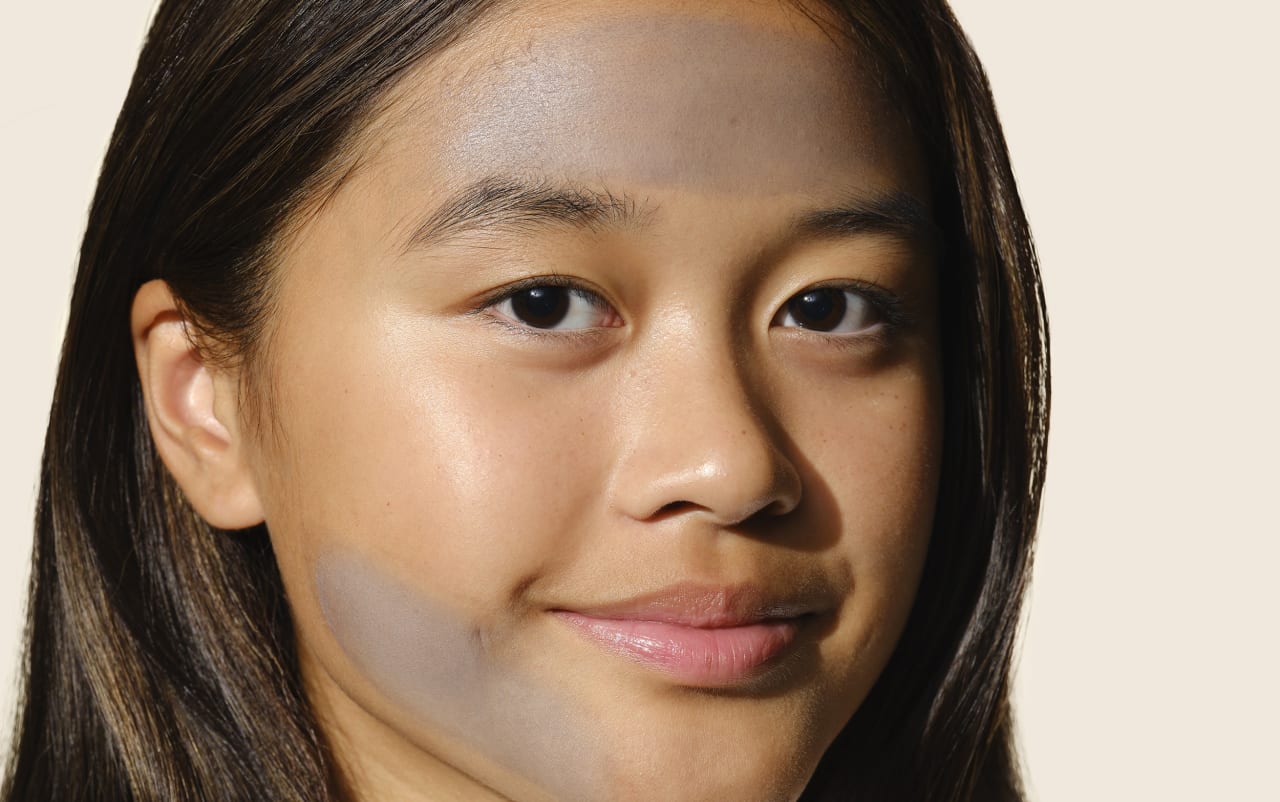
  2. Target specific areas: Focus on areas prone to blemishes, such as the forehead, nose or chin.

  3. Leave on: Wait for about 5 minutes, until the mask begins to dry. 

  4. Rinse thoroughly: Remove the mask with water and gently massage the skin to remove any residue.

After the mask

  1. Tone the skin: Spray a floral water, hydrolat or toning lotion onto your face to refresh the skin and remove any limescale residue left after rinsing with water.

  2. Moisturise and nourish the skin: Apply your day or night cream, or a few drops of plant-based oils suited to your skin type. 

  3. Optionally, apply a mask: Apply a face mask to deeply moisturise and nourish the skin.

For targeted treatment of a specific area of the face or a blemish, you can also apply a small amount of clay mask locally.

What Are the Advantages of a Stick Format?

Quick and Even Application

The stick format lets you apply the clay directly to your face in one simple, precise movement, without preparing a paste beforehand. The result: an even application, with no lumps or over-application, and hands that stay clean from start to finish.

A Pleasant Texture that Melts into the Skin

Unlike a homemade mask, where you have to adjust the proportions of clay and water to achieve the right consistency, the stick offers a pre-measured, ready-to-use texture. It glides easily onto the skin, preventing the paste from becoming too thick or too runny.

An Immediate Cooling Effect

The moment the stick touches the skin, it provides an instant sensation of freshness. A real moment of well-being right from the start.

A Quick 5-Minute Treatment

No preparation or long application time is needed; this format helps reveal an even, fresh and clear complexion in just 5 minutes, making it a beauty routine that fits easily into your busy weeks.

How Often Should You Use a Clay Face Mask?

A clay face mask can be applied up to twice a week, particularly for normal and oily skin types looking to absorb excess sebum. Our green clay stick can also be applied up to twice a week.

Can You Leave Clay on Overnight?

Clay isn’t meant to be left on overnight. Once dry, it continues to draw moisture from the skin, which can lead to a feeling of discomfort, tightness or even excessive dryness – the opposite of the desired effect. The recommended application time is between 5 and 10 minutes, allowing the clay to work without drying out completely. For the Aroma-Zone green clay mask stick, don't leave it on longer than 5 minutes.

How Much Clay Should You Use?

Depending on the type of clay (white, green, pink, red), the recommended proportion is 1–60 per cent – or sometimes even 95 per cent, depending on the clay used – of the total weight of your homemade face mask mixture. Always check the recommended quantities on the packaging before use. Our green clay stick, meanwhile, forms an even film on the skin of the face. You can apply several layers if necessary.

Can You Use Clay on Your Body?

It is entirely possible and beneficial to use clay on the body. However, as with the face, don't let the clay dry completely to the point of cracking, as it can dehydrate the skin. You can also use the Aroma-Zone Purifying Clay Mask Stick on the upper back and on areas prone to blemishes. 

The Right Way to Apply Your Clay Face Mask

  1. Best practices

    1. Keep the clay mask moist: You can regularly mist your clay mask with thermal water or a hydrosol whilst it is on.

    2. Prepare a smooth paste: Mix thoroughly before application and apply it in an even layer, such as a poultice, avoiding the area around the eyes and mouth.

    3. Moisturise your skin after the mask: Always apply a moisturiser or vegetable oil after a clay mask to nourish the skin’s barrier.

  2. Mistakes to Avoid

    1. Don’t let it dry until it cracks: Don’t wait until the mask is completely dry, hard and starting to crumble.

    2. Don’t use it every day: A clay mask isn’t intended for daily use. Use it as an occasional treatment, once or twice a week.

    3. Do not rub the mask off: To remove the mask, first dampen it with lukewarm water to soften it, then rinse gently so as not to irritate the skin.

    4. Do not reuse a clay mask: As clay absorbs impurities, it should never be reused once applied.

    5. Do not combine clay with potent active ingredients: Avoid applying a clay mask on the same day as exfoliating or potentially irritating skincare products to minimise the risk of tightness and discomfort.

Precautions for use

Clay is a powdery substance. Avoid using it near a draught and do not inhale it. Also, keep it out of reach of children.

Expert Advice

If you’re making your own clay-based mask, avoid contact with oxidisable metals, as these can alter its properties. Opt for wooden or stainless steel utensils and a glass container.

Spotlight on Our Writer: Hélène Durand

FEATURED PHOTO – Hélène Durand_Ok

With a dual background in literature and marketing, Hélène Durand uses her writing to explore topics that are meaningful to her: natural beauty, well-being, and a healthy lifestyle. Through her articles, she aims to share a supportive perspective and practical advice.

Bibliography

  1. Moraes, J.D.D et al., Clay minerals: properties and applications to dermocosmetic products and perspectives of natural raw materials for therapeutic purposes — A review. International Journal of Pharmaceutics, 534(1-2), 213–219, 2017,

    https://pubmed.ncbi.nlm.nih.gov/29038067/

  2. Meier, L et al., Clay and jojoba oil facial mask for damaged skin and mild acne — results of a prospective, observational pilot study. Forschende Komplementärmedizin/Research in Complementary Medicine, 19(2), 75–79, 2012,

    https://pubmed.ncbi.nlm.nih.gov/22585103/

  3. Velasco, M.V.R. et al. (2016). Characterisation and short-term clinical study of a clay facial mask. Revista de Ciências Farmacêuticas Básica e Aplicada, 37, 2016,

    https://www.researchgate.net/publication/318508286_Characterization_and_Short-Term_clinical_study_of_clay_facial_mask

Frequently Asked Questions

Frequently Asked Questions