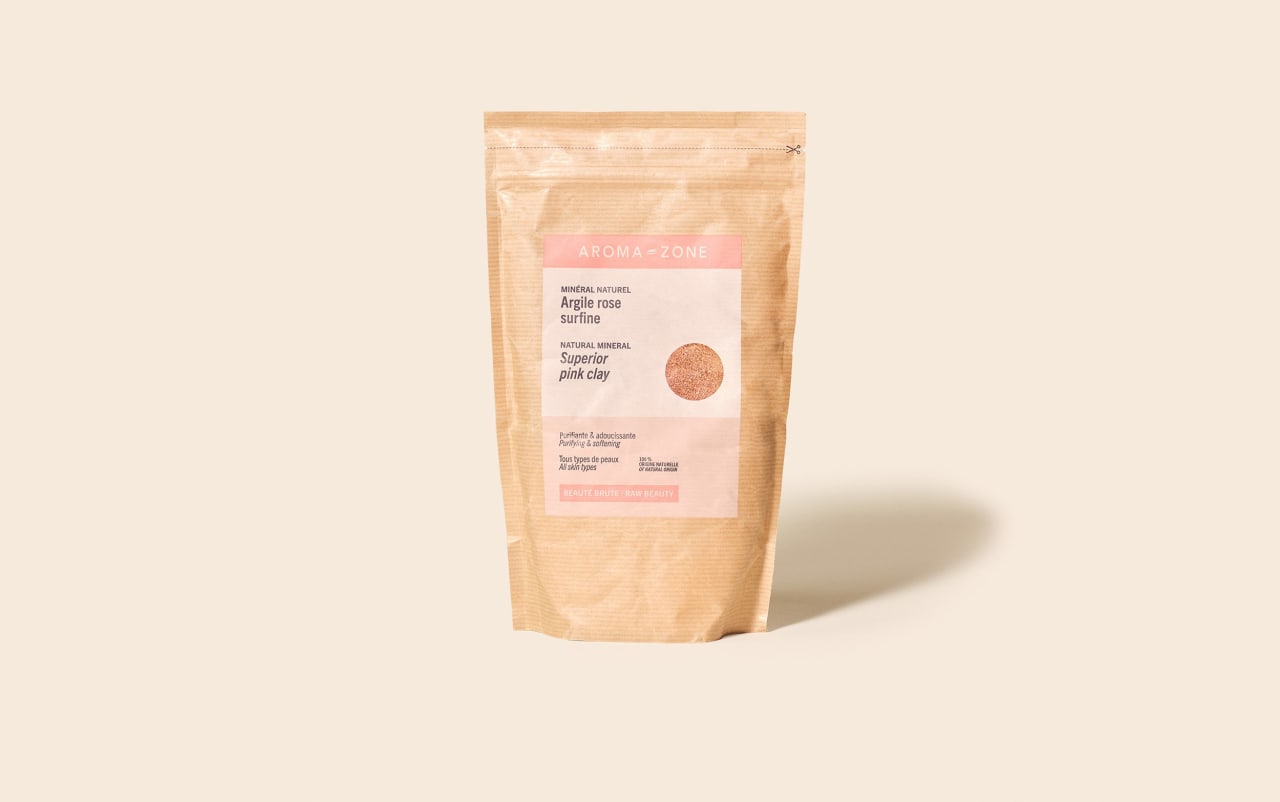
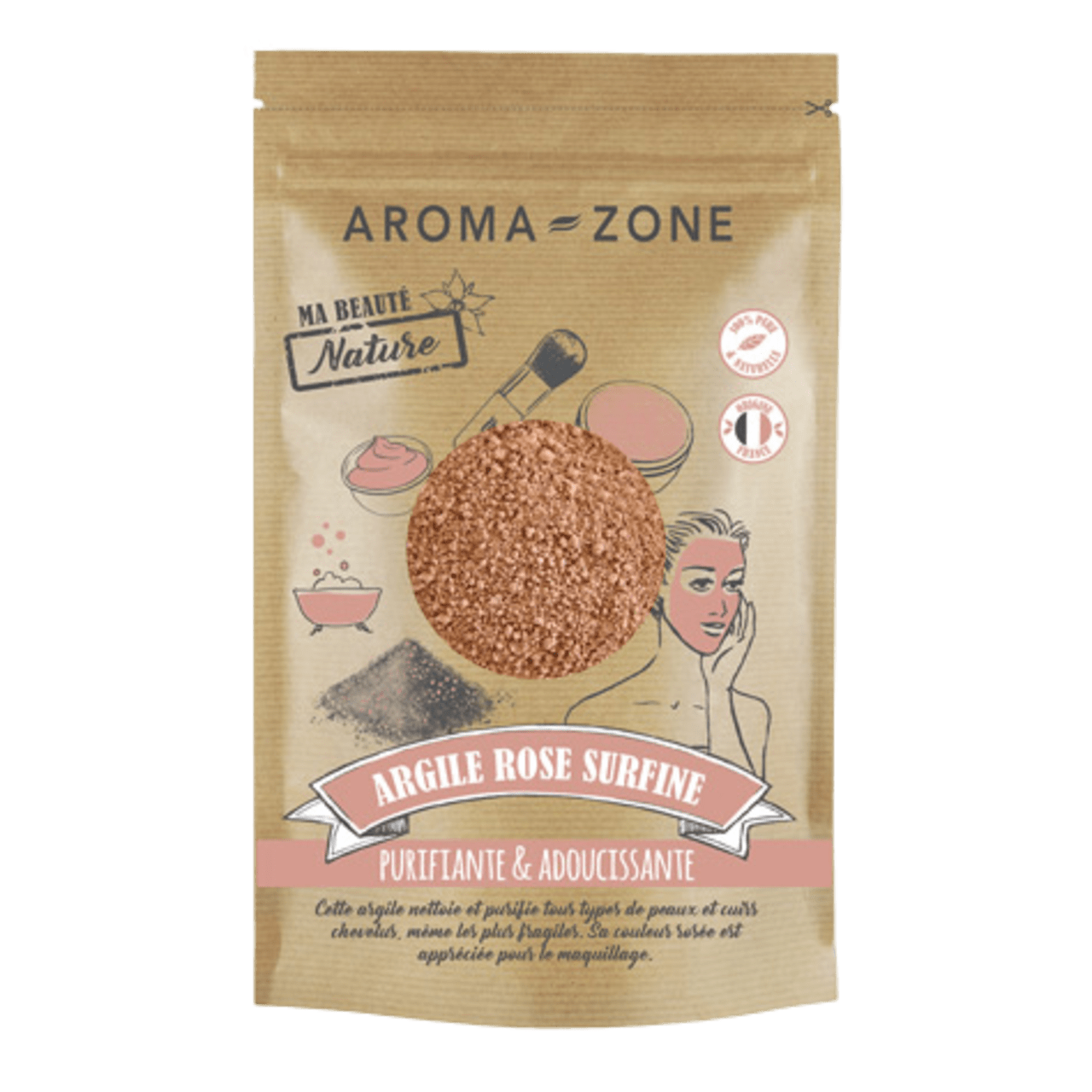
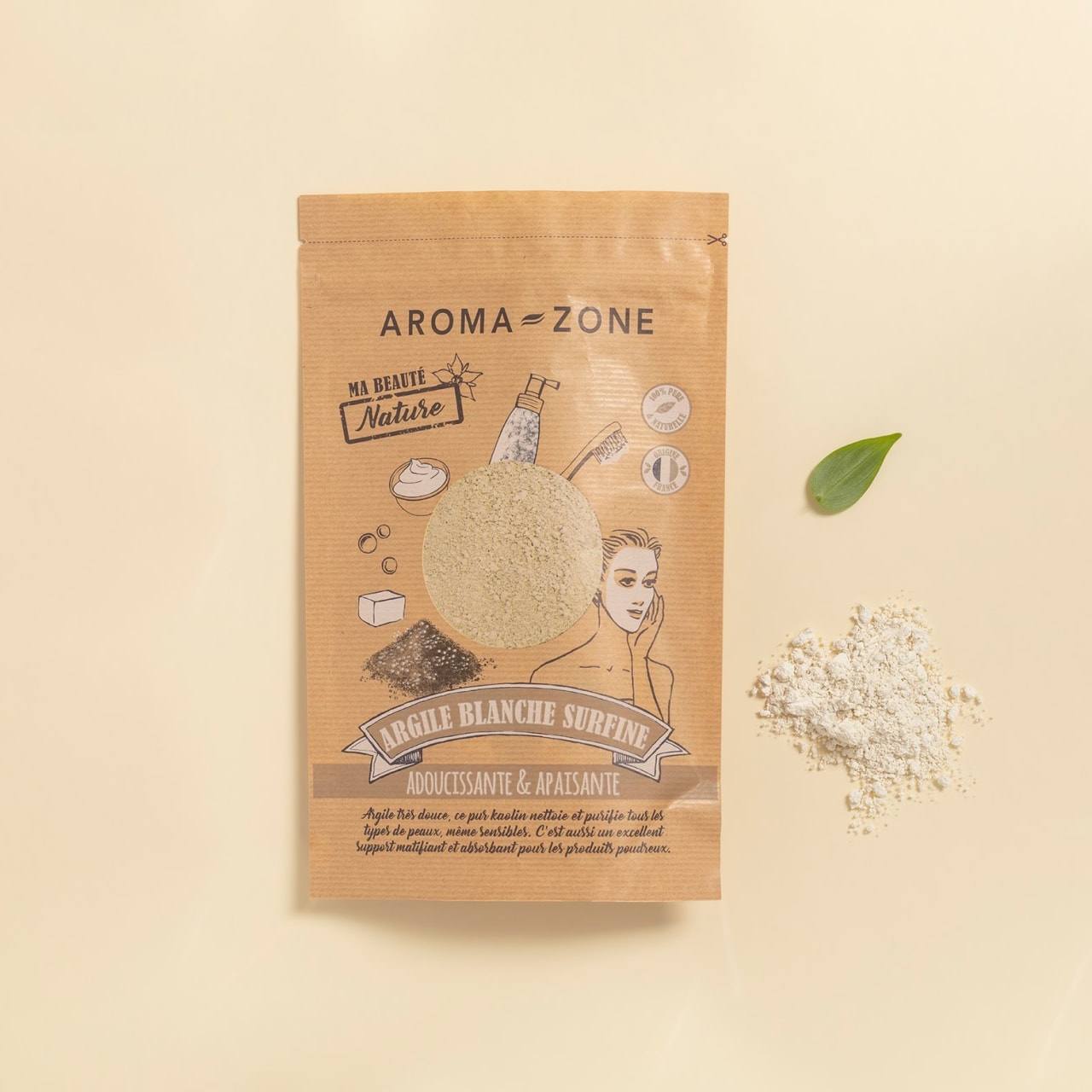
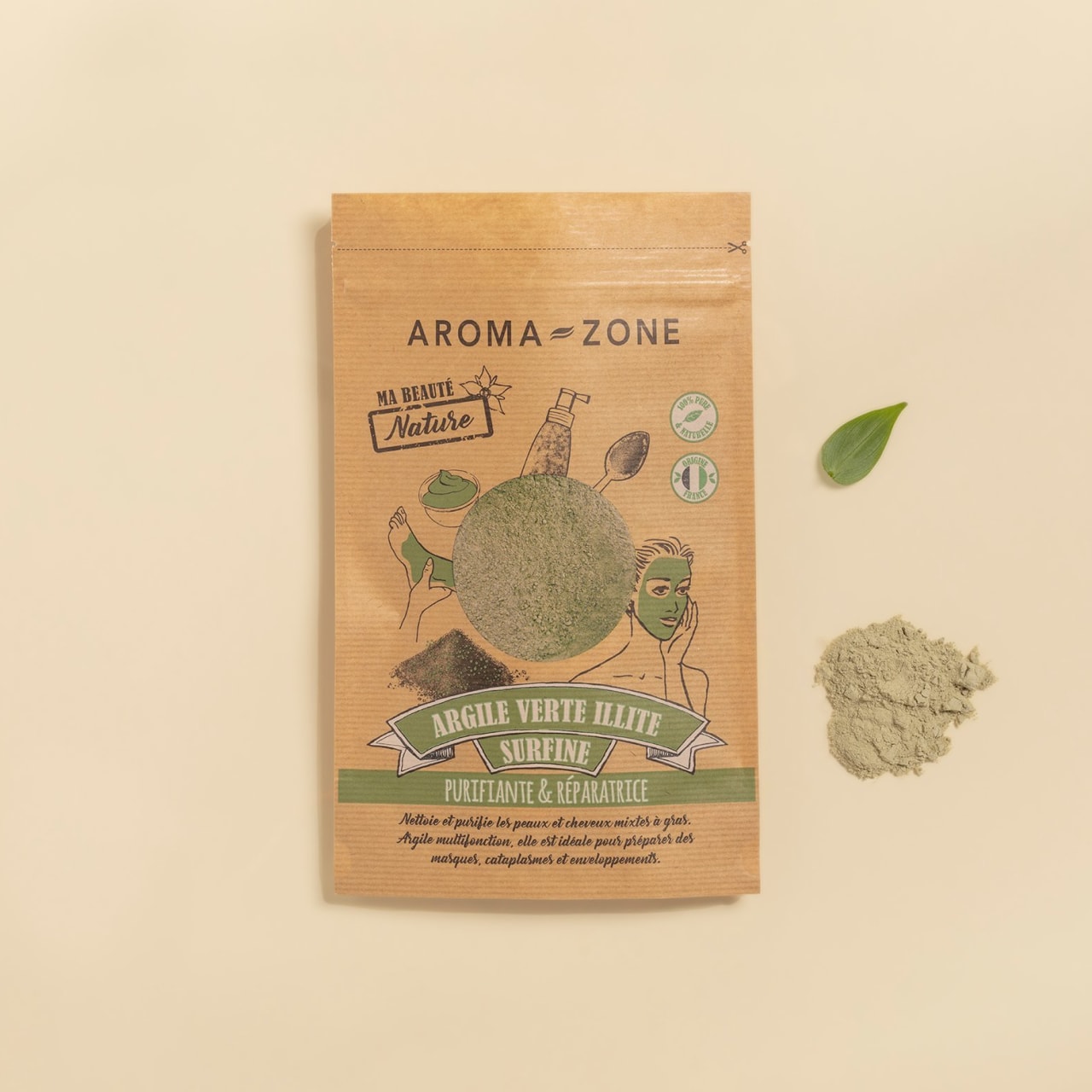
Superfine Pink Clay

  • 100% natural origin
  • French origin
Pink clay softens and gently purifies fragile skin, restoring the complexion's radiance, making it the ideal cosmetic ingredient. It is perfect for making masks or colouring your homemade soaps.
£4.00

1 item = 250 g

Price per kg = £16

Product out of stock. Find out more.

Features

Properties and uses

Quality

In practice

Storage and precautions

Find out more

Features

Our commitments

Quality

100% natural origin, unwashed to retain all its mineral content, non-irradiated.

Production process

Extraction from natural red and white clay quarries, crushing and fine grinding.

The grains of powder are sorted using an innovative vacuum selection process to ensure that the powder is as fine as possible. The red and white clays are then mixed to obtain the pinkish tone. The clay is dried in a kiln at over 350°C for 20 minutes.

This process produces a clay with a very low microbiological load. No chemical treatment is used.

Function

Cosmetic ingredient for formulating masks, poultices, powders and soaps…

Benefits and properties

  • Detox

  • Make-up

  • Purifying

  • Restorative

Country of origin

France

INCI name

Montmorillonite, illite, kaolin

Composition

Hydrated aluminium silicate

Presentation

Packaged in zipped bags

Properties and uses

Applications: hair care, skin care, body care

Difficulty level: easy

Cosmetic recipes: yes

Skin care

Hair care

Make-up

Properties

As a cosmetic ingredient, superfine pink clay is recognised for the following properties:

  • Cleansing and purifying

  • Absorbing, matifying

  • Repairing

  • Healthy glow and toning

  • Very mild

Indications

  • Sensitive and fragile skin

  • Reactive skin

  • Dull skin

Uses

Pink clay can be used as an ingredient in your skin care products:

  • Masks, poultices and wraps

  • Shower gels and soaps

  • Creams, gels and lotions

A few ideas

  • Soothing mask

  • "Healthy glow" product

  • Tinted cream

  • Coloured clay soap

  • Gentle cleansing lotion

Quality

Organoleptic properties

  • Appearance: fine powder

  • Colour: pale pink

  • Odour: neutral

Particle size

<150 microns

In practice

General characteristics

Quantity

1 to 60% of the total weight of your blend

Water-insoluble

Can be used as a paste or dispersion

oil-insoluble

Uses in home cosmetics

Mask, shampoo, shower, soap, gel, mask, powder, wrap, poultice, hair mask, powder compacts

Table of equivalents

Compare the capacity of the utensils we use

Typical quantitys

Discover the quantitys for the quantity you want

Preparation

Before you start

Precautions and allergens

Make a recipe from A to Z

Superfine pink clay can be used as an ingredient in your recipes.

Incorporate pink clay as an active ingredient in your formulas containing water: creams, lotions, gels, lotions, soaps, etc.

Step 1

Add the pink clay, ideally pre-dispersed in a little cold water, at the end of the formula.

Step 2

Shake to mix well.

Aroma-zone Tip

For better dispersion of the clay in your emulsions or gels, pre-disperse it in a little water before adding it.

To make a mask, a wrap, or a poultice

Pink clay can be used in a blend with other clays or plant powders to make masks, poultices or body wraps.

Step 1

Pour the pink clay with the other powders (other clays, plants, etc.) into a suitable container.

Step 2

Add water or hydrosol and mix to obtain a smooth, creamy paste.

1

Immediately apply the mixture in a thick layer to the skin (face, neck, body) or hair.

2

Leave on until the mask begins to dry. It is recommended to not let the mixture dry completely.

3

Rinse thoroughly with water to remove the mask

Aroma-zone Tip

  • Clay pastes do not keep well and should be used as soon as possible after making them (maximum 48 hours in the fridge).

  • If you wish to incorporate essential oils into a clay paste, we recommend adding a small proportion of oil or Solubol to dissolve them.

  • For best results, do not heat the clay and avoid contact with oxidisable metal.

  • You can use stainless steel or plastic equipment.

  • For mixing, use a plastic stirring rod.

Use it in a make-up product containing mineral powders

To make a loose or compacted powder:

Step 1

Mix the pink clay with the mineral powders and pigments, ideally by grinding in a mortar or coffee grinder to disperse the pigments evenly.

To make a cream foundation:

Step 1

Mix the pink clay with the mineral powders and pigments, ideally by grinding in a mortar or coffee grinder to disperse the pigments evenly.

Step 2

Add this powdery mixture to your melted oil phase.

Storage and precautions

Storage

Store away from air, moisture and light. Close the sachet tightly after each use.

Precautions

  • Powdery product, do not use near a source of ventilation, do not inhale.

  • Keep out of reach of children.

  • As clay absorbs impurities and toxins, do not reuse clay that has already been used.

Find out more

Pink clay is a blend of red illite clay and white montmorillonite. These clays are natural minerals from the phylosillicate family, (like talc and micas). It is composed of hydrated aluminium silicate and iron oxide. Its lamellar (layered) structure gives it good absorbency and coverage.

<> A closer look at absorption and adsorption: Clays have the property of absorbing liquids such as water, filling up a bit like a sponge.

Responsible Person

  • EU responsible person: Aroma-Zone FR-84220 Cabrières d’Avignon

  • UK responsible person: Obelis UK Ltd, Sandford Gate, Oxford, OX4 6LB, UK

Equivalents

Essential Oils

1 ml = approximately 35 drops (with our Aroma-Zone dropper caps)

Carrier oils

1 pump (Aroma-Zone aluminium pump) = approx. 0.15 ml

Mass / Volume conversion (for a liquid)

Mass (g) = Density x Volume (ml) at 20°C

Further information

1 full teaspoon = between 3 and 4.5 ml

1 full tablespoon = between 7.5 and 10 ml


However, these spoon ratios depend on a number of factors (e.g. viscosity of the liquid, temperature, depth and size of the spoon, rheological behaviour of the liquid), and we strongly advise you to use precise measuring equipment, such as graduated test tubes, graduated pipettes, and precision scales.

Bibliography

1

Supplier documentation

2

'L’argile médecine ancestrale'

Philippe Andrianne

3

'Argiles thérapeutiques'

Gaël Sitzia

4

'L'argile qui guérit: Mémento de médecine naturelle'

Raymond Dextreit