Why use clay in your skincare routine?

Why use clay in your skincare routine?


By Hélène Durand

Published on: Thursday, November 16, 2023, Updated on: Friday, October 16, 2026

Clay has been a staple in bathrooms for generations. Simple to use and economical, it has established itself as one of the essentials of facial care. Behind this seemingly simple powder lies a great deal of variety, with each type of clay having its own colour and unique properties. Discover the benefits of clay for your face.

Contents

Related products

In brief

  • Clay is formed by the slow erosion of siliceous rocks under the influence of wind, water and the climate

  • Thanks to its layered structure, porosity and negative charge, clay helps to absorb excess sebum and impurities

  • Clay is particularly suitable for combination to oily skin, as well as for skin prone to blemishes.

What is clay?

How is clay formed?

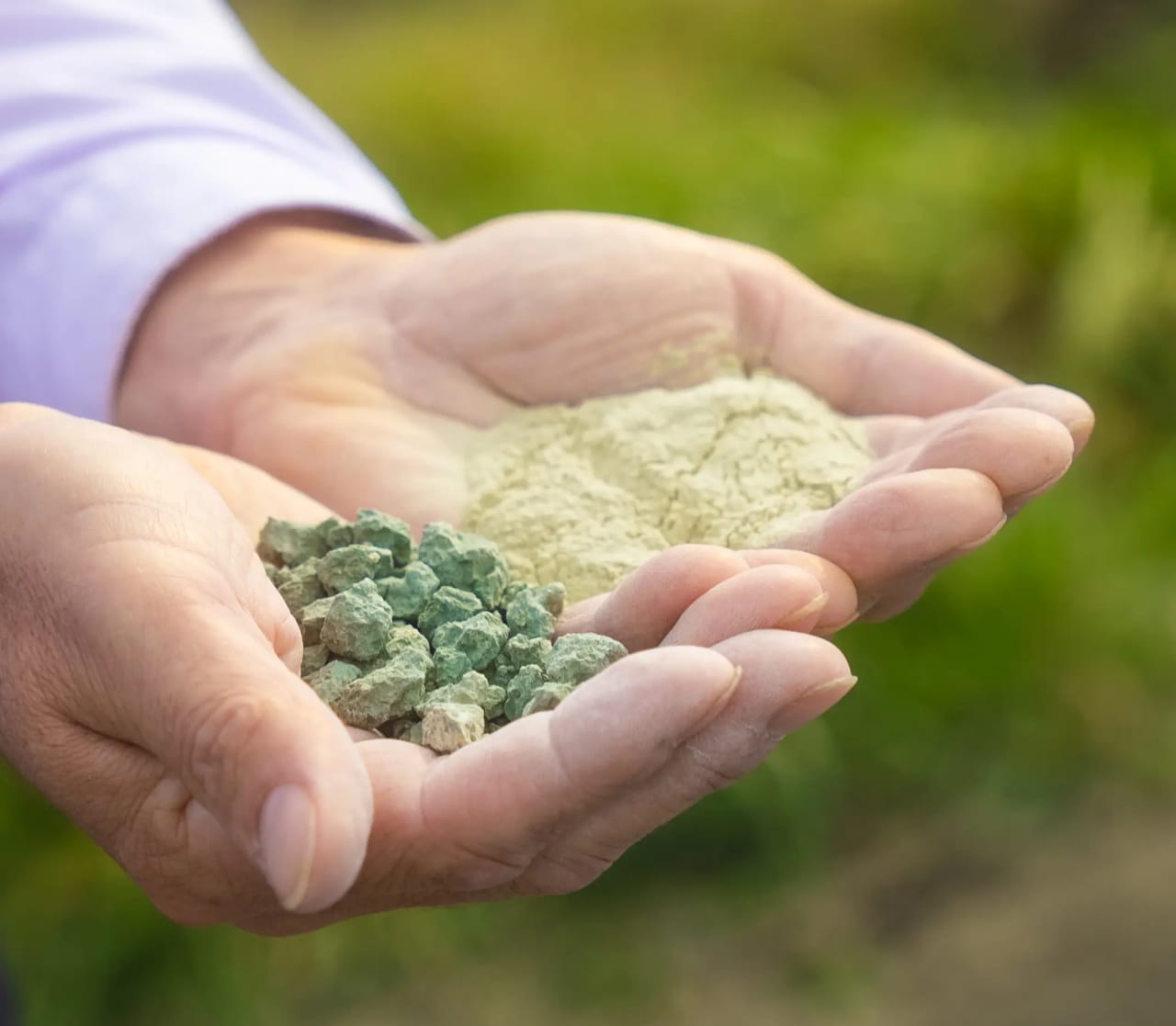
The result of a long natural process, clay is the result of the gradual weathering, under the influence of climatic phenomena, of rocks containing silicon. Over the years, through erosion and sedimentation, the minerals in the original rock break down, are transported by water and wind, and eventually transform into new clay minerals. This slow metamorphosis takes place differently depending on the parent rock, the original soil and the local climate, which is why there are different varieties of clay (1).


What is its composition?

At a microscopic level, clay appears as a stack of thin layers, much like a mineral mille-feuille. These layers are composed of silicon and aluminium, and sometimes even iron or magnesium, depending on the type of clay. This layered structure enables the clay to retain water and capture impurities, as well as any other substances present on its surface – a quality that is highly sought after in cosmetics (2).


What are the different types of clay?

Clays belong to the phyllosilicate family. There are several types of clay, which can be classified according to their colour:

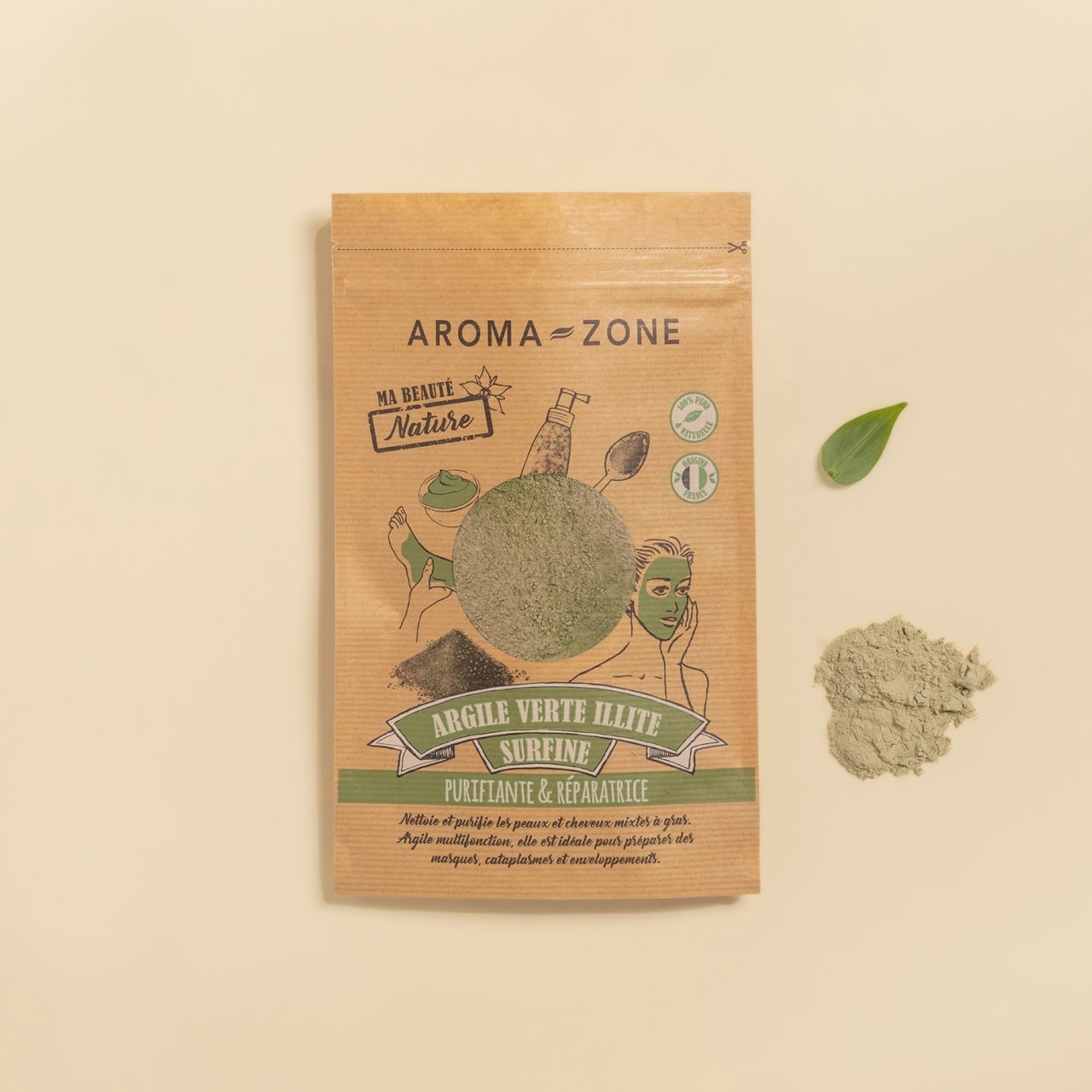
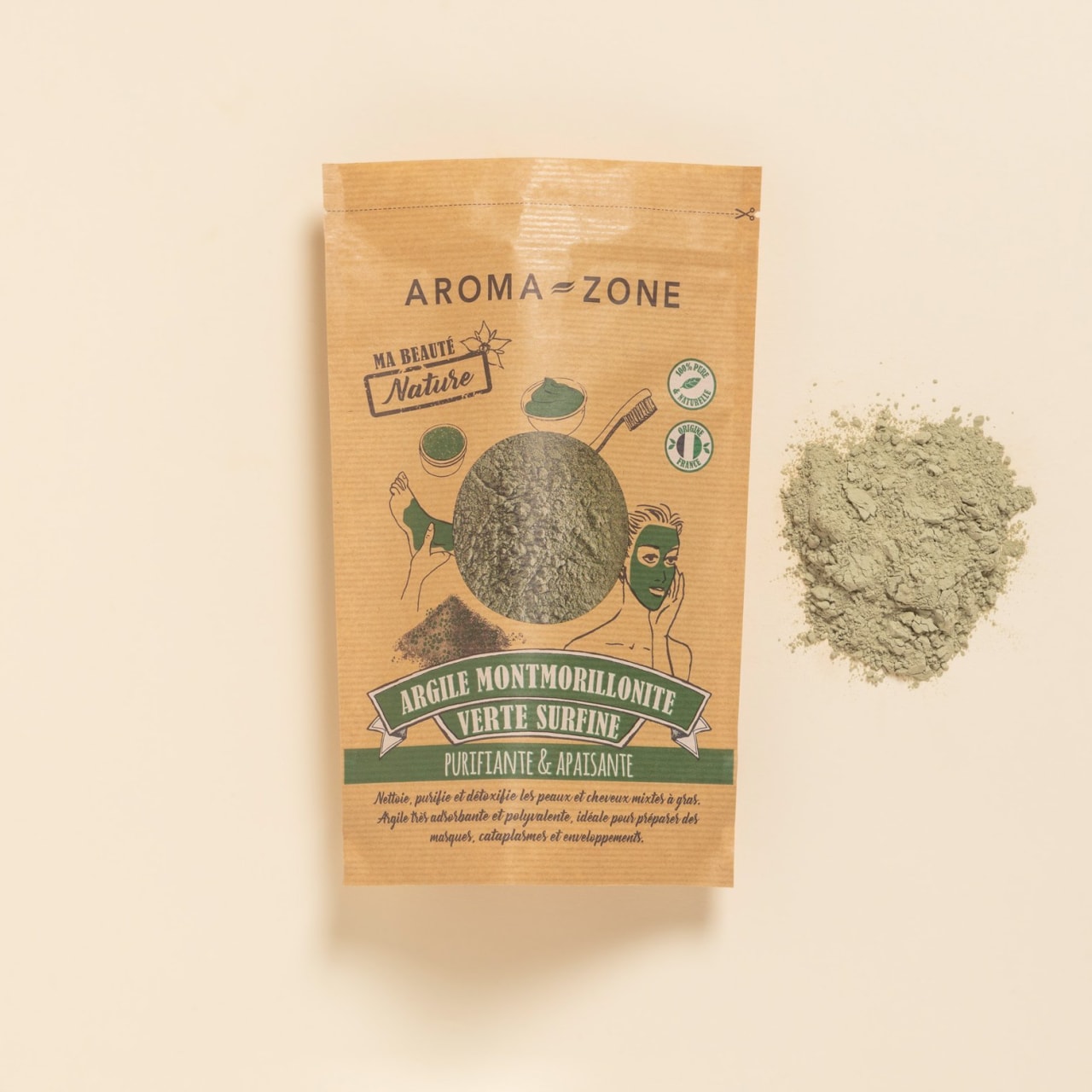
  • Green clay: the best known, it comes in two forms, Illite and Montmorillonite. It is rich in silica and magnesium.

  • White clay : also known as kaolin, it is rich in silica and has a low concentration of mineral salts. Its white colour comes from its high alumina content.

  • Red clay: it contains a lot of iron oxide, which gives it its colour.

  • Yellow clay: less well known, it is particularly rich in magnesium and iron.
Why use clay on your face?

Absorption of sebum and impurities

Clay is made up of very fine particles arranged in layers. This structure creates a large surface area, as well as being particularly porous. When a clay mask is applied to the skin, it triggers a sort of ‘drawing’ effect that captures excess sebum, pollution particles and residues present on the skin’s surface, binding them to the clay (3). For this reason, clay is particularly well suited to combination to oily skin prone to shine.


Reduction in blemishes

A study conducted by Meier and his team in 2012 assessed the effectiveness of clay masks combined with jojoba oil on around 100 people prone to mild acne and blemishes. There was an average reduction of 54 per cent in the total number of skin lesions, such as papules, pustules, cysts and comedones, was observed after 6 weeks of applying the mask 2 to 3 times a week (4).


Purifies the skin

Depending on their mineral composition, certain clays have a negative surface charge and cation exchange capacity, which enable them to bind various ions and molecules to their surface. When the clay is applied as a face mask, it attracts oppositely charged positive ions and can exchange them upon contact with the skin. As a result, it helps to rid the skin’s surface of excess sebum and certain impurities.

  1. Please note:

    The higher the concentration of mineral salts in the clay, the more negatively charged it is.

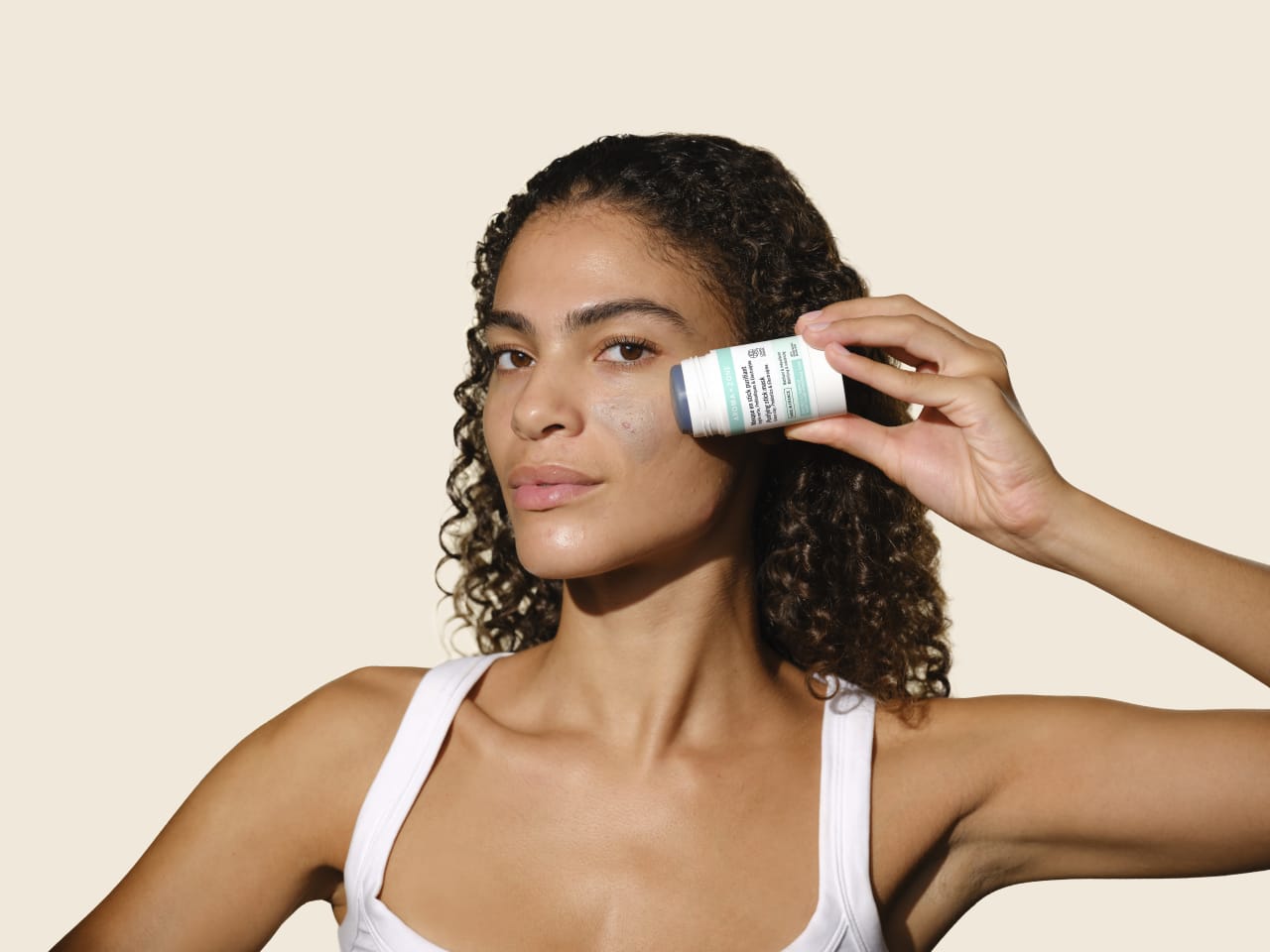
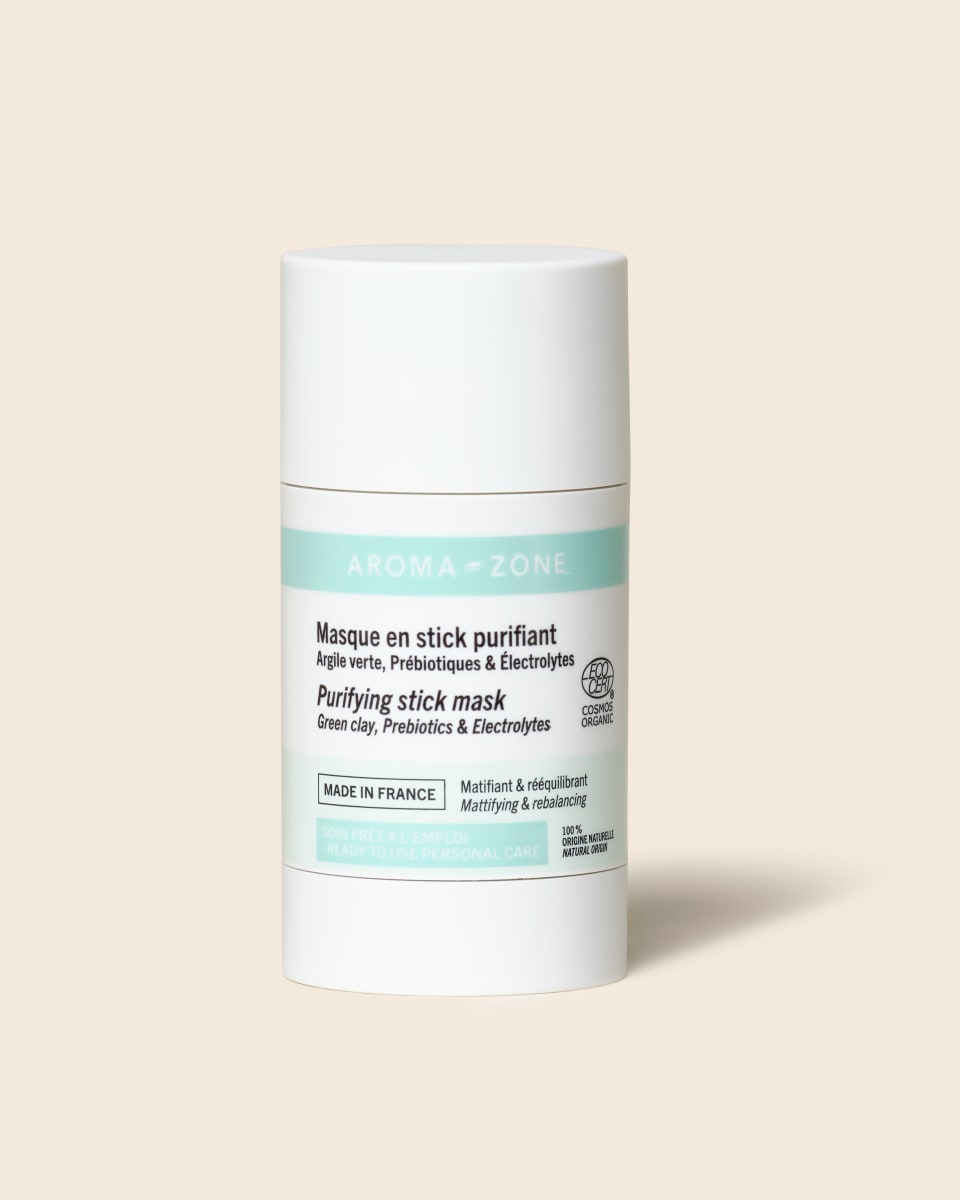
Spotlight on Aroma-Zone’s Green Clay Stick Mask

Aroma-zone Purifying Stick 0091

Our purifying mask stick combines green clay, chlorella extract with prebiotic properties and marine electrolytes to rebalance the skin and leave it looking healthier. Green clay has the highest absorption capacity of all types of clay. It is renowned for absorbing excess sebum and impurities from the skin’s surface. Thanks to its broad-spectrum prebiotic action, chlorella sourced from the lakes of the Pyrenees helps to strengthen the skin’s microbiome and mattify the complexion. Finally, marine electrolytes from Noirmoutier combine the electrolyte-rich properties of seawater with the minerals absorbed as it passes through the Earth’s crust. Approved by dermatologists, the Aroma-Zone green clay mask in a stick format is suitable for combination to oily skin or skin prone to blemishes, for children aged 12 and over, as well as for pregnant and breastfeeding women.

Discover the Aroma-Zone Green Clay Mask Stick

Are clay-based facial treatments right for you?

Combination to oily skin

Clay, and green clay in particular, is suitable for oily and combination skin. Its high absorbency enables it to capture sebum and impurities on the skin’s surface, making it an ideal treatment for the excess sebum characteristic of this skin type (3). Clay therefore helps to purify and mattify oily or combination skin.


Blemish-prone and acne-prone skin

Thanks to its absorbent and purifying properties, clay is often recommended for skin prone to blemishes or with an acne-prone tendency. On the one hand, it helps to absorb excess sebum—which causes pores to become blocked, creating an environment conducive to the development of blemishes—by binding to it. Furthermore, it purifies the skin and helps to remove excess sebum and certain impurities.


Can people with sensitive skin use clay?

Clay may be suitable for sensitive skin, but it all depends on how it is used. White clay (kaolin), yellow clay, red clay and pink clay (a mixture of white and red clay) are generally well tolerated by sensitive and delicate skin. Green clay should be used with greater caution due to its highly absorbent properties. It is more suitable for combination to oily skin or skin prone to blemishes. However, the new Aroma-Zone green clay mask stick has been specifically designed for sensitive skin.

To avoid any tightness, it is important to remove the clay mask with lukewarm water before it dries completely on the skin, and to limit its use to a maximum of once or twice a week.

What results can you expect?

Regularly applying a clay mask to your face can help:

  • Clearer skin: by helping to reduce blemishes

  • A matt finish: by helping to absorb excess sebum, which is responsible for shine

  • Purified skin : by attracting and trapping impurities accumulated on the skin’s surface 

  • Smoother skin: by removing dead skin cells and minimising blemishes that affect skin texture

  • A refreshing sensation: by leaving the skin feeling fresh after rinsing.

Precautions for use

Before using a clay mask, it is advisable to carry out a patch test on the inside of your elbow before applying it to your face. Wait 48 hours to check that there are no reactions. As clay absorbs impurities, you should not reuse clay that has already been used. When preparing homemade clay masks, avoid direct contact with metal during preparation. It is best to use a glass bowl and a wooden spoon.

Expert advice

Due to their high absorbency, clays can accumulate potentially undesirable trace elements. This is why, for use on the skin, it is particularly important to choose clays that have undergone purity testing (3).

Spotlight on Our Writer: Hélène Durand

FEATURED PHOTO – Hélène Durand_Ok

With a dual background in literature and marketing, Hélène Durand uses her writing to explore topics that are meaningful to her: natural beauty, well-being, and a healthy lifestyle. Through her articles, she aims to share a supportive perspective and practical advice.

Bibliography

  1. Foos, Annabelle M., Clays and clay minerals, 2022, https://www.ebsco.com/research-starters/earth-and-atmospheric-sciences/clays-and-clay-minerals

  2. Monsuêto C da Rocha et al., Clays as Vehicles for Drug Photostability, 2022, https://pmc.ncbi.nlm.nih.gov/articles/PMC9032270/

  3. Fernanda Daud Sarruf, The Scenario of Clays and Clay Minerals Use in Cosmetics/Dermocosmetics, 2024, https://www.mdpi.com/2079-9284/11/1/7

  4. Meier, L et al., Clay and jojoba oil facial mask for damaged skin and mild acne — results of a prospective, observational pilot study. Forschende Komplementärmedizin/Research in Complementary Medicine, 19(2), 75–79, 2012, https://pubmed.ncbi.nlm.nih.gov/22585103/

Frequently Asked Questions

Frequently Asked Questions