How to Help Soothe Stress Spots Naturally

How to Help Soothe Stress Spots Naturally


By Lucie Granjon

Published on: Tuesday, October 24, 2023, Updated on: Wednesday, October 28, 2026

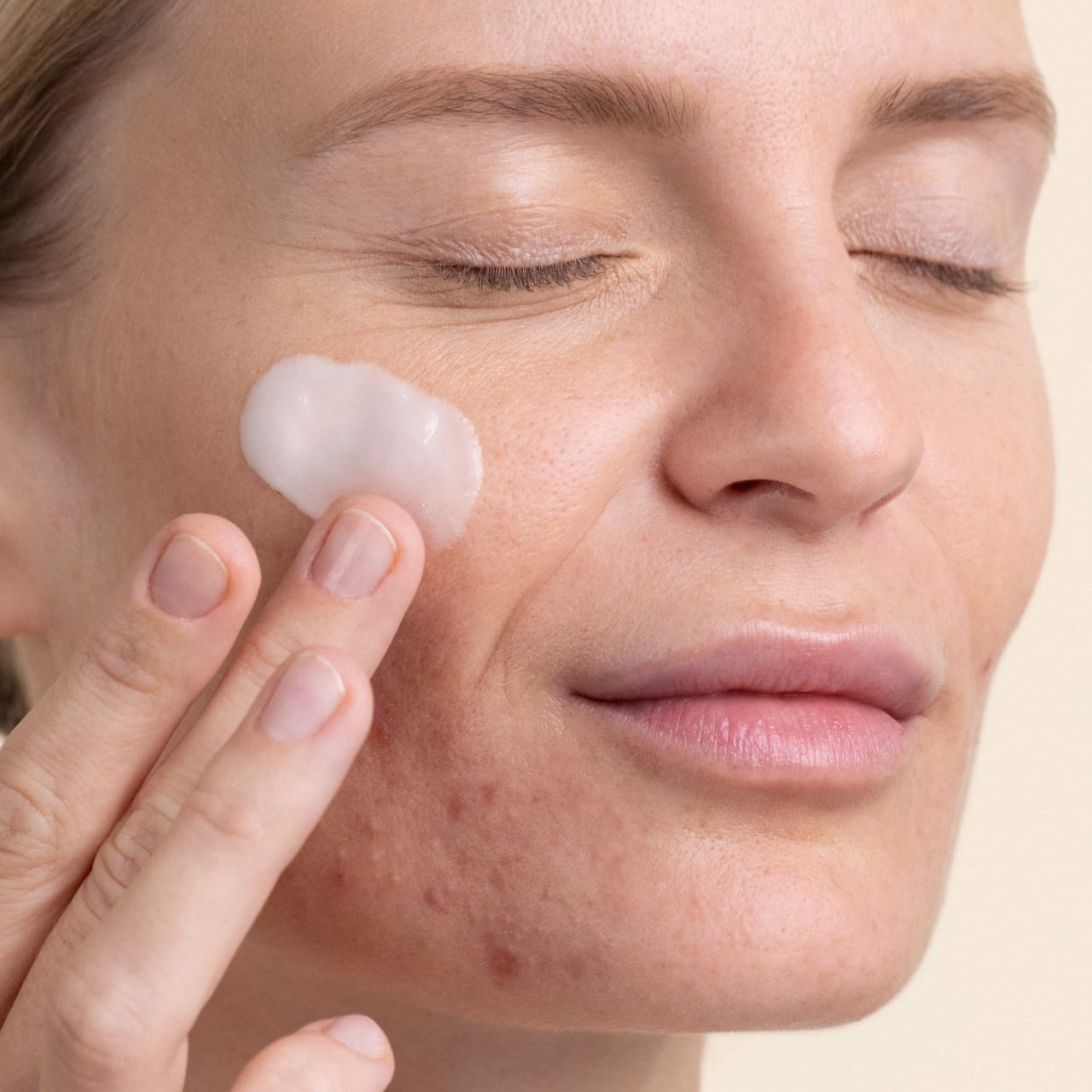
During prolonged stress or sudden, intense stress, stress spots can appear on the face and body. These stress spots often appear on the temples, forehead, and cheeks, or as patches on the body, as if to remind us of our worries in a very visible way. What causes these stress spots? What do they look like? How can you get rid of them? Let’s explore skincare treatments that soothe both your skin and your emotions to help prevent and clear these spots.

Contents

Related products

What Is a Stress Spot?

A stress spot is a skin reaction caused by stress that results in a sudden breakout. There can be many causes of stress-related spots, and unfortunately, numerous factors contribute to stress in our modern lives: stressful exams, trauma, anxiety, relationship difficulties at work or in our private lives, financial problems, and marital issues.

A stress-related skin flare-up can take the form of acne, hives, psoriasis, eczema, seborrhoeic dermatitis or even cold sores.

What Causes Stress Spots?

What Effect does Stress have on the Body?

Stress is a physiological reaction by our body in response to what it perceives as a threat. The sympathetic nervous system switches to ‘survival’ mode. In 1956, Dr Hans Selye, one of the pioneers of stress research, defined stress as a ‘general adaptation syndrome’ and a physiological response to change. 

Stress causes our body’s responses to become exaggerated (either in ‘hyper’ mode – too much – or ‘hypo’ mode – not enough). This stress progresses through three phases: the alarm reaction, the resistance stage and then the exhaustion stage (in the case of prolonged stress). 

The alarm reaction: The body is in a state of maximum alert, driven by the sympathetic nervous system, which releases adrenaline – the stress hormone – into the bloodstream and nerve endings. This is characterised by muscle tension, a rapid heart rate and higher blood pressure than usual. This alarm phase lasts for a maximum of 24 hours. This is what we feel during stage fright.

The adaptation phase: If calm does not return after the alarm phase and the stress persists, the body prepares to cope by avoiding the depletion of its internal resources. The adrenal glands produce excess cortisol, our natural cortisone and the ‘endurance’ hormone. Instead of following natural production peaks (with a normal morning peak to sustain us throughout the day), the adrenal glands secrete cortisol in excess and continuously. This excess cortisol leads to numerous disorders linked to this hormonal imbalance: increased blood sugar and fat levels, a weakened immune system, sleep disturbances… This excess cortisol disrupts all biorhythms and hormonal functions.

The decompensation phase: This occurs when stress becomes chronic, with no solution in sight to relieve it. The body triggers further alarm phases by releasing adrenaline once again. This can lead to anxiety attacks, palpitations, and spikes in blood pressure. In the long term, these problems can have significant physical repercussions on the body and affect mental health, sometimes leading to depression, chronic anxiety and burnout.

Why Can Stress Cause Spots?

As we have just seen, stress triggers a physiological reaction in our body. The body secretes hormones in excess, leading to a hormonal imbalance and an inflammatory state. This hormonal imbalance and inflammation cause stress spots that appear on the face or body. Sebum is produced in excess and can exacerbate existing acne. The inflammatory response triggered by stress also weakens the immune system and can lead to conditions such as cold sores or hives.

How Can You Tell the Different Types of Spots Apart?

Depending on their cause, stress spots may take one of the following forms:

  • Red patches of small spots that feel rough to the touch

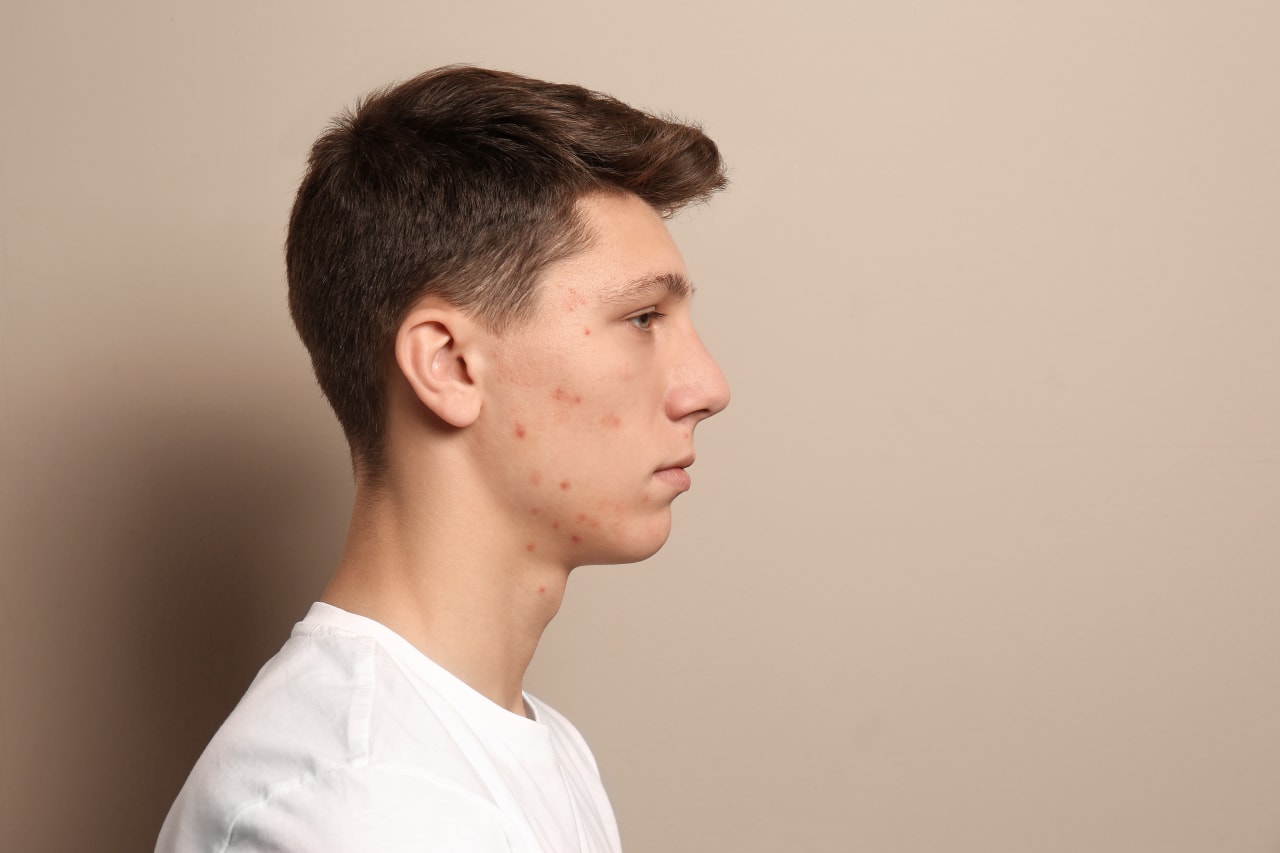
  • Acne spots: White spots, red spots, cysts under the skin, blackheads

  • Eczema patches: Inflamed, intensely itchy lesions, with the skin feeling thick and leathery

  • Cold sore: Particularly oral herpes, also known as a cold sore

  • Hives: Recognisable by their red, round, well-defined and raised patches

  • Psoriasis: This appears as a layer of white flakes on the skin’s surface (scales), accompanied by redness and itching, often found on the arms, elbows, knees, lower back and scalp.

  • Seborrhoeic dermatitis: Red patches covered with greasy, white or yellowish scales

Where Do Stress Spots Appear?

The answer? Almost anywhere! Stress spots can appear all over the body and the face, even on the scalp. They most often show up as clusters of spots on the temples, forehead, cheeks, chin, chest and back. On the face, spots may also appear around the mouth, at the corners of the lips or even on the tongue. You may also notice red patches on the body (on the hands, legs or stomach, for example), redness on the neck or décolleté, an itchy scalp or patches on the scalp.

How to Help Reduce a Stress Spot Naturally

To get rid of stress spots, follow two methods in parallel: soothe and purify the skin, and calm negative emotions while learning to manage your stress so it no longer affects your overall health.

Quickly Soothe Stress Spots

Here are a few natural remedies you can apply topically (to the skin) for rapid relief after a sudden outbreak of stress spots. We also recommend adopting new lifestyle habits (a healthy diet, good-quality sleep), regular physical activity, a gentle, suitable skincare routine, and stress-management techniques to support emotional balance.

In any case, please don't hesitate to book an appointment with a dermatologist if you're experiencing these skin breakouts or if they worsen.

082-heros11-aromazone-0556

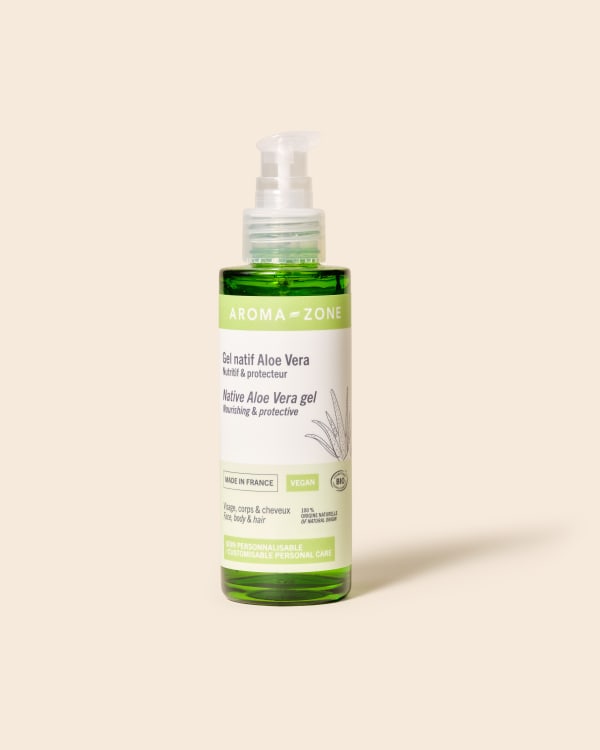
The All-Round Solution: Organic Aloe Vera Gel

Whatever type of stress spots you suffer from, the Organic Aloe Vera Gel can provide immediate relief. Free of essential oils, this treatment suits all skin types. Particularly soothing, regenerating and healing, it has an exceptional formulation rich in vitamins, trace elements and aloe vera, with moisturising and softening properties. Apply the Organic Aloe Vera Gel to clean skin, focusing on areas affected by stress spots.

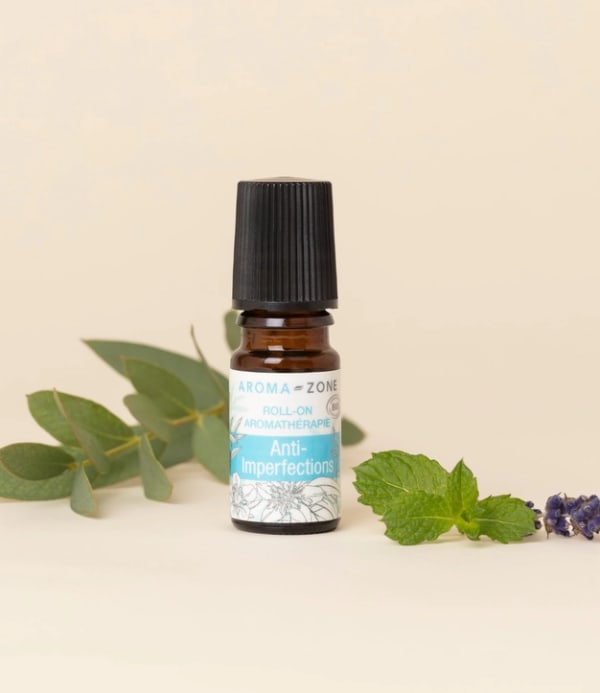
Anti-blemish roll-on with essential oils

Acne Spots

To quickly clear up stress-induced spots, try the Organic Anti-Blemish Essential Oil Roll-on. This roll-on purifies the skin and helps clear blemishes quickly. Apply it directly with the rollerball to the blemish or affected areas.

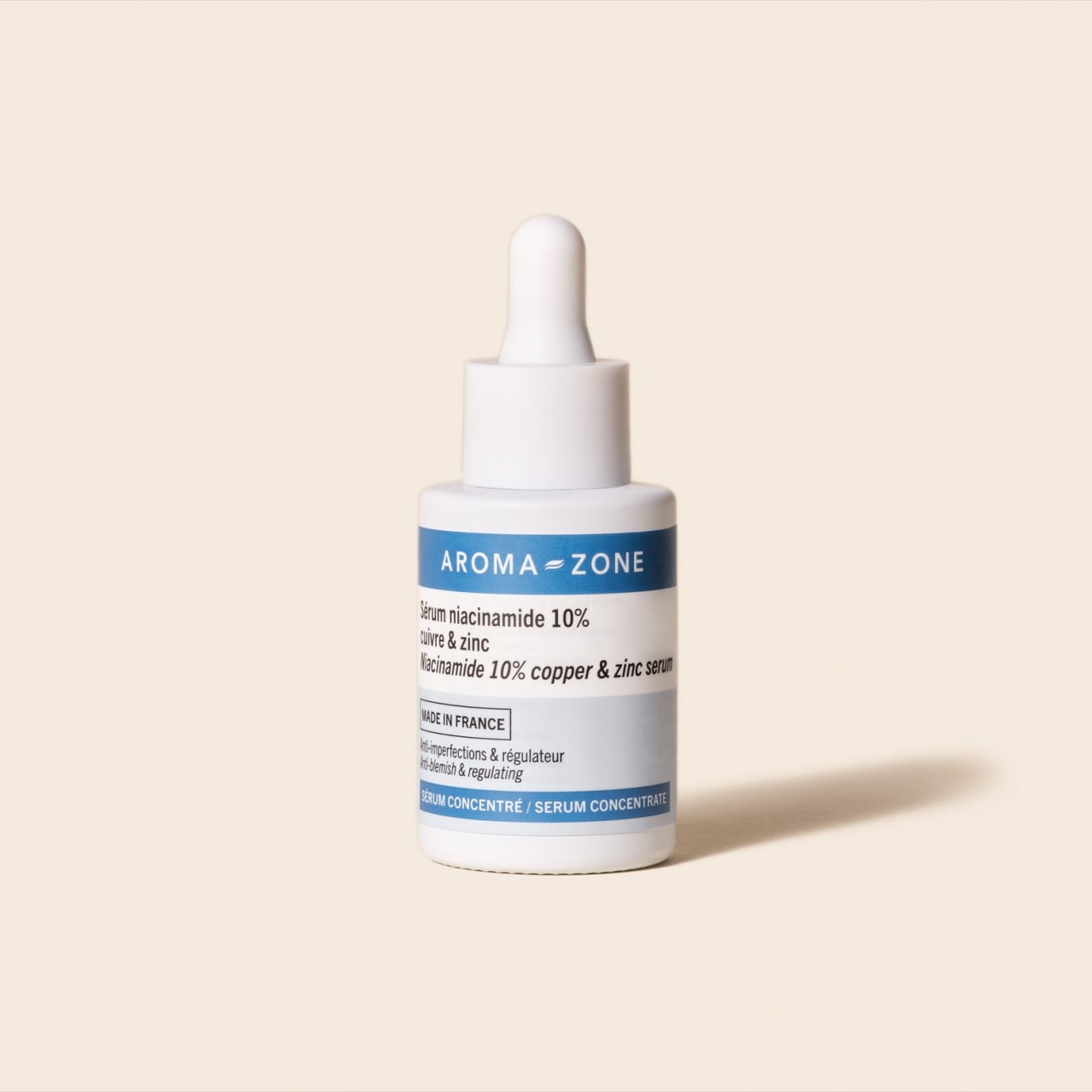
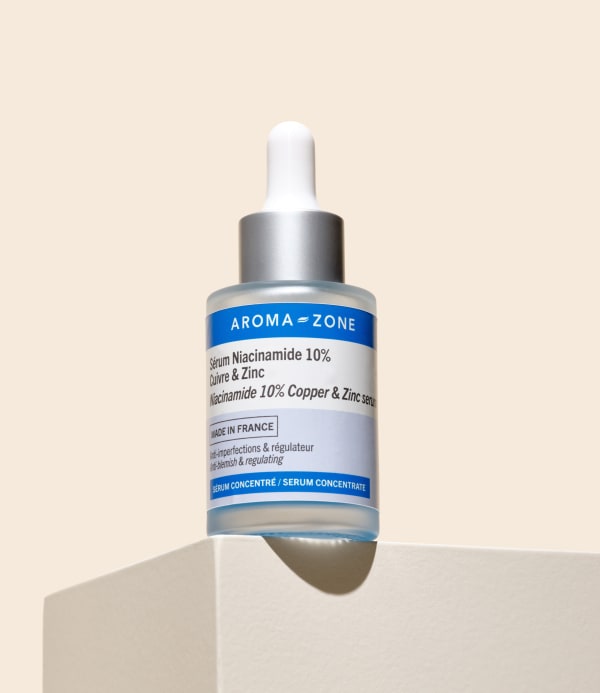
az 22072025 az packshot serum nia 1325 2

To treat blemishes all over your face, use 10% Niacinamide, Copper, and Zinc Serum in the morning and evening. It helps regulate sebum production by preventing sebaceous glands from producing excess sebum, tightens enlarged pores, purifies the skin, and helps prevent blemishes, blackheads, redness, and whiteheads.

Our experts share tips on how to combat acne in our feature: ‘Acne: how to get rid of it naturally?’

08 SELECTION Essential Oils for Autumn 1250x730 (1)

Hives

To soothe the unpleasant itching associated with hives, we recommend soothing and pain-relieving essential oils, such as Lavender or Chamomile (German or Roman), or Peppermint , whose cooling effect provides immediate relief. The anti-inflammatory properties of Calendula oil macerate are also very effective at soothing hives. 

Find our comprehensive guide to relieving hives with the best natural remedies and advice here: Relieve Your Hives with Essential Oils

Psoriasis

Apply 2 drops of Jatamansi Nard and 2 drops of Myrrh in 1 teaspoon of vegetable oil Rosehip applied to the affected areas.

For further information, we recommend reading our article: Soothe Psoriasis with Essential Oils.

Eczema

Many essential oils with anti-inflammatory properties can provide relief and a restorative, soothing effect on eczema lesions. Examples include German chamomile, Roman chamomile, Yarrow, and Annual Tansy. These essential oils are used diluted in camelina vegetable oil, Perilla, in an oily macerate of Calendula or St. John’s Wort.

Our recipe for quick relief: Dilute 2 drops of annual tansy essential oil in 1 teaspoon of camelina vegetable oil, and apply topically to the affected areas.

We’ve brought together our best advice in this article: Eczema and Essential Oils: Which Are the Most Effective?

You can also find out about the trace elements and dietary supplements that can help relieve eczema in our article Relieving Eczema: Our Natural Solutions

Seborrhoeic dermatitis

During flare-ups of seborrhoeic dermatitis, apply blends containing purifying essential oils such as tea tree essential oil, Palmarosa or Rose geranium. Between flare-ups, opt for gentle, fragrance-free cosmetics, such as our neutral shampoo base for seborrhoeic dermatitis of the scalp or our Neutral Cleansing Base to gently cleanse the face.

Our experts have written two articles on this subject: Combating Seborrhoeic Dermatitis with Essential Oils and Seborrhoeic Dermatitis: How to Treat it Naturally

Cold Sores

A quick remedy to relieve cold sores is to apply a blend of essential oils containing Ravintsara, Niaouli and Peppermint as a topical treatment. You’ll find a recipe for an anti-herpes gel here.

To find out more, understand the mechanisms of herpes and discover how to support the immune system, we recommend the following articles: Our essential oils for preventing and relieving herpes and Cold sores, herpes: the most effective solutions

Precautions regarding essential oils

  • Never use essential oils without first checking the safety precautions on the product pages on our Aroma-Zone website or in the Essential Oils Guide on our website.

  • Generally speaking, essential oils are not recommended (and some are strictly prohibited) for pregnant or breastfeeding women, people in a vulnerable state or with specific medical conditions, and children.

  • Always follow the recommended dosages.

Learning to Manage Stress Naturally

Relaxation Techniques

Sophrology, yoga, Qi Gong, breathing techniques, behavioural therapies, meditation – there are many avenues to explore to learn how to relax and manage stress more effectively.

Choose what you enjoy and don’t force yourself to do an activity if it doesn’t bring you joy or help you relax. Opt for the activity that appeals to you most and that you’ll enjoy doing regularly.

When you’re feeling stressed, physical activity (boxing, jogging, climbing, swimming, dancing, etc.) can help you regain your peace of mind and support your wellbeing and emotional management.

Anti-stress essential oils

Treat yourself to moments of relaxation by enjoying the benefits of aromatherapy. Essential oils are powerful allies in promoting wellbeing and reducing stress. You can use them by diffusing theminto the air or diluting them in a vegetable oil to make an anti-stress massage oil or an anti-stress roll-on.

Our tip for coping with stressful moments: keep the Stress & Emotions Essential Oil Roll-On at the office, and apply it to your wrists and solar plexus to help you cope with stressful situations.

Our 5 favourite essential oils for reducing stress, promoting emotional balance and harmonising the nervous system: 

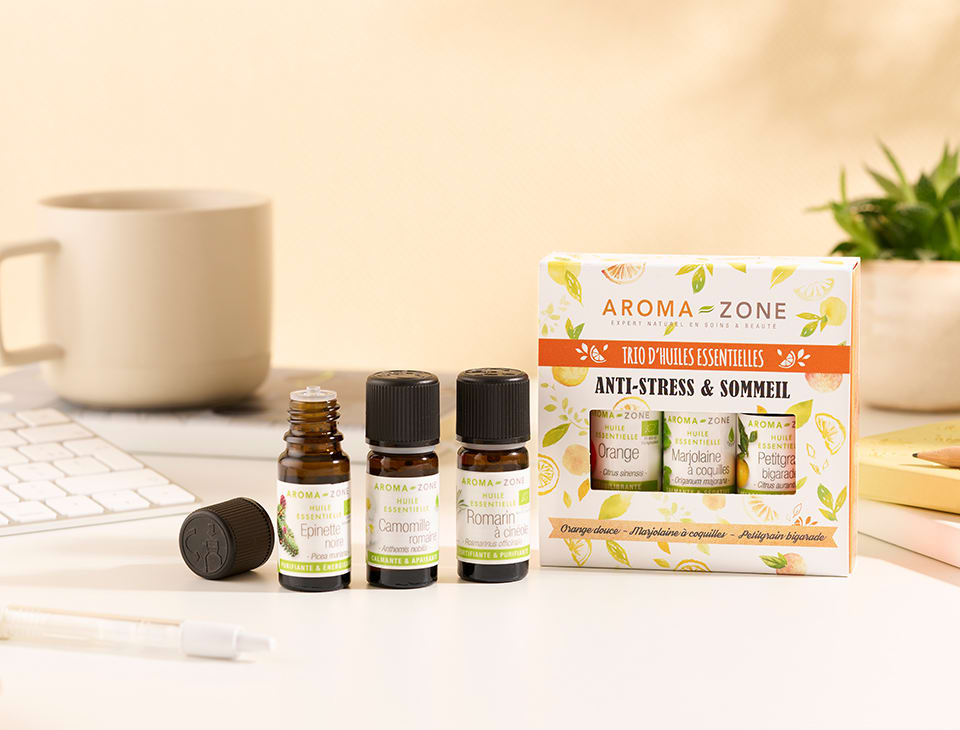
  1. Organic Fine Lavender Essential Oil: Wonderful for soothing states of stress, Fine Lavender from Provence offers its unmistakable scent to ease stress and nervousness. Rich in linalyl acetate, it soothes stress-related palpitations and relieves tension.

  2. Organic Roman Chamomile Essential Oil: Ideal for treating anxiety and worry, this essential oil, rich in esters, helps to calm the nervous system and combats stress and nervousness.

  3. Organic Shell Marjoram Essential Oil: It balances the nervous system and emotions through its powerful calming effect, without making us drowsy.

  4. Organic Petitgrain Bigarade Essential Oil: Rich in linalyl acetate, which has antispasmodic effects, it relieves tension and calms the heart and breathing rates. It is also comforting during times of emotional distress.

  5. Organic Sicilian Red Mandarin Essential Oil: Promotes restful sleep during periods of stress and nervousness. Its sweet, fruity, calming and relaxing scent soothes anxiety and unease.

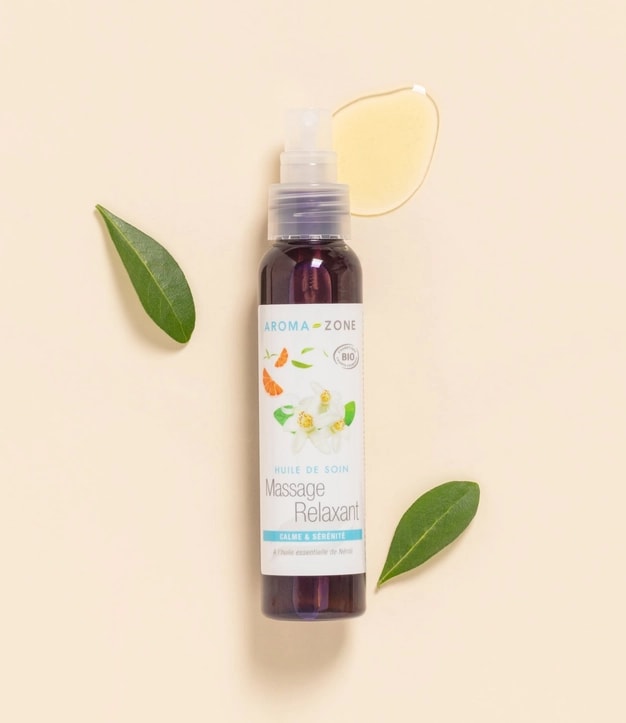
Organic skincare oil: Relaxing massage

Treat yourself to a moment of relaxation to ease tension and banish stress with this massage oil containing soothing essential oils of Neroli, Orange, Mandarin, Petitgrain and Exotic Verbena.

Ideal in the evening before bed, to ensure sweet dreams whilst enveloped in its deeply relaxing scent.

Discover the Organic Relaxing Massage Oil

To find out more, read our article ‘How can you combat stress with essential oils?’

Please note: If you are pregnant, breastfeeding, treating children or have a specific medical condition, always consult your healthcare professional before using essential oils. Many essential oils are strictly prohibited during these stages of life or for certain medical conditions.

Always check the precautions for use for each essential oil and follow the recommended dosages.

Our Natural Tips to Help Prevent Stress Spots

Anti-Stress and Soothing Beauty Routine

To prevent stress spots and keep your skin healthy and soothed, establish a beauty routine tailored to your skin type, using products that won’t irritate your skin. 

Our tip: Choose skincare products suitable for both blemish-prone and sensitive skin! This way, you’ll kill two birds with one stone, keeping your skin clear whilst preventing redness and irritation.

Here’s an example of a beauty routine to prevent stress spots: 

In the morning, gently cleanse your skin with a cotton pad or an organic cotton wipe soaked in Roman chamomile hydrosol, fine lavender floral water or a hydrolat of organic lemon verbena.

Then apply a serum such as the 10% Niacinamide, Copper & Zinc Concentrated Face Serum, if you have acne, or the Organic Aloe Vera Native Gel if your skin is irritated. Apply the Hydrating Cream (oily skin) or the All-Purpose Cream (combination, sensitive, dry or dehydrated skin), used on their own or combined with fine lavender essential oil, for its purifying and soothing properties. 

In the evening, remove make-up using the Organic Cucumber Micellar Water, then apply the same skincare products as in the morning, or choose a facial serum recipe tailored to your skin concerns.

Healthy Lifestyle

A few general tips that are easy to put into practice can help you manage your stress more effectively whilst easing anxiety, worry and nervousness:

  • Try to go to bed early and get 8 hours’ sleep a night

  • Opt for a healthy, predominantly plant-based diet (rich in fruit and vegetables), limit your meat intake and include plant-based proteins in your meals

  • Limit your intake of coffee and stimulants. Excessive coffee consumption can lead to anxiety, restlessness and palpitations.

  • Exercise regularly

  • Recharge your batteries in nature whenever possible (even in a city park)

  • Significantly cut down on smoking and alcohol, and don’t hesitate to seek support to give up smoking or alcohol if your consumption seems problematic

  • Take time during your working day to focus on your breathing and deep breathing

Spotlight on Our Naturopathic editor, Lucie Granjon

Passionate about plants and their properties, she started her career as a perfumer before moving to the world of natural beauty and aromatherapy over 10 years ago. Lucie supports ethical and committed brands with strategy development, product formulation and expert advice for their customers. She has worked with the Aroma-Zone team on several books, including "Le grand guide de l'Aromathérapie et des cosmétiques naturels" ("The Complete Guide to Aromatherapy and Natural Cosmetics"). She also has years of training in aromatherapy, herbalism and essential oil distillation, and supports the work of French plant growers.

Frequently Asked Questions

Frequently Asked Questions