How can I get rid of dry skin on my face naturally?

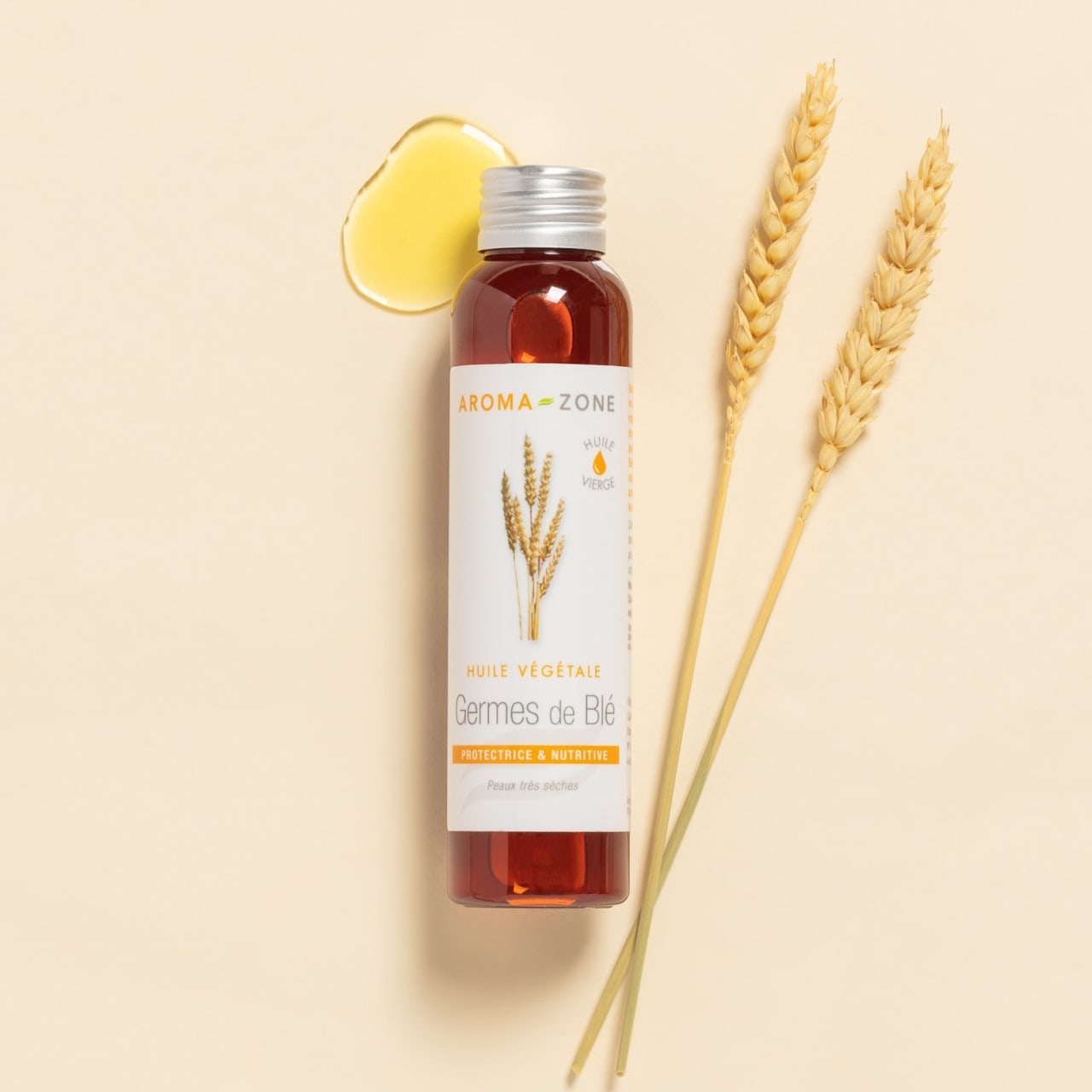
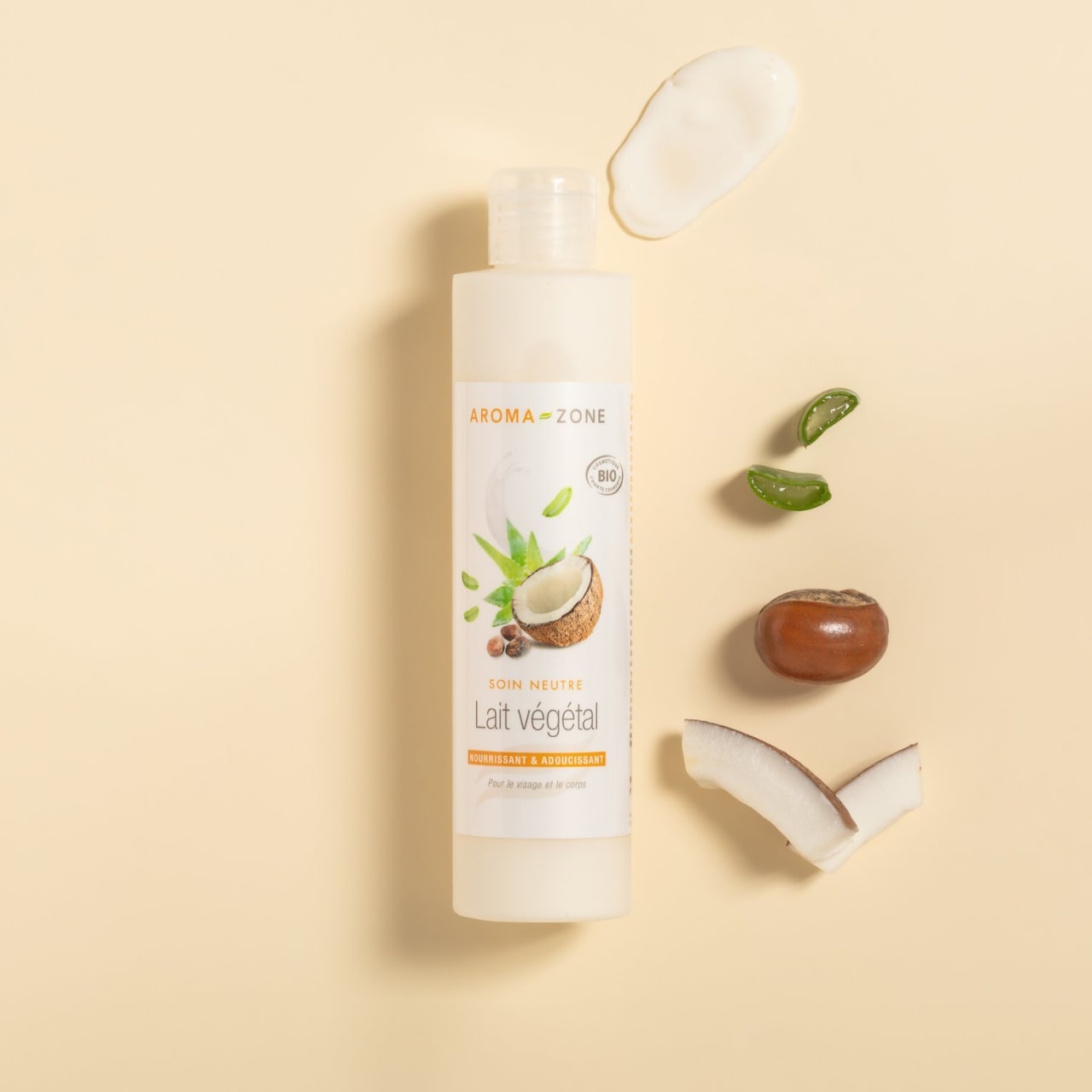
Cracked, rough, very dry skin... The face is a sensitive area subject to external aggressions that tend to alter the cutaneous barrier. Discover natural solutions for nourishing the skin, refining skin texture and soothing the tingling sensation of dry skin with Sweet Almond, Oat and Wheat Germ plant oils and Shea Butter. Find easy-to-use tips, simple, effective and natural recipes and the natural ingredients you need to prevent dry skin, prevent peeling skin on the face and make it more supple.

By The Aroma-Zone editorial team

Reading time: 0 min.

What causes dry skin?

Dry skin is a common condition that manifests itself as rough, flaky and sometimes irritated skin. The causes of dry skin are varied and can be due to external or internal factors, or a combination of both.

What factors cause dry skin?

Lack of sebum: Sebum is an oily substance produced by the sebaceous glands that helps protect and moisturise the skin. When sebum production is insufficient, the skin becomes dry and rough.

Environmental factors: Cold, dry weather, wind and exposure to the sun can dehydrate the skin by evaporating its natural moisture. Heated environments in winter and air conditioning in summer also contribute to skin dryness.

Skincare habits: Frequent use of harsh soaps and cleansers can strip the skin of its natural oils, leading to dryness. In addition, prolonged hot baths or showers can make the situation worse.

Age: As we age, the production of sebum and natural oils decreases, which can lead to drier skin. The skin's ability to retain water also diminishes with age.

Genetics: Some people have a genetic predisposition to dry skin. This can be linked to conditions such as eczema or psoriasis.

Diet and hydration: A diet low in essential fatty acids and vitamins, as well as insufficient hydration, can contribute to dry skin.

How can you tell if you have dry skin?

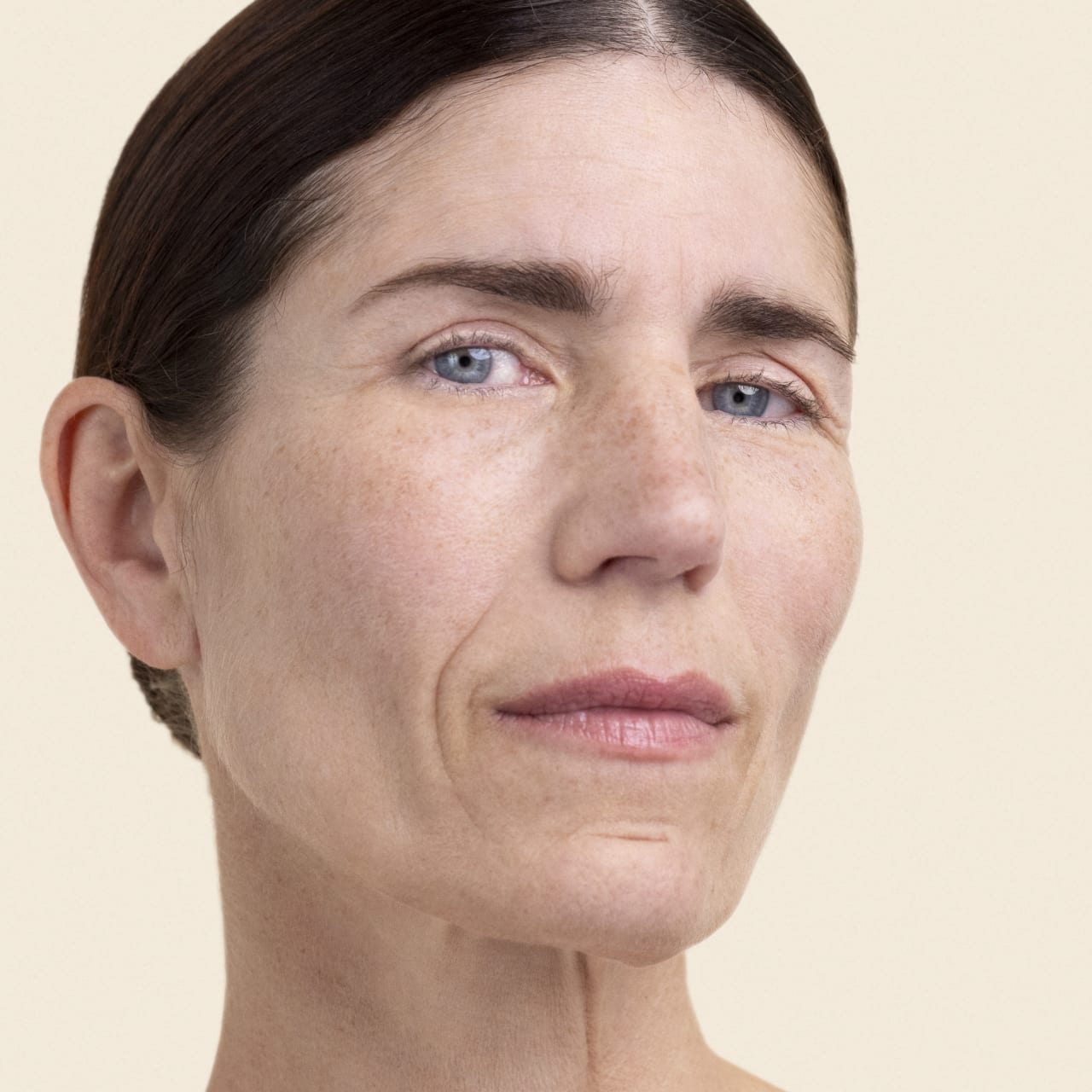
Dry skin can manifest itself through a number of signs and symptoms, which are often visible and felt. Here's how you can tell if you have dry skin:

  • Tightness: Dry skin often feels tight, especially after showering, bathing or swimming.

  • Rough appearance: Skin may feel rough to the touch, lacking softness and suppleness.

  • Peeling: Dry skin may peel or produce small dead flakes, particularly on the face, arms and legs.

  • Redness: Redness may appear, particularly on the cheeks and around the nose, due to irritation and inflammation.

  • Cracks and crevices: In more severe cases, the skin may develop cracks or crevices, often painful and localised on the hands, feet or lips.

  • Itching: Itching is a common symptom of dry skin, often exacerbated by scratching.

  • Dullness: Skin may appear dull and lacklustre, lacking luminosity.

  • Increased sensitivity: Dry skin may become more sensitive to cosmetic products or environmental factors, such as wind and cold.

If you notice several of these signs, it's likely that you have dry skin. To improve the condition of your skin, adopt a suitable skincare routine, using moisturising and nourishing products, and protecting your skin from external aggressors.

What natural active ingredients are effective in preventing dry skin?

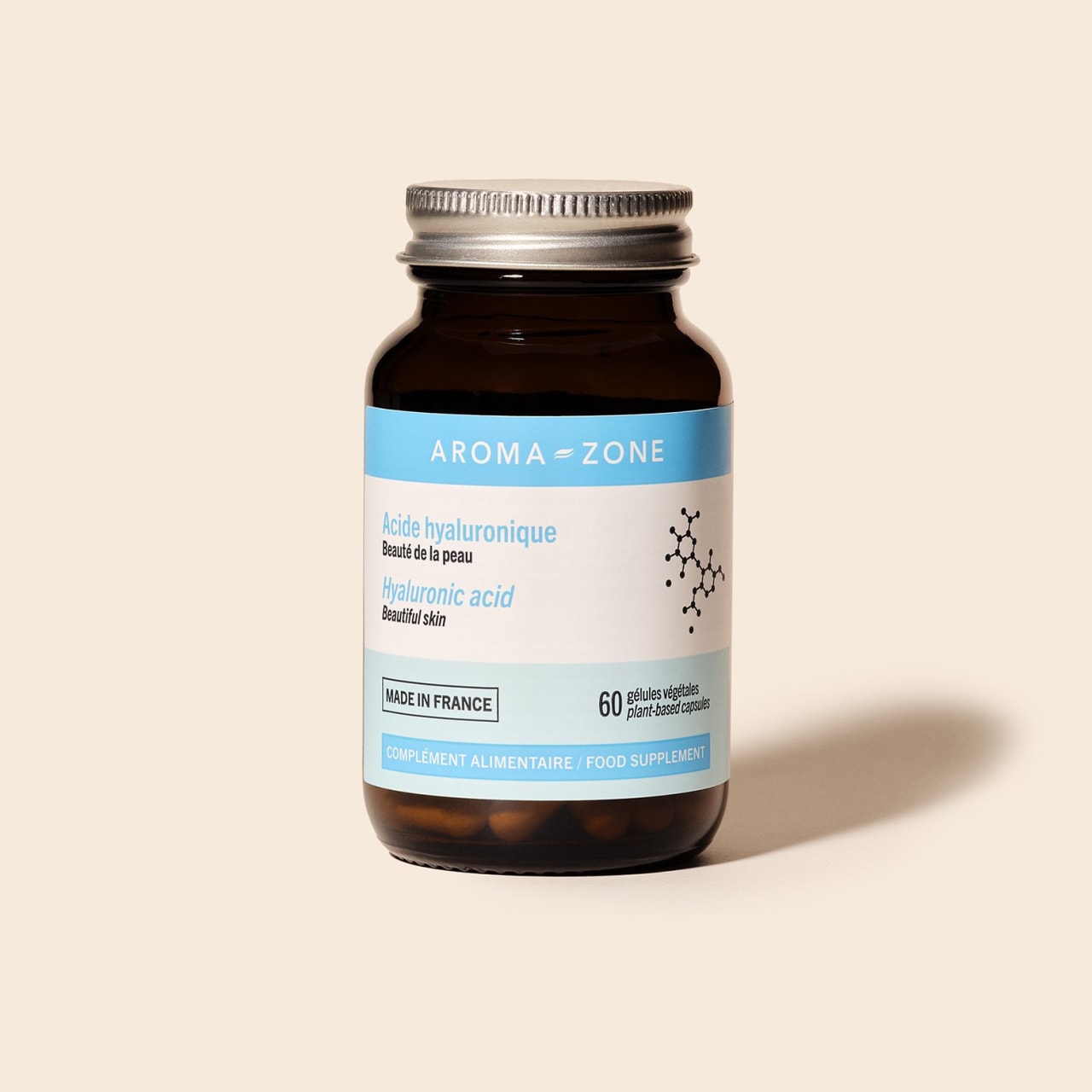
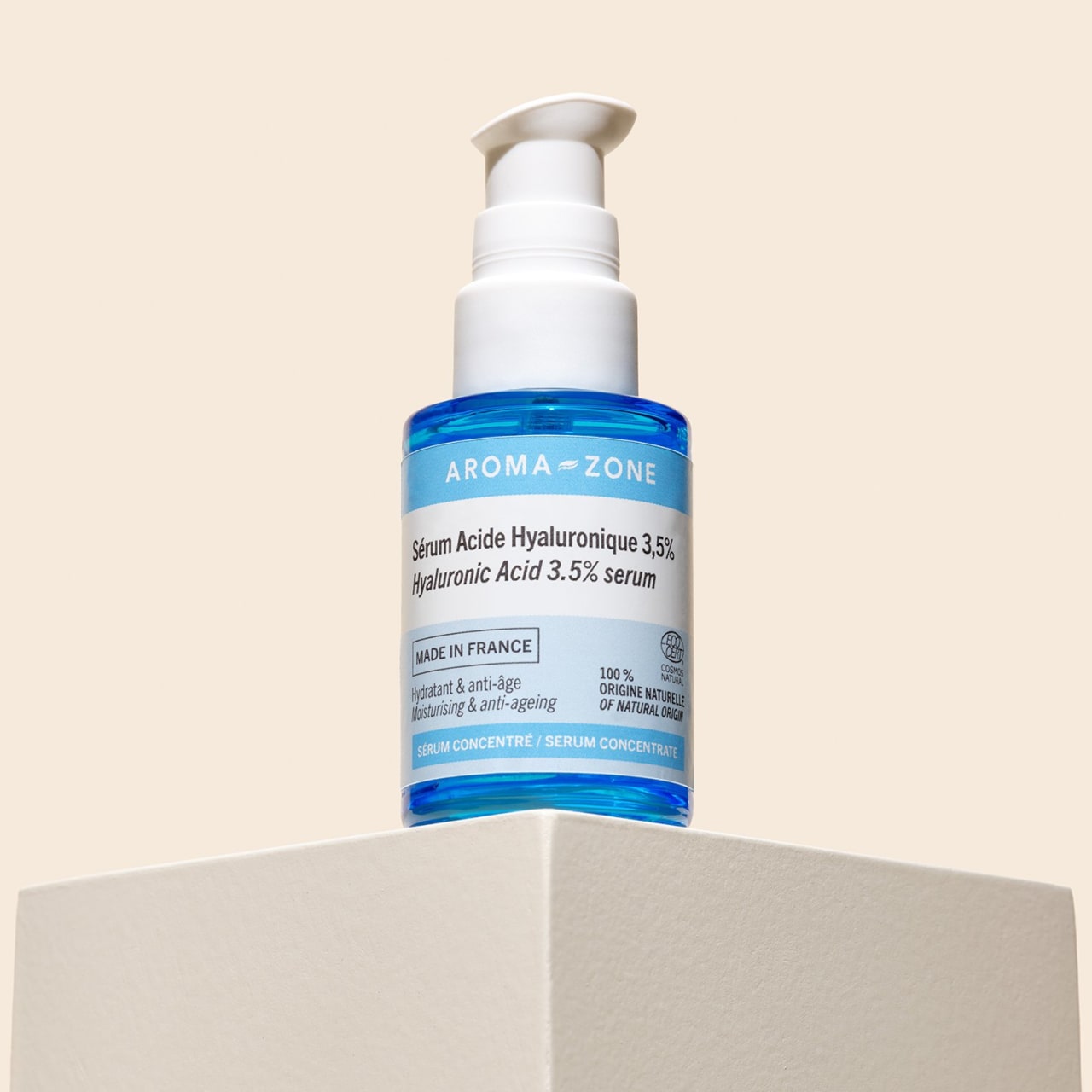
Hyaluronic acid

This humectant, widely recognised for its ability to attract and capture water, moisturises deep down, making skin plumper and more supple. It is particularly effective for dry, dehydrated skin.

Discover the 3.5% Concentrated Hyaluronic Acid Serum

Urea

Urea is a particularly beneficial ingredient for dry skin. Its humectant action helps retain moisture in the upper layers of the skin, increasing its water content and reducing the feeling of dehydrated skin. Depending on the concentration in which it is used, urea also acts as a gentle exfoliant, removing dead skin cells without irritating the skin. Finally, its soothing properties help to relieve the discomfort associated with irritation and redness.

Discover the Urea active ingredient

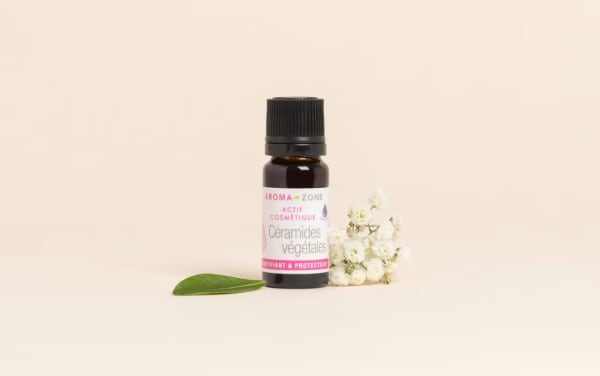
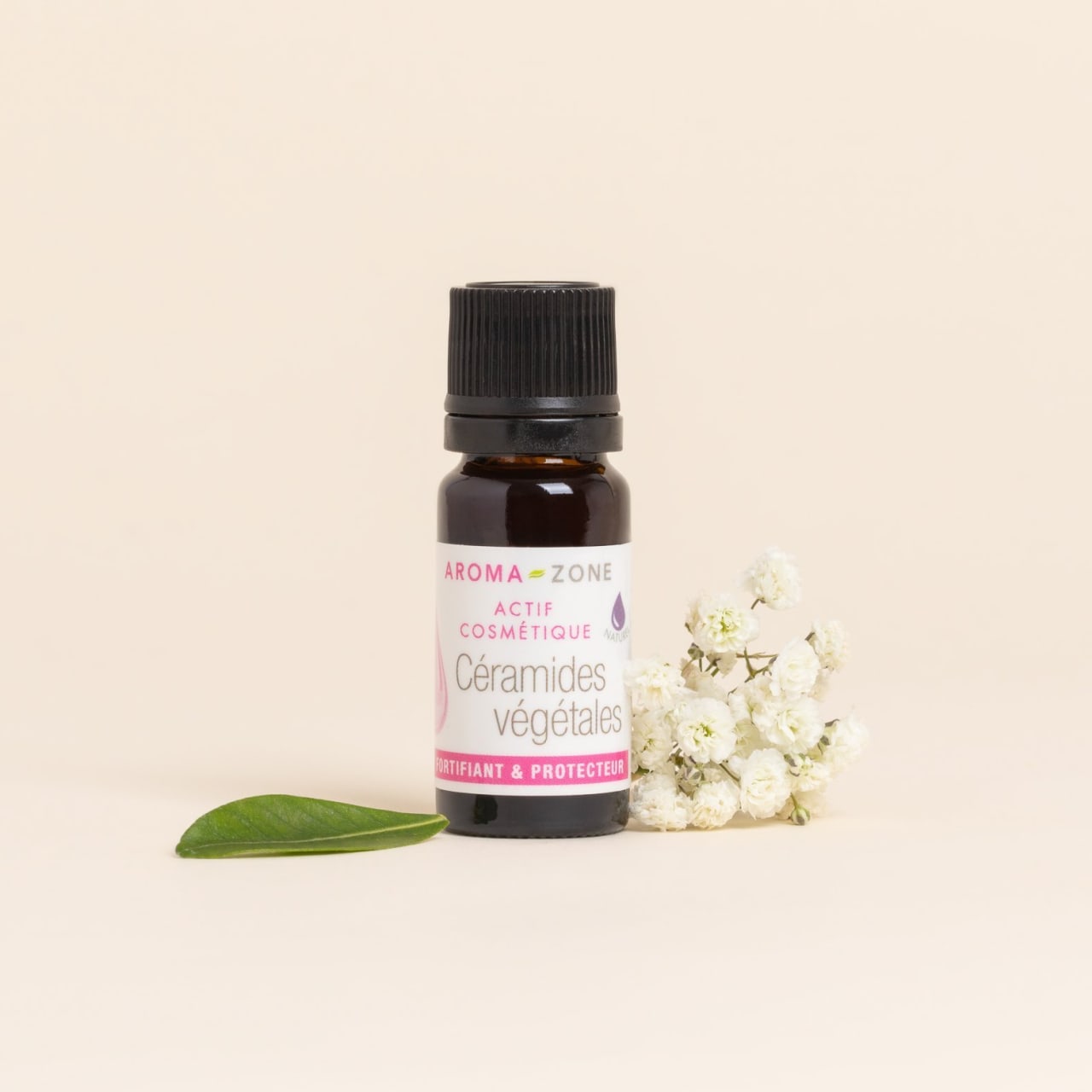
Ceramides

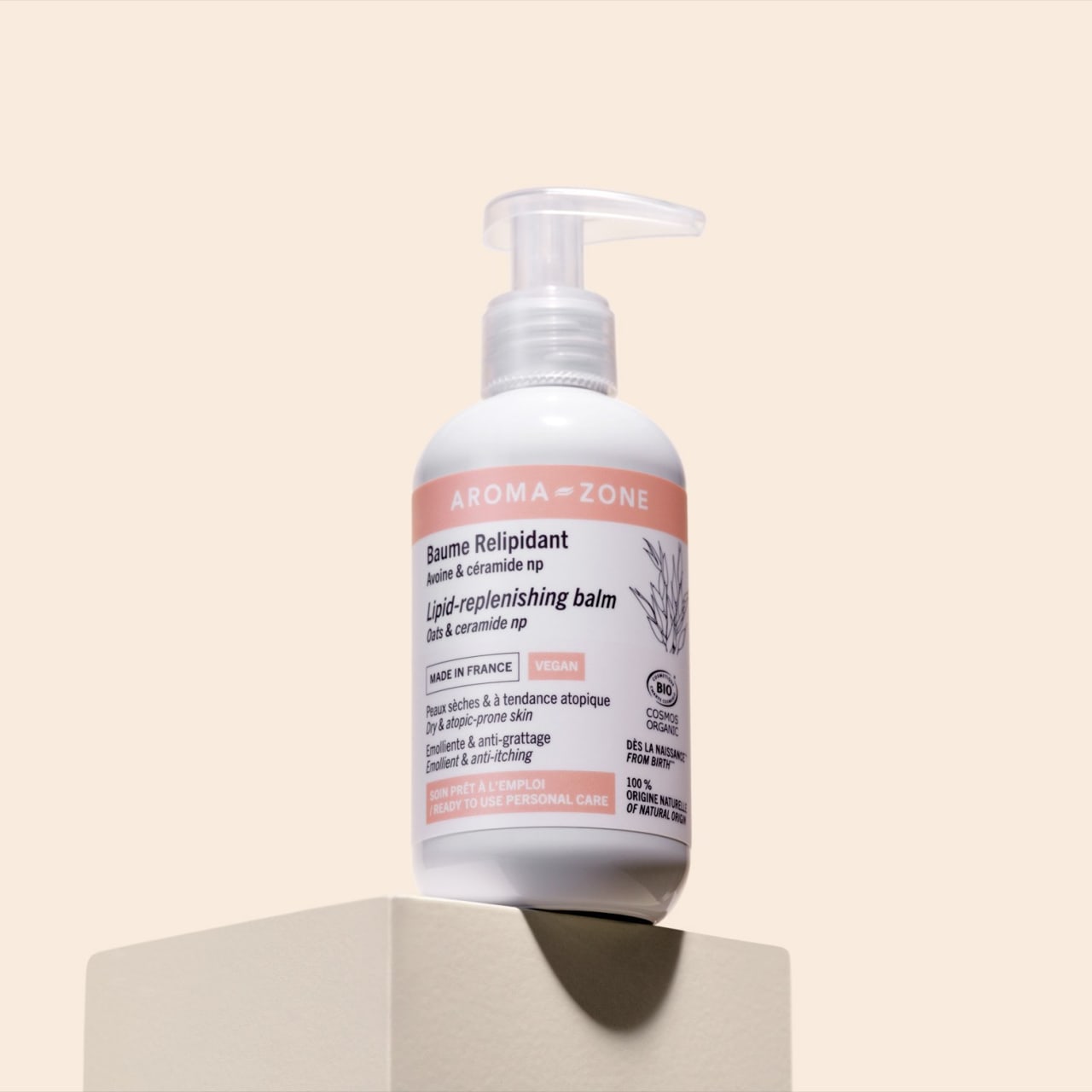
By retaining moisture and reinforcing the skin's hydrolipid barrier, they protect the skin from external irritation. They are ideal for strengthening fragile, dry skin.

Discover Active ingredient - Plant-derived ceramides

Vitamin E

This antioxidant nourishes the skin against external aggression by combating the formation of free radicals. It also has moisturising properties, making it a highly effective active ingredient for combating signs of dryness and skin ageing.

Discover the active ingredient vitamin E

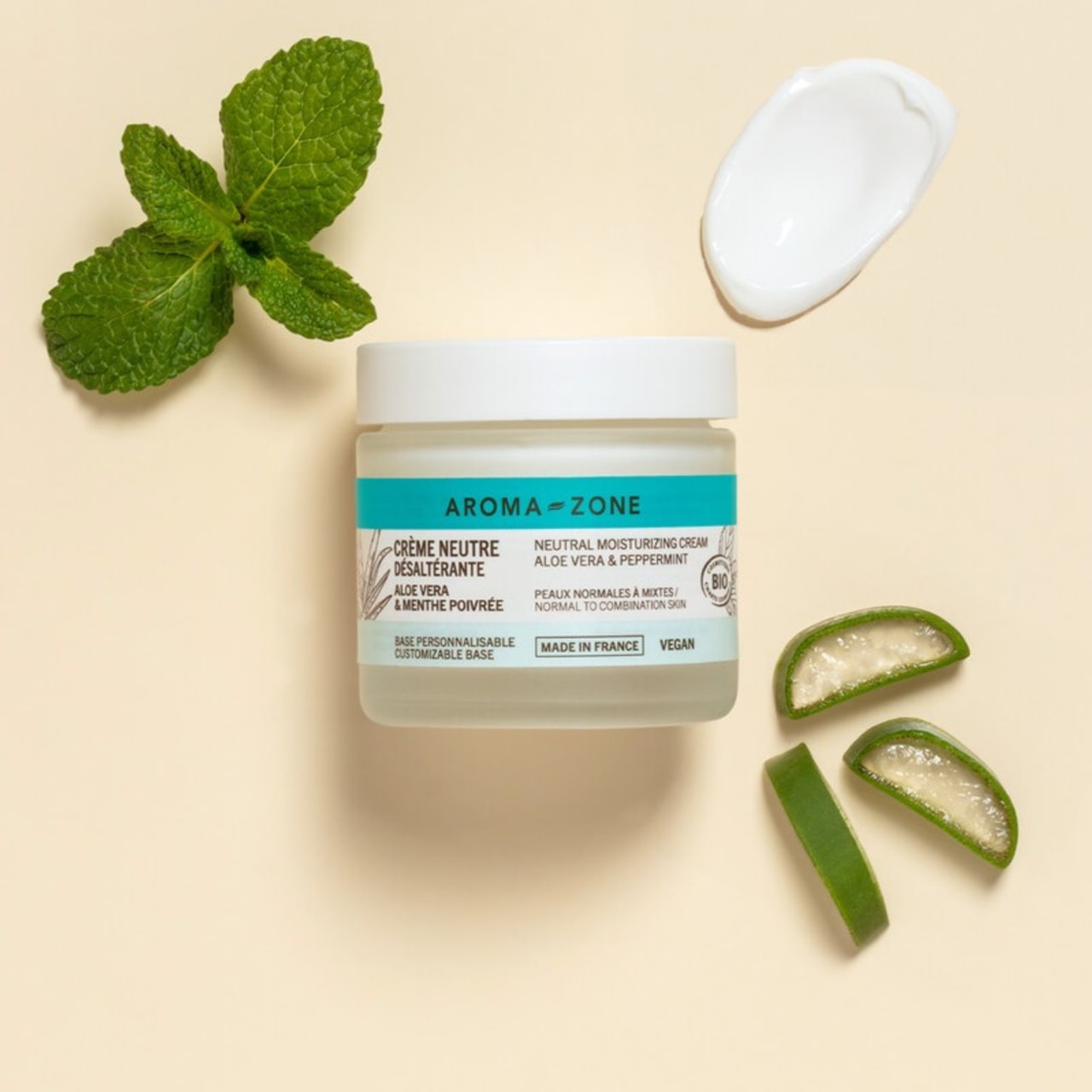
Aloe vera

Aloe vera soothes the feelings of discomfort and tightness often experienced by irritated skin, while promoting skin regeneration. What's more, Aloe vera gel is 98% water, making it an excellent active ingredient for soothing and moisturising dry, sensitive skin.

Discover ORGANIC Aloe vera gel

What skincare routine should I use to prevent dry skin?

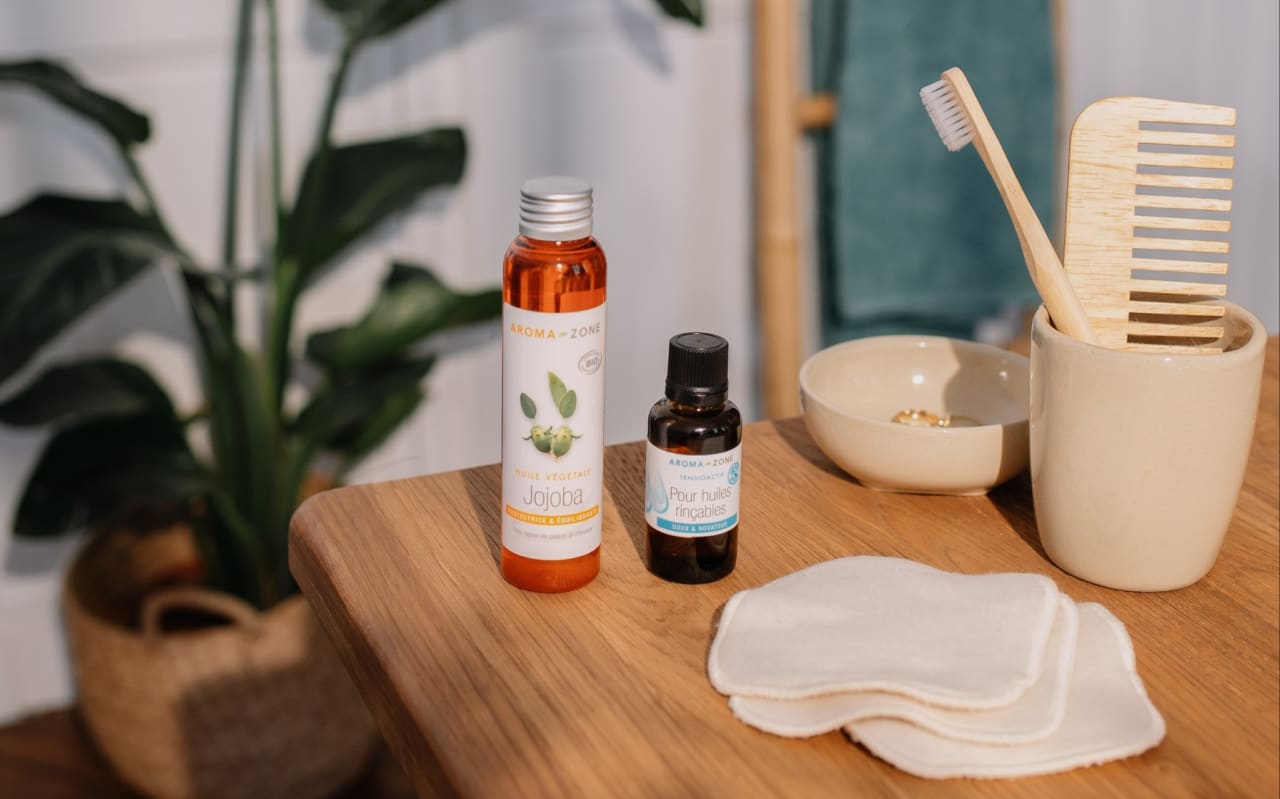
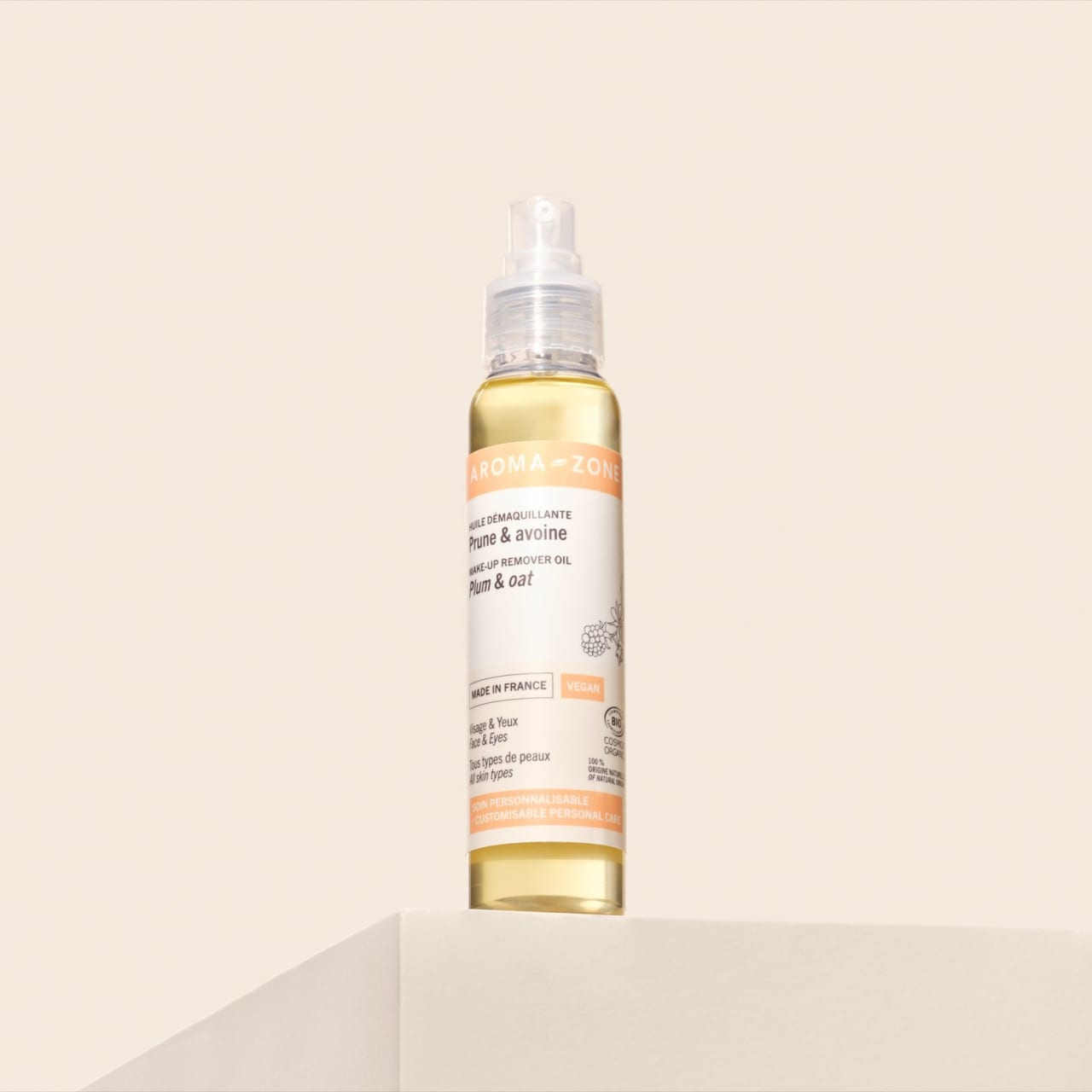
Gentle cleansing: UsePlum & Oat make-up remover oil to remove make-up, excess sebum and impurities in a single step, without drying the skin.

Exfoliation (once a week maximum): Exfoliate your skin by dissolving 5% Urea in an aqueous phase, preferably cold, and shaking for a long time until the granules are completely dissolved in the ORGANIC Aloe Vera Gel. The Urea gently exfoliates the skin and eliminates dead cells that can accumulate when the skin is dry.

Serum: Use the 3.5% concentrated hyaluronic acid serum to hydrate the skin. It penetrates quickly, leaving skin plumped, softened and ready to receive a moisturising cream.

Moisturising cream: Apply certified ORGANIC Age-Defying Face and Body Cream, 100% natural origin, for its anti-ageing, smoothing, thirst-quenching and plumping properties.

Plant oil: Use a plant oil (Jojoba, Avocado or Argan) to seal in the moisture provided by the previous steps and to deeply nourish the skin.

Sun protection: Remember to protect your dry skin from the sun, which tends to dry it out even more. Apply Mineral sun lotion SPF 20 to clean, dry skin before applying make-up.

How can dry skin be prevented?

  1. Moisturise regularly: Choose products that are rich and moisturising enough to nourish deep down, protect against water loss and relieve the feelings of tightness and discomfort that can occur when skin is too dry.

  2. Drink enough water: at least 1.5 to 2 litres a day. Internal hydration is essential to keep the skin supple and avoid dehydration, which exacerbates skin dryness.

  3. Use gentle cleansers: Avoid products containing irritants or drying agents and opt for soap-free cleansers or make-up-removing oils that respect the skin's hydrolipidic film.

  4. Protect your skin from external aggressors: Protect your skin from the cold with a rich cream and wear suitable clothing. Similarly, before exposure to the sun, apply a sunscreen to prevent damage from UV rays that dry out the skin.

Simple, natural recipes to alleviate dry facial skin

Our favourite products to replicate at home to combat the sensation of dry skin.

Make-up remover bar for dry and irritated skin

Preparation

1

Melt all the ingredients in a bowl over a bain-marie.

2

Remove the bowl from the bain-marie and mix at room temperature until smooth.

3

Pour the mixture into a mould.

4

Place the tin in the freezer for 1 hour before unmoulding.


Store your make-up remover away from light and heat.

* Storage: if stored properly and manufactured under optimum hygiene conditions, your product will keep for at least 6 months.

Comfort face fluid for dry skin

Preparation

1

Transfer phase A (Babassu oil + Coconut oil + emulsifying wax n°3) into a bowl.

2

In another bowl, transfer phase B (orange blossom hydrosol + mineral water + xanthan gum + plant-based glycerine).

3

Heat the two phases separately in a bain-marie to 75°C/80°C. Stir phase B throughout the heating process.

4

When the two phases have reached the same temperature, remove the bowls from the bain-marie and slowly pour phase B into phase A, stirring vigorously with a mixer or Aroma-Zone aerator for about 3 minutes. The mixture will whiten and blend.

5

Without stopping stirring, place the bowl in a basin of cold water to accelerate the cooling and setting of the emulsion for another 3 minutes or so.

6

Finally, add phase C (Cosgard preservative) and mix well after this addition.

7

Transfer the product to your bottle using the pipette if necessary.

Revitalising serum for dry, dehydrated skin

Ingredients (without scales)

Preparation

1

Put the plant-derived squalane cosmetic active ingredient directly into the bottle containing Apple treatment oil.

2

Close the bottle and shake.

Store your bottle away from heat.

* Storage: if stored properly and manufactured under optimum hygiene conditions, your product will keep for at least 6 months.

Precautions to be taken

Exfoliation is sometimes necessary to activate cell renewal, eliminate excess dead cells or limit the desquamation that can occur with dry skin. Exfoliation that is too strong or too repeated can cause severe irritation and alter the skin barrier, making the skin more prone to redness. Certain powerful active ingredients such as salicylic acid or concentrated retinoids may also aggravate dryness. In all cases, it is advisable to carry out a tolerance test before applying any new active ingredient to the face.

Expert advice

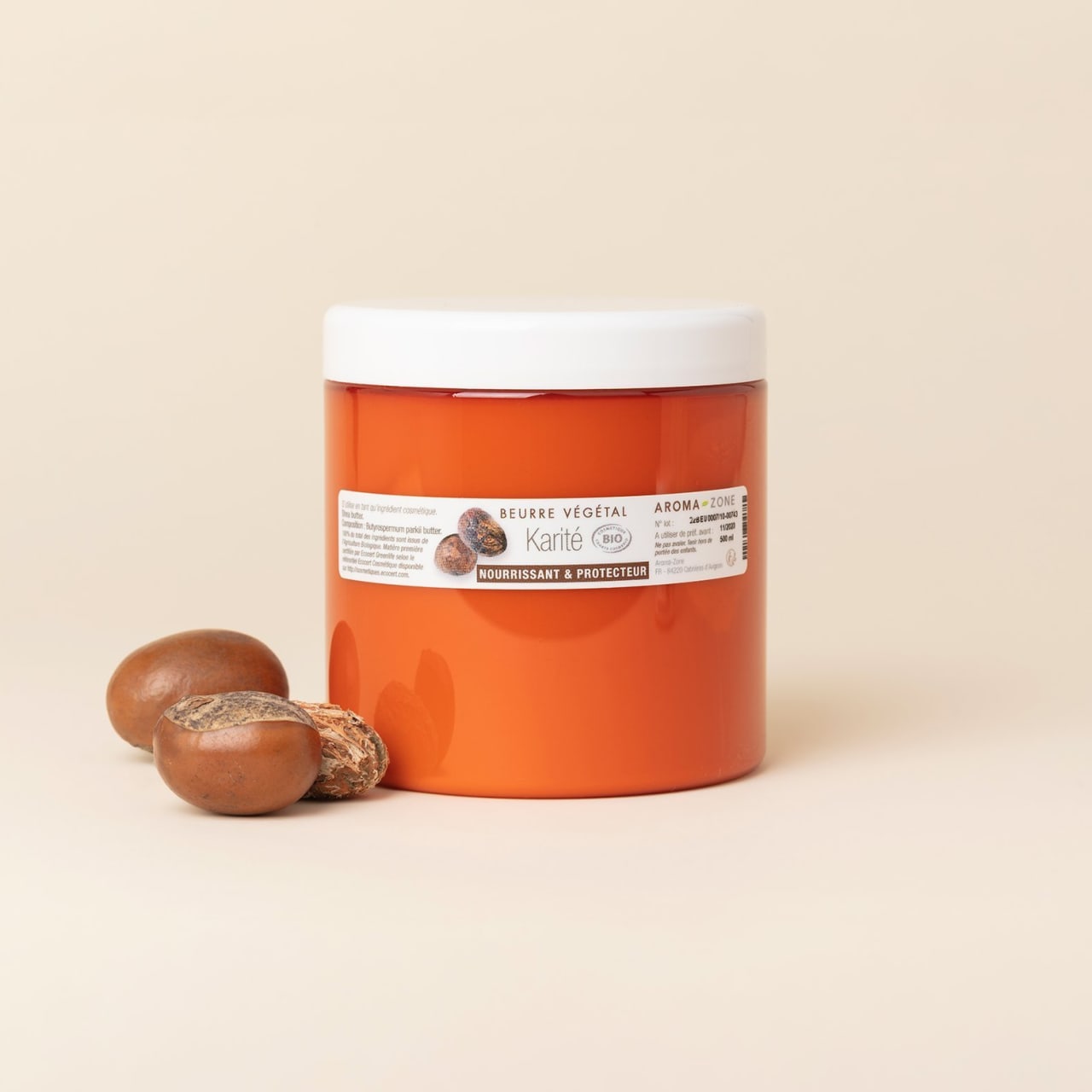
It is very important to distinguish between the symptoms of dry skin and those of dehydrated skin, in order to adapt skincare products to the skin's needs. Dry skin lacks oil and its hydrolipidic film, which is supposed to protect the skin from external aggression, is very thin. It feels tight and tingling, lacks softness and suppleness, has invisible pores and a dull complexion. In winter, dry patches can form. Dehydrated skin, lacking water, is also often dry skin when the hydrolipic film is altered. It is uncomfortable, particularly around the cheeks, pores are dilated and it reddens easily when the temperature changes. To soothe dry skin, it is essential to opt for rich skincare products such as butters, nourishing creams and balms, and to choose moisturising creams, lotions and aqueous serums to care for dehydrated skin, while applying a protective care product rich in squalane or ceramides at the end of the routine to restructure the skin's hydrolipidic film and prevent dehydration.

Find out more

I already have a good moisturising routine, why is my skin still dry?

Even with the right routine, a number of factors can contribute to dryness: overly aggressive cleansers, a dry climate, or even a damaged skin barrier. Make sure your products contain ingredients designed to protect and retain moisture. Also, excessive use of exfoliants can disrupt the skin's natural barrier, resulting in moisture loss.

Should I avoid applying hot water to my face if I have dry skin?

Yes, hot water can make dryness worse by removing the natural oils that protect your skin and weakening the skin's hydrolipid barrier. It's better to use lukewarm water.

Can you exfoliate when your skin is dry?

Scrubs can be beneficial, but only in small quantities. A gentle scrub once a week is enough to remove dead skin cells without damaging dry skin. Opt for gentle enzymatic or chemical exfoliants, rather than grainy scrubs that could irritate the skin.

Bibliography

1

Zasada, M., Budzisz, E., "Skin Dryness in Different Age Groups and Skin Conditions", Journal of Dermatological Science, 2020, DOI: 10.1016/j.jdermsci.2020.04.007.

2

Fluhr, J. W., et al, "Glycerol and the Skin: Holistic Approach to Its Origin and Functions", British Journal of Dermatology, 2008, DOI: 10.1111/j.1365-2133.2008.08643.x.

3

Surber, C., et al, "Dry Skin and Its Treatment", Therapeutic Dermatology, 2018, pp. 45-62.