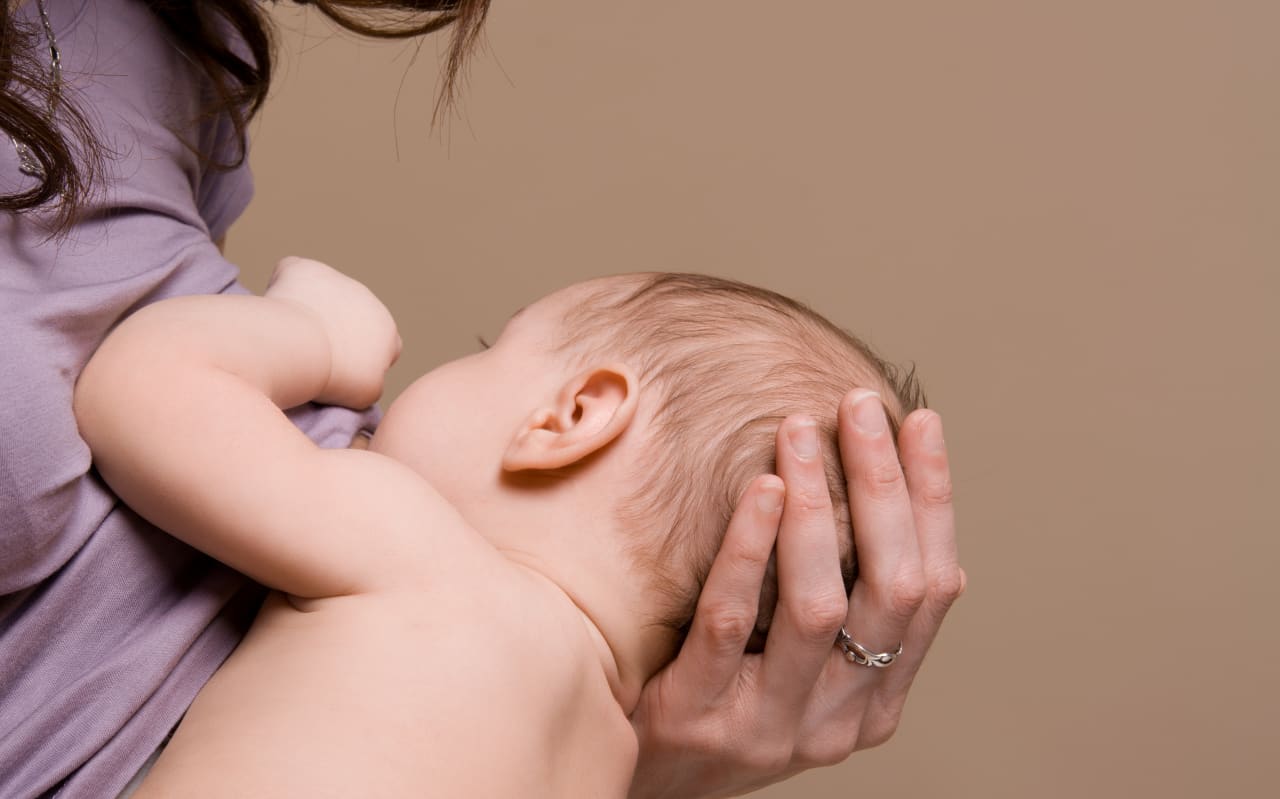
Breastfeeding is simply the process by which a mother feeds her baby with her own breast milk, either directly at the breast or by pumping and then feeding via a bottle or another method. This completely natural process is obviously very important for the baby’s development and health, particularly during the first months and years of life. Indeed, breastfeeding provides a full range of essential nutrients, antibodies, and immune factors necessary for the infant to grow healthily and defend against infections as they get older. Breastfeeding also allows for skin-to-skin contact between mother and child, which plays an important role in the emotional bond that forms between them from the very first moments of life and continues throughout their lives.
Foods to avoid while breastfeeding: our list
Published on: Monday, April 08, 2024, Updated on: Friday, October 02, 2026
Breastfeeding is a crucial period for a baby’s development, and the mother’s diet plays a particularly important role in this process. Certain foods can negatively affect the quality of breast milk and, consequently, the baby's well-being. To help you better understand this, let’s discuss the foods to avoid or consume in moderation while breastfeeding.
Contents
Related products
Protective
Repairing
£10.00
200 ml

Nourishing
£9.00
100 ml
What is breastfeeding?
The advantages and benefits of breastfeeding
For the baby
The benefits of breastfeeding for the baby are numerous:
Optimal nutritional value: Breast milk contains all the nutrients necessary for the baby’s development in ideal proportions.
Protection against illness: Breast milk helps protect against many illnesses and infections, such as ear infections, respiratory infections, and gastrointestinal infections, thanks to the presence of antibodies and other immune components.
Sensory and cognitive development: Breastfeeding supports brain development and strengthens the emotional bond between mother and baby.
Reduced risk of chronic diseases: Breastfeeding can reduce the risk of developing certain conditions later in life, such as obesity or type 2 diabetes.
What foods should a breastfeeding woman avoid?
What foods should you eat for a healthy diet while breastfeeding?
To ensure a varied and nutrient-rich diet, we recommend that breastfeeding mothers make sure to include:
Protein: Lean meats, poultry, fish, eggs, dairy products, legumes, and nuts.
Calcium: Dairy products, plant-based milk, leafy green vegetables, and canned fish with bones.
Iron: Red meat, poultry, fish, legumes, and fortified cereals.
Omega-3 fatty acids: Fatty fish (such as salmon and sardines), flaxseeds, walnuts, and flaxseed oil, which are crucial for the baby’s brain development.
Vitamins: Fresh fruits and vegetables provide essential vitamins such as vitamins C and A, while dairy products and sunlight contribute to vitamin D.
Diet and breastfeeding: what does this mean for the mother?
Diet during breastfeeding is crucial not only for the mother’s health but also for her baby’s. Good nutrition not only helps produce high-quality breast milk but also ensures that the mother maintains her own health and recovers from childbirth. But how do diet and breastfeeding interact? We’ll explain everything.
Increased nutritional needs: Breastfeeding increases the mother’s nutritional needs. To support lactation, women need more calories, protein, vitamins, and minerals. It is recommended that breastfeeding mothers increase their daily caloric intake by 400 to 500 calories, although this need may vary depending on age, weight, physical activity, and the frequency of breastfeeding.
The importance of hydration: Milk production requires proper hydration. Breastfeeding mothers should drink enough water throughout the day to stay hydrated and support healthy milk production. Although there is no set recommended amount of water, a good rule of thumb is to drink a glass of water before each upcoming feeding.
Spotlight on our Aroma-Zone Organic Mom & Baby Herbal Tea
Expert advice
To promote optimal breast milk production, try including foods known to stimulate lactation in your diet, such as oats, fenugreek seeds, chia seeds, and leafy green vegetables. These foods can help increase milk production and maintain a plentiful milk supply. However, keep in mind that every woman reacts differently to foods, so listen to your body and adjust your diet accordingly. And remember, rest and relaxation are also essential for promoting adequate breast milk production.
Spotlight on Our Writer: Coralie Técher

Coralie has spent seven years working as a journalist specialising in women’s issues. With a particular passion for beauty and well-being, she is committed to exploring natural self-care approaches. She keeps up to date with current research and trends and enjoys sharing relevant, reliable information with her readers.
Bibliography
Foods to Avoid While Breastfeeding - Nestlé Baby
Diet During Breastfeeding - Naître et grandir
I’m breastfeeding: what foods should I avoid?