
Dull hair means that your hair lacks shine, vitality and radiance. It can look flat, lifeless and often feel rougher to the touch. Here's an explanation of the causes and signs of dull hair:
How can I make my hair shiny and silky?
By The Aroma-Zone editorial team
Published on: Thursday, July 02, 2026, Updated on: Wednesday, September 30, 2026
Shiny hair is often a sign of healthy hair strands. However, a lack of moisture, external damage or repeated use of heat styling tools can cause hair to lose its shine over time. Fortunately, a few simple steps and natural haircare products tailored to your hair type can help restore shine to your hair. In this article, discover our tips for enhancing your hair’s shine and restoring soft, silky and radiant hair every day.
Contents
Related products
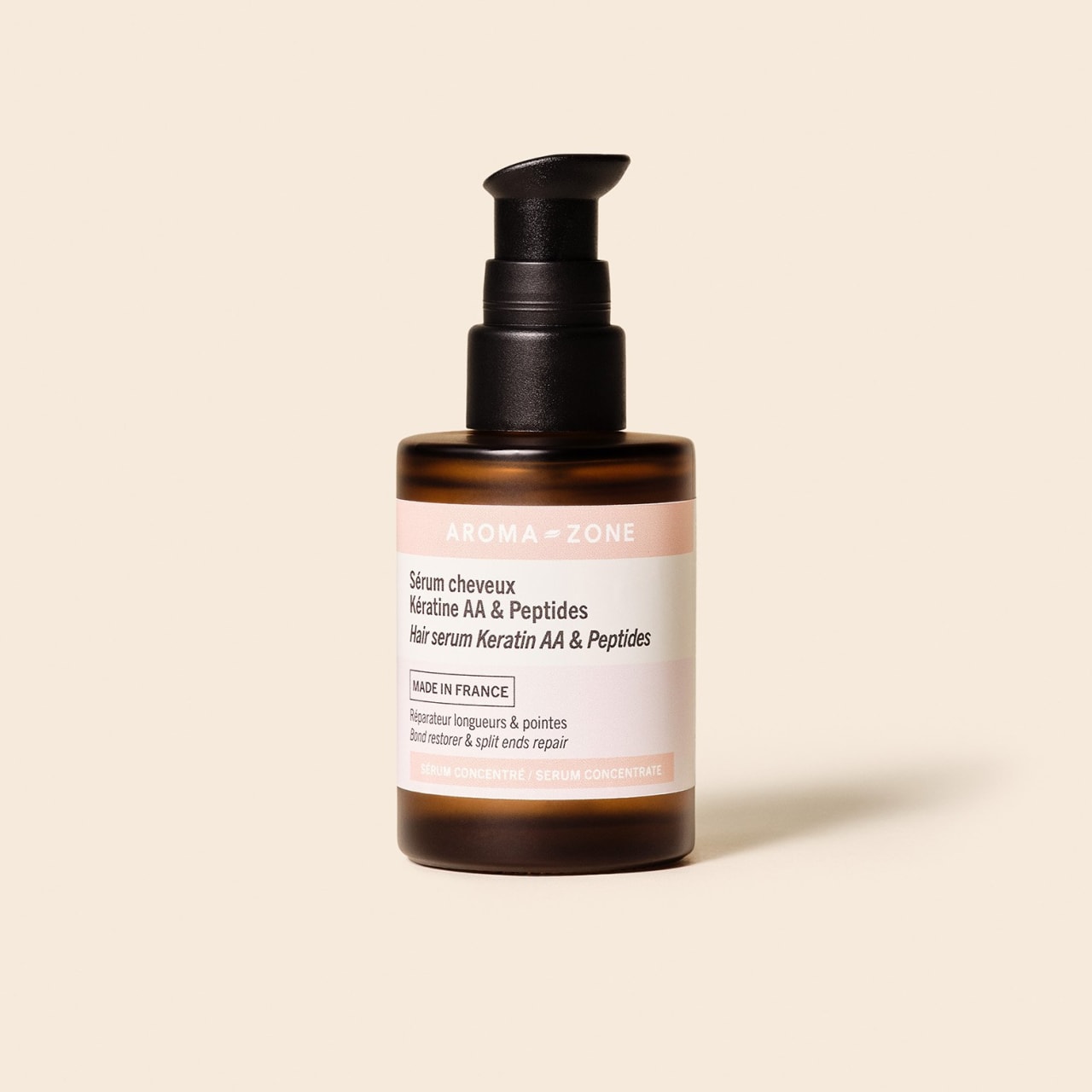
Keratin AA, Peptides & Hyaluronic Acid Hair Serum
Hair strengthening
£12.50
50 ml
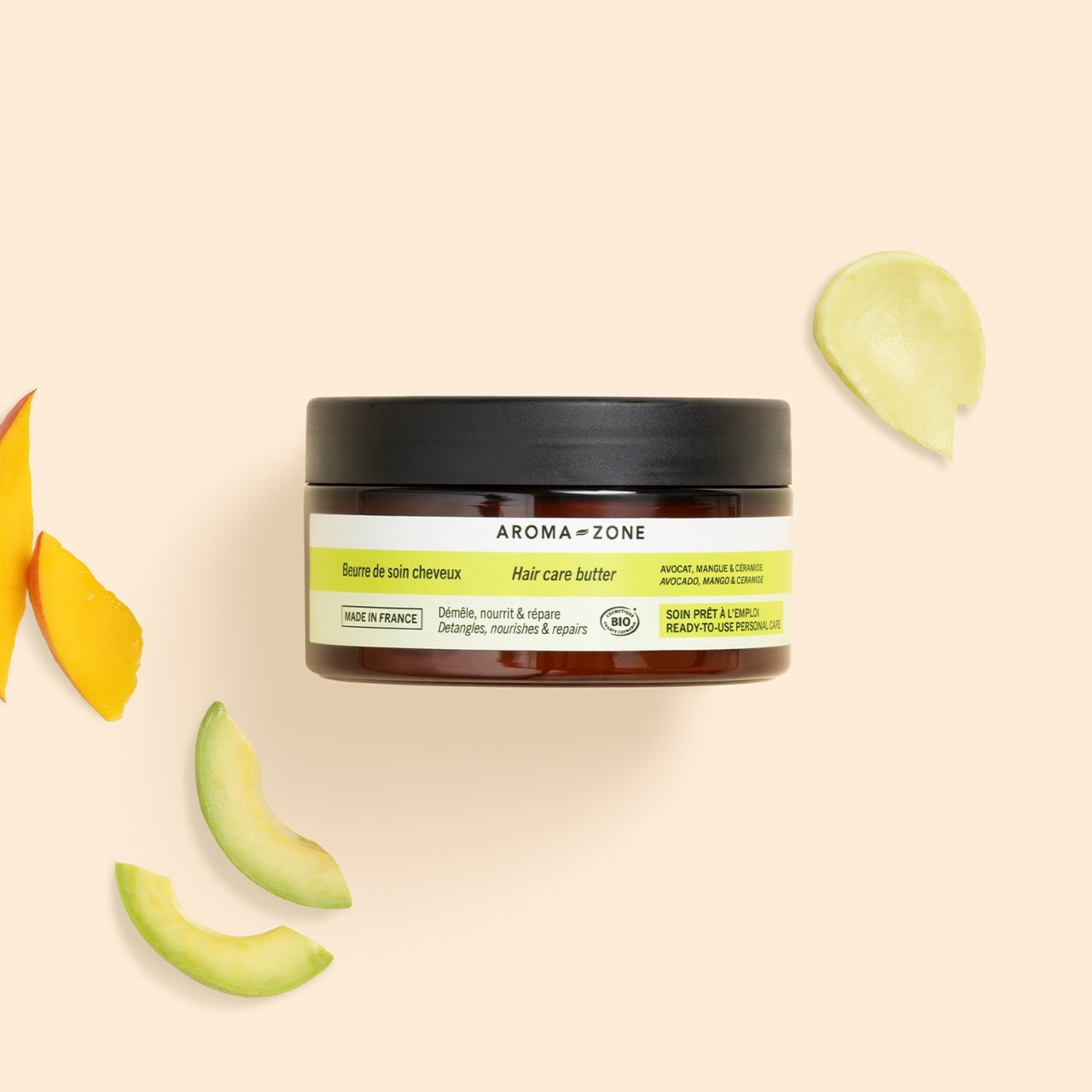
Hair Care Butter
Hair conditioner
Nourishing
£9.00
100 ml
What's wrong with dull hair?
Top active ingredients and natural extracts to illuminate your hair
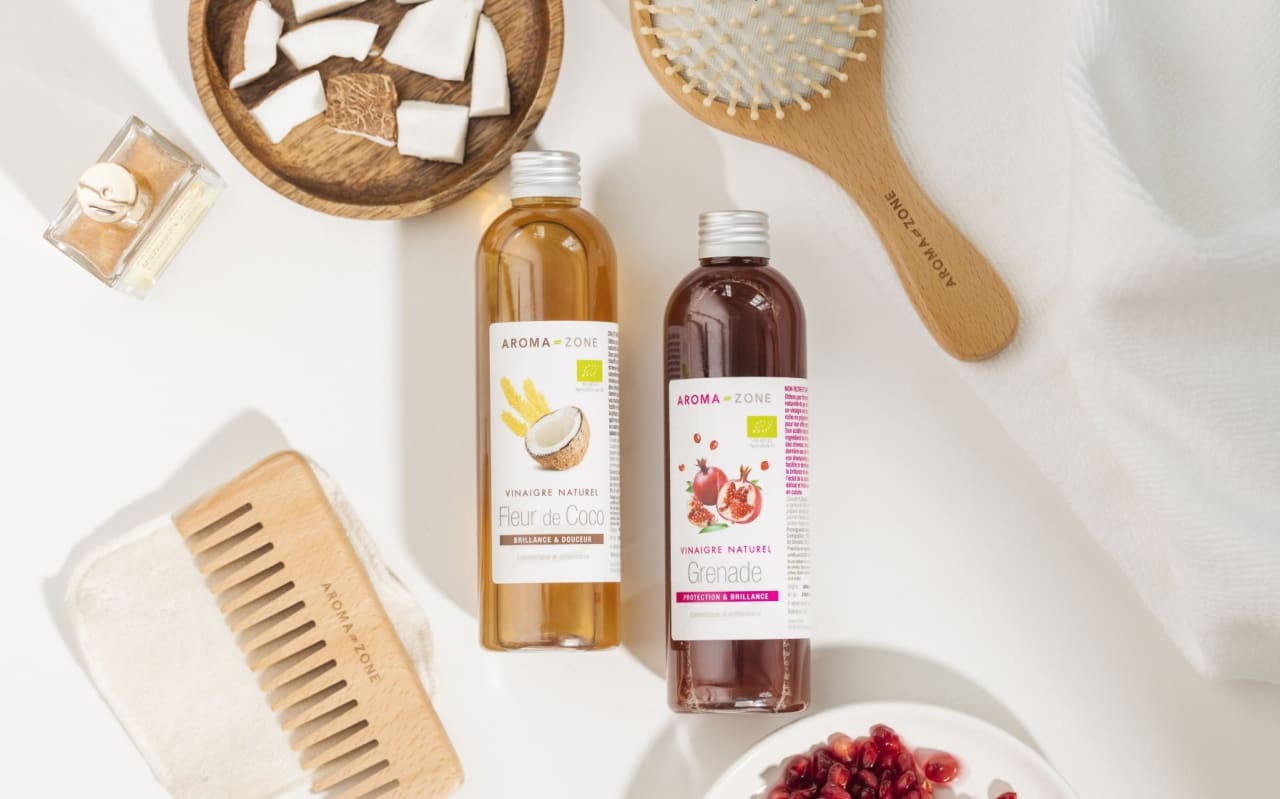
Natural ORGANIC Coconut flower vinegar
Coconut flower vinegar is acidic and an essential ingredient for caring for hair lacking shine. It helps to eliminate limescale and smooth the follicles, allowing the hair to reflect light more effectively.
Discover Natural ORGANIC Coconut flower vinegar
Natural ORGANIC Pomegranate vinegar
Pomegranate vinegar is ideal for smoothing follicles and neutralising the dulling effect of limescale, and is a must-have for restoring shine to dull hair.
Discover Natural ORGANIC Pomegranate vinegar
ORGANIC neutral henna plant extract
Smoothing and strengthening, neutral henna is the perfect ingredient for fortifying the hair fibre and giving hair hold. Thanks to its strengthening action, it smoothes hair, making it more supple and shiny.
Discover ORGANIC neutral henna plant extract
ORGANIC Coconut oil
Delicately scented, Coconut oil intensely nourishes the hair fibre, leaving hair stronger, smoother and silkier. It adds shine and luminosity to hair lacking shine.
ORGANIC ayurvedic Hibiscus plant (powder)
Hibiscus powder is fortifying and perfect for caring for fine, fragile and dull hair. Rich in polyphenols and anthocyanins, its antioxidant effect helps preserve colour intensity. Dark pink to purple in colour, it accentuates mahogany highlights.
Discover the ORGANIC ayurvedic Hibiscus plant (powder)
Active ingredient - Keratin'protect
An exceptional hair ingredient, Keratin'protect is ideal for restoring shine to dull hair. It adds shine to lengths by improving the hair's ability to reflect light, even when damaged. It also helps protect the hair and its colour from heat.
Discover Active ingredient - Keratin'protect
Active ingredient - AHA - fruit acid
Thanks to their acidic pH, AHA fruit acids are essential for caring for dull hair. They add shine to hair by neutralising the opacifying effect of limescale. AHA is also useful for smoothing hair follicles.
Discover Active ingredient - AHA - fruit acid
Active ingredient - ORGANIC Coconut milk powder
Rich in fatty acids, minerals and vitamins, Coconut milk powder brings softness, shine and nutrition to damaged hair. Ideal for preparing paste masks or solid shampoos, it coats the hair fibre and restores shine.
Discover Active ingredient - ORGANIC Coconut milk powder
The natural ageing of the hair
Just like the skin, hair changes over time. The production of sebum may decrease and the hair shaft may become finer or drier as time goes by. This natural change can lead to a gradual loss of shine, which can be managed with suitable hair care products and gentler daily routines.
What diet should you adopt to boost dull hair?
A balanced diet rich in essential nutrients is essential for healthy, shiny hair. Make sure your diet includes foods rich in vitamins (especially vitamins A, C and E), essential fatty acids, protein and minerals such as zinc and iron. Opt for foods such as fruit, vegetables, nuts, seeds, oily fish and legumes to nourish your hair from the inside out and restore its shine.
How can I use natural products to make my hair shine?
There are several natural ways to make your hair shine. For example, you can use:
Vinegar rinse: Dilute apple cider vinegar in water and use it as a final rinse after shampooing to close hair follicles and add shine.
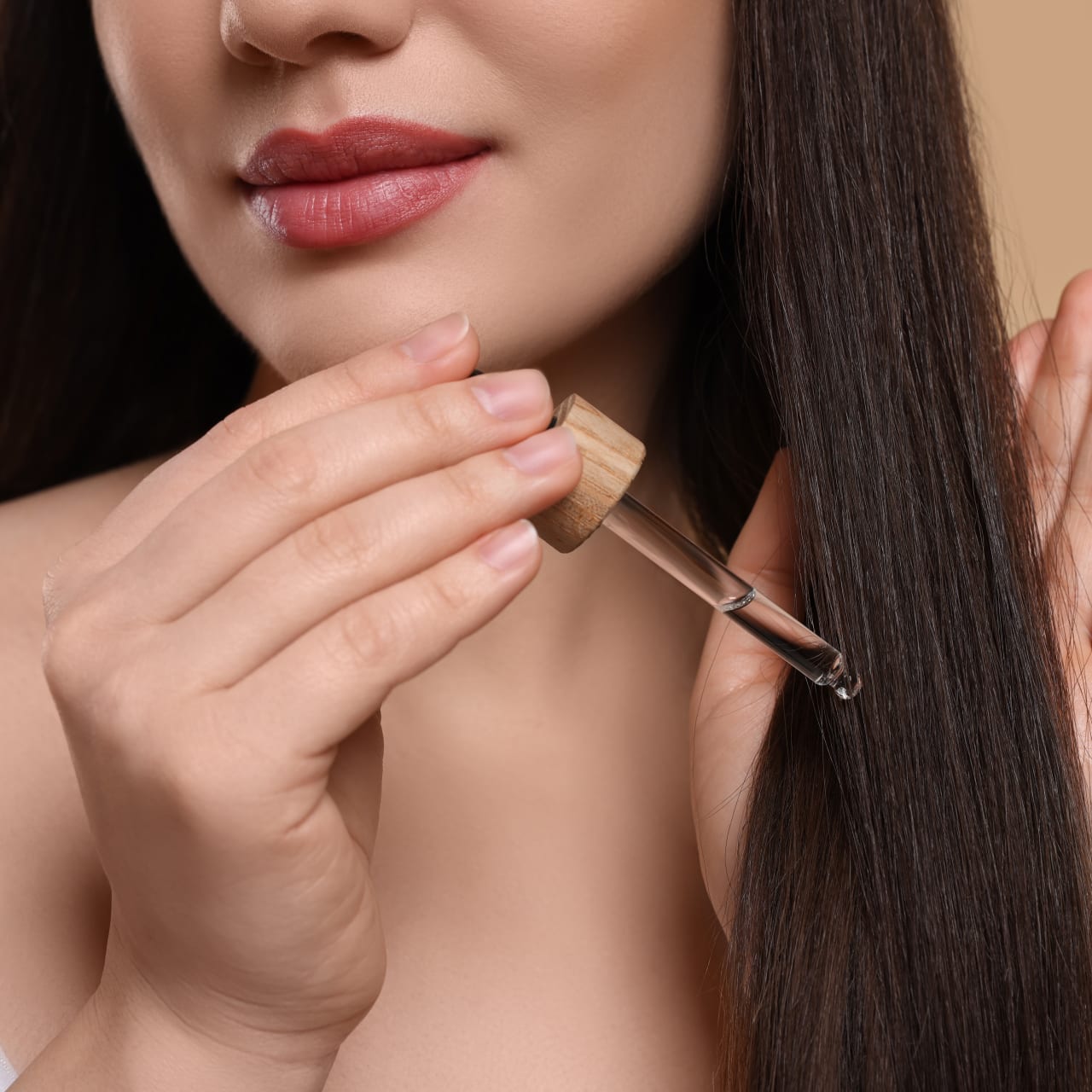
Plant oils: Apply a few drops of Coconut, Argan or Broccoli oil to dry or damp hair to nourish and add shine. You can also use them as a pre-shampoo treatment or as a hair mask.
Hair masks: Prepare a homemade mask by mixing honey, olive oil and plain yoghurt. Apply to damp hair, leave on for 30 minutes, then rinse thoroughly. This nourishing mask will help restore shine to dull hair.
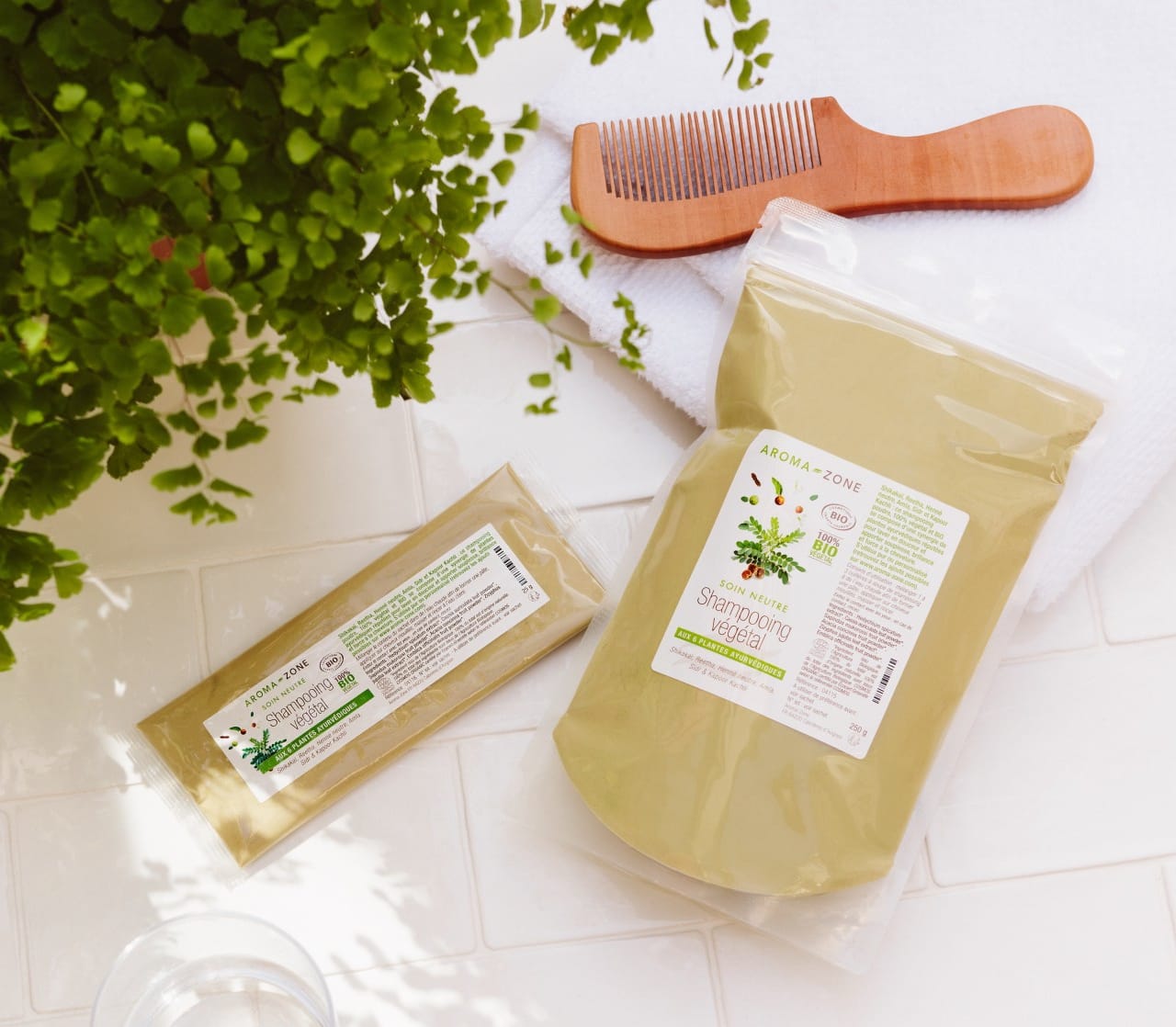
Plant powders: Use neutral henna or hibiscus powder as a hair mask to strengthen hair and add shine. Mix the powder with water or yoghurt, apply to hair, leave on for about an hour, then rinse thoroughly.
Shampoos that bring out your hair’s shine
Focus on Our Orange Blossom Scented Body & Hair Care Mist
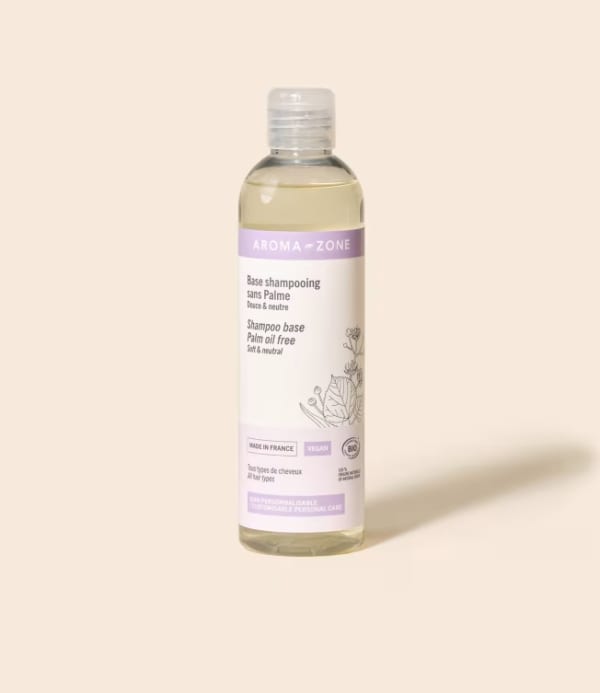
Organic Palm-Free Neutral Shampoo Base: a very gentle cleansing base, free from fragrance and harsh surfactants, which cleanses the hair without weighing it down or causing irritation. It is particularly useful for creating a simple or personalised hair care routine tailored to your current needs. To use, simply apply to wet hair, gently massage into the scalp, then rinse thoroughly.
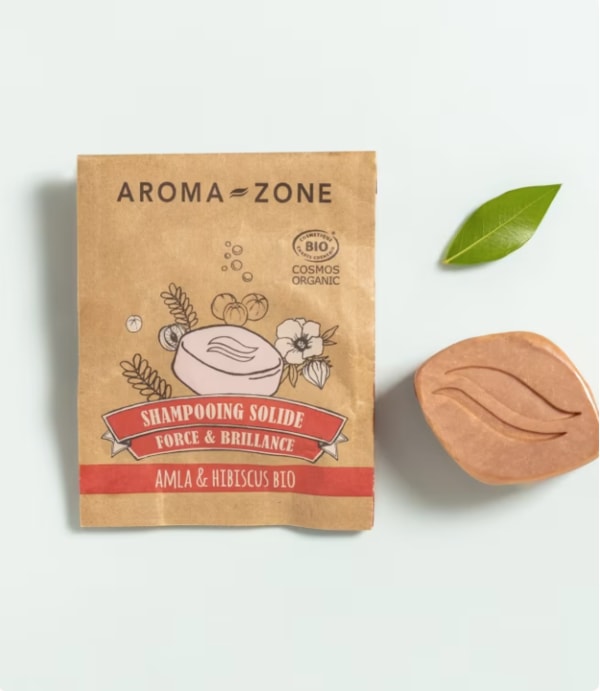
Organic Strength & Shine Solid Shampoo: This solid shampoo is designed to help restore shine to your hair whilst respecting its natural balance. Rich in organic hibiscus and mustard oils, as well as amla powder, it is ideal for dull hair or hair lacking vitality. To use, lather it directly onto the scalp or in your hands, then massage in before rinsing thoroughly.
Oils and protective treatments to prevent dullness
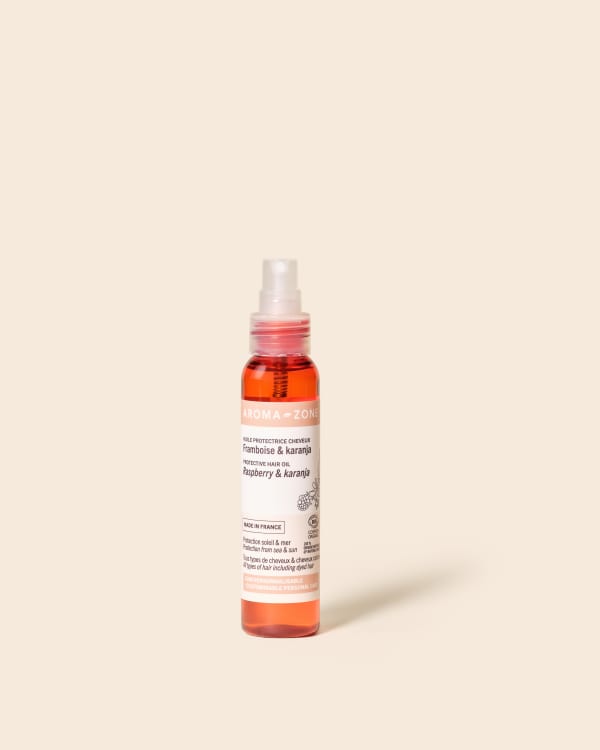
Organic Karanja & Raspberry Protective Hair Oil: This lightweight oil helps protect the hair fibre from external aggressors such as UV rays, pollution or wind, which are often responsible for a dull, dry appearance. It leaves your hair more supple and easier to style, whilst preserving the shine of coloured hair. To use, apply a few drops to the lengths and ends, on dry or damp hair, or as a protective treatment, depending on your needs.
Discover the Organic Raspberry & Karanja Protective Hair Oil
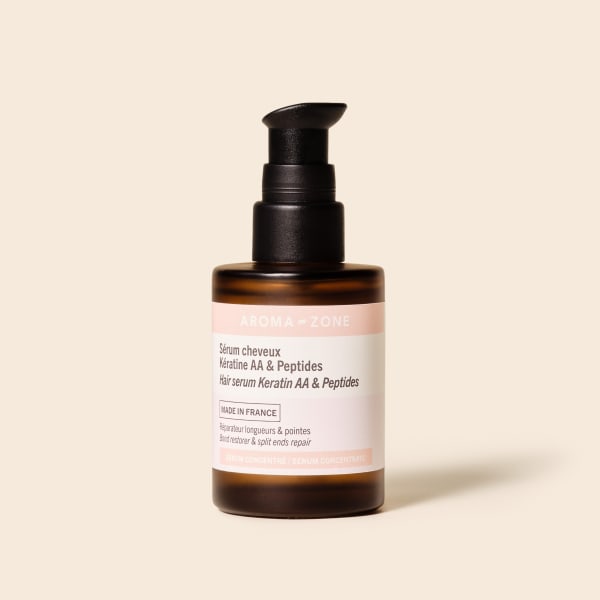
AA Keratin & Peptides Hair Serum : this finishing treatment helps to smooth the hair fibre and instantly improve the hair’s appearance. It is ideal for damaged ends or hair that lacks uniformity. To use, apply a small amount to dry or towel-dried hair, focusing on the lengths, and leave it in without rinsing.
Repairing treatments for smoother, more radiant hair
Ceramides & Hyaluronic Acid Hair Care Butter: This rich butter deeply nourishes very dry or damaged hair that looks dull, whilst helping to lock in moisture. It helps to make the hair fibre more supple and even, and therefore visually shinier. To use, apply as a pre-shampoo mask and leave on for 15 to 30 minutes, or use a very small amount on the ends to tame them.
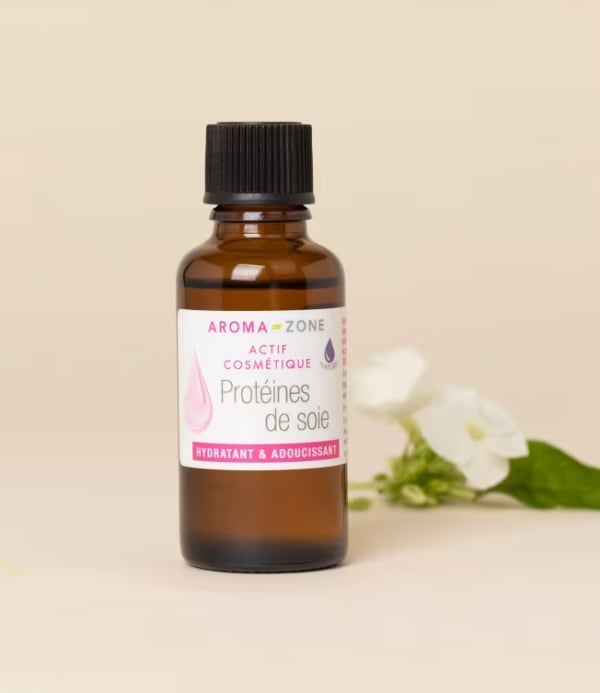
Hydrolysed silk proteins: This active ingredient is highly prized for its immediate coating and smoothing effect. It helps to smooth the hair cuticle, which improves light reflection and gives the hair a softer, shinier appearance. To use it, simply mix a small amount into a cleansing base, a hair mask or a homemade hair treatment, then mix thoroughly before use.
Orange Blossom Hair and Body Care Mist: the first fragrance that cares for your skin. Formulated without alcohol, 100% naturally derived and enriched with moisturising active ingredients, it envelops the body and hair in a luminous trail of Orange Blossom, evoking summer and clean, fresh skin. A new, comforting skincare ritual for intensely moisturised skin and visibly healthier hair.
Support from within for long-lasting shine
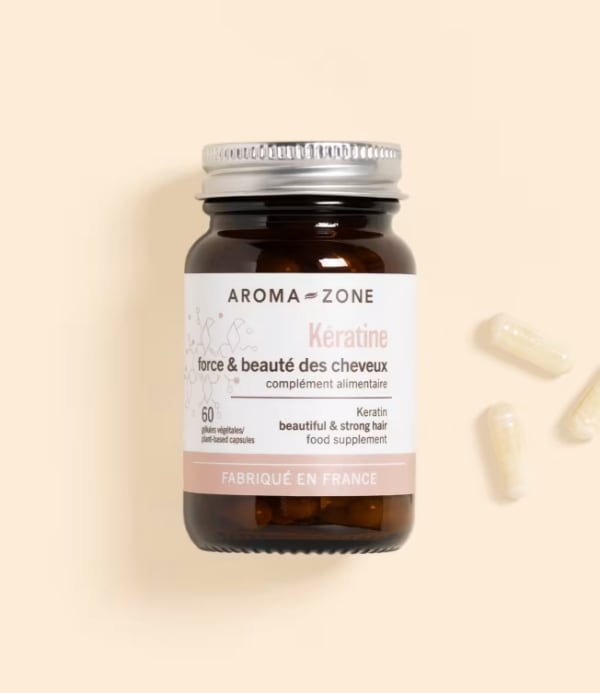
Keratin 60 capsules: this dietary supplement supports the hair’s structure from within, particularly when hair is brittle or dull. It forms part of a holistic approach to maintaining the quality of the hair fibre. To use it, take it as a course of treatment lasting several weeks, generally 2 capsules a day with a glass of water, as part of a balanced diet. This dietary supplement is for adults only and is not a substitute for a healthy lifestyle. It is recommended that you adhere to the recommended daily dose, keep it out of the reach of children and avoid using it during pregnancy and whilst breastfeeding. To find out more about the benefits of keratin, read our article: Keratin: a natural solution to restore shine to dull hair.
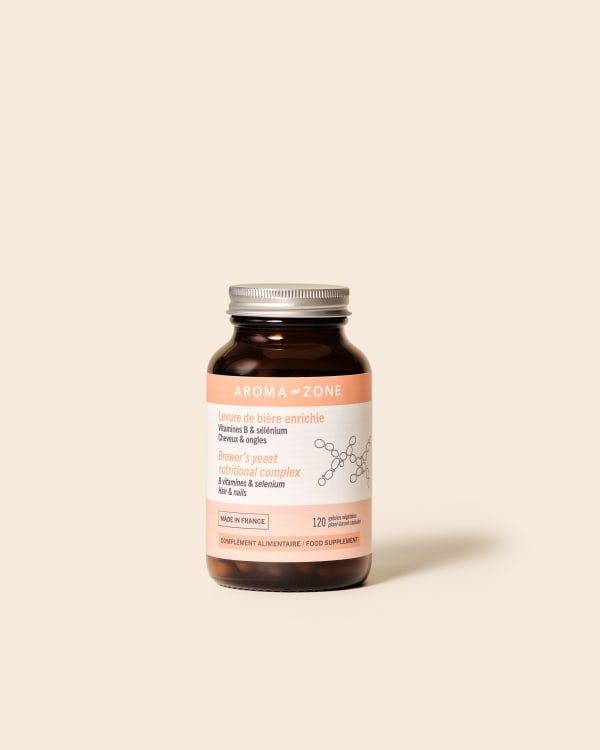
Brewer’s yeast enriched with B vitamins & selenium: this nutrient complex provides B vitamins and selenium, two nutrients often associated with the vitality of hair and nails. It helps to support the growth and overall quality of the hair fibre, particularly during periods of fatigue or seasonal changes. To use, take 1 to 2 capsules a day, with a meal, as a 2- to 4-month course depending on your needs. This food supplement is for adults only and is not a substitute for a varied, balanced diet or a healthy lifestyle. You should adhere to the recommended daily dose, keep it out of the reach of children and avoid taking it during pregnancy and whilst breastfeeding. As its biotin (vitamin B8) content may interfere with certain thyroid hormone tests, you are advised to inform your doctor.
Discover brewer’s yeast enriched with B vitamins and selenium
Also check out our article: What are the best active ingredients for preventing breakage?
Simple, effective tips for shiny hair
Simple, effective tips for shiny hair
Rinse your hair with cold water to tighten the hair follicles, make it easier to detangle and leave hair shinier.
Wrap your hair in a silk scarf and gently rub the fabric over your hair for a few minutes to add a little light to your hair.
Protect your coloured hair from oxidation by adding a little Hibiscus powder to your mask or by adding Pomegranate vinegar to your rinse solution.
For hair coloured with henna and plant powders, apply the colour every 3-4 weeks to maintain a luminous, intense colour.
A few examples of recipes
Your hair’s shine doesn’t depend solely on the products you apply to your hair. The quality of the hair fibre is also built from within, thanks to the nutrients provided daily by your diet. A varied diet, rich in healthy fats, protein and micronutrients, naturally contributes to hair that is more supple, stronger and more radiant.
Opt for foods rich in Omega-3: these essential fatty acids help to keep the hair fibre supple and well-nourished. Oily fish, nuts, linseeds or chia seeds are particularly beneficial for preserving the hair’s natural shine
Make sure you eat enough protein: hair is largely made up of keratin, a protein produced by the body. Eggs, pulses, dairy products, poultry and tofu provide the amino acids needed to regenerate the hair fibre
Make sure to include plenty of foods rich in zinc: this mineral plays a role in many processes linked to hair health. Pumpkin seeds, lentils, cashew nuts and seafood are good sources of it
Increase your intake of colourful vegetables: carrots, sweet potatoes, spinach and peppers provide carotenoids and antioxidants which help protect cells against oxidative stress, a factor that can affect hair quality
Include foods rich in vitamin C with every meal: Vitamin C promotes the absorption of iron and contributes to the synthesis of collagen, which is essential for the tissues surrounding the hair follicle. Kiwis, citrus fruits, strawberries and fresh parsley are particularly beneficial
Don’t forget foods rich in silicon: oats, millet or certain mineral waters naturally rich in silica can help maintain stronger, more resilient hair over time
Opt for high-quality vegetable oils: virgin olive oil, rapeseed oil or walnut oil provide fatty acids and vitamin E, two valuable elements for preserving the elasticity and shine of the hair shaft
Stay well hydrated throughout the day: a regular intake of water is essential for the whole body, including your hair. Good hydration helps keep the hair shaft more supple and less prone to dryness
Limit your intake of ultra-processed foods: a diet very high in refined sugars, poor-quality fats or processed foods can promote inflammation and disrupt the balance necessary for a healthy scalp and hair
Consider foods naturally rich in biotin: eggs, almonds, mushrooms and sweet potatoes are all good sources of biotin. This B-complex vitamin is often linked to maintaining healthy hair and a more radiant head of hair. On this topic, read our article: What are the benefits of biotin for hair?
Precautions for use
This advice is provided for information purposes only. It is not a substitute for personalised advice from your doctor. Before using natural products on your hair, be sure to carry out an allergy test 48 hours beforehand. If you decide to use plant-based oils on your hair, ensure you dilute them in a suitable carrier oil or as part of a hair care blend.
Expert advice
When hair loses its shine, it’s tempting to try out several products in the hope of quickly restoring its beauty. However, hair shine is rarely down to a miracle product, but rather to long-term overall balance. When the hair fibre is stressed, it’s often better to simplify your routine and let the hair regain its own natural balance. It’s the consistency of small, daily habits, rather than occasional intensive treatments, that makes the difference to your hair’s natural shine.
Bibliography
Draelos, Z. D. (2010). Essentials of hair care often neglected: Hair cleansing. International Journal of Trichology.
https://pmc.ncbi.nlm.nih.gov/articles/PMC3002407/
Finner, A. M. (2013). Nutrition and hair: Deficiencies and supplements. Dermatologic Clinics.
https://pubmed.ncbi.nlm.nih.gov/23159185/
Schueller, R., & Romanowski, P. (2001). Conditioning agents for hair and skin. Marcel Dekker.
https://api.pageplace.de/preview/DT0400.9781000110371_A40118293/preview-9781000110371_A40118293.pdf
Trueb, R. M. (2009). Oxidative stress in ageing of hair. International Journal of Trichology.
https://pubmed.ncbi.nlm.nih.gov/20805969/
Frequently Asked Questions
Associated recipe
Associated tips
Hair care tips
Hair care tips
Hair care tips
Hair care tips


