
What mistakes should you avoid with brittle hair?
Published on: Tuesday, May 26, 2026, Updated on: Friday, October 02, 2026
There are certain mistakes that brittle hair finds hard to forgive. These are sometimes very simple habits which, without us realising it, contribute day in, day out to the vicious cycle of breakage. And it is indeed a vicious cycle: this is precisely why weakened hair deserves the utmost care. This article, based on scientific literature and enriched by insights from our partner trichologist, will help you better understand the phenomenon of 'weathering' and adapt your daily routine accordingly.
Contents
Related products
Hair conditioner
Nourishing
£9.00
100 ml
Hair strengthening
£12.50
50 ml
£20.00
1 article
Curl care
Hair conditioner
£10.00
200 ml
In brief
In brief:
Hair breakage problems are cumulative and lead to a continuous worsening of the condition.
Certain treatments that claim to strengthen or repair the hair can actually make it even more fragile.
Hair breakage should be treated as a real alteration of the hair’s structure.
What are the main pitfalls to avoid if you have brittle hair?
The main mistakes to avoid with brittle hair are those that exacerbate weathering (meaning, the cumulative degradation of the hair shaft), and thus damage its protective cuticle and biomechanical properties.
The first mistake is to expose your hair to multiple damaging factors, often without realising it. If your hair is brittle, it’s best to take a break from all sources of heat stress (hairdryers, straighteners, curling tongs) (1) and mechanical stress (rough detangling or detangling wet hair, tight hairstyles, aggressive brushing). Even though they may seem harmless, these habits eventually create tiny fractures in the cuticle which can then open up all the way to the cortex. Their effects, which are already harmful to the hair fibre, are even more devastating on weakened hair.
The same applies to chemical damage (bleaching, frequent treatments), which attack your hair’s protein and lipid structure, contributing to making it less resilient.
Second mistake: choosing the wrong shampoos, or choosing the right ones but using them incorrectly. Simply rubbing your hair together to work up a lather with your shampoo can cause physical wear and tear, and therefore damage. If your hair breaks easily, it’s best to space out washes and adopt a gentler approach. When it comes to choosing a formula, some researchers recommend avoiding anionic surfactants, which are considered too harsh (2) for the hair fibre. The best-known examples are ammonium lauryl sulphate and ammonium laureth sulphate.
The third mistake, again linked to your hair care routine: focusing entirely on moisturising in the hope of ‘repairing’ your hair. Science shows that maintaining the hair’s moisture balance is not enough to ensure its strength. Excessive hydration could even have the opposite effect, due to the physical phenomenon of swelling and shrinkage of the wet hair fibre (3), which can lead to potential “moisture fatigue". To remain strong, a hair also needs an effective protective cuticle, good lubrication and well-organised cortical proteins.
The fourth mistake – and by no means the least significant – is overlooking environmental damage. Ultraviolet rays emitted by the sun, for example, make the hair fibre stiffer and therefore more brittle (4). The same applies to chlorine in swimming pool water and sea salt, which mean that summer swimming sets the stage for the breakage and hair loss that often comes as the weather turns cooler. In summer especially, but also throughout the year, unprotected, brittle hair is at risk of even more breakage.
The fifth mistake, which we tend to overlook: failing to take your hair type into account. Textured hair is even more fragile and prone to breakage than other hair types (5). Its helical structure means there are more areas of weakness and potential breakage. It is therefore even less able to withstand mechanical, thermal or chemical damage. If you have wavy, curly, frizzy or kinky hair, it is essential to keep manipulating it to a minimum.
You may be making these mistakes if:
You feel as though your hair’s length and thickness have plateaued.
You frequently find small strands of hair on yourself or around you.
Your hair tends to tangle more and more often.
Your hair is becoming dull, limp and split-ended despite your care routine.
What makes my hair so brittle?
The hair fibre breaks because it can no longer cope normally with the various mechanical stresses of everyday life.
Hair breakage always begins with the weakening of the cuticle, which is the layer of your hair most exposed to external factors. Without proper care, the cumulative effects of these factors (over-washing, excessive heat, incorrect drying, bleaching, etc.) eventually strip away its protective lipids – in short, they wear it down. 18-MEA (18-methyl-eicosanoic acid), an essential lipid bound to hair proteins and increasingly studied for its fundamental protective effects against breakage, is one of the first structural components to be affected (6).
As a result, the cuticle scales lift, micro-cracks appear, and the hair fibre, instead of retaining a smooth surface, becomes rough. This surface roughness mechanically increases friction between fibres, which further weakens the hair. This explains why knots form more easily and why detangling becomes more of a chore.
This means that the core of the hair (cortex) is no longer properly protected. It becomes exposed to all external stress factors. These gradually alter the protein bonds (keratin) that make up its structure and give it its strength. As a result, it loses some of its elasticity and mechanical strength. When the hair fibre can no longer withstand the stresses (bending, twisting, friction, etc.) it eventually develops split ends and breaks.
Breakage does not happen overnight. However, it is easy to get caught in a vicious cycle, as trichologists emphasise that the damage is synergistic (7). Once the hair fibre has been weakened, the effects of subsequent damage are automatically amplified.
What are the best habits to adopt?
Using haircare products with film-forming properties is one of the first steps you should take to minimise breakage if your hair is already weakened.
As hair is made up of dead matter, it is not possible to ‘repair’ it in the strict sense of the word. However, it is worth taking action on two fronts.
Encouraging the growth of stronger hair, particularly through topical treatments applied to the scalp and dietary supplements.
Improve the mechanical properties of the hair you already have, by using conditioning and film-forming agents to reduce friction.
Read also: How can you strengthen your hair naturally?
The trichologist’s opinion
'Are there any practices perceived as gentle or protective that, in reality, gradually weaken the hair fibre? This is the case with frequently touching the hair or brushing it too often; the frequency should be adapted to the hair’s texture and level of tangling. Excessive styling or the use of too many products can also weigh down the hair fibre and make it more sensitive over time. It is therefore important to use appropriate amounts. Constantly tying the hair back, even with soft hair ties, can create repeated tension in certain areas. Similarly, wearing protective hairstyles for too long without a break can exert continuous tension on the hair shaft and the scalp. Regular use of heat-styling tools, even at low temperatures, can also gradually make the hair shaft more sensitive. Finally, brushing must be adapted to the hair type: for straight hair, it is best to brush after applying a leave-in treatment or a plant-based oil, whilst for tangled, wavy, curly or frizzy hair, it is recommended to brush after using conditioner to help the brush glide through the hair and minimise damage to the hair shaft.'
Dalila Belmokhtar, Doctor of Pharmacy and trichologist @dalilahairscience
Our tailored haircare products
Chosen for their gentleness, the haircare products below fit naturally into an anti-breakage routine. The products in this selection include a dietary supplement to help you strengthen your hair holistically, inside and out.
Wash gently
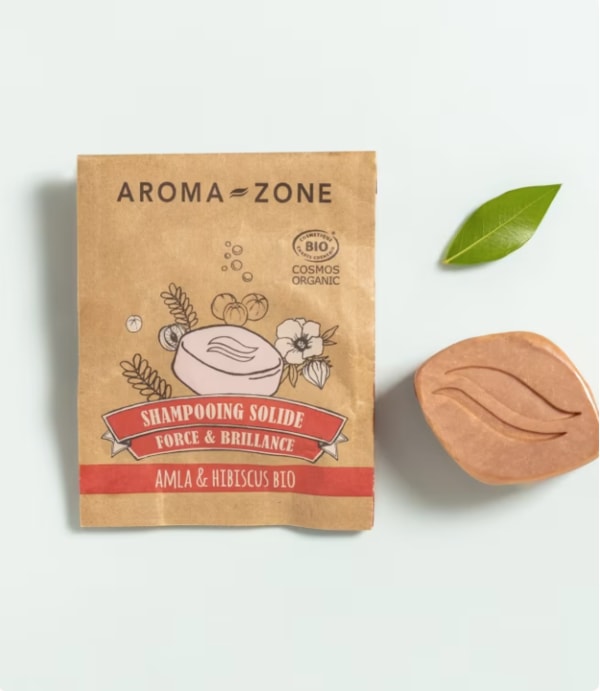
Solid shampoo for strength & shine.
Start your haircare routine by washing your hair with this shampoo. Gentle on both the scalp and the hair shaft, its mildness is down to an innovative, patented formula containing only mild surfactants derived from an amino acid, sugar and coconut. It is enriched with organic Amla powder, known for its strengthening and beautifying properties, for shinier, silkier hair.
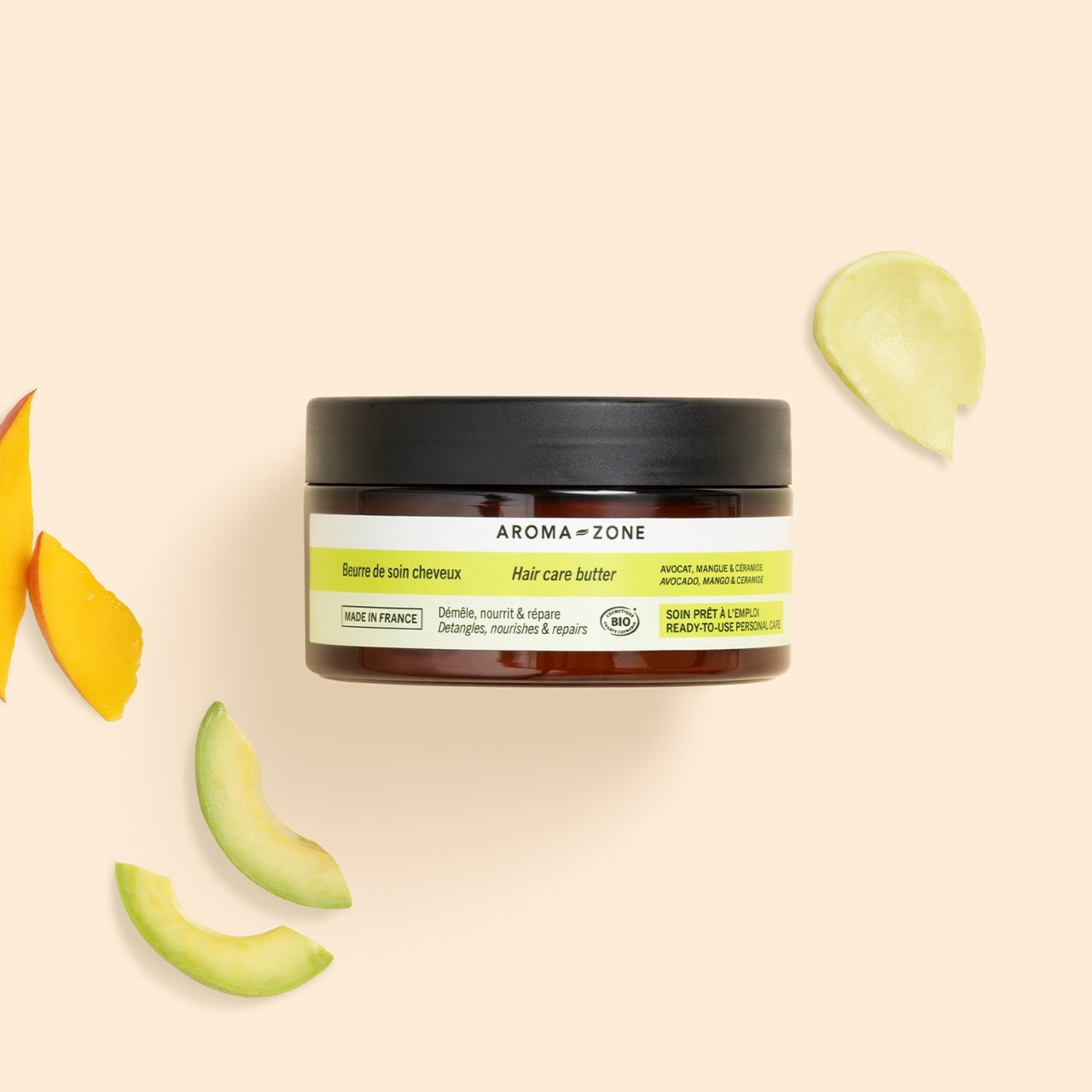
Ceramide NG & Hyaluronic Acid Hair Care Butter
Proven effectiveness: use this intensely nourishing butter as a post-shampoo mask or a leave-in treatment. Designed for dry, very dry or textured hair, its restorative effect is visible from the very first application. Used over the long term, it helps to reduce breakage and strengthen the lengths. Formula tested under dermatological supervision, suitable for use from the age of 3.
Strengthening hair and preventing breakage
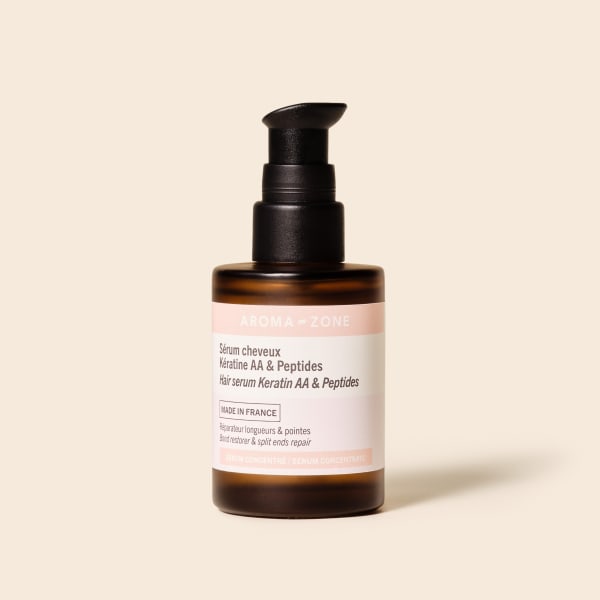
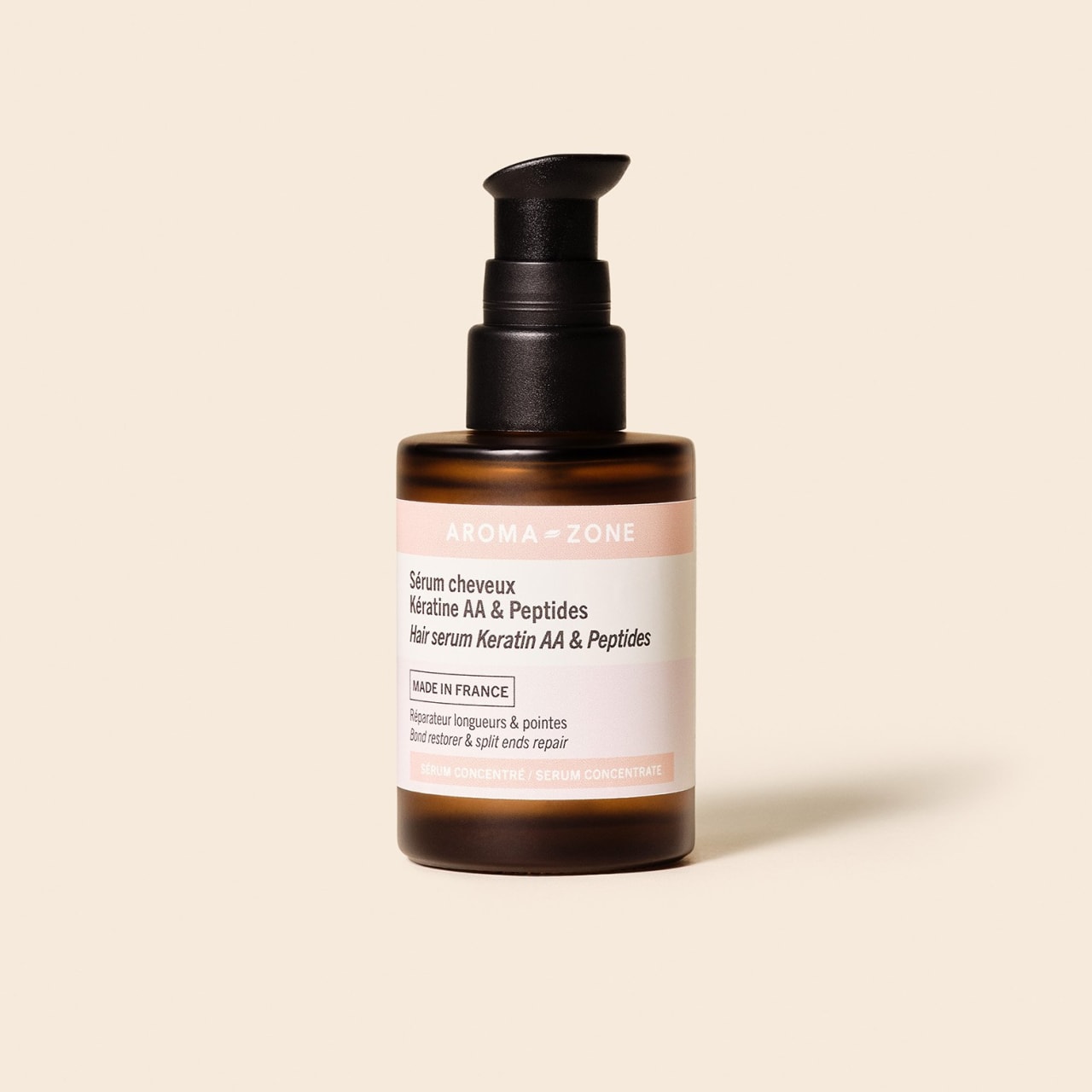
AA Keratin & Peptide Hair Serum
Apply this leave-in serum once a day to the lengths and ends of your hair, testing it first on dry hair and then on damp hair to find the application method that suits you best. Its “bond repair” technology works deep within the hair to restore the bonds between keratin chains and improve the hair’s resistance to breakage. Dermatologically tested formula, approved by our toxicologists for use during pregnancy.
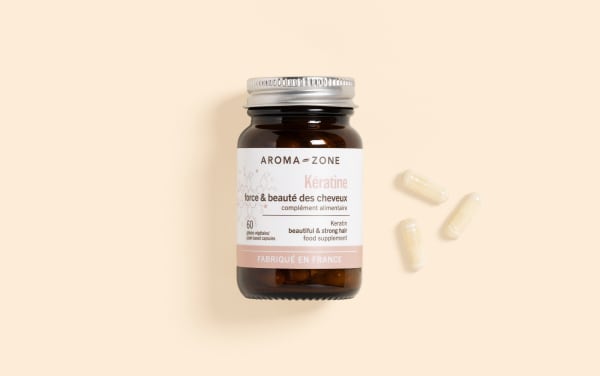
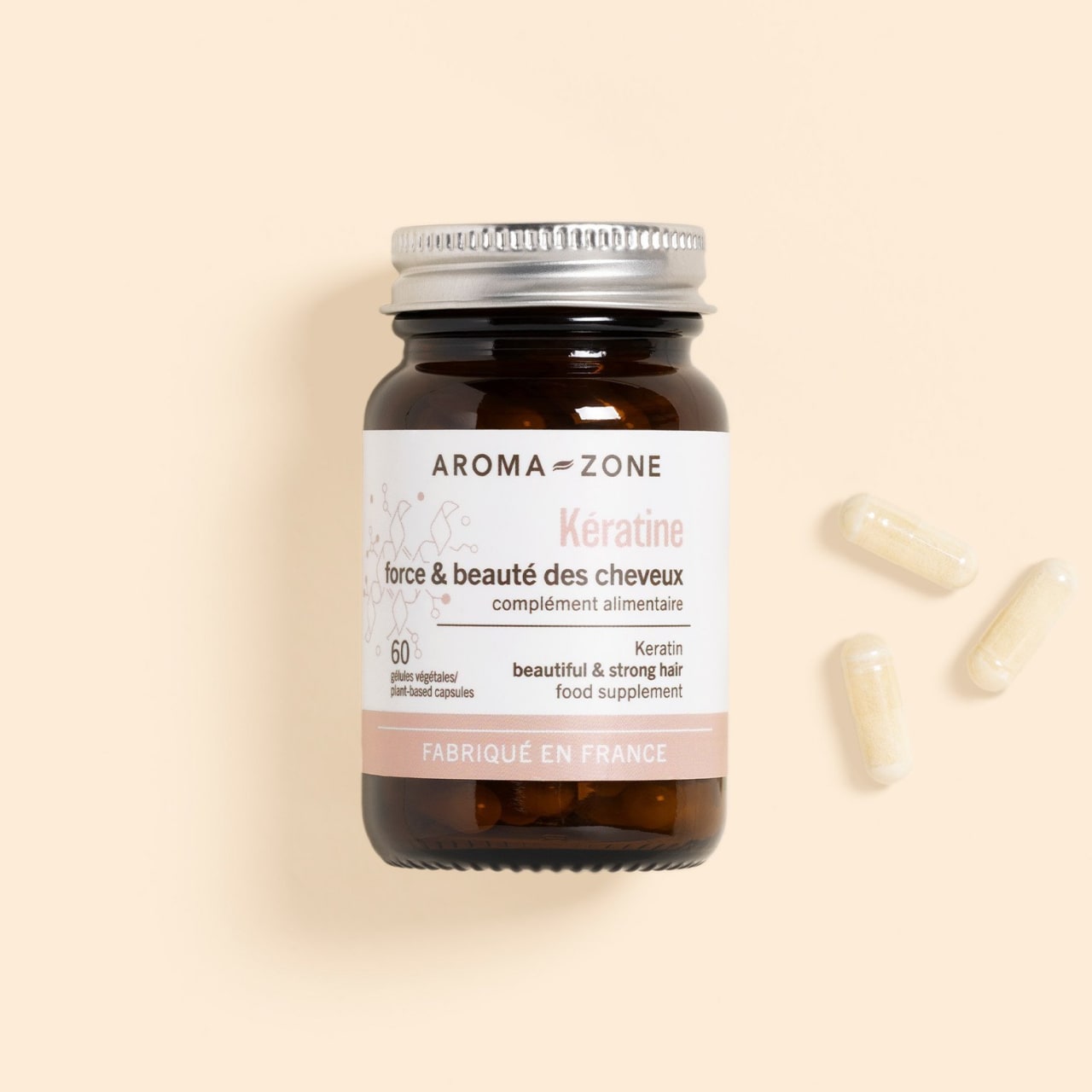
Keratin
Adopt an ‘in & out’ approach by complementing your routine with a hydrolysed keratin ‘treatment’. Our supplement is formulated with patented Cynatine HNS®, an active ingredient capable of restructuring the hair fibre and improving its composition for superior strength. Its effects on the health of the hair are clinically proven, particularly in terms of its strength during a tensile test. Recommended dosage: 2 capsules per day, to be swallowed with a glass of water, ideally with a meal. For adults only; not recommended for pregnant or breastfeeding women.
Strengthening hair against environmental damage
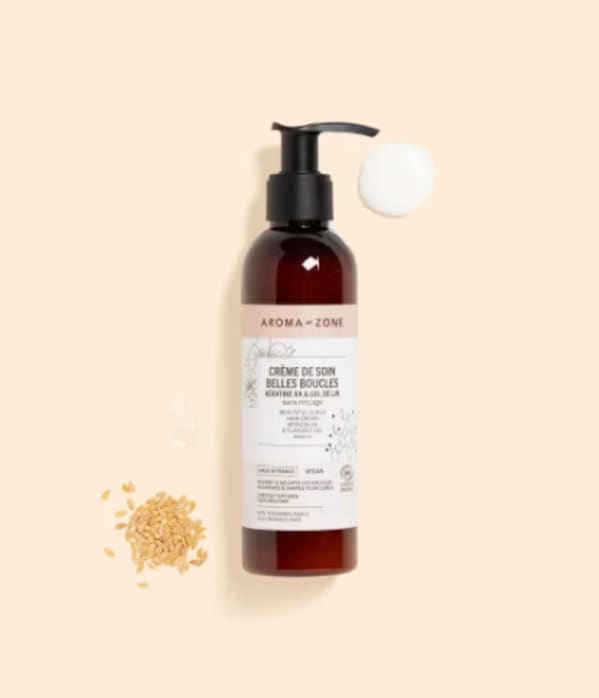
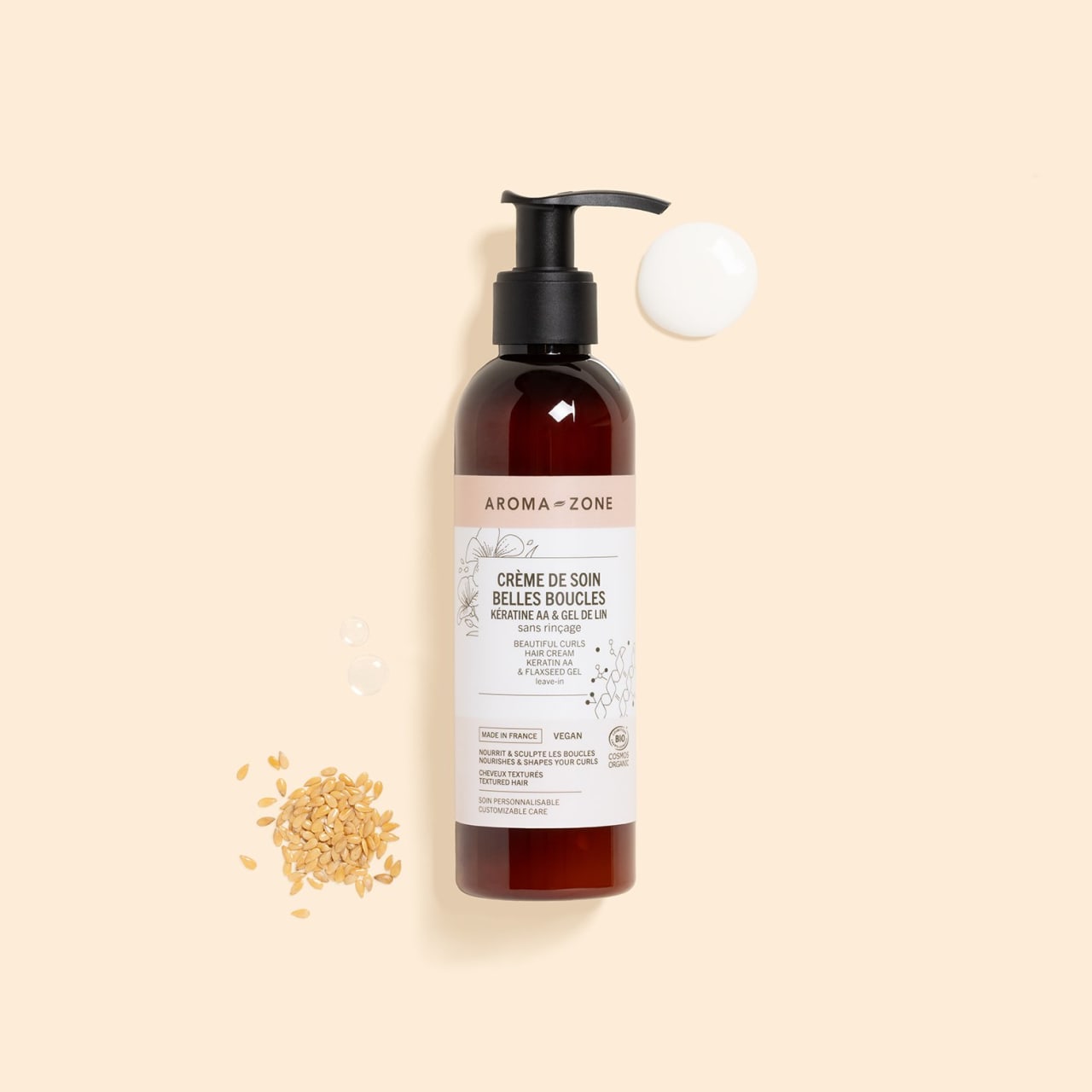
AA Keratin Beautiful Curls Care Cream and Lin Leave-in Gel
Proven effectiveness: if you have textured hair, apply this treatment after washing, whilst your hair is still damp, to define and protect your curls without leaving them feeling stiff. You can also use it every day. The linseed and chia seed gels form a protective film that shields the hair fibre from humidity whilst improving its resistance to breakage; this formula is suitable for children aged 3 and over.
Discover the AA Keratin Beautiful Curls Care Cream and leave-in linseed gel
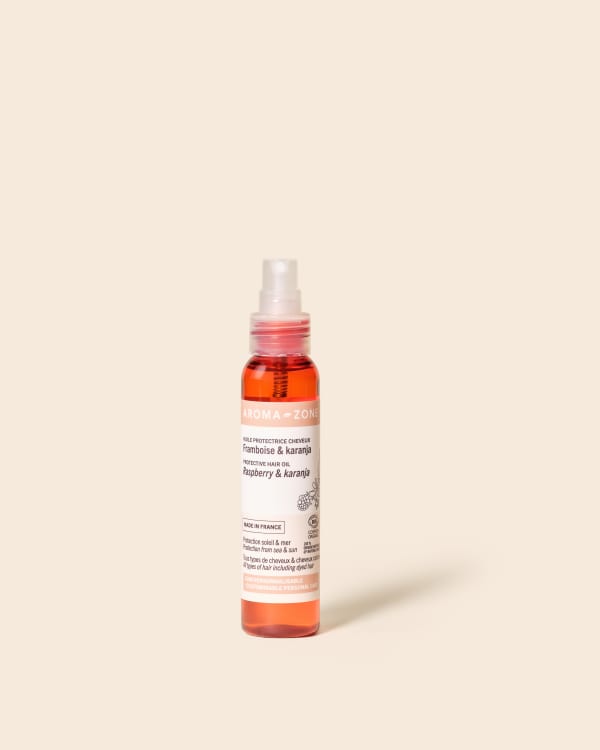
Organic Karanja & Raspberry Protective Hair Oil
Apply a few drops to the lengths of your hair before going out in the sun or swimming in the sea. Its lightweight formula, enriched with antioxidant plant oils, protects the hair fibre from the drying effects of UV rays and sea salt, without leaving a greasy residue. An essential ally for minimising breakage when you return from your summer holidays.
Discover the Organic Karanja & Raspberry Protective Hair Oil
Precautions
Brittle hair can sometimes be a sign of deeper-rooted problems, such as dermatological conditions affecting the scalp or nutritional deficiencies (particularly zinc, iron and protein). If you have any doubts at all, we advise you to consult a healthcare professional.
Expert advice
Don’t forget that the further down you go towards the ends, the more fragile and brittle your hair becomes. This is the oldest part of your hair, the part that has already endured a great deal of damage, and the most vulnerable part of your hair. So, when applying your protective, strengthening or repairing treatments, remember to pay particular attention to the mid-lengths and ends of your hair.
Focus on Our Writer: Hélène Betoux

Hélène Betoux is a French beauty journalist specialising in web media. Every day she writes tips, advice, and guides to help consumers choose the right beauty products. With a strong interest in natural, organic, and clean cosmetics, she analyses and shares trends and innovations in the sector.
Bibliography
Lee Y, Kim YD, Hyun HJ, Pi LQ, Jin X, Lee WS. Hair shaft damage from heat and drying time of hair dryers. Ann Dermatol. 2011 Nov;23(4):455-62.
doi: 10.5021/ad.2011.23.4.455. Epub 3 November 2011. PMID: 22148012; PMCID: PMC3229938.
Fernandes C, Medronho B, Alves L, Rasteiro MG. On Hair Care Physicochemistry: From Structure and Degradation to Novel Biobased Conditioning Agents. Polymers (Basel). 24 January 2023;15(3):608.
doi: 10.3390/polym15030608. PMID: 36771909; PMCID: PMC9921463.
Feughelman M, Willis BK. Mechanical extension of human hair and the movement of the cuticle.
J Cosmet Sci. 2001 May–Jun;52(3):185–93. PMID: 11413498.
Lee WS. Photoaggravation of hair ageing. Int J Trichology. 2009 Jul;1(2):94-9.
doi: 10.4103/0974-7753.58551. PMID: 20927230; PMCID: PMC2938585.
Amy J. McMichael, ‘Hair Breakage in Normal and Weathered Hair: Focus on the Black Patient’, *Journal of Investigative Dermatology Symposium Proceedings*, Volume 12, Issue 2, 2007, Pages 6–9, ISSN 1087-0024,
https://doi.org/10.1038/sj.jidsymp.5650047.
Csuka DA, Csuka EA, Juhász MLW, Sharma AN, Mesinkovska NA. A systematic review on the lipid composition of human hair. Int J Dermatol. March 2023;62(3):404–415.
doi: 10.1111/ijd.16109. Epub 26 Feb 2022. PMID: 35218566.
Dawber R. Cosmetic and medical causes of hair weathering. J Cosmet Dermatol. 2002 Dec;1(4):196–201.
doi: 10.1111/j.1473-2165.2002.00049.x. PMID: 17147539.
Frequently Asked Questions
Associated tips
Hair care tips
Hair care tips


