
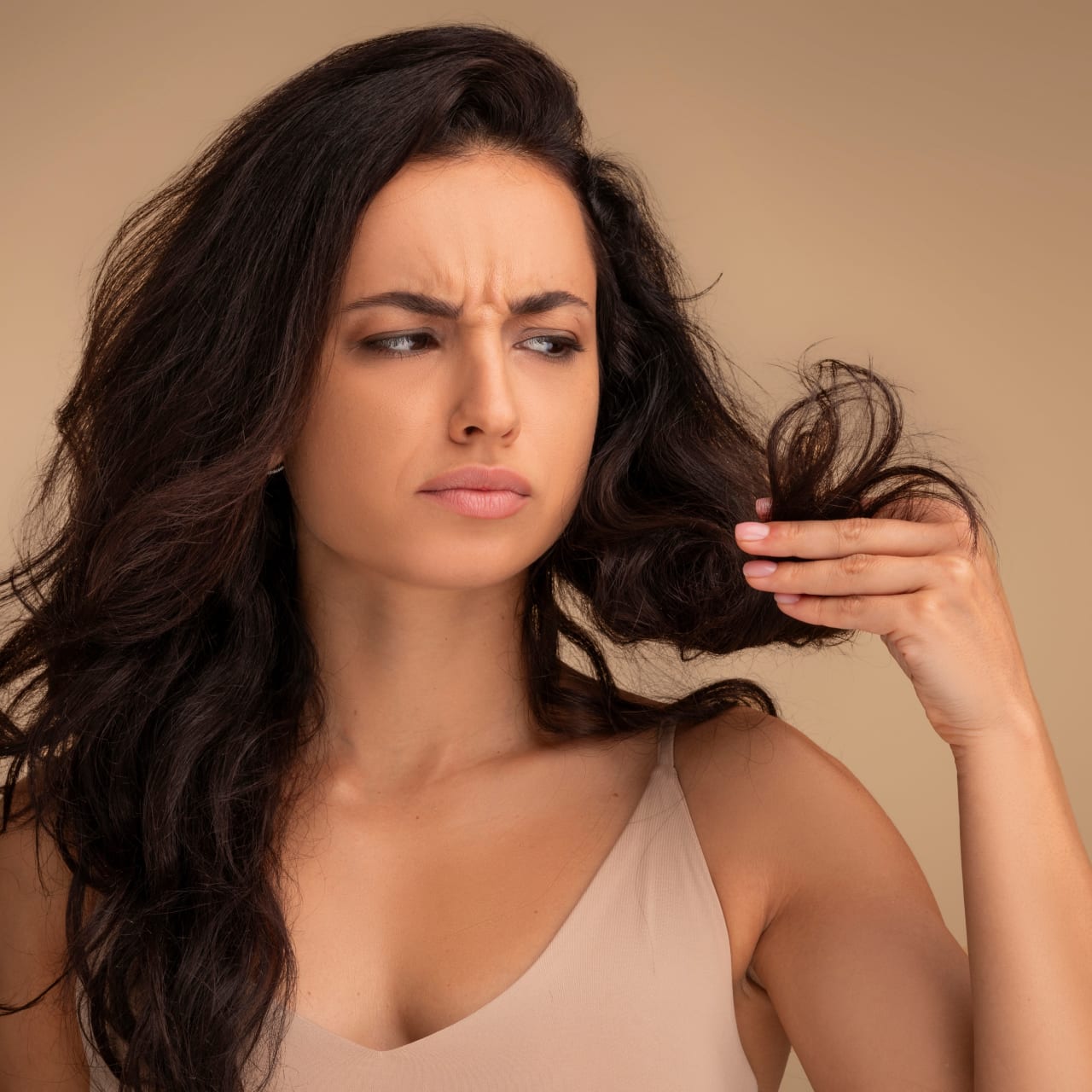
A broken hair can be distinguished from a hair that has fallen out by the absence of a bulb at its tip. Whereas a hair at the end of its natural cycle detaches from the root with a small, visible white bulge, a broken hair snaps along its length: shorter than the others, tapering or ending abruptly at the tip, it is found on the hairbrush, on clothes or on the pillow. Breakage is generally concentrated on the mid-lengths and ends, which are the oldest and most exposed areas. (1)
What are the best active ingredients for preventing hair breakage?
Published on: Monday, May 18, 2026, Updated on: Tuesday, October 13, 2026
Behind hair that breaks when brushed, split ends or a hair shaft lacking in strength, there is usually a combination of hair imbalances: dehydration of the hair shaft, a lack of surface lipids, weakening of the cuticle due to repeated chemical or heat treatments, and everyday mechanical stress. These mechanisms interact and feed into one another, which explains why an approach focusing solely on repair or nourishment may prove insufficient in the long term. In this context, the choice of cosmetic active ingredients plays a central role. This article provides an in-depth analysis of the best-documented anti-breakage active ingredients.
Contents
Related products
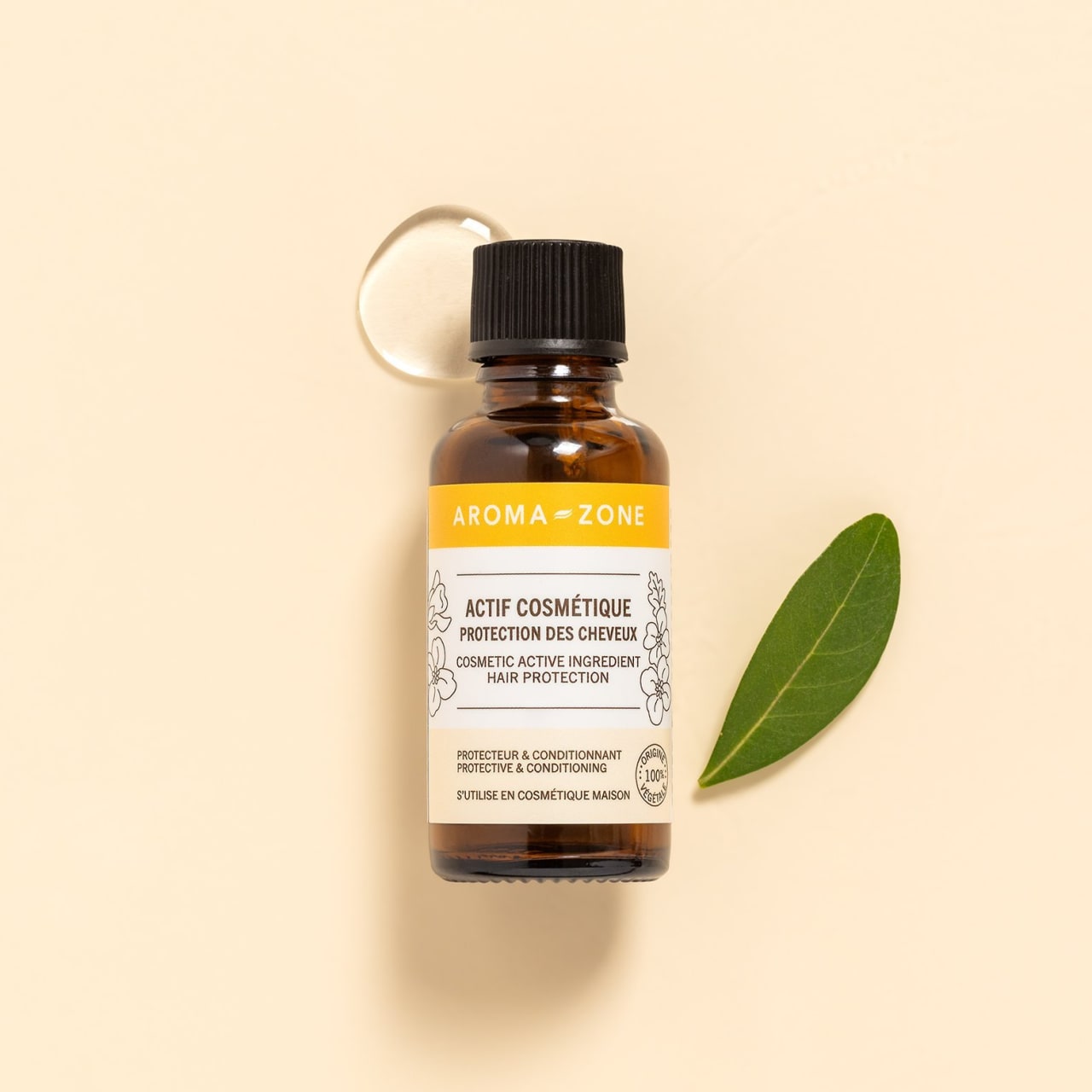
Hair Protection Active Ingredient
Hair strengthening
Protective
£4.00
30 ml
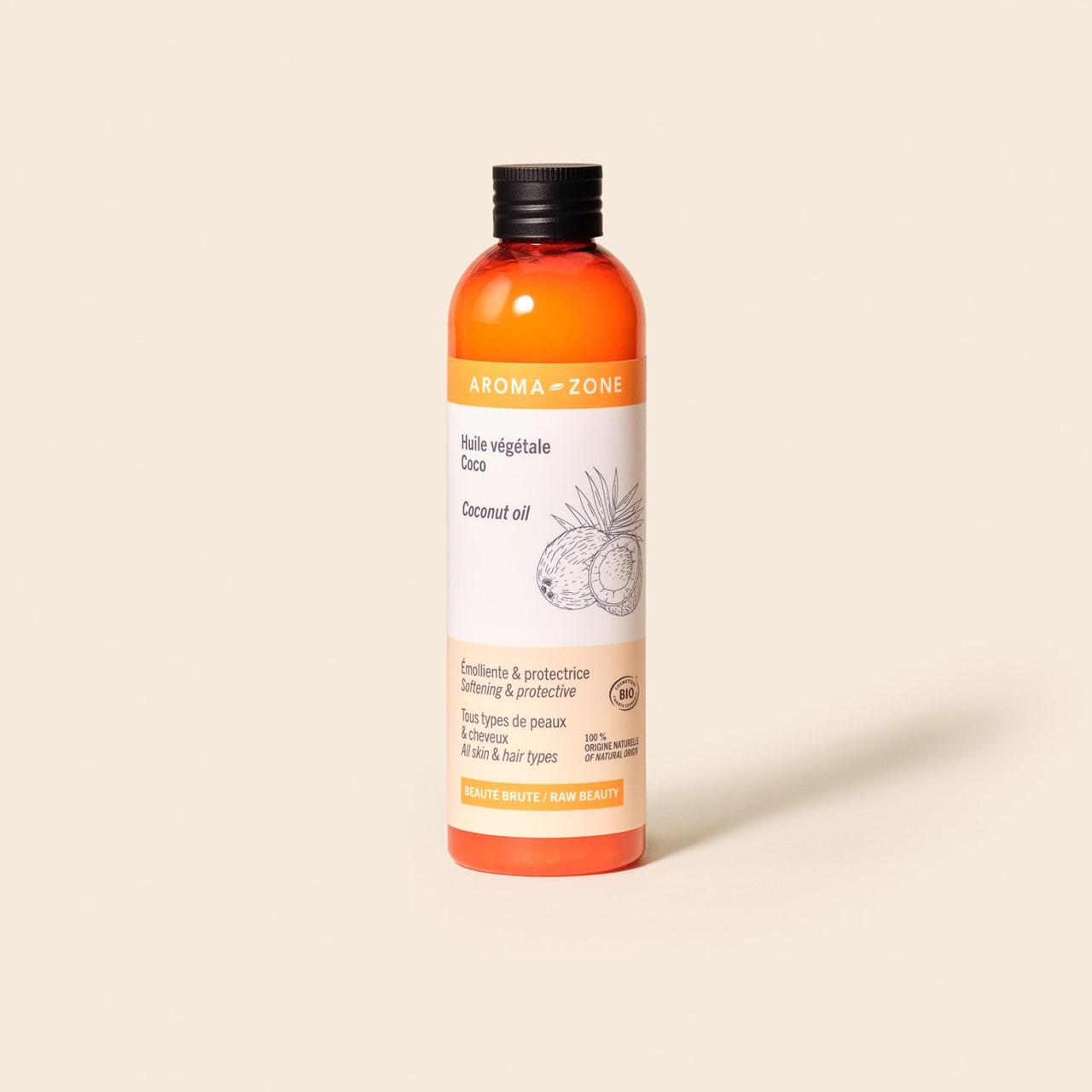
Organic Coconut Oil
Nourishing
Protective
£8.00
250 ml
3 options
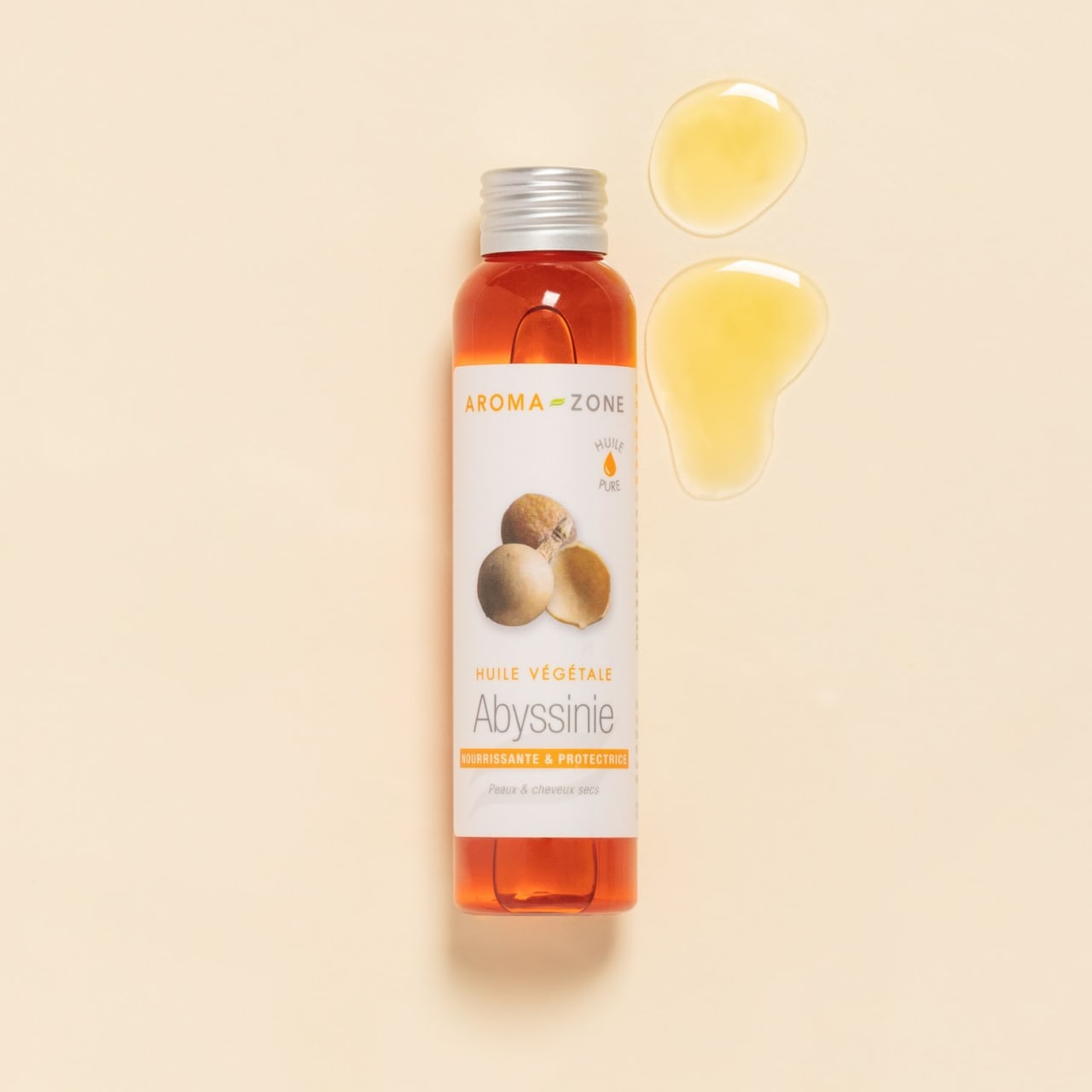
Abyssinian Oil
Nourishing
£7.00
100 ml
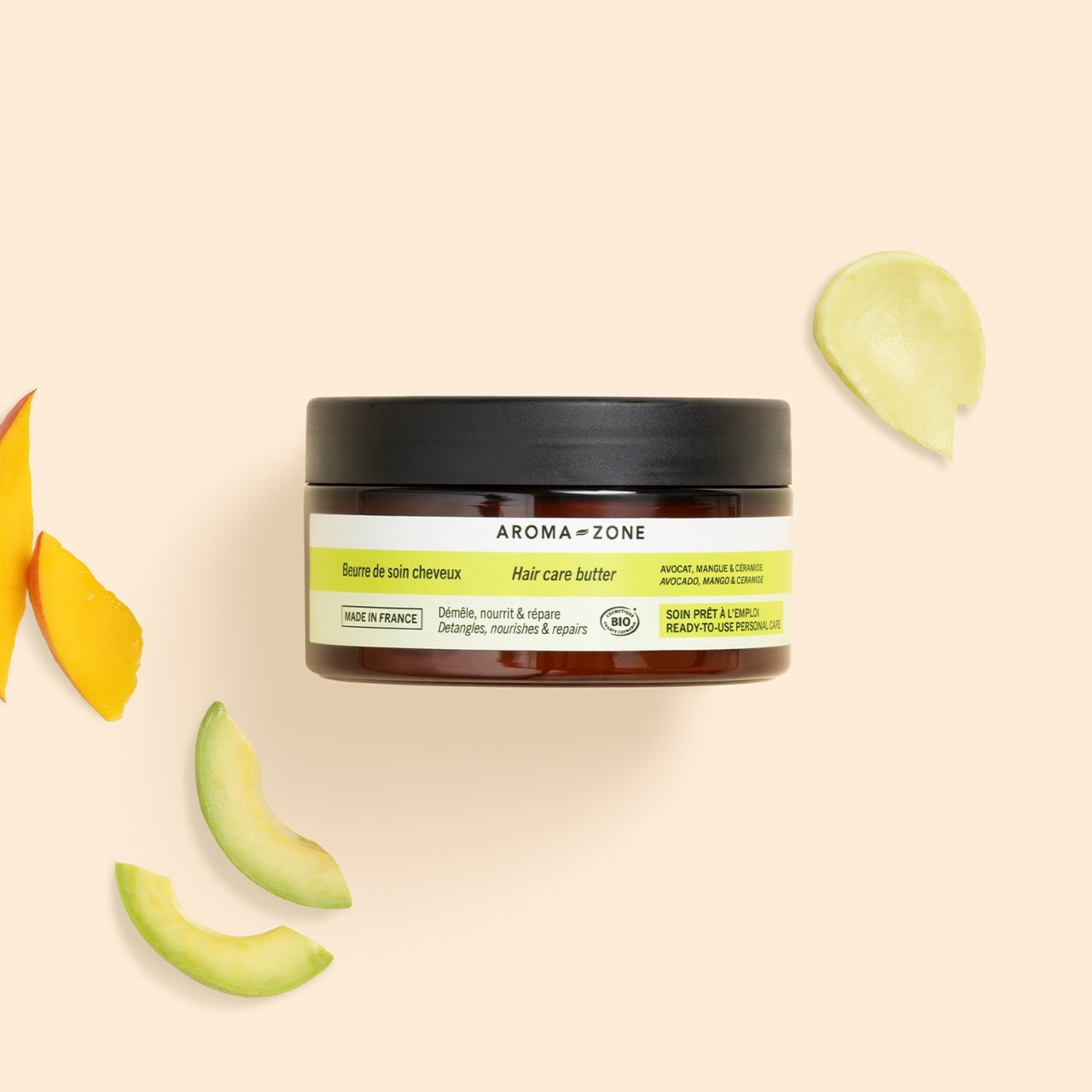
Hair Care Butter
Hair conditioner
Nourishing
£9.00
100 ml
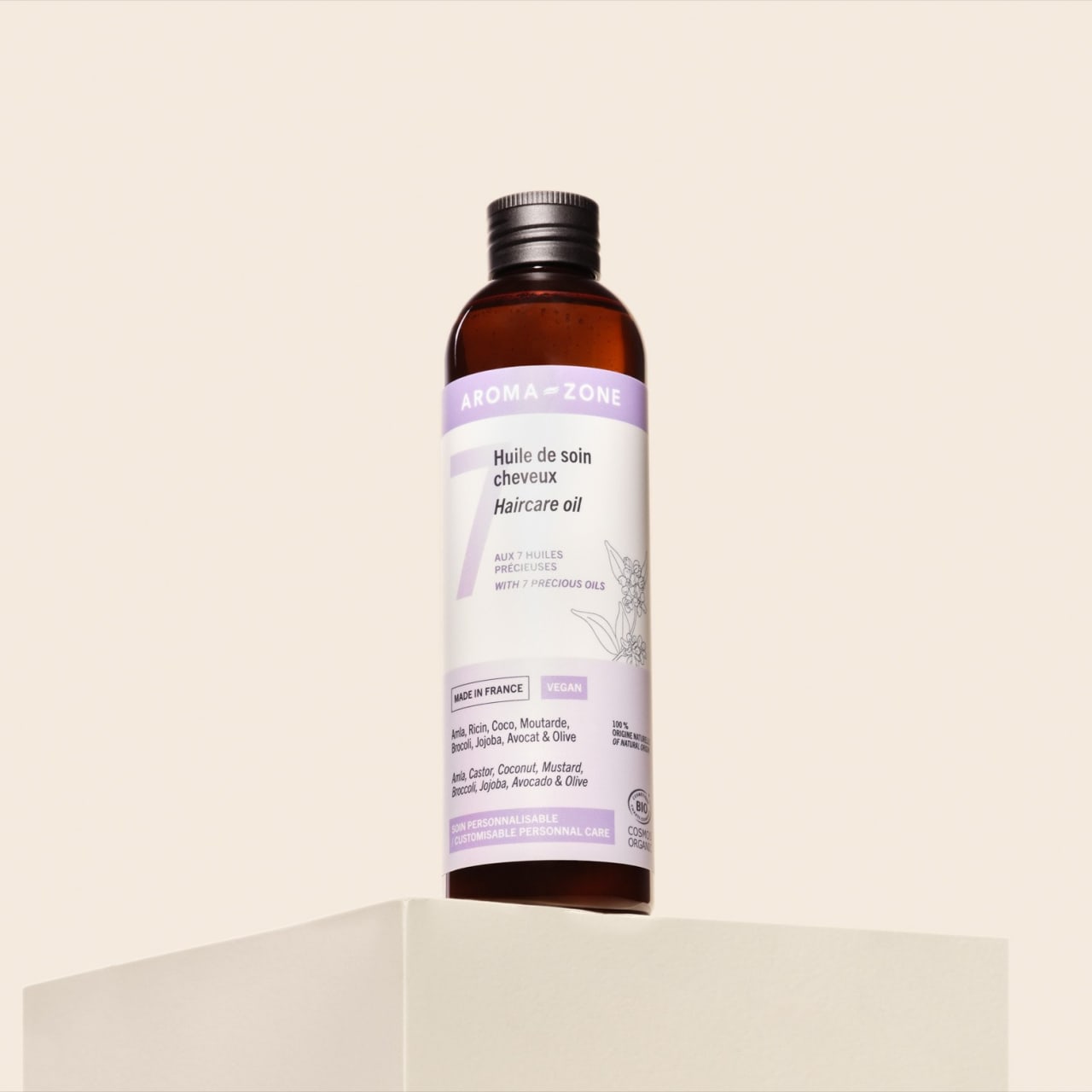
Haircare Oil With 7 Precious Oils
Repairing
Hair strengthening
£11.00
250 ml
In brief
The most effective anti-breakage active ingredients work through four distinct mechanisms: hydrating the hair fibre, providing lipids, strengthening the protein structure and protecting the hair’s surface
They should be selected based on the primary cause of breakage, rather than simply the hair type
An effective anti-breakage routine is therefore based on the carefully considered combination of a hydrating active ingredient, a lipid-replenishing active ingredient and a strengthening active ingredient, with consistent application remaining the most crucial factor.
How can you tell if your hair is brittle?
Good to know: Split ends result from the gradual fraying of the hair shaft’s tip, rather than from mechanical breakage. They are a distinct phenomenon and do not require the same active ingredients.
Why does my hair break?
Dryness is the most common cause of breakage: a dehydrated hair strand loses its suppleness and elasticity, and breaks more easily at the slightest mechanical stress: brushing, detangling, or friction against the pillow. The lengths become coarse, dull and less resistant to tension (1).
High porosity weakens the fibre by preventing it from retaining moisture. Very porous hair, often due to colouring or bleaching or frequent exposure to heat, absorbs water quickly but loses it just as quickly. (2) A raised or cracked cuticle provides less protection for the cortex. As a result, the hair fibre is more vulnerable to breakage.
The heat from styling appliances alters the structure of keratin when applied without thermal protection. Recent research suggests that certain thermoreactive active ingredients may limit this damage by forming a protective barrier on the surface of the hair fibre (8, 9).
Chemical treatments (colouring, bleaching, straightening, smoothing) alter the internal structure of the hair fibre and significantly increase its porosity. (4, 7) Studies show that treatments based on proteins and polysaccharides can help to partially limit this damage following chemical treatment.
The mechanical stress of everyday life is often underestimated. Brushing wet hair too vigorously, wearing hair ties that are too tight, rubbing a towel along the lengths: these repeated actions cause micro-trauma that gradually weakens the cuticle. In textured hair, this vulnerability is even more pronounced due to the helical structure of the hair fibre, which creates natural points of tension (11).
In some cases, internal factors such as nutritional deficiencies, medical conditions or certain medication regimens can also weaken the hair shaft. If hair breakage is severe, unusual or persistent despite following a suitable routine, seeking medical advice remains essential.
Which active ingredients are truly effective against hair breakage?
The most well-documented anti-breakage active ingredients work through four complementary mechanisms : hydrating the hair fibre, providing lipids, strengthening the protein structure and protecting the hair’s surface. Here are the main active ingredients in each category, their mechanisms of action and their specific uses.
Active ingredient categories | Explanations |
Moisturising ingredients (humectants) | Humectants reduce breakage by maintaining the suppleness and elasticity of the hair fibre. By attracting and retaining water within the hair shaft (the cortex), they compensate for the loss of moisture caused by dryness or high porosity. The most effective are: vegetable glycerine (the benchmark humectant, with a dual mechanism of action and very well tolerated), panthenol (penetrates the cortex, improves suppleness and elasticity, smooths the cuticle), hyaluronic acid (retains up to 1,000 times its weight in water, effective on dehydrated hair (5)) and aloe vera (light hydration, airy texture, ideal for fine hair). |
Lipid-replenishing active ingredients (oils, butters, ceramides) | They replenish the lipid film naturally present on the surface of the hair fibre and between the cuticle scales, thereby reducing friction and mechanical breakage. This protective layer, naturally present on the hair fibre (18-MEA), is eroded by shampooing, excessive heat and chemical treatments (6). A distinction is made between penetrating oils (coconut, olive), which act right down to the cortex and reduce protein loss during washing, and film-forming oils (argan, Abyssinian) which smooth the cuticle on the surface, plant-based butters (shea) suitable for thick or very dry hair, and plant-based ceramides, key lipids for cuticle cohesion. |
Active ingredients that strengthen the hair fibre (proteins, amino acids, plant-based keratin) | They strengthen the hair fibre’s mechanical resistance by temporarily filling in weakened areas of the cuticle. Hair is composed of approximately 95 per cent keratin: when the cuticle is damaged, gaps appear in its structure. Hydrolysed proteins (wheat, soya, silk), phytokeratin and amino acids can penetrate these gaps and strengthen the fibre’s cohesion. Their use must be balanced: in excess, they stiffen the fibre and can increase breakage; always alternate them with moisturising treatments. |
Protective and film-forming active ingredients | They form a protective film on the surface of the hair fibre. This reduces friction, limits heat penetration and locks in moisture in high-porosity hair. They act on the surface to seal in the benefits of previous treatments. The most commonly used are: Abyssinian oil extracts (rich in phytosterols, they condition and revitalise the hair fibre whilst preserving colour vibrancy), plant-based conditioning agents (which smooth the cuticle and reduce friction) and thermoreactive active ingredients, essential before any heat styling to minimise keratin breakdown (8). |
Summary table of anti-breakage active ingredients
The active ingredients listed below do not all work through the same mechanisms, nor are they all compatible with one another. The choice should be based on the primary cause of breakage, the hair type and the porosity of the hair fibre, rather than on a simple ‘more is better’ approach.
Active ingredient | Key features |
Vegetable glycerine | A benchmark humectant, it draws moisture from the air into the hair fibre and keeps the lengths supple. Use with care: in excess or in very dry air, it can draw moisture from the hair fibre itself. |
Panthenol (provitamin B5) | Penetrates the cortex, improves the elasticity and suppleness of the hair fibre, and smooths the cuticle. Exceptionally well-tolerated, suitable for all hair types. |
Hyaluronic acid | Retains up to 1,000 times its weight in water and improves the comfort of dehydrated hair. Used in leave-in treatments and conditioners for a long-lasting moisturising effect (5). |
Aloe vera | Provides light hydration through its humectant polysaccharides, soothes the scalp and lightens formulations. Ideal as a base for hair sprays or leave-in treatments. |
Coconut oil | Penetrates right down to the cortex thanks to its small molecular size and reduces protein loss during washing. Mainly used as a pre-shampoo oil treatment. |
Abyssinian Oil | A light film-forming oil rich in phytosterols, it protects the surface of the hair fibre, smooths the cuticle and preserves colour vibrancy. Use as a leave-in treatment on the lengths and ends. |
Plant-based ceramides | Lipids naturally present in the cuticle’s structure, they restore its cohesion and limit moisture loss. Particularly useful after chemical treatments or repeated exposure to heat. |
Shea butter | Rich in fatty acids, it nourishes and softens dry lengths whilst forming a protective film on the surface. Use as a mask or as a leave-in treatment on the ends. |
Hydrolysed proteins (wheat, soya, silk) | Their small molecular size enables them to fill gaps in the damaged cuticle and densify the hair fibre’s structure. They improve the hair’s texture, strength and perceived elasticity (4). |
Phytokeratin | 100% plant-based keratin which strengthens the hair fibre’s surface and improves its resistance to breakage. Particularly suitable for very porous or chemically treated hair. |
Amino acids | As the basic building blocks of proteins, they support the internal structure of the cortex and improve the hair fibre’s elasticity. They are incorporated into leave-in treatments and repairing masks. |
How do you choose the best active ingredients for preventing hair breakage?
Identify the main cause: Rough, dull lengths? Prioritise humectants. Does your hair absorb water quickly but also dry out very quickly? Prioritise lipid-replenishing and film-forming ingredients. Has breakage occurred following colouring, straightening or frequent use of heat styling tools? Prioritise strengthening and protective ingredients. Is your hair limp and lacking bounce? Rebalance it with protein-based ingredients.
Combine a main active ingredient with a complementary one: Dryness: panthenol or glycerine and a penetrating oil (coconut, olive). High porosity: ceramides and phytokeratin. Heat-induced damage: hair protection active ingredient and panthenol. Chemical damage: hydrolysed proteins and ceramides. Textured or straightened hair: glycerine and lipid-replenishing oil or phytokeratin.
Choose the application method: A hair mask (1–2 times a week, 15–30 mins) for intensive treatment; conditioner (after every wash, 3–5 mins) for regular maintenance and detangling; a leave-in spray or serum for daily mechanical or heat protection; a pre-shampoo oil treatment (once a week, 30 minutes to overnight) for deep lipid replenishment.
How do you choose the best anti-breakage active ingredients for your hair type?
Hair type influences the choice of active ingredients, but it is primarily the main cause of breakage that should guide the selection. The profiles below offer starting points, to be adjusted over time depending on how the hair fibre responds.
Dry, dehydrated hair
This may apply to you if… the lengths feel coarse to the touch, look dull, are difficult to detangle and break frequently after washing or when brushed. The hair shaft lacks moisture at its core (the cortex) and loses elasticity: it breaks under tension that well-hydrated hair would withstand without damage.
The active ingredients to look for: humectants first and foremost, particularly panthenol and vegetable glycerine, to restore the fibre’s internal moisture levels. These should always be combined with a light lipid-replenishing agent (argan oil, Abyssinian oil) to seal in moisture on the surface. A weekly coconut oil treatment (30 minutes before shampooing) effectively complements this approach by minimising protein loss during washing.
Hair weakened by heat or chemical treatments
This may apply to you if… breakage has worsened following repeated colouring, bleaching or frequent use of heat styling tools. (2) The cuticle is raised, the hair fibre absorbs water quickly but loses it just as quickly, and the lengths appear porous and difficult to smooth.
Active ingredients to look for: plant-based ceramides and film-forming agents to seal the cuticle and limit water loss, combined with hydrolysed proteins or phytokeratin to strengthen the hair fibre’s structure. Alternating between protein treatments and moisturising treatments (every other week) is essential to prevent the hair fibre from becoming stiff. Before using any heat styling tools, a film-forming protective treatment remains essential.
Textured or straightened hair
This may apply to you if… your hair is is curly, frizzy or textured and suffers from recurring breakage along the lengths, exacerbated by detangling or friction. (11) The helical structure of the hair fibre creates natural points of tension, making this hair mechanically more vulnerable.
The active ingredients to look for: hydration is the top priority for this hair type. Vegetable glycerine and panthenol form an effective base, to be combined with a lipid-replenishing agent suited to the hair’s texture (light oil for fine curls, shea butter for very thick or frizzy hair). Apply treatments to damp hair to maximise the penetration of humectants and always detangle from the ends towards the roots on conditioned hair.
Our related products
Cosmetic active ingredients
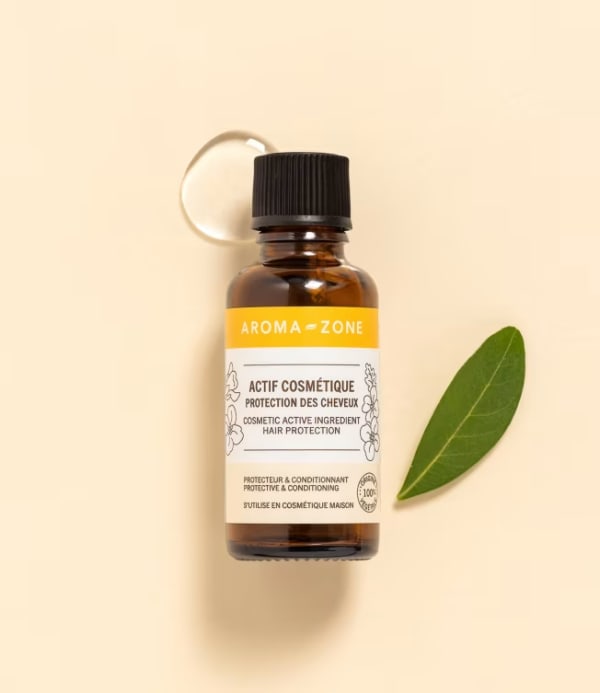
Hair protection active ingredient
Abyssinian oil extract provides intense protection for your hair against external aggressors, leaving it soft and shiny whilst preserving the vibrancy of its colour. Ideal for your hair care formulations, this natural active ingredient, rich in phytosterols, conditions and revitalises. As it is oil-soluble, it blends easily into your hair oils, oil-based serums and oil treatments. (Use at a concentration of 0.5–5 per cent of the total weight of your formulation).
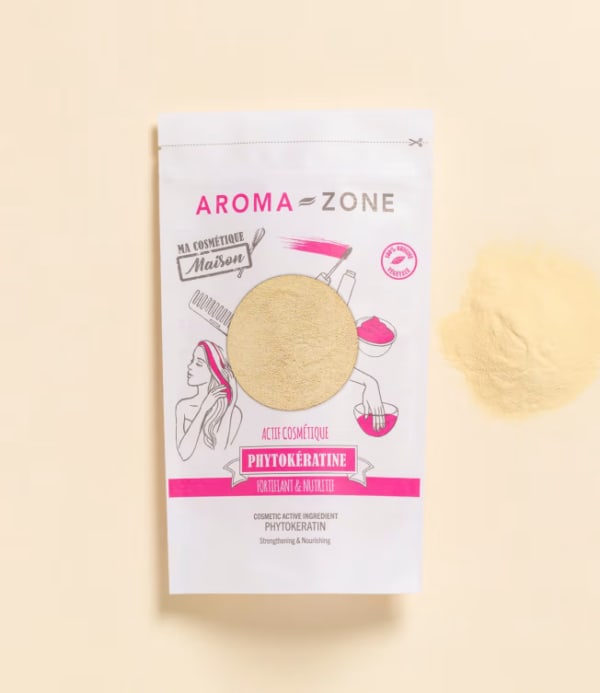
Phyto-keratin active ingredient
One of the must-haves for strengthening your hair’s structure. This keratin has the advantage of being 100 per cent plant-based (hydrolysed wheat proteins). Add it to your recipes for repairing serums or styling products. Dosage: 1 to 5 per cent of the total weight of your formulation.
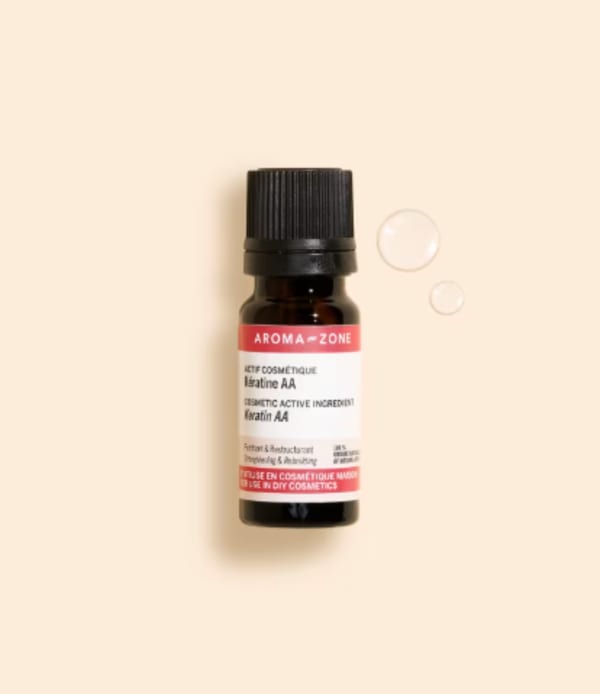
Keratin AA cosmetic active ingredient
Ideal for damaged hair, the Keratin AA active ingredient restructures and strengthens the hair fibre, boosts hydration and enhances the hair’s shine. 100% natural and vegan, it is composed of amino acids derived from biofermentation that replicate the amino acid profile of natural keratin. This active ingredient, with proven efficacy, can be used in your DIY hair care formulations. Dosage: 3–5% of the total weight of your formulation.
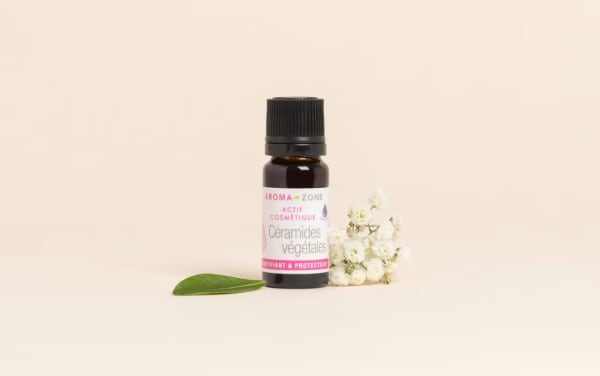
Plant-based ceramides
Derived from sunflower oil, plant-based ceramides are an active ingredient that replenishes lipids and protects the skin and hair. In ‘homemade’ hair care products, ceramides are highly effective at smoothing, protecting and strengthening the hair fibre. As they are water-soluble, they can be incorporated into your aqueous formulations: creams, lotions, shampoos, gels and toners. Dosage: 1–5 per cent of the total weight of your formulation.
Discover the cosmetic active ingredient: plant-derived ceramides
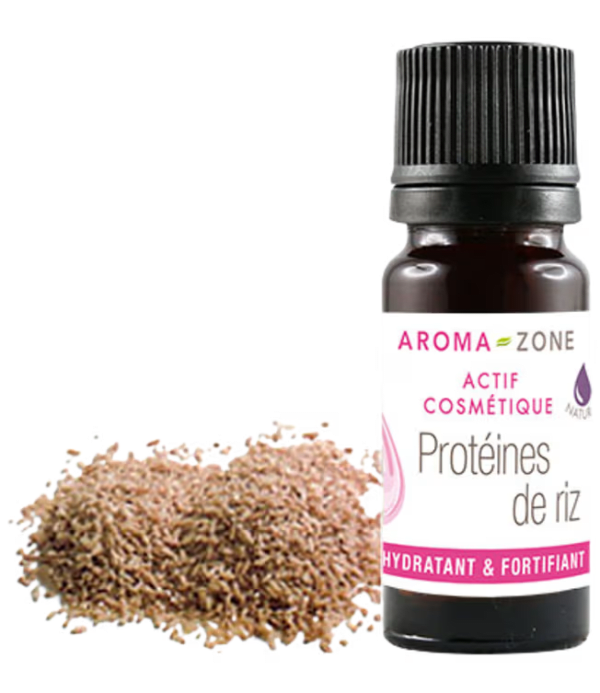
Active Ingredient: Hydrolysed Rice Proteins
Rice proteins are a particularly valuable active ingredient in hair care formulations, where they help to strengthen and add volume to the hair. This active ingredient can be used in your hair care formulations: shampoos, conditioners, hair masks, repair serums for split ends and styling products. Dosage: 0.5–5 per cent of the total weight of your formulation.
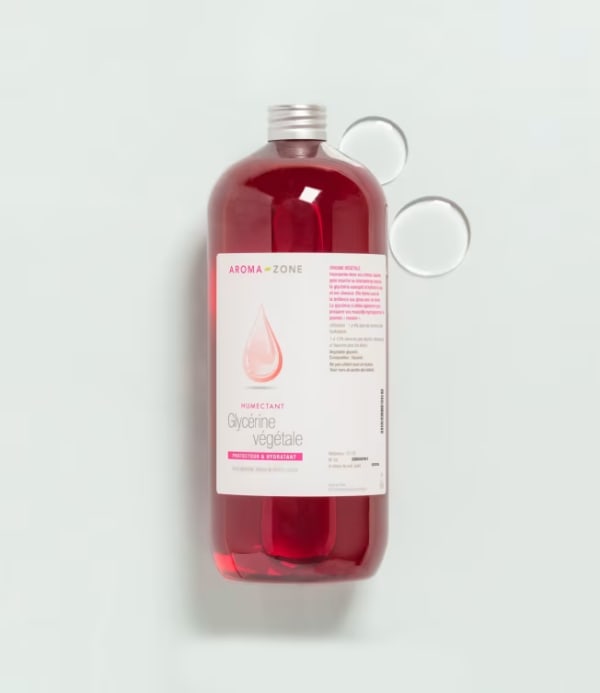
Vegetable glycerine
Vegetable glycerine is a moisturising agent for the skin and hair. It blends very easily into your emulsions (creams and lotions), shower gels and shampoos, giving them a very soft feel. It also allows you to make your own hydroglycerine macerates from plants. Usage: 1–10 per cent in cosmetics, or higher concentrations in hydroglycerine macerates.
Discover Vegetable Glycerine
Repairing plant oils
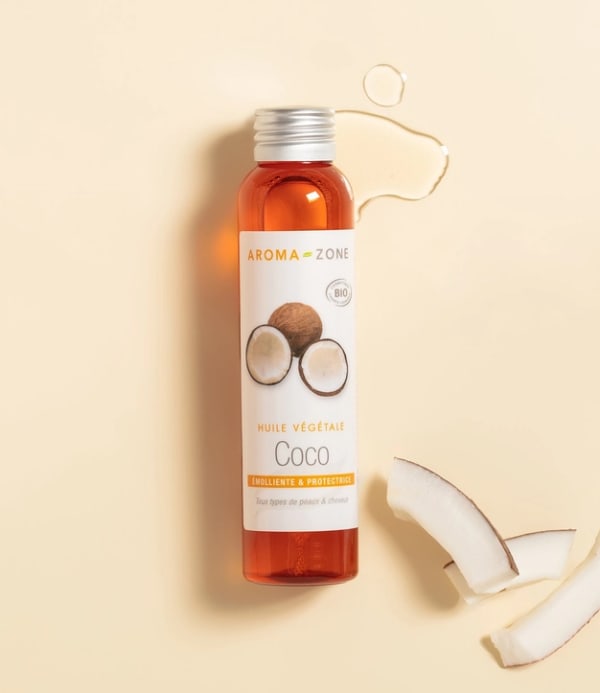
Organic Coconut Oil
Also known as coconut butter, this oil is a highly prized ingredient for its protective, softening and emollient properties. Exotic and with a heavenly scent, it is used in hair care products to give hair shine and vitality. Ideal for occasional oil treatments.
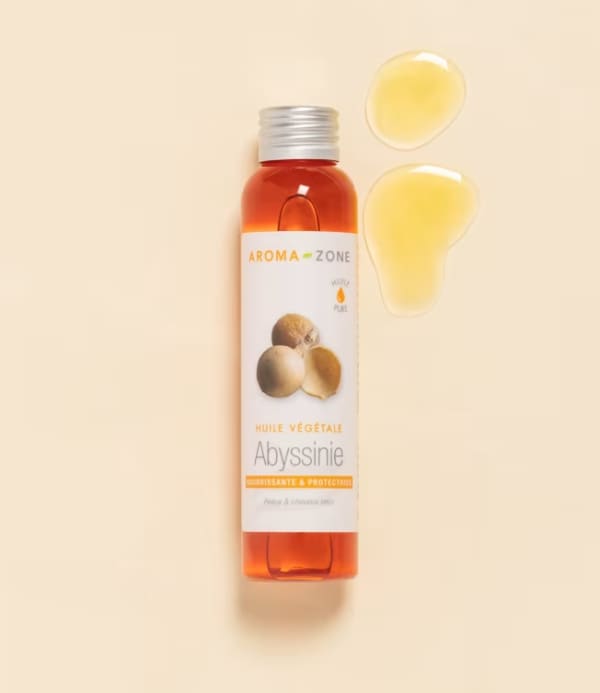
Abyssinian oil
Innovative thanks to the smooth, easily absorbed textures it helps create, this oil is ideal for formulating your own homemade hair care products (shampoos and conditioners, nourishing and repairing hair treatments, masks and balms, and smoothing styling products). It adds shine and softness to even the driest and frizziest hair.
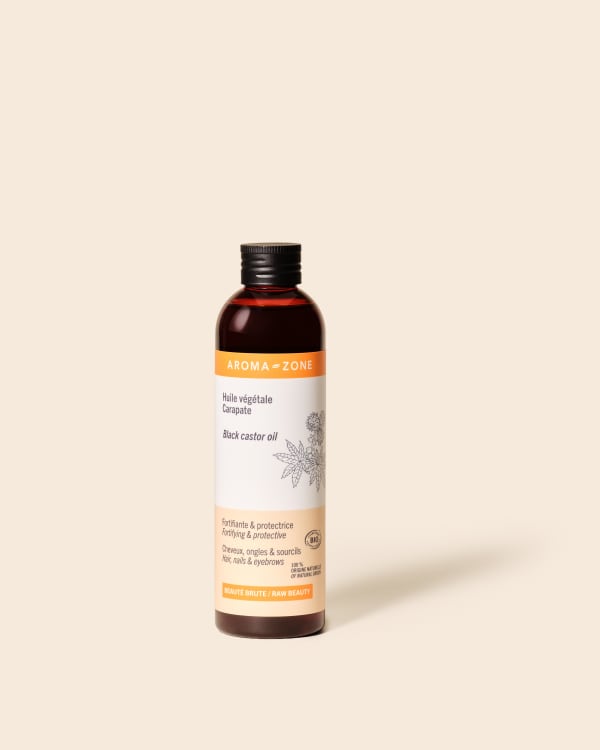
Carapate Oil
Rich and thick, this oil, produced using traditional methods in Madagascar, strengthens and protects damaged hair by coating the hair fibre. It helps to lock in moisture, minimise breakage and prevent split ends. Its viscous texture and excellent affinity with the hair make it an exceptional treatment for very dry or weakened lengths. Ideal for an occasional oil treatment. Particularly suitable for curly, textured, frizzy or very dry hair.
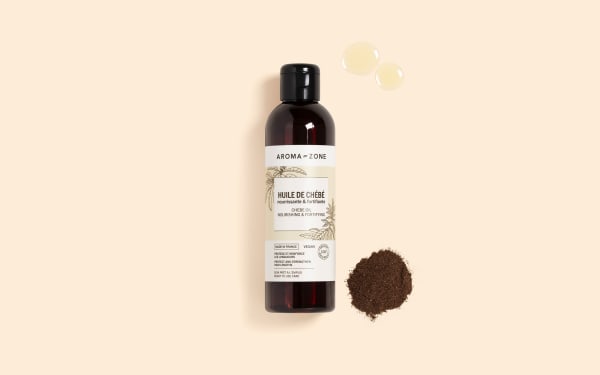
Chébé Oil
Inspired by an ancestral beauty ritual practised in Chad, this oil combines Chébé with the nourishing and strengthening properties of organic castor oil and organic olive oil. It helps to protect and strengthen the hair shafts, minimise breakage and enhance textured hair. Its traditional use for maintaining hair length makes it a favourite treatment for the most fragile hair. Ideal for textured, frizzy or very dry hair prone to breakage.
Ready-to-use formulations
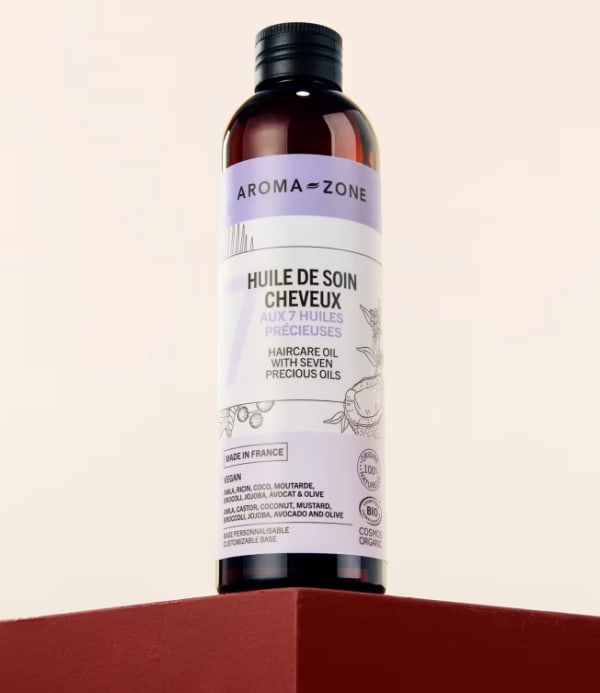
Organic Hair Care Oil
A blend of seven precious plant oils and an organic oil macerate, this hair care oil nourishes and strengthens the hair whilst adding shine and manageability to your daily routine. Perfect as a pre-shampoo oil treatment to deeply soften the lengths, or as a leave-in treatment on the ends to protect them from friction and dehydration. Ideal for preventing dry or dull lengths. Particularly suitable for thick, dry or curly hair.
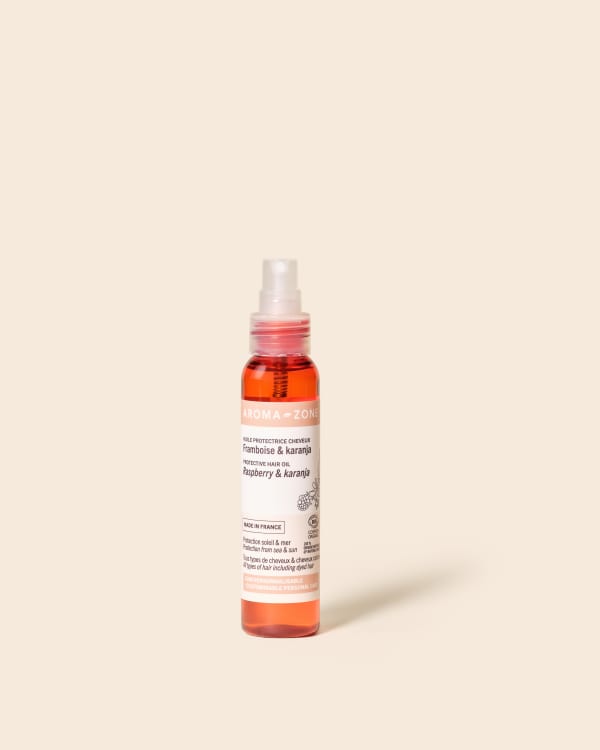
Organic Karanja and Raspberry Protective Hair Oil
Containing Karanja and Abyssinian extracts with proven protective properties, this 100% natural oil protects hair from the drying effects of the sun and sea water. Thanks to its blend of organic raspberry and Karanja plant oils, which have antioxidant properties, it enhances and preserves the hair’s natural beauty. It is also ideal for coloured hair. Nourishing yet non-greasy, this oil is applied without rinsing before sun exposure and swimming.
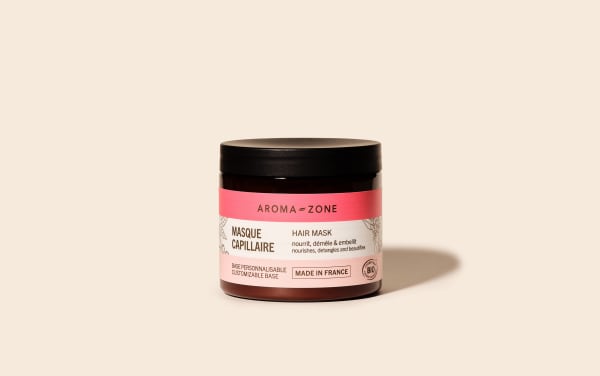
Organic Hair Mask
A genuine certified organic hair treatment, rich in jojoba and castor oils and shea butter, this mask protects, smooths, nourishes and makes detangling much easier. Its versatility makes it a top choice: it can be used as a leave-in mask, a quick-dry conditioner or a leave-in treatment on the lengths, depending on your hair’s needs. Suitable for all hair types.
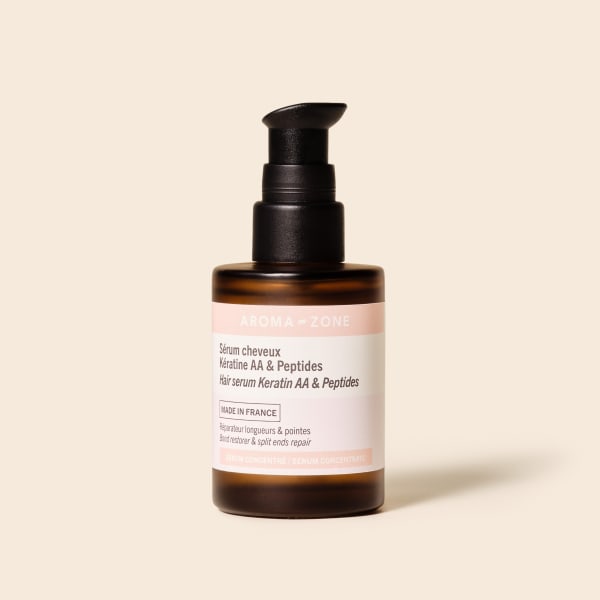
Keratin AA & Peptides Hair Serum
Formulated for all hair types, this serum strengthens the hair fibre thanks to a complex of amino acids and biomimetic keratin peptides, which smooth and reinforce the surface of the cuticle. The lengths and ends are repaired from the very first application, leaving hair stronger and shinier. A leave-in treatment particularly suitable for coloured, bleached or heat-damaged hair.
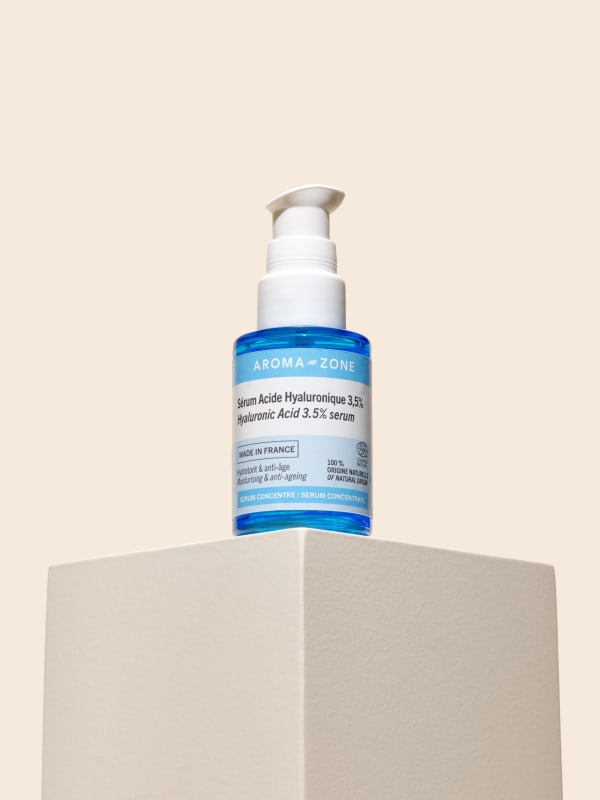
Hyaluronic Acid Serum
This 100 per cent naturally sourced hyaluronic acid serum is one of the most concentrated on the market: 3.5 per cent, compared to 0.1 to 1 per cent hyaluronic acid in conventional cosmetics. Renowned for its smoothing and moisturising properties, its fresh, naturally gel-like texture works wonders on dry and damaged hair, softening and restructuring it. A leave-in treatment: apply 1 or 2 pumps to the lengths and ends.
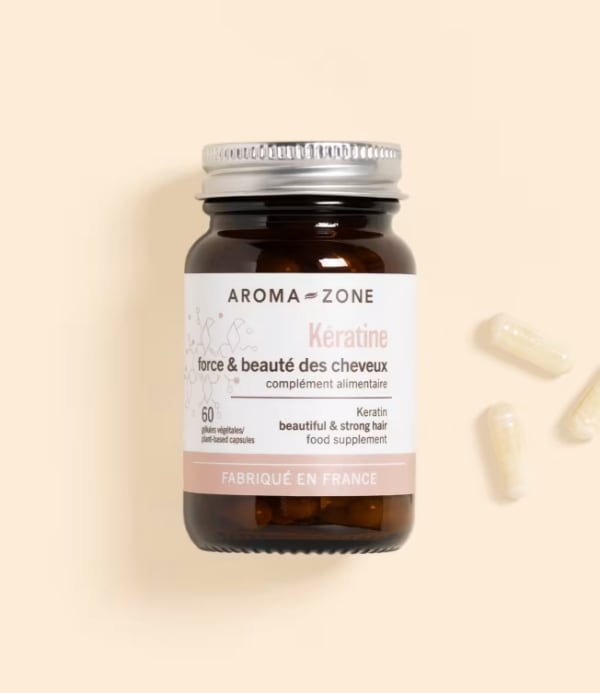
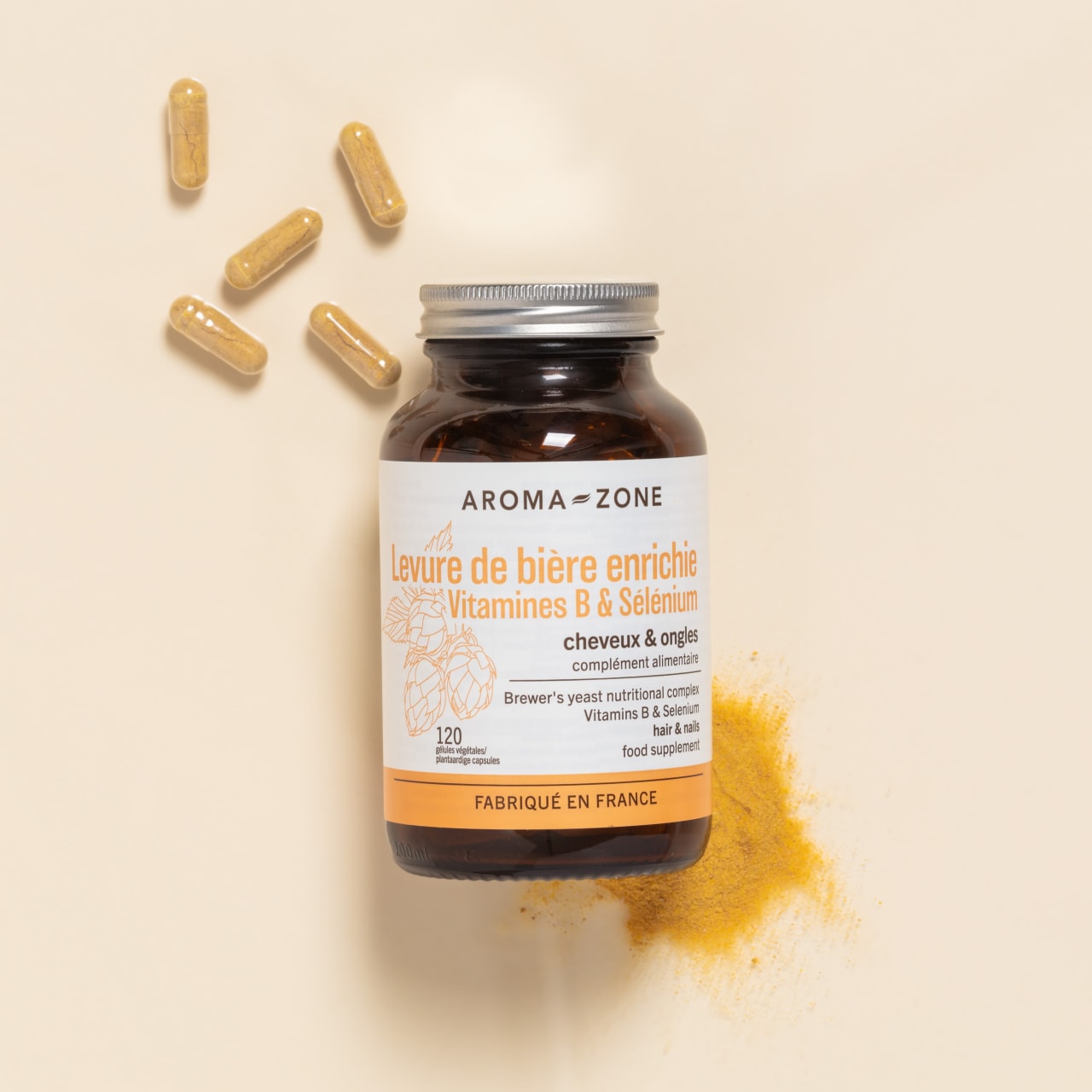
Keratin dietary supplement
Formulated with the patented and clinically evaluated Cynatine HNS®, this dietary supplement may help improve the quality of the hair fibre, when taken alongside a balanced diet and a consistent topical skincare routine. It also helps improve skin quality and nail strength. Take 2 capsules a day, to be swallowed with a glass of water. For adults only; not recommended for pregnant or breastfeeding women.
Discover our 4-step anti-breakage routine too.
The trichologist’s opinion
"To prevent hair breakage, I recommend a two-step approach that works in tandem.
The first step involves applying a humectant. Its role is to attract and retain water within the hair fibre, thereby helping to maintain a good level of hydration. Some of the most common examples include aloe vera gel, glycerine and certain active ingredients such as hydrolysed silk or rice proteins. This step prepares the hair fibre by improving its hydration and suppleness.
The second step involves applying a film-forming emollient, usually in the form of vegetable oils or butters. Oils such as coconut oil or olive oil, as well as shea butter, help to soften the hair fibre, strengthen its lipid cohesion and limit water loss by forming a protective barrier on the surface. This action helps to seal in the moisture provided by the previous step and improve the hair’s softness and strength.
The main benefit of this approach lies in the use of active ingredients with different properties to create an optimised, complementary effect against hair breakage."
Dr Dalila Belmokhtar, Doctor of Pharmacy and trichologist @dalilahairscience
Precautions
Protein-based active ingredients should be introduced gradually and used alternately with moisturising treatments to preserve the elasticity of the hair fibre. Before applying a DIY treatment to the scalp, carry out a patch test on the inside of your elbow and monitor the skin’s reaction for 48 hours. Avoid any contact between the preparations and the eyes. If you have a sensitive or irritated scalp, or are undergoing dermatological treatment, adjust the concentrations and frequency of use. These treatments are designed to improve the appearance and strength of the hair and are not a substitute for medical advice in cases of significant or persistent hair breakage.
Expert advice
Don’t forget that your haircare routine matters just as much as the products you use: detangling conditioned hair, drying without rubbing and protecting your hair before using heat are still the first steps in preventing hair breakage.
Spotlight on Our Writer: Louise Hourcade

After graduating from ESCP Business School in 2020, Louise began her career as a writer in 2021. Today, she writes a newsletter where she shares cultural recommendations and more personal articles, such as dating apps, therapy, and career guidance. She also writes for the media, brands and agencies on subjects such as well-being, mental health, culture, and society.
Bibliography
Gamez-García M. (ed.) Hair: Testing, Process and Repair for the Cosmetic Industry. Chemical Publishing, 2024.
https://www.chemical-publishing.com/product_p/9780820604053.htm
Draelos Z.D. Hair Care: An Illustrated Dermatologic Handbook. CRC Press, recent edition, 2005.
https://www.collegeaisi.ge/docs/HairCareAnIllustratedDermatologicHandbook_1739275553.pdf
El Khatib S. de S. et al. “Novel Compounds for Hair Repair: Chemical Characterisation and Efficacy Compared to a Commercial Disulphide Bond Builder.” 2025.
https://pmc.ncbi.nlm.nih.gov/articles/PMC12115070/
Onofre S. et al. “Prevention of chemically induced hair damage by means of treatment based on proteins and polysaccharides.” Journal of Cosmetic Dermatology, 2023.
https://onlinelibrary.wiley.com/doi/abs/10.1111/jocd.14148
Wenjie Qu et al. “Improving the Mechanical Properties of Damaged Hair Using Low-Molecular Weight Hyaluronate.” 2022.
https://pmc.ncbi.nlm.nih.gov/articles/PMC9695591/
Karthika Selvan et al. “An emerging trend in repairing human hair damage.” Drug Discovery & Therapeutics, c. 2020–2022.
https://ddtjournal.net/?view-pdf=1&embedded=true&article=1792c2ee848ee7b34fab0008223e1629n96DlMblTlE%3D
Changxin Fan et al. “Bioinspired peptides designed for hair perming and dyeing with potential for repair.” Journal of Cosmetic Dermatology, 2023.
https://www.sciencedirect.com/science/article/abs/pii/S174270612300404X
Chaohai Li et al. “Prevention of Hair Heat Damage via Thermoresponsive Organic Silicon-Modified Keratin”, 2026.
https://pmc.ncbi.nlm.nih.gov/articles/PMC12899662/
Yusha Zi et al. “Establishment of a Heat-Damaged Hair Model.” 2025.
https://pmc.ncbi.nlm.nih.gov/articles/PMC12308778/
Ray Rigoletto “A survey of test methodology used in evaluating the damage, protection and repair of hair.” In: Hair damage, protection and repair, chapter on methodological review, 2016.
https://plasticsurgerykey.com/a-survey-of-test-methodology-used-in-evaluating-the-damage-protection-and-repair-of-hair/
Maria Victória Quaresma “Hair Breakage in Patients of African Descent.” 2015.
https://pmc.ncbi.nlm.nih.gov/articles/PMC4857843/
Tanus A, Oliveira CCC, Villarreal DJV, Sanchez FAV, Dias MFRG. Black women’s hair: the main scalp dermatoses and aesthetic practices in women of African ethnicity. An Bras Dermatol. 2015
https://www.scielo.br/j/abd/a/pWDzC8BHsgqRmhHHDVNwLwy/

Frequently Asked Questions
Associated tips
Hair care tips
Hair care tips
Nutrition tips


