What is the difference between hair loss and hair breakage?
Published on: Tuesday, August 25, 2026, Updated on: Tuesday, October 13, 2026
Seeing tufts of hair in your brush or in the bathroom can be quite alarming. But solutions do exist, and it can be helpful to determine whether the issue is hair loss or hair breakage in order to understand the causes and adapt your lifestyle and hair care routine to tackle specific hair problems. To better understand the difference between hair loss and hair breakage, we spoke to Suzie Desmet, a naturopath and hair health expert.
In this special edition of ‘Ask-Aroma-Zone’, she answers frequently asked questions on the subject and shares advice on everything from hair care techniques to skincare and diet, to help strengthen the hair shaft.
Contents
Related products
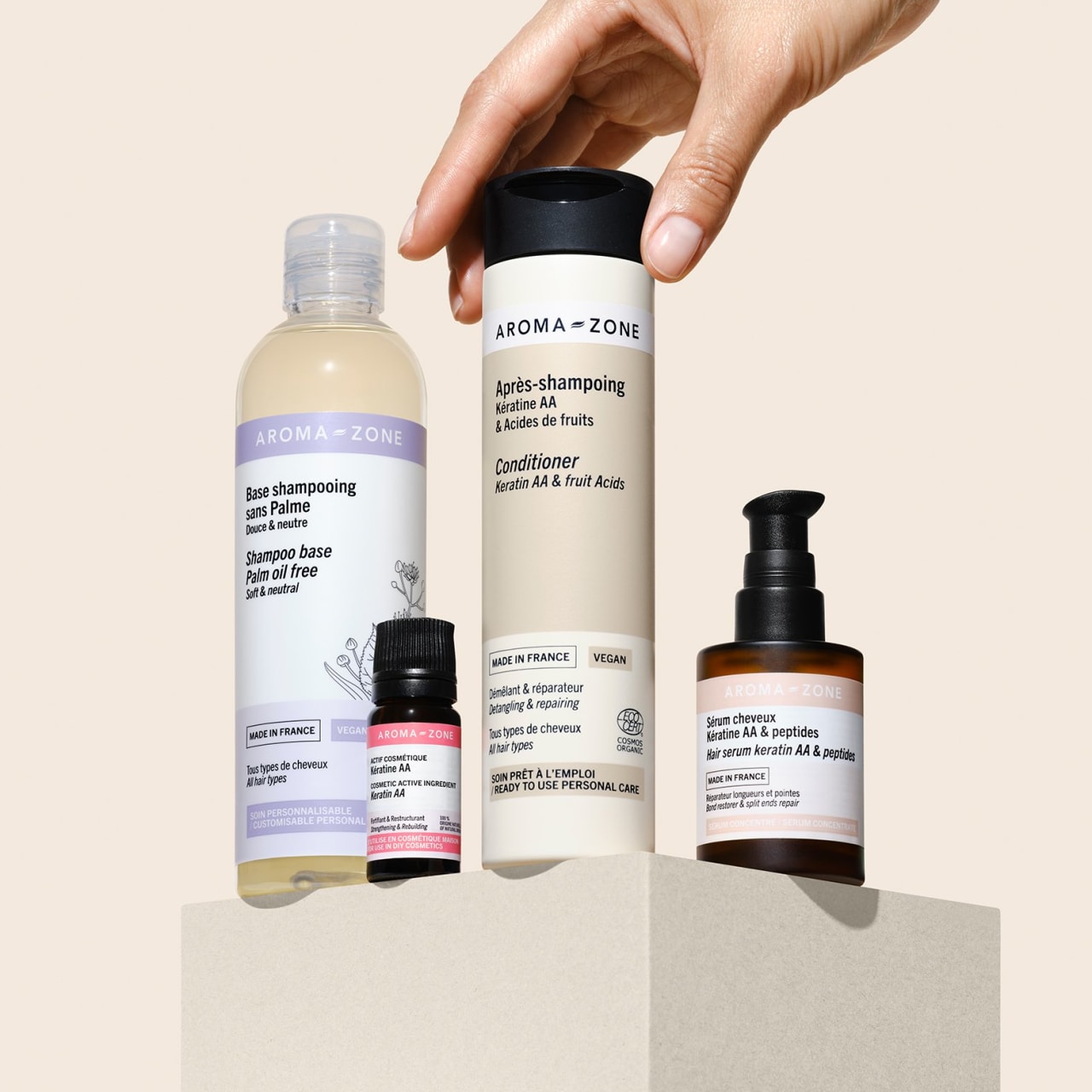
Coating
Hair shine
£32.00
article
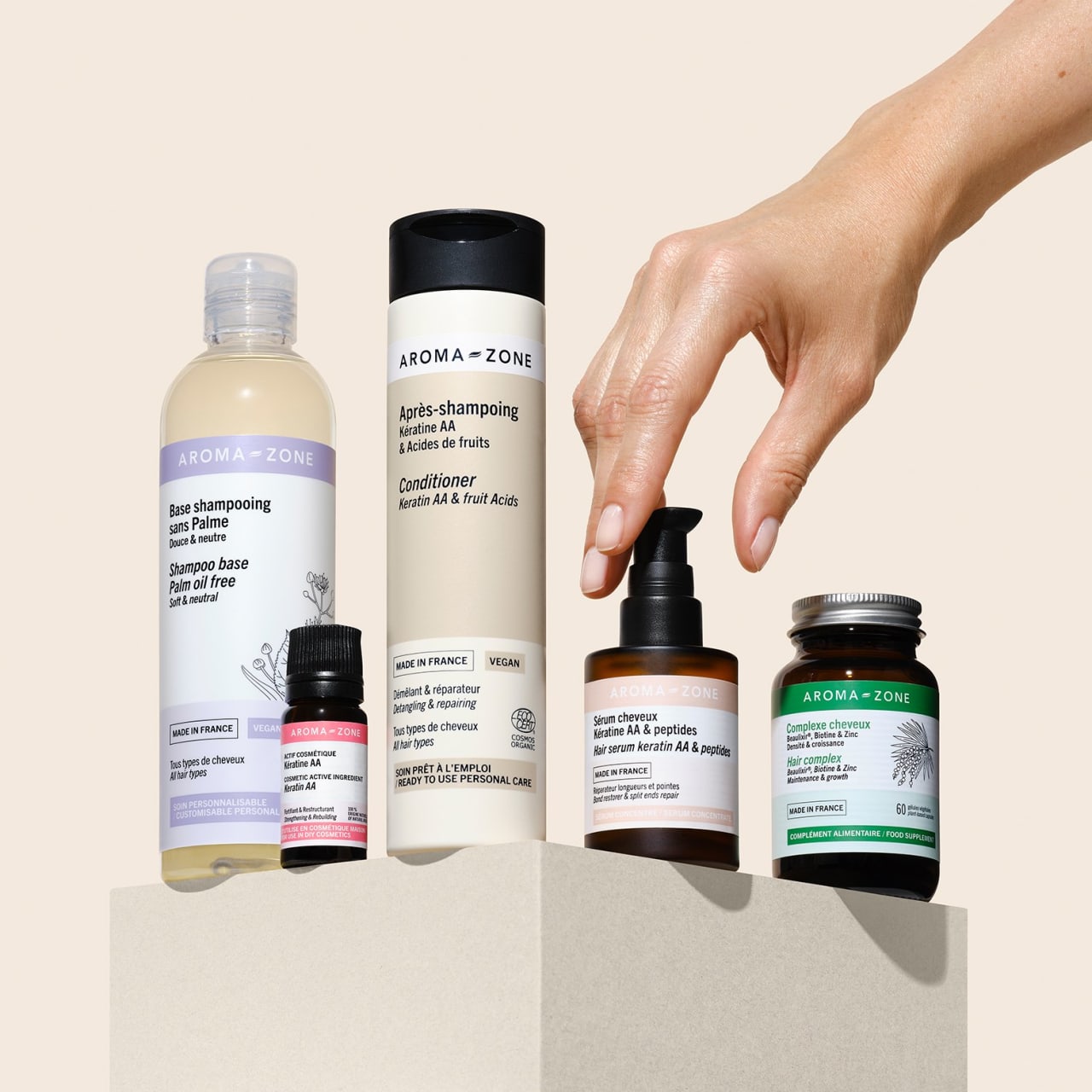
Protective
Hair shine
£50.00
article
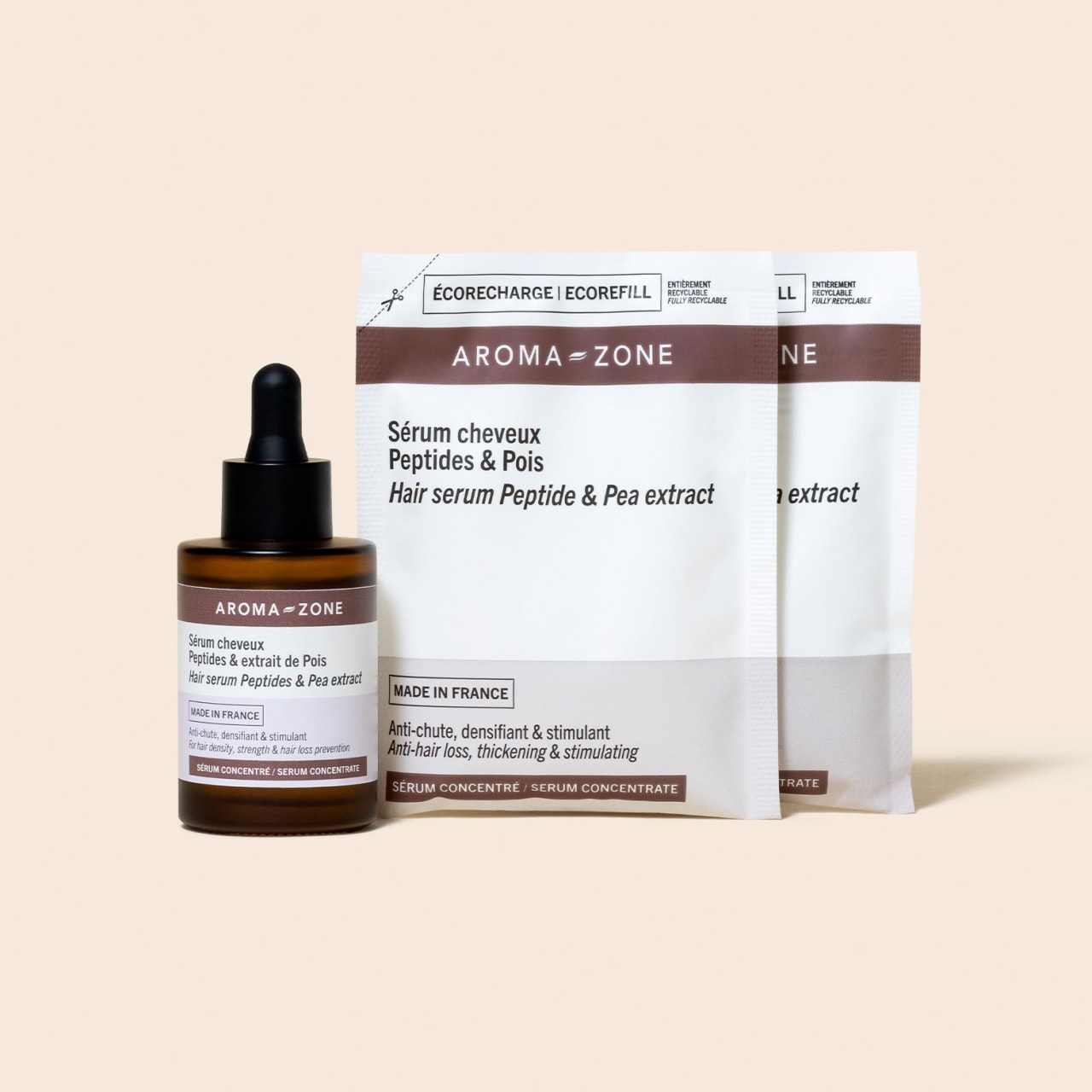
Anti-hair loss
£30.50
article
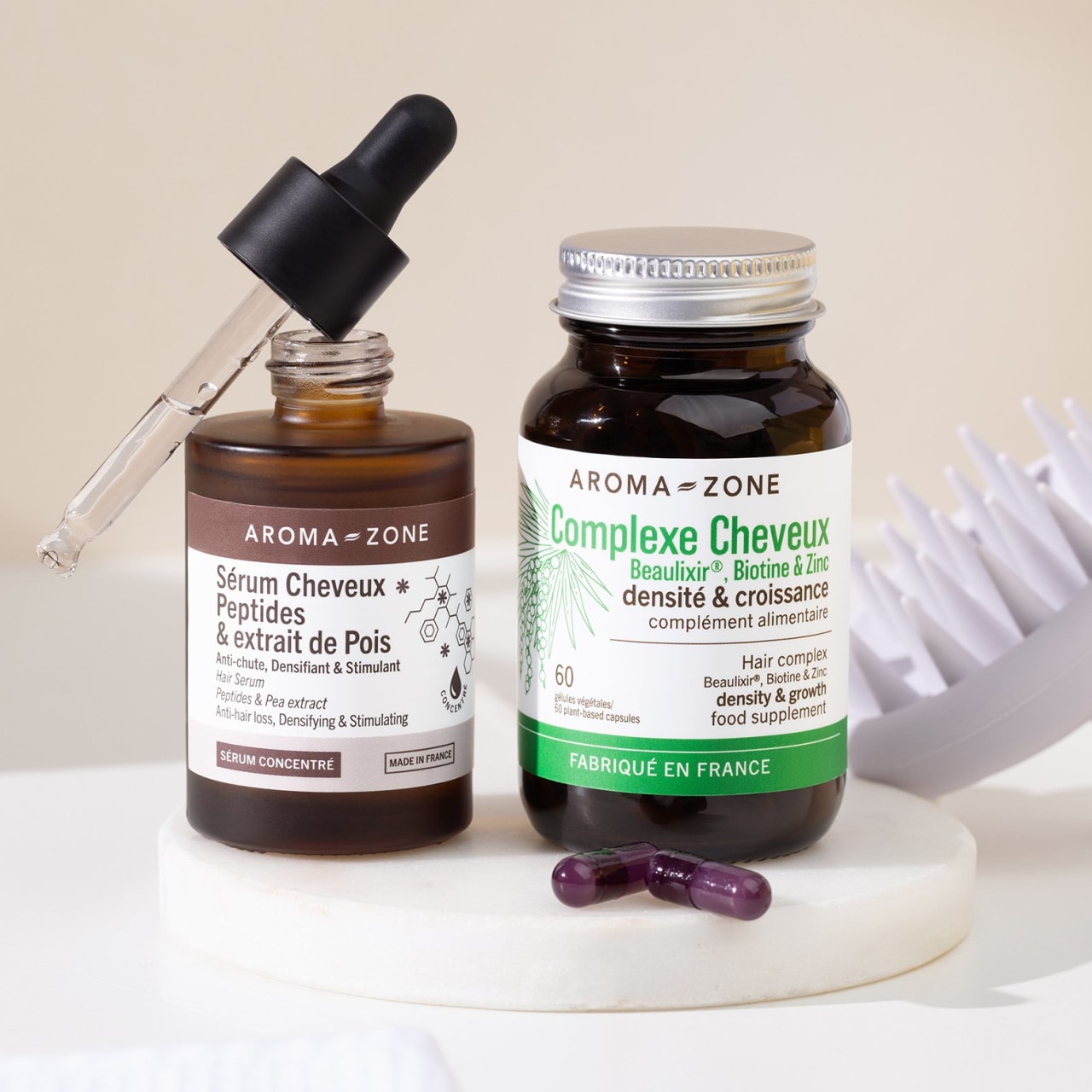
£30.50
article
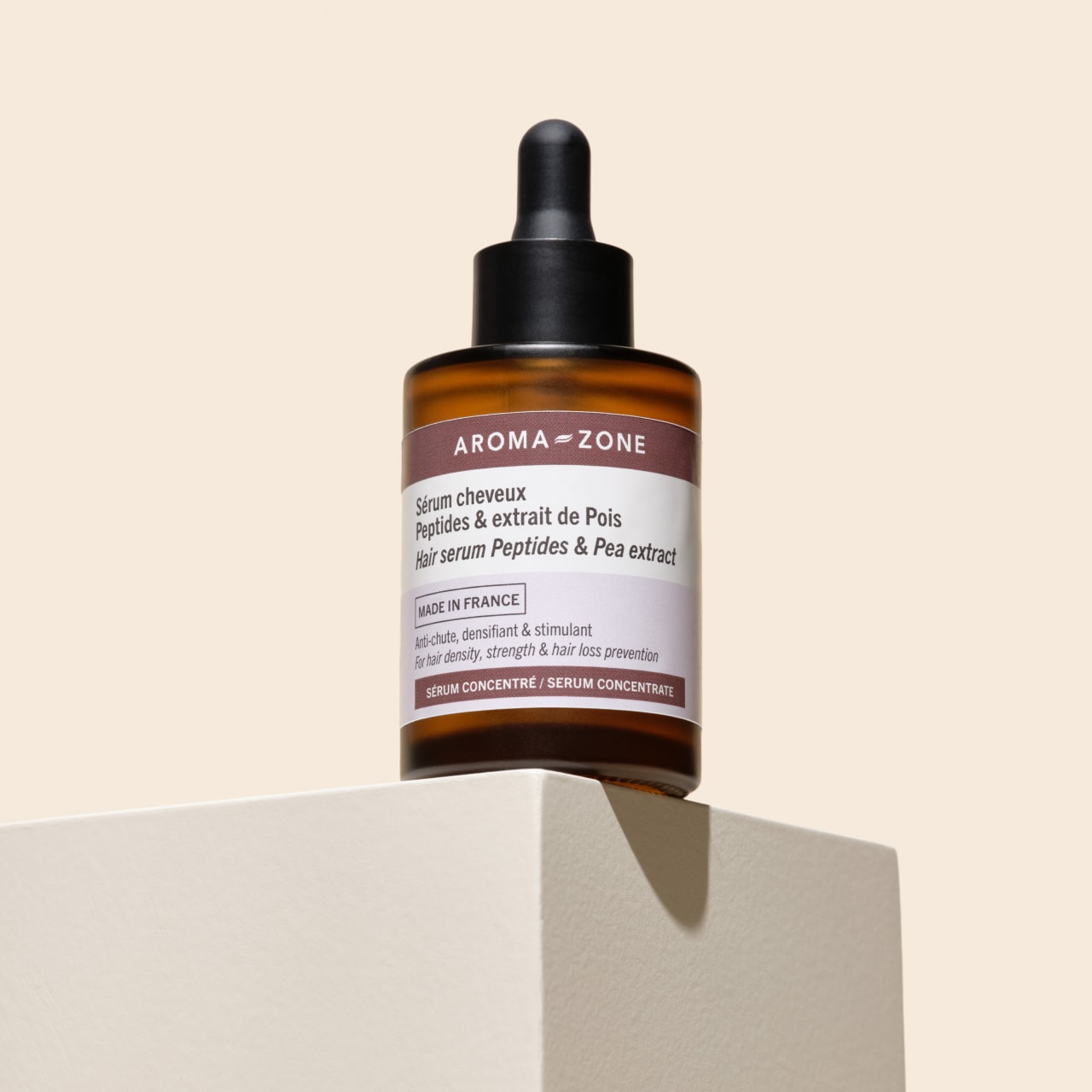
Anti-hair loss
£12.50
50 ml
2 options
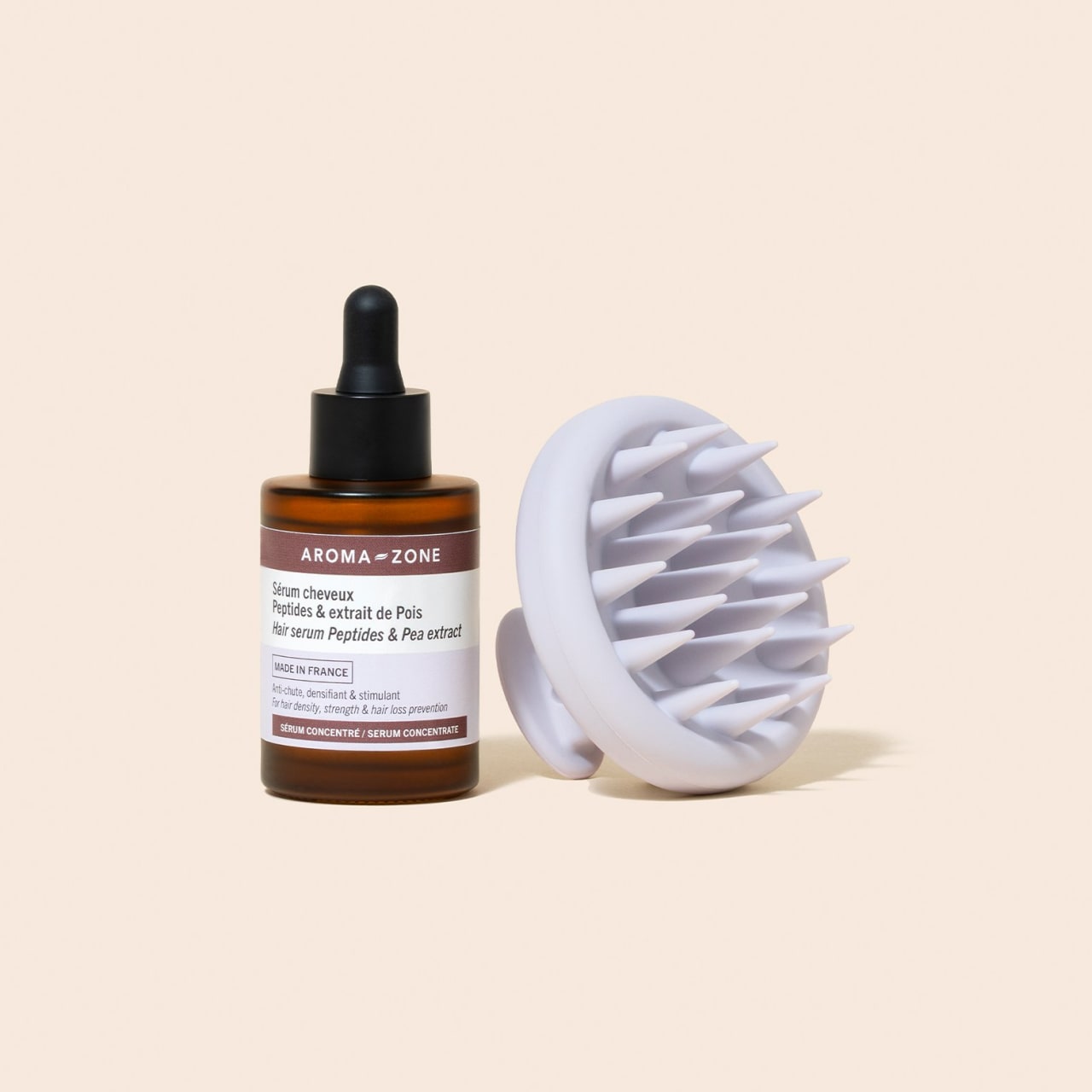
Anti-hair loss
Hair strengthening
£17.50
article
In brief
The composition and biological structure of hair fibres are key factors in understanding the phenomenon of hair loss or breakage.
There can be many causes for either condition – whether mechanical, chemical or hormonal – and their consequences need to be distinguished so that the right measures can be taken.
An effective routine to support hair strength combines good habits, diet and topical treatments: insights from Suzie Desmet, naturopath.
What is the composition of a hair?
A hair is made up of two parts: a strong core consisting mainly of keratin and an outer layer called the cuticle.
The cortex contains a solid structure made up of proteins (keratin), disulphide bonds and lipid cement (CMC). Disulphide bonds are the hair’s rivets: just like a building frame, the beams (keratin) are held together only by the bolts (disulphide bonds). Proteins alone are therefore not enough to maintain the strength of the hair fibre if they are not firmly bound together. The lipid cement (CMC), meanwhile, binds the cells together, retains water, reduces friction and contributes to the fibre’s strength. Finally, the outer layer forms a surface lipid film (18-MEA). This is the cuticle, in other words, the scales of the hair.
Why does hair break?
Common causes of hair breakage can be multifactorial – whether mechanical, thermal and/or chemical – and damage the cuticle and then the cortex, gradually transforming healthy hair into a porous, dry and brittle fibre.
Bleaching and repeated chemical treatments tend to break the disulphide bonds that normally hold the keratin proteins together at the core of the hair, causing the hair fibre to break.
UV rays and heat gradually deplete the lipid cement (CMC) that acts as a cement between the cells, making the cuticle more porous, the hair drier and more prone to breakage.
Brushing, pull-back hairstyles and friction gradually wear down and lift the cuticle scales, leading to a loss of cuticular cells and intercellular cementing substance, and consequently creating weak points that lead to breakage.
Hormones influence hair diameter, quality (texture and shine) and strength at key stages of life : the postpartum period often causes reactive hair loss, which is usually temporary; the menopause leads to a drop in oestrogen levels and finer hair shafts; thyroid conditions (hypothyroidism or hyperthyroidism) affect hair growth and quality.
Chronic stress has a knock-on effect on sleep quality, dietary balance, inflammation and even behaviour (such as twirling, pulling or neglecting the hair). In short, it is a self-perpetuating cycle which ultimately weakens the hair.
Persistent fatigue, a vegetarian or vegan diet, heavy periods, recent weight loss, digestive problems, chronic stress, postnatal period, the menopause and an imbalance in thyroid function are all signs that warrant investigation, ideally with a healthcare professional, and which may require a blood test if necessary.
The aim? A holistic approach to address the fundamentals (sleep, diet, stress), identify any deficiencies and, where necessary, support the body with a supplement (which is by no means a substitute for a healthy lifestyle).
How can you tell whether it’s hair loss or hair breakage?
Hair loss refers to the physiological or pathological shedding of the entire hair, including its root (or bulb), whilst hair breakage is a break in the hair shaft whilst it is still growing, without involving the bulb.
What are the signs of hair loss?
A hair that has fallen out is full-length with a bulb at its tip; on the scalp, the parting and the sides tend to thin out. Hair loss occurs at the end of the hair’s life cycle during the so-called telogen phase, or as a result of premature shedding (in the case of effluvium anagen or telogen). The causes may be linked to hormones, stress or nutritional deficiencies. The hair leaves the follicle together with its bulb. This bulb may indicate effluvium in the telogen phase if it is club-shaped, or in the anagen phase if it is elongated and pigmented. In all cases, the fallen hair is its full length, visible with its bulb at the tip.
What about hair breakage?
A hair resulting from breakage has a severed segment, with no visible bulb; the overall appearance of the hair is thinning at the ends but not at the roots. When hair breaks, the fibre snaps as a result of mechanical stress (rough brushing, hairstyles that pull on the hair), thermal stress (hairdryers, straighteners), chemical stress (bleaching, straightening treatments), or intrinsic fragility (nutritional deficiencies, keratin abnormalities). The break occurs along the hair shaft, far from the follicle. The broken strands are shorter, irregular, tapered or split, with no visible bulb. Density at the root is often preserved, but the mid-lengths do not grow, the ends are damaged and the hair appears tapered or thin at the ends, without any real loss of volume at the root.
How can diet help maintain hair strength?
It is within the follicle and its root that nutrition, hormones and the body’s overall condition determine the strength of the future hair, two to three months before it emerges from the scalp: the effects of lifestyle choices remain visible for a further two to three months after the hair has emerged.
“The quality of tomorrow’s hair therefore depends on what the follicle receives today,” explains Suzie Desmet.
Hair is made up of 95 per cent keratin. This structural protein is rich in cysteine, a sulphur-containing amino acid that forms chemical ‘bridges’ within the keratin bundles, ensuring the fibre’s cohesion. The denser the structure, the more resistant the hair is to tension. Without a sufficient protein intake, the body prioritises its needs, and hair is not a vital priority. The hair shaft then becomes thinner and more fragile. Thinner, more brittle hair can be a sign of an insufficient protein intake. To strengthen the hair’s structure, Suzie Desmet therefore recommends focusing on diet, specifically sulphur-containing amino acids, as well as certain micronutrients.
Useful reminders: a supplement is useful when it meets a genuine need; it is never a substitute for a balanced diet. Furthermore, protein powders can help if requirements are high (due to sport, pregnancy or age), if appetite is low – particularly in the morning – or if a plant-based diet struggles to meet the target. However, they are only a stopgap: this concentrated food is not a hair treatment and does not compensate for a poor diet. Therefore, ensuring an adequate intake of animal and/or plant-based protein in your diet remains the priority, as Suzie Desmet points out.
Key nutrient | Role in hair health and main sources |
Sulphur-containing amino acids (cysteine and methionine) | Ensure the cohesion of the hair fibre and strengthen its structure Eggs, fish, poultry, soya, lentils, beans, buckwheat, quinoa, chickpeas. |
Zinc | Plays a role in protein synthesis and scalp health Seafood, red meat, poultry, eggs, pumpkin seeds, cashew nuts, lentils, dairy products. |
Biotin (B8) | Plays a role in amino acid metabolism and keratin synthesis (bearing in mind that deficiency is rare in a varied diet and that supplementation may skew certain blood tests) Egg yolk, offal, yeast, almonds, walnuts, sunflower seeds, pulses, mushrooms, sweet potato. |
Iron | Promotes oxygenation of follicular cells Red meat, liver, poultry, seafood, pulses, spinach, tofu. |
B vitamins | Contributes to the follicle’s energy metabolism Meat, fish, eggs, dairy products, whole grains, pulses, green leafy vegetables, bananas, citrus fruits, broccoli, asparagus, nuts, seeds, mushrooms, avocados. |
Foods to prioritise on your plate
Can topical treatments really improve hair strength?
A treatment can temporarily protect the hair shaft but cannot repair it biologically.
In fact, hair is produced beneath the skin several months before it becomes visible. The blood delivers nutrients (proteins, minerals, healthy fats) to the follicle, which produces the hair. The cells multiply and become enriched with keratin: this is the process of keratinisation. The hair shaft then emerges from the scalp. It is visible but already inert and simply ages, as it no longer produces active cells outside the scalp. It is therefore possible to protect it but not to rebuild it.
Consequently, the treatment helps to smooth the cuticles, coat the hair, temporarily plump the hair fibre, reduce mechanical breakage (when detangling), moisturise the surface, and improve the texture and appearance. However, it does not ‘repair’ the structure in the sense that it does not permanently rebuild keratin. It cannot thicken a hair shaft that is naturally too fine, correct a deficiency or imbalance, nor can it replace the processes taking place within the follicle. The same applies to oils that do not add protein: they temporarily restore the surface lipid film and reduce friction, but they do not rebuild the hair shaft.
Suzie Desmet therefore recommends five steps to protect your hair:
Use satin or silk pillowcases and hair ties to minimise friction.
Gently detangle from the ends towards the roots, without pulling.
Protect your hair from heat and UV rays by applying a heat protectant before blow-drying, wearing a hat when out in the sun, and rinsing your hair after swimming in the sea.
Vary your hairstyles and avoid pulling your hair in the same place all the time.
Dry your hair gently, pat it dry, let it air-dry at a lukewarm temperature and avoid rubbing it.
Which Aroma-Zone products are most effective?
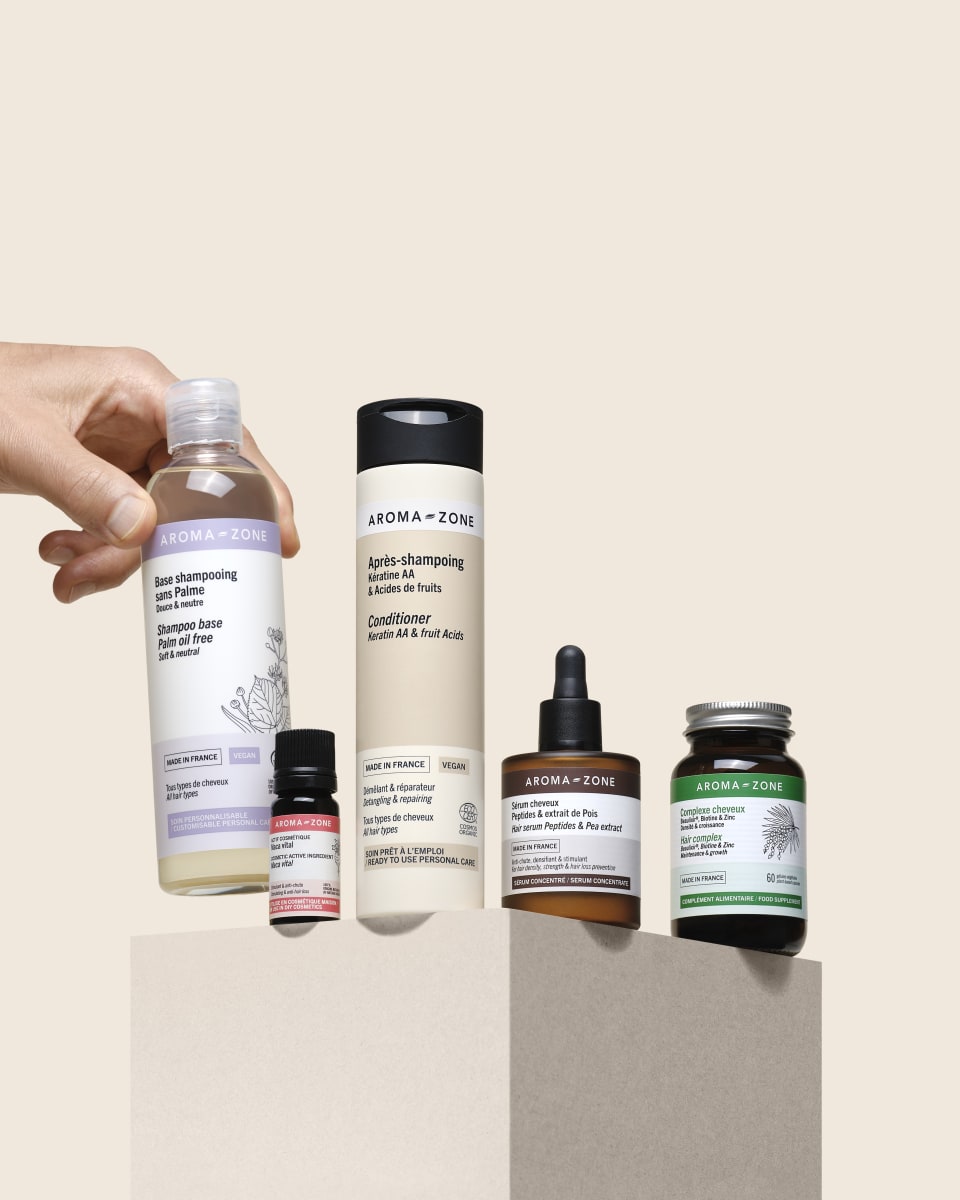
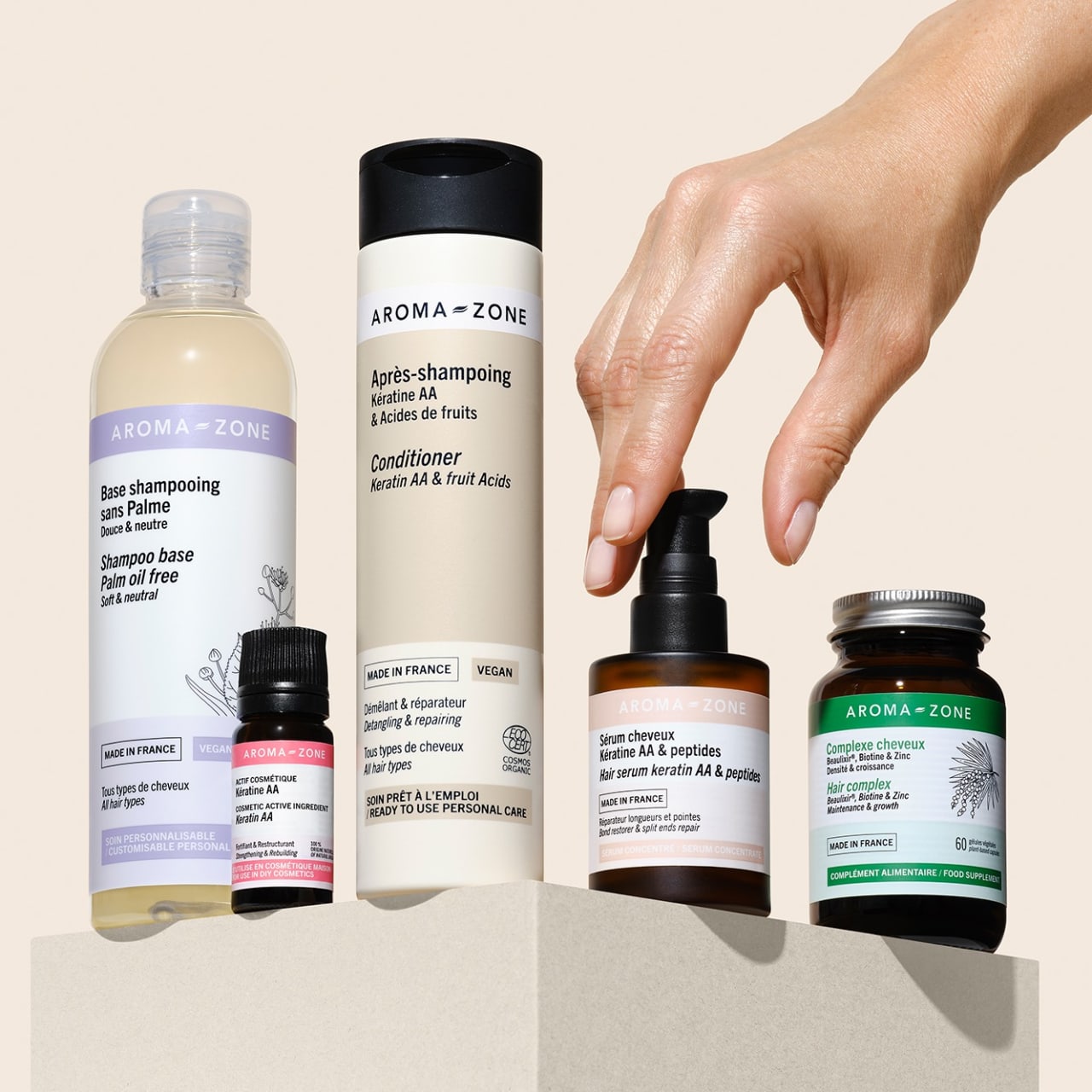
Discover our anti-hair loss routine
No, hair loss isn’t inevitable! You can slow down hair loss and boost microcirculation in the scalp using natural ingredients such as plant oils (castor, mustard), herbal powders (nettle, bhringaraj), or even anti-hair-loss shampoos, omega-3-rich oils to be massaged into the scalp, scalp-strengthening lotions and hydrolats.
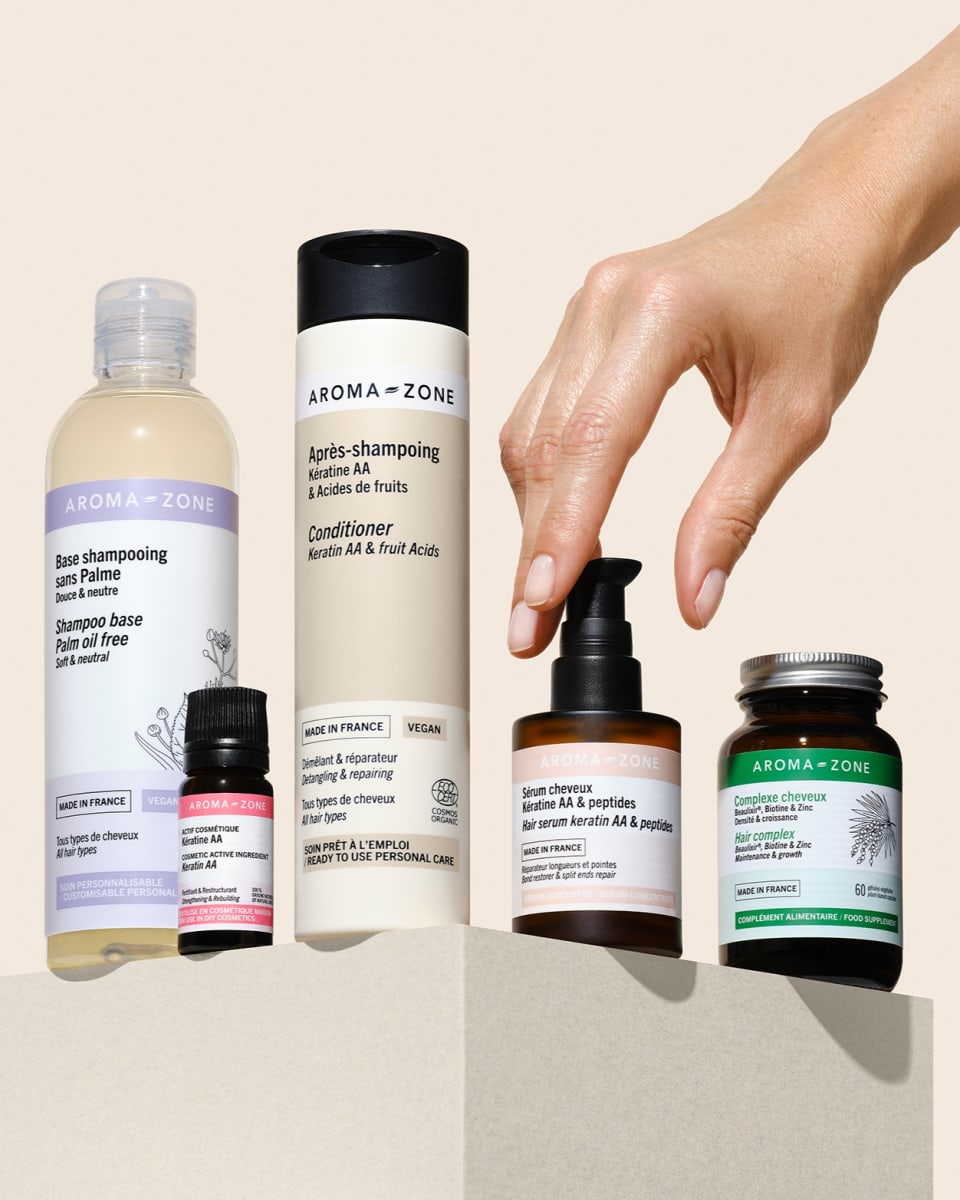
Discover our anti-breakage routine
Hair breakage results from the hair fibre becoming weakened due to repeated damage (heat, brushing, colouring). This damage alters the hair’s structure, lifts the cuticle and reduces its strength, making it more vulnerable to breakage, particularly along the lengths and at the ends. (1)
Who is Suzie Desmet?
Suzie Desmet is a naturopath specialising in hair health and supporting women experiencing hair loss. Having been diagnosed with androgenetic alopecia herself at the age of 21, she turned to naturopathy before retraining to develop a holistic and personalised approach to hair health. Her support aims to identify factors that may contribute to hair loss — diet, nutritional deficiencies, stress, inflammation, hormonal balance or lifestyle — in order to address the underlying causes rather than just the symptoms. Her approach is also highly educational, with the aim of equipping women with the knowledge they need to take control of their own hair health.
Find out more about Suzie Desmet
Spotlight on our editor Vanessa Houpert
Vanessa HOUPERT, who holds a Master’s degree in cultural journalism from the Sorbonne Nouvelle University (Paris 3), has been working as a journalist, copywriter and editorial consultant for media organisations and brands for over 10 years. Inspired by all things related to beauty, good living and wellbeing, her holistic approach to consumer trends enables her to analyse the times.
Bibliography
Aroma-Zone Masterclass with Suzie Desmet: Anti-Breakage Routine,
2026
Teresa Sisto, MD et al. Inability to Grow Long Hair: A Presentation of Trichorrhexis Nodosa, Mdedge, 2015.
https://www.mdedge.com/dermatology/article/97706/hair-nails/inability-grow-long-hair-presentation-trichorrhexis-nodosa
Mubki T et al. Evaluation and diagnosis of the hair loss patient: part I. History and clinical examination, PubMed, 2014.
https://pubmed.ncbi.nlm.nih.gov/25128118/
Gavazzoni Dias MFR. Hair Cosmetics: An Overview, International Journal of Trichology, 2015.
https://www.ovid.com/jnls/ijot/fulltext/10.4103/0974-7753.153450~hair-cosmetics-an-overview
Guo EL, Katta R. Diet and hair loss: effects of nutrient deficiency and supplement use, PubMed Central, 2017.
https://pmc.ncbi.nlm.nih.gov/articles/PMC9710406/