Which of our anti-breakage products are the highest-rated?

Which of our anti-breakage products are the highest-rated?


By Louise Hourcade

Published on: Tuesday, March 31, 2026, Updated on: Monday, October 12, 2026

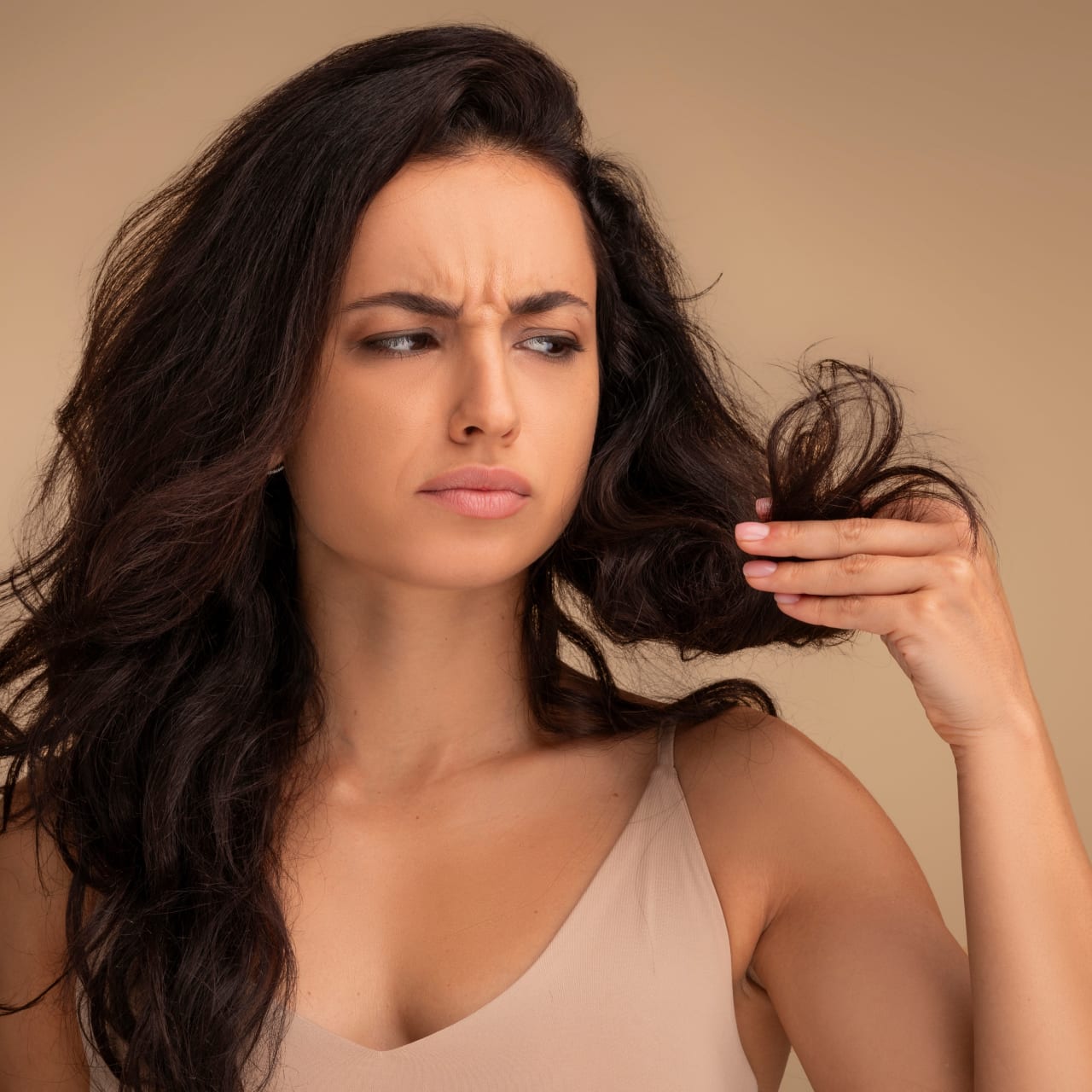
When your hairbrush collects a handful of broken hairs every morning, when the ends become split and the lengths lose their strength, it’s a sign that hair breakage is setting in, sometimes silently, but always for a reason. Chronic dryness, high porosity, heat from styling tools, rough handling: there can be many causes, and not all products address the same needs. In this article, we’ll help you recognise the signs of damaged hair, understand what can weaken it, and identify the most suitable treatments from our community’s favourites.

Contents

Related products

In brief

  • A broken hair breaks along its length, away from the root, often at the ends or in areas subject to friction

  • The most common causes are dryness, high porosity, heat and everyday mechanical stress

  • No product can ‘repair’ hair that has already broken, as the hair fibre is dead tissue. However, certain active ingredients can significantly improve its suppleness, strength and appearance with repeated use

  • The highest-rated haircare products are those that make detangling easier, soften the lengths and minimise breakage when brushing. Technique is just as important as the products: detangling by starting at the ends, drying without rubbing and protecting the hair from heat can already make a real difference.

How can you tell if your hair is brittle?

Breakage or hair loss: a fundamental distinction

These two phenomena are often confused, even though they do not share the same causes or solutions. A hair that falls out from the root is a hair at the end of its growth cycle: it falls out whole and may have a small white bulge, called a bulb, at its tip. A broken hair, on the other hand, snaps along its length. It is shorter than the others, has no bulb, and will end up on your clothes, your brush or your pillow. Breakage therefore mainly affects the mid-lengths and ends. It becomes particularly noticeable after detangling, brushing or blow-drying, when the hair fibre is subjected to friction or excessive pulling.

Warning signs

There are several signs that may indicate the hair fibre is weakened: split ends or frayed ends, hair that feels coarse to the touch, reduced elasticity (wet hair snaps cleanly rather than stretching slightly), frequent tangles or a dull appearance. Sometimes, hair also seems to ‘soak up’ all the products without ever becoming supple or comfortable. This sensation often indicates high porosity or a damaged cuticle, rather than a shortcoming in the hair care routine.

Why is my hair brittle?

Understanding what causes hair to become brittle helps you choose a more suitable product and avoid accumulating products that offer no real benefit. In most cases, several factors combine: a hair fibre dried out by heat becomes more porous and more vulnerable to everyday friction, which in turn weakens the cuticle.

Dryness is one of the most common causes. When it lacks moisture, the hair fibre loses its suppleness and breaks more easily at the slightest movement. The lengths often become coarse, dull and less resilient. Tensile strength and elasticity are directly affected when the hair shaft is dehydrated (1).

Porosity refers to the hair shaft’s ability to absorb and lose water quickly. Very porous hair absorbs water quickly, but loses it just as quickly. This is common following repeated colouring, bleaching or repeated exposure to heat: the cuticle lifts, cracks and provides less protection for the cortex. In this context, film-forming or nourishing treatments can help to better retain moisture. A treatment based on hyaluronic acid may be suitable for improving the hair’s mechanical properties.

The mechanical stresses of everyday life are often underestimated. However, brushing too vigorously, rubbing a towel along the lengths of the hair, tight hair ties or repeated friction against the pillow create micro-traumas that gradually weaken the hair fibre. In textured hair, this vulnerability is even more pronounced (11).

The heat from styling appliances can also alter the structure of keratin and make the hair more porous, drier and more brittle, especially in the absence of heat protection. Recent research suggests that certain heat-activated compounds may limit some of this damage (9).

Hair colouring and bleaching also weaken the hair fibre by altering its internal structure and increasing its porosity. Onofre et al. (2023) have shown that treatments based on proteins and polysaccharides can help to partially limit this chemical damage (5). Very tight hairstyles and certain chemical straightening treatments can also exacerbate breakage, particularly in textured hair (11, 12).

Limescale in shower water can increase surface roughness by leaving mineral deposits on the hair fibre, although this effect appears to be more moderate than that caused by heat or chemical treatments (3).

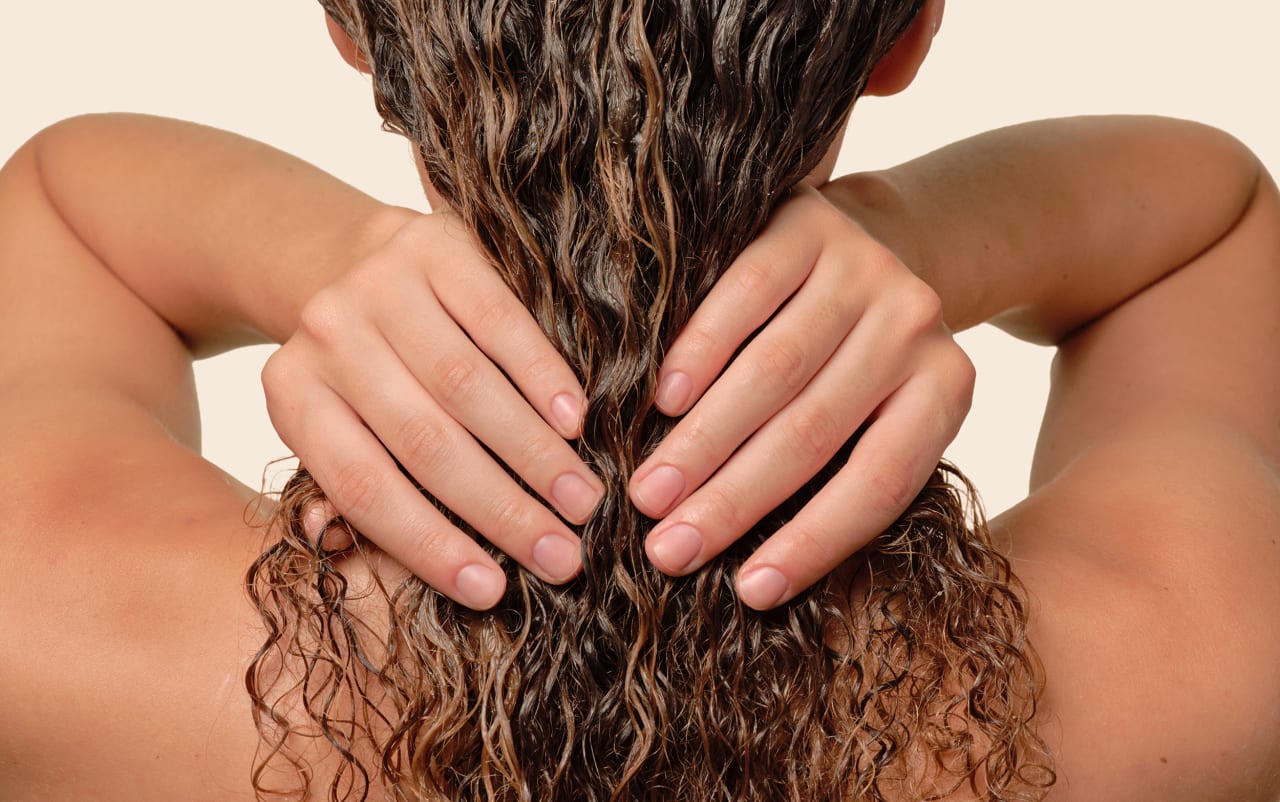
Good to know: In some cases, internal factors such as severe nutritional deficiencies, medical conditions or certain medication can also weaken the hair shaft. If hair breakage is significant, unusual or persistent despite following a suitable routine, medical advice is therefore essential.

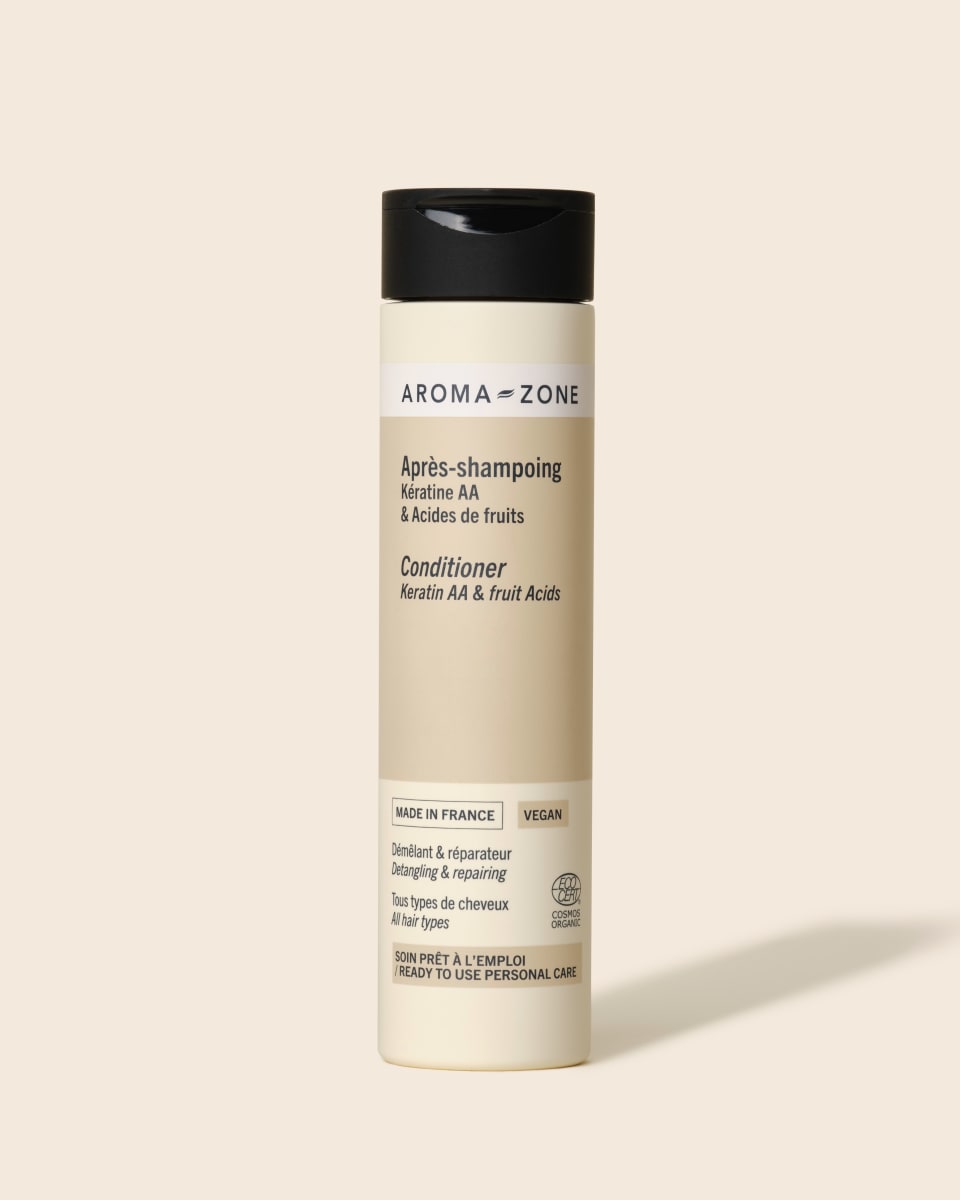
Spotlight on our new Detangling and Repairing Conditioner

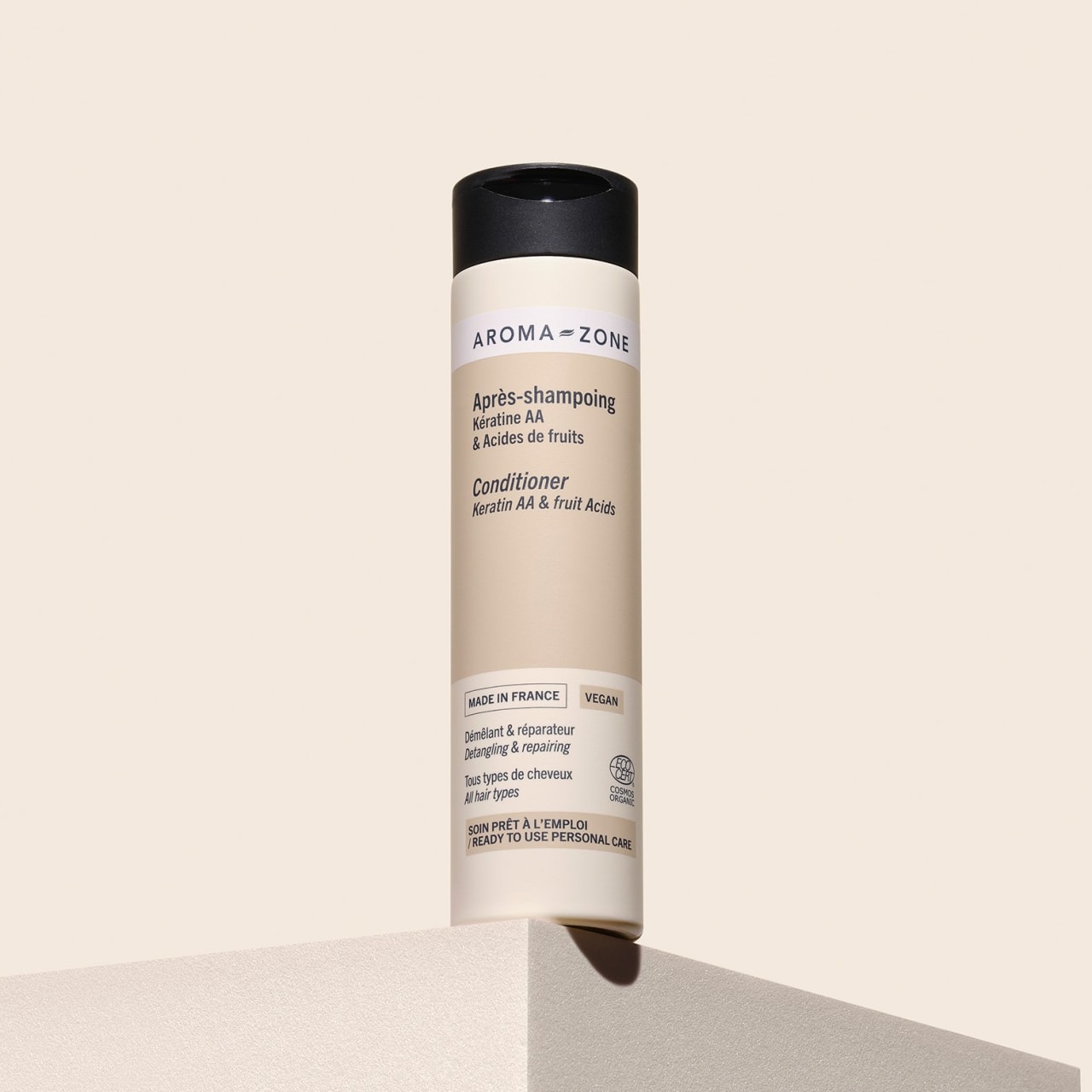
Keratin AA & Fruit Acids Detangling and Repairing Conditioner

Keratin AA & Fruit Acids Detangling and Repairing Conditioner

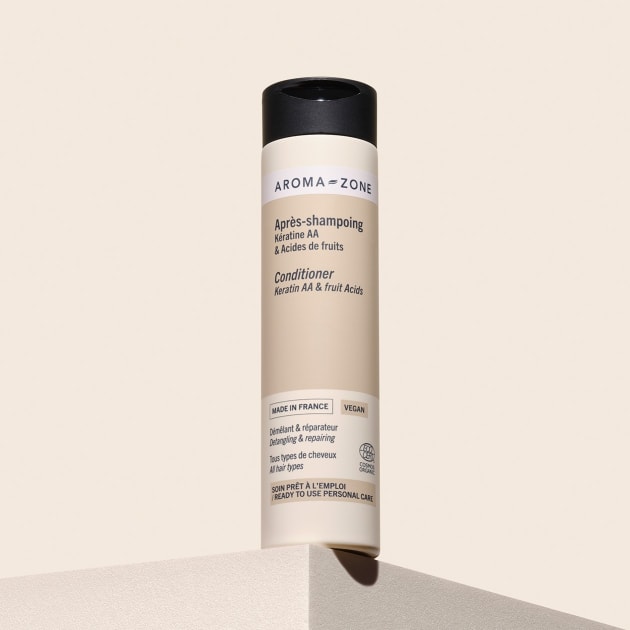
New from Aroma-Zone: a conditioning conditioner that gently detangles and transforms the hair from the very first application.

Designed for fragile, tired, devitalised, damaged and brittle hair. This certified organic detangling conditioner repairs, strengthens and reduces breakage by 94 per cent from the very first use. Free from sulphates and silicones, its innovative Keratin and Fruit Acids complex works both inside and outside the hair fibre to leave hair visibly strengthened and enhanced.

Discover our detangling and repairing conditioner

Which products help minimise hair breakage?

A good anti-breakage treatment works on several levels: it helps to soften the hair fibre, strengthen its resilience and protect it from everyday damage. Research into hair repair generally distinguishes between two complementary types of action. On the one hand, there are products that improve the condition of the hair’s surface by smoothing the cuticle and reducing friction (film-forming agents, oils, proteins). On the other hand, there are those that support hydration within the core of the hair fibre, the cortex (humectants such as aloe vera or hyaluronic acid). Therefore, to minimise breakage, it is a question of finding the right balance between surface protection and internal suppleness. Below are the most useful groups of active ingredients to support your hair, depending on its needs.

Key principles

Things to bear in mind

Nourish and soften with plant-based oils and butters

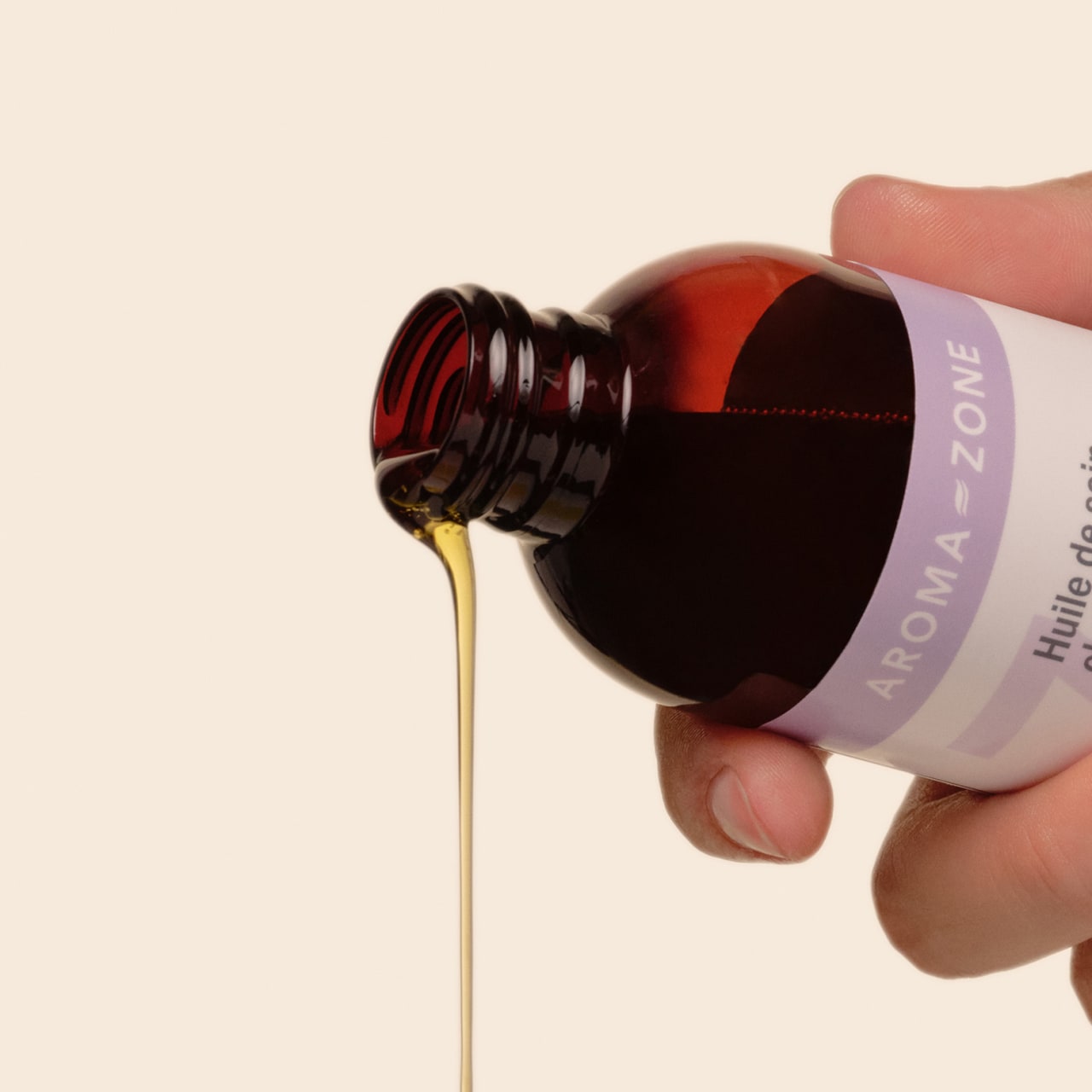
Used as a pre-shampoo oil treatment or a leave-in treatment, they help to soften the lengths and reduce friction. Some oils penetrate deep into the hair fibre and help to reduce protein loss, whilst others act mainly on the surface by forming a protective film. Adjust the amount according to your hair type: use a small amount on fine hair, and apply more generously to thick or textured hair.

Coating with plant-based film-forming agents

They form a protective film around the hair fibre, reducing friction between strands and minimising the impact of everyday mechanical stress. They are particularly beneficial for high-porosity hair, which tends to lose moisture quickly.

Moisturise and maintain suppleness with humectants

Aloe vera and vegetable glycerine help to maintain the elasticity and suppleness of the hair shafts. The amount used should be adjusted according to how it feels: for some hair types, using too much can weigh the hair down or leave it feeling sticky.

Strengthen with plant-based proteins and keratin

These active ingredients improve the hair’s texture and perceived strength by partially filling in weakened areas of the cuticle. Ideally, they should be used alternately with moisturising treatments: if used in excess, they can make the hair stiff and increase breakage in certain hair types (5).

Protect against heat

Before using any heat-styling appliances, heat protection remains essential. It limits the gradual weakening of the hair fibre and helps preserve the shine of coloured hair. Some studies show that thermoreactive active ingredients can significantly reduce heat-related damage (4).

Support from within with a dietary supplement

In addition to a balanced diet and a suitable hair care routine, certain supplements containing keratin can help improve the quality of the hair fibre. However, results may vary from person to person.

What hair care routine should you follow to prevent hair breakage?

Precautions regarding this food supplement: Not a substitute for a varied and balanced diet and a healthy lifestyle. Do not exceed the recommended daily dose. For adults only. Keep out of reach of children. Not recommended for women who are pregnant or breastfeeding, or who have a personal or family history of breast cancer. Should be used in addition to a regular intake of fruit and vegetables to maintain carotenoid levels. Seek advice from your doctor or pharmacist. Take at a separate time from any medication (at least 60 minutes apart). Do not take if you are also taking anticoagulant medication. Avoid consuming more than 3 grams of added plant sterols/stanols per day. Patients undergoing cholesterol-lowering treatment should only take this product under medical supervision.

For more information, see our complete anti-breakage routine.

Our top-rated anti-breakage products for damaged hair

Here is our selection of products highly rated by the Aroma-Zone community for their perceived effectiveness in preventing hair breakage. Each product has been chosen for its positive reviews regarding detangling, smoothness of the hair, reduced breakage when brushing, and ease of use in everyday life. These results are based on sensory evaluations and user feedback. They reflect users’ experiences and are not a substitute for controlled clinical trials.

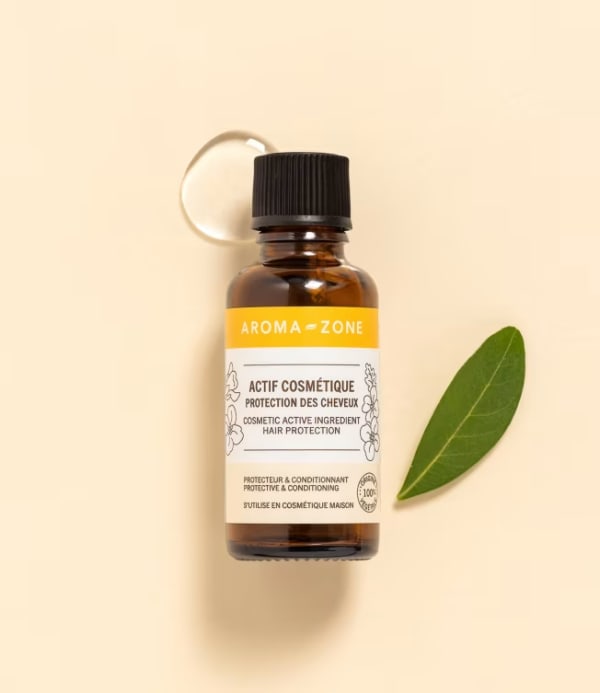
Active ingredient: Hair protection

Abyssinian oil extract provides intense protection for your hair against external aggressors, leaving it soft and shiny whilst preserving the vibrancy of your colour. Ideal for your hair care formulations, this natural active ingredient, rich in phytosterols, conditions and revitalises. As it is oil-soluble, it blends easily into your hair oils, oil-based serums and oil treatments, at a concentration of 0.5 to 5 per cent of the total weight of your formulation. An essential beauty ritual for gorgeous hair all year round.

Discover the Hair Protection Active Ingredient

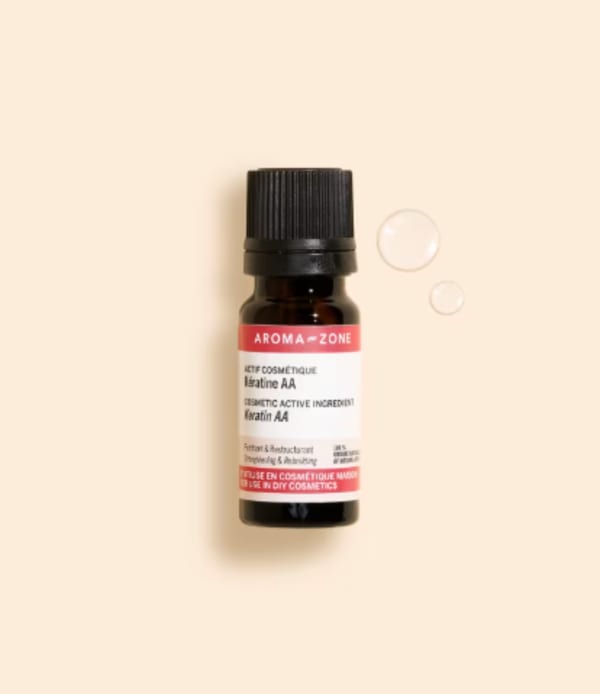
Keratin AA cosmetic active ingredient

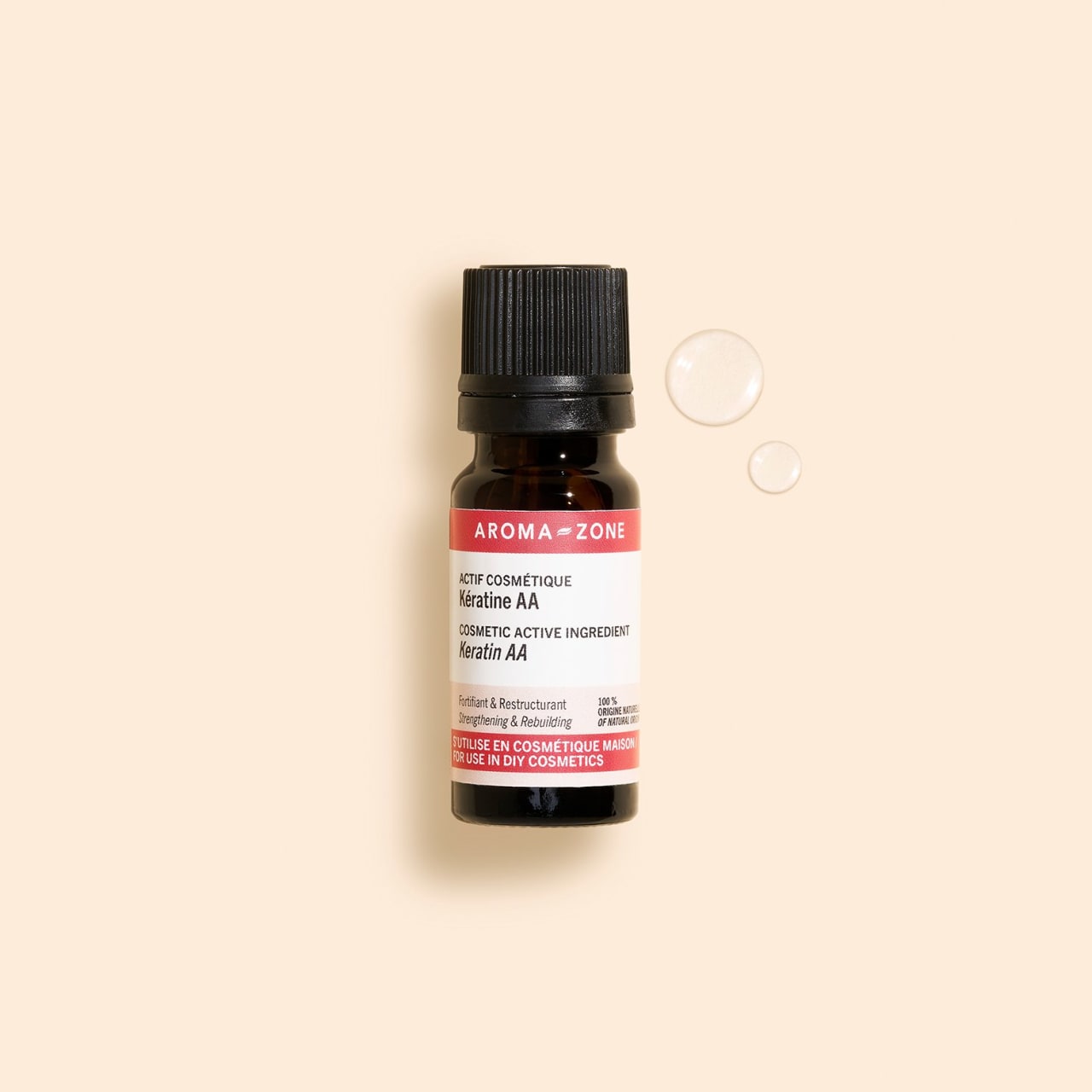
Keratin AA cosmetic active ingredient

Ideal for damaged hair, Keratin AA restructures and strengthens the hair fibre, boosts hydration and enhances the hair’s shine. This proven-effective active ingredient is 100% natural and vegan. Add 1–5% Keratin AA to your DIY hair care products. For stronger, softer and more radiant hair!

Discover the Keratin AA cosmetic active ingredient

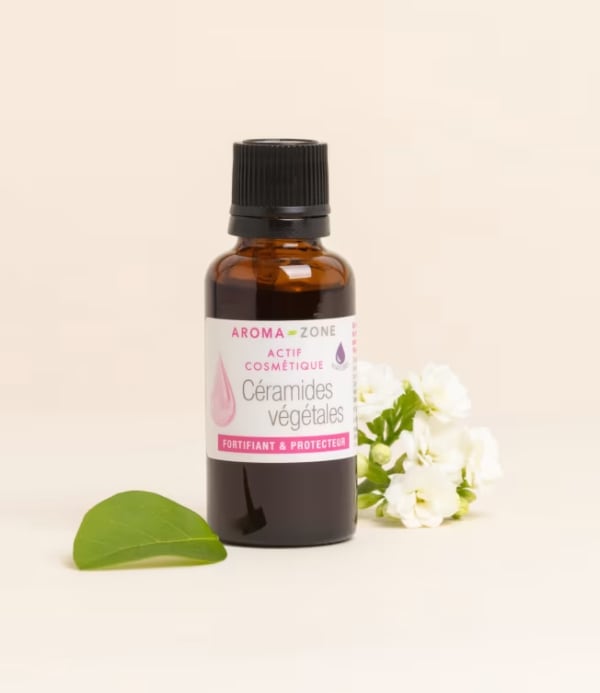
Cosmetic active ingredient: plant-based ceramides

Derived from sunflower oil, plant-based ceramides are a lipid-replenishing and protective active ingredient for the skin and hair. In ‘homemade’ hair care products, ceramides are highly effective at smoothing, protecting and strengthening the hair fibre. As they are water-soluble, they can be incorporated into your aqueous formulations (creams, milks, shampoos, gels, lotions) at a concentration of 1 to 5 per cent of the total weight of your formulation.

Discover the cosmetic active ingredient: plant-derived ceramides

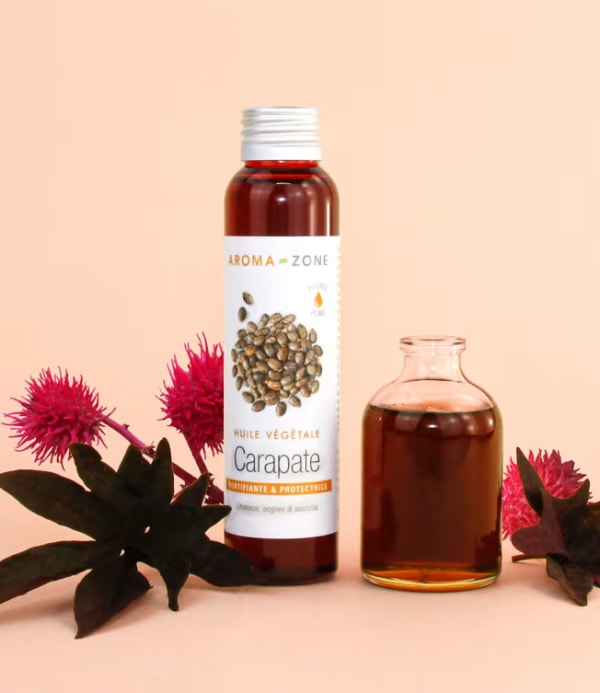
Carapate Oil

Rich and thick, this oil, produced using traditional methods in Madagascar, strengthens and protects damaged hair by coating the hair fibre. It helps to lock in moisture, minimise breakage and prevent split ends. Its viscous texture and excellent affinity with the hair make it an exceptional treatment for very dry or weakened lengths. When mixed with other oils, it is ideal for an occasional oil treatment. Particularly suitable for curly, textured, frizzy or very dry hair.

Discover Carapate Oil

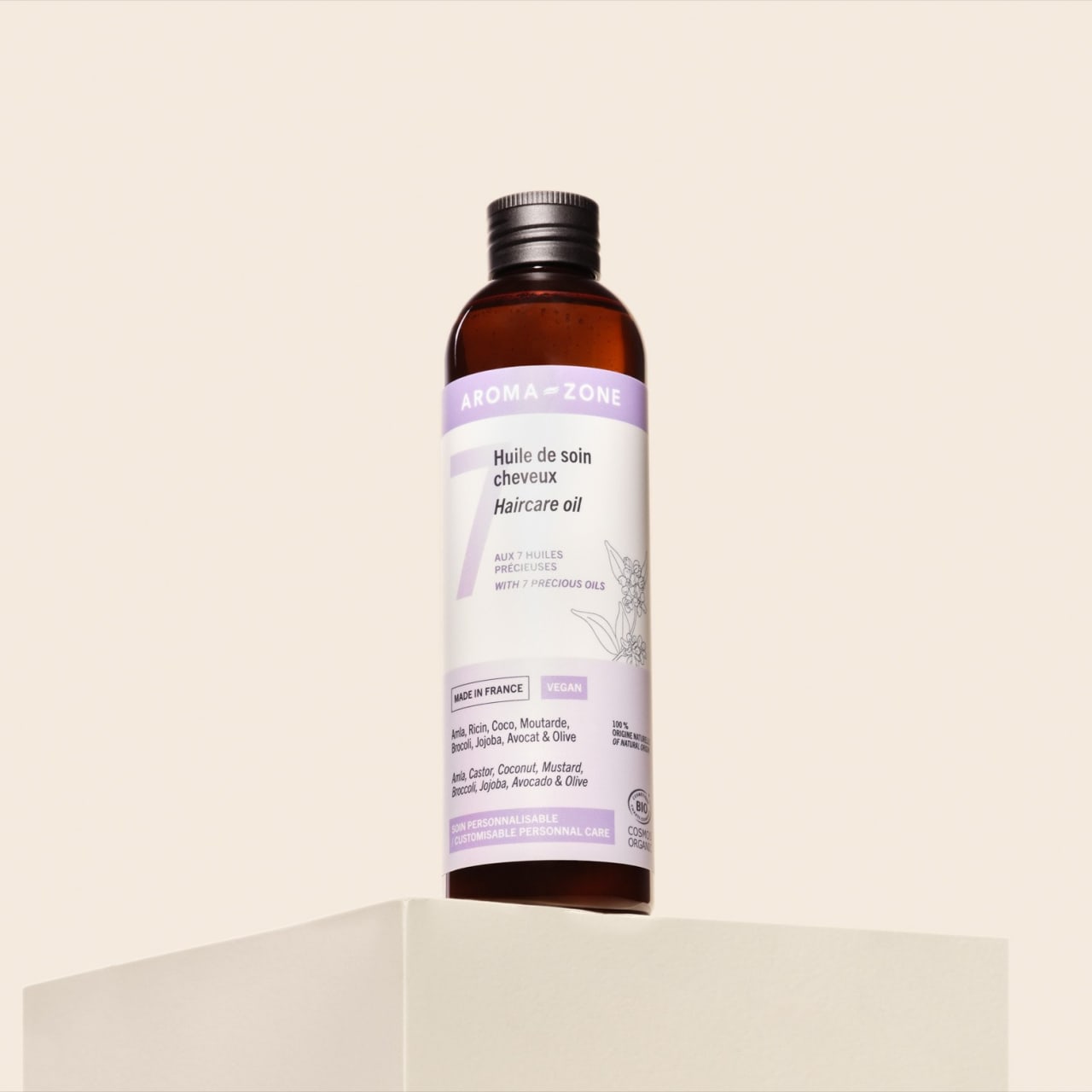
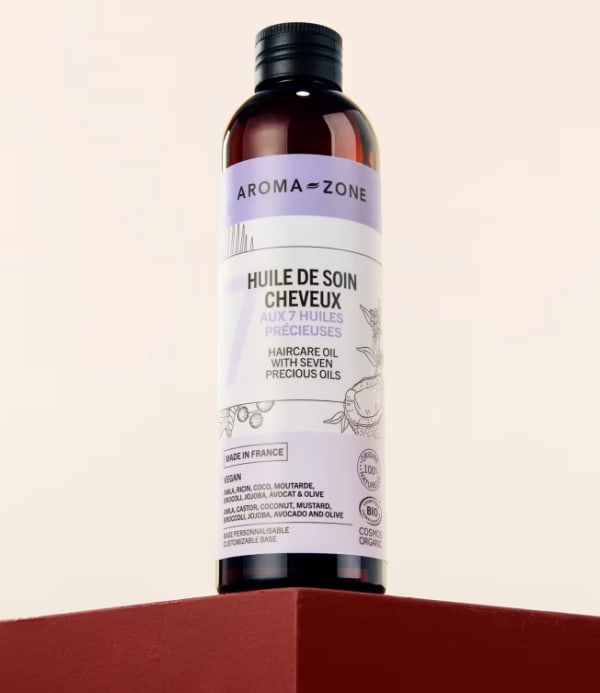
Hair Care Oil

Organic Hair Care Oil

A blend of seven precious plant oils and an organic oil macerate, this hair care oil nourishes and strengthens the hair whilst adding shine and manageability to your daily routine. Perfect as a pre-shampoo oil treatment to deeply soften the lengths, or as a leave-in treatment on the ends to protect them from friction and dehydration. Ideal for preventing dry or dull lengths. Particularly suitable for thick, dry or curly hair.

Discover the Organic Hair Care Oil

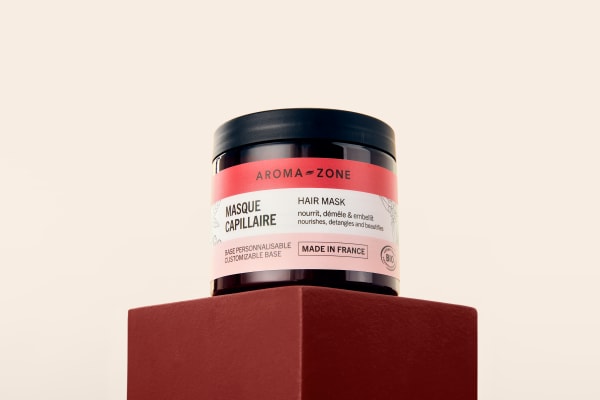
Hair_mask

Organic Hair Mask

A genuine certified organic hair treatment, rich in jojoba and castor oils and shea butter, this mask protects, smooths, nourishes and makes detangling much easier. Its versatility makes it a top choice: it can be used as a leave-in mask, a quick-dry conditioner or a leave-in treatment on the lengths, depending on your hair’s needs. Suitable for all hair types.

Discover the hair mask

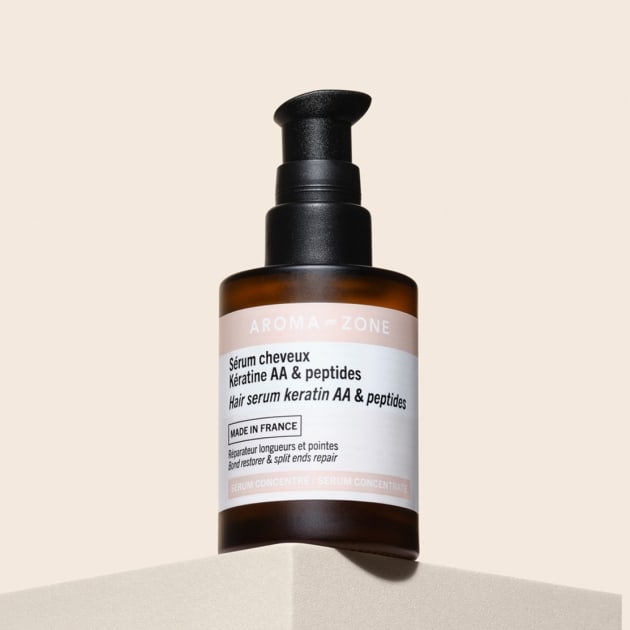
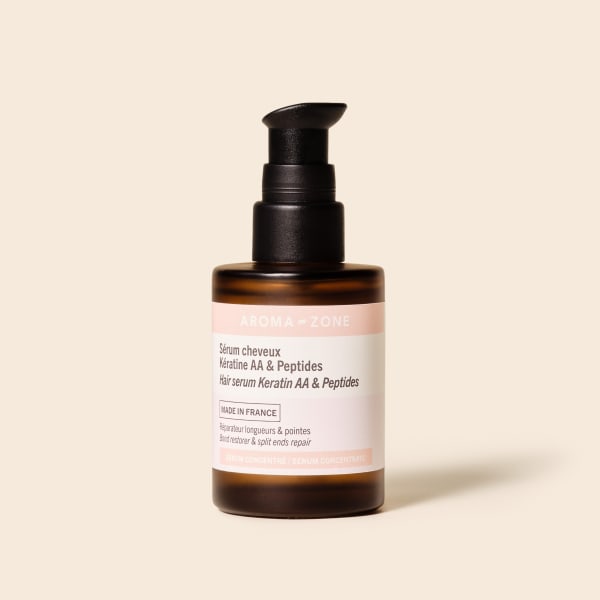
Hair_Serum_Keratin_AA_&_Peptides

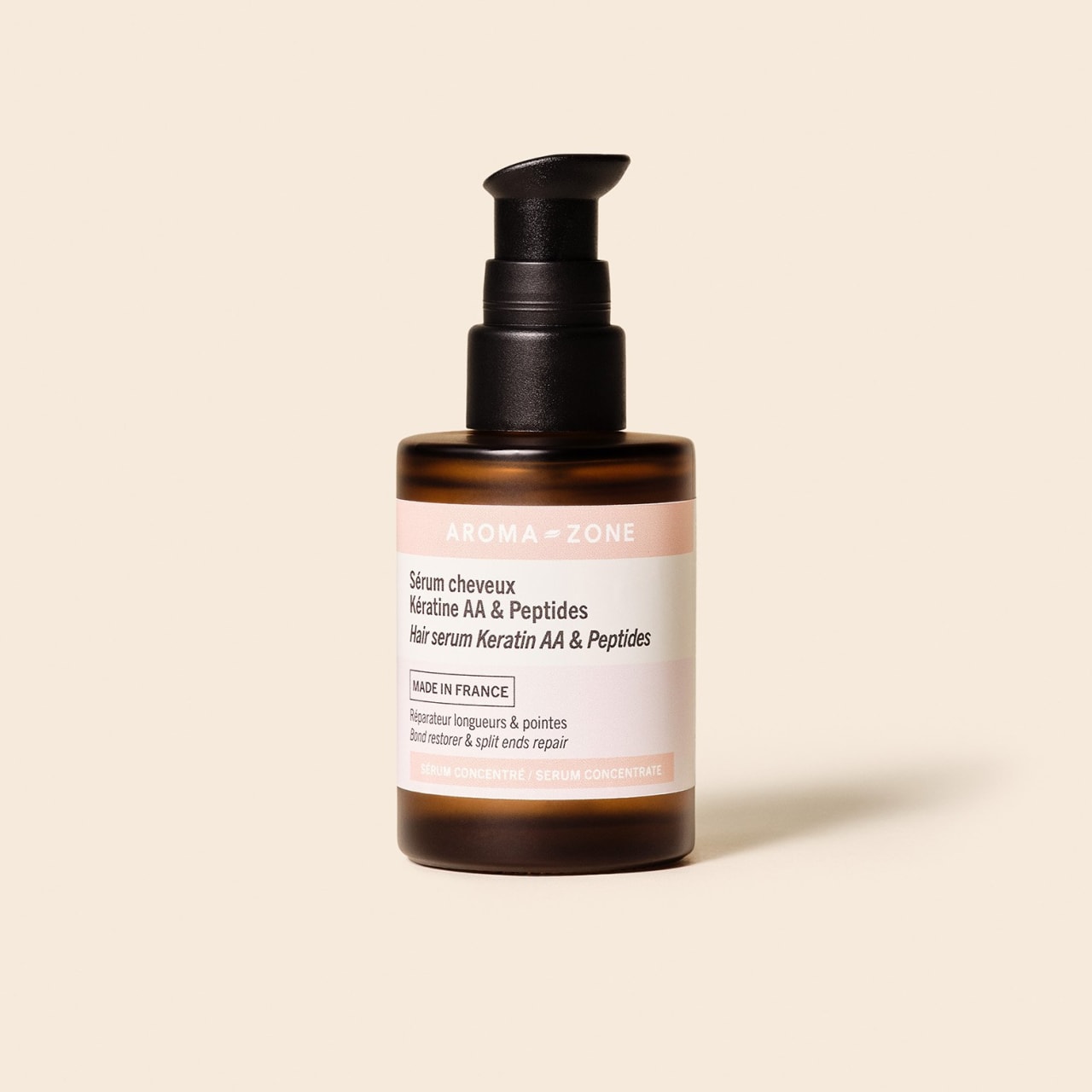
AA Keratin & Peptide Hair Serum

Formulated for all hair types, this serum strengthens the hair fibre thanks to a complex of amino acids and biomimetic keratin peptides, which smooth and reinforce the cuticle surface. Lengths and ends are repaired from the very first application, leaving hair stronger and shinier. A leave-in treatment particularly suitable for coloured, bleached or heat-damaged hair.

Discover the Keratin AA & Peptides Hair Serum

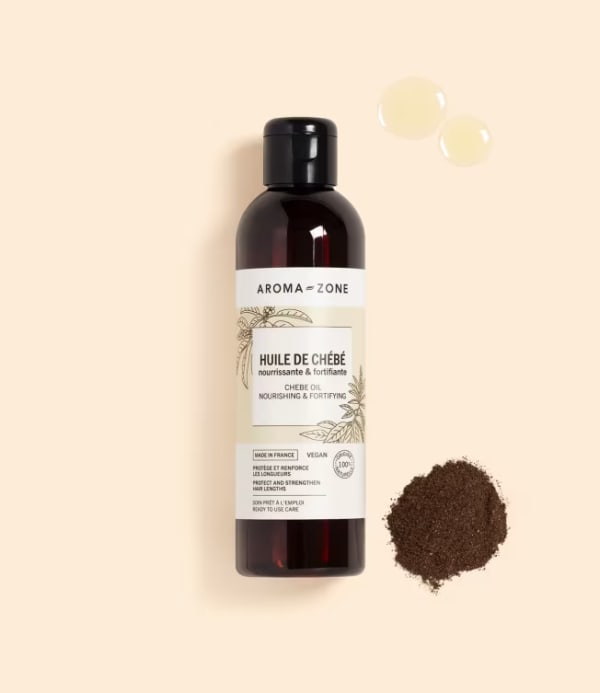
Chébé Oil

Inspired by an ancient beauty ritual practised in Chad, this oil combines Chébé with the nourishing and strengthening properties of organic castor oil and organic olive oil. It helps to protect and strengthen the hair shafts, minimise breakage and enhance textured hair. Its traditional use for maintaining hair length makes it a favourite treatment for the most fragile hair. Ideal for textured, frizzy or very dry hair prone to breakage.

Discover Chébé Oil

Capture d'écran 2026-07-28 113529

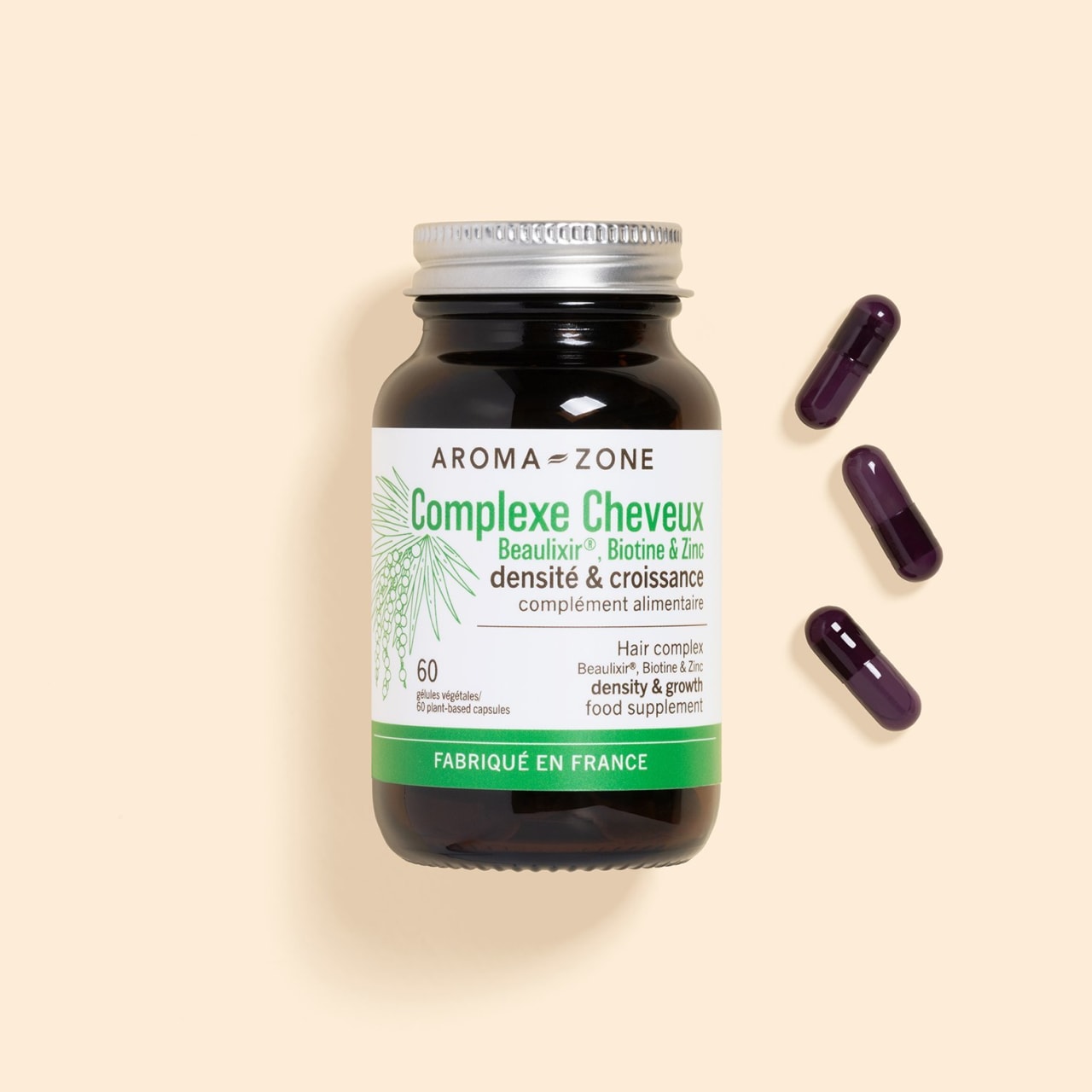
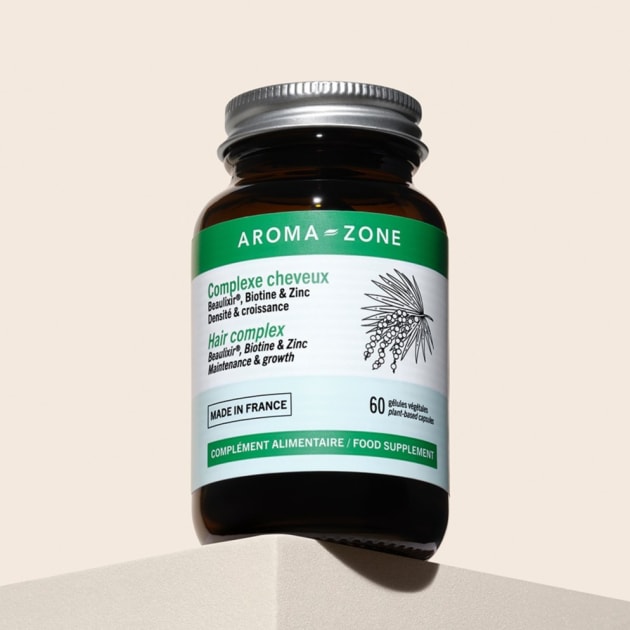
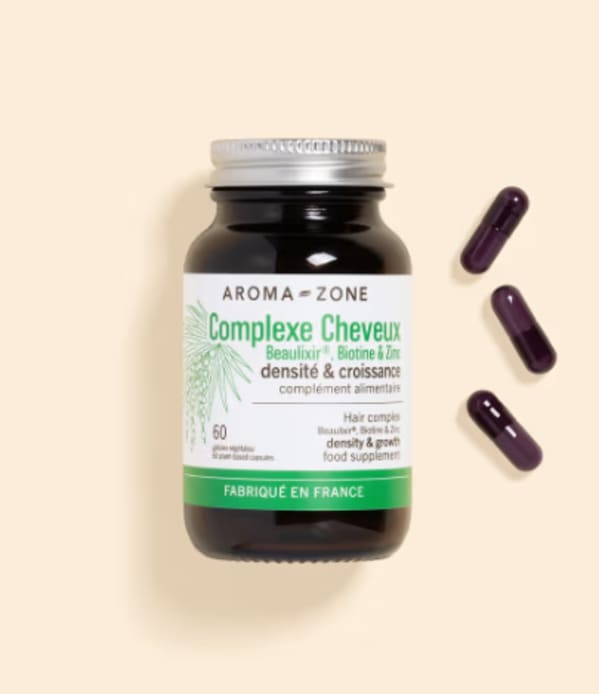
Hair Complex dietary supplement

For thicker, fuller and shinier hair, discover our Hair Complex dietary supplement. Formulated with the active ingredient Beaulixir®, which has been clinically proven to reduce hair loss and improve the appearance of the hair. It contains oily extracts of saw palmetto, borage, linseed, wheat and rye, as well as pine bark phytosterols, which work in synergy with zinc and natural biotin (vitamin B8) to strengthen the hair shaft. Take 2 capsules a day, with a glass of water. Read the precautions for use, available on the product labelling, before use.

Discover the Hair Complex

What our customers say

At Aroma-Zone, feedback from our community on the top-rated anti-breakage products complements the work of our experts and confirms the genuine long-term effectiveness of these products:

“This product is incredible! Easy to use, it doesn’t leave the hair greasy but gives it a smooth finish. It has significantly improved the condition of my hair.” Lyndia on the Keratin AA & Peptides Hair Serum

“A new discovery for me, but from the very first application my hair feels stronger. I’ve ordered more to do a proper treatment course – I feel this is an excellent product that I’ll never be without.” MJ on Chébé Plant Oil

"My hair is stronger and shinier. Far fewer hairs are left on the brush." Katia on the Keratin Food Supplement

Our expert’s opinion

A word from the pharmacist & trichologist

“How can you tell the difference between a broken hair and a hair that’s falling out? A broken hair can vary in length, ranging from a few centimetres to the full length of the hair. Unlike a hair that’s falling out, it does not have a bulb at the end. Hair breakage results from damage to the hair fibre. It can occur as a result of handling such as brushing, styling or washing, but is also linked to chemical factors (colouring, bleaching), thermal factors (use of heated styling tools) or environmental factors, which weaken the fibre. Conversely, a hair that falls out is part of the hair growth cycle. When it reaches the end of its life cycle, it has a white bulb at its tip, which is characteristic of telogen shedding. This type of hair generally falls out along its entire length and can detach without any specific manipulation.”

Dalila Belmokhtar, @dalilahairscience, Doctor of Pharmacy & trichologist

Precautions

Even the highest-rated hair care products should be used with care. An excess of rich treatments or plant-based proteins can weigh down fine hair or stiffen an already saturated hair shaft, paradoxically increasing breakage. Introduce one new product at a time and observe how your hair responds over two to three weeks before adding another. Avoid building up layers of product with every wash, as this can leave your hair feeling sticky and gradually weaken the hair shaft. If you use a heat-styling tool, heat protection is essential regardless of which product you’ve applied beforehand. If you experience significant and persistent breakage despite following a suitable routine, consult a healthcare professional.

Spotlight on Our Writer: Louise Hourcade

After graduating from ESCP Business School in 2020, Louise began her career as a writer in 2021. Today, she writes a newsletter where she shares cultural recommendations and more personal articles, such as dating apps, therapy, and career guidance. She also writes for the media, brands and agencies on subjects such as well-being, mental health, culture, and society.

Bibliography

  1. Gamez-García M. (ed.) Hair: Testing, Process and Repair for the Cosmetic Industry. Chemical Publishing, 2024.

    https://www.chemical-publishing.com/product_p/9780820604053.htm

  2. Draelos Z.D. Hair Care: An Illustrated Dermatologic Handbook. CRC Press, recent edition.

    https://www.collegeaisi.ge/docs/HairCareAnIllustratedDermatologicHandbook_1739275553.pdf​

  3. El Khatib S. de S. et al. “Novel Compounds for Hair Repair: Chemical Characterisation and Efficacy Compared to a Commercial Disulphide Bond Builder.” 2025.

    https://pmc.ncbi.nlm.nih.gov/articles/PMC12115070/​

  4. Onofre S. et al. “Prevention of chemically induced hair damage by means of treatment based on proteins and polysaccharides.” Journal of Cosmetic Dermatology, 2023.

    https://onlinelibrary.wiley.com/doi/abs/10.1111/jocd.14148​

  5. Wenjie Qu et al. “Improving the Mechanical Properties of Damaged Hair Using Low-Molecular Weight Hyaluronate.” 2022.

    https://pmc.ncbi.nlm.nih.gov/articles/PMC9695591/

  6. Karthika Selvan et al. “An emerging trend in repairing human hair damage.” Drug Discovery & Therapeutics, c. 2020–2022.

    https://ddtjournal.net/?view-pdf=1&embedded=true&article=1792c2ee848ee7b34fab0008223e1629n96DlMblTlE%3D​

  7. Changxin Fan et al. “Bioinspired peptides designed for hair perming and dyeing with potential for repair.” Journal of Cosmetic Dermatology, 2023.

    https://www.sciencedirect.com/science/article/abs/pii/S174270612300404X​

  8. Chaohai Li et al. “Prevention of Hair Heat Damage via Thermoresponsive Organic Silicon-Modified Keratin”, 2026.

    https://pmc.ncbi.nlm.nih.gov/articles/PMC12899662/​

  9. Yusha Zi et al. “Establishment of a Heat-Damaged Hair Model.” 2025.

    https://pmc.ncbi.nlm.nih.gov/articles/PMC12308778/​

  10. Ray Rigoletto “A survey of test methodology used in evaluating the damage, protection and repair of hair.” In: Hair damage, protection and repair, chapter on methodological review, 2016.

    https://plasticsurgerykey.com/a-survey-of-test-methodology-used-in-evaluating-the-damage-protection-and-repair-of-hair/​

  11. Maria Victória Quaresma “Hair Breakage in Patients of African Descent.” 2015.

    https://pmc.ncbi.nlm.nih.gov/articles/PMC4857843/​

  12. Tanus A, Oliveira CCC, Villarreal DJV, Sanchez FAV, Dias MFRG. Black women’s hair: the main scalp dermatoses and aesthetic practices in women of African ethnicity. An Bras Dermatol. 2015

    https://www.scielo.br/j/abd/a/pWDzC8BHsgqRmhHHDVNwLwy/

Frequently Asked Questions

Frequently Asked Questions