How can you easily detangle your hair and prevent knots?

How can you easily detangle your hair and prevent knots?


By Hélène Durand

Published on: Wednesday, November 22, 2023, Updated on: Friday, October 16, 2026

Tangled hair and stubborn knots can turn styling into a real source of stress. However, with a few simple steps and the right haircare products, it’s possible to gently detangle your hair without breakage or pain. Find out how to easily detangle your hair and the best habits to adopt to prevent knots.

Contents

Related products

In brief

  • Detangling helps to minimise breakage, prevent knots and preserve the softness, shine and health of your hair

  • A few simple steps, such as using a suitable comb, detangling gently and applying a detangling treatment, make styling easier whilst protecting the hair fibre

  • The detangling method should be tailored to your hair type (straight, curly, fine or damaged) to keep your hair looking its best every day.

Why does hair get tangled so easily?

Damaged hair fibres

As a reminder, the hair shaft is covered with tiny keratin scales (the cuticle) that overlap like roof tiles to protect the hair fibre. When hair is dry or damaged – due to heat from styling tools, bleaching, sun exposure or certain harsh products – these scales lift up and weaken the hair shaft. The shaft becomes porous and brittle, and strands get tangled more easily. Split ends exacerbate this problem. Their uneven surface acts like Velcro, causing knots to form, particularly along the lengths and at the ends.

Repeated friction

Constant friction – against a pillow, a bath towel or the collars of clothes, or even from exposure to the wind – gradually lifts the cuticle scales. The surface of the hair becomes rough, and the strands, now weakened, catch on one another and become tangled. The drier or more damaged the hair fibre is, the more this micro-friction causes the cuticle scales to open further, making the hair more prone to forming knots quickly.

Hair type and length

Fine hair tends to get tangled easily. Naturally drier, curly, wavy or frizzy hair tangles more quickly than thick, straight hair. The longer the hair, the greater the surface area for contact and friction, and the more potential points for knots there are, particularly if the ends haven’t been trimmed for some time.

Lack of appropriate care and regular brushing

An unsuitable routine – one that doesn’t include brushing, conditioner or a detangling treatment – often leaves hair dry and coarse and increases the number of places where knots can form. Failing to detangle your hair regularly can lead to a build-up of small knots that eventually form tangles which are more difficult to untangle.

Environmental factors

Wind, dry air or pollution lift the cuticle scales and weaken the hair fibre, making it more prone to tangling. Humidity and temperature fluctuations cause the hair shaft to swell. They also increase frizz and make strands more likely to snag on one another.
Why is it important to detangle your hair properly?

Preventing breakage and split ends

Incorrect detangling – for example, by yanking the hair suddenly, combing from root to tip on very tangled hair, or using an unsuitable brush – severely weakens the hair fibre and increases the risk of breakage and split ends. Conversely, knowing how to detangle your hair properly – that is, methodically removing knots, strand by strand, from the ends towards the roots, without pulling too hard – reduces mechanical breakage and keeps the ends well-protected.

Distributing sebum

Regular brushing and detangling help to distribute the sebum produced by the scalp along the entire length of the hair, rather than allowing it to accumulate at the roots. This natural lipid film coats the hair, softens it and makes it shinier. On straight to wavy hair, regular detangling allows for a relatively even distribution of this sebum. On curly, wavy or frizzy hair, sebum finds it harder to travel down the hair shaft due to the spiral shape of the hair fibre; gentle detangling on damp hair using a detangling treatment rich in plant oils helps to facilitate this distribution without breaking the curls.

Making styling easier

Well-detangled hair is easier to style and holds styles better, such as plaits, buns and blow-dries. On fine, straight hair, regular detangling prevents knots and tangled patches that give a flat, unkempt appearance, and helps maintain a light, airy fall. On frizzy, kinky or very curly hair, appropriate detangling helps redefine curls, prepare for shrinkage and minimise frizz.

Maintaining a healthy scalp

Detangling (and the associated brushing) helps remove dead hair that gets trapped in the hair and eventually forms knots. It also helps remove surface impurities, such as dust, pollution and certain residues, allowing the scalp to ‘breathe more easily’. Furthermore, the act of brushing stimulates microcirculation in the scalp, which helps to better nourish the hair follicles and support healthier growth, as part of a proper overall hair care routine.

How can you gently detangle your hair?

  1. Moisten your hair: before you start detangling, and to help the comb or brush glide through your hair, if your hair is straight to wavy, spray some water onto it to moisten it slightly; if your hair is curly to frizzy, wet your hair thoroughly. You can also opt for floral waters suited to your hair type, which will leave a gentle fragrance in your hair.

  2. Use a detangler: apply a detangler or conditioner to your hair after washing it to make it easier to detangle. Choose products suited to your hair type, preferably natural ones, so as not to damage your hair fibres.

  3. Start at the ends: divide your hair into sections and start detangling from the ends. By working your way gradually up towards the roots, you’ll avoid breaking your hair, causing knots and hurting yourself.

  4. Use a wide-toothed comb or a suitable brush: avoid combs or brushes with fine teeth, as these can cause snags and breakage. Instead, opt for a wide-toothed comb or a detangling brush specially designed for tangled hair.

  5. Detangle gently: detangling must be done gently to avoid pulling out hair. Use slow, gentle movements to gradually work out the knots.

  6. Use your fingers : if your hair is very tangled, start by detangling it with your fingers. This will help to loosen the biggest knots before using a comb or brush.

  7. Add some hair oil or serum: if your hair is particularly dry or tangled, apply a little hair oil or serum to make it more slippery and easier to detangle.

  8. Detangle regularly: to prevent your hair from becoming too tangled, get into the habit of detangling it regularly – in the morning and evening, for example – as well as before washing. Bear in mind, however, that how often you detangle depends on your hair type. If you have curls or frizzy hair, it’s best to detangle less frequently.

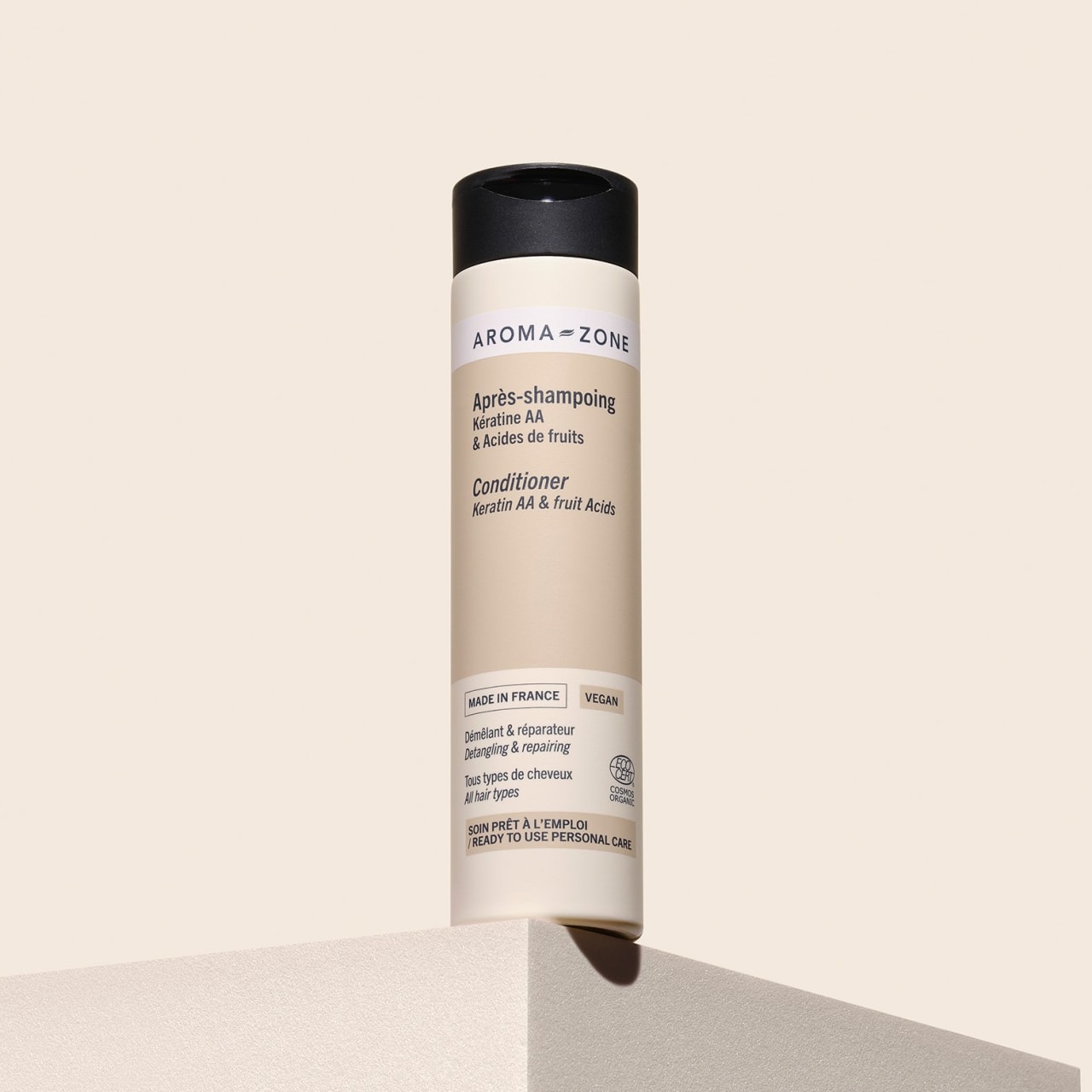
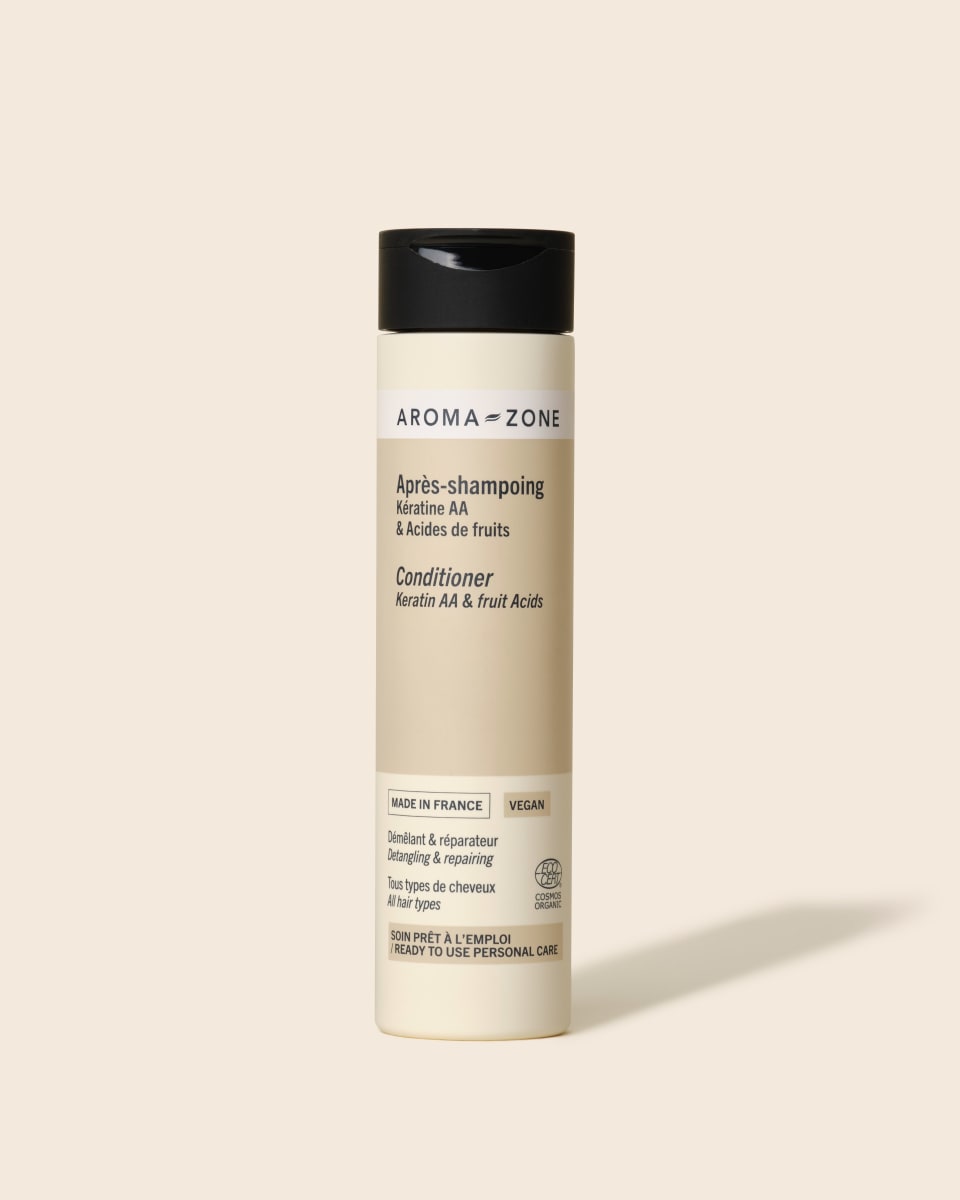
Spotlight on the New Detangling and Repairing Conditioner with AA Keratin & Fruit Acids

aroma-zone conditioner 61429

Certified organic and formulated without sulphates, silicones or fragrance, our new detangling conditioner has been designed for damaged hair. Thanks to its innovative complex combining keratin, arginine and fruit acids (AHAs), it works both at the core and on the surface of the hair fibre to leave hair visibly stronger, more supple and shinier. This conditioner makes it easier to detangle and style your hair, whilst providing genuine care without weighing it down.

Contraindications : avoid contact with the eyes; in case of contact, rinse immediately with clean water.

Discover the AA Keratin & Fruit Acids detangling and repairing conditioner

Press reviews of the Keratin AA & Fruit Acids Detangling and Repairing Conditioner

"The aim is no longer simply to give your hair a ‘soft’ feel for a few hours, but to help the hair fibre regain a stronger, healthier appearance in the long term. This is the promise of Aroma-Zone’s new Keratin AA & Fruit Acids Detangling and Repairing Conditioner. Designed for damaged, dry or brittle hair, it combines nourishing care with a detangling effect to make styling easier whilst caring for the hair fibre, without weighing it down. According to clinical tests carried out by the brand, this treatment is said to reduce breakage by 94 per cent from the very first use and reduce split ends by 21 per cent. This means you’ll enjoy shinier, more supple and easier-to-style hair from the very first applications."

Published by Cosmopolitain on 21 July 2026

What natural solutions are there for hair care?

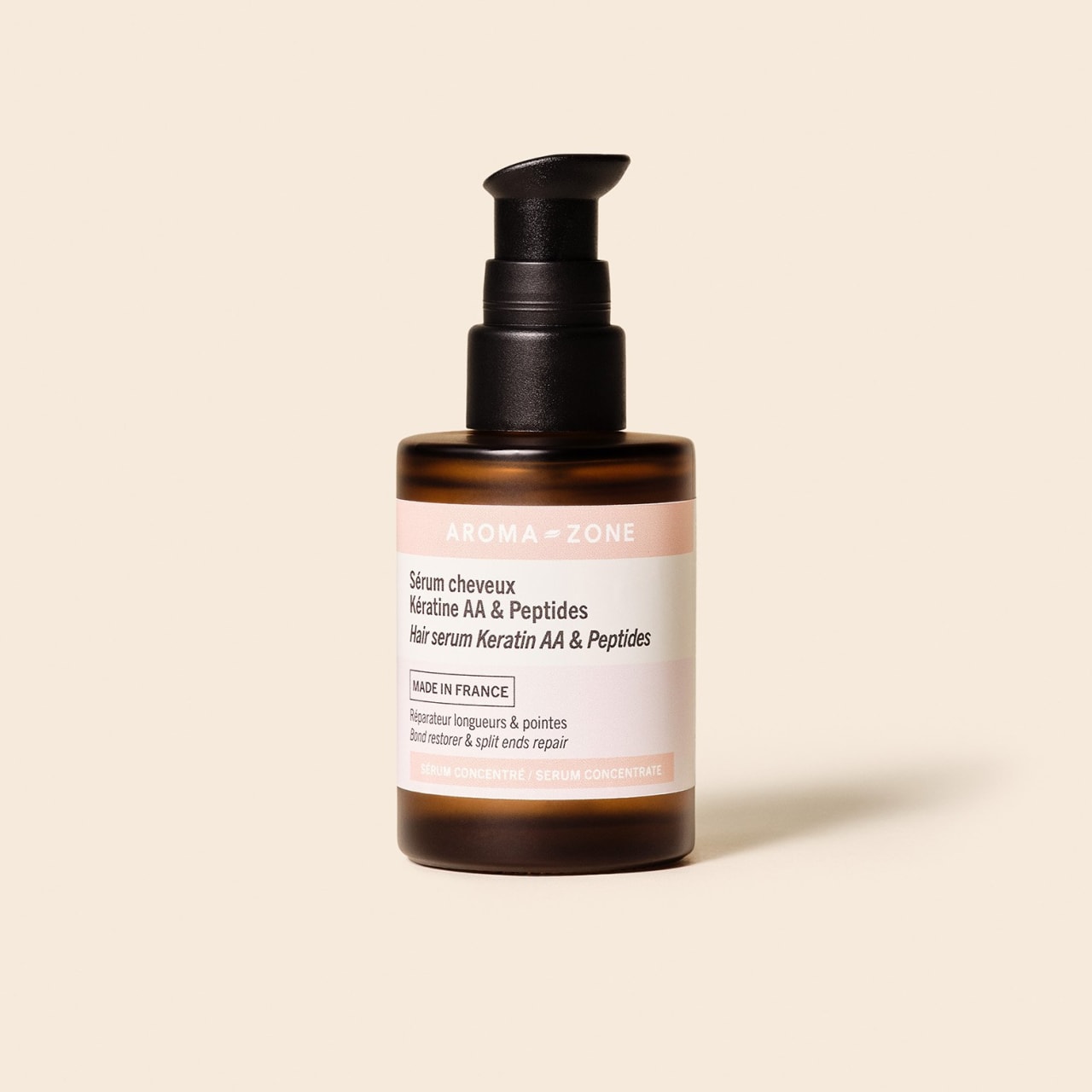
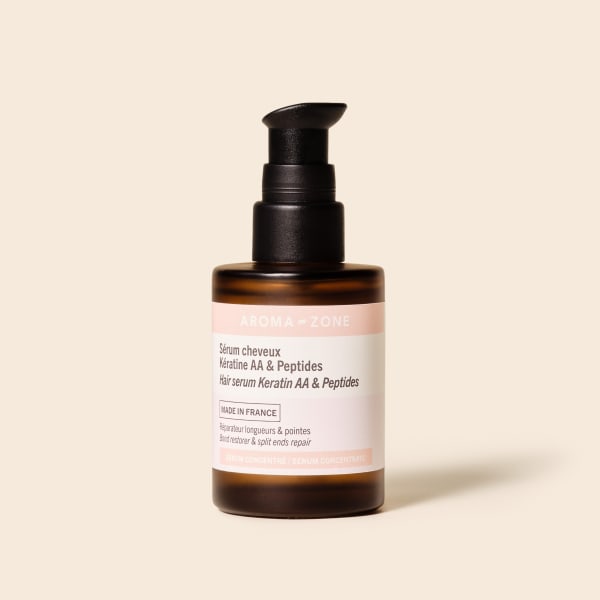
Hair_Serum_Keratin_AA_&_Peptides

AA Keratin & Peptides Hair Serum: This leave-in serum deeply repairs the hair. It combines amino acids, biomimetic keratin peptides and hyaluronic acid for targeted action at the core and on the surface of the hair. It restores keratin bonds, seals the cuticle, coats the lengths and ends, and prevents split ends from forming. Hair is left with long-lasting hydration, stronger and shinier.

Contraindications : avoid contact with the eyes. In case of contact, rinse thoroughly with clean water.

Discover the AA Keratin & Peptides Hair Serum

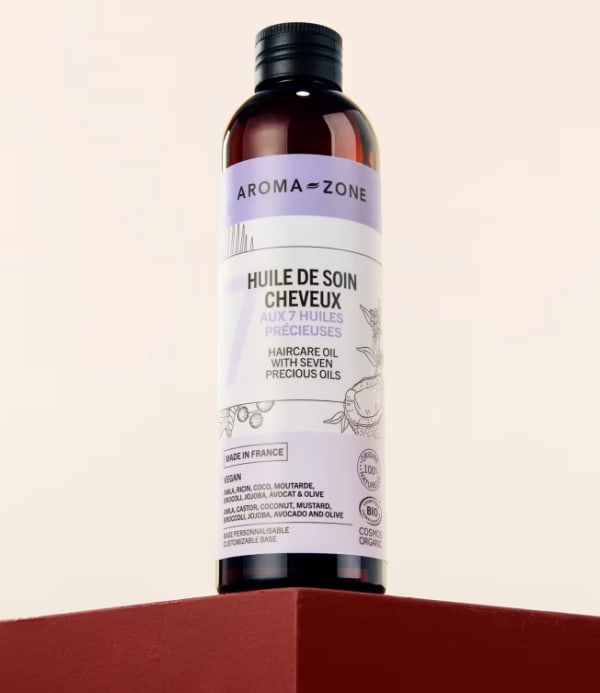
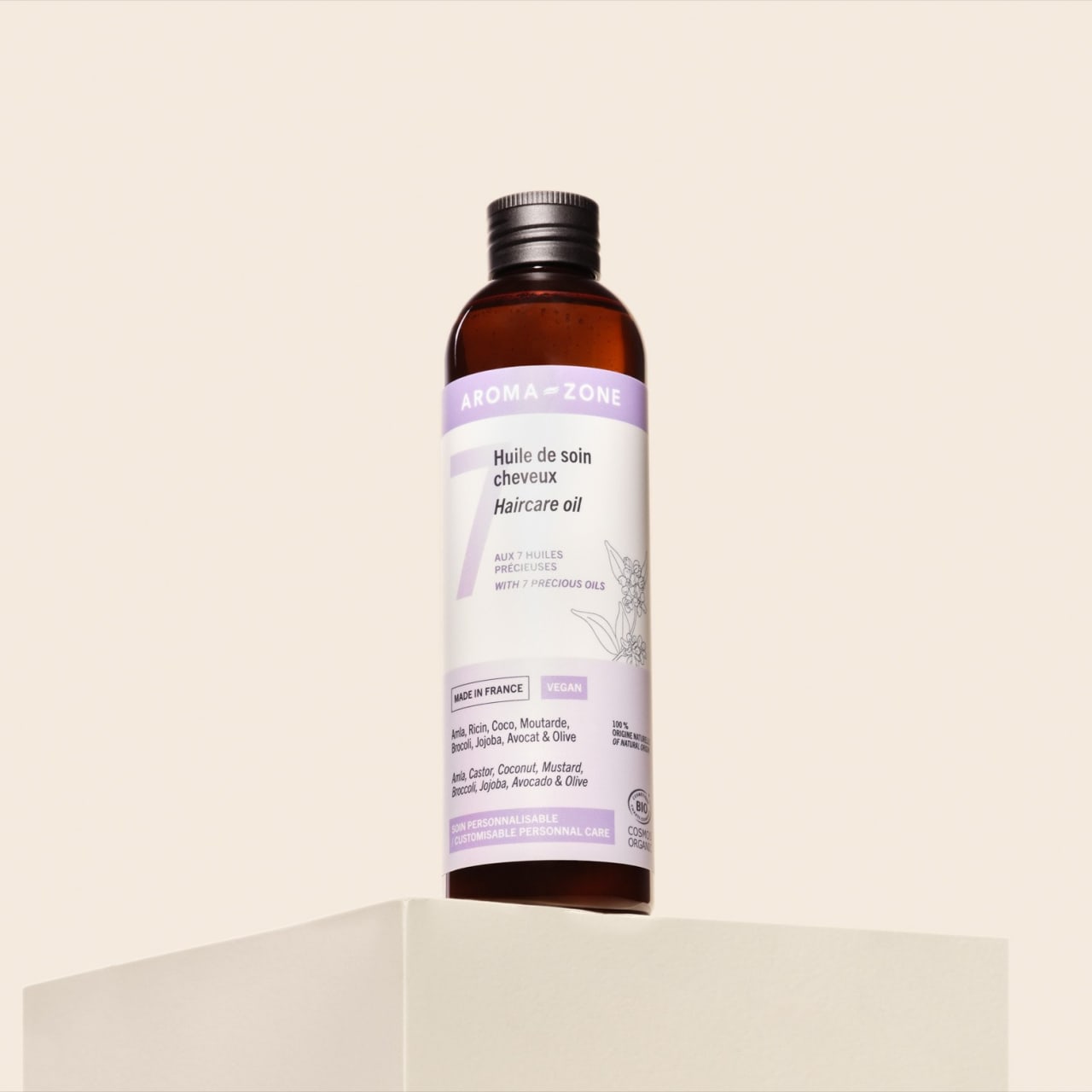
Hair Care Oil

Hair Care Oil: This organic hair care oil is a real beauty treatment. Combining seven plant-based oils and a precious macerate, it nourishes, repairs and strengthens the hair whilst taming it. This oil brings softness, shine and vitality to your daily routine, whether you use it as a hair mask, massage it into the scalp or apply it as a leave-in treatment.

Contraindications: personalised use is recommended for adults only.

Discover the Hair Care Oil

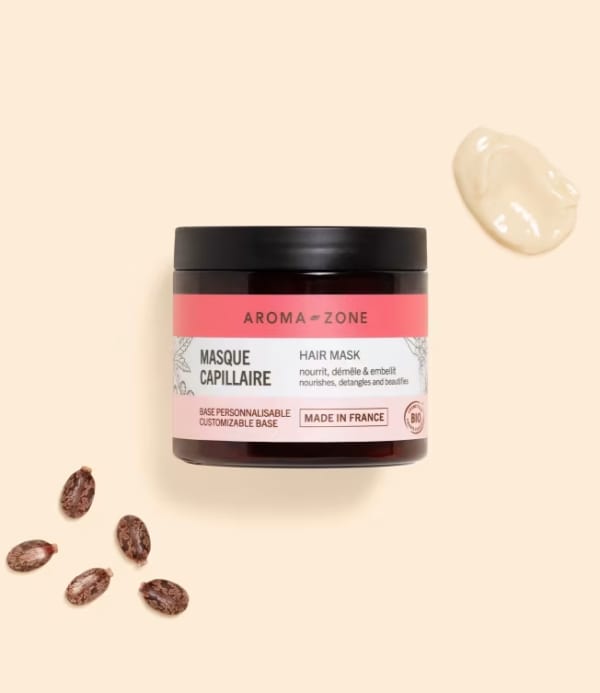
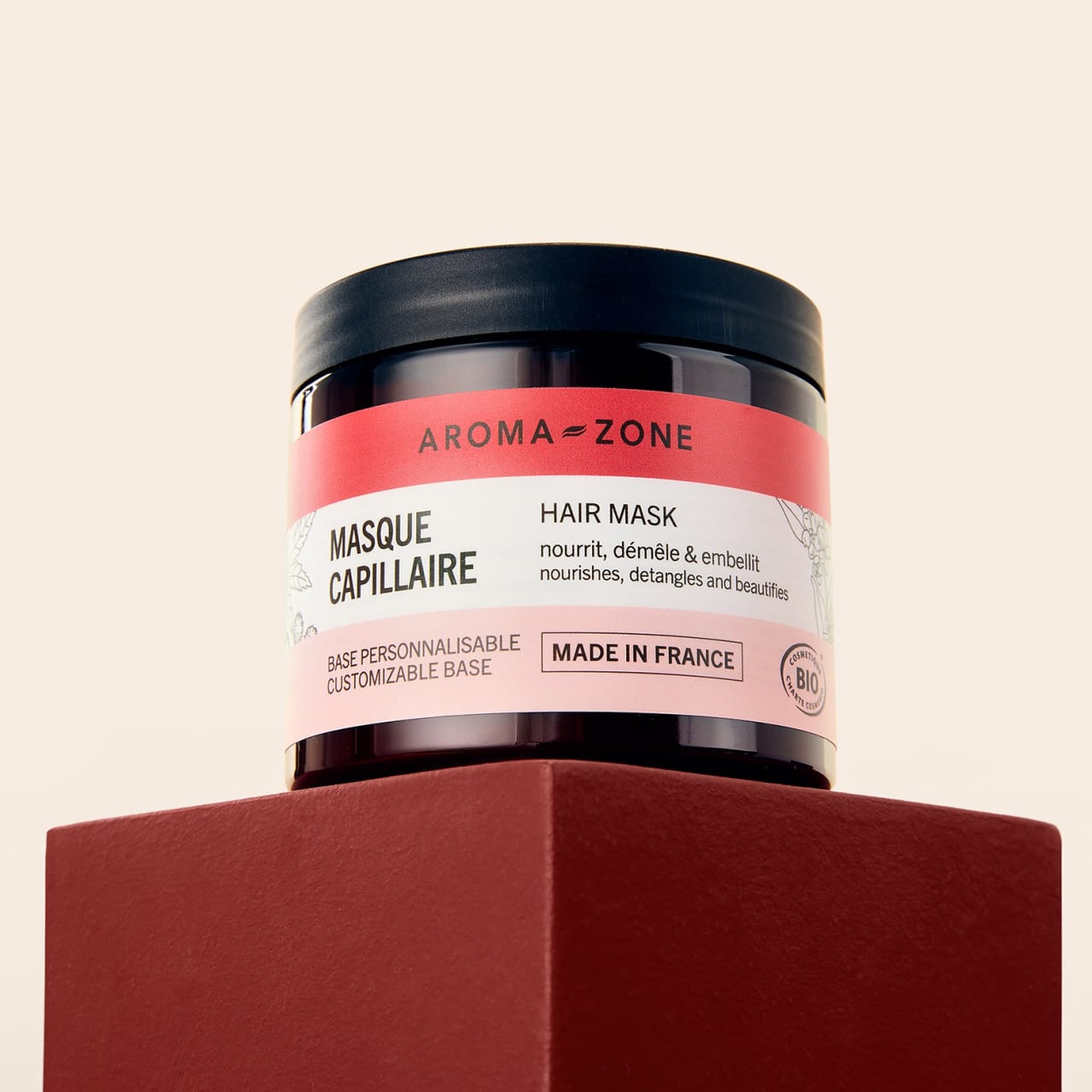
Hair Mask: Rich in Jojoba and Castor oils and Shea butter, our hair mask nourishes, protects and coats the hair fibre without weighing it down. It makes detangling easier and adds shine, suppleness and softness to all hair types, even the driest. Hair is left soft, coated and revitalised.

Contraindications: Avoid contact with the eyes. In case of contact, rinse thoroughly with clean water. Do not use on children under 3 years of age. Personalisation is recommended for adults only.

Discover the Hair Mask

A word from the trichologist

Does the overall health of your hair play a role in how easily and effectively you can detangle it?

"A weakened hair fibre is more prone to tangles and breakage. This makes detangling more difficult. Fine hair, for example, tangles more easily due to its small diameter and lower mechanical strength. An insufficient intake of protein can also alter the structure of keratin, making the hair shaft more porous, less cohesive and therefore more difficult to detangle. Similarly, an unsuitable routine, such as failing to protect your hair at night, encourages friction against the pillow and the formation of knots. The quality of the shampoo also plays a role, as a shampoo that is too harsh can dry out the lengths and upset the balance of the hair fibre. The timing and conditions under which the hair is styled are also crucial: on dry hair, it is recommended to apply a styling product that makes the hair easier to comb through, whilst on damp hair, the ideal time is after using conditioner, when the hair fibre is softened and more pliable to work with. "

Dr Dalila BELMOKHTAR, Doctor of Pharmacy and Trichologist @dalilahairscience

How should you detangle your hair depending on your hair type?

Depending on your hair type, find out how to detangle your hair easily and effectively.


Hair type

When should you detangle your hair?

How to detangle your hair?

Recommended accessories

Straight hair

On dry or slightly damp hair.

Start at the ends, then work your way up towards the roots. Brush gently once or twice a day. Use a detangling conditioner if your hair is prone to tangles.


A detangling brush with soft bristles or boar bristles to distribute natural oils.

Wavy

Preferably on damp hair, after conditioning or with a moisturising detangling spray.

Detangle in sections, working from the ends towards the roots. Avoid brushing when the hair is dry to prevent the waves from breaking.


Wide-toothed comb, soft detangling brush.

Curly

On wet or very damp hair, after using conditioner or a detangling mask.

Work in sections, detangling first with your fingers, then with a suitable comb or brush, always working from the ends towards the roots. Do not brush the hair once it is dry to preserve the curls.


A wide-toothed comb, or a detangling brush specially designed for curly hair with widely spaced, flexible bristles.

Curly

On thoroughly wet hair or directly in the shower, using a detangling treatment.

Divide into several sections, gently detangle starting from the ends, and use a detangling treatment to help the knots ‘slide’ out.


Very wide-toothed comb, detangling brush designed for textured hair.

Kinky

On thoroughly wet hair or directly in the shower, using a detangling treatment or rich mask.

Work in large sections; start by detangling with your fingers, then use a comb or detangling brush, working from the ends up towards the roots.

Use a comb with ultra-wide teeth, an Afro comb; much of the process can also be done with your fingers.

How can you prevent tangles on a daily basis?

  1. Use a brush or comb suited to your hair type: these minimise breakage and prevent you from ‘tightening’ knots rather than untangling them.

  2. Always use a detangling conditioner : this smooths the hair fibre, reduces the risk of dryness and prevents strands from getting tangled.

  3. Tie your hair up at night: style your hair in a plait or a loose bun at night (and during activities involving friction or wind) reduces friction against pillows, clothing and bags, and therefore the formation of knots.

  4. Avoid rubbing your hair with a towel: instead, gently squeeze the water out of your hair, ideally using a microfibre towel or a cotton T-shirt, to protect the cuticles and minimise tangles right from the drying stage.

  5. Trim damaged ends regularly: to prevent split ends from travelling up the hair shaft and creating even more tangles along the length, it’s important to visit the hairdresser regularly.

Precautions

Before using a new product, it is advisable to carry out an allergy test by applying a small amount to an inconspicuous area of skin (such as the crook of the elbow) and waiting 48 hours to check for any reaction.

Expert advice

When a knot is stubborn, it’s best to work it gently between your fingers, add a little detangling treatment or oil, and untangle it strand by strand rather than pulling it out in one go.

Spotlight on Our Writer: Hélène Durand

FEATURED PHOTO – Hélène Durand_Ok

With a dual background in literature and marketing, Hélène Durand uses her writing to explore topics that are meaningful to her: natural beauty, well-being, and a healthy lifestyle. Through her articles, she aims to share a supportive perspective and practical advice.

Bibliography

  1. NIH, Hair breakage during combing. I. Pathways of breakage, 2006 -

    https://pubmed.ncbi.nlm.nih.gov/16832574/

  2. NIH, Hair Cosmetics: An Overview, 2015 -

    https://pmc.ncbi.nlm.nih.gov/articles/PMC4387693/

  3. Vaisse, J. (21 July 2026). 94 per cent less breakage: this new conditioner could become the best ally for damaged hair. Cosmopolitan.

    https://www.cosmopolitan.fr/94-de-casse-en-moins-ce-nouvel-apres-shampoing-pourrait-devenir-le-meilleur-allie-des-cheveux-abimes,2162908.asp#adday

Frequently Asked Questions

Frequently Asked Questions