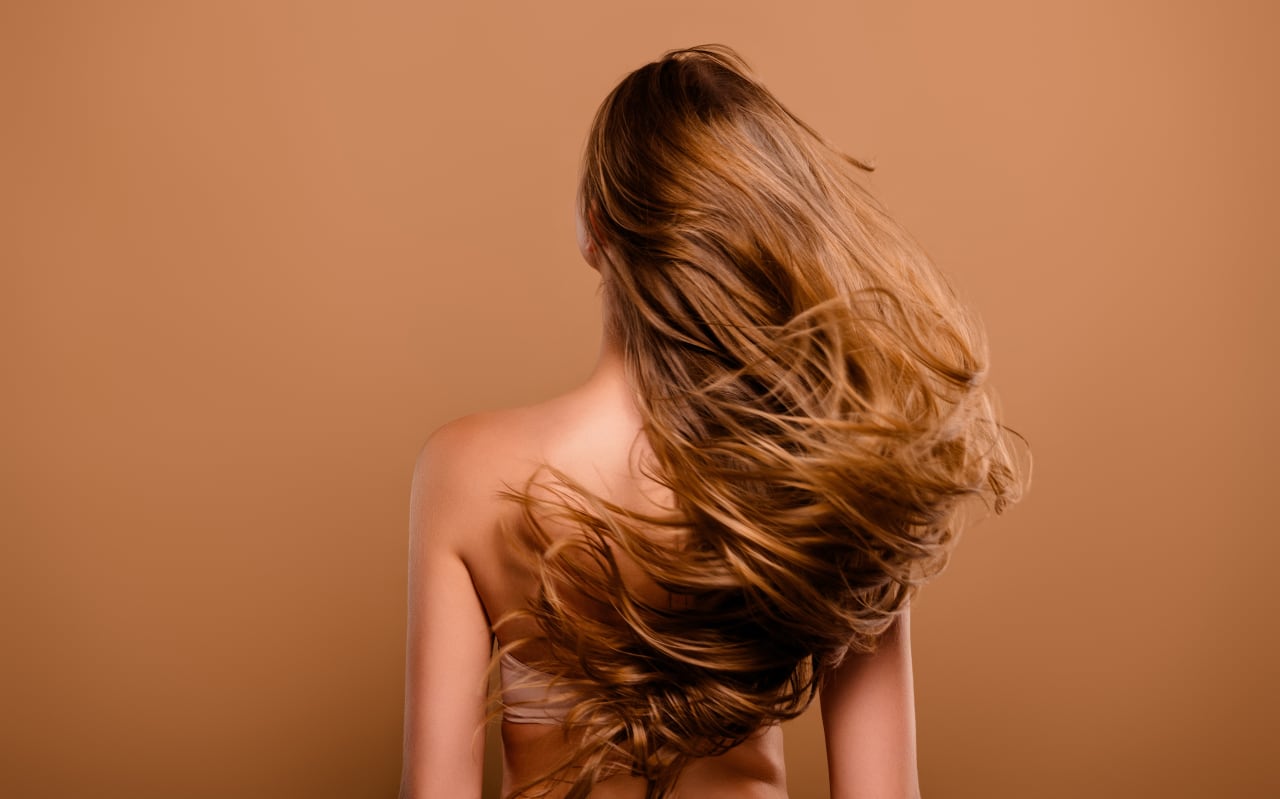
Hair that becomes dull, dry, brittle, coarse, thinner and loses density may be a sign of a lack of keratin.
What are the signs of keratin deficiency?
Keratin is an essential protein that makes up over 90% of the hair shaft. It protects the hair and gives it strength, elasticity and shine. But when there’s a shortage of it, the hair becomes dull and brittle. How can you tell if your hair is lacking in keratin? Discover the tell-tale signs, along with our tips to restore your hair’s vitality.

Why is keratin essential for hair?
The hair’s building block
Produced by the keratinocytes in the hair follicle, keratin is a fibrous protein that accounts for around 90 per cent of the hair’s structure. It acts as a kind of internal cement that organises and holds together the different layers of the hair fibre, and determines its overall strength.
Strength and mechanical resilience
By forming fibres, keratin gives hair its resistance to pulling, brushing and everyday friction. It helps prevent breakage and hair that snaps easily. When this keratin structure is damaged, the hair becomes brittle.
Flexibility of the hair shaft
Keratin gives hair its elasticity. It allows it to bend, be styled and return to its natural shape without breaking. A good keratin content results in hair that is more supple and less prone to split ends and frizz.
Protection against external damage
Keratin forms a protective barrier that helps the hair withstand daily stresses, such as UV rays, heat from styling tools, chemical treatments, brushing and even friction against your pillow. It keeps the hair’s cuticle sealed and protects it from dehydration.
Softness and shine
A hair shaft rich in keratin has a more uniform surface, with tightly sealed cuticles that reflect light better. The hair is softer, shinier and silkier.
Maintaining hydration
Keratin helps to retain moisture in the hair. It helps to absorb moisture from the air and stores a certain amount of water within the hair shaft so that it neither becomes waterlogged nor dries out too quickly.
What are the signs of a lack of keratin in your hair?
A lack of keratin usually results in the following symptoms:
Dull, lacklustre hair : healthy hair is covered in smooth cuticles that reflect light, giving it a shiny, silky appearance. When there is a lack of keratin, these cuticles become rough and porous, preventing the hair from reflecting light
Brittle hair and split ends : keratin forms the very structure of the hair. When there is a deficiency, the hair shaft becomes thinner and more fragile, leading to breakage and split ends
Frizzy hair that is difficult to style: a hair fibre lacking in keratin makes the hair harder to style. It tends to become puffy, frizzy and lacks hold
Hair that is thinning and losing density: a lack of keratin weakens the hair, making it more brittle and prone to falling out. Over time, the hair may lose volume and density
Hair that feels coarse to the touch : healthy hair is supple and soft. When it lacks keratin, it becomes rough and difficult to detangle, a sign that the protective cuticle is weakening.
What should you do if you’re lacking keratin?
If your hair is lacking in natural keratin, the aim is both to support its internal production and to protect the hair shaft to prevent further loss:
Eat a protein-rich diet: increase your intake of protein and sulphur-containing amino acids – eggs, oily fish, pulses, garlic, onions and leeks – to help the body produce more keratin.
Use hair care products enriched with keratin: opt for shampoos, masks and serums containing keratin to strengthen the hair fibre.
Minimise factors that damage keratin : cut down on straightening and blow-drying at high temperatures, space out chemical colour treatments and protect your hair from UV rays to prevent further damage to the keratin already present.
Adopt protective habits as part of your daily routine: use a heat protectant before using heated styling tools, sleep on a silk pillowcase and avoid vigorous brushing of dry hair to preserve the keratin structure as much as possible.
Trim damaged ends regularly: trim split ends to prevent cracks from travelling up the hair shaft. This stops keratin degradation from spreading along the length of the hair.
Consider targeted supplementation if necessary: in cases of very brittle hair or significant hair loss, a course of supplements containing biotin, zinc and amino acids can support keratin production from within.
What’s a natural anti-breakage routine?
Step 1: Wash your hair

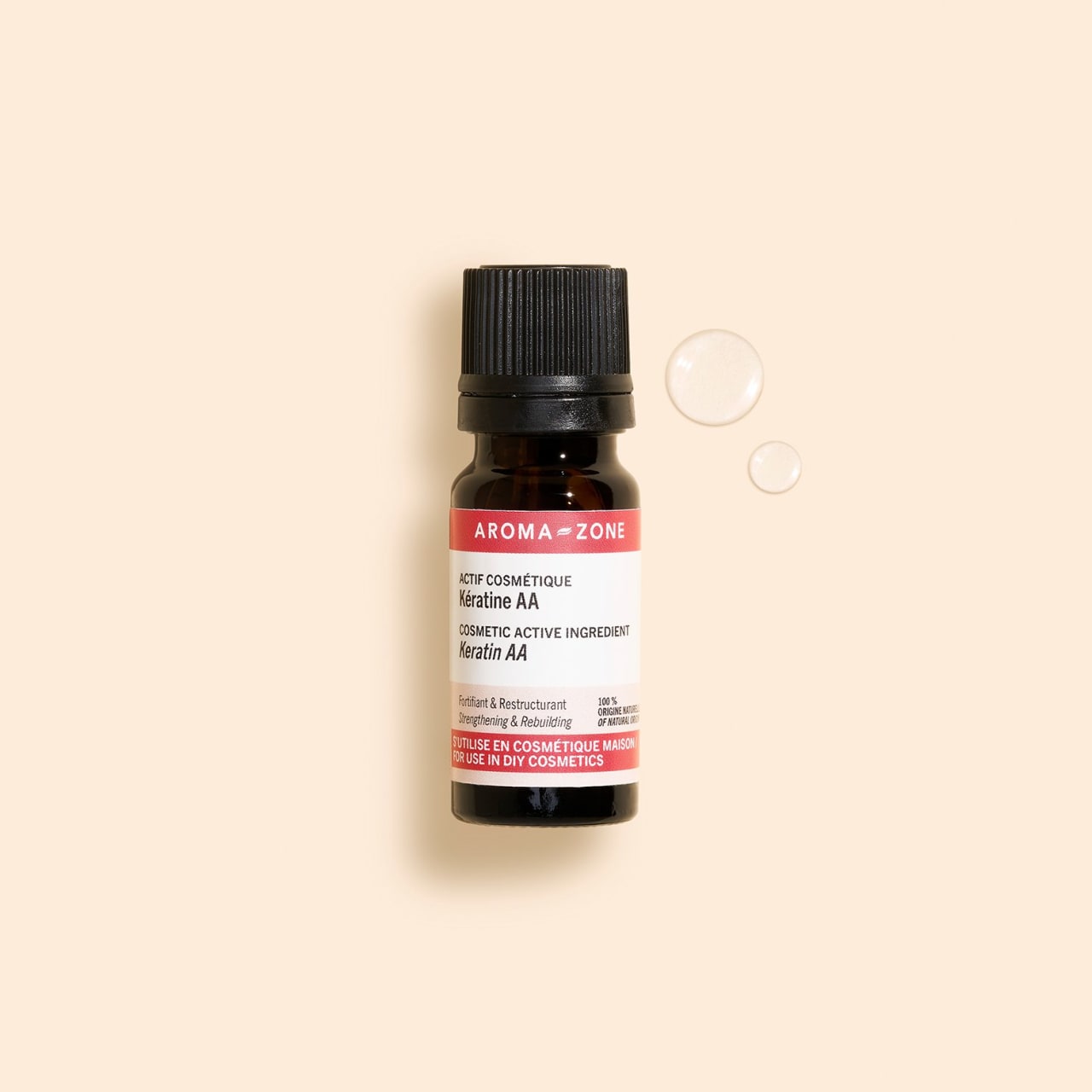
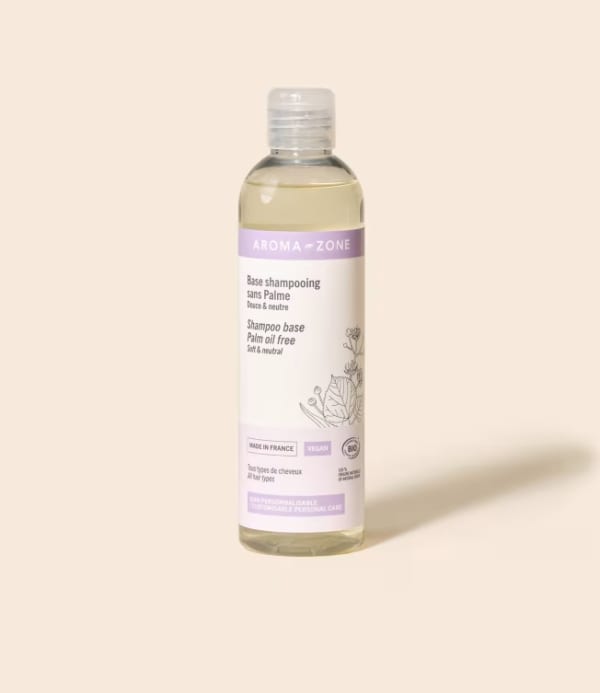
Our neutral shampoo base gently cleanses without damaging or drying out the hair. Combined with the Keratin AA active ingredient, it strengthens the hair fibre, improves resistance to breakage and boosts shine.
How to add the Keratin AA active ingredient to the shampoo base : add 10 ml of Keratin AA active ingredient directly into the 250 ml shampoo bottle and shake thoroughly to ensure it is well mixed. Then apply a small amount of shampoo to wet hair, massage gently into the scalp, then rinse.
Contraindications : Do not swallow. Keep out of reach of children.
Discover the palm-free neutral shampoo base + Keratin AA active ingredient
Step 2: Detangle and repair the lengths

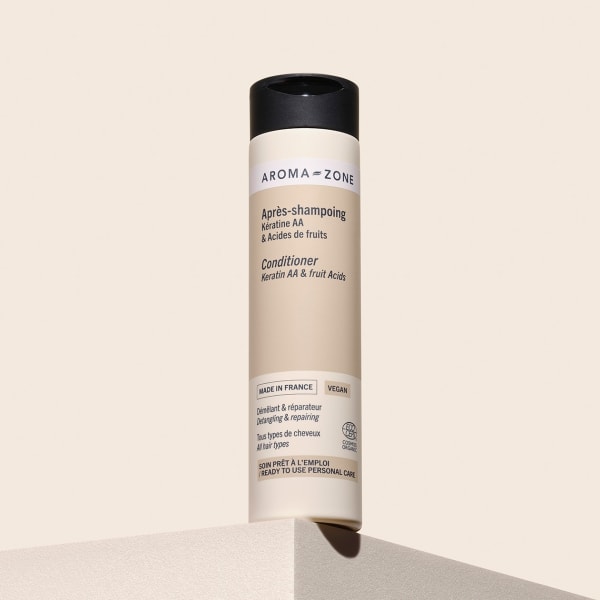
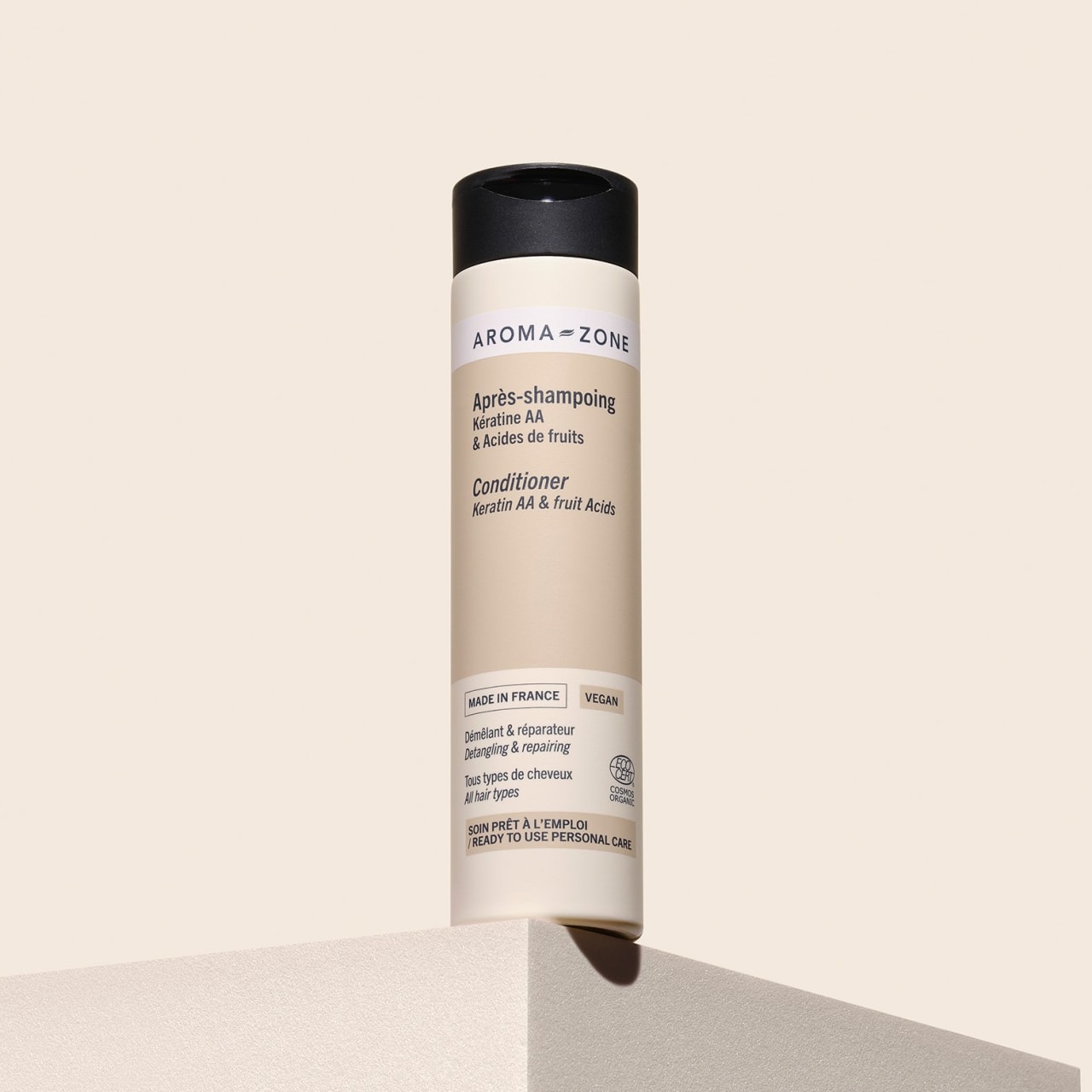
The formula of our detangling and repairing conditioner combines a complex of fruit acids, biomimetic vegan keratin and arginine – innovative active ingredients recognised for protecting, rebuilding and strengthening the hair fibre, whilst making styling easier. Hair is left stronger, soft, shiny and light, without feeling weighed down.
Recommended use : for dry, curly or textured hair, apply the product generously to wet hair, from roots to ends. Leave on for 3 to 5 minutes for enhanced results, then rinse thoroughly. For normal, fine or oily-prone hair, apply the product only to the lengths and ends, avoiding the roots. Leave on for 3 to 5 minutes, then rinse thoroughly. For oily scalps, avoid applying this conditioner to the roots.
Contraindications : avoid contact with the eyes; in case of contact, rinse immediately with clean water.
Discover the Keratin AA & Fruit Acids Detangling and Repairing Conditioner
Step 3: Target and repair the hair fibre-ke

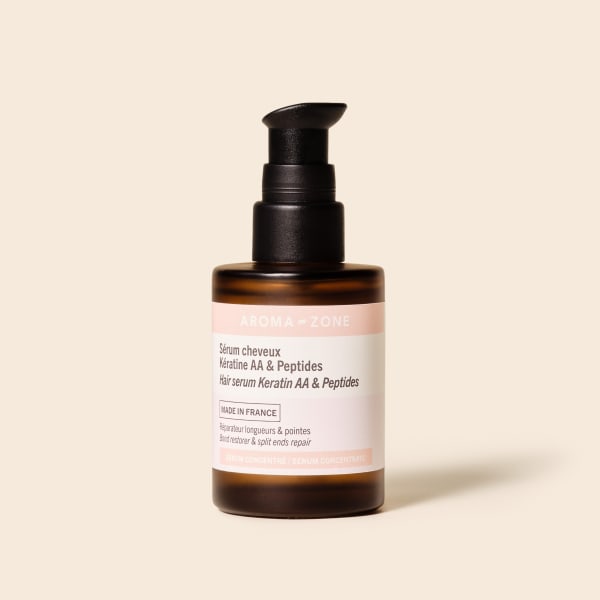
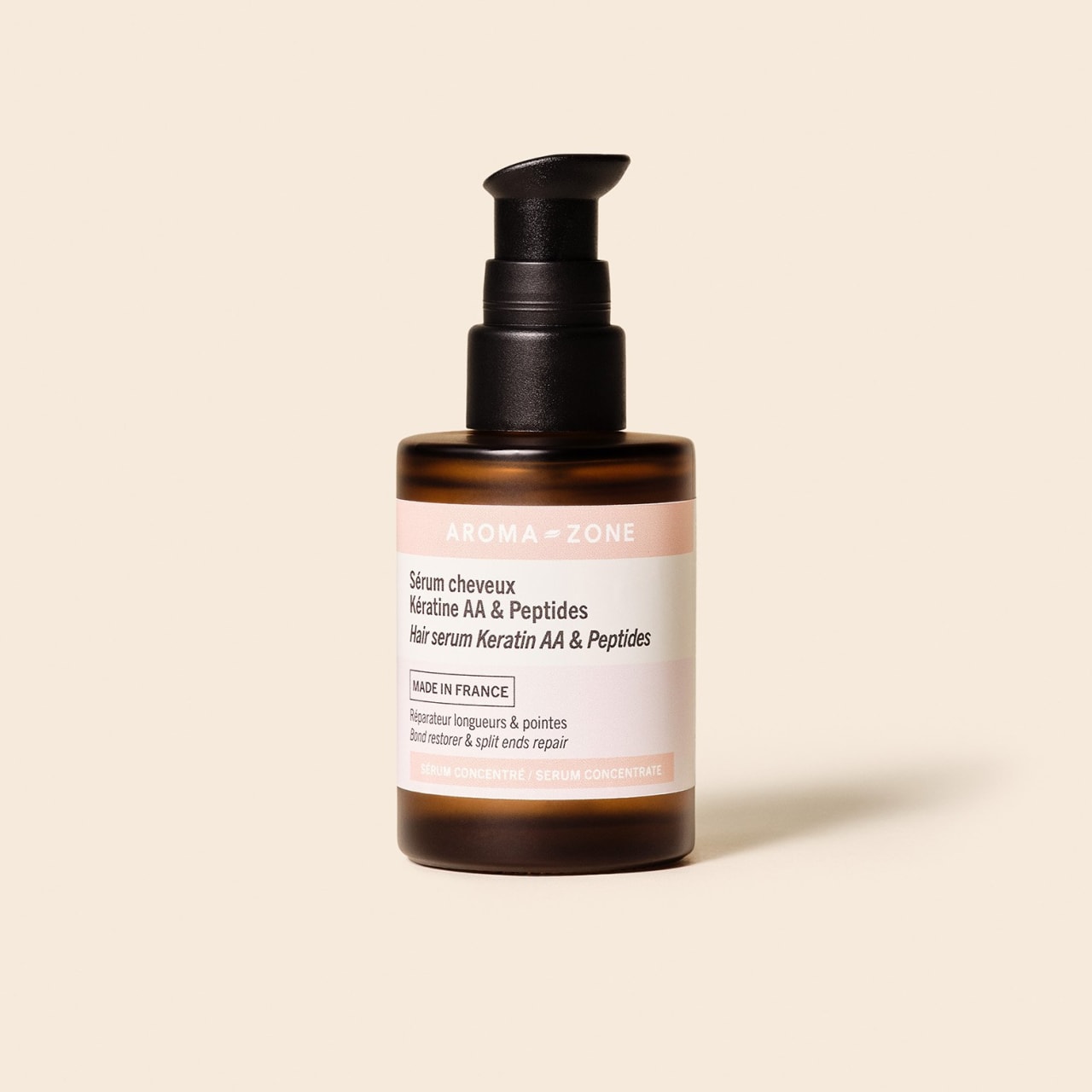
Our leave-in serum repairs the hair’s structure thanks to a complex of amino acids and biomimetic keratin peptides. It acts directly on the hair fibre to restore its cohesion and minimise breakage.
Recommended use : apply a few drops of the product to the lengths and ends, on damp or dry hair, without rinsing.
Contraindications : avoid contact with the eyes. In case of contact, rinse thoroughly with clean water
Step 4: Strengthen your hair from within

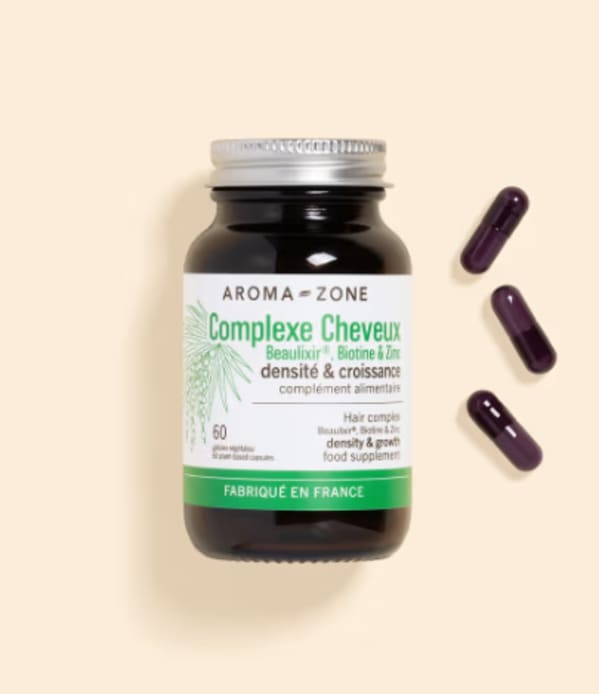
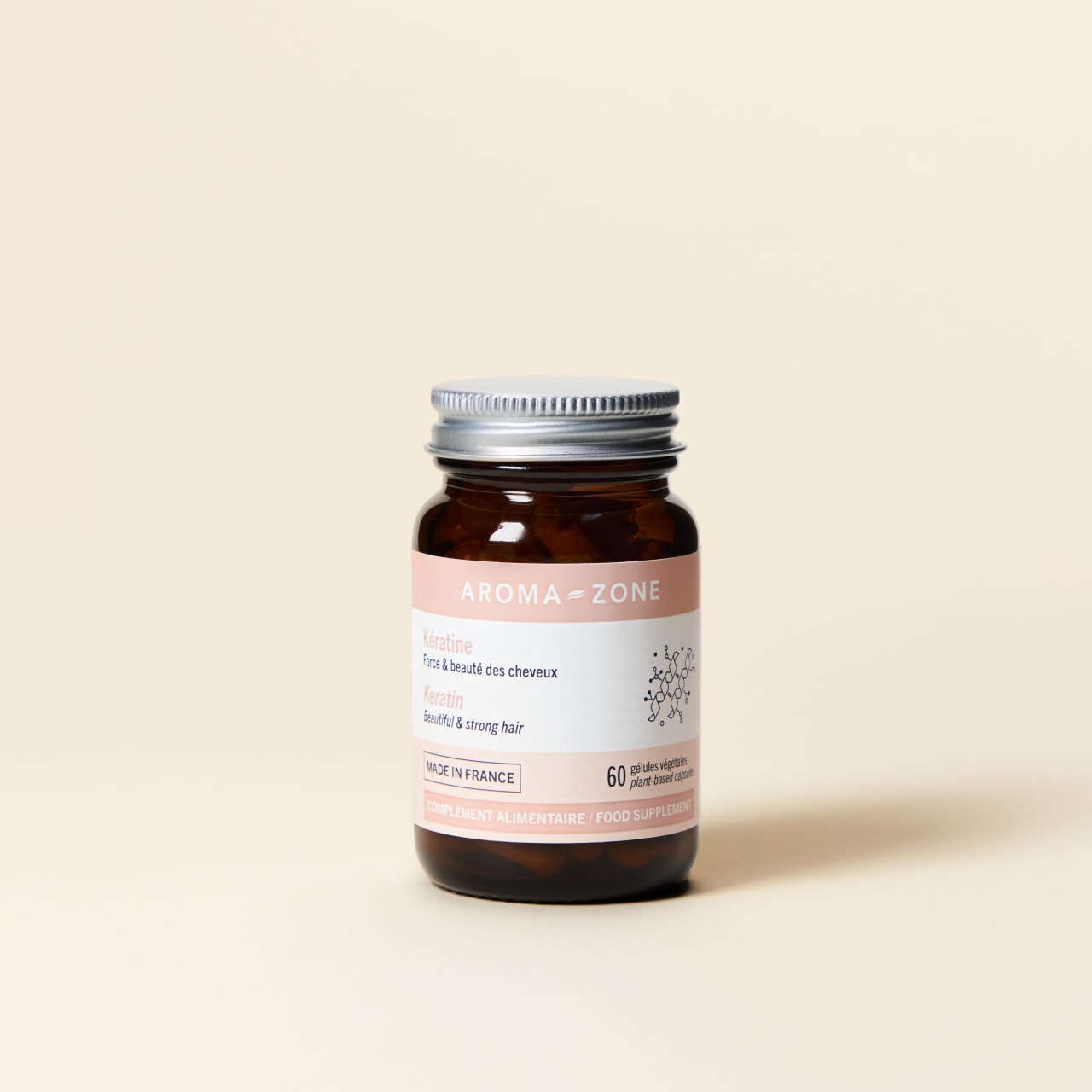
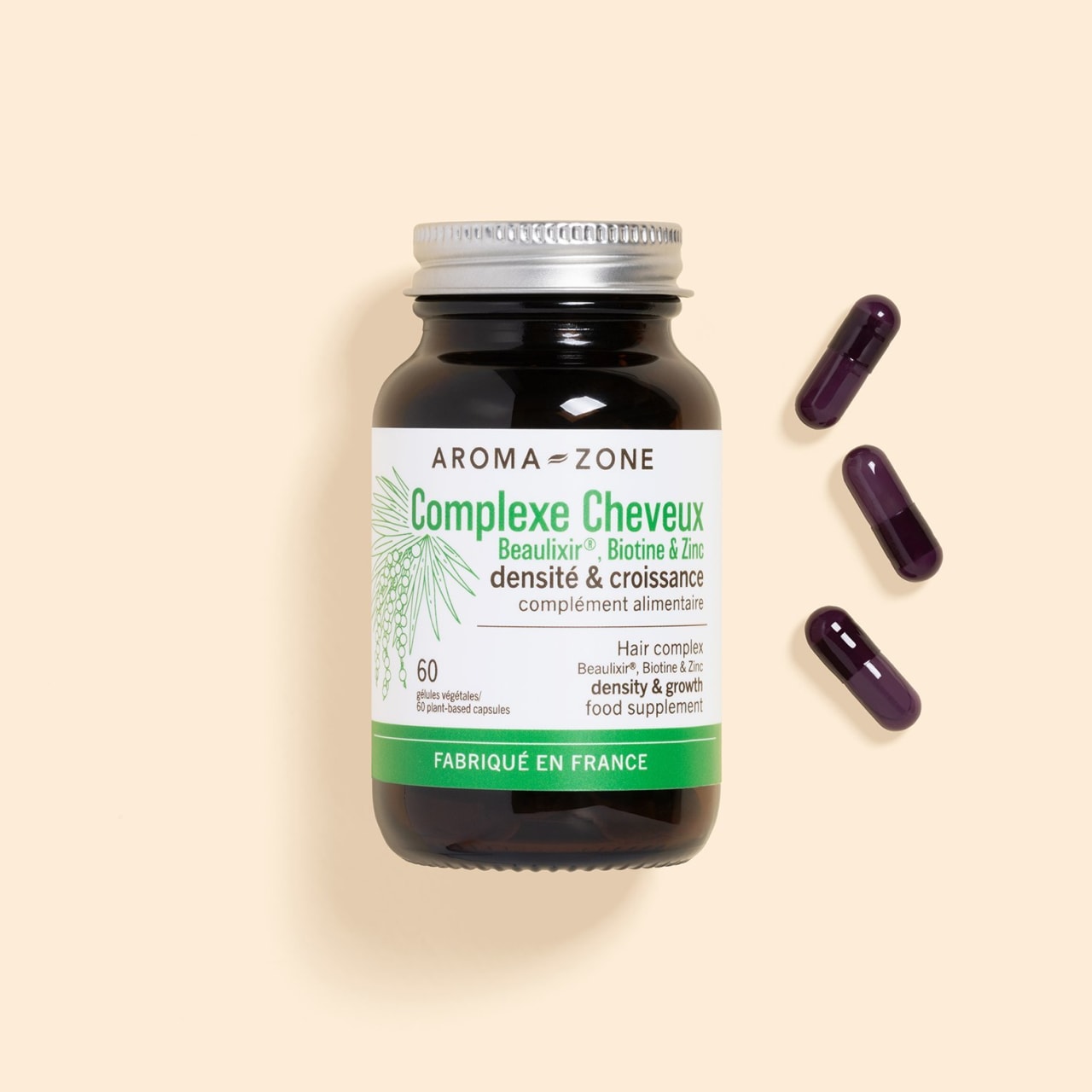
Formulated with the clinically proven active ingredient Beaulixir®, our Hair Complex dietary supplements help to reduce hair loss and improve the appearance of your hair. Enriched with zinc and natural biotin (vitamin B8), they improve the thickness, shine and strength of the hair shaft.
Recommended use: take 2 capsules a day, to be swallowed with a glass of water.
Contraindications: Not a substitute for a varied and balanced diet and a healthy lifestyle. Do not exceed the recommended daily dose. For adults only. Take at a separate time from any medication (at least 60 minutes apart). Not recommended for pregnant or breastfeeding women, people with a personal or family history of breast cancer, or those taking anticoagulant or cholesterol-lowering medication at the same time.
A DIY treatment
Our hair mask recipe, enriched with organic horsetail, plant-based ceramides and hydrolysed rice proteins, helps to strengthen the hair shaft, smooth the lengths and improve the resilience of weakened hair. Hair is stronger, more supple and less prone to breakage.
Discover the Strength & Resilience Hair Mask Recipe for fragile hair - Aroma-Zone
The herbal remedy
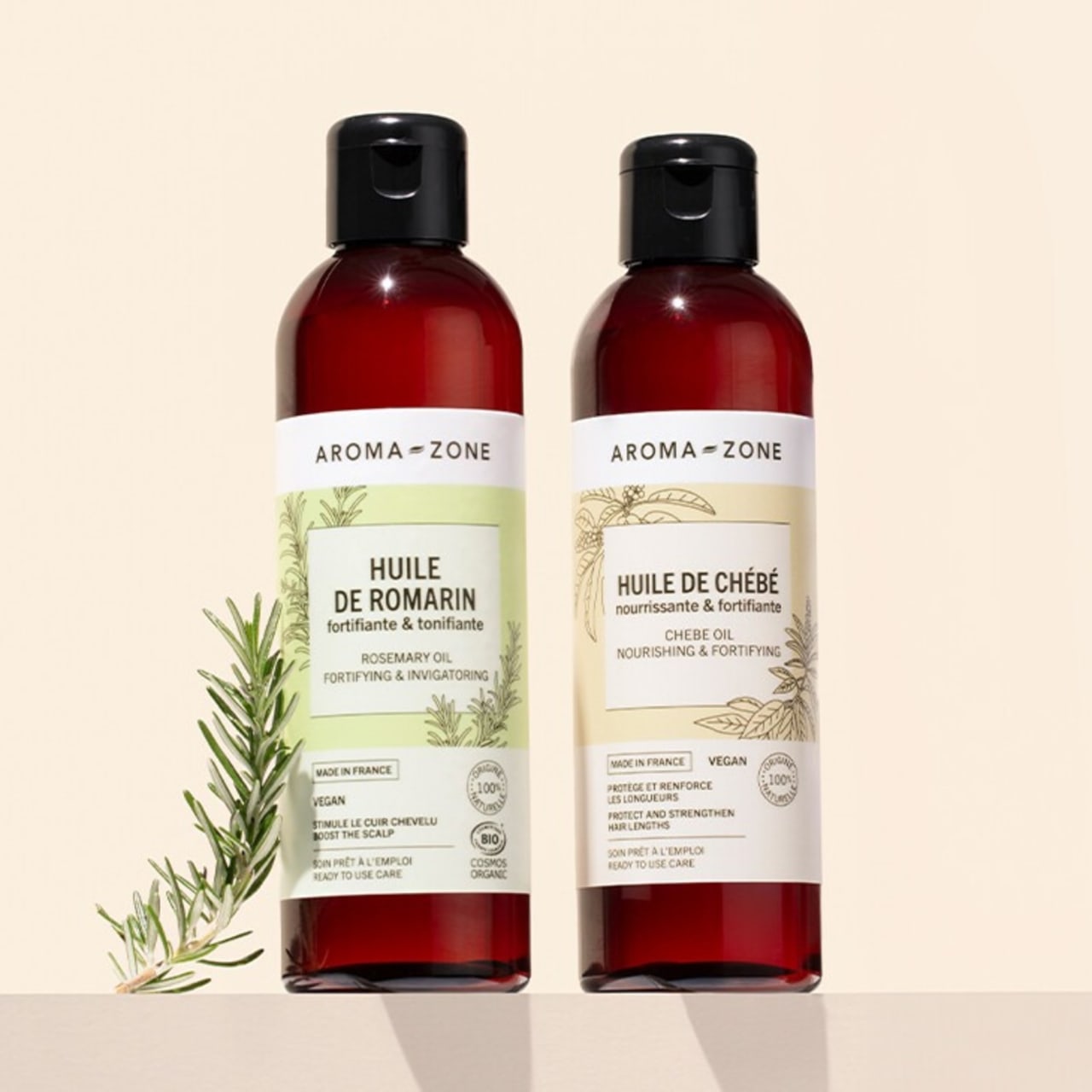
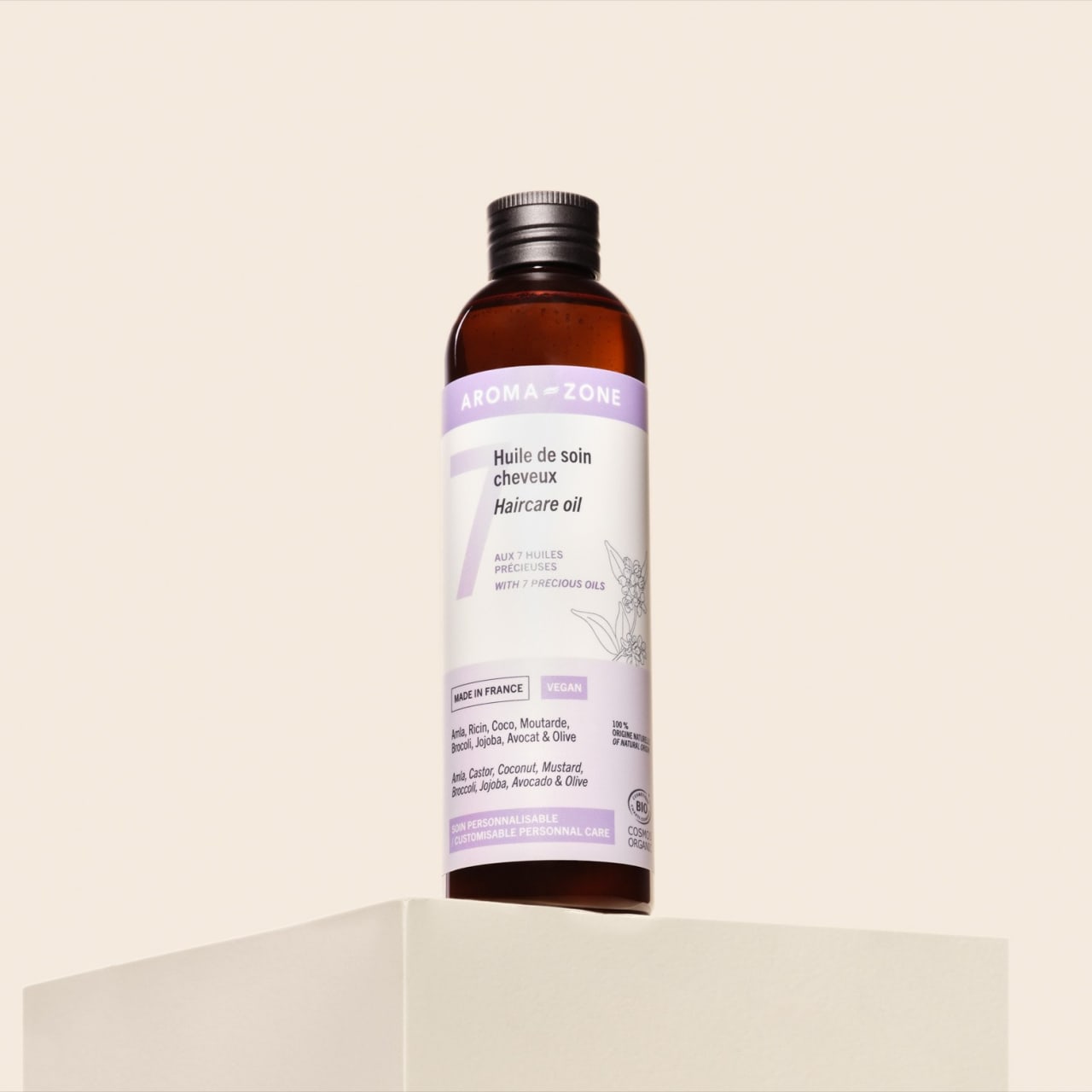
If your hair is dry, apply a little Hair Care Oil to the ends once or twice a week.

Hair Care Oil
Strong, radiant hair thanks to our Organic Hair Care Oil, a blend of seven precious plant oils and an organic oil macerate. Castor, coconut, amla and more naturally strengthen, nourish and repair your hair, whilst adding shine and manageability every day. Perfect for an oil treatment or a leave-in treatment, suitable for every hair need.
Precautions
If your hair is very brittle, is thinning rapidly or is becoming ‘straw-like’ despite a suitable hair care routine, a lack of keratin may be a sign of a wider underlying issue. In this case, seek advice from a healthcare professional. Indeed, when the cause is hormonal, inflammatory or due to a deficiency, keratin treatments or supplements alone are not enough: they must form part of a comprehensive treatment plan, as determined by a doctor.
Expert advice
Hair that is dehydrated or lacking in lipids often shows the same signs as hair lacking in keratin. Indeed, it becomes dry, coarse and dull, and may frizz, whilst its protein structure remains largely intact. This is why it’s essential to distinguish between hair that is simply dehydrated and lacking in lipids (which responds well to moisturising and nourishing treatments) and hair whose internal structure is genuinely weakened (which requires protein and keratin to rebuild the hair fibre).
Find out more

How can you tell if you’re lacking keratin?

How can you tell if you’re lacking keratin?

Which food is richest in keratin?

Which food is richest in keratin?
Keratin isn’t found directly in food, but foods rich in protein and sulphur-containing amino acids – such as eggs, garlic, onions, leeks, meat and fish – help support the body’s production of keratin.

How can you boost your keratin levels?

How can you boost your keratin levels?
The key is to support keratin synthesis – particularly through your diet – and to protect the keratin already present in your hair.
Spotlight on our writer: Camille Clement

Camille specialises in writing content on beauty, health and natural wellbeing. She's passionate about these topics, and writes articles for major media outlets to help everyone take care of themselves in a natural, holistic way.
Bibliography
1
NIH, The Role of Vitamins and Minerals in Hair Loss: A Review, 2018
https://pmc.ncbi.nlm.nih.gov/articles/PMC6380979/
2
NIH, Structural and regulatory functions of keratins, 2007
https://pubmed.ncbi.nlm.nih.gov/17434482/