
Keratin is a natural substance that belongs to the family of fibrous proteins. It is produced by our bodies, where it performs an essential role thanks to its key characteristic: it is extremely resilient! Its name, in fact, comes from the ancient Greek Kéras, meaning ‘horn’. It plays a structural and protective role: acting as a kind of biological armour.
What are the benefits of keratin?
Published on: Thursday, July 02, 2026, Updated on: Friday, October 30, 2026
Along with collagen, keratin is the most important natural protein in the animal kingdom. Its benefits, starting with its exceptional strength, mean it plays a key role in the beauty of our skin, hair and nails. If your hair is brittle, dry or damaged, and your nails are soft, it is an essential restructuring ingredient to help restore strength. Whether used in skincare products or as a dietary supplement, here’s why and how you should make the most of keratin.
Contents
Related products
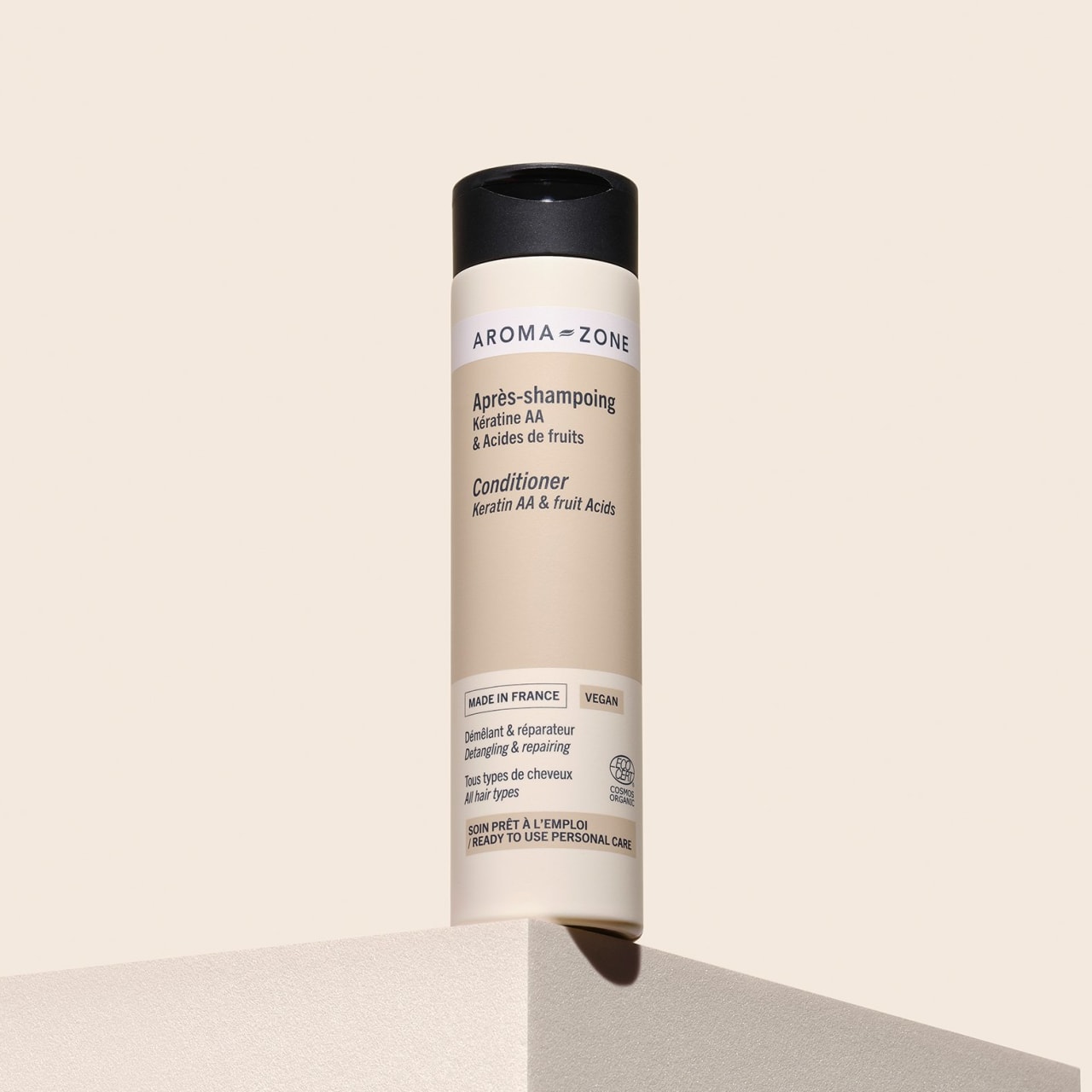
Keratin AA & Fruit Acids Detangling and Repairing Conditioner
Repairing
Detangling
£9.00
200 ml
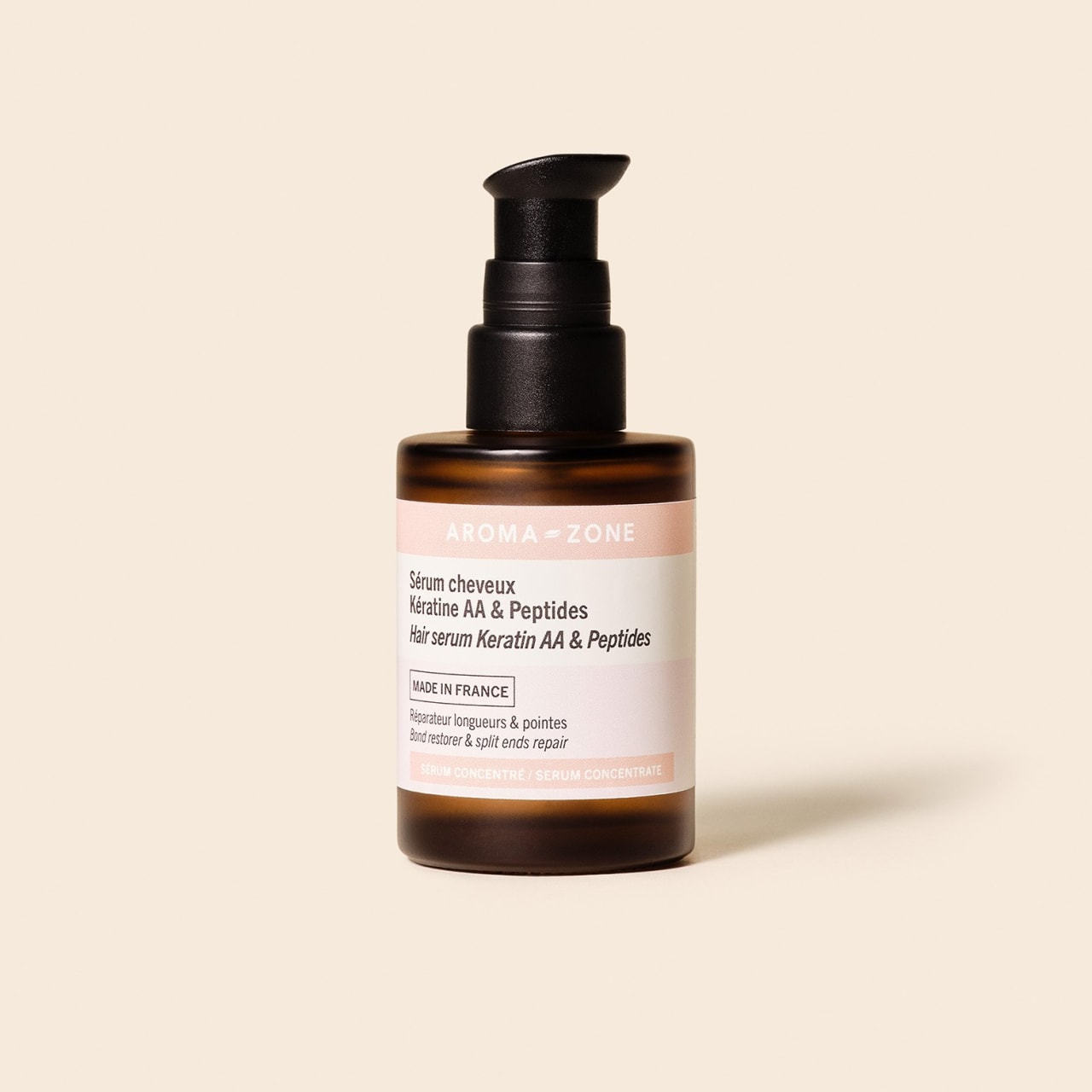
Keratin AA, Peptides & Hyaluronic Acid Hair Serum
Hair strengthening
£12.50
50 ml
2 options
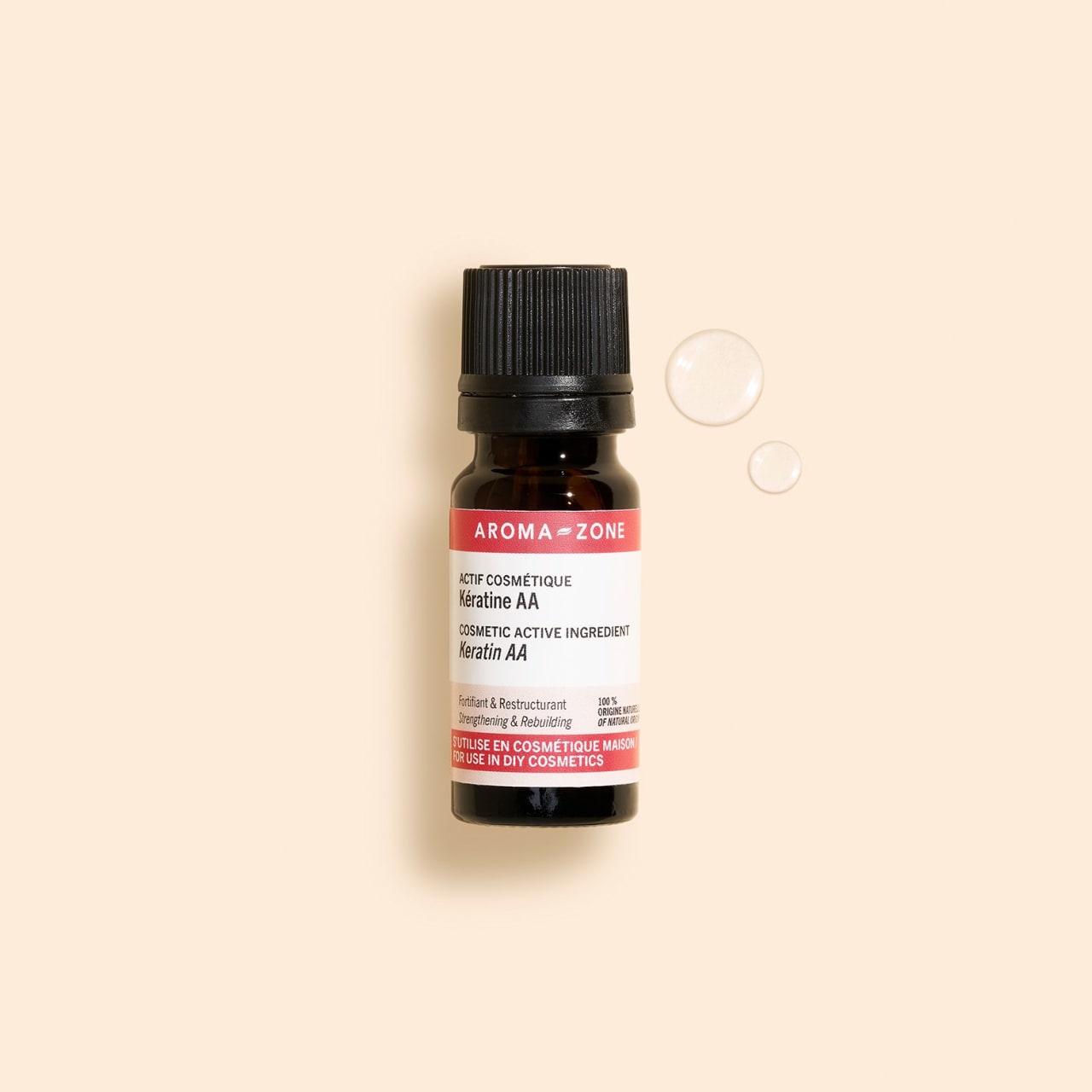
Keratin AA Active Ingredient
Moisturising
Hair strengthening
£5.00
10 ml
£20.00
1 article
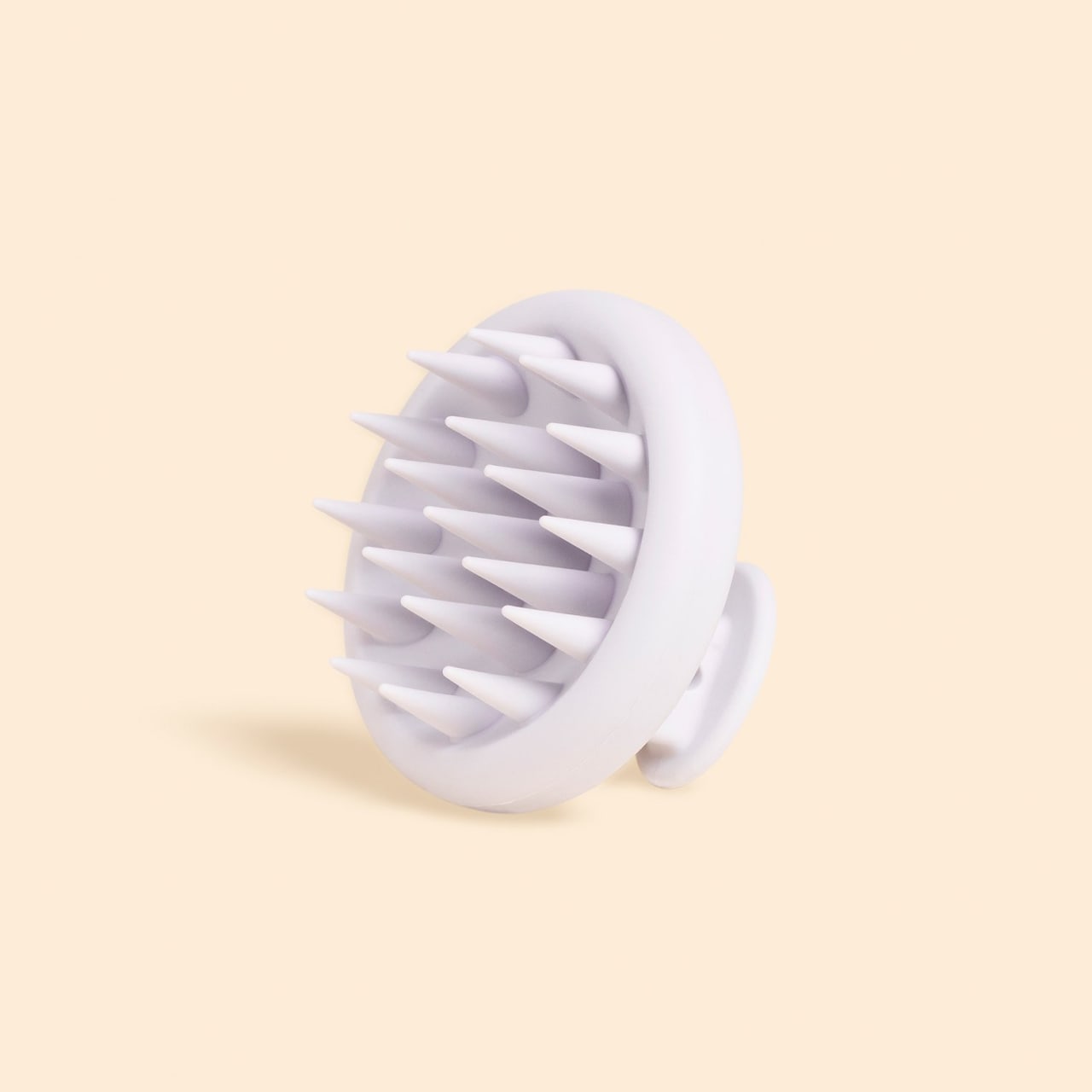
Scalp Massaging Brush
Hair strengthening
£5.00
1 article
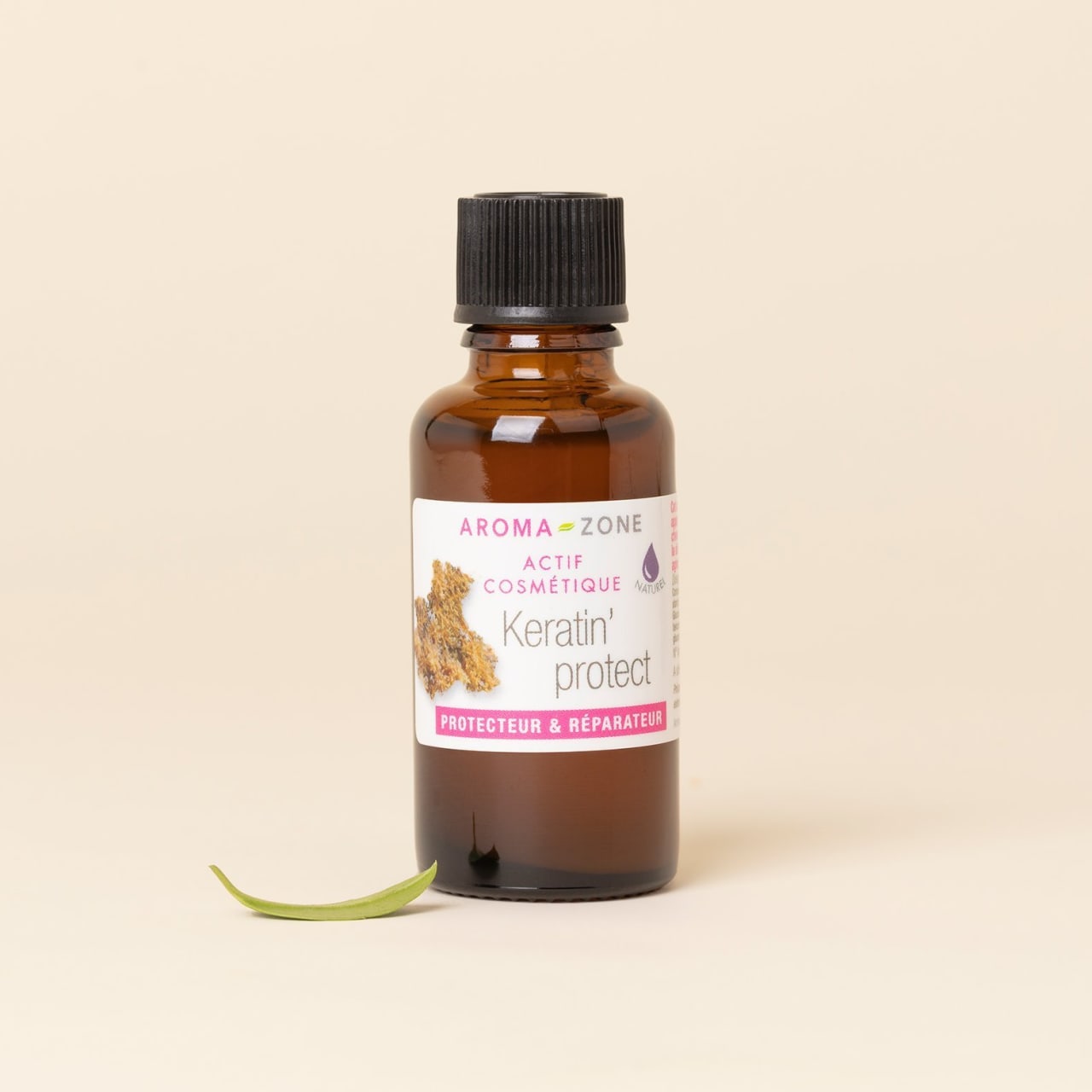
Keratin'protect Active Ingredient
Hair strengthening
Protective
£7.50
30 ml
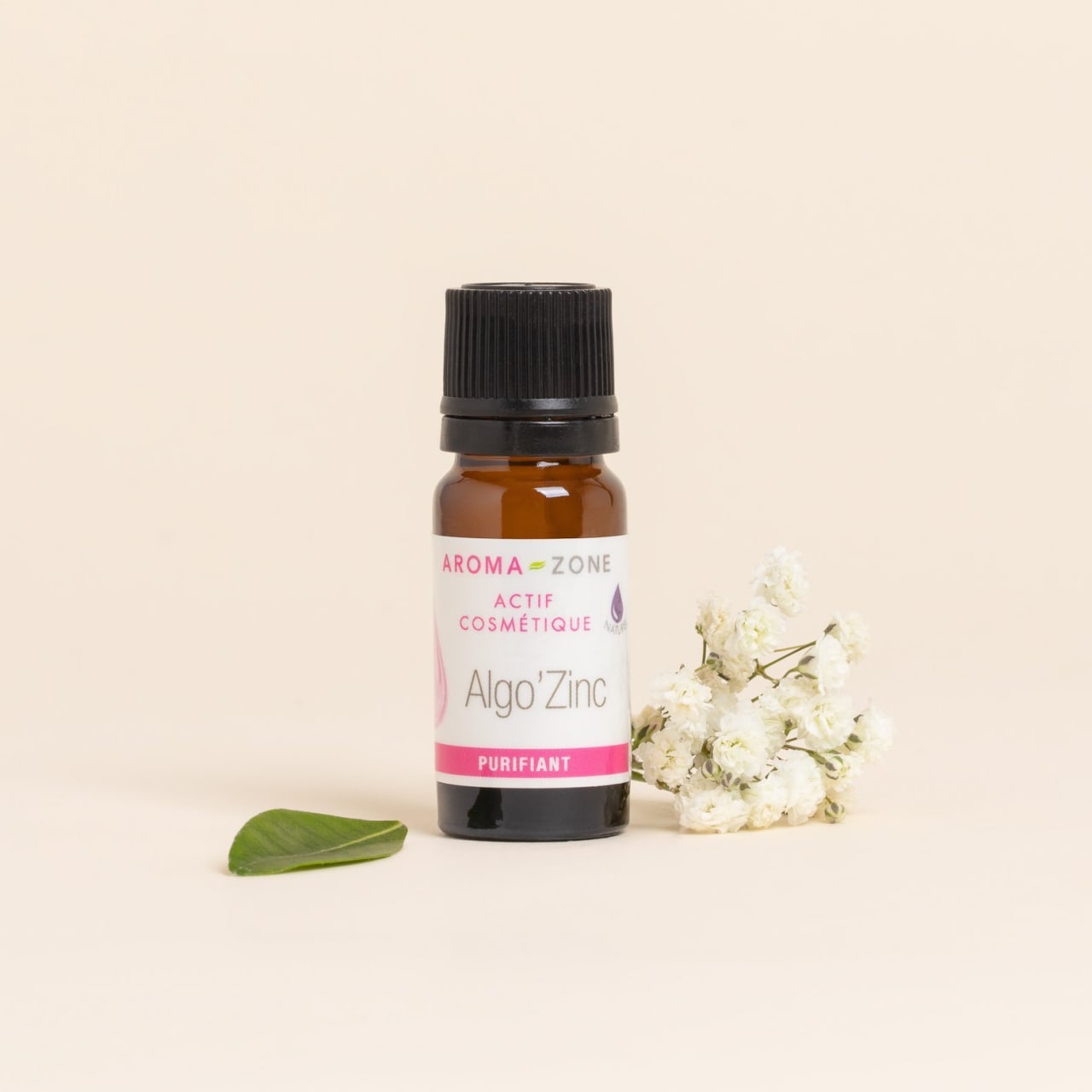
Algo'Zinc Active Ingredient
Purifying
Sebum-regulating
£4.50
10 ml
What is keratin, this protein everyone’s talking about?
Good to know: Keratins are also found in animals. They are present in their feathers, beaks, hooves, coats, etc. A distinction is generally made between alpha-keratin (found in all vertebrates) and beta-keratin (found in birds and reptiles). When used as ingredients, they are often extracted from sheep’s wool. It is therefore not a vegan product.
The Composition of Keratin
Keratin proteins are made up of amino acids. These are essentially sulphur-rich amino acids, notably cysteine and cystine. Before discussing the benefits of keratin, it’s important to note that there isn’t just one type of keratin, but several types. They are classified into two families.
Soft keratins: these are found on the surface of our skin. They are rich in cysteine and can flake off.
Hard keratins: these are the ones that make up our nails and hair. They are rich in cystine and their distinctive feature is that they don't flake off.
What is keratin used for?
The process of keratinisation (i.e. the production of keratin) forms the basis for the formation of the outermost layer of our skin (the stratum corneum) and our appendages (hair, body hair and nails). These keratinised structures all have one thing in common: they are there to protect our bodies.
The main benefits of keratin stem from its great strength, which makes it a robust protective shell for our bodies. It is insoluble in both water and oil, and resistant to most organic solvents. It also acts as a thermal protector, up to around 100 °C.
What are the benefits of natural keratin?
The benefits of keratin for the skin
Keratin proteins ensure the cohesion and elasticity of our epidermis (the outermost layer of our skin). On the surface, it consists of an army of cells filled with keratin: these are corneocytes, i.e. dead keratinocytes. They act as a border guard, filtering out much of what tries to ‘get in’ or ‘get out’. As they wear out quickly when exposed to external aggressors, the skin constantly produces new ones.
And what about as an ingredient in skincare products? Hydrolysed keratin (a blend of peptides and amino acids) is ideal for strengthening the skin barrier. It acts as a humectant, helping to maintain the skin’s moisture, suppleness and firmness.
The benefits of keratin for hair
Hair is, roughly speaking, pure keratin: it makes up 95% of our hair. It is mainly found in the cuticle, in the form of flat cells interlocked like roof tiles. Its role is, once again, protective: it shields the core of the hair from various external aggressions, such as friction and chemical agents. Keratin fibres are also found in the cortex. There, they form the hair’s structural framework, ensuring its strength.
And what about as an ingredient in hair care products? Keratin peptides help prevent breakage by improving the hair’s mechanical and thermal resistance. They optimise the hair’s natural moisture levels, while giving it shine and suppleness. This leaves the hair with a smooth, healthy appearance (which is, in fact, the principle behind Brazilian straightening).
Tip: the benefits of keratin also apply to eyelashes and beard hair!
The benefits of keratin for nails
The nail is a plate of keratin (it is comprised of around 90% of it). It consists of several layers of keratinised cells. These are produced by the matrix, located in the dermis. They give the nail its remarkable hardness. Water also plays an important role in this strength. Nails naturally contain a small percentage of water. Not enough water: nails will become brittle. Too much water: nails will become soft.
And how about as an ingredient in nail care products? Keratin hydrolysate can bind to the surface of the nail. It thus strengthens the nail plate, resulting in stronger and harder nails.
How do you do a keratin ‘treatment’?
Foods: It is not possible to consume keratin directly, but you can opt for substances involved in its synthesis process. The most important of these are sulphur-rich amino acids, which should, however, be consumed in moderation.
Keratin-based dietary supplements: these consist of a keratin hydrolysate, a form that increases its bioavailability when taken orally. It is sometimes combined with other substances believed to enhance its effects or facilitate its absorption.
Topical use: you can also buy or make your own skincare, haircare and nail care products enriched with hydrolysed keratin. For vegans wishing to follow a keratin treatment programme, plant-based alternatives (plant-derived keratin) are also available.
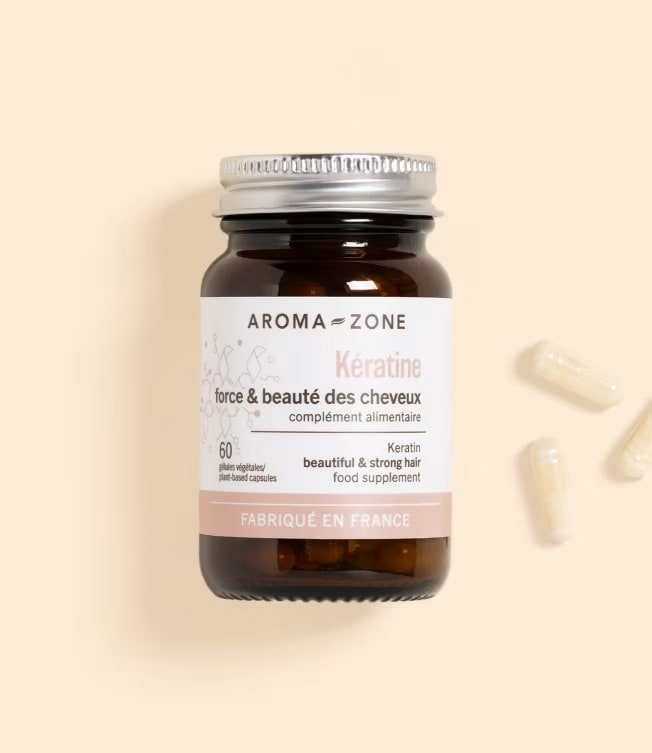
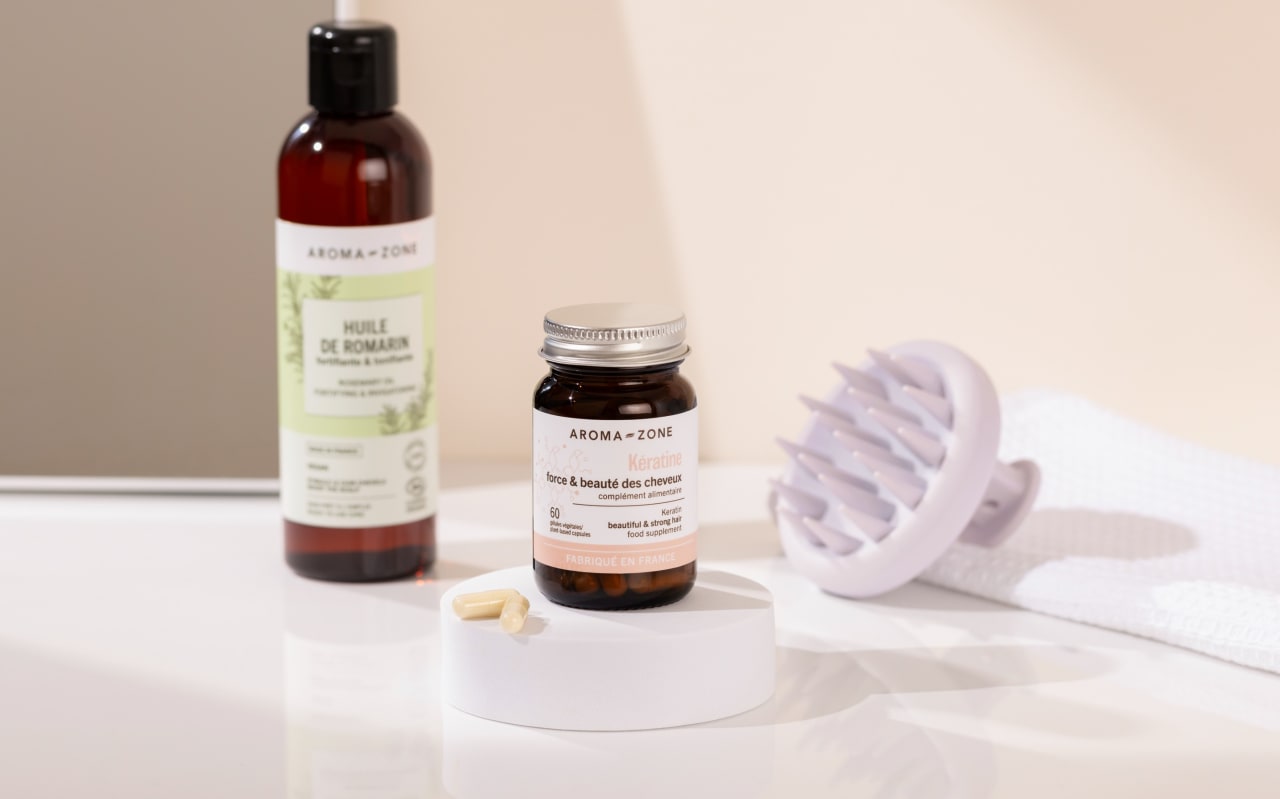
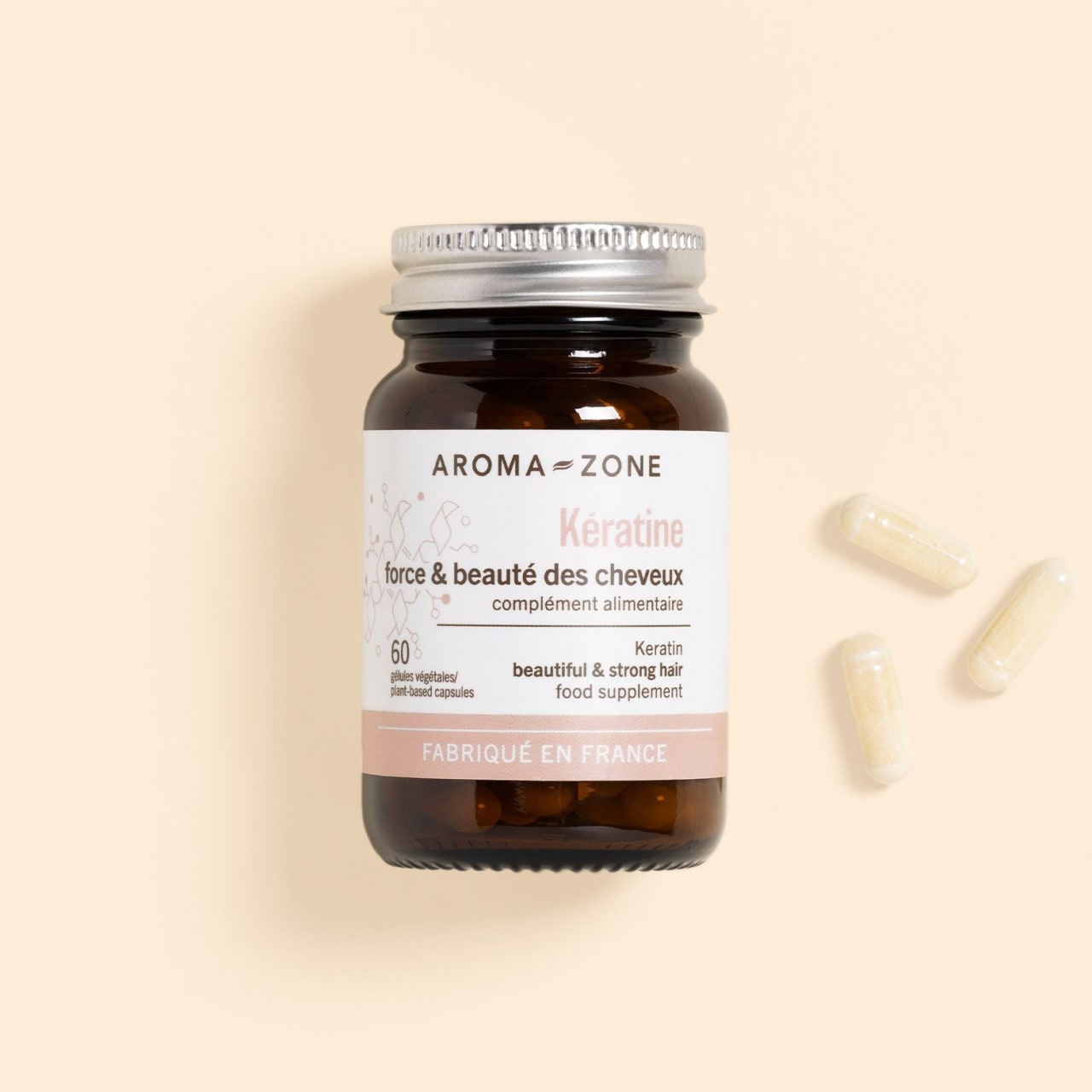
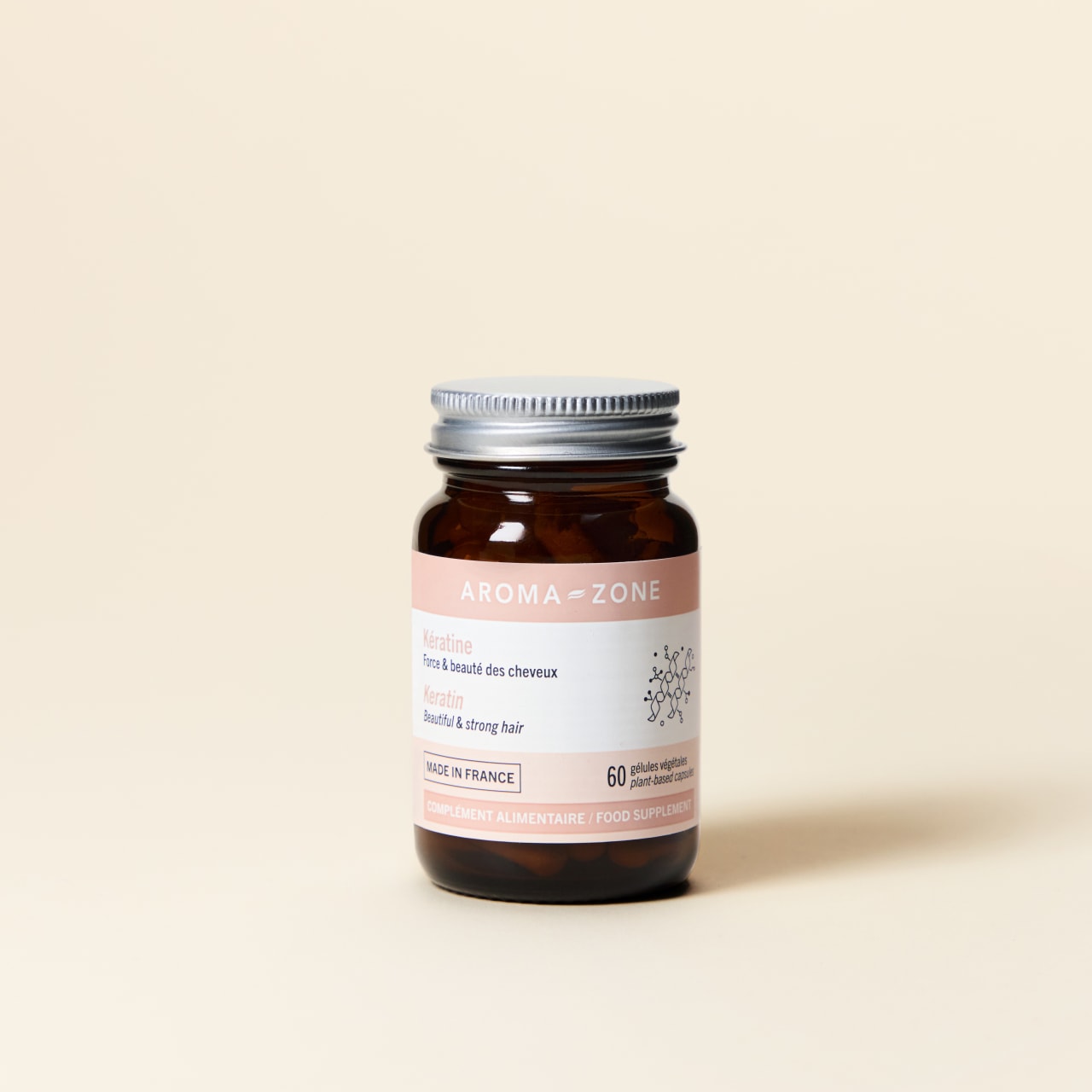
Focus on the Keratin Dietary Supplement – 60 capsules
Regain strong, shiny hair with this keratin dietary supplement, proven to be effective! These capsules contain Cynatine HNS®, a patented grade of hydrolysed keratin produced using an innovative process that preserves the amino acids that make up keratin and optimises their bioavailability. Its effectiveness has been clinically demonstrated in terms of hair resilience, strength and shine, as well as hair quality and the reduction of daily hair loss caused by styling. Studies also show benefits for skin beauty and elasticity, as well as for the quality and strength of nails.
Our naturally derived solutions
How can you use them? Add one or more of these ingredients to your homemade beauty recipes. For inspiration, you’ll find the active ingredients from this list in the recipes below.
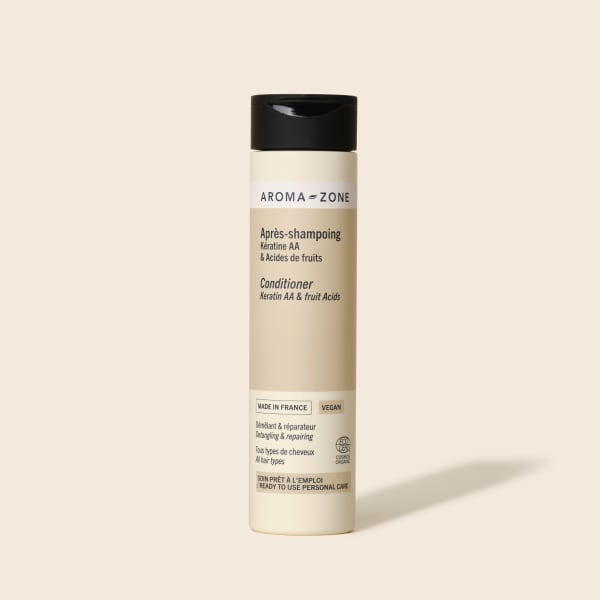
Keratin AA & Fruit Acids Detangling and Repairing Conditioner
Designed for weakened hair, this certified organic detangling conditioner repairs, strengthens and reduces breakage by 94% from the very first use. Free from sulphates and silicones, its innovative Keratin and Fruit Acids complex works both inside and outside the hair fibre to leave hair visibly strengthened and enhanced.
Discover our AA Keratin & Fruit Acids Detangling and Repairing Conditioner
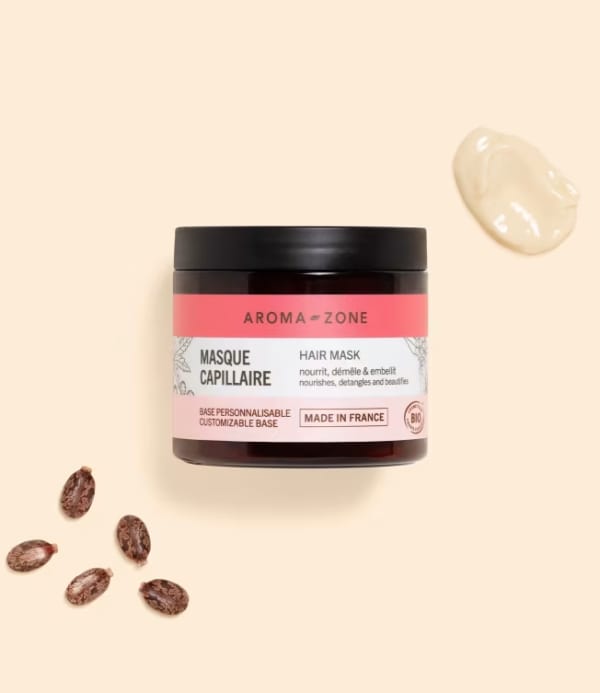
Hair Mask Base
A true nourishing balm, this neutral, certified organic hair mask base, rich in jojoba, castor and shea butter oils, protects, smooths and nourishes your hair. Its supple, lightweight texture means it can be used as a hair mask or conditioner to make detangling easier and to add shine, suppleness and softness to your hair. It’s also ideal as a leave-in treatment to coat, nourish and enhance your mid-lengths and ends.
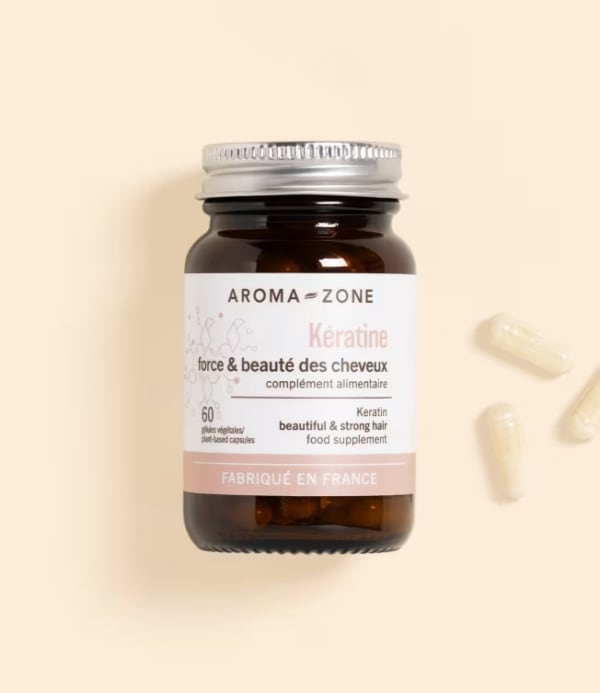
Keratin Dietary Supplement – 60 capsules
Restore strong, shiny hair with this keratin dietary supplement, proven to be effective! These capsules contain Cynatine HNS®, a patented grade of hydrolysed keratin produced using an innovative process that preserves the amino acids that make up keratin and optimises their bioavailability.
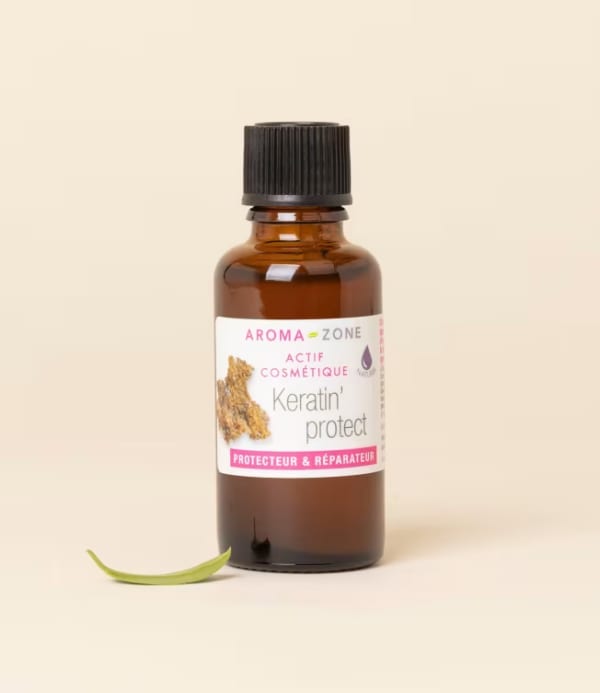
Keratin’protect Active Ingredient
This ingredient is derived from a brown seaweed extract. It is known to improve the structure of the proteins found in the hair cortex. Ideal for coarse hair weakened by chemical treatments, it restores softness and shine.
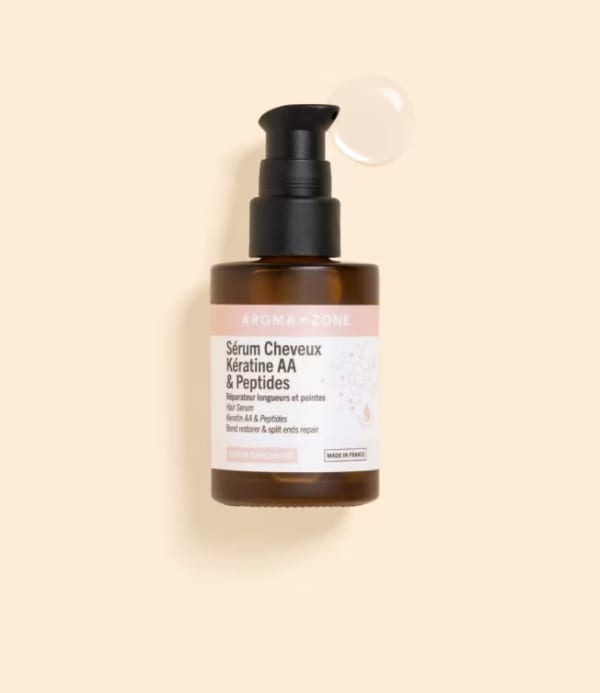
Keratin AA & Peptides Hair Serum
Formulated for all hair types, this serum strengthens the hair fibre thanks to a complex of amino acids and biomimetic keratin peptides. With over 80% repair after just one application, your mid-lengths and ends are restored, leaving your hair stronger and shinier.
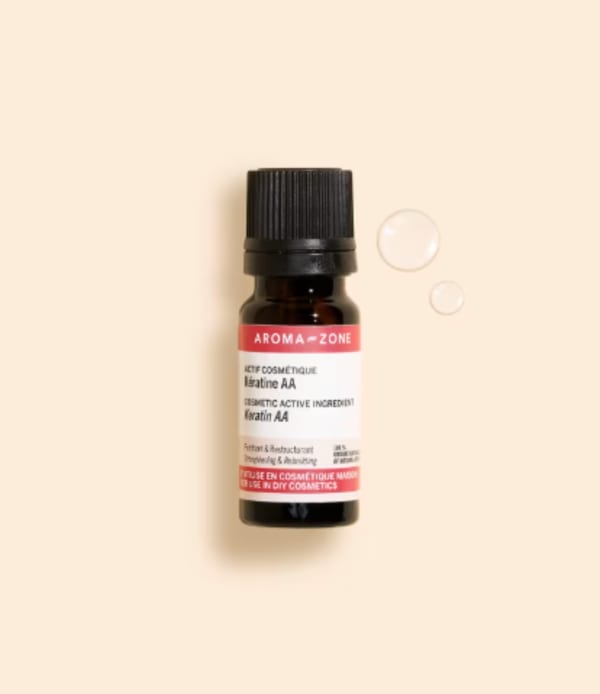
Keratin AA cosmetic active ingredient Ideal for damaged hair, the active Keratin AA helps restructure and strengthen the hair fibre, boosts hydration, and enhances hair shine. 100% natural origin and vegan, it is composed of amino acids derived from bio-fermentation, that replicate the amino acid profile of natural keratin. This tried and tested active ingredient can be used as an ingredient in your DIY hair care formulations.
Our recipes for beards, eyelashes and hair





Instructions for use
The cosmetic products and active ingredients mentioned in this feature may be subject to precautions and restrictions on use. Please consult our technical data sheets before using them on your skin, scalp, nails or hair. Carry out a sensitivity test if you are using a new topical product (whether homemade or not) for the first time.
Expert advice
Would you like to enjoy the benefits of keratin using keratin supplements? Take the time to read the package leaflet for your dietary supplement carefully. As it is a protein, there are a number of points to bear in mind to ensure you start taking it correctly. It is important to strictly adhere to the recommended doses to protect your kidneys. Do not hesitate to seek advice from a doctor if you have any doubts.
Spotlight on Our Writer, Hélène Betoux

Hélène Betoux is a French beauty journalist specialising in digital media. She writes practical tips, advice and guides to help readers choose the right beauty products. Passionate about natural, organic and clean beauty, she explores the latest trends and innovations in the industry.
Bibliography
Extraction and application of keratin from natural resources: a review.
Chilakamarry CR, Mahmood S, Saffe SNBM, Arifin MAB, Gupta A, Sikkandar MY, Begum SS, Narasaiah B. 3 Biotech. May 2021;11(5):220. doi: 10.1007/s13205-021-02734-7. Epub 16 April 2021. PMID: 33968565; PMCID: PMC8052392.
Keratins: a fresh perspective on skin biology.
O. Bousquet and P. A. Coulombe. Med Sci, vol. 18, pp. 45–54, 2002.
A Review of Keratin-Based Biomaterials for Biomedical Applications.
Rouse, Jillian G., and Mark E. Van Dyke. 2010. Materials 3, no. 2: 999–1014. https://doi.org/10.3390/ma3020999

Frequently Asked Questions
Associated tips

Natural actives


