Highly dependent on male hormones, such as testosterone, beard hair typically grows on the chin, cheeks, jawline, and around the mouth. It takes root in a hair follicle, located in the skin. The visible part consists of a keratin shaft made up of three concentric layers: the cuticle, a protective barrier composed of small keratin scales; the cortex, which also contains keratin as well as melanin—which gives the beard its colour; and the medulla, at the core of the hair. Beard hair follows a cycle similar to that of scalp hair, with phases of growth (anagen), rest (catagen), and shedding (telogen), which span several months. The beard is therefore constantly renewing itself.
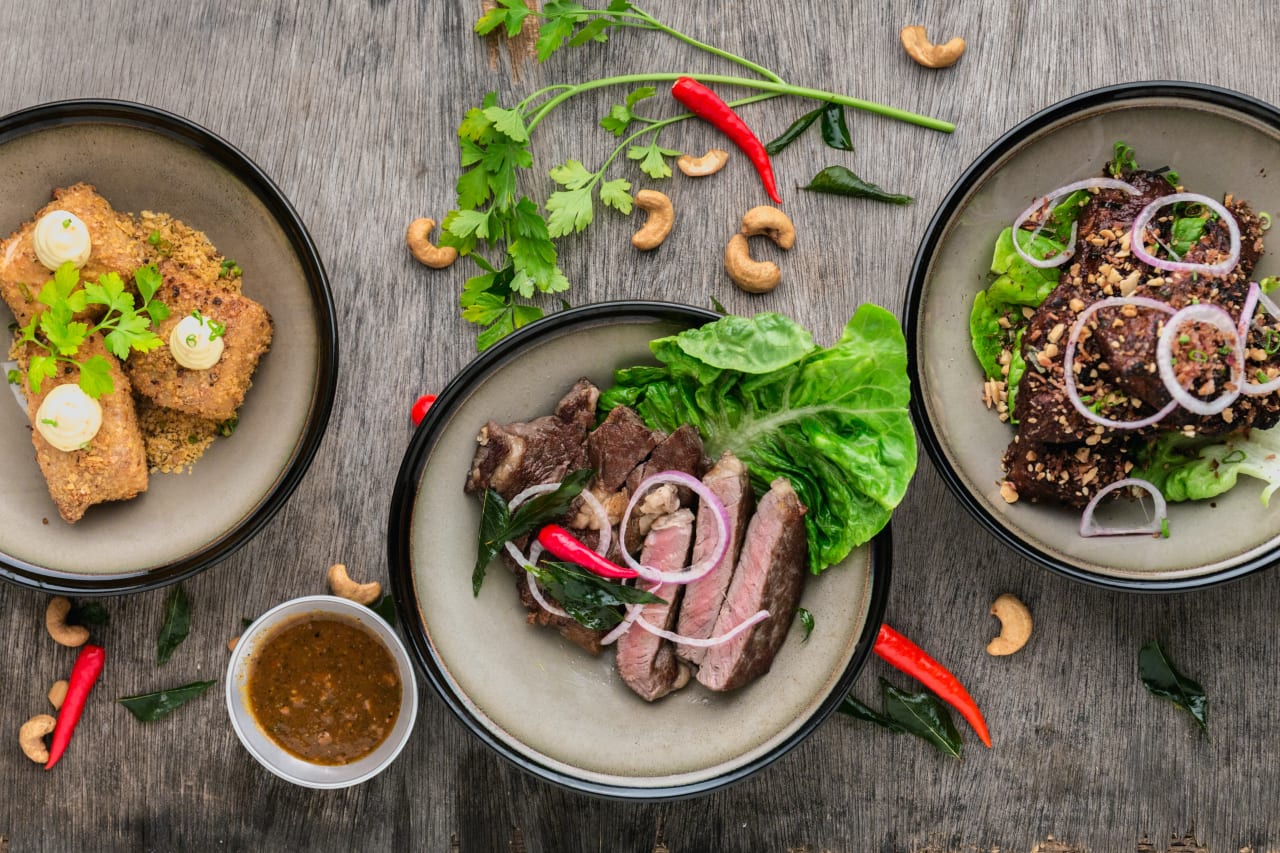
What Foods Can Stimulate Beard Growth?
Published on: Monday, October 30, 2023, Updated on: Wednesday, October 21, 2026
Coveted by many men, a full, thick, and healthy beard starts on your plate. Massages, moisturizers, and plant-based oils, such as the famous castor oil, remain valuable allies, but they cannot compensate for an unbalanced diet. In fact, it is largely your diet that provides the body with the building blocks needed to produce strong, resilient beard hair. In this article, we’ll take a closer look at the foods you should incorporate into your diet to stimulate beard growth and naturally support its beauty and vitality.
Contents
Related products
£7.00
50 ml
Organic Castor Oil
Repairing
£7.50
250 ml
2 options
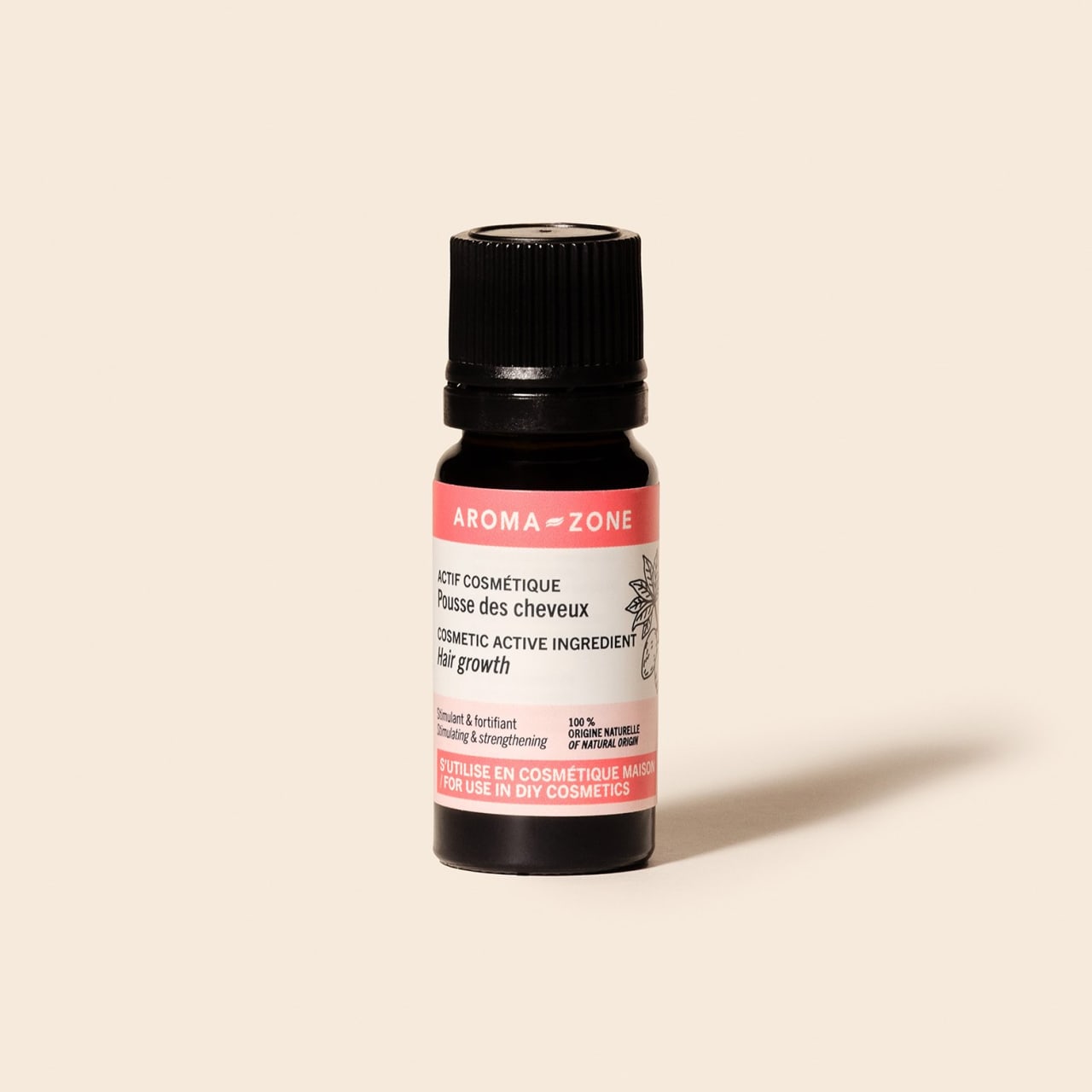
Hair Growth Active Ingredient
Hair strengthening
£4.20
£6.00
10 ml
£25.00
article
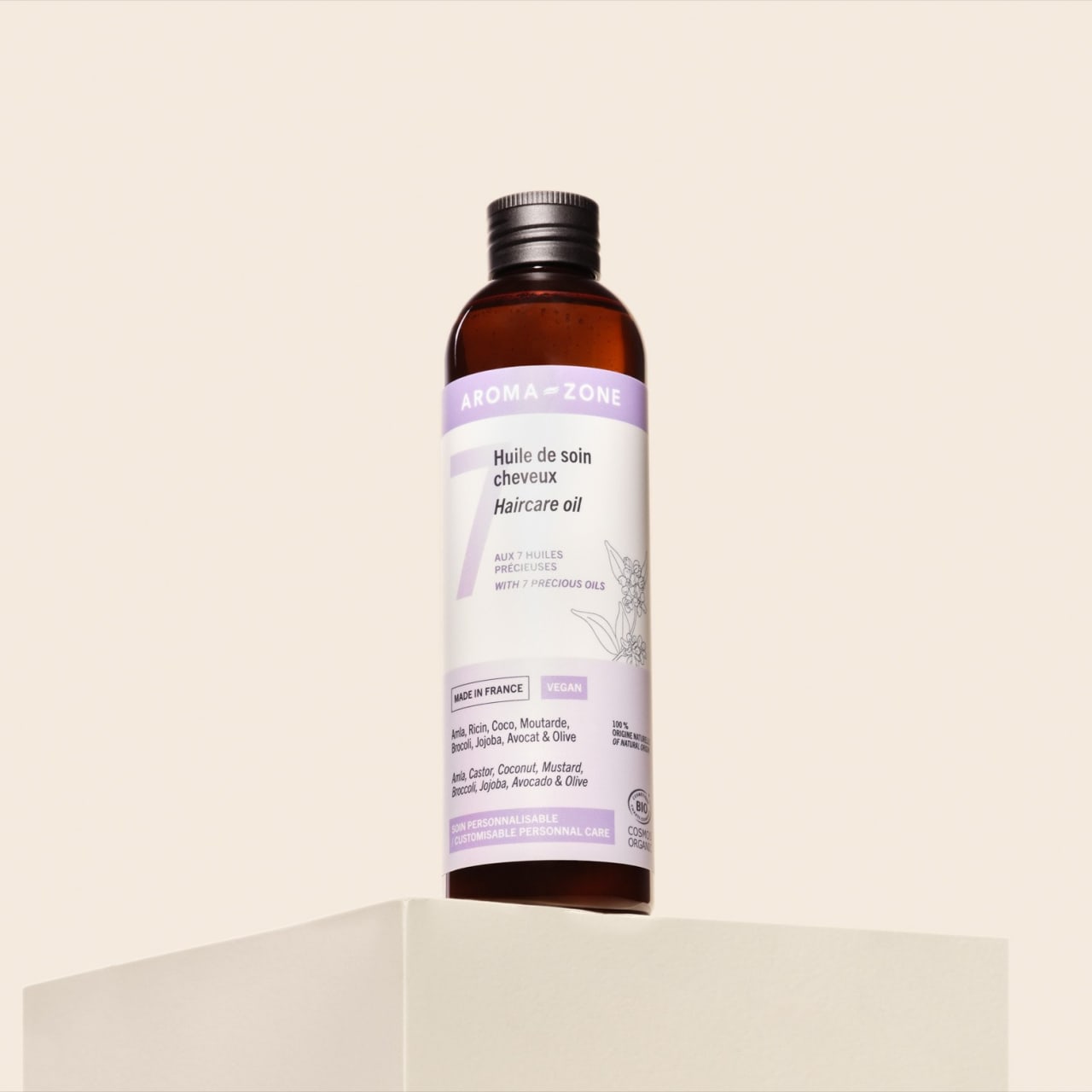
Haircare Oil With 7 Precious Oils
Repairing
Hair strengthening
£11.00
250 ml
What Is Beard Hair?
How Does Diet Affect Beard Growth?
Beard hairs are largely composed of keratin, a protein whose production depends directly on the amino acids, vitamins, and minerals provided by the diet. Insufficient or unbalanced intake can disrupt keratinization (the process of keratin formation) and lead to finer, drier, or more brittle beard hairs, with slower growth. Conversely, a healthy diet, particularly one rich in protein, vitamins, zinc, iron, and essential fatty acids, contributes to better hair shaft quality and more consistent growth. Certain foods are therefore particularly recommended for stimulating beard growth. A varied and balanced diet supports the beard’s natural potential and optimizes what the hair follicles on the skin are capable of producing.
What Factors Influence Beard Growth?
Genetics
Genetics determine the number of hair follicles on the face, their distribution (cheeks, chin, mustache), as well as the color and thickness of the hair. This is why, even with an identical lifestyle, some men have a naturally dense and even beard, while others have sparse patches.
Hormones
Androgen hormones, particularly testosterone and its derivative (DHT), play a central role in activating and stimulating the beard’s hair follicles. Hormone levels aren’t the only factor at play, as the sensitivity of the receptors in the follicles also matters. As a result, two people with similar hormone levels can have very different beards.
Age
During puberty, rising levels of androgen hormones gradually trigger the appearance and thickening of the beard. The density and shape of the beard continue to evolve until around age 30. As we age, hormone production decreases, which can slow down the rate of growth and alter the texture of the beard hair.
Diet
A diet rich in protein, vitamins, and minerals, such as zinc and iron, supports keratin synthesis and the health of hair follicles. Foods containing these nutrients are therefore ideal for beard growth. Conversely, nutritional deficiencies can make the beard thinner and more brittle and slow down its overall growth.
Healthy Lifestyle
Restful sleep, effective stress management, and limited tobacco or alcohol consumption promote good blood circulation and a stable hormonal environment for beard growth.
What Foods Should You Eat to Stimulate Beard Growth?
Foods that stimulate beard growth provide the nutrients needed to produce keratin and strengthen hair follicles, namely, proteins and essential trace minerals such as iron, zinc, and selenium, B vitamins, including biotin, and Vitamin D, as well as essential fatty acids.
Meat, Fish, Eggs, and Dairy Products
Red and White Meats, and Offal: These provide high-quality protein, easily absorbed iron, zinc, and several B vitamins involved in keratin synthesis and cell renewal
Fish and Seafood: These provide protein, iron, zinc, and selenium, as well as vitamin D and essential fatty acids, which are beneficial for the health of the skin and hair follicles
Eggs: They are particularly beneficial due to their content of complete proteins and biotin (Vitamin B8), which support keratin production and the quality of hair fibres
Dairy Products and Fortified Products: They contribute to the intake of protein, certain B vitamins, and, in the case of some fortified milks or yoghurts, Vitamin D.
Legumes and Wholegrains
Legumes (lentils, chickpeas, dried beans): They provide plant-based protein, non-heme iron, zinc, and sometimes a little selenium, as well as several B vitamins, making them valuable allies for supporting hair growth and strength
Wholegrains (brown rice, oats, whole wheat, quinoa): These also contribute to your intake of B vitamins
Soy-Based Products (tofu, tempeh, soy beverages, and soy yoghurt): These plant-based options are excellent for promoting beard growth, especially as part of a vegetarian diet
Nuts, Seeds, and Oilseeds
They provide zinc, a small amount of iron, biotin, and other B vitamins, combined with high-quality fatty acids, which help strengthen the hair shaft and reduce skin dryness
Brazil Nuts: They are particularly rich in selenium, a powerful antioxidant that helps protect hair follicle cells
Pumpkin and Sunflower Seeds: They are rich in zinc, iron, and other minerals, as well as essential fatty acids, and thus help maintain a nutritional environment conducive to a denser, stronger beard
What Natural Solutions Are There for Growing a Beard?
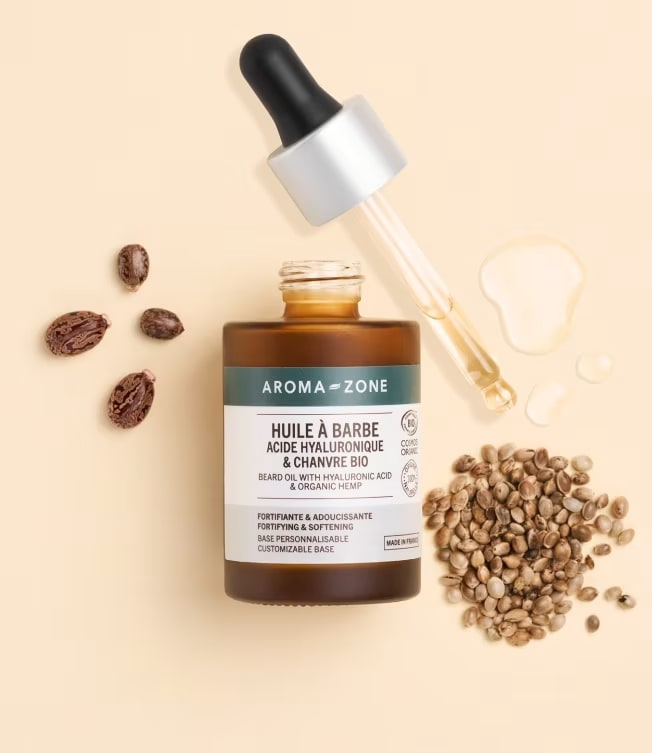
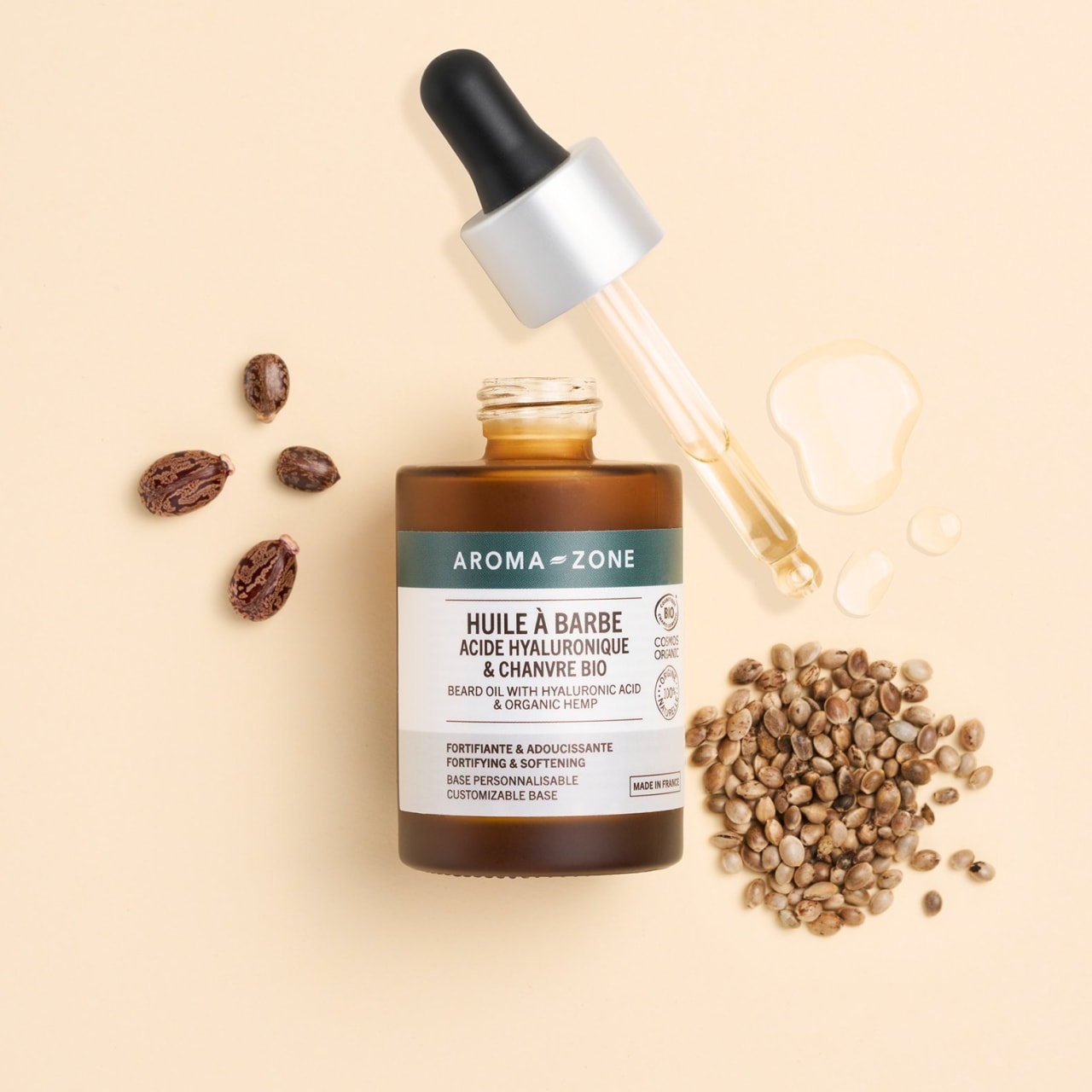
Beard Oil With Hyaluronic Acid & Organic Hemp
Strengthen your beard every day with our Organic Beard Oil. 100% natural, it’s enriched with a complex of marine extract and castor oil that promotes beard growth, particularly in sparser areas. It also contains hemp, argan, and castor plant oils to nourish, soften, and condition your beard hair. Finally, thanks to its hyaluronic acid content, this oil helps retain moisture in the hair and provides strength, resilience, and shine to the beard. It absorbs quickly, leaves no greasy residue, and is suitable for all skin and beard types.
Contraindications: Do not swallow. In case of contact with eyes, rinse with clean water. Customisation is recommended for adults only.
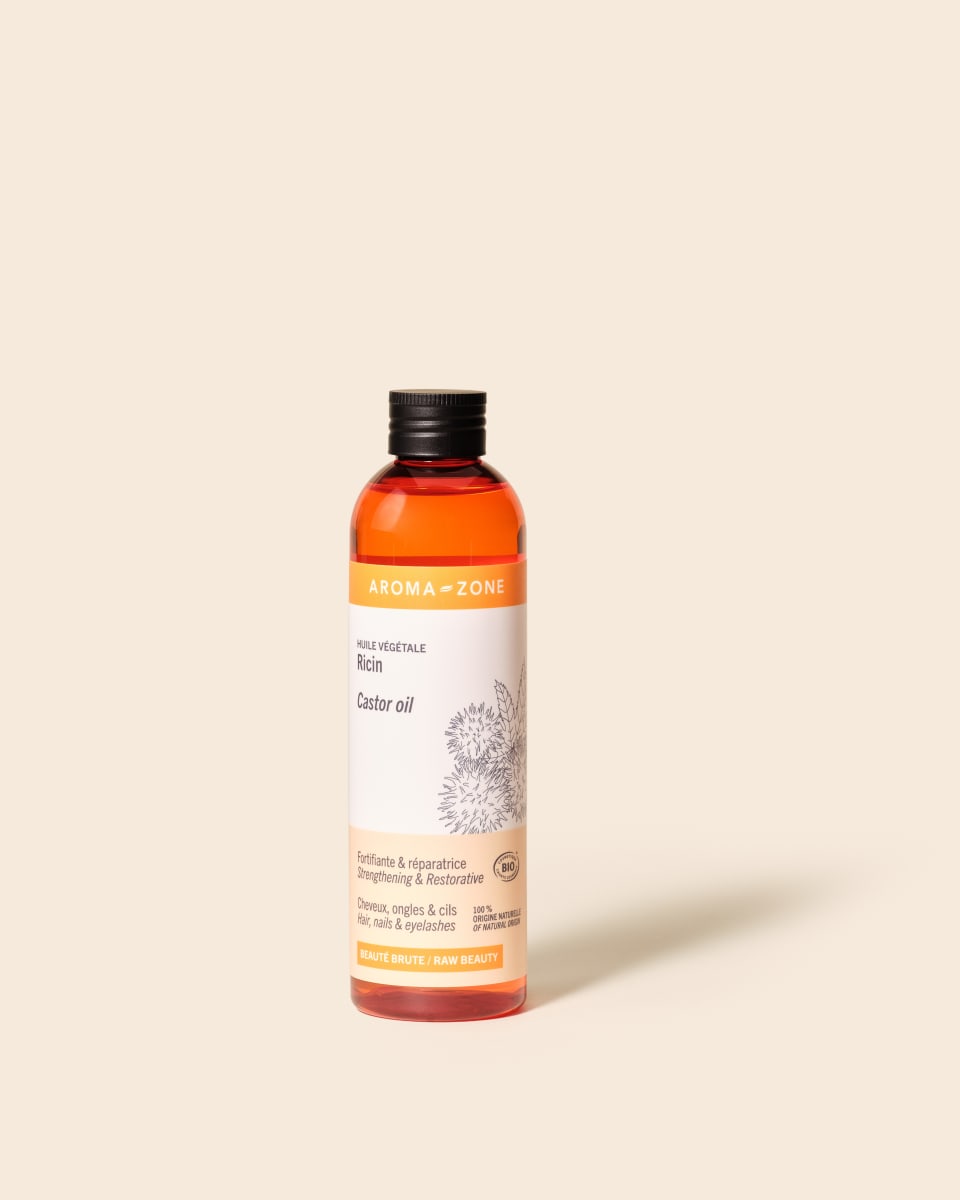
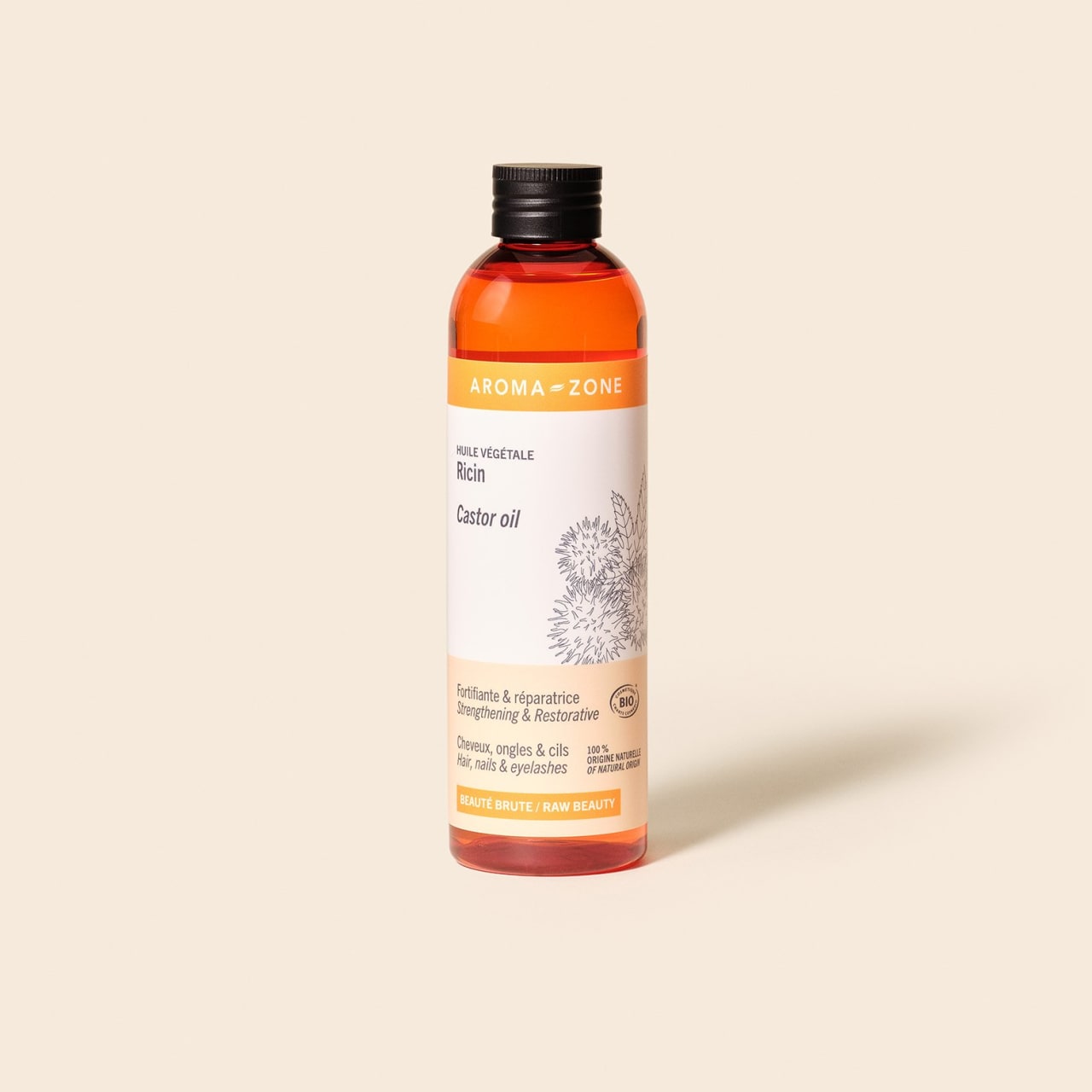
Castor Oil
Ideal for your homemade beard care products, castor oil is known to promote hair growth. At the same time, it soothes the skin in the beard area thanks to its softening and restorative properties.
Contraindications: Do not swallow. Due to its strong laxative and purgative effects, this oil should be used only for external cosmetic purposes. Keep out of reach of children.
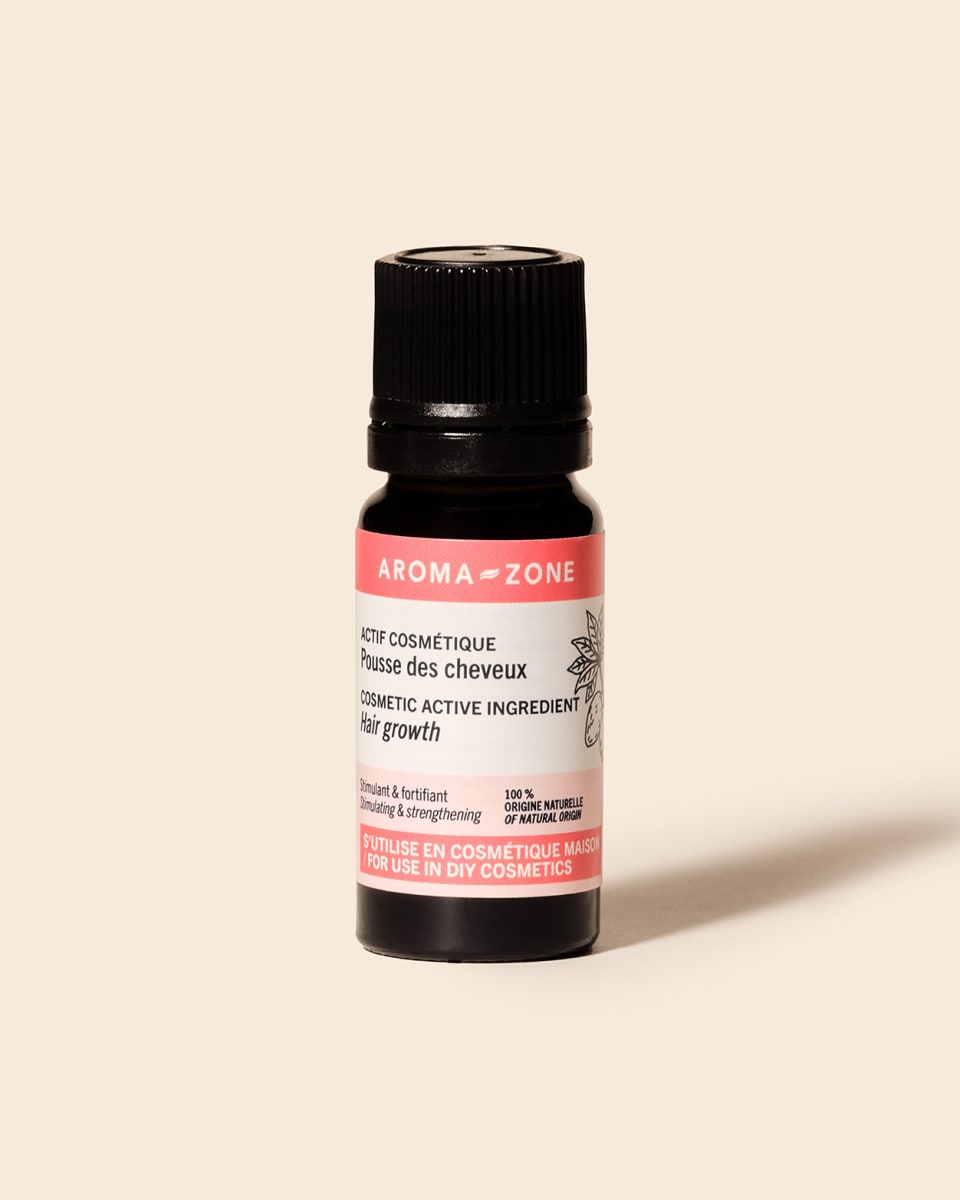
Hair Growth Active
Originally intended for hair, the Hair Growth Active can also be used in your homemade beard growth recipes. Extracted from an active microalgae rich in phytosterols and carried by sustainably grown sapote oil, this active ingredient stimulates the proliferation of fibroblasts in hair follicles. With its strengthening and revitalising properties, it boosts hair growth.
Contraindications: Do not swallow. Keep out of reach of children.
Precautions for Use
People undergoing medical treatment (such as anticoagulants or hormone therapy) or with a medical history are advised to consult their doctor or dietitian before making any dietary changes. Deficiencies in iron, zinc, or vitamins are common. A diagnosis by a healthcare professional is essential before starting any targeted supplementation.
Expert Advice
Beard growth is a slow and gradual process, measured in weeks and months rather than days. Even with a proper diet and regular topical care, several growth cycles are needed before you’ll notice a clear difference in density or coverage. It’s therefore normal for the effects to be subtle at first. Consistency and patience are essential to give hair follicles time to reach their full potential.
Meet Our Writer, Martin Grignoux

Martin is a web editor specializing in natural health and wellness solutions. Passionate about health, wellness, and aromatherapy, his area of expertise covers a wide range of topics. His experience in content creation allows him to write engaging and interesting articles to help you take care of your body and mind!
Bibliography
NIH, Influence of Nutrition, Food Supplements, and Lifestyle on Hair Disorders, 2022
https://pmc.ncbi.nlm.nih.gov/articles/PMC9650738/
NIH, “Androgens trigger different growth responses in genetically identical human hair follicles in organ culture that reflect their epigenetic diversity in life,” 2017
https://pmc.ncbi.nlm.nih.gov/articles/PMC5928870/