Our Experts’ Anti-Breakage Hair Care Routine
By The Aroma-Zone editorial team
Published on: Monday, June 15, 2026, Updated on: Friday, October 09, 2026
Hair breakage results from the hair fibre becoming weakened due to repeated damage (heat, brushing, colouring). These stresses alter the hair’s structure, lift the cuticle and reduce its strength, making it more vulnerable to breakage, particularly along the lengths and at the ends. (1)
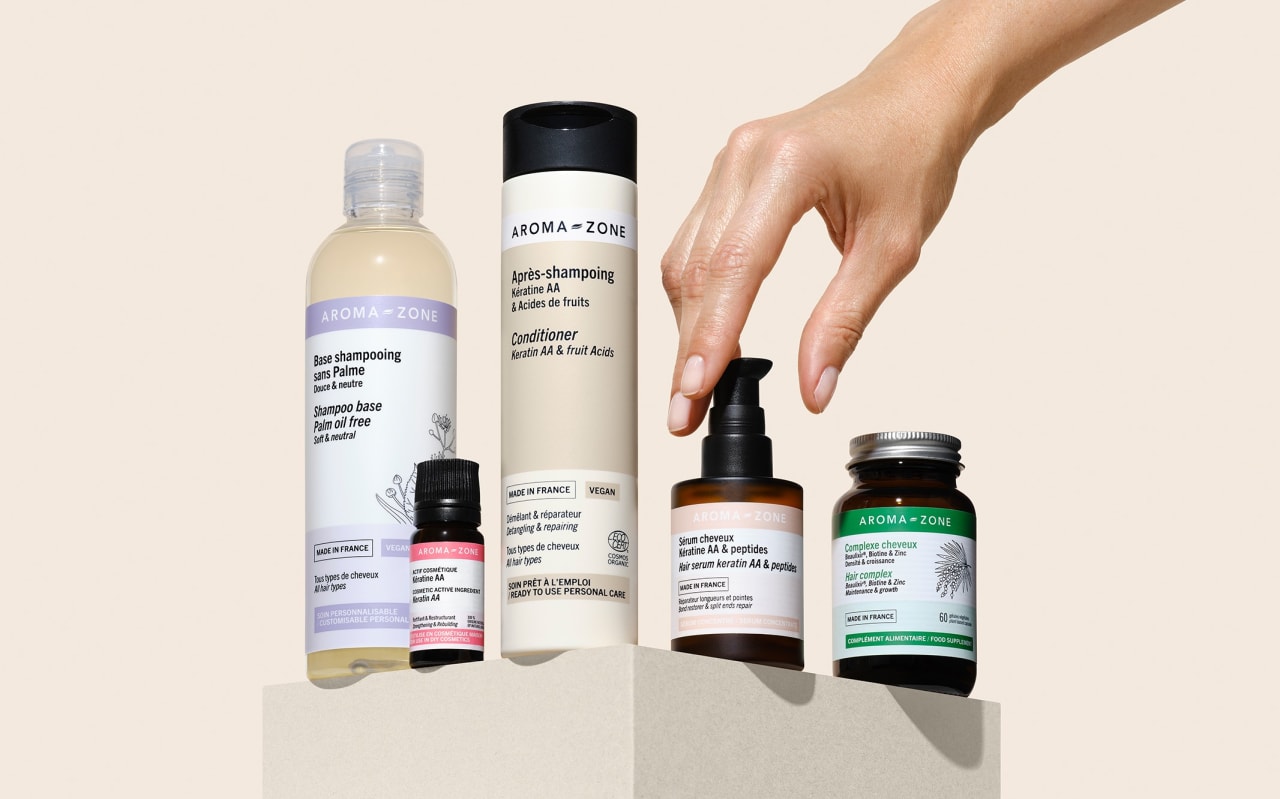
Endorsed by experts, our routine combines restorative, strengthening and protective treatments to reinforce the hair fibre and provide long-lasting protection against breakage.
Contents
Related products
Moisturising
Hair strengthening
£5.00
10 ml
£12.00
1 article
Repairing
Detangling
£9.00
200 ml
Hair strengthening
£12.50
50 ml
£20.00
1 article
Repairing
Hair strengthening
£11.00
250 ml
Anti-hair loss
£18.00
33.5 g
My 4-step routine
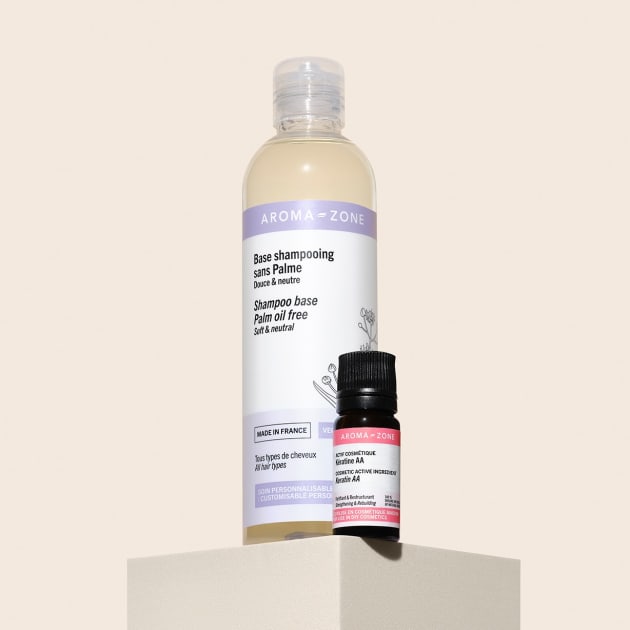
Step 1 – Wash your hair
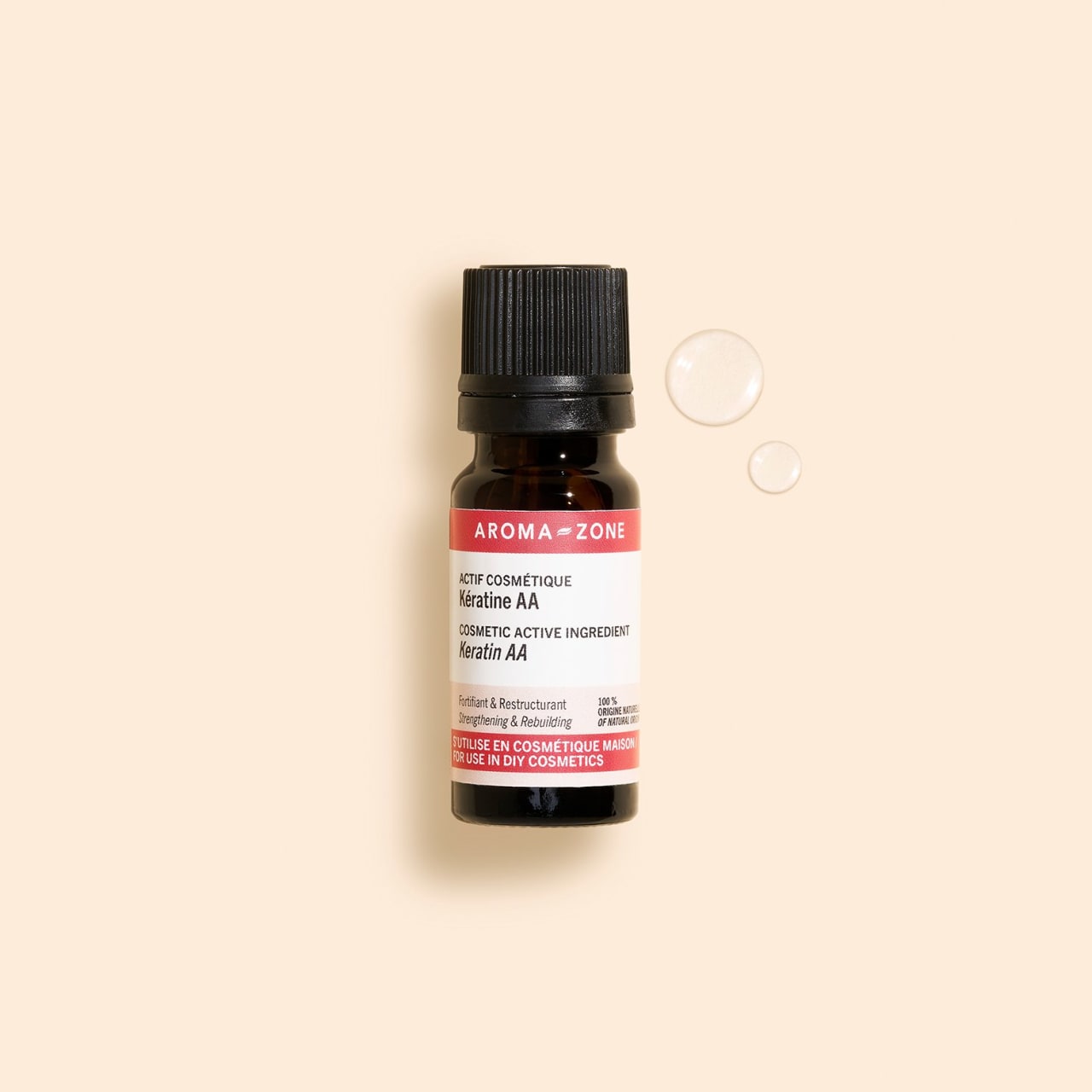
Palm-free neutral shampoo base & Keratin AA active ingredient
This shampoo base gently cleanses without damaging or drying out the hair. Combined with the Keratin AA active ingredient, it strengthens the hair fibre, improves resistance to breakage and boosts shine.
How to add the Keratin AA active ingredient to your shampoo base: Add 10ml of Keratin AA active ingredient directly into the 250ml shampoo bottle and shake thoroughly to ensure it is well mixed.
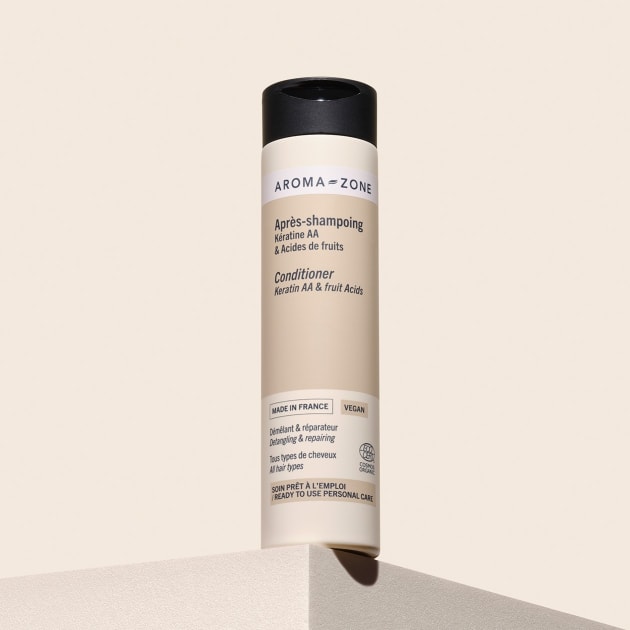
Step 2 – Detangle and repair the lengths
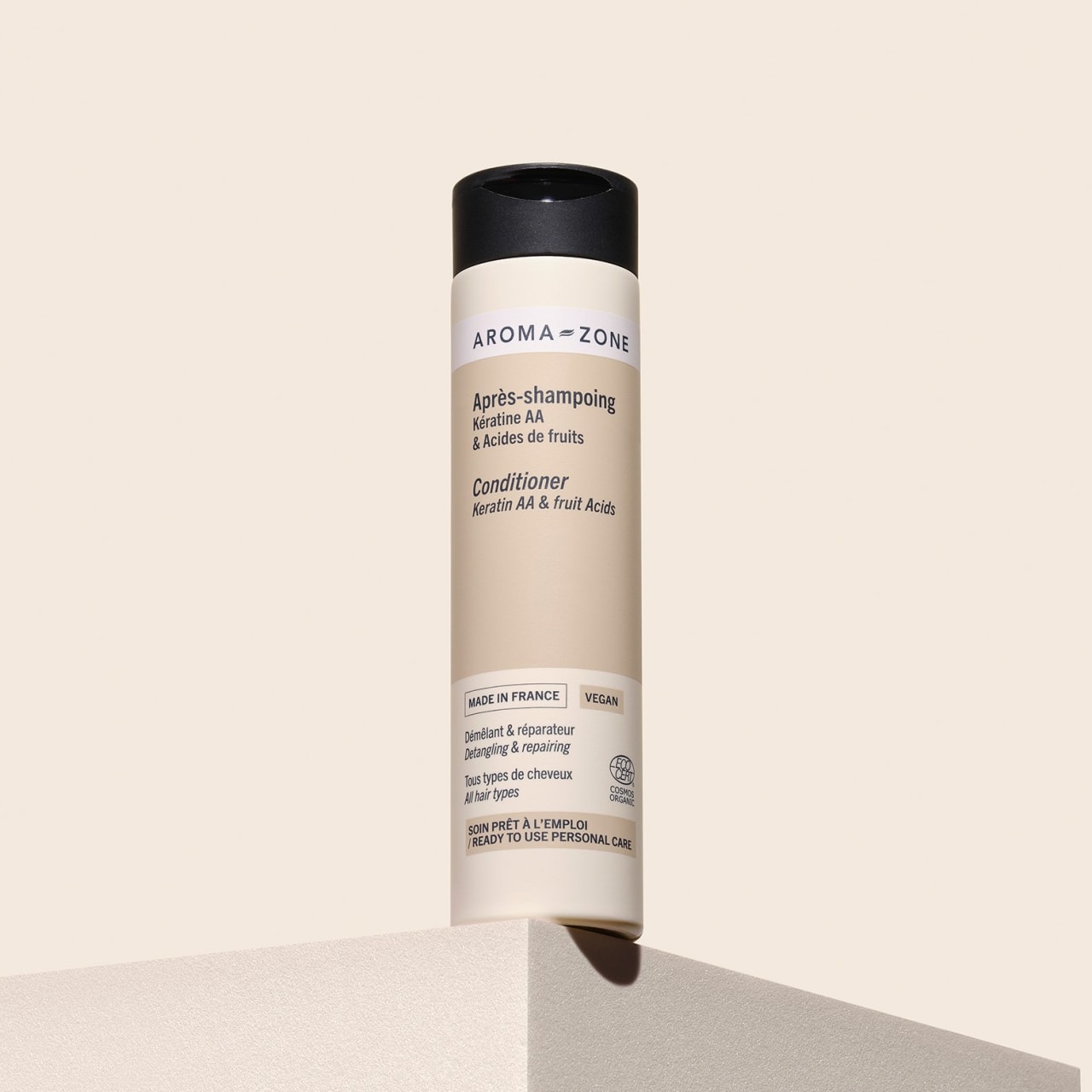
Detangling & Repairing Conditioner
Its formula combines a complex of fruit acids, biomimetic vegan keratin and arginine – innovative active ingredients recognised for protecting, rebuilding and strengthening the hair fibre, whilst making styling easier. Hair is left stronger, soft, shiny and light, without feeling weighed down.
Recommended use:
For dry, curly or textured hair: Apply generously to wet, towel-dried hair, from roots to ends. Leave on for 3 to 5 minutes for enhanced results, then rinse thoroughly.
For normal, fine or oily hair: Apply only to the lengths and ends, avoiding the roots. Leave on for 1 to 2 minutes, then rinse thoroughly.
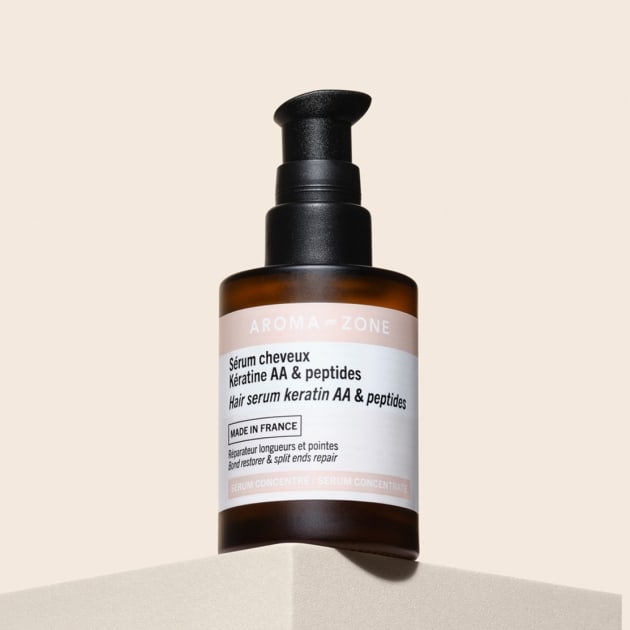
Step 3 – Targeting & repairing the hair fibre
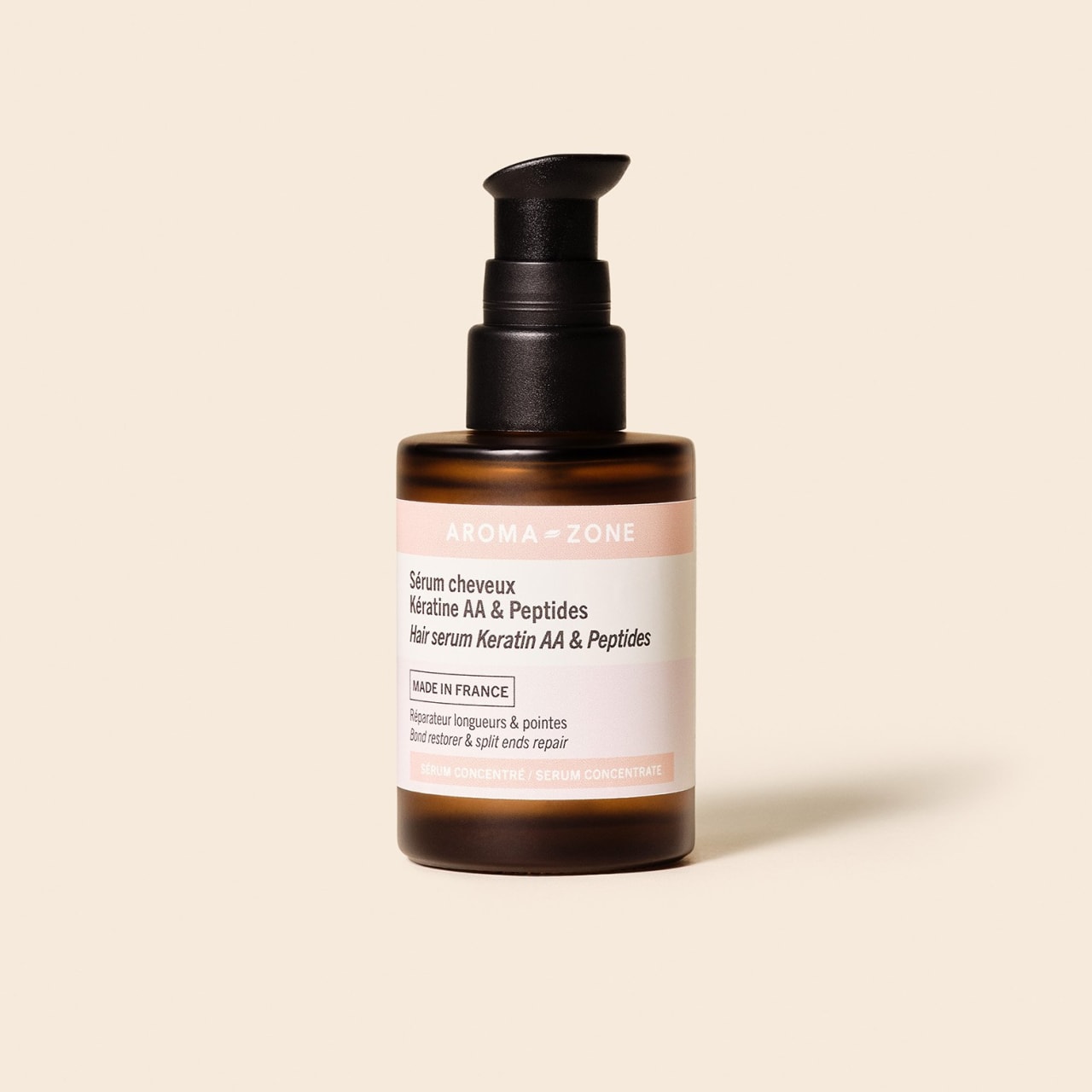
Keratin AA & Peptides Hair Serum
This leave-in serum repairs the hair’s structure thanks to a complex of amino acids and biomimetic keratin peptides. It acts directly on the hair fibre to restore its strength and minimise breakage.
Recommended use: Apply a few drops to the lengths and ends of damp or dry hair. Do not rinse.
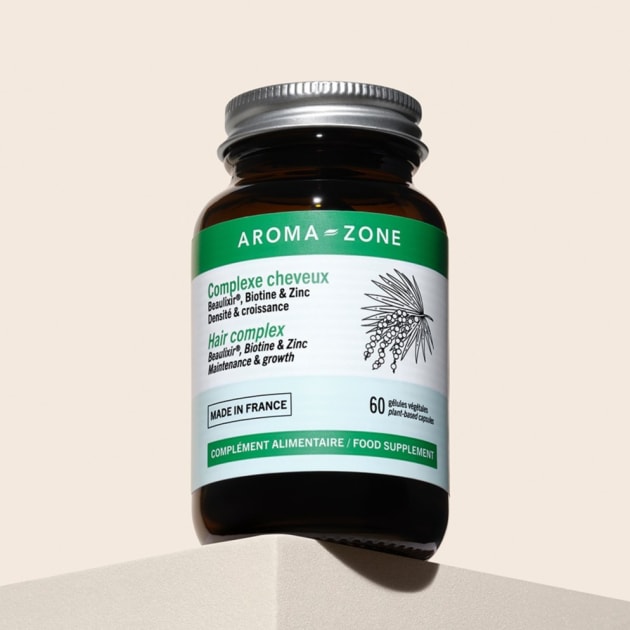
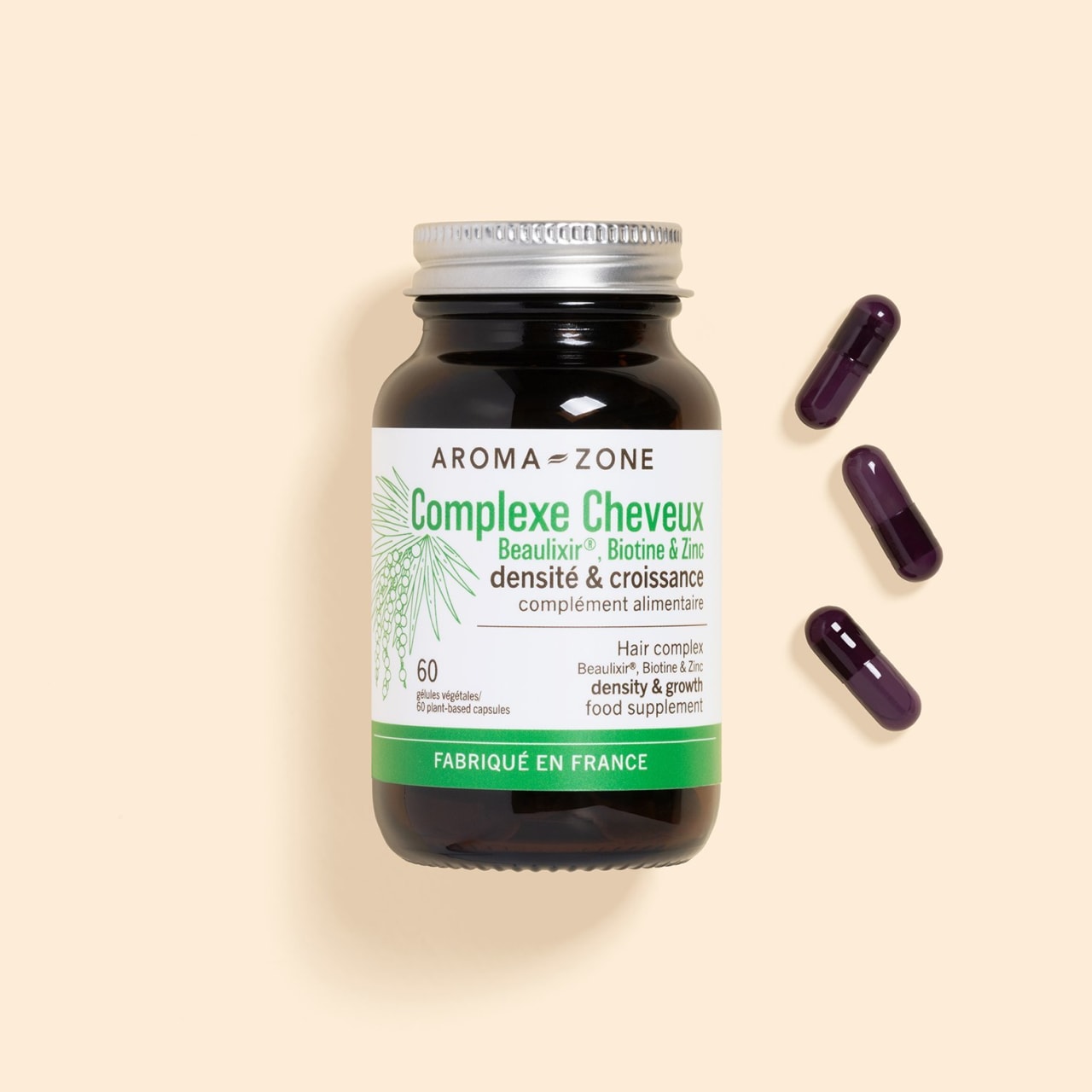
Step 4 – Strengthen your hair from within
Hair Complex – 60 capsules – Food supplement
Formulated with the active ingredient Beaulixir®, clinically proven to reduce hair loss and improve the appearance of the hair. It contains oily extracts of saw palmetto, borage, linseed, wheat and rye, as well as phytosterols from pine bark, which work synergistically with zinc and natural biotin (vitamin B8) to strengthen the hair fibre.
Recommended use: Take 2 capsules a day with a glass of water, preferably with a meal, in the morning or at lunchtime.
That extra step
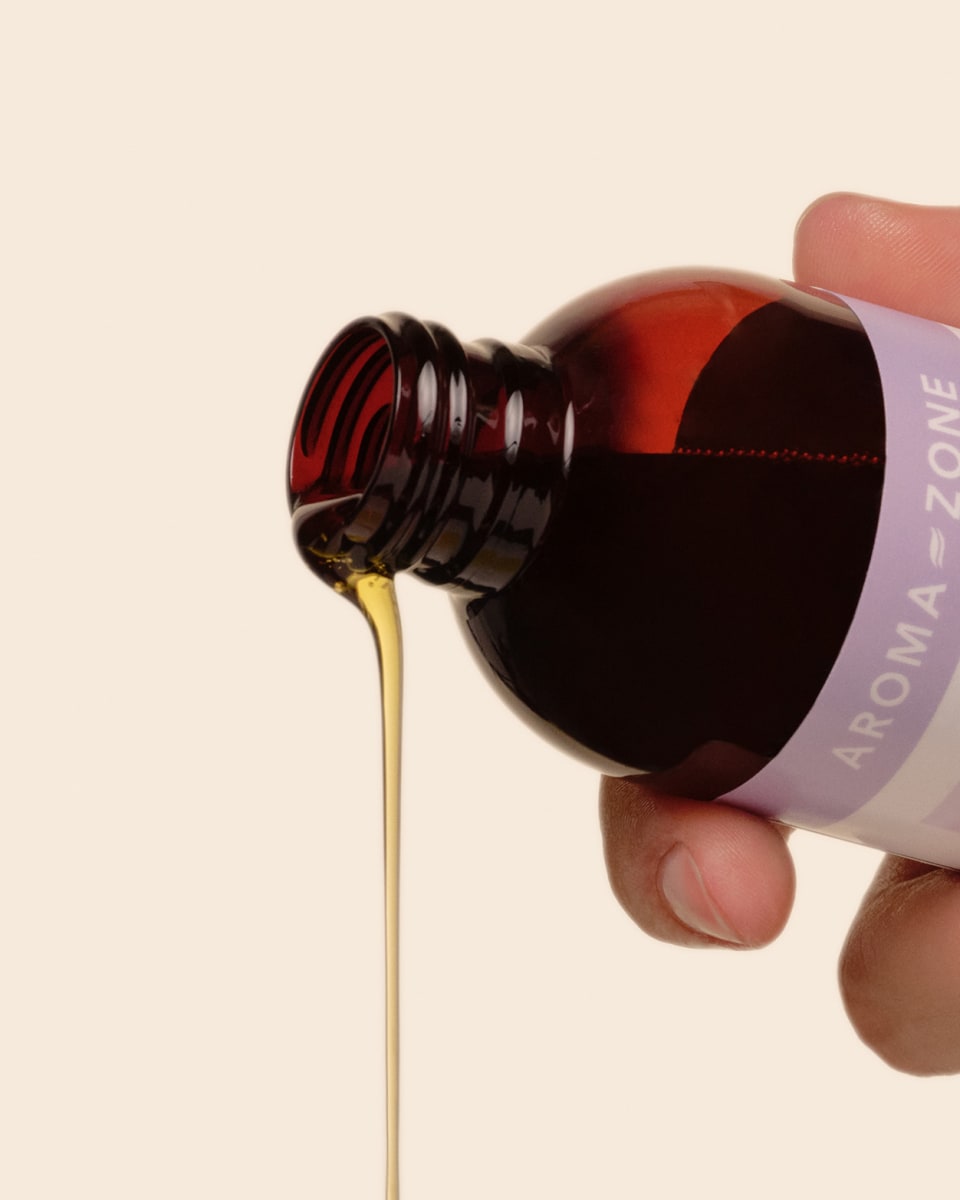
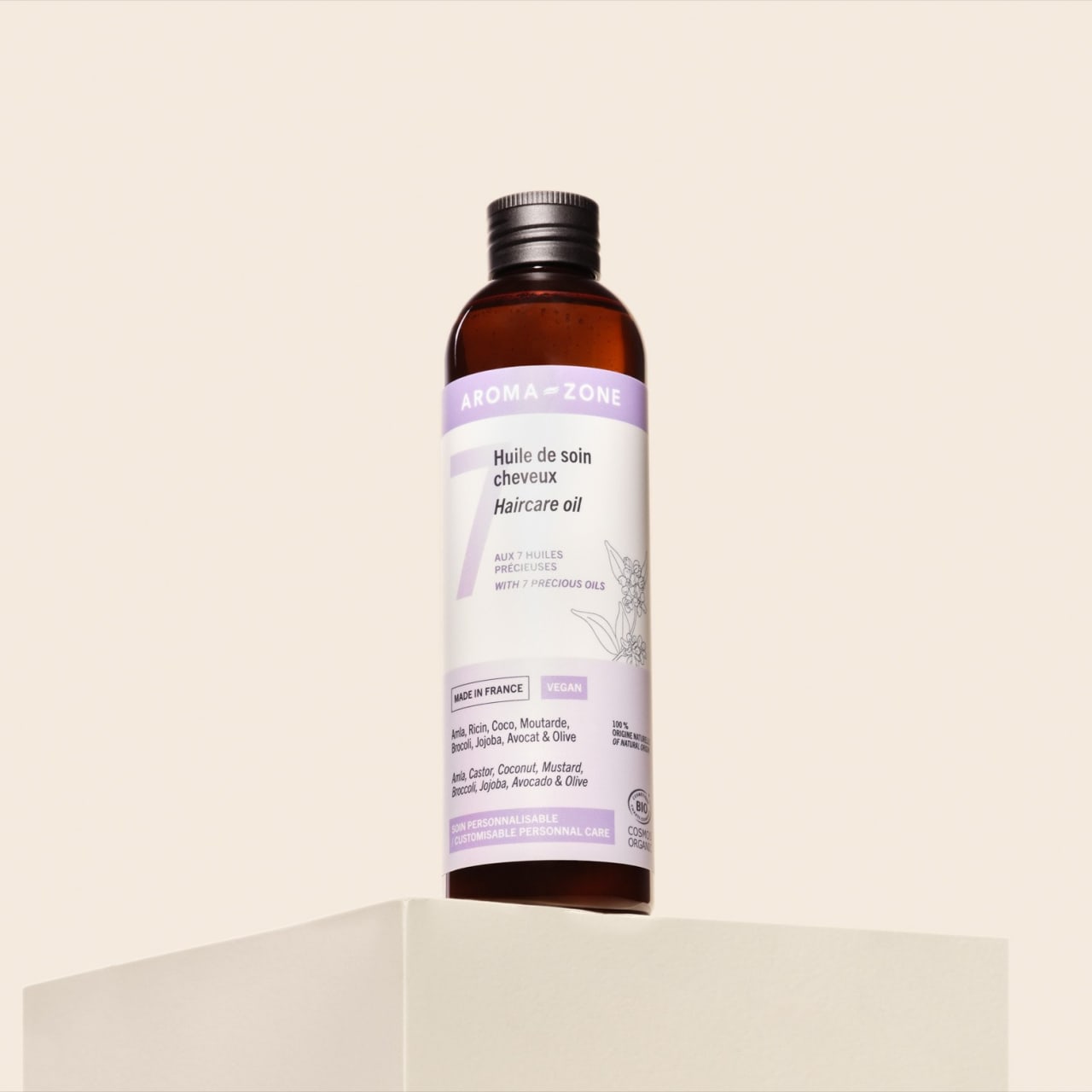
If your hair is dry, apply a small amount of Hair Care Oil to the ends once or twice a week.
A weekly DIY hair care treatment
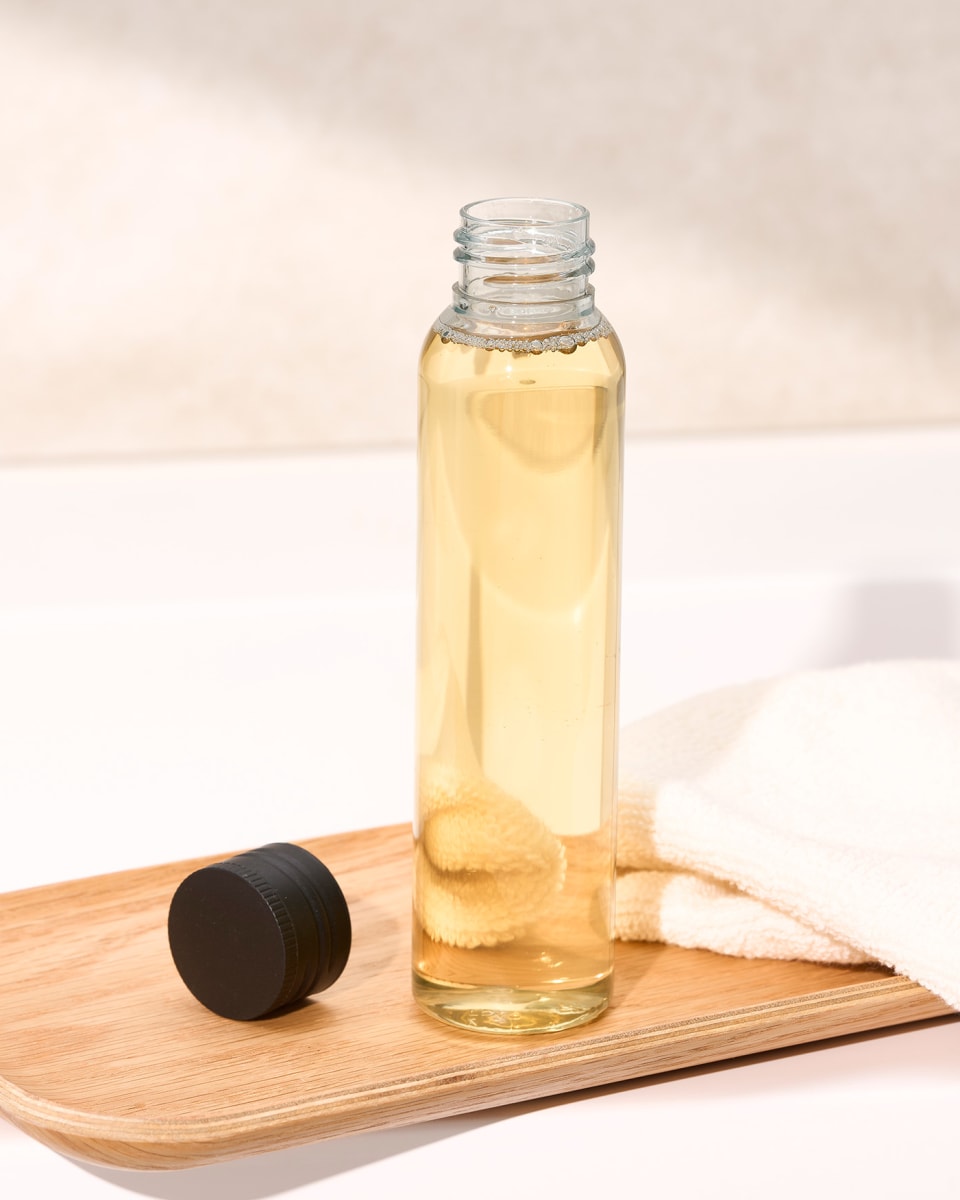
Repairing Oil Treatment:
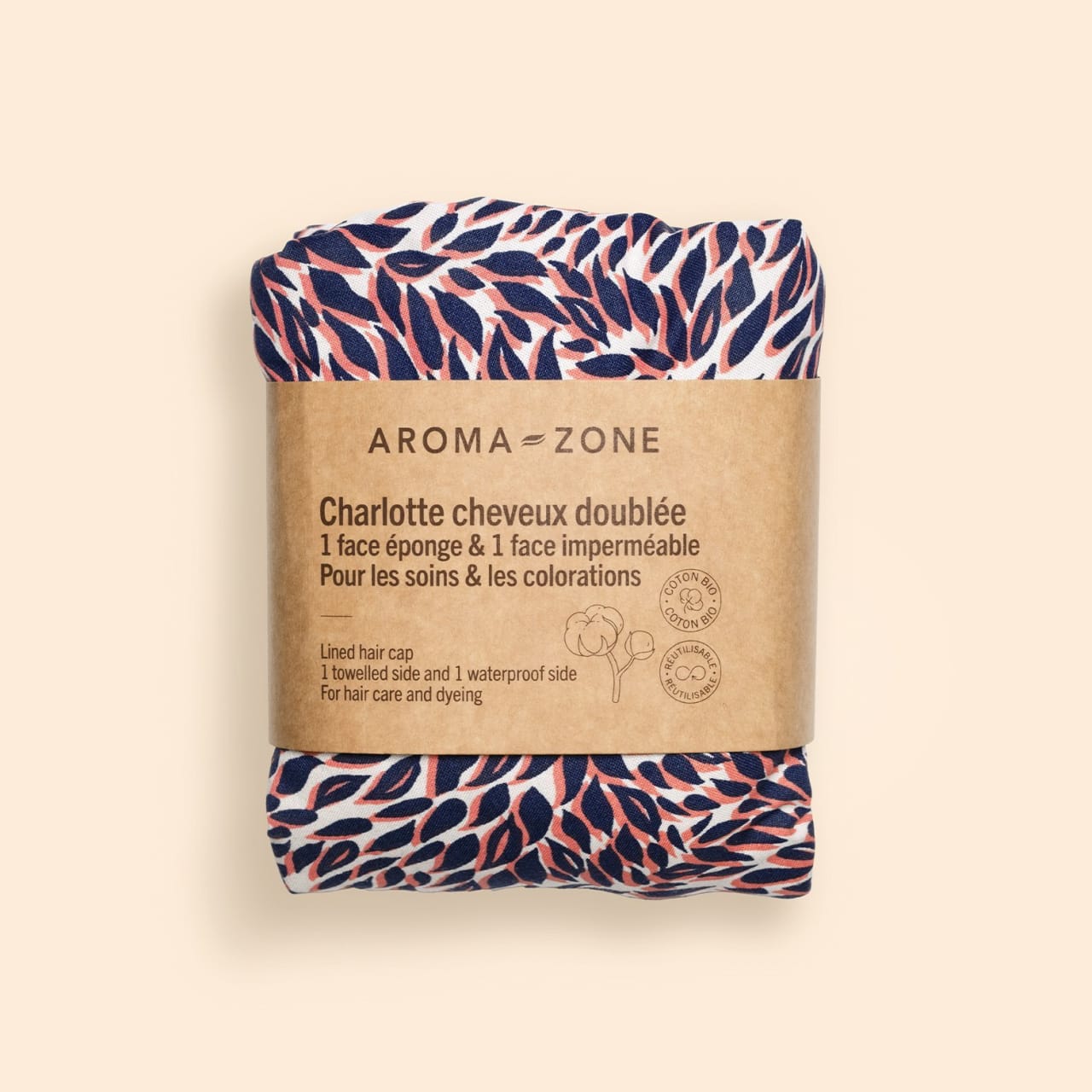
Ideal for damaged, split or brittle hair. This rinse-out oil treatment nourishes your hair. Rich in ceramides and essential fatty acids, which help to repair and nourish your hair. Oil treatments help to reduce hair breakage. Recommended use: Apply one or two small amounts to your entire head of hair. Massage into the scalp, lengths and ends to help the treatment penetrate. Leave on for 1 hour under a cotton hair cap, using the black terry-cloth side. Rinse out using a gentle shampoo.
The Aroma Solution

"Subject to daily damage, hair becomes brittle and eventually breaks along the lengths or at the ends. To combat this, mustard seed oil is an essential ally and is used as an oil treatment. Its benefits lie in its dual action: it stimulates local microcirculation to promote the delivery of nutrients to the hair follicle, whilst forming a protective coating around the hair shaft. To enhance this anti-breakage effect, it is best used in combination with Atlas cedar essential oil (4), recognised as a hair tonic, and diluted in coconut, sapote and argan vegetable oils, which help to fill in gaps, smooth the cuticle and restore the hair’s elasticity and shine. (5)(6)(7)(8)(9)(10)(11)"
Dr Anthony Touboul, Pharmacist specialising in aromatherapy
A word from the experts
Solange Priso, trichologist

“Hair breakage is one of the most common reasons for seeking advice. And yet, it is not inevitable. More often than not, it is a sign of hair strands starved of protein and a neglected scalp.
Hydrolysed keratin acts directly on the areas of breakage, filling the gaps in the cortex from the inside. But without a healthy scalp, new hair growth remains fragile from the outset (2).
An effective anti-breakage routine must therefore work on two levels: restructuring the hair shaft and nourishing the root. Combined with targeted supplementation, this dual action makes all the difference, visible from the very first weeks."
Marion Alves de Oliveira, naturopath

“Hair is mainly made up of keratin, a protein whose synthesis depends on the intake of amino acids, vitamins and minerals. An unbalanced or inadequate diet can affect the quality of the hair fibre, making it finer, more fragile and more prone to breakage.
Several nutrients play a key role: proteins (eggs, fish, pulses) contribute to the hair’s structure; B vitamins (wholemeal grains, pulses, nuts) support hair growth; whilst minerals such as zinc (seeds, seafood) and iron (pulses, meat, green vegetables) help to keep hair strong and resilient.
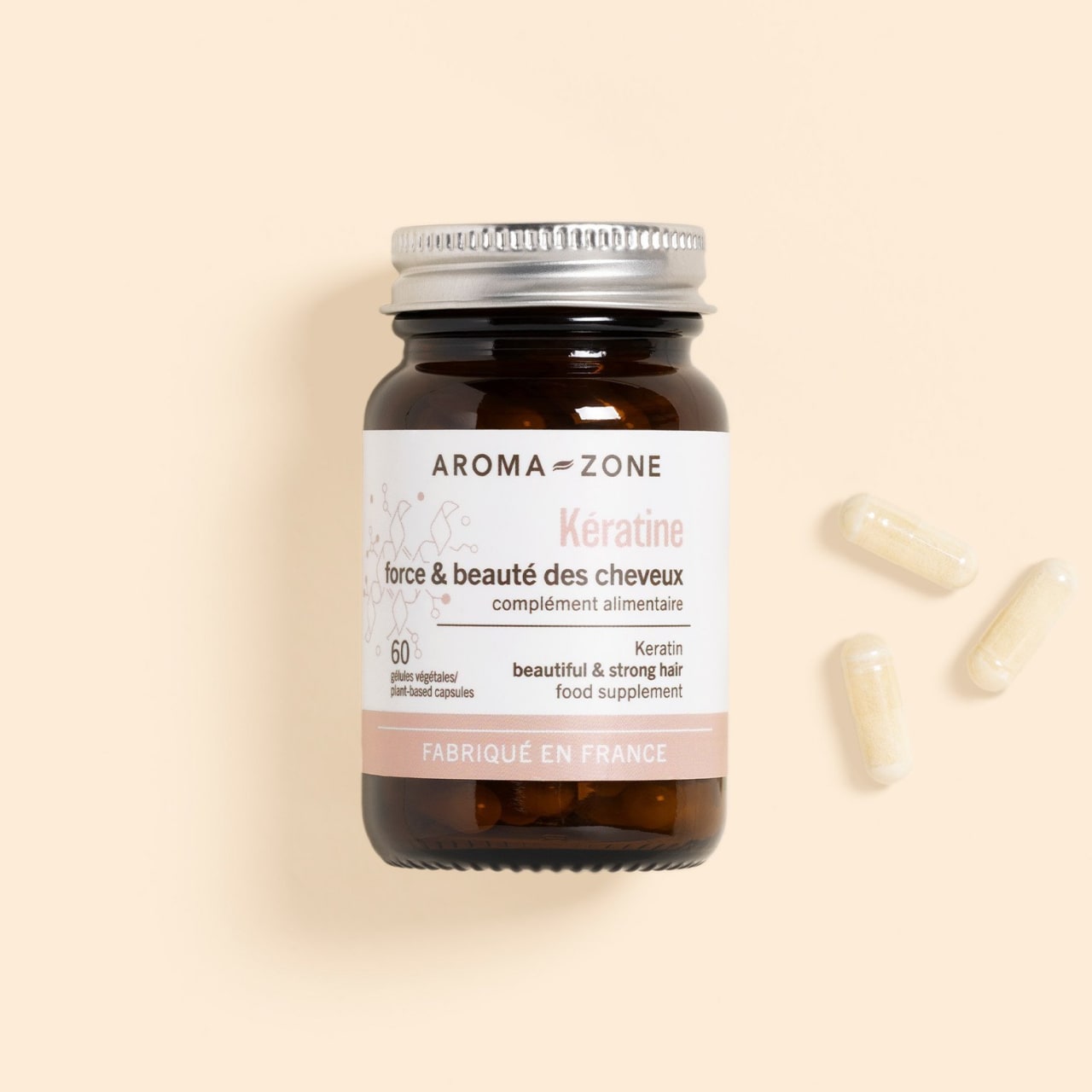
The Keratin dietary supplement - 120 tablets – This dietary supplement is formulated with the patented active ingredient Cynatine HNS®, which has clinically proven efficacy, and is particularly beneficial for the strength, quality and shine of the hair."
Good to know
The Complexe Cheveux dietary supplement, mentioned in our anti-breakage routine, can certainly be taken alongside the Keratin dietary supplement, which provides the amino acids essential for hair growth, vitality and strength.
Precautions for use
References